Skip to content
Better Report
  • Home
  • Health
  • Wealth
8 Low-Maintenance Plants That Thrive on Neglect
  • Search
  • Subscribe
  • Home
  • Health
  • Wealth
  • About
  • Privacy Policy
  • Terms of Use
  • Contact Us
  • SubscribeSubscribe
  • Search
Thank you for confirming your email! Welcome to the community.

Author: kellie

8 Things You Should and Shouldn’t Be Doing in the Gym

Health | Updated: November 15, 2023
Michael Nordine
Author
Michael Nordine is senior writer and editor at Inbox Studio. A native Angeleno, he lives in Denver with two cats but wishes he lived in Tokyo.
Better Report

Some of us are more comfortable in the gym than others. Everyone has to start somewhere, and following best practices is a great way to develop a routine that works for you as you begin your workout journey. With that in mind, here’s a list of what to do — and not do — in the gym.

Credit: Elina Fairytale/ Pexels

Do: Warm Up and Cool Down

A lot of us skip these important steps, preferring to start our workout immediately and go home the moment it’s done. It’s perfectly understandable — you only have so much energy, and you don’t want to feel like you’re wasting any of it — but it can also be harmful in the long run. Warmups help prevent injury and fatigue, whereas cooldowns promote recovery and prevent your muscles from getting sore. You can keep them both simple: jumping jacks, arm circles, or light cardio for your warmup, and stretches for your cooldown.

Advertisement
Advertisement

Don’t: Repeat the Same Workout Every Time

Variety is the spice of life, including in the gym. We all have our comfort zones, but you aren’t doing yourself any favors by sticking to the exact same exercises every time you visit the gym. It’s fine when you first start going and are still feeling your way through things, but once you’ve established a routine you should start trying new things. Repetition can lead to burnout, and changing it up will make your workout mentally and physically stimulating.
Credit: Elena Kloppenburg/ Unsplash

Do: Wipe Down Equipment After Using It

You’d be surprised how many people ignore this essential rule of gym etiquette. Beyond common courtesy, it’s simply good hygiene — just as you don’t want to experience someone else’s sweat, they don’t want to experience yours. (It’s also better for the equipment itself.) Luckily, this one is easy to put into practice. Every gym has paper towels and some kind of disinfectant spray at several different spots, and they’re there to be used.

Recommended Articles

  • The Safety Rules for Candles You Probably Don’t Know

  • 5 Things Your Car Needs Before the First Freeze

  • 6 Amazon Prime Day Hacks

  • 5 Things To Ask Your Doctor About the New Flu Shot

Advertisement
Advertisement

Reader Favorites

  • Woman looking in fridge

    9 Foods You Should Toss ASAP if They’re Expired

  • Person eating salad

    7 Things a Chef Never Orders at a Restaurant

  • Cherry angioma

    Are the Tiny Red Dots on Your Skin Dangerous?

Don’t: Text in Between Reps

We all need to take a moment between sets, but spending too much time on your phone can turn what should be a brief respite into an extended break. It would be one thing if that were just inconsiderate of anyone who might be waiting to use whichever machine you’re on, but research shows that it can also have a negative impact on both balance and stability.
Credit: Lee Catherine Collins/ Pexels 

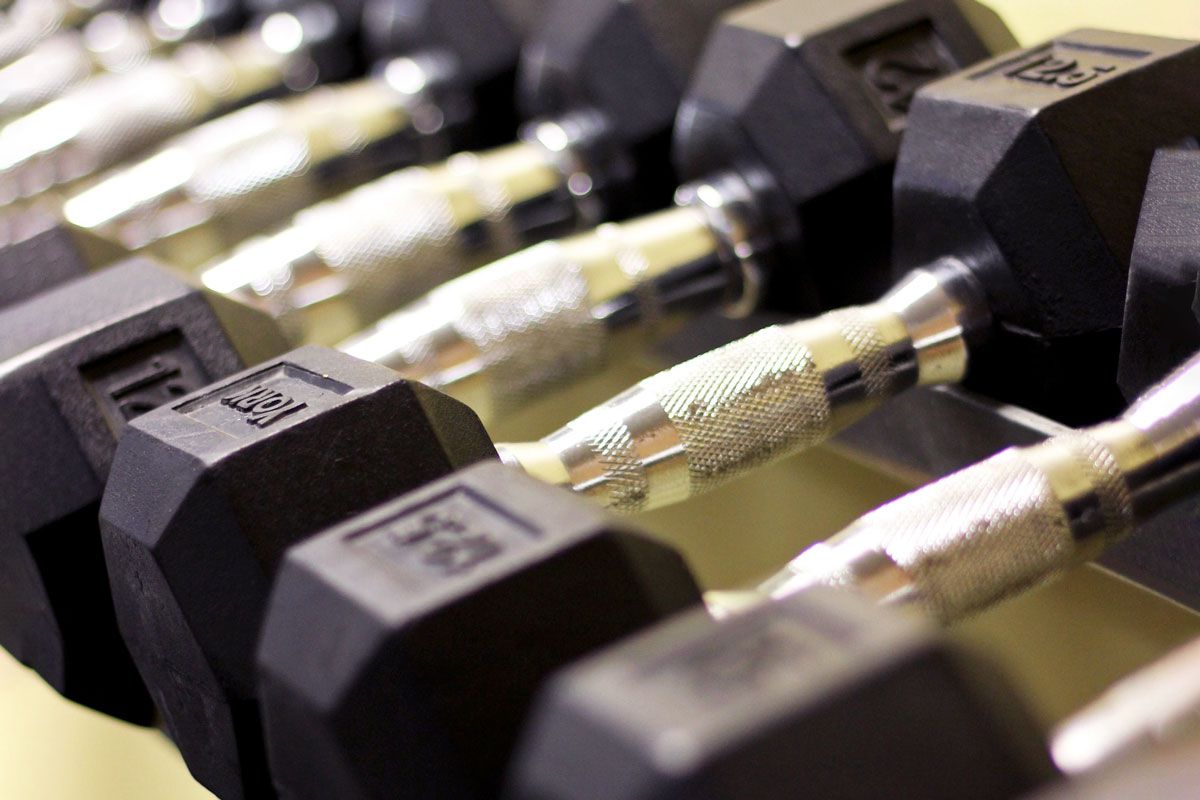
Do: Rack Weights Properly

This one might sound obvious, but you’d be unpleasantly surprised by how many people ignore it. If you’re using a 10-pound dumbbell, put it back in the correct spot. As ever, remember that you’re not the only person in the gym, and other people’s needs are just as important as yours. We’re living in a society, people!

Advertisement
Advertisement

Don’t: Give Unsolicited Advice

Unless you’re a personal trainer advising a client, let everyone else do their own thing. Most of us are self-conscious enough without having someone come up to us to give advice that may or may not even be right, so don’t be that person. If you see someone doing something flagrantly wrong that could harm them or someone else around them, find an employee and let them handle it.
Advertisement
Credit: Samantha Gades/ Unsplash 

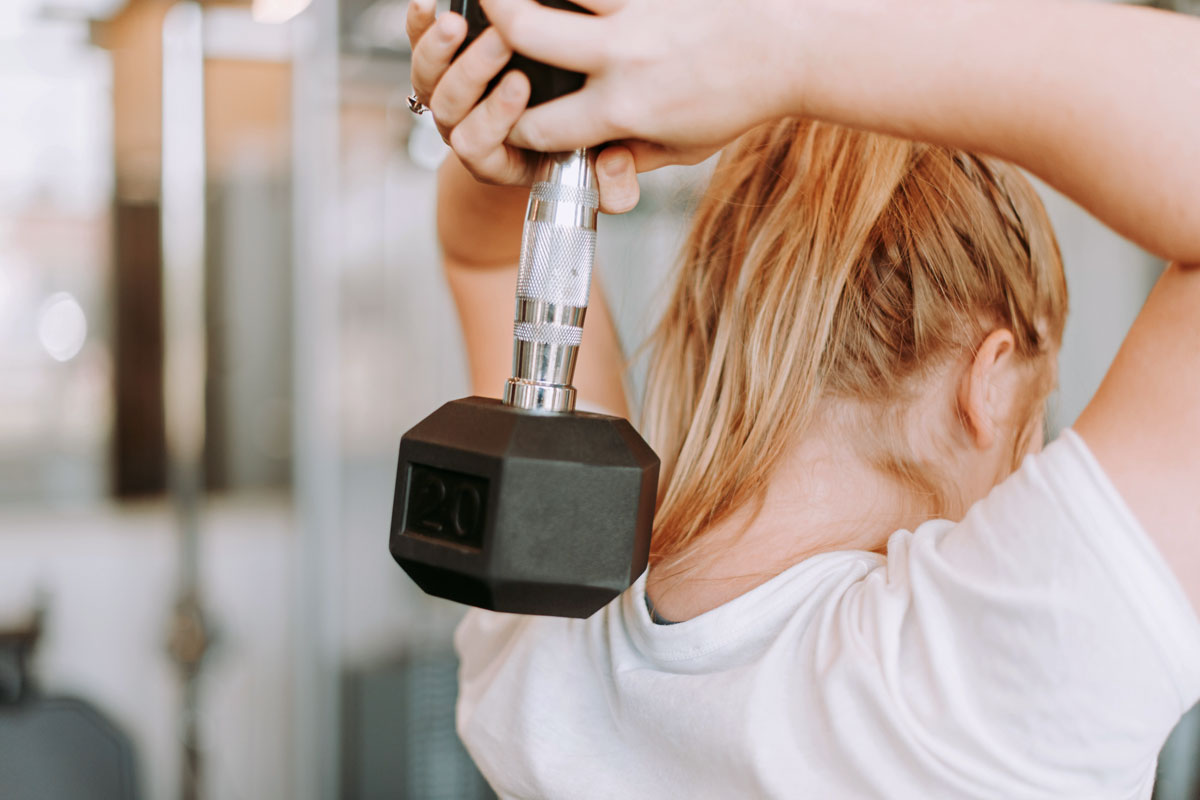
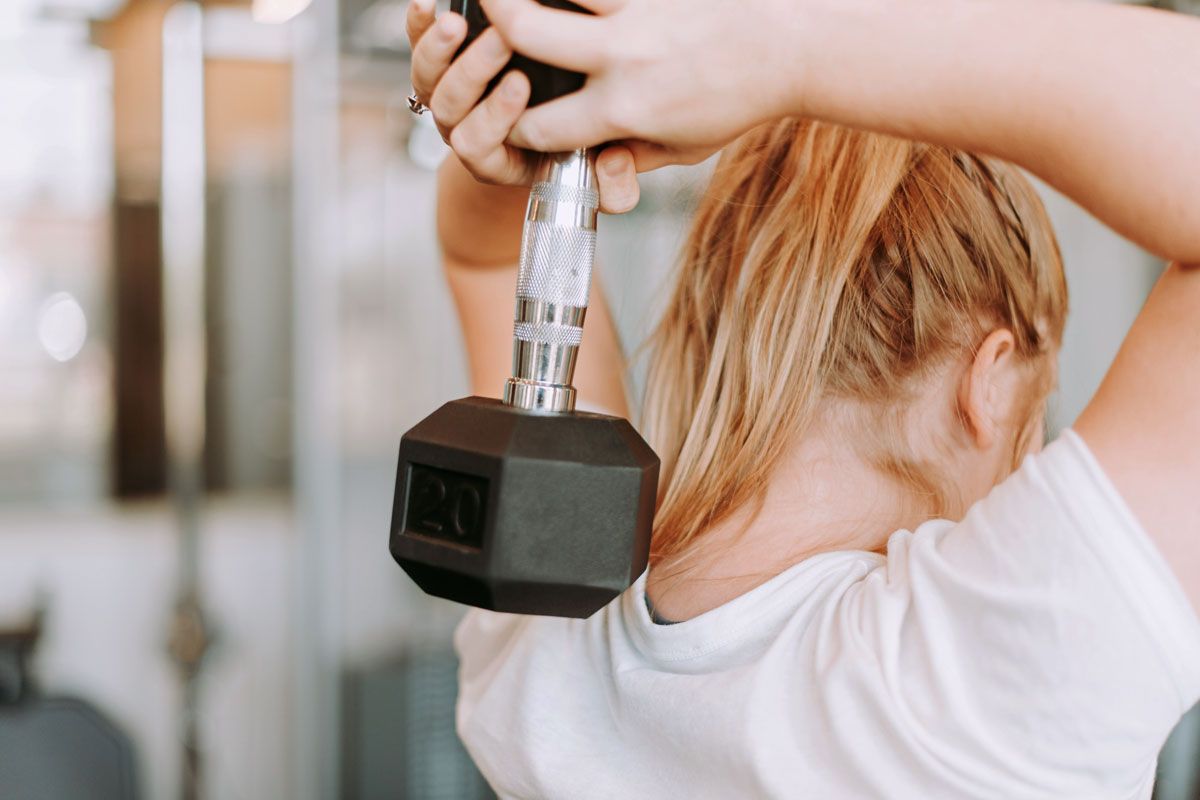
Do: Use Proper Form

This one’s easier said than done, but that doesn’t make it any less essential. Many a would-be gym rat has injured his- or herself by not only doing too much, too fast but also doing it wrong, leading to injuries that prevent them from returning. It’s a vicious cycle, which is why it’s so crucial that you focus on form before intensifying your workout regimen. Whether you need to watch instructional videos or ask a more experienced friend for tips.

Advertisement
Advertisement

Don’t: Skip Leg Day

Just don’t do it, folks.

Featured Image Credit: Samantha Gades/ Unsplash

More From Our Network

Better Report is part of Inbox Studio, an email-first media company. *Indicates a third-party property.

Go Retro With This 1960s Fashion Quiz

Quiz Daily

Go Retro With This 1960s Fashion Quiz

True or False: Are You a Master of U.S. Geography?

Travel Quiz

True or False: Are You a Master of U.S. Geography?

5 Reasons You Can Be Denied Boarding an Airplane

Daily Passport

5 Reasons You Can Be Denied Boarding an Airplane

What Did People Do Before Eyeglasses?

History Facts

What Did People Do Before Eyeglasses?

How To Use a Balloon To Clean Up Dust

House Outlook

How To Use a Balloon To Clean Up Dust

11 Shopping Hacks Costco Members Should Know

FinanceBuzz*

11 Shopping Hacks Costco Members Should Know

Share this article

  • Share to Facebook
  • Share to Twitter
  • Copy Url
  • Share to Email
Michael Nordine
Staff Writer

Michael Nordine is senior writer and editor at Inbox Studio. A native Angeleno, he lives in Denver with two cats but wishes he lived in Tokyo.

This article is for general informational purposes only.
Affiliate Disclaimer Medical Disclaimer Financial Disclaimer

Updated: July 3, 2023
Posted In: Health
Hero Image Credit: Better Report
Advertisement

Related Articles

5 Things To Ask Your Doctor About the New Flu Shot

5 min read

Is Sourdough Actually Healthier Than Regular Bread?

7 min read

Do You Really Need a Bidet in Your Home?

4 min read

3 Common Sleep Habits That May Be Aging Your Brain

5 min read

Is the Traditional Mediterranean Diet Actually the Best for Your Brain?

4 min read
Advertisement

6 Freezer Hacks You Should Know

Home | Updated: January 2, 2024
Bennett Kleinman
Author
Bennett Kleinman is a New York City-based staff writer for Inbox Studio. He is also a freelance comedy writer, devoted New York Yankees and New Jersey Devils fan, and thinks plain seltzer is the best drink ever invented.
Better Report

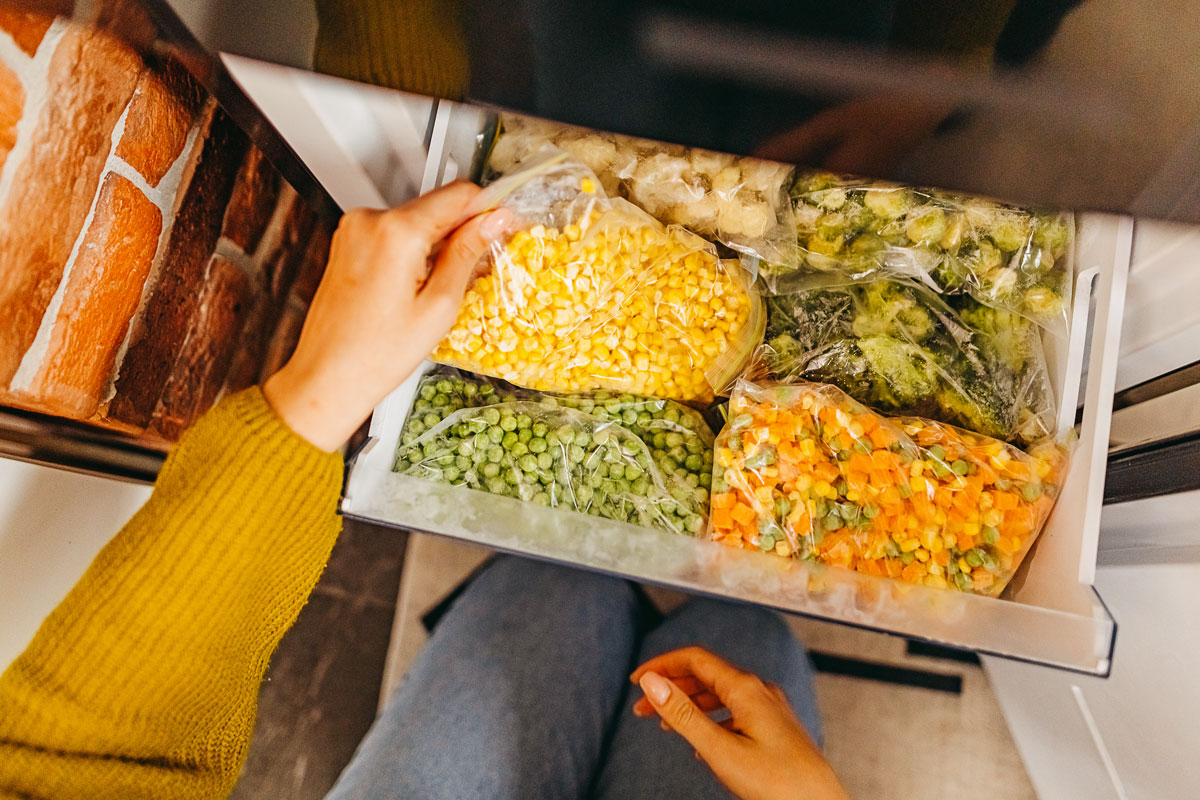
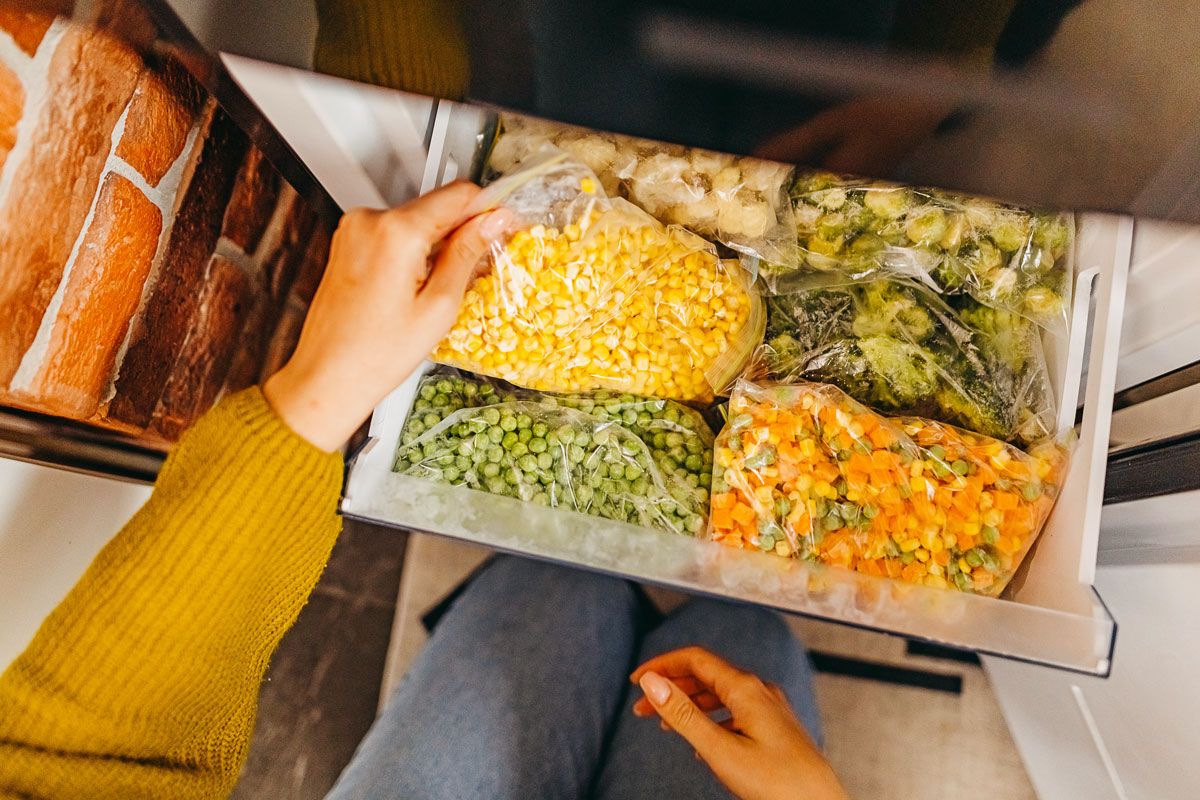
Freezers aren’t just for ice cube trays and frozen pizzas. These coolers have a wide variety of uses, from keeping products fresh to prolonging shelf life and even making some items more durable. However, freezers are an often underutilized tool for extending the usage of various household items. Here are six freezer hacks you should know.

Credit: Rapeepong Puttakumwong/ Moment via Getty Images

Get the Chewing Gum Off Your Shoe

Stepping in gum is a nightmare, especially when you’re wearing your favorite pair of shoes. Rather than pick away at that sticky residue for hours, you can use your freezer to your advantage. Take your gum-covered shoe, put it in a large plastic bag, and make sure that the exposed side of the gum sticks to the bag. Let it freeze for two hours and voila! The gum should stick to the bag when you remove your shoe, leaving the sole completely clean. If you’re short on time, you can also place an ice cube directly against the gum for 15 minutes. This should harden the gum enough that you can then easily remove most of it with a toothpick.

Advertisement
Advertisement
Credit: Ioann-Mark Kuznietsov/ Unsplash

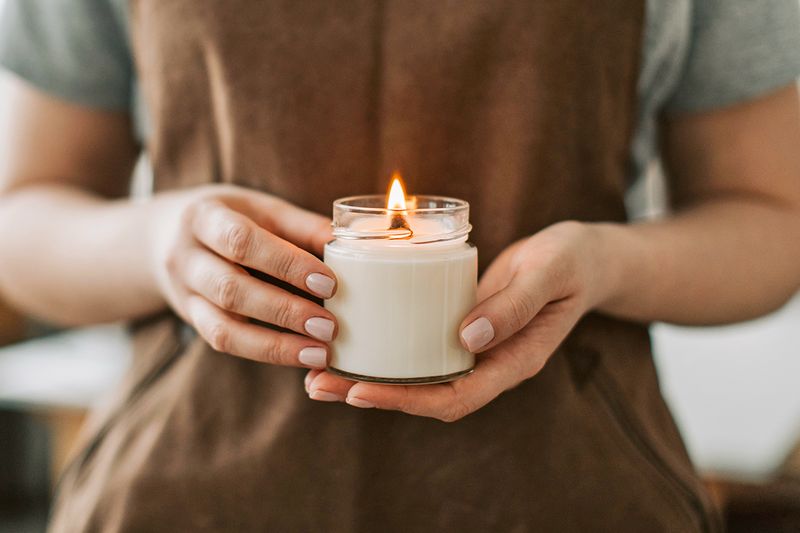
Make Your Wax Candles Last Longer

You can extend the life of your wax candles by placing them in the freezer. Essentially, the wax freezes, causing the candle to melt much slower than it would if left at room temperature. Depending on the candle’s thickness, it’s recommended to store it in the freezer for anywhere between one to eight hours, with thicker candles requiring a longer time. Don’t worry about the candle losing its pleasant smell, as that lovely aroma will be left unchanged by the freezing process. Plus, you can even use your freezer to easily remove any wax candle from a glass jar, as wax shrinks when it freezes meaning the candle will slide right out, allowing you to recycle or reuse the container.

Recommended Articles

  • The Safety Rules for Candles You Probably Don’t Know

  • 5 Things Your Car Needs Before the First Freeze

  • 6 Amazon Prime Day Hacks

  • 5 Things To Ask Your Doctor About the New Flu Shot

Advertisement
Advertisement

Reader Favorites

  • Woman looking in fridge

    9 Foods You Should Toss ASAP if They’re Expired

  • Person eating salad

    7 Things a Chef Never Orders at a Restaurant

  • Cherry angioma

    Are the Tiny Red Dots on Your Skin Dangerous?

Credit: StefaNikolic/ E+ via Getty Images

Strengthen Your Pantyhose and Tights

Pantyhose and tights are incredibly finicky and known to snag and develop massive holes. However, you can strengthen the fibers of any pair by freezing them, which makes them less prone to future runs. Take your tights, hold them underwater until damp, then freeze them in a plastic bag overnight. After removing them, give them a day to defrost and your pantyhose will be stronger than ever. Don’t worry about doing this every time, as it only takes one freeze to permanently strengthen the fibers going forward.

Credit: Prasert Krainukul/ Moment via Getty Images

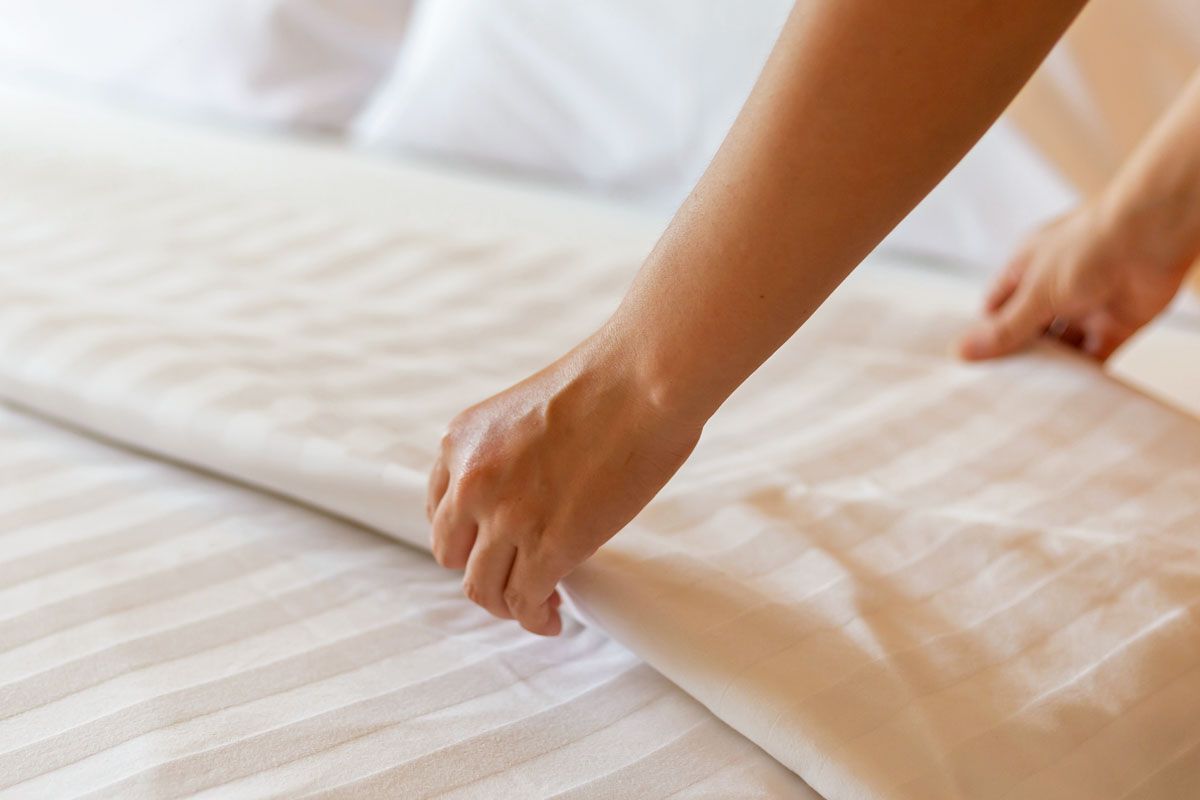
Keep Your Pillowcases and Sheets Cool

Depending on where you live, summertime sleep can be brutal, and in those instances, there’s nothing more refreshing than the cold side of the pillow. You can ensure that you sleep in ice-cold comfort by keeping pillowcases — as well as bedsheets — in the freezer for a few hours before you hit the hay. While your frozen sheets won’t remain cool throughout the night, they’ll be nice and cold for 30 to 60 minutes, allowing for plenty of time for you to fall into a deep sleep before they start to warm up again.

Advertisement
Advertisement
Credit: Ranurte/ Unsplash

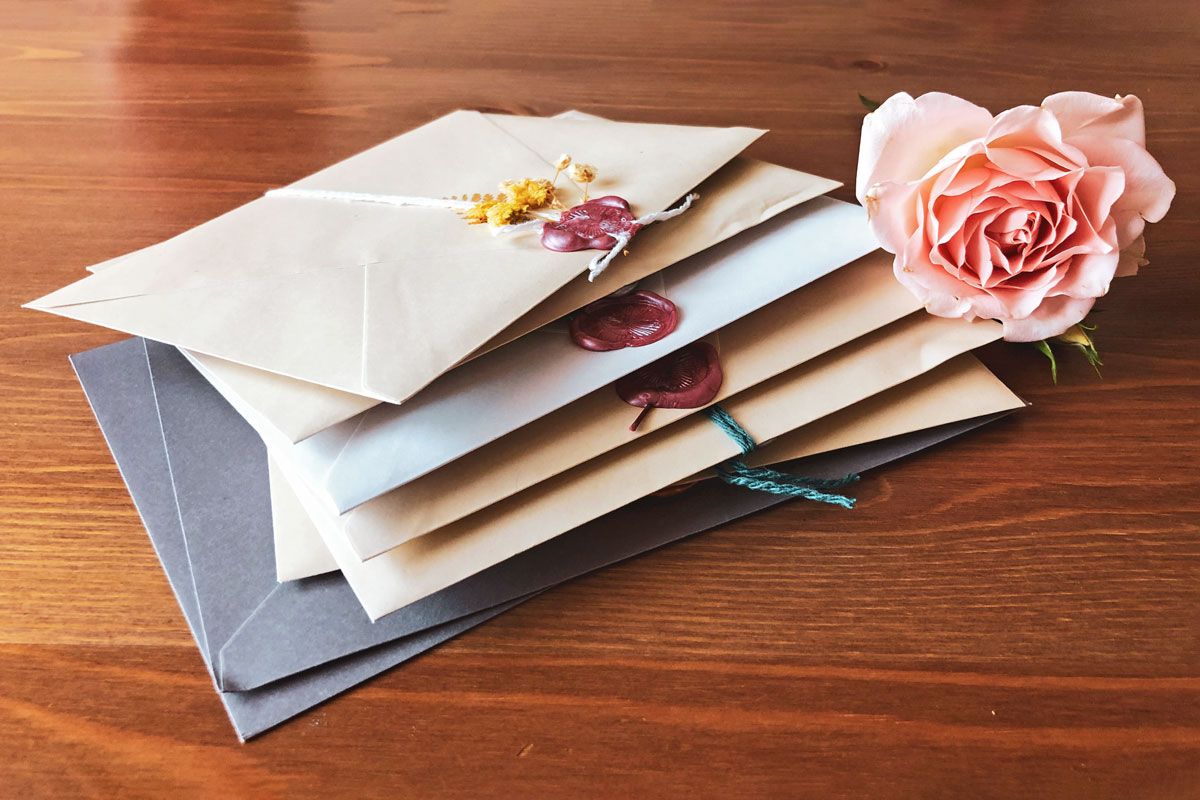
Re-Open Sealed Envelopes

Have you ever sealed an envelope, only to realize you forgot to include something in the letter you just wrote? Rather than tear the envelope open, you can easily pop that letter open again by leaving it in the freezer for an hour or two. Put the envelope in a plastic bag to prevent any moisture from creeping in and then freeze. After some time passes, you can use a knife to easily re-open the envelope without causing any damage, as the cold temperatures weaken the adhesive. After you’re done editing the letter, you should be able to easily reseal the envelope using moisture once the adhesives reach room temperature once again.

Credit: Liudmila Chernetska/ iStock via Getty Images

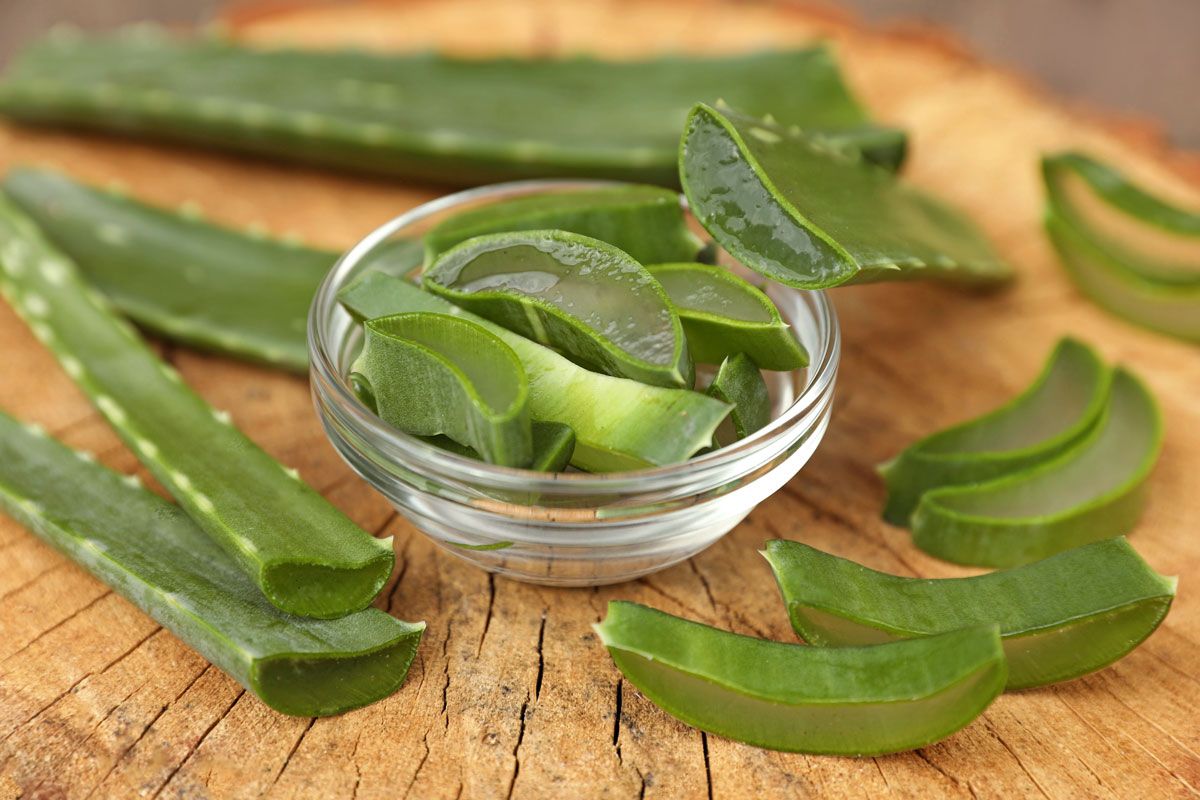
Soothe Your Sunburn With Aloe Vera Cubes

Aloe vera is one of the best natural skin products around and can be particularly helpful with easing the pain of a bad sunburn. Using either the fresh juice straight from an aloe plant or pre-extracted gel, pour some aloe vera into an ice cube tray and let it freeze. Whenever you suffer a bad sunburn, or if you’re just dealing with puffiness around the eyes, you can use one of these aloe vera cubes for instant cooling relief. Plus, aloe is hypoallergenic, so the cube will benefit even the most sensitive of skin types.

Advertisement

Featured Image Credit: StefaNikolic/ E+ via Getty Images

More From Our Network

Better Report is part of Inbox Studio, an email-first media company. *Indicates a third-party property.

Go Retro With This 1960s Fashion Quiz

Quiz Daily

Go Retro With This 1960s Fashion Quiz

True or False: Are You a Master of U.S. Geography?

Travel Quiz

True or False: Are You a Master of U.S. Geography?

5 Reasons You Can Be Denied Boarding an Airplane

Daily Passport

5 Reasons You Can Be Denied Boarding an Airplane

What Did People Do Before Eyeglasses?

History Facts

What Did People Do Before Eyeglasses?

How To Use a Balloon To Clean Up Dust

House Outlook

How To Use a Balloon To Clean Up Dust

11 Shopping Hacks Costco Members Should Know

FinanceBuzz*

11 Shopping Hacks Costco Members Should Know

Share this article

  • Share to Facebook
  • Share to Twitter
  • Copy Url
  • Share to Email
Bennett Kleinman
Staff Writer

Bennett Kleinman is a New York City-based staff writer for Inbox Studio. He is also a freelance comedy writer, devoted New York Yankees and New Jersey Devils fan, and thinks plain seltzer is the best drink ever invented.

This article is for general informational purposes only.
Affiliate Disclaimer Medical Disclaimer Financial Disclaimer

Updated: July 20, 2023
Posted In: Home
Hero Image Credit: Better Report
Advertisement

Related Articles

The Safety Rules for Candles You Probably Don’t Know

5 min read

9 Items in Your Basement You Should Toss Right Now

5 min read

5 Vegetables You Should Never Store in the Fridge

3 min read

Why a Flashing Check Engine Light Is Different From a Solid One

3 min read

Why Does Your Sink Have a Tiny Hole?

3 min read
Advertisement

The Expiration Date on Your Food Is Mostly Made Up

Ali Eldridge
Health | Updated: April 10, 2026
Better Report

We’ve all been there. You open the refrigerator, grab the milk carton, and, upon checking the expiration date, discover that it was yesterday. What do you do next? Some of us will pour it into our cereal anyway because there’s no way a day makes that much of a difference; others will give it the sniff test to determine whether the milk is still good or not, and others still will go the better-safe-than-sorry route and pour the entire carton down the drain. If you’ve ever been confused by expiration dates — to say nothing of the difference between them and “best by” dates — there’s a good reason: They’re somewhat vague for the most part, less an exact science than a general recommendation.

Credit: sergeyryzhov/ iStock via Getty Images

So What Do Expiration Dates Mean?

That doesn’t mean there aren’t experts to turn to for advice, however. “Food dating is more about food quality than food safety,” according to Janilyn Hutchings of StateFoodSafety. “With the exception of baby formula, the food dating system is not government-regulated or standardized, so the dates printed on most items are actually suggestions from the manufacturer to help you know when the product is at its best quality.” Jennifer Kaplan of the Culinary Institute of America, meanwhile, calls expiration dates “a manufacturer’s vague estimate of when the product is at its ‘freshest’ ” and notes that “many foods remain perfectly safe to consume days, weeks, or months after their listed date.”

There’s widespread agreement on this issue, with most experts saying that most expiration dates, while helpful in a broad sense, shouldn’t prompt you to throw out food that’s somewhat arbitrarily considered “bad.” The biggest reason is food waste, which contributes to misunderstandings over expiry dates. According to ReFED, 29% of America’s food supply went unsold or uneaten in 2024 — 60 million tons of perfectly good food, or nearly 114 billion meals’ worth. Not all of that is due to people throwing away their yogurt, of course, but the U.N. Intergovernmental Panel on Climate Change estimates that 8% to 10% of all greenhouse gas pollution is caused by food loss and waste.

The good news is that this is a fairly easy problem to solve if more people become aware of what expiration dates really mean — and what they don’t.

Advertisement
Advertisement
Credit: Maria Lin Kim/ Unsplash

The Food Expiration Police

It bears repeating that, other than baby formula, none of this is regulated by any actual authority — it’s mostly just guesswork on behalf of companies who would prefer you associate their products with freshness and the best possible taste. If that means that some consumers throw said products away before actually consuming them and have to buy more, well, it’s hard to imagine most companies being bothered by that. Expiration dates weren’t even introduced until the 1950s, when a company named Marks & Spencer’s began using them internally; they didn’t add them to shelves where customers could see them until 1970.

Advertisement
Credit: d3sign/ Getty Images

Expiration Dates vs. Sell-By Dates

Actual expiration dates have become less common in recent years, with “sell by,” “best by,” and “use by” being seen on more and more items. That’s a positive development insofar as these labels don’t imply that the food in question is necessarily bad after the listed date, but it does create confusion over the precise meaning. As you might expect, that’s because none of them have precise definitions other than “sell by,” which is more useful for stores than it is for consumers. Next time one of these labels leaves you feeling uncertain as to how you should proceed, many experts suggest following Gandalf’s timeless advice: “If in doubt, always follow your nose.” 

Feature Image Credit: StefaNikolic/ E+ via Getty Images

More From Our Network

Better Report is part of Inbox Studio, an email-first media company. *Indicates a third-party property.

Go Retro With This 1960s Fashion Quiz

Quiz Daily

Go Retro With This 1960s Fashion Quiz

True or False: Are You a Master of U.S. Geography?

Travel Quiz

True or False: Are You a Master of U.S. Geography?

5 Reasons You Can Be Denied Boarding an Airplane

Daily Passport

5 Reasons You Can Be Denied Boarding an Airplane

What Did People Do Before Eyeglasses?

History Facts

What Did People Do Before Eyeglasses?

How To Use a Balloon To Clean Up Dust

House Outlook

How To Use a Balloon To Clean Up Dust

11 Shopping Hacks Costco Members Should Know

FinanceBuzz*

11 Shopping Hacks Costco Members Should Know

Share this article

  • Share to Facebook
  • Share to Twitter
  • Copy Url
  • Share to Email
Ali Eldridge

This article is for general informational purposes only.
Affiliate Disclaimer Medical Disclaimer Financial Disclaimer

Updated:
Posted In: Health
Hero Image Credit: Better Report

Recommended Articles

  • The Safety Rules for Candles You Probably Don’t Know

  • 5 Things Your Car Needs Before the First Freeze

  • 6 Amazon Prime Day Hacks

  • 5 Things To Ask Your Doctor About the New Flu Shot

Advertisement

Related Articles

5 Things To Ask Your Doctor About the New Flu Shot

5 min read

Is Sourdough Actually Healthier Than Regular Bread?

7 min read

Do You Really Need a Bidet in Your Home?

4 min read

3 Common Sleep Habits That May Be Aging Your Brain

5 min read

Is the Traditional Mediterranean Diet Actually the Best for Your Brain?

4 min read
Advertisement

What’s the Difference Between the Drawers in Your Refrigerator?

Home | Updated: March 19, 2026
Fran Hoepfner
Author
Fran Hoepfner is a writer and teacher living in Brooklyn. She's an editor at large for the independent film magazine Bright Wall/Dark Room, and her fiction writing has appeared in Joyland, Burrow Press, and Peach Magazine.
Better Report

A refrigerator might be silver or white, its freezer might be on the top or the bottom — or maybe it’s a double-door with a whole side dedicated to frozen goods. No matter the make or model of your fridge, it’s very likely it’ll be outfitted with a series of drawers and compartments. It’s tempting, of course, as a busy and lovingly disorganized person to just throw your food in wherever it fits, but using your refrigerator’s drawers as the manufacturer intended will keep your food tastier for longer, saving you time and money in the future.

Credit: JazzIRT/ iStock

Crisper

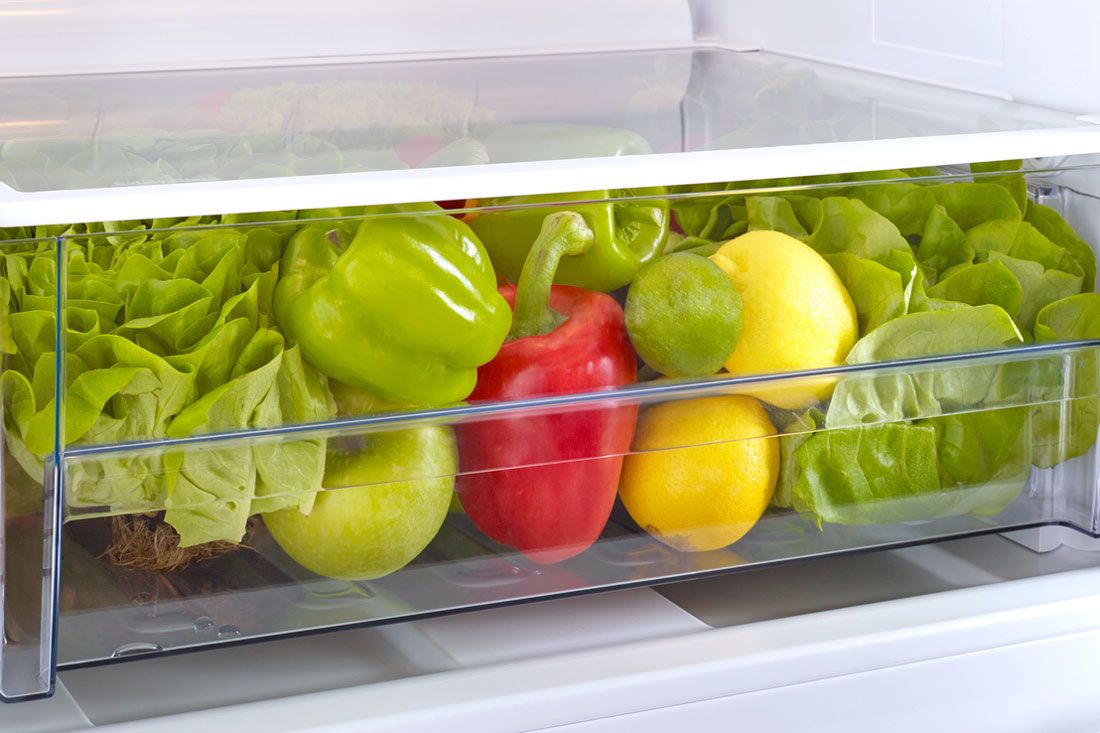
The most misused and disorganized drawer in common refrigerators is the crisper. While some people believe that any and all fruits and vegetables go in a crisper drawer, it’s helpful to remember a few tips. First thing first: it’s all in the name. You want to put produce in the crisper drawer that you want to remain, well, crispy. You don’t need to bother with produce like potatoes, onions, or tomatoes. Think leafy greens: lettuce, herbs, asparagus, bok choy, celery — anything you want to maintain a crunch. The crisper drawer maintains a higher level of humidity which keeps your veggies from wilting or getting soggy. 

Advertisement
Advertisement
Credit: Ekaterina79/ iStock

Fresh

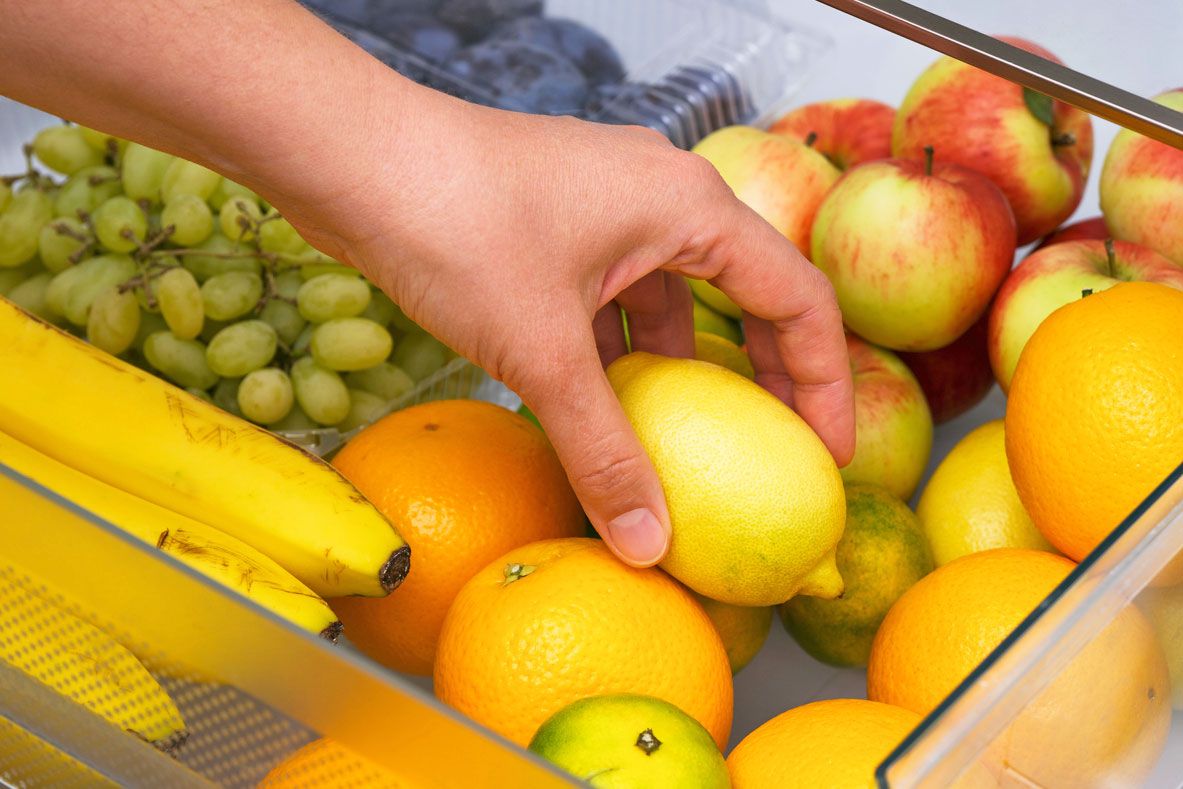
Some types of fridges will also have a drawer labeled “Fresh.” A little confusing, no doubt, but you’ve got this. Think of the fresh drawer as a place for all the produce you don’t want to stay crispy but that you want to remain fresh. Lemons, limes, apples — almost all fruit will stay good in the fresh drawer. The fresh drawer maintains a lower level of humidity, which will prevent water molecules from enhancing rot. If your fridge doesn’t have labeled drawers, don’t worry! That often means you can control the humidity yourself. Program them so you have one running on high humidity and the other running on low humidity, and you’ll never eat a wilted salad again.

Credit: martinedoucet/ iStock

Deli Meats

It’s possible that your refrigerator has a slim drawer somewhere in the middle of its shelves intended for sliced or deli meats for sandwiches and snacks alike. This drawer is slightly colder than the body of the fridge, which will help keep those meats cooler for longer — even the ones made without preservatives. You can also keep sliced cheese in there.

Recommended Articles

  • The Safety Rules for Candles You Probably Don’t Know

  • 5 Things Your Car Needs Before the First Freeze

  • 6 Amazon Prime Day Hacks

  • 5 Things To Ask Your Doctor About the New Flu Shot

Advertisement
Advertisement

Reader Favorites

  • Woman looking in fridge

    9 Foods You Should Toss ASAP if They’re Expired

  • Person eating salad

    7 Things a Chef Never Orders at a Restaurant

  • Cherry angioma

    Are the Tiny Red Dots on Your Skin Dangerous?

Credit: Amax Photo/ iStock

Other Meat and Dairy

If your fridge doesn’t come with a deli meat drawer, don’t worry! Meats are otherwise best stored on the bottom shelf (not in a drawer) on a plate to prevent any dripping. Cheese can be kept in the door or on the top shelf for ease of access.

Credit: LukaTDB/ iStock

Door Drawer

You may have a drawer that opens up and down (rather than out) in the door of your fridge. This is a great place to put eggs, butter, or soft kinds of cheese — making them easily accessible and not too cool. The last thing you’d want is for your eggs to be crispy before you fry them.

Advertisement

Feature Image Credit: Kristyna Squared.one/ Unsplash

More From Our Network

Better Report is part of Inbox Studio, an email-first media company. *Indicates a third-party property.

Go Retro With This 1960s Fashion Quiz

Quiz Daily

Go Retro With This 1960s Fashion Quiz

True or False: Are You a Master of U.S. Geography?

Travel Quiz

True or False: Are You a Master of U.S. Geography?

5 Reasons You Can Be Denied Boarding an Airplane

Daily Passport

5 Reasons You Can Be Denied Boarding an Airplane

What Did People Do Before Eyeglasses?

History Facts

What Did People Do Before Eyeglasses?

How To Use a Balloon To Clean Up Dust

House Outlook

How To Use a Balloon To Clean Up Dust

11 Shopping Hacks Costco Members Should Know

FinanceBuzz*

11 Shopping Hacks Costco Members Should Know

Share this article

  • Share to Facebook
  • Share to Twitter
  • Copy Url
  • Share to Email
Fran Hoepfner
Writer

Fran Hoepfner is a writer and teacher living in Brooklyn. She's an editor at large for the independent film magazine Bright Wall/Dark Room, and her fiction writing has appeared in Joyland, Burrow Press, and Peach Magazine.

This article is for general informational purposes only.
Affiliate Disclaimer Medical Disclaimer Financial Disclaimer

Updated: July 25, 2023
Posted In: Home
Hero Image Credit: Better Report
Advertisement

Related Articles

The Safety Rules for Candles You Probably Don’t Know

5 min read

9 Items in Your Basement You Should Toss Right Now

5 min read

5 Vegetables You Should Never Store in the Fridge

3 min read

Why a Flashing Check Engine Light Is Different From a Solid One

3 min read

Why Does Your Sink Have a Tiny Hole?

3 min read
Advertisement

The Best Time to Buy Airline Tickets

Ali Eldridge
Wealth | Updated: June 12, 2024
Better Report

All featured products and deals are selected independently and objectively by the author. Better Report may receive a share of sales via affiliate links in content.

We all love to travel, but we don’t love paying for it. Airfare costs have been sky-high in recent months and show no signs of dropping anytime soon. While there’s no magic trick to securing inexpensive flights, there are a few best practices to follow — the most important of which is timing your purchase just right.

Credit: PodPros/ Unsplash

The Initial Search

One way to counter the fact that the cost of jet fuel continues to rise even as overall inflation drops is with a price-monitoring tool, of which there are many. That list includes apps like Going (formerly known as the slightly less catchy Scott’s Cheap Flights) and Hopper as well as price alerts courtesy of websites like Skyscanner, Kayak, and Google Flights. Most of these are simple enough, requiring you to do little more than input your destination of choice and wait until prices (hopefully) drop, but there are ways to be even more diligent if you’re so inclined.

Supposed go-arounds like browsing for flights in incognito mode or on specific days aren’t backed up by data, though the latter used to be. “While there used to be greater price variation depending on the day of the week you booked a flight,” according to InsanelyCheapFlights.com CEO Steve Oliverez, “there’s less variation now due to pricing being handled algorithmically by computers.” So while you might have heard that Tuesdays and Wednesdays are the best days to book flights, that sadly isn’t true — neither the time of day nor the day of the week has any bearing. There’s also no point in clearing your cookies or browsing on incognito mode like some kind of flight-tracking spy, alas.

Advertisement
Advertisement
Credit: Vinta Supply Co. | NYC/ Pexels

Planning Ahead

That doesn’t mean that timing isn’t crucial. Though the exact time frame varies a bit depending on whom you ask, The Points Guy recommends that prospective travelers begin monitoring domestic flights three to four months before they plan to leave and book their trip one to two months in advance. That timeline is a bit wider for international flights: start monitoring six to seven months out and buy your ticket three to five months before departure. Prices for domestic flights tend to get increasingly more expensive in the last few weeks, so don’t wait until the last minute.

To get even more specific, a 2022 study by CheapAir.com determined that the best time to buy tickets for a domestic flight is exactly 76 days before departure, though the overall window ranges from 127 to 21 days in advance. To get the best deals without driving yourself crazy, follow the general guidelines without getting too hung up on the exact dates.

Advertisement
Credit: Brian Chen/ Unsplash

Flying Out

That applies not just to when you purchase your tickets but when you actually leave. One of the biggest mistakes travelers make, according to The Vacationer founder Phil Dengler, is fixating on dates rather than destinations. “Picking travel dates before you look at flight prices almost always leads to you paying more than you have to,” says Dengler. “You should always pick a destination and find the cheapest days to fly to that destination. Those savings increase the bigger your party is, and you may only have to fly a day or two earlier or later than you originally intended.”

That could mean leaving midweek rather than on a Friday, as the day of the week actually does play a factor when it comes to the flight itself. If you can be flexible, there are still cheap flights to be found even now.

Essential Items to Pack

Image credit: Courtesy of Apple

Hopefully, by following this advice you’ve scored a great deal on airfare. The planning doesn’t end there, however — now it’s time to start thinking about what to pack that will make you as comfortable on your trip as the price you paid for it. 

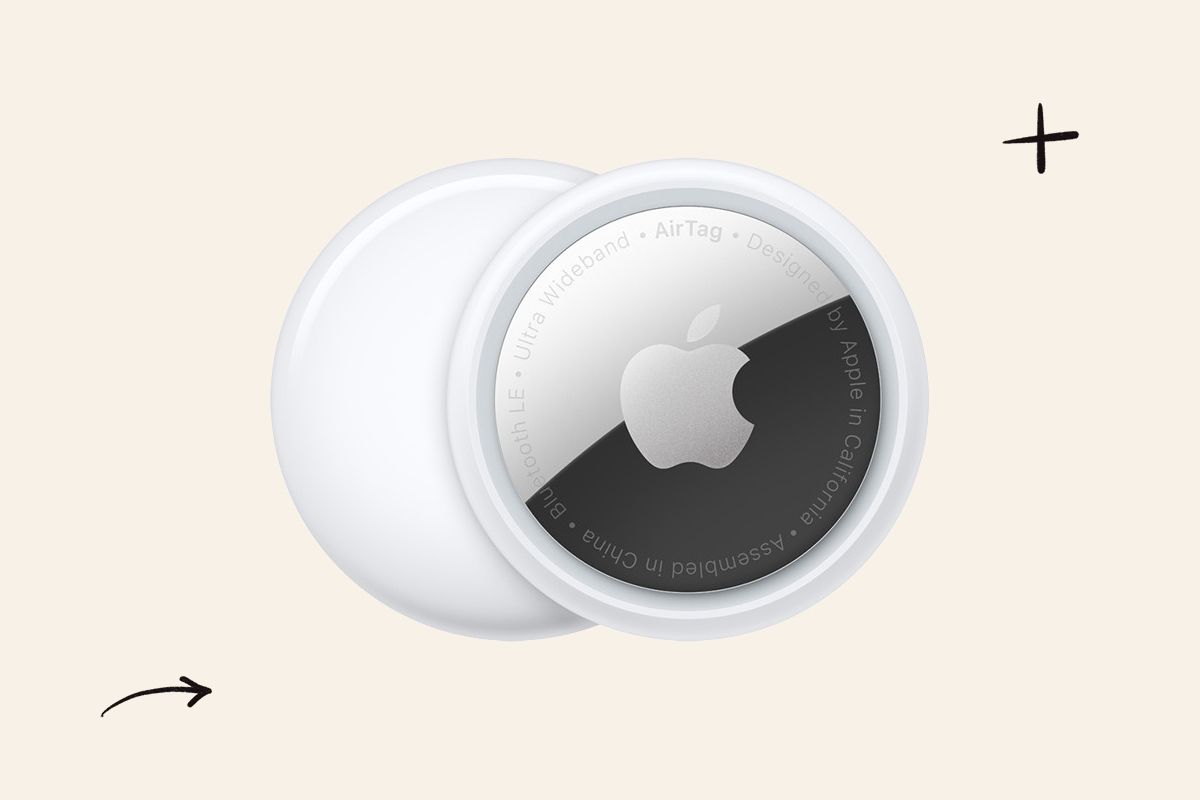
Luckily, the first item to pack takes up barely any space — but it’s one travel experts such as The Points Guy recommend never leaving on a trip without. We’re talking about AirTags, the tiny tracking device (a little larger than a quarter) that uses bluetooth technology to keep tabs on your belongings. Many travelers are all too familiar with that sinking feeling at baggage claim that their luggage has been lost by the airline, but if you stick this handy gadget in your bag before departing, you’ll be able to show airline staff the exact location of your bag if it gets lost. 

Buy for $79.99 at Amazon
Advertisement

Speaking of bags, no traveler wants their vacation ruined by theft — all those dollars you saved by booking your airline tickets at the right time won’t matter much if you have to replace all your belongings while actually on your trip. For that reason, many frequent fliers recommend traveling with an anti-theft bag, which comes with features that make it tricky for thieves to access your valuables. One of our favorites is the Pacsafe Citysafe Square Crossbody — ideal for travelers who are sightseeing in busy cities and other crowded places.

Buy for $89.95 at Amazon

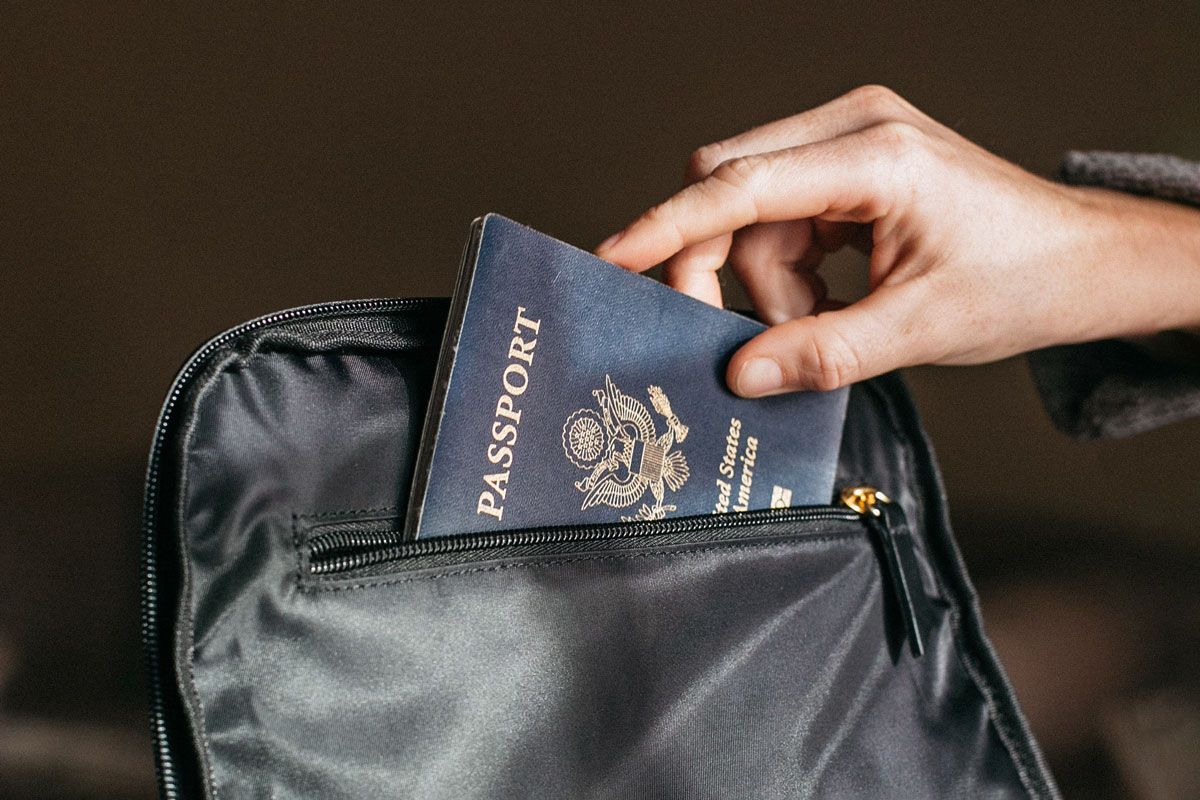
You’ll probably also want to invest in a handy passport holder like these from Bellroy that are both beautiful and functional, with useful features including RFID protection. 

Buy for $99 at Amazon

And of course, there’s the flight itself. Even if you scored a great deal on airfare, that feeling of euphoria can quickly vanish if you’re surrounded by loud or disruptive seatmates. That’s where noise-canceling headphones come in. The ones from Bose are some of the best on the market — and if you travel frequently they’re a worthy investment. 

Buy for $249 at Bose

Prices are accurate as of June 12, 2024. Subject to change. All featured products and deals are selected independently and objectively by the author. Better Report may receive a share of sales via affiliate links in content.

Advertisement

Featured Image Credit: Vinta Supply Co. | NYC/ Pexels

More From Our Network

Better Report is part of Inbox Studio, an email-first media company. *Indicates a third-party property.
Go Retro With This 1960s Fashion Quiz

Quiz Daily

Go Retro With This 1960s Fashion Quiz

True or False: Are You a Master of U.S. Geography?

Travel Quiz

True or False: Are You a Master of U.S. Geography?

5 Reasons You Can Be Denied Boarding an Airplane

Daily Passport

5 Reasons You Can Be Denied Boarding an Airplane

What Did People Do Before Eyeglasses?

History Facts

What Did People Do Before Eyeglasses?

How To Use a Balloon To Clean Up Dust

House Outlook

How To Use a Balloon To Clean Up Dust

11 Shopping Hacks Costco Members Should Know

FinanceBuzz*

11 Shopping Hacks Costco Members Should Know

Share this article

  • Share to Facebook
  • Share to Twitter
  • Copy Url
  • Share to Email
Ali Eldridge

This article is for general informational purposes only.
Affiliate Disclaimer Medical Disclaimer Financial Disclaimer

Updated:
Posted In: Wealth
Hero Image Credit: Better Report

Recommended Articles

  • The Safety Rules for Candles You Probably Don’t Know

  • 5 Things Your Car Needs Before the First Freeze

  • 6 Amazon Prime Day Hacks

  • 5 Things To Ask Your Doctor About the New Flu Shot

Advertisement

Related Articles

5 Things Your Car Needs Before the First Freeze

4 min read

6 Amazon Prime Day Hacks

6 min read

Is It Actually Better To Lease a Car?

9 min read

7 Free MIT Classes You Can Experience From Home

4 min read

The Bedroom Color That Adds $2,000 to Your Home Value

3 min read
Advertisement

5 Foods You Shouldn’t Actually Store in the Fridge

Home | Updated: October 4, 2023
Michael Nordine
Author
Michael Nordine is senior writer and editor at Inbox Studio. A native Angeleno, he lives in Denver with two cats but wishes he lived in Tokyo.
Better Report

When it comes to food safety, a little caution is a good thing. Food is supposed to nourish you, not get you sick, and there’s nothing wrong with being mindful of expiration dates and freshness. Even so, it’s possible to overdo it. “Best by” isn’t the same as an expiration date, and even those can be misleading. The same can be said of refrigerating everything just in case: Many foods are not only hardy enough to be stored at room temperature, they’re actually worse off in the fridge. Here are five of them.

Credit: Mike Jones/ Pexels

Bananas

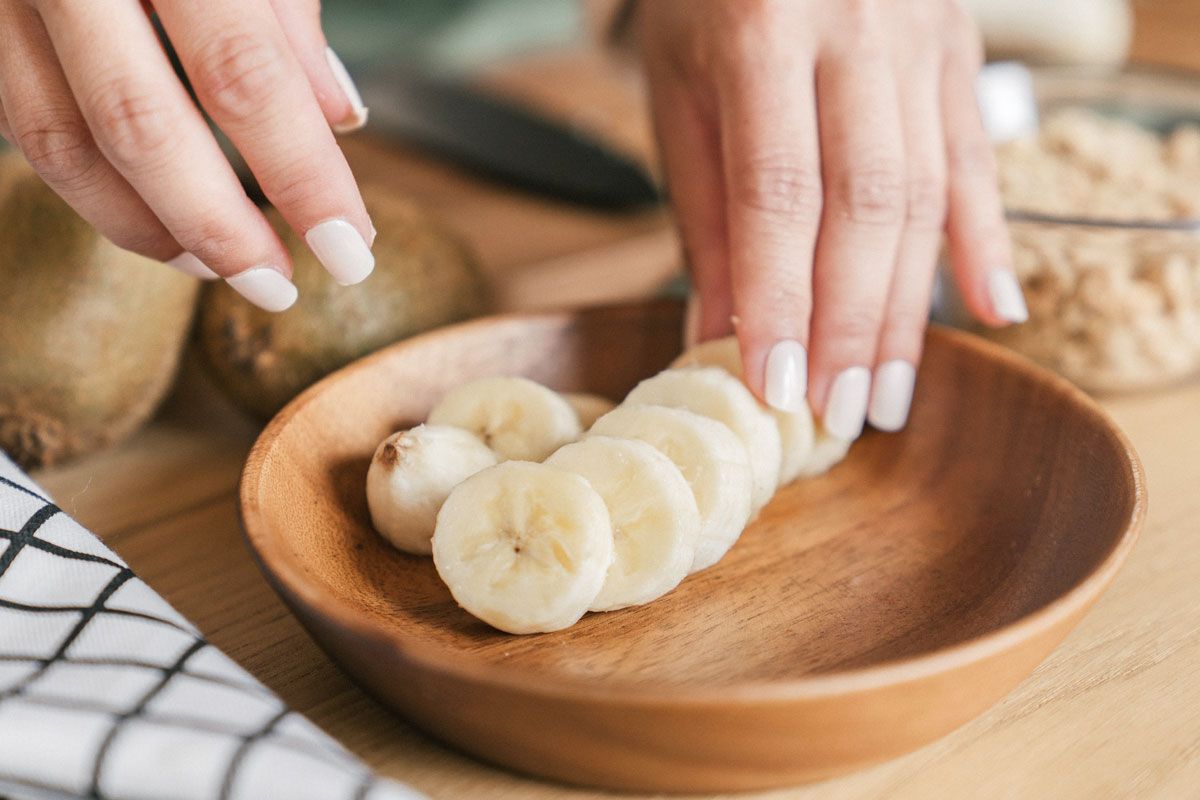
Bananas only ripen properly in warm temperatures between about 59 and 68 degrees Fahrenheit, whereas most refrigerators hover just below the 40-degree mark. Exposure to light and air also slows down decay, which will speed up in the fridge — cold temperatures will damage a banana’s cell walls and eventually turn its skin black and bruised. It’s hardly the only fruit that’s better left on the counter, as everything from avocados and peaches to watermelon and most citrus do better at room temperature (especially before they’ve fully ripened).

Advertisement
Advertisement
Credit: Felicity Tai/ Pexels

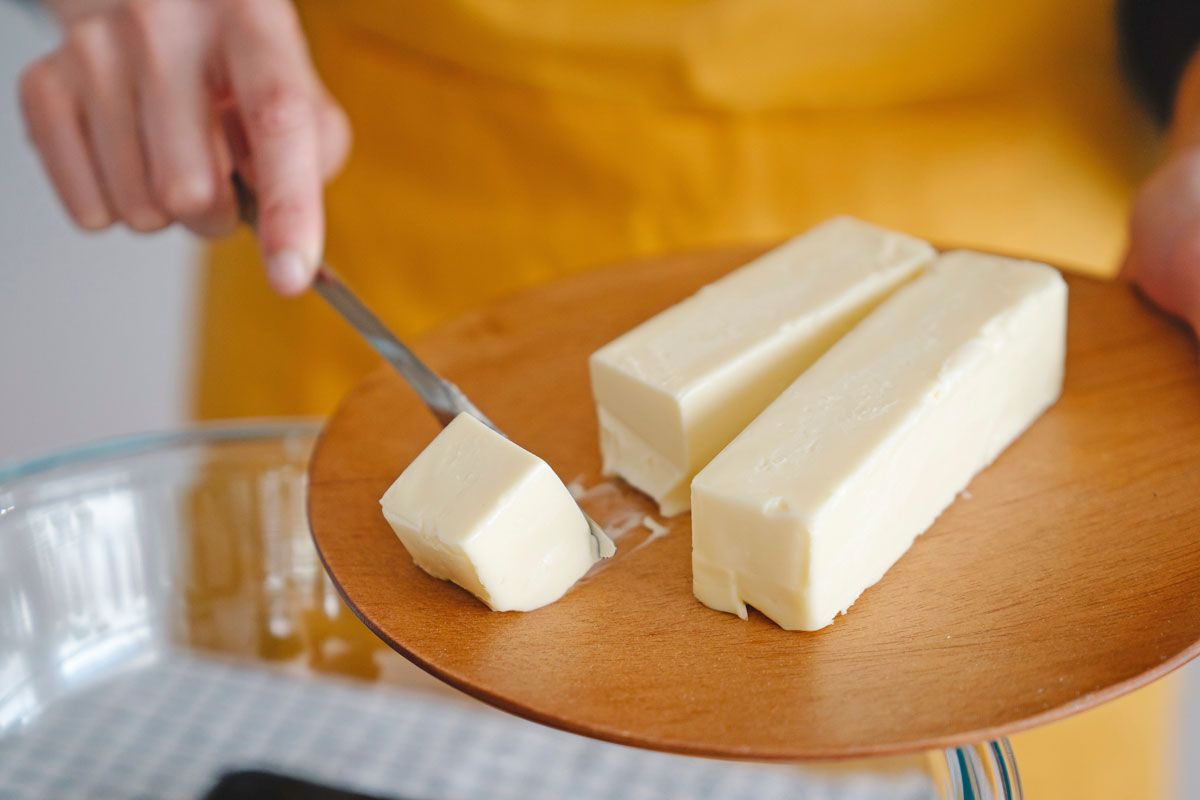
Butter

This one may seem controversial, but refrigerating butter is relatively uncommon in many parts of the world. It’s almost impossible to spread after sitting in the fridge, and no less an authority than US Dairy says it’s fine to leave on the counter — albeit with a few caveats. Salted butter is safer to leave out than its unsalted counterpart, as it’s less likely to go bad in warmer temperatures, and storing it in a covered container is ideal. Go ahead and put it in the fridge if you don’t plan on using it anytime soon, but it’s also fine to leave it out for a few days at a time.

Credit: Egor Lyfar/ Unsplash

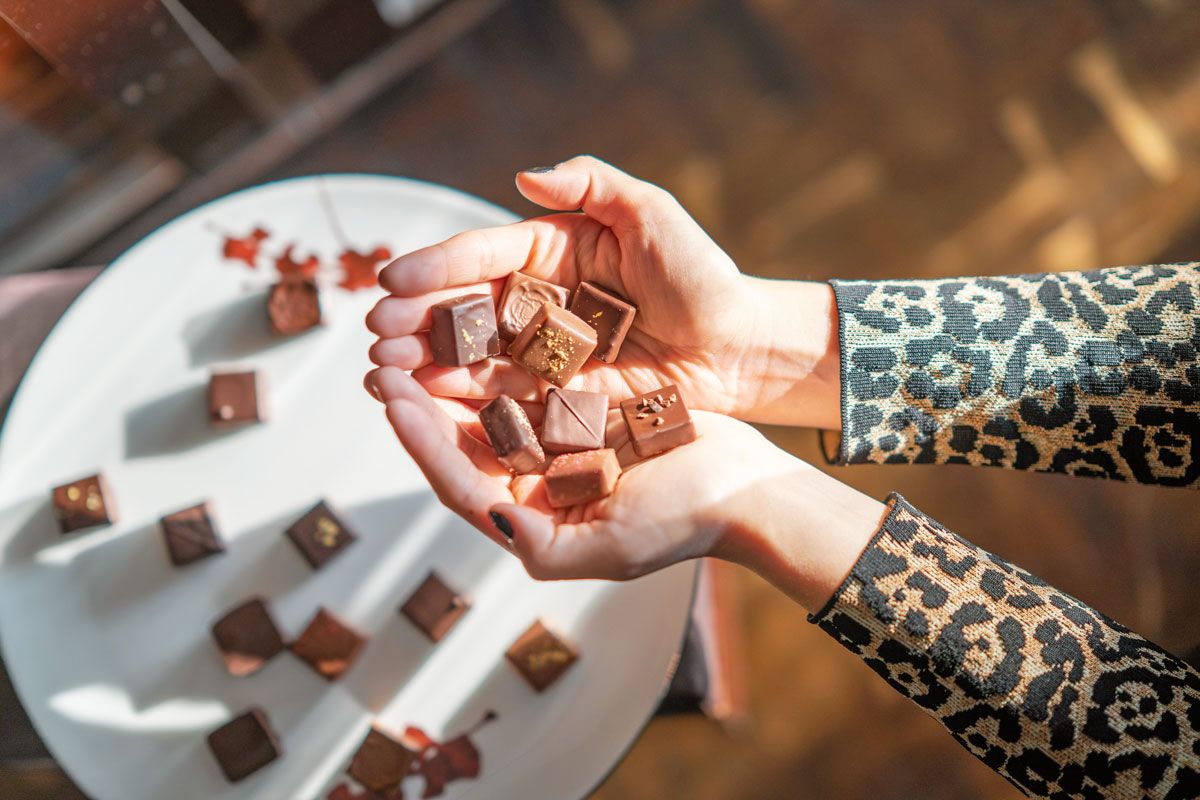
Chocolate

The air inside your refrigerator is both colder and more moist than chocolate needs to be, and it isn’t just the taste that will suffer — the texture and color will be worse off as well. It might even take on an odd scent, as the cocoa butter present in most chocolate absorbs surrounding smells. If you don’t want your sweets to taste like the box of leftovers that’s been in your fridge for the last week, store them elsewhere.

Recommended Articles

  • The Safety Rules for Candles You Probably Don’t Know

  • 5 Things Your Car Needs Before the First Freeze

  • 6 Amazon Prime Day Hacks

  • 5 Things To Ask Your Doctor About the New Flu Shot

Advertisement
Advertisement

Reader Favorites

  • Woman looking in fridge

    9 Foods You Should Toss ASAP if They’re Expired

  • Person eating salad

    7 Things a Chef Never Orders at a Restaurant

  • Cherry angioma

    Are the Tiny Red Dots on Your Skin Dangerous?

Credit: Jonathan Pielmayer/ Unsplash

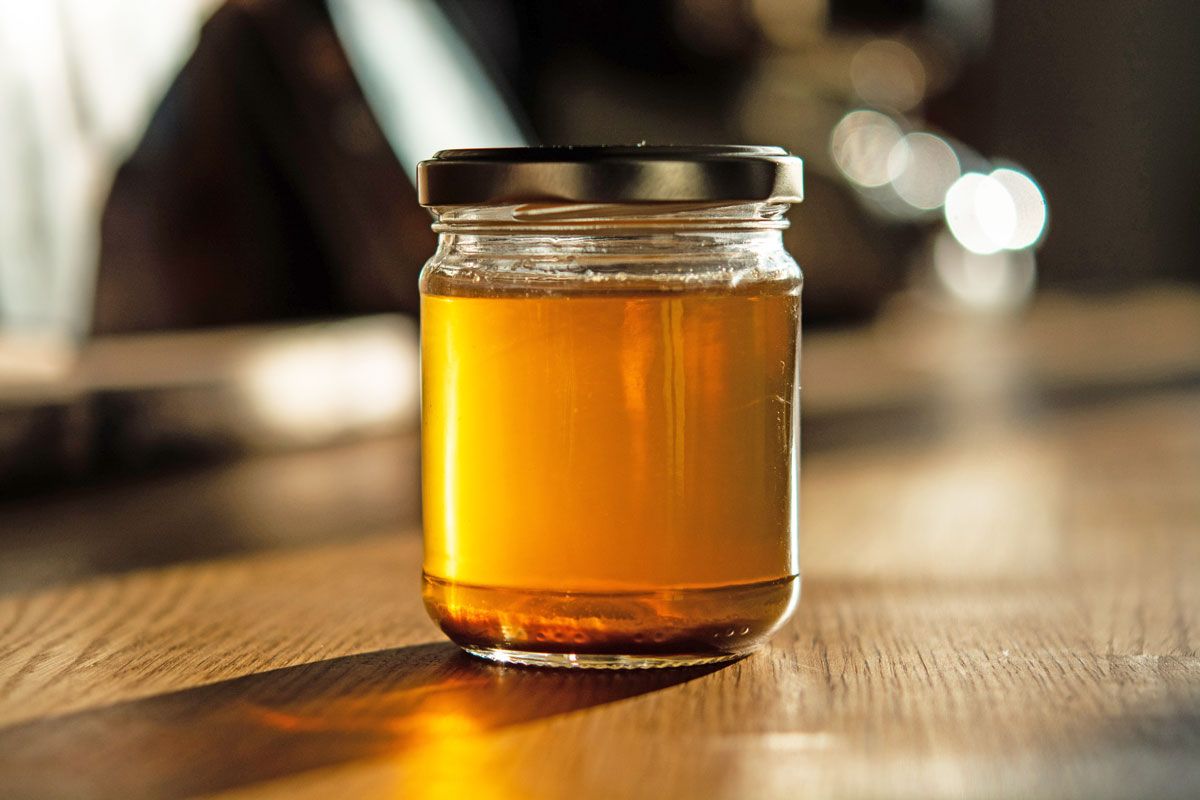
Honey

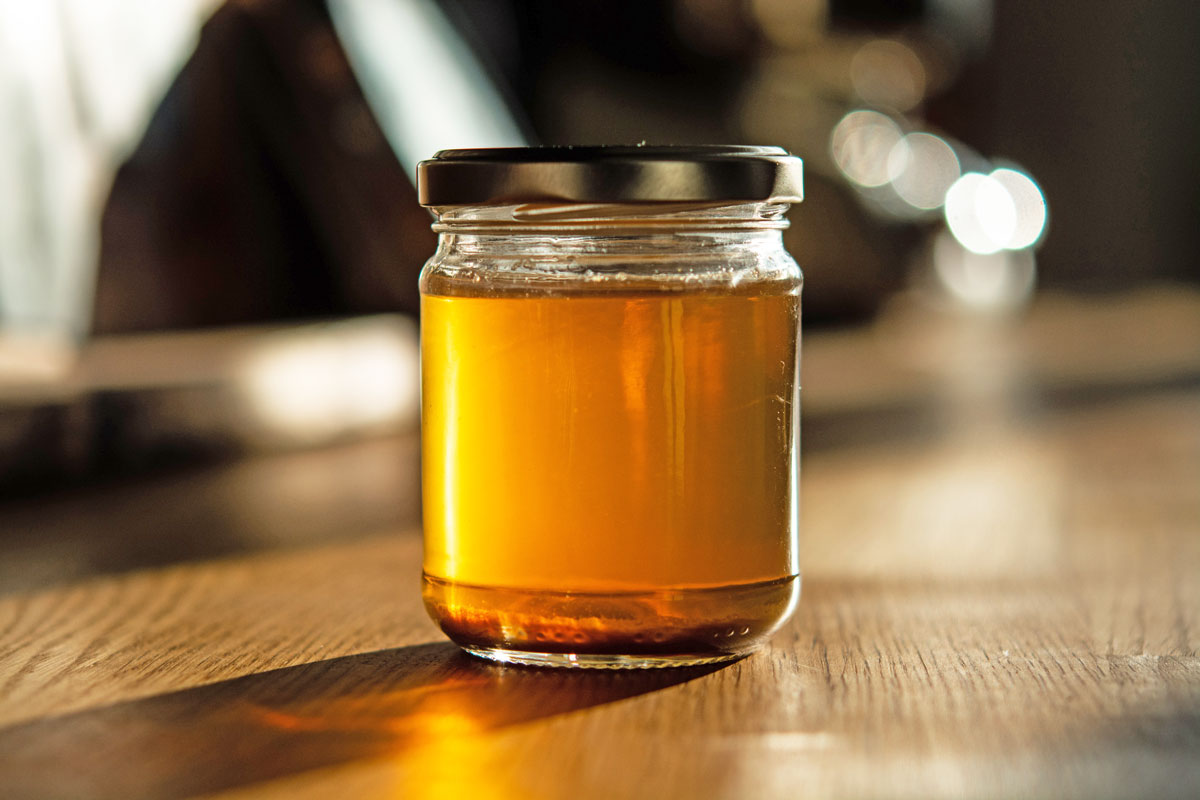
If you’ve ever taken your bear-shaped bottle of honey out of the fridge and been disappointed by how syrupy and congealed it’s gotten, know that you can easily avoid this fate. Honey does just fine — better, even! — in a cool, dark pantry.

Credit: RDNE Stock project/ Pexels

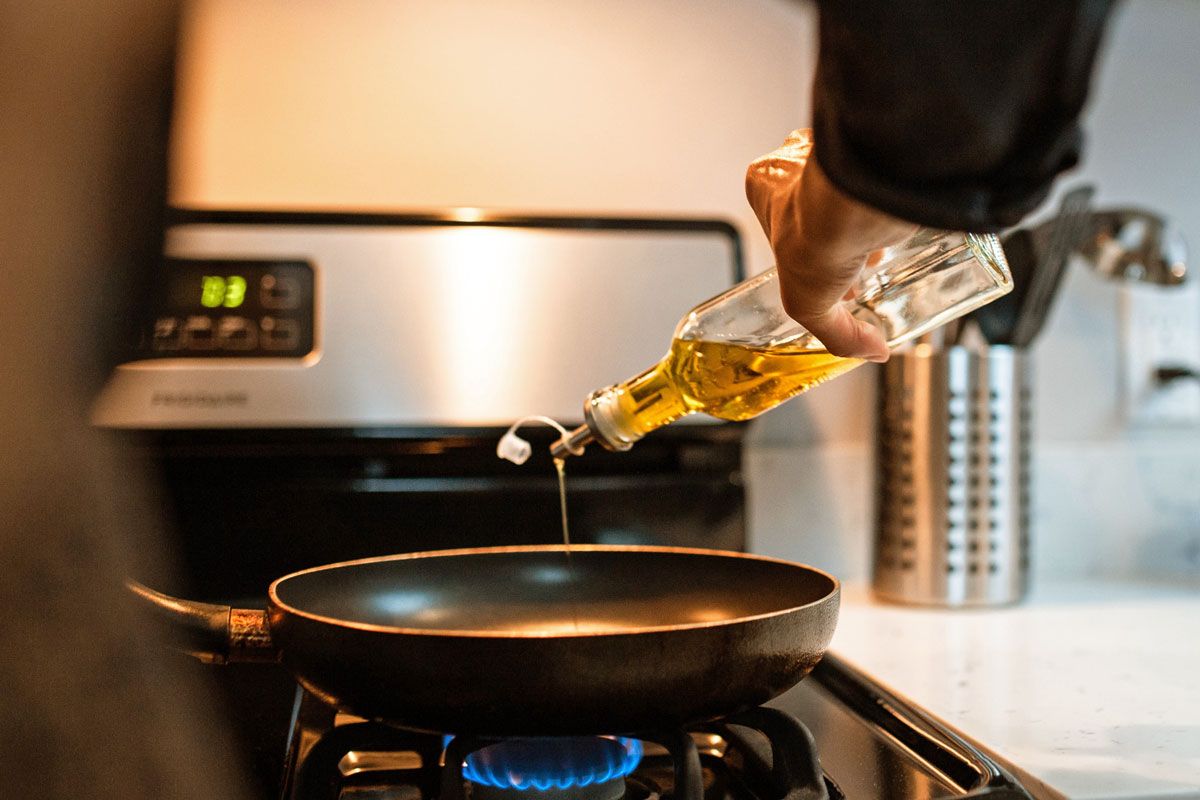
Olive Oil

If it’s oil-based, don’t bother with the fridge. That includes olive oil, which turns cloudy and grainy as it solidifies in colder temperatures, as well as salad dressings that consist primarily of oil and/or vinegar. Plenty of other condiments do fine at room temperature as well: hot sauce, ketchup, and soy sauce, all of which you’ll find on the table at your local restaurant.

Advertisement

Feature Image Credit: Jonathan Pielmayer/ Unsplash

More From Our Network

Better Report is part of Inbox Studio, an email-first media company. *Indicates a third-party property.

Go Retro With This 1960s Fashion Quiz

Quiz Daily

Go Retro With This 1960s Fashion Quiz

True or False: Are You a Master of U.S. Geography?

Travel Quiz

True or False: Are You a Master of U.S. Geography?

5 Reasons You Can Be Denied Boarding an Airplane

Daily Passport

5 Reasons You Can Be Denied Boarding an Airplane

What Did People Do Before Eyeglasses?

History Facts

What Did People Do Before Eyeglasses?

How To Use a Balloon To Clean Up Dust

House Outlook

How To Use a Balloon To Clean Up Dust

11 Shopping Hacks Costco Members Should Know

FinanceBuzz*

11 Shopping Hacks Costco Members Should Know

Share this article

  • Share to Facebook
  • Share to Twitter
  • Copy Url
  • Share to Email
Michael Nordine
Staff Writer

Michael Nordine is senior writer and editor at Inbox Studio. A native Angeleno, he lives in Denver with two cats but wishes he lived in Tokyo.

This article is for general informational purposes only.
Affiliate Disclaimer Medical Disclaimer Financial Disclaimer

Updated: July 3, 2023
Posted In: Home
Hero Image Credit: Better Report
Advertisement

Related Articles

The Safety Rules for Candles You Probably Don’t Know

5 min read

9 Items in Your Basement You Should Toss Right Now

5 min read

5 Vegetables You Should Never Store in the Fridge

3 min read

Why a Flashing Check Engine Light Is Different From a Solid One

3 min read

Why Does Your Sink Have a Tiny Hole?

3 min read
Advertisement

8 Low-Maintenance Plants That Thrive on Neglect

Ali Eldridge
Home | Updated: March 17, 2026
Better Report

All featured products and deals are selected independently and objectively by the author. Better Report may receive a share of sales via affiliate links in content.

Most of us like the idea of having a house full of plants, but few of us have green enough thumbs to make that vision a reality. If your inability to keep plants alive is preventing you from sprucing up your living space with greenery, try one of these low-maintenance options that thrive on neglect.

Credit: Anna Tarazevich/ Pexels

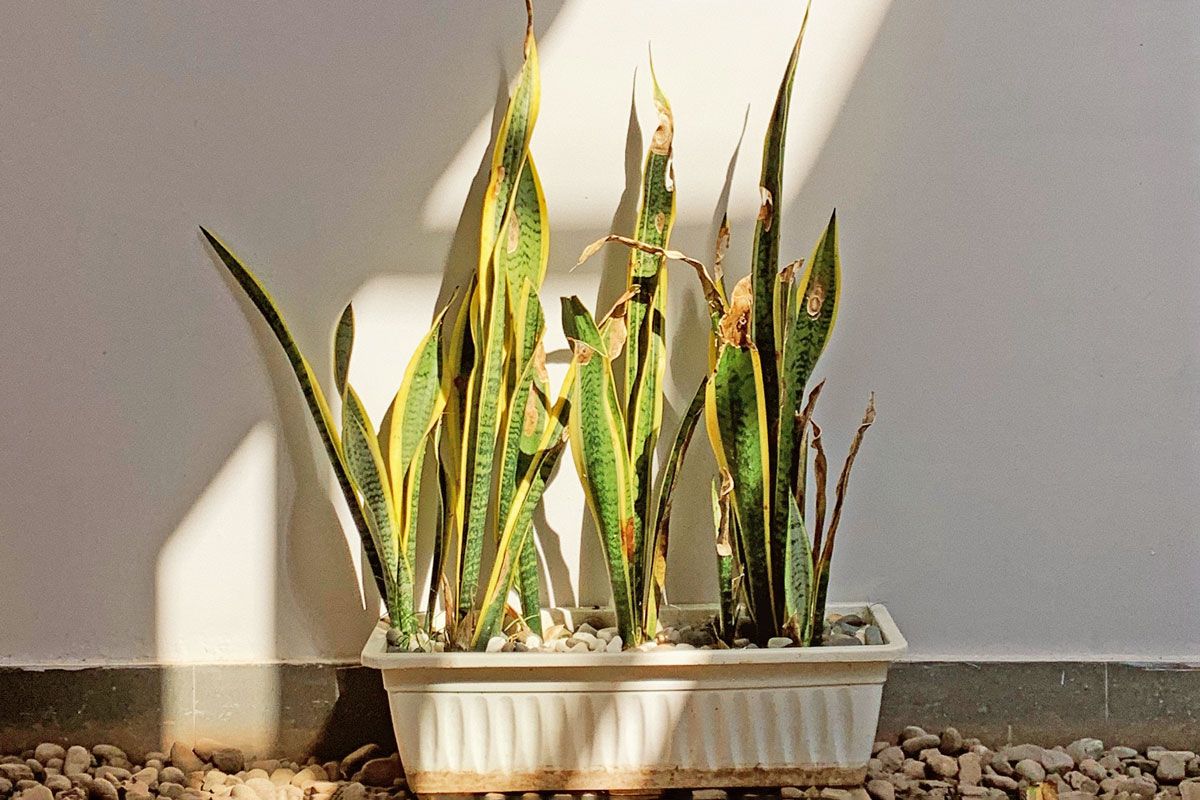
Snake Plant (dracaena trifasciata)

Some plants need to be watered every day, others only once a week. Snake plants, meanwhile, only need it when their soil has gone dry. They also don’t need much light, meaning you can feel free to put them in the darkest corner of your darkest room. When you do water yours, just make sure the water drains fully so the roots don’t soak.

Credit: Kyla Henry/ Unsplash

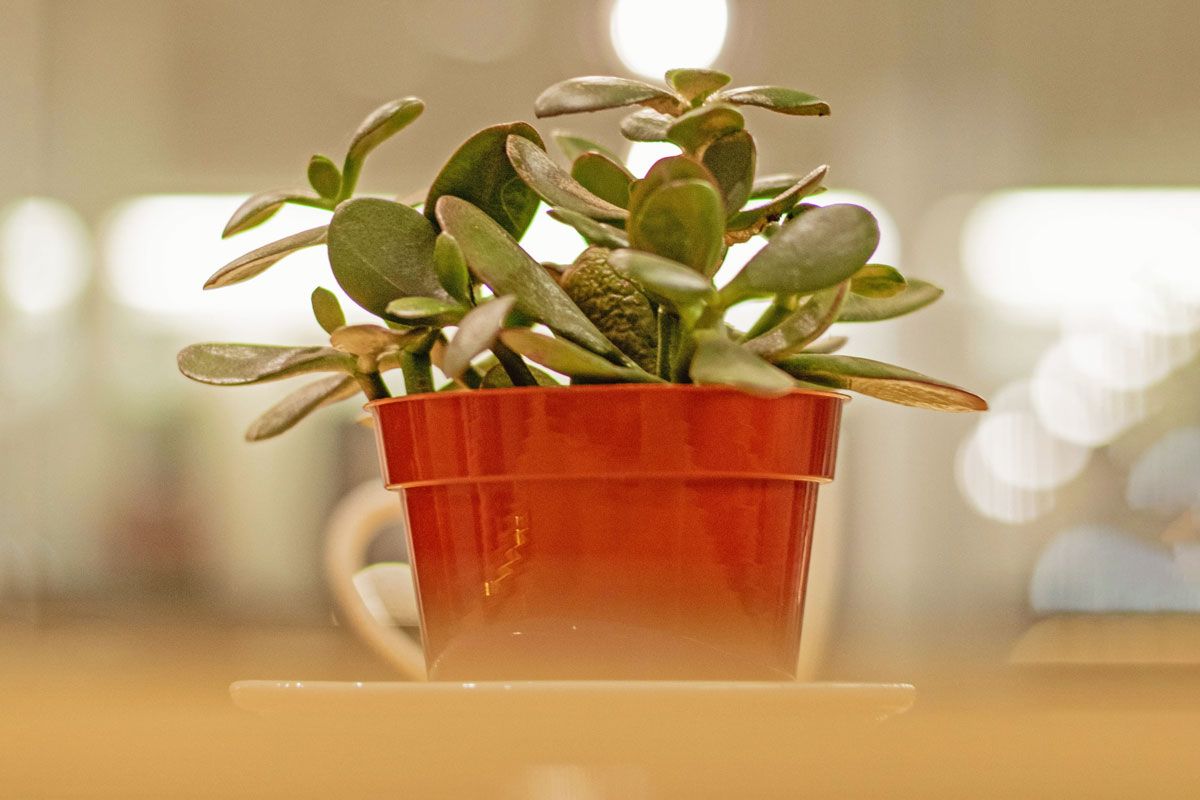
Jade (crassula ovata)

Ahh, succulents — the easiest of the easy. Feel free to keep yours outside if it isn’t literally freezing, don’t bother watering it until the soil completely dries out (jade is susceptible to rot, so keep those roots dry), and watch as it grows for years and years. Bonus: Jade is considered good luck throughout much of Asia, where it’s thought to bring financial fortune.

Advertisement
Advertisement
Credit: Anna Khomutova/ Pexels

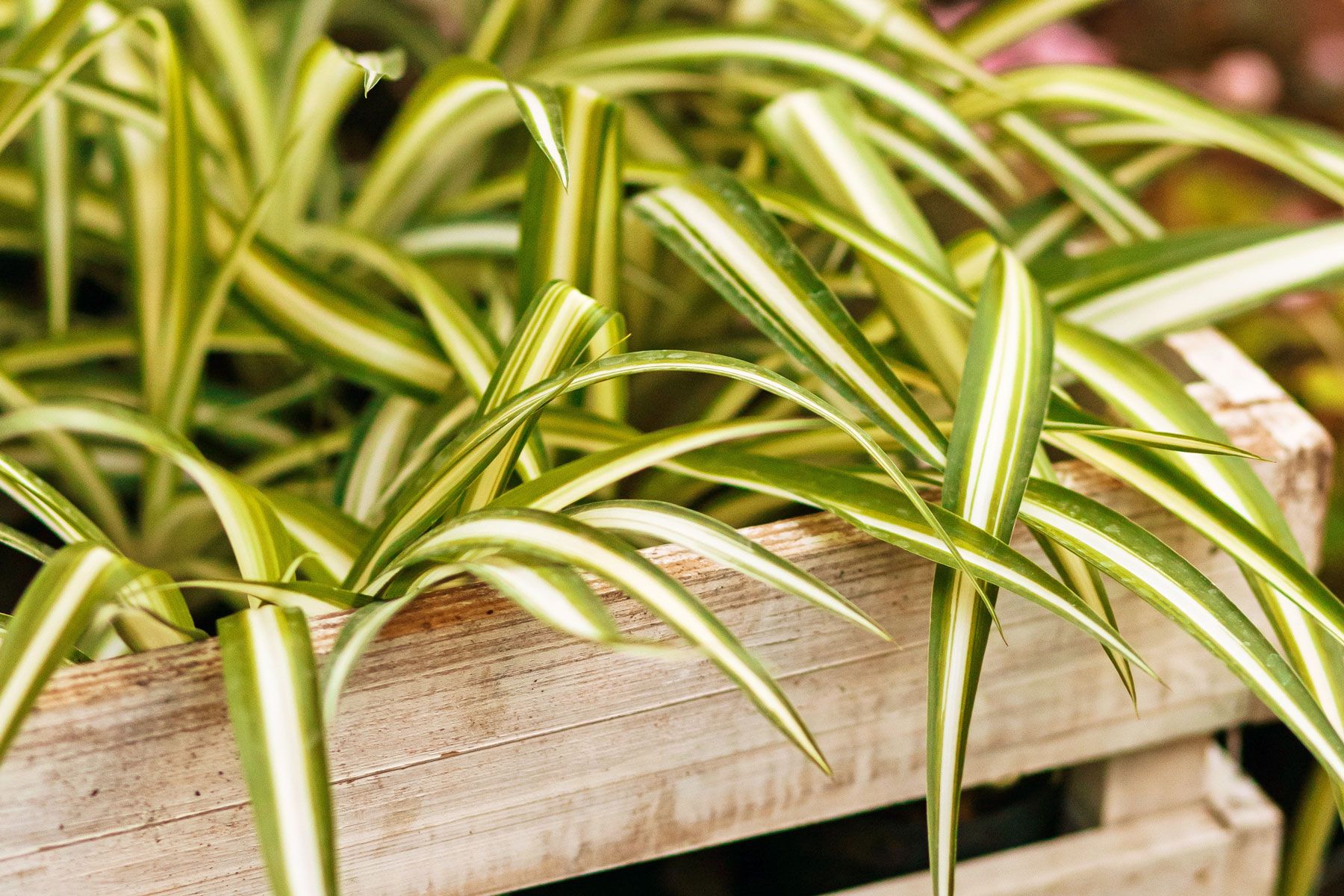
Spider Plant (chlorophytum comosum)

Elsewhere in low-maintenance plants with names that might trigger common phobias, the humble spider plant only needs to be watered once a week in spring and summer and even less often in the colder months. They do well with a good amount of light, and their only real weakness is too much direct sunlight — maybe they should have been called vampire plants?

Credit: Bogdan Kurylo/ iStock

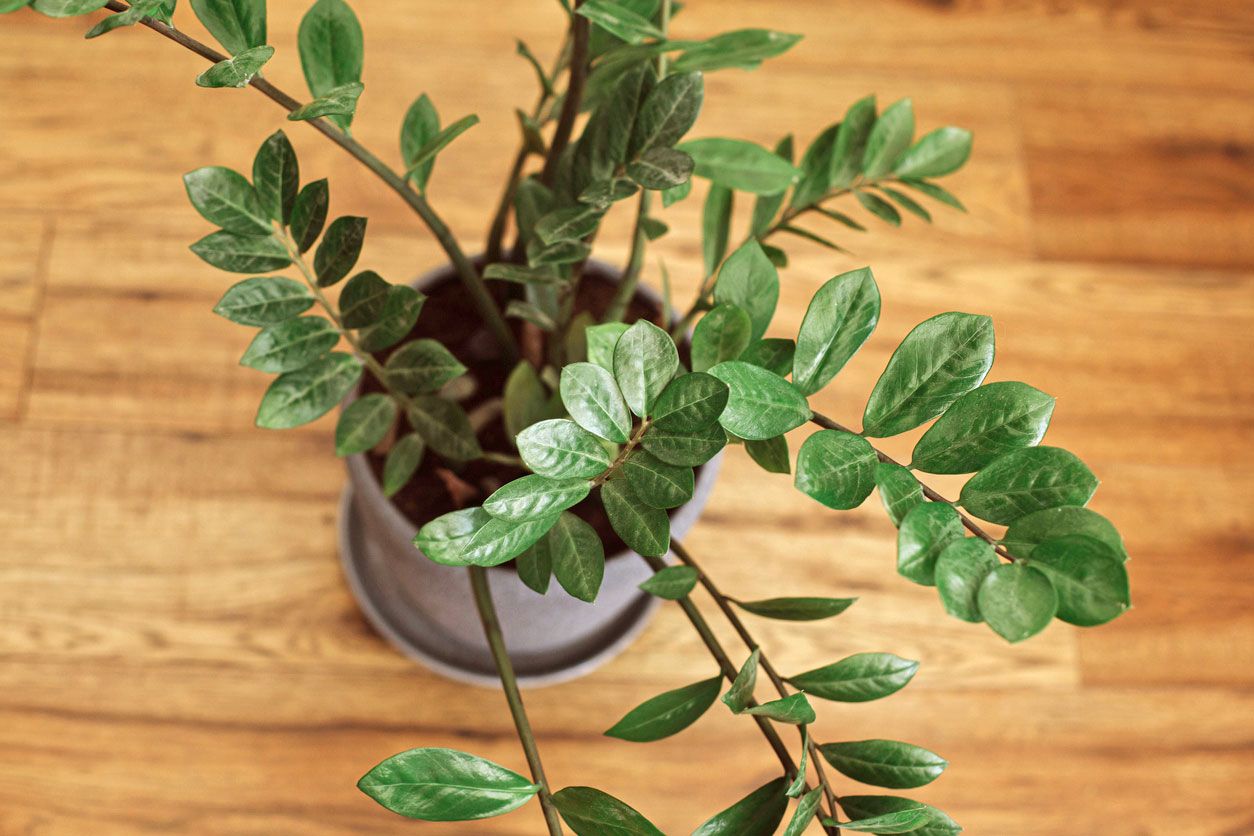
ZZ Plant (zamioculcas zamiifolia)

Though it bears no relation to a certain rock band known for its members’ beards, the ZZ plant does have a memorable look of its own. Just keep it in indirect light, water it when the soil is dry (are you sensing a trend among neglect-proof plants yet?), and enjoy the tropical vibe it adds to your home.

Recommended Articles

  • The Safety Rules for Candles You Probably Don’t Know

  • 5 Things Your Car Needs Before the First Freeze

  • 6 Amazon Prime Day Hacks

  • 5 Things To Ask Your Doctor About the New Flu Shot

Advertisement
Advertisement

Reader Favorites

  • Woman looking in fridge

    9 Foods You Should Toss ASAP if They’re Expired

  • Person eating salad

    7 Things a Chef Never Orders at a Restaurant

  • Cherry angioma

    Are the Tiny Red Dots on Your Skin Dangerous?

Credit: New Africa/ Shutterstock

Air Plant (tillandsia)

If even putting a plant in soil sounds like too much work to you, meet the air plant. It doesn’t need to be kept in soil or water, and looks great in a pot or hanging vase. How to keep it alive, then? Put it somewhere that gets indirect light and soak it in water once a week for half an hour and let it dry on a towel for a few hours.

Advertisement
Credit: Ekaterina Fedulyeva/ iStock

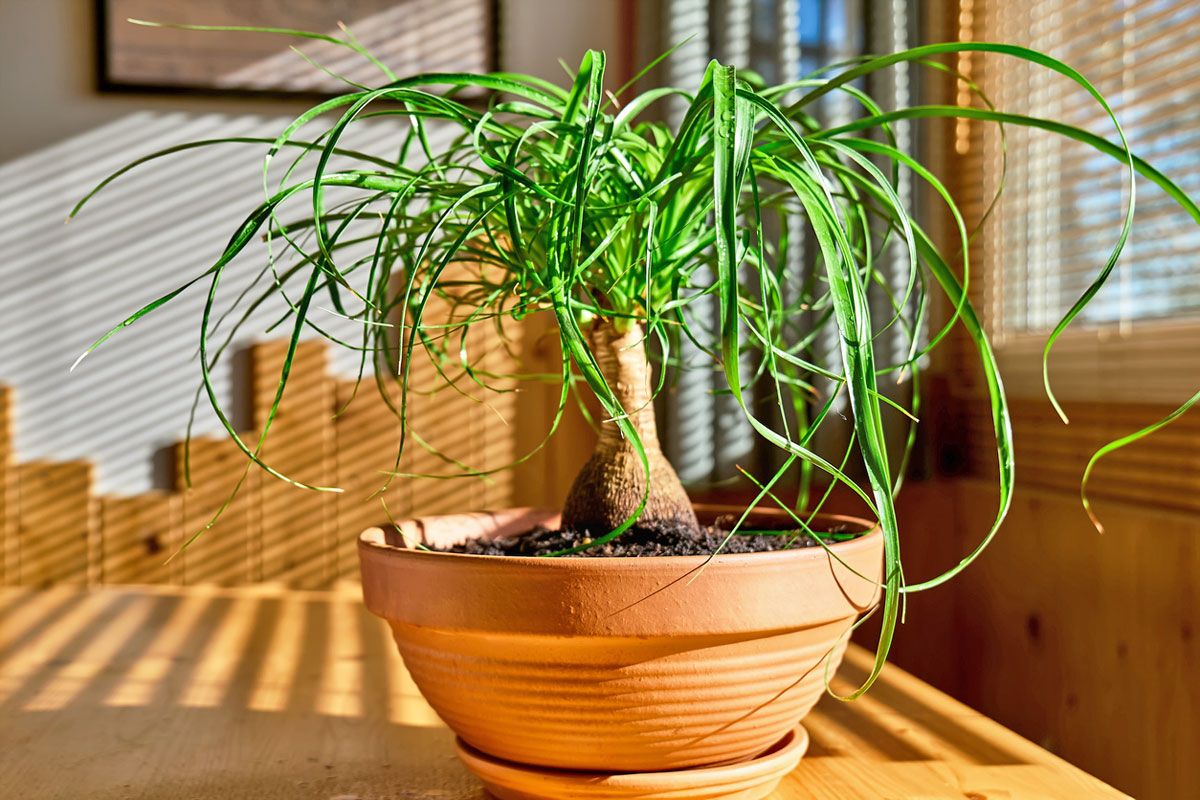
Ponytail Palm (beaucarnea recurvata)

Another succulent (not, as its name suggests, a member of the palm family), the ponytail palm does indeed resemble long, flowing hair. It’s also about as low-maintenance as that go-to hairstyle, requiring (you guessed it) water only when its soil has completely dried out and a cozy spot where it gets bright, indirect light; some direct sun is okay in this case.

Advertisement
Advertisement
Credit: DimaBerlin/ Shutterstock

Chinese Money Plant (pilea peperomioides)

Arguably the cutest item on this list, the money plant also has the funnest name(s): Pilea peperomioides is also known as the UFO plant and pancake plant, with both monikers owed to its round leaves. You can surely guess by now how often it needs to be watered, and it only needs to be repotted every couple of years. Give it lots of bright, indirect light, and keep living your life.

Credit: Earl Wilcox/ Unsplash

Bird of Paradise (strelitzia reginae)

If you’d like something a bit more ostentatious with an appropriately fun name to boot, try a bird of paradise — they can reach eight feet tall and give your home a jungle vibe. Just keep the soil moist, allow the top two or three inches to dry out between waterings, and put it somewhere that gets bright, indirect light in order for it to proudly grow its iconic flowers.

Feature Image Credit: New Africa/ Shutterstock

More From Our Network

Better Report is part of Inbox Studio, an email-first media company. *Indicates a third-party property.

Go Retro With This 1960s Fashion Quiz

Quiz Daily

Go Retro With This 1960s Fashion Quiz

True or False: Are You a Master of U.S. Geography?

Travel Quiz

True or False: Are You a Master of U.S. Geography?

5 Reasons You Can Be Denied Boarding an Airplane

Daily Passport

5 Reasons You Can Be Denied Boarding an Airplane

What Did People Do Before Eyeglasses?

History Facts

What Did People Do Before Eyeglasses?

How To Use a Balloon To Clean Up Dust

House Outlook

How To Use a Balloon To Clean Up Dust

11 Shopping Hacks Costco Members Should Know

FinanceBuzz*

11 Shopping Hacks Costco Members Should Know

Share this article

  • Share to Facebook
  • Share to Twitter
  • Copy Url
  • Share to Email
Ali Eldridge

This article is for general informational purposes only.
Affiliate Disclaimer Medical Disclaimer Financial Disclaimer
Updated:
Posted In: Home
Hero Image Credit: Better Report
Advertisement

Related Articles

The Safety Rules for Candles You Probably Don’t Know

5 min read

9 Items in Your Basement You Should Toss Right Now

5 min read

5 Vegetables You Should Never Store in the Fridge

3 min read

Why a Flashing Check Engine Light Is Different From a Solid One

3 min read

Why Does Your Sink Have a Tiny Hole?

3 min read
Advertisement

How to Decode the Laundry Symbols on Your Clothing Tags

Home | Updated: May 5, 2026
Michael Nordine
Author
Michael Nordine is senior writer and editor at Inbox Studio. A native Angeleno, he lives in Denver with two cats but wishes he lived in Tokyo.
Better Report

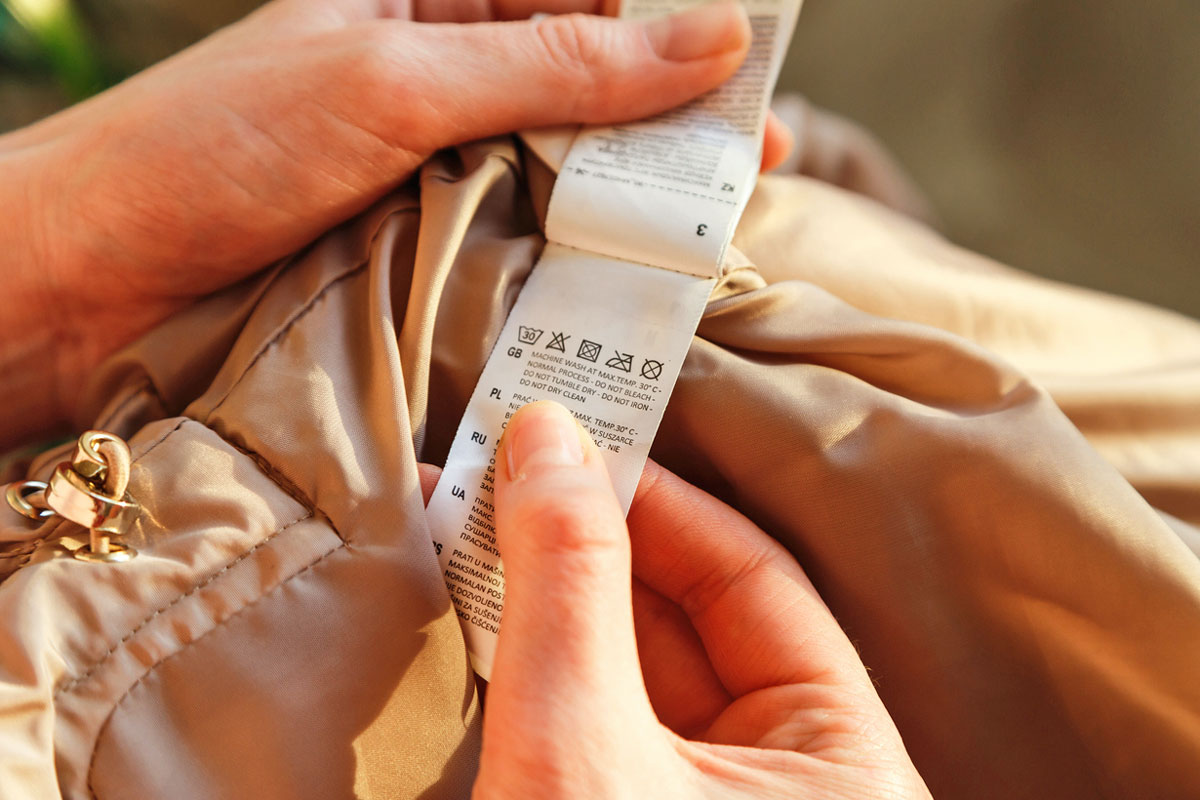
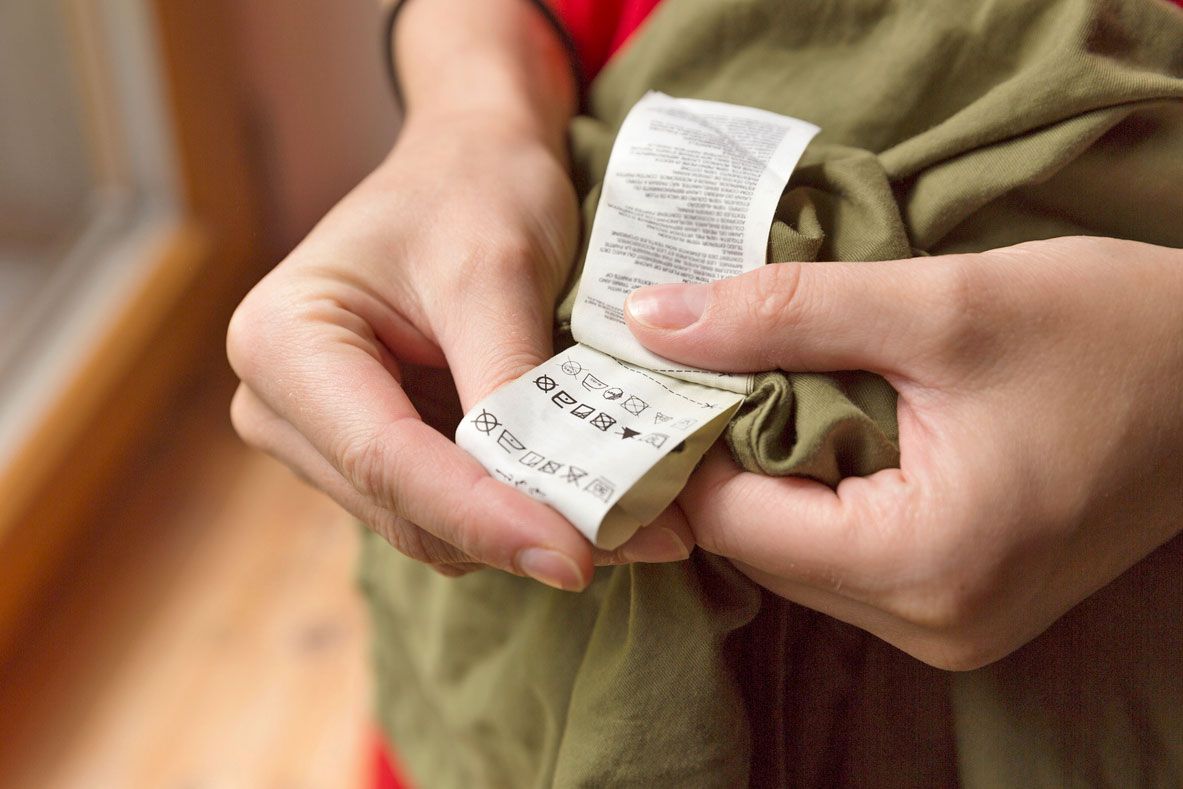
Taking care of your clothes is important, but it can also be confusing. For every T-shirt or pair of jeans that you can simply throw in the washer and dryer without thinking twice, there’s a wool sweater or silk blouse that requires much more delicate laundering. If you’re hoping to finally decode those laundry symbols on your clothing tags, here’s a helpful guide.

Credit: Sarah Brown/ Unsplash

Washtub

This one’s simple — machine-wash the garment and don’t worry too much about the exact settings.

Washtub With One Line Underneath

Machine-wash these clothes too, but use the permanent press cycle. This helps prevent shrinking, wrinkles, and fading.

Washtub With Two Lines Underneath

If you guessed that this means to machine-wash the garment with a different cycle, you’re a quick study. The two lines indicate a delicate cycle, which uses colder water and a slow spin cycle.

Advertisement
Advertisement
Credit: Karolina Ostrzolek/ Pexels

Washtub With a Hand

These items are too delicate for the washing machine and need to be hand-washed. A sink or small tub works best, and there are mild detergents designed specifically for hand washing. It’s more work, but your garments will last longer.

Advertisement

Washtub With an X Through It

Don’t wash anything with this symbol at all — take it to the dry cleaner.

Washtub With One Small Dot

Anything with this symbol can go in the washing machine, but colder temperatures are ideal — between 65 degrees and 85 degrees Fahrenheit.

Credit: RDNE Stock project/ Pexels

Washtub With Two Small Dots

That second dot indicates that warmer water is okay for these items, usually at a maximum temperature of 105 degrees Fahrenheit.

Recommended Articles

  • The Safety Rules for Candles You Probably Don’t Know

  • 5 Things Your Car Needs Before the First Freeze

  • 6 Amazon Prime Day Hacks

  • 5 Things To Ask Your Doctor About the New Flu Shot

Advertisement
Advertisement

Reader Favorites

  • Woman looking in fridge

    9 Foods You Should Toss ASAP if They’re Expired

  • Person eating salad

    7 Things a Chef Never Orders at a Restaurant

  • Cherry angioma

    Are the Tiny Red Dots on Your Skin Dangerous?

Washtub With Three Small Dots

Heat these bad boys up as much as you want, because they can withstand water temperatures of up to 120 degrees Fahrenheit.

Triangle

If the triangle doesn’t have anything in it, it means that the item in question can be bleached.

Advertisement
Advertisement
Credit: SimonSkafar/ iStock

Triangle With Diagonal Lines

These can also be bleached, but only if it doesn’t contain chlorine. If you’re not sure whether the bleach you use has chlorine in it, just check the list of ingredients.

Advertisement

Triangle With an X Through It

Sometimes the triangle will be filled in, sometimes, it will be empty aside from the big X going through it — in any event, don’t use bleach.

Advertisement
Advertisement

Square With a Circle Inside It

We’ve now reached the drying section of laundry symbols. This one is probably the most common and indicates that you can tumble-dry the item. As with washing, there might be dots as well — one dot indicates low heat, two for medium heat, and three represents high heat.

Credit: artursfoto/ iStock

Square With a Filled-in Circle

If the circle is completely filled in, throw the item in the dryer with no heat at all.

Advertisement
Advertisement

Square With a Circle Inside It and a Line Underneath

Once again, the line underneath means to use the permanent-press setting. 

Square With a Circle Inside It and Two Lines Underneath

Just like before, the two lines below the main symbol are for the delicate setting.

Advertisement
Advertisement
Credit: amireux/ Unsplash

Square With a Circle Inside It and an X Through It

As you’ve probably noticed by now, an X through just about anything means to not do it. In this case, that means not to tumble dry. Anything with this symbol should instead be hung to dry, though you can use an extra spin cycle to remove as much excess water as possible first.

Circle

An empty circle with nothing else around or inside it is for items that need to be dry-cleaned.

Advertisement
Advertisement

Circle With an X Through It

Last but not least, a circle with an X through it means exactly what you think it does: don’t dry-clean.

Advertisement

Feature Image Credit: Vladdeep/ iStock

More From Our Network

Better Report is part of Inbox Studio, an email-first media company. *Indicates a third-party property.

Go Retro With This 1960s Fashion Quiz

Quiz Daily

Go Retro With This 1960s Fashion Quiz

True or False: Are You a Master of U.S. Geography?

Travel Quiz

True or False: Are You a Master of U.S. Geography?

5 Reasons You Can Be Denied Boarding an Airplane

Daily Passport

5 Reasons You Can Be Denied Boarding an Airplane

What Did People Do Before Eyeglasses?

History Facts

What Did People Do Before Eyeglasses?

How To Use a Balloon To Clean Up Dust

House Outlook

How To Use a Balloon To Clean Up Dust

11 Shopping Hacks Costco Members Should Know

FinanceBuzz*

11 Shopping Hacks Costco Members Should Know

Share this article

  • Share to Facebook
  • Share to Twitter
  • Copy Url
  • Share to Email
Michael Nordine
Staff Writer

Michael Nordine is senior writer and editor at Inbox Studio. A native Angeleno, he lives in Denver with two cats but wishes he lived in Tokyo.

This article is for general informational purposes only.
Affiliate Disclaimer Medical Disclaimer Financial Disclaimer

Updated: July 3, 2023
Posted In: Home
Hero Image Credit: Better Report
Advertisement

Related Articles

The Safety Rules for Candles You Probably Don’t Know

5 min read

9 Items in Your Basement You Should Toss Right Now

5 min read

5 Vegetables You Should Never Store in the Fridge

3 min read

Why a Flashing Check Engine Light Is Different From a Solid One

3 min read

Why Does Your Sink Have a Tiny Hole?

3 min read
Advertisement

You Need to Start Mixing Soy Sauce and Butter

Ali Eldridge
Home | Updated: August 9, 2023
Better Report

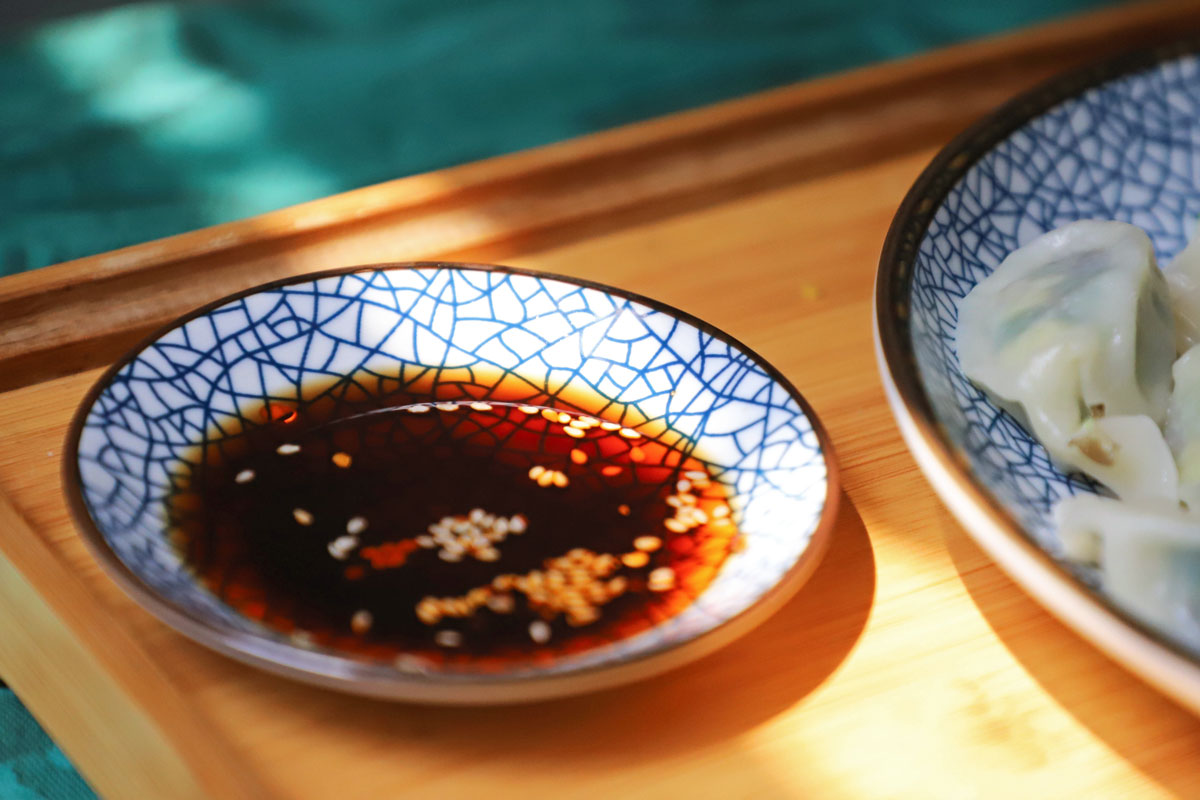
You know what’s great? Butter. You know what else is great? Soy sauce. Despite loving both, you’ve probably never mixed them before. Well, dear reader, it’s time to start. The blend is incredibly easy to make — just lightly melt butter, either in a pan over low heat or a glass bowl in the microwave, before adding soy sauce and whisking — and yields equally incredible results. Best of all is the fact that you don’t need fancy versions of either component; the butter and soy sauce you already have in your fridge will work fine. The emulsion stays mixed after you cook it, meaning the soy and butter won’t separate into unappetizing chunks.

Credit: Felicity Tai/ Pexels

Butter + Soy Sauce = Umami

Known by some proponents as Asian-Fusion Soy Butter, part of why it’s so beloved is due to how pronounced the umami flavor profile is. Umami, one of the five basic tastes alongside sweetness, saltiness, bitterness, and sourness, comes from the Japanese word うま味 and can be translated as both “pleasant savory taste” and “deliciousness” — the perfect description of this brown butter sauce.

First identified by Kikunae Ikeda in 1908, umami has always been a bit harder to pin down and define than its four counterparts. Ikeda, a professor at Tokyo Imperial University, realized that glutamic acid was responsible for the savory flavor of several tasty foods and became the first person to prepare what he called 味の素, or “essence of flavor.” Today it’s called monosodium glutamate (MSG), and most of what you’ve read about it isn’t true. Other foods rich in umami include everything from tomatoes and cheese to cured meats and mushrooms.

Advertisement
Advertisement
Credit: Pixabay/ Pexels

What Do You Do With Soy Butter?

Okay, back to the soy butter. Now that your mouth is watering, you’re probably wondering what to put your new favorite sauce on. You can keep it simple to start with and simply try it with rice, which is more delicious than it has any right to be, or be a bit more ambitious and use it as a steak marinade. Other go-tos include fish, vegetables, and stir-fry. (Some people are so passionate about soy butter they insist even “an old sneaker” would taste good doused in it, and they might be right.) Among the sauce’s more upscale enthusiasts are chefs like Jean-Georges Vongerichten, Wolfgang Puck, and Roy Choi.

Credit: FOX/ Pexels

Now, Let’s Get Fancy

Once you’ve mastered the basic version, there are several other variants you can try. Some recipes include oyster sauce, while others like adding shallots and/or ginger; if you’d like something with more heat, feel free to throw some wasabi in there. It’s such a simple concoction that there’s plenty of room to tweak and experiment until you find the version that’s perfect for you. Just be warned that, once you start, you’ll probably want to put it on everything — including an old shoe.

Advertisement

Feature Image Credit: Cats Coming/ Pexels

More From Our Network

Better Report is part of Inbox Studio, an email-first media company. *Indicates a third-party property.

Go Retro With This 1960s Fashion Quiz

Quiz Daily

Go Retro With This 1960s Fashion Quiz

True or False: Are You a Master of U.S. Geography?

Travel Quiz

True or False: Are You a Master of U.S. Geography?

5 Reasons You Can Be Denied Boarding an Airplane

Daily Passport

5 Reasons You Can Be Denied Boarding an Airplane

What Did People Do Before Eyeglasses?

History Facts

What Did People Do Before Eyeglasses?

How To Use a Balloon To Clean Up Dust

House Outlook

How To Use a Balloon To Clean Up Dust

11 Shopping Hacks Costco Members Should Know

FinanceBuzz*

11 Shopping Hacks Costco Members Should Know

Share this article

  • Share to Facebook
  • Share to Twitter
  • Copy Url
  • Share to Email
Ali Eldridge

This article is for general informational purposes only.
Affiliate Disclaimer Medical Disclaimer Financial Disclaimer

Updated:
Posted In: Home
Hero Image Credit: Better Report

Recommended Articles

  • The Safety Rules for Candles You Probably Don’t Know

  • 5 Things Your Car Needs Before the First Freeze

  • 6 Amazon Prime Day Hacks

  • 5 Things To Ask Your Doctor About the New Flu Shot

Advertisement

Related Articles

The Safety Rules for Candles You Probably Don’t Know

5 min read

9 Items in Your Basement You Should Toss Right Now

5 min read

5 Vegetables You Should Never Store in the Fridge

3 min read

Why a Flashing Check Engine Light Is Different From a Solid One

3 min read

Why Does Your Sink Have a Tiny Hole?

3 min read
Advertisement

5 Things You Don’t Have in Your Kitchen, But Should

Home | Updated: September 19, 2025
Michael Nordine
Author
Michael Nordine is senior writer and editor at Inbox Studio. A native Angeleno, he lives in Denver with two cats but wishes he lived in Tokyo.
Better Report

All featured products and deals are selected independently and objectively by the author. Better Report may receive a share of sales via affiliate links in content.

You’ve already got scissors, olive oil, and a whisk in your pantry, but what about a pool noodle? If you’re looking to level up your kitchen, consider turning to out-of-the-box items with multi-faceted uses. Here are five items you probably don’t have in your kitchen, but should.

Prices are accurate as of September 18, 2025. Subject to change.

Credit: Kaboompics.com/ Pexels

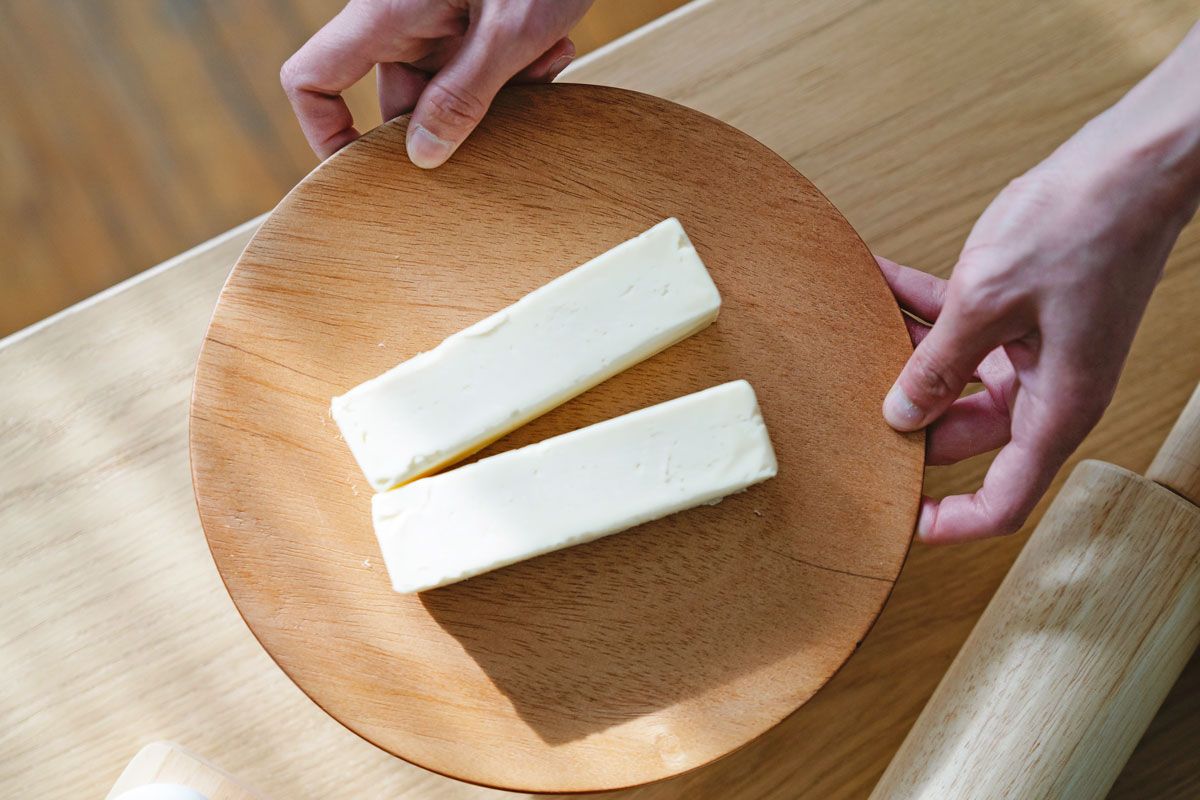
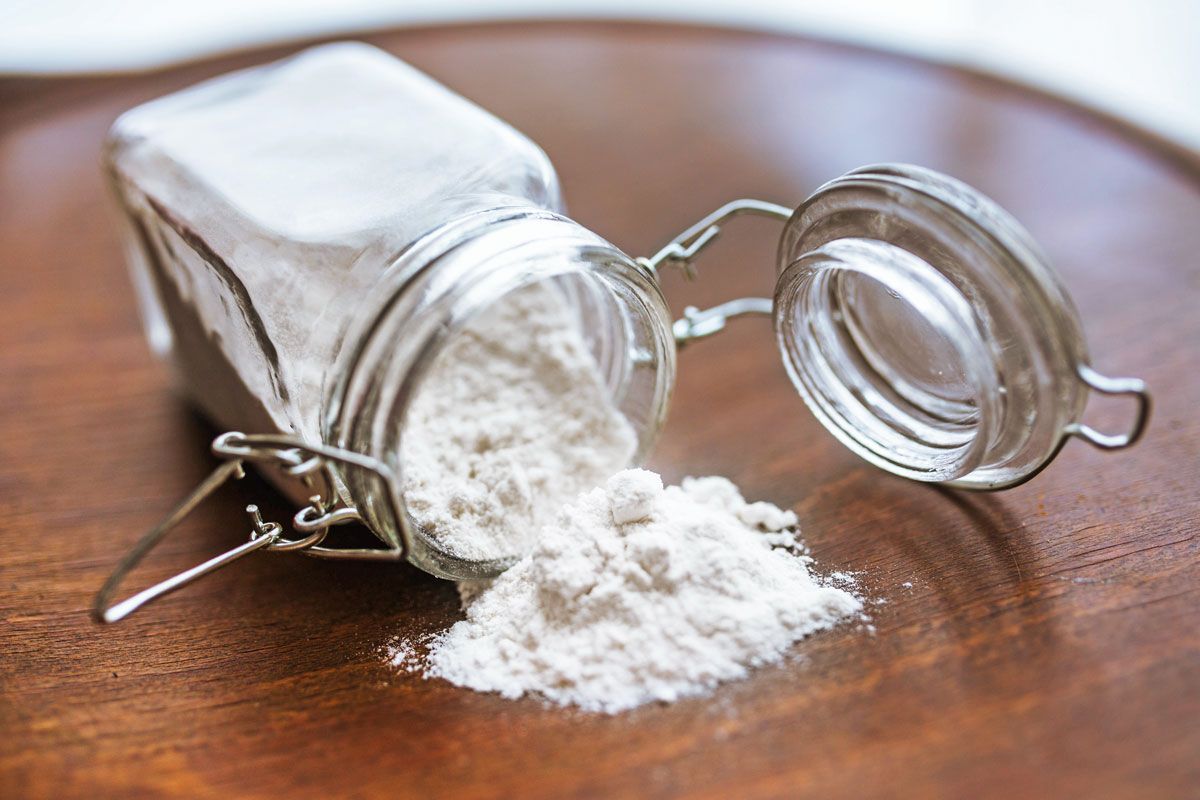
Baby Powder

While most parents have moved away from baby powder, especially those containing talc, for actual baby use, this product can come in handy in the kitchen. That’s especially true when it comes to keeping ants at bay, as the kitchen tends to be their go-to for obvious reasons; sprinkling some will cause the ants already inside your house to lose their scent trail and prevent the ones trying to get in from doing so. Also, if you clean using rubber gloves, putting some baby powder on your hands beforehand will help them slide on more easily and prevent them from bunching up.

BUY FOR $5 AT AMAZON
Credit: James Coleman/ Unsplash

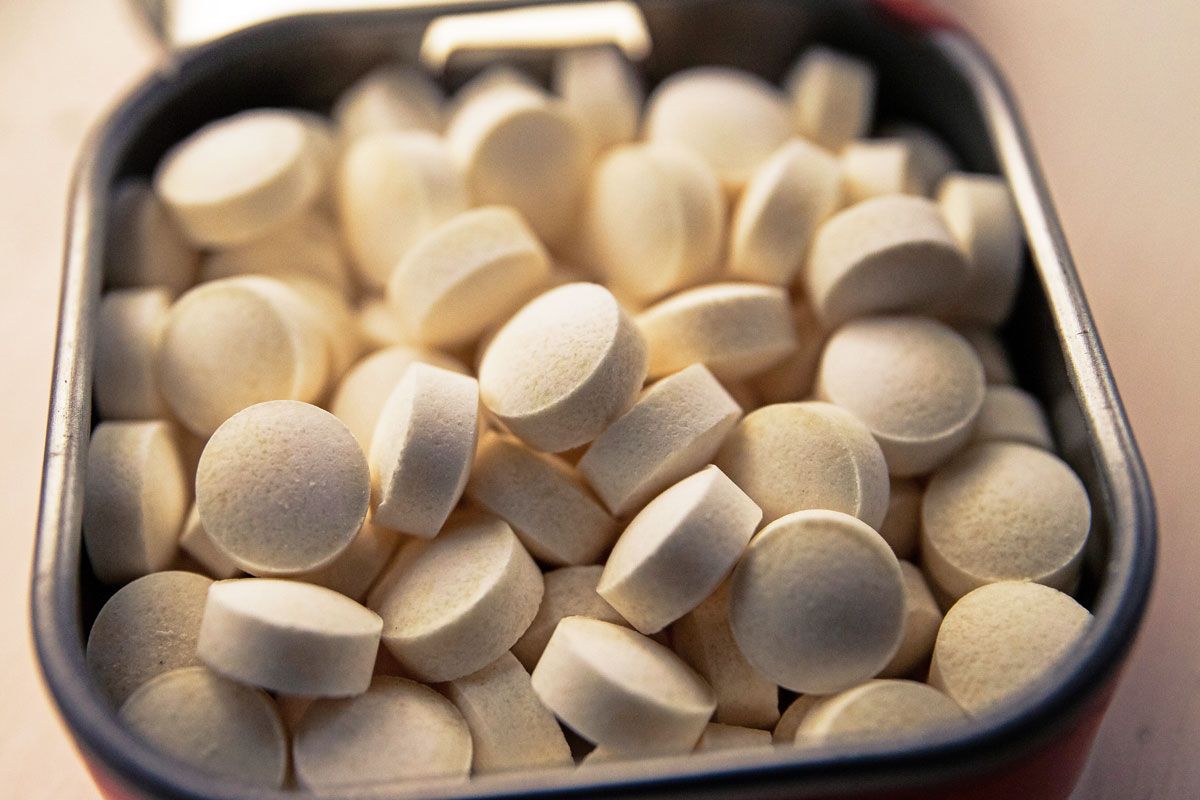
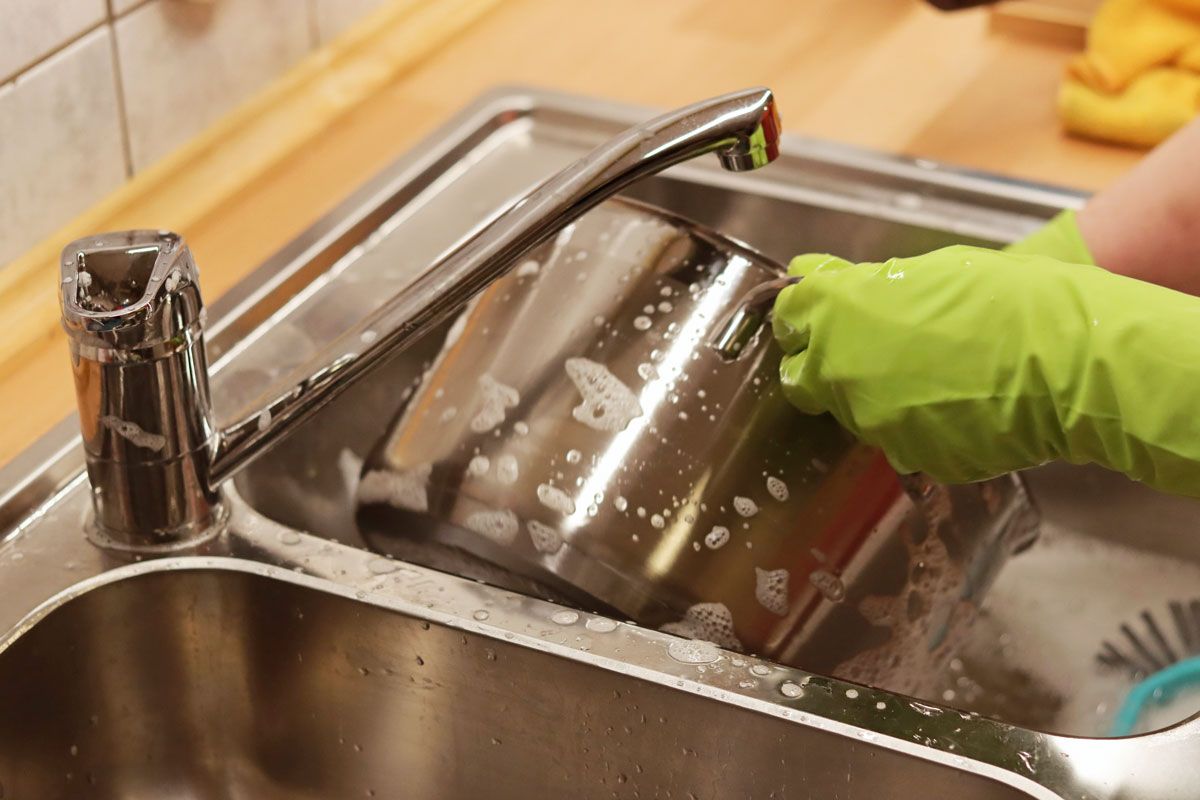
Denture Tablets

If you don’t have dentures, then you might not know how useful denture tablets are. Though their primary function is keeping dentures and retainers clean, which you do by dropping them in a glass of water and letting them dissolve overnight, they can also keep things like tea kettles, coffee pots, and water bottles clean by using the same method — only instead of a glass of water, just drop them into the item that needs to be cleaned. This is especially handy for narrower objects that are hard to fit your entire hand into.

BUY FOR $11 AT AMAZON
Advertisement
Advertisement
Credit: Blue Bird/ Pexels

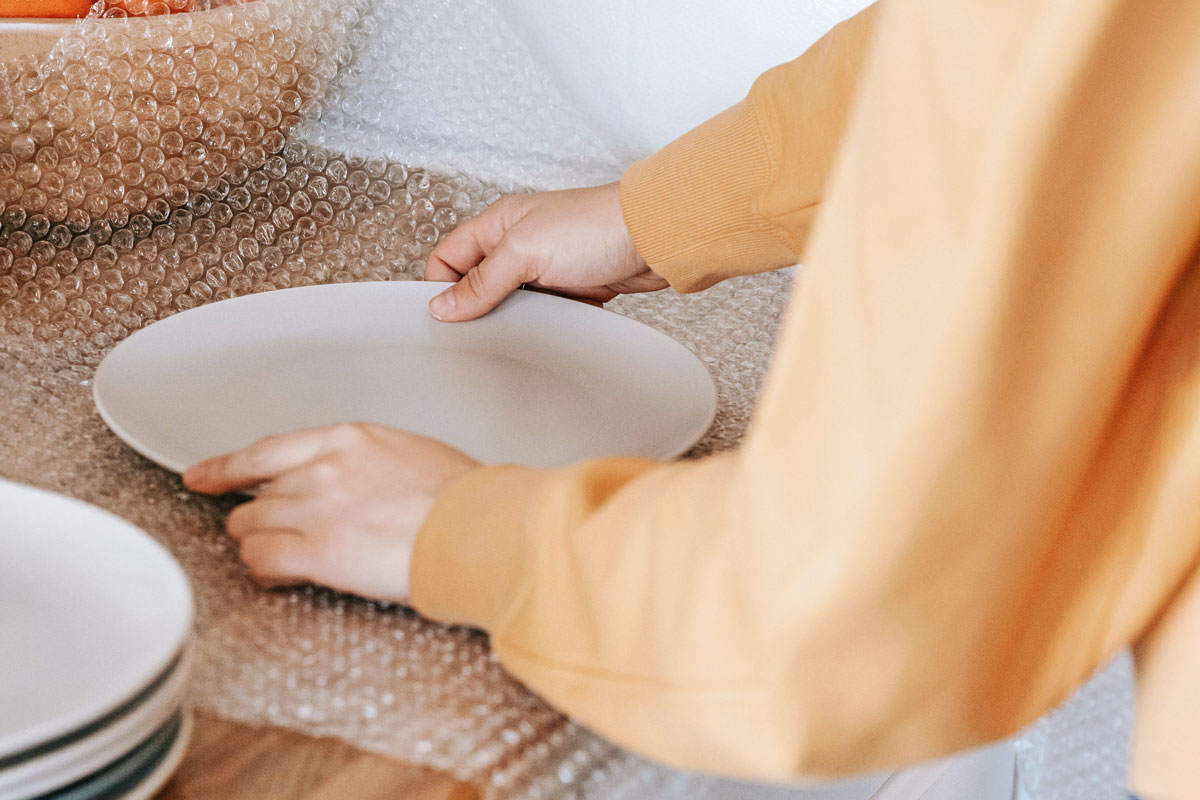
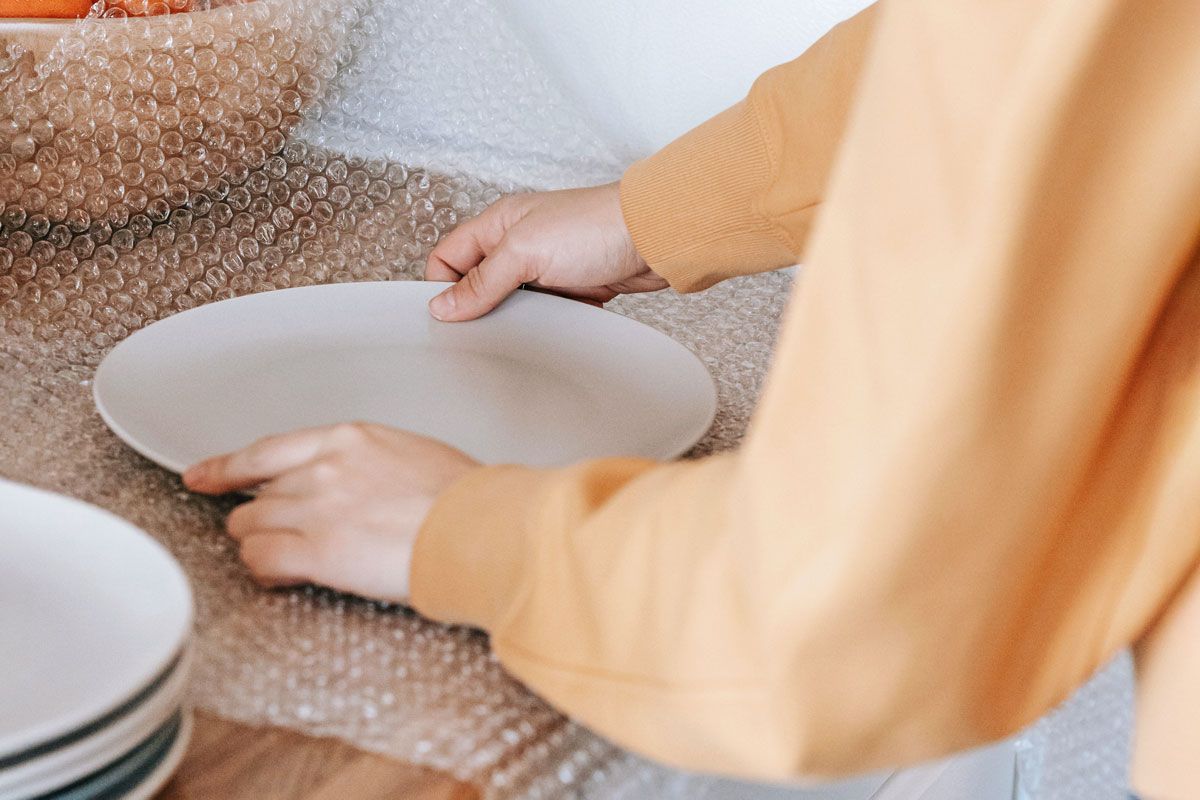
Bubble Wrap

If you can resist the urge to pop it, bubble wrap is great to have around. You can use it to insulate windows, line your refrigerator drawers to prevent fruit and other delicate food from getting banged up, and put a layer of it between your fancy dishes to prevent them from getting scratched. If you’re worried about that last one looking unsightly, cut the edges off the bubble wrap so it isn’t visible when the plates and bowls are stacked.

BUY FOR $5 AT AMAZON
Advertisement
Credit: Marek Studzinski/ Unsplash

Pool Noodles

Though you might have trouble fitting them in a drawer (try the pantry instead), pool noodles have a surprising number of household uses. This comes down to their construction, which is to say that they’re useful for the same reason they’re fun in the pool: They’re made of polyethylene, a closed-cell foam that makes them impenetrable to water. Need to fill a bucket but don’t want to lift it out of the sink once it’s full of water? Slip a pool noodle over the faucet and use it as a makeshift hose. Tired of a cabinet or pantry door making a loud noise and/or nicking your fingers when it closes? Cut a pool noodle to size, split it down the middle, and put it on the noisy door in question to both silence and slam-proof it.

BUY FOR $10 AT AMAZON
Credit: Karolina Grabowska/ Pexels

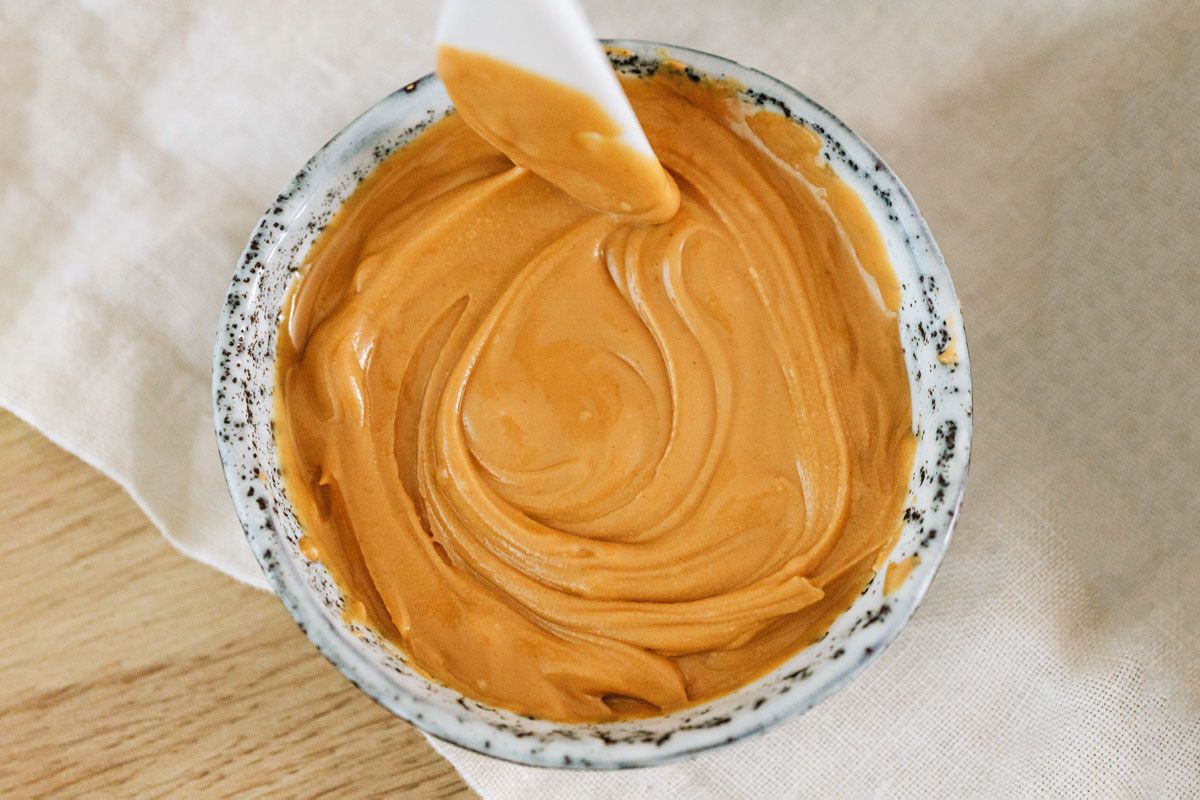
Peanut Butter

Alright, so you probably do already have this one in your kitchen. The bad news is you may eat it all before using it for non-culinary purposes. Should you manage to keep some around, you’ll be glad the next time you need to remove the sticky residue left behind by labels or stickers — just put some peanut butter on a dry cotton cloth and it’ll come right off. It can also un-squeak a noisy door hinge in your cabinet or pantry by lubricating the joint in question, help remove gum from your kiddo’s hair, or make your dog more likely to take its medicine.

BUY FOR $3 AT AMAZON

Recommended Articles

  • The Safety Rules for Candles You Probably Don’t Know

  • 5 Things Your Car Needs Before the First Freeze

  • 6 Amazon Prime Day Hacks

  • 5 Things To Ask Your Doctor About the New Flu Shot

Advertisement
Advertisement

Reader Favorites

  • Woman looking in fridge

    9 Foods You Should Toss ASAP if They’re Expired

  • Person eating salad

    7 Things a Chef Never Orders at a Restaurant

  • Cherry angioma

    Are the Tiny Red Dots on Your Skin Dangerous?

Feature Image Credit: Blue Bird/ Pexels

More From Our Network

Better Report is part of Inbox Studio, an email-first media company. *Indicates a third-party property.

Go Retro With This 1960s Fashion Quiz

Quiz Daily

Go Retro With This 1960s Fashion Quiz

True or False: Are You a Master of U.S. Geography?

Travel Quiz

True or False: Are You a Master of U.S. Geography?

5 Reasons You Can Be Denied Boarding an Airplane

Daily Passport

5 Reasons You Can Be Denied Boarding an Airplane

What Did People Do Before Eyeglasses?

History Facts

What Did People Do Before Eyeglasses?

How To Use a Balloon To Clean Up Dust

House Outlook

How To Use a Balloon To Clean Up Dust

11 Shopping Hacks Costco Members Should Know

FinanceBuzz*

11 Shopping Hacks Costco Members Should Know

Share this article

  • Share to Facebook
  • Share to Twitter
  • Copy Url
  • Share to Email
Michael Nordine
Staff Writer

Michael Nordine is senior writer and editor at Inbox Studio. A native Angeleno, he lives in Denver with two cats but wishes he lived in Tokyo.

This article is for general informational purposes only.
Affiliate Disclaimer Medical Disclaimer Financial Disclaimer

Updated: July 3, 2023
Posted In: Home
Hero Image Credit: Better Report

Advertisement

Related Articles

The Safety Rules for Candles You Probably Don’t Know

5 min read

9 Items in Your Basement You Should Toss Right Now

5 min read

5 Vegetables You Should Never Store in the Fridge

3 min read

Why a Flashing Check Engine Light Is Different From a Solid One

3 min read

Why Does Your Sink Have a Tiny Hole?

3 min read
Advertisement

Posts navigation

Older posts
Newer posts
  • Home
  • Health
  • Wealth
  • Logo
  • Advertise
  • About
  • Contact Us
  • Privacy Policy
  • Terms of Use
  • Your Privacy Choices
x
Thumb Image

Elevate your everyday.

Sign up to receive the practical tips and expert advice you need to pare down the complexities of everyday living right in your inbox.

Sorry, your email address is not valid. Please try again.

Your email is:

Edit Image
Sorry, your email address is not valid. Please try again.
Thank you for subscribing...

By subscribing you are agreeing to our Terms of Use and Privacy Policy.

Close image
Thumb Image
Second Thumb Image

Elevate your everyday.

Sign up to receive the practical tips and expert advice you need to pare down the complexities of everyday living right in your inbox.

Sorry, your email address is not valid. Please try again.

By subscribing you are agreeing to our Privacy Policy and Terms of Use.

Close image