Skip to content
Better Report
  • Home
  • Health
  • Wealth
8 Low-Maintenance Plants That Thrive on Neglect
  • Search
  • Subscribe
  • Home
  • Health
  • Wealth
  • About
  • Privacy Policy
  • Terms of Use
  • Contact Us
  • SubscribeSubscribe
  • Search
Thank you for confirming your email! Welcome to the community.

Tag: Home

3 Things That Could Put You at Risk for an Accidental Fall

Health | Updated: May 4, 2026
Bennett Kleinman
Author
Bennett Kleinman is a New York City-based staff writer for Inbox Studio. He is also a freelance comedy writer, devoted New York Yankees and New Jersey Devils fan, and thinks plain seltzer is the best drink ever invented.
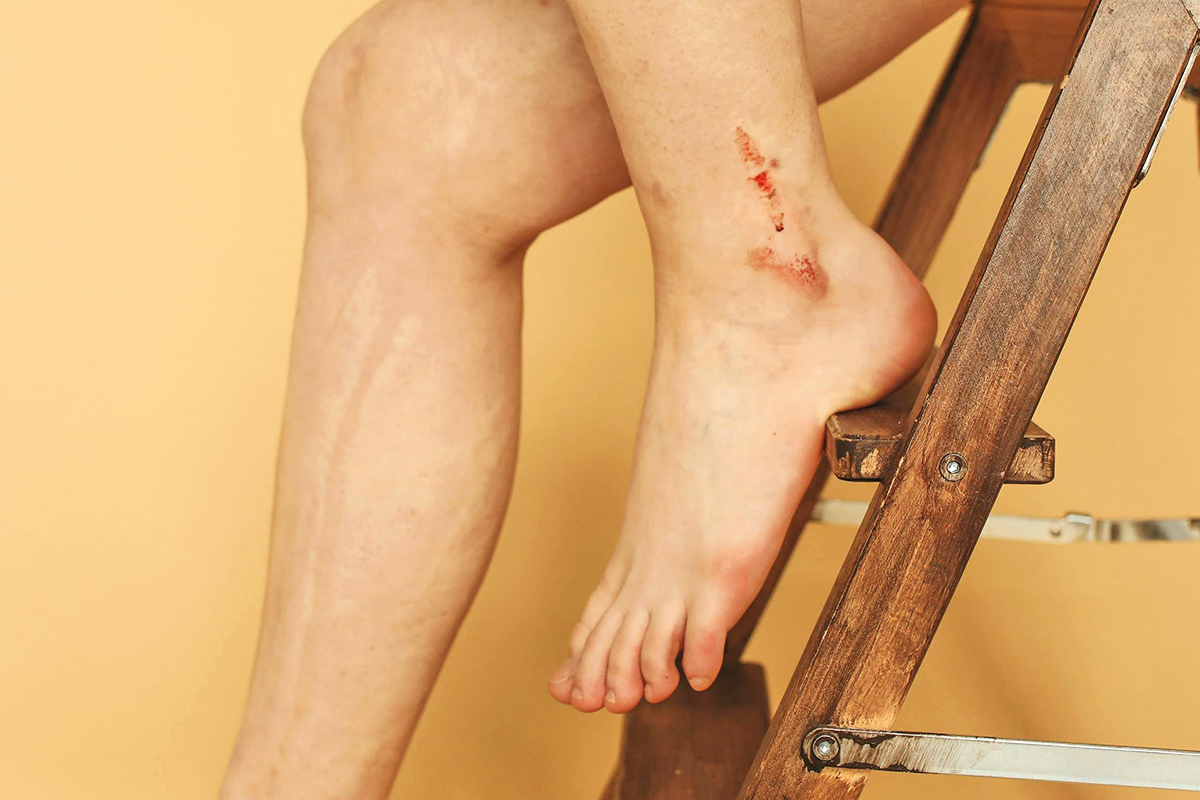
Person sitting on ladder with scrape on ankle
Better Report

All featured products and deals are selected independently and objectively by the author. Better Report may receive a share of sales via affiliate links in content.

It’s no shocker that people are prone to accidental tumbles, especially as they grow older and lose their balance more easily. But not all unexpected falls are due to aging — there are a slew of other culprits, some more surprising than others. 

Since 2000, studies have indicated an uptick in the frequency of fatal falls across an array of age groups both young and old. Here’s a closer look at some reasons behind this concerningly growing trend.

Advertisement
Advertisement
Woman who fell down the stairs holding her back
Credit: © New Africa/stock.adobe.com

Falling Upward

According to statistics from the Centers for Disease Control and Prevention compiled by the data analysis site USAFacts, the rate of death caused by accidental falls has jumped from 4.7 people per 100,000 in 2000 to 11.4 (when adjusted for age) as of 2023 — more than a 2.4-fold increase. The rise comes despite continued efforts to educate Americans about risks associated with falling, such as the debut of Falls Prevention Awareness Week in 2007 and the launch of the STEADI (Stopping Elderly Accidents, Deaths, & Injuries) initiative in 2012. 

Recommended Articles

  • The 10 Healthiest Trader Joe’s Meals, According to a Dietitian

  • 5 Vegetables You Should Never Store in the Fridge

  • Is It Rude To Ask for Leftovers at Fancy Restaurants?

  • Is It Dangerous To Scratch Mosquito Bites?

Advertisement
Advertisement

Reader Favorites

  • Woman looking in fridge

    9 Foods You Should Toss ASAP if They’re Expired

  • Popcorn in a bowl

    7 ‘Bad’ Foods That Are Actually Good for You

  • Person sipping beer

    The Least Healthy Alcoholic Beverages

But this doesn’t affect just seniors (although they are significantly more at risk). The death rate from accidental falls has increased for people aged 35 and up as well. Here’s how the data breaks down: 

• Ages 35 and 44: 15.4% increase 
• Ages 45 to 54: 34.8% increase 
• Ages 55 to 64: 94.9% increase 
• Ages 65 to 74: 113.3% increase 
• Ages 75 to 84: 140.2% increase
• Ages 85 and up: 201.5% increase

    The only age demographics to see a drop are the 25 to 34 (-12.5%), 15 to 24 (-50%), and 1 to 14 (-39.1%) groups.

    Advertisement
    Advertisement

    While fatal falls have increased in frequency, the rate of other major causes of death has gone down. Since the year 2000, cancer deaths have dropped 6.8%, vehicle deaths are down 13%, and heart disease-related deaths have plummeted 19.5%.

    Advertisement
    Hand holding medication
    Credit: © Ksenia Yakovleva/Unsplash.com

    3 Things That Could Be Causing the Increase in Accidental Falls

    Putting age aside, one of the big reasons for the uptick in severe falls may be increased use of prescription medication, which can make people woozy and less stable. This includes meds such as antidepressants and psychotherapeutics, both of which are prescribed and used more frequently than a quarter-century ago. One survey found that the percentage of Americans 65 and older using psychotherapeutics went from 9.4% between January 1999 and March 2000 to 21% between January 2017 and March 2020, while antidepressant use rose from 8.4% to 20%. 

    Advertisement
    Advertisement

    In a similar vein, increased alcohol consumption may also be a driving force behind accidental falls: Between 2002 and 2019, the percentage of Americans 65 and older who consumed alcohol monthly increased 16%, according to data from the National Survey of Drug Use and Health.

    Another problem area worth noting is America’s high rate of obesity, which, at 41.64%, is one of the highest in the world. Obesity has an adverse impact on people’s posture and balance, and is believed to be a major reason why Americans fall and suffer injury so often.

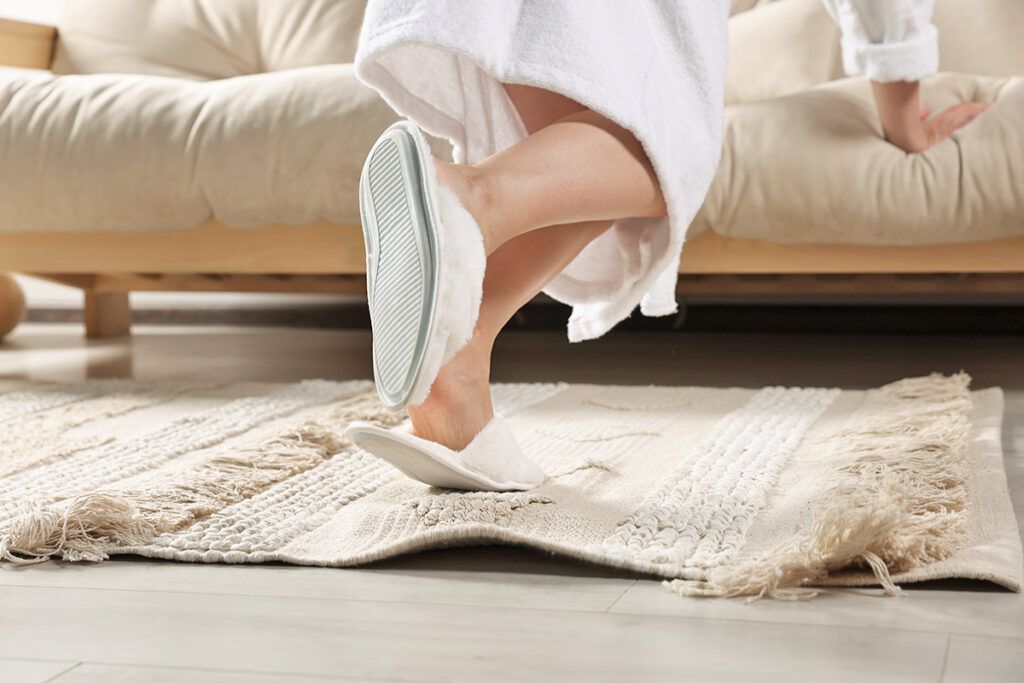
    Person slipping on rug
    Credit: © Liudmila Chernetska—iStock/Getty Images

    Additional Theories 

    There are two other potential causes noted by USAFacts, the first of which is a change in the way that falls are reported. Back in the day, you may have reported a fall only if it was from a high distance, such as off a ladder while doing roof repairs. But there’s an argument to be made that more people are reporting falls from “on the same level” — i.e., if you were to fall while standing on the ground. While those falls may seem minor, they can lead to serious injury that becomes more apparent days or weeks later.

    Advertisement
    Advertisement

    One final theory is that an increase in fall deaths is related to a decrease in other causes of death. With fewer people dying from cancer, heart disease, or car accidents, it opens the door for potentially fatal events such as falling.

    Older man working out at home
    Credit: © SHVETS production/Pexels.com

    Safety Tips

    Despite this concerning uptick, there are precautions you can take to prevent major falls at home. 

    Advertisement
    Advertisement

    One way to do so is to eliminate areas that may potentially trip you up. Moving to a home with fewer stairs, for instance, eliminates changes in elevation that might be a bit more difficult to navigate with age. You can also install railings for more stability, put no-slip pads underneath any rugs, and use bright lighting so you don’t trip over a hazard that you can’t see. And it’s a good idea to wear house shoes with traction for added support.

    Advertisement

    You can further lower the risk of falling by living a healthy lifestyle. Take care of your vision so you don’t accidentally bump into things and tumble over. Maintain a manageable weight to avoid putting extra strain on your joints. Steer clear of drugs and alcohol, and consult your doctor to see if they’re able to prescribe medications that won’t make you woozy. All of these lifestyle choices can go a long way toward keeping you on your feet and off the ground.

    Featured Image Credit: © Polina Tankilevitch/Pexels.com

    More From Our Network

    Better Report is part of Inbox Studio, an email-first media company. *Indicates a third-party property.

    Go Retro With This 1960s Fashion Quiz

    Quiz Daily

    Go Retro With This 1960s Fashion Quiz

    True or False: Are You a Master of U.S. Geography?

    Travel Quiz

    True or False: Are You a Master of U.S. Geography?

    5 Reasons You Can Be Denied Boarding an Airplane

    Daily Passport

    5 Reasons You Can Be Denied Boarding an Airplane

    What Did People Do Before Eyeglasses?

    History Facts

    What Did People Do Before Eyeglasses?

    How To Use a Balloon To Clean Up Dust

    House Outlook

    How To Use a Balloon To Clean Up Dust

    11 Shopping Hacks Costco Members Should Know

    FinanceBuzz*

    11 Shopping Hacks Costco Members Should Know

    Share this article

    • Share to Facebook
    • Share to Twitter
    • Copy Url
    • Share to Email
    Bennett Kleinman
    Staff Writer

    Bennett Kleinman is a New York City-based staff writer for Inbox Studio. He is also a freelance comedy writer, devoted New York Yankees and New Jersey Devils fan, and thinks plain seltzer is the best drink ever invented.

    This article is for general informational purposes only.
    Affiliate Disclaimer Medical Disclaimer Financial Disclaimer

    Updated: July 20, 2023
    Posted In: Health
    Hero Image Credit: Better Report
    Advertisement

    Related Articles

    The 10 Healthiest Trader Joe’s Meals, According to a Dietitian

    6 min read

    Is It Dangerous To Scratch Mosquito Bites?

    4 min read

    7 Gross Things That Could Be on Your Toothbrush

    5 min read

    7 Things a Chef Never Orders at a Restaurant

    8 min read

    Are the Tiny Red Dots on Your Skin Dangerous?

    6 min read
    Advertisement

    6 Reasons Your Washing Machine Smells

    Home | Updated: May 4, 2026
    Nicole Pyles
    Author
    Based in Portland, Oregon, Nicole Pyles is an experienced freelance writer who writes about home and kitchen, health and wellness, and more. She's written for a variety of outlets, including Better Homes and Gardens, Tom's Guide, Better Report, and more.
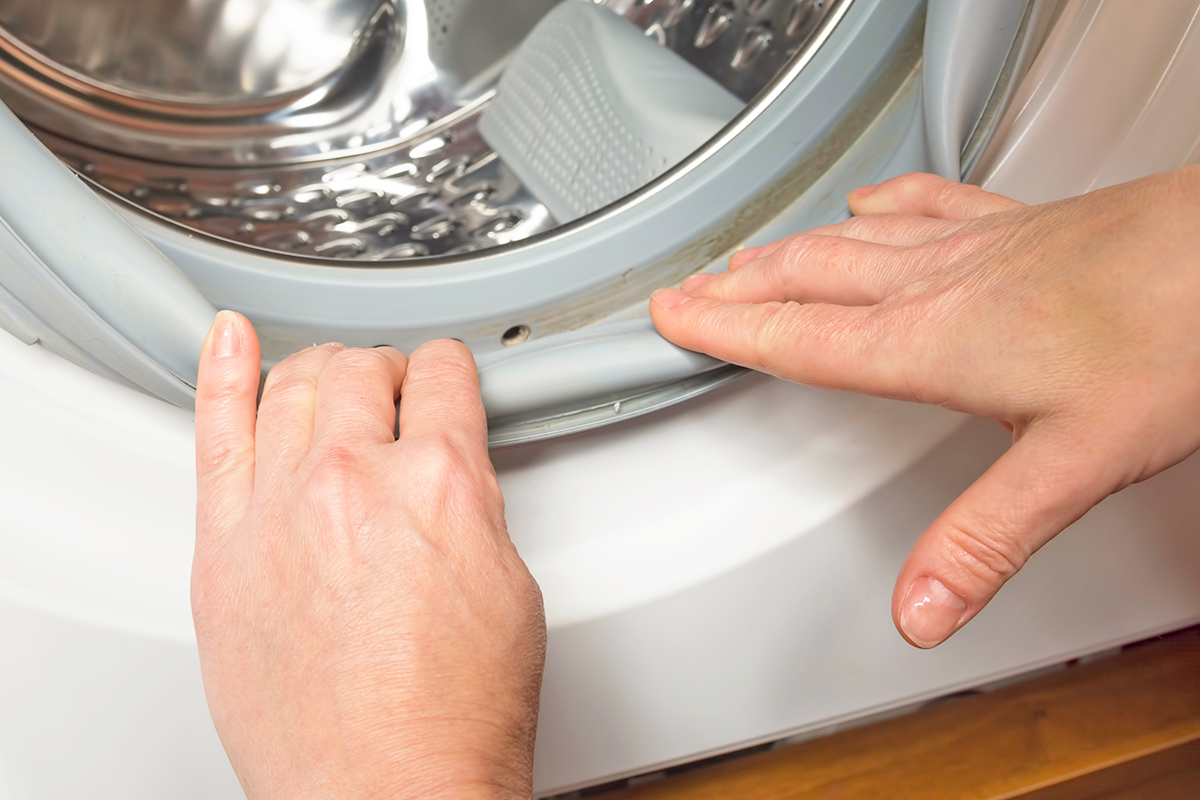
    Checking washing machine gasket
    Better Report

    Of all the household appliances we’d expect to smell not-so-fresh after a while, the washing machine probably isn’t one of them — it’s continuously cleaning our clothes, after all, so shouldn’t it be clean itself? But over time, even the items in our household that clean other things need a little TLC. If you’ve noticed a musty or mildewy smell coming from the heart of your laundry room, it’s time to add it to your cleaning to-do list. Here are a few common causes behind unfortunate smells in your washing machine, along with cleaning tips to help freshen it up.

    Advertisement
    Advertisement
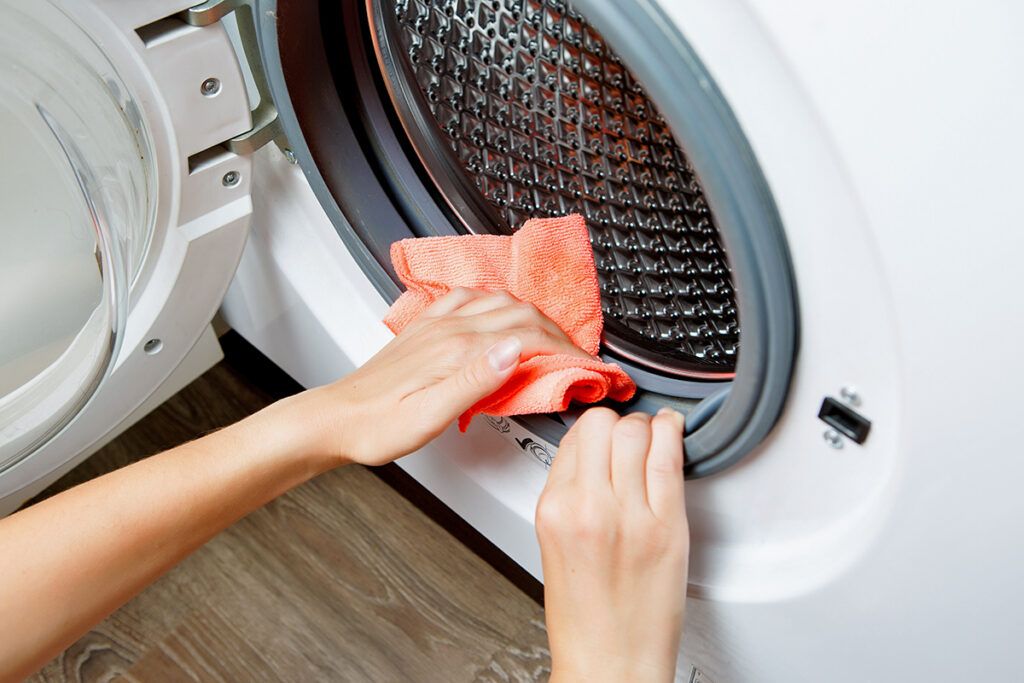
    Cleaning washing machine gasket
    Credit: © Sergey Mironov/stock.adobe.com

    Buildup in the Gasket

    Whether you have a top-loading or front-loading washing machine, the gasket — the large rubber ring that acts as a water barrier — can start to smell due to mold and soap scum buildup. This will be more of an issue on front-loading washing machines than top-loading ones, but both should be cleaned regularly.

    Clean the exterior of the seal using hot, soapy water and a microfiber cloth. To get into the seal’s narrow crevices, use an old toothbrush dipped in a vinegar and warm water solution. Wipe the seal down with a cloth and leave the door open until everything is dry. 

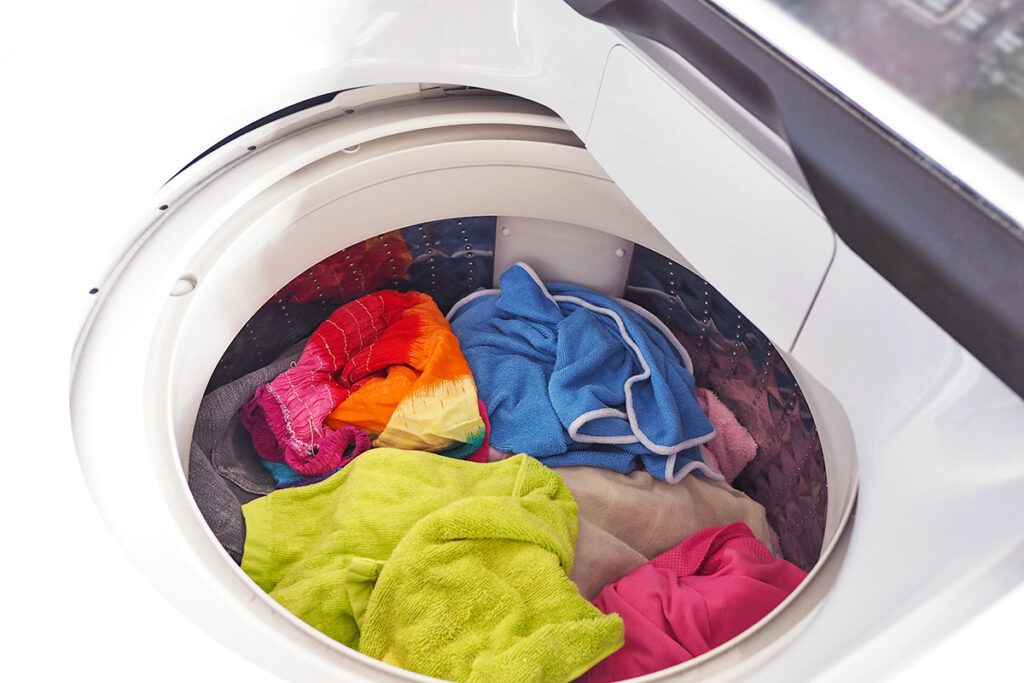
    Clothes in washing machine
    Credit: © pkanchana/stock.adobe.com

    Wet Clothes Left in the Tub

    While we’ve all made this mistake, leaving wet clothes in the tub for long periods after a cycle can lead to a musty smell. Remove clothes as soon as possible after the cycle is complete to keep your tub smelling fresh. To remove any lingering odors, wash your tub (more on that below).

    Recommended Articles

    • The 10 Healthiest Trader Joe’s Meals, According to a Dietitian

    • 5 Vegetables You Should Never Store in the Fridge

    • Is It Rude To Ask for Leftovers at Fancy Restaurants?

    • Is It Dangerous To Scratch Mosquito Bites?

    Advertisement
    Advertisement

    Reader Favorites

    • Woman looking in fridge

      9 Foods You Should Toss ASAP if They’re Expired

    • Popcorn in a bowl

      7 ‘Bad’ Foods That Are Actually Good for You

    • Person sipping beer

      The Least Healthy Alcoholic Beverages

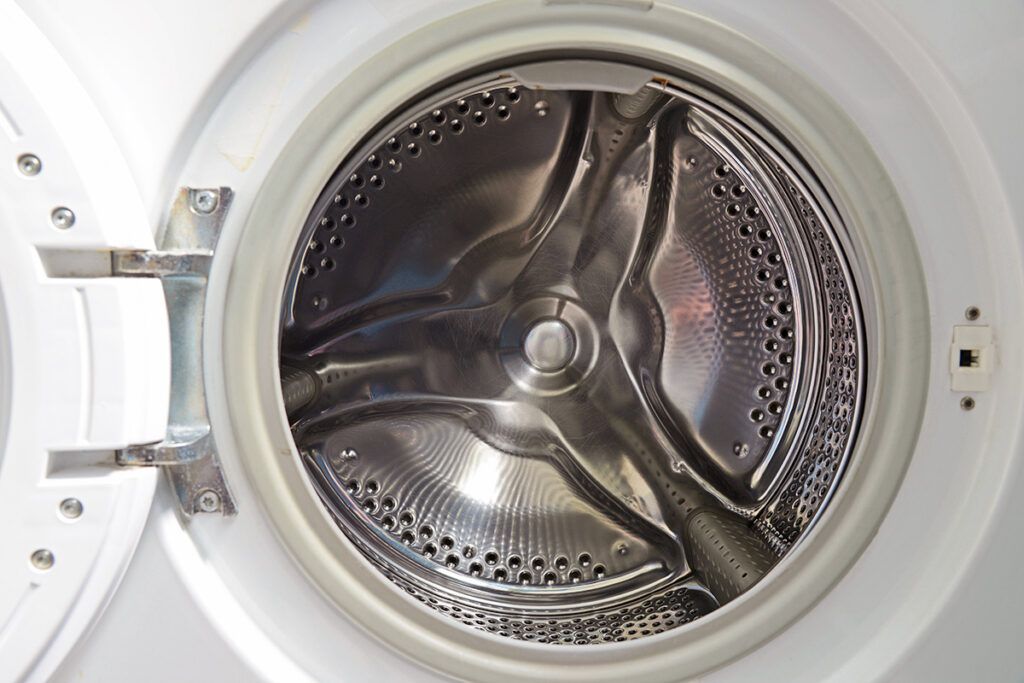
    Empty washing machine tub
    Credit: © Vlad Ivantcov/stock.adobe.com

    A Dirty Tub

    Whether it’s from last week’s wet laundry or an accumulation of hard-water minerals, detergent residue, or hidden grime, your washing machine tub itself may be the source of unwanted odors. 

    Advertisement
    Advertisement

    To clean, pour one cup of bleach into the bleach dispenser and set your washer to the hottest cycle. (Make sure there’s no laundry in the tub.) When that’s done, run a final rinse cycle to remove any remaining bleach from the tub and clean the dispensers. Leave the door open for a while to allow everything to dry, and repeat once monthly to keep odors at bay.

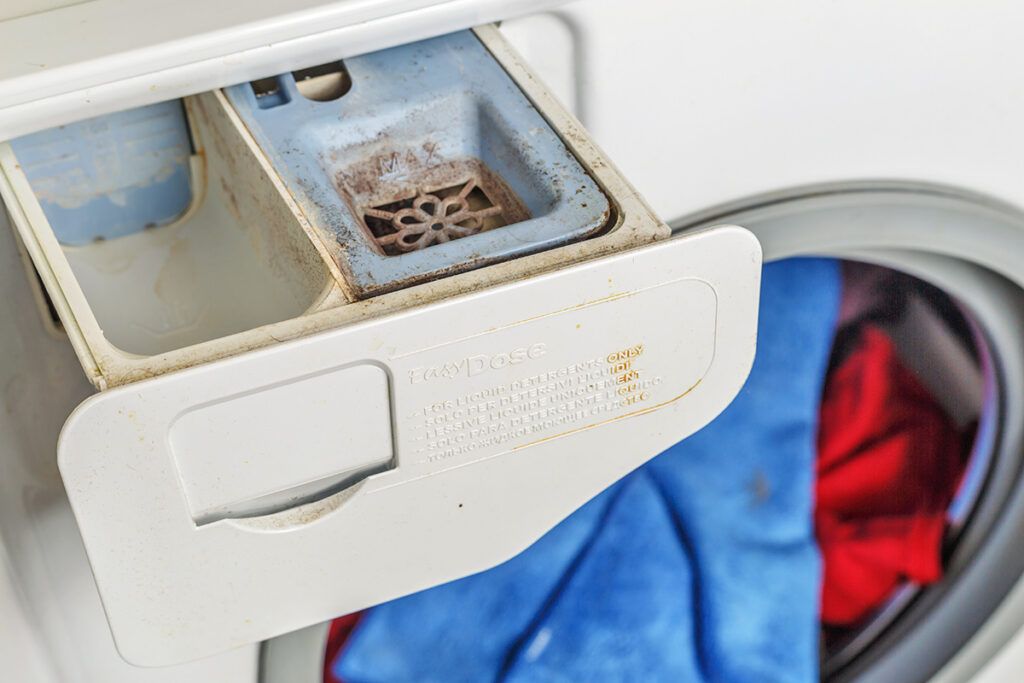
    Dirty dispenser tub
    Credit: © bukhta79/stock.adobe.com

    A Neglected Dispenser Drawer

    Your dispenser drawer can smell because of the accumulation of soap and liquid softeners as well as mineral deposits from hard water. Remove the drawer, take out its inserts, and wash it all with mild soap and hot water using a soft brush. If you can’t remove the drawer, use a damp cloth to wipe it clean.

    Advertisement
    Advertisement
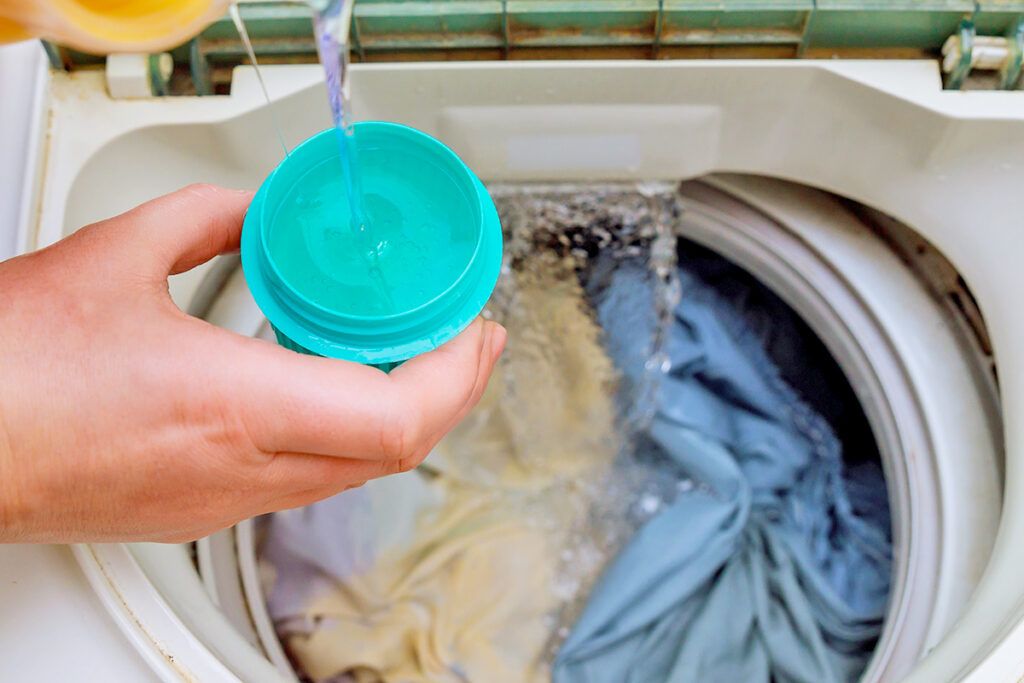
    Detergent in cap
    Credit: © ungvar/stock.adobe.com

    Using Too Much Detergent

    Using an excessive amount of detergent is bad not only for your clothes, but also for the washing machine — high-efficiency (HE) washing machines typically don’t need as much detergent. 

    Advertisement
    Advertisement

    The exact amount you need will vary based on the size of the load, the soil level of your clothes, the type of detergent you use, and your washing machine. You should refer to your manufacturer’s guidelines to find out the ideal amount to use per cycle, but a good guideline for an average load is to use half an ounce of laundry detergent per cycle for HE machines and 1 ounce per cycle for non-HE machines. 

    Advertisement
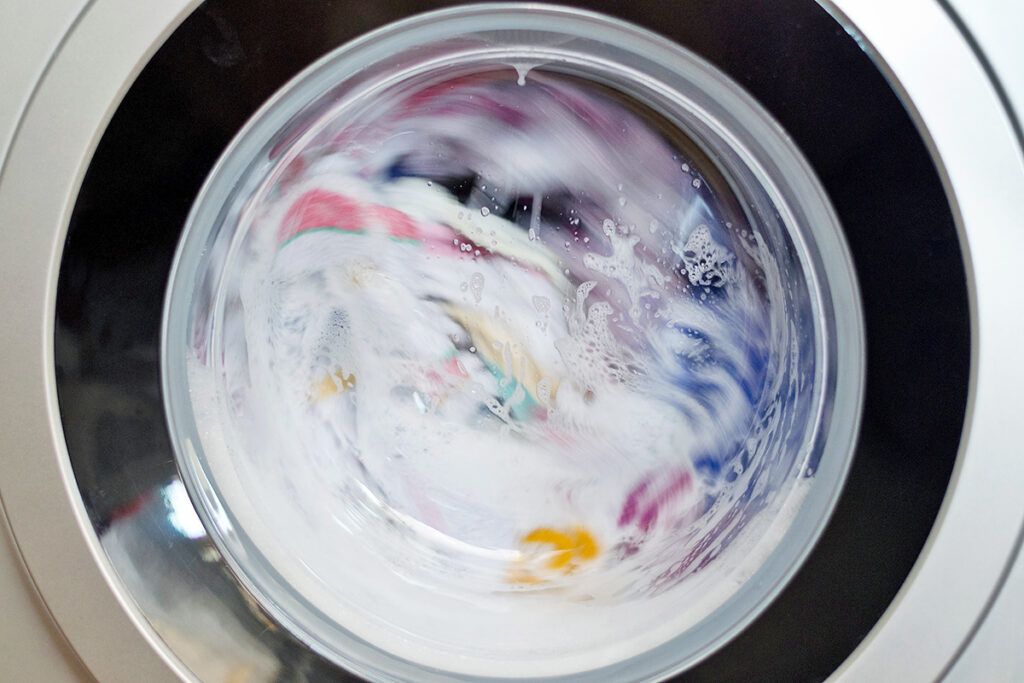
    Washing machine mid-cycle
    Credit: © nerksi/stock.adobe.com

    Using Only Cold Water

    While using only cool water can certainly save money on your electric bill, it isn’t good for removing bacteria from clothes or residue from your washing machine tub, which can lead to increased mold and mildew that cause a smell. 

    Advertisement
    Advertisement

    You don’t need to switch to hot cycles to combat this problem. Just run the hot-water cycle in an empty tub occasionally to sanitize the machine.

    Featured Image Credit: © denklim/stock.adobe.com

    More From Our Network

    Better Report is part of Inbox Studio, an email-first media company. *Indicates a third-party property.

    Go Retro With This 1960s Fashion Quiz

    Quiz Daily

    Go Retro With This 1960s Fashion Quiz

    True or False: Are You a Master of U.S. Geography?

    Travel Quiz

    True or False: Are You a Master of U.S. Geography?

    5 Reasons You Can Be Denied Boarding an Airplane

    Daily Passport

    5 Reasons You Can Be Denied Boarding an Airplane

    What Did People Do Before Eyeglasses?

    History Facts

    What Did People Do Before Eyeglasses?

    How To Use a Balloon To Clean Up Dust

    House Outlook

    How To Use a Balloon To Clean Up Dust

    11 Shopping Hacks Costco Members Should Know

    FinanceBuzz*

    11 Shopping Hacks Costco Members Should Know

    Share this article

    • Share to Facebook
    • Share to Twitter
    • Copy Url
    • Share to Email
    Nicole Pyles
    Writer

    Based in Portland, Oregon, Nicole Pyles is an experienced freelance writer who writes about home and kitchen, health and wellness, and more. She's written for a variety of outlets, including Better Homes and Gardens, Tom's Guide, Better Report, and more.

    This article is for general informational purposes only.
    Affiliate Disclaimer Medical Disclaimer Financial Disclaimer

    Updated: September 18, 2024
    Posted In: Home
    Hero Image Credit: Better Report
    Advertisement

    Related Articles

    5 Vegetables You Should Never Store in the Fridge

    3 min read

    Why a Flashing Check Engine Light Is Different From a Solid One

    3 min read

    Why Does Your Sink Have a Tiny Hole?

    3 min read

    Is Hard Water Ruining Your Clothes?

    3 min read

    9 Fall Cleaning Tasks You Shouldn’t Neglect

    6 min read
    Advertisement

    Are Teflon Pans Really That Bad for You?

    Health | Updated: April 27, 2026
    Kat Long
    Author
    Kat Long is a freelance science journalist in the Washington, D.C. area. Previously, she was the science editor at Mental Floss and a digital editor at National Geographic. She now writes the Arctic Archives newsletter on Substack. Kat spends her free time birdwatching, road-tripping to historical sites and perusing old manuscripts at libraries.
    Egg in a nonstick pan
    Better Report

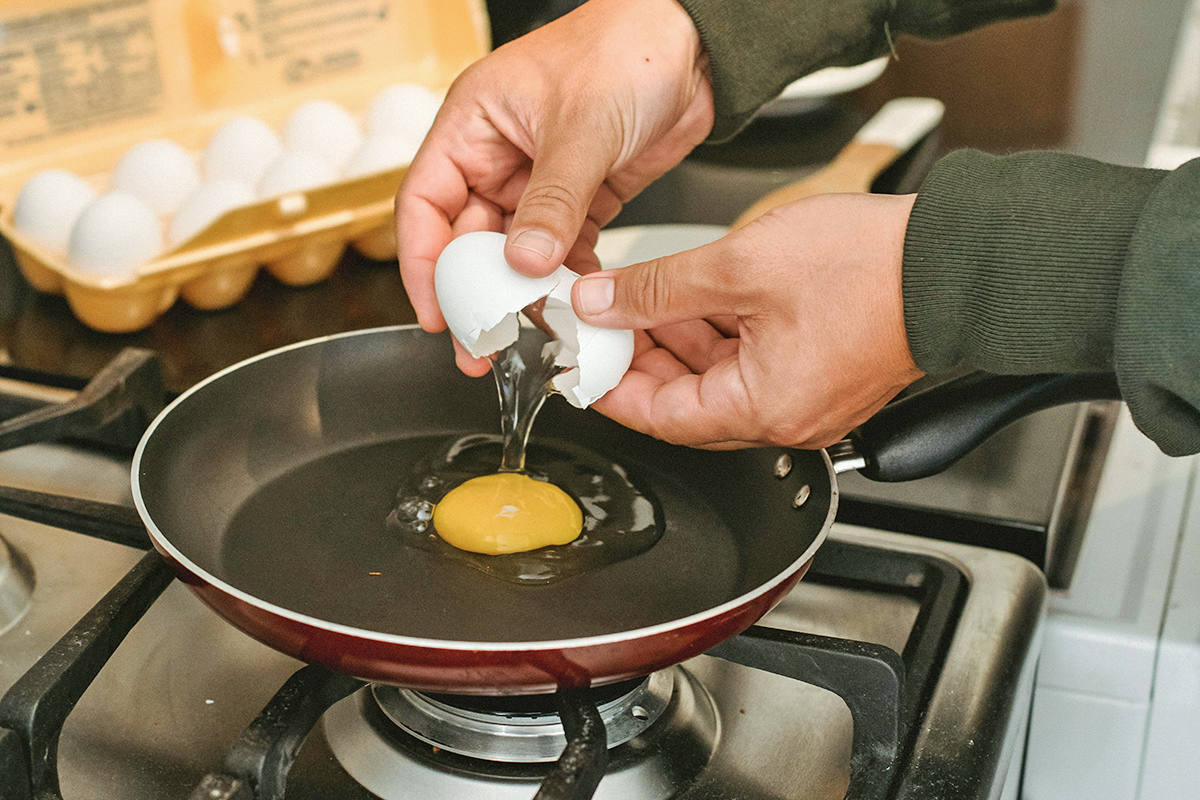
    In 1938, a chemist at the DuPont company accidentally discovered an exciting new polymer. It repelled water, it was chemically stable and nonreactive, and nothing stuck to it. The material (brand name: Teflon) has been used in countless consumer products since then to reduce friction between surfaces. Among its best-known applications is in nonstick cookware, allowing home chefs to sauté, pan fry, and bake without a stuck-on mess to clean up afterward. 

    In the past few decades, however, the chemicals that go into nonstick surfaces have been linked to certain health issues and environmental pollution. A 2025 poll conducted by Consumer Reports found 65% of the cooks and bakers surveyed were “very concerned” or “somewhat concerned” about the presence of the chemicals in nonstick cookware.    

    Advertisement
    Advertisement

    Are pans coated in Teflon a health risk? Should you toss the ones you have in your cabinets? Let’s take a look.

    Non-stick pan
    Credit: © Rob Jorg/iStock

    Pots, Pans, and PTFE

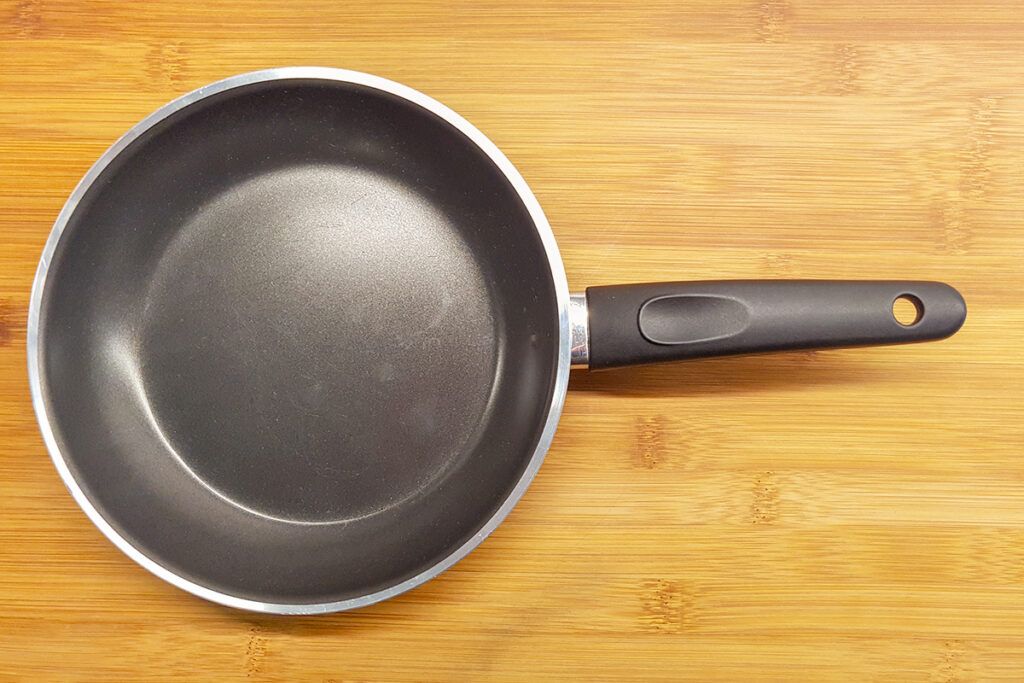
    The chemical name of Teflon is polytetrafluoroethylene (PTFE). This incredibly versatile material is inert — meaning it doesn’t chemically react with other substances around it — and it’s highly resistant to breaking down from wear or corrosion.

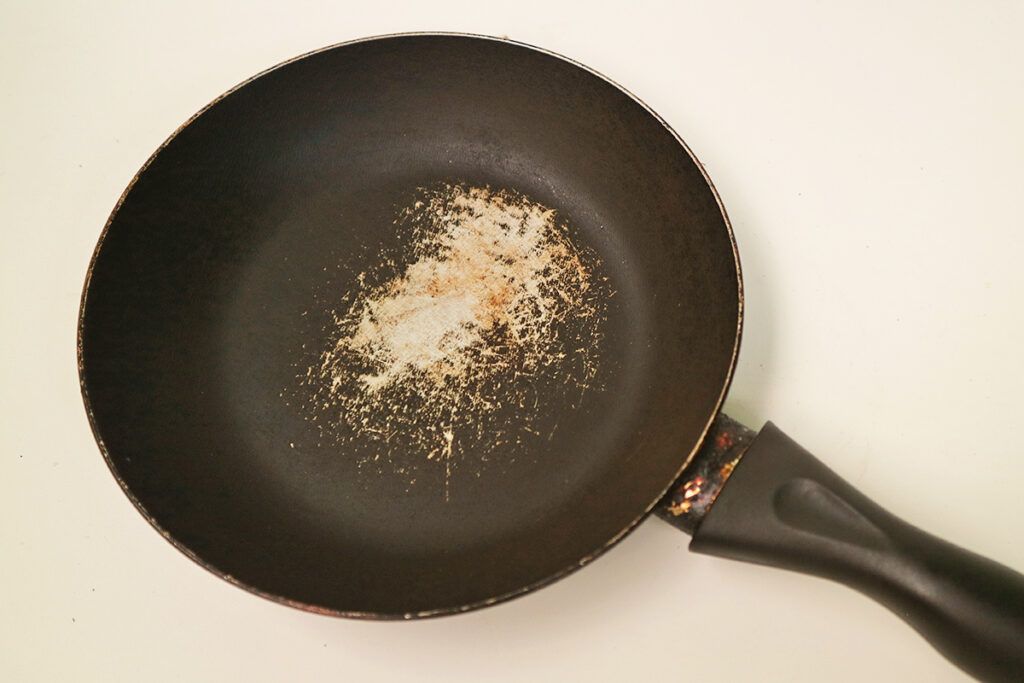
    When used according to the manufacturer’s directions, nonstick PTFE-coated pots and pans are nontoxic and will not leach chemicals into food. Even if the nonstick coating gets scratched from a utensil and you happen to ingest small pieces of PTFE, they will pass through your system without being metabolized. (To avoid the possibility of ingesting the plastic, replace scratched cookware promptly.)

    Advertisement

    That said, using PTFE-coated cookware incorrectly isn’t a good idea. Overheating empty pots and pans to PTFE’s melting point of 327 degrees Celsius (620.6 degrees Fahrenheit) can release fumes that cause “polymer-fume fever,” which can bring on temporary symptoms including fever, sore throat, chills, and headache. People with lung conditions may experience more serious symptoms. Because of this, manufacturers’ recommended maximum temperature for Teflon-coated pans is usually 260 degrees Celsius (500 degrees Fahrenheit). Fortunately, most types of cooking don’t require that level of heat. 

    Recommended Articles

    • The 10 Healthiest Trader Joe’s Meals, According to a Dietitian

    • 5 Vegetables You Should Never Store in the Fridge

    • Is It Rude To Ask for Leftovers at Fancy Restaurants?

    • Is It Dangerous To Scratch Mosquito Bites?

    Advertisement
    Advertisement

    Reader Favorites

    • Woman looking in fridge

      9 Foods You Should Toss ASAP if They’re Expired

    • Popcorn in a bowl

      7 ‘Bad’ Foods That Are Actually Good for You

    • Person sipping beer

      The Least Healthy Alcoholic Beverages

    Non-stick pan with scratches
    Credit: © Octopus16/stock.adobe.com

    The Problems With PFAS

    Some of the concern with the safety of PTFE-coated pans stems from their relationship to PFAS (per- and polyfluoroalkyl substances), the “forever chemicals” known to pollute and persist in the environment. The extremely widespread use of PFAS in manufacturing means nearly all people on Earth have some PFAS in their blood from exposure to polluted water, soil, or air. 

    Advertisement
    Advertisement

    PTFE is considered a PFAS, though one that is less harmful to the environment than others because it doesn’t break down chemically. Instead, it disintegrates into microplastics over decades or centuries in landfills. 

    The manufacturing process for PTFE-coated cookware used to include a type of PFAS called perfluorooctanoic acid, or PFOA, which would end up in the finished products. PFOA exposure is associated with higher cholesterol levels, weaker immune system response to some vaccines, pregnancy-induced high blood pressure, and kidney and testicular cancer. Studies on animals exposed to high doses of PFOA have shown additional harms, but it’s not clear if these effects translate to humans.

    Advertisement
    Advertisement

    Because of these risks, manufacturers began phasing out production and general use of PFOA in the early 2000s and stopped using it at the end of 2015. Nonstick cookware sold after that year should be free of the substance, though Consumer Reports tested three “nontoxic” pans in 2022 and found one PTFE-coated pan had measurable traces of PFOA and other PFAS due to how the pan was manufactured. The other two pans were ceramic-coated and did not contain any of the 96 PFAS in the test.

    Most nonstick pans last between two and five years, so if you have any you think could date back to 2015, toss them. And to be sure your cookware contains no PFAS, uncoated pans may be your best bet. Carbon steel and cast-iron pans won’t have the ultra-slippery coating right out of the box, but seasoning them will eventually build up a suitably nonstick surface.

    Advertisement
    Advertisement

    Featured Image Credit: © Amina Filkins/Pexels.com

    More From Our Network

    Better Report is part of Inbox Studio, an email-first media company. *Indicates a third-party property.

    Go Retro With This 1960s Fashion Quiz

    Quiz Daily

    Go Retro With This 1960s Fashion Quiz

    True or False: Are You a Master of U.S. Geography?

    Travel Quiz

    True or False: Are You a Master of U.S. Geography?

    5 Reasons You Can Be Denied Boarding an Airplane

    Daily Passport

    5 Reasons You Can Be Denied Boarding an Airplane

    What Did People Do Before Eyeglasses?

    History Facts

    What Did People Do Before Eyeglasses?

    How To Use a Balloon To Clean Up Dust

    House Outlook

    How To Use a Balloon To Clean Up Dust

    11 Shopping Hacks Costco Members Should Know

    FinanceBuzz*

    11 Shopping Hacks Costco Members Should Know

    Share this article

    • Share to Facebook
    • Share to Twitter
    • Copy Url
    • Share to Email
    Kat Long
    Writer

    Kat Long is a freelance science journalist in the Washington, D.C. area. Previously, she was the science editor at Mental Floss and a digital editor at National Geographic. She now writes the Arctic Archives newsletter on Substack. Kat spends her free time birdwatching, road-tripping to historical sites and perusing old manuscripts at libraries.

    This article is for general informational purposes only.
    Affiliate Disclaimer Medical Disclaimer Financial Disclaimer

    Updated: April 6, 2026
    Posted In: Health
    Hero Image Credit: Better Report
    Advertisement

    Related Articles

    The 10 Healthiest Trader Joe’s Meals, According to a Dietitian

    6 min read

    Is It Dangerous To Scratch Mosquito Bites?

    4 min read

    7 Gross Things That Could Be on Your Toothbrush

    5 min read

    7 Things a Chef Never Orders at a Restaurant

    8 min read

    Are the Tiny Red Dots on Your Skin Dangerous?

    6 min read
    Advertisement

    9 Unusual Uses for Paper Towels

    Ali Eldridge
    Home | Updated: April 3, 2026
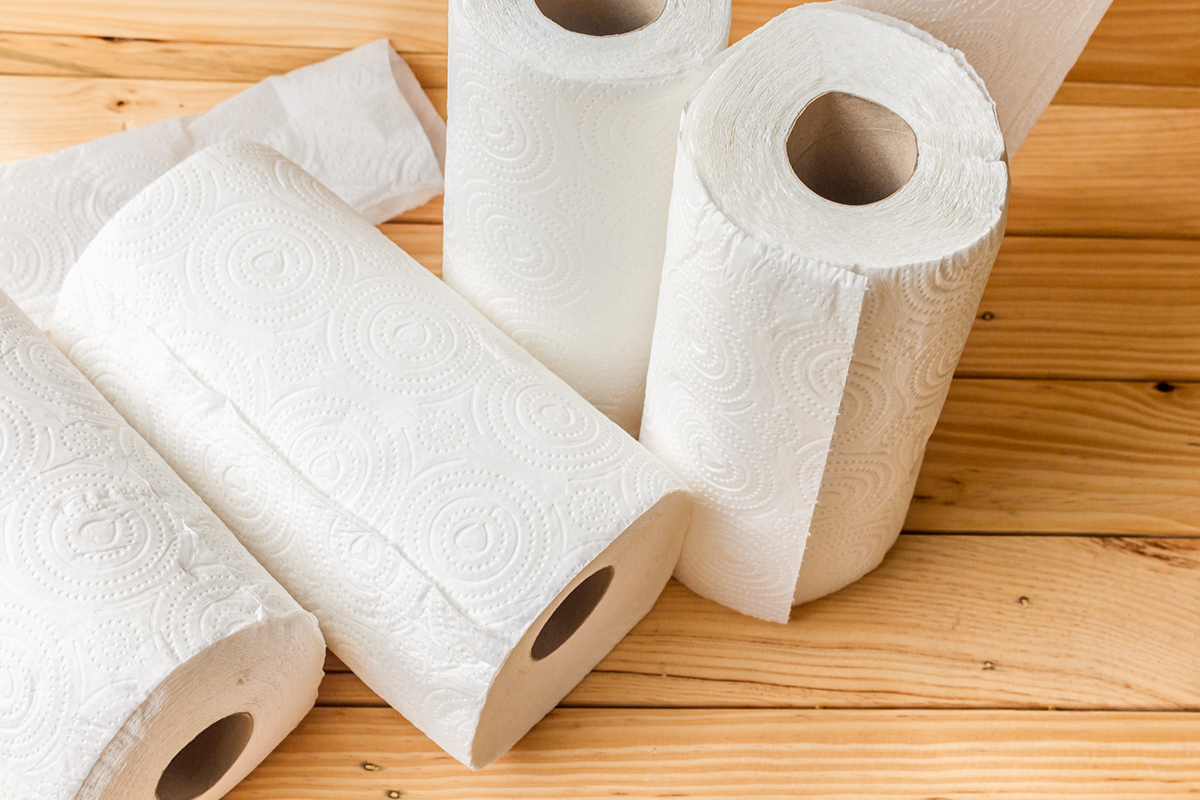
    Paper towels on a table
    Better Report

    If you encounter a mess of any kind — whether it’s a spilled cup of coffee or crumbs on the counter — chances are you’ll be reaching for a paper towel to deal with it. We tend to think of these wipes as our go-to tool to handle mess, but there are plenty of other smart ways to use them that go way beyond spills. Here are nine ways to get more out of every roll.

    Advertisement
    Advertisement
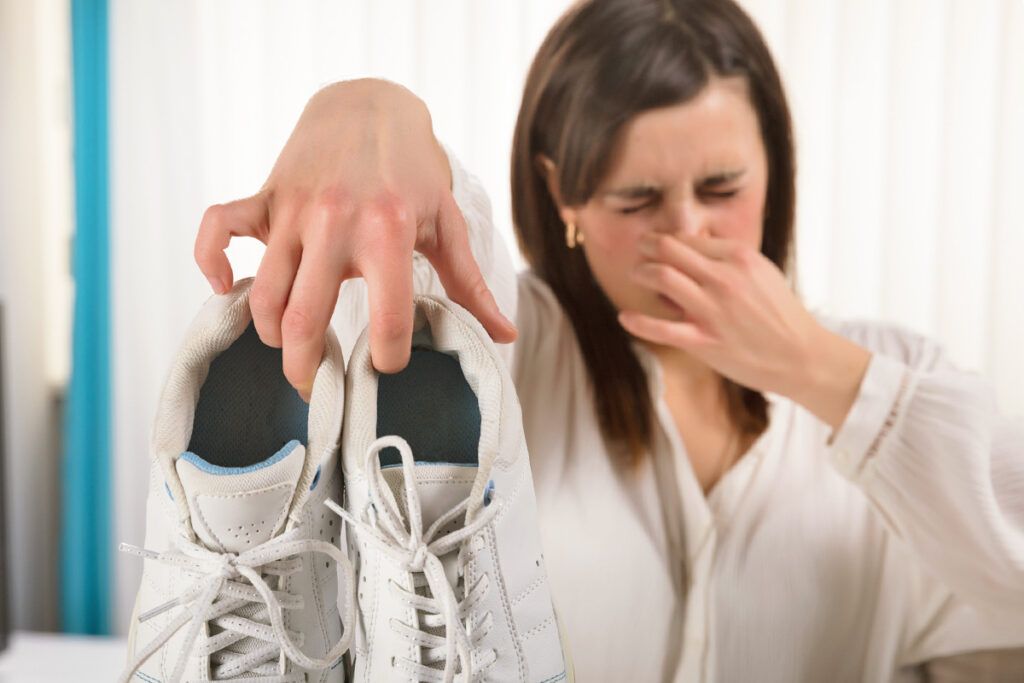
    Woman holding shoes, pinching her nose
    Credit: © AndreyPopov/iStock

    Freshen Your Shoes

    Shoes can take on a funky odor due to bacteria that thrive in the damp, dark environment they provide. Give them a quick refresh by putting a few drops of your favorite essential oil on a paper towel, crumpling it up, and placing it in your footwear. They’ll smell much better the next day.

    Recommended Articles

    • The 10 Healthiest Trader Joe’s Meals, According to a Dietitian

    • 5 Vegetables You Should Never Store in the Fridge

    • Is It Rude To Ask for Leftovers at Fancy Restaurants?

    • Is It Dangerous To Scratch Mosquito Bites?

    Advertisement
    Advertisement

    Reader Favorites

    • Woman looking in fridge

      9 Foods You Should Toss ASAP if They’re Expired

    • Popcorn in a bowl

      7 ‘Bad’ Foods That Are Actually Good for You

    • Person sipping beer

      The Least Healthy Alcoholic Beverages

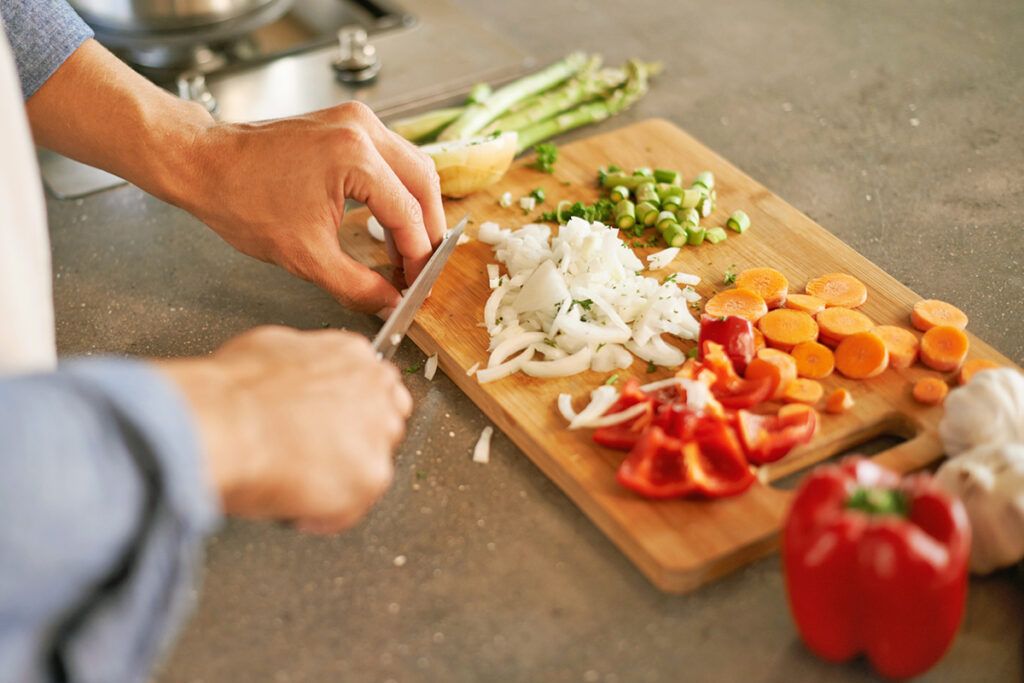
    Chopping vegetables on cutting board
    Credit: © PeopleImages/iStock

    Keep Cutting Boards in Place

    It’s frustrating — not to mention dangerous — when your cutting board slides all over your counter during food prep. Chefs swear by a hack to keep it in place that requires nothing more than a paper towel. 

    Advertisement
    Advertisement

    Simply rip a piece off the roll, run it under water, wring it out, and place it on your counter with your cutting board on top. The dampness creates friction that keeps the cutting board in one spot, allowing you to chop food safely. And when you’re finished, you can use the paper towel to wipe down your counter.  

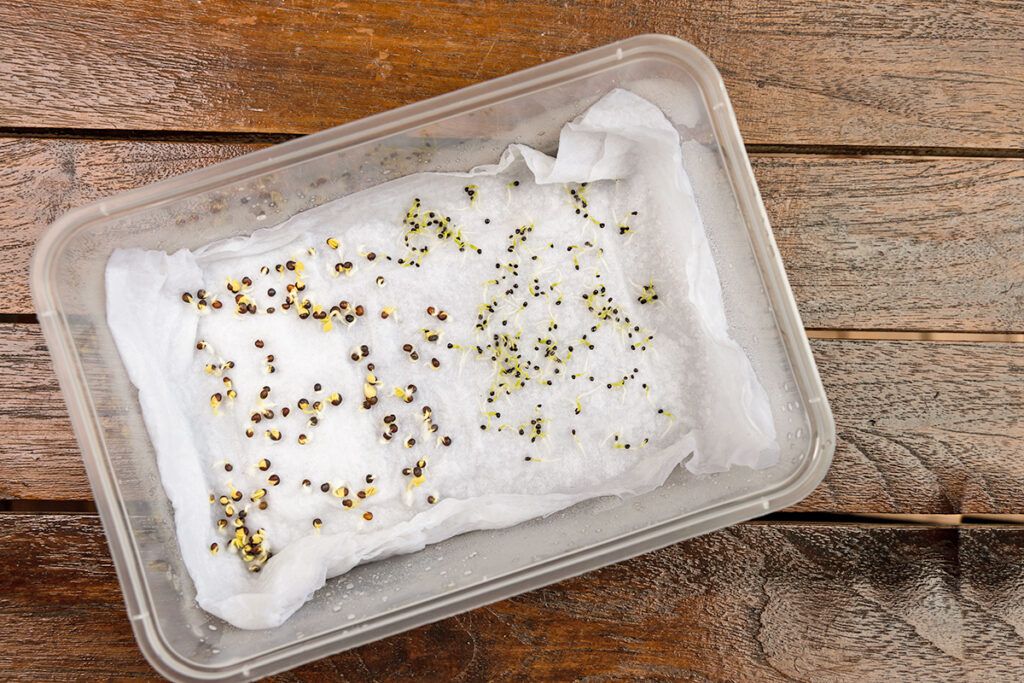
    Seeds on a paper towel
    Credit: © ThamKC/stock.adobe.com

    Germinate Seeds

    Speed up the gardening process by germinating fruit, vegetable, and herb seeds in paper towels. Line a food storage container with three or four damp sheets and place the seeds on them. Loosely cover the container with the lid so that air can circulate and place the container in a warm spot. Check daily and remoisten the paper towels as necessary. Once the seeds have sprouted, transfer them to soil.

    Advertisement
    Advertisement
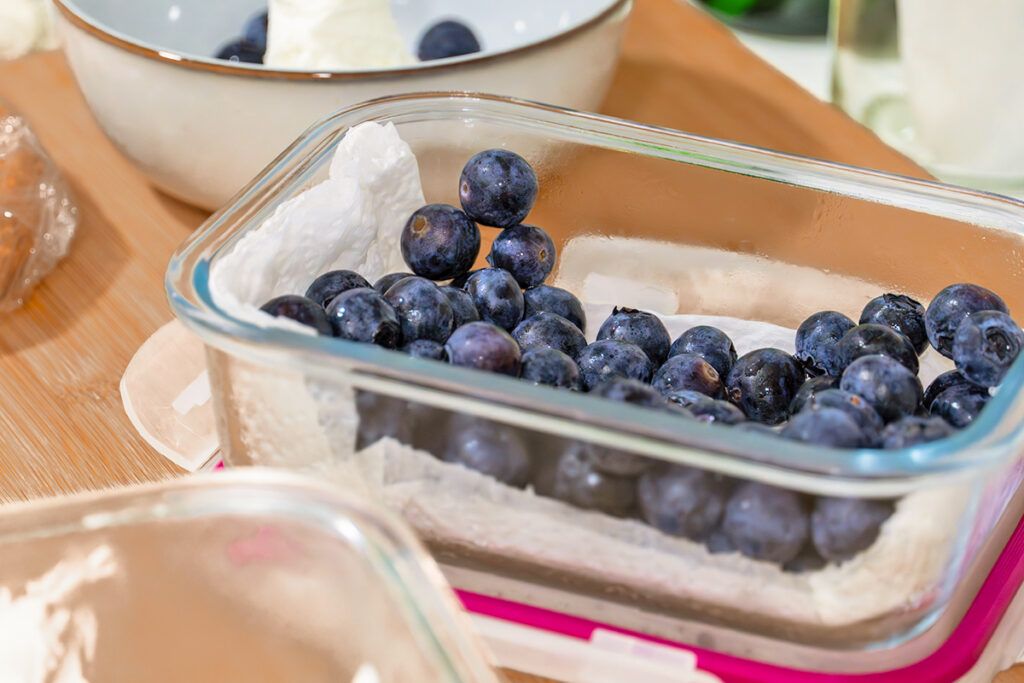
    Blueberries in a container with a paper towel
    Credit: © Dani VG/iStock

    Keep Produce and Cheese Fresh

    There’s nothing worse than shelling out a ton of money for fresh fruit and veggies only to have them go bad in your fridge. But paper towels come in handy here: Slipping one into your produce containers will soak up excess moisture that would otherwise cause the food to rot. You can even go a step further and line your fridge shelves and drawers with paper towels — this cuts down on the need to clean the shelves themselves and soaks up food-destroying moisture. According to The Kitchn, these paper towels will last three to four weeks before you need to re-line shelves and drawers.  

    Advertisement
    Advertisement

    You can also use a paper towel to extend the life of your hard cheeses: Dunk a paper towel sheet in white vinegar, wring it out, and wrap it around your cheese. If the towel dries, wet it in vinegar again. According to All Recipes, white vinegar has antifungal properties because it’s high in acetic acid. This trick will help your hard cheeses last up to three times longer than they would normally, and your cheese won’t taste like vinegar, either.

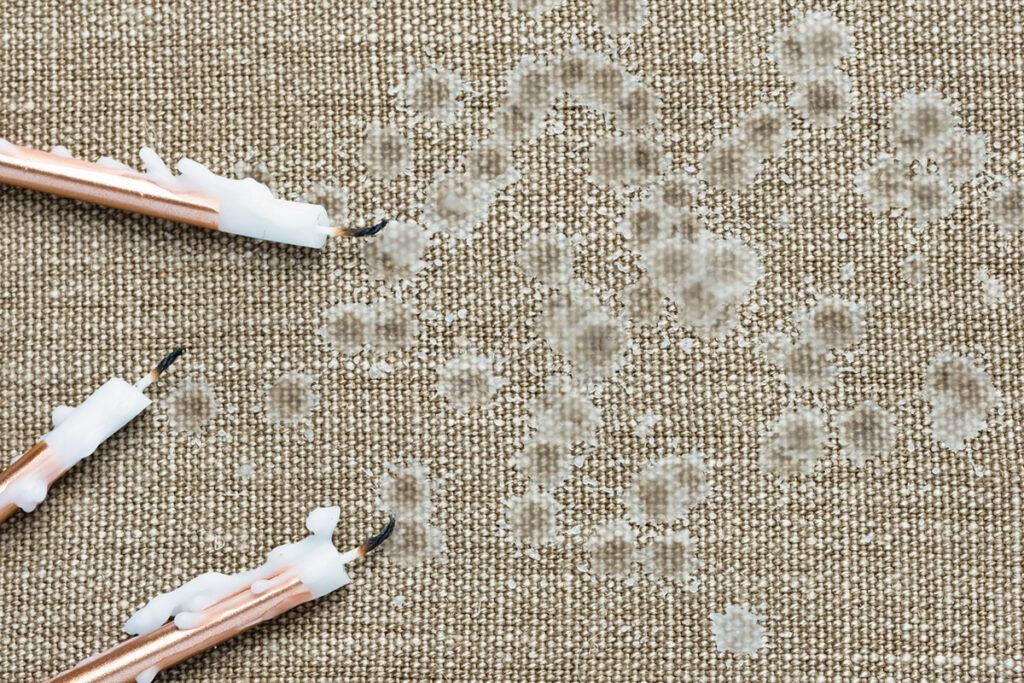
    Candle wax on fabric
    Credit: © Halyna Romaniv/iStock

    Get Wax Out of Carpets

    Wax on a carpet or fabric is no big deal when you have a paper towel nearby. Lay two paper towels over the wax and hold a hot iron to the paper towels for a couple of minutes — the wax will melt and transfer to the paper towels.

    Advertisement
    Advertisement
    Kitchen with wooden cabinets
    Credit: © zhudifeng/iStock

    Keep Cabinet Tops Grease-Free

    The tops of your kitchen cabinets are out of sight, out of mind … until you need to clean them and discover they’re coated with a sticky layer of dust and grease that’s incredibly difficult to remove. Cleaning it is a task you won’t want to repeat, so once it’s done, grab a roll of paper towels and completely cover the top of the cabinets with them. Now all you have to do is pull them down when they get grimy and replace them with fresh ones — no elbow grease necessary. 

    Advertisement
    Advertisement
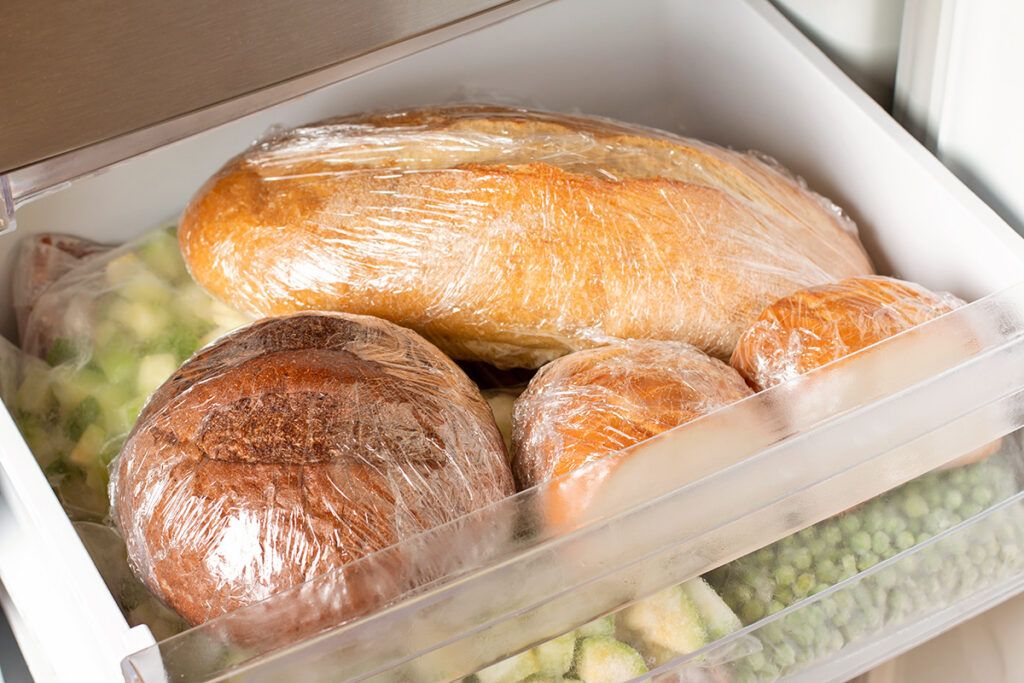
    Bread in a freezer
    Credit: © qwartm/stock.adobe.com

    Stop Thawing Bread From Becoming Soggy

    No one ever wants to waste bread — particularly if it’s homemade sourdough you spent days on and froze to enjoy later. Thaw it the right way by placing a paper towel in the bag. It will absorb the excess moisture as the bread thaws out. 

    Advertisement
    Advertisement

    If you’re in a rush, wrap slices in damp paper towels and microwave them for 30 seconds. You’ll need to eat them right away, though; microwaved slices will quickly get tough as the moisture in the bread evaporates.  

    Person holding paper towel over oily pan
    Credit: © Oleg Opryshko/stock.adobe.com

    Soak Up Oil

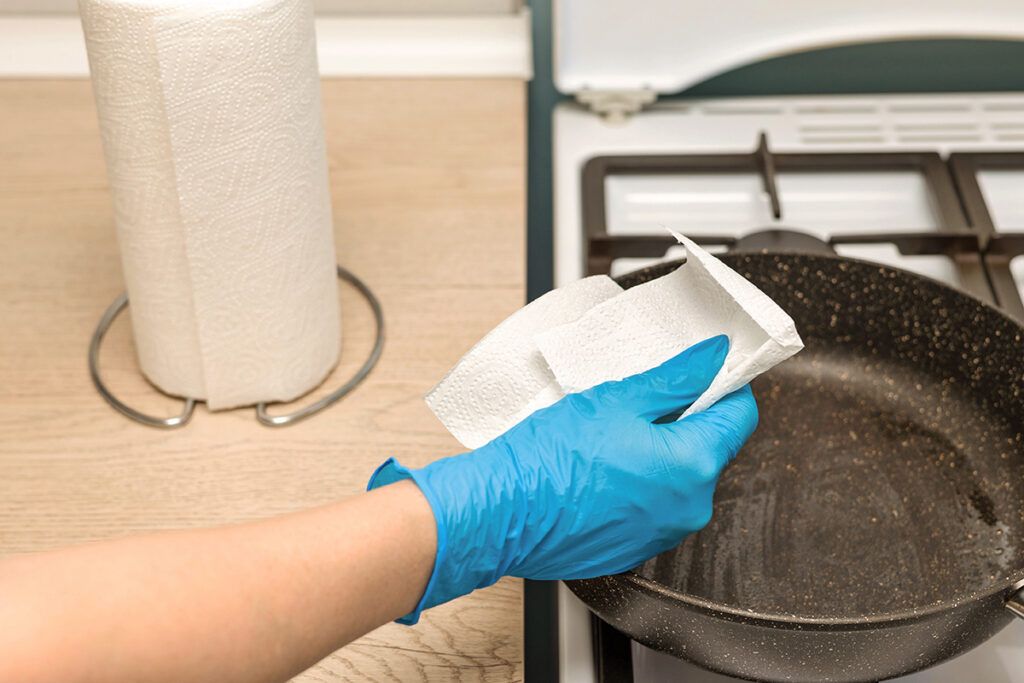
    Oil and grease are two things you never want to put down your drain or in your dishwasher — it’s bad for your pipes, sewer systems, and the environment. Use a Martha Stewart-approved trick to get rid of oil instead: Take a handful of paper towels and place them in a pan filled with oil. Move the towels around to get all the oil, throw them away, and clean the pan as usual.

    Advertisement
    Advertisement

    You can also use paper towels to get rid of oil that’s accumulated on soups or stock: Just lay a sheet gently on the surface, pull it off, and repeat with fresh paper towels as necessary until the oil is gone.

    Advertisement
    Can opener on a table
    Credit: © Olga Yastremska/iStock

    Clean Can Openers and Stained Plastic Food Storage

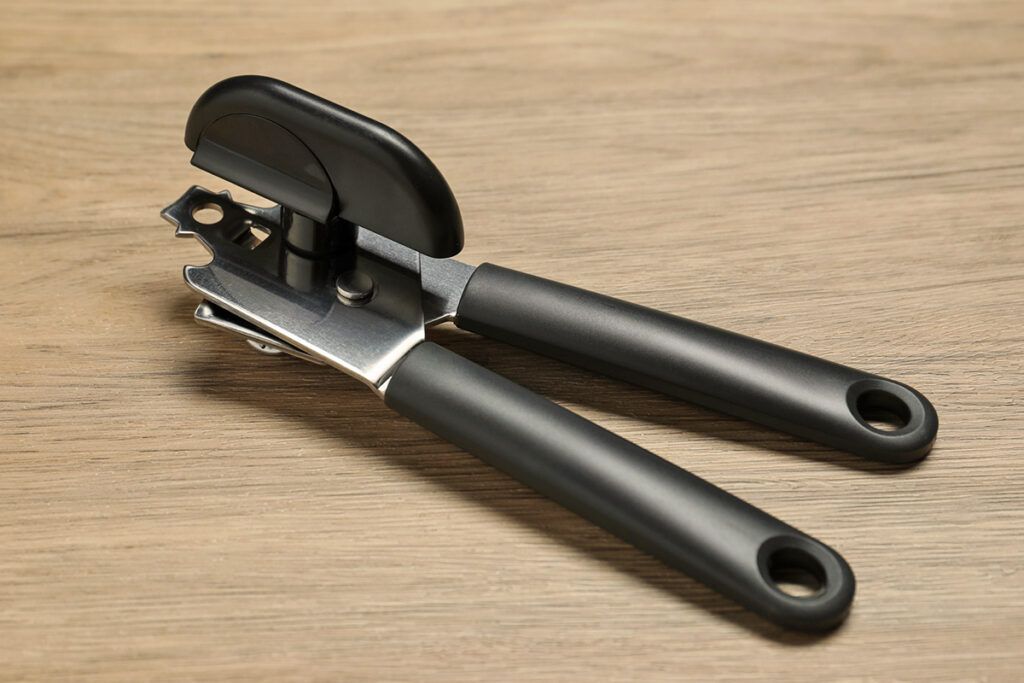
    If you haven’t given any thought to cleaning your manual can opener, you probably should: Its blades are just as capable of picking up food and gunk as every other tool you use regularly. To clean it, feed a paper towel through the blades and crank the can opener; the paper towel will clean the blades as it makes its way through.

    Advertisement
    Advertisement

    Paper towels can also be the key to cleaning stubborn stains from food like pasta sauce in plastic storage containers. Put a sheet in the container, add a few drops of soap and some water, put on the lid, and shake. The stain might not be completely gone when you’re done, particularly if the container has been sitting for a while, but it’s likely to be better than when you started.

    Featured Image Credit: © arto_canon/iStock

    Advertisement
    Advertisement

    More From Our Network

    Better Report is part of Inbox Studio, an email-first media company. *Indicates a third-party property.
    Go Retro With This 1960s Fashion Quiz

    Quiz Daily

    Go Retro With This 1960s Fashion Quiz

    True or False: Are You a Master of U.S. Geography?

    Travel Quiz

    True or False: Are You a Master of U.S. Geography?

    5 Reasons You Can Be Denied Boarding an Airplane

    Daily Passport

    5 Reasons You Can Be Denied Boarding an Airplane

    What Did People Do Before Eyeglasses?

    History Facts

    What Did People Do Before Eyeglasses?

    How To Use a Balloon To Clean Up Dust

    House Outlook

    How To Use a Balloon To Clean Up Dust

    11 Shopping Hacks Costco Members Should Know

    FinanceBuzz*

    11 Shopping Hacks Costco Members Should Know

    Share this article

    • Share to Facebook
    • Share to Twitter
    • Copy Url
    • Share to Email
    Ali Eldridge

    This article is for general informational purposes only.
    Affiliate Disclaimer Medical Disclaimer Financial Disclaimer

    Updated:
    Posted In: Home
    Hero Image Credit: Better Report
    Advertisement

    Related Articles

    5 Vegetables You Should Never Store in the Fridge

    3 min read

    Why a Flashing Check Engine Light Is Different From a Solid One

    3 min read

    Why Does Your Sink Have a Tiny Hole?

    3 min read

    Is Hard Water Ruining Your Clothes?

    3 min read

    9 Fall Cleaning Tasks You Shouldn’t Neglect

    6 min read
    Advertisement

    An Easy Way To Make Money Off Your Old Books

    Wealth | Updated: March 25, 2026
    Erin McCarthy
    Author
    Erin is a writer, editor, and content strategist living in the New York City area. Previously, she was the VP/Editor-in-Chief of MentalFloss.com and an editor at Popular Mechanics magazine. When she’s not working, Erin is hanging out with her cats, reading books from her never-ending TBR, traveling, karaoking, and making sourdough with her starter Stephen Sondheim.
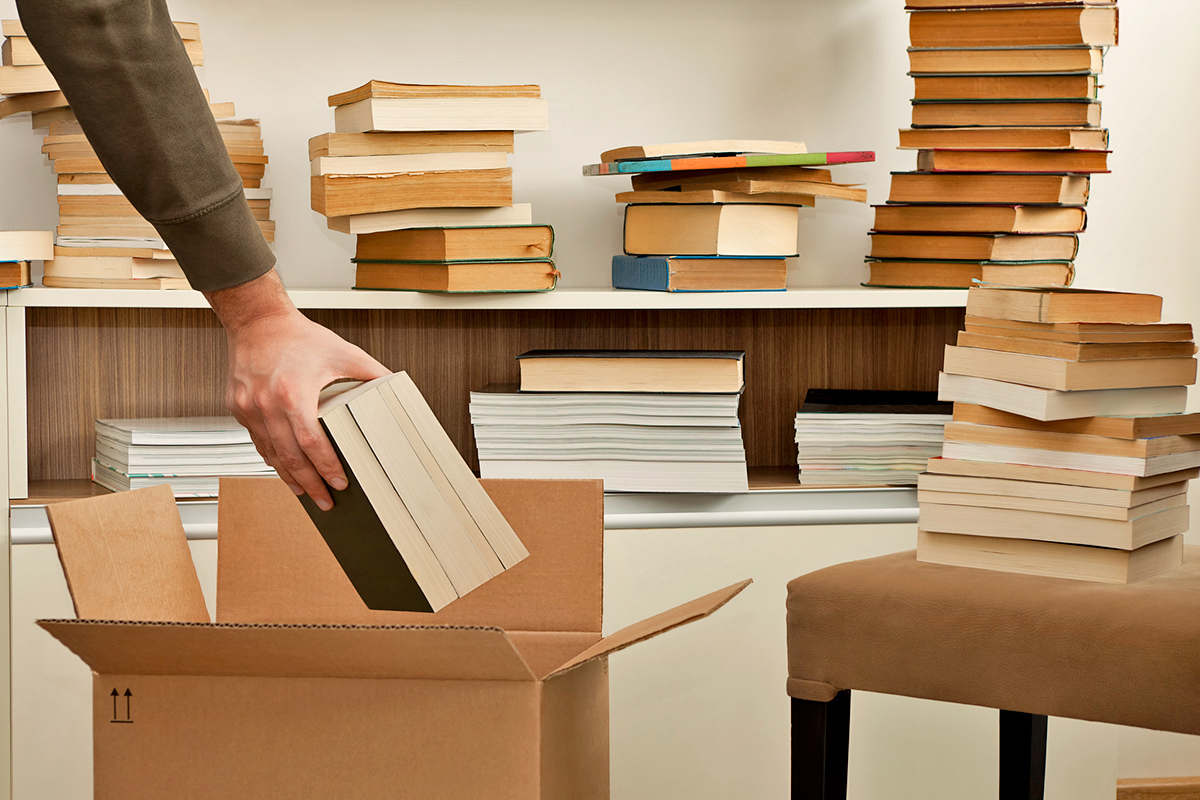
    Person putting books in a box
    Better Report

    When it comes to their literary diet, every bibliophile is guilty of having eyes bigger than their stomach and to-be-read piles that will take ages to get through — if they actually intend to read them all, that is. 

    The practice of buying more books than you can read is known as tsundoku, a portmanteau of the Japanese words tsumu, meaning “to pile up,” and doku, a verb that can be used to mean “to be reading.” The word dates back to the 19th century, and there’s not necessarily a negative connotation to it. Instead, those unread piles are a physical manifestation of your reading goals — they contain a wealth of knowledge and experiences you can imagine now and anticipate enjoying at a later date.

    Advertisement
    Advertisement

    But what about the tomes that book lovers do get around to reading? What’s the best way to deal with them and make space for even more books? 

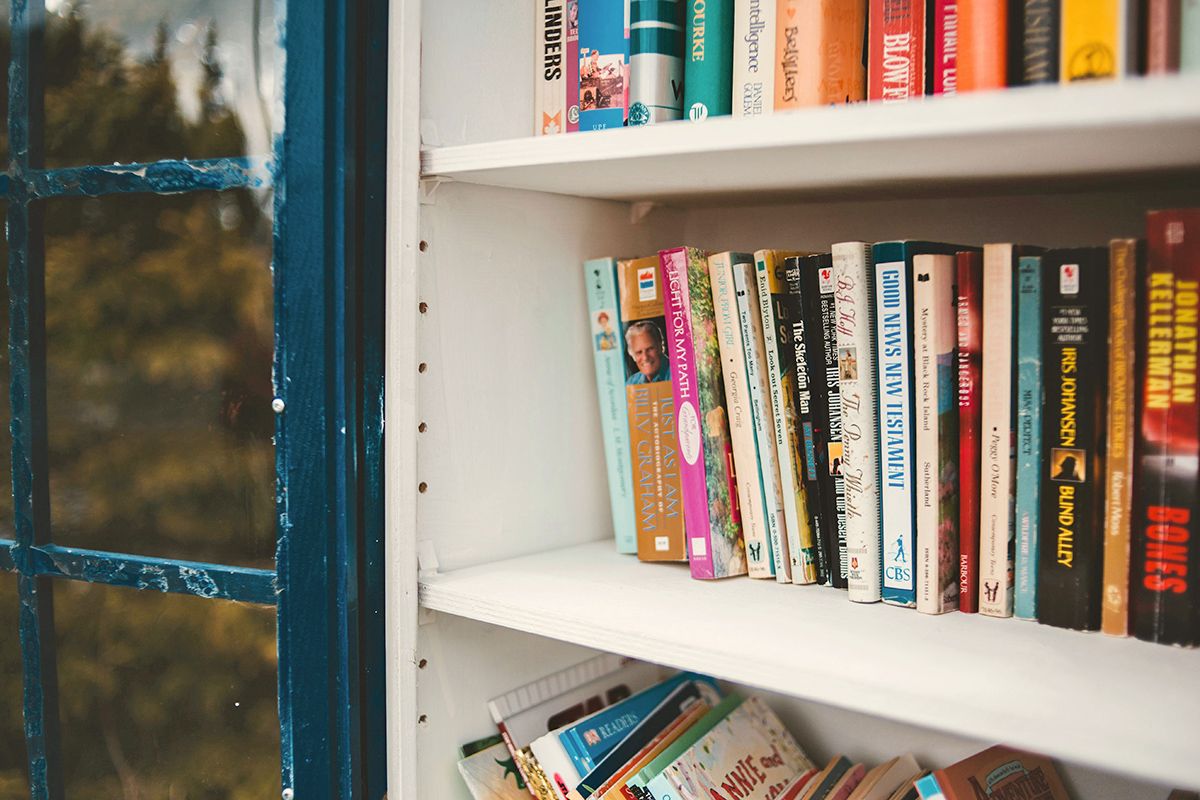
    One option is to drop them off at a nearby Little Free Library. Another is to find a donation box at the local library or recycling plant. But you can also make some easy money by selling used books online. Sites including World of Books and BooksRun will buy your old books and resell them to other readers at no charge to you; I’ve personally sold my old books through ThriftBooks. Here’s how it works.

    books on a white book shelf
    Credit: © Erik Mclean/Pexels

    How To Free Up Bookshelf Space — And Get Paid

    Once I’ve amassed a bunch of books I want to sell, I log in to ThriftBooks’ sellback website and type in their ISBNs (you can also scan book barcodes on the ThriftBooks app). From there, books that are accepted will appear in blue with a price; those that aren’t accepted will appear in red with a line through them. 

    Recommended Articles

    • The 10 Healthiest Trader Joe’s Meals, According to a Dietitian

    • 5 Vegetables You Should Never Store in the Fridge

    • Is It Rude To Ask for Leftovers at Fancy Restaurants?

    • Is It Dangerous To Scratch Mosquito Bites?

    Advertisement
    Advertisement

    Reader Favorites

    • Woman looking in fridge

      9 Foods You Should Toss ASAP if They’re Expired

    • Popcorn in a bowl

      7 ‘Bad’ Foods That Are Actually Good for You

    • Person sipping beer

      The Least Healthy Alcoholic Beverages

    Which books ThriftBooks accepts “depends on current market needs and inventory levels,”  according to its website. These factors also determine what they offer for each book. In my experience, ThriftBooks will pay less than a dollar for some paperbacks and up to around $4 for hardbacks. All the books need to be in “acceptable or better condition” — meaning the spine should be in good shape with the cover and pages intact. Markups should be minimal; the book also can’t have an odor (old book smell, I assume, is the exception to this rule). Additionally, there are some books ThriftBooks won’t buy, like advanced reader copies, teacher’s editions, and books without ISBNs. 

    Advertisement

    It’s best to wait until you’re ready to get rid of your books to start loading in ISBNs. ThriftBooks reassesses its inventory every day, so if books are on your sellback list too long, the price may change — or they could fall off of it entirely. You can sell up to 40 pounds of books (as well as DVDs and Blu-rays) at once, as long as you can fit everything into one box.

    Advertisement
    Advertisement

    After you’ve accepted the offer, a prepaid shipping label will be sent to your email. Then all that’s left to do is box up the books and take them to USPS within seven days (wait any longer and Thriftbooks will cancel your buyback). When they arrive at ThriftBooks, they’ll be inspected and, once they’ve confirmed the contents of the box and accepted it, you’ll receive payment (you can either get ThriftBooks credit to buy used books on their site or have money sent to your PayPal account) not long after. Between sending and processing, you might wait up to 20 days for payment.

    Woman on a laptop next to a bookshelf
    Credit: © ToucanStudios/iStock

    Don’t Forget To Shop Around

    There are a lot of book resellers out there, so it’s possible that one may give you a better price than another. BookScouter, which assesses multiple book resale sites, comes in handy here: When you enter in book ISBNs you’ll see what more than 25 sites are offering — or not offering, as the case may be. (Interestingly, ThriftBooks doesn’t show up.)

    Advertisement
    Advertisement

    To test it out, I entered the ISBNs for books I recently finished into both ThriftBooks and BookScouter. Two of them — a hardcover and a paperback — went for double what ThriftBooks was offering me on another site, while a second paperback went for around 20 cents less. 

    So, it pays to shop around for a better deal, but there are a couple of things to keep in mind: Any site buying books will have a minimum buyback order, so it’s possible you’ll need to stick to one place if you can’t meet the minimum at multiple sites. It’s also a good idea to look at reviews before you send your books anywhere to make sure other users haven’t had issues. And there may be other factors that lead you to choose one service over another — World of Books, for example, offers payment via PayPal, ACH transfer, or physical check, while ThriftBooks will send payment only through PayPal.

    Advertisement
    Advertisement

    Typically, no matter where you’re selling, the books don’t go for a ton of money. If you don’t mind them sitting around your house for a bit longer, you can use Pango Books to set your own price and sell directly to other readers, which will net you a better profit. Still, something is better than nothing, especially when you can roll those funds back into your book-buying budget. That way, you’ll never run out of things to read — or at least admire, tsundoku-style.

    Featured image credit: © Yurdakul/iStock

    Advertisement

    More From Our Network

    Better Report is part of Inbox Studio, an email-first media company. *Indicates a third-party property.
    Go Retro With This 1960s Fashion Quiz

    Quiz Daily

    Go Retro With This 1960s Fashion Quiz

    True or False: Are You a Master of U.S. Geography?

    Travel Quiz

    True or False: Are You a Master of U.S. Geography?

    5 Reasons You Can Be Denied Boarding an Airplane

    Daily Passport

    5 Reasons You Can Be Denied Boarding an Airplane

    What Did People Do Before Eyeglasses?

    History Facts

    What Did People Do Before Eyeglasses?

    How To Use a Balloon To Clean Up Dust

    House Outlook

    How To Use a Balloon To Clean Up Dust

    11 Shopping Hacks Costco Members Should Know

    FinanceBuzz*

    11 Shopping Hacks Costco Members Should Know

    Share this article

    • Share to Facebook
    • Share to Twitter
    • Copy Url
    • Share to Email
    Erin McCarthy
    Editor, Better Report

    Erin is a writer, editor, and content strategist living in the New York City area. Previously, she was the VP/Editor-in-Chief of MentalFloss.com and an editor at Popular Mechanics magazine. When she’s not working, Erin is hanging out with her cats, reading books from her never-ending TBR, traveling, karaoking, and making sourdough with her starter Stephen Sondheim.

    This article is for general informational purposes only.
    Affiliate Disclaimer Medical Disclaimer Financial Disclaimer

    Updated: March 23, 2026
    Posted In: Wealth
    Hero Image Credit: Better Report
    Advertisement

    Related Articles

    Is It Rude To Ask for Leftovers at Fancy Restaurants?

    5 min read

    The Government Search That May Find Money Owed to You

    4 min read

    Are You Overpaying on Your Mortgage?

    5 min read

    5 Things You Should Never Buy During Labor Day Sales (and What To Get Instead)

    6 min read

    Some Grocery Prices Are Finally Going Down — Here’s What’s Getting Cheaper

    3 min read
    Advertisement

    Science Says This Is the Healthiest Way to Wake Up

    Ali Eldridge
    Health | Updated: June 28, 2026
    Better Report

    All featured products and deals are selected independently and objectively by the author. Better Report may receive a share of sales via affiliate links in content.

    Mornings are stressful as it is, and noisy, fight-or-flight-activating alarm clocks — especially ones that sound like this — definitely don’t diffuse the stress. That’s why some folks, at least those whose schedules allow for it, choose to wake up with the sun, easing into the day without the stress response triggered by an alarm inserting itself into your day at full volume.

    For those of us who are tied to earlier shifts, attend regular events, or care for children or animals, an alarm is unfortunately essential. It’s what, even if you have trouble sleeping past six or seven in the morning, ensures we get out of bed and get going. That said, those of us used to the sound our alarms make grow numb to how they make us feel — and what they might be doing to our nervous systems.

    Advertisement
    Advertisement

    A 2024 study conducted by University of Virginia doctoral research student Yeonsu Kim “showed that the morning blood pressure surge when forced to wake up by an alarm was significantly greater than when waking up naturally.” In simpler terms, abrupt alarm sounds cause blood pressure to spike, trigger a “fight or flight” response, raise cortisol levels, and contribute to higher anxiety levels throughout the day.

    An Australian study from 2020 found that more melodic alarm sounds improved alertness (less sleep inertia) after waking while reducing stress, both at the time of waking and later in the day. “Sleep inertia,” it read, “is a potentially dangerous reduction in human alertness and occurs 0–4 hours after waking. The type of sound people set as their alarm for waking has been shown to reduce the effects of sleep inertia… [and] a sound which is ranked as melodic by participants shows a significant relationship to reports of reductions in perceived sleep inertia.”

    Recommended Articles

    • The 10 Healthiest Trader Joe’s Meals, According to a Dietitian

    • 5 Vegetables You Should Never Store in the Fridge

    • Is It Rude To Ask for Leftovers at Fancy Restaurants?

    • Is It Dangerous To Scratch Mosquito Bites?

    Advertisement
    Advertisement

    Reader Favorites

    • Woman looking in fridge

      9 Foods You Should Toss ASAP if They’re Expired

    • Popcorn in a bowl

      7 ‘Bad’ Foods That Are Actually Good for You

    • Person sipping beer

      The Least Healthy Alcoholic Beverages

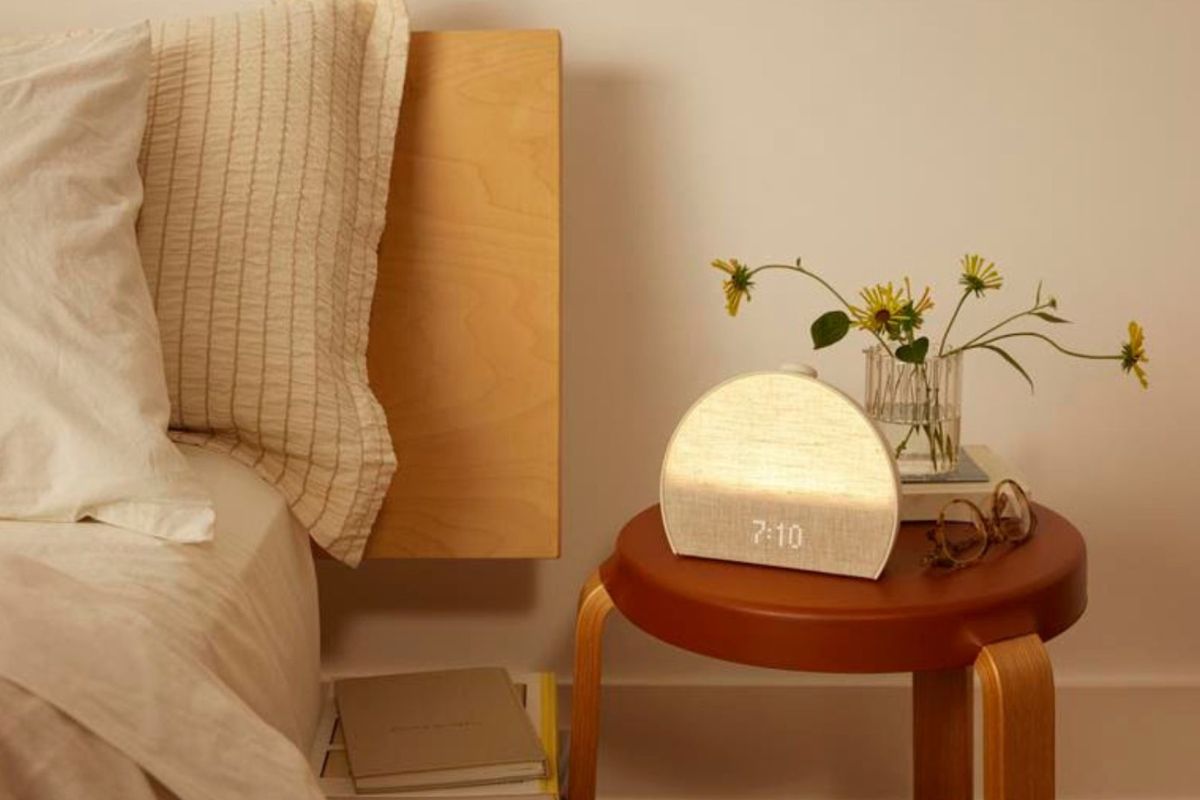
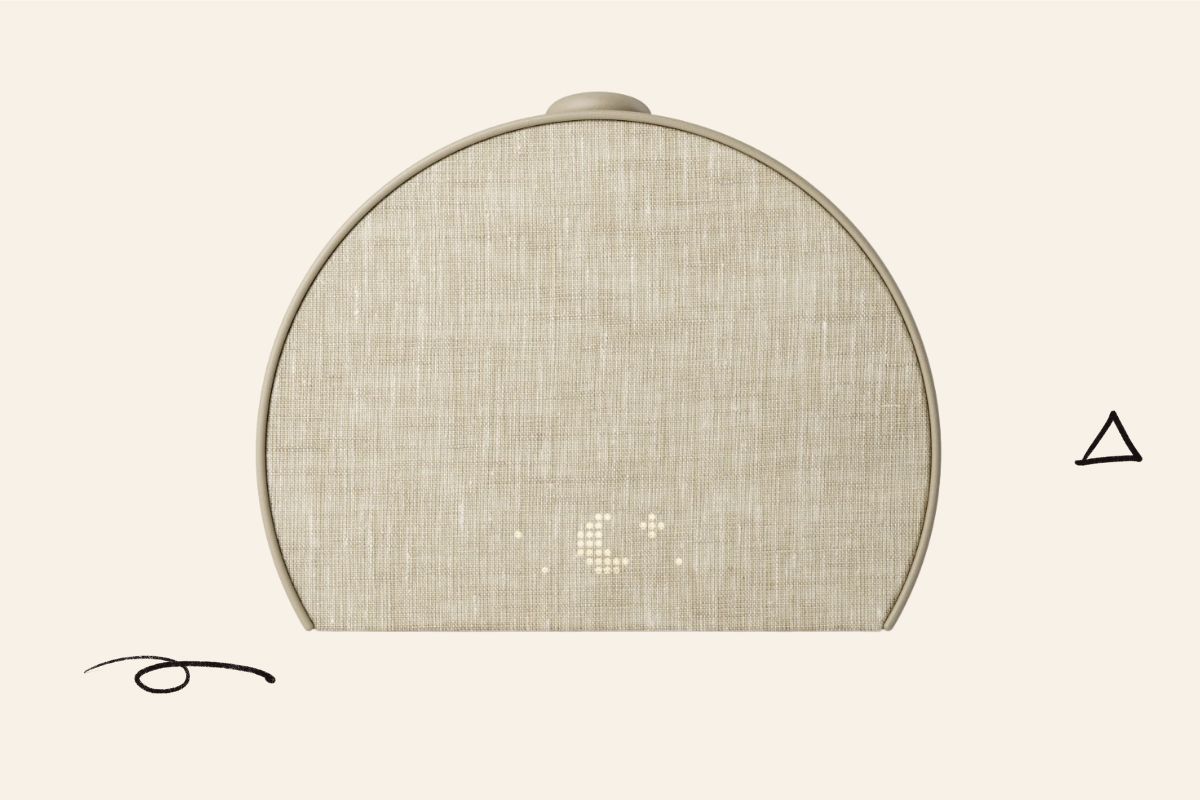
    Thankfully, there’s a product that blends both approaches: the Hatch Restore 3. To wake you, it slowly illuminates your room, mimicking the sun. Once fully lit, a melodic alarm tone of your choosing guides you into your day. It still triggers the release of cortisol, but not to stress-inducing levels: “By gently waking you up with light instead of sound, the sunrise alarm mimics a natural dawn, moving from red to orange to white before your chosen alarm sound plays. This gradual exposure to light prompts your brain to release cortisol, the hormone that cues your body to wake naturally and gently,” the box reads.

    Hatch Restore 3

    BUY FOR $170 AT AMAZON

    The light within typically begins to brighten 15 to 60 minutes before the scheduled wake-up time, depending on your user settings, going from a darker red to a bright white, as explained above, and your chosen alarm gradually gets louder, albeit on a shorter timeline. If you snooze the alarm (as most of us do), the tone stops, but the light stays on, acting as a gentle reminder that it’s time to get out of bed.

    Advertisement
    Advertisement

    When you buy a Restore, it includes the device, its power cord, and a quick-start guide. You need a 2.4GHz Wi-Fi connection to use it and access to an iOS or Android device to download the accompanying app, which lets you register the device, set your alarm time, choose your tune, and play wind-down tracks, sleep podcasts, or stories. Your original purchase includes a free 30-day trial of the annual plan, which renews at $49.99/year after those 30 days.

    Advertisement

    Feature Image: Courtesy of Hatch

    More From Our Network

    Better Report is part of Inbox Studio, an email-first media company. *Indicates a third-party property.

    Go Retro With This 1960s Fashion Quiz

    Quiz Daily

    Go Retro With This 1960s Fashion Quiz

    True or False: Are You a Master of U.S. Geography?

    Travel Quiz

    True or False: Are You a Master of U.S. Geography?

    5 Reasons You Can Be Denied Boarding an Airplane

    Daily Passport

    5 Reasons You Can Be Denied Boarding an Airplane

    What Did People Do Before Eyeglasses?

    History Facts

    What Did People Do Before Eyeglasses?

    How To Use a Balloon To Clean Up Dust

    House Outlook

    How To Use a Balloon To Clean Up Dust

    11 Shopping Hacks Costco Members Should Know

    FinanceBuzz*

    11 Shopping Hacks Costco Members Should Know

    Share this article

    • Share to Facebook
    • Share to Twitter
    • Copy Url
    • Share to Email
    Ali Eldridge

    This article is for general informational purposes only.
    Affiliate Disclaimer Medical Disclaimer Financial Disclaimer
    Updated:
    Posted In: Health
    Hero Image Credit: Better Report
    Advertisement

    Related Articles

    The 10 Healthiest Trader Joe’s Meals, According to a Dietitian

    6 min read

    Is It Dangerous To Scratch Mosquito Bites?

    4 min read

    7 Gross Things That Could Be on Your Toothbrush

    5 min read

    7 Things a Chef Never Orders at a Restaurant

    8 min read

    Are the Tiny Red Dots on Your Skin Dangerous?

    6 min read
    Advertisement

    How to Never Lose Your Keys (or the Remote) Ever Again

    Home | Updated: February 12, 2026
    Evan Malachosky
    Author
    Evan is a writer and editor based in Pittsburgh, Pennsylvania. His work has appeared in GQ, Esquire, Popular Mechanics, Gear Patrol, and more.
    Better Report

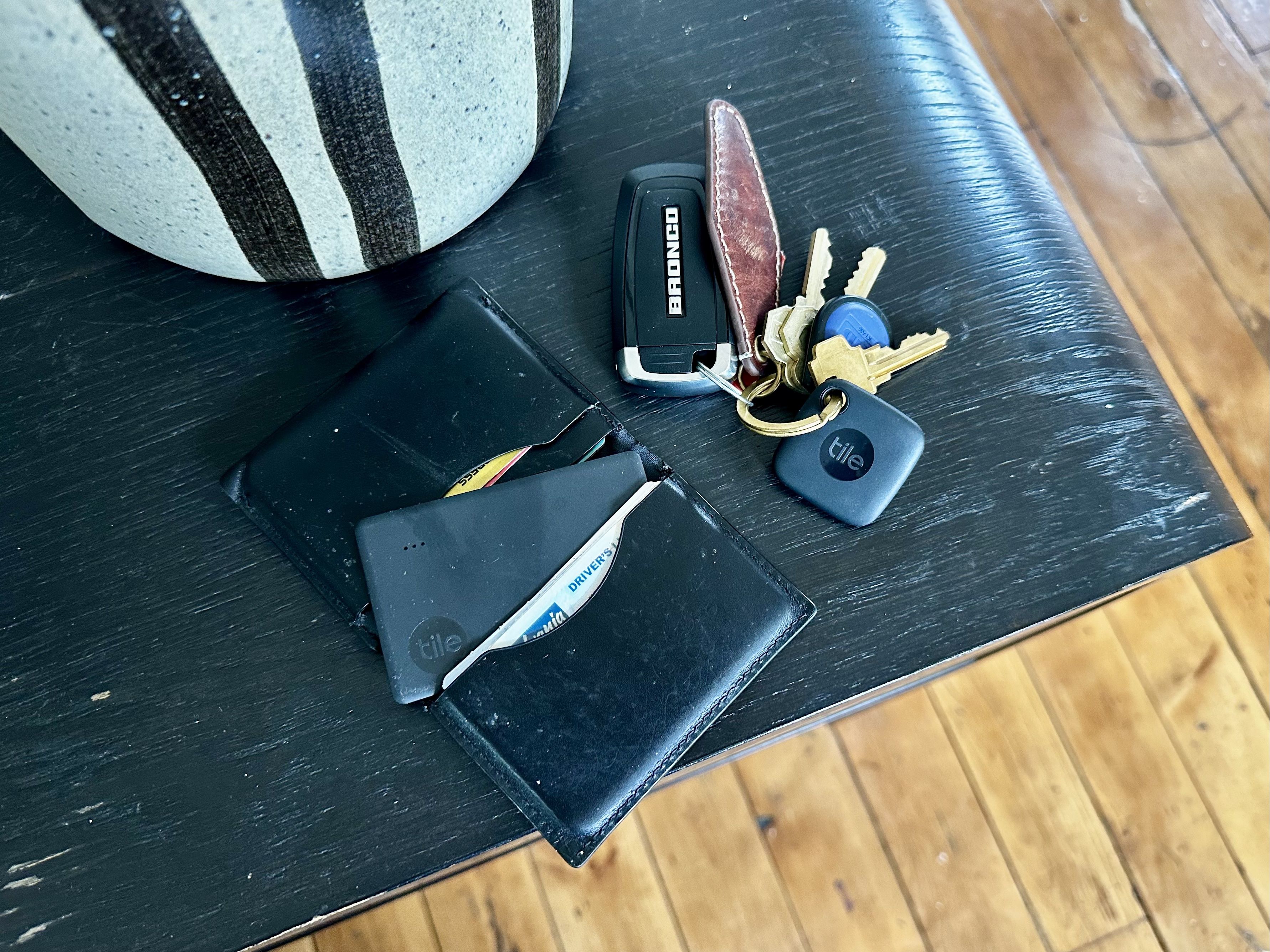
    No matter how careful we strive to be, we eventually lose things, even for brief moments: our keys, the remote, our wallets, headphones, you name it. The panic that sets in when something isn’t exactly where we thought we left it is unmatched — enough to send our heart rate into overdrive and put our “find it now” senses on high alert. And, sometimes, we do find what we temporarily lost, eliminating the hassle of calling to cancel credit cards, taking the bus or phoning a friend for a ride home, asking someone else to read us the dinner menu, or watching what’s on the TV already instead of flicking through for something better. There is, however, a way to never lose your keys, glasses, remote, or anything else for that matter, ever again — by using one of Tile’s handy short-range trackers.

    Prices are accurate as of January 27, 2026. Subject to change. All featured products and deals are selected independently and objectively by the author. Better Report may receive a share of sales via affiliate links in content.

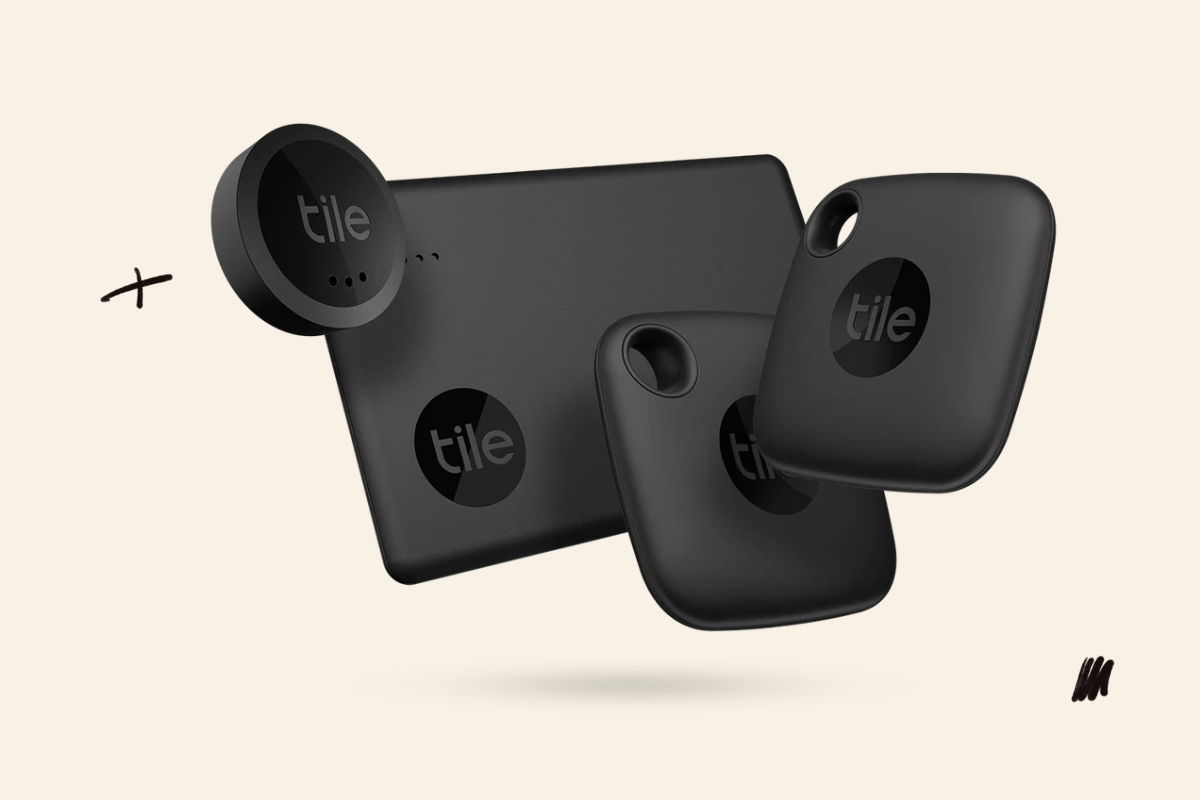
    Tile Mate Essentials 4-Pack

    Bundle Tile’s most popular trackers and save a sizable chunk of dough. For the price of three, you get Tile’s Slim card tracker, two Tile Mates (the keyring trackers), and one Tile Sticker, which isn’t completely flush (or even all that small), but you can still stick it on items like a remote without it being completely obvious.

    BUY FOR $60 AT AMAZON
    Advertisement
    Advertisement

    How Tile Trackers Work

    Available in several sizes designed to attach to keys, be stowed in your wallet like any other card, strung on a backpack, or stuck onto a remote or inside a glasses case, the trackers work by using Bluetooth technology to connect with the Tile app downloaded to your phone, meaning it’s best saved for items you know are within a certain range (typically 100 to 400 feet). That’s perfect, though, for the items you know are there but cannot find, which, truthfully, is most things most of the time.

    Advertisement

    Within the app you can track your Tiles on a map or view them individually on your personalized homepage. There, you can click on each item and “Find” it, which triggers a 15-second chime, set up smart alerts for whenever you leave an item behind, enroll in Tile’s item reimbursement program (which gives you a new Tile and money towards the lost item), and change the ringtone your Tile plays and the name of the item in your app.

    We had no trouble connecting to items even two or three floors away from the item, and the ringtone — we chose Bionic Birdie — is more than loud (and objectively annoying) enough to lead you to the lost item.

    Courtesy of Evan Malachosky

    What to Track With Tile Trackers

    That said, Tile’s trackers do not use a GPS signal to locate items, meaning you cannot track a set of keys in real time if someone stole them. You do, however, have access to their last known location with you, which is wherever your phone and the tracker itself last made a connection. This is why we feel it isn’t necessarily the best use of a tracker to keep one attached to your luggage, which will inevitably lose its connection with your phone once it’s checked by a gate attendant and loaded into the cabin of the plane.

    Instead, Tile trackers are perfect for smaller, typically home-bound items like your wallet, keys, glasses case, TV remote, headphones, checkbook, or tablet (if it can’t already be tracked on your phone). This isn’t to say Tile doesn’t have any use outside the home, but we found the trackers to be most useful when we needed to sound an alarm to locate an item that’s probably nearby — the same way you have someone else call your phone to help you track it audibly.

    Advertisement

    Feature Image Courtesy of ljubaphoto/ iStock

    Recommended Articles

    • The 10 Healthiest Trader Joe’s Meals, According to a Dietitian

    • 5 Vegetables You Should Never Store in the Fridge

    • Is It Rude To Ask for Leftovers at Fancy Restaurants?

    • Is It Dangerous To Scratch Mosquito Bites?

    Advertisement
    Advertisement

    Reader Favorites

    • Woman looking in fridge

      9 Foods You Should Toss ASAP if They’re Expired

    • Popcorn in a bowl

      7 ‘Bad’ Foods That Are Actually Good for You

    • Person sipping beer

      The Least Healthy Alcoholic Beverages

    More From Our Network

    Better Report is part of Inbox Studio, an email-first media company. *Indicates a third-party property.

    Go Retro With This 1960s Fashion Quiz

    Quiz Daily

    Go Retro With This 1960s Fashion Quiz

    True or False: Are You a Master of U.S. Geography?

    Travel Quiz

    True or False: Are You a Master of U.S. Geography?

    5 Reasons You Can Be Denied Boarding an Airplane

    Daily Passport

    5 Reasons You Can Be Denied Boarding an Airplane

    What Did People Do Before Eyeglasses?

    History Facts

    What Did People Do Before Eyeglasses?

    How To Use a Balloon To Clean Up Dust

    House Outlook

    How To Use a Balloon To Clean Up Dust

    11 Shopping Hacks Costco Members Should Know

    FinanceBuzz*

    11 Shopping Hacks Costco Members Should Know

    Share this article

    • Share to Facebook
    • Share to Twitter
    • Copy Url
    • Share to Email
    Evan Malachosky
    Managing Editor

    Evan is a writer and editor based in Pittsburgh, Pennsylvania. His work has appeared in GQ, Esquire, Popular Mechanics, Gear Patrol, and more.

    This article is for general informational purposes only.
    Affiliate Disclaimer Medical Disclaimer Financial Disclaimer
    Updated: May 21, 2024
    Posted In: Home
    Hero Image Credit: Better Report
    Advertisement

    Related Articles

    5 Vegetables You Should Never Store in the Fridge

    3 min read

    Why a Flashing Check Engine Light Is Different From a Solid One

    3 min read

    Why Does Your Sink Have a Tiny Hole?

    3 min read

    Is Hard Water Ruining Your Clothes?

    3 min read

    9 Fall Cleaning Tasks You Shouldn’t Neglect

    6 min read
    Advertisement

    Common Foods Ruining Your Dishwasher

    Home | Updated: February 6, 2026
    Anne James
    Author
    Anne James is a freelance writer, freelance health editor, research lab technician, and mom.
    Better Report

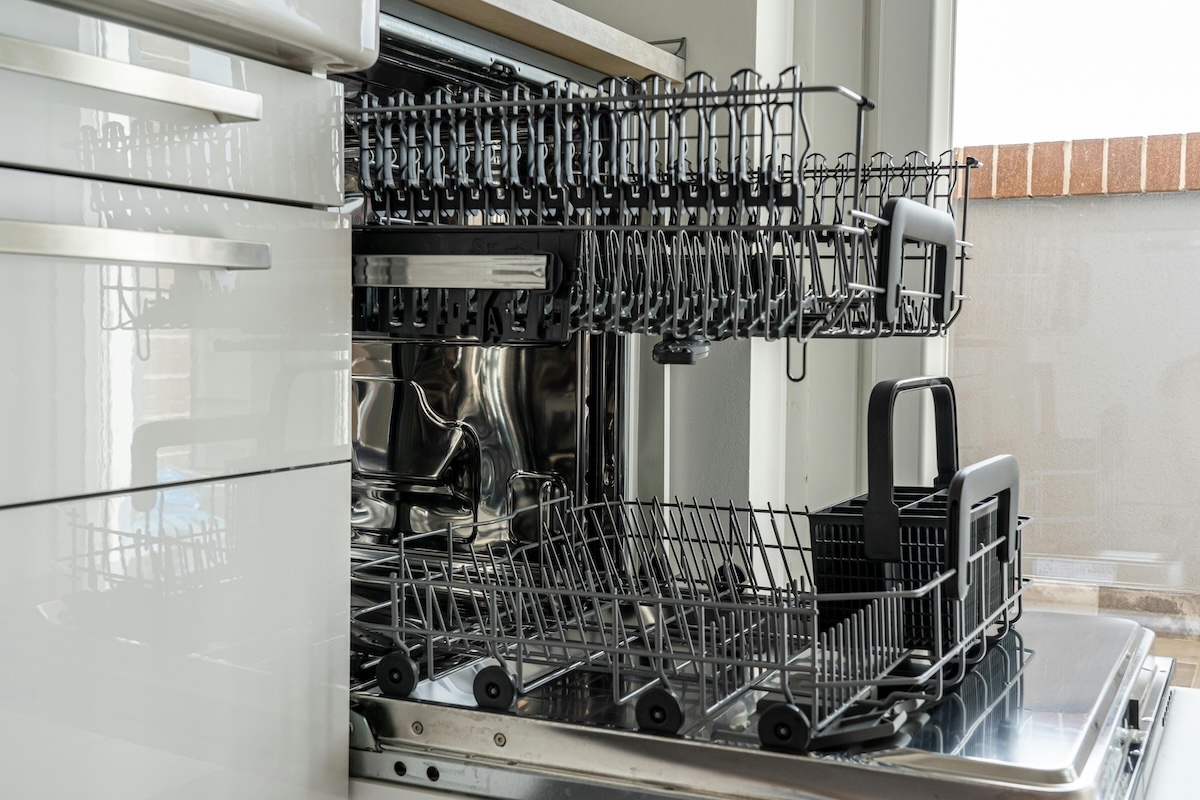
    Is your dishwasher running smoothly, or does it seem slightly off? Maybe it’s become smelly or makes a weird, unfamiliar noise. Are your dishes not coming out clean anymore? You might need a repair technician, or it’s possible that your dishwasher just needs a thorough cleaning. To reduce the risk of either, avoid these common foods that can damage your dishwasher. 

    Starchy Foods

    Starch itself isn’t necessarily bad, as modern detergents contain enzymes that break it down. However, starchy foods like pasta or potatoes are sticky and can clog the filter, drain hose, or pump, causing costly damage or reducing your dishwasher’s efficiency. 

    Advertisement
    Advertisement

    Eggshells, Bones, and Seeds

    Eggshells, bones, and seeds won’t break down – they might clog or damage the filter, drain hose, or pump. If your filter has holes, replace it, as they can allow food particles to enter the pump impeller or motor seals, which is a more extensive repair. 

    While you might wonder why someone would be sticking eggshells, bones, or seeds in their dishwasher, think of what foods might contain these. A tiny bone from a fish or an eggshell stuck to the mixing bowl could easily make it into the dishwasher. Personally, I have to clean out my overnight oats jars before washing because the chia seeds get stuck everywhere (including my toothbrush!). 

    Grease

    Just as grease can be problematic to pour down the sink, too much in the dishwasher could solidify and create clogs. Scrape off solidified grease into the trash or pour it into a container that can be tossed (or saved for another use). 

    Recommended Articles

    • The 10 Healthiest Trader Joe’s Meals, According to a Dietitian

    • 5 Vegetables You Should Never Store in the Fridge

    • Is It Rude To Ask for Leftovers at Fancy Restaurants?

    • Is It Dangerous To Scratch Mosquito Bites?

    Advertisement
    Advertisement

    Reader Favorites

    • Woman looking in fridge

      9 Foods You Should Toss ASAP if They’re Expired

    • Popcorn in a bowl

      7 ‘Bad’ Foods That Are Actually Good for You

    • Person sipping beer

      The Least Healthy Alcoholic Beverages

    Coffee Grounds

    Coffee grounds or tea leaves can build up over time, creating the potential for odors or clogs. Make sure your reusable coffee pods or tea strainers are thoroughly emptied before tossing them in the dishwasher. These might be better hand-washed with a toothbrush, or at least soaked before being placed in the dishwasher.

    Advertisement

    Sourdough Starter

    Sourdough starter can solidify like cement, both in the dishwasher and down the sink. Scrape as much as possible off of your container before loading it into the dishwasher. I frequently wipe mine out with a paper towel before washing. Overkill, maybe, but it keeps the sink and dishwasher lines clear. It may be necessary to pretreat the container before loading in the dishwasher. 

    Advertisement
    Advertisement

    The Truth About Pre-Rinsing

    But wait, I thought we weren’t supposed to pre-rinse dishes? The commercials are correct — it’s not recommended, as modern detergents and dishwashers are made to break down the grime and efficiently clean dishes right off the dinner table. Today’s dishwashers are actually more efficient when there is some dirt and grime; otherwise, they might detect clean dishes and run a shorter cycle. Pre-rinsing also wastes water, and some food safety experts note that it can cause cross-contamination of other kitchen surfaces (like your sink, countertop, or sponge). Additionally, the detergent enzymes are less effective without food particles to cling onto and digest. 

    How Can I Fix My Mistakes?

    Have you already made one of these mistakes? Check out your dishwasher manual for cleaning instructions. Emptying the filter, unclogging the sprayer arms, wiping down the seal, and running a vinegar cycle (or using dishwasher cleaning tablets) with an empty machine should all be part of your cleaning routine. This can help catch stray food pieces that can commonly cause dishwasher problems before they cause damage.

    Feature Image Credit: Castorly Stock

    More From Our Network

    Better Report is part of Inbox Studio, an email-first media company. *Indicates a third-party property.

    Go Retro With This 1960s Fashion Quiz

    Quiz Daily

    Go Retro With This 1960s Fashion Quiz

    True or False: Are You a Master of U.S. Geography?

    Travel Quiz

    True or False: Are You a Master of U.S. Geography?

    5 Reasons You Can Be Denied Boarding an Airplane

    Daily Passport

    5 Reasons You Can Be Denied Boarding an Airplane

    What Did People Do Before Eyeglasses?

    History Facts

    What Did People Do Before Eyeglasses?

    How To Use a Balloon To Clean Up Dust

    House Outlook

    How To Use a Balloon To Clean Up Dust

    11 Shopping Hacks Costco Members Should Know

    FinanceBuzz*

    11 Shopping Hacks Costco Members Should Know

    Share this article

    • Share to Facebook
    • Share to Twitter
    • Copy Url
    • Share to Email
    Anne James
    Writer

    Anne James is a freelance writer, freelance health editor, research lab technician, and mom.

    This article is for general informational purposes only.
    Affiliate Disclaimer Medical Disclaimer Financial Disclaimer
    Updated: April 9, 2025
    Posted In: Home
    Hero Image Credit: Better Report
    Advertisement

    Related Articles

    5 Vegetables You Should Never Store in the Fridge

    3 min read

    Why a Flashing Check Engine Light Is Different From a Solid One

    3 min read

    Why Does Your Sink Have a Tiny Hole?

    3 min read

    Is Hard Water Ruining Your Clothes?

    3 min read

    9 Fall Cleaning Tasks You Shouldn’t Neglect

    6 min read
    Advertisement

    Why Your Dishwasher Is Leaving Dishes Dirty

    Ali Eldridge
    Home | Updated: January 21, 2026
    Better Report

    All featured products and deals are selected independently and objectively by the author. Better Report may receive a share of sales via affiliate links in content.

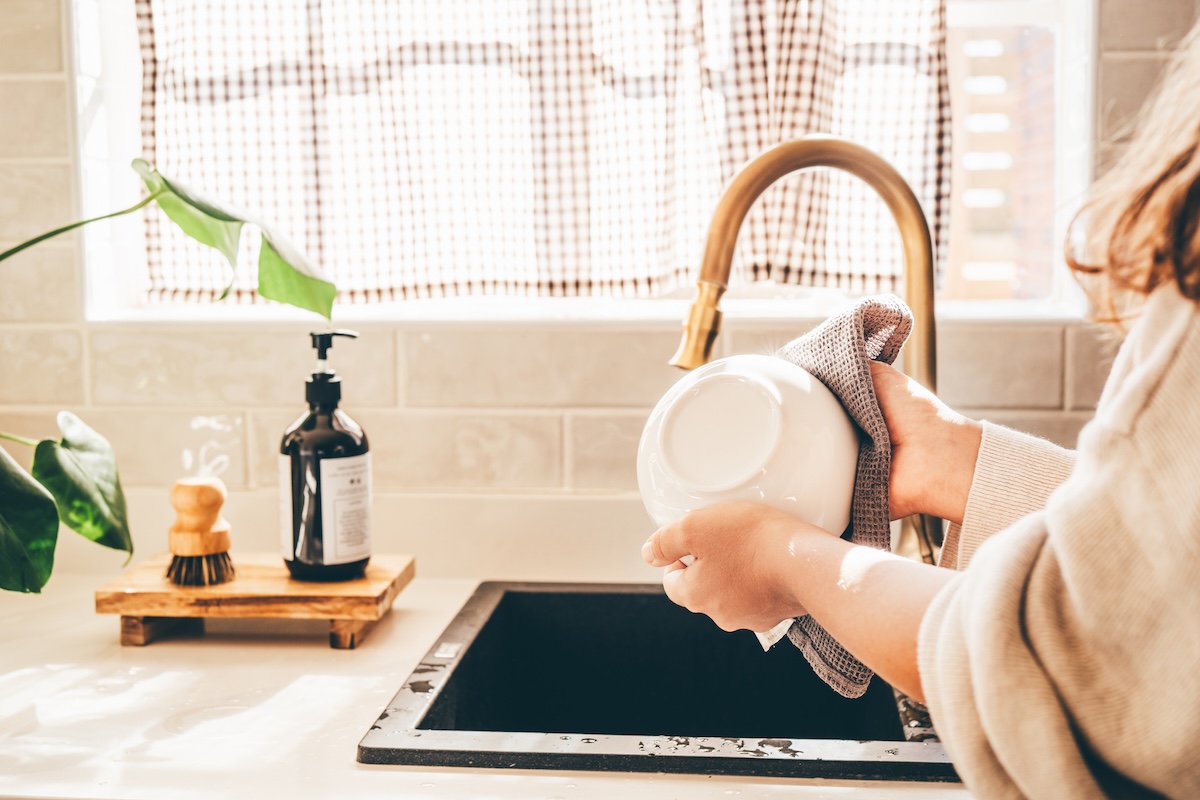
    Doing the dishes by hand isn’t for the faint of heart, which is why homes have a dishwasher in the center of their kitchen. Most of them look (and operate) the same: you fill it, insert your pod (or liquid detergent), and select your cycle. It runs, chimes incessantly, and then your dishes are sparkly clean, ready to be used again. Right? Right? Too often, dishes that go into your dishwasher dirty come out the same way — cleaner but not completely clean.

    So, what are you supposed to do? Well, you shouldn’t scrub dishes by hand before putting them in: Though it seems counterintuitive, modern detergents and dishwashers are designed to work more effectively with some food residue. It’s true; the enzymes in your detergent need food particles to activate, and the dishwasher’s sensors may adjust the wash cycle based on the level of dirtiness. (Smart, huh?) But if that isn’t your problem, it could be a dirty filter or the detergent you’re buying.

    Advertisement
    Advertisement

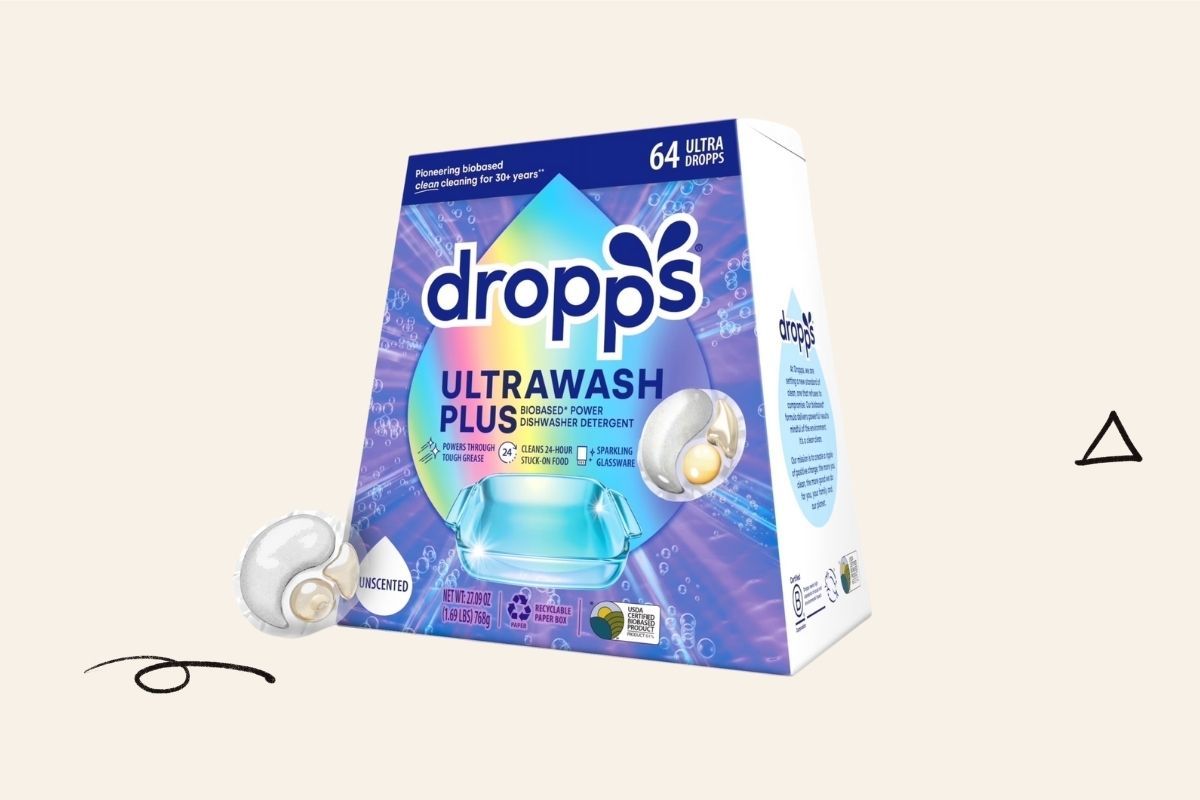
    Dropps Ultrawash Plus (64 Pods)

    BUY FOR $34 AT DROPPS
    BUY FOR $35 AT AMAZON

    You see, dishwasher detergent has become an oddly crowded category. You can buy pods that promise streak-free glassware, powders that insist they’re safer for the planet, liquids engineered for “tough jobs,” or tablets wrapped in materials no one can pronounce. Somewhere in that mix sits Dropps, a brand that built its name on sustainability long before it was a trendy marketing move. Their latest product, the UltraWash Plus pods, is the company’s most confident attempt to move from “eco-friendly alternative” to “everyday essential.”

    The UltraWash Plus is a pod-style detergent with a biobased certification from the U.S. Department of Agriculture. That certification means most of the ingredients come from biological sources rather than petroleum, making it ideal for shoppers who care about environmental impact but don’t have the patience to decode ingredient lists. The pods themselves use a chambered design — separate compartments that hold detergent, enzymes, and a degreasing liquid. This isn’t just for show, though it looks cool. Dishwasher detergents rely heavily on enzymes to break down food, and when those enzymes mingle with the wrong ingredients too early, they lose their effectiveness. By isolating them until the wash cycle begins, UltraWash Plus aims to deliver better cleaning power without relying on harsher chemicals.

    Recommended Articles

    • The 10 Healthiest Trader Joe’s Meals, According to a Dietitian

    • 5 Vegetables You Should Never Store in the Fridge

    • Is It Rude To Ask for Leftovers at Fancy Restaurants?

    • Is It Dangerous To Scratch Mosquito Bites?

    Advertisement
    Advertisement

    Reader Favorites

    • Woman looking in fridge

      9 Foods You Should Toss ASAP if They’re Expired

    • Popcorn in a bowl

      7 ‘Bad’ Foods That Are Actually Good for You

    • Person sipping beer

      The Least Healthy Alcoholic Beverages

    Of course, your detergent ultimately has to work, and while the UltraWash Plus pods don’t surmount the strongest, most aggressive pods on the market, they sit comfortably near the top. They clean standard daily messes without drama, handle proteins and sauces effectively, and don’t require pre-rinsing dishes. And that last point matters more than people realize: pre-rinsing wastes water and time, and needing to do it undercuts whatever a detergent claims about convenience or cleaning strength. So, if you want a pod that aligns with your sustainability goals without feeling like a step backward, Dropps makes that decision easy.

    Featured Image Credit: Maria Korneeva/Getty

    More From Our Network

    Better Report is part of Inbox Studio, an email-first media company. *Indicates a third-party property.

    Go Retro With This 1960s Fashion Quiz

    Quiz Daily

    Go Retro With This 1960s Fashion Quiz

    True or False: Are You a Master of U.S. Geography?

    Travel Quiz

    True or False: Are You a Master of U.S. Geography?

    5 Reasons You Can Be Denied Boarding an Airplane

    Daily Passport

    5 Reasons You Can Be Denied Boarding an Airplane

    What Did People Do Before Eyeglasses?

    History Facts

    What Did People Do Before Eyeglasses?

    How To Use a Balloon To Clean Up Dust

    House Outlook

    How To Use a Balloon To Clean Up Dust

    11 Shopping Hacks Costco Members Should Know

    FinanceBuzz*

    11 Shopping Hacks Costco Members Should Know

    Share this article

    • Share to Facebook
    • Share to Twitter
    • Copy Url
    • Share to Email
    Ali Eldridge

    This article is for general informational purposes only.
    Affiliate Disclaimer Medical Disclaimer Financial Disclaimer

    Updated:
    Posted In: Home
    Hero Image Credit: Better Report
    Advertisement

    Related Articles

    5 Vegetables You Should Never Store in the Fridge

    3 min read

    Why a Flashing Check Engine Light Is Different From a Solid One

    3 min read

    Why Does Your Sink Have a Tiny Hole?

    3 min read

    Is Hard Water Ruining Your Clothes?

    3 min read

    9 Fall Cleaning Tasks You Shouldn’t Neglect

    6 min read
    Advertisement

    Stop Letting Your Home Videos Collect Dust

    Home | Updated: January 21, 2026
    Evan Malachosky
    Author
    Evan is a writer and editor based in Pittsburgh, Pennsylvania. His work has appeared in GQ, Esquire, Popular Mechanics, Gear Patrol, and more.
    Better Report

    All featured products and deals are selected independently and objectively by the author. Better Report may receive a share of sales via affiliate links in content.

    Chances are, your home videos are probably hidden away in your attic or basement, collecting dust. Who even owns a VHS player anymore? And that cord you need to connect your old camcorder to your computer? That disappeared a decade (or two) ago. We’re blessed — or cursed, depending on how you look at it — with the ability to record anything, in an instant, directly on our phones. Saved to the cloud, never to be lost or taped over. That’s great and all, but only for future events. Those tapes contain memories many are eager to relive. And, thankfully, there’s a way — without needing access to a working VHS player.

    So long as you can find them, you can send your tapes to Legacybox for digitization. They make it easy, too: they send you a pre-labeled box with everything you need. You fill it with your stickered analog media — VHS tapes, reels, cassettes, old photo strips, printed pictures — seal it shut, and send it back. Once it arrives at their Tennessee digitization center, trained technicians attend to every asset individually, providing personalized updates along the way.

    Advertisement
    Advertisement
    Courtesy of Legacybox

    Once complete, your analog media will be mailed back to you, along with links to your digital copies. They live in the Legacybox Cloud, a separate service dedicated to storing digitized assets. Here, you can scroll through your photos, watch your videos, and generate links for others to do the same. From here, you can also download the files onto any device. As with most add-ons nowadays, it’s free for 30 days. After that, access is extra, but so long as you downloaded your files, you shouldn’t need it — unless you send in more tapes and photos. Plus, you can opt to receive your files on a disc set or a thumb drive.

    Picking the Right Legacybox

    Your options range from Starter (two items) to Vault (80 items). So, if you have just a few videos you want digitized, Starter could work. That said, most families need Family or higher. (Even a 20-item box fills up fast.) Right now, Legacybox is running its best sale of the year: 50% off every level. That means you can get 40 items digitized for the price it typically costs to convert 10.

    2 ITEMS FOR $35 (ORIG. $70)
    10 ITEMS FOR $160 (ORIG. $320)
    20 ITEMS FOR $320 (ORIG. $640)
    40 ITEMS FOR $625 (ORIG. $1,250)
    80 ITEMS FOR $1,250 (ORIG. $2,500)

    The process typically takes 4-6 weeks, but this can vary depending on the number of inbound submissions. Expedited processing is an option, and that shortens the timeline to 3-4 weeks. Guaranteed rush will get you your digitized files in 10 business days. The time it takes to process your files also depends on the number of items you sent, their condition, and their format — Legacybox doesn’t restore photos or videos; it uploads them as they’re scanned, but it will dedicate additional time and resources to unique film or photo types.

    Recommended Articles

    • The 10 Healthiest Trader Joe’s Meals, According to a Dietitian

    • 5 Vegetables You Should Never Store in the Fridge

    • Is It Rude To Ask for Leftovers at Fancy Restaurants?

    • Is It Dangerous To Scratch Mosquito Bites?

    Advertisement
    Advertisement

    Reader Favorites

    • Woman looking in fridge

      9 Foods You Should Toss ASAP if They’re Expired

    • Popcorn in a bowl

      7 ‘Bad’ Foods That Are Actually Good for You

    • Person sipping beer

      The Least Healthy Alcoholic Beverages

    As explained earlier, the Starter kit lets you send in two items. The Vault option allows up to 80. These boxes look the same, but they arrive with different numbers of pre-paid barcodes to stick to each item. This range enables families to choose the option that accounts for assets from all members — meaning that if you have 80 items and want to build your own accessible family archive, you can do so and split the cost, which might seem steep, evenly among all contributors.

    Advertisement

    Featured Image Credit: Courtesy of Legacybox

    More From Our Network

    Better Report is part of Inbox Studio, an email-first media company. *Indicates a third-party property.

    Go Retro With This 1960s Fashion Quiz

    Quiz Daily

    Go Retro With This 1960s Fashion Quiz

    True or False: Are You a Master of U.S. Geography?

    Travel Quiz

    True or False: Are You a Master of U.S. Geography?

    5 Reasons You Can Be Denied Boarding an Airplane

    Daily Passport

    5 Reasons You Can Be Denied Boarding an Airplane

    What Did People Do Before Eyeglasses?

    History Facts

    What Did People Do Before Eyeglasses?

    How To Use a Balloon To Clean Up Dust

    House Outlook

    How To Use a Balloon To Clean Up Dust

    11 Shopping Hacks Costco Members Should Know

    FinanceBuzz*

    11 Shopping Hacks Costco Members Should Know

    Share this article

    • Share to Facebook
    • Share to Twitter
    • Copy Url
    • Share to Email
    Evan Malachosky
    Managing Editor

    Evan is a writer and editor based in Pittsburgh, Pennsylvania. His work has appeared in GQ, Esquire, Popular Mechanics, Gear Patrol, and more.

    This article is for general informational purposes only.
    Affiliate Disclaimer Medical Disclaimer Financial Disclaimer

    Updated: May 21, 2024
    Posted In: Home
    Hero Image Credit: Better Report
    Advertisement

    Related Articles

    5 Vegetables You Should Never Store in the Fridge
    3 min read

    Why a Flashing Check Engine Light Is Different From a Solid One

    3 min read

    Why Does Your Sink Have a Tiny Hole?

    3 min read

    Is Hard Water Ruining Your Clothes?

    3 min read

    9 Fall Cleaning Tasks You Shouldn’t Neglect

    6 min read
    Advertisement

    Posts navigation

    Older posts
    Newer posts
    • Home
    • Health
    • Wealth
    • Logo
    • Advertise
    • About
    • Contact Us
    • Privacy Policy
    • Terms of Use
    • Your Privacy Choices
    x
    Thumb Image

    Elevate your everyday.

    Sign up to receive the practical tips and expert advice you need to pare down the complexities of everyday living right in your inbox.

    Sorry, your email address is not valid. Please try again.

    Your email is:

    Edit Image
    Sorry, your email address is not valid. Please try again.
    Thank you for subscribing...

    By subscribing you are agreeing to our Terms of Use and Privacy Policy.

    Close image
    Thumb Image
    Second Thumb Image

    Elevate your everyday.

    Sign up to receive the practical tips and expert advice you need to pare down the complexities of everyday living right in your inbox.

    Sorry, your email address is not valid. Please try again.

    By subscribing you are agreeing to our Privacy Policy and Terms of Use.

    Close image