Skip to content
Better Report
  • Home
  • Health
  • Wealth
8 Low-Maintenance Plants That Thrive on Neglect
  • Search
  • Subscribe
  • Home
  • Health
  • Wealth
  • About
  • Privacy Policy
  • Terms of Use
  • Contact Us
  • SubscribeSubscribe
  • Search
Thank you for confirming your email! Welcome to the community.

Tag: Home

The Bedroom Color That Adds $2,000 to Your Home Value

Wealth | Updated: September 14, 2026
Bennett Kleinman
Author
Bennett Kleinman is a New York City-based staff writer for Inbox Studio. He is also a freelance comedy writer, devoted New York Yankees and New Jersey Devils fan, and thinks plain seltzer is the best drink ever invented.
Woman looking at paint colors against wall
Featured Image Credit: SDI Productions—E+/Getty Images

They say that a picture is worth a thousand words, but certain paint colors are worth $2,000. If you’re considering selling your home, data suggests it’s financially beneficial to apply a fresh coat of paint before doing so. Changing the tone of the walls in your bedroom, living room, and kitchen has been shown to boost the value of an average home — if you pick the right paint colors at least. Otherwise, you may end up leaving thousands in potential profit on the table.

Bedroom with brown walls
Credit: © Elliott Kaufman—The Image Bank Unreleased/Getty Images

What Can Brown Do for You?

According to Zillow’s 2026 Paint Color Analysis, the average home buyer is inclined to offer an additional $2,227 if the bedroom is painted chocolate brown rather than plain white. This warm, dark hue is desirable for the cozy atmosphere that it helps create in the bedroom. Buyers are also willing to pay more if bedrooms are painted shades of sage green ($1,035) and pale blue ($839). 

Advertisement
Advertisement

In the living room, buyers typically prefer less of a warm feeling and more of an open, airy environment. For this reason, pale blue-painted walls top the list, earning sellers an extra $1,723 on the final sale price of their home. Dark gray paint also substantially boosts value — to the tune of an extra $1,509 — while sage green ranks highly yet again, resulting in a $471 increase in the home’s value.

If you’re looking to paint your home a bolder color, then the kitchen is the best place to do so to increase value. Zillow notes that sellers make the most ($1,373) by painting their kitchen cabinets a charcoal gray rather than white. Reddish-violet paint colors akin to dark plum are a good alternative, netting sellers an additional $867 in cash.

Green walls
Credit: © Goodboy Picture Company—E+/Getty Images

Money Down the Drain

There’s one final space worth looking at: the bathroom. Zillow notes that colors such as sage green, pure white, or dark gray are all excellent choices for a bathroom. Appealing as these tones may be to home buyers, though, none of them will increase a home’s value to any notable degree.

Advertisement

That said, painting the bathroom the wrong color can definitely hurt a home’s value. For instance, data shows that a bathroom painted pale pink can lower the value of a home by as much as $6,013, and $4,201 if you use pale pink in the kitchen. It’s also smart to steer clear of using bright red paint in your bathroom — that bold choice can lower a home’s value by as much as $8,000.

Recommended Articles

  • The Safety Rules for Candles You Probably Don’t Know

  • 5 Things Your Car Needs Before the First Freeze

  • 6 Amazon Prime Day Hacks

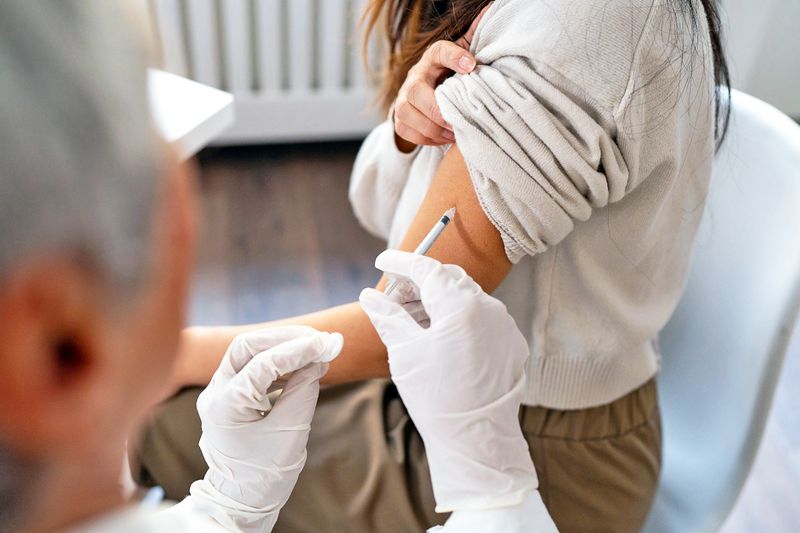
  • 5 Things To Ask Your Doctor About the New Flu Shot

Advertisement
Advertisement

Reader Favorites

  • Woman looking in fridge

    9 Foods You Should Toss ASAP if They’re Expired

  • Person eating salad

    7 Things a Chef Never Orders at a Restaurant

  • Cherry angioma

    Are the Tiny Red Dots on Your Skin Dangerous?

But according to Zillow’s analysis, no paint hue is more financially foolish than ochre yellow. If you were to paint your bedroom, living room, kitchen, and bathroom using this earthy, golden tone, it would knock as much as $18,164 off your home’s value.

Featured Image Credit: SDI Productions—E+/Getty Images

More From Our Network

Better Report is part of Inbox Studio, an email-first media company. *Indicates a third-party property.

Go Retro With This 1960s Fashion Quiz

Quiz Daily

Go Retro With This 1960s Fashion Quiz

True or False: Are You a Master of U.S. Geography?

Travel Quiz

True or False: Are You a Master of U.S. Geography?

5 Reasons You Can Be Denied Boarding an Airplane

Daily Passport

5 Reasons You Can Be Denied Boarding an Airplane

What Did People Do Before Eyeglasses?

History Facts

What Did People Do Before Eyeglasses?

How To Use a Balloon To Clean Up Dust

House Outlook

How To Use a Balloon To Clean Up Dust

11 Shopping Hacks Costco Members Should Know

FinanceBuzz*

11 Shopping Hacks Costco Members Should Know

Share this article

  • Share to Facebook
  • Share to Twitter
  • Copy Url
  • Share to Email
Bennett Kleinman
Staff Writer

Bennett Kleinman is a New York City-based staff writer for Inbox Studio. He is also a freelance comedy writer, devoted New York Yankees and New Jersey Devils fan, and thinks plain seltzer is the best drink ever invented.

This article is for general informational purposes only.
Affiliate Disclaimer Medical Disclaimer Financial Disclaimer

Updated: July 20, 2023
Posted In: Wealth
Hero Image Credit: Featured Image Credit: SDI Productions—E+/Getty Images
Advertisement

Related Articles

5 Things Your Car Needs Before the First Freeze

4 min read

6 Amazon Prime Day Hacks

6 min read

Is It Actually Better To Lease a Car?

9 min read

7 Free MIT Classes You Can Experience From Home

4 min read

Is It Rude To Ask for Leftovers at Fancy Restaurants?

5 min read
Advertisement

Some Grocery Prices Are Finally Going Down — Here’s What’s Getting Cheaper

Wealth | Updated: August 26, 2026
Lauren Dana Ellman
Author
Lauren Dana Ellman is a New York–based writer and editor specializing in lifestyle, travel, food, and shopping. A graduate of Syracuse University’s SI Newhouse School of Public Communications, she covers everything from destinations and hotels to fun product finds and personal essays. Her work has been featured in Condé Nast Traveler, AARP, Travel + Leisure, Time Out, The Knot, and more lifestyle-oriented publications.
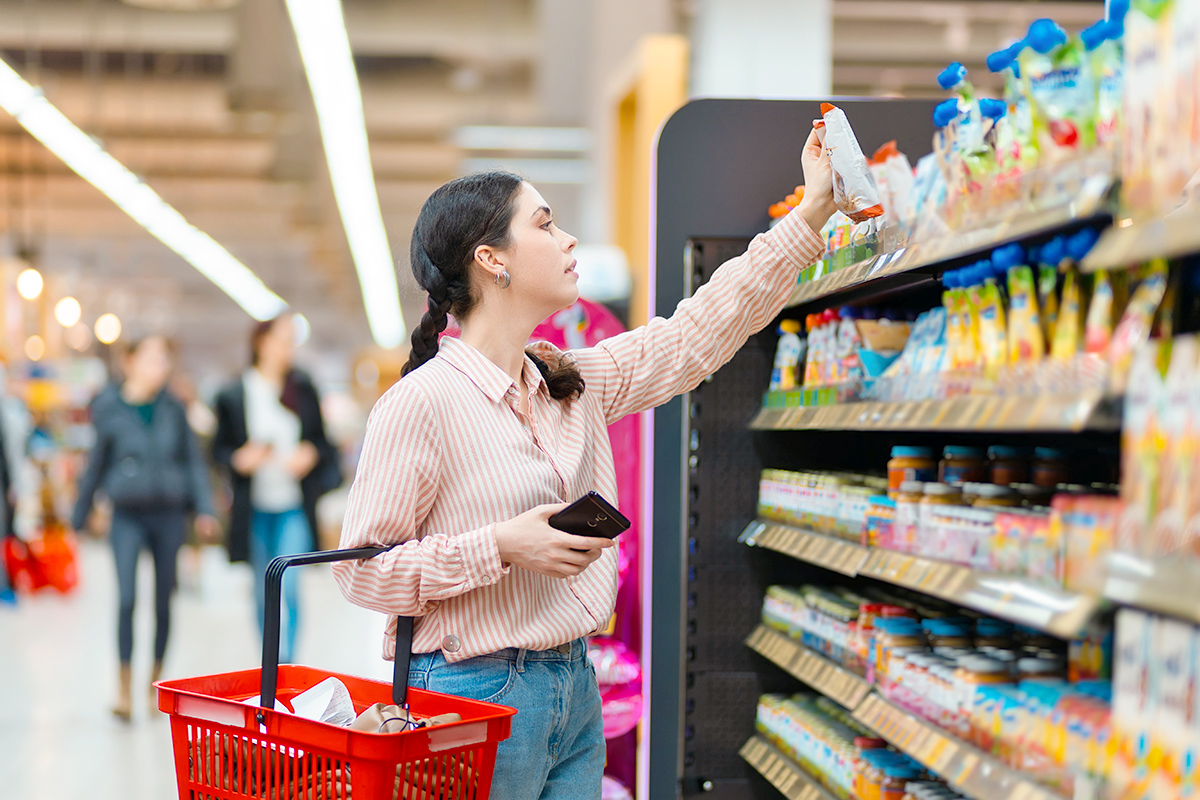
Woman shopping in grocery store
Better Report

For many shoppers, grocery bills are a major financial strain. Food prices remain well above their pre-pandemic levels, and are up 3% over July 2025 (as of July 2026, the latest data available). And according to a recent survey, 82% of Americans say grocery prices have had a bigger impact on their finances than higher gas prices. To save money, many reported buying more store-brand products and shopping at less expensive grocery stores such as Aldi.

But there may be a little relief in sight — at least when it comes to certain items. The latest Consumer Price Index data from the Bureau of Labor Statistics (BLS) shows that several everyday grocery staples now cost less than they did a year ago. Other categories, however, continue to head in the opposite direction.

Advertisement
Advertisement

The latest data highlights just how uneven grocery prices have become. Here’s a closer look at which staples have gotten cheaper — and which continue to rise.

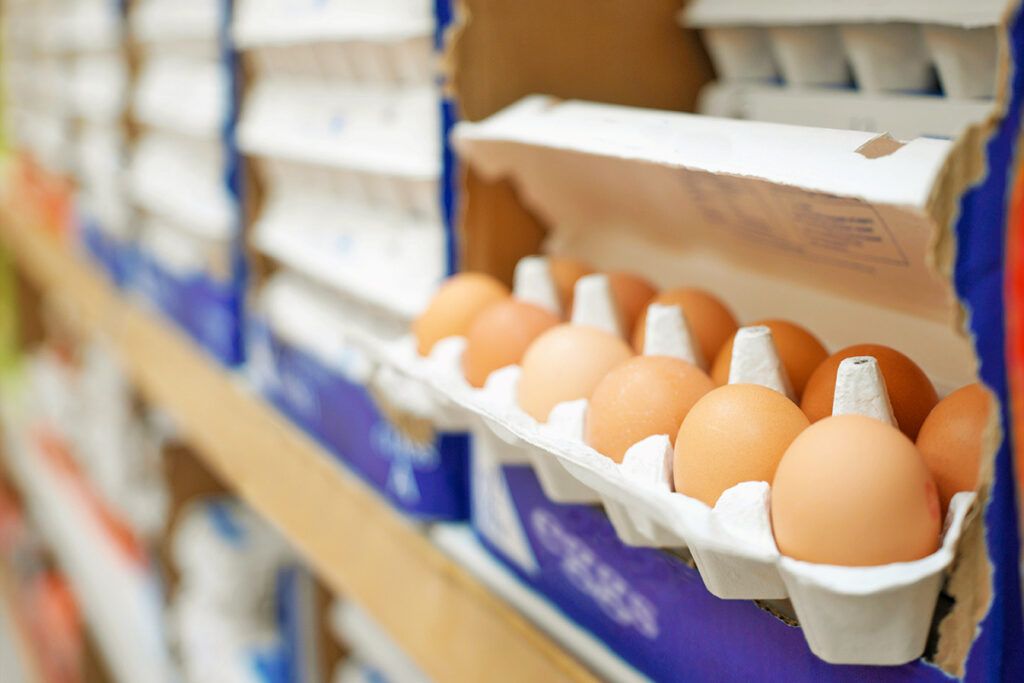
Carton of eggs
Credit: © Getty Images/Unsplash.com

What’s Getting Cheaper

According to the latest BLS data, eggs have seen the biggest year-over-year price decline, falling 25.7% as supplies continued to recover from the avian flu outbreak (as well as alleged price fixing by some suppliers) that drove prices to record highs in 2025. After months of record prices and purchase limits at some grocery stores, eggs have become one of the clearest examples of how supply conditions can quickly affect what shoppers pay at checkout.

Recommended Articles

  • The Safety Rules for Candles You Probably Don’t Know

  • 5 Things Your Car Needs Before the First Freeze

  • 6 Amazon Prime Day Hacks

  • 5 Things To Ask Your Doctor About the New Flu Shot

Advertisement
Advertisement

Reader Favorites

  • Woman looking in fridge

    9 Foods You Should Toss ASAP if They’re Expired

  • Person eating salad

    7 Things a Chef Never Orders at a Restaurant

  • Cherry angioma

    Are the Tiny Red Dots on Your Skin Dangerous?

Eggs are the biggest outlier, but they’re not the only grocery item getting cheaper. Prices have also fallen year over year for the following items: 

• Butter (-8.1%)
• Salad dressing (-4.3%)
• Cheese and related products (-4.2%)
• Fresh whole chicken (-3.2%)
• Fresh and frozen chicken parts (-2.5%) 
• Bacon and related products (-2.8%) 
• Frozen and refrigerated bakery products (-1.8%)
• Margarine (-1.7%)
• Ice cream (-1.1%) 

Advertisement

Most of those declines are relatively modest, but they show that lower prices are extending beyond a single grocery category.

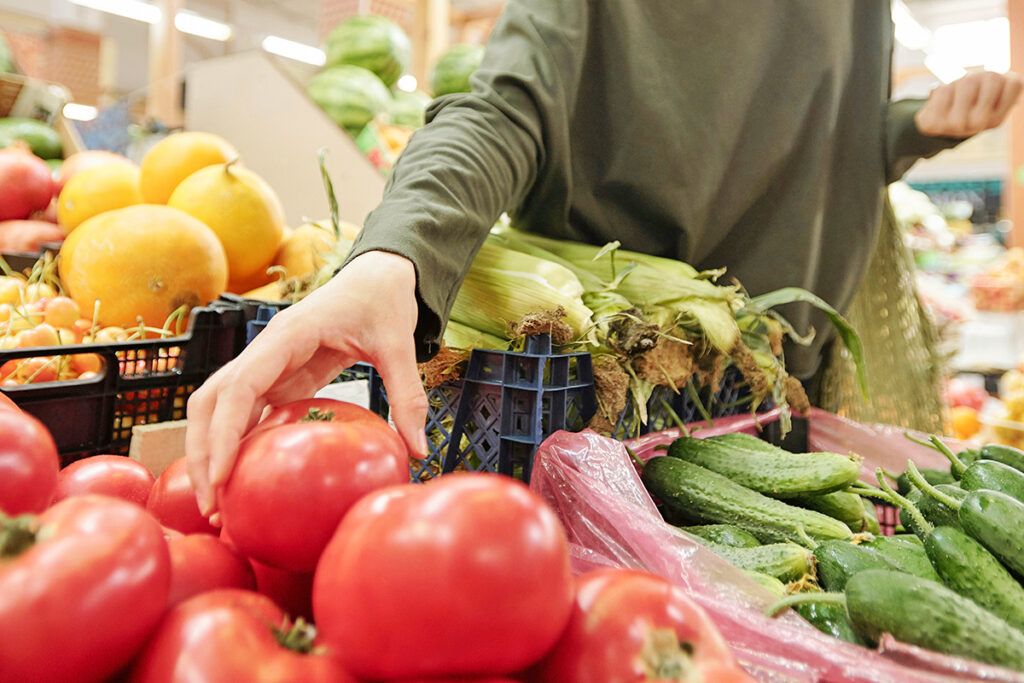
Person grabbing tomato at grocery store
Credit: © Getty Images/Unsplash.com

What’s Still Going Up

Unfortunately for U.S. shoppers, not every grocery item is getting cheaper. According to the latest BLS data, the cost of tomatoes is up 12.8% year over year, while apples cost 11% more in July 2026 than they did in July 2025. Coffee prices also continued to climb, with instant coffee up 15.8% year over year, roasted coffee up 12.2%, and coffee overall up 9.4%. And while certain categories of dairy products are dropping in price, fresh whole milk and other fresh milks are up 6% and 4.8%, respectively.

Advertisement
Advertisement

Protein is another category seeing higher prices. Beef roasts (up 13.5%), steaks (+9.6%), and ground beef (+9%) all posted increases over the past year. And while chicken prices have come down, the cost of turkey and other poultry has gone up 8.4%. Frozen fish and seafood and fresh fish and seafood, meanwhile, also were up 7.8% over July 2025. 

Those are everyday purchases for many households, and for families that regularly buy meat, seafood, or coffee, those increases can add up quickly — which helps explain why grocery bills can still feel high despite lower prices for some staples. 

Advertisement
Advertisement

The latest BLS figures suggest the days of nearly across-the-board grocery price increases may be easing. But for now, whether shoppers save money still depends largely on what’s in their carts.

Featured Image Credit: © _KUBE_/stock.adobe.com

More From Our Network

Better Report is part of Inbox Studio, an email-first media company. *Indicates a third-party property.

Go Retro With This 1960s Fashion Quiz

Quiz Daily

Go Retro With This 1960s Fashion Quiz

True or False: Are You a Master of U.S. Geography?

Travel Quiz

True or False: Are You a Master of U.S. Geography?

5 Reasons You Can Be Denied Boarding an Airplane

Daily Passport

5 Reasons You Can Be Denied Boarding an Airplane

What Did People Do Before Eyeglasses?

History Facts

What Did People Do Before Eyeglasses?

How To Use a Balloon To Clean Up Dust

House Outlook

How To Use a Balloon To Clean Up Dust

11 Shopping Hacks Costco Members Should Know

FinanceBuzz*

11 Shopping Hacks Costco Members Should Know

Share this article

  • Share to Facebook
  • Share to Twitter
  • Copy Url
  • Share to Email
Lauren Dana Ellman
Writer

Lauren Dana Ellman is a New York–based writer and editor specializing in lifestyle, travel, food, and shopping. A graduate of Syracuse University’s SI Newhouse School of Public Communications, she covers everything from destinations and hotels to fun product finds and personal essays. Her work has been featured in Condé Nast Traveler, AARP, Travel + Leisure, Time Out, The Knot, and more lifestyle-oriented publications.

This article is for general informational purposes only.
Affiliate Disclaimer Medical Disclaimer Financial Disclaimer

Updated: April 28, 2026
Posted In: Wealth
Hero Image Credit: Better Report
Advertisement

Related Articles

5 Things Your Car Needs Before the First Freeze

4 min read

6 Amazon Prime Day Hacks

6 min read

Is It Actually Better To Lease a Car?

9 min read

7 Free MIT Classes You Can Experience From Home

4 min read

The Bedroom Color That Adds $2,000 to Your Home Value

3 min read
Advertisement

Could Your Kitchen Cleaning Habits Be Making You Sick?

Ali Eldridge
Health | Updated: August 13, 2026
Person washing dishes
Better Report

If you watch the news, you’ll frequently see stories about food recalls. They’re worth keeping tabs on, because food poisoning is no joke: The USDA estimates that Americans experience about 48 million foodborne illnesses each year from a population of about 342 million. That’s a lot.

When it comes to avoiding foodborne illnesses, food safety is important, but it’s only part of the picture — you also need a safe place to prepare your food. The unfortunate truth is that even if you pride yourself on keeping a clean kitchen, you still may be inadvertently letting bacteria thrive. Here are the issues I see most often as a former chef and food safety trainer. 

Sponge on counter
Credit: © Alina Bondar/Unsplash.com

Your Sponge

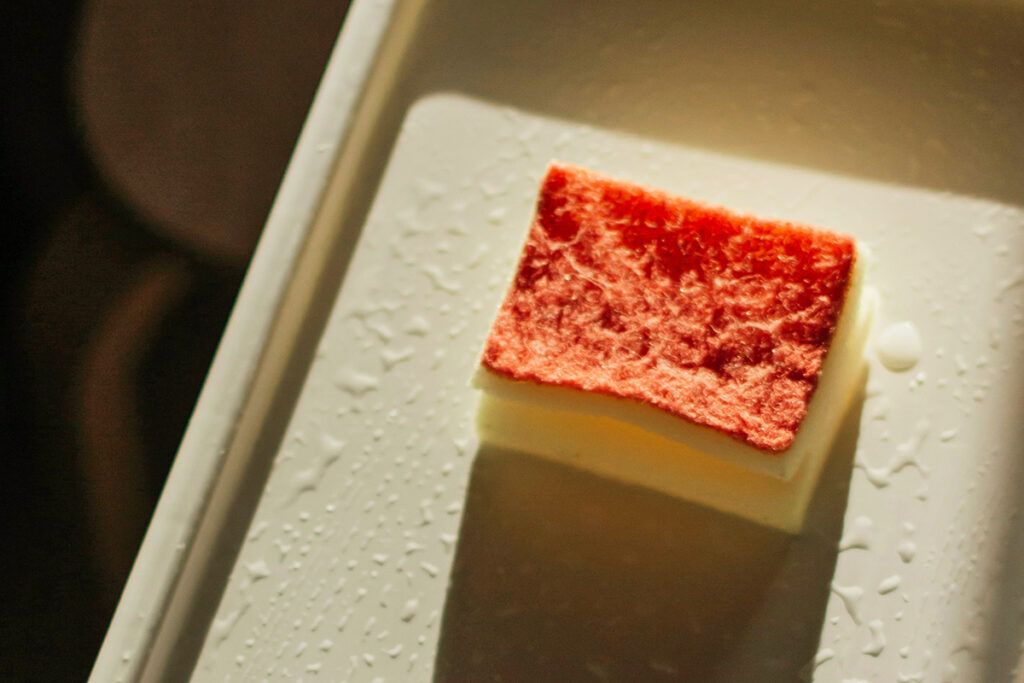
You’ve probably seen clickbait headlines telling you that “there are more bacteria on your kitchen sponge than in your toilet.” It’s true, but a little misleading: Your kitchen sponge does have a really high bacterial load, but most of the bacteria on it are harmless. The bad news? It can also harbor harmful pathogens including salmonella, E. coli, listeria, and others you might not know by name. 

While you’re cleaning, your sponge picks up bacteria and pathogens from the surfaces you wipe (dishes, cutting boards, knives, and so on). If you clean a cutting board that just held raw chicken, for example, any salmonella on the board is now in your sponge. Your sponge also traps food particles and moisture, and then sits at room temperature for hours. 

Advertisement
Advertisement

In other words, you’re creating perfect conditions for bacteria to grow. So, the next time you use your sponge, you’ll be smearing bacteria across your counters and dishes rather than cleaning them off. If you use a cloth for cleaning your counters or hand-washing dishes, you’ll face similar challenges. 

Advertisement

So what should you do if you don’t want to spread bacteria? 

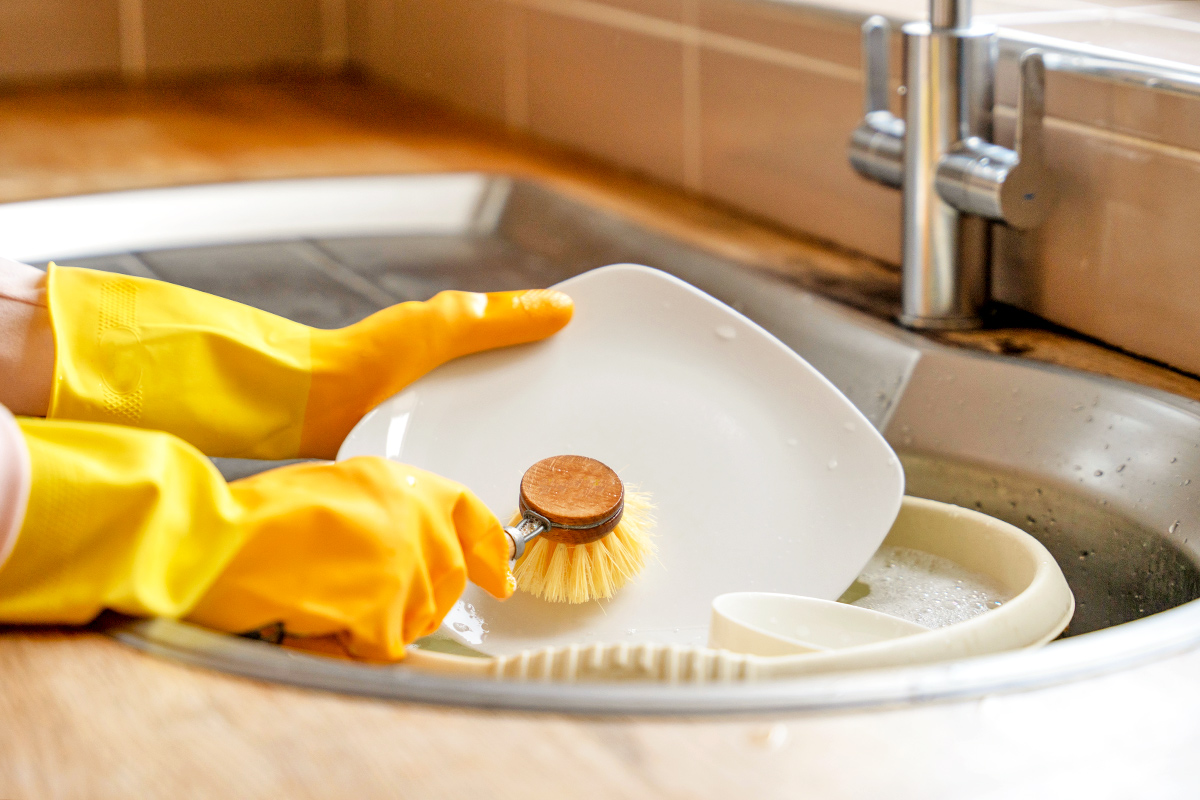
Cleaning dish with brush
Credit: © Hannah Grapp/Pexels.com

How To Clean Without Spreading Bacteria

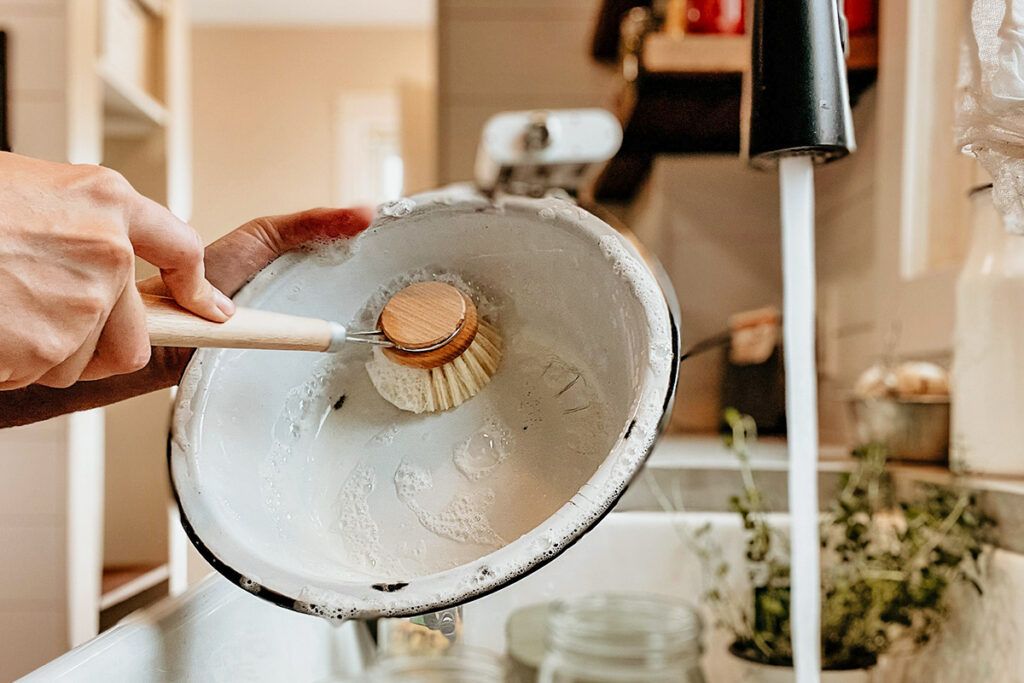
The simplest option might be to change the tool you use. A study conducted in 2022 across 10 European nations found that dish-scrubbing brushes were significantly more sanitary than sponges. Not only did their bristles retain less food waste and bacteria than sponges, but they were also easier to clean and dried faster, taking away the moisture bacteria need for survival. 

Recommended Articles

  • The Safety Rules for Candles You Probably Don’t Know

  • 5 Things Your Car Needs Before the First Freeze

  • 6 Amazon Prime Day Hacks

  • 5 Things To Ask Your Doctor About the New Flu Shot

Advertisement
Advertisement

Reader Favorites

  • Woman looking in fridge

    9 Foods You Should Toss ASAP if They’re Expired

  • Person eating salad

    7 Things a Chef Never Orders at a Restaurant

  • Cherry angioma

    Are the Tiny Red Dots on Your Skin Dangerous?

For uses where brushes might not be the tool for the job, there are several methods you can use to sanitize your sponge or washcloth between uses:

• Run it through a cycle in your dishwasher, using its high heat setting and heated drying.
• Soak the sponge in pure, 10% chlorine bleach for one minute.
• Soak the sponge in 70% ethanol (i.e., overproof vodka or equivalent). 
• Put the sponge through a hot water wash in your washing machine, with bleach, and dry it on your dryer’s hot setting.
• Wet the sponge or cloth thoroughly, then microwave on high for one minute.
• Boil your sponge or cloth for 10 minutes.

USDA testing showed that the microwave is the simplest and most effective option for sanitizing your sponge, as long as your sponge is microwave-safe. But additional research from other sources, including a microbiologist in her home kitchen, showed that it’s not a bulletproof option: The bleach, dishwasher, and washing machine options all worked pretty well; hydrogen peroxide and the dishwasher without hot drying were less effective; and the microwave results were variable. 

Advertisement
Advertisement

Considering all the benefits that come with using brushes, and the fact that they can also be sanitized in the dishwasher, you may just want to opt for that instead. If you must use a sponge, replace it every one to two weeks, even if you’re sanitizing it. 

Advertisement
Cutting meat
Credit: © Getty Images/Unsplash.com

Your Hands

You use your hands to hold food, cooking utensils, and the sponge or cloth you clean with, so they’ll be exposed to any pathogens on those things. You’ll spread those microbes to the knobs on your stove, the handles of your faucet and knives, your light switches and doorknobs, and any family members you happen to touch. 

Advertisement
Advertisement

That’s why handwashing is drilled into culinary students (and medical students!) so thoroughly. It’s one of the fundamental rules of food safety. You really need to wash your hands with soap and water for at least 20 seconds every time they’ve been in contact with a possible source of contamination, whether you took a bathroom break or were touching raw meats or fresh produce (a common source of food recalls). Alternatively, you can use gloves, as long as you change them when you shift from one task to another. Doing so will help prevent any skin irritation from frequent handwashing. 

Washing your hands or changing gloves often is inconvenient, sure. But touching things absentmindedly with unwashed hands is how a lot of common pathogens like norovirus, for example, spread — and I can assure you that the extra time spent washing your hands is a lot less inconvenient than getting noro. 

Advertisement
Advertisement
Cleaning sink
Credit: © Liliana Drew/Pexels.com

Your Sink

Your sponge is what you use to clean a lot of things, but your kitchen sink is where you clean them. That means it sees a whole lot of foodborne bacteria, viruses, and parasites. (The cyclosporiasis outbreak that sickened thousands in July 2026 is caused by a parasite.) Your sink is a place where pathogens gather, and it might need a little more care than you’re giving it. 

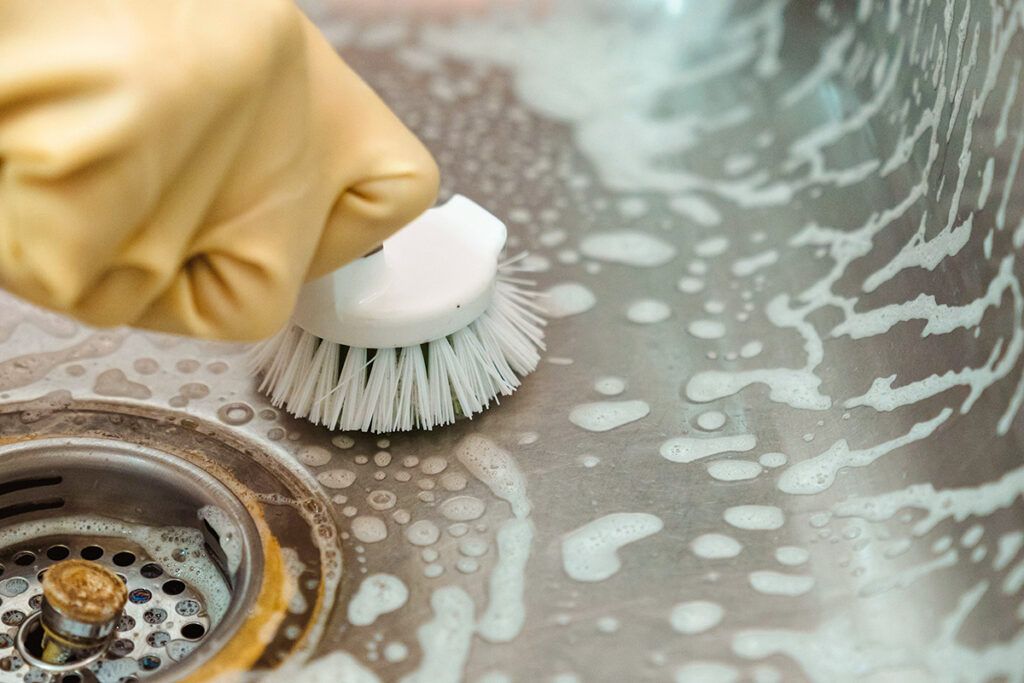
After you’ve used your sink to rinse produce or things like cutting boards, or after you’ve drained the juices from a package of fresh or thawed meat, wash it carefully with your cleanser of choice. The drain is an especially good place for bacteria to gather due to its nooks and crannies, so scrub those with a brush to get out any gunk. If your sink has a basket-type stopper, run that through a hot dishwasher cycle at least once a week to keep it sanitary. Finally, make a habit of disinfecting the whole sink and drain with diluted bleach every few days. 

Advertisement
Advertisement
Icemaker
Credit: © Sarah Palmer—Moment/Getty Images

Your Icemaker

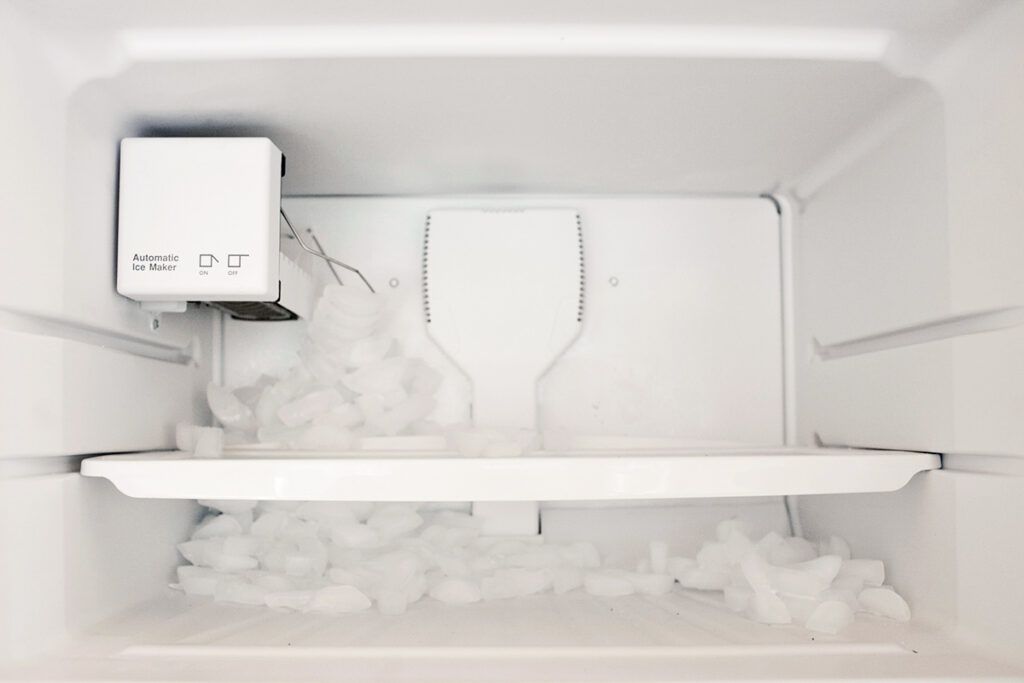
The ice maker in your fridge (or a stand-alone ice maker, if you have one) may also be one of the dirtiest things in your house. Ice makers accumulate molds and bacteria — many of which, including cold-tolerant listeria, can make you pretty ill. Cleaning it two to three times a year is relatively straightforward, and easy to remember if you schedule it to coincide with something else (holiday weekends, for example). Not only will this protect you from possible illness, but your ice cubes will also look and taste better. 

Advertisement
Advertisement
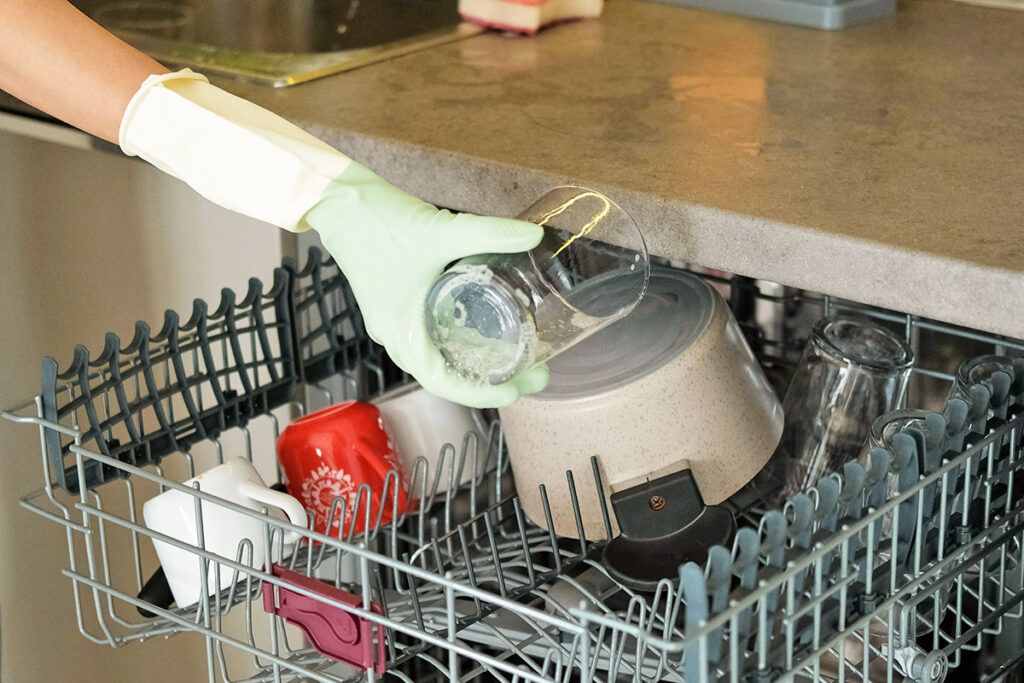
Person loading dishwasher
Credit: © Kübra Arslaner/ Unsplash.com

Your Dishwasher 

Your dishwasher plays a key role in keeping other things clean and sanitary, but only if the machine itself is clean and sanitary. If you allow gunk to build up in and around the filter, in the jets, or around the door seals, you’re providing a place where hardy bacteria can linger. Yes, a hot water wash and heat drying will probably kill them, but why take chances? Here’s a guide you can use to make sure your dishwasher is pristine. 

Advertisement
Advertisement

Featured Image Credit: © Iryna/stock.adobe.com

More From Our Network

Better Report is part of Inbox Studio, an email-first media company. *Indicates a third-party property.

Go Retro With This 1960s Fashion Quiz

Quiz Daily

Go Retro With This 1960s Fashion Quiz

True or False: Are You a Master of U.S. Geography?

Travel Quiz

True or False: Are You a Master of U.S. Geography?

5 Reasons You Can Be Denied Boarding an Airplane

Daily Passport

5 Reasons You Can Be Denied Boarding an Airplane

What Did People Do Before Eyeglasses?

History Facts

What Did People Do Before Eyeglasses?

How To Use a Balloon To Clean Up Dust

House Outlook

How To Use a Balloon To Clean Up Dust

11 Shopping Hacks Costco Members Should Know

FinanceBuzz*

11 Shopping Hacks Costco Members Should Know

Share this article

  • Share to Facebook
  • Share to Twitter
  • Copy Url
  • Share to Email
Ali Eldridge

This article is for general informational purposes only.
Affiliate Disclaimer Medical Disclaimer Financial Disclaimer

Updated:
Posted In: Health
Hero Image Credit: Better Report
Advertisement

Related Articles

5 Things To Ask Your Doctor About the New Flu Shot

5 min read

Is Sourdough Actually Healthier Than Regular Bread?

7 min read

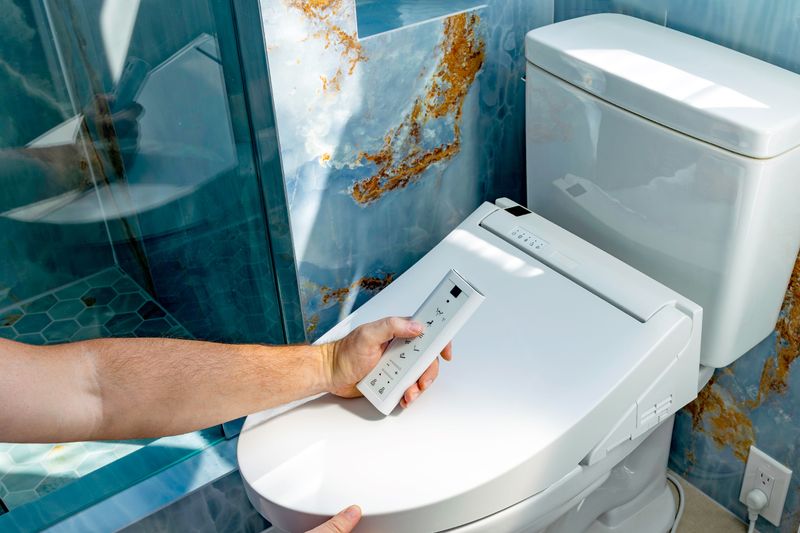
Do You Really Need a Bidet in Your Home?

4 min read

3 Common Sleep Habits That May Be Aging Your Brain

5 min read

Is the Traditional Mediterranean Diet Actually the Best for Your Brain?

4 min read
Advertisement

Should You Stop Making Your Bed?

Health | Updated: August 3, 2026
Bennett Kleinman
Author
Bennett Kleinman is a New York City-based staff writer for Inbox Studio. He is also a freelance comedy writer, devoted New York Yankees and New Jersey Devils fan, and thinks plain seltzer is the best drink ever invented.
Woman stretching in bed
Better Report

Making the bed is widely considered to be an excellent way to kick off the morning. It’s a simple chore that sets a positive and productive tone for the day ahead, and it requires barely any time at all. But according to some researchers and experts, making the bed may not be a great idea — they argue that there’s a potential health risk in doing so. Here’s what you need to know if you’re considering changing your morning routine and leaving your bed a bit more unkempt.

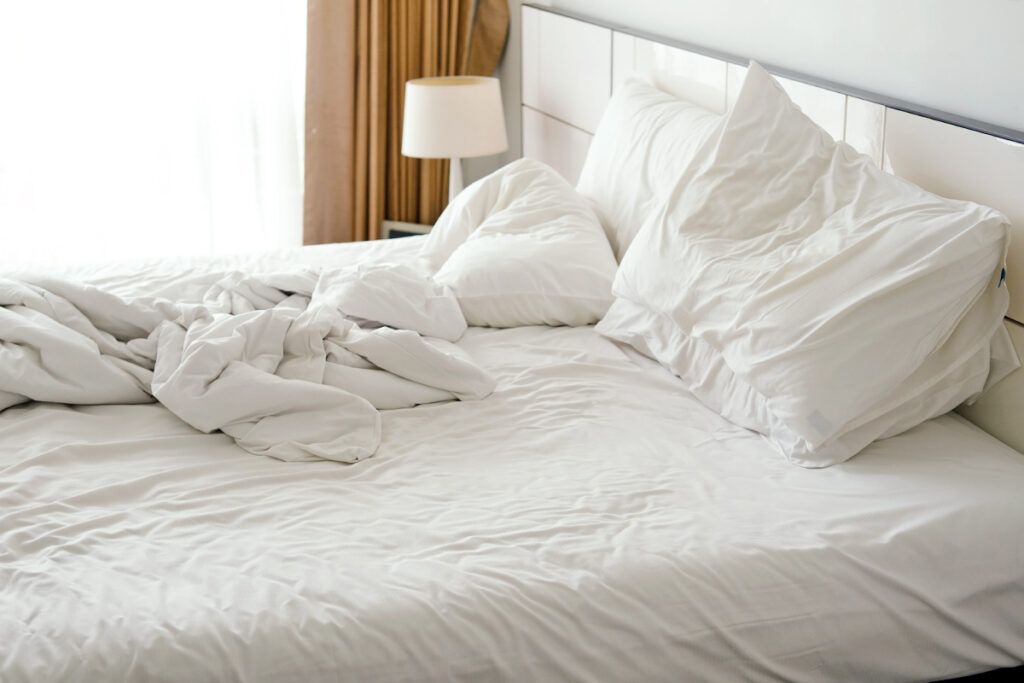
An unmade bed
Credit: © Yuliya Yesina—iStock/Getty Images

The Case Against Making the Bed

The risk in question has to do with trapping moisture in the bed. People may lose 400 to 700 milliliters of water during a single night’s sleep, which evaporates off their body into the bedding, leaving it slightly damp — and creating a more hospitable environment for dust mites and bacteria to thrive. That’s why some say you should avoid making the bed, at least immediately after getting up.

Advertisement
Advertisement

This idea dates back to the early 2000s, when a team of researchers studied how different indoor environments affected dust mite numbers. One of their takeaways from those studies was that unmade beds actually prevented dust mite proliferation. In a 2005 interview with the BBC, one of the researchers, Stephen Pretlove, said, “Something as simple as leaving a bed unmade during the day can remove moisture from the sheets and mattress so the mites will dehydrate and eventually die.”

Pretlove — now the director of sustainable engineering at the University of Roehampton — continued to tout those findings two decades later. In a 2025 interview with The Washington Post, he reiterated that there’s “evidence that suggests by not making your bed in the morning this will have a positive impact on reducing dust mite populations, however small.” He’s not the only one who thinks there’s something to this: Allergist Dr. Tania Elliott advised readers of House Beautiful to allow the sheets to air out for a bit before making the bed later in the day.

If you want to try this for yourself, avoid making the bed for at least 30 to 60 minutes. Make sure everything is spaced out so the pillowcases and bedding are exposed to the air. You can even use a fan to help them dry out quicker. After enough time has passed, touch the bedding and make sure it feels dry to the touch. Only then should you make your bed, if you still feel inclined to do so — though nobody is going to fault you if you choose not to.

Advertisement

There are major benefits in limiting dust mite populations in the bedroom, as their allergens can lead to sneezing, coughing, wheezing, and other unpleasant problems. (And, along with your sweat, skin, bacteria, and dirt, they get trapped in your pillow fibers, making your pillow heavier over time.) So why not try leaving your bed unmade and see if you notice a positive improvement? If you suffer from bad allergies, you may find yourself pleasantly surprised at the results.

Recommended Articles

  • The Safety Rules for Candles You Probably Don’t Know

  • 5 Things Your Car Needs Before the First Freeze

  • 6 Amazon Prime Day Hacks

  • 5 Things To Ask Your Doctor About the New Flu Shot

Advertisement
Advertisement

Reader Favorites

  • Woman looking in fridge

    9 Foods You Should Toss ASAP if They’re Expired

  • Person eating salad

    7 Things a Chef Never Orders at a Restaurant

  • Cherry angioma

    Are the Tiny Red Dots on Your Skin Dangerous?

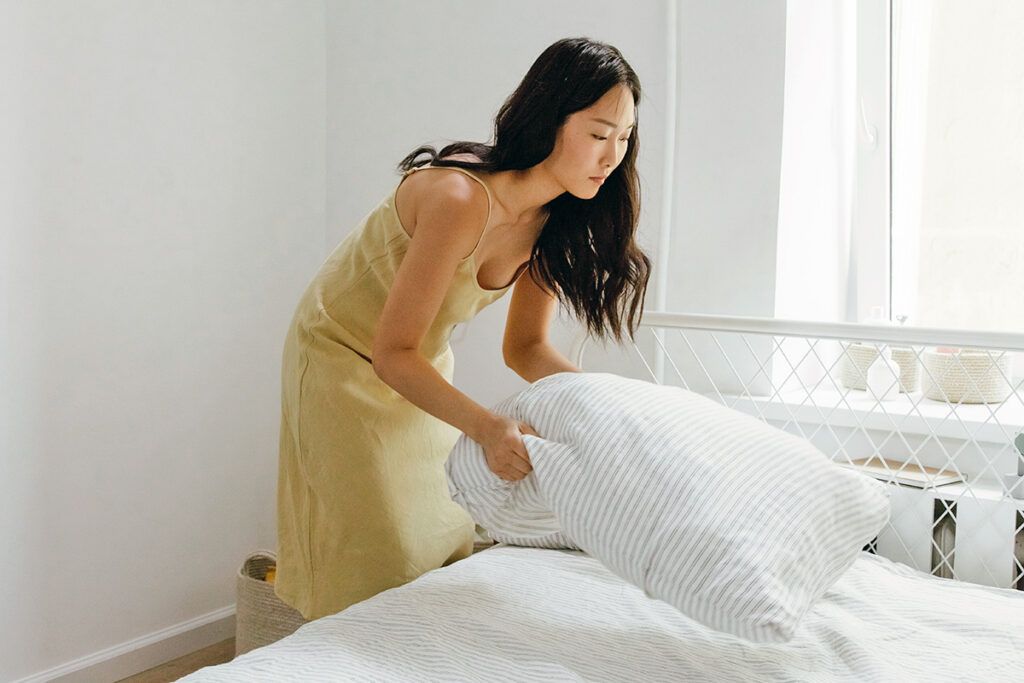
Woman making bed
Credit: © Ron Lach/Pexels.com

The Case for Making the Bed

The risks associated with making your bed while it’s still moist are rather minor, and not all health experts agree that not doing so will have an impact. 

As one allergist told AARP, most homes have high humidity levels, particularly in spring and summer, so leaving your bed unmade won’t make a difference when it comes to dust mites. It also won’t do anything to get rid of the mites that are already there — you’ll need to wash your bedding once a week in hot water to do that. One thing that could help keep mites at bay is using allergen covers on your mattress and pillows. 

Advertisement
Advertisement

And there are benefits to making the bed that are unrelated to dust mites. Making your bed each day can have a positive effect on mental health. Messy homes are tied to issues with emotional regulation, and clutter impairs one’s ability to process information. Making the bed is an easy way to keep a space tidy, which can help with those concerns. Neat environments are also said to promote brain function in older individuals, and made beds can help reduce stress and lift moods, as many people view and process orderly rooms as positive, tranquil environments.

Considering the mental health benefits, as well as the fact that you can keep dust mites under control using other methods, it may not be worth the stress to leave your bed unmade. It’s up to each individual to determine what matters most to them, and the effect that a made bed — or lack thereof — has on their mood.

Advertisement
Advertisement

Featured Image Credit: © fizkes/stock.adobe.com

More From Our Network

Better Report is part of Inbox Studio, an email-first media company. *Indicates a third-party property.

Go Retro With This 1960s Fashion Quiz

Quiz Daily

Go Retro With This 1960s Fashion Quiz

True or False: Are You a Master of U.S. Geography?

Travel Quiz

True or False: Are You a Master of U.S. Geography?

5 Reasons You Can Be Denied Boarding an Airplane

Daily Passport

5 Reasons You Can Be Denied Boarding an Airplane

What Did People Do Before Eyeglasses?

History Facts

What Did People Do Before Eyeglasses?

How To Use a Balloon To Clean Up Dust

House Outlook

How To Use a Balloon To Clean Up Dust

11 Shopping Hacks Costco Members Should Know

FinanceBuzz*

11 Shopping Hacks Costco Members Should Know

Share this article

  • Share to Facebook
  • Share to Twitter
  • Copy Url
  • Share to Email
Bennett Kleinman
Staff Writer

Bennett Kleinman is a New York City-based staff writer for Inbox Studio. He is also a freelance comedy writer, devoted New York Yankees and New Jersey Devils fan, and thinks plain seltzer is the best drink ever invented.

This article is for general informational purposes only.
Affiliate Disclaimer Medical Disclaimer Financial Disclaimer

Updated: July 20, 2023
Posted In: Health
Hero Image Credit: Better Report
Advertisement

Related Articles

5 Things To Ask Your Doctor About the New Flu Shot

5 min read

Is Sourdough Actually Healthier Than Regular Bread?

7 min read

Do You Really Need a Bidet in Your Home?

4 min read

3 Common Sleep Habits That May Be Aging Your Brain

5 min read

Is the Traditional Mediterranean Diet Actually the Best for Your Brain?

4 min read
Advertisement

The Appliances Using the Most Electricity in Your Home

Ali Eldridge
Wealth | Updated: July 22, 2026
Woman looking at electricity bill
Better Report

No matter how many lights you turn off or how many degrees you adjust your thermostat, odds are, your energy bills will still end up costlier than you’d like. A large chunk of energy use is attributable to certain home appliances that feed on electricity with the same fervor that fuels competitive eaters feeding on hot dogs. Here’s a look at which appliances are using up the most energy, and what you can do to lower your utility bills going forward.

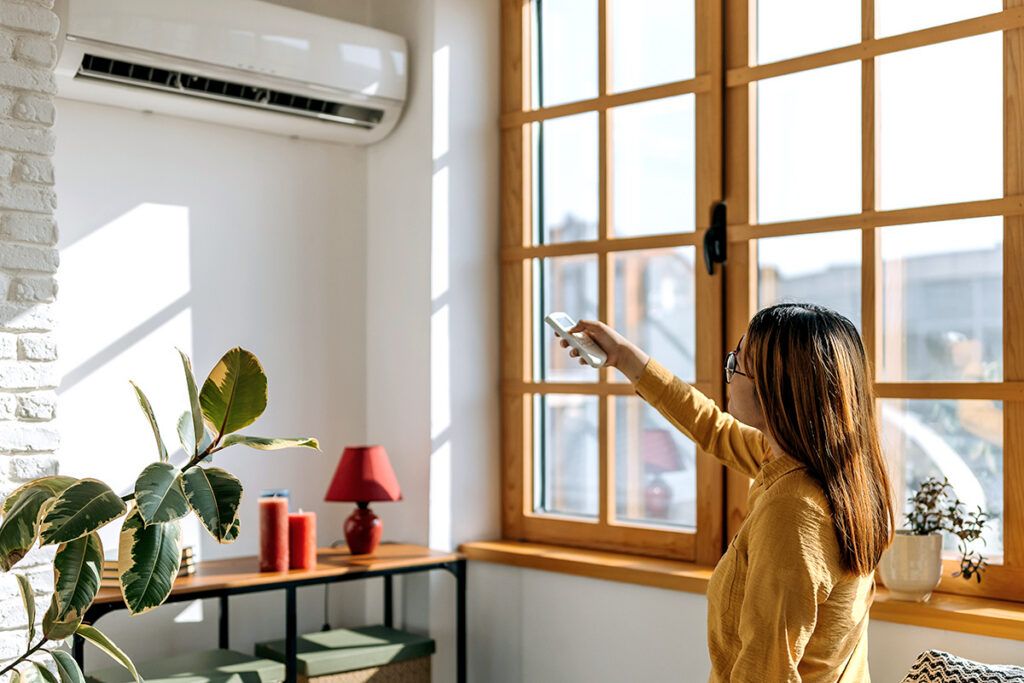
Woman using remote with AC unit
Credit: © Pekic—iStock/Getty Images

The Worst Offenders

According to a 2025 U.S. Energy Information Administration report about residential energy consumption, heating and cooling systems (which can be combined into a single HVAC system) make up the largest chunk of electrical use.

Advertisement
Advertisement

Space cooling accounted for 17.3% of electricity consumption last year. In the summer months, according to the home warranty company American Home Shield, AC units run for six hours per day on average. Space heating systems, meanwhile, accounted for 14.1% of electricity use; furnace fans and boiler pumps were also a part of that figure. All told, heating and cooling make up 31.4% of home energy use.

Outside of the heating and cooling of spaces, water heating systems accounted for 8.5% of total residential electricity consumption. While that number takes into account typical water heating needs (sinks, showers, etc.), it could be higher if you have a pool heater powered by electricity.

Refrigerators and freezers account for 8.0% of home energy use — which makes sense, given that those appliances are running 24/7, even if they’re not overly powerful. Home lighting accounted for 3.4% of electricity use, TVs (and related equipment) accounted for 2.3%, and computers (and related equipment) made up 1.8%.

Advertisement

That leaves approximately 44.5% attributable to every other electrical appliance you might use. This could include a kitchen blender, a phone charger, an electric toothbrush, and so on. But at the end of the day, no single appliance uses as much energy as what you use to heat and cool your home.

Recommended Articles

  • The Safety Rules for Candles You Probably Don’t Know

  • 5 Things Your Car Needs Before the First Freeze

  • 6 Amazon Prime Day Hacks

  • 5 Things To Ask Your Doctor About the New Flu Shot

Advertisement
Advertisement

Reader Favorites

  • Woman looking in fridge

    9 Foods You Should Toss ASAP if They’re Expired

  • Person eating salad

    7 Things a Chef Never Orders at a Restaurant

  • Cherry angioma

    Are the Tiny Red Dots on Your Skin Dangerous?

If you’re curious about the appliances using the least amount of energy, none do a better job than fixtures that use LED light bulbs — an energy-efficient type of lighting that uses up to 90% less energy than more wasteful incandescent bulbs. It’s also worth noting that ceiling fans are a more cost-effective alternative to HVAC systems since they help disperse air but don’t require extra energy to cool it off.

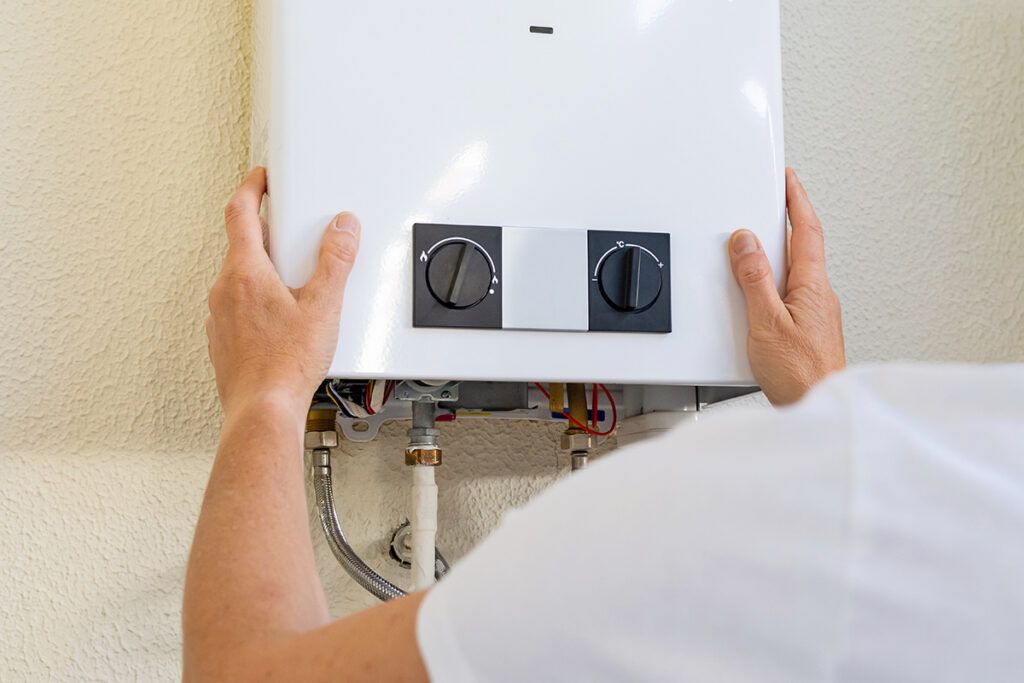
Hot water heater
Credit: © Nanci/stock.adobe.com

What Can You Do To Cut Costs?

When it comes to your heating and cooling equipment, there are a few ways to make the systems run more efficiently and cut down on utility bills. First, consider upgrading to a unit that’s ENERGY STAR-certified. These devices are designed to be more energy efficient and could save you roughly $1,000 to $2,000 (compared to a less efficient model) over the lifetime of the unit.

Advertisement
Advertisement

Also, you should familiarize yourself with the recommended thermostat settings for the various times of year, as they can help you to stay comfortable indoors without breaking the bank. In the springtime, it’s best to set it between 68 degrees Fahrenheit and 70 degrees Fahrenheit, or 72 degrees Fahrenheit in the day and in the lower 60s at night. In the summer, it’s better to set the thermostat around 78 degrees Fahrenheit. And in the winter, the settings revert back to 68 degrees Fahrenheit, similar to in the springtime.

But it’s not just the HVAC you should be worried about — consider replacing your water heater as well. Swapping from a less efficient water heater to an ENERGY STAR device uses 70% less energy and can help families save $550 annually. ENERGY STAR-certified refrigerators can also save you roughly $150 over the product’s lifetime.

Advertisement
Advertisement

Featured Image Credit: © miniseries—E+/Getty Images

More From Our Network

Better Report is part of Inbox Studio, an email-first media company. *Indicates a third-party property.

Go Retro With This 1960s Fashion Quiz

Quiz Daily

Go Retro With This 1960s Fashion Quiz

True or False: Are You a Master of U.S. Geography?

Travel Quiz

True or False: Are You a Master of U.S. Geography?

5 Reasons You Can Be Denied Boarding an Airplane

Daily Passport

5 Reasons You Can Be Denied Boarding an Airplane

What Did People Do Before Eyeglasses?

History Facts

What Did People Do Before Eyeglasses?

How To Use a Balloon To Clean Up Dust

House Outlook

How To Use a Balloon To Clean Up Dust

11 Shopping Hacks Costco Members Should Know

FinanceBuzz*

11 Shopping Hacks Costco Members Should Know

Share this article

  • Share to Facebook
  • Share to Twitter
  • Copy Url
  • Share to Email
Ali Eldridge

This article is for general informational purposes only.
Affiliate Disclaimer Medical Disclaimer Financial Disclaimer

Updated:
Posted In: Wealth
Hero Image Credit: Better Report
Advertisement

Related Articles

5 Things Your Car Needs Before the First Freeze

4 min read

6 Amazon Prime Day Hacks

6 min read

Is It Actually Better To Lease a Car?

9 min read

7 Free MIT Classes You Can Experience From Home

4 min read

The Bedroom Color That Adds $2,000 to Your Home Value

3 min read
Advertisement

10 Foods You Should Buy Frozen Instead of Fresh

Health | Updated: July 15, 2026
Fred Decker
Author
Fred Decker is a trained chef and former restaurateur. Since closing his restaurants over a decade ago he has been a prolific freelance writer, publishing several thousand articles on dozens of high-volume websites including Taste Of Home, Hunker, Tasting Table, Week&, eHow, and GOBankingRates. He lives on a rural acreage shared with a big garden, chickens, rabbits, and grandkids.
Woman reaching into freezer at store
Better Report

All featured products and deals are selected independently and objectively by the author. Better Report may receive a share of sales via affiliate links in content.

Frozen food sometimes gets a bad rap (“Ours is fresh, never frozen!”), as if it’s a compromise or of lower quality. But make no mistake: It’s more than just a convenience. Commercially frozen food preserves fruits, vegetables, and meats at their peak of freshness and flavor, and super-cold blast freezing causes less damage to food than freezing done at home. 

As a former chef, I appreciate frozen food for a lot of reasons. Sometimes it’s outright better than fresh. Sometimes it’s cheaper or more practical, and it’s almost always more convenient. Here are 10 foods I recommend buying frozen rather than fresh. 

Advertisement
Advertisement
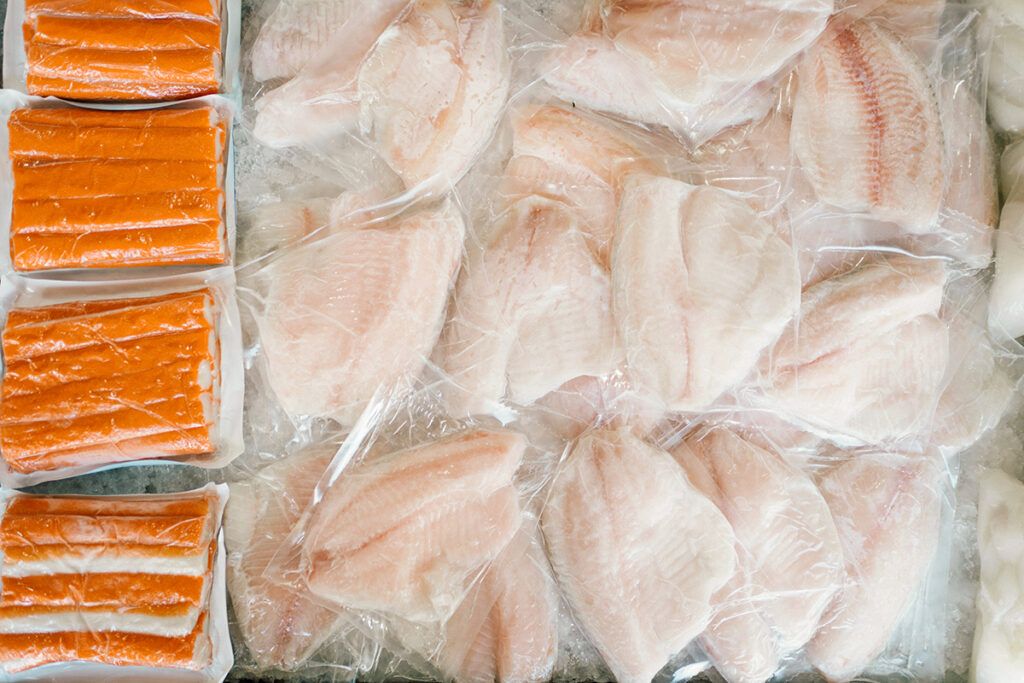
Frozen fish
Credit: © Ramsés Cervantes/Unsplash.com 

Fish

Unless you literally buy your seafood off the boat, frozen fish is usually fresher and of higher quality than what you find at your store’s fish counter. It’s blast-frozen either on the fishing vessel itself or at a processing plant immediately after it comes ashore, and that quick freezing process preserves the fish’s texture and prevents spoilage. In fact, a lot of the “fresh” fish you’ve bought in your life was probably previously frozen. (Even fish used for sushi is typically frozen to kill parasites.) 

Frozen fish is also convenient and low-stress. Fresh or previously frozen fish needs to be cooked within a day or two (although same day is best); otherwise its quality goes downhill rapidly. But you can keep frozen fish on hand and use it whenever you feel like it. (How long it will keep depends on the type of fish and its packaging: Fatty fish such as tuna will last for around three months, leaner fish like halibut for six, and vacuum-sealed fish can last for up to a year. I have a FoodSaver, which I use for anything I won’t be eating in the near-term, and use Ziplocs only for food that’ll be eaten within a month or two.) Frozen fish is also  usually cheaper, which makes it better for your budget, too.

Recommended Articles

  • The Safety Rules for Candles You Probably Don’t Know

  • 5 Things Your Car Needs Before the First Freeze

  • 6 Amazon Prime Day Hacks

  • 5 Things To Ask Your Doctor About the New Flu Shot

Advertisement
Advertisement

Reader Favorites

  • Woman looking in fridge

    9 Foods You Should Toss ASAP if They’re Expired

  • Person eating salad

    7 Things a Chef Never Orders at a Restaurant

  • Cherry angioma

    Are the Tiny Red Dots on Your Skin Dangerous?

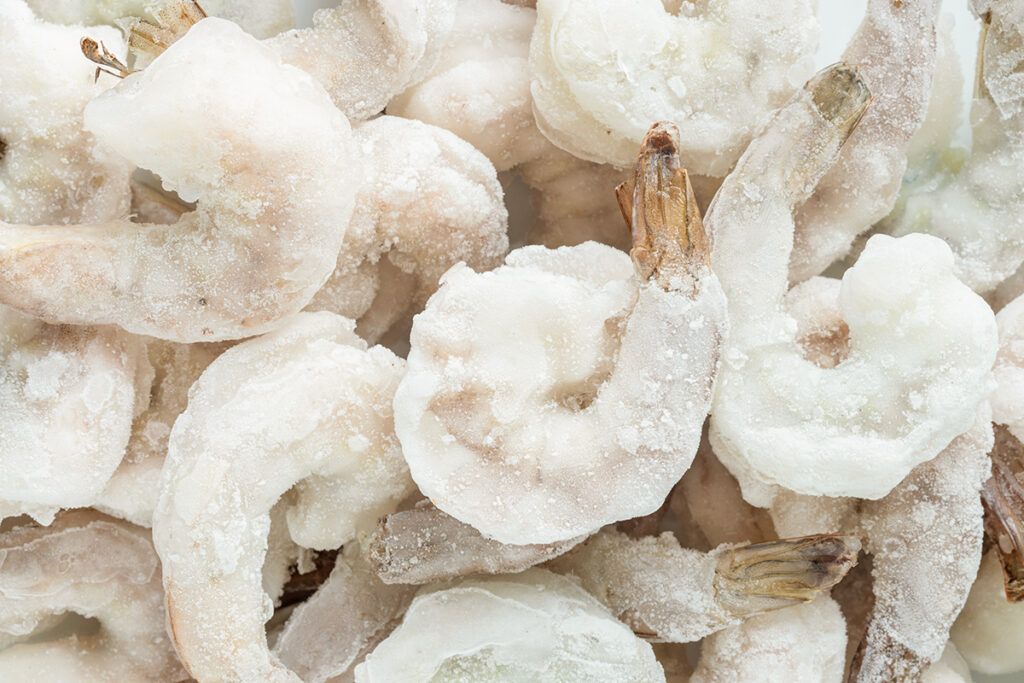
Frozen shrimp
Credit: © amstockphoto—iStock/Getty Images

Shrimp

In a few markets around the U.S., it’s possible to buy fresh, local shrimp that have just come out of the ocean. For everyone else, the choices almost invariably are frozen shrimp or previously frozen shrimp, though some specialty stores may offer them live and swimming. Shrimp and other shellfish are even more perishable than finned fish, which makes freshness all the more important, so if you can’t buy them live or directly from a boat, frozen is your best bet. 

Advertisement
Advertisement
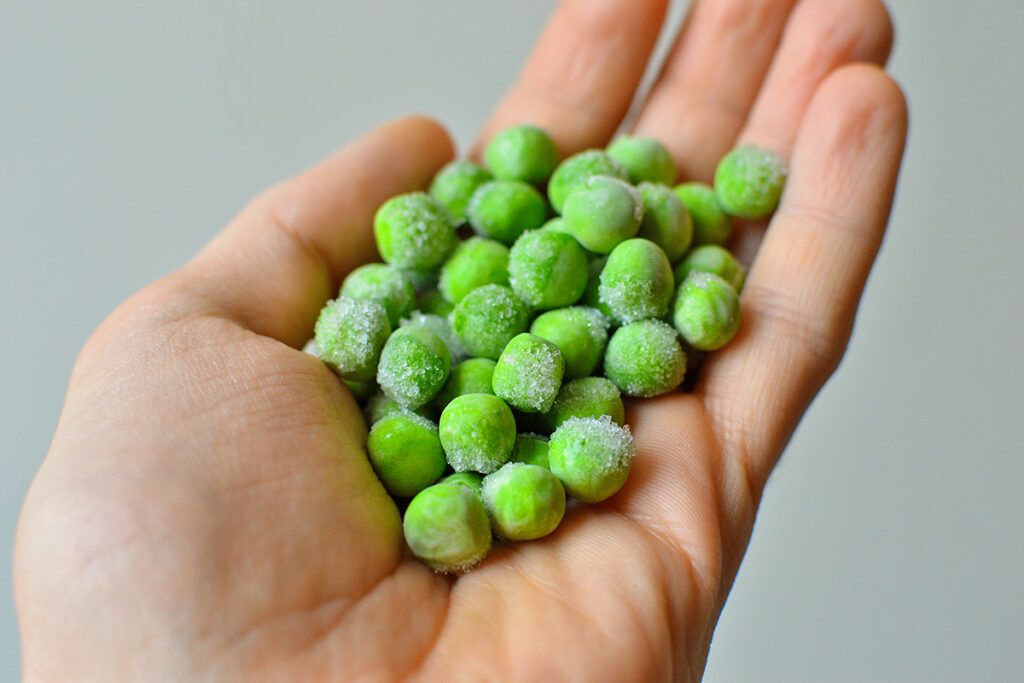
Frozen peas in hand
Credit: © Geri Tech/Pexels.com

Shell Peas

There’s nothing quite as good as shell peas fresh from the garden: They’re sweet and delicately flavorful, and especially tender if you pick them before they reach full size. But for those who don’t garden, or who want to enjoy their fresh early-summer flavor all year long, frozen peas are a slam-dunk. They capture that flavor and color beautifully because processing plants are usually located close to the growing areas, minimizing shipping time and giving consumers a better product. (The saved time and shipping costs also make them more profitable for processors.) The same holds true for soybeans (edamame) and shell beans. 

Advertisement
Advertisement
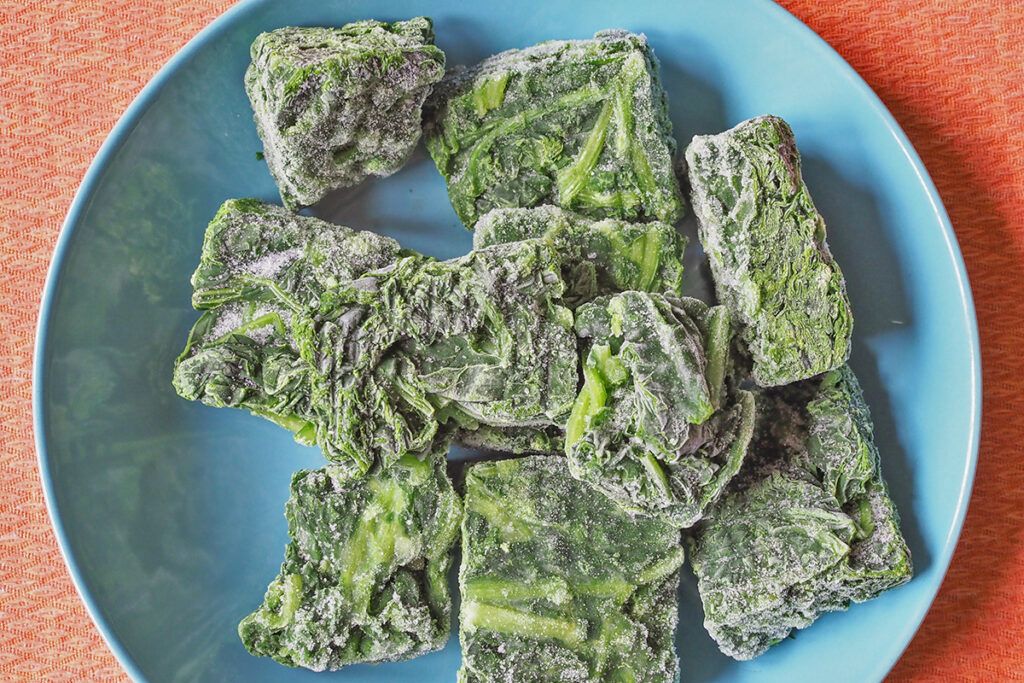
Frozen spinach on a plate
Credit: © Claudio Divizia/stock.adobe.com

Spinach and Other Leafy Greens

Greens, especially the more delicate ones like spinach, have a tendency to shrink as they cook. So, if you eat greens regularly and want to put dinner on the table in a hurry, you may want to buy them frozen. 

Frozen vegetables are always blanched — parcooked in steam or boiling water — prior to freezing to deactivate enzymes that would otherwise start breaking them down, even at freezer temperatures. Blanching shrinks greens to their final size, so you can tell at a glance whether you’re using enough, and it also means they’ll keep their bright color longer when cooked, so your finished dishes will look better. 

Advertisement

Those factors, plus the convenience and fresh flavor you get with frozen greens, make keeping them on hand a no-brainer. 

Frozen butternut squash
Credit: © GAnnison—iStock/Getty Images

Winter Squash

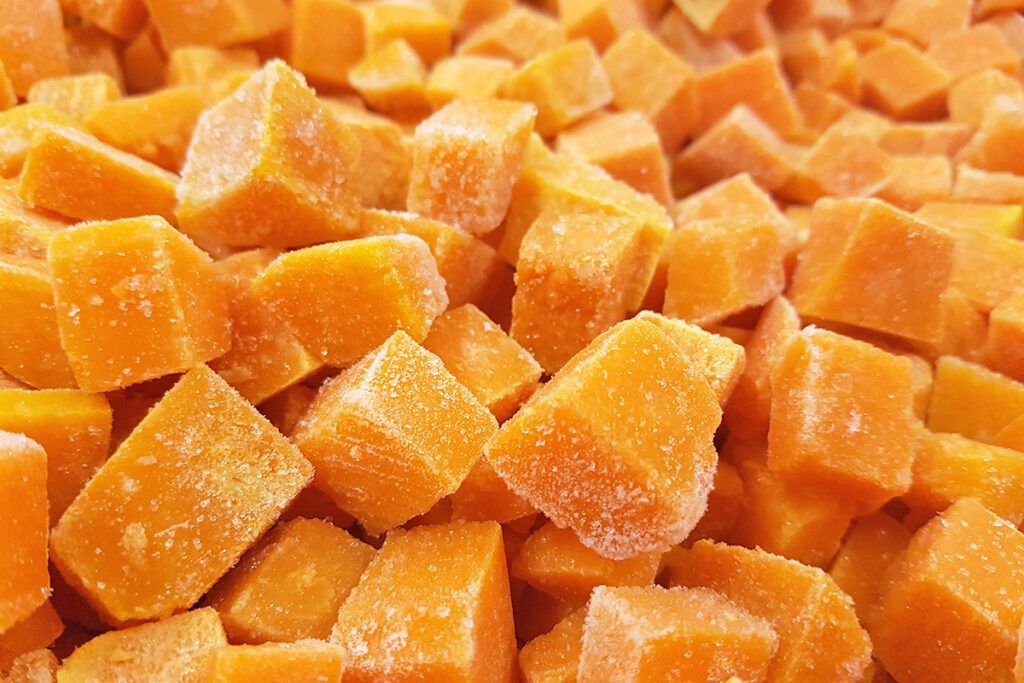
Butternut, Hubbard, and other winter squashes are some of the longest-lasting, and hardiest, vegetables. That means they’re widely available and stay relatively inexpensive year-round — so why buy them frozen? 

In a word, convenience. Winter squashes are known for their hard flesh and tough rinds, which means they’re kind of a pain to work with, especially if your knives and knife skills aren’t the best, or if you have physical limitations that impact your cooking. So if you love squash, but hate the hard work of preparing it, getting yours frozen and already diced is well worth the modest price premium. 

Advertisement
Advertisement
Pomegranate seeds
Credit: © Tima Miroshnichenko/Pexels.com

Pomegranate

If ever a fruit was made to be a festive accent, it’s pomegranate. The deep, jewel-like red of pomegranate arils (seeds) brings a striking splash of color anywhere you use them, from party punch to salads to your breakfast bowl. But stripping the arils from a fresh pomegranate is a messy and time-consuming business, and you’ll run the risk of staining both your hands and clothes with the colorful juice. Buying them frozen means you can sprinkle as many as you need straight from the bag, which is both simpler and cleaner. 

Advertisement
Advertisement
Frozen peaches
Credit: © Segmed87ru—iStock/Getty Images

Peaches

Georgians may get their backs up over this one, but hear us out. Unfortunately, people who live outside of peach-growing areas can seldom rely on getting really good peaches. They’re a climacteric fruit, meaning they continue to ripen after picking — so they’re harvested early while still hard enough to stand up to shipping and will (theoretically) ripen once you get them home. 

That doesn’t always happen, of course. Peaches bruise and brown easily, which might make them start to decompose before you can eat them. If conditions aren’t right, they can also shrivel up without ever ripening. Worst of all, they may look and feel ripe but be dry and mealy rather than lush and juicy when you cut into them. 

Advertisement

Buying your peaches frozen lets you avoid all of those issues. And because processing plants are usually located near the orchards, peaches destined for the freezer can be harvested when fully ripe, sweet, and juicy (because they don’t need to stand up to shipping). So when the urge for a cobbler or a peach pie comes along, you’ll enjoy both convenience and a better product with frozen peaches. 

Frozen avocados
Credit: © Towfiqu Barbhuiya/stock.adobe.com

Avocados

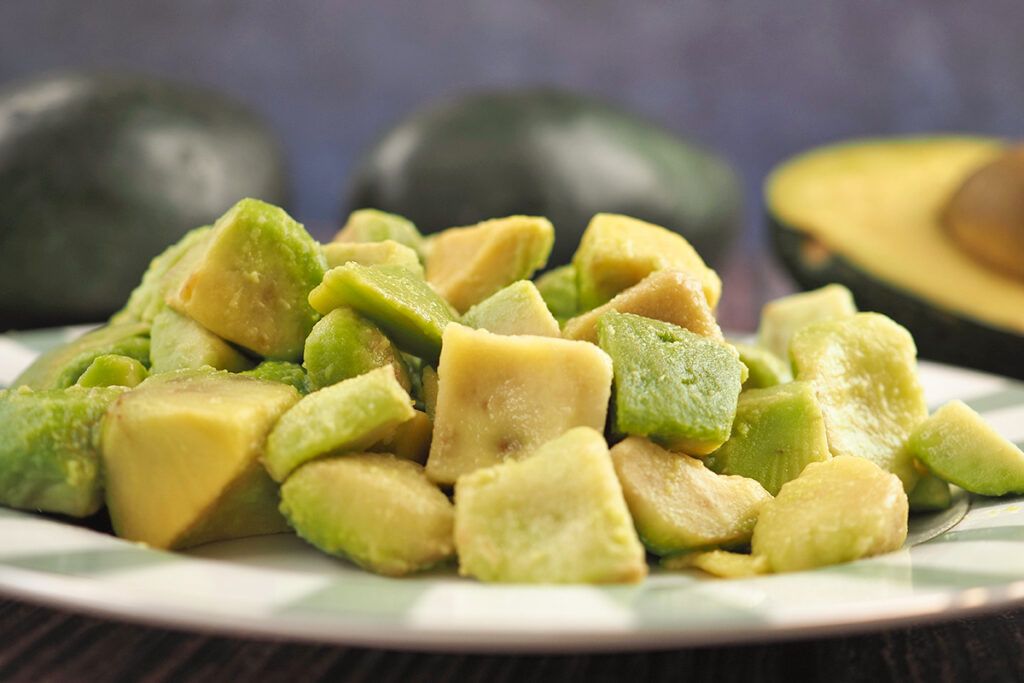
This one may also raise some eyebrows, given that avocados are so easily damaged by cold temperatures. But unless you eat avocados every day, it’s hard to time their ripening process so that you can whip up a batch of guacamole exactly when you feel like it. 

Frozen avocados aren’t as common as other kinds of frozen fruit, but if you can find them, they’re really convenient to keep on hand. Some are cut in half and frozen in airtight individual cryo packs, and can be thawed and sliced for things like sandwiches. Others are sold in chunks, which are good for guacamole or salads or smoothies. 

One caveat: Frozen foods are often a no-compromise option, but in this case you’ll find that freezing and thawing does alter the avocado’s texture, making it slightly softer than it would normally be. Ideally, you’d use it mashed or in a dish where there’s a contrasting texture, such as in salads or on toast. Also, to prevent browning, frozen avocado is usually treated with an antioxidant like citric acid, which can give it a tart overtone that you won’t get with fresh avos. Still, they’re useful to keep on hand for those days when you have a craving and can’t find one ripe. 

Advertisement
Advertisement
Credit: © ULADZIMIR CYARGEENKA—iStock/Getty Images

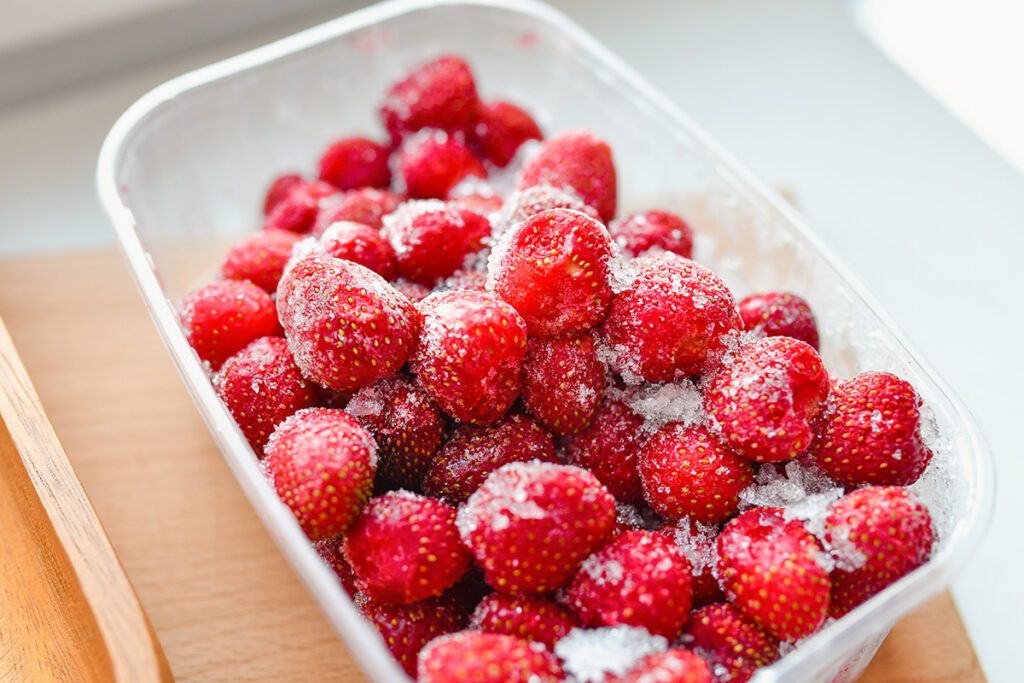
Mixed Fruit and Berries (aka “Smoothie Fruit”)

If you love smoothies, you already know that many of the popular fruits and berries have short lives on the counter and in the fridge. Bananas, like avocados, have a way of going from not-ripe to overripe in the blink of an eye. 

Advertisement

So if your standard breakfast, lunch, or on-the-go meal is a smoothie or protein shake, it makes sense to keep one or two bags of frozen fruits and mixed berries in the freezer. It means less food waste and it’s usually cheaper than buying all of those fruits and berries individually. Best of all, getting your fruit already frozen means you’ll need less ice (or maybe none at all) to get the thick, cold consistency you’re looking for. 

Frozen peas, carrots, corn, and green beans
Credit: © Maliflower73—iStock/Getty Images

Vegetable Mixes

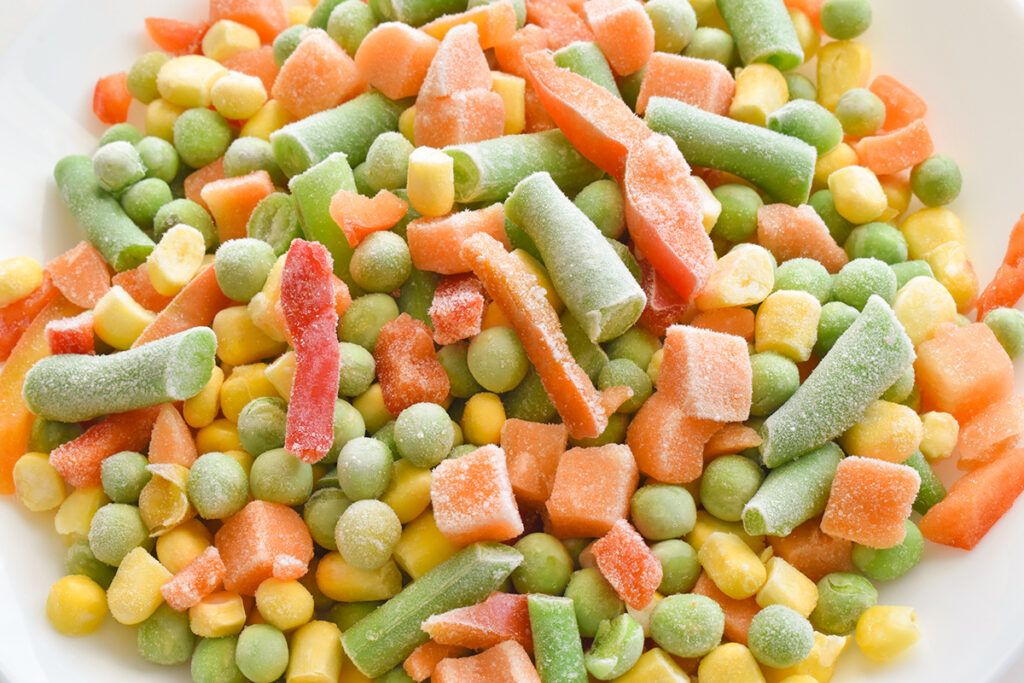
Preparing vegetables is one of the biggest time-sinks when you’re cooking — those minutes you spend washing, peeling, and cutting vegetables account for a big chunk of a meal’s prep time. You’ll get dinner on the table a lot faster if you keep a few strategically chosen bags of mixed vegetables in the freezer. 

Most producers have a number of options, from the carrot-and-pea mix you see in cafeteria food to themed blends oriented around a specific kind of dish or style of cooking (California mix, stir-fry mix, etc.). Most are meant to provide you with a ready-made vegetable side dish that just needs to be cooked. Others, though, are intended to be used as the base of a dish made from scratch, like a classic French-style mirepoix (onion, carrots, and celery) or perhaps a “spaghetti mix” for making tomato sauce.

In either case, you get all the usual benefits of frozen produce — peak freshness, zero waste, minimal prep, low cost compared to buying the vegetables separately — and you save time while still putting a healthy meal on the table.

Advertisement
Advertisement

Why Buy Frozen Instead of Fresh?

Usually, it boils down to a combination of these advantages:
• Commercial freezing uses high-speed blast freezers, which creates a better-quality product than home freezers can produce.
• Seafoods, meats, and produce items are frozen at peak freshness and flavor, close to where they’re grown or harvested. Which means that …
• Frozen fruits, vegetables, and perishable meats are often a higher-quality option than buying fresh.
• Frozen foods are convenient: You don’t have to use them right away, they require no preparation, and they can save you a lot of time and effort when mealtime rolls around.

Advertisement

Featured Image Credit: © JGalione—E+/Getty Images

More From Our Network

Better Report is part of Inbox Studio, an email-first media company. *Indicates a third-party property.

Go Retro With This 1960s Fashion Quiz

Quiz Daily

Go Retro With This 1960s Fashion Quiz

True or False: Are You a Master of U.S. Geography?

Travel Quiz

True or False: Are You a Master of U.S. Geography?

5 Reasons You Can Be Denied Boarding an Airplane

Daily Passport

5 Reasons You Can Be Denied Boarding an Airplane

What Did People Do Before Eyeglasses?

History Facts

What Did People Do Before Eyeglasses?

How To Use a Balloon To Clean Up Dust

House Outlook

How To Use a Balloon To Clean Up Dust

11 Shopping Hacks Costco Members Should Know

FinanceBuzz*

11 Shopping Hacks Costco Members Should Know

Share this article

  • Share to Facebook
  • Share to Twitter
  • Copy Url
  • Share to Email
Fred Decker
Writer

Fred Decker is a trained chef and former restaurateur. Since closing his restaurants over a decade ago he has been a prolific freelance writer, publishing several thousand articles on dozens of high-volume websites including Taste Of Home, Hunker, Tasting Table, Week&, eHow, and GOBankingRates. He lives on a rural acreage shared with a big garden, chickens, rabbits, and grandkids.

This article is for general informational purposes only.
Affiliate Disclaimer Medical Disclaimer Financial Disclaimer

Updated: April 14, 2026
Posted In: Health
Hero Image Credit: Better Report
Advertisement

Related Articles

5 Things To Ask Your Doctor About the New Flu Shot

5 min read

Is Sourdough Actually Healthier Than Regular Bread?

7 min read

Do You Really Need a Bidet in Your Home?

4 min read

3 Common Sleep Habits That May Be Aging Your Brain

5 min read

Is the Traditional Mediterranean Diet Actually the Best for Your Brain?

4 min read
Advertisement

This Kitchen Appliance Might Be Dirtier Than Your Toilet

Ali Eldridge
Health | Updated: July 1, 2026
Fridge in a kitchen
Better Report

Unless you live in a poorly designed studio apartment in New York City, your toilet is likely far away from your kitchen. Bathrooms are invariably dirty environments, and nobody wants that bacteria to get anywhere close to their food. But what if we told you that there’s a kitchen appliance that might be even dirtier than your toilet? Here’s a look at the facts.

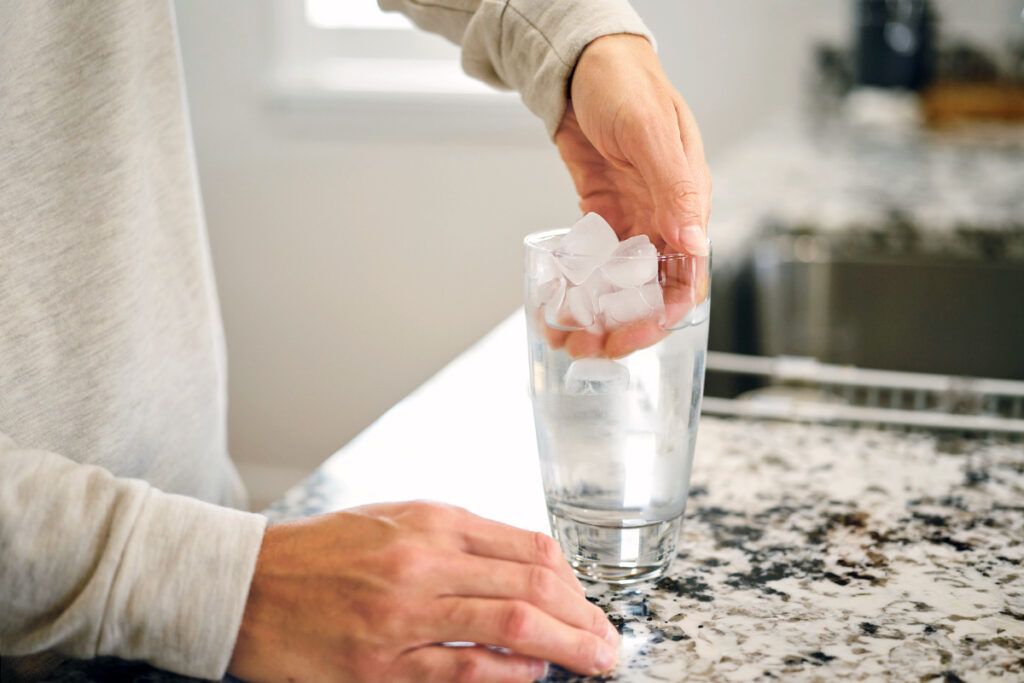
Putting ice in glass
Credit: © O2O Creative—E+/Getty Images

The Stone-Cold Reality

If you have a fridge with a built-in ice maker, you probably put that ice into a glass of iced tea or cold water without a second thought. But when was the last time you cleaned that ice maker? Have you ever cleaned that ice maker? 

Advertisement
Advertisement

The reality is that the moist environment of a standard ice maker makes it a possible breeding ground for mold and other residue that can cause cloudy, foul-tasting ice. Ice makers can also be a hot spot for harmful bacteria like listeria and salmonella, which can cause serious illness if ingested.

This isn’t just a problem in our own homes: It’s a major issue at food establishments as well. Studies from around the world have found that ice in fast-food restaurants was riddled with bacteria. In 2013, an analysis of ice cubes from KFCs in China found that they contained 13 times more bacteria than toilet water. Four years later, an undercover investigation by the BBC discovered that half of the ice samples taken from three fast-food restaurants contained fecal coliform bacteria. The stories about dangerously dirty ice go on and on. 

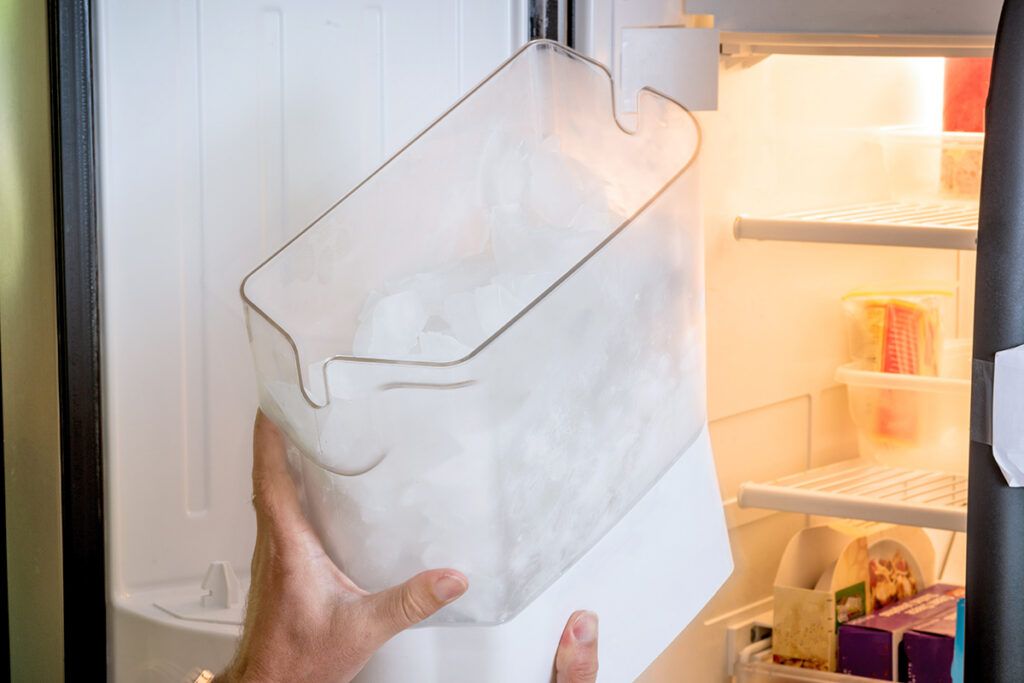
Ice maker
Credit: © knowlesgallery/stock.adobe.com

How To Clean Your Ice Maker

While you can try to avoid ice water and cocktails on the rocks at restaurants, you shouldn’t neglect your ice maker at home — it’s important to keep it clean so you, your friends, and your family don’t get sick.

Advertisement

Experts advise people to clean their home ice makers every four to six months, or whenever ice starts to smell a bit off. (You should clean it more frequently if you have hard water.) Thankfully, cleaning your ice maker isn’t hard: According to Maytag, you can do so in just five steps. 

Recommended Articles

  • The Safety Rules for Candles You Probably Don’t Know

  • 5 Things Your Car Needs Before the First Freeze

  • 6 Amazon Prime Day Hacks

  • 5 Things To Ask Your Doctor About the New Flu Shot

Advertisement
Advertisement

Reader Favorites

  • Woman looking in fridge

    9 Foods You Should Toss ASAP if They’re Expired

  • Person eating salad

    7 Things a Chef Never Orders at a Restaurant

  • Cherry angioma

    Are the Tiny Red Dots on Your Skin Dangerous?

Before you get started, grab some clean dish cloths, a sponge, a bowl of warm water, mild dish soap, and white distilled vinegar. From there, here’s what you need to do:

  1. Remove any expired goods from the freezer, and wipe up spills or grime. You may also want to clean out your fridge — air circulates between the fridge and freezer, and any foul odors caused by rotten foods  may be contributing to contaminated ice.
  2. Depending on your fridge, you may be able to switch off your ice maker before you get started — you don’t want it making ice while you’re cleaning — but for safety reasons, it’s probably best to unplug the refrigerator altogether. (It won’t be unplugged for long, so there’s no need to also empty its contents.) 
  3. Remove any detachable parts such as ice bins or ice trays. Wash them with a clean sponge, mild dish soap, and warm water, then let those parts fully dry.
  4. Throw out any old ice and completely wipe down the inside of the ice maker with warm water and dish soap. You can also use a combination of one part warm water and one part distilled white vinegar. Lastly, wipe everything down with a clean cloth until the area is completely dry.
  5. The final step is to put every component back in place and plug the refrigerator back in. Dispose of the first two to three batches of ice; by batch four you should be back in business.

If you follow the above steps, your ice should be bacteria- and mold-free. If the machine continues to produce cloudy cubes, however, you may be dealing with a moldy ice maker or contaminated ice dispenser chute. Maytag has instructions for how to deal with those issues, too — you can find them here. 

Advertisement
Advertisement

Featured Image Credit: © PC Photography—iStock/Getty Images

More From Our Network

Better Report is part of Inbox Studio, an email-first media company. *Indicates a third-party property.
Go Retro With This 1960s Fashion Quiz

Quiz Daily

Go Retro With This 1960s Fashion Quiz

True or False: Are You a Master of U.S. Geography?

Travel Quiz

True or False: Are You a Master of U.S. Geography?

5 Reasons You Can Be Denied Boarding an Airplane

Daily Passport

5 Reasons You Can Be Denied Boarding an Airplane

What Did People Do Before Eyeglasses?

History Facts

What Did People Do Before Eyeglasses?

How To Use a Balloon To Clean Up Dust

House Outlook

How To Use a Balloon To Clean Up Dust

11 Shopping Hacks Costco Members Should Know

FinanceBuzz*

11 Shopping Hacks Costco Members Should Know

Share this article

  • Share to Facebook
  • Share to Twitter
  • Copy Url
  • Share to Email
Ali Eldridge

This article is for general informational purposes only.
Affiliate Disclaimer Medical Disclaimer Financial Disclaimer

Updated:
Posted In: Health
Hero Image Credit: Better Report
Advertisement

Related Articles

5 Things To Ask Your Doctor About the New Flu Shot

5 min read

Is Sourdough Actually Healthier Than Regular Bread?

7 min read

Do You Really Need a Bidet in Your Home?

4 min read

3 Common Sleep Habits That May Be Aging Your Brain

5 min read

Is the Traditional Mediterranean Diet Actually the Best for Your Brain?

4 min read
Advertisement

The Most Trusted Grocery Store in 2026

Wealth | Updated: June 25, 2026
Bennett Kleinman
Author
Bennett Kleinman is a New York City-based staff writer for Inbox Studio. He is also a freelance comedy writer, devoted New York Yankees and New Jersey Devils fan, and thinks plain seltzer is the best drink ever invented.
Woman and child in grocery store
Better Report

Grocery stores are a lot like sports teams — people tend to develop a deep sense of loyalty for their favorite one. Some shoppers return to the same supermarket because of the convenient location, some because of affordability, and some because the store sells higher-quality products than others.

The grocery store with the most loyal fanbase was recently revealed in the 2026 Most Trusted Awards. The study, conducted by Newsweek and the research firm BrandSpark, surveyed 35,215 American shoppers to identify their most-trusted brands, including grocery stores, in various categories and geographical regions. Here’s a look at the findings.

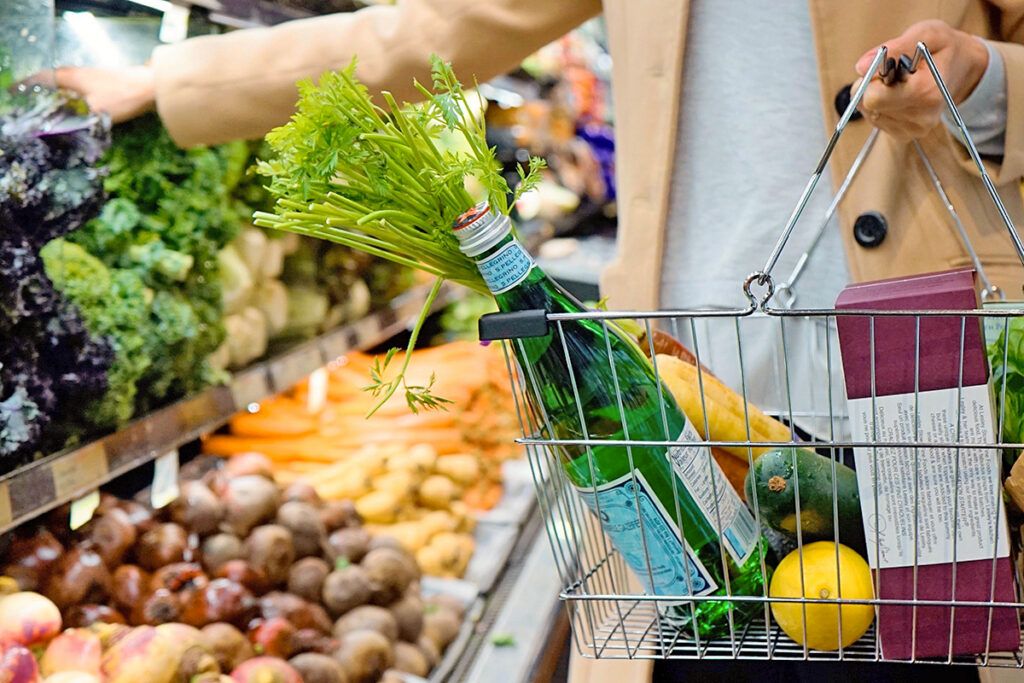
Sparkling water and food in a shopping basket
Credit: © Tara Clark/Pexels.com

The Methodology

Before discussing the most-trusted grocery store, let’s look at the survey’s methodology. BrandSpark surveyed respondents across 27 categories related to grocery stores. Among those categories, people were asked for their favorite grocery store when it came to factors such as low prices, promotions, organic foods, and brand-name products, to name a few. The survey also ranked different types of grocery stores based on size and region.

Advertisement
Advertisement
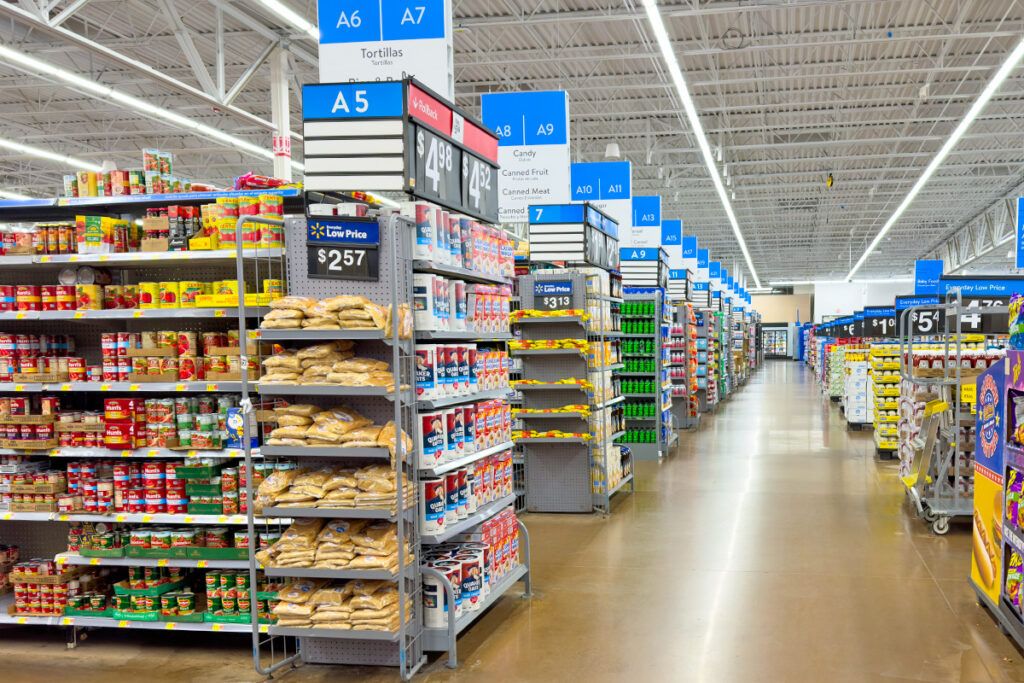
Interior of a Walmart grocery store
Credit: © Jammer Gene/stock.adobe.com

The Best of the Best

The supermarket that took home the most victories in the grocery sphere is Walmart, which was ranked No. 1 in 13 of the 27 categories. To make matters more impressive, Walmart finished as the runner-up in 10 of the 14 other categories. (The remaining four categories ranked small-format grocery stores, so Walmart wasn’t eligible.)

Recommended Articles

  • The Safety Rules for Candles You Probably Don’t Know

  • 5 Things Your Car Needs Before the First Freeze

  • 6 Amazon Prime Day Hacks

  • 5 Things To Ask Your Doctor About the New Flu Shot

Advertisement
Advertisement

Reader Favorites

  • Woman looking in fridge

    9 Foods You Should Toss ASAP if They’re Expired

  • Person eating salad

    7 Things a Chef Never Orders at a Restaurant

  • Cherry angioma

    Are the Tiny Red Dots on Your Skin Dangerous?

Here’s a look at the 13 categories where Walmart topped the list.

• Conventional Supermarket (non-discount) (South)
• Discount Supermarket (West) (a tie with the company Grocery Outlet)
• Grocery Store for Customer Service
• Grocery Store for Low Prices/Affordability (South)
• Grocery Store for Low Prices/Affordability (West)
• Grocery Store for Store Brand/Private Label Products
• Supermarket for Quick & Easy Shopping
• Supermarket for Sales & Promotions
• Superstore/Hypermarket (Midwest)
• Superstore/Hypermarket (Northeast)
• Superstore/Hypermarket (South)
• Superstore/Hypermarket (West)
• Grocery Pickup & Delivery

Advertisement
Advertisement

According to the survey consumers, Walmart has a trusted reputation across a wide variety of categories. It also dominates the superstore sphere and excels when it comes to low prices and good customer service. Part of what makes Walmart so popular is its huge national footprint: 90% of Americans live within 10 miles of a Walmart or a Sam’s Club, a wholesale store owned by Walmart, so many people in the U.S. probably shop there often.

Advertisement
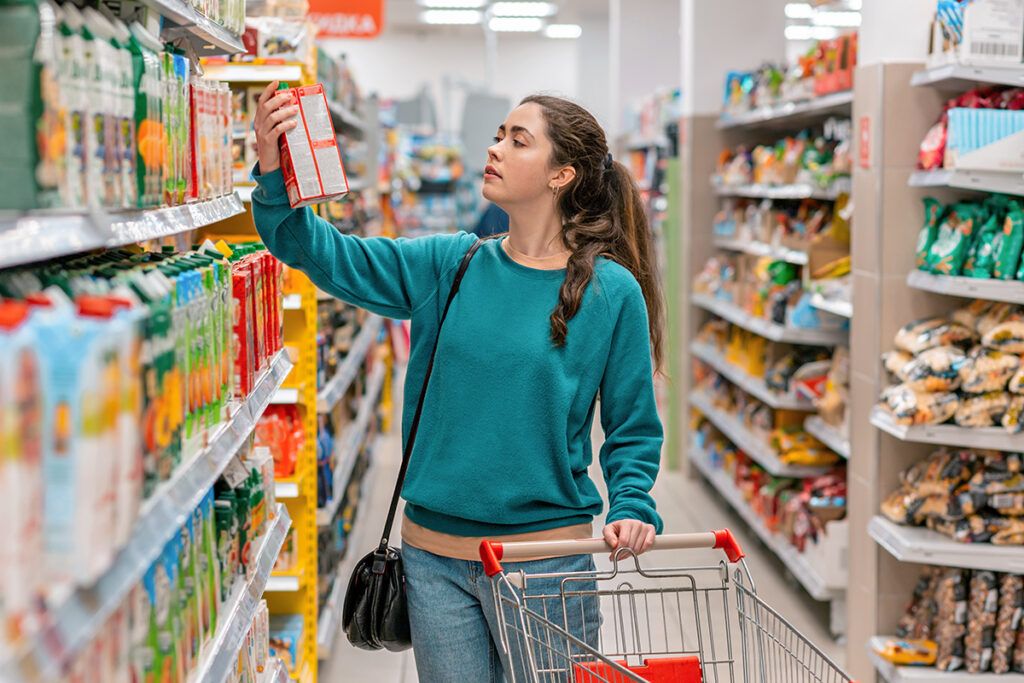
Woman shopping in grocery store
Credit: © _KUBE_/stock.adobe.com

The Other Most-Trusted Stores

The European grocery chain Aldi put up a strong showing with eight wins, especially with regard to categories related to discounts and affordability. Here are the categories Aldi won:

• Discount Supermarket (Midwest)
• Discount Supermarket (Northeast)
• Discount Supermarket (South)
• Grocery Store for Low Prices/Affordability (Midwest)
• Grocery Store for Low Prices/Affordability (Northeast)
• Small-Format Grocery Store (Midwest)
• Small-Format Grocery Store (Northeast)
Small-Format Grocery Store (South)

Advertisement
Advertisement

Only one other grocery store earned multiple accolades: Kroger, which ranked as the most-trusted grocery store in the following categories:

• Conventional Supermarket (non-discount) (Midwest)
• Grocery Loyalty Program

Advertisement
Advertisement

Four other grocery store brands won the most-trusted title in one individual category each:

• ShopRite – Conventional Supermarket (non-discount) (Northeast)
• Safeway – Conventional Supermarket (non-discount) (West)
• Whole Foods Market – Grocery Store for Natural/Organic Foods
• Trader Joe’s – Small-Format Grocery Store (West)

Advertisement

Based on the findings, Walmart has clearly earned itself the top spot among consumers looking to shop at a trusted grocery store — its  expansive reach and impeccable reputation with consumers is hard to compete with.

Advertisement
Advertisement

Featured Image Credit: © Getty Images/Unsplash.com

More From Our Network

Better Report is part of Inbox Studio, an email-first media company. *Indicates a third-party property.

Go Retro With This 1960s Fashion Quiz

Quiz Daily

Go Retro With This 1960s Fashion Quiz

True or False: Are You a Master of U.S. Geography?

Travel Quiz

True or False: Are You a Master of U.S. Geography?

5 Reasons You Can Be Denied Boarding an Airplane

Daily Passport

5 Reasons You Can Be Denied Boarding an Airplane

What Did People Do Before Eyeglasses?

History Facts

What Did People Do Before Eyeglasses?

How To Use a Balloon To Clean Up Dust

House Outlook

How To Use a Balloon To Clean Up Dust

11 Shopping Hacks Costco Members Should Know

FinanceBuzz*

11 Shopping Hacks Costco Members Should Know

Share this article

  • Share to Facebook
  • Share to Twitter
  • Copy Url
  • Share to Email
Bennett Kleinman
Staff Writer

Bennett Kleinman is a New York City-based staff writer for Inbox Studio. He is also a freelance comedy writer, devoted New York Yankees and New Jersey Devils fan, and thinks plain seltzer is the best drink ever invented.

This article is for general informational purposes only.
Affiliate Disclaimer Medical Disclaimer Financial Disclaimer


Updated: July 20, 2023
Posted In: Wealth
Hero Image Credit: Better Report
Advertisement

Related Articles

5 Things Your Car Needs Before the First Freeze

4 min read

6 Amazon Prime Day Hacks

6 min read

Is It Actually Better To Lease a Car?

9 min read

7 Free MIT Classes You Can Experience From Home

4 min read

The Bedroom Color That Adds $2,000 to Your Home Value

3 min read
Advertisement

How To Repel Mosquitoes Naturally

Health | Updated: June 23, 2026
Erin Scottberg
Author
Erin Scottberg is a Brooklyn-based writer, garden designer, and houseplant expert — and the founder of Full Sun Studio (fullsun.studio), a garden design and plant consulting studio in New York City. She holds an Urban Horticulture Certificate from Brooklyn Botanic Garden, an NYC Street Tree Pruner License, and an NYC Master Composter Certification, and spent three years as Head of Content and Education at The Sill. When she's not working, you can find her creating in her textile studio, running craft nights in her neighborhood, or hanging with her rescue pup, Sunny. She's an ambitious DIYer, avid composter, and has never been able to walk by a thirft store without taking a look.
Legs with bugs flying around
Better Report

Every summer, mosquitoes force most of us to choose between two less-than-ideal propositions: get eaten alive, or cover ourselves in an insect repellent that likely includes DEET. 

DEET-based topical repellents are widely used because DEET has a reputation for being effective. But between its strong chemical smell and the sticky, skin-irritating residue it leaves behind, it’s not the most pleasant experience. And though DEET is considered safe for human use, not everyone loves to douse themselves with a substance known to break down synthetic fabrics. 

Advertisement
Advertisement

There are plenty of non-DEET options on the shelves, but it’s unclear whether natural choices work as well. New research, however, brings some good news — and it involves patchouli oil. Yes, the same scent wafting out of your local health food store is actually effective at repelling mosquitoes. 

Asian tiger mosquito
Credit: © tacio philip/stock.adobe.com

What the Research Found

A study published in the journal ACS Omega in March found that patchouli oil mixed into an unscented lotion repelled mosquitoes just as effectively as DEET under controlled conditions. 

To test it, researchers had some brave volunteers of both sexes (the exact number isn’t specified) place their bare forearms inside a cage containing 50 live Aedes aegypti mosquitoes in 30-minute segments for a total of more than three hours.  Arms treated with the patchouli lotion had zero bites; arms treated with a commercial DEET product got the same result. The same cannot be said for the brave volunteer who stuck their arms in the cage without any repellent — they  did not fare as well.

Advertisement

The study didn’t examine exactly why patchouli works, but the researchers theorized that its strong scent may block a mosquito’s ability to detect humans, essentially rendering you invisible to bugs. 

Recommended Articles

  • The Safety Rules for Candles You Probably Don’t Know

  • 5 Things Your Car Needs Before the First Freeze

  • 6 Amazon Prime Day Hacks

  • 5 Things To Ask Your Doctor About the New Flu Shot

Advertisement
Advertisement

Reader Favorites

  • Woman looking in fridge

    9 Foods You Should Toss ASAP if They’re Expired

  • Person eating salad

    7 Things a Chef Never Orders at a Restaurant

  • Cherry angioma

    Are the Tiny Red Dots on Your Skin Dangerous?

Other experts say it may be that mosquitoes simply don’t care for the oil’s smell: “It’s an odiferous material that could repel mosquitoes,” Elmer Gray, an entomologist and mosquito control researcher at the University of Georgia, told Outside.com. (Gray was not involved in the study.)

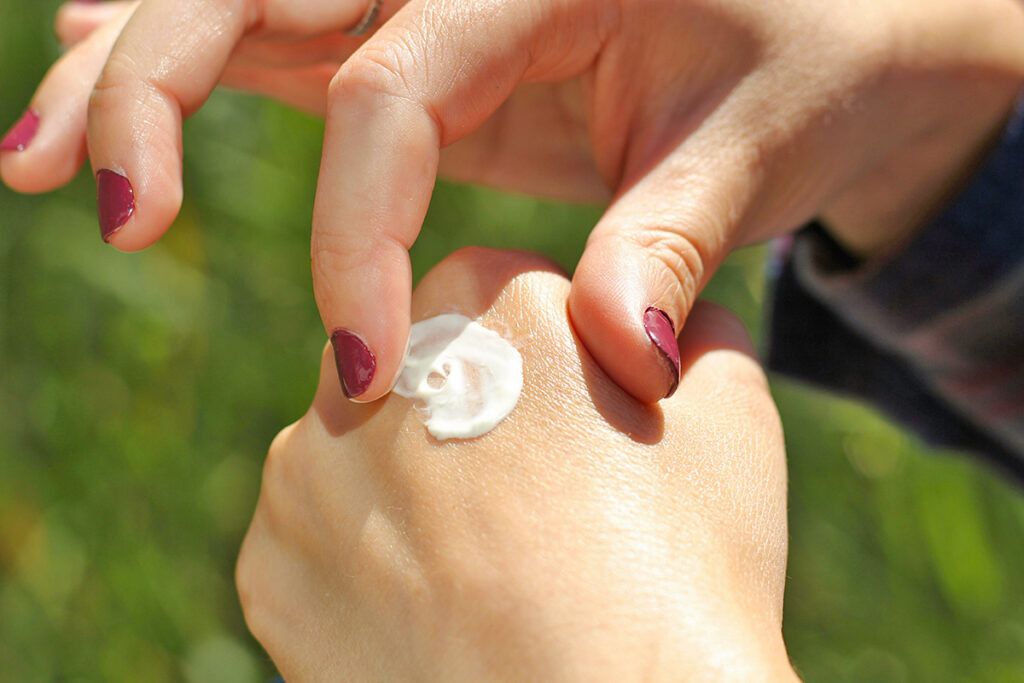
Lotion on hand
Credit: © Ana azuria/unsplash.com

How To Make Your Own

Patchouli oil breaks down quickly when exposed to air, which is why the researchers mixed it into a lotion rather than applying it straight. You can do the same at home with any standard unscented cream, like CeraVe.

Advertisement
Advertisement

Aim for a 1% solution: For every 8 ounces of lotion, add about 2.4 milliliters (roughly half a teaspoon) of patchouli oil. Mix well before applying. 

It’s possible to be allergic to patchouli oil, so it’s important to do a patch test to see how your skin will react. Apply a small amount of the patchouli lotion to the inside of your elbow twice a day for seven to 10 days. No redness or irritation means you’re good to go. If you do get a reaction, though, you should wash the lotion off immediately and not use it again. (Never apply undiluted essential oils to your skin, either; doing so can cause extreme irritation.) 

Advertisement
Advertisement

There’s also some evidence that patchouli oil affects blood clotting, so don’t try this DIY lotion if you have a bleeding disorder, are on blood-clotting medication, or have a major surgery coming up.

Spraying bug spray
Credit: © encierro/stock.adobe.com

Don’t Bug Out: A Few Important Caveats

Patchouli hasn’t been registered with the EPA as an approved repellent — that requires extensive testing — and this study was conducted under controlled lab conditions, so real-world results may vary. 

Advertisement
Advertisement

If you’ve tried the DIY lotion and are still getting bitten, you may end up grabbing a DEET-based repellent anyway — but there’s an interesting wrinkle there, too. A separate study published in the Journal of Experimental Biology found that mosquitoes can actually learn to associate the smell of DEET with food (that’s you), meaning that in theory, repeated exposure could make DEET-wearers more attractive to bugs over time. It’s kind of like Pavlov’s dog, except the dog is a mosquito that wants to bite you.

Advertisement

That said, in parts of the world where mosquito-borne diseases are a serious threat, DEET saves lives, and experts still consider it the gold standard for high-risk situations. For backyard evenings, though, a patchouli lotion will hopefully do the trick.

Featured Image Credit: © famveldman/stock.adobe.com

More From Our Network

Better Report is part of Inbox Studio, an email-first media company. *Indicates a third-party property.

Go Retro With This 1960s Fashion Quiz

Quiz Daily

Go Retro With This 1960s Fashion Quiz

True or False: Are You a Master of U.S. Geography?

Travel Quiz

True or False: Are You a Master of U.S. Geography?

5 Reasons You Can Be Denied Boarding an Airplane

Daily Passport

5 Reasons You Can Be Denied Boarding an Airplane

What Did People Do Before Eyeglasses?

History Facts

What Did People Do Before Eyeglasses?

How To Use a Balloon To Clean Up Dust

House Outlook

How To Use a Balloon To Clean Up Dust

11 Shopping Hacks Costco Members Should Know

FinanceBuzz*

11 Shopping Hacks Costco Members Should Know

Share this article

  • Share to Facebook
  • Share to Twitter
  • Copy Url
  • Share to Email
Erin Scottberg
Writer

Erin Scottberg is a Brooklyn-based writer, garden designer, and houseplant expert — and the founder of Full Sun Studio (fullsun.studio), a garden design and plant consulting studio in New York City. She holds an Urban Horticulture Certificate from Brooklyn Botanic Garden, an NYC Street Tree Pruner License, and an NYC Master Composter Certification, and spent three years as Head of Content and Education at The Sill. When she's not working, you can find her creating in her textile studio, running craft nights in her neighborhood, or hanging with her rescue pup, Sunny. She's an ambitious DIYer, avid composter, and has never been able to walk by a thirft store without taking a look.

This article is for general informational purposes only.
Affiliate Disclaimer Medical Disclaimer Financial Disclaimer

Updated: May 27, 2026
Posted In: Health
Hero Image Credit: Better Report
Advertisement

Related Articles

5 Things To Ask Your Doctor About the New Flu Shot

5 min read

Is Sourdough Actually Healthier Than Regular Bread?

7 min read

Do You Really Need a Bidet in Your Home?

4 min read

3 Common Sleep Habits That May Be Aging Your Brain

5 min read

Is the Traditional Mediterranean Diet Actually the Best for Your Brain?

4 min read
Advertisement

The Scary Scam That Could Leave You Without a Home

Ali Eldridge
Wealth | Updated: June 23, 2026
Exterior of a white house
Better Report

Your home is one of the biggest purchases you’ll ever make, so it’s essential to protect it however you can. But a sneaky scam has left an increasing number of homeowners vulnerable to fraudsters.

The scam goes by several names: Deed theft, deed fraud, title fraud, and home title theft are just a few of them. Some experts even refer to it as “house stealing,” and it’s a growing problem.

Advertisement
Advertisement

According to the FBI, between 2019 and 2023 alone, 58,141 victims reported losing a combined $1.3 billion to real estate fraud, though the bureau says the true number is likely far higher because many victims either don’t know where to report it, feel embarrassed, or don’t realize they’ve been scammed until much later.

In New York state, CBS News New York reported a 240% increase in complaints about home title thefts between 2023 and 2025 — enough to prompt Attorney General Letitia James to co-author a new law in 2024 that allowed her office to more thoroughly prosecute the crime.

“With the technology advancing and new ways of creating documents like birth certificates, Social Security numbers, any type of ID that you can make on the internet, it’s becoming much more prevalent and people are hearing that they have a voice about it now,” Queens District Attorney Melinda Katz said.

Advertisement
Mortgage deed
Credit: © peopleimages/stock.adobe.com

What Is Deed Theft?

Deed theft happens when a scammer illegally transfers ownership of a property into their own name by forging documents, stealing a homeowner’s identity, or impersonating the owner in fraudulent real estate filings. In many cases, the criminal files fake paperwork, such as a forged deed, with a county recorder’s office, making it appear as though the property was legally transferred.

Recommended Articles

  • The Safety Rules for Candles You Probably Don’t Know

  • 5 Things Your Car Needs Before the First Freeze

  • 6 Amazon Prime Day Hacks

  • 5 Things To Ask Your Doctor About the New Flu Shot

Advertisement
Advertisement

Reader Favorites

  • Woman looking in fridge

    9 Foods You Should Toss ASAP if They’re Expired

  • Person eating salad

    7 Things a Chef Never Orders at a Restaurant

  • Cherry angioma

    Are the Tiny Red Dots on Your Skin Dangerous?

Once the fraudulent deed is recorded, the scammer can attempt to sell the property, take out loans against it, or even rent it out — all without the true homeowner realizing what has happened.

Older woman looking at paperwork
Credit: © Getty Images/unsplash.com

Who Is at Risk for Deed Theft?

In some cases, fraudsters target vacant homes or lots, rental properties, or vacation homes, since those properties may be monitored less frequently. Houses owned by the elderly may also be attractive to scammers, since those homeowners have likely paid off a lot of their mortgage, “which could equal more equity for a criminal to fraudulently borrow against,” according to the insurance company AllState. But experts warn that anyone can become a victim.

Advertisement
Advertisement

One reason deed theft can be so devastating is that it often isn’t discovered until major damage has already been done. Some homeowners learn about the scam only after receiving foreclosure notices, missing mortgage statements, receiving unfamiliar tax bills, or discovering that someone else has claimed ownership of their home.

Unlike dealing with credit card fraud, reversing deed theft can be a lengthy and expensive legal process that may require hiring attorneys and going to court to prove ownership.

Older woman looking at papers
Credit: © pikselstock/stock.adobe.com

How To Avoid Falling Victim to Deed Theft

While there’s no foolproof way to prevent deed theft, experts say there are several steps homeowners can take to reduce their risk:

Advertisement

• Regularly check your property records through your local county clerk or recorder’s office to make sure no unauthorized changes have been made.
• Sign up for property or title alerts if your county offers them. These notifications can warn you when documents are filed using your name or property address.
• Monitor your credit reports for suspicious activity, especially unexpected loans or lines of credit.
• Be wary of unsolicited offers related to your home, including requests to sign unfamiliar paperwork or pressure to refinance quickly.
• Protect sensitive personal information, since scammers often rely on stolen identities and forged signatures to commit deed fraud.
• If you own a vacant property, vacation home, or rental property, check in on it regularly and make sure mail isn’t piling up.
• Set up a Google Alert with your property address so if any activity involving your property occurs, like a real estate listing going live, you’ll see it.

Advertisement
Advertisement

Homeowners who suspect fraud should immediately contact local law enforcement, their county recorder’s office, and a real estate attorney. Among the things you’ll need are proof of your identity and original documents showing you’re the rightful owner; copies of fraudulent documents and unauthorized loan and filings; and logs of any communications you may have had with the thief.  

While a stolen credit card can usually be canceled with a single phone call, a stolen home is much more complicated. That’s why experts say keeping a close eye on your property records could help prevent a nightmare scenario before it starts.

Featured Image Credit: © Clay Banks/unsplash.com

More From Our Network

Better Report is part of Inbox Studio, an email-first media company. *Indicates a third-party property.

Go Retro With This 1960s Fashion Quiz

Quiz Daily

Go Retro With This 1960s Fashion Quiz

True or False: Are You a Master of U.S. Geography?

Travel Quiz

True or False: Are You a Master of U.S. Geography?

5 Reasons You Can Be Denied Boarding an Airplane

Daily Passport

5 Reasons You Can Be Denied Boarding an Airplane

What Did People Do Before Eyeglasses?

History Facts

What Did People Do Before Eyeglasses?

How To Use a Balloon To Clean Up Dust

House Outlook

How To Use a Balloon To Clean Up Dust

11 Shopping Hacks Costco Members Should Know

FinanceBuzz*

11 Shopping Hacks Costco Members Should Know

Share this article

  • Share to Facebook
  • Share to Twitter
  • Copy Url
  • Share to Email
Ali Eldridge

This article is for general informational purposes only.
Affiliate Disclaimer Medical Disclaimer Financial Disclaimer

Updated:
Posted In: Wealth
Hero Image Credit: Better Report

Advertisement

Related Articles

5 Things Your Car Needs Before the First Freeze

4 min read

6 Amazon Prime Day Hacks

6 min read

Is It Actually Better To Lease a Car?

9 min read

7 Free MIT Classes You Can Experience From Home

4 min read

The Bedroom Color That Adds $2,000 to Your Home Value

3 min read
Advertisement

Posts navigation

Older posts
  • Home
  • Health
  • Wealth
  • Logo
  • Advertise
  • About
  • Contact Us
  • Privacy Policy
  • Terms of Use
  • Your Privacy Choices
x
Thumb Image

Elevate your everyday.

Sign up to receive the practical tips and expert advice you need to pare down the complexities of everyday living right in your inbox.

Sorry, your email address is not valid. Please try again.

Your email is:

Edit Image
Sorry, your email address is not valid. Please try again.
Thank you for subscribing...

By subscribing you are agreeing to our Terms of Use and Privacy Policy.

Close image
Thumb Image
Second Thumb Image

Elevate your everyday.

Sign up to receive the practical tips and expert advice you need to pare down the complexities of everyday living right in your inbox.

Sorry, your email address is not valid. Please try again.

By subscribing you are agreeing to our Privacy Policy and Terms of Use.

Close image