Skip to content
Better Report
  • Home
  • Health
  • Wealth
8 Low-Maintenance Plants That Thrive on Neglect
  • Search
  • Subscribe
  • Home
  • Health
  • Wealth
  • About
  • Privacy Policy
  • Terms of Use
  • Contact Us
  • SubscribeSubscribe
  • Search
Thank you for confirming your email! Welcome to the community.

Tag: Money

6 Amazon Prime Day Hacks

Wealth | Updated: September 21, 2026
Jennifer M. Wood
Author
Jennifer M. Wood has been writing about news, entertainment, culture, and travel for longer than she cares to admit. She lives just outside Philadelphia with her husband and an ever-growing menagerie of rescue pets.
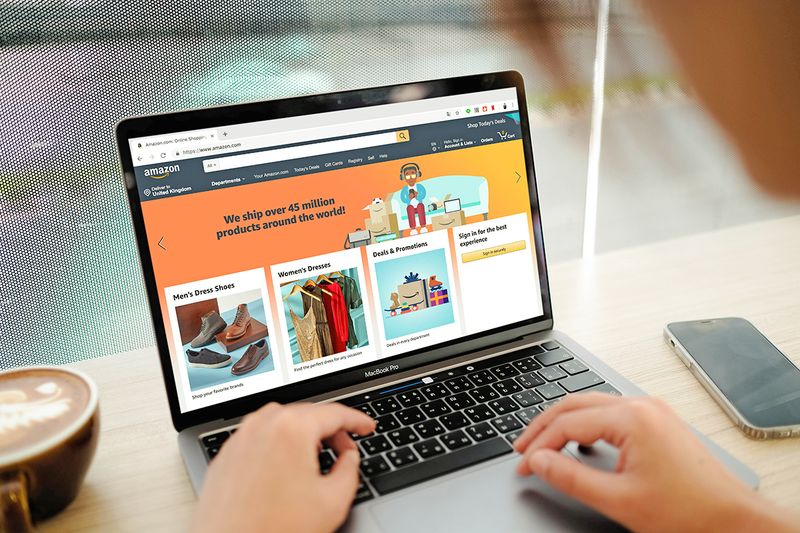
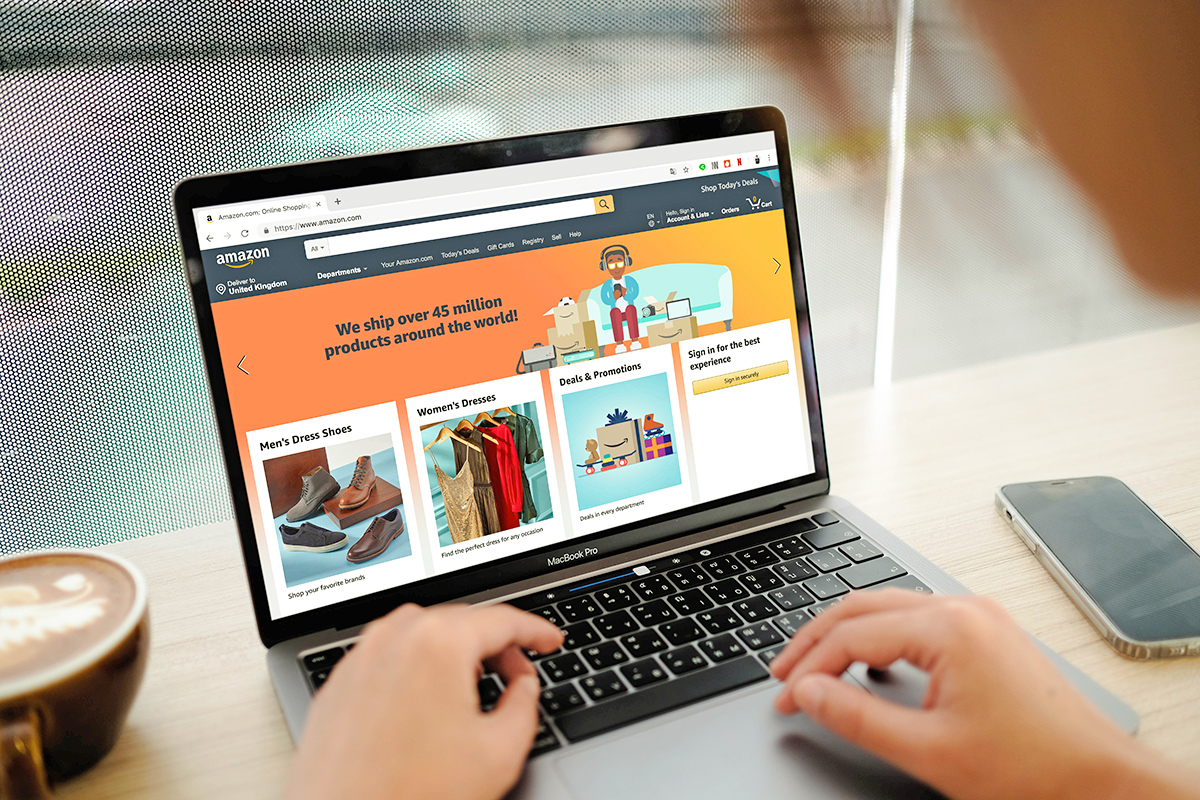
Amazon on a laptop
Featured Image Credit: © Thaspol/stock.adobe.com

Amazon Prime Day is designed to make you shop. The limited-time deals, countdown clocks, and barrage of discounts can make it feel like everything is a bargain — and like you’d better buy now before what you have your eye on is gone.

But just because Amazon says you’re getting a deal doesn’t always mean you’re getting a good deal. A little preparation can help you separate the true bargains from the carefully marketed ones, avoid impulse purchases, and get more out of the discounts that are actually worth your money.

Advertisement
Advertisement

Officially, Prime Day is for Prime members only, but here’s a bonus tip: If you’re not already a Prime subscriber (and haven’t been one in the past), you can take advantage of Prime Day sales without committing to a yearlong membership by signing up for a free 30-day trial. That will give you plenty of time to access Prime Day deals, along with all the other Prime perks (we’ve rounded up 15 of the best of them here). Just set a reminder to cancel before the trial ends if you don’t want to keep the membership.

Here are the Prime Day hacks worth knowing before you start shopping.

Add to Cart button on Amazon
Credit: © photo for everything/stock.adobe.com

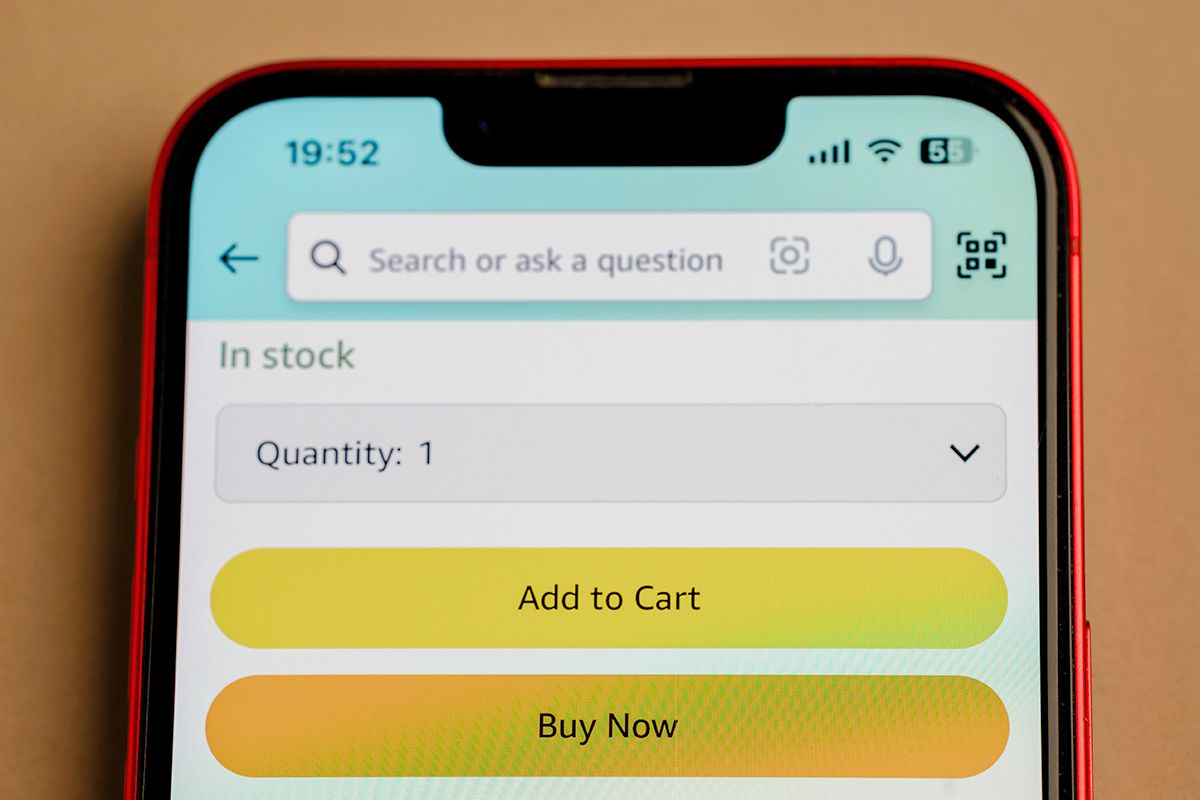
Add Items to Your Cart Before Prime Day

Prime Day is a terrible time to start figuring out what you actually want to buy. Instead, do your homework beforehand. Add the products you’re considering to your Amazon cart — or save them for later — so you have a ready-made shopping list when the sale begins.

Advertisement

This gives you a baseline for what the items cost before Prime Day and makes it easier to spot meaningful price drops once the deals start popping up. It can also save you from making an impulse purchase simply because Amazon tells you something is on sale for a limited time.

Don’t assume that putting something in your cart locks in its current price, though. Amazon prices can change at any time, so think of your cart as a watchlist, not a reservation.

Recommended Articles

  • The Safety Rules for Candles You Probably Don’t Know

  • How Old Are the Apples in the Grocery Store?

  • How To Tell if You’re Brushing Your Teeth Too Hard

  • 5 Things Your Car Needs Before the First Freeze

Advertisement
Advertisement

Reader Favorites

  • Woman looking in fridge

    9 Foods You Should Toss ASAP if They’re Expired

  • Person eating salad

    7 Things a Chef Never Orders at a Restaurant

  • Cherry angioma

    Are the Tiny Red Dots on Your Skin Dangerous?

Stack of coins with red arrow pointing downward
Credit: © Planet Volumes/Unsplash.com 

Use a Tracker To Confirm the Discount Is Real

A big discount is only a good deal if the price was actually high to begin with. Before you click “buy,” check what the item has cost over time to determine whether you’re getting a genuine bargain.

Amazon recently rolled out a feature that allows users to look at 365 days of price history, but you can also use a tool like CamelCamelCamel, which tracks Amazon’s prices and lets you see an item’s lowest recorded price, average price, and price fluctuations over time. There are also browser extensions, such as Keepa, which displays an item’s price history right on the Amazon product page. Both tools can alert you when an item drops to a price you’ve specified. Or you may want to consider Amazon’s Auto Buy feature, which will allow you to automatically buy items that have dropped to (or below) a price you’ve chosen.

Remember, though, that a Prime Day badge doesn’t automatically make Amazon the cheapest place to buy. So if you’re contemplating a big purchase, such as an appliance or a computer, it also makes sense to check the price of the same product on the manufacturer’s site and big-box retailers like Walmart, Target, or Best Buy. 

Advertisement
Advertisement
Amazon app
Credit: © RightFramePhotoVideo/stock.adobe.com

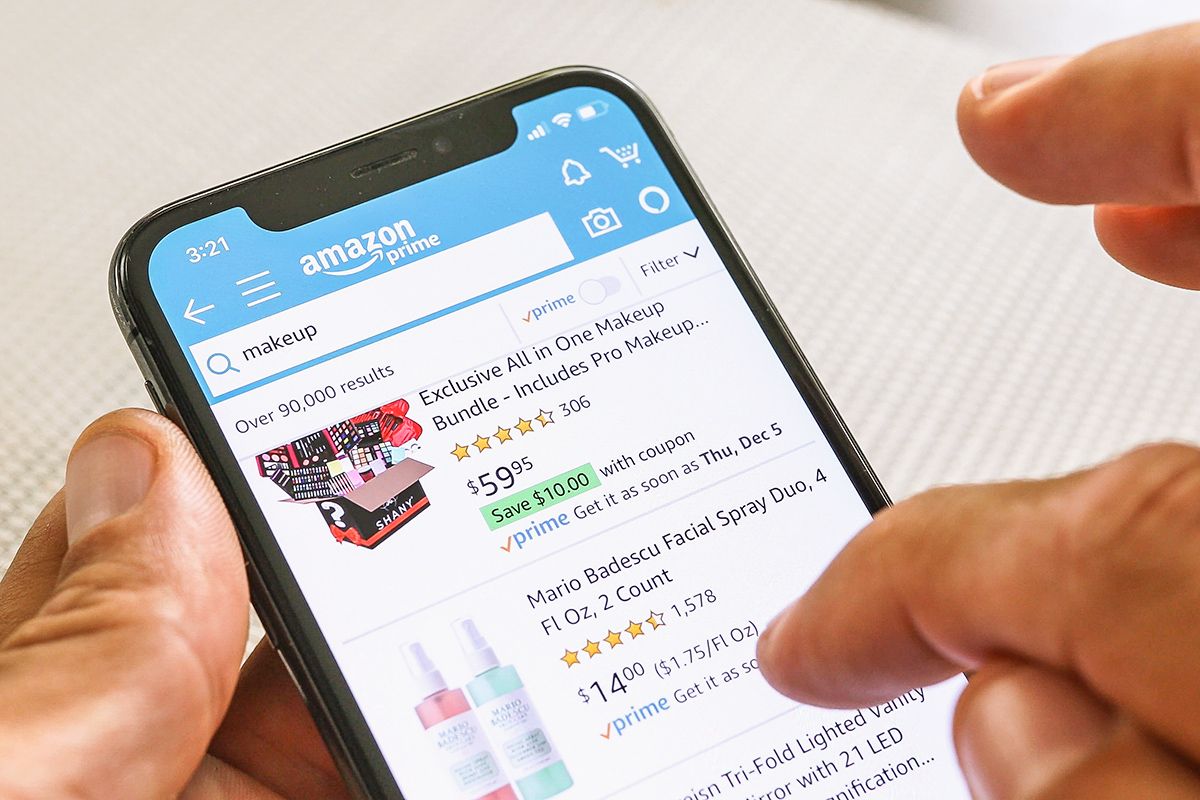
Download the Amazon App

If you’re serious about catching the best Prime Day deals, the Amazon app can give you a slight advantage. Its biggest benefit during a major sale is that it can alert you when products you’re watching go on sale, so you don’t have to keep checking the site yourself.

Advertisement

That can be particularly useful for Lightning Deals, which are available for a limited time and may sell out quickly. The app can also alert Prime members to upcoming deals, giving you a chance to decide whether something is worth buying before the clock starts ticking. Just make sure your notifications are turned on so you don’t miss them.

The app can even send personalized deal alerts based on your shopping activity, including products you’ve searched for or added to your lists. In other words, instead of scrolling through Amazon’s endless Prime Day offerings, you can let the app tell you when something you actually want goes on sale.

Advertisement
Advertisement
Woman looking at computer
Credit: Look Studio/Unsplash.com

Get on the Waitlist

There are downsides to Lightning Deals: They’re available for only a short period of time, quantities are usually limited, and the clock is always ticking. If you find a deal you want after it has sold out, however, don’t necessarily give up. Some Lightning Deals offer a waitlist that lets you join the queue for a chance to buy the item if another shopper doesn’t complete their purchase.

If a spot opens up, Amazon can notify you and give you a limited amount of time to check out. There’s no guarantee you’ll get the item, and not every sold-out Lightning Deal has a waitlist, but it can be worth joining when the option appears.

Advertisement
Advertisement
Coupons on Amazon
Credit: © RightFramePhotoVideo/stock.adobe.com

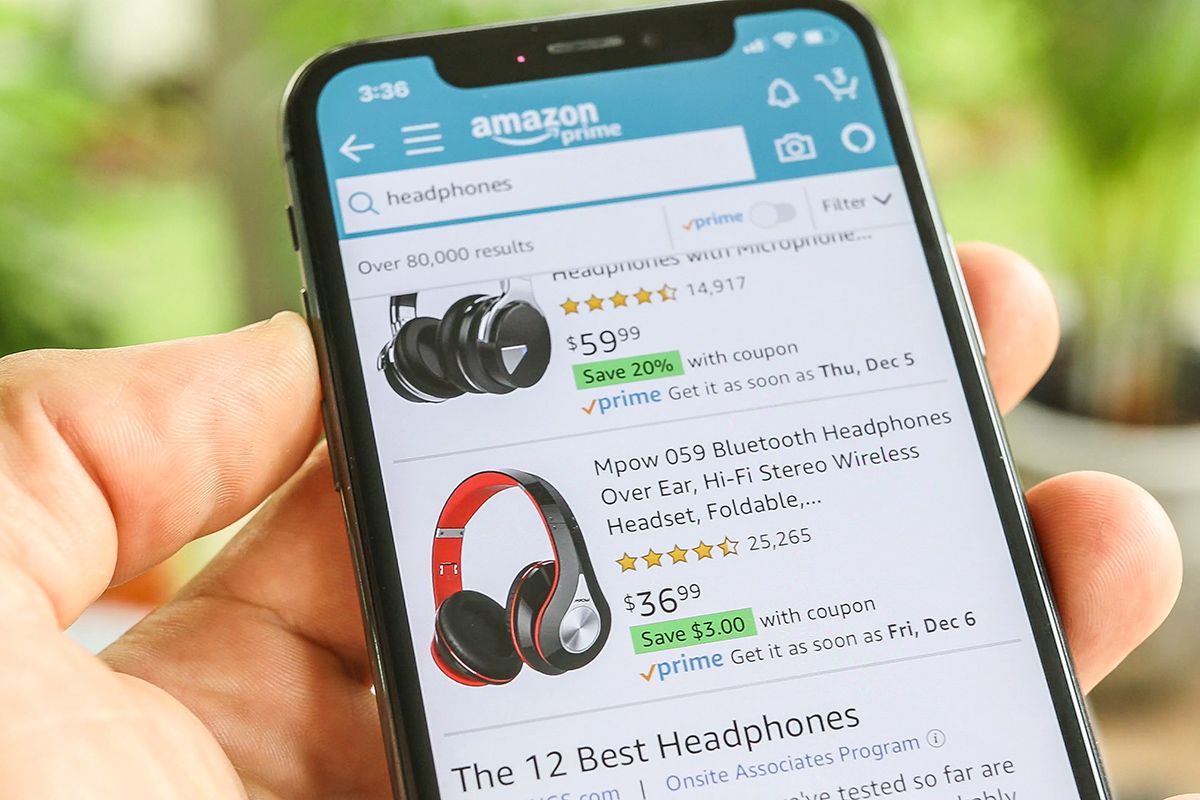
Don’t Forget the Coupon Box

Amazon’s coupons are easy to overlook because they’re often tucked into the product listing rather than prominently advertised with the main deal price. Before you check out, look for a box offering something like “Apply $20 coupon” or “Save 10%” and click it to activate the discount.

Advertisement
Advertisement
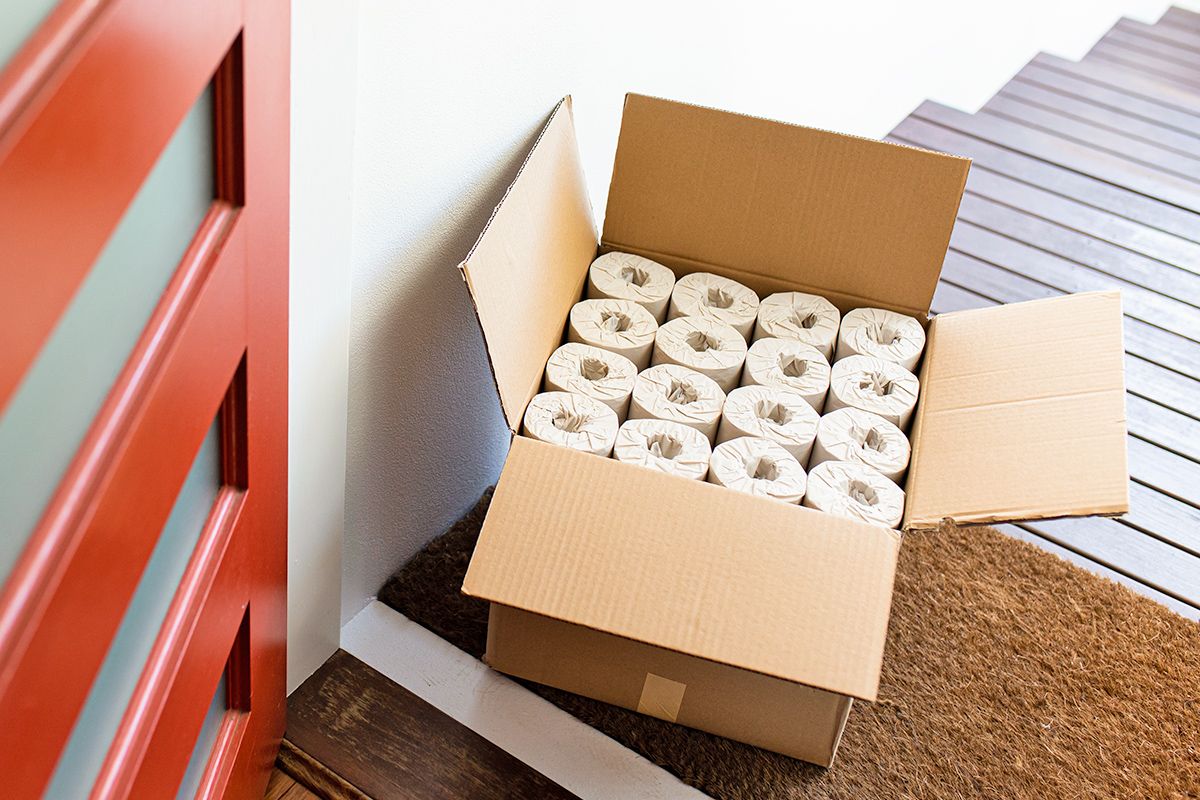
Toilet paper in a box
Credit: © LOUISE BEAUMONT—E+/Getty Images

Check Your Past Purchases

Prime Day isn’t just an opportunity to buy something new. It’s also a good excuse to check whether the things you already buy regularly are on sale.

Go to “Accounts & Lists,” then “Buy Again” to see your previous purchases. Look for household staples such as pet supplies, toiletries, cleaning products, filters, batteries, and other items you know you’ll need eventually. Amazon sometimes offers targeted discounts to repeat customers, so you may find a deal waiting on something you were going to buy anyway.

Advertisement

Featured Image Credit: © Thaspol/stock.adobe.com

Advertisement
Advertisement

More From Our Network

Better Report is part of Inbox Studio, an email-first media company. *Indicates a third-party property.

Go Retro With This 1960s Fashion Quiz

Quiz Daily

Go Retro With This 1960s Fashion Quiz

True or False: Are You a Master of U.S. Geography?

Travel Quiz

True or False: Are You a Master of U.S. Geography?

5 Reasons You Can Be Denied Boarding an Airplane

Daily Passport

5 Reasons You Can Be Denied Boarding an Airplane

What Did People Do Before Eyeglasses?

History Facts

What Did People Do Before Eyeglasses?

How To Use a Balloon To Clean Up Dust

House Outlook

How To Use a Balloon To Clean Up Dust

11 Shopping Hacks Costco Members Should Know

FinanceBuzz*

11 Shopping Hacks Costco Members Should Know

Share this article

  • Share to Facebook
  • Share to Twitter
  • Copy Url
  • Share to Email
Jennifer M. Wood
Writer

Jennifer M. Wood has been writing about news, entertainment, culture, and travel for longer than she cares to admit. She lives just outside Philadelphia with her husband and an ever-growing menagerie of rescue pets.

This article is for general informational purposes only.
Affiliate Disclaimer Medical Disclaimer Financial Disclaimer

Updated: May 8, 2026
Posted In: Wealth
Hero Image Credit: Featured Image Credit: © Thaspol/stock.adobe.com
Advertisement

Related Articles

5 Things Your Car Needs Before the First Freeze

4 min read

Is It Actually Better To Lease a Car?

9 min read

7 Free MIT Classes You Can Experience From Home

4 min read

The Bedroom Color That Adds $2,000 to Your Home Value

3 min read

Is It Rude To Ask for Leftovers at Fancy Restaurants?

5 min read
Advertisement

The Government Search That May Find Money Owed to You

Ali Eldridge
Wealth | Updated: September 4, 2026
Hands holding money
Better Report

Over its more than 175-year history, the Ohio State Fair has become famous for its butter cow statues, foods on sticks, deep-fried treats — and, more recently, reuniting long-lost money with its rightful owners.

In 2026, for the fifth year in a row, the state’s Department of Commerce had a booth at the fair. According to local ABC affiliate WYTV, more than 1,500 attendees stopped by this year’s booth to learn whether they had any forgotten cash waiting to be claimed, and ended up recovering a total of more than $675,000, including one welcome stash of $47,000 and another of $40,000.

The best news (besides that $47K windfall)? You don’t have to travel to Ohio to search for forgotten cash, which is typically known as “unclaimed money.” These are funds that businesses, financial institutions, government agencies, utilities, insurance companies, and other organizations have been unable to deliver to their rightful owners and have eventually turned over to a government agency, usually a state treasury or unclaimed-property office.

Advertisement
Advertisement

“If a business, financial institution, or government owes you money that you did not collect, it is considered unclaimed money or property,” the website USA.gov explains. “You may be able to file for unclaimed money owed to you, or that was owed to a deceased relative if you are their legal heir.”

These sums can come from a variety of sources, including unpaid wages or pensions from a previous employer, IRS tax refunds, VA life insurance, and FHA insurance refunds. And they can be significant amounts of money.

Advertisement
Hands typing on keyboard laptop
Credit: © A. C./Unsplash.com

How To Search for Unclaimed Property

Each state operates its own unclaimed property office, but Unclaimed.org (which is run by the National Association of Unclaimed Property Administrators, an affiliate of the National Association of State Treasurers) is a good place to start to find out whether you have any missing money waiting to be reclaimed. The process is simple: Type in your name along with the city and state; you’ll then see a list of potential matches.

Recommended Articles

  • The Safety Rules for Candles You Probably Don’t Know

  • How Old Are the Apples in the Grocery Store?

  • How To Tell if You’re Brushing Your Teeth Too Hard

  • 5 Things Your Car Needs Before the First Freeze

Advertisement
Advertisement

Reader Favorites

  • Woman looking in fridge

    9 Foods You Should Toss ASAP if They’re Expired

  • Person eating salad

    7 Things a Chef Never Orders at a Restaurant

  • Cherry angioma

    Are the Tiny Red Dots on Your Skin Dangerous?

Don’t limit your search to the state where you currently live. Search every state where you’ve ever lived, worked, owned property, or otherwise done business. If you worked remotely for a business in another state, or had clients in states where you did not live, it’s worth taking the time to check those states, too.

However, it’s important to note that there isn’t one central federal database for all unclaimed money. Depending on what you’re looking for, you may need to check separate government databases for things such as unclaimed Treasury securities or tax refunds. 

If you’re missing a federal tax refund, for example, the IRS’s Where’s My Refund? tool can help. Similarly, the Department of Labor has a website to search for unpaid back wages; the Pension Benefit Guarantee Corporation can assist you with pensions from former employers; and the FDIC can help reclaim funds from now-shuttered banks.

Advertisement
Advertisement
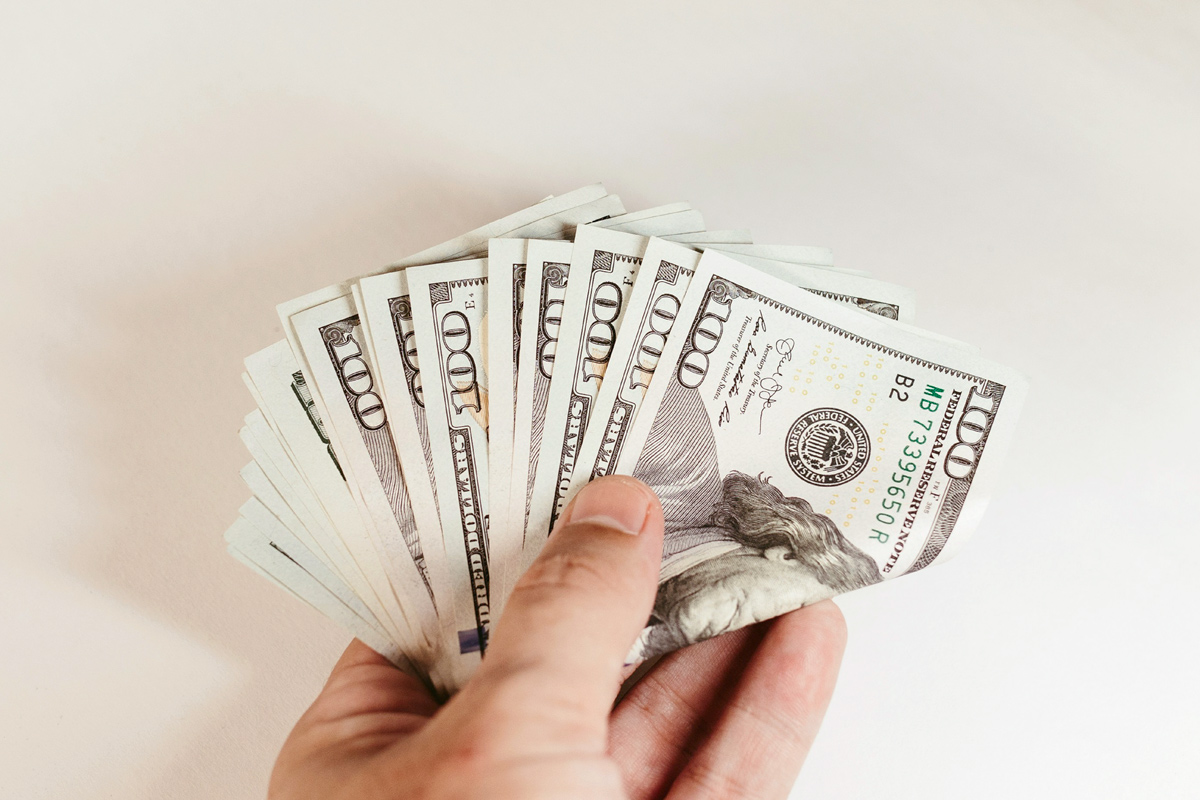
Hand holding hundred dollar bills
Credit: © Hammarby Studios—iStock/Getty Images

How Do I Access Unclaimed Funds That Belong to Me?

If you find an account that belongs to you, or to a deceased person whose estate you’ve inherited, you can typically file a claim directly through the state’s unclaimed property website. You’ll need to provide some basic information to verify your identity and prove that you’re entitled to the money.

The exact requirements vary depending on the state and the type of property, but you may be asked for documentation such as a driver’s license, Social Security number, proof of address, or other records connecting you to the account. Once your claim is approved, the state will send the money to you. 

Advertisement
Advertisement
Building against the sky
Credit: © Fellipe Ditadi/Unsplash.com

What About Companies That Charge a Fee? 

There are private companies, lawyers, and legal firms that can help track down unclaimed property, but they typically charge a fee or take a percentage of whatever they recover. 

Advertisement

These businesses, sometimes called “finders” or “locators,” are legitimate in many cases, and some people may find the service worthwhile if a claim is complicated or involves a large amount of money. But since you can search official government databases yourself for free, it’s worth going that route first.

Advertisement
Advertisement

If you do hire a finder, understand exactly what you’ll pay before signing anything. Also check your state’s rules and make sure the company is properly registered or licensed if required.

The bottom line: You could have money waiting for you, and it costs nothing to find out. A few minutes of searching could turn up anything from a forgotten utility deposit to a $47,000 windfall.

Featured Image Credit: © Getty Images/Unsplash.com

More From Our Network

Better Report is part of Inbox Studio, an email-first media company. *Indicates a third-party property.

Go Retro With This 1960s Fashion Quiz

Quiz Daily

Go Retro With This 1960s Fashion Quiz

True or False: Are You a Master of U.S. Geography?

Travel Quiz

True or False: Are You a Master of U.S. Geography?

5 Reasons You Can Be Denied Boarding an Airplane

Daily Passport

5 Reasons You Can Be Denied Boarding an Airplane

What Did People Do Before Eyeglasses?

History Facts

What Did People Do Before Eyeglasses?

How To Use a Balloon To Clean Up Dust

House Outlook

How To Use a Balloon To Clean Up Dust

11 Shopping Hacks Costco Members Should Know

FinanceBuzz*

11 Shopping Hacks Costco Members Should Know

Share this article

  • Share to Facebook
  • Share to Twitter
  • Copy Url
  • Share to Email
Ali Eldridge

This article is for general informational purposes only.
Affiliate Disclaimer Medical Disclaimer Financial Disclaimer

Updated:
Posted In: Wealth
Hero Image Credit: Better Report
Advertisement

Related Articles

5 Things Your Car Needs Before the First Freeze

4 min read

6 Amazon Prime Day Hacks
6 min read

Is It Actually Better To Lease a Car?

9 min read

7 Free MIT Classes You Can Experience From Home

4 min read

The Bedroom Color That Adds $2,000 to Your Home Value

3 min read
Advertisement

Are You Overpaying on Your Mortgage?

Wealth | Updated: August 31, 2026
Jennifer M. Wood
Author
Jennifer M. Wood has been writing about news, entertainment, culture, and travel for longer than she cares to admit. She lives just outside Philadelphia with her husband and an ever-growing menagerie of rescue pets.
Exterior of a red house
Better Report

Buying a home is one of the biggest purchases you’ll ever make. But there’s a good chance you’re paying more for your mortgage than you should be.

An eye-opening new analysis from Bankrate found that a staggering 87% of borrowers who took out a mortgage in 2025 paid more than the most competitive rate available to them, meaning the typical mortgage holder pays an estimated $3,343 more per year than necessary. Over the life of the loan, that can add up to about $78,186 in additional costs.

For older homeowners, the stakes can be even higher. 

Advertisement
Advertisement
Older couple next to a fence
Credit: © South_agency—E+/Getty Images

The “Seniority” Tax

Among people buying homes, age makes almost no difference. About 90% to 91% of borrowers in every age group paid more than the most competitive rate available to them. But refinancing tells a different story. The share of borrowers paying above the competitive rate is 72% among those under 35 and 76% for people ages 35 to 44. That rate climbs to 82% among those 55 to 64, 81% for borrowers between the ages of 44 and 54, and 81% for those 64 and older.

That age gap is what Bankrate calls the “Seniority Tax.”

Advertisement

“The Seniority Tax in refinance transactions may reflect the interaction of several reinforcing dynamics,” the report notes. One of them is that “[f]inancial urgency appears to diminish with age as rising incomes, accumulated equity, and lower debt burdens reduce search intensity.” Older borrowers may also be inclined to stick with banks they already have relationships with — and those institutions have little incentive to offer these customers competitive rates. 

But there are other factors as well. According to the report, “Cognitive and social factors associated with aging — including greater institutional trust, reduced tolerance for the friction of comparison shopping, and lower engagement with digital rate-comparison tools — could compound the behavioral shift. And some portion of the gap may reflect pricing strategies explicitly calibrated to the lower search intensity of older cohorts.” 

Recommended Articles

  • The Safety Rules for Candles You Probably Don’t Know

  • How Old Are the Apples in the Grocery Store?

  • How To Tell if You’re Brushing Your Teeth Too Hard

  • 5 Things Your Car Needs Before the First Freeze

Advertisement
Advertisement

Reader Favorites

  • Woman looking in fridge

    9 Foods You Should Toss ASAP if They’re Expired

  • Person eating salad

    7 Things a Chef Never Orders at a Restaurant

  • Cherry angioma

    Are the Tiny Red Dots on Your Skin Dangerous?

No matter what drives the phenomenon, though, the report notes that “the outcome is consistent: a market that appears to extract disproportionately from borrowers at precisely the stage of life when wealth, credit quality, and institutional relationships are at their peak.”

Interestingly, the research found that the borrowers most likely to overpay weren’t those with poor credit or limited financial resources. In fact, some of the homeowners paying the most appeared to have the strongest financial profiles.

So how does this happen — and what can you do to make sure you’re getting the best rate possible?

Advertisement
Advertisement
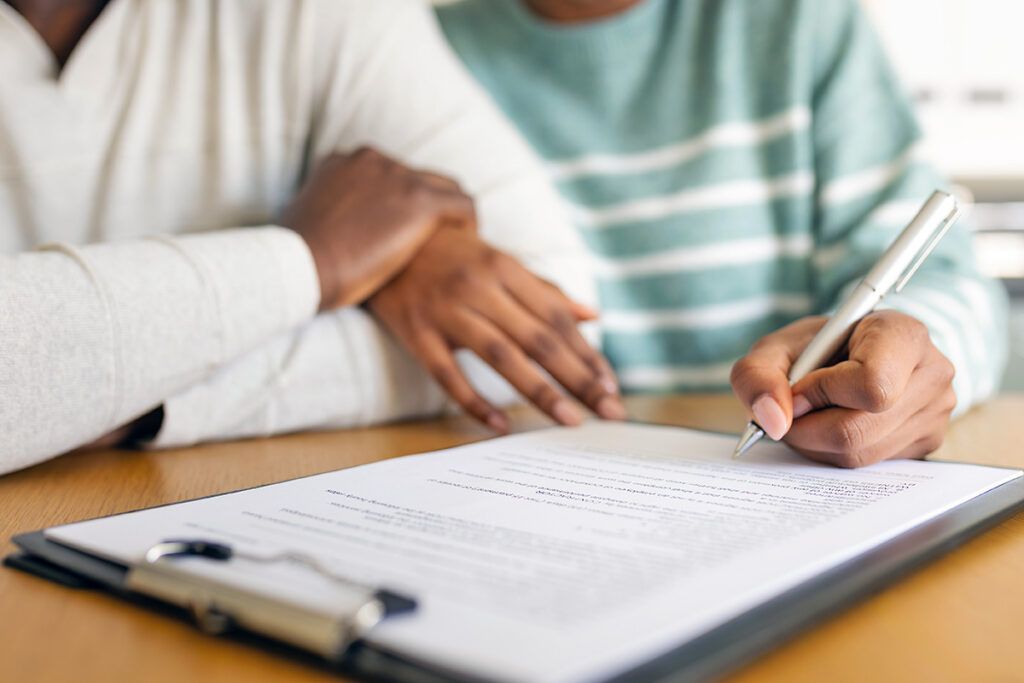
Close up of signing paperwork
Credit: © Daniel/stock.adobe.com

Why So Many Homebuyers Overpay

The process of getting a mortgage is complicated, so it can be extremely tempting to simply use a lender your real estate agent, bank, or a friend or family member recommends. But that convenience can come at a price.

Advertisement

Bankrate found that nearly 90% of borrowers rely on recommendations when choosing a mortgage lender. “While they may offer convenience, these sources generally lack the tools or incentives to comprehensively search the broader market,” the report notes. “The same is true for mortgage brokers relying on real estate agent referrals; under federal regulations like Dodd-Frank, they are under no legal obligation to secure the lowest market rate or actively facilitate lender competition.”

And shopping around isn’t always easy. A typical mortgage contract is roughly 50 pages long, and borrowers may have just 48 to 72 hours between having an offer accepted and needing to lock in their mortgage rate. “The process is defined by high complexity and poor timing,” Bankrate’s report explains.

Advertisement
Advertisement
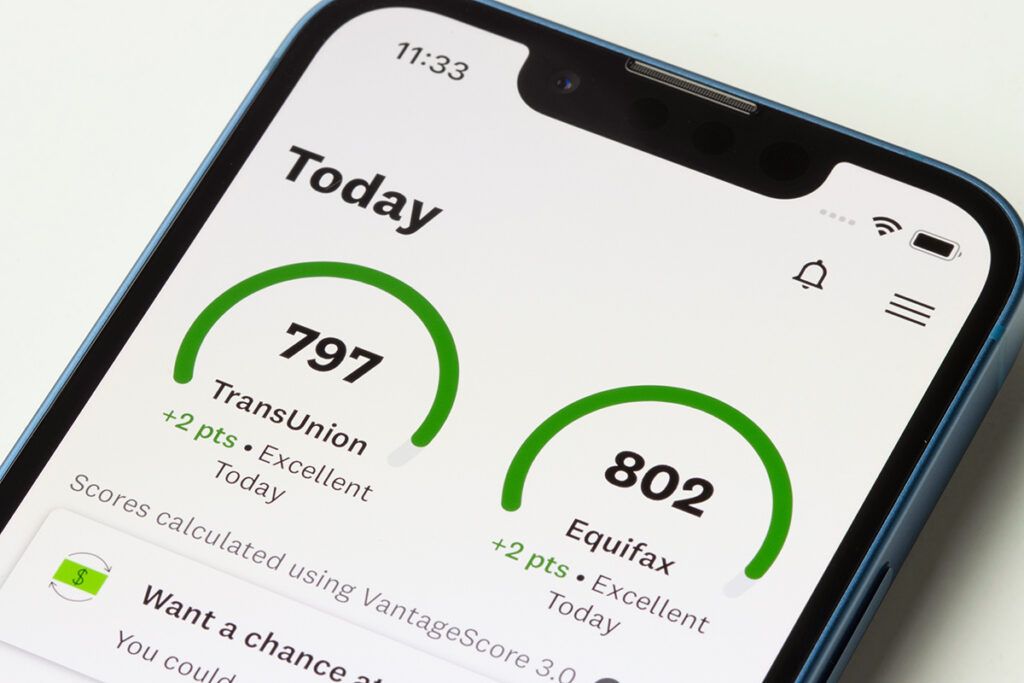
Credit score on phone
Credit: © Tada Images/stock.adobe.com

Great Credit Doesn’t Guarantee a Great Rate

Having an impressive credit score is an achievement all its own, and one that will likely make it easier to qualify for a mortgage. But Bankrate’s analysis suggests an excellent credit history doesn’t necessarily translate to a great rate.

Borrowers with debt-to-income ratios between 33% and 38% had the highest overpayment rate of any group, at 92%. (According to Citizens Bank, a solid debt-to-income ratio is 36% or less.)

The reason, Bankrate concluded, is that borrowers who are confident they’ll qualify for a loan may be less incentivized to shop around for a better rate. However, knowing you can get a mortgage isn’t the same as knowing you’re getting the best mortgage.

Advertisement
Advertisement
People in office
Credit: © fizkes—iStock/Getty Images

How To Avoid Overpaying on Your Mortgage

While homebuying can feel overwhelming, a few simple steps can help you shop smarter, negotiate harder, and avoid unnecessarily forking over the cost of a brand-new Range Rover over the life of your loan. Here are some tips on how to make sure you’re getting the best rate possible.

Advertisement

• Shop Around: Your bank, realtor, friend, or family member may point you toward a lender they really trust, but that doesn’t automatically mean you’re getting the best deal. Still, Bankrate found that nearly 90% of borrowers rely on recommendations from these sources. You should get quotes from multiple lenders and compare what each is offering instead. Bankrate’s central finding is that competitive pricing does exist, but borrowers have to actively seek it out.

Advertisement
Advertisement

• Compare the Total Cost, Not Just the Rate: A mortgage with the lowest advertised interest rate isn’t necessarily the cheapest loan. Consider interest, discount points, origination charges, lender fees, and other closing costs when comparing offers.

• Make Lenders Compete for Your Business: Once you have multiple offers, use them as leverage. Ask a lender whether it can match or beat a competing offer rather than assuming its first quote is final.

Advertisement
Advertisement

• Read the Fine Print: Mortgage documents can run roughly 50 pages, according to Bankrate, so don’t focus solely on the monthly payment or headline rate. Look at points, fees, and other up-front costs, too.

A little legwork now could save you thousands over the life of your loan.

Feature Image Credit: © Zac Gudakov/Unsplash.com

More From Our Network

Better Report is part of Inbox Studio, an email-first media company. *Indicates a third-party property.

Go Retro With This 1960s Fashion Quiz

Quiz Daily

Go Retro With This 1960s Fashion Quiz

True or False: Are You a Master of U.S. Geography?

Travel Quiz

True or False: Are You a Master of U.S. Geography?

5 Reasons You Can Be Denied Boarding an Airplane

Daily Passport

5 Reasons You Can Be Denied Boarding an Airplane

What Did People Do Before Eyeglasses?

History Facts

What Did People Do Before Eyeglasses?

How To Use a Balloon To Clean Up Dust

House Outlook

How To Use a Balloon To Clean Up Dust

11 Shopping Hacks Costco Members Should Know

FinanceBuzz*

11 Shopping Hacks Costco Members Should Know

Share this article

  • Share to Facebook
  • Share to Twitter
  • Copy Url
  • Share to Email
Jennifer M. Wood
Writer

Jennifer M. Wood has been writing about news, entertainment, culture, and travel for longer than she cares to admit. She lives just outside Philadelphia with her husband and an ever-growing menagerie of rescue pets.

This article is for general informational purposes only.
Affiliate Disclaimer Medical Disclaimer Financial Disclaimer

Updated: May 8, 2026
Posted In: Wealth
Hero Image Credit: Better Report
Advertisement

Related Articles

5 Things Your Car Needs Before the First Freeze

4 min read

6 Amazon Prime Day Hacks

6 min read

Is It Actually Better To Lease a Car?

9 min read

7 Free MIT Classes You Can Experience From Home

4 min read

The Bedroom Color That Adds $2,000 to Your Home Value

3 min read
Advertisement

Some Grocery Prices Are Finally Going Down — Here’s What’s Getting Cheaper

Ali Eldridge
Wealth | Updated: August 26, 2026
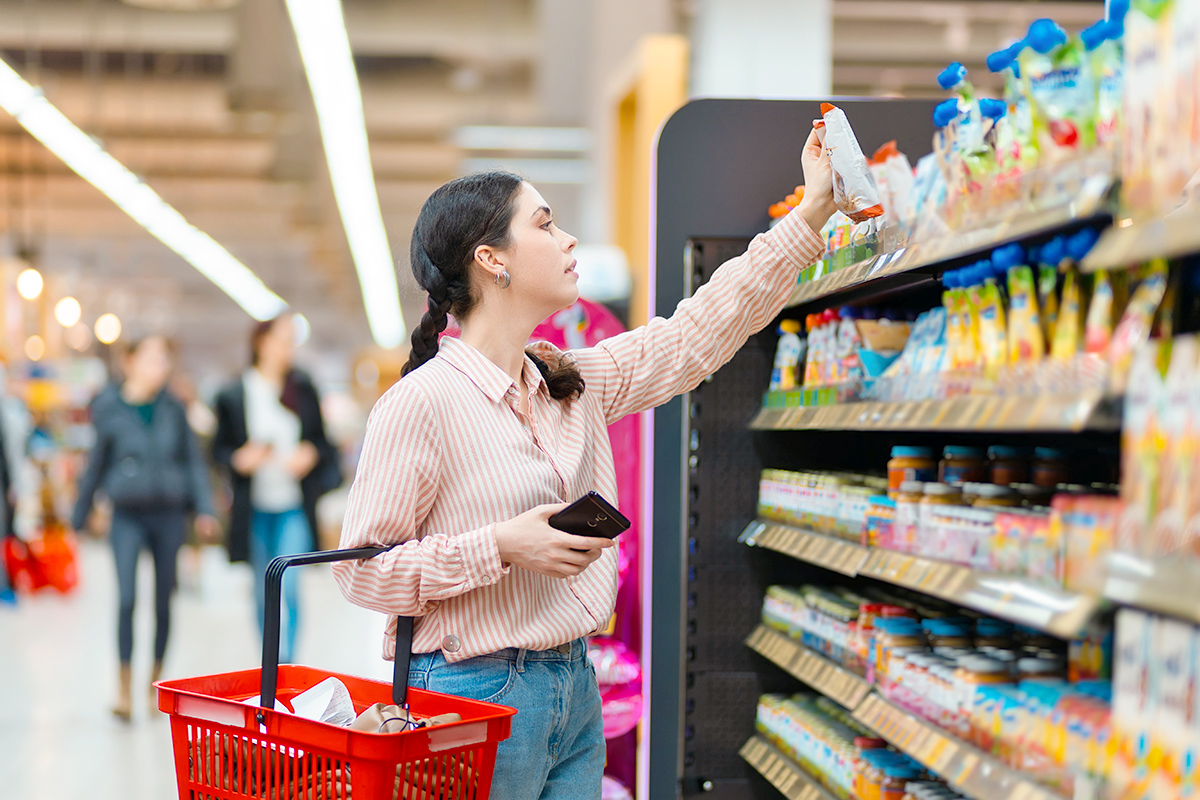
Woman shopping in grocery store
Better Report

For many shoppers, grocery bills are a major financial strain. Food prices remain well above their pre-pandemic levels, and are up 3% over July 2025 (as of July 2026, the latest data available). And according to a recent survey, 82% of Americans say grocery prices have had a bigger impact on their finances than higher gas prices. To save money, many reported buying more store-brand products and shopping at less expensive grocery stores such as Aldi.

But there may be a little relief in sight — at least when it comes to certain items. The latest Consumer Price Index data from the Bureau of Labor Statistics (BLS) shows that several everyday grocery staples now cost less than they did a year ago. Other categories, however, continue to head in the opposite direction.

Advertisement
Advertisement

The latest data highlights just how uneven grocery prices have become. Here’s a closer look at which staples have gotten cheaper — and which continue to rise.

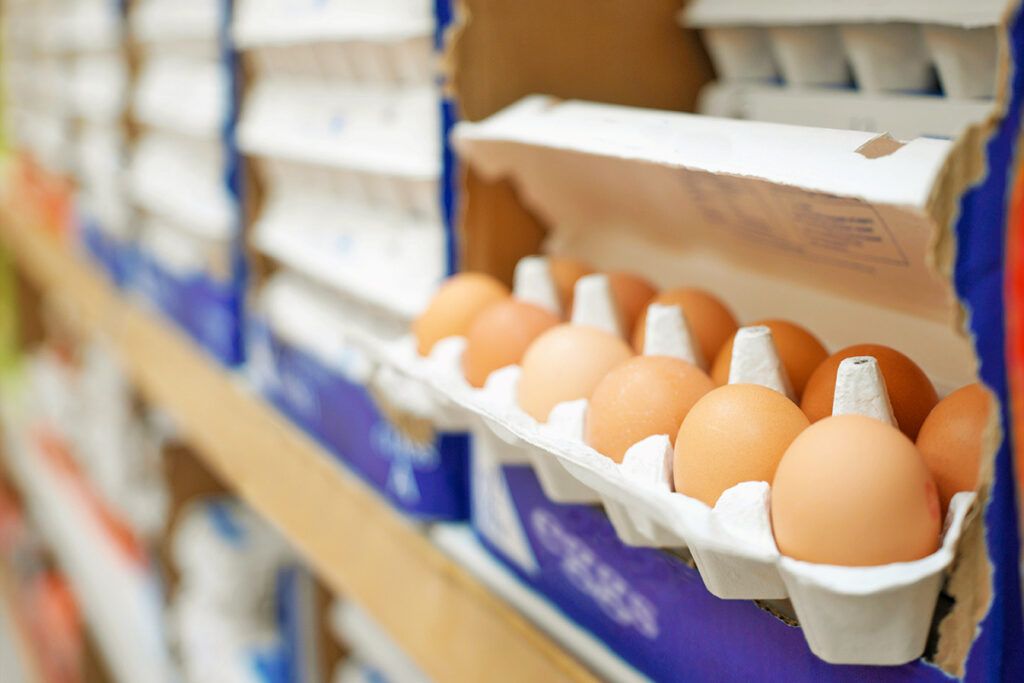
Carton of eggs
Credit: © Getty Images/Unsplash.com

What’s Getting Cheaper

According to the latest BLS data, eggs have seen the biggest year-over-year price decline, falling 25.7% as supplies continued to recover from the avian flu outbreak (as well as alleged price fixing by some suppliers) that drove prices to record highs in 2025. After months of record prices and purchase limits at some grocery stores, eggs have become one of the clearest examples of how supply conditions can quickly affect what shoppers pay at checkout.

Recommended Articles

  • The Safety Rules for Candles You Probably Don’t Know

  • How Old Are the Apples in the Grocery Store?

  • How To Tell if You’re Brushing Your Teeth Too Hard

  • 5 Things Your Car Needs Before the First Freeze

Advertisement
Advertisement

Reader Favorites

  • Woman looking in fridge

    9 Foods You Should Toss ASAP if They’re Expired

  • Person eating salad

    7 Things a Chef Never Orders at a Restaurant

  • Cherry angioma

    Are the Tiny Red Dots on Your Skin Dangerous?

Eggs are the biggest outlier, but they’re not the only grocery item getting cheaper. Prices have also fallen year over year for the following items: 

• Butter (-8.1%)
• Salad dressing (-4.3%)
• Cheese and related products (-4.2%)
• Fresh whole chicken (-3.2%)
• Fresh and frozen chicken parts (-2.5%) 
• Bacon and related products (-2.8%) 
• Frozen and refrigerated bakery products (-1.8%)
• Margarine (-1.7%)
• Ice cream (-1.1%) 

Advertisement

Most of those declines are relatively modest, but they show that lower prices are extending beyond a single grocery category.

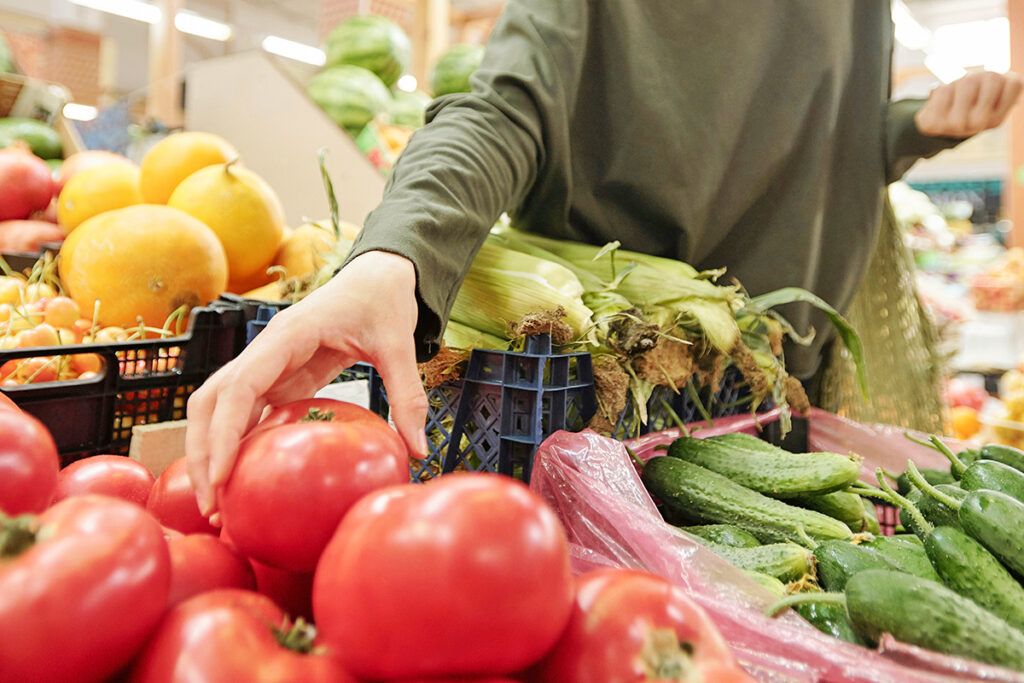
Person grabbing tomato at grocery store
Credit: © Getty Images/Unsplash.com

What’s Still Going Up

Unfortunately for U.S. shoppers, not every grocery item is getting cheaper. According to the latest BLS data, the cost of tomatoes is up 12.8% year over year, while apples cost 11% more in July 2026 than they did in July 2025. Coffee prices also continued to climb, with instant coffee up 15.8% year over year, roasted coffee up 12.2%, and coffee overall up 9.4%. And while certain categories of dairy products are dropping in price, fresh whole milk and other fresh milks are up 6% and 4.8%, respectively.

Advertisement
Advertisement

Protein is another category seeing higher prices. Beef roasts (up 13.5%), steaks (+9.6%), and ground beef (+9%) all posted increases over the past year. And while chicken prices have come down, the cost of turkey and other poultry has gone up 8.4%. Frozen fish and seafood and fresh fish and seafood, meanwhile, also were up 7.8% over July 2025. 

Those are everyday purchases for many households, and for families that regularly buy meat, seafood, or coffee, those increases can add up quickly — which helps explain why grocery bills can still feel high despite lower prices for some staples. 

Advertisement
Advertisement

The latest BLS figures suggest the days of nearly across-the-board grocery price increases may be easing. But for now, whether shoppers save money still depends largely on what’s in their carts.

Featured Image Credit: © _KUBE_/stock.adobe.com

More From Our Network

Better Report is part of Inbox Studio, an email-first media company. *Indicates a third-party property.

Go Retro With This 1960s Fashion Quiz

Quiz Daily

Go Retro With This 1960s Fashion Quiz

True or False: Are You a Master of U.S. Geography?

Travel Quiz

True or False: Are You a Master of U.S. Geography?

5 Reasons You Can Be Denied Boarding an Airplane

Daily Passport

5 Reasons You Can Be Denied Boarding an Airplane

What Did People Do Before Eyeglasses?

History Facts

What Did People Do Before Eyeglasses?

How To Use a Balloon To Clean Up Dust

House Outlook

How To Use a Balloon To Clean Up Dust

11 Shopping Hacks Costco Members Should Know

FinanceBuzz*

11 Shopping Hacks Costco Members Should Know

Share this article

  • Share to Facebook
  • Share to Twitter
  • Copy Url
  • Share to Email
Ali Eldridge

This article is for general informational purposes only.
Affiliate Disclaimer Medical Disclaimer Financial Disclaimer

Updated:
Posted In: Wealth
Hero Image Credit: Better Report
Advertisement

Related Articles

5 Things Your Car Needs Before the First Freeze

4 min read

6 Amazon Prime Day Hacks

6 min read

Is It Actually Better To Lease a Car?

9 min read

7 Free MIT Classes You Can Experience From Home

4 min read

The Bedroom Color That Adds $2,000 to Your Home Value

3 min read
Advertisement

Your $1 Bill Could Be Worth Thousands

Wealth | Updated: August 10, 2026
Jennifer M. Wood
Author
Jennifer M. Wood has been writing about news, entertainment, culture, and travel for longer than she cares to admit. She lives just outside Philadelphia with her husband and an ever-growing menagerie of rescue pets.
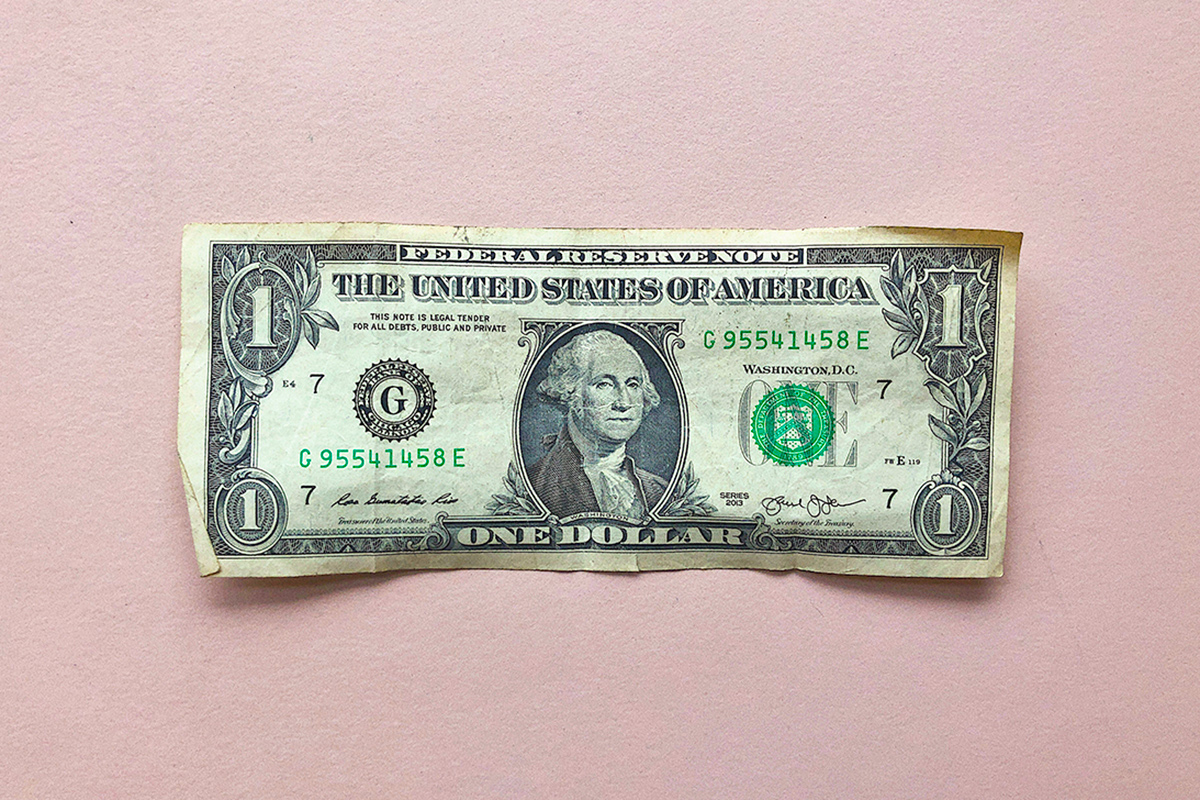
$1 bill on pink background
Better Report

It would be logical to think that the value of the cash in your wallet is printed right there on the face of the bill. But that assumption could end up costing you.

According to Wealthy Nickel, a rare printing error by the U.S. Bureau of Engraving and Printing has made some $1 bills worth up to a whopping $150,000 to collectors. Here’s what you should know before you spend any potentially valuable currency.

$1 bills being printed
Credit: © Scanrail/stock.adobe.com

The Big Whoops

In November 2014, the Bureau of Engraving and Printing sent an order to print a batch of $1 bills to its Washington, D.C., facility. Then, in July 2016, it accidentally sent the same printing order to its Fort Worth, Texas, facility.

Advertisement
Advertisement

The result: Millions of $1 bills entered circulation with duplicate serial numbers. Because every U.S. bill is supposed to have a unique serial number, the mistake created matching bills that collectors now consider one of the most unusual modern currency errors.

Rather than making the bills worthless, the printing blunder has made them highly desirable. Collectors are searching for matching pairs of the duplicate notes and, in exceptional cases involving bills in excellent condition, may be willing to pay as much as $150,000 for a complete matched set. 

Advertisement
$1 bill under a magnifying glass
Credit: © Sasun Bughdaryan/Unsplash.com

How To Tell If Your $1 Bill Is Valuable

Not every $1 bill with an unusual serial number is worth a fortune. The most sought-after notes all share three specific characteristics:

Series 2013: Look for the words “Series 2013” printed near George Washington’s portrait.

A “B” Federal Reserve Seal: The letter “B” indicates the bill was issued by the Federal Reserve Bank of New York.

Recommended Articles

  • The Safety Rules for Candles You Probably Don’t Know

  • How Old Are the Apples in the Grocery Store?

  • How To Tell if You’re Brushing Your Teeth Too Hard

  • 5 Things Your Car Needs Before the First Freeze

Advertisement
Advertisement

Reader Favorites

  • Woman looking in fridge

    9 Foods You Should Toss ASAP if They’re Expired

  • Person eating salad

    7 Things a Chef Never Orders at a Restaurant

  • Cherry angioma

    Are the Tiny Red Dots on Your Skin Dangerous?

A Star Serial Number in a Specific Range: The serial number must end with a star (*) and fall within one of these ranges:
B00000001* through B00250000*
B03200001* through B09600000*

If your bill checks all three boxes, it could be one half of a rare duplicate pair created by the Bureau of Engraving and Printing’s error.

Advertisement

However, finding one of the bills is only part of the challenge. The biggest payouts go to collectors who can match their note with its duplicate — another bill carrying the exact same serial number — which is no small feat.

Advertisement
Advertisement

Although more than 6.4 million duplicate notes entered circulation, only nine matching pairs have so far been reunited. The highest estimates of up to $150,000 apply to exceptionally rare matched pairs in top condition. Single notes can still fetch you a couple hundred dollars but generally command far less than a complete pair.

Hands holding $1 bills
Credit: © Sasun Bughdaryan/Unsplash.com

What Should You Do If You Find One?

If you discover a qualifying bill, avoid folding it or spending it. Keep it in a protective currency sleeve and record the serial number. Collectors maintain online databases, such as Project 2013B, to help owners determine whether the matching bill has already surfaced. If you eventually locate the duplicate, having both notes professionally authenticated and graded can significantly increase what collectors are willing to pay.

Advertisement
Advertisement
$1 bills on a table
Credit: © Emilio Takas/Unsplash.com

Other $1 Bills That Could Be Worth More Than Face Value

Even if that single dollar hiding under your couch cushion isn’t one of the rare duplicate serial number notes, it could be worth more than its face value. Currency collectors also pay premiums for certain other $1 bills, including:

Star Notes: Bills with a star (*) at the end of the serial number are replacement notes printed to take the place of bills damaged during production. While most are worth only a small premium, low-print-run star notes or those in pristine condition can be significantly more valuable.

Unusual Serial Numbers: Collectors seek out bills with unusual serial numbers, such as all the same digit (11111111), ladders (12345678), radars (a palindrome like 12344321), repeaters, or very low serial numbers such as 00000025. Depending on the pattern and condition, these bills can sell for significantly more than their face value.

Advertisement
Advertisement

Printing Errors: Notes with major production mistakes — such as missing serial numbers, off-center printing, inverted overprints, or missing seals — are among the most desirable modern error notes. Some have sold for hundreds of dollars at auction.

Advertisement

So, before you shove that next dollar bill into a tip jar, it may be worth taking a closer look. You never know when an ordinary buck could turn out to be worth a small fortune.

Featured Image Credit: © Ryan Quintal/Unsplash.com

More From Our Network

Better Report is part of Inbox Studio, an email-first media company. *Indicates a third-party property.

Go Retro With This 1960s Fashion Quiz

Quiz Daily

Go Retro With This 1960s Fashion Quiz

True or False: Are You a Master of U.S. Geography?

Travel Quiz

True or False: Are You a Master of U.S. Geography?

5 Reasons You Can Be Denied Boarding an Airplane

Daily Passport

5 Reasons You Can Be Denied Boarding an Airplane

What Did People Do Before Eyeglasses?

History Facts

What Did People Do Before Eyeglasses?

How To Use a Balloon To Clean Up Dust

House Outlook

How To Use a Balloon To Clean Up Dust

11 Shopping Hacks Costco Members Should Know

FinanceBuzz*

11 Shopping Hacks Costco Members Should Know

Share this article

  • Share to Facebook
  • Share to Twitter
  • Copy Url
  • Share to Email
Jennifer M. Wood
Writer

Jennifer M. Wood has been writing about news, entertainment, culture, and travel for longer than she cares to admit. She lives just outside Philadelphia with her husband and an ever-growing menagerie of rescue pets.

This article is for general informational purposes only.
Affiliate Disclaimer Medical Disclaimer Financial Disclaimer

Updated: May 8, 2026
Posted In: Wealth
Hero Image Credit: Better Report
Advertisement

Related Articles

5 Things Your Car Needs Before the First Freeze

4 min read

6 Amazon Prime Day Hacks

6 min read

Is It Actually Better To Lease a Car?

9 min read

7 Free MIT Classes You Can Experience From Home

4 min read

The Bedroom Color That Adds $2,000 to Your Home Value

3 min read
Advertisement

What It Costs To Retire in Every U.S. State

Ali Eldridge
Wealth | Updated: August 5, 2026
Hand holding cash
Better Report

From the day you started working, you’ve probably dreamed about retirement: where you’ll live, how you’ll spend your days, and who you’ll spend them with. But before you start pondering whether you’d prefer a beach town or a mountain escape, there’s one practical — and far less romantic — question to answer: Where can you actually afford to retire?

A new report from Investopedia analyzed federal data to estimate how much a typical retired couple would spend in every U.S. state plus Washington, D.C., as well as the size of the nest egg needed to support that lifestyle. The differences are striking, with retirement costs varying by hundreds of thousands of dollars depending on location.

Older couple looking at computer
Credit: © Getty Images/Unsplash.com

What the Report Says

The analysis concluded that the typical couple age 65 or older needs a nest egg of about $1.16 million to retire comfortably in the U.S. — which they equate to spending $84,000 a year — compared with the $898,000 a single retiree (around $60,000 a year) would require. That number jumps if the couple is dreaming of living out their golden years in Hawaii, where they’ll need $1,326,000 in the bank. That’s only slightly less than in New Jersey, the most expensive state on the list, where retirees would need roughly $1,329,000. California and Washington, D.C., are the next most expensive places to call home, with retirees needing roughly $1.32 million. 

Advertisement
Advertisement

The East Coast dominates much of the rest of the top 10, with New York, Massachusetts, Connecticut, and Maryland joining Washington state on the list, each requiring nest eggs in the $1.2 million range.

If cost is your most important consideration, you may want to consider the Plains or Appalachia. North Dakota is the most affordable state to retire in, with a couple needing about $800,000 in savings. Arkansas ($807,000), Mississippi ($813,000), West Virginia ($821,000), and Iowa ($834,000) round out the five least expensive places to retire.

Advertisement
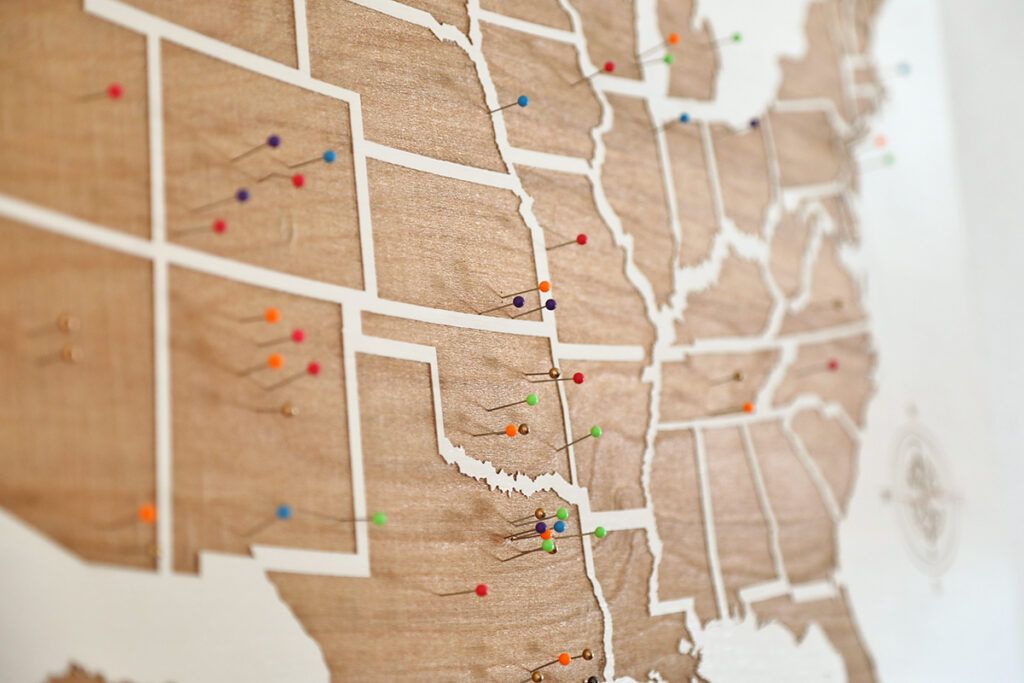
Map of the U.S. on a wall with pins in each state
Credit: © Olga/stock.adobe.com

The Cost of Retirement in Each State 

Alabama: $862,000

Alaska: $1,098,000

Arizona: $1,039,000

Arkansas: $807,000

Advertisement

California: $1,324,000

Colorado: $1,130,000

Connecticut: $1,206,000

Delaware: $1,031,000

Advertisement

Florida: $1,103,000

Georgia: $969,000

Hawaii: $1,326,000

Idaho: $929,000

Advertisement

Illinois: $1,072,000

Indiana: $896,000

Iowa: $834,000

Kansas: $884,000

Advertisement

Kentucky: $847,000

Louisiana: $837,000

Maine: $1,001,000

Maryland: $1,203,000

Advertisement

Massachusetts: $1,213,000

Michigan: $946,000

Minnesota: $1,046,000

Mississippi: $813,000

Advertisement

Missouri: $886,000

Montana: $935,000

Nebraska: $887,000

Nevada: $1,087,000

Advertisement

New Hampshire: $1,185,000

New Jersey: $1,329,000

New Mexico: $895,000

New York: $1,231,000

Advertisement

North Carolina: $939,000

North Dakota: $800,000

Ohio: $915,000

Oklahoma: $848,000

Advertisement

Oregon: $1,134,000

Pennsylvania: $980,000

Rhode Island: $1,119,000

South Carolina: $921,000

Advertisement

South Dakota: $845,000

Tennessee: $857,000

Texas: $988,000

Utah: $1,027,000

Advertisement

Vermont: $1,063,000

Virginia: $1,081,000

Washington: $1,217,000

Washington, D.C.: $1,320,000

Advertisement

West Virginia: $821,000

Wisconsin: $952,000

Wyoming: $926,000

Older couple
Credit: © AI25.Studio/Pexels.com

How the Numbers Were Calculated

The gap between the most and least expensive states underscores just how much geography can shape your retirement finances. A couple retiring in Hawaii or New Jersey would need more than $500,000 in additional savings compared with a couple settling in North Dakota, according to the analysis. 

Recommended Articles

  • The Safety Rules for Candles You Probably Don’t Know

  • How Old Are the Apples in the Grocery Store?

  • How To Tell if You’re Brushing Your Teeth Too Hard

  • 5 Things Your Car Needs Before the First Freeze

Advertisement
Advertisement

Reader Favorites

  • Woman looking in fridge

    9 Foods You Should Toss ASAP if They’re Expired

  • Person eating salad

    7 Things a Chef Never Orders at a Restaurant

  • Cherry angioma

    Are the Tiny Red Dots on Your Skin Dangerous?

While housing costs play a major role (they account for around 27% of a retired couple’s expenses), they’re far from the only factor. The report looked at typical household spending using federal consumer expenditure data, taking into account everyday expenses such as groceries, utilities, and health care, as well as discretionary spending, including travel and entertainment. After determining what the typical couple would get in Social Security benefits, Investopedia then estimated how much they would need to cover the rest of their costs over their retirement. The calculations also took into account the 4% rule, a retirement guideline that suggests retirees withdraw 4% of their retirement account in their first year and then adjust annually based on inflation.

Advertisement

Those figures, of course, are only estimates, as no two retirements look exactly alike. Whether you’ve paid off your home, how often you travel, your health care needs, and the lifestyle you hope to maintain can all dramatically affect how much you’ll ultimately need to save. State taxes, insurance costs, and the local cost of living can also make one destination considerably more affordable than another. 

Advertisement
Advertisement

The report serves as a reminder that retirement planning isn’t just about deciding at what age to stop working — it’s also about figuring out where your savings will go the furthest. If you’re still years away from retirement, factoring your ideal destination into your savings goals now could help you avoid an expensive surprise later. And if you’re flexible about where you’ll put down roots, relocating to a lower-cost state could stretch your nest egg significantly further. 

For many Americans, the biggest retirement decision may not be when to stop working, but where to spend the years that come after.

Featured image credit: © Jonathan Borba/Unsplash.com

More From Our Network

Better Report is part of Inbox Studio, an email-first media company. *Indicates a third-party property.

Go Retro With This 1960s Fashion Quiz

Quiz Daily

Go Retro With This 1960s Fashion Quiz

True or False: Are You a Master of U.S. Geography?

Travel Quiz

True or False: Are You a Master of U.S. Geography?

5 Reasons You Can Be Denied Boarding an Airplane

Daily Passport

5 Reasons You Can Be Denied Boarding an Airplane

What Did People Do Before Eyeglasses?

History Facts

What Did People Do Before Eyeglasses?

How To Use a Balloon To Clean Up Dust

House Outlook

How To Use a Balloon To Clean Up Dust

11 Shopping Hacks Costco Members Should Know

FinanceBuzz*

11 Shopping Hacks Costco Members Should Know

Share this article

  • Share to Facebook
  • Share to Twitter
  • Copy Url
  • Share to Email
Ali Eldridge

This article is for general informational purposes only.
Affiliate Disclaimer Medical Disclaimer Financial Disclaimer

Updated:
Posted In: Wealth
Hero Image Credit: Better Report
Advertisement

Related Articles

5 Things Your Car Needs Before the First Freeze

4 min read

6 Amazon Prime Day Hacks

6 min read

Is It Actually Better To Lease a Car?

9 min read

7 Free MIT Classes You Can Experience From Home

4 min read

The Bedroom Color That Adds $2,000 to Your Home Value

3 min read
Advertisement

What Is ‘Charm Pricing’?

Wealth | Updated: July 2, 2026
Bennett Kleinman
Author
Bennett Kleinman is a New York City-based staff writer for Inbox Studio. He is also a freelance comedy writer, devoted New York Yankees and New Jersey Devils fan, and thinks plain seltzer is the best drink ever invented.
Woman checking price tag on clothing
Better Report

Retailers are always looking for ways to sell customers on their products. Sometimes they succeed because of a clever marketing campaign, while other times they may discount the item as part of a seasonal sale. 

But another common sales tactic has to do with human psychology — specifically, items can be priced to manipulate buyers into thinking they’re getting a great deal. Take the concept of “charm pricing,” for example, which isn’t as charming as the name implies. Let’s look at how it works.

Advertisement
Advertisement
Vegetables and their prices
Credit: © Greta Hoffman/Pexels.com

A Pricing Scheme That Works Like a Charm

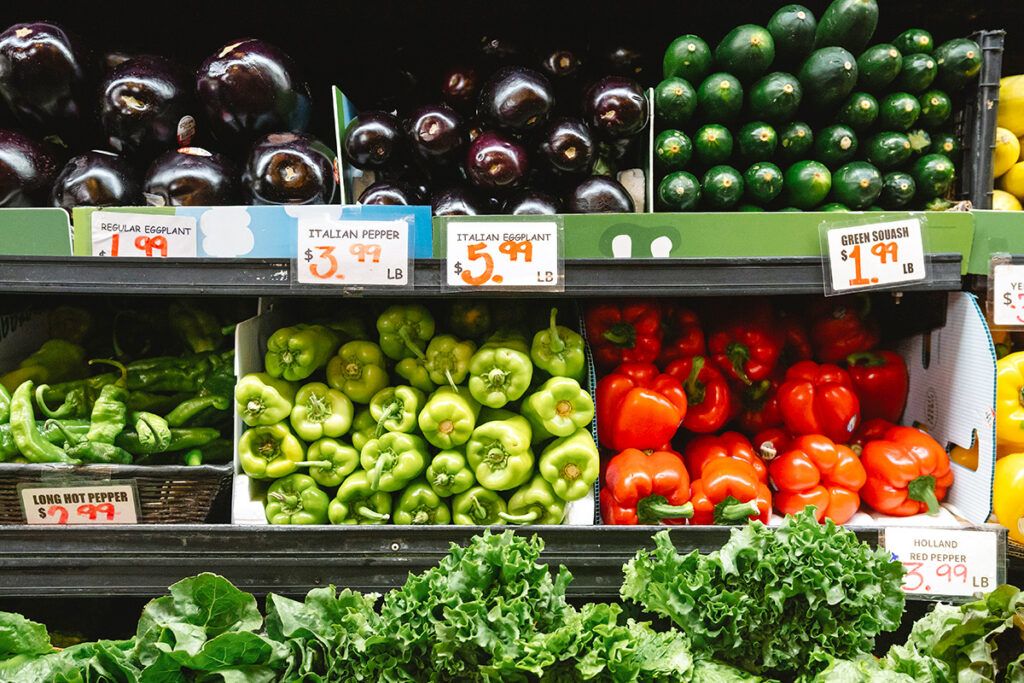
The next time you wander through the aisles of any retail establishment, take a look at all the prices. You’ll probably see far more price tags ending in .99 than .00. For instance, you may notice a package of fresh strawberries being sold for $4.99 instead of a flat $5. This is also a common phenomenon when you’re making digital purchases, as a monthly Netflix subscription costs $19.99 instead of an even $20. 

That’s charm pricing, which takes advantage of what’s called left-digit bias, where buyers place an unnecessarily strong emphasis on the first number they read. In layman’s terms, the brain thinks that $2.99 is closer to $2.00 than $3.00, even though that’s not the case. 

Recommended Articles

  • The Safety Rules for Candles You Probably Don’t Know

  • How Old Are the Apples in the Grocery Store?

  • How To Tell if You’re Brushing Your Teeth Too Hard

  • 5 Things Your Car Needs Before the First Freeze

Advertisement
Advertisement

Reader Favorites

  • Woman looking in fridge

    9 Foods You Should Toss ASAP if They’re Expired

  • Person eating salad

    7 Things a Chef Never Orders at a Restaurant

  • Cherry angioma

    Are the Tiny Red Dots on Your Skin Dangerous?

Patent for the first cash register
Credit: © Science History Images/Alamy

A Brief History of Charm Pricing

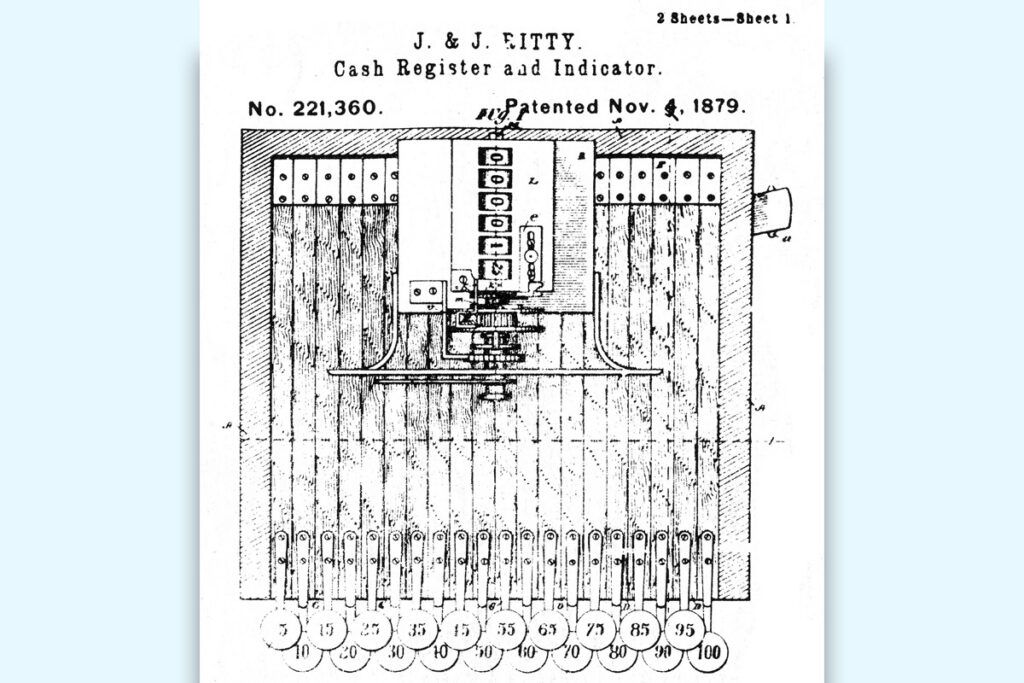
The idea of charm pricing indirectly began with a saloon owner named James Ritty. In 1879, he devised a plan to deal with clerks at his bar who he believed were pocketing money during transactions. Ritty created a new machine akin to the modern cash register so that each transaction could be recorded. Eventually, John H. Patterson — another business owner who was suspicious of his employees — bought Ritty’s company and the patent for the machines and began selling them. 

Advertisement
Advertisement

As the machine became more popular, retailers soon realized they should charge non-round numbers for goods. This forced store clerks to not only record each sale but also make change for the buyer, so they couldn’t secretly pocket the money.

Those early anti-theft practices made it more common for retailers to charge non-round prices. Not only that, but products priced in such a way often sold more than items that were selling for a round number. Charm pricing came about thereafter. 

Advertisement
Holding tag for item priced $1.99
Credit: © FangXiaNuo—iStock/Getty Images

Why We Fall for Charm Pricing

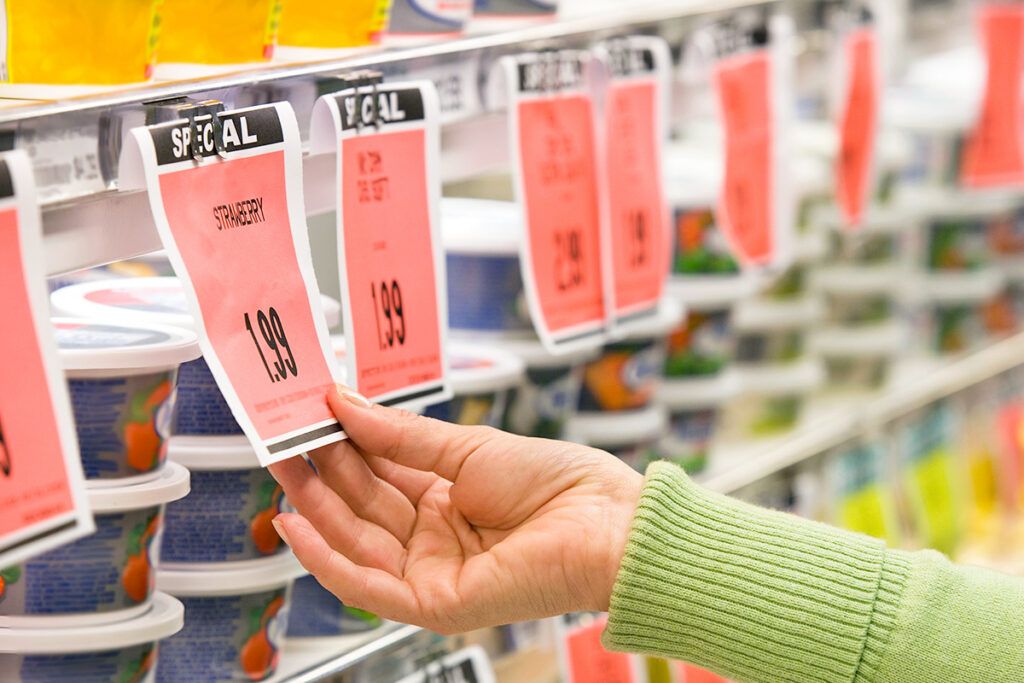
A 2020 study that analyzed charm pricing found that consumers believed the difference between $4.00 and $2.99 was wider than the gap between $4.01 and $3.00, despite the fact that the monetary difference in both examples is $1.01. Psychologically, however, the brain processes those prices in a way that clouds our judgment — we look at $2.99 and think “about $2” rather than “almost $3” — which in turn benefits retailers. 

Advertisement
Advertisement

Of course, charm pricing is nothing more than an illusion, but it’s one that appears to actually have an impact on what we’re willing to purchase.

It’s worth noting that charm prices don’t necessarily need to end in a 9, and it’s the first digit that’s most important. This is why you may see prices end with different digits depending on where you shop. For instance, an analysis by the Hustle determined that 7 was the most common final digit in the prices of more than 500 items on Walmart’s website, popping up in 32.9% of prices. But the reason 9 is so common elsewhere is that a single cent is the minimum that retailers can lower prices by while still utilizing charm pricing.

Advertisement
Advertisement

As customers, there’s not much we can do to stop or change charm pricing. But it’s worth being aware of so you don’t get tricked into thinking that you’re getting a good deal on something, when in reality you’re saving a single penny.

Featured Image Credit: © Mint Images/Getty Images

More From Our Network

Better Report is part of Inbox Studio, an email-first media company. *Indicates a third-party property.
Go Retro With This 1960s Fashion Quiz

Quiz Daily

Go Retro With This 1960s Fashion Quiz

True or False: Are You a Master of U.S. Geography?

Travel Quiz

True or False: Are You a Master of U.S. Geography?

5 Reasons You Can Be Denied Boarding an Airplane

Daily Passport

5 Reasons You Can Be Denied Boarding an Airplane

What Did People Do Before Eyeglasses?

History Facts

What Did People Do Before Eyeglasses?

How To Use a Balloon To Clean Up Dust

House Outlook

How To Use a Balloon To Clean Up Dust

11 Shopping Hacks Costco Members Should Know

FinanceBuzz*

11 Shopping Hacks Costco Members Should Know

Share this article

  • Share to Facebook
  • Share to Twitter
  • Copy Url
  • Share to Email
Bennett Kleinman
Staff Writer

Bennett Kleinman is a New York City-based staff writer for Inbox Studio. He is also a freelance comedy writer, devoted New York Yankees and New Jersey Devils fan, and thinks plain seltzer is the best drink ever invented.

This article is for general informational purposes only.
Affiliate Disclaimer Medical Disclaimer Financial Disclaimer

Updated: July 20, 2023
Posted In: Wealth
Hero Image Credit: Better Report
Advertisement

Related Articles

5 Things Your Car Needs Before the First Freeze

4 min read

6 Amazon Prime Day Hacks

6 min read

Is It Actually Better To Lease a Car?

9 min read

7 Free MIT Classes You Can Experience From Home

4 min read

The Bedroom Color That Adds $2,000 to Your Home Value

3 min read
Advertisement

6 Things You Should Never Buy From Amazon

Wealth | Updated: July 1, 2026
Erin Scottberg
Author
Erin Scottberg is a Brooklyn-based writer, garden designer, and houseplant expert — and the founder of Full Sun Studio (fullsun.studio), a garden design and plant consulting studio in New York City. She holds an Urban Horticulture Certificate from Brooklyn Botanic Garden, an NYC Street Tree Pruner License, and an NYC Master Composter Certification, and spent three years as Head of Content and Education at The Sill. When she's not working, you can find her creating in her textile studio, running craft nights in her neighborhood, or hanging with her rescue pup, Sunny. She's an ambitious DIYer, avid composter, and has never been able to walk by a thirft store without taking a look.
Person shopping on Amazon on computer
Better Report

Shopping online from big e-retailers may be convenient, but it’s not without downsides. As sites like Amazon — the biggest online retailer, responsible for more than 35% of all online sales in 2025 — have gobbled up consumer dollars, it’s become harder and harder to know what you’re buying. After all, a marketplace with hundreds of millions of listings from a large number of vendors, and a  limited ability to vouch for all of them, means that some categories of products carry risks worth knowing about before hitting “Buy Now.” 

Advertisement
Advertisement

These aren’t Amazon-specific failures so much as categories where the platform’s model — which relies heavily on third-party sellers (many of them unknown) — creates conditions for counterfeits, safety gaps, or a worse deal than you’d get elsewhere. With costs rising, it’s tempting to save a few bucks wherever you can, but do yourself a favor and think twice before ordering the kinds of products listed below on Amazon.

Pills on a table
Credit: © Ivana Cajina/Unsplash.com

Supplements

Many Amazon products come from third-party sellers, and experts warn that a lot of them would never be stocked in regular stores because they wouldn’t pass safety testing, are misleading, or are potentially dangerous to your health. This applies to supplements, where label claims are loosely regulated at all retailers, not just online. 

Earlier this year, the FDA found that some products claiming to contain tejocote root — an herbal supplement derived from the Mexican hawthorn tree that’s marketed for weight management and appetite suppression — actually contained toxic yellow oleander, a poisonous plant that can be fatal to humans. Other supplements sold on Amazon have been found to include ingredients that weren’t on the label or even hidden prescription drugs. So, if you want to buy supplements, get them directly from a brand’s website or an authorized retailer instead. 

Recommended Articles

  • The Safety Rules for Candles You Probably Don’t Know

  • How Old Are the Apples in the Grocery Store?

  • How To Tell if You’re Brushing Your Teeth Too Hard

  • 5 Things Your Car Needs Before the First Freeze

Advertisement
Advertisement

Reader Favorites

  • Woman looking in fridge

    9 Foods You Should Toss ASAP if They’re Expired

  • Person eating salad

    7 Things a Chef Never Orders at a Restaurant

  • Cherry angioma

    Are the Tiny Red Dots on Your Skin Dangerous?

Amazon packages
Credit: © Romar66/stock.adobe.com

Anything With a “Frequently Returned” Tag

Amazon now flags items that have unusually high return rates, which is a useful signal — but the tag can be hard to spot on the product description pages. (The location of the tag has moved with updates, and its location can vary by page.) The label recommends checking reviews and the product description for more information, but a product can have a 4.5-star rating and a high return rate simultaneously, with no clear explanation as to why. Save yourself time, money, and stress and treat the “Frequently Returned” tag as a “Do Not Buy” sign. 

Advertisement
Advertisement
Person delivering an appliance
Credit: © José Araújo—iStock/Getty Images

Large Appliances

A refrigerator or washing machine that arrives damaged is not fun to return. Large appliances require delivery coordination, installation, and hauling away the old unit — all services that a local, dedicated appliance retailer is going to handle far better than Amazon. Also: If something goes wrong, you’ll want to be able to call an actual human, not waste time trying to get a chatbot to solve your problem. The extra money you spend to buy locally will be worth it.

Advertisement
Advertisement
Helmets on a bike
Credit: © Atlantic Ambience/Pexels.com

Children’s Gear (Especially Sleep Products for Babies)

This is the highest-stakes category on the list. In 2023, the Consumer Product Safety Commission’s eSAFE team requested that commerce websites remove more than 50,000 products that were illegal or had been recalled. Consumer Reports found that recalled sleeping products linked to infant deaths were still available on Amazon (and other e-commerce platforms), and uncertified bike helmets have been sold on the platform as well. The problem is structural: Products sold by third-party sellers may appear identical to Amazon’s own retail listings, so you may not realize you’re buying from an unknown seller with no accountability. Bottom line: For anything going near a baby — especially sleep products — buy from a brand’s own site or a traditional retailer.

Advertisement
Advertisement
Cat being given medicine
Credit: © Elen Nika/stock.adobe.com

Pet Medications

Pet medications sold by third-party Amazon sellers may be counterfeit, improperly stored, expired, or harmful in ways that are impossible to detect from a photo — and even when you have the product in hand, in some cases. Sellers go to great lengths to mimic the look of popular name brands, but in reality, these fraudulent meds lack the ingredients that make the medication effective and may even contain harmful substances. Counterfeit versions of flea and tick medications sold online, for example, have been found to contain pesticides dangerous to cats and dogs. Don’t put your four-legged friend at risk — get those medications from your vet or a licensed pet pharmacy.

Advertisement
Advertisement
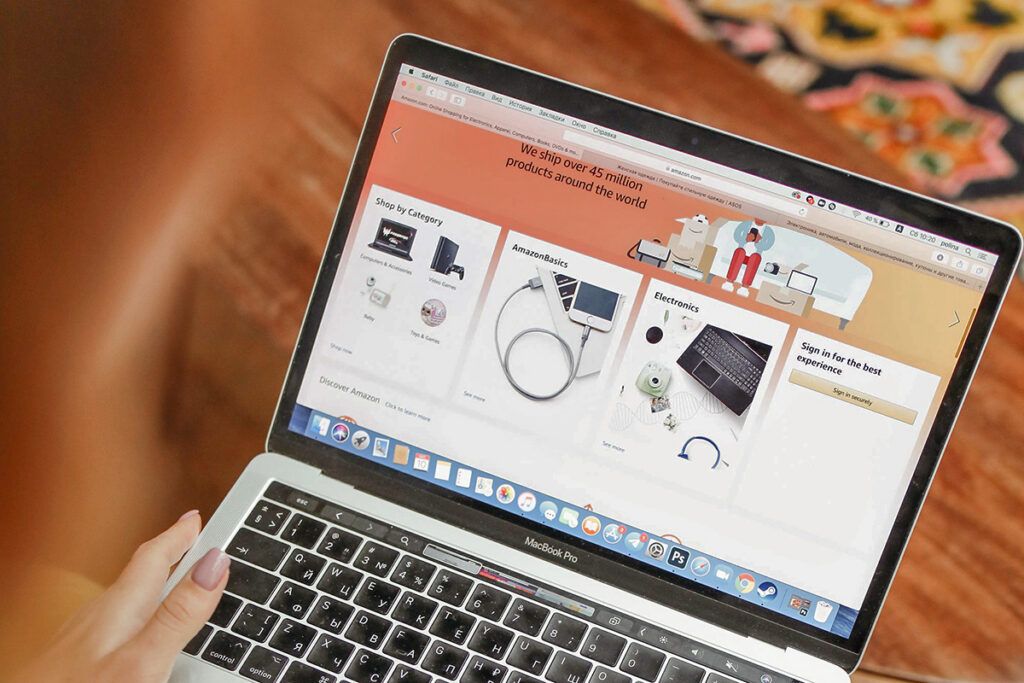
Amazon website on laptop
Credit: © Polina Tankilevitch/Pexels.com

Anything From an Unfamiliar Seller (Especially If It’s High Stakes)

Purchases from third-party vendors make up more than 60% of Amazon’s sales, and for those purchases, it’s hard to suss who’s responsible for issues — especially when consumer safety is involved. According to Consumer Reports, Amazon has argued that it’s basically just a delivery service connecting the dots between sellers and consumers, and therefore isn’t liable for the safety of third-party listings. 

Advertisement
Advertisement

So, the higher the stakes of what you’re buying, the more it’s worth buying from a seller you can actually identify. But low-stakes items that don’t match your expectations are still a waste of time, money, and resources. To see the vendor behind a specific product, look for the “Sold by” information. (Can’t find it easily? Do a CTRL+F search for “Sold by.”) 

Does this mean you should never shop on Amazon? In some cases, it’s still the best option in terms of price, access, and speed. Just know that what you see on an Amazon listing isn’t necessarily what you get. So, taking a little extra time to investigate — checking the seller’s information, skipping sponsored results (anyone can pay to have their product featured first, which can inflate sales and reviews), reading the reviews closely, and going directly to a retailer’s page — is absolutely worth it to make sure you’re getting what you actually want.

Advertisement

Featured Image Credit: © Thaspol/stock.adobe.com

More From Our Network

Better Report is part of Inbox Studio, an email-first media company. *Indicates a third-party property.

Go Retro With This 1960s Fashion Quiz

Quiz Daily

Go Retro With This 1960s Fashion Quiz

True or False: Are You a Master of U.S. Geography?

Travel Quiz

True or False: Are You a Master of U.S. Geography?

5 Reasons You Can Be Denied Boarding an Airplane

Daily Passport

5 Reasons You Can Be Denied Boarding an Airplane

What Did People Do Before Eyeglasses?

History Facts

What Did People Do Before Eyeglasses?

How To Use a Balloon To Clean Up Dust

House Outlook

How To Use a Balloon To Clean Up Dust

11 Shopping Hacks Costco Members Should Know

FinanceBuzz*

11 Shopping Hacks Costco Members Should Know

Share this article

  • Share to Facebook
  • Share to Twitter
  • Copy Url
  • Share to Email
Erin Scottberg
Writer

Erin Scottberg is a Brooklyn-based writer, garden designer, and houseplant expert — and the founder of Full Sun Studio (fullsun.studio), a garden design and plant consulting studio in New York City. She holds an Urban Horticulture Certificate from Brooklyn Botanic Garden, an NYC Street Tree Pruner License, and an NYC Master Composter Certification, and spent three years as Head of Content and Education at The Sill. When she's not working, you can find her creating in her textile studio, running craft nights in her neighborhood, or hanging with her rescue pup, Sunny. She's an ambitious DIYer, avid composter, and has never been able to walk by a thirft store without taking a look.

This article is for general informational purposes only.
Affiliate Disclaimer Medical Disclaimer Financial Disclaimer


Updated: May 27, 2026
Posted In: Wealth
Hero Image Credit: Better Report
Advertisement

Related Articles

5 Things Your Car Needs Before the First Freeze

4 min read

6 Amazon Prime Day Hacks

6 min read

Is It Actually Better To Lease a Car?

9 min read

7 Free MIT Classes You Can Experience From Home

4 min read

The Bedroom Color That Adds $2,000 to Your Home Value

3 min read
Advertisement

7 Cars You Shouldn’t Buy Used in 2026

Ali Eldridge
Wealth | Updated: June 22, 2026
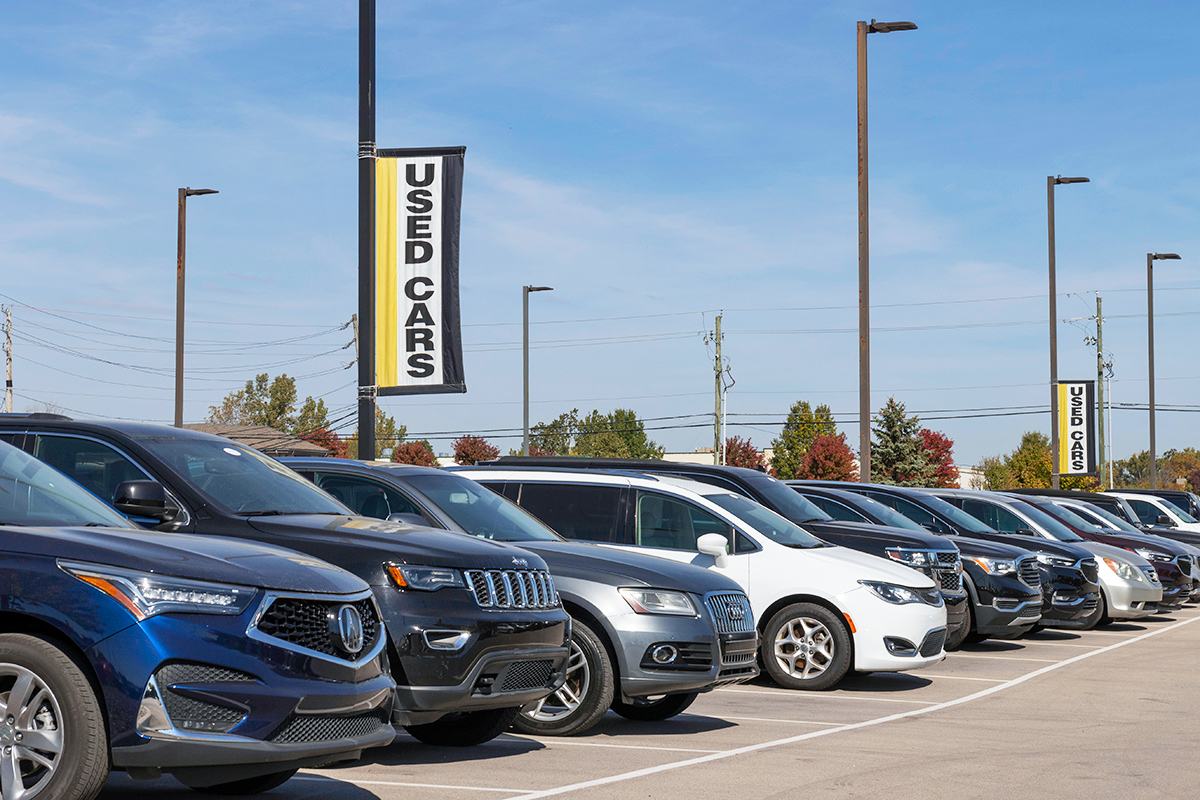
Used cars for sale
Better Report

When purchasing a new car isn’t financially viable, used vehicles are the next best thing. But not all used cars are created equal —  according to U.S. News & World Report, there are certain makes and models you’ll want to avoid if you’re shopping used this year. Here are the seven worst offenders based on their metrics.

Credit: © Image courtesy of Kelly Blue Book

7. 2022 Chevrolet Spark

Seven of the 10 vehicles covered in U.S. News & World Report came out in 2022, starting with the 2022 Chevrolet Spark. While the car is compact and maneuverable, it also has pretty average mpg ratings for a car of its size: 29–30 when driving in the city and 37–38 on the highway (though U.S. News & World Report notes that the latter mpg is “nothing to sneeze at”). It also has a cramped interior, doesn’t handle bumpy roads well, and is downright slow due to its weak engine. The Spark wasn’t made again after 2022.

Advertisement
Advertisement
Credit: © Image courtesy of Kelly Blue Book

6. 2022 Fiat 500X

The 2022 Fiat 500X subcompact SUV is another vehicle you should avoid, in large part due to the fact that it feels cramped and jostles around every time you hit a bump on the road. It also lacks suitable cargo space and has a wonky transmission, which U.S. News & World Report states is “indecisive and apparently views downshifting as a mortal sin.” The 500x was discontinued in 2023.

Credit: © Image courtesy of Kelly Blue Book

5. 2022 Toyota C-HR

While Toyota typically has a reputation for producing reliable vehicles, the company’s 2022 C-HR is an exception. Despite earning a 9.2/10 safety rating from U.S. News & World Report, it received a paltry 4.8 rating for performance and a 5.1 rating for its lackluster interior. This vehicle is also slow, features below-average cargo capacity, and has an engine that emits an unpleasant droning sound.

Recommended Articles

  • The Safety Rules for Candles You Probably Don’t Know

  • How Old Are the Apples in the Grocery Store?

  • How To Tell if You’re Brushing Your Teeth Too Hard

  • 5 Things Your Car Needs Before the First Freeze

Advertisement
Advertisement

Reader Favorites

  • Woman looking in fridge

    9 Foods You Should Toss ASAP if They’re Expired

  • Person eating salad

    7 Things a Chef Never Orders at a Restaurant

  • Cherry angioma

    Are the Tiny Red Dots on Your Skin Dangerous?

Credit: © Image courtesy of Kelly Blue Book

4. 2022 Toyota Sequoia

The 2022 Toyota Sequoia is the second Toyota on the list (there are three total). While U.S. News & World Report praises this SUV for its powerful 381-horsepower V8 engine, it has terrible fuel efficiency — just 13 mpg in the city and 17 mpg on the highway — so unless you’re looking to blow your paycheck at the pump, it’s best to avoid this model. In addition to poor fuel economy, the 2022 Sequoia has a tiny touch screen, a dated infotainment system, and parts made of low-grade plastic material. The Sequoia was redesigned the following year.

Credit: © Image courtesy of Kelly Blue Book

3. 2022 Mitsubishi Outlander Sport

According to U.S. News & World Report, Mitsubishi’s 2022 Outlander Sport was made of cheap material and felt underpowered to drive as well as uncomfortable to ride in. The publication gave it just a 3.5/10 for performance, and a slightly better 4.7 for its interior. The fuel economy also isn’t great for a vehicle of its size: It gets just 23–24 mpg in the city and 28–30 mpg on the highway.

Advertisement
Advertisement
Credit: © Image courtesy of Kelly Blue Book

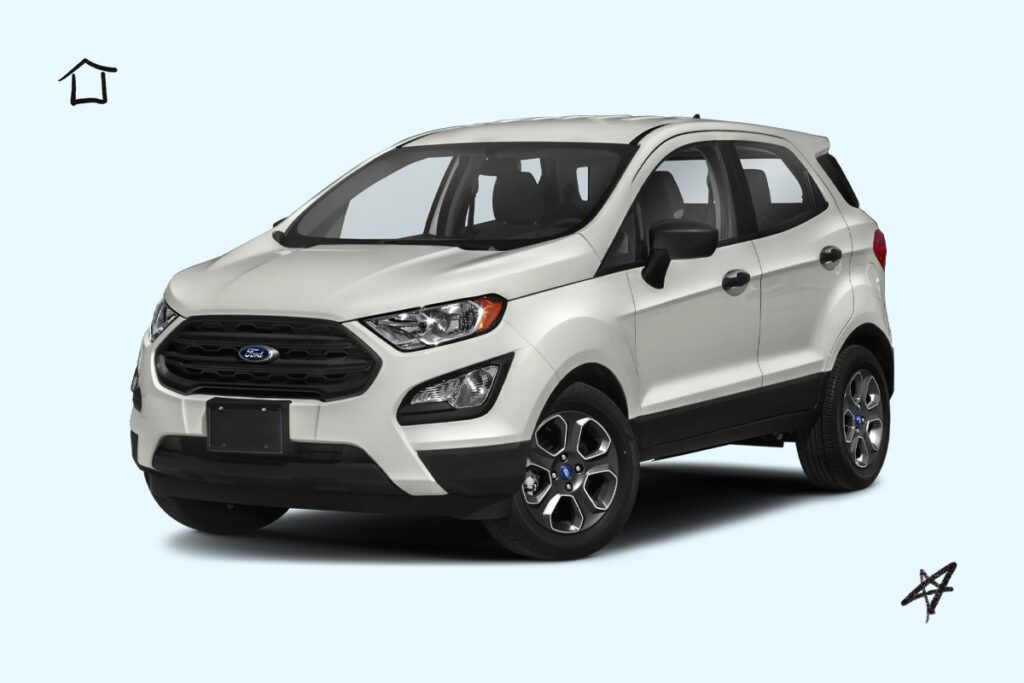
2. 2022 Ford EcoSport

Despite being billed as an eco-friendly subcompact SUV, the 2022 Ford EcoSport lacks the good fuel economy that you’d normally associate with that kind of car — it gets only 23 mpg in the city and 29 mpg on the highway. The interior is also quite cramped, especially in the rear row of seats. As if that weren’t bad enough,  it has poor acceleration, iffy handling, and an infotainment display that measures a mere 4.2 inches. Your iPhone screen is bigger. The model was discontinued in 2022.

Advertisement
Credit: © Image courtesy of Kelly Blue Book

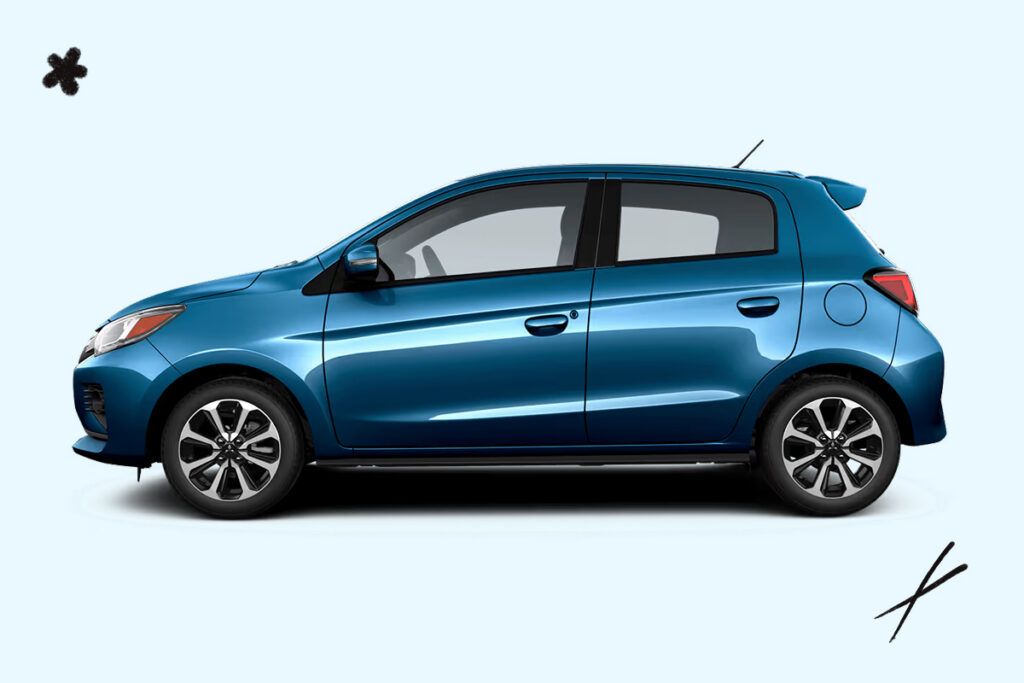
1. 2022 Mitsubishi Mirage

While it’s often an honor to be ranked No. 1, this time, it’s a distinction that Mitsubishi would probably prefer to avoid. The 2022 Mitsubishi Mirage is considered by U.S. News & World Report to be the worst used car to buy right now. Its underpowered engine, small trunk, and “lifeless handling” mean that this model simply isn’t worth it. Also, it takes a staggering 13 seconds for the car to go from 0 to 60 mph, which may feel like an eternity as you try to merge onto the highway. U.S. News & World Report notes that the model was discontinued in 2024, cheekily adding, “The real tragedy is that it didn’t happen sooner.”

To see the complete list, head to U.S. News & World Report.

Advertisement
Advertisement

Featured Image Credit: © jetcityimage/stock.adobe.com

More From Our Network

Better Report is part of Inbox Studio, an email-first media company. *Indicates a third-party property.

Go Retro With This 1960s Fashion Quiz

Quiz Daily

Go Retro With This 1960s Fashion Quiz

True or False: Are You a Master of U.S. Geography?

Travel Quiz

True or False: Are You a Master of U.S. Geography?

5 Reasons You Can Be Denied Boarding an Airplane

Daily Passport

5 Reasons You Can Be Denied Boarding an Airplane

What Did People Do Before Eyeglasses?

History Facts

What Did People Do Before Eyeglasses?

How To Use a Balloon To Clean Up Dust

House Outlook

How To Use a Balloon To Clean Up Dust

11 Shopping Hacks Costco Members Should Know

FinanceBuzz*

11 Shopping Hacks Costco Members Should Know

Share this article

  • Share to Facebook
  • Share to Twitter
  • Copy Url
  • Share to Email
Ali Eldridge

This article is for general informational purposes only.
Affiliate Disclaimer Medical Disclaimer Financial Disclaimer

Updated:
Posted In: Wealth
Hero Image Credit: Better Report
Advertisement

Related Articles

5 Things Your Car Needs Before the First Freeze
4 min read

6 Amazon Prime Day Hacks

6 min read

Is It Actually Better To Lease a Car?

9 min read

7 Free MIT Classes You Can Experience From Home

4 min read

The Bedroom Color That Adds $2,000 to Your Home Value

3 min read
Advertisement

Your Vintage Pyrex Could Be Worth Big Bucks

Wealth | Updated: June 16, 2026
Jennifer M. Wood
Author
Jennifer M. Wood has been writing about news, entertainment, culture, and travel for longer than she cares to admit. She lives just outside Philadelphia with her husband and an ever-growing menagerie of rescue pets.
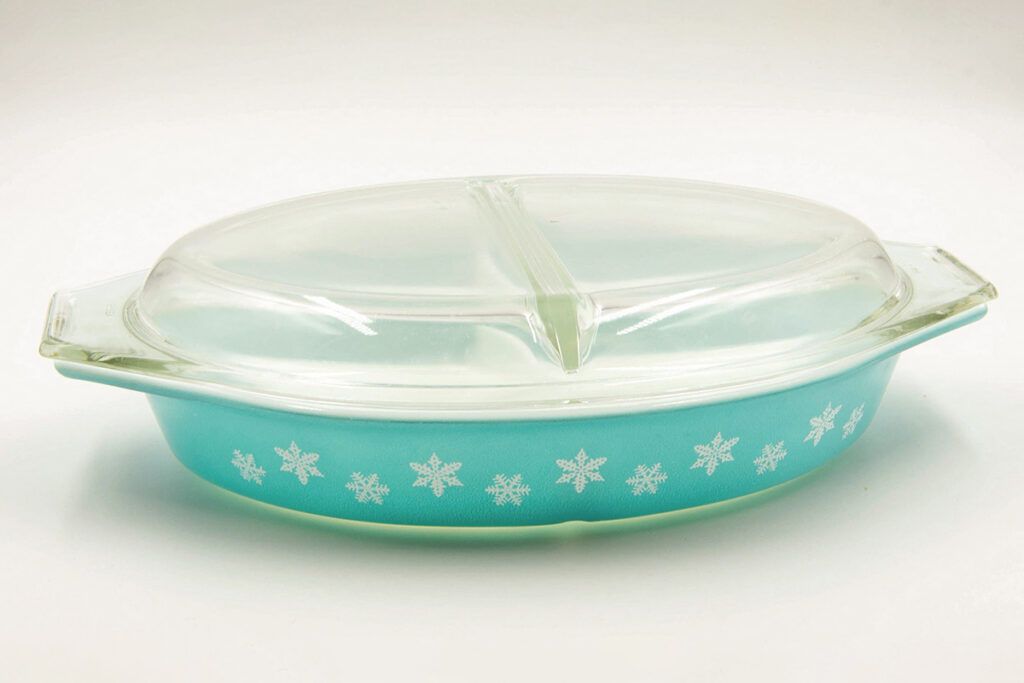
Vintage Pyrex
Better Report

For many Americans, vintage Pyrex dishes trigger a wave of nostalgia. But for collectors, that sentimental value can translate into serious cash.

The beloved kitchen brand, which has been a staple of family dinners for more than a century, is now a highly sought-after commodity, with some pieces selling for thousands of dollars among collectors. That means that you could have a small fortune stored beneath your sink or hidden away in your attic — as long as you know what you’re looking for.

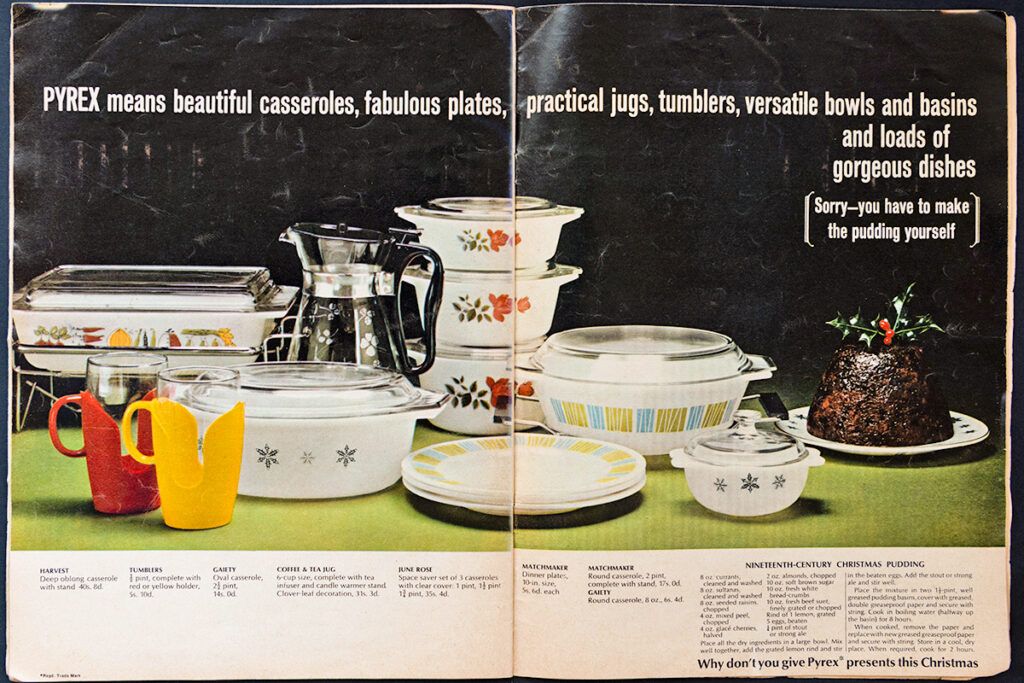
Pyrex ad in a magazine
Credit: © Kay Roxby/Alamy

What Is the Most Valuable Pyrex Piece? 

While Pyrex has gone through some changes in ownership and materials since it was first introduced in 1915, the company is still very much in business. And that’s part of the appeal: “One of the joys of collecting Pyrex is that valuable, sought-after pieces are still available,” Jolene Forrester, owner of JoRetro vintage shop in Havre de Grace, Maryland, which specializes in rare Pyrex pieces, told Country Living. 

Still, if you’re looking to score a major payday, it’s often the decades-old exclusive or promotional pieces that are the most valuable. The extremely rare “Lucky in Love” pattern, a mix of hearts and shamrocks that was introduced in 1959, is considered the holy grail among Pyrex collectors, as the design was never mass-produced. In 2022, a casserole dish with the print sold for a whopping $22,100 on eBay (though according to experts, most go for between $4,000 and $10,000).

Advertisement

Other prints that can command top dollar include 1957’s Pumpkin Orange Amish Butterprint, which can be worth between $800 and $1,600; 1960’s Atomic Starburst print, which can sell for $600 to $1,500; and Atomic Eyes pieces, which can fetch between $200 and $650. “[T]his is a turquoise blue or pink mid-century elongated eye-shaped pattern that was made from 1950 to 1959 in a chip and dip service,” glass specialist Reyne Hirsch, who has appeared on Antiques Roadshow and American Pickers, told Parade. “Later, a coffee carafe was also produced.”

Vintage Pyrex
Credit: © Portland Press Herald/Getty Images

What To Look For When Evaluating Pyrex

While rare patterns are one of the surest ways to guarantee the value of your Pyrex, they’re not the only factor used in determining worth. Certain colors can yield higher values, as can condition. 

Two colors to keep an eye out for, according to Forrester, are “pinks and turquoises, which instantly stand out and were produced in more limited quantities.” 

Hirsch agrees with those color choices, and notes that the more complete a set is, the better. (Think space-saving casserole dishes, nesting sets, and items that include their original lids.)

Advertisement

As with any valuable item, the closer it is to like-new condition, the more valuable it will be. “Even small damage greatly reduces the value of each item,” Hirsch told Parade. “The damaged value is often 10% to 20% of the value if it was [in mint condition].” 

While Pyrex dishes are typically dishwasher- and microwave-safe, if you have collectible pieces you want to keep in the best possible condition, you should avoid putting them in the microwave and always hand-wash them.

Vintage Pyrex
Credit: © Sharon McCormack/Alamy

How Can I Tell If My Pyrex Is Worth Anything?

To determine whether that vintage dish gathering dust in your basement is worth anything, you need to authenticate it. The easiest way to do this is to first check for the Pyrex logo, which most items were stamped with.

Pyrex by Corning: A Collector’s Guide by Susan Tobier Rogove and Marcia Buan Steinhauer details nearly two dozen stamps used by the company between 1915 and 1965 to help you authenticate your piece and determine when it was made. A stamp that’s in all capital letters is often more valuable. If a piece’s color is faded, that can lower its value. “A lot of it was ruined by dishwashers,” vintage kitchenware seller David Ross told Martha Stewart Living.

Advertisement

Because Pyrex was made to be used, not displayed, valuable pieces are still hiding in kitchen cabinets, thrift stores, and attics across the country. So before you drop that old mixing bowl into the donation bin, you may want to flip it over and check the stamp first.

Featured Image Credit: © Hugh Williamson/Alamy

Advertisement
Advertisement

Related Articles

5 Things Your Car Needs Before the First Freeze

4 min read

6 Amazon Prime Day Hacks

6 min read

Is It Actually Better To Lease a Car?

9 min read

7 Free MIT Classes You Can Experience From Home

4 min read

The Bedroom Color That Adds $2,000 to Your Home Value

3 min read
Advertisement

Posts navigation

Older posts
  • Home
  • Health
  • Wealth
  • Logo
  • Advertise
  • About
  • Contact Us
  • Privacy Policy
  • Terms of Use
  • Your Privacy Choices
x
Thumb Image

Elevate your everyday.

Sign up to receive the practical tips and expert advice you need to pare down the complexities of everyday living right in your inbox.

Sorry, your email address is not valid. Please try again.

Your email is:

Edit Image
Sorry, your email address is not valid. Please try again.
Thank you for subscribing...

By subscribing you are agreeing to our Terms of Use and Privacy Policy.

Close image
Thumb Image
Second Thumb Image

Elevate your everyday.

Sign up to receive the practical tips and expert advice you need to pare down the complexities of everyday living right in your inbox.

Sorry, your email address is not valid. Please try again.

By subscribing you are agreeing to our Privacy Policy and Terms of Use.

Close image