Skip to content
Better Report
  • Home
  • Health
  • Wealth
8 Low-Maintenance Plants That Thrive on Neglect
  • Search
  • Subscribe
  • Home
  • Health
  • Wealth
  • About
  • Privacy Policy
  • Terms of Use
  • Contact Us
  • SubscribeSubscribe
  • Search
Thank you for confirming your email! Welcome to the community.

Tag: Money

The Best Times of Year To Buy a Car

Wealth | Updated: June 11, 2026
Bennett Kleinman
Author
Bennett Kleinman is a New York City-based staff writer for Inbox Studio. He is also a freelance comedy writer, devoted New York Yankees and New Jersey Devils fan, and thinks plain seltzer is the best drink ever invented.
Hands with car keys
Better Report

When making a big purchase, it’s smart to wait until the time of year when prices are typically discounted. Black Friday is a great time to shop for a television due to holiday sales, for instance, and you’re likely to find cheap ski gear in the spring as retailers unload old inventory. The same goes for buying a new car. Though the “right” time to buy a vehicle may not be as evident, there are periods of the year when car prices are known to be lower. Here’s when you should hit the gas on your next set of wheels.

Woman in car showroom
Credit: © Peter Cade—Photodisc/Getty Images

The Month of December

Many dealerships lower the manufacturer’s suggested retail price (MSRP) in the month of December. According to Car and Driver, dealers may be trying to meet internal sales quotas before the new year, and lowering the price is a helpful way to get a boost.

Advertisement
Advertisement

Dealerships also may lower prices as part of an effort to meet manufacturer minimums — the lowest number of units that dealerships are expected to sell of a model. If the dealership fails to meet those minimums, carmakers may be less inclined to do business with them going forward, so it’s in the dealership’s best interest to hit those goals.

Sales aren’t necessarily guaranteed: A successful car dealership may have no problem meeting quotas and therefore  no need to cut prices. But it’s still worth checking your local dealerships to see if sales pop up as the new year approaches.

Cars in a car dealership parking lot
Credit: © Crosby Hinze/Unsplash.com

As New Models Appear

When a new model hits the showroom floor, older versions of that same model might be discounted to clear space. There’s no universally agreed-upon time of year for new car models to debut, but according to U.S. News & World Report, new models often debut in the fall, so it’s worth keeping an eye out for sales around that time of year.

Recommended Articles

  • The 10 Healthiest Trader Joe’s Meals, According to a Dietitian

  • 5 Vegetables You Should Never Store in the Fridge

  • Is It Rude To Ask for Leftovers at Fancy Restaurants?

  • Is It Dangerous To Scratch Mosquito Bites?

Advertisement
Advertisement

Reader Favorites

  • Woman looking in fridge

    9 Foods You Should Toss ASAP if They’re Expired

  • Popcorn in a bowl

    7 ‘Bad’ Foods That Are Actually Good for You

  • Person sipping beer

    The Least Healthy Alcoholic Beverages

You may also be able to get a great deal when a car model gets discontinued, because the price on remaining units is likely to be slashed. This isn’t to say that the car is faulty — just that the public didn’t have much interest in a new version of that vehicle. The general public’s loss can be your gain.

Advertisement
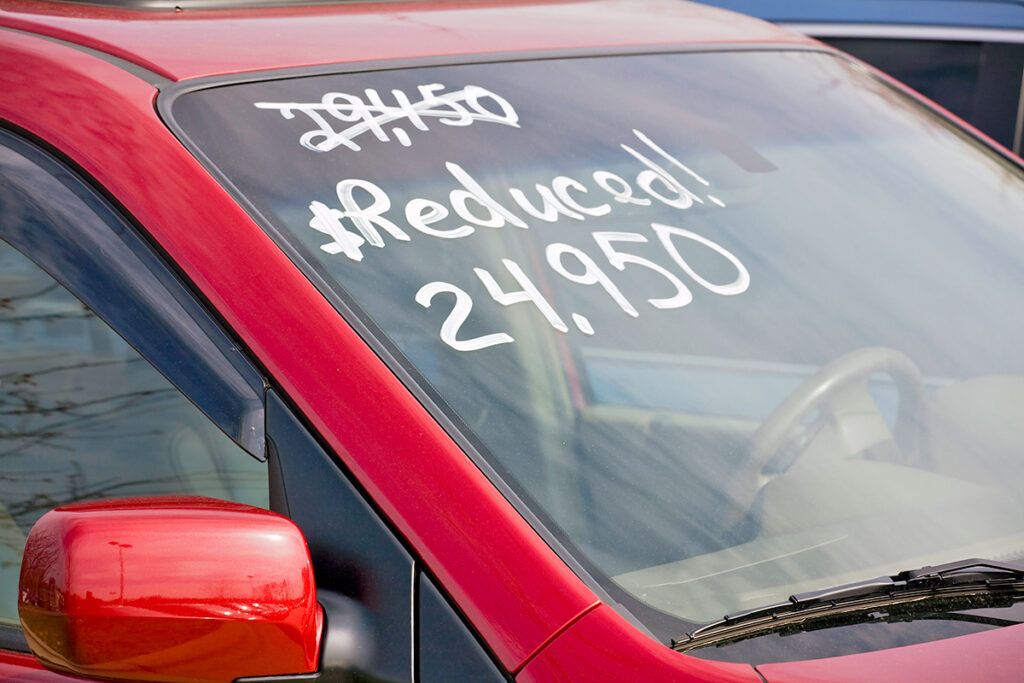
Car with sale price on windshield
Credit: © red_moon_rise—E+/Getty Images

Around Holidays

If there’s a holiday coming up, you better believe that dealerships are thinking of a way to use it in their marketing materials. According to Car & Driver, dealerships may attempt to draw people in for celebratory sales pegged to everything from Presidents Day and Memorial Day to Father’s Day and even Halloween. So if you’re looking to buy a car around mid-August, wait two more weeks to see what deals become available around Labor Day. The price probably isn’t going to go up — if anything, it’ll drop to your benefit.

Advertisement
Advertisement

Make sure you familiarize yourself with the MSRP of the car you’re looking to purchase so you can discern between a holiday sale that’s worth taking advantage of and one where the dealer is offering just a few bucks off the standard price.

Man looking at a car
Credit: © yacobchuk—iStock/Getty Images

On Mondays

No matter the time of year, Mondays tend to be the slowest day at car dealerships. These off-peak times are a great opportunity to snag a good deal on a new vehicle. If you head into the dealership on Monday morning, you’ll have ample time to speak with a salesperson about a price that makes sense for you, and they’ll be more motivated to make a deal that leads to a sale.

Advertisement
Advertisement

But if you go on a Saturday or another busy day, then you may get only a few moments of the salesperson’s time. The more you feel rushed, the more likely you may be to agree to a price that you don’t feel comfortable with. A salesperson is also less likely to give you a deal since there’s already another customer right behind you. Always prioritize off-peak visits, as it allows you to have a legitimate negotiation with the salesperson.

Featured Image Credit: © Getty Images/Unsplash.com

More From Our Network

Better Report is part of Inbox Studio, an email-first media company. *Indicates a third-party property.

Go Retro With This 1960s Fashion Quiz

Quiz Daily

Go Retro With This 1960s Fashion Quiz

True or False: Are You a Master of U.S. Geography?

Travel Quiz

True or False: Are You a Master of U.S. Geography?

5 Reasons You Can Be Denied Boarding an Airplane

Daily Passport

5 Reasons You Can Be Denied Boarding an Airplane

What Did People Do Before Eyeglasses?

History Facts

What Did People Do Before Eyeglasses?

How To Use a Balloon To Clean Up Dust

House Outlook

How To Use a Balloon To Clean Up Dust

11 Shopping Hacks Costco Members Should Know

FinanceBuzz*

11 Shopping Hacks Costco Members Should Know

Share this article

  • Share to Facebook
  • Share to Twitter
  • Copy Url
  • Share to Email
Bennett Kleinman
Staff Writer

Bennett Kleinman is a New York City-based staff writer for Inbox Studio. He is also a freelance comedy writer, devoted New York Yankees and New Jersey Devils fan, and thinks plain seltzer is the best drink ever invented.

This article is for general informational purposes only.
Affiliate Disclaimer Medical Disclaimer Financial Disclaimer

Updated: July 20, 2023
Posted In: Wealth
Hero Image Credit: Better Report
Advertisement

Related Articles

Is It Rude To Ask for Leftovers at Fancy Restaurants?

5 min read

The Government Search That May Find Money Owed to You

4 min read

Are You Overpaying on Your Mortgage?

5 min read

5 Things You Should Never Buy During Labor Day Sales (and What To Get Instead)

6 min read

Some Grocery Prices Are Finally Going Down — Here’s What’s Getting Cheaper

3 min read
Advertisement

The Most Expensive States To Raise Kids

Wealth | Updated: June 3, 2026
Jennifer M. Wood
Author
Jennifer M. Wood has been writing about news, entertainment, culture, and travel for longer than she cares to admit. She lives just outside Philadelphia with her husband and an ever-growing menagerie of rescue pets.
Family in a kitchen
Better Report

Kids may be small, but the cost of raising them is anything but.

Between food, housing, clothing, transportation, child care, and health insurance, the price of parenthood is on the rise — and, over the first 18 years of a child’s life, can now rival the cost of a brand-new Ferrari.

Stacks of money
Credit: © Malik Cil/Pexels.com

How Much Does It Cost To Raise a Child?

While any mom or dad will likely tell you that you can’t put a price tag on parenthood, LendingTree has gone ahead and done it anyway. For the fourth year in a row, the financial website has pulled an exhaustive amount of data (primarily dating to 2024) in order to tally up the cost of what it takes, money-wise, to raise a child. The result is a bigger number than ever before: $303,418, up 1.9% from the 2025 report, when that figure topped out at $297,674. 

Advertisement
Advertisement

The cost is even more jaw-dropping when you consider how it has changed since 2023, when LendingTree first created this report. Back then, the estimated cost of raising a kid during their first 18 years was $237,482, meaning that the total has climbed a whopping 27.8% in just three years.

Much of the disparity boils down to two major expenses: housing and child care. 

Advertisement

Child care costs remain one of the biggest financial burdens facing parents, claiming between 10% and 33% of a household’s median income. And according to The New York Times, that number is rising even faster than inflation.

Sarah Rittling, executive director of the First Five Years Fund, a nonprofit that advocates for affordable child care and education, said in a statement about the report, “Child care costs stretch household budgets to the breaking point. When the early years of raising a child are also the most expensive, it puts enormous pressure on parents who are trying to work and support their families.”

Recommended Articles

  • The 10 Healthiest Trader Joe’s Meals, According to a Dietitian

  • 5 Vegetables You Should Never Store in the Fridge

  • Is It Rude To Ask for Leftovers at Fancy Restaurants?

  • Is It Dangerous To Scratch Mosquito Bites?

Advertisement
Advertisement

Reader Favorites

  • Woman looking in fridge

    9 Foods You Should Toss ASAP if They’re Expired

  • Popcorn in a bowl

    7 ‘Bad’ Foods That Are Actually Good for You

  • Person sipping beer

    The Least Healthy Alcoholic Beverages

Housing, meanwhile, saw the sharpest year-over-year increase, rising 48.9%. Whether you rent or own, the nationwide trend is an upward one, with some states costing more than others.

Mother and toddler in kitchen
Credit: © Vanessa Loring/Pexels.com

What Is the Most Expensive State To Raise a Child?

While it’s impossible to predict every expense parenthood will bring, LendingTree found that a child’s earliest years tend to be the most expensive. (As the report tracks expenses only up to 18 years of age, college tuition bills were not factored into the data.) The costs vary greatly depending on where you live — and nowhere are they higher than in Hawaii. 

Advertisement
Advertisement

Ocean views, black sand beaches, and active volcanoes don’t come cheap. In Hawaii, the estimated annual cost of raising a small child for the first five years is $40,342 — nearly 10% higher than in the second costliest state, Maryland ($36,419), followed by Massachusetts ($34,247) in third. 

Coastal living appears to come with a particularly steep parenting premium. Of the 10 most expensive states to raise a small child in — which are listed below — only one, Colorado, is not on a coast. 

Advertisement

The 10 Most Expensive States To Raise a Small Child

  1. Hawaii – $40,342
  2. Maryland – $36,419
  3. Massachusetts – $34,247
  4. California – $33,692
  5. New Jersey – $31,948
  6. Washington – $31,937
  7. Colorado – $31,000
  8. New York – $30,209
  9. Washington, D.C. – $30,146
  10. Connecticut – $29,674

Meanwhile, many of the least expensive states to raise a child in are concentrated in the South. 

Advertisement
Advertisement

The 10 Least Expensive States To Raise a Small Child

  1. Mississippi – $17,148
  2. Alabama – $18,019
  3. South Dakota – $18,622
  4. South Carolina – $18,910
  5. Arkansas – $19,204
  6. Georgia – $20,365
  7. Texas – $20,968
  8. Iowa – $21,137
  9. Oklahoma – $21,218
  10. Louisiana – $21,303

The joys of parenthood may be universal, but the costs can vary wildly depending on your ZIP code.

Featured Image Credit: © Vanessa Loring/Pexels.com

More From Our Network

Better Report is part of Inbox Studio, an email-first media company. *Indicates a third-party property.

Go Retro With This 1960s Fashion Quiz

Quiz Daily

Go Retro With This 1960s Fashion Quiz

True or False: Are You a Master of U.S. Geography?

Travel Quiz

True or False: Are You a Master of U.S. Geography?

5 Reasons You Can Be Denied Boarding an Airplane

Daily Passport

5 Reasons You Can Be Denied Boarding an Airplane

What Did People Do Before Eyeglasses?

History Facts

What Did People Do Before Eyeglasses?

How To Use a Balloon To Clean Up Dust

House Outlook

How To Use a Balloon To Clean Up Dust

11 Shopping Hacks Costco Members Should Know

FinanceBuzz*

11 Shopping Hacks Costco Members Should Know

Share this article

  • Share to Facebook
  • Share to Twitter
  • Copy Url
  • Share to Email
Jennifer M. Wood
Writer

Jennifer M. Wood has been writing about news, entertainment, culture, and travel for longer than she cares to admit. She lives just outside Philadelphia with her husband and an ever-growing menagerie of rescue pets.

This article is for general informational purposes only.
Affiliate Disclaimer Medical Disclaimer Financial Disclaimer

Updated: May 8, 2026
Posted In: Wealth
Hero Image Credit: Better Report
Advertisement

Related Articles

Is It Rude To Ask for Leftovers at Fancy Restaurants?

5 min read

The Government Search That May Find Money Owed to You

4 min read

Are You Overpaying on Your Mortgage?

5 min read

5 Things You Should Never Buy During Labor Day Sales (and What To Get Instead)

6 min read

Some Grocery Prices Are Finally Going Down — Here’s What’s Getting Cheaper

3 min read
Advertisement

Is the Nickel Facing Extinction?

Ali Eldridge
Wealth | Updated: June 2, 2026
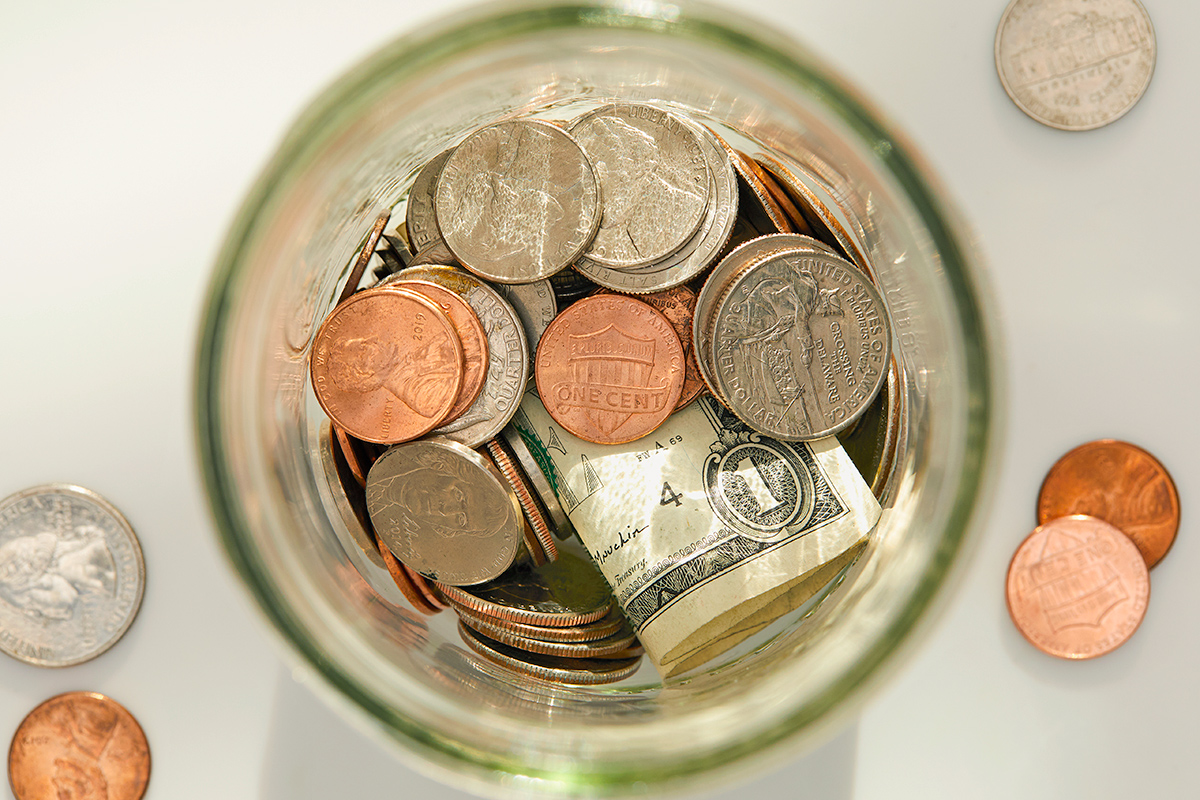
Money in a jar
Better Report

“Keep the change” could soon sound like a quaint expression from a bygone era.

Seven months after the U.S. Mint officially retired the penny, following the secretary of the Treasury’s determination that the one-cent piece, which cost nearly 4 cents to produce, was “no longer necessary to meet the needs of the United States,” USA Today reports that the nickel could follow its copper-colored sibling down the road to obsolescence.

Advertisement
Advertisement

“The argument for getting rid of the nickel is that it costs more to produce — quite a bit more, actually — than its face value,” David Smith, an economist at Pepperdine University, told the outlet. 

When it comes to currency, being a literal money loser is a bad thing, as the penny learned the hard way. And in the case of the nickel, the annual losses are even greater. 

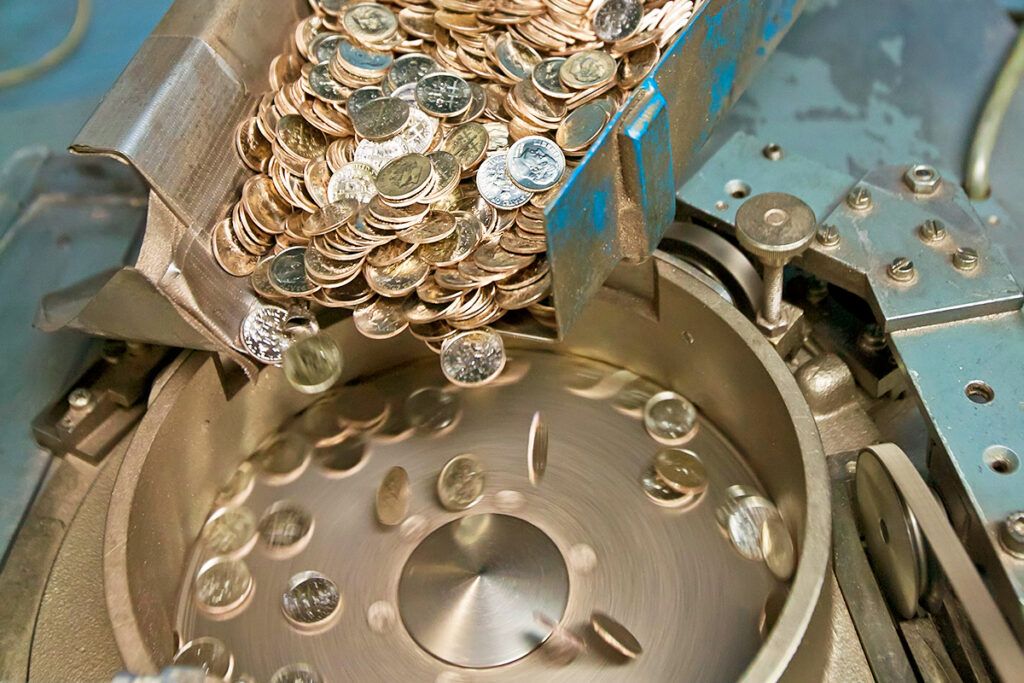
Coins being produced at the Denver Mint
Credit: © UCG/Getty Images

How Much Does It Cost To Make a Nickel?

The attack on our coinage seems to have begun in earnest following the U.S. Mint’s 2024 Annual Report, which included a breakdown of the true cost of making change. It concluded that the cost of making a single nickel was 13.78 cents — nearly three times the face value of the coin itself. 

Advertisement

With the government losing 8.78 cents on every nickel minted, the annual loss just to keep the coin in circulation was an estimated $85 million. And this is not a new problem: The 2024 report marked the 19th year in a row the nickel operated at a loss, fueling renewed calls to end its production.

Change in a cash register
Credit: © Ozgur Coskun—iStock/Getty Images

What Problems Could Arise From Killing the Nickel?

Eliminating the nickel isn’t as simple as just declaring it dead. As we’ve seen with the penny, there are some practical headaches that will likely arise for both businesses and consumers.

For example, without nickels or pennies, cash transactions will probably need to be rounded to the nearest 10 cents, which could result in higher prices that shoppers deem unfair. 

Recommended Articles

  • The 10 Healthiest Trader Joe’s Meals, According to a Dietitian

  • 5 Vegetables You Should Never Store in the Fridge

  • Is It Rude To Ask for Leftovers at Fancy Restaurants?

  • Is It Dangerous To Scratch Mosquito Bites?

Advertisement
Advertisement

Reader Favorites

  • Woman looking in fridge

    9 Foods You Should Toss ASAP if They’re Expired

  • Popcorn in a bowl

    7 ‘Bad’ Foods That Are Actually Good for You

  • Person sipping beer

    The Least Healthy Alcoholic Beverages

In 2012, Mark Weller, executive director of Americans for Common Cents, who was advocating for the penny, argued in front of Congress that “in practice, price rounding cannot be fairly done.” While some economists have argued that the rounding will eventually even out, as some prices would likely be rounded down, Weller disagreed.

“The claim that rounding will have no appreciable effect on the consumer is predicated on the notion that there is an equal 10% probability of purchase prices ending in a particular digit,” he said. “In fact, evidence suggests that the equal probability assumption is false.”

Advertisement

On the opposite side of the argument, Wake Forest University economics professor Robert Whaples told Bankrate that his own research indicated “that the last digit in the cash register total is random, so there would be as much rounding down as there is rounding up — and the customer won’t be gouged, nor will there be an inflationary impact.”

Cash and a bill
Credit: © MargJohnsonVA—iStock/Getty Images

What Do Cash-Paying Consumers Think of the Idea?

Even if the economics behind eliminating the nickel appear increasingly difficult to ignore, Americans may still need some convincing. Currency has a way of inspiring emotional attachments that far outweigh its monetary value, particularly for older consumers who still rely on cash transactions.

Advertisement
Advertisement

There are also logistical concerns. Retailers, banks, transit systems, vending machine operators, and laundromats would all likely need to update equipment and pricing systems to accommodate a newly nickel-less world. While digital payments dominate everyday commercial transactions, millions of Americans still regularly rely on cash — meaning any rounding policy could disproportionately affect lower-income households.

That said, the same concerns were raised for years about the penny before the Treasury ultimately decided the coin had outlived its usefulness. More than two dozen other countries, including Canada, Australia, the United Kingdom, and Italy, have already phased out low-value coins and adopted cash-rounding systems with relatively little long-term disruption.

For now, the nickel remains safe jangling around in Americans’ pockets, or lodged somewhere between their sofa cushions. But with the cost of producing the coin continuing to climb, and cash itself becoming less central to everyday life, the pressure to retire another piece of U.S. currency is unlikely to disappear anytime soon.

Advertisement

Featured Image Credit: © Winslow Productions/Tetra Images/Getty Images

More From Our Network

Better Report is part of Inbox Studio, an email-first media company. *Indicates a third-party property.

Go Retro With This 1960s Fashion Quiz

Quiz Daily

Go Retro With This 1960s Fashion Quiz

True or False: Are You a Master of U.S. Geography?

Travel Quiz

True or False: Are You a Master of U.S. Geography?

5 Reasons You Can Be Denied Boarding an Airplane

Daily Passport

5 Reasons You Can Be Denied Boarding an Airplane

What Did People Do Before Eyeglasses?

History Facts

What Did People Do Before Eyeglasses?

How To Use a Balloon To Clean Up Dust

House Outlook

How To Use a Balloon To Clean Up Dust

11 Shopping Hacks Costco Members Should Know

FinanceBuzz*

11 Shopping Hacks Costco Members Should Know

Share this article

  • Share to Facebook
  • Share to Twitter
  • Copy Url
  • Share to Email
Ali Eldridge

This article is for general informational purposes only.
Affiliate Disclaimer Medical Disclaimer Financial Disclaimer

Updated:
Posted In: Wealth
Hero Image Credit: Better Report
Advertisement

Related Articles

Is It Rude To Ask for Leftovers at Fancy Restaurants?

5 min read

The Government Search That May Find Money Owed to You

4 min read

Are You Overpaying on Your Mortgage?

5 min read

5 Things You Should Never Buy During Labor Day Sales (and What To Get Instead)

6 min read

Some Grocery Prices Are Finally Going Down — Here’s What’s Getting Cheaper

3 min read
Advertisement

6 Things You Didn’t Know Lemons Could Do

Home | Updated: June 1, 2026
Erin Scottberg
Author
Erin Scottberg is a Brooklyn-based writer, garden designer, and houseplant expert — and the founder of Full Sun Studio (fullsun.studio), a garden design and plant consulting studio in New York City. She holds an Urban Horticulture Certificate from Brooklyn Botanic Garden, an NYC Street Tree Pruner License, and an NYC Master Composter Certification, and spent three years as Head of Content and Education at The Sill. When she's not working, you can find her creating in her textile studio, running craft nights in her neighborhood, or hanging with her rescue pup, Sunny. She's an ambitious DIYer, avid composter, and has never been able to walk by a thirft store without taking a look.
Bowl of lemons
Better Report

I buy at least one lemon any time I go to the grocery store. Why? Lemons are the kitchen’s biggest overachiever: They’ll zest up your pasta (or even a serving of frozen veggies), make your water feel fancy, and add a bright flavor to quick salad dressing. But they also have a ton of uses beyond culinary applications — a lemon can clean your microwave, help you make pancakes, and save you a trip to the nail salon. Here are six surprising reasons to always keep a lemon on hand. 

Lemons in microwave
Credit: © IntelWond/stock.adobe.com

Clean Your Microwave 

You know that baked-on splatter you ignore every time you open your microwave? Here’s the laziest possible fix: Squeeze lemon juice into a microwave-safe bowl of water, toss the halves in, and nuke it all for three minutes. Then let it sit for five minutes longer while the lemony steam does the heavy lifting. The citric acid acts as a natural degreaser and antibacterial agent, so when you finally crack open the microwave, all that crusty gunk should wipe right off. 

Advertisement
Advertisement
Cat in garden
Credit: © Osman Minaz/Pexels.com

Keep Neighborhood Cats Out of Your Garden

If you’ve ever found a mysterious “deposit” in your flower bed, you know the particular frustration of having a curious kitty in your neighborhood. Thankfully, there’s an easy, natural solution to this problem. Cats hate the smell of citrus — their noses are about 40 times more sensitive than ours, and that makes the scent of lemons (as well as other citrus fruits, such as oranges and limes) very unappealing. To keep the local felines from treating your garden like a litter box, scatter citrus peels around the edges. The catch: Peels have to be fresh (dried ones aren’t a deterrent), so you’ll need to replace them as they lose their scent. 

Cracked heels
Credit: © Pakawadee Wongjinda—iStock/Getty Images

Make a DIY Foot Peel With Aspirin

This sounds kind of wild, but it’s dermatologist-approved. To keep your feet in shape during sandal season, simply crush a few aspirin tablets into a powder and combine with freshly squeezed lemon juice and water to form a paste. Apply to cracked heels, wrap them in plastic and slip on some socks, and leave on up to an hour (but make sure to rinse immediately if it stings!). Finally, moisturize. The mixture is an acidic exfoliant that helps to loosen and dissolve dead skin — aspirin contributes aminosalicylic acid (which is related to the salicylic acid in acne products), while lemon juice amplifies the effect. 

Recommended Articles

  • The 10 Healthiest Trader Joe’s Meals, According to a Dietitian

  • 5 Vegetables You Should Never Store in the Fridge

  • Is It Rude To Ask for Leftovers at Fancy Restaurants?

  • Is It Dangerous To Scratch Mosquito Bites?

Advertisement
Advertisement

Reader Favorites

  • Woman looking in fridge

    9 Foods You Should Toss ASAP if They’re Expired

  • Popcorn in a bowl

    7 ‘Bad’ Foods That Are Actually Good for You

  • Person sipping beer

    The Least Healthy Alcoholic Beverages

Pancakes
Credit: © Dazedream/Unsplash.com

Fake Buttermilk in a Pinch

Imagine: You’re three ingredients deep into a pancake recipe and realize you don’t have buttermilk. Save your breakfast by adding a tablespoon of fresh lemon juice to a cup of whole or 2% milk or heavy cream, let it sit for five to 10 minutes to thicken, and stir before using. It won’t be identical to the real thing, but it’ll do the job in pancakes, muffins, or cakes — especially when buttermilk isn’t the star flavor. 

Advertisement
Advertisement
Wooden cutting board
Credit: © Emilija Manevska—Moment/Getty Images

Scrub Your Cutting Board Clean

Wooden cutting boards are harder to sanitize than plastic ones because you can’t throw them in the dishwasher. Soap and hot water are usually sufficient to clean them, but if you want to give your wooden cutting board a deep clean, sprinkle the surface of the cutting board with some salt, cut a lemon in half, and start scrubbing. The salt acts as an abrasive and the lemon juice lifts stains and eliminates odors, making the board smell better than it has in years. Let the salty paste sit for five minutes, remove it with a bench scraper, and rinse the board well. 

Advertisement
Advertisement
Weeds in pavement
Credit: © Douglas Sacha—Moment/Getty Images

Kill Weeds (Kind Of)

Lemon juice is acidic enough to damage and kill small weeds, making it a nontoxic alternative to herbicides. That said, getting results from this hack requires a lot of lemon juice, and it will work only on young, small weeds with direct sun exposure. You’ll probably see the most success on gravel driveways or cracks between pavers — places where you can apply lemon juice liberally without worrying about affecting the plants you want to keep around. 

Feature image credit: © WJ Y/Pexels.com

More From Our Network

Better Report is part of Inbox Studio, an email-first media company. *Indicates a third-party property.

Go Retro With This 1960s Fashion Quiz

Quiz Daily

Go Retro With This 1960s Fashion Quiz

True or False: Are You a Master of U.S. Geography?

Travel Quiz

True or False: Are You a Master of U.S. Geography?

5 Reasons You Can Be Denied Boarding an Airplane

Daily Passport

5 Reasons You Can Be Denied Boarding an Airplane

What Did People Do Before Eyeglasses?

History Facts

What Did People Do Before Eyeglasses?

How To Use a Balloon To Clean Up Dust

House Outlook

How To Use a Balloon To Clean Up Dust

11 Shopping Hacks Costco Members Should Know

FinanceBuzz*

11 Shopping Hacks Costco Members Should Know

Share this article

  • Share to Facebook
  • Share to Twitter
  • Copy Url
  • Share to Email
Erin Scottberg
Writer

Erin Scottberg is a Brooklyn-based writer, garden designer, and houseplant expert — and the founder of Full Sun Studio (fullsun.studio), a garden design and plant consulting studio in New York City. She holds an Urban Horticulture Certificate from Brooklyn Botanic Garden, an NYC Street Tree Pruner License, and an NYC Master Composter Certification, and spent three years as Head of Content and Education at The Sill. When she's not working, you can find her creating in her textile studio, running craft nights in her neighborhood, or hanging with her rescue pup, Sunny. She's an ambitious DIYer, avid composter, and has never been able to walk by a thirft store without taking a look.

This article is for general informational purposes only.
Affiliate Disclaimer Medical Disclaimer Financial Disclaimer

Updated: May 27, 2026
Posted In: Home
Hero Image Credit: Better Report
Advertisement

Related Articles

5 Vegetables You Should Never Store in the Fridge

3 min read

Why a Flashing Check Engine Light Is Different From a Solid One

3 min read

Why Does Your Sink Have a Tiny Hole?

3 min read

Is Hard Water Ruining Your Clothes?

3 min read

9 Fall Cleaning Tasks You Shouldn’t Neglect

6 min read
Advertisement

5 Surprising Things That Could Ruin Your Credit Score

Ali Eldridge
Wealth | Updated: May 28, 2026
Person using credit card
Better Report

Even if you pay all your bills on time and remain in good financial standing, your credit score can drop almost inexplicably. When this happens, you may be looking for answers so you can avoid making the same mistake in the future. But credit scores are typically shrouded in mystery, and sometimes, there’s no way to know for sure what caused the decline. However, there are a few common pitfalls that often factor into these sudden dips — and it may surprise you to learn what they are. Here are five examples.

Exterior of a bank
Credit: © Paris Bilal/Unsplash

Opening or Closing Credit Cards

When you open up a new credit card, it lowers the average age of your credit — the average length of time that your accounts have been active. The age of your credit can account for as much as 15% of your credit score, so the longer you’ve had credit, the better. Your history will also hopefully demonstrate to lenders that you can manage accounts over time and therefore should be able to make future payments. 

Advertisement
Advertisement

Opening up a new credit card account also triggers a “hard inquiry,” which is a thorough analysis of your credit by the lender. This report remains on your account for two years, though a single hard inquiry will typically cause your score to dip by only five or so points. That said, if you open up several new credit card accounts in a short window, the inquiries will have a more substantial effect on your credit score. Also, lenders will be able to see that you opened several new accounts in a short window, which may lead them to believe that you’re in financial distress or a high-risk borrower. This can seriously impact your credit score and may even be grounds for lenders to deny you loans.

Closing an account is also likely to negatively affect your score — and this is true even for credit cards you don’t use anymore. It’s all related to the “credit utilization ratio,” which is the total amount of credit you’re using divided by the total available amount of credit across your accounts. Closing a credit card increases the ratio, which lowers your credit score.

Holding credit cards
Credit: © Media/Stock.adobe.com

Having Only One Credit Card

This issue is also related to your credit utilization ratio. If you have only one credit card account, you’re limiting the amount of available credit attached to your name. This, in turn, keeps your credit score lower than it theoretically should be.

Recommended Articles

  • The 10 Healthiest Trader Joe’s Meals, According to a Dietitian

  • 5 Vegetables You Should Never Store in the Fridge

  • Is It Rude To Ask for Leftovers at Fancy Restaurants?

  • Is It Dangerous To Scratch Mosquito Bites?

Advertisement
Advertisement

Reader Favorites

  • Woman looking in fridge

    9 Foods You Should Toss ASAP if They’re Expired

  • Popcorn in a bowl

    7 ‘Bad’ Foods That Are Actually Good for You

  • Person sipping beer

    The Least Healthy Alcoholic Beverages

That’s why it’s a good idea to have multiple credit card accounts open at any given time, even if you primarily use one and charge only small amounts to others (more on that in a minute). While you may experience a temporary dip when you initially open a new account, it’ll bounce back in time as your credit utilization ratio improves. It’s important to stay on top of your payments, though, which may be difficult if you manage two or more accounts: Neglecting them can drag down your credit score, negating the benefit of having multiple accounts.

Advertisement
Wallet with cash
Credit: © Vitalii Khodzinskyi/Unsplash.com

Paying With Only Cash

Paying with cash to avoid accruing debt may seem appealing, but there’s a downside: According to Equifax, going cold turkey with your credit cards may cause lenders or creditors to deem your accounts inactive. Issuers can choose to shut down a card due to inactivity without warning you that they’re going to do so, which will affect your credit utilization ratio.

Advertisement
Advertisement

To avoid this issue, it’s best to keep your credit card accounts active, even if you’re charging only small purchases every couple of months. (You can also set up a recurring charge alongside autopay so you don’t need to think about it.) Even a few dollars will show creditors and lenders that you’re still using the cards so they don’t shut them down.

Cash and bills
Credit: © Tima Miroshnichenko/Pexels.com

Paying Off Debt Too Quickly

If you have student loans or a car loan, you’re probably trying to get those off the books as quickly as possible to avoid accruing interest. But paying off your loans too quickly can actually cause your credit score to drop.

Advertisement
Advertisement

According to Equifax, paying off these debts impacts the diversity of your credit mix — the types of accounts and loans you have — which account for about 10% of your credit score. Having a diverse mix shows creditors that you can manage different types of debt; paying off a loan removes it from your mix, negatively affecting your overall score. (Not having a diverse enough credit mix can also lower your credit score.) So, if you want to keep your credit mix diverse, you may want to keep making payments on the loan rather than paying it off quickly. 

That said, any drop from paying off a loan is likely to be temporary: Your score will probably creep back up around 30 to 45 days after paying off a loan.

Credit card statement
Credit: © littlebloke—iStock/Getty Images

Running Up Balances — Even if You Pay on Time

There are two dates to be aware of when it comes to your credit card account. One is the date when the statement is closed for the month’s billing cycle, while the other is the day payment is due (usually several weeks later). 

Advertisement

Credit bureaus are typically alerted to your active balance at the end of each billing cycle rather than when the money is officially due.This means that if you owe $5,000 on your credit card at the end of a billing cycle and pay it off well before the money is actually due (after which you may start to incur fines), all the credit bureau sees is the fact that you owed five grand — not that you paid it off with plenty of time. This could lead to a lower credit score.

Advertisement
Advertisement

To prevent this, pay your bills immediately before the end of each billing cycle, which ensures the lowest amount of credit card debt is reported to the credit bureaus. If you’re not sure when your billing cycle ends, you can find the date on your statement, by signing in to your online account, or by contacting the lender.

Featured image credit: © Clay Banks/Unsplash.com

More From Our Network

Better Report is part of Inbox Studio, an email-first media company. *Indicates a third-party property.
Go Retro With This 1960s Fashion Quiz

Quiz Daily

Go Retro With This 1960s Fashion Quiz

True or False: Are You a Master of U.S. Geography?

Travel Quiz

True or False: Are You a Master of U.S. Geography?

5 Reasons You Can Be Denied Boarding an Airplane

Daily Passport

5 Reasons You Can Be Denied Boarding an Airplane

What Did People Do Before Eyeglasses?

History Facts

What Did People Do Before Eyeglasses?

How To Use a Balloon To Clean Up Dust

House Outlook

How To Use a Balloon To Clean Up Dust

11 Shopping Hacks Costco Members Should Know

FinanceBuzz*

11 Shopping Hacks Costco Members Should Know

Share this article

  • Share to Facebook
  • Share to Twitter
  • Copy Url
  • Share to Email
Ali Eldridge

This article is for general informational purposes only.
Affiliate Disclaimer Medical Disclaimer Financial Disclaimer

Updated:
Posted In: Wealth
Hero Image Credit: Better Report
Advertisement

Related Articles

Is It Rude To Ask for Leftovers at Fancy Restaurants?

5 min read

The Government Search That May Find Money Owed to You

4 min read

Are You Overpaying on Your Mortgage?

5 min read

5 Things You Should Never Buy During Labor Day Sales (and What To Get Instead)

6 min read

Some Grocery Prices Are Finally Going Down — Here’s What’s Getting Cheaper

3 min read
Advertisement

How Much Money You Need To Be Considered Wealthy

Wealth | Updated: May 21, 2026
Jennifer M. Wood
Author
Jennifer M. Wood has been writing about news, entertainment, culture, and travel for longer than she cares to admit. She lives just outside Philadelphia with her husband and an ever-growing menagerie of rescue pets.
Woman counting money
Better Report

Since the dawn of commerce, many of the world’s greatest thinkers have debated what it truly means to be rich. Some measured wealth in freedom, others in happiness, purpose, or time. But alongside those philosophical definitions sits a far more concrete one: the income and net-worth thresholds that determine who, exactly, qualifies as “rich.”

If you’re looking for a by-the-numbers benchmark, the answer is somewhat easier to define — albeit with a few caveats. 

Advertisement
Advertisement

Wealth is relative, after all: A salary that signals affluence in one city might barely register in another, and a seven-figure net worth can fund a life of luxury for one person and simply a comfortable retirement for another, depending on where you live and how you spend.

Pen on a blank check
Credit: © Money Knack/Unsplash.com

How Much Money Makes You Wealthy?

Still, researchers and economists have spent years trying to quantify what it means to be wealthy in America. According to Charles Schwab’s latest Modern Wealth Survey, Americans say it now takes an average net worth of $2.3 million to be considered “wealthy,” which is down from $2.5 million — an 8% reduction — from the previous year. 

Recommended Articles

  • The 10 Healthiest Trader Joe’s Meals, According to a Dietitian

  • 5 Vegetables You Should Never Store in the Fridge

  • Is It Rude To Ask for Leftovers at Fancy Restaurants?

  • Is It Dangerous To Scratch Mosquito Bites?

Advertisement
Advertisement

Reader Favorites

  • Woman looking in fridge

    9 Foods You Should Toss ASAP if They’re Expired

  • Popcorn in a bowl

    7 ‘Bad’ Foods That Are Actually Good for You

  • Person sipping beer

    The Least Healthy Alcoholic Beverages

But the answer doesn’t simply end there. Age also plays into the equation. While millennials and Gen-Xers agree that having $2.1 million in the bank makes you rich, baby boomers set the bar a bit higher at $2.8 million. Gen Z, meanwhile, is happy with $1.7 million as that benchmark — making it clear that generational opinions on money differ. 

Of course, the Modern Wealth Survey isn’t the only yardstick out there. Other analyses, including the U.S. Census Bureau, look at figures like household income to delineate levels of wealth. In those cases, salaries of $170,000 to $190,000 generally put people in the top 20% of earners, while $650,000 to $700,000 per year is enough to land you in the top 1%.

Advertisement
Advertisement

Yet again, however, the numbers tell only part of the story. Surveys consistently find that even many high-income Americans don’t actually feel rich, due to factors such as inflation, debt, housing costs, and the phenomenon known as “lifestyle creep,” which is when you spend more as you earn more, often without even realizing it. In other words: Being wealthy on paper doesn’t necessarily make you feel wealthy in real life. 

Advertisement
Women laughing
Credit: © Jordan González/Unsplash.com

What Makes People Feel Wealthy

Much like those philosophers of yore, today’s high-net individuals have their own definitions of wealth, which aren’t always tied to how much money is in their investment portfolio.

Advertisement
Advertisement

According to Schwab’s Modern Wealth Survey, when asked to explain what makes them feel “wealthy,” nearly half of respondents — 45% — declared happiness as a clear indicator. Surprisingly, just 44% pointed to the amount of money they have. (Physical health, mental health, and strong personal relationships were some of the other metrics mentioned.)

“The concept of wealth can feel distant, abstract, or even aspirational, while financial comfort is something people might see as more tangible and associated with the everyday realities they’re facing right now,” Rob Williams, CFP, managing director of financial planning at Charles Schwab, said in a press release. “It can be hard to navigate these concepts side by side in the form of short- and long-term financial goals. But both are important when it comes to understanding and managing your full financial life.”

Featured Image Credit: © kaboompics/ Pexels.com

More From Our Network

Better Report is part of Inbox Studio, an email-first media company. *Indicates a third-party property.

Go Retro With This 1960s Fashion Quiz

Quiz Daily

Go Retro With This 1960s Fashion Quiz

True or False: Are You a Master of U.S. Geography?

Travel Quiz

True or False: Are You a Master of U.S. Geography?

5 Reasons You Can Be Denied Boarding an Airplane

Daily Passport

5 Reasons You Can Be Denied Boarding an Airplane

What Did People Do Before Eyeglasses?

History Facts

What Did People Do Before Eyeglasses?

How To Use a Balloon To Clean Up Dust

House Outlook

How To Use a Balloon To Clean Up Dust

11 Shopping Hacks Costco Members Should Know

FinanceBuzz*

11 Shopping Hacks Costco Members Should Know

Share this article

  • Share to Facebook
  • Share to Twitter
  • Copy Url
  • Share to Email
Jennifer M. Wood
Writer

Jennifer M. Wood has been writing about news, entertainment, culture, and travel for longer than she cares to admit. She lives just outside Philadelphia with her husband and an ever-growing menagerie of rescue pets.

This article is for general informational purposes only.
Affiliate Disclaimer Medical Disclaimer Financial Disclaimer


Updated: May 8, 2026
Posted In: Wealth
Hero Image Credit: Better Report
Advertisement

Related Articles

Is It Rude To Ask for Leftovers at Fancy Restaurants?

5 min read

The Government Search That May Find Money Owed to You

4 min read

Are You Overpaying on Your Mortgage?

5 min read

5 Things You Should Never Buy During Labor Day Sales (and What To Get Instead)

6 min read

Some Grocery Prices Are Finally Going Down — Here’s What’s Getting Cheaper

3 min read
Advertisement

Should You Freeze Your Credit?

Ali Eldridge
Wealth | Updated: April 10, 2026
Woman with hand to forehead holding papers and looking at a computer
Better Report

Thanks to conflicts around the world — which bring an increased risk of cyberscams — experts have suggested keeping a close watch on your credit. 

Having a good credit score carries a lot of weight in the modern world. It makes it easier for you to buy a home, lease a car, and even get approved for an apartment. So, if you’ve received a notification that your information has been compromised, you’ve lost your purse or wallet with all of your personal identification, or you’ve started getting mail about offers you’ve never claimed, you’ll likely want to act fast and set up a credit freeze. Doing so protects you against potential fraud: Creditors will no longer have access to your credit report, thus making it more challenging for new accounts to be opened in your name. 

Advertisement
Advertisement

Freezing your credit is surprisingly easy to do, and best of all, it’s free. Here’s what you need to know.

Credit: © damircudic/iStock

When To Freeze Your Credit 

According to Joel Steele, entrepreneur and co-owner of Steele Financial Solutions, “there are mostly pros and minimal cons” to freezing your credit — but it’s important to know  when you should do so. 

Recommended Articles

  • The 10 Healthiest Trader Joe’s Meals, According to a Dietitian

  • 5 Vegetables You Should Never Store in the Fridge

  • Is It Rude To Ask for Leftovers at Fancy Restaurants?

  • Is It Dangerous To Scratch Mosquito Bites?

Advertisement
Advertisement

Reader Favorites

  • Woman looking in fridge

    9 Foods You Should Toss ASAP if They’re Expired

  • Popcorn in a bowl

    7 ‘Bad’ Foods That Are Actually Good for You

  • Person sipping beer

    The Least Healthy Alcoholic Beverages

Steele doesn’t recommend freezing your credit proactively, because if you’re trying to get a mortgage or take out a loan for a car, “you may shoot yourself in the foot if your credit is frozen,” he says. “That means no new credit can be issued to you.” And even though data breaches are frequent, “that doesn’t mean your data will be successfully accessed or used.” 

Instead, Steele suggests reviewing your accounts every week or two for suspicious activity. If you have one fraudulent charge on a credit card, you don’t need to freeze your credit; in that case, dispute the charge and get a new card. But you should definitely freeze your credit if you see signs of potential identity theft, such as “things coming to your email inbox or physical mailbox with your name, but someone else’s info or someone else’s name and your info,” Steele says. Other common signs include getting collection calls for accounts you didn’t open, and your credit report showing new credit cards you never applied for. 

Advertisement
Advertisement

In that case, Steele says, “a freeze is the best and quickest solution to prevent future damage.” 

Advertisement

How To Freeze Your Credit

If you want to freeze your credit, you’ll need to do so with each of the three major credit bureaus: Equifax, Experian, and TransUnion. The process is similar across all three, based on whether you want to freeze your credit online, by mail, or by phone.

Advertisement
Advertisement

Equifax

Online via their website
By phone: 1-888-378-4329
By mail to: Equifax Information Services LLC 
P.O. Box 105788 
Atlanta, GA 30348-5788 

Be sure to download their online forms and include the requested necessary information, such as proof of identity and proof of address.

Advertisement
Advertisement

Experian

Online via their website
By phone: 1-888-397-3742
By mail to: Experian Security Freeze
P.O. Box 9554
Allen, TX 75013

Advertisement
Advertisement

Per Experian.com, your written request needs to include:

  1. Your full name
  2. Social Security number
  3. Complete addresses for the past two years
  4. Date of birth
  5. A government issued identification card, such as a driver’s license
  6. Copy of a utility bill or bank statement
Advertisement
Advertisement

Transunion

Online via their website
By phone: 1-800-916-8800
By mail at: TransUnion
P.O. Box 160
Woodlyn, PA 19094

With your mail-in request, include photographic copies of one proof of identity and two proofs of your current address. Make sure the documents show your current name and aren’t expired. Anyone under the age of 18 will need an adult or guardian to do this for them, and active-duty service members can have an authorized representative complete the process.

Advertisement
Advertisement
Woman on the phone looking out the window
Credit: © April Story/iStock

When Does the Freeze Take Effect — And Can It Be Undone?

If you decide to freeze your credit by phone or online, it typically happens within an hour of you contacting the credit bureau. By mail, it can take about three business days. Managing your freeze online means you can monitor it and easily lift the freeze when needed. 

Advertisement
Advertisement

If you’re concerned about more fraud or identity theft than what you’ve already found, “don’t unfreeze [your credit] until you’ve gotten some answers on what happened, how deep [it ran], and what’s the chance it continues when you unfreeze,” Steele says. When you’re ready, making a phone call to the three credit bureaus or going into your online account can easily undo a freeze.

Advertisement
Man typing on computer
Credit: © Jana Murr/iStock

Alternatives to Freezing Your Credit

A credit freeze isn’t the only option if you’re concerned about fraud. One step you might want to take is to set up a fraud alert. This requires creditors to take extra steps to confirm your identity before issuing credit. You can set up a one-year alert, a seven-year alert, or an active-duty military fraud alert. The process is similar to freezing your credit, as you can request a fraud alert online, by phone, or by mail at Transunion, Experian, or Equifax. 

Advertisement
Advertisement

Credit locks are another option you can pursue if you’re worried about fraud. They often come with a small fee, however, as they’re typically part of a premium credit monitoring package. Experian CreditLock, for example, costs $24.99 per month, and it functions similar to a credit freeze but with features such as data exposure alerts, real-time alerts, and identity theft insurance. 

Man looking at paper in front of laptop
Credit: © DjelicS/iStock

How To Avoid Future Problems

Steele says the best way to avoid credit issues is by “being vigilant and monitoring your own accounts” on a routine basis, which he calls “your best defense.” That’s especially true in times of conflict, when cyberterrorists from other countries might be trying to get your information. He recommends looking out for any unusual credit card activity or unrecognizable charges, and checking your credit report activity a few times a year to “make sure you didn’t miss anything.”Transunion, Experian, or Equifax all allow you to check your credit score for free and monitor your credit report for updates. 

Advertisement
Advertisement

Featured Image Credit: © damircudic/iStock

More From Our Network

Better Report is part of Inbox Studio, an email-first media company. *Indicates a third-party property.

Go Retro With This 1960s Fashion Quiz

Quiz Daily

Go Retro With This 1960s Fashion Quiz

True or False: Are You a Master of U.S. Geography?

Travel Quiz

True or False: Are You a Master of U.S. Geography?

5 Reasons You Can Be Denied Boarding an Airplane

Daily Passport

5 Reasons You Can Be Denied Boarding an Airplane

What Did People Do Before Eyeglasses?

History Facts

What Did People Do Before Eyeglasses?

How To Use a Balloon To Clean Up Dust

House Outlook

How To Use a Balloon To Clean Up Dust

11 Shopping Hacks Costco Members Should Know

FinanceBuzz*

11 Shopping Hacks Costco Members Should Know

Share this article

  • Share to Facebook
  • Share to Twitter
  • Copy Url
  • Share to Email
Ali Eldridge

This article is for general informational purposes only.
Affiliate Disclaimer Medical Disclaimer Financial Disclaimer

Updated:
Posted In: Wealth
Hero Image Credit: Better Report
Advertisement

Related Articles

Is It Rude To Ask for Leftovers at Fancy Restaurants?

5 min read

The Government Search That May Find Money Owed to You

4 min read

Are You Overpaying on Your Mortgage?

5 min read

5 Things You Should Never Buy During Labor Day Sales (and What To Get Instead)

6 min read

Some Grocery Prices Are Finally Going Down — Here’s What’s Getting Cheaper

3 min read
Advertisement

Stamps Are About To Get More Expensive

Wealth | Updated: June 8, 2026
Bennett Kleinman
Author
Bennett Kleinman is a New York City-based staff writer for Inbox Studio. He is also a freelance comedy writer, devoted New York Yankees and New Jersey Devils fan, and thinks plain seltzer is the best drink ever invented.
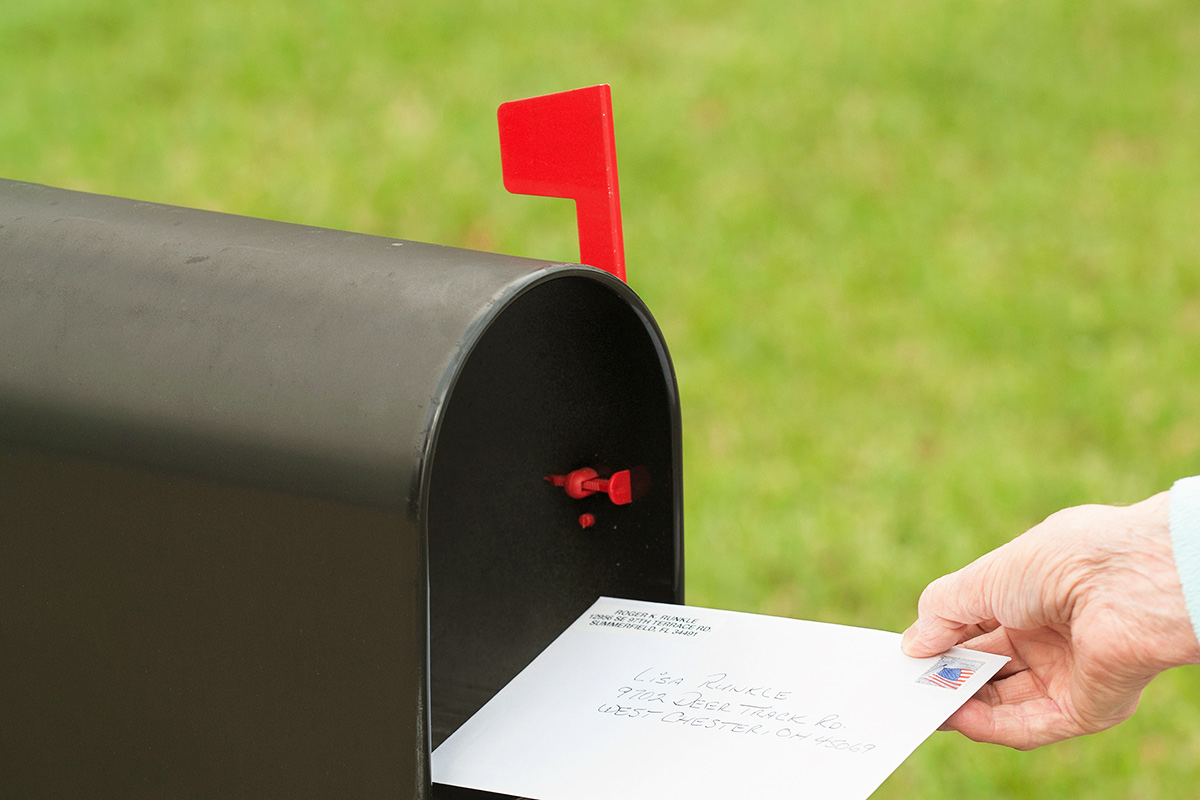
Person putting a letter in a mailbox
Better Report

Though virtual communication is easier than ever, many Americans still rely on the U.S. Postal Service to stay in touch with their loved ones or send packages across the country. The organization remains highly popular for both its reliability and its affordability, but it has become less affordable over time.

Advertisement
Advertisement

Intermittent price increases can be a hard pill for everyday Americans to swallow, but it’s not as if the Postal Service is intentionally trying to price gouge customers. These hikes are meant to help keep the organization afloat and offset the financial losses that have plagued the USPS for years. The latest price increase takes effect July 12 — here’s what you should know.

Stamps
Credit: © ra3rn/iStock

A 20% Increase?

The USPS suffered a $9 billion loss in 2025, and earlier this year, Postmaster General David Steiner said the organization might run out of money in less than 12 months. In a March 2026 appearance before Congress, Steiner proposed raising the cost of a first-class stamp from its current rate of 78 cents to as high as 95 cents, claiming it “would largely solve our controllable loss.”

Recommended Articles

  • The 10 Healthiest Trader Joe’s Meals, According to a Dietitian

  • 5 Vegetables You Should Never Store in the Fridge

  • Is It Rude To Ask for Leftovers at Fancy Restaurants?

  • Is It Dangerous To Scratch Mosquito Bites?

Advertisement
Advertisement

Reader Favorites

  • Woman looking in fridge

    9 Foods You Should Toss ASAP if They’re Expired

  • Popcorn in a bowl

    7 ‘Bad’ Foods That Are Actually Good for You

  • Person sipping beer

    The Least Healthy Alcoholic Beverages

The U.S. Postal Service began operations in 1971, replacing an earlier postal agency that had existed since 1792. When the USPS was founded, the cost of mailing a letter was just 8 cents, which equates to 65 cents when adjusted for inflation. It hit 10 cents in 1974, a quarter in 1988, and 50 cents in 2018. Over the next seven years, the price kept creeping up until it hit the current rate of 78 cents, which has been in effect since July 13, 2025 — a 56% increase over the 2018 cost.

A hike up to 95 cents per stamp would denote the largest single increase in USPS history, but thankfully, we’re not going to be paying that price just yet. There’s an annual limit on how much decision-makers at the USPS can increase prices, which takes into account factors such as inflation and mail volume. After doing those calculations, the USPS decided to raise the price of a first-class Forever stamp by 4 cents (or about 5%), from 78 cents to 82 cents, starting on July 12. Other classes of mail will increase in price, too:

ProductCurrent PriceIncreased Price
Letters (1 ounce)78 cents82 cents
Letters (metered 1 ounce)74 cents78 cents
Domestic Postcards61 cents65 cents
International postcards$1.70$1.75
International letter (1 ounce)$1.70$1.75
Advertisement
Advertisement
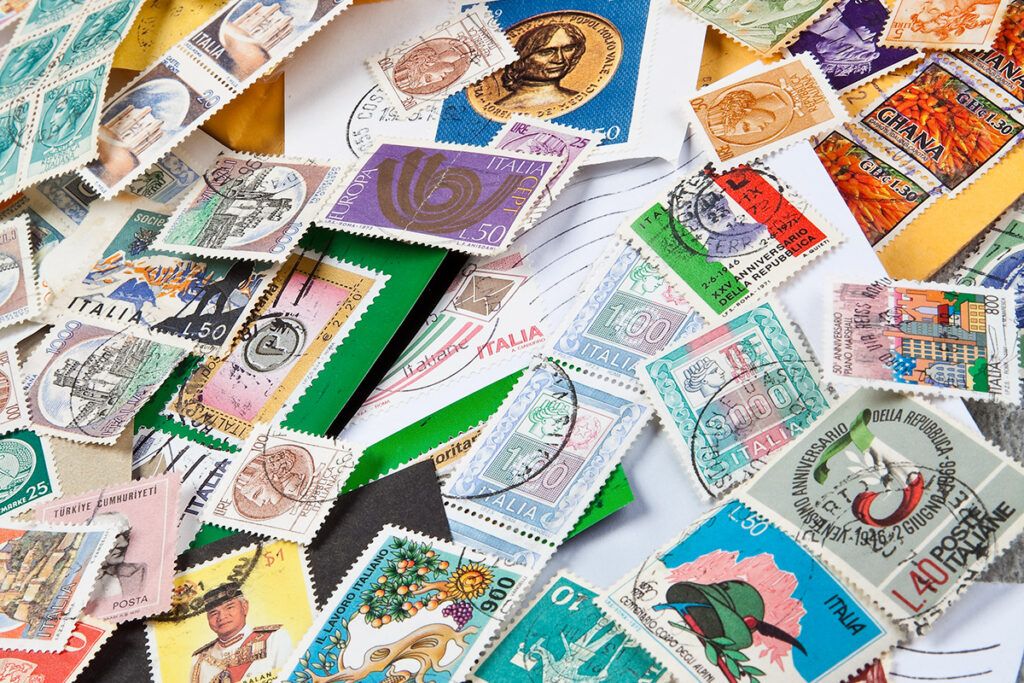
Stamps from around the world
Credit: © dp3010/stock.adobe.com

Global Stamp Prices

It’s worth noting that even 95 cents per stamp is quite affordable compared to other countries’ postal services. In his remarks in March, Steiner cited additional data saying that the cost of a first-class stamp in France is almost $3, while the same type of stamp in England costs around $2.50.

Advertisement
Advertisement

Previously, a 2023 report from the Office of Inspector General noted that first-class stamps in the U.S. were more affordable than their equivalents in 26 other nations as of June of that year. The findings ranked Italy at the top, listing the cost of a first-class stamp there as equal to $2.96 USD; Finland and Estonia were runners-up at $2.43. 

Advertisement

All this is to say that while nobody is a fan of rumored USPS price hikes, the organization still offers stamps at a more affordable rate than many other industrialized countries.

Advertisement
Advertisement
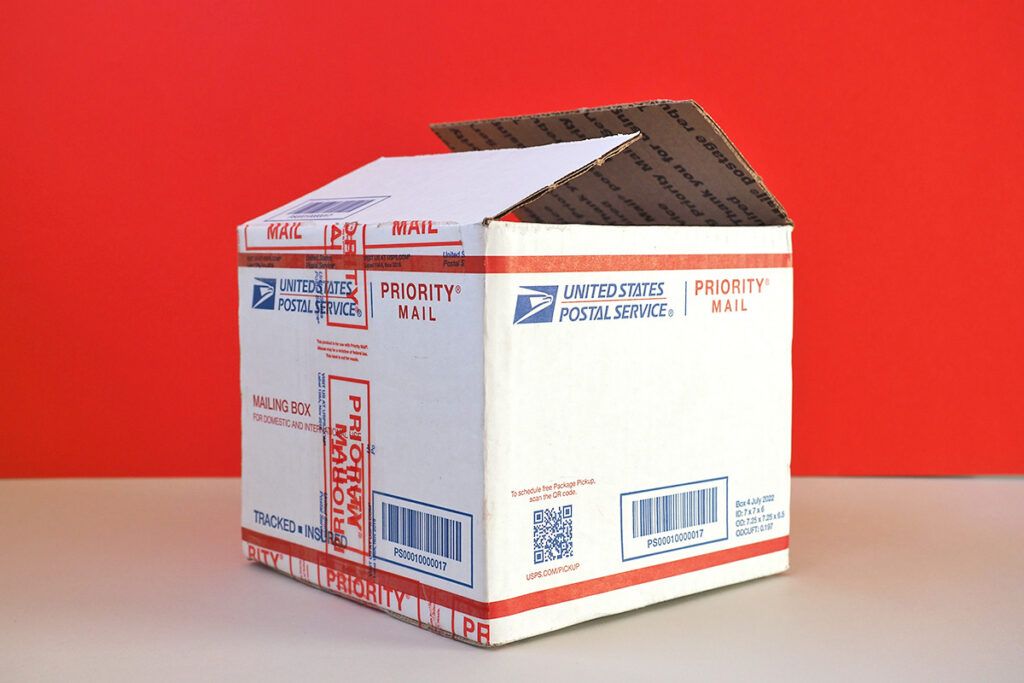
Priority mail box
Credit: © Claudio Divizia/stock.adobe.com

Another Price Hike

Stamps aren’t the only thing that have gotten more expensive at the USPS this year. The organization imposed an 8% price hike on April 26 that is set to last until at least January 17, 2027. The price increase — which affects Priority Mail Express, Priority Mail, USPS Ground Advantage, and Parcel Select — is meant to help offset rising fuel and transportation costs.

Advertisement
Advertisement

Featured Image Credit: © petert2/stock.adobe.com

More From Our Network

Better Report is part of Inbox Studio, an email-first media company. *Indicates a third-party property.

Go Retro With This 1960s Fashion Quiz

Quiz Daily

Go Retro With This 1960s Fashion Quiz

True or False: Are You a Master of U.S. Geography?

Travel Quiz

True or False: Are You a Master of U.S. Geography?

5 Reasons You Can Be Denied Boarding an Airplane

Daily Passport

5 Reasons You Can Be Denied Boarding an Airplane

What Did People Do Before Eyeglasses?

History Facts

What Did People Do Before Eyeglasses?

How To Use a Balloon To Clean Up Dust

House Outlook

How To Use a Balloon To Clean Up Dust

11 Shopping Hacks Costco Members Should Know

FinanceBuzz*

11 Shopping Hacks Costco Members Should Know

Share this article

  • Share to Facebook
  • Share to Twitter
  • Copy Url
  • Share to Email
Bennett Kleinman
Staff Writer

Bennett Kleinman is a New York City-based staff writer for Inbox Studio. He is also a freelance comedy writer, devoted New York Yankees and New Jersey Devils fan, and thinks plain seltzer is the best drink ever invented.

This article is for general informational purposes only.
Affiliate Disclaimer Medical Disclaimer Financial Disclaimer

Updated: July 20, 2023
Posted In: Wealth
Hero Image Credit: Better Report
Advertisement

Related Articles

Is It Rude To Ask for Leftovers at Fancy Restaurants?

5 min read

The Government Search That May Find Money Owed to You

4 min read

Are You Overpaying on Your Mortgage?

5 min read

5 Things You Should Never Buy During Labor Day Sales (and What To Get Instead)

6 min read

Some Grocery Prices Are Finally Going Down — Here’s What’s Getting Cheaper

3 min read
Advertisement

This Is the Most Expensive Supermarket in the U.S.

Ali Eldridge
Wealth | Updated: April 3, 2026
Person grabbing tomato at supermarket
Better Report

Thanks to the rising cost of fresh vegetables, coffee, beef, and other essentials, buying groceries feels like more of an onerous expense with each passing day. This is especially true at certain chains that charge higher average prices than their competitors. 

If you’re one of the many Americans who yearn for a lower grocery bill, it’s best to avoid costlier supermarkets. And thanks to the experts at the trusted brand Consumer Reports, we know the stores where you’re likely to pay more. They analyzed the cost of commonly purchased items sold by mainstream grocery chains in six regional U.S. locations, and put together a list of the most (and least) expensive supermarkets.

Advertisement
Advertisement
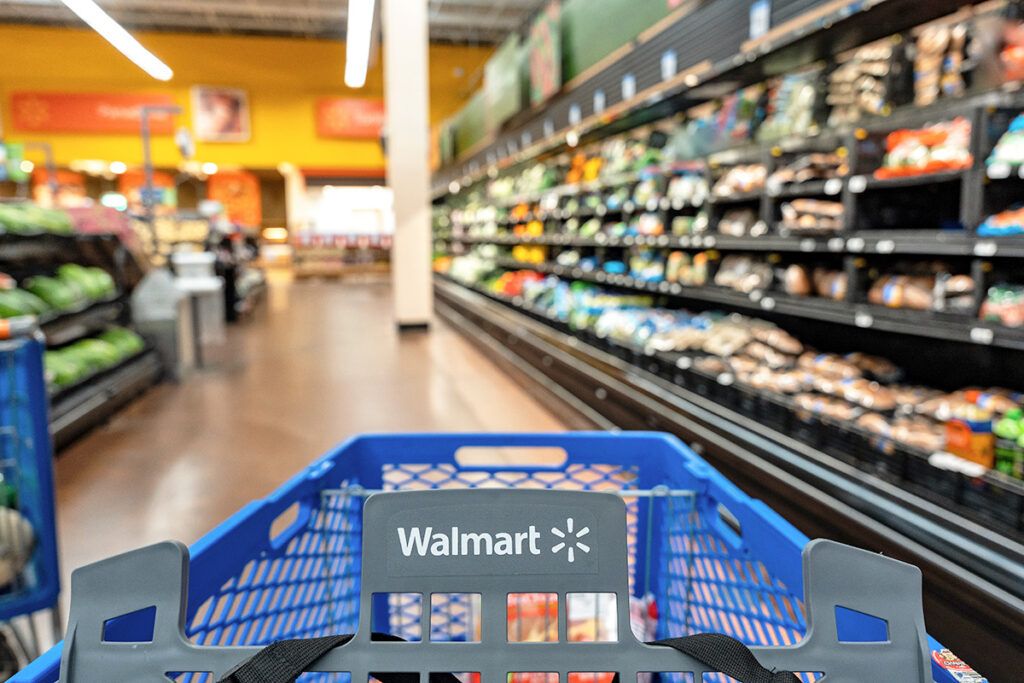
Walmart grocery cart
Credit: © JuanArnoldo/stock.adobe.com

About the Rankings

Before we discuss the most expensive supermarket, it’s worth noting a few things about the methodology used by Consumer Reports. All the prices they compiled reflect sales and discounts available with free loyalty cards, and exclude any discounts that could be attained through coupons or smartphone apps. Prices were gathered in person in late summer 2025. The publication used Walmart — the largest grocery retailer in the county — as a baseline average, determining a percentage difference in the total cost between Walmart groceries compared to food bought at other chains.

Recommended Articles

  • The 10 Healthiest Trader Joe’s Meals, According to a Dietitian

  • 5 Vegetables You Should Never Store in the Fridge

  • Is It Rude To Ask for Leftovers at Fancy Restaurants?

  • Is It Dangerous To Scratch Mosquito Bites?

Advertisement
Advertisement

Reader Favorites

  • Woman looking in fridge

    9 Foods You Should Toss ASAP if They’re Expired

  • Popcorn in a bowl

    7 ‘Bad’ Foods That Are Actually Good for You

  • Person sipping beer

    The Least Healthy Alcoholic Beverages

Whole Foods Market bag
Credit: © No Revisions/Unsplash.com

The Most Expensive

At the very top of the national list is Whole Foods, coming in at 39.7% more expensive than Walmart. After the analysis was published in February 2026, Whole Foods contacted Consumer Reports to say that the company’s prices reflect factors important to its customers, such as ingredient sourcing, and that it has reduced prices on 25% of its items in the last 18 months. Nevertheless, Whole Foods remains atop the list.

Advertisement
Advertisement

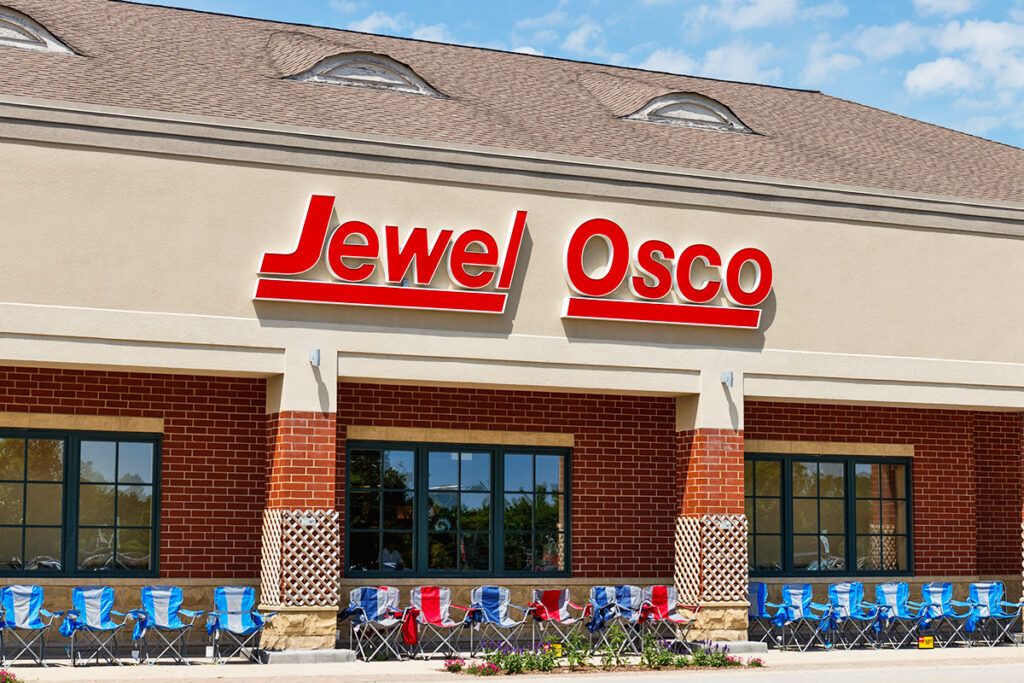
Rounding out the top five most expensive supermarkets are the New England-based chain Shaw’s (+31.9%), the Texas-based El Rancho (+30.1%), and two stores primarily located in Illinois: Jewel-Osco (+29.7%) and Mariano’s (+27.6%). And in what might be a surprising twist for fans of Trader Joe’s, that chain was the ninthmost expensive in the U.S., costing 24.6% more than Walmart. Target, meanwhile, was a mere 5.9% more expensive than the baseline.

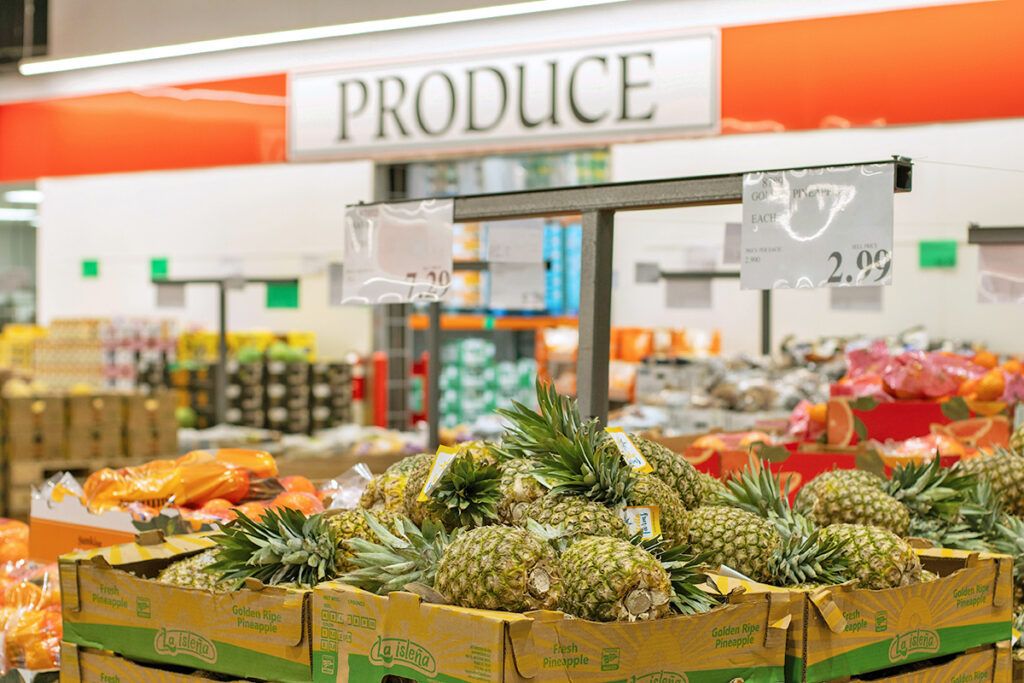
Produce section at Costco
Credit: © Tada Images/stock.adobe.com

The Least Expensive

Across the nation, six grocery chains rank as more affordable than Walmart. The most affordable of the bunch is Costco Wholesale, where customers might expect to pay 21.4% less on groceries than the national average.

Advertisement
Advertisement

BJ’s Wholesale Club is next at 21.0% cheaper than Walmart. Other inexpensive supermarkets include the East Coast chain Lidl (-8.5%), the nationally known brand Aldi (-8.3%), the Western/Midwestern-based WinCo (-3.3%), and the Texas-based H-E-B (-0.2.%).

Exterior of a Jewel Osco store
Credit: © jetcityimage/stock.adobe.com

Regional Differences

Consumer Reports looked at six regions as part of the study: Boston, Chicago, Dallas/Fort Worth, Denver, Los Angeles/Southern California, and Virginia Beach. While Walmart was the baseline for all, there were a few regional differences when it came to the most expensive supermarket.

Advertisement
Advertisement

Whole Foods was the most expensive grocery store in four of the six regions. Prices were highest in Virginia Beach, where Whole Foods cost 57.7% more than the baseline. But Whole Foods was the second-most expensive supermarket in both Chicago, where Jewel-Osco topped the list (+29.7%), and Denver, where the most expensive grocery store was Trader Joe’s (+30.0%).

Advertisement

When it came to the most affordable chain, there was no straying from the national norm: Costco came out on top in each region — especially in Boston, where Costco’s grocery prices were 37.0% lower than the baseline average.

Advertisement
Advertisement
Person checking out at grocery store
Credit: © Getty Images/Unsplash.com

Key Takeaways

If you’re looking for a more affordable grocery experience, shopping at wholesale chains such as Costco or BJ’s might be the way to go. Walmart is also an ideal option, especially considering its convenience and the fact that around 90% of Americans live within 10 miles of a Walmart or Sam’s Club subsidiary.

To see the complete breakdown of national and regional rankings, head to Consumer Reports.

Advertisement
Advertisement

Featured Image Credit: © Getty Images/Unsplash.com

More From Our Network

Better Report is part of Inbox Studio, an email-first media company. *Indicates a third-party property.

Go Retro With This 1960s Fashion Quiz

Quiz Daily

Go Retro With This 1960s Fashion Quiz

True or False: Are You a Master of U.S. Geography?

Travel Quiz

True or False: Are You a Master of U.S. Geography?

5 Reasons You Can Be Denied Boarding an Airplane

Daily Passport

5 Reasons You Can Be Denied Boarding an Airplane

What Did People Do Before Eyeglasses?

History Facts

What Did People Do Before Eyeglasses?

How To Use a Balloon To Clean Up Dust

House Outlook

How To Use a Balloon To Clean Up Dust

11 Shopping Hacks Costco Members Should Know

FinanceBuzz*

11 Shopping Hacks Costco Members Should Know

Share this article

  • Share to Facebook
  • Share to Twitter
  • Copy Url
  • Share to Email
Ali Eldridge

This article is for general informational purposes only.
Affiliate Disclaimer Medical Disclaimer Financial Disclaimer

Updated:
Posted In: Wealth
Hero Image Credit: Better Report
Advertisement

Related Articles

Is It Rude To Ask for Leftovers at Fancy Restaurants?

5 min read

The Government Search That May Find Money Owed to You

4 min read

Are You Overpaying on Your Mortgage?

5 min read

5 Things You Should Never Buy During Labor Day Sales (and What To Get Instead)

6 min read

Some Grocery Prices Are Finally Going Down — Here’s What’s Getting Cheaper

3 min read
Advertisement

7 Things Getting More Expensive in 2026

Wealth | Updated: July 27, 2026
Rachel Gresh
Author
Rachel Gresh is a Washington, D.C.-based freelance writer. When she's not writing, you can find her wandering a museum, exploring an unfamiliar city, or baking something new in the kitchen.
Person counting money
Better Report

Many Americans are searching for ways to cut costs this year, and unfortunately, the prices of goods in some categories are rising much faster than in others. The good news: Some costs are leveling off. Egg prices, which surged following the bird flu outbreaks in 2022, were nearly 28% lower in June 2026 than in June 2025. Used-vehicle prices have also eased from their pandemic-era highs. But other categories still deliver sticker shock due to a complex web of global economic factors, domestic inflation, supply shortages, and tariffs. From dining out to streaming movies, here’s where Americans’ budgets are being stretched thin in 2026 — and why.

Advertisement
Advertisement
Person holding a fork eating a meal
Credit: © George Dagerotip/Unsplash.com

Restaurant Meals

Dining out is quietly becoming a luxury again. According to the Consumer Price Index (CPI), restaurant costs were up 3.4% in June 2026 compared to June 2025. In a press release in February, the National Restaurant Association forecast that both revenue and jobs will continue to grow in the restaurant industry this year, but noted that higher operating costs are squeezing profits.

Recommended Articles

  • The 10 Healthiest Trader Joe’s Meals, According to a Dietitian

  • 5 Vegetables You Should Never Store in the Fridge

  • Is It Rude To Ask for Leftovers at Fancy Restaurants?

  • Is It Dangerous To Scratch Mosquito Bites?

Advertisement
Advertisement

Reader Favorites

  • Woman looking in fridge

    9 Foods You Should Toss ASAP if They’re Expired

  • Popcorn in a bowl

    7 ‘Bad’ Foods That Are Actually Good for You

  • Person sipping beer

    The Least Healthy Alcoholic Beverages

Those costs — labor, rent, ingredients, and shipping — are typically passed on to restaurant-goers, forcing them to foot the bill. Another major consideration in the industry is uneven traffic. With consumer budgets becoming increasingly stretched, many Americans are cutting back on dining out.

Meat in a grocery store
Credit: © S. Laiba Ali/Unsplash.com

Groceries: Beef and Sweets

Overall grocery inflation is up 2.7% in June 2026 compared to the previous year. Beef and veal prices are climbing significantly: They were 11.8% higher in June 2026 than in June 2025. This is due to high consumer demand and limited livestock supply, with the U.S. cattle herd at its lowest level since the 1950s. Droughts, cattle disease, and tariffs for imported beef also contribute to costs.

Advertisement
Advertisement

Sweets are another standout: They’re up 6.9% compared to June 2025. This increase is a spillover from 2025, due to a worldwide cocoa shortage, inflation, and tariffs. Other grocery categories expected to increase in 2026 include nonalcoholic beverages (projected to increase 3.9%), fresh vegetables (6.8%), and pork (1.6%), which all have higher prices than they did in June 2025.

Phones on a table
Credit: © Andrey Matveev/Unsplash.com

Electronics: Computers, Smartphones, and Gaming Consoles

Consumers are paying more to upgrade tech this year. One major factor is a global shortage of integrated circuit chips, the tiny devices on which RAM is stored. Manufacturers are shifting their business models, prioritizing high-performance memory to support AI data centers, which limits the supply of consumer-grade products for personal electronics. According to Counterpoint Research, memory prices increased by as much as 90% between Q4 of 2025 and Q1 of 2026.

Advertisement
Advertisement

As a result, prices for PCs, smartphones, tablets, smart TVs, and wearable tech such as smartwatches are expected to rise. In February 2026, research firm Gartner projected that PC prices would increase by 17% and smartphone prices by 13% by the end of 2026, compared to 2025 prices.

Woman rubbing her forehead looking at bill
Credit: © blackCAT/iStock

Utility Bills: Electricity and Gas

If you’ve noticed your monthly utility bills going up, you aren’t alone. Across the country, residents are experiencing price hikes for energy services, which, according to the CPI, rose about 3.9% nationally between June 2025 and June 2026. Electricity costs are up 4%.

Advertisement

The World Resources Institute notes that there’s no single cause for these rising costs. While data centers and AI are impacting some parts of the country, the increase is driven by a mix of factors: the effects of extreme weather on infrastructure, power grid upgrades, and fluctuations in the fossil fuel market.

Advertisement
Advertisement

Piped gas service costs, meanwhile, are up 3% over June 2025. Most of a household’s gas bill covers supply, distribution, and maintenance, which are affected by rising transportation costs and geopolitical events. In some parts of the country with aging infrastructure, new pipeline construction is further increasing consumer bills.

Person browsing Amazon's streaming offerings
Credit: © Kaspars Grinvalds/stock.adobe.com

Streaming Services: Netflix and Prime Video

Streaming services may no longer be a cheaper alternative to cable: Many at-home streaming services are raising their prices in 2026. Some of these price hikes are part of annual profit goals, while others reflect production costs, account sharing with friends and family, and ad-free upgrades. The trend has been dubbed “streamflation.”

Advertisement
Advertisement

Case in point: For the second time in one year, Netflix raised its subscription prices for all tiers. As of March 2026, costs had increased by $1 to $2 per month, ranging from $8.99 with ads to $26.99 for premium. Other video platforms raising their prices in 2026 include Prime Video, Paramount Plus, and Sling TV, as well as the audio streaming services Amazon Music and Spotify.

Medications spilling out of prescription bottles
Credit: Olga DeLawrence/unsplash.com

Prescription Drugs: Vaccines and Cancer Treatments

Medication costs continue to rise, even as policy changes try to limit out-of-pocket expenses. According to a recent price analysis, 872 brand-name medications saw price increases during the first two weeks of 2026, with a median increase of 4%. Some of these drugs included vaccines, cancer treatments, Type 2 diabetes medications, and cardiovascular disease treatments.

Advertisement
Advertisement

In a recent statement, drug manufacturer Pfizer noted that these price increases are necessary for research and development and to keep up with inflation and rising manufacturing and distribution costs. Other manufacturers have cited similar reasons. The changes drive up insurance premiums, and patients are facing higher out-of-pocket costs at the pharmacy as a result.

Health insurance application
Credit: © Annap/stock.adobe.com

Health Insurance Premiums

Most Americans will experience some increase in their health insurance costs in 2026, as the employer-sponsored insurance market is expected to see premium increases of 6% to 7%. An estimated 60% of Americans under 65 — roughly 165 million people — have employment-sponsored health insurance.

Advertisement

Meanwhile, Americans receiving health insurance through the Affordable Care Act (ACA) saw premiums increase by a median rate of 20%, largely because the ACA’s premium tax credits have expired. Premiums are expected to increase in 2027 as well.

Advertisement
Advertisement

The Harvard T.H. Chan School of Public Health notes that other increases contribute to rising health insurance costs, including prescription drugs, physician services, hospital care, and advanced diagnostics and therapies. While health care and other consumer price hikes can add up, staying aware of these trends can help households budget and adjust their spending for the year ahead. 

Featured Image Credit: © kaboompics/Pexels.com

More From Our Network

Better Report is part of Inbox Studio, an email-first media company. *Indicates a third-party property.

Go Retro With This 1960s Fashion Quiz

Quiz Daily

Go Retro With This 1960s Fashion Quiz

True or False: Are You a Master of U.S. Geography?

Travel Quiz

True or False: Are You a Master of U.S. Geography?

5 Reasons You Can Be Denied Boarding an Airplane

Daily Passport

5 Reasons You Can Be Denied Boarding an Airplane

What Did People Do Before Eyeglasses?

History Facts

What Did People Do Before Eyeglasses?

How To Use a Balloon To Clean Up Dust

House Outlook

How To Use a Balloon To Clean Up Dust

11 Shopping Hacks Costco Members Should Know

FinanceBuzz*

11 Shopping Hacks Costco Members Should Know

Share this article

  • Share to Facebook
  • Share to Twitter
  • Copy Url
  • Share to Email
Rachel Gresh
Writer

Rachel Gresh is a Washington, D.C.-based freelance writer. When she's not writing, you can find her wandering a museum, exploring an unfamiliar city, or baking something new in the kitchen.

This article is for general informational purposes only.
Affiliate Disclaimer Medical Disclaimer Financial Disclaimer

Updated: December 15, 2023

Posted In: Wealth
Hero Image Credit: Better Report
Advertisement

Related Articles

Is It Rude To Ask for Leftovers at Fancy Restaurants?

5 min read

The Government Search That May Find Money Owed to You

4 min read

Are You Overpaying on Your Mortgage?

5 min read

5 Things You Should Never Buy During Labor Day Sales (and What To Get Instead)

6 min read

Some Grocery Prices Are Finally Going Down — Here’s What’s Getting Cheaper

3 min read
Advertisement

Posts navigation

Older posts
Newer posts
  • Home
  • Health
  • Wealth
  • Logo
  • Advertise
  • About
  • Contact Us
  • Privacy Policy
  • Terms of Use
  • Your Privacy Choices
x
Thumb Image

Elevate your everyday.

Sign up to receive the practical tips and expert advice you need to pare down the complexities of everyday living right in your inbox.

Sorry, your email address is not valid. Please try again.

Your email is:

Edit Image
Sorry, your email address is not valid. Please try again.
Thank you for subscribing...

By subscribing you are agreeing to our Terms of Use and Privacy Policy.

Close image
Thumb Image
Second Thumb Image

Elevate your everyday.

Sign up to receive the practical tips and expert advice you need to pare down the complexities of everyday living right in your inbox.

Sorry, your email address is not valid. Please try again.

By subscribing you are agreeing to our Privacy Policy and Terms of Use.

Close image