Skip to content
Better Report
  • Home
  • Health
  • Wealth
8 Low-Maintenance Plants That Thrive on Neglect
  • Search
  • Subscribe
  • Home
  • Health
  • Wealth
  • About
  • Privacy Policy
  • Terms of Use
  • Contact Us
  • SubscribeSubscribe
  • Search
Thank you for confirming your email! Welcome to the community.

Author: erin

Grocery Stores Are Changing — Here’s Why

Health | Updated: April 23, 2026
Rachel Gresh
Author
Rachel Gresh is a Washington, D.C.-based freelance writer. When she's not writing, you can find her wandering a museum, exploring an unfamiliar city, or baking something new in the kitchen.
Woman holding red shopping basket
Better Report

There’s a new health care intervention sweeping the nation: GLP-1 agonists. For the uninitiated, these medications — such as Ozempic and Mounjaro — help lower blood sugar and promote weight loss. By the end of 2025, approximately 1 in 8 American adults (12%) reported using GLP-1 medications, with the highest usage among adults ages 50 to 64 (22%).

Advertisement
Advertisement

While the drugs have been used to treat conditions like Type 2 diabetes, heart disease, and obesity, they’re now influencing something far beyond health care: how Americans shop for food. Grocery stores and food brands are already adjusting by rethinking nutritional content, labels, and their marketing to a changing consumer.
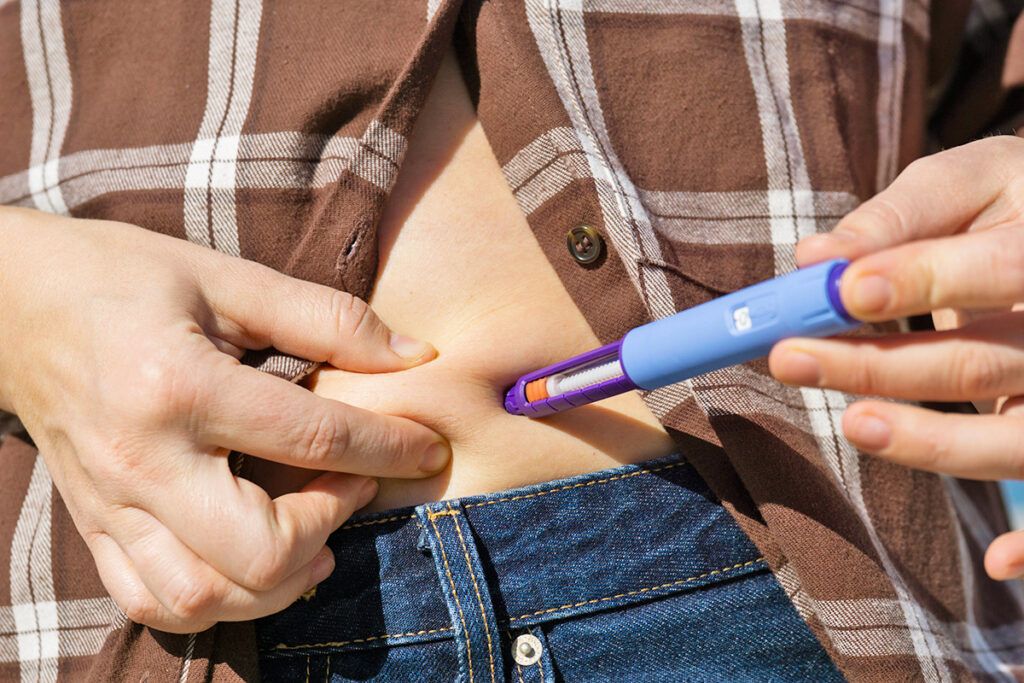
Person injecting GLP-1 into abdomen
Credit: © Svitlana Pietukhova/iStock

Why GLP-1s Change How We Eat

GLP-1s fundamentally alter how the body digests and processes food. They trigger insulin release from the pancreas and suppress glucagon secretion, a hormone that raises blood sugar. They also slow digestion, keeping the stomach fuller for longer and cutting down on the amount of glucose from food that’s released into the bloodstream.

Recommended Articles

  • The Safety Rules for Candles You Probably Don’t Know

  • How Old Are the Apples in the Grocery Store?

  • How To Tell if You’re Brushing Your Teeth Too Hard

  • 5 Things Your Car Needs Before the First Freeze

Advertisement
Advertisement

Reader Favorites

  • Woman looking in fridge

    9 Foods You Should Toss ASAP if They’re Expired

  • Person eating salad

    7 Things a Chef Never Orders at a Restaurant

  • Cherry angioma

    Are the Tiny Red Dots on Your Skin Dangerous?

For most users, increased satiety, or a stronger sense of feeling full after eating, translates into smaller portions, fewer meals, and less frequent snacking. Over time, these shifts don’t just change eating habits and users’ health; they reshape grocery carts.

Man walking down grocery store aisle
Credit: © Julia Gomina/iStock

Curbed Cravings Means Less Spending

As millions of Americans snack less and eat differently, grocery stores have been forced to adapt. New research published in the Journal of Marketing Research found that within six months of at least one person starting a GLP-1 medication, household grocery spending dropped by an average of 5.3%. The average decrease among higher-income households was more than 8%.

Advertisement
Advertisement

The steepest cuts came from ultra-processed, high-calorie foods. Think of “junk foods” and snacks such as chips, crackers, candy, and baked goods. But even everyday staples like bread, meat, and eggs saw declines, likely due to reduced portion sizes and decreased appetites leading to less food being purchased overall.
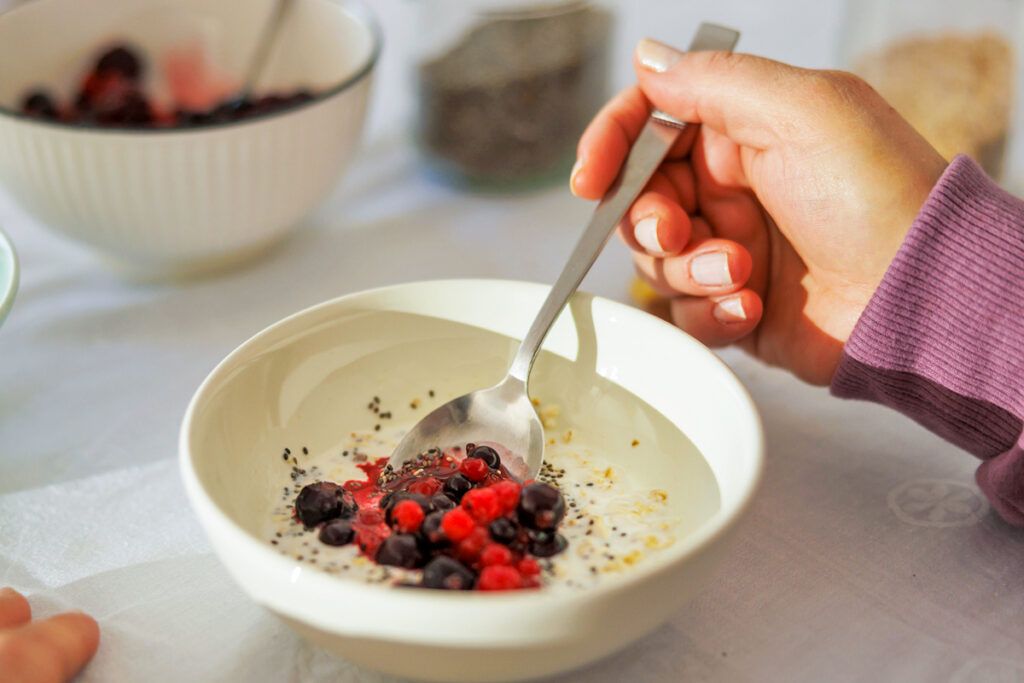
Woman eating yogurt with fruit
Credit: © Beyond the Horizon/iStock

What Americans Are Eating More Of

Spending in a few grocery categories is on the rise as consumers are more intentional about what they eat, favoring foods that support satiety and nutrition, which enhances the efficacy of their medication. This includes high-protein, high-fiber foods with fewer added sugars, along with probiotics and prebiotics.

Advertisement
Advertisement

According to the same Journal of Marketing Research study, yogurt spending rose the most, and brands are noticing the impact. According to data from Danone, the world’s largest yogurt producer, yogurt consumption is three times higher in households using GLP-1s. The company’s high-protein Greek yogurt brand Oikos saw the greatest growth, with retail sales soaring 40% in 2024. Chobani Zero Sugar saw a 55% sales growth during that same year 

Advertisement

Nutrition bars, fresh fruit, and meat snacks also gained ground as shoppers trade in traditional snacks for more functional options. Still, these gains are modest compared to the broader decline.

Advertisement
Advertisement

Grocery store planners are noticing similar trends in their local stores. Along with a focus on protein and fiber, shoppers are more interested in wellness items such as green juices and powders, vitamins, supplements, and electrolytes. It’s led some stores to adjust their offerings accordingly, ensuring there are more high-protein options available, tweaking ready-to-eat meals so they appeal to more health-conscious consumers, and providing plenty of supplements like fiber in the personal care aisles. ShopRite even put together a limited-time wellness starter kit available to customers filling their GLP-1 prescriptions at store pharmacies.  

Brand marketers have also taken note of these changes and are capitalizing on the trend. Some products now feature “GLP-1 friendly” labels, signaling changes in nutritional content to align with the GLP-1 diet and attract shoppers — even on unexpected items like frozen pizza and ice cream. One store planner told Good Morning America that when they stock those items in her store, they’re placed at eye level to appeal to the consumer.  

Advertisement
Advertisement

However, nutritionists advise not to put much stock in these labels, as there is no medically-defined standard for what makes a food “GLP-1 friendly.” As nutritionist and chef Suzy Badaracco told NPR, “the labels are just marketing.”

Food analysts believe these new trends in healthy eating are disrupting fad diets such as keto, which, in mid-2025, saw an 18.5% drop in global interest year over year. Instead, more consumers are switching to balanced, whole-food diets with an emphasis on gut health, and a growing number are using GLP-1s to support lifestyle changes.

Advertisement
Advertisement
Shake Shack burger and fries
Credit: © ManuPadilla/stock.adobe.com

Takeout Takes a Hit

The impact extends beyond grocery stores. GLP-1 users are snacking less, experiencing fewer cravings, and prioritizing healthy foods, causing fast-food restaurants and limited-service eateries to see fewer customers and smaller orders. Spending at these establishments has fallen by about 8% among GLP-1 users, according to the Journal of Marketing Research study.

Advertisement
Advertisement

Just as grocery stores are adapting, fast-food brands are pivoting. The quick-service restaurant chain Smoothie King now has a full GLP-1 Support Menu featuring high-protein, high-fiber, lower-calorie items, such as the “Gladiator GLP-1.” Similarly, Shake Shack offers a “Good Fit Menu” that advertises GLP-1 options, including traditional Angus beef lettuce wraps and veggie patty wraps. Fast-food giant McDonald’s is also keeping an eye on the GLP-1 trend. During a recent earnings call, CEO Chris Kempczinski revealed that the drugs are impacting products that the chain is testing, though no menu changes have been made yet. 
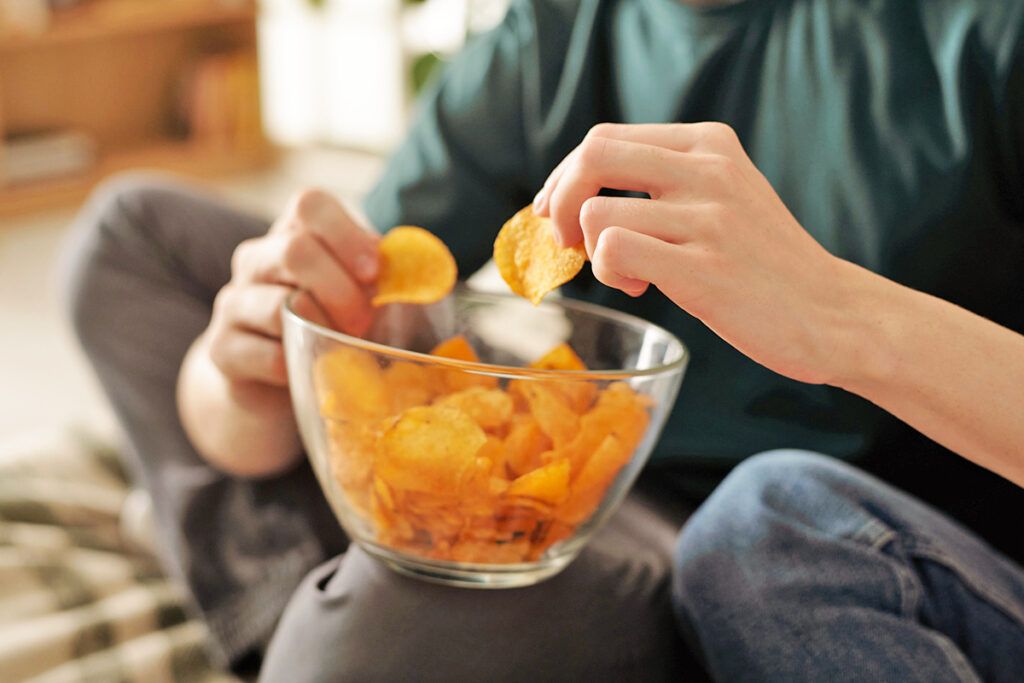
Person eating potato chips
Credit: © Pressmaster/iStock

The Catch: GLP-1 Rebound

There’s an important caveat, though: These changes may not last. The Journal of Marketing Research study found that when users stopped taking their GLP-1 medications, their food spending patterns largely reverted to pre-medication levels. In some cases, carts became even less healthy, with increased spending on items like candy and chocolate. So, while GLP-1s are reshaping grocery store aisles today, their long-term impact remains uncertain. 

Advertisement
Advertisement

Featured Image Credit: © Iqbal Nuril Anwar/iStock

More From Our Network

Better Report is part of Inbox Studio, an email-first media company. *Indicates a third-party property.

Go Retro With This 1960s Fashion Quiz

Quiz Daily

Go Retro With This 1960s Fashion Quiz

True or False: Are You a Master of U.S. Geography?

Travel Quiz

True or False: Are You a Master of U.S. Geography?

5 Reasons You Can Be Denied Boarding an Airplane

Daily Passport

5 Reasons You Can Be Denied Boarding an Airplane

What Did People Do Before Eyeglasses?

History Facts

What Did People Do Before Eyeglasses?

How To Use a Balloon To Clean Up Dust

House Outlook

How To Use a Balloon To Clean Up Dust

11 Shopping Hacks Costco Members Should Know

FinanceBuzz*

11 Shopping Hacks Costco Members Should Know

Share this article

  • Share to Facebook
  • Share to Twitter
  • Copy Url
  • Share to Email
Rachel Gresh
Writer

Rachel Gresh is a Washington, D.C.-based freelance writer. When she's not writing, you can find her wandering a museum, exploring an unfamiliar city, or baking something new in the kitchen.

This article is for general informational purposes only.
Affiliate Disclaimer Medical Disclaimer Financial Disclaimer

Updated: December 15, 2023
Posted In: Health
Hero Image Credit: Better Report
Advertisement

Related Articles

How Old Are the Apples in the Grocery Store?

4 min read

How To Tell if You’re Brushing Your Teeth Too Hard

4 min read

5 Things To Ask Your Doctor About the New Flu Shot

5 min read

Is Sourdough Actually Healthier Than Regular Bread?

7 min read

Do You Really Need a Bidet in Your Home?

4 min read
Advertisement

Should You Rinse After Brushing Your Teeth?

Ali Eldridge
Health | Updated: August 31, 2026
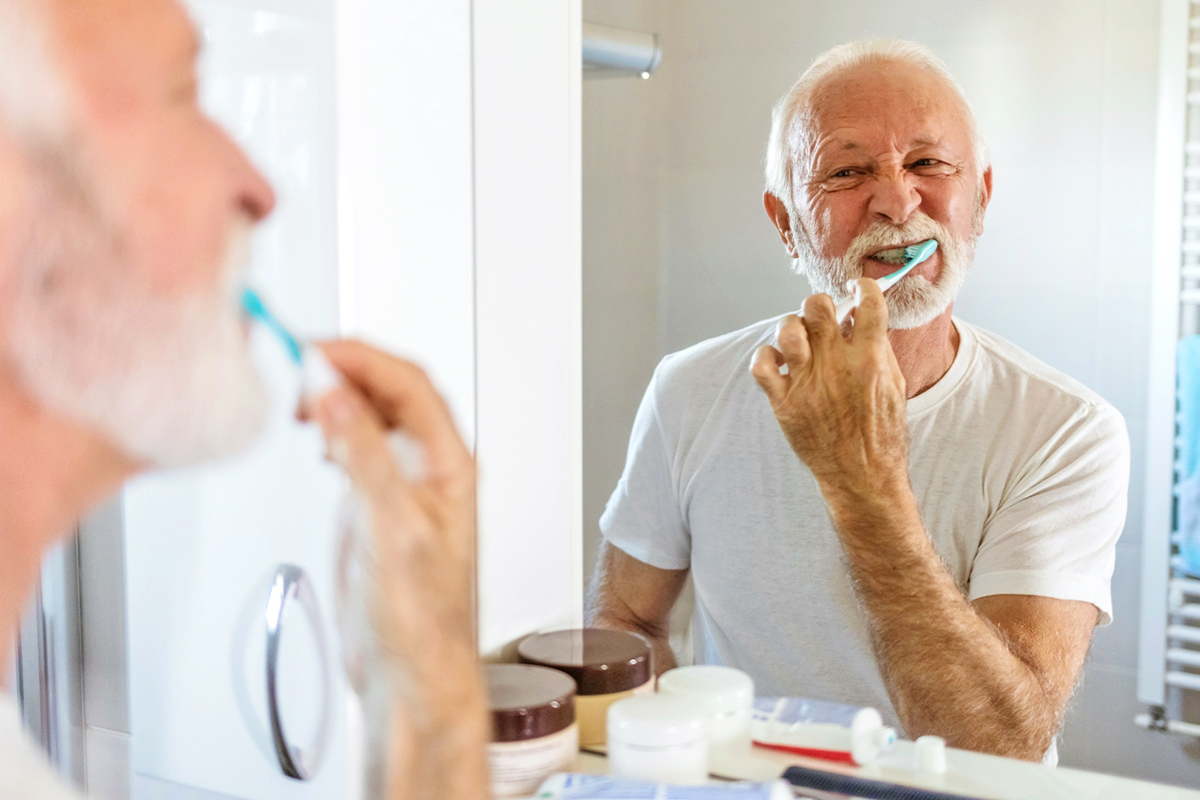
Man brushing teeth
Better Report

All featured products and deals are selected independently and objectively by the author. Better Report may receive a share of sales via affiliate links in content.

It’s universal wisdom that you should rinse your hair after shampooing and douse your face after applying cleanser. But when it comes to good dental care, there’s an ongoing debate about whether or not you should rinse out your mouth after brushing your teeth. 

Advertisement
Advertisement

People in favor may argue that water is necessary to get rid of leftover toothpaste residue. But those opposed claim rinsing has unintended drawbacks. So should you rinse after brushing? Most experts agree that there’s a right and a wrong answer.

Credit: © Miriam Alonso/Pexels.com

Don’t Rinse (Too Soon)

There are several reasons why you might feel inclined to rinse after brushing your teeth. Maybe the process doesn’t feel complete until you get rid of the toothpaste taste in your mouth, or maybe you want to use mouthwash to kill bacteria and freshen your breath. 

Whatever your goal, you should avoid rinsing and simply spit out the excess toothpaste, at least for the time being: According to the American Dental Association, it’s best to wait at least 20 minutes after brushing before you consider rinsing. The reason has to do with the fluoride in most toothpastes, which helps strengthen tooth enamel and prevent decay. Fluoride takes time to work, and rinsing too soon lessens that mineral’s effectiveness. 

This isn’t some bogus claim. Experts at the University of California San Francisco say that waiting to rinse with water or regular mouthwash can reduce tooth decay by up to 25%.

Recommended Articles

  • The Safety Rules for Candles You Probably Don’t Know

  • How Old Are the Apples in the Grocery Store?

  • How To Tell if You’re Brushing Your Teeth Too Hard

  • 5 Things Your Car Needs Before the First Freeze

Advertisement
Advertisement

Reader Favorites

  • Woman looking in fridge

    9 Foods You Should Toss ASAP if They’re Expired

  • Person eating salad

    7 Things a Chef Never Orders at a Restaurant

  • Cherry angioma

    Are the Tiny Red Dots on Your Skin Dangerous?

If you’ve made a habit of rinsing after brushing, it may be tough to quit. But the ADA has a few suggestions to help you get by until you’re able to phase out rinsing altogether. 

Advertisement

One is to take a tiny sip of water from your cupped hand — the small amount of water can help wash out chalky residue without completely negating the effects of the fluoride. Another is to use fluoride mouthwash instead of regular mouthwash or water, as the product promotes fresh breath while maintaining the necessary fluoride coating on your teeth. (The label will specify if your mouthwash contains fluoride or not.)

Advertisement
Advertisement
Person drinking orange juice
Credit: © seb_ra/iStock

When Not To Brush

With all this talk about when not to rinse, did you know that there are times when you shouldn’t brush your teeth? Dentists recommend that you wait at least an hour to brush after eating or drinking anything acidic, such as citrusy juice or sour candy. Those acids weaken the teeth’s hard outer layer of enamel, and brushing too quickly after consuming something acidic means you can actually damage it further.

Advertisement
Advertisement

Waiting around an hour gives saliva the chance to build up in the mouth and wash away those potentially harmful acids. This allows the enamel to harden again, and once it does, you can brush your teeth to your heart’s content.

Person flossing
Credit: © Josue Michel/Unsplash.com

What About Flossing?

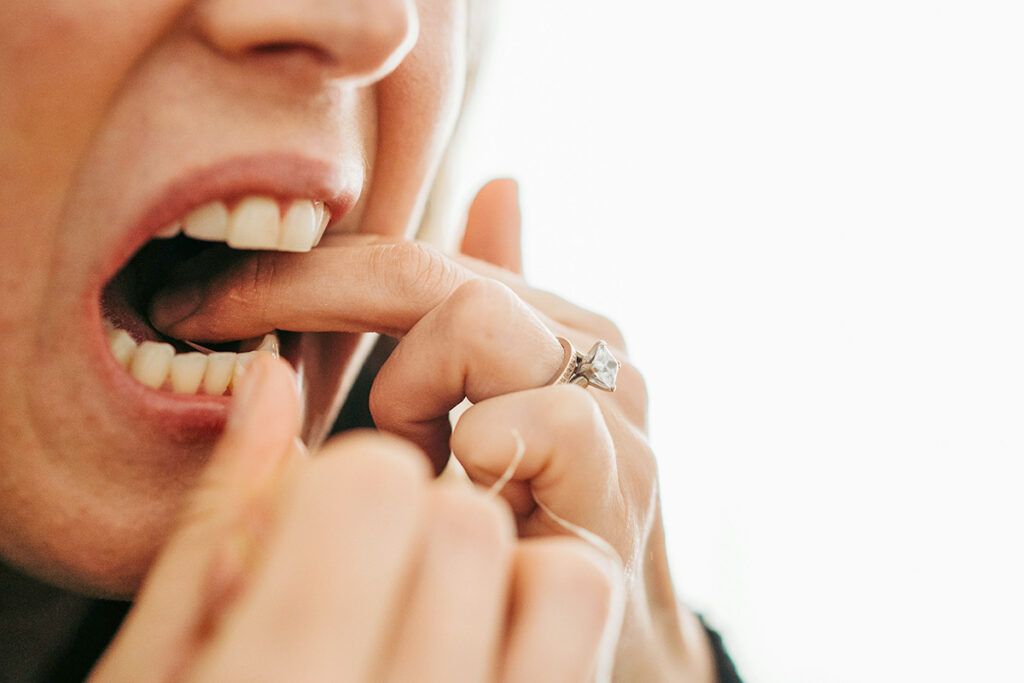
Flossing allows you to reach food caught in the crevices of your teeth that are difficult to remove with a toothbrush. If you suffer from gingivitis, though, some dentists say that using floss can aggravate inflammation, push food deeper down into the inflamed gums, and potentially make things worse. 

But it’s not an option to ignore those areas where your toothbrush can’t go — it will allow dental plaque to accumulate and harden, eventually causing periodontitis if it’s not dealt with. So, in those cases, a Waterpik or other oral irrigator is an excellent alternative to flossing. It’s also useful when a person has braces or other orthodontics that can make it difficult to use normal floss. The consistent yet soothing stream of water from any oral irrigator — which you should use before you brush — helps dislodge food and plaque without irritating the gums like normal floss.

Advertisement
Advertisement

Featured Image Credit: © Jelena Stanojkovic/iStock

More From Our Network

Better Report is part of Inbox Studio, an email-first media company. *Indicates a third-party property.

Go Retro With This 1960s Fashion Quiz

Quiz Daily

Go Retro With This 1960s Fashion Quiz

True or False: Are You a Master of U.S. Geography?

Travel Quiz

True or False: Are You a Master of U.S. Geography?

5 Reasons You Can Be Denied Boarding an Airplane

Daily Passport

5 Reasons You Can Be Denied Boarding an Airplane

What Did People Do Before Eyeglasses?

History Facts

What Did People Do Before Eyeglasses?

How To Use a Balloon To Clean Up Dust

House Outlook

How To Use a Balloon To Clean Up Dust

11 Shopping Hacks Costco Members Should Know

FinanceBuzz*

11 Shopping Hacks Costco Members Should Know

Share this article

  • Share to Facebook
  • Share to Twitter
  • Copy Url
  • Share to Email
Ali Eldridge

This article is for general informational purposes only.
Affiliate Disclaimer Medical Disclaimer Financial Disclaimer

Updated:
Posted In: Health
Hero Image Credit: Better Report
Advertisement

Related Articles

How Old Are the Apples in the Grocery Store?

4 min read

How To Tell if You’re Brushing Your Teeth Too Hard

4 min read

5 Things To Ask Your Doctor About the New Flu Shot

5 min read

Is Sourdough Actually Healthier Than Regular Bread?

7 min read

Do You Really Need a Bidet in Your Home?

4 min read
Advertisement

You Should Never Plug These Items Into a Power Strip

Home | Updated: April 23, 2026
Erin McCarthy
Author
Erin is a writer, editor, and content strategist living in the New York City area. Previously, she was the VP/Editor-in-Chief of MentalFloss.com and an editor at Popular Mechanics magazine. When she’s not working, Erin is hanging out with her cats, reading books from her never-ending TBR, traveling, karaoking, and making sourdough with her starter Stephen Sondheim.
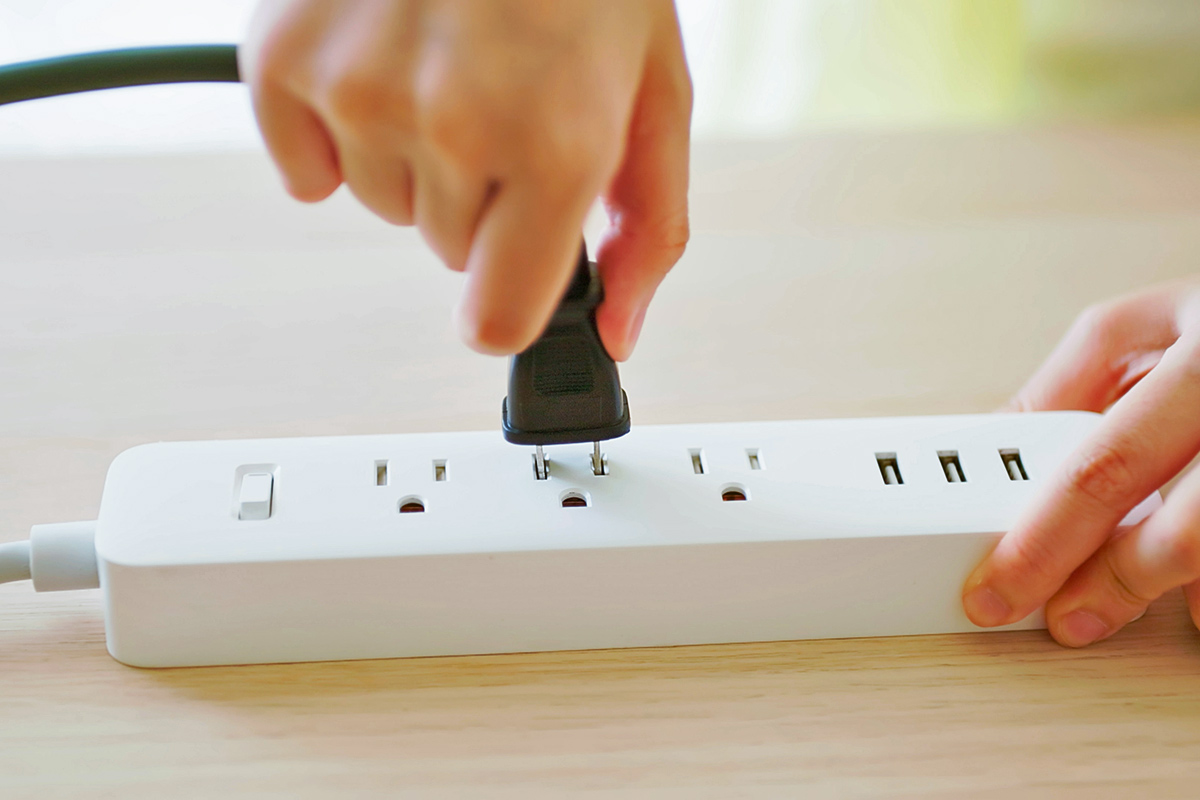
Person plugging a cord into a power strip
Better Report

All featured products and deals are selected independently and objectively by the author. Better Report may receive a share of sales via affiliate links in content.

According to Electrical Safety Foundation International, there are around 51,000 residential electrical fires in the U.S. every year, causing 500 deaths and 1,400 injuries (not to mention more than $1 billion in property damage). Some of those fires originate in power strips and extension cords, devices that are easier to misuse than you may think. We consulted two experts to find out what you can and can’t plug into a power strip, as well as best practices for using them safely.

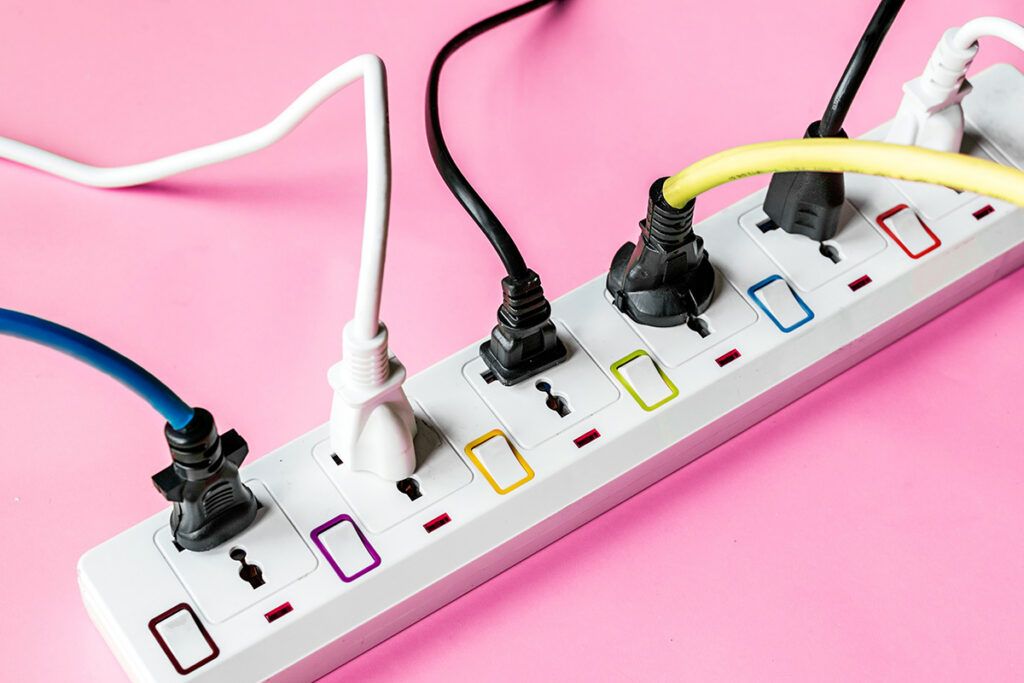
Pwer strip with items plugged in
Credit: © Curated Lifestyle/Unsplash.com

Extension Cords vs. Power Strips vs. Surge Protectors

When you’re looking for additional plugs to power items, you’re likely to think of one of three devices: an extension cord, a power strip, or a surge protector. They’re not interchangeable, though — each serves a specific purpose.

“The purpose of power strips is to expand the number of available outlets at a single wall receptacle,” says Jordan Benjamin, president of Done Rite Services, an Arizona-based electrical, plumbing, and HVAC company. “[A] common misconception is that power strips create more power, but this isn’t true. Your circuit capacity is fixed at your breaker. Power strips just redistribute that existing capacity.”

Power strips differ from surge protectors, which offer additional protection against voltage spikes. Extension cords, meanwhile, “are designed to temporarily deliver power when an outlet isn’t accessible,” Benjamin says. “They are not designed to be a permanent solution for a lack of outlets.”

Advertisement
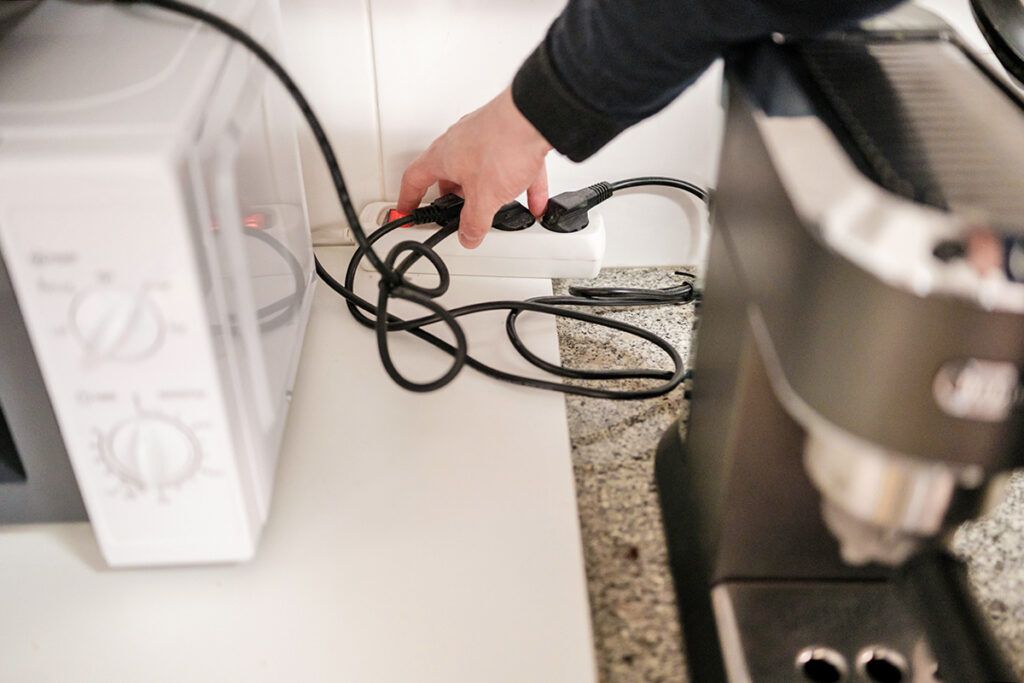
Plugging a microwave into a power strip
Credit: © José Araújo/iStock

Items You Should Never Plug Into a Power Strip

Whichever device you’re buying, “It is very important to pay attention to the amp[erage] rating on the power strip to not exceed it,” says Tom Jameson, owner of AstroWatt Electric in North Carolina. “The biggest misconception [people have] is that all power strips and extension cords are safe. Using the wrong size and gauge can do more harm than good.” You can find the maximum capacity of the strip in amps or watts on the underside, and calculate the total load by adding up the wattage of everything you plan to plug in (which should be somewhere on the devices themselves). You can convert amps to watts by multiplying amps times voltage.

The list of items you can’t plug into a power strip is long, but a good rule of thumb is to avoid high-wattage appliances (1,000 watts and above), anything that produces heat, and anything with a motor — they can overload a power strip and cause a fire. “These types of devices draw high current and have a significant startup surge when cycling on, which is more than a power strip is designed to handle,” Benjamin says. Here’s a short list of devices that aren’t ever safe to plug in:

  • • Fridges (or mini fridges)
  • • Toasters
  • • Slow cookers
  • • Coffee makers
  • • Microwaves
  • • Air fryers
  • • Blenders
  • • Irons
  • • Air conditioners
  • • Space heaters
  • • CPAP machines
  • • Electric blankets
  • • Power tools
  •  

There are also plenty of items you may think are OK for a power strip that actually aren’t. “Vacuums, hair dryers, and crock pots are [indoor] items people plug in all the time” that can cause problems, Jameson says.

For all of these items, it’s safest to use a wall outlet rather than a power strip or surge protector (which can also get overloaded). According to Benjamin, wall outlets are the “only safe option” because “they are part of a dedicated electrical circuit that was designed to carry a specific load with properly sized wiring, secure connections, and a protective breaker matched to that capacity. Power strips are simply not designed to handle big loads.” 

Advertisement

And, as Jameson points out, unlike a lot of power strips, most wall outlets are tamper-resistant, which “prevent[s] kids or animals from getting into them.”

You should also never plug an extension cord into a power strip, or a power strip into another power strip, a practice known as daisy chaining. According to Benjamin, “Daisy-chaining several strips together can lead to overheating and a greatly increased risk of fire and/or electrical shocks.”

Both Benjamin and Jameson have horror stories about things customers have plugged into power strips that have no business being there. “One of the worst setups I’ve encountered involved multiple power strips daisy-chained together behind an entertainment center,” Benjamin says. “This setup was used to power a TV, a cable box, a landline phone and answering machine, multiple gaming systems, a space heater, a small fan, and various chargers. It’s a miracle that the family never had a fire, but believe it or not, this type of setup isn’t at all uncommon.”

In addition to space heaters — “the No. 1 item to never plug into a power strip” — Jameson often sees people using the strips in garages. “That should never be done, either,” he says, because garages are full of dust and debris, “and dust and electricity do not mix.” (Dust isn’t as big of an issue inside your home, he says, but it’s still not ideal, so he recommends keeping a can of compressed air around to clean out power strips as well as your smoke detector.)

Advertisement
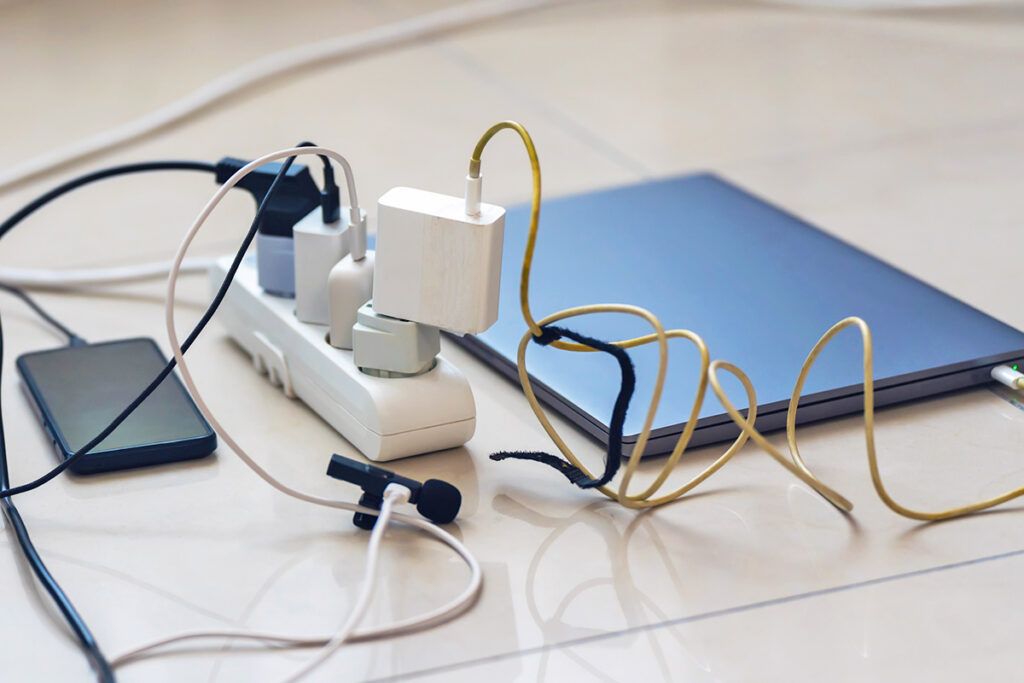
Laptop, phone, and other small items plugged into a power strip
Credit: © Andrei310/iStock

What You Can Use a Power Strip For

At this point, no one would blame you for wondering what you actually can plug into a power strip. According to Benjamin, “electronics and devices with a relatively low, steady power draw that don’t produce heat or run off of a motor or compressor are safe to use on a power strip.”

That includes TVs, routers and modems, alarm clocks, phone and tablet chargers, and lamps. Laptops and computer monitors should be OK, but not if you have gaming setup or a ton of home office equipment. “The issue is that so many devices are plugged in and all are running simultaneously,” he says. “This draws more power than you would think and can lead to overheating, internal component melting, and damage to devices.”

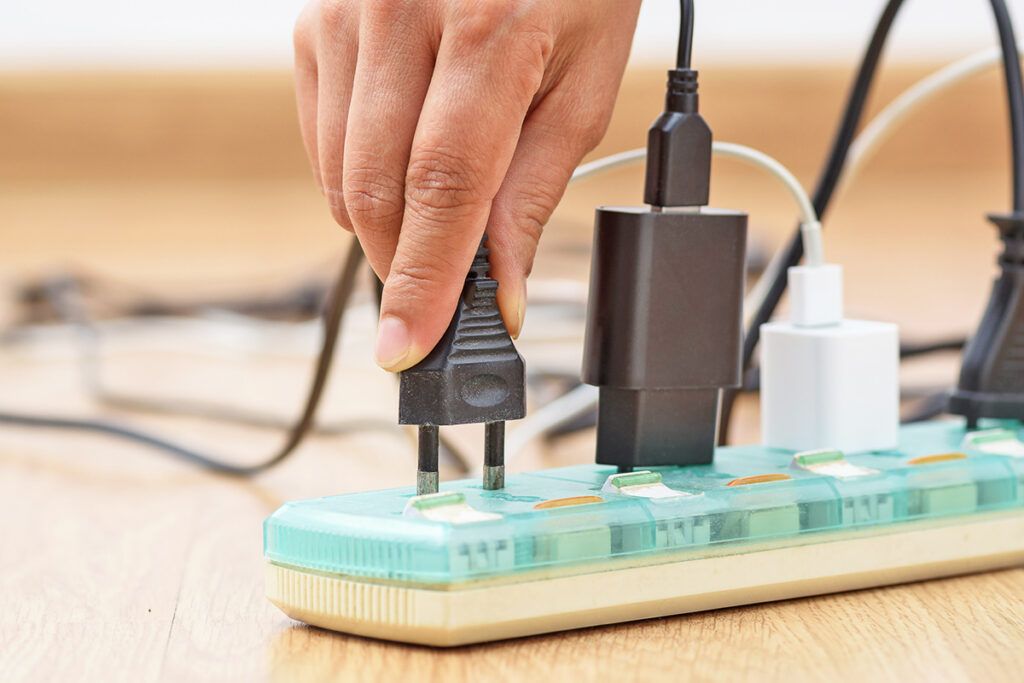
Plugging an item into a power strip
Credit: © nipastock/iStock

What To Look for in a Power Strip

“When purchasing power strips,” Jameson says, “the main thing to look for is to ensure it’s UL Listed,” which means that it’s been tested by UL Solutions, a company that provides independent testing to ensure devices meet safety standards. He also recommends getting one that’s tamper-resistant — which will have safety shutters over the outlets — with a minimum rating of 15 amps. USB charging ports are a plus, too. (That said, “I wouldn’t ever personally recommend someone to use a power strip as a licensed electrician. I would always recommend having an electrician add more outlets to plug things in the right way.”)

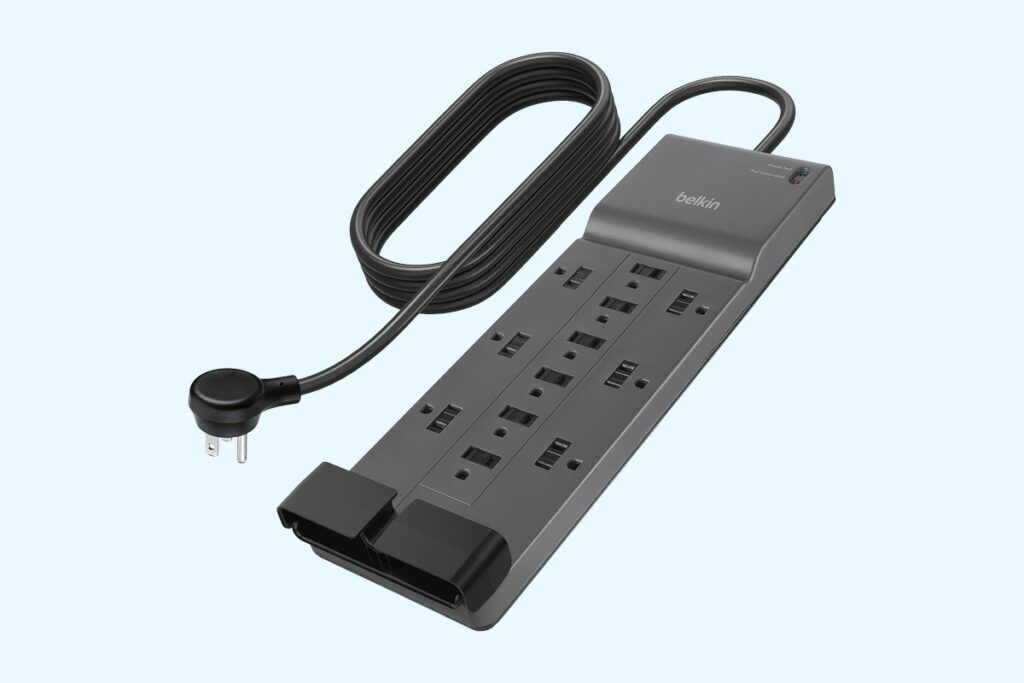
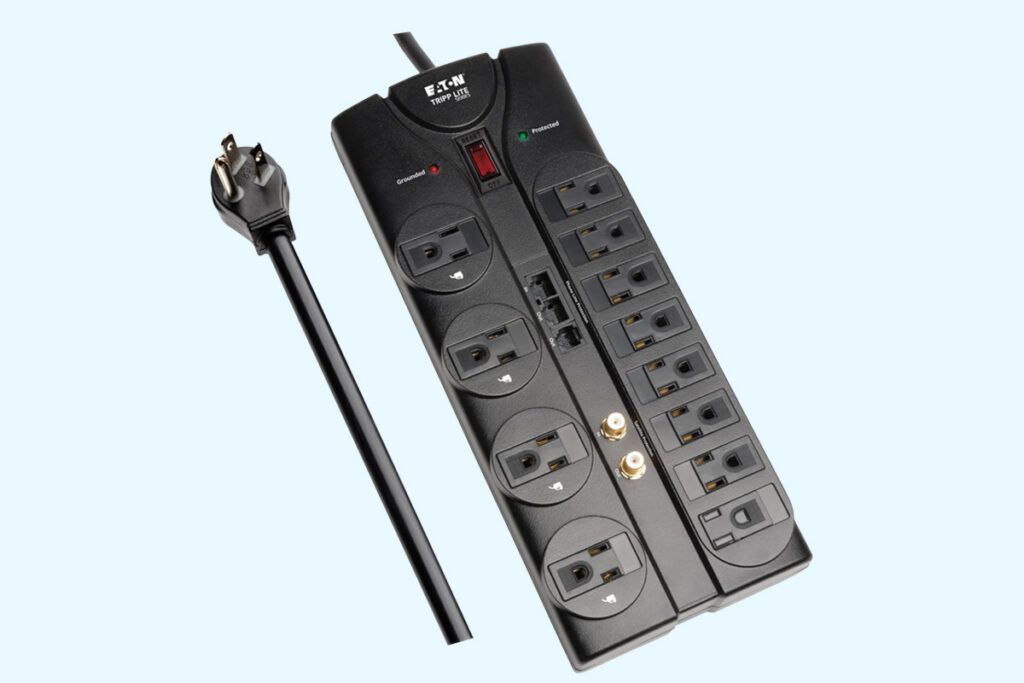
Benjamin says that if you need more outlets, you should opt for a surge protector over a power strip to get that extra protection: “Look for a high joule rating — 2,000+ is ideal — ‘UL 1449 Revision 2’ stated on the packaging, clamping voltage (VPR) of 330V to 400V, a protection indicator light, and 3-line protection.” And make sure you’re buying from a reputable brand, even if it costs you a few extra bucks. “When it comes to valuable electronics, you don’t want to take any chances,” he says.

Advertisement

Belkin 12-Outlet Surge Protector

Amazon
Buy for $29 on Amazon

Eaton Tripp Lite Home Theater Surge Protector

Amazon
Buy for $55 on Amazon

APC UPS 600VA Battery Backup

Amazon
Buy for $84 on Amazon
Power strip with items plugged in
Credit: © Devonyu/iStock

Power Strip Safety Tips

As we mentioned above, never, ever daisy chain power strips. You should also never use extension cords as permanent power solutions. 

Additionally, you should visually inspect power strips regularly for damage. Jameson is always on the lookout for “any sort of discoloration or melting,” he says. “If you ever see anything changing color, burn marks, plastic melting, etc., unplug and throw away.” (Don’t just toss them in the trash, though; you should drop them off at a retailer with an e-waste recycling program or an authorized e-waste facility.) 

Other signs that it’s time to toss your power strip and get a new one, according to Benjamin, are if the device “feels hot to the touch when in use, produces burning smells, frequently trips the breaker, doesn’t plug into the wall snugly, or doesn’t maintain consistent power anymore.”

You should also avoid running any cords under rugs or furniture that’s low to the ground, which can cause heat to build up and increase the risk of fire. Benjamin says you can put them in cabinets, provided that heat can escape (the back of the cabinet is open, for example, or there’s a vent). The power strip should also be mounted to the wall of the cabinet and there should be a hole for the cord so it doesn’t get pinched by the door.

Advertisement

When it comes to what to plug into the outlet, Benjamin says, “err on the side of caution and use a wall outlet.” And if you find that you need a ton of power strips around your home, it may be time to make a phone call. “If you’re looking for additional options to plug in more devices [and] equipment,” Jameson says, “contact a licensed and insured electrician.”

Featured Image Credit: © PonyWang/iStock

Advertisement
Advertisement

Related Articles

The Safety Rules for Candles You Probably Don’t Know

5 min read

9 Items in Your Basement You Should Toss Right Now

5 min read

5 Vegetables You Should Never Store in the Fridge

3 min read

Why a Flashing Check Engine Light Is Different From a Solid One

3 min read

Why Does Your Sink Have a Tiny Hole?

3 min read
Advertisement

How To Safely Handle Raw Chicken, According to a Chef

Health | Updated: April 27, 2026
Fred Decker
Author
Fred Decker is a trained chef and former restaurateur. Since closing his restaurants over a decade ago he has been a prolific freelance writer, publishing several thousand articles on dozens of high-volume websites including Taste Of Home, Hunker, Tasting Table, Week&, eHow, and GOBankingRates. He lives on a rural acreage shared with a big garden, chickens, rabbits, and grandkids.
Cutting raw chicken
Better Report

All featured products and deals are selected independently and objectively by the author. Better Report may receive a share of sales via affiliate links in content.

Chicken is one of Americans’ favorite foods: According to the National Chicken Council, people in the U.S. consume over 100 pounds per person each year — almost as much as beef and pork combined. And why not? It’s tasty, it’s versatile, and it’s a good source of lean protein. 

Of course, there are a few negatives to go along with those positives, and a big one is food poisoning: The CDC estimates that 1 in 25 packages of grocery-store chicken is infected with salmonella or other bacteria. Also, if we’re honest, handling raw chicken is just kind of gross. 

Advertisement
Advertisement

I’m a trained chef and former restaurateur, and was also a certified food safety trainer during my time in the business. I’ve handled a lot of chicken over the years, and trained staff to do it as well. So, if you’ve ever wondered whether you’re handling raw chicken correctly, keep reading. 

Whole chicken in packaging at grocery store
Credit: © Sergey Ryzhov/stock.adobe.com

Keep it Cold

You can usually be confident that the store you buy your chicken from has handled it correctly, so your responsibility begins at checkout. Chicken shouldn’t stay at room temperature for more than two hours, so put it in a cooler or insulated bag after you purchase it and transfer it to the fridge as soon as you get home. You should use it or freeze it within one or two days. 

Pathogens — bacteria like Salmonella that can cause human illness — flourish at temperatures between 40° and 140° Fahrenheit, the so-called danger zone for food safety. The more bacteria in your food, the more likely you’ll get sick, so you really want to limit time in the danger zone. 

Advertisement
Chicken in food storage containers
Credit: SAC/iStock

Keep Raw Chicken Separate From Other Foods

One of the big issues for chefs and home cooks alike is the risk of cross-contamination. That’s what happens when potentially bacteria-laden juices from the chicken come into contact with anything ready to eat. It can happen directly through a drip, or occur indirectly because something that’s touched the raw chicken — your hand, your knife, a cutting board, or the counter itself — touched other food afterwards. 

Recommended Articles

  • The Safety Rules for Candles You Probably Don’t Know

  • How Old Are the Apples in the Grocery Store?

  • How To Tell if You’re Brushing Your Teeth Too Hard

  • 5 Things Your Car Needs Before the First Freeze

Advertisement
Advertisement

Reader Favorites

  • Woman looking in fridge

    9 Foods You Should Toss ASAP if They’re Expired

  • Person eating salad

    7 Things a Chef Never Orders at a Restaurant

  • Cherry angioma

    Are the Tiny Red Dots on Your Skin Dangerous?

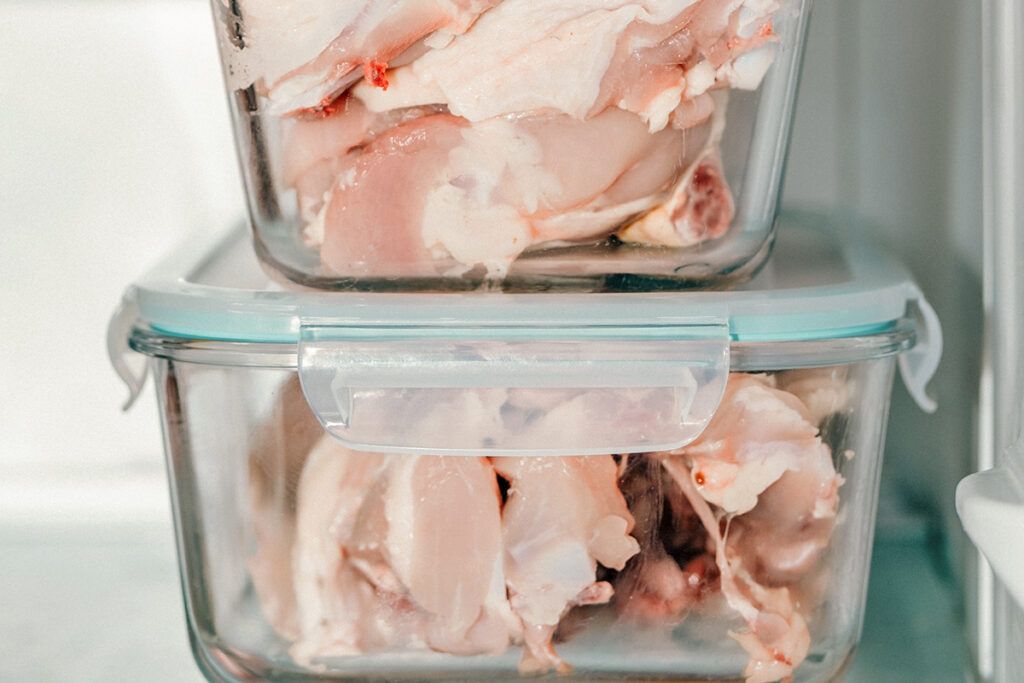
You can reduce this risk right at the store by putting your chicken inside a plastic bag to prevent leakage. When you get home, put the chicken on the bottom shelf of your fridge below other foods with a bowl or plate underneath to catch drips. 

Cutting raw chicken on a cutting board
Credit: © Nazar Rybak/iStock

Clean, Clean, Clean

Keeping everything scrupulously clean is just as important as physical separation. Wash your counter, cutting board, knife, and hands before you start. The only thing you shouldn’t wash is the chicken itself. Rinsing it won’t remove bacteria; it will just spread them around your kitchen. Seriously, the CDC would love it if you’d stop doing that. 

Advertisement
Advertisement

A few things I get asked a lot in cooking classes are pertinent here. 

Should I wear gloves to handle raw chicken? 

From a food safety standpoint, gloves are neutral. Every time you handle raw chicken, you should either wash your hands or change gloves. So, if touching raw chicken gives you “the ick,” then by all means use them. I usually use disposable vinyl or nitrile gloves like these,  just so I don’t have to wash my hands and dry out my skin. 

Advertisement
Advertisement

Should I use a plastic cutting board or wood? 

That’s a personal choice. Studies have shown that some kinds of wood have naturally antibacterial properties, but plastic can go right into your dishwasher. I use both, but the perk of having multiple low-cost cutting boards is that you can designate them for meat-only, produce-only, and so on. It helps if they’re color-coded, like these ones from Amazon. Plastic cutting boards can be a source of microplastics, though, so if you’re trying to avoid them, opt for a wooden cutting board like this one.

Advertisement
Advertisement

Are soap and water enough to clean up, or do I need to sanitize? 

Plain soap and hot water do most of the heavy lifting for your hands as well as utensils and surfaces (and lots of general-purpose household cleansers sanitize your surfaces, too). If you want to be really sure, you can make a DIY sanitizer by mixing 1 teaspoon of bleach in 1 cup of room-temperature water. Spray it on your freshly-cleaned utensils and surfaces, let it sit for one minute, then wipe it dry with a clean towel. This kind of sanitizer is only good for 24 hours, so you’ll need to mix it fresh each time. 

Advertisement
Advertisement
Using meat thermometer on whole chicken
Credit: © lisegagne/iStock

Cook Your Chicken to the Right Temperature

The final step in handling your raw chicken correctly is fully cooking it to a temperature that kills potentially harmful bacteria. For chicken or poultry, the USDA-recommended temperature is 165 degrees Fahrenheit. Realistically, the only way to know when you reach that temperature is to check the chicken with a thermometer. “When the juices run clear” isn’t a precise test, and often means you’ve overcooked your chicken. 

Advertisement
Advertisement

Then there’s the question of the meat staying pink with bone-in chicken. That’s not a sign it’s undercooked — it’s a chemical reaction involving oxygen-carrying proteins in chicken meat. That pink color is heat-stable, so it won’t change as you keep cooking your bird. 

A fast-acting instant-read thermometer is the only way to know for sure when your chicken is fully cooked. I recommend ThermoWorks’ Thermapen ONE, which is fast, accurate, and reliable. If you’re not prepared to spend that much, the colorful ThermoPop 2 is more affordable but still offers excellent speed and accuracy. Either one will help you cook your chicken confidently to the correct temperature.

Advertisement
Advertisement

Featured Image Credit: © Maria Nikitina/iStock

More From Our Network

Better Report is part of Inbox Studio, an email-first media company. *Indicates a third-party property.

Go Retro With This 1960s Fashion Quiz

Quiz Daily

Go Retro With This 1960s Fashion Quiz

True or False: Are You a Master of U.S. Geography?

Travel Quiz

True or False: Are You a Master of U.S. Geography?

5 Reasons You Can Be Denied Boarding an Airplane

Daily Passport

5 Reasons You Can Be Denied Boarding an Airplane

What Did People Do Before Eyeglasses?

History Facts

What Did People Do Before Eyeglasses?

How To Use a Balloon To Clean Up Dust

House Outlook

How To Use a Balloon To Clean Up Dust

11 Shopping Hacks Costco Members Should Know

FinanceBuzz*

11 Shopping Hacks Costco Members Should Know

Share this article

  • Share to Facebook
  • Share to Twitter
  • Copy Url
  • Share to Email
Fred Decker
Writer

Fred Decker is a trained chef and former restaurateur. Since closing his restaurants over a decade ago he has been a prolific freelance writer, publishing several thousand articles on dozens of high-volume websites including Taste Of Home, Hunker, Tasting Table, Week&, eHow, and GOBankingRates. He lives on a rural acreage shared with a big garden, chickens, rabbits, and grandkids.

This article is for general informational purposes only.
Affiliate Disclaimer Medical Disclaimer Financial Disclaimer

Updated: April 14, 2026
Posted In: Health
Hero Image Credit: Better Report
Advertisement

Related Articles

How Old Are the Apples in the Grocery Store?

4 min read

How To Tell if You’re Brushing Your Teeth Too Hard

4 min read

5 Things To Ask Your Doctor About the New Flu Shot

5 min read

Is Sourdough Actually Healthier Than Regular Bread?

7 min read

Do You Really Need a Bidet in Your Home?

4 min read
Advertisement

Are Teflon Pans Really That Bad for You?

Ali Eldridge
Health | Updated: April 27, 2026
Egg in a nonstick pan
Better Report

In 1938, a chemist at the DuPont company accidentally discovered an exciting new polymer. It repelled water, it was chemically stable and nonreactive, and nothing stuck to it. The material (brand name: Teflon) has been used in countless consumer products since then to reduce friction between surfaces. Among its best-known applications is in nonstick cookware, allowing home chefs to sauté, pan fry, and bake without a stuck-on mess to clean up afterward. 

In the past few decades, however, the chemicals that go into nonstick surfaces have been linked to certain health issues and environmental pollution. A 2025 poll conducted by Consumer Reports found 65% of the cooks and bakers surveyed were “very concerned” or “somewhat concerned” about the presence of the chemicals in nonstick cookware.    

Advertisement
Advertisement

Are pans coated in Teflon a health risk? Should you toss the ones you have in your cabinets? Let’s take a look.

Non-stick pan
Credit: © Rob Jorg/iStock

Pots, Pans, and PTFE

The chemical name of Teflon is polytetrafluoroethylene (PTFE). This incredibly versatile material is inert — meaning it doesn’t chemically react with other substances around it — and it’s highly resistant to breaking down from wear or corrosion.

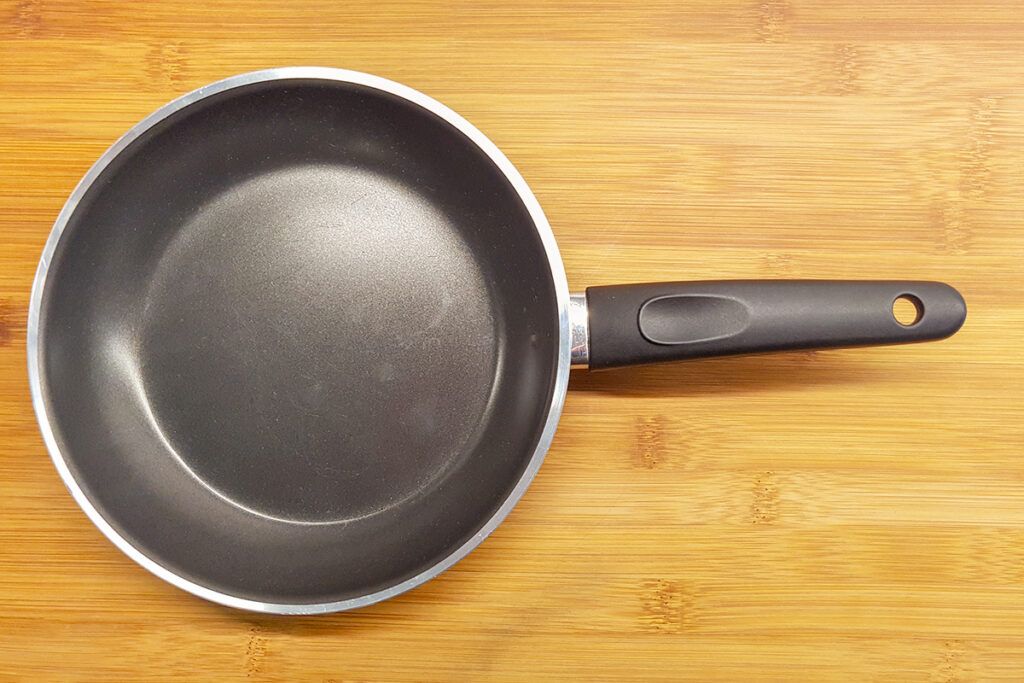
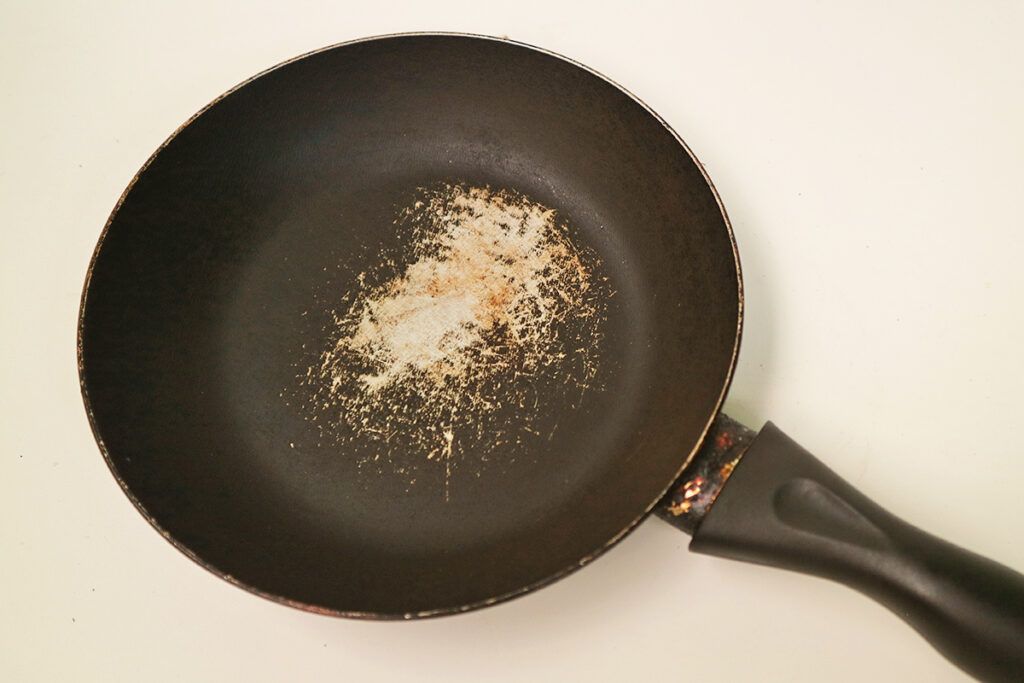
When used according to the manufacturer’s directions, nonstick PTFE-coated pots and pans are nontoxic and will not leach chemicals into food. Even if the nonstick coating gets scratched from a utensil and you happen to ingest small pieces of PTFE, they will pass through your system without being metabolized. (To avoid the possibility of ingesting the plastic, replace scratched cookware promptly.)

Advertisement

That said, using PTFE-coated cookware incorrectly isn’t a good idea. Overheating empty pots and pans to PTFE’s melting point of 327 degrees Celsius (620.6 degrees Fahrenheit) can release fumes that cause “polymer-fume fever,” which can bring on temporary symptoms including fever, sore throat, chills, and headache. People with lung conditions may experience more serious symptoms. Because of this, manufacturers’ recommended maximum temperature for Teflon-coated pans is usually 260 degrees Celsius (500 degrees Fahrenheit). Fortunately, most types of cooking don’t require that level of heat. 

Recommended Articles

  • The Safety Rules for Candles You Probably Don’t Know

  • How Old Are the Apples in the Grocery Store?

  • How To Tell if You’re Brushing Your Teeth Too Hard

  • 5 Things Your Car Needs Before the First Freeze

Advertisement
Advertisement

Reader Favorites

  • Woman looking in fridge

    9 Foods You Should Toss ASAP if They’re Expired

  • Person eating salad

    7 Things a Chef Never Orders at a Restaurant

  • Cherry angioma

    Are the Tiny Red Dots on Your Skin Dangerous?

Non-stick pan with scratches
Credit: © Octopus16/stock.adobe.com

The Problems With PFAS

Some of the concern with the safety of PTFE-coated pans stems from their relationship to PFAS (per- and polyfluoroalkyl substances), the “forever chemicals” known to pollute and persist in the environment. The extremely widespread use of PFAS in manufacturing means nearly all people on Earth have some PFAS in their blood from exposure to polluted water, soil, or air. 

Advertisement
Advertisement

PTFE is considered a PFAS, though one that is less harmful to the environment than others because it doesn’t break down chemically. Instead, it disintegrates into microplastics over decades or centuries in landfills. 

The manufacturing process for PTFE-coated cookware used to include a type of PFAS called perfluorooctanoic acid, or PFOA, which would end up in the finished products. PFOA exposure is associated with higher cholesterol levels, weaker immune system response to some vaccines, pregnancy-induced high blood pressure, and kidney and testicular cancer. Studies on animals exposed to high doses of PFOA have shown additional harms, but it’s not clear if these effects translate to humans.

Advertisement
Advertisement

Because of these risks, manufacturers began phasing out production and general use of PFOA in the early 2000s and stopped using it at the end of 2015. Nonstick cookware sold after that year should be free of the substance, though Consumer Reports tested three “nontoxic” pans in 2022 and found one PTFE-coated pan had measurable traces of PFOA and other PFAS due to how the pan was manufactured. The other two pans were ceramic-coated and did not contain any of the 96 PFAS in the test.

Most nonstick pans last between two and five years, so if you have any you think could date back to 2015, toss them. And to be sure your cookware contains no PFAS, uncoated pans may be your best bet. Carbon steel and cast-iron pans won’t have the ultra-slippery coating right out of the box, but seasoning them will eventually build up a suitably nonstick surface.

Advertisement
Advertisement

Featured Image Credit: © Amina Filkins/Pexels.com

More From Our Network

Better Report is part of Inbox Studio, an email-first media company. *Indicates a third-party property.

Go Retro With This 1960s Fashion Quiz

Quiz Daily

Go Retro With This 1960s Fashion Quiz

True or False: Are You a Master of U.S. Geography?

Travel Quiz

True or False: Are You a Master of U.S. Geography?

5 Reasons You Can Be Denied Boarding an Airplane

Daily Passport

5 Reasons You Can Be Denied Boarding an Airplane

What Did People Do Before Eyeglasses?

History Facts

What Did People Do Before Eyeglasses?

How To Use a Balloon To Clean Up Dust

House Outlook

How To Use a Balloon To Clean Up Dust

11 Shopping Hacks Costco Members Should Know

FinanceBuzz*

11 Shopping Hacks Costco Members Should Know

Share this article

  • Share to Facebook
  • Share to Twitter
  • Copy Url
  • Share to Email
Ali Eldridge

This article is for general informational purposes only.
Affiliate Disclaimer Medical Disclaimer Financial Disclaimer

Updated:
Posted In: Health
Hero Image Credit: Better Report
Advertisement

Related Articles

How Old Are the Apples in the Grocery Store?

4 min read

How To Tell if You’re Brushing Your Teeth Too Hard

4 min read

5 Things To Ask Your Doctor About the New Flu Shot

5 min read

Is Sourdough Actually Healthier Than Regular Bread?

7 min read

Do You Really Need a Bidet in Your Home?

4 min read
Advertisement

Why You Should Never Thaw Fish the Way You Thaw Meat

Health | Updated: April 27, 2026
Fred Decker
Author
Fred Decker is a trained chef and former restaurateur. Since closing his restaurants over a decade ago he has been a prolific freelance writer, publishing several thousand articles on dozens of high-volume websites including Taste Of Home, Hunker, Tasting Table, Week&, eHow, and GOBankingRates. He lives on a rural acreage shared with a big garden, chickens, rabbits, and grandkids.
Person handling fish
Better Report

The next time you grab something from your freezer to make a quick weeknight meal, take a moment to thank Clarence Birdseye. Inspired by the Inuit he saw in Canada’s north as a young scientist, he developed a process to flash-freeze fish commercially and founded the company that still bears his name a century later. 

Advertisement
Advertisement

Commercially blast-frozen fish retains its fresh flavor remarkably well, especially if it’s vacuum-packed to prevent exposure to oxygen. But you should be careful how you thaw it, because in this case, what you don’t know actually can hurt you. 

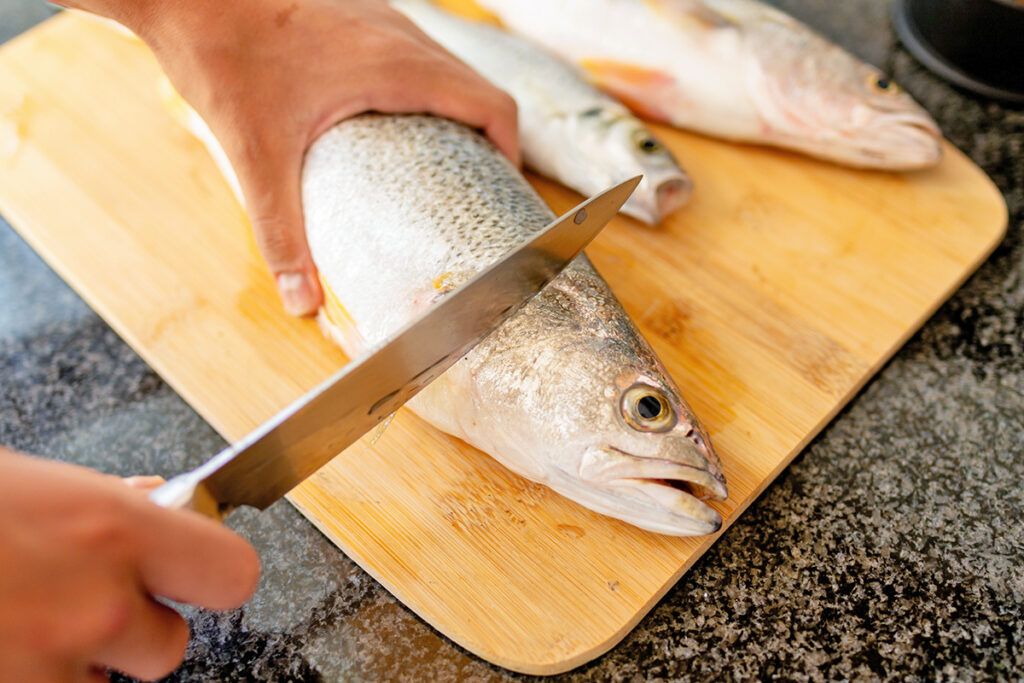
Cutting fish
Credit: © Vertigo3d/iStock

Fish Are Especially Perishable

Fish and shellfish were an obvious use-case for freezing once the technology developed, because they’re highly perishable — much more so than red meat. They’re good for only a day or two in the fridge at best, and they’ll go “off” after just a couple of hours in the summer heat. Blast-freezing on a boat, or in a plant as soon as they make it to shore, captures their fresh quality and stops deterioration.

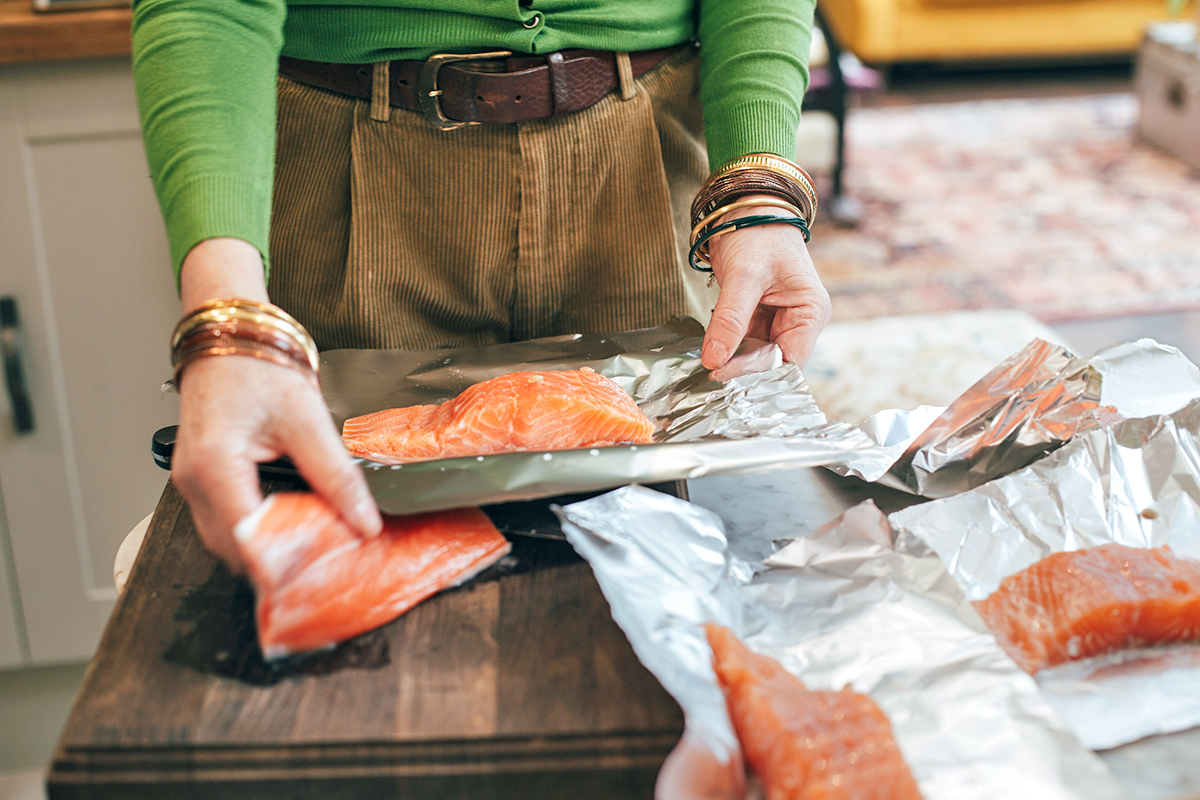
That perishability carries over to when you thaw them as well. The USDA endorses three thawing options for food, each with advantages and disadvantages. While overnight in the fridge is your best option — it’s the gentlest and the fish never gets above a food-safe temperature — the downside is that it takes the longest and starts the meter on that two-day refrigerator life. 

Thawing in cold water is faster, but it means you’ll need to cook the fish as soon as it’s thawed. Microwave thawing fish is also OK but tricky, because fish is especially delicate, and thin fillets can go from defrosting to cooking in the blink of an eye. It’s always best to stop the microwave while they’re still partly frozen, but pliable rather than rock-hard. 

Recommended Articles

  • The Safety Rules for Candles You Probably Don’t Know

  • How Old Are the Apples in the Grocery Store?

  • How To Tell if You’re Brushing Your Teeth Too Hard

  • 5 Things Your Car Needs Before the First Freeze

Advertisement
Advertisement

Reader Favorites

  • Woman looking in fridge

    9 Foods You Should Toss ASAP if They’re Expired

  • Person eating salad

    7 Things a Chef Never Orders at a Restaurant

  • Cherry angioma

    Are the Tiny Red Dots on Your Skin Dangerous?

You should never thaw on the counter or in hot water, because that turbocharges the growth of any bacteria that happen to be in the fish. If they’re the kind of bacteria that cause spoilage, the fish won’t taste or smell fresh — and if they’re pathogens, you could get sick. 

Advertisement
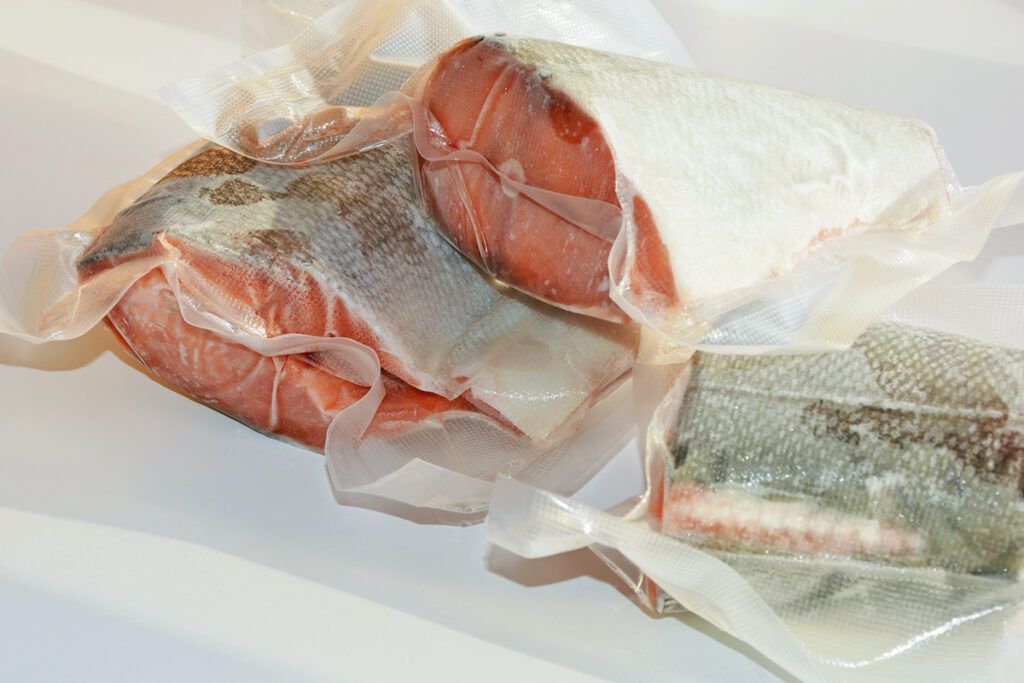
Vacuum-sealed fish
Credit: © Alena Mostovich/iStock

Vacuum-Sealed Fish Poses a Special Threat

Foods always last longer, and hold their quality better, if they’re vacuum-sealed after freezing. That’s because the vacuum-sealing process extracts almost all air from the packaging, and oxygen with it. That’s mostly a good thing: Oxygen reacts with the food, causing freezer burn and “off” flavors. But there are some bacteria that have evolved to thrive in oxygen-free, or anaerobic, environments, and one of them is Clostridium botulinum. It causes botulism, which is a rare but extremely dangerous form of food poisoning with a high fatality rate.

Advertisement
Advertisement

You might think of botulism mostly as a risk of canned foods, but vacuum packaging is also susceptible to it. This is more of a threat with fish than red meat, not only because you’re more likely to buy your fish vacuum-sealed, but because C. botulinum can naturally be found in the gills and guts of fish and shellfish, and therefore has a higher chance of making it into the fillet you need to defrost. So, while all three of the thawing methods are applicable to ordinary frozen or vacuum-sealed fish, the vacuum-sealed version requires an extra step.

The best defense against botulism is simply air. When you pull a package of vacuum-sealed fish from the freezer, open the packaging and transfer it to a new bag. Exposure to oxygen will kill the bacteria.

Advertisement
Advertisement
Dredging fish in flour
Credit: © Yuuji/iStock

A Few Other Things To Know 

Botulism isn’t the only risk associated with fish. Listeria monocytogenes is another nasty one: As FDA’s Bad Bug Book points out, it can survive in both aerobic and anaerobic environments. It’s also salt-tolerant, so it can survive in cured meats and fish (you may recall it was the culprit in the massive 2024 Boar’s Head recalls). And, unlike most bacteria, it can continue to reproduce at refrigerator temperatures. According to the CDC, Listeria kills an average of 172 people a year in the U.S., from about 1,250 cases. Cooking to a temperature of 165 degrees Fahrenheit will kill it, though that’s higher than you’d ideally cook fish. As with soft egg yolks and rare beef, you’ll need to judge risk versus reward for yourself. 

Advertisement
Advertisement

A few other pathogens show up in various forms of fish or seafood, but unlike C. botulinum, they don’t demand any extra steps. As long as you follow the basic rules of handling seafood safely, you should be OK. 

One final thing to remember about fish is that with a few exceptions such as fresh tuna or swordfish, it’s physically more delicate than meat. That’s especially important to have in mind when you’re microwave thawing, because portions that edge from thawed to cooked will be fragile and tend to fall apart when they’re handled. The best approach might be simply to cook from frozen. It stretches your cooking time by up to 50%, but it’s a surefire way to avoid any issues with improper thawing.  

Advertisement
Advertisement

Featured Image Credit: © SolStock/iStock

More From Our Network

Better Report is part of Inbox Studio, an email-first media company. *Indicates a third-party property.

Go Retro With This 1960s Fashion Quiz

Quiz Daily

Go Retro With This 1960s Fashion Quiz

True or False: Are You a Master of U.S. Geography?

Travel Quiz

True or False: Are You a Master of U.S. Geography?

5 Reasons You Can Be Denied Boarding an Airplane

Daily Passport

5 Reasons You Can Be Denied Boarding an Airplane

What Did People Do Before Eyeglasses?

History Facts

What Did People Do Before Eyeglasses?

How To Use a Balloon To Clean Up Dust

House Outlook

How To Use a Balloon To Clean Up Dust

11 Shopping Hacks Costco Members Should Know

FinanceBuzz*

11 Shopping Hacks Costco Members Should Know

Share this article

  • Share to Facebook
  • Share to Twitter
  • Copy Url
  • Share to Email
Fred Decker
Writer

Fred Decker is a trained chef and former restaurateur. Since closing his restaurants over a decade ago he has been a prolific freelance writer, publishing several thousand articles on dozens of high-volume websites including Taste Of Home, Hunker, Tasting Table, Week&, eHow, and GOBankingRates. He lives on a rural acreage shared with a big garden, chickens, rabbits, and grandkids.

This article is for general informational purposes only.
Affiliate Disclaimer Medical Disclaimer Financial Disclaimer

Updated: April 14, 2026
Posted In: Health
Hero Image Credit: Better Report
Advertisement

Related Articles

How Old Are the Apples in the Grocery Store?

4 min read

How To Tell if You’re Brushing Your Teeth Too Hard

4 min read

5 Things To Ask Your Doctor About the New Flu Shot

5 min read

Is Sourdough Actually Healthier Than Regular Bread?

7 min read

Do You Really Need a Bidet in Your Home?

4 min read
Advertisement

Why You Shouldn’t Make a Margarita on a Sunny Day

Ali Eldridge
Health | Updated: June 3, 2026
Woman holding margarita
Better Report

There are few things more refreshing on a hot summer day than a margarita — especially when you make them yourself with fresh lime juice, which tends to taste better in cocktails than the bottled stuff. 

But before you start squeezing those limes, there’s something you should know: Lime juice and the sun don’t mix. In fact, combining them could lead to an unsightly and sometimes painful condition called “phytophotodermatitis,” also known as “margarita burn.”  

Advertisement
Advertisement
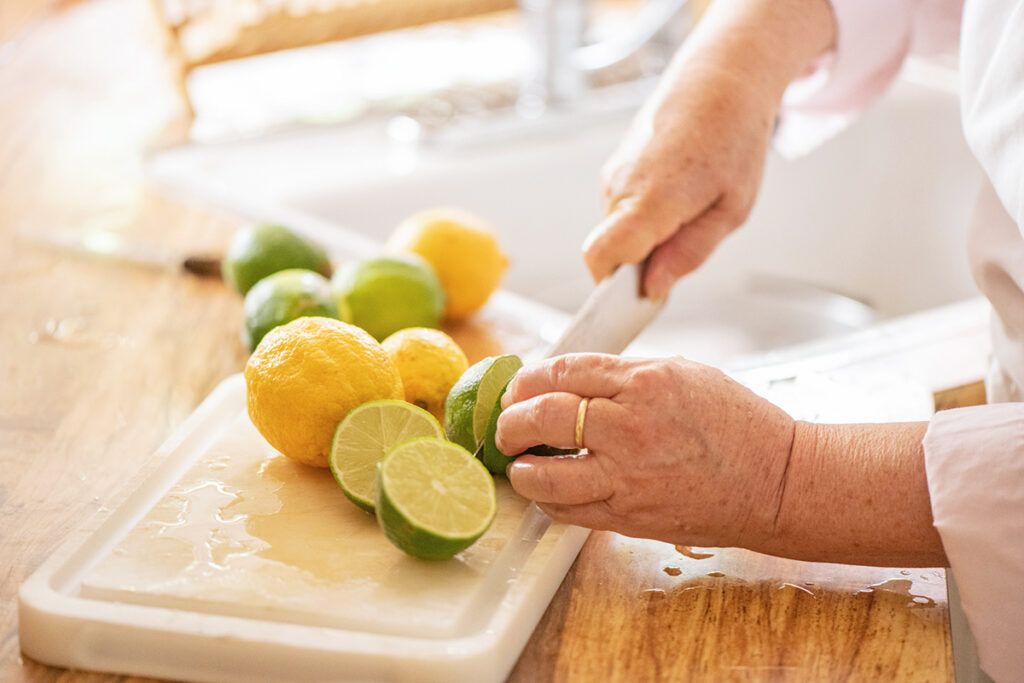
Person cutting limes and lemons
Credit: © Boogich/iStock

What Is Phytophotodermatitis?

Phytophotodermatitis is a phototoxic reaction caused when chemicals in plants called furocoumarins are exposed to ultraviolet A (UVA) radiation from the sun. “Then, DNA damage occurs, which causes light sensitivity, blisters, and hyperpigmentation,” says Dr. Samantha Schneider, a double board-certified dermatologist and Mohs micrographic surgeon at Pacific Crest Dermatology in Carson City, Nevada. “It can occur in anyone who is exposed to a plant with these chemicals and UVA radiation — meaning it is not an allergic reaction.” 

Limes are a leading culprit of phytophotodermatitis, but they’re not the only plant that can lead to the condition. Other citrus fruits like lemons and oranges can cause it, as will plants like parsley, dill, figs, fennel, and carrots (among others). According to Dr. Schneider, the natural oil of bergamot found in candles and perfumes was also once a cause of phytophotodermatitis, but “companies have shifted to an artificial oil of bergamot in perfumes to avoid this exact reaction.” 

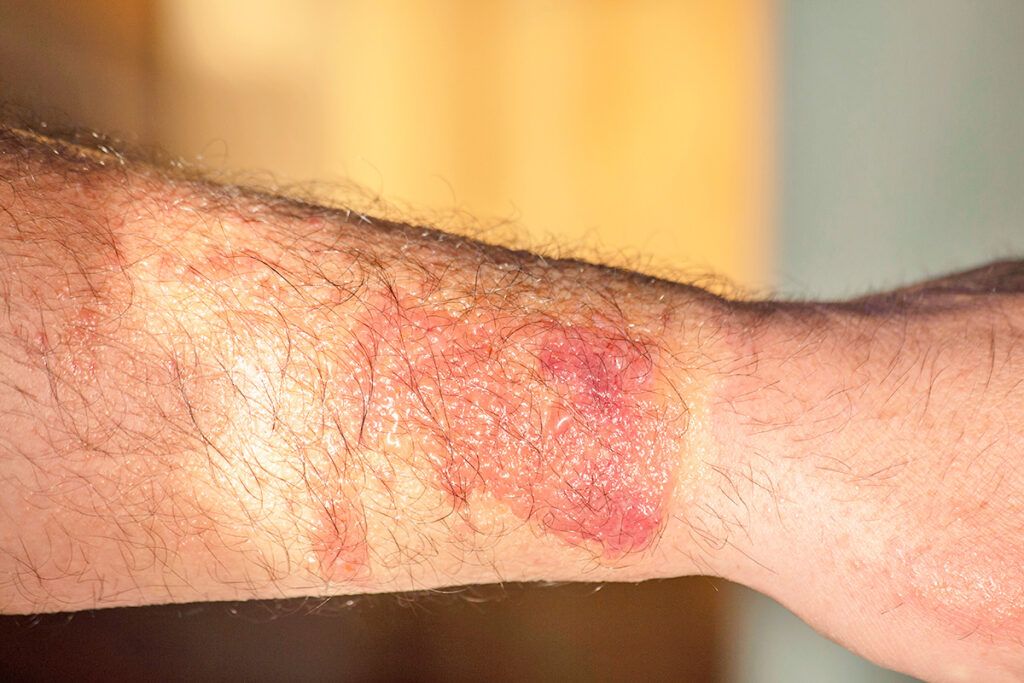
Phytophoto dermatitis reaction
Credit: © Berto/stock.adobe.com

What Does It Look Like — And Who Can Get It?

Margarita burn doesn’t show up until a day or two after exposure. “Phytophotodermatitis often starts with redness,” Dr. Schneider says. “Then blisters appear about a day later, which turn to maroon to brown dyspigmentation in the area of the rash over the next week or two.” While the uncomfortable part of the rash lasts for up to a week, Schneider says that “the dark discoloration can last for weeks and sometimes even months.”

Recommended Articles

  • The Safety Rules for Candles You Probably Don’t Know

  • How Old Are the Apples in the Grocery Store?

  • How To Tell if You’re Brushing Your Teeth Too Hard

  • 5 Things Your Car Needs Before the First Freeze

Advertisement
Advertisement

Reader Favorites

  • Woman looking in fridge

    9 Foods You Should Toss ASAP if They’re Expired

  • Person eating salad

    7 Things a Chef Never Orders at a Restaurant

  • Cherry angioma

    Are the Tiny Red Dots on Your Skin Dangerous?

And unlike a sunburn, which is typically uniform over large parts of the body, phytophotodermatitis will appear in strange shapes caused by the way you were exposed. It’s typically seen on the hands, followed by the arms and legs, and “it often looks like liquid that went running down an arm in streaks, or, if squeezing the lime led to droplets scattering, you can have little circles scattered on the hands and arms,” Dr. Schneider says. “If you stick the citrus in your mouth while outside, you can get involvement around the mouth. Depending on the exposure, you can have a large reaction.” 

Advertisement

Phytophotodermatitis isn’t contagious, but if you squeeze a bunch of limes and then touch someone’s arm, the juice can transfer, and that person might get a rash as well. 

Advertisement
Advertisement

According to Schneider, “one person is not more likely to get it than another as long as the ingredients are there,” but there are some activities that put you more at risk: if you work in a restaurant and prep fruits and veggies, or if you’re outdoors often (gardening or hiking, for example) in environments where you could brush up against plants containing furocoumarins. 

“I tend to see this in the spring as people are going on spring break, in the summer as people are enjoying citrus in the sun, and around the winter holidays when people are vacationing in warm, sunny locations,” Schneider says. “I have also seen this in bartenders when the spring/summer patios open and those margarita orders start rolling in.” 

Advertisement
Advertisement
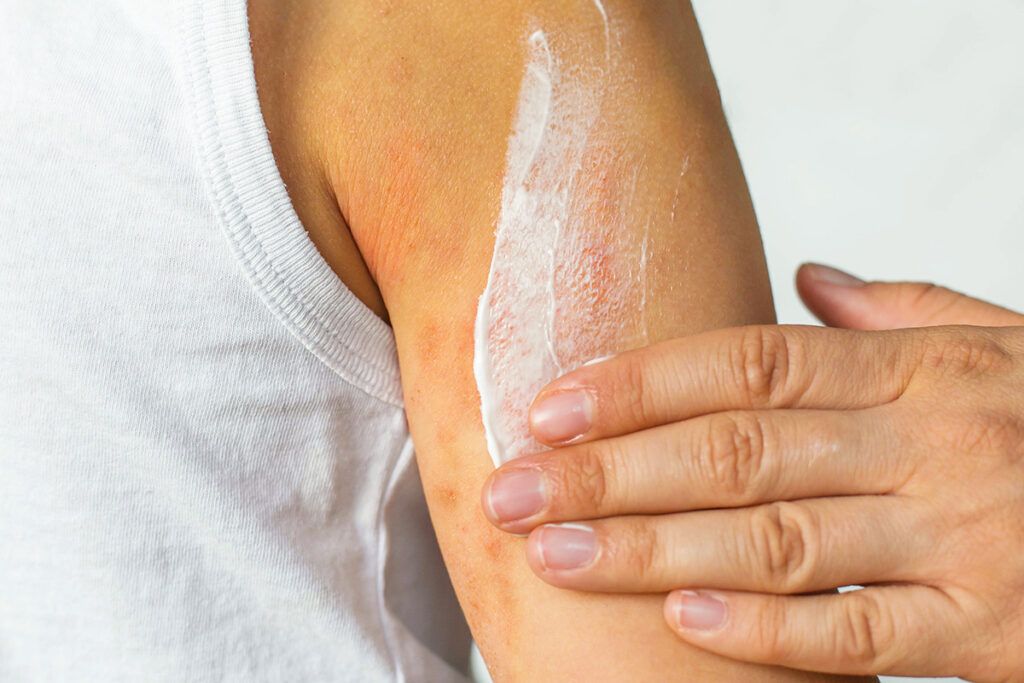
Person rubbing cream on arm
Credit: © Evgeniia Gordeeva/iStock

How To Treat It

Most cases of margarita burn can be treated at home with aspirin and ibuprofen, cool soaks and compresses, and topical creams you can get at the drugstore. Just make sure not to pop any of the blisters, which could lead to an infection. 

Advertisement
Advertisement

If your reaction isn’t getting better after a few days, if it’s over large parts of your body, or if the blisters are large and uncomfortable, you should head to a doctor. “Seeing a dermatologist is very helpful as there are prescription medications that can help relieve symptoms,” Dr. Schneider says. 

To help with future discoloration, Dr. Schneider says it’s important to wear sunscreen and UPF clothing “and generally [follow] good sun protective habits. Whenever you have discoloration, like redness or darkness, left after a rash, sun exposure causes that skin to discolor faster than the normal skin. This ultimately slows down the fading of the rash.”

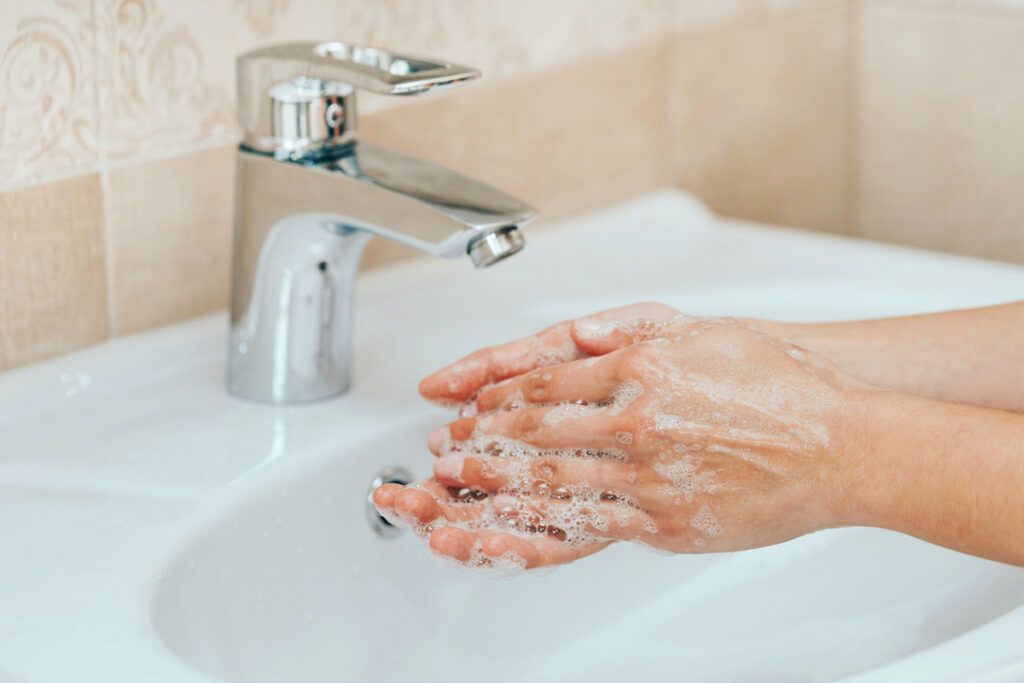
Person washing hands
Credit: © Djordje Krstic/iStock

How To Prevent Phytophotodermatitis

According to Dr. Schneider, preventing phytophotodermatitis is simple: “Be mindful about exposures to these culprit plants while outdoors,” she says. “This doesn’t mean that you can’t have a fun drink, but if you get citrus juice on your skin, make sure to wash with soap and water right away.” 

Advertisement
Advertisement

Featured Image Credit: © Sinenkiy/iStock

More From Our Network

Better Report is part of Inbox Studio, an email-first media company. *Indicates a third-party property.

Go Retro With This 1960s Fashion Quiz

Quiz Daily

Go Retro With This 1960s Fashion Quiz

True or False: Are You a Master of U.S. Geography?

Travel Quiz

True or False: Are You a Master of U.S. Geography?

5 Reasons You Can Be Denied Boarding an Airplane

Daily Passport

5 Reasons You Can Be Denied Boarding an Airplane

What Did People Do Before Eyeglasses?

History Facts

What Did People Do Before Eyeglasses?

How To Use a Balloon To Clean Up Dust

House Outlook

How To Use a Balloon To Clean Up Dust

11 Shopping Hacks Costco Members Should Know

FinanceBuzz*

11 Shopping Hacks Costco Members Should Know

Share this article

  • Share to Facebook
  • Share to Twitter
  • Copy Url
  • Share to Email
Ali Eldridge

This article is for general informational purposes only.
Affiliate Disclaimer Medical Disclaimer Financial Disclaimer

Updated:
Posted In: Health
Hero Image Credit: Better Report
Advertisement

Related Articles

How Old Are the Apples in the Grocery Store?

4 min read

How To Tell if You’re Brushing Your Teeth Too Hard

4 min read

5 Things To Ask Your Doctor About the New Flu Shot

5 min read

Is Sourdough Actually Healthier Than Regular Bread?

7 min read

Do You Really Need a Bidet in Your Home?

4 min read
Advertisement

6 Things Your Doctor Wishes You’d Do

Health | Updated: April 27, 2026
Rachel Gresh
Author
Rachel Gresh is a Washington, D.C.-based freelance writer. When she's not writing, you can find her wandering a museum, exploring an unfamiliar city, or baking something new in the kitchen.
Doctor and patient
Better Report

Most of us can think of ways we could take better care of ourselves, but the good news is, our doctors aren’t expecting perfection. Often, they’re just looking for small, consistent habits that add up over time to improve your overall health. The best part is that it’s never too late to make meaningful changes.

We spoke with board-certified emergency medicine physician Dr. Joseph Radachy about what he wishes more patients would prioritize. From simple ways to avoid everyday accidents to daily practices that support long-term health, here are six things your doctor wishes you’d do.

Advertisement
Advertisement
Women doing a jigsaw puzzle
Credit: © Kateryna Hliznitsova/Unsplash.com

Stay Active Physically and Mentally

One of the most powerful ways to support your overall health is to stay active. “This is somewhat cliché, but this means mentally and physically, as much as possible,” Dr. Radachy says. “Activity helps everything.”

Your mental health might seem secondary to the health of your body, but it deserves just as much attention, because “keeping your brain active helps you stay mentally sharp.” Staying in touch with friends and family is key: These connections reduce the incidence of depression in older adults. Reading, doing puzzles, and learning new skills are other excellent ways to keep your mind busy.

Getting adequate physical activity is equally important. “Gentle physical activity as tolerated helps to reduce the risk of osteoporosis and can also help with arthritis,” Dr. Radachy says. The CDC recommends at least 150 minutes of moderate physical activity a week; taking a brisk 30-minute walk five days a week would do the trick. That said, your routine should reflect your abilities and any health conditions you may have, so it’s always wise to check with your doctor before starting something new.

Recommended Articles

  • The Safety Rules for Candles You Probably Don’t Know

  • How Old Are the Apples in the Grocery Store?

  • How To Tell if You’re Brushing Your Teeth Too Hard

  • 5 Things Your Car Needs Before the First Freeze

Advertisement
Advertisement

Reader Favorites

  • Woman looking in fridge

    9 Foods You Should Toss ASAP if They’re Expired

  • Person eating salad

    7 Things a Chef Never Orders at a Restaurant

  • Cherry angioma

    Are the Tiny Red Dots on Your Skin Dangerous?

If you’re struggling to find motivation for daily activity, consider joining a group class or a local walking group. According to Dr. Radachy, an easy-to-care-for pet, such as a cat or a small dog, is also a great option — companionship paired with daily movement can be a powerful combination.

Advertisement
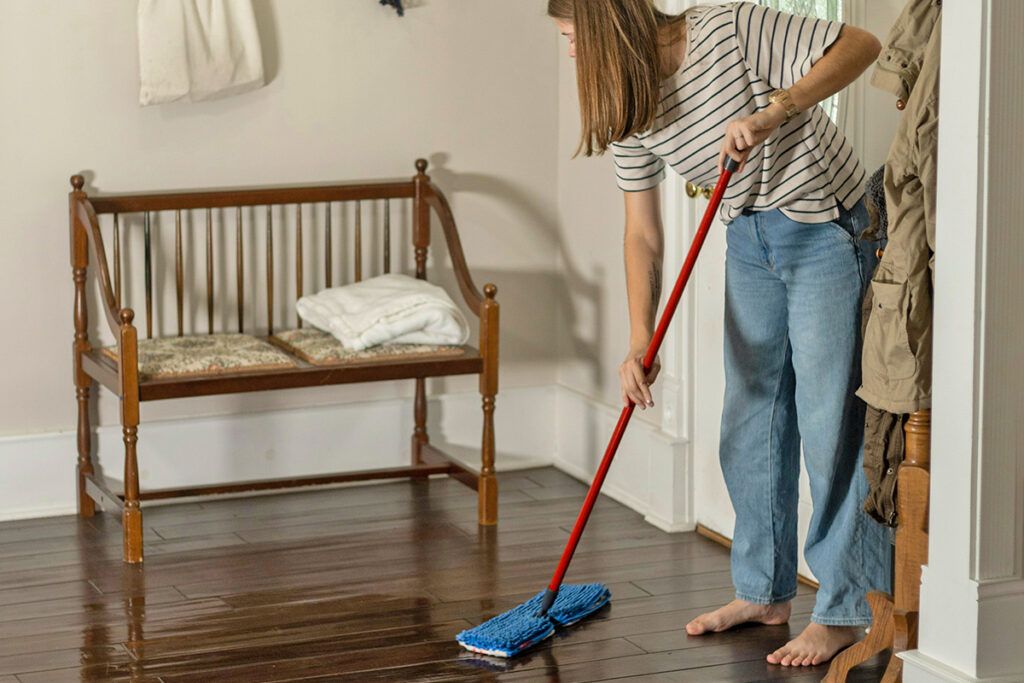
Woman cleaning house
Credit: © Blake Cheek/Unsplash.com

Make Your House Safer

Safety-proofing a home isn’t just for toddlers: Studies show that at-home accidents are a leading cause of injury and death. The National Safety Council estimates that 77% of all preventable injury-related deaths in 2024 occurred in homes and communities, along with 45.8 million injuries that required a medical consultation. Poisoning accounts for 49% of these injury-related deaths, followed by falls (31%) and choking (4%).

Advertisement
Advertisement

Because tripping and falling are major concerns, especially among older adults, Dr. Radachy offers simple accident-prevention tips. Scan your house room by room for trip hazards on floors and stairways. This might include old, curled-up rugs, uneven flooring, furniture, and cluttered walkways. Clean up those areas, “because inevitably, you or someone else will trip over [them] and end up with a broken hip, leg, whatever,” he says. Don’t neglect the outside of your home, either, where seasonal hazards such as wet leaves, ice, snow, and debris can make sidewalks and driveways hazardous.

You can also protect yourself by wearing tight-fitting slippers with treads rather than socks indoors, particularly if your home has hardwood or tile floors. Falls and other accidents can lead to a long, difficult recovery that could have been easily avoided.

Advertisement
Advertisement
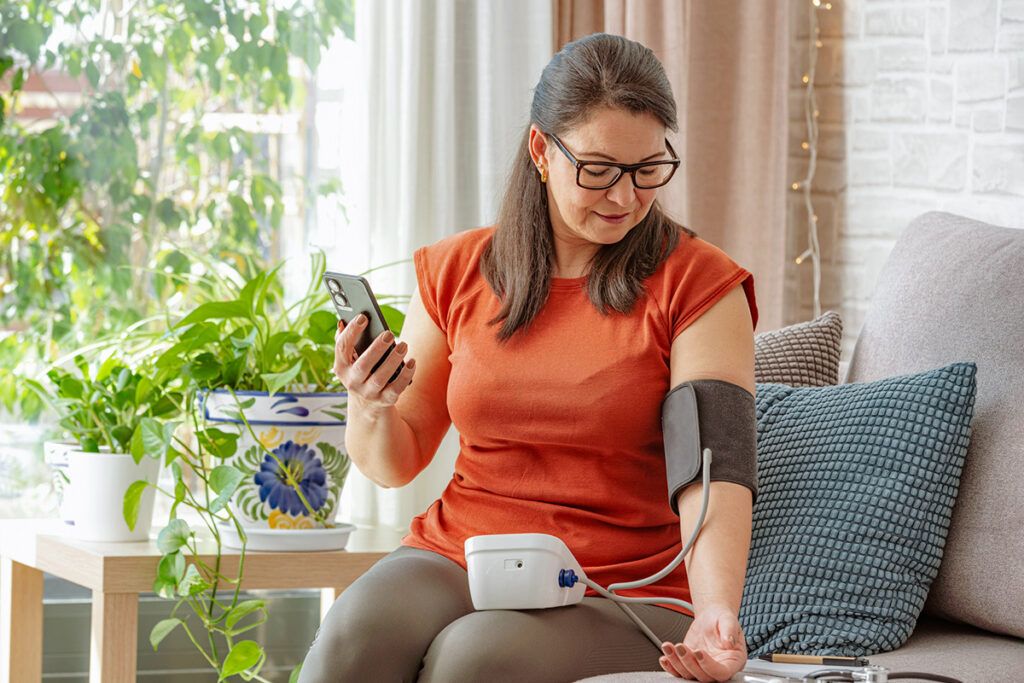
Woman taking blood pressure at home
Credit: © fcafotodigital/iStock

Advocate for Yourself

Your health concerns matter, and letting your doctor know about new or recurring symptoms can make all the difference. “You are your own best advocate,” Dr. Radachy says. “Notice a new rash or spot on your skin, unintentional weight gain or weight loss, abnormal swelling or masses, etc.? Don’t be afraid to speak up about your concerns so that potential issues can get addressed early.” This can lead to faster diagnosis and better outcomes — you know your body best.

Advertisement
Advertisement

Dr. Radachy also recommends monitoring your blood pressure, which is a key indicator of overall health. Many retail pharmacies offer free, self-service blood pressure kiosks for this purpose. Report any changes or consistently high readings to your doctor.

Doctor and patient in an appointment
Credit: © Getty Images/Unsplash.com

Know Your Medical History

As an emergency room doctor, Dr. Radachy sees it all while caring for very sick patients — often with very little information. There is an easy way to ensure you’re getting the care you need, whether you’re at the ER or getting a routine check-up: Know your medical history.

Advertisement
Advertisement

“Make a list of your medical problems, medications, and emergency contacts and keep it handy,” Dr. Radachy advises. This includes things like allergies, past surgeries, chronic illnesses, disabilities, prescription medications, and supplements. While electronic medical records are popular nowadays, the systems aren’t perfect, and document sharing can be delayed or unavailable.

A printed copy on your refrigerator can be invaluable for first responders, and carrying one in your wallet or purse ensures you’re prepared wherever you go. It’s a simple step that can save critical time and prevent confusion.

Advertisement
Advertisement
Gummy bears in hand
Credit: © Tim Samuel/Pexels.com

Remember: Everything in Moderation

When it comes to health, balance is key. “A discussion about health would not be complete without mentioning ‘everything in moderation,’” Dr. Radachy says. “It is certainly OK to indulge” in things like sweet treats or alcoholic beverages, he adds, “but everything must be done in moderation to avoid potential problems.”

Advertisement
Advertisement

Dr. Radachy notes that one worry with overindulgence is weight gain and obesity. “Obesity is a major problem in this country and brings with it its own host of complications,” he says. “It is a major cause of morbidity and mortality in older adults and is easily avoidable.”

Advertisement

The CDC estimates that more than two in five U.S. adults have obesity, and many of these adults have other serious chronic diseases, such as high blood pressure and diabetes. While obesity is a complex and costly disease, one of the best ways to prevent it is to consume healthy foods and beverages. Focus on nutrient-rich whole foods, stay mindful of portion sizes, and limit highly processed foods. Small daily changes tend to be more effective than strict dieting.

Advertisement
Advertisement
Man smoking
Credit: © Fellipe Ditadi/Unsplash.com

Stop Smoking

If there’s one habit doctors consistently urge people to quit, it’s smoking. “Cigarette smoking is probably the single worst thing you can do for your health,” Dr. Radachy says, adding that smoking is “directly linked to cardiovascular disease, stroke, and lung cancer.” In the U.S., adults ages 45 to 64 have the highest prevalence of cigarette smoking, according to the CDC.

Advertisement
Advertisement

The encouraging news is that the benefits of quitting are clear, regardless of your age or how long you’ve been smoking. They include an increased life expectancy of up to 10 years and a lower risk of 12 types of cancer. It’s not always easy to quit, but support is available through counseling and medications. Every step toward quitting is an important step toward better overall health.

Featured Image Credit: © cottonbro studio/Pexels.com

Advertisement
Advertisement

More From Our Network

Better Report is part of Inbox Studio, an email-first media company. *Indicates a third-party property.
Go Retro With This 1960s Fashion Quiz

Quiz Daily

Go Retro With This 1960s Fashion Quiz

True or False: Are You a Master of U.S. Geography?

Travel Quiz

True or False: Are You a Master of U.S. Geography?

5 Reasons You Can Be Denied Boarding an Airplane

Daily Passport

5 Reasons You Can Be Denied Boarding an Airplane

What Did People Do Before Eyeglasses?

History Facts

What Did People Do Before Eyeglasses?

How To Use a Balloon To Clean Up Dust

House Outlook

How To Use a Balloon To Clean Up Dust

11 Shopping Hacks Costco Members Should Know

FinanceBuzz*

11 Shopping Hacks Costco Members Should Know

Share this article

  • Share to Facebook
  • Share to Twitter
  • Copy Url
  • Share to Email
Rachel Gresh
Writer

Rachel Gresh is a Washington, D.C.-based freelance writer. When she's not writing, you can find her wandering a museum, exploring an unfamiliar city, or baking something new in the kitchen.

This article is for general informational purposes only.
Affiliate Disclaimer Medical Disclaimer Financial Disclaimer

Updated: December 15, 2023
Posted In: Health
Hero Image Credit: Better Report
Advertisement

Related Articles

How Old Are the Apples in the Grocery Store?

4 min read

How To Tell if You’re Brushing Your Teeth Too Hard

4 min read

5 Things To Ask Your Doctor About the New Flu Shot

5 min read

Is Sourdough Actually Healthier Than Regular Bread?

7 min read

Do You Really Need a Bidet in Your Home?

4 min read
Advertisement

Can Your Smartwatch Tell You If You Have This Condition?

Health | Updated: April 27, 2026
Kat Long
Author
Kat Long is a freelance science journalist in the Washington, D.C. area. Previously, she was the science editor at Mental Floss and a digital editor at National Geographic. She now writes the Arctic Archives newsletter on Substack. Kat spends her free time birdwatching, road-tripping to historical sites and perusing old manuscripts at libraries.
Image of smartwatch
Better Report

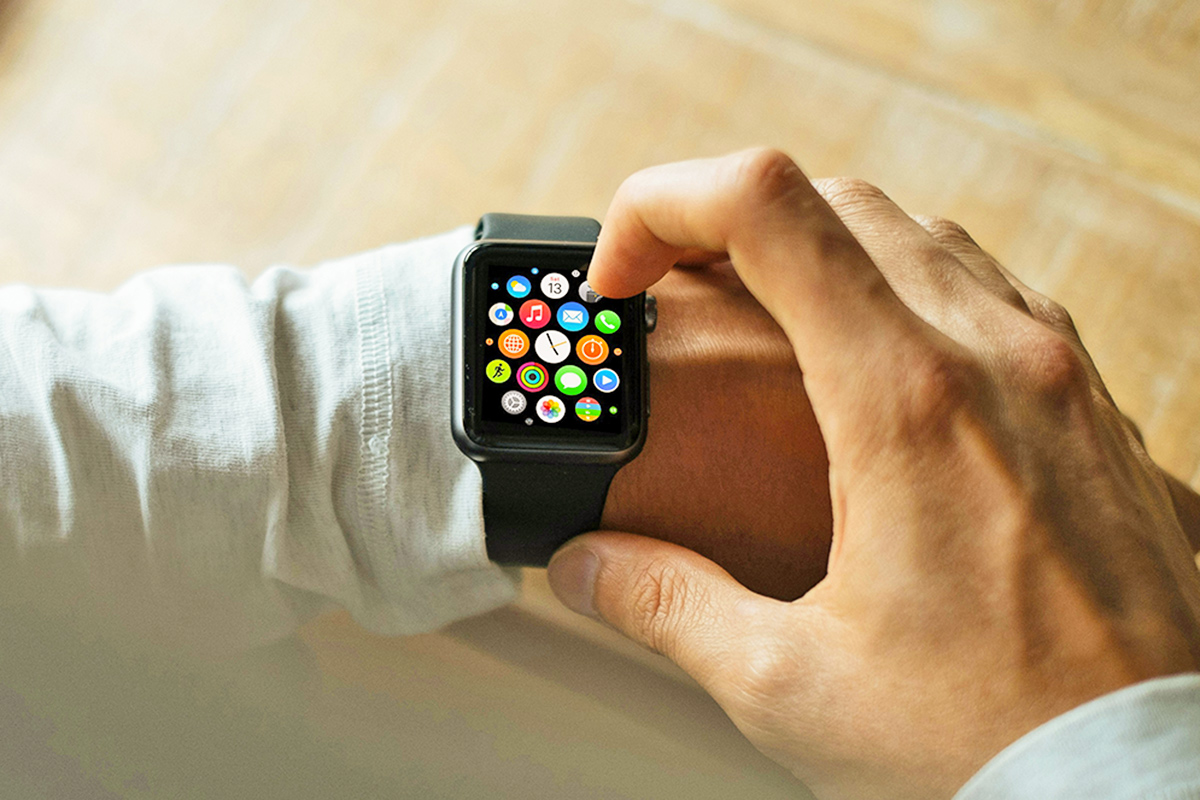
Smartwatches can produce an amazingly detailed picture of your overall health, from the number of steps you take each day to the quality of your sleep to your heart rate and blood oxygen level. And over the last few years, devices such as the Apple Watch, Samsung Galaxy Watch, and Fitbit have even incorporated sensors and apps that can pick up signs of a potentially dangerous heart condition. 

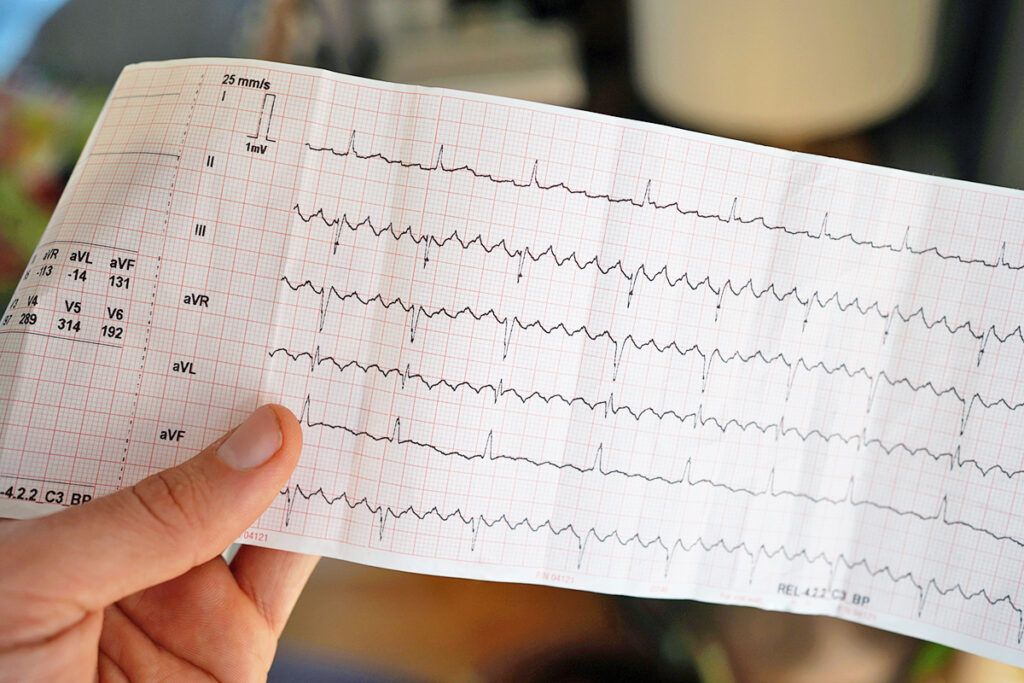
Afib on an ECG
Credit: © TG23/iStock

On Alert for A-Fib

Many smartwatches have the power to monitor your heart rhythm and identify possible atrial fibrillation (A-fib for short). 

Advertisement
Advertisement

A-fib is a serious chronic condition in which the electrical system that regulates your heartbeats gets disrupted. The misfired signals cause the atria, the two upper chambers of your heart, to pump blood irregularly. Pooled blood in the heart may form clots that can make their way to the brain and cause a stroke. People with A-fib are about five times more likely to experience a stroke than those without A-fib. 

People who have the condition may not know it because the irregular rhythms come and go unpredictably, and symptoms like dizziness, fatigue, feeling out of breath, and heart palpitations can be hard to identify as a heart problem. Doctors diagnose A-fib by taking an electrocardiogram (ECG) — the same heart rhythm test that smartwatches now offer — and treat it with blood-thinning medications or other interventions depending on the severity of your condition.

Close up of smartwatch
Credit: © Mikhail Nilov/Pexels.com

How Smartwatches Watch for Problems

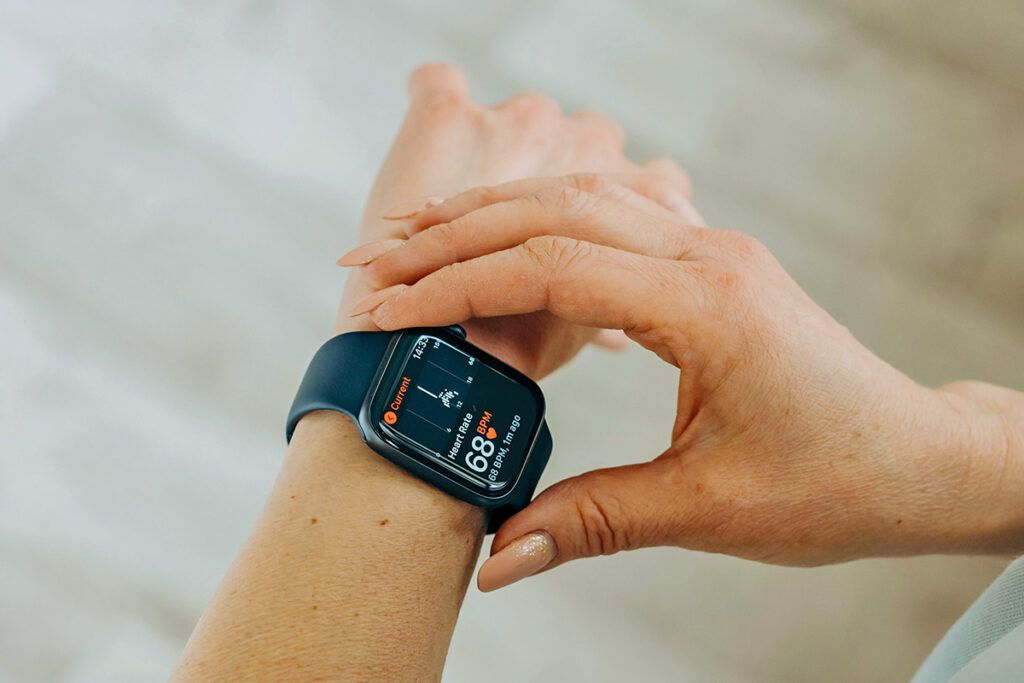
If your smartwatch has these capabilities, it can alert you to signs of A-fib via irregular heart rhythm notifications and on-demand ECGs.

Recommended Articles

  • The Safety Rules for Candles You Probably Don’t Know

  • How Old Are the Apples in the Grocery Store?

  • How To Tell if You’re Brushing Your Teeth Too Hard

  • 5 Things Your Car Needs Before the First Freeze

Advertisement
Advertisement

Reader Favorites

  • Woman looking in fridge

    9 Foods You Should Toss ASAP if They’re Expired

  • Person eating salad

    7 Things a Chef Never Orders at a Restaurant

  • Cherry angioma

    Are the Tiny Red Dots on Your Skin Dangerous?

With the notifications enabled, the watch will periodically check your heart rhythm when it detects you have been sitting or resting for about 10 minutes. If it picks up an arrhythmia, it will send a notification and suggest you speak with your doctor. It’s important to note that the watches don’t continuously monitor for irregular rhythms and may not see every instance, so this function isn’t designed for people already diagnosed with A-fib (who are usually monitored continuously under a doctor’s care).

Advertisement

ECG apps on smartwatches let you capture your heart rhythm in real time. After downloading and linking the app on your phone and watch, you’ll be prompted to put the watch on your wrist, rest your arm on a flat surface, and press the sides of the watch with your other hand to initiate the ECG. The sensors on the watch pick up your heart’s electrical signals over 30 seconds or so and then provide a readout indicating regular (sinus) rhythm, an irregular rhythm suggestive of A-fib, or an inconclusive reading. The apps may give you the option to save your ECG as a PDF that can be emailed to your doctor. 

Advertisement
Advertisement

If your watch catches irregular rhythms repeatedly, take the hint and call your health care provider. That’s exactly what Florida resident Juan Ravelo did, and he ended up having an minimally invasive ablation procedure to correct his heart rhythm.

Woman checking smartwatch
Credit: © shurkin_son/iStock

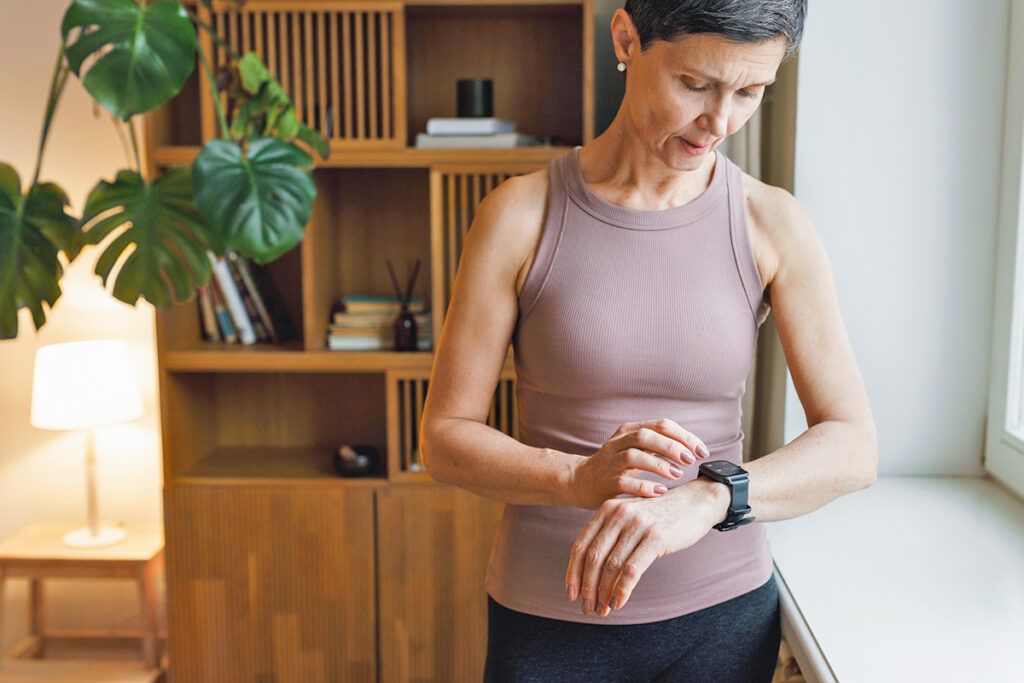
A Few Caveats

Smartwatches aren’t foolproof. They might misdiagnose a rhythm or give you an inconclusive result if their sensors aren’t properly aligned with your skin. They could also give false alarms or detect legit but harmless irregularities. The smartwatch companies make it clear that the ECG apps look only for potential A-fib events — not for heart failure, blood clots, heart attack, or stroke, and they can’t assess your risk for these conditions. If you receive an ECG showing an irregular rhythm, have your doctor interpret the data and determine a treatment plan if necessary.

Advertisement
Advertisement

Featured Image Credit: © Luke Chesser/Unsplash.com

More From Our Network

Better Report is part of Inbox Studio, an email-first media company. *Indicates a third-party property.
Go Retro With This 1960s Fashion Quiz

Quiz Daily

Go Retro With This 1960s Fashion Quiz

True or False: Are You a Master of U.S. Geography?

Travel Quiz

True or False: Are You a Master of U.S. Geography?

5 Reasons You Can Be Denied Boarding an Airplane

Daily Passport

5 Reasons You Can Be Denied Boarding an Airplane

What Did People Do Before Eyeglasses?

History Facts

What Did People Do Before Eyeglasses?

How To Use a Balloon To Clean Up Dust

House Outlook

How To Use a Balloon To Clean Up Dust

11 Shopping Hacks Costco Members Should Know

FinanceBuzz*

11 Shopping Hacks Costco Members Should Know

Share this article

  • Share to Facebook
  • Share to Twitter
  • Copy Url
  • Share to Email
Kat Long
Writer

Kat Long is a freelance science journalist in the Washington, D.C. area. Previously, she was the science editor at Mental Floss and a digital editor at National Geographic. She now writes the Arctic Archives newsletter on Substack. Kat spends her free time birdwatching, road-tripping to historical sites and perusing old manuscripts at libraries.

This article is for general informational purposes only.
Affiliate Disclaimer Medical Disclaimer Financial Disclaimer

Updated: April 6, 2026
Posted In: Health
Hero Image Credit: Better Report
Advertisement

Related Articles

How Old Are the Apples in the Grocery Store?

4 min read

How To Tell if You’re Brushing Your Teeth Too Hard

4 min read

5 Things To Ask Your Doctor About the New Flu Shot

5 min read

Is Sourdough Actually Healthier Than Regular Bread?

7 min read

Do You Really Need a Bidet in Your Home?

4 min read
Advertisement

5 Times You Shouldn’t Use Hand Sanitizer

Ali Eldridge
Health | Updated: April 27, 2026
People chopping vegetables
Better Report

Alcohol-based hand sanitizer is a quick and convenient way to reduce germs while on the go, but it isn’t always the best option. Knowing when to skip it in favor of proper handwashing can make a big difference in your overall health. Here are five times you should avoid reaching for the hand sanitizer.

Helpful tip: When hand sanitizer is appropriate, choose a formula with an alcohol concentration between 60% and 95%. Any lower and it may not be effective.

Advertisement
Advertisement
Person spraying pesticides
Credit: © Getty Images/Unsplash.com

After Handling Chemicals

Pesticides and cleaning products can leave harmful residue on our hands, and using hand sanitizer may not neutralize that residue. According to the CDC, one study found that people who had used hand sanitizer to clean up after applying pesticides had increased levels of pesticides in their bodies. Hand sanitizer also won’t remove heavy metals like lead.

You should also never mix hand sanitizer, which has a high alcohol content, with cleaning products. Combining bleach and alcohol, for example, creates chloroform, which is harmful to humans and could potentially irritate the eyes, skin, and respiratory system. It’s likely that any reaction to bleach and sanitizer on your hands would be small, but it’s better to be safe than sorry. The best way to protect yourself if you’re exposed to any of these chemicals is to use soap and water to remove them.

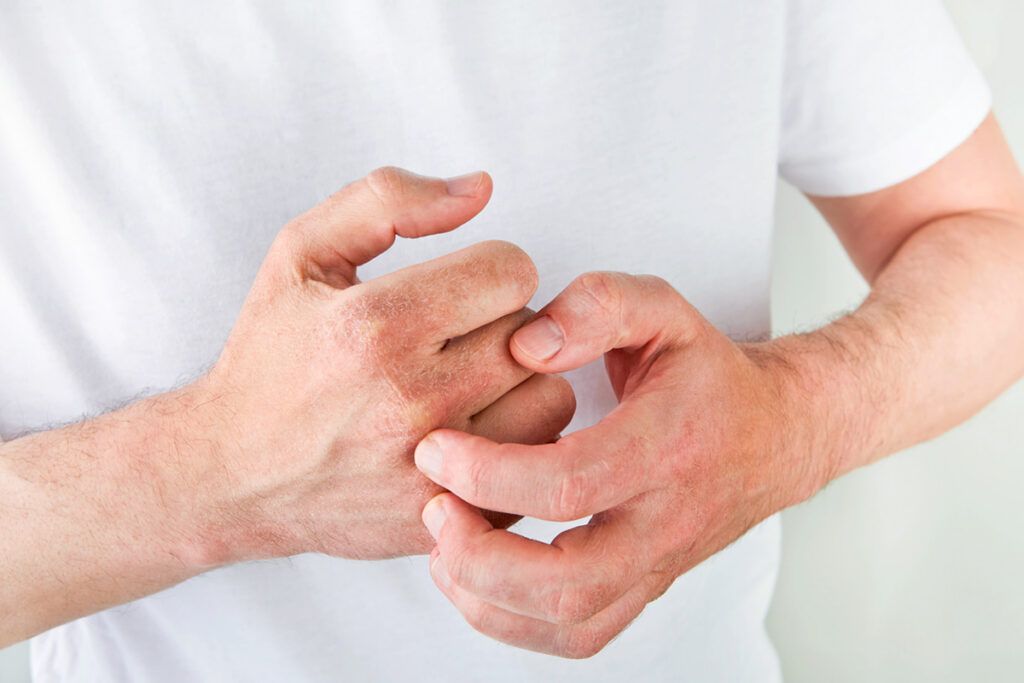
Close up of hands with irritated skin
Credit: © kasia2003/iStock

On Dry, Cracked, or Sensitive Skin

If your skin is dry and cracked, or you have skin issues such as eczema, avoid alcohol-based sanitizers and opt for soap and water instead. Alcohol can worsen cracked skin, leaving you susceptible to more germs, inflammation, and even infection. Instead, the Cleveland Clinic recommends proper handwashing followed by a gentle moisturizer — a thick cream or ointment such as Vaseline — to protect sensitive hands and maintain a natural barrier against infection.

Recommended Articles

  • The Safety Rules for Candles You Probably Don’t Know

  • How Old Are the Apples in the Grocery Store?

  • How To Tell if You’re Brushing Your Teeth Too Hard

  • 5 Things Your Car Needs Before the First Freeze

Advertisement
Advertisement

Reader Favorites

  • Woman looking in fridge

    9 Foods You Should Toss ASAP if They’re Expired

  • Person eating salad

    7 Things a Chef Never Orders at a Restaurant

  • Cherry angioma

    Are the Tiny Red Dots on Your Skin Dangerous?

Person wiping off dirty hands
Credit: © Yunus Tuğ/Unsplash.com

When Your Hands Are Visibly Dirty

If you’ve been gardening, spending time outdoors, or doing hands-on projects, the best way to clean your hands is with soap and water. According to the CDC, hand sanitizer isn’t effective on visibly soiled or greasy hands. While it does kill some germs on the surface of your skin, it doesn’t remove dirt, grease, or residue — or all of the germs that could be lingering within the leftover debris. Washing your hands with soap and warm water breaks down grime and physically washes away contaminants, something sanitizer can’t do.

Advertisement
Advertisement
Washing hands with soap and water at a sink
Credit: © Natalia Shabasheva/iStock

After Using the Bathroom

Hand sanitizer can kill some types of bacteria and viruses, but it’s not as effective against germs such as Clostridium difficile, cryptosporidium, and norovirus — all of which lurk on surfaces in public restrooms (and elsewhere). Soap and warm water are far more effective at physically removing these germs from your hands rather than just trying to neutralize them. Also, many people don’t use enough sanitizer or rub it in long enough for it to work properly. If soap isn’t available in the restroom, the CDC recommends applying enough hand sanitizer to cover all surfaces of your hands (even the back) and rubbing it in until dry.

Advertisement
Advertisement
Chopping veggies
Credit: © Sarah Chai/Pexels.com

While Preparing Food

If you’re preparing foods that commonly harbor pathogens that cause foodborne illness — such as raw meat, eggs, or seafood — skip the sanitizer and wash your hands instead. Sanitizer alone cannot penetrate food debris left on your hands to completely remove dangerous foodborne bacteria such as Salmonella and E. coli. To avoid dangerous cross-contamination, wash your hands in warm, soapy water for at least 20 seconds after touching raw foods. This removes stubborn grease and pathogens simultaneously, ensuring a safe cooking environment.

Advertisement
Advertisement

Featured Image Credit: © Gustavo Fring/Pexels.com

More From Our Network

Better Report is part of Inbox Studio, an email-first media company. *Indicates a third-party property.

Go Retro With This 1960s Fashion Quiz

Quiz Daily

Go Retro With This 1960s Fashion Quiz

True or False: Are You a Master of U.S. Geography?

Travel Quiz

True or False: Are You a Master of U.S. Geography?

5 Reasons You Can Be Denied Boarding an Airplane

Daily Passport

5 Reasons You Can Be Denied Boarding an Airplane

What Did People Do Before Eyeglasses?

History Facts

What Did People Do Before Eyeglasses?

How To Use a Balloon To Clean Up Dust

House Outlook

How To Use a Balloon To Clean Up Dust

11 Shopping Hacks Costco Members Should Know

FinanceBuzz*

11 Shopping Hacks Costco Members Should Know

Share this article

  • Share to Facebook
  • Share to Twitter
  • Copy Url
  • Share to Email
Ali Eldridge

This article is for general informational purposes only.
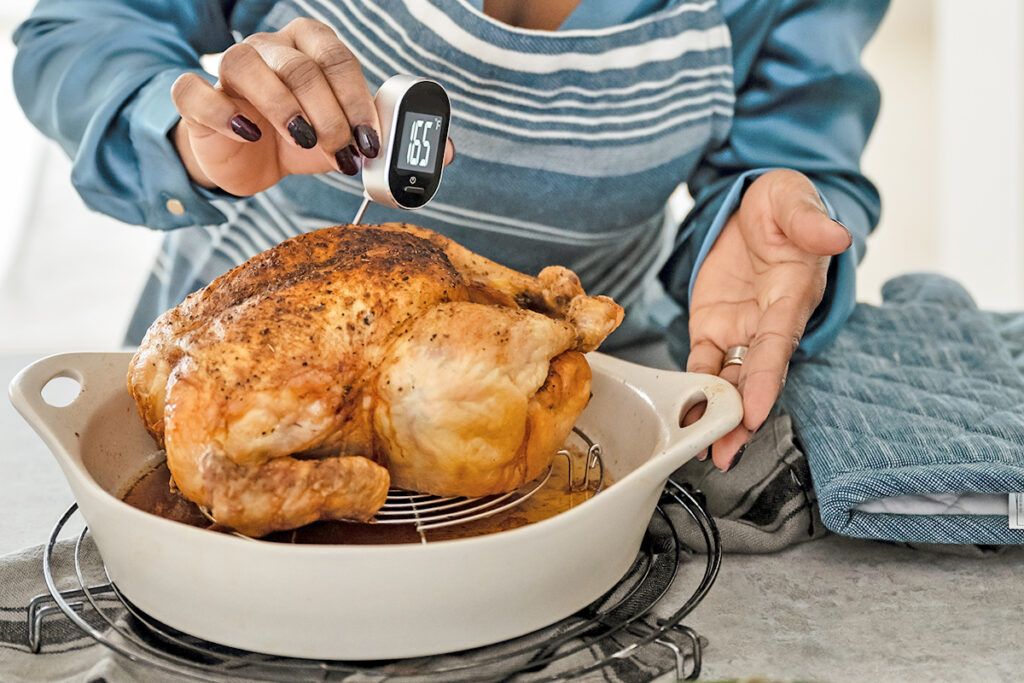
Affiliate Disclaimer Medical Disclaimer Financial Disclaimer

Updated:
Posted In: Health
Hero Image Credit: Better Report
Advertisement

Related Articles

How Old Are the Apples in the Grocery Store?

4 min read

How To Tell if You’re Brushing Your Teeth Too Hard

4 min read

5 Things To Ask Your Doctor About the New Flu Shot

5 min read

Is Sourdough Actually Healthier Than Regular Bread?

7 min read

Do You Really Need a Bidet in Your Home?

4 min read
Advertisement

Posts navigation

Older posts
Newer posts
  • Home
  • Health
  • Wealth
  • Logo
  • Advertise
  • About
  • Contact Us
  • Privacy Policy
  • Terms of Use
  • Your Privacy Choices
x
Thumb Image

Elevate your everyday.
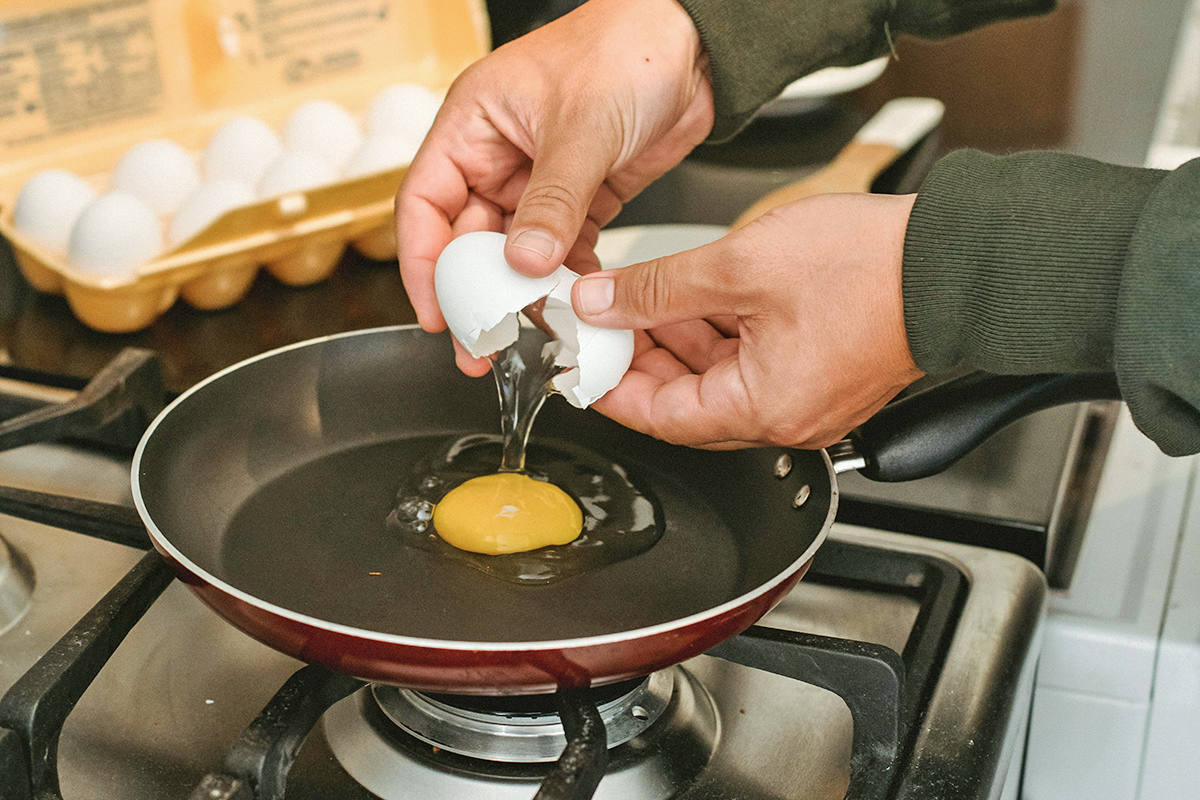
Sign up to receive the practical tips and expert advice you need to pare down the complexities of everyday living right in your inbox.

Sorry, your email address is not valid. Please try again.

Your email is:

Edit Image
Sorry, your email address is not valid. Please try again.
Thank you for subscribing...

By subscribing you are agreeing to our Terms of Use and Privacy Policy.

Close image
Thumb Image
Second Thumb Image

Elevate your everyday.

Sign up to receive the practical tips and expert advice you need to pare down the complexities of everyday living right in your inbox.

Sorry, your email address is not valid. Please try again.

By subscribing you are agreeing to our Privacy Policy and Terms of Use.

Close image