Skip to content
Better Report
  • Home
  • Health
  • Wealth
8 Low-Maintenance Plants That Thrive on Neglect
  • Search
  • Subscribe
  • Home
  • Health
  • Wealth
  • About
  • Privacy Policy
  • Terms of Use
  • Contact Us
  • SubscribeSubscribe
  • Search
Thank you for confirming your email! Welcome to the community.

Author: erin

Are You Eating Your Food in the Wrong Order?

Health | Updated: May 7, 2026
Rachel Gresh
Author
Rachel Gresh is a Washington, D.C.-based freelance writer. When she's not writing, you can find her wandering a museum, exploring an unfamiliar city, or baking something new in the kitchen.
Person eating food with fork
Better Report

Sometimes, it isn’t just about what you eat, but how you eat it. When looking at a full plate of food, you might instinctively start with your favorite item first — but there could be a better way. “Meal sequencing” (also called “food sequencing”) suggests that, to feel your best, there’s a specific order to follow while clearing your plate. While this approach is particularly helpful for those with diabetes or prediabetes, anyone can benefit from this simple practice. Here’s what you need to know.

Advertisement
Advertisement
Salad on a fork
Credit: © Supattra Khorasri/Unsplash.com

What the Research Says

Research suggests that eating non-starchy foods — fiber, protein, and healthy fats — before carbohydrates may reduce short-term glucose spikes by slowing digestion. This results in a more gradual rise in insulin and blood glucose levels, giving you more energy throughout the day while avoiding post-mealtime slumps. This approach may also improve long-term health as large, repeated swings in blood sugar are linked to an increased risk of developing insulin resistance, which can lead to high blood sugar levels, prediabetes, and even Type 2 diabetes.

Clinical studies worldwide have shown promising results. In Japan, one study asked participants to eat the same meal — protein, vegetables, and white rice — on three separate occasions, each time in a different order. Insulin and blood glucose levels were recorded after each meal. The findings revealed that when participants began their meal with a simple carbohydrate (white rice), their post-meal insulin and blood glucose levels were highest.

While meal sequencing is a useful tool, it doesn’t replace overall healthy eating habits, such as maintaining a balanced diet, practicing portion control, choosing whole foods, and limiting processed foods. Instead, it works alongside these habits to support blood sugar levels, helping you feel good throughout the day. Here’s how to incorporate meal sequencing into your routine.

Recommended Articles

  • The Safety Rules for Candles You Probably Don’t Know

  • How Old Are the Apples in the Grocery Store?

  • How To Tell if You’re Brushing Your Teeth Too Hard

  • 5 Things Your Car Needs Before the First Freeze

Advertisement
Advertisement

Reader Favorites

  • Woman looking in fridge

    9 Foods You Should Toss ASAP if They’re Expired

  • Person eating salad

    7 Things a Chef Never Orders at a Restaurant

  • Cherry angioma

    Are the Tiny Red Dots on Your Skin Dangerous?

Meal Sequencing, Step by Step

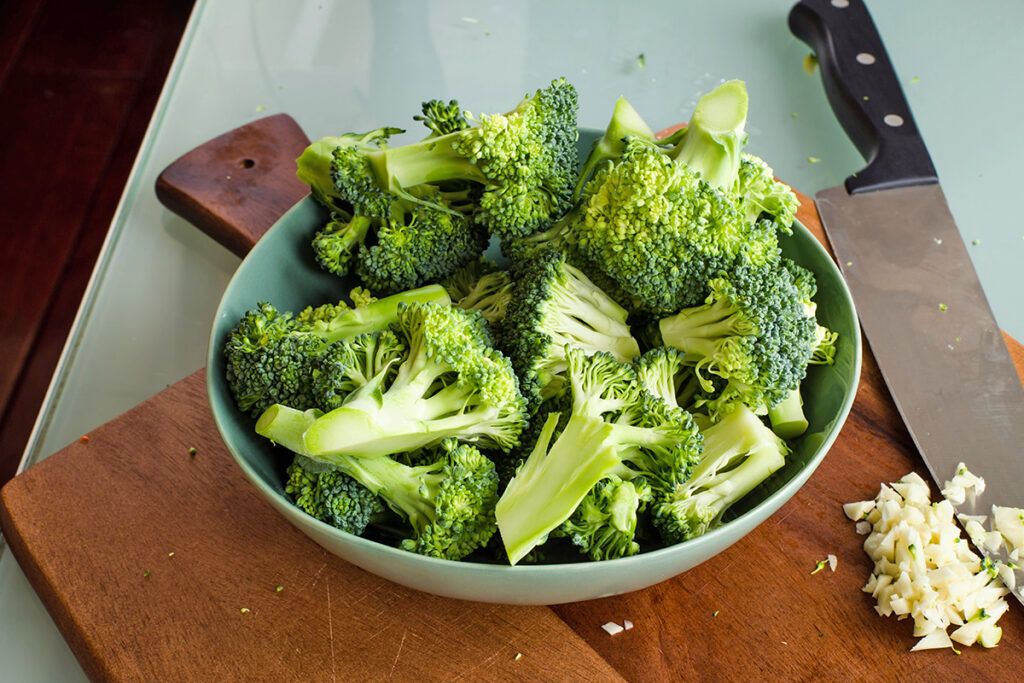
Broccoli in a bowl
Credit: ©  Louis Hansel/Unsplash.com

Step 1: Fiber

Begin your meal with fiber-rich foods, which help slow digestion. This supports steadier glucose absorption, leading to a more gradual release of energy into the bloodstream (rather than a single large wave). Keep in mind that some high-fiber foods — such as beans, lentils, grains, and vegetables like corn and potatoes — are also higher in carbohydrates, so you should save them for later in the meal. Instead, start with salads and non-starchy vegetables, including broccoli, tomatoes, mushrooms, onions, cucumbers, and zucchini. For breakfast, choose lower-sugar fruits that are high in fiber, such as avocados, raspberries, strawberries, and blackberries.
Advertisement
Advertisement
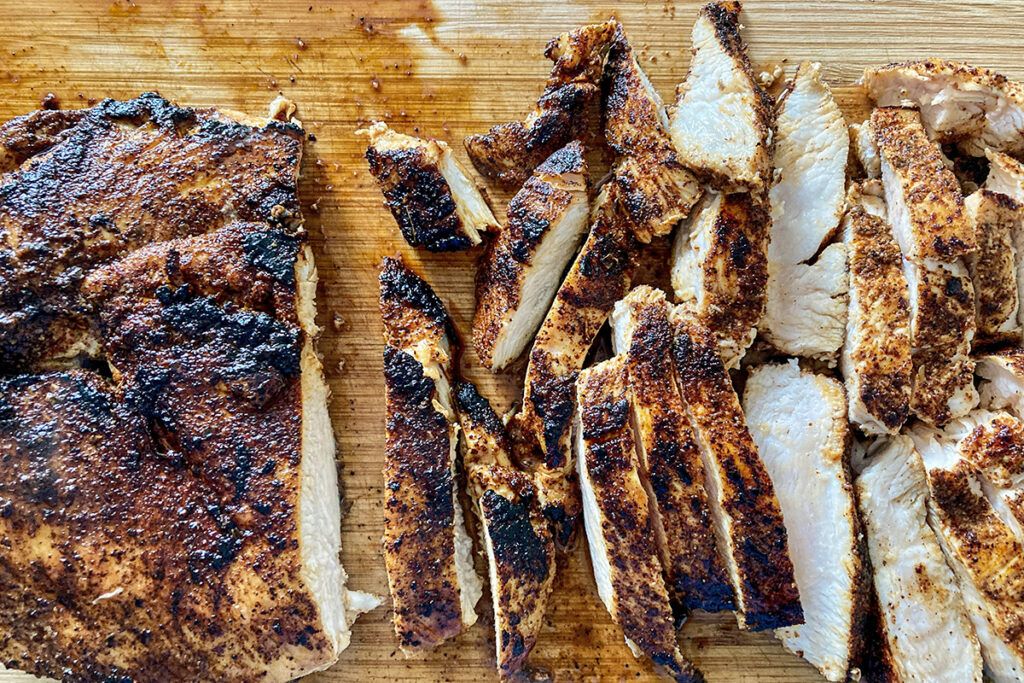
Grilled chicken on a cutting board
Credit: © Thomas Park/Unsplash.com

Step 2: Protein

The second item to reach for on your plate is protein. It increases satiety, helping you feel full longer, and improves blood glucose levels by slowing digestion, similar to high-fiber foods. Lean proteins are ideal for supporting blood sugar. They include poultry, such as chicken and turkey, as well as lean cuts of beef and pork. White fish such as cod, haddock, grouper, halibut, tilapia, and bass, as well as shrimp, are also good options.

Advertisement
Advertisement

Low-carb plant-based choices include tempeh, tofu, and edamame, which are all soybean-based. Some popular plant-based proteins, such as beans and lentils, are high in complex carbohydrates, which digest more slowly than simple carbohydrates, preventing sharp blood sugar spikes. In moderation, they can be a good choice for plant-based protein, but low-carb options are better. For breakfast, egg whites, plain Greek yogurt, low-fat cottage cheese, powdered peanut butter, and low-fat milk can work well.
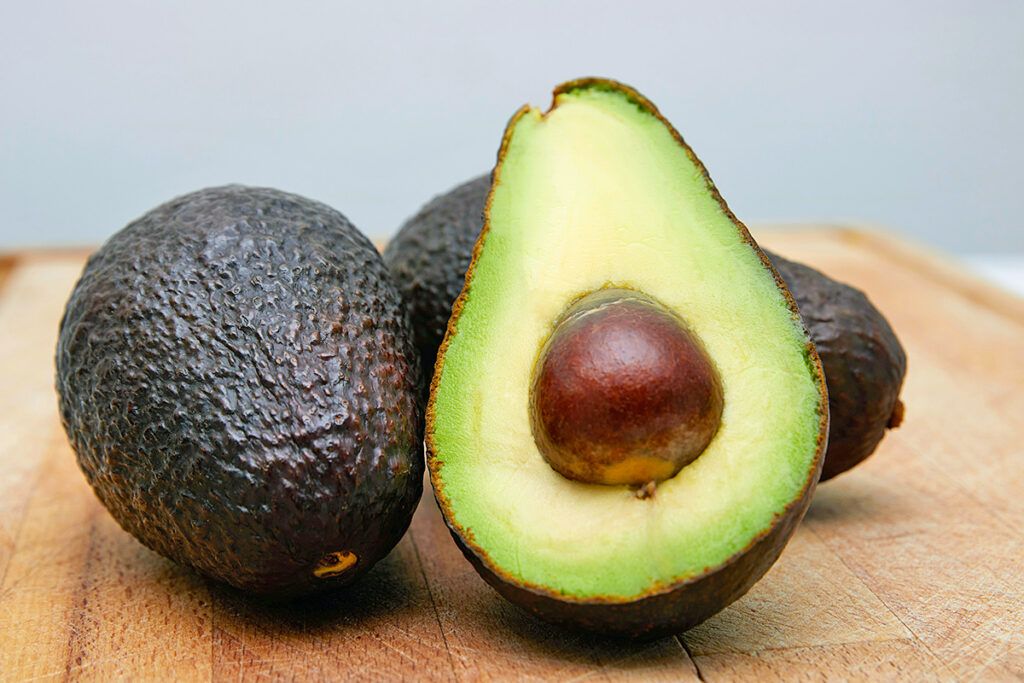
Avocado on a cutting board
Credit: © Gil Ndjouwou/Unsplash.com

Step 3: Healthy Fats

Healthy unsaturated fats are key to a well-balanced diet and should be incorporated after fiber and protein. They help the body absorb vitamins, increase satiety, boost metabolism, and support blood sugar regulation. Foods with healthy fats you can incorporate include avocados, nuts, and seeds (along with their butters and oils). Some protein sources, such as poultry and fish, also provide healthy fats.

Advertisement
Advertisement

When cooking, consider using oils rich in monounsaturated fats — such as olive, canola, peanut, or sesame oil — in place of butter, shortening, or coconut oil, which are higher in saturated fat. Remember to avoid trans fats, which are found in fried foods, fast foods, and processed snacks.
Advertisement
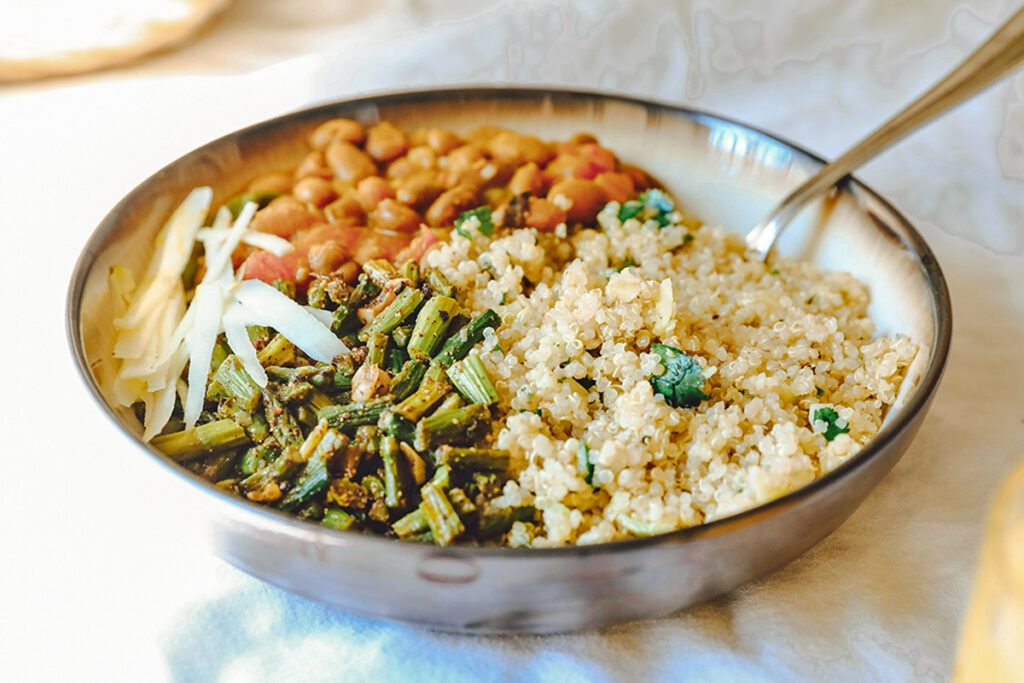
Bowl of quinoa and veggies
Credit: © Shashi Chaturvedula/Unsplash.com

Step 4: Carbohydrates

Finally, it’s time to enjoy some carbohydrates. Eating these foods on a partially full stomach will make your body process them more gradually. For better nutritional value, focus on healthy (complex) carbs, such as whole-grain pastas and breads, quinoa, brown rice, starchy vegetables (potatoes, corn, squash, etc.), and starchy beans (black beans, lima beans, chickpeas, split peas, and lentils).

Advertisement
Advertisement

It’s still best to limit refined, processed carbs such as white flour, added sugars, and sugary drinks, as these foods can cause blood sugar spikes, even if meal sequencing helps reduce their impact. 

Featured Image Credit: © Lala Azizli/Unsplash.com

More From Our Network

Better Report is part of Inbox Studio, an email-first media company. *Indicates a third-party property.

Go Retro With This 1960s Fashion Quiz

Quiz Daily

Go Retro With This 1960s Fashion Quiz

True or False: Are You a Master of U.S. Geography?

Travel Quiz

True or False: Are You a Master of U.S. Geography?

5 Reasons You Can Be Denied Boarding an Airplane

Daily Passport

5 Reasons You Can Be Denied Boarding an Airplane

What Did People Do Before Eyeglasses?

History Facts

What Did People Do Before Eyeglasses?

How To Use a Balloon To Clean Up Dust

House Outlook

How To Use a Balloon To Clean Up Dust

11 Shopping Hacks Costco Members Should Know

FinanceBuzz*

11 Shopping Hacks Costco Members Should Know

Share this article

  • Share to Facebook
  • Share to Twitter
  • Copy Url
  • Share to Email
Rachel Gresh
Writer

Rachel Gresh is a Washington, D.C.-based freelance writer. When she's not writing, you can find her wandering a museum, exploring an unfamiliar city, or baking something new in the kitchen.

This article is for general informational purposes only.
Affiliate Disclaimer Medical Disclaimer Financial Disclaimer

Updated: December 15, 2023
Posted In: Health
Hero Image Credit: Better Report
Advertisement

Related Articles

How Old Are the Apples in the Grocery Store?

4 min read

How To Tell if You’re Brushing Your Teeth Too Hard

4 min read

5 Things To Ask Your Doctor About the New Flu Shot

5 min read

Is Sourdough Actually Healthier Than Regular Bread?

7 min read

Do You Really Need a Bidet in Your Home?

4 min read
Advertisement

Your Go-To Travel Outfit Could Be Dangerous to Your Health

Ali Eldridge
Health | Updated: May 4, 2026
Woman on plane
Better Report

All featured products and deals are selected independently and objectively by the author. Better Report may receive a share of sales via affiliate links in content.

For many travelers, athleisure is the ultimate go-to: It’s stretchy and versatile, and it manages to feel comfortable while still looking put together. Among the most popular athleisure staples are leggings, which are soft, supportive, and widely worn across age groups. But your favorite plane outfit might not be as harmless as it seems. While convenient, certain styles of leggings can pose health and safety concerns during air travel. Here’s why.

Woman sleeping on plane
Credit: Adolfo Félix/Unsplash.com

Why Tight Clothing Can Be a Problem During Flights

Flying can cause uncomfortable side effects for travelers, including swelling due to reduced circulation and slower lymphatic drainage. On long-haul flights, the risks can increase: Flyers may experience leg edema, which occurs when excess fluid is trapped in body tissues, and deep vein thrombosis (DVT), or “traveler’s thrombosis,” a condition in which blood clots form in deep veins. (The risk for the latter is low in healthy people, but does increase in flights lasting longer than four hours.)

Contributing factors include changes in cabin air pressure, prolonged immobility, and dehydration. Staying hydrated, walking the aisles when possible, and doing simple in-seat exercises, such as calf raises, can help. But what you wear also plays a role.

Medical experts warn that tight garments can restrict blood flow in and out of the legs, which are already vulnerable during flights and long periods of sitting. Specifically, clothing that fits snugly at the waist, thighs, or ankles — such as leggings and skinny jeans — may further limit circulation. Tight clothing can also slow lymphatic flow, causing fluid to pool where it shouldn’t, which worsens swelling.

Advertisement
Advertisement

Additionally, cabin pressure can cause gas in the stomach and intestines to expand, leading to bloating. Anything tight around the waist can make this discomfort more noticeable. 

Advertisement

That said, while some tight garments may be problematic, travelers do have other options for compression wear.

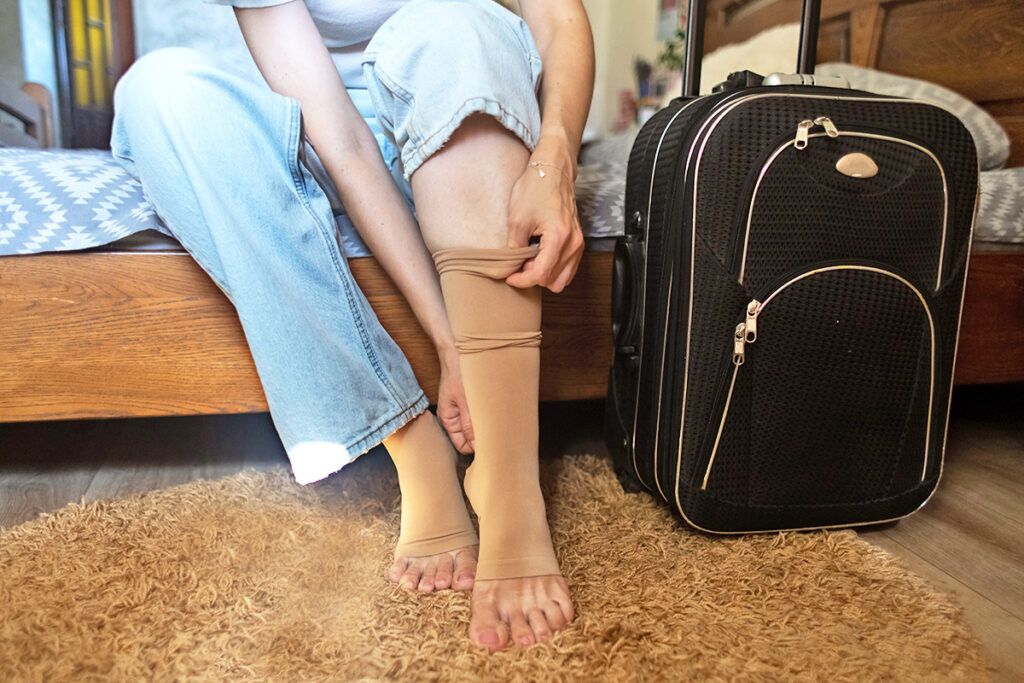
Person putting on compression socks
Credit: © Alona Siniehina—iStock/Getty Images

The Difference: Compression Wear vs. Athleisure

Compression socks and leggings are a popular choice for travelers looking to support circulation, not just on flights but also during long car, bus, or train travel. However, not all compression is created equal.

Recommended Articles

  • The Safety Rules for Candles You Probably Don’t Know

  • How Old Are the Apples in the Grocery Store?

  • How To Tell if You’re Brushing Your Teeth Too Hard

  • 5 Things Your Car Needs Before the First Freeze

Advertisement
Advertisement

Reader Favorites

  • Woman looking in fridge

    9 Foods You Should Toss ASAP if They’re Expired

  • Person eating salad

    7 Things a Chef Never Orders at a Restaurant

  • Cherry angioma

    Are the Tiny Red Dots on Your Skin Dangerous?

Unlike standard leggings, which feature uniform compression throughout the entire garment, medical-grade compression socks and leggings apply graduated pressure. The ankle area has the most compression, which gradually decreases up the leg to promote healthy blood flow.

For some travelers, medical-grade compression can reduce discomfort and vascular health risks during flights. This is especially relevant for those at higher risk of complications, including people over 40, individuals with a personal or family history of blood clots, and those with obesity, recent surgery, cancer, pregnancy, or who take estrogen-based medications.

Advertisement
Advertisement

But medical-grade compression wear isn’t one-size-fits-all. It’s best to consult a health care provider before choosing a style, as some options may be too restrictive for in-flight use or for certain individuals.

Woman in airport terminal on phone
Credit: © RgStudio—E+/Getty Images

Synthetic Fabrics May Pose a Safety Hazard

Beyond comfort and circulation, another factor to consider is fabric type. Leggings are often made from synthetic materials, such as polyester, nylon, and spandex. This may pose a safety hazard in the rare event of a fire, as these fabrics can melt or stick to the skin when exposed to extreme heat, increasing the risk of burns. 

Advertisement
Advertisement

Rest assured that in-cabin fires are uncommon (and are more likely to occur on the ground than in mid-air), but it’s still worth making informed decisions when traveling.

Advertisement
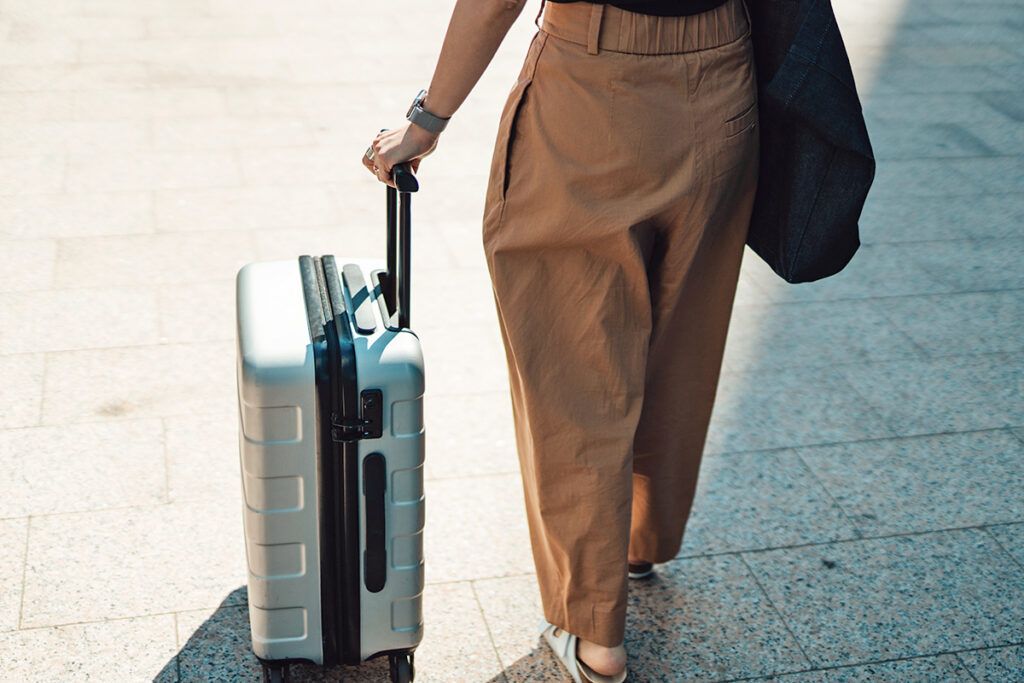
Woman in loose-fitting pants with suitcase
Credit: © Oscar Wong—Moment/Getty Images

What To Wear Instead

If you’re rethinking your travel outfit, consider loose-fitting pieces made from natural fibers. Not only are these options more breathable, but they’re also less of a safety hazard, and they promote healthy circulation. Good options include relaxed joggers, chinos, linen pants, and even loose-fitting denim. 

Advertisement
Advertisement

If compression is recommended for you, pair medical-grade compression socks with looser pants for a more balanced approach. These changes will make your travel day safer and more comfortable.

And don’t feel the need to kick your leggings to the curb. There’s still a time and place for them, but it may not be at 40,000 feet. 

Featured Image Credit: © Andrej Lišakov/Unsplash.com

More From Our Network

Better Report is part of Inbox Studio, an email-first media company. *Indicates a third-party property.

Go Retro With This 1960s Fashion Quiz

Quiz Daily

Go Retro With This 1960s Fashion Quiz

True or False: Are You a Master of U.S. Geography?

Travel Quiz

True or False: Are You a Master of U.S. Geography?

5 Reasons You Can Be Denied Boarding an Airplane

Daily Passport

5 Reasons You Can Be Denied Boarding an Airplane

What Did People Do Before Eyeglasses?

History Facts

What Did People Do Before Eyeglasses?

How To Use a Balloon To Clean Up Dust

House Outlook

How To Use a Balloon To Clean Up Dust

11 Shopping Hacks Costco Members Should Know

FinanceBuzz*

11 Shopping Hacks Costco Members Should Know

Share this article

  • Share to Facebook
  • Share to Twitter
  • Copy Url
  • Share to Email
Ali Eldridge

This article is for general informational purposes only.
Affiliate Disclaimer Medical Disclaimer Financial Disclaimer

Updated:
Posted In: Health
Hero Image Credit: Better Report
Advertisement

Related Articles

How Old Are the Apples in the Grocery Store?

4 min read

How To Tell if You’re Brushing Your Teeth Too Hard

4 min read

5 Things To Ask Your Doctor About the New Flu Shot

5 min read

Is Sourdough Actually Healthier Than Regular Bread?

7 min read

Do You Really Need a Bidet in Your Home?

4 min read
Advertisement

3 Things That Could Put You at Risk for an Accidental Fall

Health | Updated: May 4, 2026
Bennett Kleinman
Author
Bennett Kleinman is a New York City-based staff writer for Inbox Studio. He is also a freelance comedy writer, devoted New York Yankees and New Jersey Devils fan, and thinks plain seltzer is the best drink ever invented.
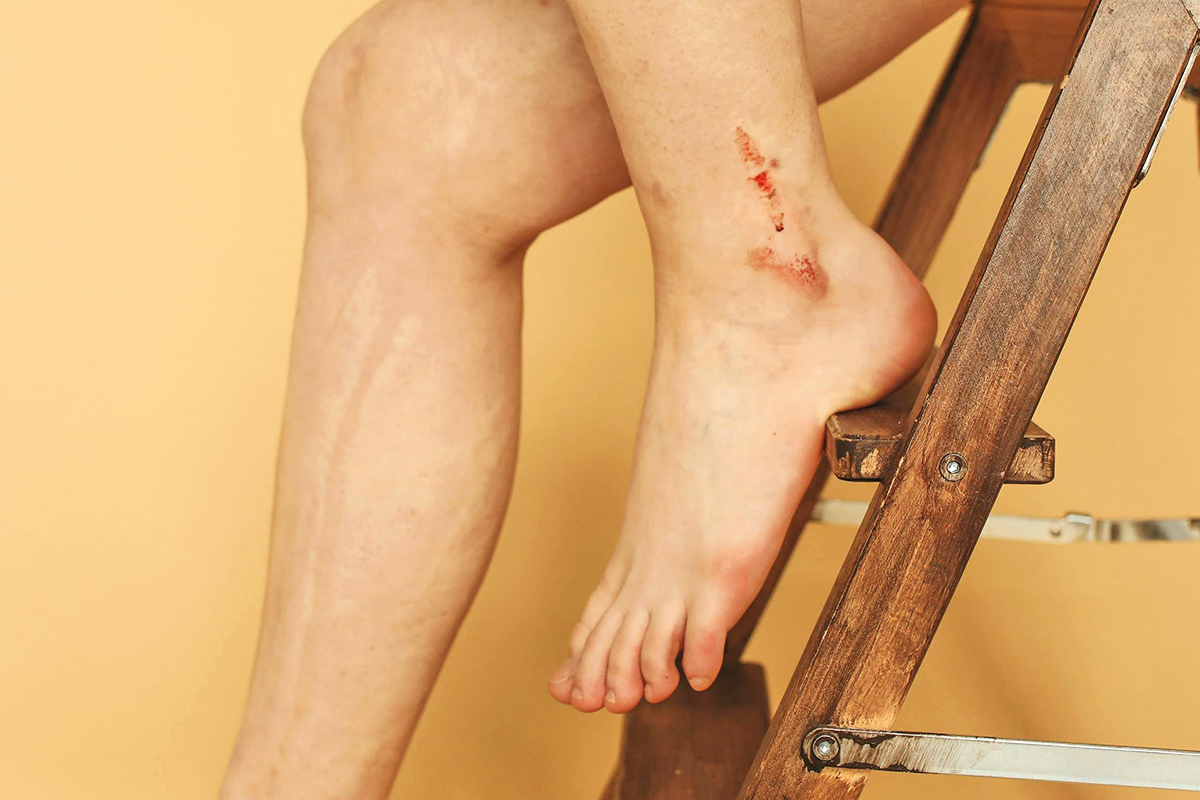
Person sitting on ladder with scrape on ankle
Better Report

All featured products and deals are selected independently and objectively by the author. Better Report may receive a share of sales via affiliate links in content.

It’s no shocker that people are prone to accidental tumbles, especially as they grow older and lose their balance more easily. But not all unexpected falls are due to aging — there are a slew of other culprits, some more surprising than others. 

Since 2000, studies have indicated an uptick in the frequency of fatal falls across an array of age groups both young and old. Here’s a closer look at some reasons behind this concerningly growing trend.

Advertisement
Advertisement
Woman who fell down the stairs holding her back
Credit: © New Africa/stock.adobe.com

Falling Upward

According to statistics from the Centers for Disease Control and Prevention compiled by the data analysis site USAFacts, the rate of death caused by accidental falls has jumped from 4.7 people per 100,000 in 2000 to 11.4 (when adjusted for age) as of 2023 — more than a 2.4-fold increase. The rise comes despite continued efforts to educate Americans about risks associated with falling, such as the debut of Falls Prevention Awareness Week in 2007 and the launch of the STEADI (Stopping Elderly Accidents, Deaths, & Injuries) initiative in 2012. 

Recommended Articles

  • The Safety Rules for Candles You Probably Don’t Know

  • How Old Are the Apples in the Grocery Store?

  • How To Tell if You’re Brushing Your Teeth Too Hard

  • 5 Things Your Car Needs Before the First Freeze

Advertisement
Advertisement

Reader Favorites

  • Woman looking in fridge

    9 Foods You Should Toss ASAP if They’re Expired

  • Person eating salad

    7 Things a Chef Never Orders at a Restaurant

  • Cherry angioma

    Are the Tiny Red Dots on Your Skin Dangerous?

But this doesn’t affect just seniors (although they are significantly more at risk). The death rate from accidental falls has increased for people aged 35 and up as well. Here’s how the data breaks down: 

• Ages 35 and 44: 15.4% increase 
• Ages 45 to 54: 34.8% increase 
• Ages 55 to 64: 94.9% increase 
• Ages 65 to 74: 113.3% increase 
• Ages 75 to 84: 140.2% increase
• Ages 85 and up: 201.5% increase

    The only age demographics to see a drop are the 25 to 34 (-12.5%), 15 to 24 (-50%), and 1 to 14 (-39.1%) groups.

    Advertisement
    Advertisement

    While fatal falls have increased in frequency, the rate of other major causes of death has gone down. Since the year 2000, cancer deaths have dropped 6.8%, vehicle deaths are down 13%, and heart disease-related deaths have plummeted 19.5%.

    Advertisement
    Hand holding medication
    Credit: © Ksenia Yakovleva/Unsplash.com

    3 Things That Could Be Causing the Increase in Accidental Falls

    Putting age aside, one of the big reasons for the uptick in severe falls may be increased use of prescription medication, which can make people woozy and less stable. This includes meds such as antidepressants and psychotherapeutics, both of which are prescribed and used more frequently than a quarter-century ago. One survey found that the percentage of Americans 65 and older using psychotherapeutics went from 9.4% between January 1999 and March 2000 to 21% between January 2017 and March 2020, while antidepressant use rose from 8.4% to 20%. 

    Advertisement
    Advertisement

    In a similar vein, increased alcohol consumption may also be a driving force behind accidental falls: Between 2002 and 2019, the percentage of Americans 65 and older who consumed alcohol monthly increased 16%, according to data from the National Survey of Drug Use and Health.

    Another problem area worth noting is America’s high rate of obesity, which, at 41.64%, is one of the highest in the world. Obesity has an adverse impact on people’s posture and balance, and is believed to be a major reason why Americans fall and suffer injury so often.

    Person slipping on rug
    Credit: © Liudmila Chernetska—iStock/Getty Images

    Additional Theories 

    There are two other potential causes noted by USAFacts, the first of which is a change in the way that falls are reported. Back in the day, you may have reported a fall only if it was from a high distance, such as off a ladder while doing roof repairs. But there’s an argument to be made that more people are reporting falls from “on the same level” — i.e., if you were to fall while standing on the ground. While those falls may seem minor, they can lead to serious injury that becomes more apparent days or weeks later.

    Advertisement
    Advertisement

    One final theory is that an increase in fall deaths is related to a decrease in other causes of death. With fewer people dying from cancer, heart disease, or car accidents, it opens the door for potentially fatal events such as falling.

    Older man working out at home
    Credit: © SHVETS production/Pexels.com

    Safety Tips

    Despite this concerning uptick, there are precautions you can take to prevent major falls at home. 

    Advertisement
    Advertisement

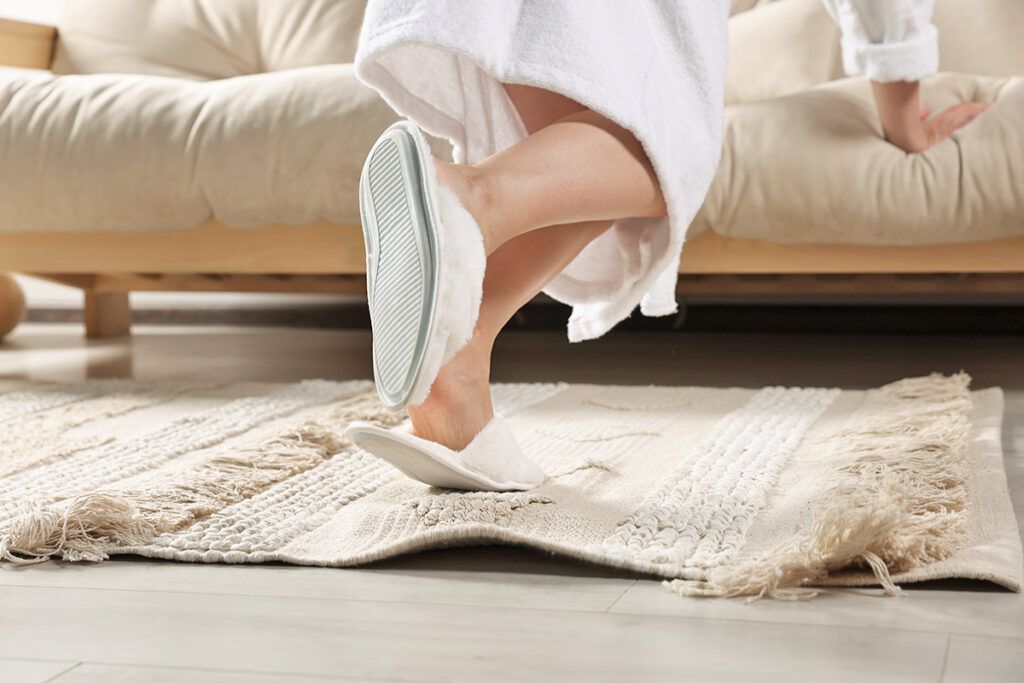
    One way to do so is to eliminate areas that may potentially trip you up. Moving to a home with fewer stairs, for instance, eliminates changes in elevation that might be a bit more difficult to navigate with age. You can also install railings for more stability, put no-slip pads underneath any rugs, and use bright lighting so you don’t trip over a hazard that you can’t see. And it’s a good idea to wear house shoes with traction for added support.

    Advertisement

    You can further lower the risk of falling by living a healthy lifestyle. Take care of your vision so you don’t accidentally bump into things and tumble over. Maintain a manageable weight to avoid putting extra strain on your joints. Steer clear of drugs and alcohol, and consult your doctor to see if they’re able to prescribe medications that won’t make you woozy. All of these lifestyle choices can go a long way toward keeping you on your feet and off the ground.

    Featured Image Credit: © Polina Tankilevitch/Pexels.com

    More From Our Network

    Better Report is part of Inbox Studio, an email-first media company. *Indicates a third-party property.

    Go Retro With This 1960s Fashion Quiz

    Quiz Daily

    Go Retro With This 1960s Fashion Quiz

    True or False: Are You a Master of U.S. Geography?

    Travel Quiz

    True or False: Are You a Master of U.S. Geography?

    5 Reasons You Can Be Denied Boarding an Airplane

    Daily Passport

    5 Reasons You Can Be Denied Boarding an Airplane

    What Did People Do Before Eyeglasses?

    History Facts

    What Did People Do Before Eyeglasses?

    How To Use a Balloon To Clean Up Dust

    House Outlook

    How To Use a Balloon To Clean Up Dust

    11 Shopping Hacks Costco Members Should Know

    FinanceBuzz*

    11 Shopping Hacks Costco Members Should Know

    Share this article

    • Share to Facebook
    • Share to Twitter
    • Copy Url
    • Share to Email
    Bennett Kleinman
    Staff Writer

    Bennett Kleinman is a New York City-based staff writer for Inbox Studio. He is also a freelance comedy writer, devoted New York Yankees and New Jersey Devils fan, and thinks plain seltzer is the best drink ever invented.

    This article is for general informational purposes only.
    Affiliate Disclaimer Medical Disclaimer Financial Disclaimer

    Updated: July 20, 2023
    Posted In: Health
    Hero Image Credit: Better Report
    Advertisement

    Related Articles

    How Old Are the Apples in the Grocery Store?

    4 min read

    How To Tell if You’re Brushing Your Teeth Too Hard

    4 min read

    5 Things To Ask Your Doctor About the New Flu Shot

    5 min read

    Is Sourdough Actually Healthier Than Regular Bread?

    7 min read

    Do You Really Need a Bidet in Your Home?

    4 min read
    Advertisement

    6 Reasons Your Washing Machine Smells

    Home | Updated: May 4, 2026
    Nicole Pyles
    Author
    Based in Portland, Oregon, Nicole Pyles is an experienced freelance writer who writes about home and kitchen, health and wellness, and more. She's written for a variety of outlets, including Better Homes and Gardens, Tom's Guide, Better Report, and more.
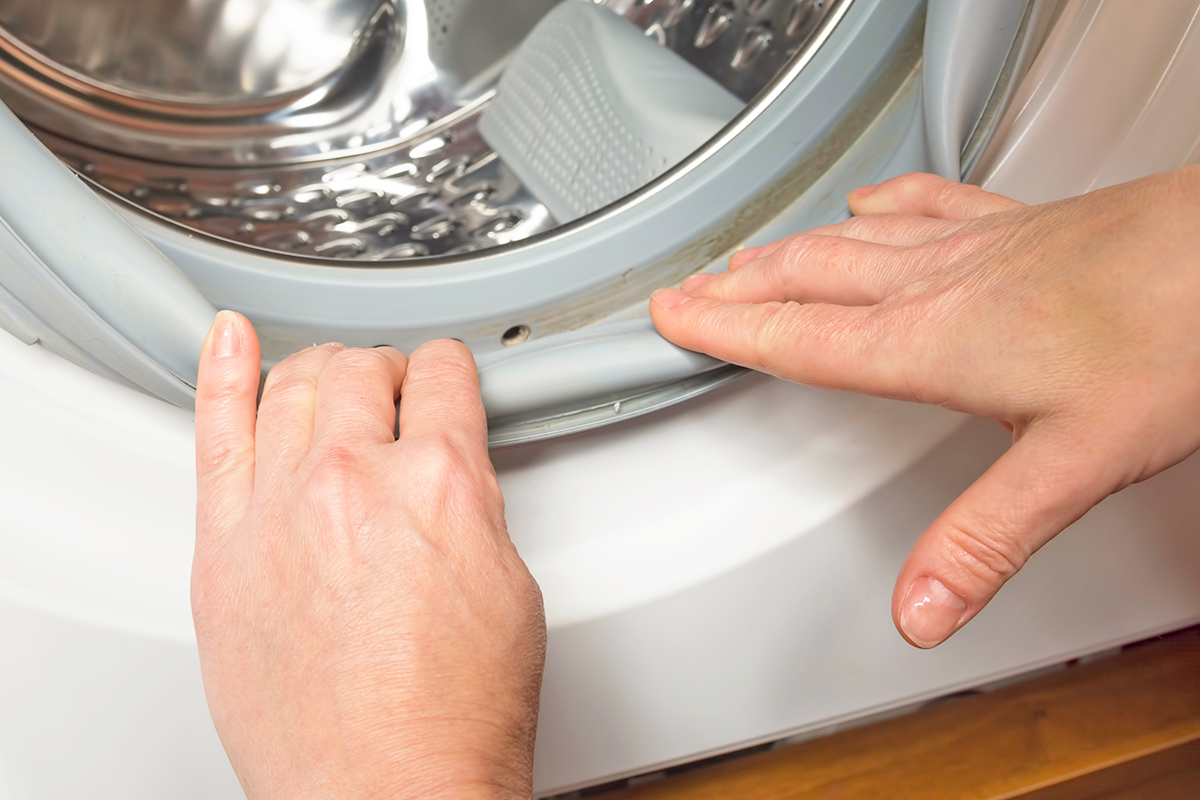
    Checking washing machine gasket
    Better Report

    Of all the household appliances we’d expect to smell not-so-fresh after a while, the washing machine probably isn’t one of them — it’s continuously cleaning our clothes, after all, so shouldn’t it be clean itself? But over time, even the items in our household that clean other things need a little TLC. If you’ve noticed a musty or mildewy smell coming from the heart of your laundry room, it’s time to add it to your cleaning to-do list. Here are a few common causes behind unfortunate smells in your washing machine, along with cleaning tips to help freshen it up.

    Advertisement
    Advertisement
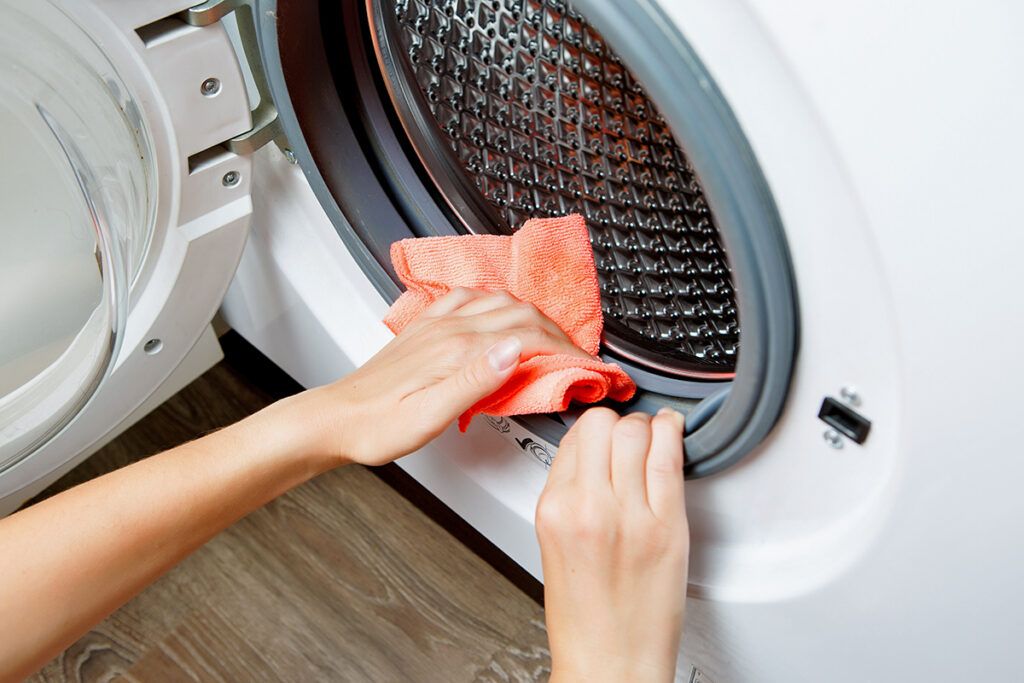
    Cleaning washing machine gasket
    Credit: © Sergey Mironov/stock.adobe.com

    Buildup in the Gasket

    Whether you have a top-loading or front-loading washing machine, the gasket — the large rubber ring that acts as a water barrier — can start to smell due to mold and soap scum buildup. This will be more of an issue on front-loading washing machines than top-loading ones, but both should be cleaned regularly.

    Clean the exterior of the seal using hot, soapy water and a microfiber cloth. To get into the seal’s narrow crevices, use an old toothbrush dipped in a vinegar and warm water solution. Wipe the seal down with a cloth and leave the door open until everything is dry. 

    Clothes in washing machine
    Credit: © pkanchana/stock.adobe.com

    Wet Clothes Left in the Tub

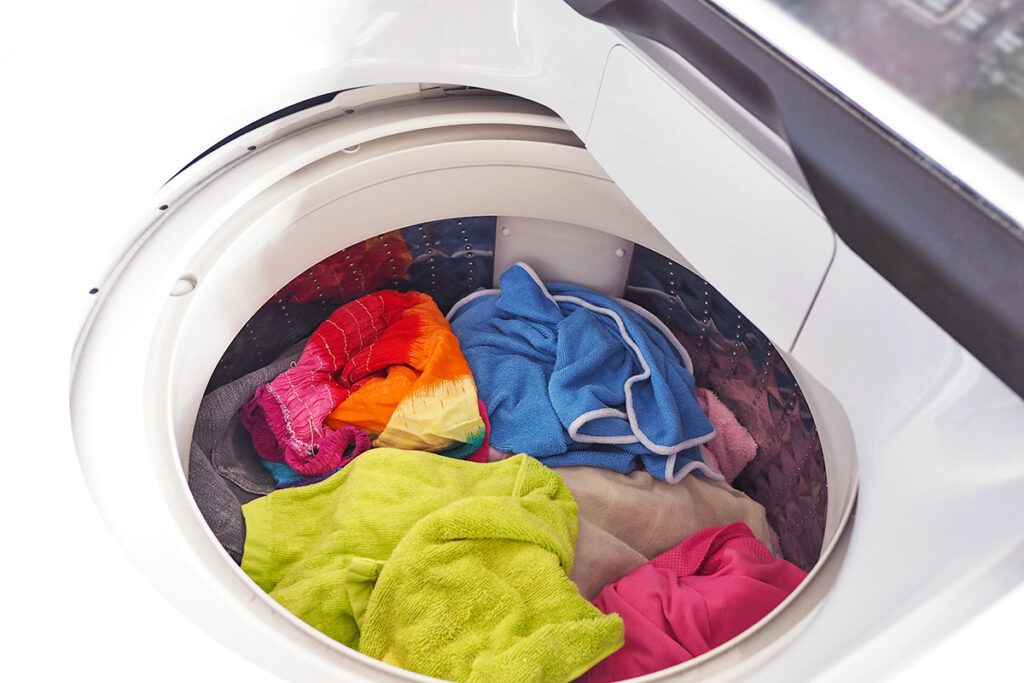
    While we’ve all made this mistake, leaving wet clothes in the tub for long periods after a cycle can lead to a musty smell. Remove clothes as soon as possible after the cycle is complete to keep your tub smelling fresh. To remove any lingering odors, wash your tub (more on that below).

    Recommended Articles

    • The Safety Rules for Candles You Probably Don’t Know

    • How Old Are the Apples in the Grocery Store?

    • How To Tell if You’re Brushing Your Teeth Too Hard

    • 5 Things Your Car Needs Before the First Freeze

    Advertisement
    Advertisement

    Reader Favorites

    • Woman looking in fridge

      9 Foods You Should Toss ASAP if They’re Expired

    • Person eating salad

      7 Things a Chef Never Orders at a Restaurant

    • Cherry angioma

      Are the Tiny Red Dots on Your Skin Dangerous?

    Empty washing machine tub
    Credit: © Vlad Ivantcov/stock.adobe.com

    A Dirty Tub

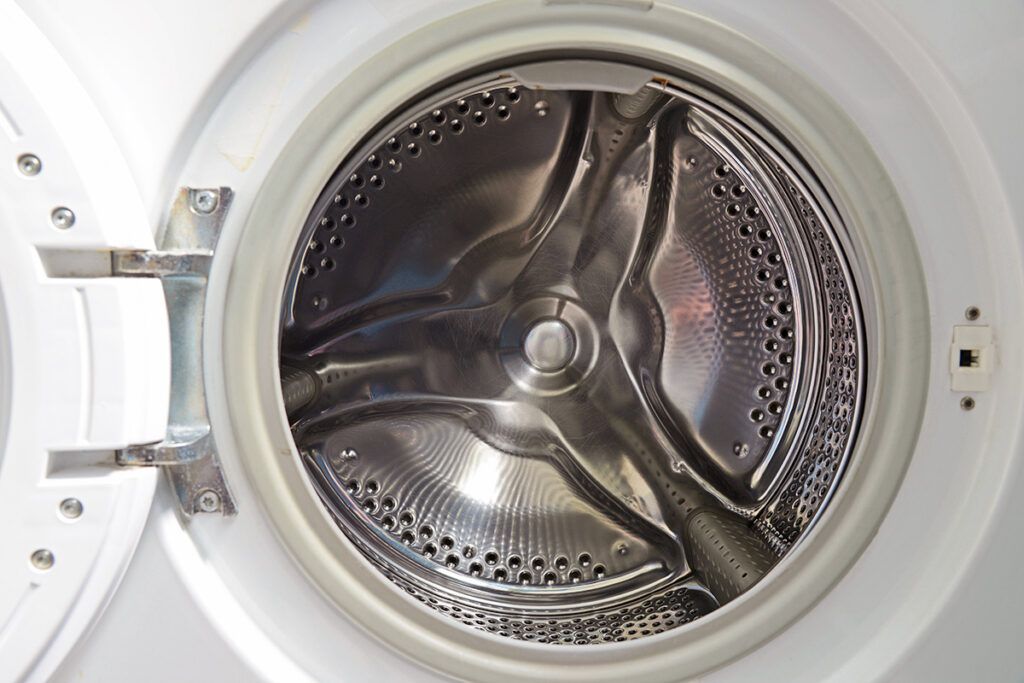
    Whether it’s from last week’s wet laundry or an accumulation of hard-water minerals, detergent residue, or hidden grime, your washing machine tub itself may be the source of unwanted odors. 

    Advertisement
    Advertisement

    To clean, pour one cup of bleach into the bleach dispenser and set your washer to the hottest cycle. (Make sure there’s no laundry in the tub.) When that’s done, run a final rinse cycle to remove any remaining bleach from the tub and clean the dispensers. Leave the door open for a while to allow everything to dry, and repeat once monthly to keep odors at bay.

    Dirty dispenser tub
    Credit: © bukhta79/stock.adobe.com

    A Neglected Dispenser Drawer

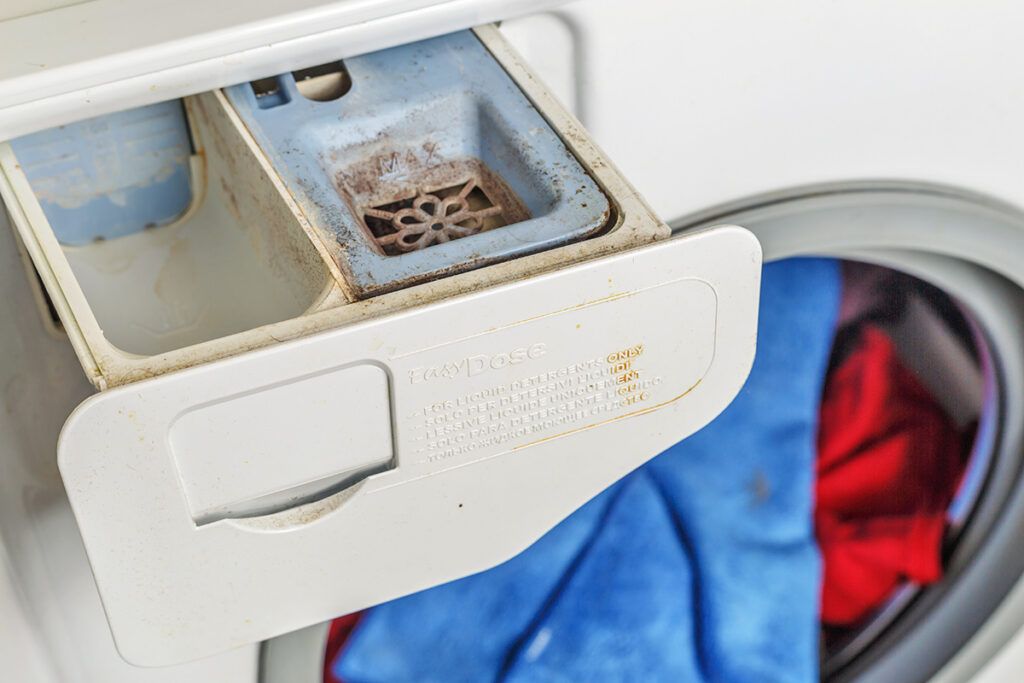
    Your dispenser drawer can smell because of the accumulation of soap and liquid softeners as well as mineral deposits from hard water. Remove the drawer, take out its inserts, and wash it all with mild soap and hot water using a soft brush. If you can’t remove the drawer, use a damp cloth to wipe it clean.

    Advertisement
    Advertisement
    Detergent in cap
    Credit: © ungvar/stock.adobe.com

    Using Too Much Detergent

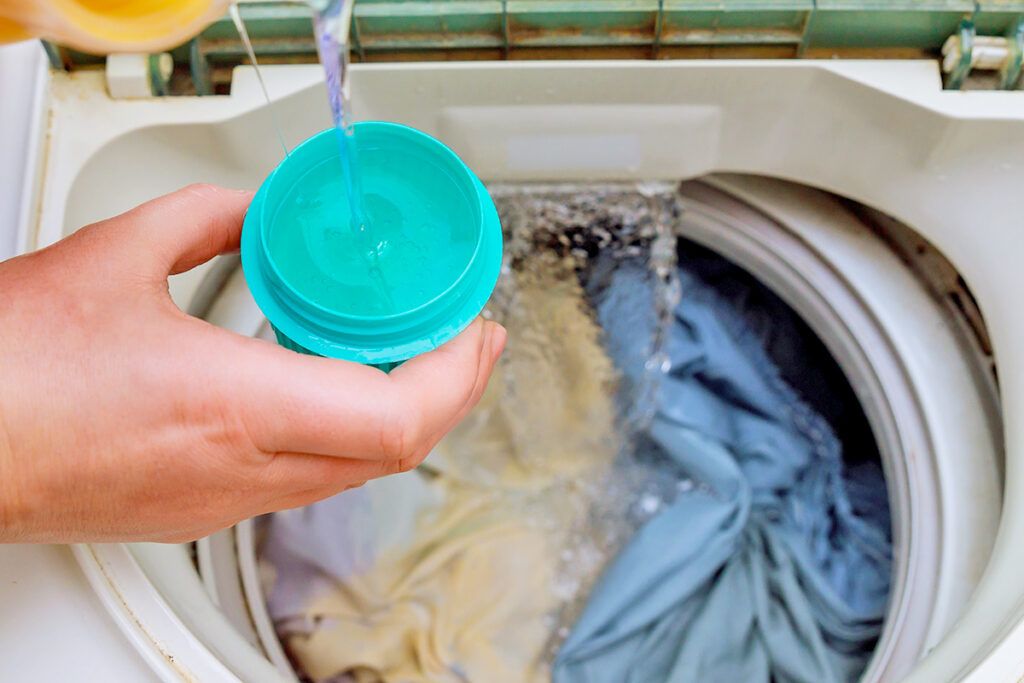
    Using an excessive amount of detergent is bad not only for your clothes, but also for the washing machine — high-efficiency (HE) washing machines typically don’t need as much detergent. 

    Advertisement
    Advertisement

    The exact amount you need will vary based on the size of the load, the soil level of your clothes, the type of detergent you use, and your washing machine. You should refer to your manufacturer’s guidelines to find out the ideal amount to use per cycle, but a good guideline for an average load is to use half an ounce of laundry detergent per cycle for HE machines and 1 ounce per cycle for non-HE machines. 

    Advertisement
    Washing machine mid-cycle
    Credit: © nerksi/stock.adobe.com

    Using Only Cold Water

    While using only cool water can certainly save money on your electric bill, it isn’t good for removing bacteria from clothes or residue from your washing machine tub, which can lead to increased mold and mildew that cause a smell. 

    Advertisement
    Advertisement

    You don’t need to switch to hot cycles to combat this problem. Just run the hot-water cycle in an empty tub occasionally to sanitize the machine.

    Featured Image Credit: © denklim/stock.adobe.com

    More From Our Network

    Better Report is part of Inbox Studio, an email-first media company. *Indicates a third-party property.

    Go Retro With This 1960s Fashion Quiz

    Quiz Daily

    Go Retro With This 1960s Fashion Quiz

    True or False: Are You a Master of U.S. Geography?

    Travel Quiz

    True or False: Are You a Master of U.S. Geography?

    5 Reasons You Can Be Denied Boarding an Airplane

    Daily Passport

    5 Reasons You Can Be Denied Boarding an Airplane

    What Did People Do Before Eyeglasses?

    History Facts

    What Did People Do Before Eyeglasses?

    How To Use a Balloon To Clean Up Dust

    House Outlook

    How To Use a Balloon To Clean Up Dust

    11 Shopping Hacks Costco Members Should Know

    FinanceBuzz*

    11 Shopping Hacks Costco Members Should Know

    Share this article

    • Share to Facebook
    • Share to Twitter
    • Copy Url
    • Share to Email
    Nicole Pyles
    Writer

    Based in Portland, Oregon, Nicole Pyles is an experienced freelance writer who writes about home and kitchen, health and wellness, and more. She's written for a variety of outlets, including Better Homes and Gardens, Tom's Guide, Better Report, and more.

    This article is for general informational purposes only.
    Affiliate Disclaimer Medical Disclaimer Financial Disclaimer

    Updated: September 18, 2024
    Posted In: Home
    Hero Image Credit: Better Report
    Advertisement

    Related Articles

    The Safety Rules for Candles You Probably Don’t Know

    5 min read

    9 Items in Your Basement You Should Toss Right Now

    5 min read

    5 Vegetables You Should Never Store in the Fridge

    3 min read

    Why a Flashing Check Engine Light Is Different From a Solid One

    3 min read

    Why Does Your Sink Have a Tiny Hole?

    3 min read
    Advertisement

    What Happens If You Accidentally Eat Moldy Food?

    Health | Updated: August 31, 2026
    Kat Long
    Author
    Kat Long is a freelance science journalist in the Washington, D.C. area. Previously, she was the science editor at Mental Floss and a digital editor at National Geographic. She now writes the Arctic Archives newsletter on Substack. Kat spends her free time birdwatching, road-tripping to historical sites and perusing old manuscripts at libraries.
    Moldy orange
    Better Report

    Realizing you let an expensive loaf of artisanal bread get moldy on your kitchen counter is not a good feeling. You face a conundrum: Do you throw it out, wasting both food and money, or slice off those few inconspicuous spots and proceed with your sandwich like nothing ever happened? What if you realize the bread is moldy after you eat that sandwich?

    Mold is all around us — outdoors, in our homes, and on our food. Most molds are harmless, and some even help produce certain foods: Penicillium roqueforti gives blue cheese its deliciously sharp taste and blue streaks, and Penicillium camemberti allows soft cheeses like brie to build white rinds. But not every mold is as appetizing as those.

    Advertisement
    Advertisement

    Here’s what to know about mold on your food — and what to do if some accidentally goes down the hatch.

    Petri dish of mold
    Credit: © mscornelius/stock.adobe.com

    Fungus Among Us

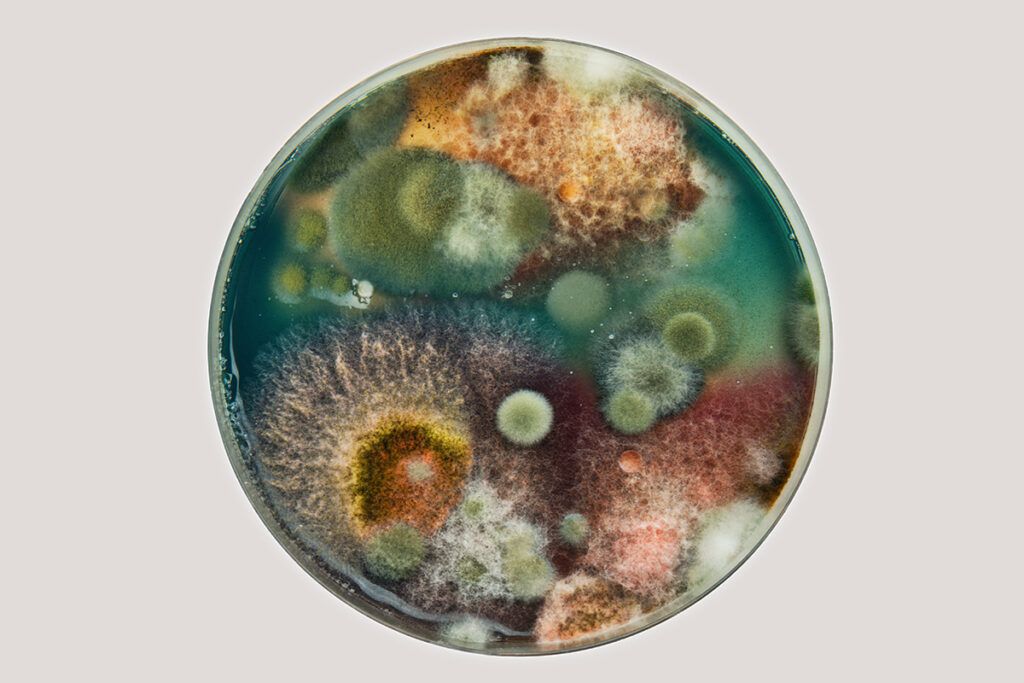
    Molds are microscopic, multicellular fungi that have threadlike roots and reproduce by spores. The spores can spread through the air, land on food, and multiply if the conditions are right. Mold especially loves humidity. Moist baked goods left unwrapped on a kitchen countertop are the perfect landing strips for airborne spores to burrow into. Even food that’s in the fridge can get moldy after a few weeks if there are high levels of moisture inside the packaging. 

    Just about any kind of food can get moldy: Meats, dairy products, fruits, vegetables, breads, and condiments are all fair game. Even jams and pickles are susceptible because some molds thrive in sugary, salty, and highly acidic environments. 

    Advertisement

    Most molds, including ones we may eat, present no danger to people, so accidentally ingesting them won’t cause any problems beyond grossing you out. However, some molds typically found on grains, nuts, and fruit do produce compounds called mycotoxins, which may result in gastrointestinal discomfort, flu-like symptoms, and short-term memory loss if eaten by mistake. Severe cases of poisoning by some forms of mycotoxins can lead to more serious issues, including cancer.  

    Moldy bread
    Credit: © Thijs de Graaf/stock.adobe.com

     How To Handle Mold on Your Food

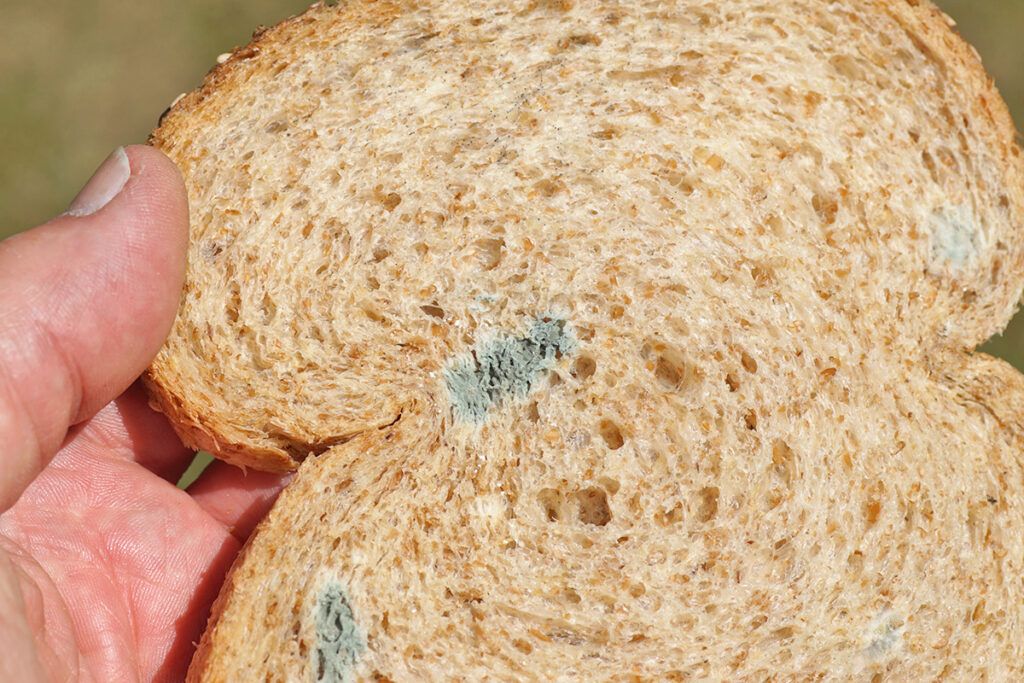
    It’s impossible to tell which molds are toxic just by looking at them, so food safety experts say you should throw out most foods with visible mold. Cutting off the moldy part of a doughnut or tomato to save the rest isn’t advised because the mold’s filaments can extend deep into the food, especially if it’s soft and has a lot of moisture. Those qualities also attract bacteria. Dairy products, most fruits and veggies, cooked rice and pasta, cooked meats and legumes, and breads all fall under this umbrella.

    Recommended Articles

    • The Safety Rules for Candles You Probably Don’t Know

    • How Old Are the Apples in the Grocery Store?

    • How To Tell if You’re Brushing Your Teeth Too Hard

    • 5 Things Your Car Needs Before the First Freeze

    Advertisement
    Advertisement

    Reader Favorites

    • Woman looking in fridge

      9 Foods You Should Toss ASAP if They’re Expired

    • Person eating salad

      7 Things a Chef Never Orders at a Restaurant

    • Cherry angioma

      Are the Tiny Red Dots on Your Skin Dangerous?

    There are some exceptions to this rule: hard-textured blocks of cheese such as Parmesan or cheddar (make sure to toss any shredded cheese with mold, though); cured meats like hard salami; and hard vegetables including carrots and cabbage. Mold filaments can’t penetrate these foods easily, so in these cases, you can trim off the moldy part plus a 1-inch margin around and below it (or, in the case of salami, scrub the mold off) and salvage the remaining portion.

    Moldy strawberries
    Credit: © Марина Демешко/stock.adobe.com

    A Mouthful of Mold

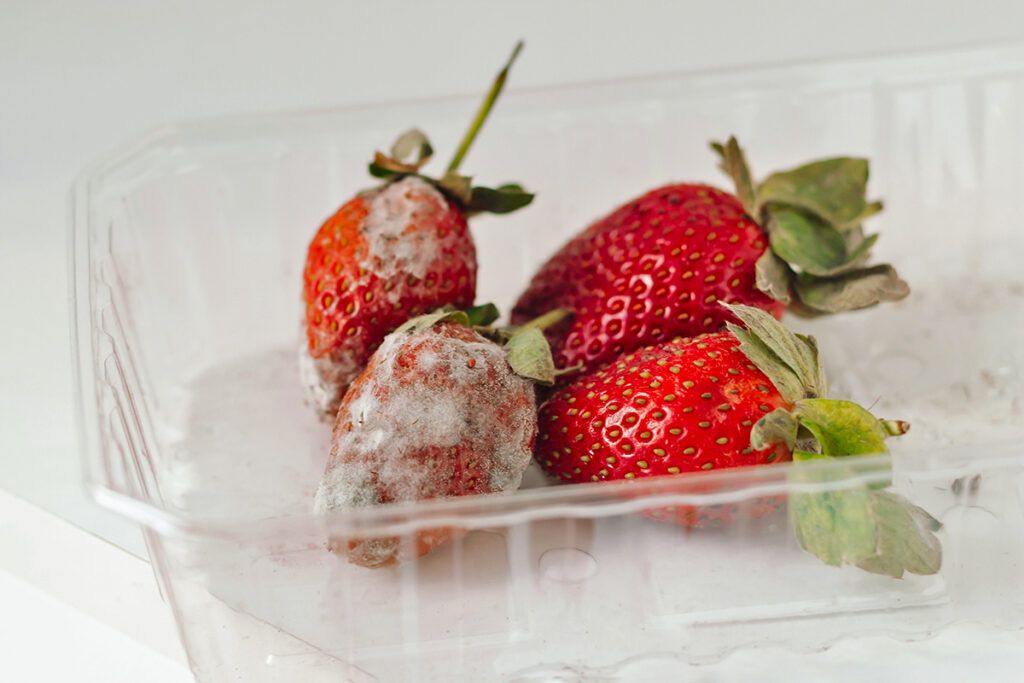
    If you accidentally chow down on some spoiled or moldy food, remain calm. Keep watch for nausea, vomiting, diarrhea, stomachache, or brain fog — symptoms that may be more severe in people who have existing health issues — for the next 24 hours in case you develop a delayed reaction. Call your doctor if you notice any discomfort, but if that period ends without new symptoms, rest assured that you’ll probably be fine. (But you should still toss the moldy food in question.)

    Advertisement
    Advertisement

    Featured Image Credit: © towfiqu ahamed—iStock/Getty Images

    More From Our Network

    Better Report is part of Inbox Studio, an email-first media company. *Indicates a third-party property.

    Go Retro With This 1960s Fashion Quiz

    Quiz Daily

    Go Retro With This 1960s Fashion Quiz

    True or False: Are You a Master of U.S. Geography?

    Travel Quiz

    True or False: Are You a Master of U.S. Geography?

    5 Reasons You Can Be Denied Boarding an Airplane

    Daily Passport

    5 Reasons You Can Be Denied Boarding an Airplane

    What Did People Do Before Eyeglasses?

    History Facts

    What Did People Do Before Eyeglasses?

    How To Use a Balloon To Clean Up Dust

    House Outlook

    How To Use a Balloon To Clean Up Dust

    11 Shopping Hacks Costco Members Should Know

    FinanceBuzz*

    11 Shopping Hacks Costco Members Should Know

    Share this article

    • Share to Facebook
    • Share to Twitter
    • Copy Url
    • Share to Email
    Kat Long
    Writer

    Kat Long is a freelance science journalist in the Washington, D.C. area. Previously, she was the science editor at Mental Floss and a digital editor at National Geographic. She now writes the Arctic Archives newsletter on Substack. Kat spends her free time birdwatching, road-tripping to historical sites and perusing old manuscripts at libraries.

    This article is for general informational purposes only.
    Affiliate Disclaimer Medical Disclaimer Financial Disclaimer

    Updated: April 6, 2026
    Posted In: Health
    Hero Image Credit: Better Report
    Advertisement

    Related Articles

    How Old Are the Apples in the Grocery Store?

    4 min read

    How To Tell if You’re Brushing Your Teeth Too Hard

    4 min read

    5 Things To Ask Your Doctor About the New Flu Shot

    5 min read

    Is Sourdough Actually Healthier Than Regular Bread?

    7 min read

    Do You Really Need a Bidet in Your Home?

    4 min read
    Advertisement

    This Is the Only Beach Towel I’ll Ever Buy

    Ali Eldridge
    Home | Updated: May 1, 2026
    Woman reading at beach
    Better Report

    All featured products and deals are selected independently and objectively by the author. Better Report may receive a share of sales via affiliate links in content.

    Beach season is almost upon us, which means it’s time to buy a new bottle of sunscreen, grab a UPF cover-up, and pick up a fresh beach towel or two. The kind of towel you reach for will depend on your preferences — do you prioritize absorbency over sand-shedding properties? Do you want to feel cozy or have your towels dry quickly? Here’s what I pack in my bag when I’m beach-bound.

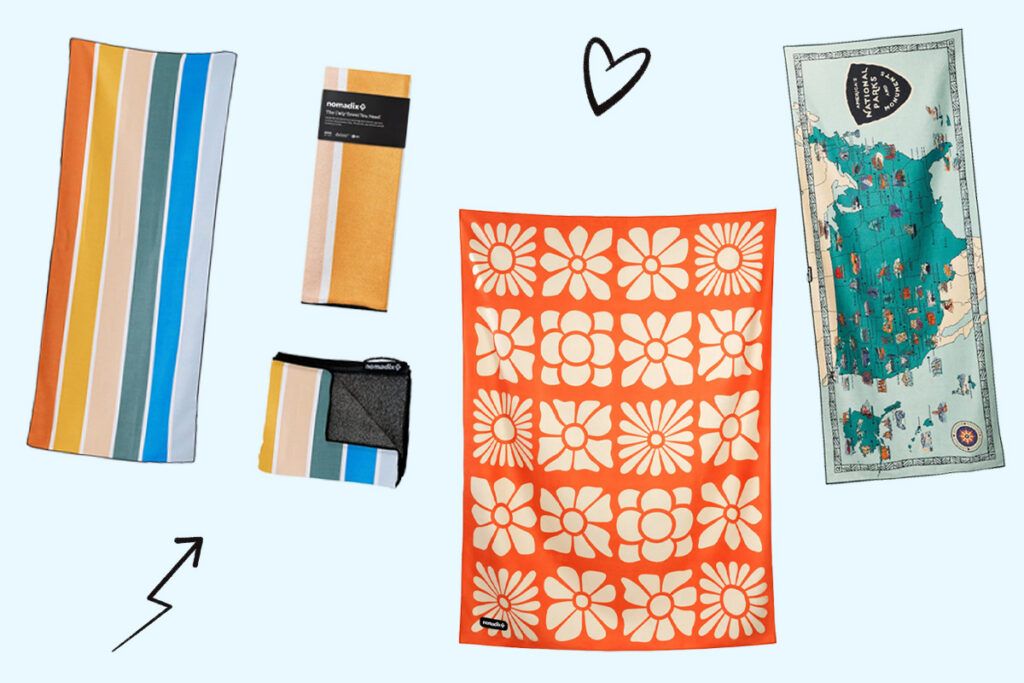
    Credit: Images courtesy of Nomadix

    My Favorite Beach Towel

    When I go to the beach, my No. 1 priority is to leave sand there, where it belongs — there’s truly nothing worse than those tiny, irritating little grains getting into the crevices of your bag or the cracks in your floor at home. I also need the towel to be dry so I can shove it back into my bag without worrying about getting my books, camera, phone, or anything else wet. My preferred towel is of the microfiber variety (more on that later), and Nomadix is my favorite. 

    Advertisement
    Advertisement

    It’s true that these towels aren’t as plush as cotton, which I miss on windy beach days when I want a little something more to keep me warm. And depending on where you’re getting your towels, Nomadix might be on the pricier side when compared to terry. That said, Nomadix towels are still soft, especially if you get their microsuede material — and the pros far outweigh the cons, which I think makes the price tag worth it. 

    The towels come in a ton of fun patterns and themes — the national parks towels are especially fun — and in addition to repelling sand, they also repel pet fur, which is huge in my two-cat household. (I rubbed these towels all over my cats and the few strands of fur that stuck brushed right off. I need clothing made of this material.)

    I also appreciate that there seems to be a size for every occasion. An original towel measures 30 inches by 72.5 inches and weighs 16 ounces, and the ultralight, with the same dimensions, weighs half that. Nomadix also makes blanket towels that measure 60 inches by 80 inches — large enough to accommodate three people — and weigh 32 ounces. There are even tiny towels and bandanas. Like all microfiber towels, they’re absorbent (they can hold four times as much liquid as they weigh) and fast-drying, which means there’s no funky, wet scent hanging around. Every towel has UPF 50 sun protection, too. 

    Advertisement

    Nomadix towels are also made with recycled materials, and the company donates 1% of its fiscal sales to environmental causes, so you can feel good about your purchases. The original towel costs $40, the ultralight is $30, and blanket towels are $65. 

    I love these towels so much, I’ve given them as gifts to the frequent campers and festival-goers in my life. I’ve taken the tiny towels to the gym and the original towels to the beach, and one will be coming with me on a two-week trip to Iceland later this year so I can dry off at the many hot springs I plan to visit. (I might also pick up one of their changing ponchos for the hot springs that don’t have changing facilities.) My original towel won’t take up too much space in my suitcase because it packs down small, to just 3.5 inches by 7 inches.

    Nomadix bills itself as “the only towel you’ll ever need,” and I think in terms of adventure and travel, that statement rings true. If you have a vacation planned this year where you need a towel that’s light, durable, and fast-drying, you may want to pick one up.

    Recommended Articles

    • The Safety Rules for Candles You Probably Don’t Know

    • How Old Are the Apples in the Grocery Store?

    • How To Tell if You’re Brushing Your Teeth Too Hard

    • 5 Things Your Car Needs Before the First Freeze

    Advertisement
    Advertisement

    Reader Favorites

    • Woman looking in fridge

      9 Foods You Should Toss ASAP if They’re Expired

    • Person eating salad

      7 Things a Chef Never Orders at a Restaurant

    • Cherry angioma

      Are the Tiny Red Dots on Your Skin Dangerous?

    Beach Towel 101

    Here’s a quick guide to some of the most popular types of beach towels — as well as some recommendations — to help you choose what’s right for you.

    Terrycloth beach towel
    Credit: © Олександр Болюх/stock.adobe.com

    Terrycloth

    The first thing that comes to mind when you think of a beach towel is probably one made of cotton (or a cotton blend). The classic towel usually has a terrycloth weave — they’re plush and cozy, which make them great for lounging, as well as incredibly absorbent, so they can soak up any moisture the ocean throws your way. 

    Advertisement
    Advertisement

    Unfortunately, that plushness means they might take some time to dry. The large loops in the fabric can also hang on to sand, depositing it in your bag or your car when your day at the beach is done. So, depending on your tolerance for those things, you might be better off using a plush cotton towel at the pool rather than at the beach. 

    Advertisement

    If you do opt for cotton terry, make sure you get one that’s not too fluffy: Towel thickness is measured in grams per square meter, or GSM, and beach towels should be in the 300 to 400 GSM range. That way, they won’t be too heavy and will dry more quickly than a towel with a higher GSM. You can find some nice cotton/bamboo beach towels at Cozy Earth.

    Turkish cotton beach towel
    Credit: © vividflowstudio/stock.adobe.com

    Turkish Cotton

    Turkish cotton towels are thinner and more lightweight than traditional cotton towels, so it’s easy to pack a few in your bag. They’ll dry more quickly, and because they don’t have terrycloth’s plush weave, they’re less likely to hang on to sand. They also get softer the more you wash them. 

    Advertisement
    Advertisement

    Turkish cotton towels are likely to cost more than other types of towels up front, but they can last for years with proper care. Wayfair has great options for both Turkish cotton beach towels and terrycloth towels; you can find them here.

    Microfiber beach towel
    Credit: © edwardolive—iStock/Getty Images

    Microfiber

    Like Turkish cotton towels, microfiber towels are thin and lightweight, making them easy to stick in your beach tote or suitcase. They’re also incredibly absorbent, capable of holding several times their weight in water, and they’re quick-drying as well, making them a great option for humid environments. The tight weave of microfiber fabric keeps sand away because there are no loops to trap it — you can just shake it off. 

    Advertisement
    Advertisement

    Microfiber towels hold up after repeated washings and can last for years, but because they’re made of synthetic material, they’re also sensitive to high heat, so make sure to care for them properly. 

    Microfiber towels might not be right for you, particularly if you prefer a fluffier towel or prioritize natural fibers over synthetics. They’re best if you go to the beach frequently, hike or camp often, or participate in activities that benefit from a compact, lightweight towel that dries quickly. You can find more microfiber towels here.

    Advertisement

    Featured Image Credit: © Polina Tankilevitch/Pexels

    More From Our Network

    Better Report is part of Inbox Studio, an email-first media company. *Indicates a third-party property.

    Go Retro With This 1960s Fashion Quiz

    Quiz Daily

    Go Retro With This 1960s Fashion Quiz

    True or False: Are You a Master of U.S. Geography?

    Travel Quiz

    True or False: Are You a Master of U.S. Geography?

    5 Reasons You Can Be Denied Boarding an Airplane

    Daily Passport

    5 Reasons You Can Be Denied Boarding an Airplane

    What Did People Do Before Eyeglasses?

    History Facts

    What Did People Do Before Eyeglasses?

    How To Use a Balloon To Clean Up Dust

    House Outlook

    How To Use a Balloon To Clean Up Dust

    11 Shopping Hacks Costco Members Should Know

    FinanceBuzz*

    11 Shopping Hacks Costco Members Should Know

    Share this article

    • Share to Facebook
    • Share to Twitter
    • Copy Url
    • Share to Email
    Ali Eldridge

    This article is for general informational purposes only.
    Affiliate Disclaimer Medical Disclaimer Financial Disclaimer

    Updated:
    Posted In: Home
    Hero Image Credit: Better Report
    Advertisement

    Related Articles

    The Safety Rules for Candles You Probably Don’t Know

    5 min read

    9 Items in Your Basement You Should Toss Right Now

    5 min read

    5 Vegetables You Should Never Store in the Fridge

    3 min read

    Why a Flashing Check Engine Light Is Different From a Solid One

    3 min read

    Why Does Your Sink Have a Tiny Hole?

    3 min read
    Advertisement

    10 Things You Shouldn’t Buy at Aldi

    Wealth | Updated: May 1, 2026
    Bennett Kleinman
    Author
    Bennett Kleinman is a New York City-based staff writer for Inbox Studio. He is also a freelance comedy writer, devoted New York Yankees and New Jersey Devils fan, and thinks plain seltzer is the best drink ever invented.
    Aldi supermarket
    Better Report

    With over 2,000 locations (and growing) across the United States, Aldi has quickly become one of the more popular grocery chains in the country. Part of the reason is that Aldi offers high-quality products at low prices, making it a dream destination for shoppers on a budget. But for all of Aldi’s fantastic deals, there are some products worth buying elsewhere. In some cases, it’s because the savings can’t make up for the quality. In others, it’s because even Aldi’s prices aren’t the lowest. Here are 10 items you should avoid buying at Aldi and seek out somewhere else.

    Advertisement
    Advertisement
    Credit: © Tatyana Cheremukhina—iStock/Getty Images

    Chicken Breasts

    Many Aldi shoppers report that the store’s prepackaged chicken breasts have an off-putting flavor and strange texture. They’re often criticized for being rubbery and tough, which some speculate has to do with their genetically-modified nature. But not all Aldi chicken products get the same complaints. Shoppers are fond of Aldi’s bone-in chicken options.

    Paper Products

    If you’re looking to replenish your toilet paper or paper towels, steer clear of shopping at Aldi. This is not to say that Aldi sells inferior paper products, or that the goods are overpriced (in fact, they may be cheaper than what’s available at Target and Walmart). It’s more about the fact that you can find better savings at big-box wholesalers such as Sam’s Club, BJ’s, and Costco, which have a reputation for selling paper products on the cheap.

    Recommended Articles

    • The Safety Rules for Candles You Probably Don’t Know

    • How Old Are the Apples in the Grocery Store?

    • How To Tell if You’re Brushing Your Teeth Too Hard

    • 5 Things Your Car Needs Before the First Freeze

    Advertisement
    Advertisement

    Reader Favorites

    • Woman looking in fridge

      9 Foods You Should Toss ASAP if They’re Expired

    • Person eating salad

      7 Things a Chef Never Orders at a Restaurant

    • Cherry angioma

      Are the Tiny Red Dots on Your Skin Dangerous?

    Tomatoes in bags
    Credit: © Scott Olson—Getty Images News/Getty Images

    Fresh Produce

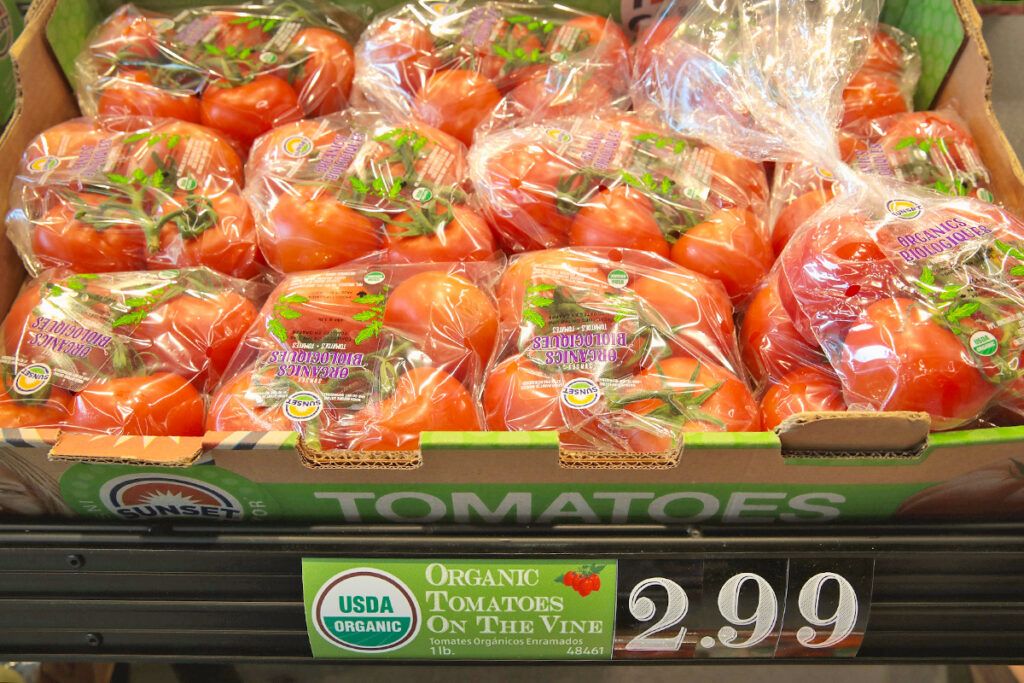
    Aldi customers regularly report rapid spoilage for fresh produce. Some widely derided products include bagged onions and “fresh” berries, among other problematic produce. Reviews repeatedly point to inconsistencies within the produce department, with many customers complaining of mealy textures and short shelf lives. So while the company may sell these products at a lower cost, it comes with an added risk of not knowing how long the produce will last. 

    Advertisement
    Advertisement

    Name-Brand Goods

    While walking through the aisles at Aldi, you may be tempted to snag a familiar brand of mayonnaise or peanut butter. But though the name-brand products may be cheaper than they would be at other grocery chains, they’re still often priced higher than the Aldi-brand alternatives. So, if you want to save, you should opt for the more affordable — but typically still high-quality — Aldi-brand option instead.

    Advertisement
    Advertisement
    Summit Soda
    Credit: © Steve Cukrov/stock.adobe.com

    Summit Soda

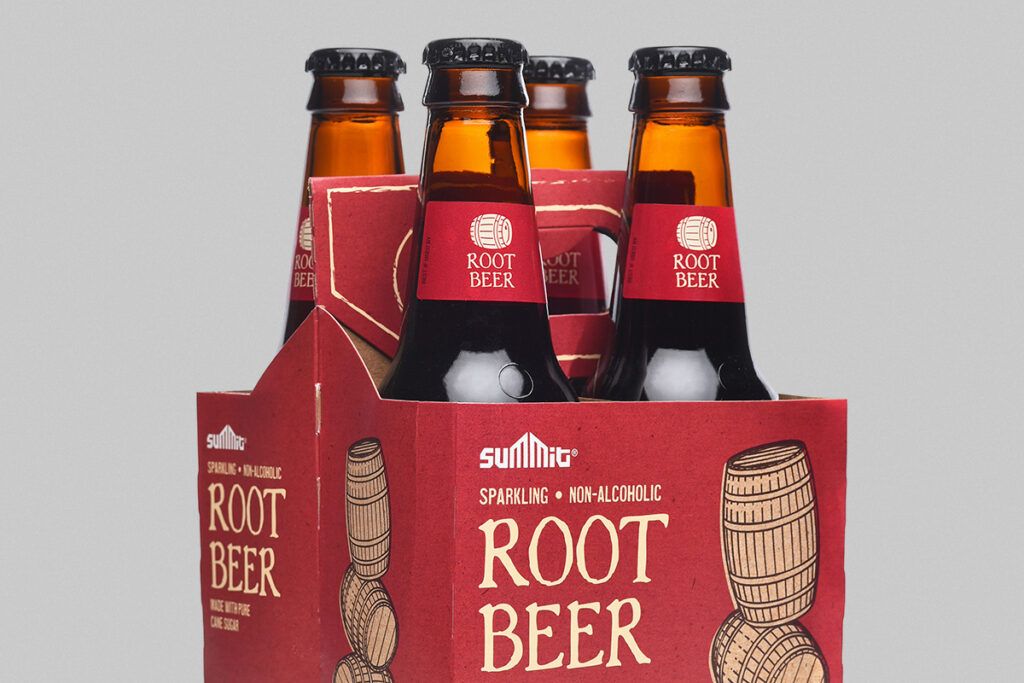
    According to some reviews, Summit, Aldi’s own line of soda, doesn’t live up to the same standard that you expect from Coca-Cola or Sprite. Instead of buying a generic soft drink at Aldi, get a name-brand soda somewhere else. They’re about the same price as they are at Aldi, and odds are, you’ll find a coupon to get the soda on discount, whereas Aldi doesn’t even accept coupons.

    Advertisement
    Advertisement

    Deli Meat

    Depending on who you ask, Aldi either offers decent-quality deli meat, or some of their offerings in that department are slimy and disgusting. In any case, Aldi stores lack traditional deli counters, which means you’re stuck buying whatever’s been packaged, and you won’t have the option to get the meat sliced to your liking. You may want to go to a store that has a deli section where you can speak to someone and get the meat sliced to the perfect thickness instead.

    Jar of pickles

    Jarred Pickles

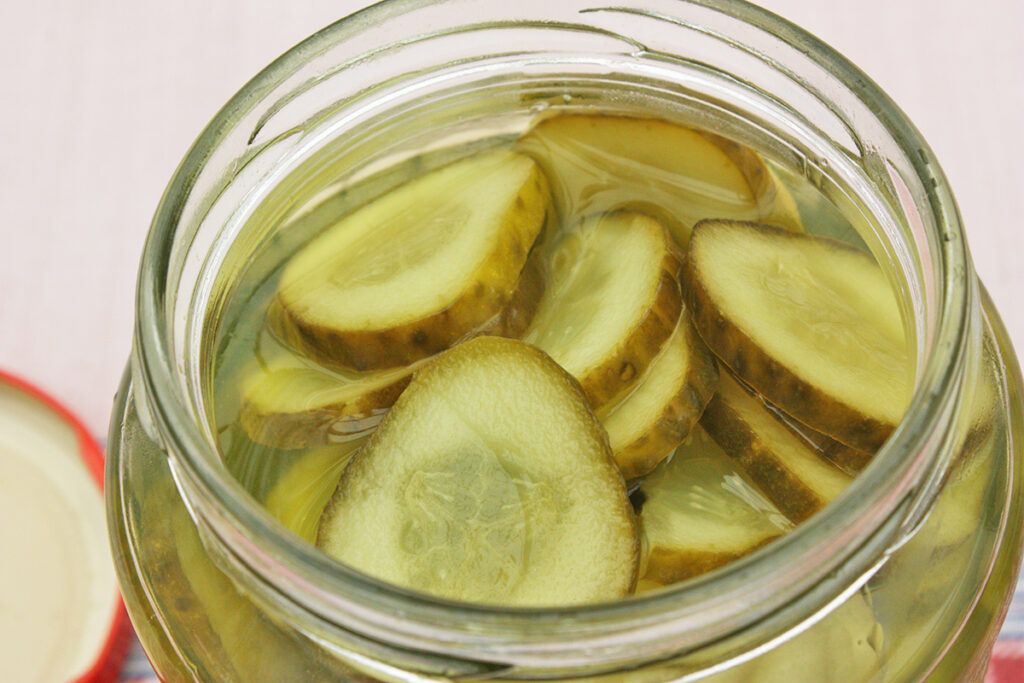
    Aldi shoppers have taken to sites like Reddit to express dissatisfaction with the store’s brand of shelf-stable jarred pickles. Many say that the pickles are mushy and lack the crunch that fresh pickles tend to have, while the website Aldi Reviewer declared them to be “fine.” While those pickles leave something to be desired, others say that the store’s refrigerated pickles are actually quite tasty.

    Advertisement
    Advertisement

    Cream Cheese

    People online have described Aldi’s cream cheese as being “sour” or having a “metallic” flavor. Even those who are less critical of the product say it’s inferior to trusted cream cheese brands such as Philadelphia, which many shoppers consider to be well worth the higher cost.

    Bowl of cereal
    Credit: © paul_brighton/stock.adobe.com

    Millville Crispy Oats

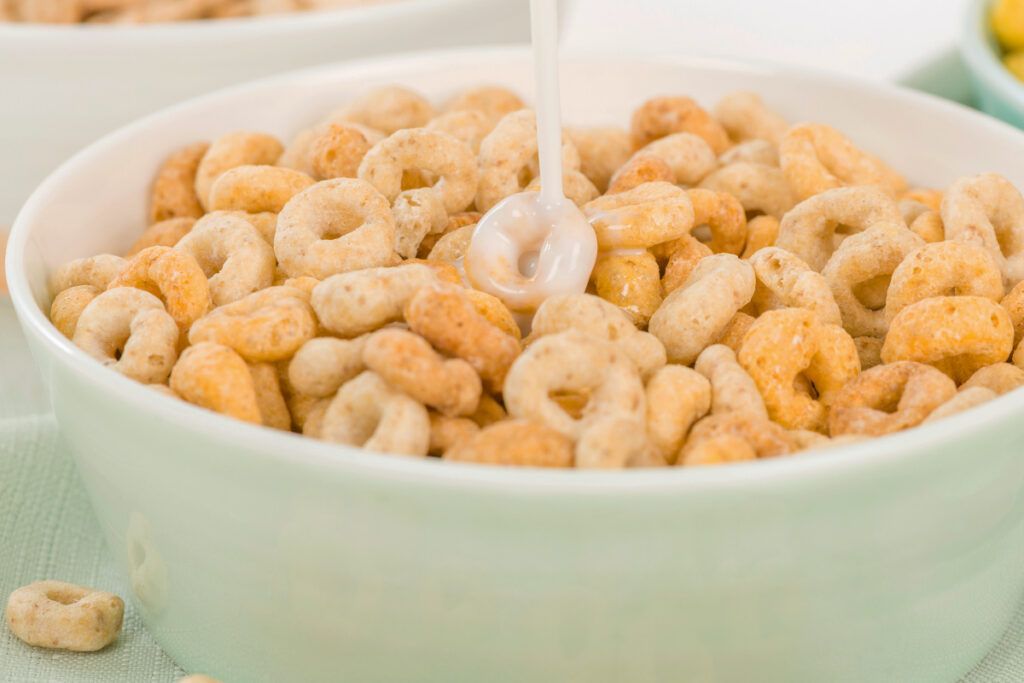
    Millville Crispy Oats are Aldi’s take on Cheerios. But many people report that the cereal is awful, with one Redditor even saying that it tastes “like packing material.” Another declared it was “the only Aldi food that I’ve put directly in the trash.” Given that Aldi doesn’t accept coupons — while other grocery stores frequently discount their cereal — we’d suggest buying your cereal elsewhere.

    Advertisement
    Advertisement

    Deodorant

    In an interview with Yahoo! Finance, David Bakke, an Aldi shopping expert at the website DollarSanity, noted that the price of deodorant isn’t all that cheaper at Aldi. One brand of deodorant actually cost more at Aldi than it did at Target. If you’re looking to save money and smell good, we’d advise doing price comparisons at other stores and using a coupon to get the best deal.

    Advertisement

    Featured Image Credit: © JHVEPhoto/stock.adobe.com

    More From Our Network

    Better Report is part of Inbox Studio, an email-first media company. *Indicates a third-party property.

    Go Retro With This 1960s Fashion Quiz

    Quiz Daily

    Go Retro With This 1960s Fashion Quiz

    True or False: Are You a Master of U.S. Geography?

    Travel Quiz

    True or False: Are You a Master of U.S. Geography?

    5 Reasons You Can Be Denied Boarding an Airplane

    Daily Passport

    5 Reasons You Can Be Denied Boarding an Airplane

    What Did People Do Before Eyeglasses?

    History Facts

    What Did People Do Before Eyeglasses?

    How To Use a Balloon To Clean Up Dust

    House Outlook

    How To Use a Balloon To Clean Up Dust

    11 Shopping Hacks Costco Members Should Know

    FinanceBuzz*

    11 Shopping Hacks Costco Members Should Know

    Share this article

    • Share to Facebook
    • Share to Twitter
    • Copy Url
    • Share to Email
    Bennett Kleinman
    Staff Writer

    Bennett Kleinman is a New York City-based staff writer for Inbox Studio. He is also a freelance comedy writer, devoted New York Yankees and New Jersey Devils fan, and thinks plain seltzer is the best drink ever invented.

    This article is for general informational purposes only.
    Affiliate Disclaimer Medical Disclaimer Financial Disclaimer

    Updated: July 20, 2023
    Posted In: Wealth
    Hero Image Credit: Better Report
    Advertisement

    Related Articles

    5 Things Your Car Needs Before the First Freeze

    4 min read

    6 Amazon Prime Day Hacks

    6 min read

    Is It Actually Better To Lease a Car?

    9 min read

    7 Free MIT Classes You Can Experience From Home

    4 min read

    The Bedroom Color That Adds $2,000 to Your Home Value

    3 min read
    Advertisement

    How To Put Out Every Kind of Fire

    Home | Updated: May 6, 2026
    Nicole Pyles
    Author
    Based in Portland, Oregon, Nicole Pyles is an experienced freelance writer who writes about home and kitchen, health and wellness, and more. She's written for a variety of outlets, including Better Homes and Gardens, Tom's Guide, Better Report, and more.
    fire in a pot on a stove
    Better Report

    All featured products and deals are selected independently and objectively by the author. Better Report may receive a share of sales via affiliate links in content.

    A fire can cause immense damage to your home and property and even put your life at risk. According to the U.S. Fire Administration, there were more than 300,000 residential fires between 2014 and 2023, which caused over $11 billion in damage. The right fast-acting response can save your home and your life.

    However, not all fires should be handled the same way. Nicholai Allen, an active wildland firefighter and CEO of the fire safety company MAUS USA, says that “using the wrong method can make a fire dramatically worse.”

    With that in mind, we’re sharing ways to handle different types of fire in their earliest stages. Your first step should be to call 911. Then, “if the fire is small, contained, and you have the right tool on hand, you can attempt to suppress it, only if you can do so safely and maintain a clear exit path,” Allen says.  But “if it’s growing, producing heavy smoke, or blocking your exit, leave immediately,” he adds, and leave the firefighting to the professionals.

    Advertisement
    Advertisement

    Handling Fires by Class

    The National Fire Protection Association (NFPA) classifies fires by the substance that is burning. There are five classifications — A, B, C, D, and K — and each requires a different approach.

    clothing burning
    Credit: © Wirestock, Inc./Alamy

    Class A Fire

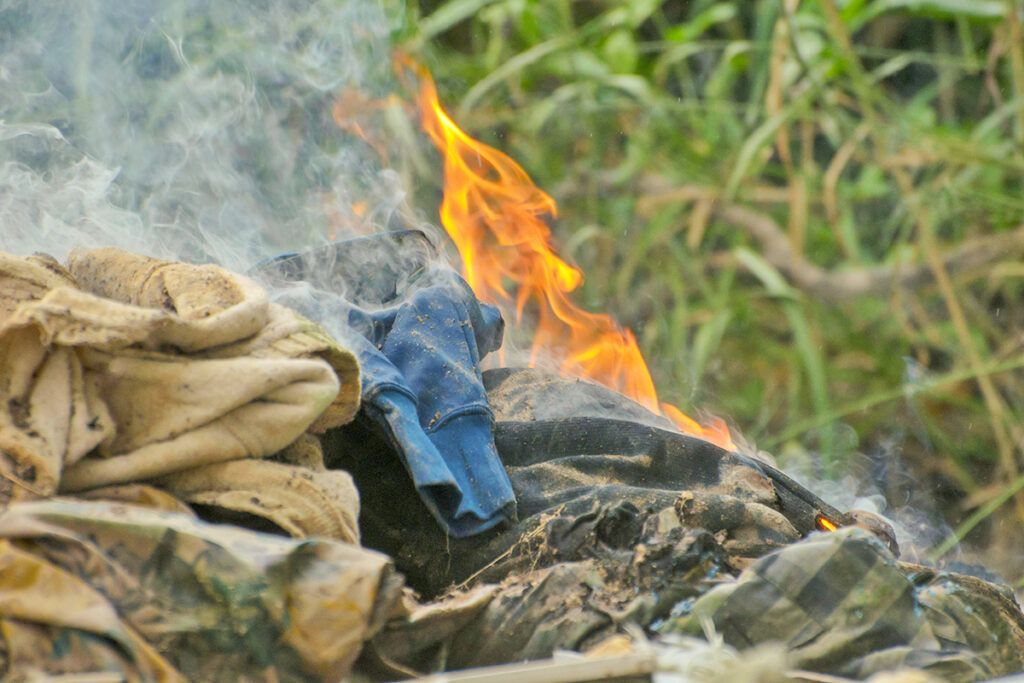
    A Class A fire includes the burning of common combustible materials, such as wood, cloth, paper, rubber, and many plastics. For this type of fire, Allen says that “early intervention matters most” as it can “quickly become nondefensible.”

    Recommended Articles

    • The Safety Rules for Candles You Probably Don’t Know

    • How Old Are the Apples in the Grocery Store?

    • How To Tell if You’re Brushing Your Teeth Too Hard

    • 5 Things Your Car Needs Before the First Freeze

    Advertisement
    Advertisement

    Reader Favorites

    • Woman looking in fridge

      9 Foods You Should Toss ASAP if They’re Expired

    • Person eating salad

      7 Things a Chef Never Orders at a Restaurant

    • Cherry angioma

      Are the Tiny Red Dots on Your Skin Dangerous?

    A Class A fire can be put out with a water, foam, or ABC extinguisher. To do so, “aim at the base [where the fire is burning] and maintain an exit path,” Allen advises. “Avoid letting it spread into walls, attics, or multiple fuel sources.”

    Advertisement
    Propane tank burning
    Credit: © B_Nattasak—iStock/Getty Images

    Class B Fire

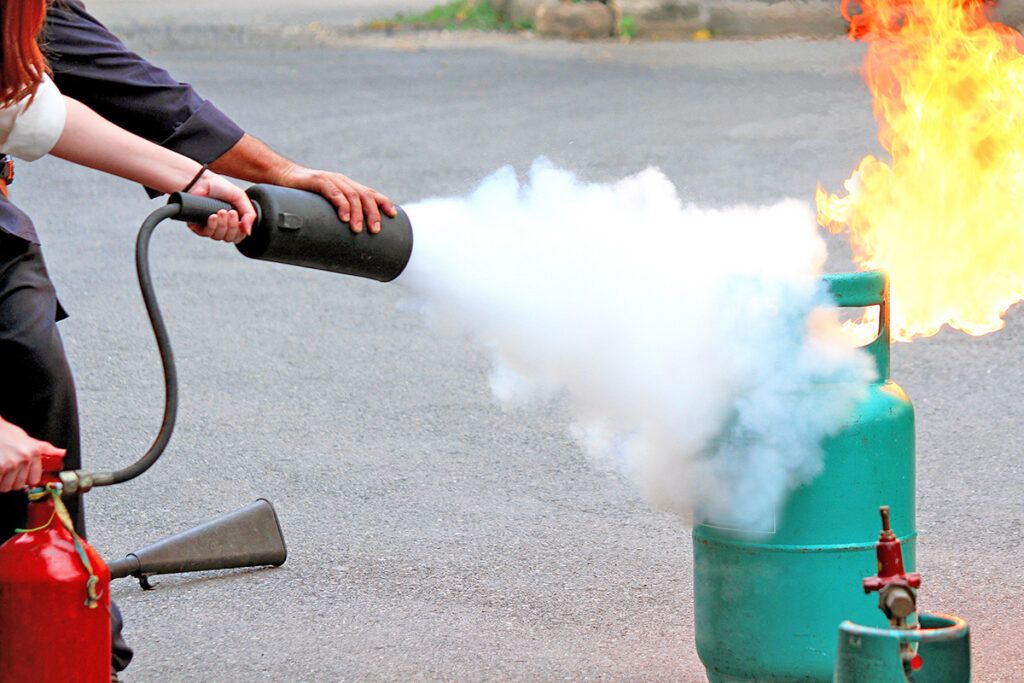
    A Class B fire is the burning of flammable and combustible liquids, such as gasoline, solvents, or propane. For this type of fire, you should “never use water, as it spreads the fuel and fire,” Allen says. Instead, “use foam, CO2, or ABC extinguishers to smother the fire.” Additionally, if it’s safe to do so, “stop the flow of flammable liquid or gas feeding the fire,” Allen says. “For example, [by] turning off a gas valve, stopping a leak, or moving nearby fuel containers away from the fire.”

    Advertisement
    Advertisement
    Electrical outlet burning
    Credit: © weerapatkiatdumrong—iStock/Getty Images

    Class C Fire

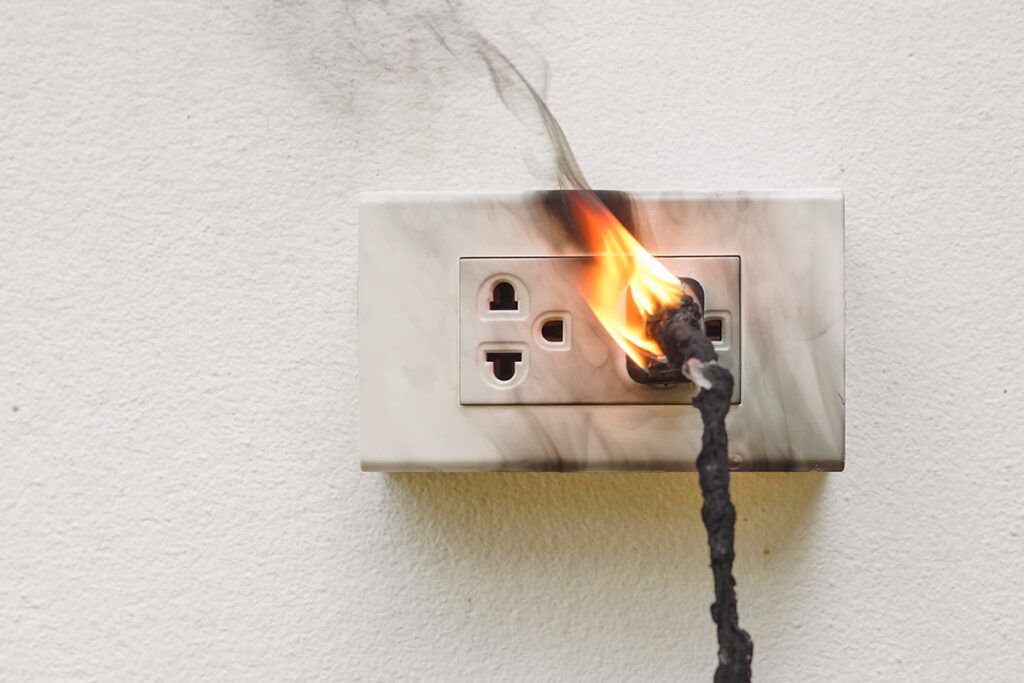
    A Class C fire can include fuel from Class A or B, but with powered electrical equipment involved. Allen advises that the safest way to put out this type is to turn off the power first, if you can do so safely. Never use water, which can conduct electricity and put you in danger. Instead, Allen says, extinguishers that use “nonconductive agents like CO2 or dry chemical” are best. Using a fire suppressor — a device designed to interrupt the fire at a chemical level — is also an option. Not only do they “rapidly suppress fire in small spaces,” Allen says, but they also won’t damage your electronics, which is a possibility with traditional fire extinguishers.

    Advertisement
    Advertisement
    Burning battery
    Credit: © Just_Super—iStock/Getty Images

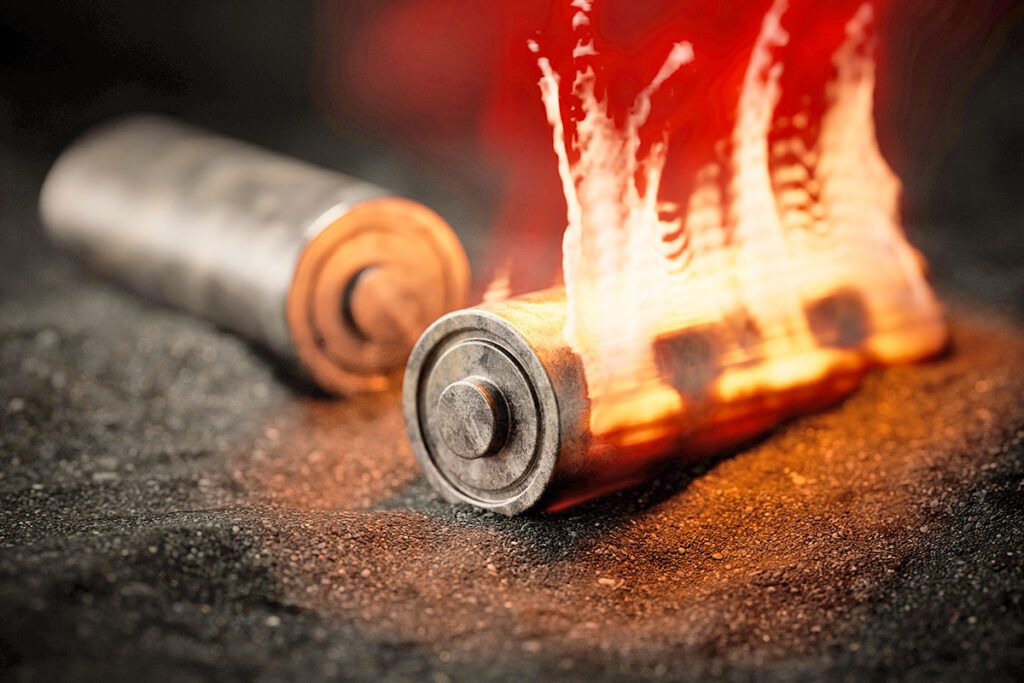
    Class D Fire

    A Class D fire includes combustible metals, such as magnesium, titanium, zirconium, sodium, lithium, and potassium. Allen recommends avoiding DIY suppression as these “are highly specialized hazards.” Never use water or a traditional fire extinguisher, which Allen says can lead to explosions. Instead, evacuate the area and wait for professional firefighters to arrive. 

    Advertisement
    Advertisement
    Firefighter in front of pan on fire
    Credit: © Kileman—iStock/Getty Images

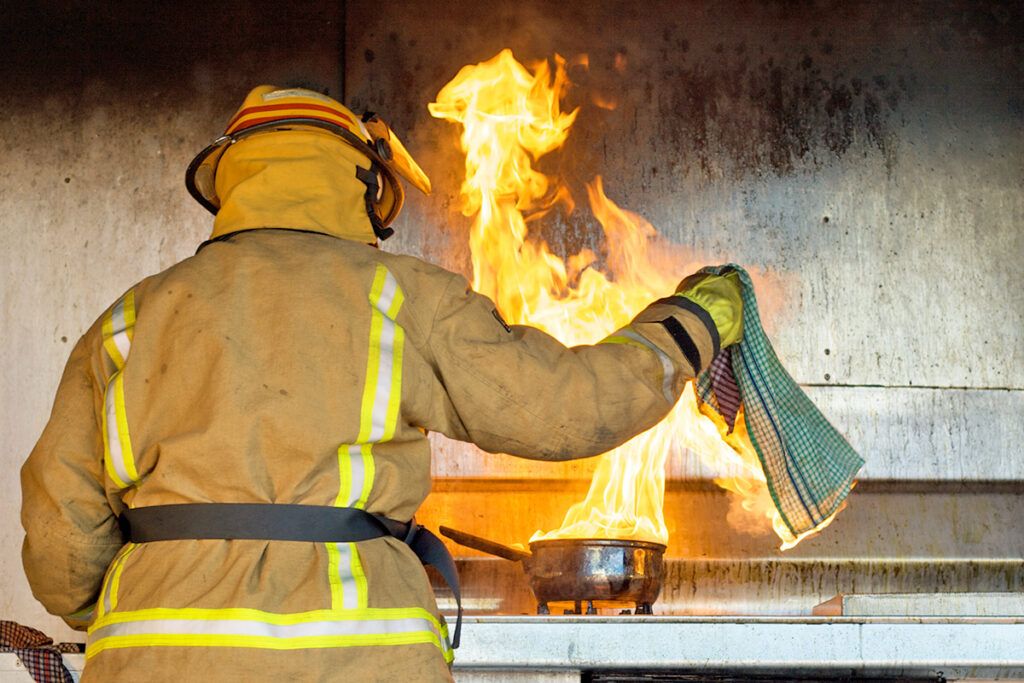
    Class K Fire

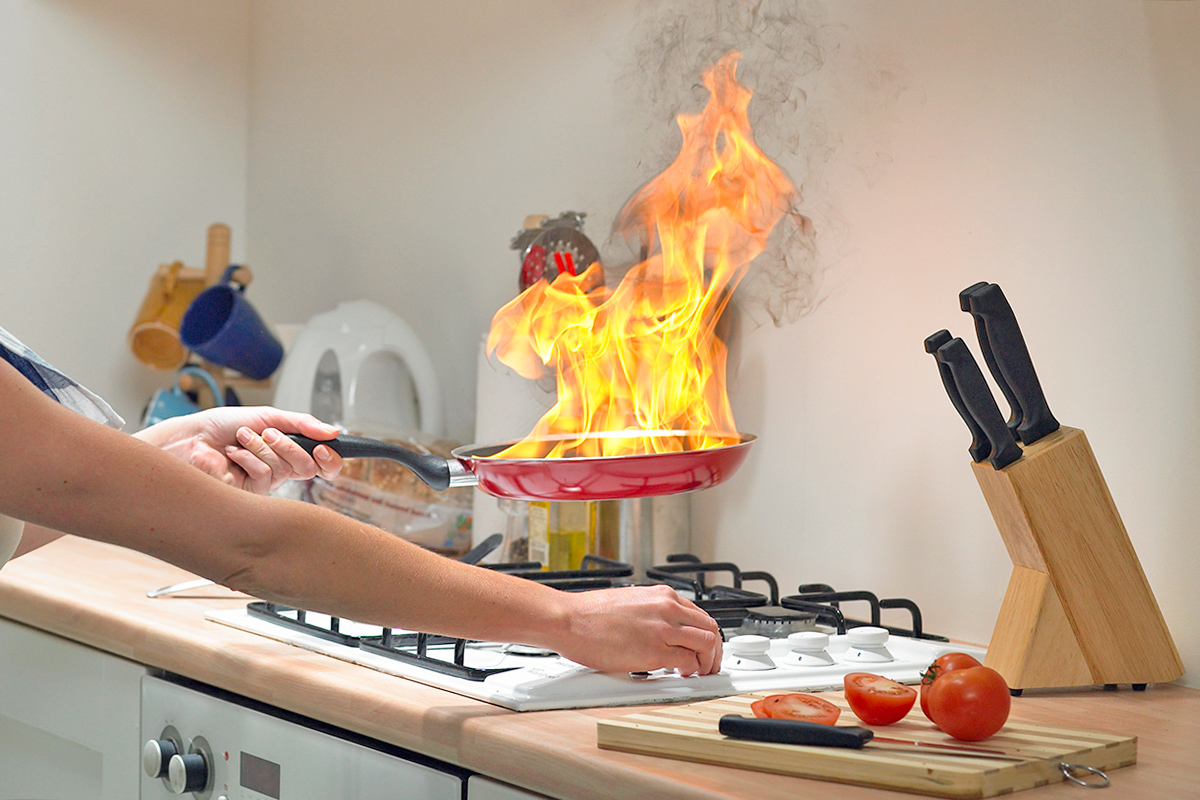
    Class K fires include the burning of cooking oil and grease. This is the type of fire you’ll typically experience cooking at home. It’s responsible for about 44% of home fires in the U.S., according to the National Fire Protection Association (NFPA), and it’s “one of the most dangerous [fire scenarios] if handled incorrectly,” Allen says. 

    If it’s a small fire, the best move is to “cover it with a lid or fire blanket [and] turn off the heat,” Allen says. “Never use water, as it can cause explosive flare-ups.” For a larger fire, use a Class K extinguisher. 

    Advertisement
    Advertisement

    Must-Have Equipment for Handling Fires at Home

    While it’s preferable to leave firefighting to the professionals, there are steps you can take at home to stop a fire from spreading. Just make sure to call 911 right away, as fires can spread quickly.

    Here’s a list of must-have items to have on hand:

    • Fire blankets, such as LifeVac Fire Blanket or Premium Defense Fire Blanket, are suitable for Class A, B, and K fires or for covering yourself during escape. However, they can leave fiberglass behind and may require cleanup. 
    • ABC extinguishers, such as the First Alert Residential Rechargeable Fire Extinguisher and Kidde Basic Fire Extinguisher for Home, Residential, can be used for Class A, B, and C fires.
    • Aerosol fire suppressants, such as the one made by Allen’s company, MAUS Multipurpose Extinguishing Spray, or First Alert EZ Fire Spray, are suitable for Class A, B, and C fires.
    • CO2 BC fire extinguishers such as the Kidde Home and Workshop BC Fire Extinguisher work on Class B and C fires.

    Advertisement
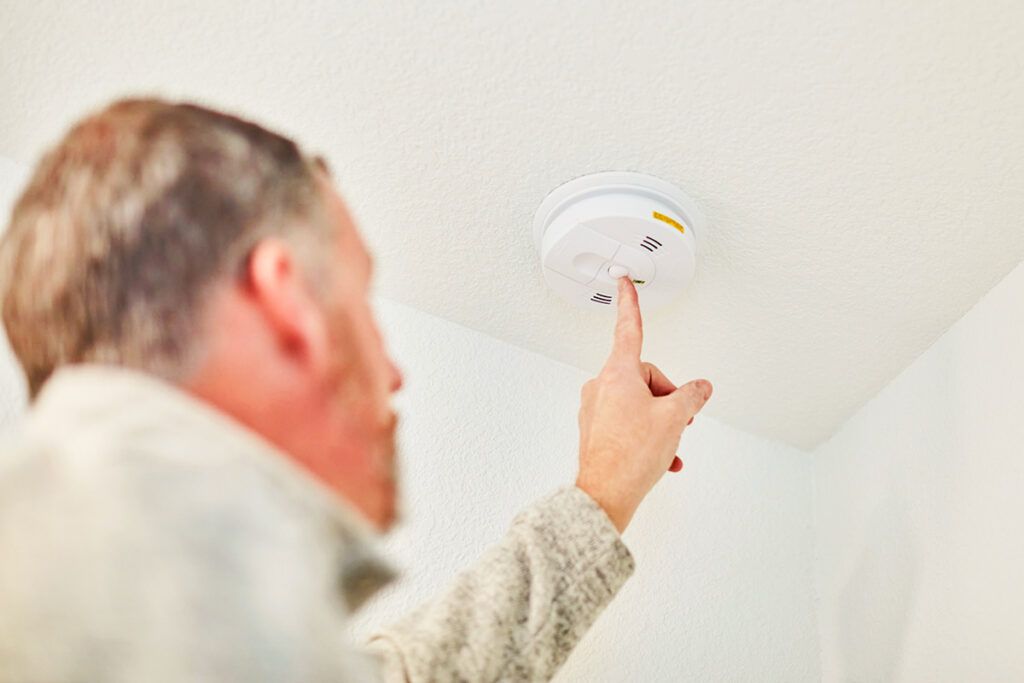
    Testing smoke detector
    Credit: CatLane—iStock/Getty Images

    Preventing a Fire

    You can reduce your chances of having to handle a fire by taking the proper preventative steps. According to the American Red Cross, you should have smoke alarms installed on every level of your home. Test them every month to ensure they’re working and change the batteries when needed. Also, talk to your loved ones about a fire escape plan and practice it twice a year. As Allen says, evacuation is essential “when the fire is beyond control.”

    Advertisement
    Advertisement

    Knowing how to use a fire extinguisher can help you take action when needed. Don’t practice with one around the house — you’ll need to refill it once it’s been used and will likely create an unnecessary mess. Instead, contact your local fire department or city for potential training. And don’t forget to check regularly to make sure it’s not expired. 

    Featured Image Credit: © Michael Blann—DigitalVision/Getty Images

    More From Our Network

    Better Report is part of Inbox Studio, an email-first media company. *Indicates a third-party property.
    Go Retro With This 1960s Fashion Quiz

    Quiz Daily

    Go Retro With This 1960s Fashion Quiz

    True or False: Are You a Master of U.S. Geography?

    Travel Quiz

    True or False: Are You a Master of U.S. Geography?

    5 Reasons You Can Be Denied Boarding an Airplane

    Daily Passport

    5 Reasons You Can Be Denied Boarding an Airplane

    What Did People Do Before Eyeglasses?

    History Facts

    What Did People Do Before Eyeglasses?

    How To Use a Balloon To Clean Up Dust

    House Outlook

    How To Use a Balloon To Clean Up Dust

    11 Shopping Hacks Costco Members Should Know

    FinanceBuzz*

    11 Shopping Hacks Costco Members Should Know

    Share this article

    • Share to Facebook
    • Share to Twitter
    • Copy Url
    • Share to Email
    Nicole Pyles
    Writer

    Based in Portland, Oregon, Nicole Pyles is an experienced freelance writer who writes about home and kitchen, health and wellness, and more. She's written for a variety of outlets, including Better Homes and Gardens, Tom's Guide, Better Report, and more.

    This article is for general informational purposes only.
    Affiliate Disclaimer Medical Disclaimer Financial Disclaimer

    Updated: September 18, 2024
    Posted In: Home
    Hero Image Credit: Better Report
    Advertisement

    Related Articles

    The Safety Rules for Candles You Probably Don’t Know

    5 min read

    9 Items in Your Basement You Should Toss Right Now

    5 min read

    5 Vegetables You Should Never Store in the Fridge

    3 min read

    Why a Flashing Check Engine Light Is Different From a Solid One

    3 min read

    Why Does Your Sink Have a Tiny Hole?

    3 min read
    Advertisement

    Should You Throw Out Food if a Fly Lands on It?

    Ali Eldridge
    Health | Updated: April 29, 2026
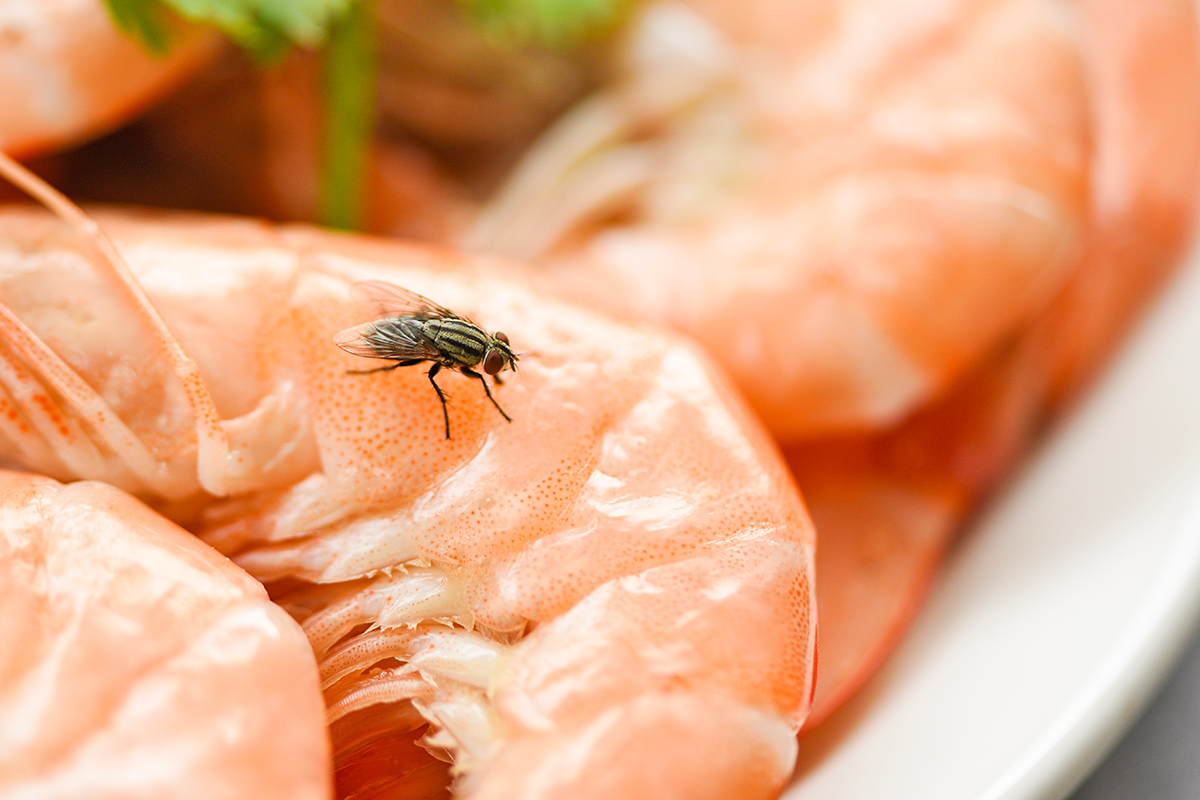
    Fly on shrimp
    Better Report

    All featured products and deals are selected independently and objectively by the author. Better Report may receive a share of sales via affiliate links in content.

    Too often, we find unwanted guests at our dinner table: flies. Though there are more than 160,000 species of flies, the housefly accounts for about 90% of those found in our homes. Known as “filth flies,” they plague households and picnics around the world, popping up during warmer months en masse.

    Advertisement
    Advertisement

    Before sanitation standards improved, houseflies posed a major threat to public health in cities. Is their reputation as harbingers of disease deserved? Here’s what the research says.

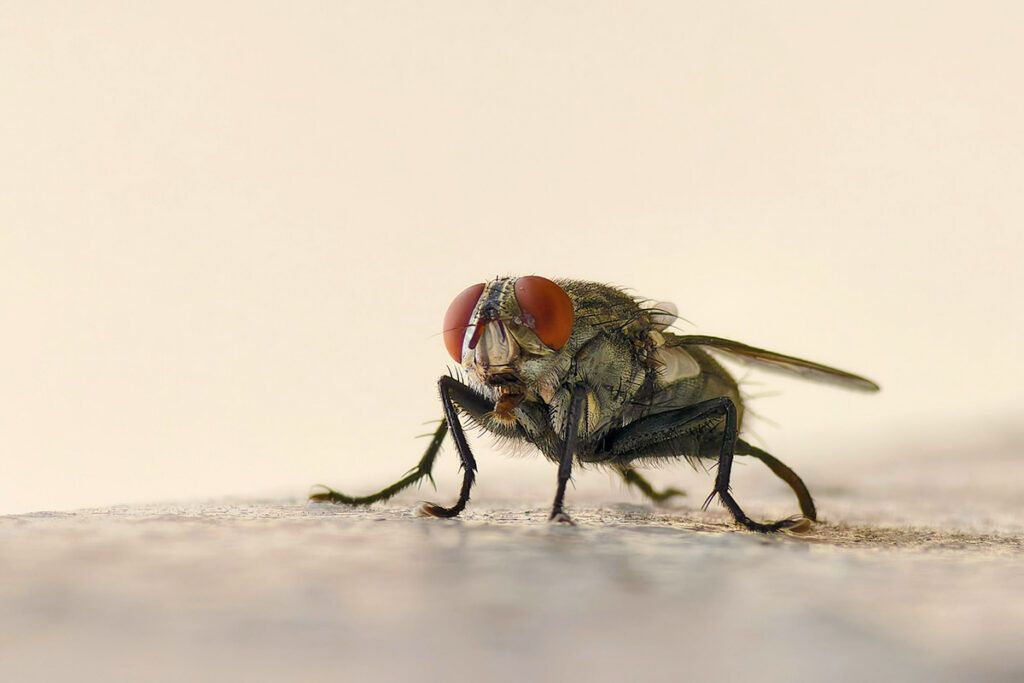
    Close-up of house fly
    Credit: © Garuda/Pexels.com

    Do Flies Carry Disease?

    Houseflies don’t distinguish between clean food and contaminated surfaces, which means they can transmit disease. They spend much of their time on unsanitary, decomposing organic matter, such as animal carcasses, feces, and rotting plants.

    When flies land on things like garbage or manure, germs are transferred to their feet and bodies. As a result, they may carry millions of microorganisms, including potentially harmful pathogens and parasites. These microbes can then be transferred to food upon contact.

    Another sanitation concern is how flies eat. They land on our food because they like to eat it, but they can’t bite into it — their mouthparts are made only to sponge or lap up food. Instead, they spit out saliva loaded with enzymes that dissolve food so they can suck it up. If a fly spends a lot of time on our food, it may vomit, eat, and defecate repeatedly, potentially leaving behind pathogens.

    Recommended Articles

    • The Safety Rules for Candles You Probably Don’t Know

    • How Old Are the Apples in the Grocery Store?

    • How To Tell if You’re Brushing Your Teeth Too Hard

    • 5 Things Your Car Needs Before the First Freeze

    Advertisement
    Advertisement

    Reader Favorites

    • Woman looking in fridge

      9 Foods You Should Toss ASAP if They’re Expired

    • Person eating salad

      7 Things a Chef Never Orders at a Restaurant

    • Cherry angioma

      Are the Tiny Red Dots on Your Skin Dangerous?

    Researchers estimate that flies have the ability to transmit at least 65 diseases to humans through regurgitation and defecation. This includes things like typhoid fever, dysentery, cholera, leprosy, and tuberculosis — though real-world evidence of disease transmission is mostly circumstantial. 

    Advertisement
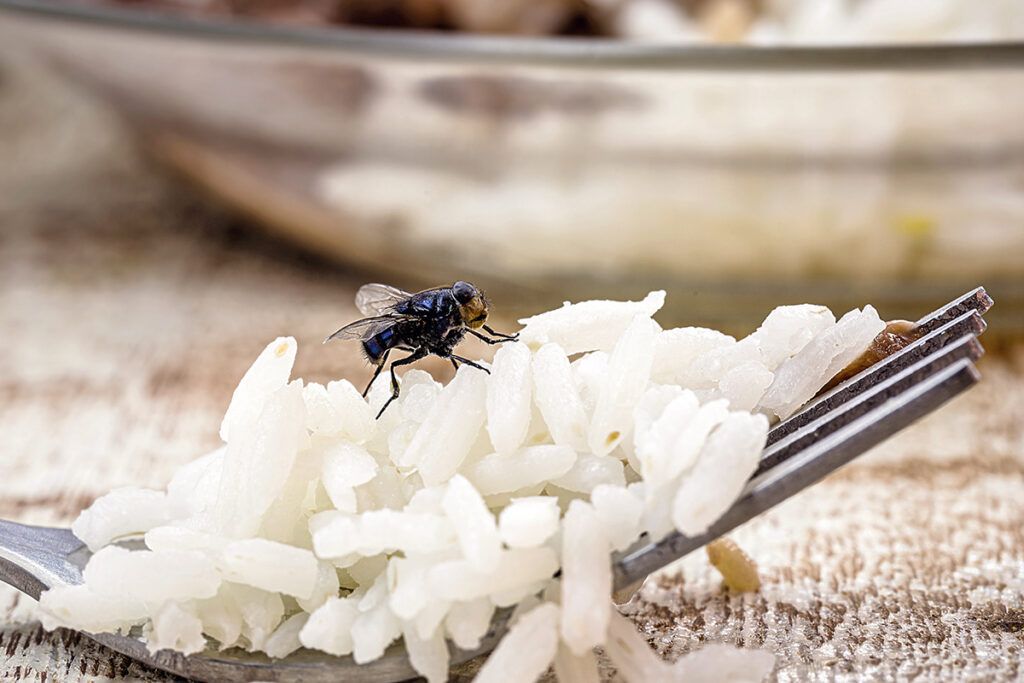
    Fly on rice
    Credit: © RHJ/stock.adobe.com

    Should You Throw Fly-Ridden Food Away?

    Everyone handles the question of flies on food differently. Some swat them away and continue eating. Others throw away the parts of the food that were touched, while some toss out the entire plate. The correct answer can be any of these options, depending on the situation.

    Advertisement
    Advertisement

    According to Dr. Cameron Webb, a clinical lecturer at Sydney Medical School, a single landing from a fly is unlikely to contain enough bacteria to cause illness, provided a person is healthy — so in that case, there’s no reason to throw away your food. However, longer periods of contact, along with greater numbers of flies, increase the likelihood of contamination. For example, if a serving plate at a picnic is covered in flies, it’s best to throw the food away. As with all communicable diseases, any threat would be greater for at-risk groups, such as young children, older adults, and immunocompromised individuals.

    Interestingly, the risk of transmission is greater outside of cities, where flies are more likely to come into contact with animal waste and decaying matter. In urban areas, insecticides and hygiene measures have reduced both fly populations and their exposure to highly contaminated materials.

    Advertisement
    Advertisement
    Fly paper
    Credit: © Kinga Krzeminska—Moment/Getty Images

    Keeping Flies at Bay

    To limit the number of flies in and around your home and reduce your risk of food contamination, focus on sanitation first so that flies have fewer places to breed. This means keeping trash cans tightly closed and clearing piles of decaying organic matter, such as garbage, grass clippings, weed piles, and animal feces.

    Advertisement
    Advertisement

    Physical barriers can be effective, too. Install screens on windows, doors, and ventilation openings, and seal gaps around pipes or wiring that may allow flies to enter the home.

    Additionally, there are several nonchemical methods of reducing flies in indoor settings, such as UV traps, sticky traps, and fly swatters. As a last resort, chemical control may be necessary. Indoors, an aerosol spray for winged insects will provide temporary relief.

    Stronger insecticides may be used on exterior surfaces, but they often break down in sunlight within several days. And some housefly populations have developed resistance to certain insecticides such as DDT, limiting their effectiveness.

    Advertisement
    Spider and fly in web
    Credit: © Catherine Falls Commercial—Moment/Getty Images

    Not All Flies Are All Bad

    Despite their reputation as nuisance insects, flies in general play an important ecological role. Many species contribute to pollination and help break down organic matter, accelerating decomposition.

    Advertisement
    Advertisement

    In many food chains around the world, flies also serve as food for insectivorous predators, such as frogs, lizards, spiders, and birds, making them a valuable part of many ecosystems. So, while we don’t want them in our food or homes, they still have a role to play in nature.

    4 Fly Deterrent Products

    fly repellant fans
    Amazon

    Portable Fly Repellant Fans

    These battery-powered fans help keep flies away without the need for insecticide sprays near food. Their soft-touch blades stop on contact for safety, while the reflective, holographic pattern helps deter insects. Pick up this set of four for your next barbecue.

    Buy for $34 at Amazon
    Advertisement
    Advertisement
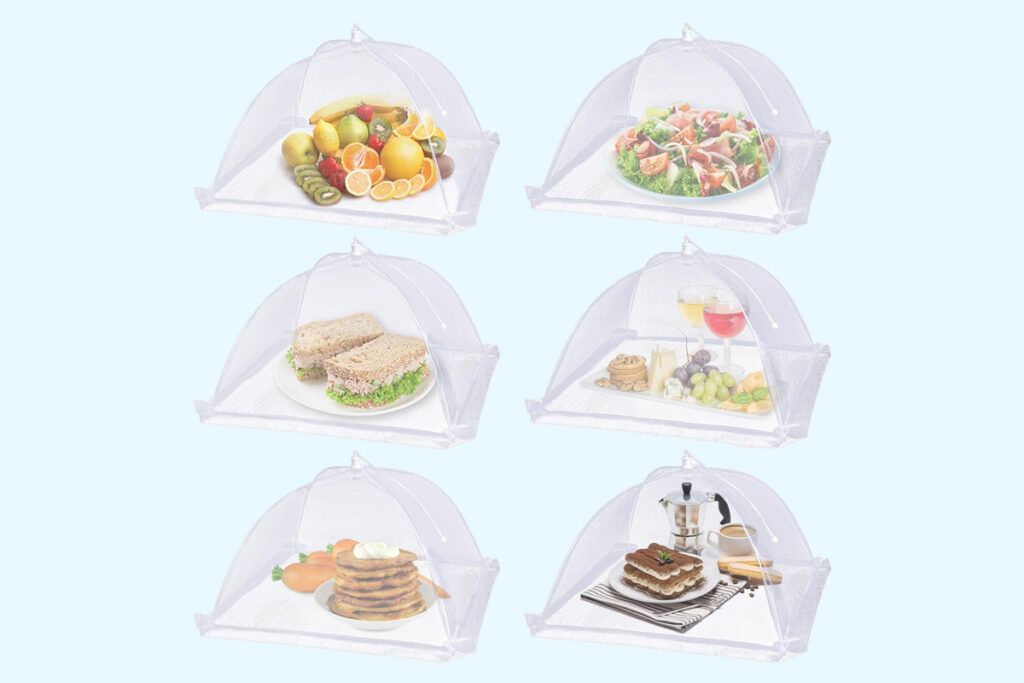
    Mesh food tents
    Amazon

    Mesh Food Tents

    Protect your food from insects, dust, and debris with breathable nylon covers. A sturdy metal frame keeps them in place outdoors, while the fine mesh allows airflow and helps prevent condensation buildup.

    Buy for $10 at Amazon
    Advertisement
    Advertisement
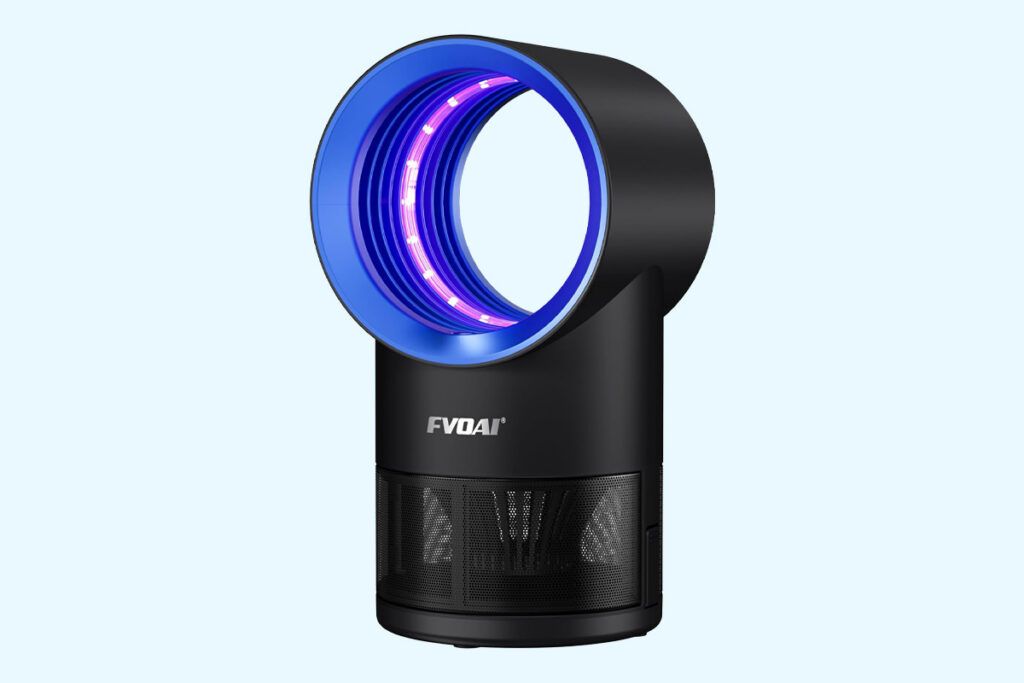
    Indoor fly trap
    Amazon

    Indoor Fly Trap

    No one likes using heavy-duty chemicals inside the home. This indoor fly trap uses light and gentle suction to attract and capture insects instead. Flies are trapped on a concealed glue board, helping reduce indoor populations discreetly.

    Advertisement
    Buy for $32 at Amazon
    Advertisement
    Advertisement
    Pest control spray
    Amazon

    Indoor Pest Control Spray With Essential Oils

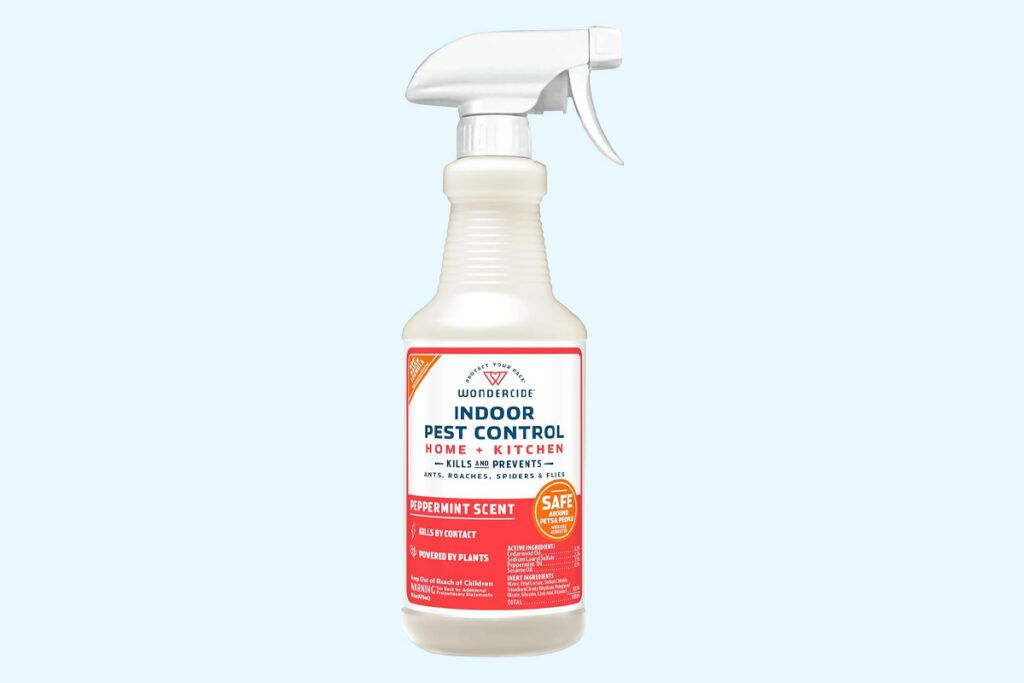
    While heavy-duty insecticides are generally recommended for outdoor use, plant-based sprays such as Wondercide — which is formulated with essential oils including peppermint, cedarwood, lemongrass, and rosemary — are safe for indoor use. They can help repel and kill common household pests without posing a health risk. (The spray can cause irritation and possibly allergic reactions if used improperly, however, so make sure to use as directed.)

    Buy for $27 at Amazon
    Advertisement
    Advertisement

    Featured Image Credit: © Bigc Studio/stock.adobe.com

    More From Our Network

    Better Report is part of Inbox Studio, an email-first media company. *Indicates a third-party property.

    Go Retro With This 1960s Fashion Quiz

    Quiz Daily

    Go Retro With This 1960s Fashion Quiz

    True or False: Are You a Master of U.S. Geography?

    Travel Quiz

    True or False: Are You a Master of U.S. Geography?

    5 Reasons You Can Be Denied Boarding an Airplane

    Daily Passport

    5 Reasons You Can Be Denied Boarding an Airplane

    What Did People Do Before Eyeglasses?

    History Facts

    What Did People Do Before Eyeglasses?

    How To Use a Balloon To Clean Up Dust

    House Outlook

    How To Use a Balloon To Clean Up Dust

    11 Shopping Hacks Costco Members Should Know

    FinanceBuzz*

    11 Shopping Hacks Costco Members Should Know

    Share this article

    • Share to Facebook
    • Share to Twitter
    • Copy Url
    • Share to Email
    Ali Eldridge

    This article is for general informational purposes only.
    Affiliate Disclaimer Medical Disclaimer Financial Disclaimer

    Updated:
    Posted In: Health
    Hero Image Credit: Better Report
    Advertisement

    Related Articles

    How Old Are the Apples in the Grocery Store?

    4 min read

    How To Tell if You’re Brushing Your Teeth Too Hard

    4 min read

    5 Things To Ask Your Doctor About the New Flu Shot

    5 min read

    Is Sourdough Actually Healthier Than Regular Bread?

    7 min read

    Do You Really Need a Bidet in Your Home?

    4 min read
    Advertisement

    What the Whites of Your Eyes Are Trying To Tell You

    Health | Updated: April 27, 2026
    Bennett Kleinman
    Author
    Bennett Kleinman is a New York City-based staff writer for Inbox Studio. He is also a freelance comedy writer, devoted New York Yankees and New Jersey Devils fan, and thinks plain seltzer is the best drink ever invented.
    Red eye looking right
    Better Report

    They say the eyes are the window to the soul — but if you ask a doctor, the eyes are also a window into a person’s current health. If you notice that the whites of your eyes look discolored, it could be a sign of a brewing medical concern. Yellowing, browning, graying, or other changes in color indicate different ailments that are worth paying attention to. Let’s take a look at the possible reasons that the whites of your eyes may look tinted.

    Advertisement
    Advertisement

    Changes Worth Keeping an Eye On

    When we talk about changes in eye color, we’re not referring to the iris — the central circle that’s typically brown, blue, or green. We’re talking about the sclera, which is the white part that makes up the majority of an eye’s surface. Changes to the color of the sclera can be indicative of anything from possible disease to being on certain medications. 

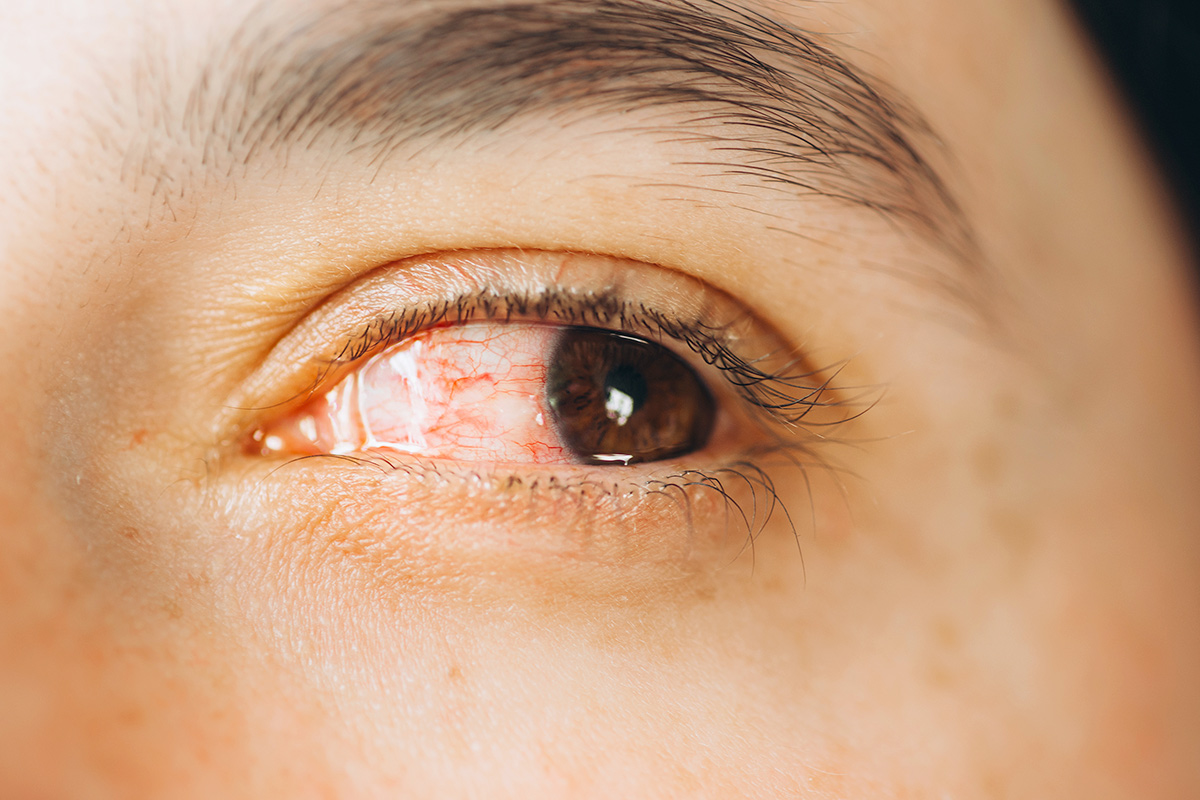
    Red eye
    Credit: © Ildar Abulkhanov/iStock

    Red or Pink 

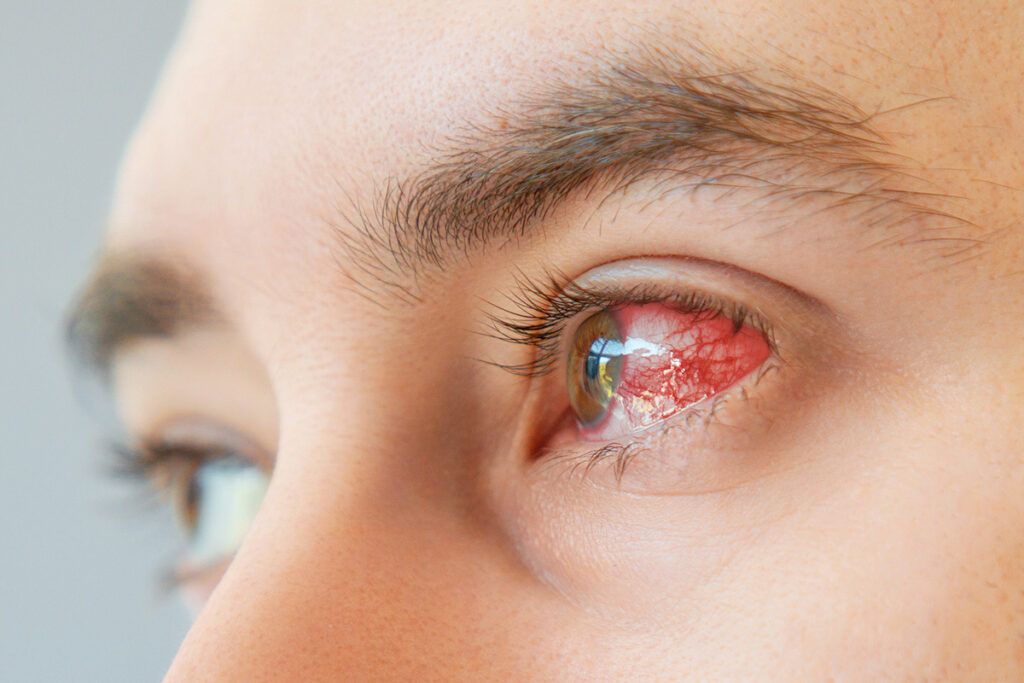
    Every once in a while, your sclera may look red or pink. Any redness is often a relatively harmless case of allergies, dryness, or something slightly more annoying such as pink eye. It could also be a subconjunctival hemorrhage; this sounds scary, but it’s just a broken blood vessel that will typically heal on its own over time. Red eyes can also be a sign of conditions like uveitis (inflammation of the middle layer of the eyeball, which can lead to vision loss) or glaucoma. If you have any concerns, it’s best to visit an eye doctor.

    Recommended Articles

    • The Safety Rules for Candles You Probably Don’t Know

    • How Old Are the Apples in the Grocery Store?

    • How To Tell if You’re Brushing Your Teeth Too Hard

    • 5 Things Your Car Needs Before the First Freeze

    Advertisement
    Advertisement

    Reader Favorites

    • Woman looking in fridge

      9 Foods You Should Toss ASAP if They’re Expired

    • Person eating salad

      7 Things a Chef Never Orders at a Restaurant

    • Cherry angioma

      Are the Tiny Red Dots on Your Skin Dangerous?

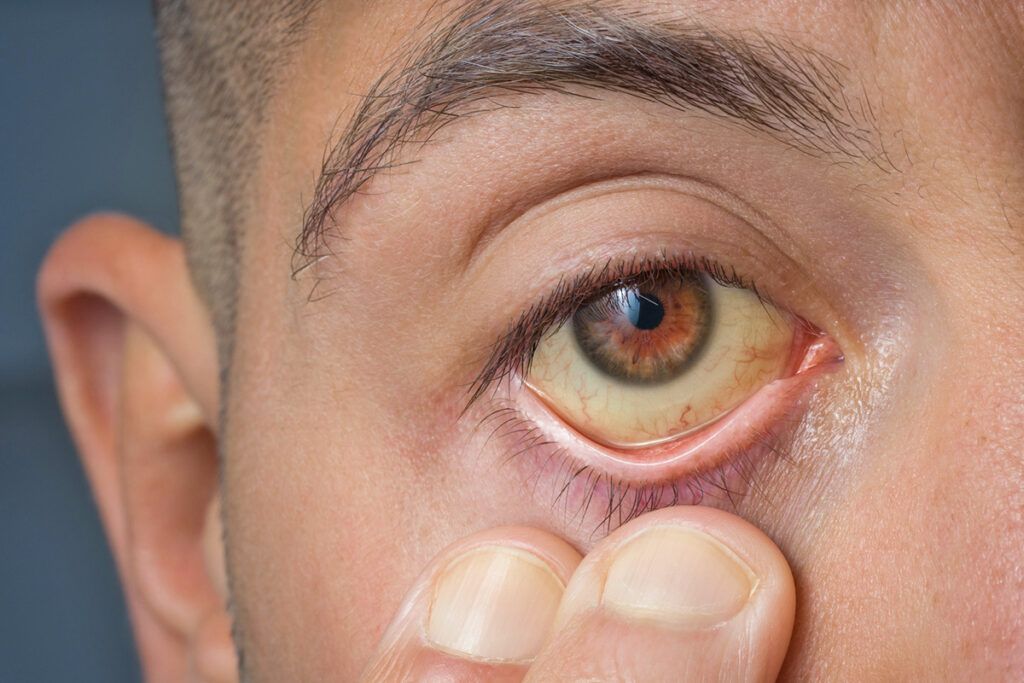
    Yellow eye indicating jaundice
    Credit: © Daria Kulkova/iStock

    Yellow 

    One of the most common ophthalmological color changes is yellowing, which could be caused by a number of things. If you notice a small, yellowish raised growth, for example, it could be a pinguecula. It’s believed that the growth — which is on the conjunctiva, the clear tissue that covers the sclera — is caused by irritation and exposure to UV light, wind, and dust. It won’t go away, but it can be treated with eye drops if necessary. (In rare cases, it can become a condition called pterygium, in which the growth spreads across the eye toward the cornea. This may lead to loss of vision and require surgical removal.)

    Advertisement
    Advertisement

    If you notice the entire sclera has turned yellow, however, you might be suffering from a more pressing concern known as jaundice. Jaundice is caused by a buildup of bilirubin, which is created when red blood cells break down. Normally, this substance would be filtered out by the liver and turned into bile, so any yellowing in an eyeball could be a sign that something is wrong with the liver, gallbladder, or pancreas. Contact a medical professional if your sclera looks yellow.

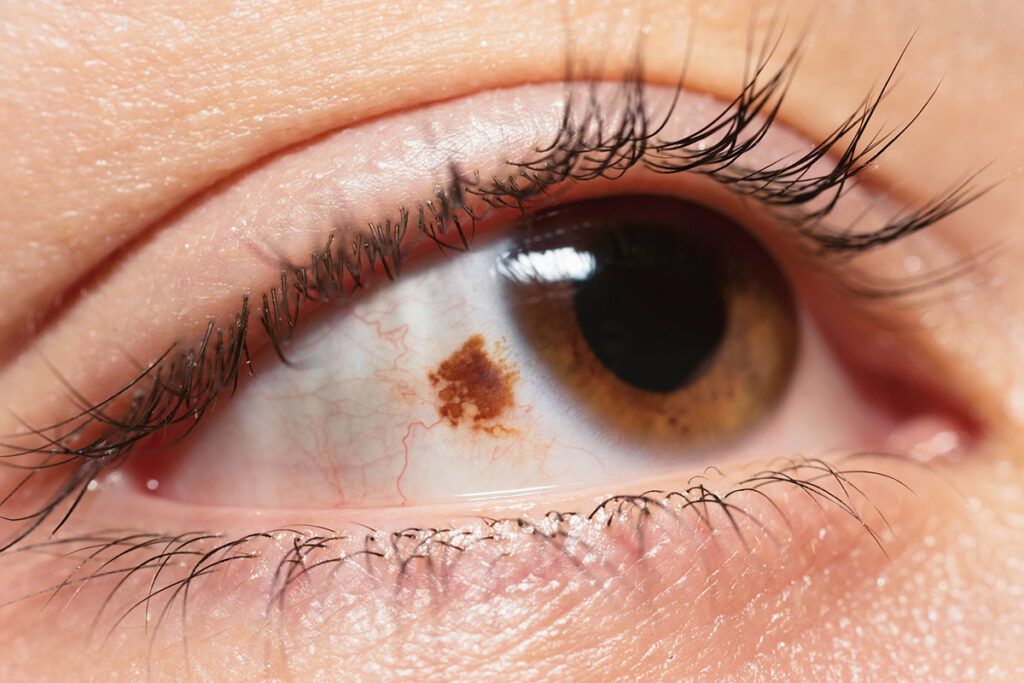
    Brown spot on the white of the eye
    Credit: © Radu Bighian/iStock

    Brown 

    Some eyeballs also have browning, and little brown spots that look like freckles can pop up from time to time. While those spots could be nothing, they could also be a sign of a condition known as primary acquired melanosis. This affliction tends to appear in people who are middle-aged, and often, it’s on the conjunctiva of just one eye. It can develop into cancer, so if you notice brown spots, it’s probably best to contact your doctor to determine the underlying cause.

    Advertisement
    Advertisement
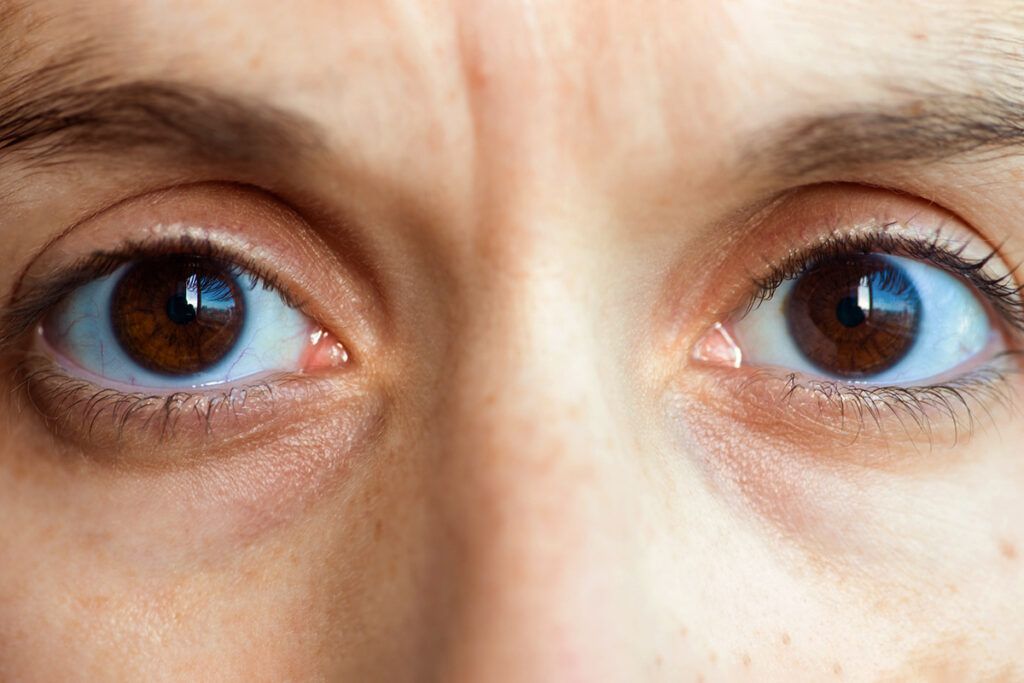
    Scared eyes
    Credit: electravk/iStock

    Blue or Gray

    Last but not least, there are cases where the sclera may turn a shade of blue or gray. This can be caused by medications such as minocycline, which people take if they have rheumatoid arthritis or certain other conditions. Over time, minocycline is known to cause changes not just to the color of the sclera but also to the skin, teeth, and fingernails.

    Advertisement
    Advertisement

    However, blueing/graying can indicate health conditions as well. For example, it can be a sign that the sclera is thinning and revealing the tissue underneath. It may also be a sign of Marfan’s syndrome, brittle bone disease, or anemia and/or iron deficiency. We’re not doctors and can’t make a diagnosis,  so — as is the case with all of the potential concerns described in this article — be sure to ask a medical professional who can help you find a solution.

    Featured Image Credit: © MarioGuti/iStock

    Advertisement
    Advertisement

    More From Our Network

    Better Report is part of Inbox Studio, an email-first media company. *Indicates a third-party property.
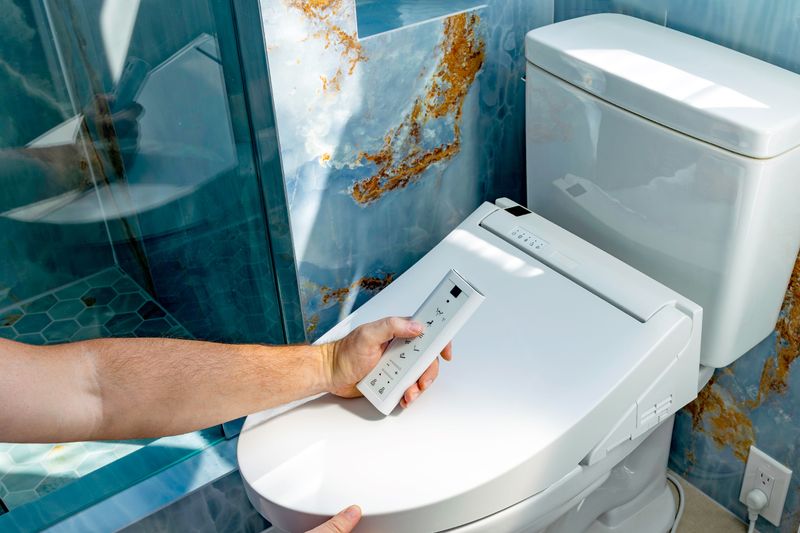
    Go Retro With This 1960s Fashion Quiz

    Quiz Daily

    Go Retro With This 1960s Fashion Quiz

    True or False: Are You a Master of U.S. Geography?

    Travel Quiz

    True or False: Are You a Master of U.S. Geography?

    5 Reasons You Can Be Denied Boarding an Airplane

    Daily Passport

    5 Reasons You Can Be Denied Boarding an Airplane

    What Did People Do Before Eyeglasses?

    History Facts

    What Did People Do Before Eyeglasses?

    How To Use a Balloon To Clean Up Dust

    House Outlook

    How To Use a Balloon To Clean Up Dust

    11 Shopping Hacks Costco Members Should Know

    FinanceBuzz*

    11 Shopping Hacks Costco Members Should Know

    Share this article

    • Share to Facebook
    • Share to Twitter
    • Copy Url
    • Share to Email
    Bennett Kleinman
    Staff Writer

    Bennett Kleinman is a New York City-based staff writer for Inbox Studio. He is also a freelance comedy writer, devoted New York Yankees and New Jersey Devils fan, and thinks plain seltzer is the best drink ever invented.

    This article is for general informational purposes only.

    Affiliate Disclaimer Medical Disclaimer Financial Disclaimer

    Updated: July 20, 2023
    Posted In: Health
    Hero Image Credit: Better Report
    Advertisement

    Related Articles

    How Old Are the Apples in the Grocery Store?

    4 min read

    How To Tell if You’re Brushing Your Teeth Too Hard

    4 min read

    5 Things To Ask Your Doctor About the New Flu Shot

    5 min read

    Is Sourdough Actually Healthier Than Regular Bread?

    7 min read

    Do You Really Need a Bidet in Your Home?

    4 min read
    Advertisement

    Posts navigation

    Older posts
    Newer posts
    • Home
    • Health
    • Wealth
    • Logo
    • Advertise
    • About
    • Contact Us
    • Privacy Policy
    • Terms of Use
    • Your Privacy Choices
    x
    Thumb Image

    Elevate your everyday.

    Sign up to receive the practical tips and expert advice you need to pare down the complexities of everyday living right in your inbox.

    Sorry, your email address is not valid. Please try again.

    Your email is:

    Edit Image
    Sorry, your email address is not valid. Please try again.
    Thank you for subscribing...

    By subscribing you are agreeing to our Terms of Use and Privacy Policy.

    Close image
    Thumb Image
    Second Thumb Image

    Elevate your everyday.

    Sign up to receive the practical tips and expert advice you need to pare down the complexities of everyday living right in your inbox.

    Sorry, your email address is not valid. Please try again.

    By subscribing you are agreeing to our Privacy Policy and Terms of Use.

    Close image