Skip to content
Better Report
  • Home
  • Health
  • Wealth
8 Low-Maintenance Plants That Thrive on Neglect
  • Search
  • Subscribe
  • Home
  • Health
  • Wealth
  • About
  • Privacy Policy
  • Terms of Use
  • Contact Us
  • SubscribeSubscribe
  • Search
Thank you for confirming your email! Welcome to the community.

Author: erin

7 Places You’re Forgetting To Apply Sunscreen

Health | Updated: May 14, 2026
Erin McCarthy
Author
Erin is a writer, editor, and content strategist living in the New York City area. Previously, she was the VP/Editor-in-Chief of MentalFloss.com and an editor at Popular Mechanics magazine. When she’s not working, Erin is hanging out with her cats, reading books from her never-ending TBR, traveling, karaoking, and making sourdough with her starter Stephen Sondheim.
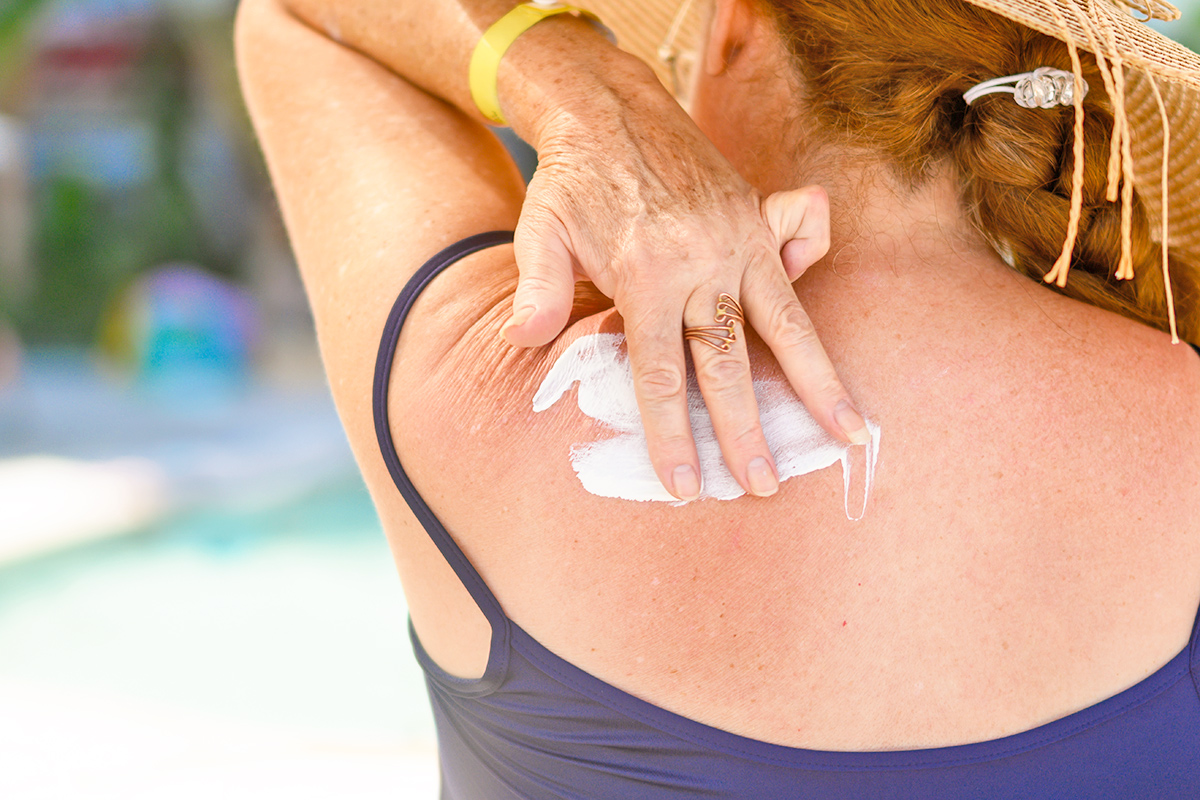
Woman applying sunscreen on back
Better Report

All featured products and deals are selected independently and objectively by the author. Better Report may receive a share of sales via affiliate links in content.

You’re not great at applying sunscreen — in fact, almost no one is. “Multiple studies from around the world have shown that people apply, on average, 20% to 50% of the recommended amount of sunscreen,” says Dr. Samantha Schneider, a dermatologist and Mohs micrographic surgeon at the Nevada-based Pacific Crest Dermatology. “This means that the vast majority of people are not actually getting the SPF number that is written on the bottle.” 

Advertisement
Advertisement

It also means there are probably areas on your body that you’re missing when you apply — and that’s a problem as the weather warms up and we spend more time in the sun’s ultraviolet rays. “Ultraviolet radiation … is considered a Group 1 carcinogen, which means it is cancer-causing in humans, just like cigarettes,” Dr. Schneider says. 

The data paints a similar picture: According to the American Academy of Dermatology, skin cancer is the most common cancer in the U.S., and one in five Americans will develop it in their lifetime. Proper sunscreen application can help protect you. Read on to find out which areas of your body you’re forgetting when you apply, plus some tips and tricks for getting the full SPF coverage you need.

Women applying sunscreen
Credit: © Curated Lifestyle/Unsplash.com

Areas You’re Missing When Applying Sunscreen

According to Dr. Schneider, one area where people do tend to use sunscreen is the face, though they may neglect the area around the eyes. “Sometimes it’s because sunscreen can be irritating around the eyes and other times I think it really is just because we forget,” she says. But the skin there is thin and particularly susceptible to UV damage, so it’s “important to extend your face sunscreen up underneath your eye and over your eyebrows.” There are a number of other areas where sunscreen may be forgotten,  including the body parts below, which Dr. Schneider says are frequently missed: 

  1. Ears
  2. Lips
  3. Scalp
  4. Neck
  5. Backs of the hands
  6. Tops of the feet
  7. The back (because it’s hard to reach)  

Recommended Articles

  • The Safety Rules for Candles You Probably Don’t Know

  • How Old Are the Apples in the Grocery Store?

  • How To Tell if You’re Brushing Your Teeth Too Hard

  • 5 Things Your Car Needs Before the First Freeze

Advertisement
Advertisement

Reader Favorites

  • Woman looking in fridge

    9 Foods You Should Toss ASAP if They’re Expired

  • Person eating salad

    7 Things a Chef Never Orders at a Restaurant

  • Cherry angioma

    Are the Tiny Red Dots on Your Skin Dangerous?

Missing areas of your body can result in “wrinkles, dull skin, loss of collagen and elasticity, and brown spots,” but of course the most serious consequence of not properly applying sunscreen is skin cancer. Dr. Schneider frequently performs Mohs surgery, a procedure in which thin layers of the skin are removed until no cancer remains. “As a Mohs surgeon, I am removing skin cancer from ears, lips, and scalps weekly in my clinic,” she says, adding that she also sees clients every day with concerns about premature aging caused by decades of sun exposure without taking the proper precautions. 
Advertisement
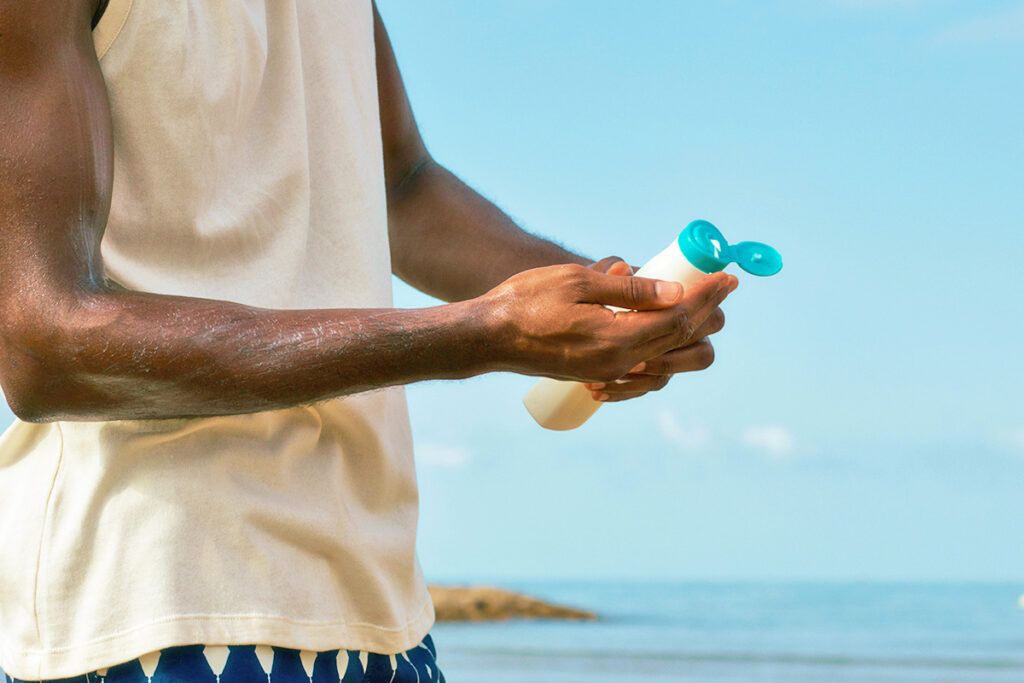
Man putting sunscreen in hand
Credit: © ohlamour studio/Unsplash.com

Application Tips and Tricks

The major issue that people need to overcome is that they’re applying half (or even less) of the amount used in a laboratory setting to give the rating on the bottle, according to Dr. Schneider. “The relationship between the number on the bottle and what protection you receive is not linear, but rather logarithmic,” she explains. “This means that when you apply half of the recommended amount, you are getting much less than half of the protection.”

Advertisement
Advertisement

If you’re only using foundation or moisturizer with SPF in it, you’re likely not getting enough protection, either. “Oftentimes, these are not broad-spectrum coverage — meaning they are not protecting against UVB and UVA — and most people are not putting on enough of their foundation or powder to actually get the coverage they think they are getting,” Dr. Schneider says.

So how can you make sure you’re fully covered? The recommendation is to apply a shot glass of sunscreen total to the parts of your body that aren’t covered by clothing. “For most people, it would mean face, neck (including back of neck), ears, upper chest, arms, legs, hands, and tops of feet, if [they’re] wearing sandals,” Dr. Schneider says. She advises her patients to apply sunscreen in two layers to ensure they’re getting enough coverage. “When you apply a first round of sunscreen, let it soak in, and then apply another [layer], you more closely approach the recommended amount of sunscreen that the SPF number is based upon,” she says. 

She layers two different sunscreens on her face: EltaMD UV Recovery has a green tint that evens out some of the redness in her skin, followed by ISDIN’S Eryfotona Ageless Tinted SPF, which also serves as her foundation.  

You can also get specific products for different areas of your body. “I am a big fan of SPF for lips. This is a highly neglected area, and trust me, no one wants a skin cancer on their lips,” she says. “I really like EltaMD UV Lip Balm Broad Spectrum SPF 36 for adventures outdoors. And I love Prequel’s Lip Visor for daily use.” If sunscreen irritates the area around your eyes, Dr. Schneider recommends trying Colorescience 3-in-1 Total Eye. You can use a mineral brush with SPF powder for your scalp or to reapply on your face if you have makeup on; Dr. Schneider likes ISDIN’s Mineral Brush and Colorscience Sunforgettable.

Advertisement
Advertisement

To make sure you’re not missing anything, she recommends coming up with a method for applying your sunscreen. “Do it the same way each time,” she says. “Creating a habit makes it second nature so that you don’t forget anything.” 

Advertisement
Woman wearing hat on beach
Credit: © Getty Images/Unsplash.com 

Other Things To Keep in Mind

Sunscreen should be worn every day. “I recommend daily SPF application on your face, neck, and back of hands because we get a surprising amount of exposure through windows and walking to and from buildings throughout the day,” Dr. Schneider says. Don’t forget to reapply every two hours, particularly if you’re spending a lot of time outdoors or are swimming and sweating. “Once in the morning does not give all day protection.” 

Advertisement
Advertisement

Dr. Schneider also recommends packing a hat, a neck drape, and UPF clothing if you’re going to be outside for long periods of time: “Having alternative methods of protection with you for an ‘Uh oh, I think I might be burning’ moment can help save the day.” That said, not all UPF clothing is created equal. “The protection that you receive from clothing depends on the weave of the fabric,” she says. “A loosely crocheted pool cover-up is not going to provide the same sun protection as a tightly woven UPF50 sun hoodie.” 

There are many different kinds of sunscreen, and it’s safe for you to use. “There is no evidence that, when used in the real world, [sunscreen] causes cancer or hormone disruption, but we know that UVR is a Grade 1 carcinogen and does cause cancer,” Dr. Schneider says. You may want to go for lotion over a spray, which “can be helpful, but they still do need to be rubbed in or you can get streaky coverage that leads to a sunburn.” Ultimately, she says, “The best sunscreen is the one that you are actually going to wear.”

Featured Image Credit: © Alejandro Franco Garcia—iStock/Getty Images

More From Our Network

Better Report is part of Inbox Studio, an email-first media company. *Indicates a third-party property.

Go Retro With This 1960s Fashion Quiz

Quiz Daily

Go Retro With This 1960s Fashion Quiz

True or False: Are You a Master of U.S. Geography?

Travel Quiz

True or False: Are You a Master of U.S. Geography?

5 Reasons You Can Be Denied Boarding an Airplane

Daily Passport

5 Reasons You Can Be Denied Boarding an Airplane

What Did People Do Before Eyeglasses?

History Facts

What Did People Do Before Eyeglasses?

How To Use a Balloon To Clean Up Dust

House Outlook

How To Use a Balloon To Clean Up Dust

11 Shopping Hacks Costco Members Should Know

FinanceBuzz*

11 Shopping Hacks Costco Members Should Know

Share this article

  • Share to Facebook
  • Share to Twitter
  • Copy Url
  • Share to Email
Erin McCarthy
Editor, Better Report

Erin is a writer, editor, and content strategist living in the New York City area. Previously, she was the VP/Editor-in-Chief of MentalFloss.com and an editor at Popular Mechanics magazine. When she’s not working, Erin is hanging out with her cats, reading books from her never-ending TBR, traveling, karaoking, and making sourdough with her starter Stephen Sondheim.

This article is for general informational purposes only.
Affiliate Disclaimer Medical Disclaimer Financial Disclaimer

Updated: March 23, 2026
Posted In: Health
Hero Image Credit: Better Report
Advertisement

Related Articles

How Old Are the Apples in the Grocery Store?

4 min read

How To Tell if You’re Brushing Your Teeth Too Hard

4 min read

5 Things To Ask Your Doctor About the New Flu Shot

5 min read

Is Sourdough Actually Healthier Than Regular Bread?

7 min read

Do You Really Need a Bidet in Your Home?

4 min read
Advertisement

The Lab Tests Your Doctor Doesn’t Order — But Should

Ali Eldridge
Health | Updated: June 10, 2026
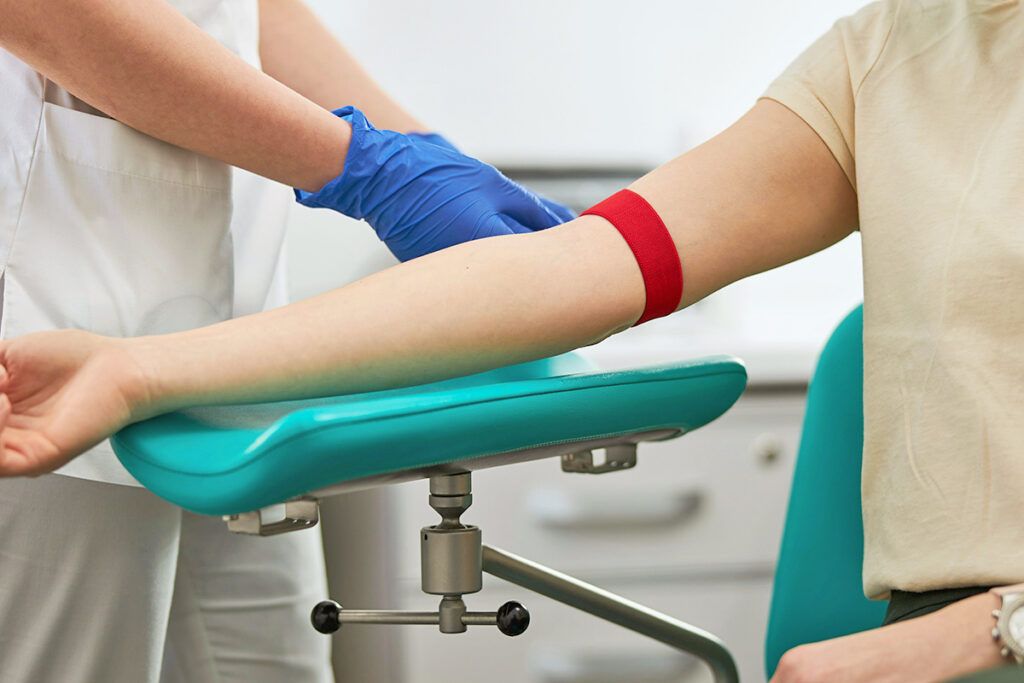
Doctor drawing blood
Better Report

Most of us assume that if we get routine bloodwork and “everything looks normal,” we’re in the clear. But many doctors say this reassurance is misleading. Standard lab panels often miss key markers that may reveal problems earlier, sometimes years before symptoms appear, allowing you to take better control of your health. From hidden heart risks to silent vitamin deficiencies, there are important tests your doctor may not be ordering, but perhaps should. We spoke with several medical professionals to help us identify which overlooked screenings could provide a more complete picture of your health.

Credit: Getty Images/Unsplash.com

Fasting Insulin

Dr. Olga Bachilo, M.D., FACS, a board-certified plastic surgeon and owner of Glamour Plastic Surgery and Med Spa in Houston, Texas, says fasting insulin is the most commonly missed test in a panel. Most doctors order a fasting glucose test instead, which measures the amount of sugar (glucose) in your blood after fasting for eight to 12 hours. It’s a go-to method for screening for diabetes.

Advertisement
Advertisement

However, according to Dr. Bachilo, glucose levels may creep up but remain in the normal range for years while insulin levels rise to compensate. Insulin is a hormone produced by the pancreas that helps move blood glucose from your bloodstream into your cells, where it can be used for energy. The pancreas creates more insulin in response to increased glucose to keep blood sugar levels in the “normal” range, and it’s at this point that a fasting insulin test could detect what’s called “insulin resistance,” which is one step before prediabetes. Dr. Bachilo notes that she often sees surgery patients whose primary care doctors didn’t notice an increase in their insulin levels, despite common symptoms such as midsection weight gain and lethargy.

In some cases, insulin resistance can go on undetected for years, but over time, the pancreas cannot keep up and blood sugar levels rise. At this point, it’s called “prediabetes,” as blood sugar levels are elevated but not yet high enough for a Type 2 diabetes diagnosis. Fortunately, it’s possible to reverse both insulin resistance and prediabetes through nutrition, physical activity, weight loss, and sleep and stress management. 

But “by the time glucose is elevated,” Dr. Bachilo says, “the metabolic damage is already done.” A high blood glucose test result, called hyperglycemia, usually results in a diabetes diagnosis. This is much harder to reverse than insulin resistance and prediabetes, and is typically managed through injected insulin or oral diabetes medication, along with lifestyle changes.

Advertisement

A fasting insulin test will identify the problem earlier, to the point where lifestyle changes may resolve it.  Your doctor can help you set up the test, which is similar to a fasting glucose test, where you don’t eat for a specified period, then have a blood test.

Credit: © jarun011/stock.adobe.com

Vitamin D

Dr. Suzanne Borkowski, M.D., board-certified psychiatrist in private practice at Resonance Psychiatry, emphasizes the importance of vitamin D. “While several tests are routine during a psychiatric intake, I have found that a vitamin D level test offers the highest yield, regardless of a patient’s demographic or medical history,” she says. “In my experience ordering this test hundreds of times in the past five years alone, fewer than 10 patients have returned results within the normal range.” 

Recommended Articles

  • The Safety Rules for Candles You Probably Don’t Know

  • How Old Are the Apples in the Grocery Store?

  • How To Tell if You’re Brushing Your Teeth Too Hard

  • 5 Things Your Car Needs Before the First Freeze

Advertisement
Advertisement

Reader Favorites

  • Woman looking in fridge

    9 Foods You Should Toss ASAP if They’re Expired

  • Person eating salad

    7 Things a Chef Never Orders at a Restaurant

  • Cherry angioma

    Are the Tiny Red Dots on Your Skin Dangerous?

According to the Cleveland Clinic, approximately 35% of U.S. adults have vitamin D deficiency, as do 1 billion people worldwide. This is because many people don’t get enough of the vitamin through diet and sun exposure, and for the most part, patients don’t realize they’re deficient.

The long-term impacts of low vitamin D are serious. It’s a known risk factor for depression, epilepsy, and neurocognitive decline, including Alzheimer’s disease, according to Dr. Borkowski. “It has also been associated with various cancers, cardiovascular diseases, Type 2 diabetes, and immune system dysregulation,” she says, making it an important metric to watch to decrease your risk of long-term health issues. “The importance of maintaining normal vitamin D levels for lifelong health cannot be overstated.”

Signs and symptoms of a deficiency include fatigue, bone pain, muscle weakness, aches or cramps, and mood changes.

Advertisement

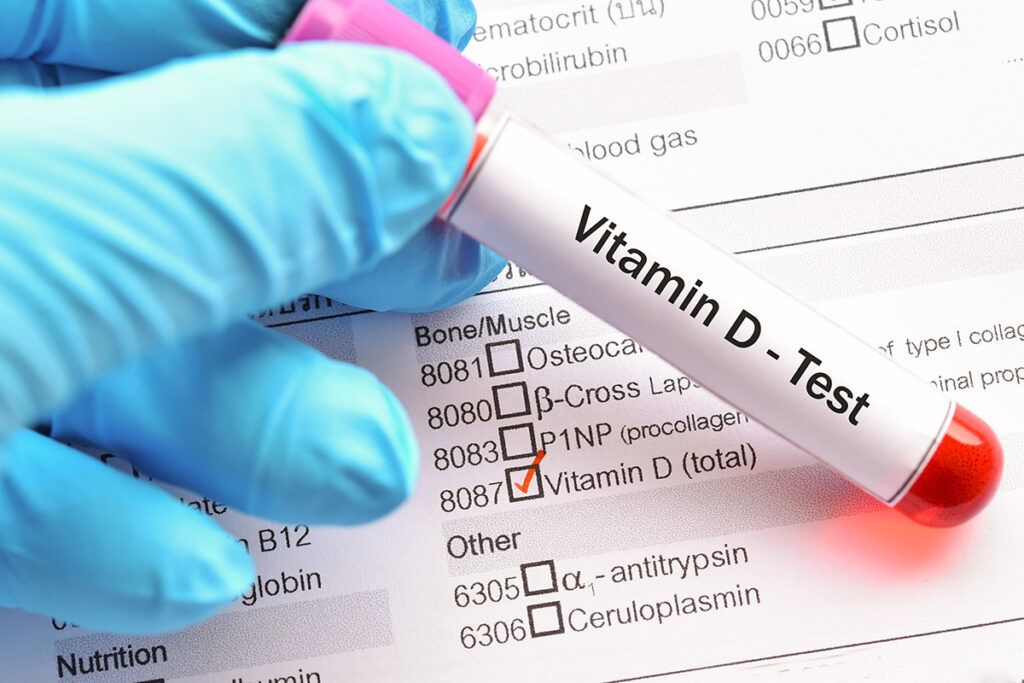
Your health care provider can order a blood test separate from routine lab work to check your levels. According to Dr. Borkowski, people diagnosed with a deficiency often don’t get rechecked to make sure their levels have rebounded, so if you’re deficient, make sure you don’t skip that step.

Credit: © Shidlovski–IStock/Getty Images

Lipoprotein(a)

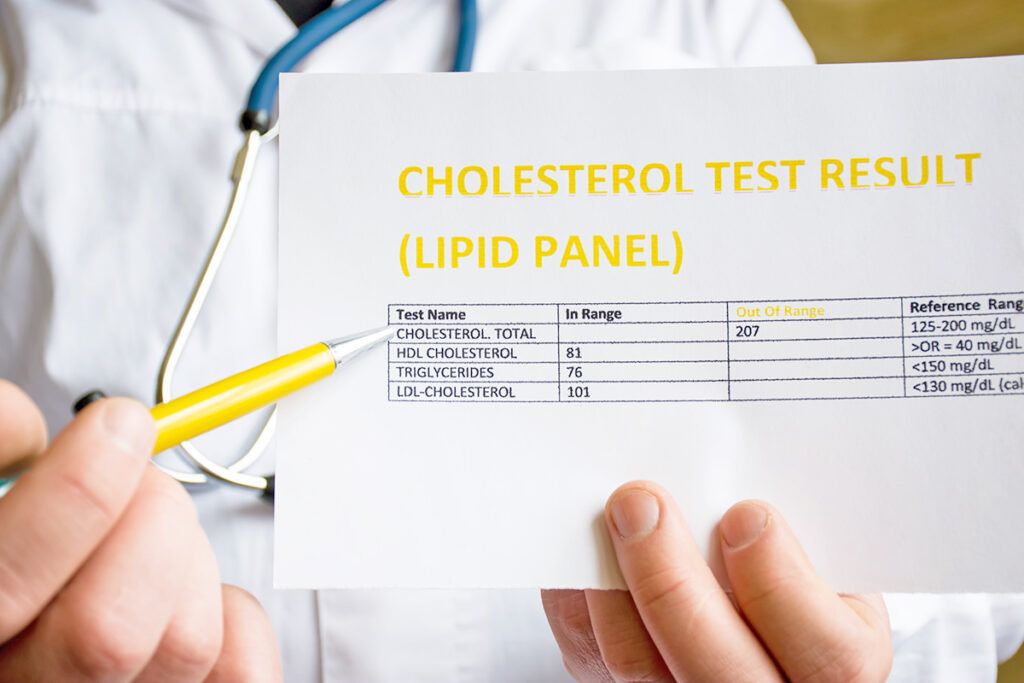
According to Dr. Nneoma Oparaji, M.D., DipABLM, DABOM, a triple board-certified physician in obesity, lifestyle, and internal medicine, the one test that doctors aren’t ordering enough is Lipoprotein(a). According to Dr. Oparaji, “Lp(a) is a genetically inherited cholesterol particle that independently increases the risk of heart attack and stroke.” Despite this fact, testing for Lp(a) is not included in routine cholesterol panels. Dr. Oparaji calls it the “missing puzzle [piece] in high-risk patients who otherwise have a ‘normal’ cholesterol test.”

Advertisement
Advertisement

Dr. Oparaji says that one in five people globally have elevated Lp(a) levels, making it one of the biggest gaps in preventative care today. She recommends that everyone get an Lp(a) test at least once as an adult. “This test is important because it demonstrates the risk that we inherit and not the risk we earn,” she says. “It is a single test that gives you an early insight into your lifelong risk of heart disease.”

Testing early, before symptoms arise, helps shift treatment from “reactive care to proactive prevention.” Dr. Oparaji also notes that postmenopausal women with elevated Lp(a) levels may be at a higher risk of heart disease. To test your Lp(a) levels, make a request to your doctor. It’s a simple, yet nonstandard, blood test.

Advertisement
Advertisement
Credit: © carlofranco—E+/Getty Images

Sleep Apnea

Dr. Max Kerr, DDS, D-ABDSM, a dentist who specializes in the treatment of sleep apnea and the owner of Sleep Better Austin, wishes more doctors would order home sleep tests (HSTs). “Sleep-disordered breathing (SDB), primarily obstructive sleep apnea (OSA), is highly prevalent, affecting 20% to 30% of adults, with rates up to 90% in certain elderly populations,” he says.

Advertisement
Advertisement

Untreated sleep apnea can impact your daily life, from daytime fatigue to memory and cognitive issues. It may also have devastating long-term effects on your health, including high blood pressure and a higher risk of heart disease, stroke, Type 2 diabetes, and depression. “Sleep apnea is extremely underdiagnosed, [yet it] affects so much of our health,” he says. “Home sleep testing should be as ubiquitous as regular blood panels.”  

HSTs can be performed at home by placing small sensors on the body to track breathing patterns, oxygen levels, and heart rate while you sleep. Then a sleep specialist reviews the data, providing you with better insight into your sleep quality.

Advertisement
Credit: © Yunus Tuğ/ Unsplash.com

Methylmalonic Acid and Homocysteine

As Dr. Cooper Stone, D.O., a clinical assistant professor of psychiatry and behavioral health at the University of Pennsylvania, explains, there isn’t just one under-tested lab; there are many. However, he lists several that he checks as a psychiatrist, including vitamin D, an iron panel with ferritin (to monitor anemia), and methylmalonic acid and homocysteine levels.

Advertisement
Advertisement

A methylmalonic acid test is used to diagnose a vitamin B12 deficiency, while a homocysteine test measures levels of vitamin B6, vitamin B12, and folate. Checking both is important because “a B12 deficiency and a folate deficiency will present with a high homocysteine level,” Dr. Stone says. “To differentiate the two, only a methylmalonic acid level will be elevated in a B12 deficiency.”

Vitamin B12 helps make red blood cells and DNA, and it’s derived from what you eat — your body can’t make the nutrient on its own. Symptoms of a deficiency may include tiredness, gastrointestinal issues, lack of appetite, weight loss, mouth sores, and pale skin. It’s also associated with serious neurologic symptoms, including memory issues, numbness and tingling, and proprioception problems.

“For me, the most important thing to remember is that you can have a normal vitamin B12 and a folate level and still be deficient,” Dr. Stone says. This is because normal ranges are based on population averages, not individual needs. If a patient is at the lower end of the B12 or folate range, it may not be flagged as abnormal, and a clinician may miss it. This is why it’s important to be proactive about your health and ask your doctor follow-up questions if any of your levels, such as B12, are on the low end of the “normal” range. Supplementation may still be right for you.

Treating these deficiencies with supplementation can reduce symptoms and long-term impacts. Talk to your doctor about blood tests for methylmalonic acid and homocysteine if you have concerns about your vitamin B12 and/or folate levels.

Advertisement

Featured Image Credit: © Gustavo Fring/Pexels.com

More From Our Network

Better Report is part of Inbox Studio, an email-first media company. *Indicates a third-party property.

Go Retro With This 1960s Fashion Quiz

Quiz Daily

Go Retro With This 1960s Fashion Quiz

True or False: Are You a Master of U.S. Geography?

Travel Quiz

True or False: Are You a Master of U.S. Geography?

5 Reasons You Can Be Denied Boarding an Airplane

Daily Passport

5 Reasons You Can Be Denied Boarding an Airplane

What Did People Do Before Eyeglasses?

History Facts

What Did People Do Before Eyeglasses?

How To Use a Balloon To Clean Up Dust

House Outlook

How To Use a Balloon To Clean Up Dust

11 Shopping Hacks Costco Members Should Know

FinanceBuzz*

11 Shopping Hacks Costco Members Should Know

Share this article

  • Share to Facebook
  • Share to Twitter
  • Copy Url
  • Share to Email
Ali Eldridge

This article is for general informational purposes only.
Affiliate Disclaimer Medical Disclaimer Financial Disclaimer

Updated:
Posted In: Health
Hero Image Credit: Better Report
Advertisement

Related Articles

How Old Are the Apples in the Grocery Store?

4 min read

How To Tell if You’re Brushing Your Teeth Too Hard

4 min read

5 Things To Ask Your Doctor About the New Flu Shot

5 min read

Is Sourdough Actually Healthier Than Regular Bread?

7 min read

Do You Really Need a Bidet in Your Home?

4 min read
Advertisement

Why You Should Try ‘Habit Stacking’

Health | Updated: May 14, 2026
Bennett Kleinman
Author
Bennett Kleinman is a New York City-based staff writer for Inbox Studio. He is also a freelance comedy writer, devoted New York Yankees and New Jersey Devils fan, and thinks plain seltzer is the best drink ever invented.
Woman doing push-ups
Better Report

“Habit stacking” sounds like a term that refers to laundry day at a nunnery, where the nuns toss their used habits into a communal pile to be washed. But it’s actually the name of a self-help tool that may change your life for the better.

Habit stacking is an effective way to establish new habits by combining them with extant ones. It’s ideal for those who struggle to incorporate positive changes into their regular routine. If you’ve never heard of or tried habit stacking before, don’t worry — it’s quite easy to pick up once you familiarize yourself with the concept. Here’s how to stack habits and start down the path to self-improvement.

Advertisement
Advertisement
Person making list
Credit: © cottonbro studio/Pexels.com

A Life Hack You Can Stack

The term “habit stacking” was coined by author James Clear in his 2018 book, Atomic Habits: An Easy & Proven Way To Build Good Habits & Break Bad Ones. (He based it on a concept called “anchoring” in BJ Fogg’s book Tiny Habits: The Small Changes That Change Everything.)  The idea, according to Clear, is to “identify a current habit you already do each day and then stack your new behavior on top.” 

In layman’s terms, you pick a habit you’d like to incorporate into your daily routine, and then start doing it in tandem with an extant habit you already do regularly, which will be your “trigger event.” This idea can be summarized by the following formula: “After/Before [CURRENT HABIT], I will [NEW HABIT].” 

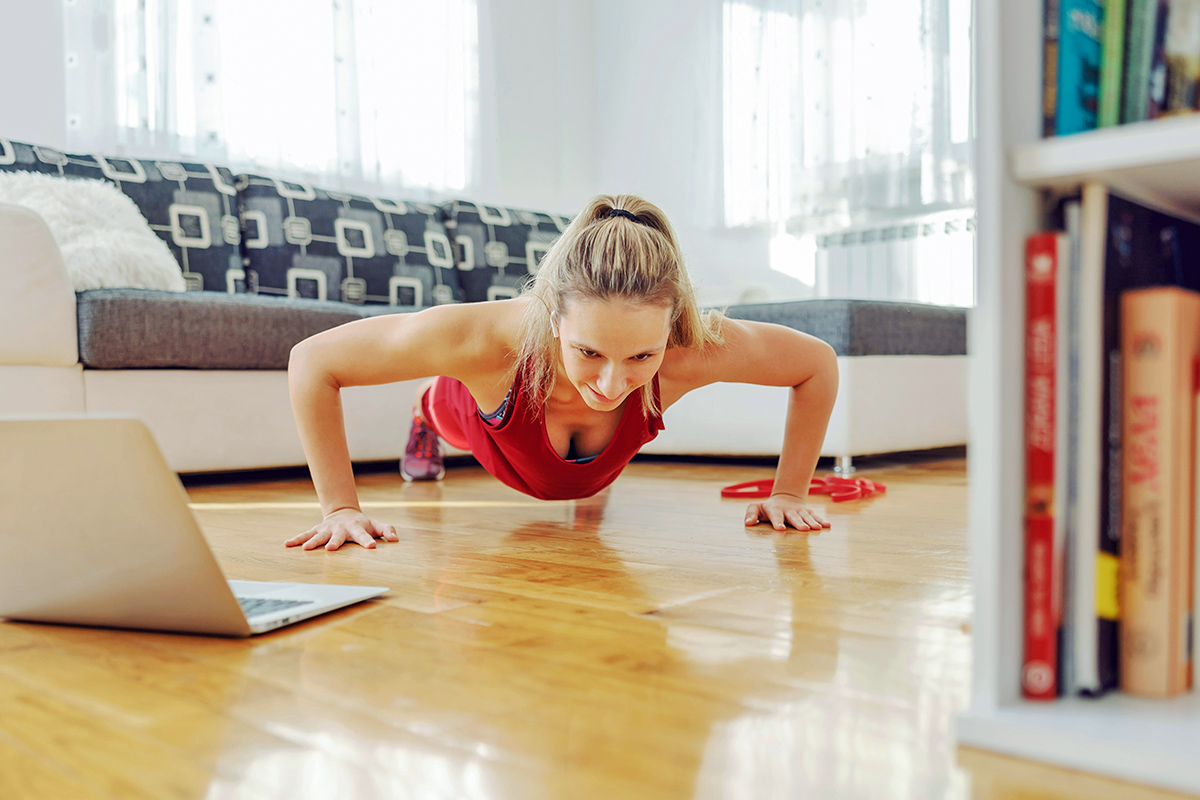
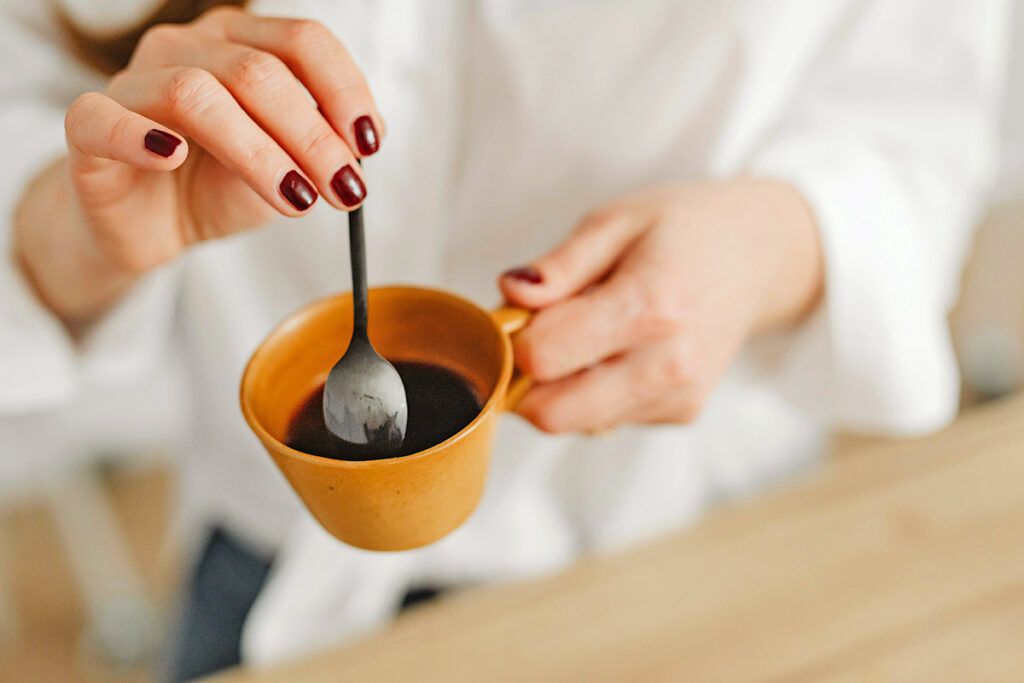
If you’re looking to try habit stacking on your own, experts advise building a list with two columns — one containing your daily habits, and one of the habits you’d like to form — and working from that to create stacks that make sense. If you drink coffee every morning without fail, for example, that’s a trigger event to work with. Say the new habit you’d like to establish is doing 10 push-ups, but you have yet to successfully incorporate the push-ups into your routine. To habit stack, tell yourself, “After I drink coffee, I will do 10 push-ups.” Then do it.

Recommended Articles

  • The Safety Rules for Candles You Probably Don’t Know

  • How Old Are the Apples in the Grocery Store?

  • How To Tell if You’re Brushing Your Teeth Too Hard

  • 5 Things Your Car Needs Before the First Freeze

Advertisement
Advertisement

Reader Favorites

  • Woman looking in fridge

    9 Foods You Should Toss ASAP if They’re Expired

  • Person eating salad

    7 Things a Chef Never Orders at a Restaurant

  • Cherry angioma

    Are the Tiny Red Dots on Your Skin Dangerous?

While this may seem forced at first, you’ll teach your brain to associate push-ups with coffee. Over time, these two concepts will become inseparable, and it’ll be hard to remember a time when you didn’t do push-ups after drinking your coffee.

Advertisement

Once you stack two habits together, you can continue to stack more on top or even in the middle. That said, it’s best to focus on adding one new habit at a time — otherwise, you may get overwhelmed. Only when a new habit is firmly entrenched should you stack another new one on top of it.

For instance, you may decide on this plan: After drinking coffee I’ll do 10 push-ups, and after doing push-ups I’ll meditate for two minutes, and after meditating I’ll clean up the dishes. You’re essentially creating a game plan for each day, always knowing what action comes next.

Person stirring coffee with spoon
Credit: © kaboompics/Pexels.com

Selecting the Right Trigger Event

It’s important to choose the right trigger event when habit stacking. Setting a goal of doing push-ups in the morning is, on its own, a bit vague. You might do the push-ups at 8 a.m. some days, then put it off until 11 a.m. other days, and some mornings may be so busy that you end up not doing any push-ups at all. It’s too chaotic for new habits to reliably form.

Advertisement
Advertisement

Instead, always choose specific events to build on, like “after drinking my first cup of coffee” or “before taking my morning shower.” And don’t set yourself up for failure by picking a trigger event that happens during a busy time of day. If you always have a work meeting after your morning coffee, then that’s a bad time to start stacking habits. But if you typically have five to 10 minutes of free time after you finish your coffee, that’s a great time to start incorporating new habits.

Be sure to pick trigger events that are as frequent as you’d like the new habit to be. In other words, if you drink coffee only once or twice each week, that won’t help you start doing push-ups every day — but a habit like brushing your teeth is the perfect daily cue.

Advertisement

Lastly, don’t be vague with regard to the habit itself. “I want to work out more” doesn’t work as well as “I want to do 10 push-ups,” because you’re left scrambling to figure out what “working out” means on any given day. Be specific, and get stacking.

Advertisement
Advertisement

Featured Image Credit: © Getty Images/Unsplash.com

More From Our Network

Better Report is part of Inbox Studio, an email-first media company. *Indicates a third-party property.

Go Retro With This 1960s Fashion Quiz

Quiz Daily

Go Retro With This 1960s Fashion Quiz

True or False: Are You a Master of U.S. Geography?

Travel Quiz

True or False: Are You a Master of U.S. Geography?

5 Reasons You Can Be Denied Boarding an Airplane

Daily Passport

5 Reasons You Can Be Denied Boarding an Airplane

What Did People Do Before Eyeglasses?

History Facts

What Did People Do Before Eyeglasses?

How To Use a Balloon To Clean Up Dust

House Outlook

How To Use a Balloon To Clean Up Dust

11 Shopping Hacks Costco Members Should Know

FinanceBuzz*

11 Shopping Hacks Costco Members Should Know

Share this article

  • Share to Facebook
  • Share to Twitter
  • Copy Url
  • Share to Email
Bennett Kleinman
Staff Writer

Bennett Kleinman is a New York City-based staff writer for Inbox Studio. He is also a freelance comedy writer, devoted New York Yankees and New Jersey Devils fan, and thinks plain seltzer is the best drink ever invented.

This article is for general informational purposes only.
Affiliate Disclaimer Medical Disclaimer Financial Disclaimer

Updated: July 20, 2023
Posted In: Health
Hero Image Credit: Better Report
Advertisement

Related Articles

How Old Are the Apples in the Grocery Store?

4 min read

How To Tell if You’re Brushing Your Teeth Too Hard

4 min read

5 Things To Ask Your Doctor About the New Flu Shot

5 min read

Is Sourdough Actually Healthier Than Regular Bread?

7 min read

Do You Really Need a Bidet in Your Home?

4 min read
Advertisement

You Can Reverse a Cavity

Ali Eldridge
Health | Updated: May 13, 2026
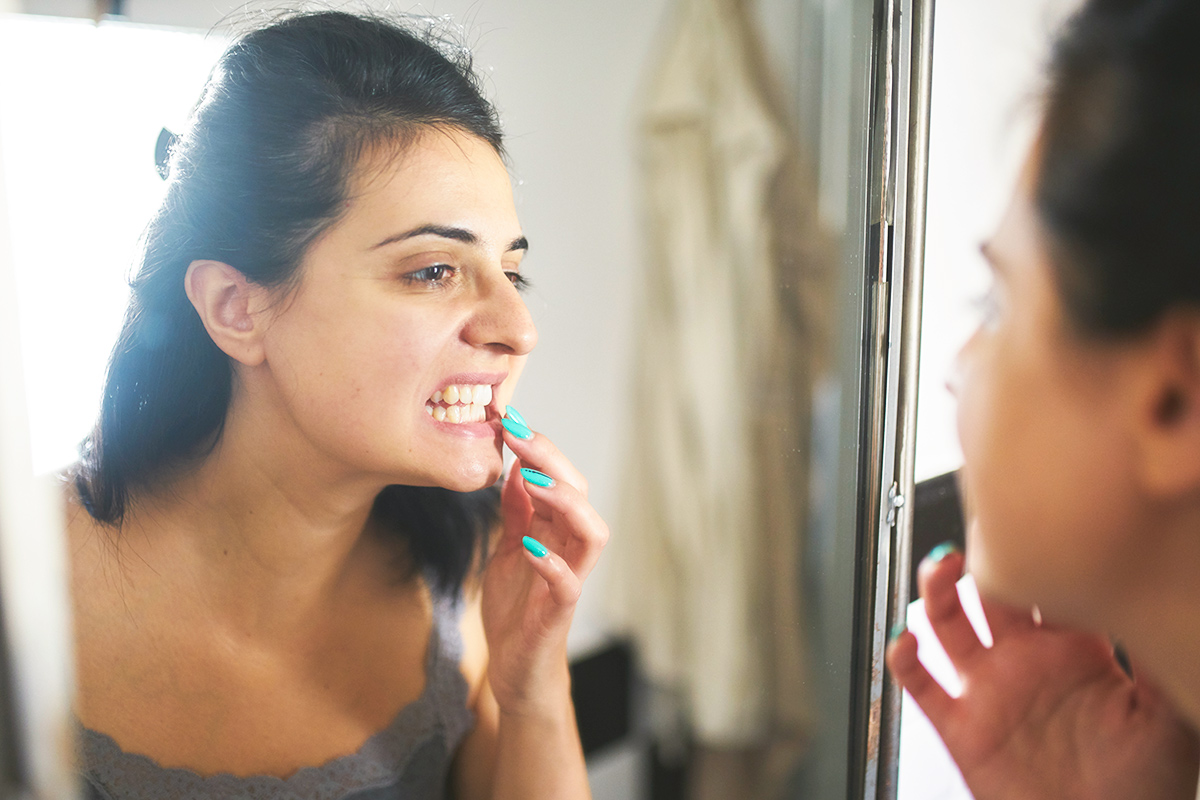
Woman looking at teeth
Better Report

All featured products and deals are selected independently and objectively by the author. Better Report may receive a share of sales via affiliate links in content.

It’s possible for cavities to form in anyone’s mouth, whether they practice proper dental hygiene or could stand to brush more regularly. Once one appears, you may assume there’s nothing you can do to prevent a trip to the dentist to drill it out. But some cavities are reversible — you just need to act quickly. Here’s what you should do to stop a cavity from getting worse and reverse its progress altogether.

Advertisement
Advertisement
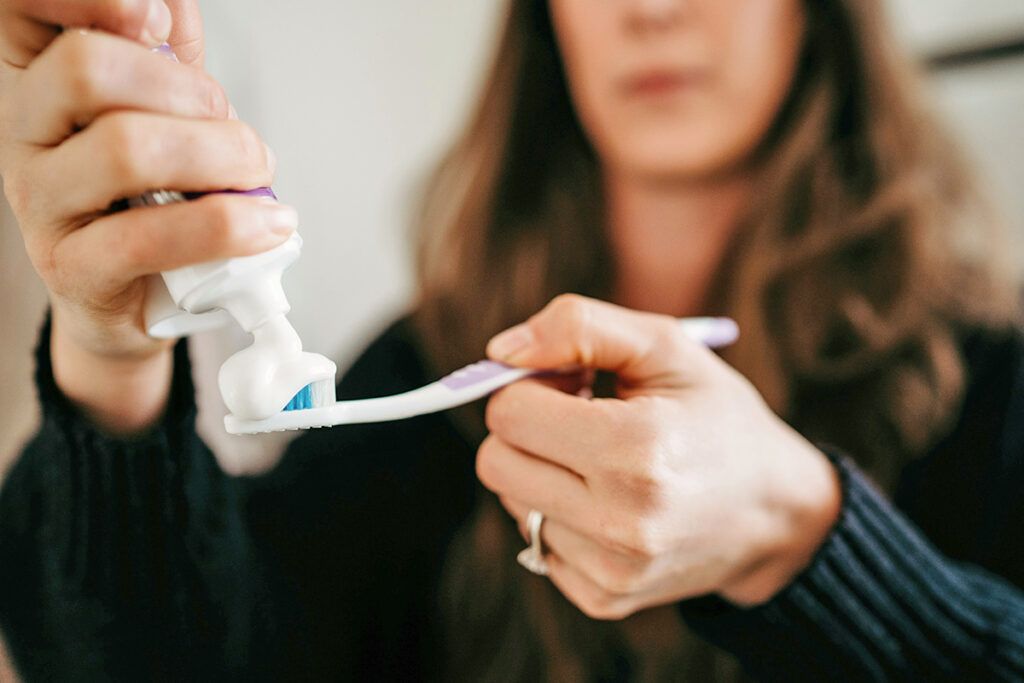
Putting toothpaste on a toothbrush
Credit: © Josue Michel/Unsplash.com

The Main Way To Reverse Tooth Decay

Cavities are holes that form when acids wear down the tooth’s hard outer layer of enamel. If you notice the symptoms of a cavity (including white spots on your teeth, sensitivity, and pain), it’s possible to reverse it so long as the cavity is in its early stages and hasn’t yet spread to the dentin (the tissue beneath the enamel). While there’s no guarantee that you can stop the spread, it’s worth trying — otherwise, you’ll have no choice but to visit the dentist for a drilling and a filling.

Recommended Articles

  • The Safety Rules for Candles You Probably Don’t Know

  • How Old Are the Apples in the Grocery Store?

  • How To Tell if You’re Brushing Your Teeth Too Hard

  • 5 Things Your Car Needs Before the First Freeze

Advertisement
Advertisement

Reader Favorites

  • Woman looking in fridge

    9 Foods You Should Toss ASAP if They’re Expired

  • Person eating salad

    7 Things a Chef Never Orders at a Restaurant

  • Cherry angioma

    Are the Tiny Red Dots on Your Skin Dangerous?

The best way to improve the odds of reversing a cavity is through fluoride treatments. Fluoride encourages a process called remineralization, in which further mineral loss is prevented and lost minerals are replenished. There are a number of over-the-counter options available online or at your local drugstore, including using fluoride toothpaste, floss, and mouthwash; applying a topical fluoride gel to the affected area; or using chewable fluoride toothpaste tablets.  If your community’s water is fluoridated, that will help as well.

If you’re prone to getting or are at high risk for cavities, you may want to contact your dentist for prescription fluoride toothpaste or mouthwash. They contain far more fluoride than what’s available over the counter and are effective in reversing cavities. For instance, Colgate sells a prescription toothpaste containing sodium fluoride that offers 4.5 times the amount of fluoride compared to over-the-counter alternatives.

Advertisement
Advertisement

For the best results, brush your teeth with fluoride toothpaste twice daily and rinse with fluoride mouthwash once per day. If you’re skeptical, just look at the stats. According to the Cleveland Clinic, regular fluoride use reduces the risk of cavities by around 25%. The American Dental Association notes that communities with water fluoridation experience a 25% reduction in cavities on average compared to areas without fluoridated water. (Fluoride has become controversial in recent years, but according to a 2026 study that measured exposure in community water from childhood until the age of 80, there’s no association between fluoride in water and lower IQ scores.) 

Salad
Credit: © ROMAN ODINTSOV/Pexels.com

Other Helpful Tips

While fluoride is the most effective method in potentially reversing tooth decay, it’s also worth making adjustments in other areas. For instance, there are certain foods and drinks that cause cavities and can make them worse. Eliminate sugary drinks, candies, cookies, and coffee, and cut back on snacks in general. This lowers the amount of acids swirling around in the mouth, which allows time for the enamel to repair itself.

Advertisement
Advertisement

Also, consider chewing sugar-free gum. According to the American Dental Association, this increases the flow of saliva, which contains minerals that promote healthy enamel, thus lessening your risk of developing cavities.

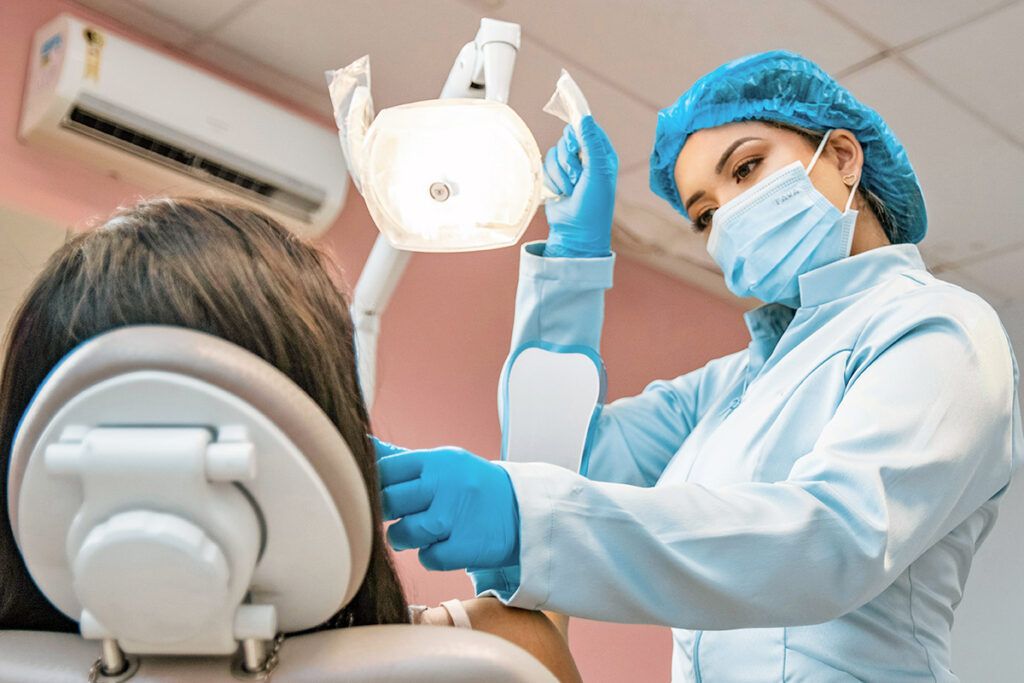
Dentist at dentist office
Credit: © SoyBreno/Unsplash.com

What’s the Timeline?

Depending on the severity of the cavity, remineralization can take weeks to months. For instance, a surface-level cavity may respond to care within a few weeks, while something deeper might take months to heal. Each case is different, though if you’re seeking a more definitive timeline, your dentist may be able to examine you and offer a clearer picture. If the cavity has breached the enamel and made it to the dentin, however, there’s no going back — you’ll need to have it filled.

Advertisement
Advertisement

You should continue to practice these habits even if you notice improvements within a week or two and once the cavity disappears. Using fluoride doesn’t merely reverse extant cavities — it helps prevent new ones from forming down the line.

Advertisement

Featured Image Credit: © Nico De Pasquale Photography—Moment/Getty Images

More From Our Network

Better Report is part of Inbox Studio, an email-first media company. *Indicates a third-party property.
Go Retro With This 1960s Fashion Quiz

Quiz Daily

Go Retro With This 1960s Fashion Quiz

True or False: Are You a Master of U.S. Geography?

Travel Quiz

True or False: Are You a Master of U.S. Geography?

5 Reasons You Can Be Denied Boarding an Airplane

Daily Passport

5 Reasons You Can Be Denied Boarding an Airplane

What Did People Do Before Eyeglasses?

History Facts

What Did People Do Before Eyeglasses?

How To Use a Balloon To Clean Up Dust

House Outlook

How To Use a Balloon To Clean Up Dust

11 Shopping Hacks Costco Members Should Know

FinanceBuzz*

11 Shopping Hacks Costco Members Should Know

Share this article

  • Share to Facebook
  • Share to Twitter
  • Copy Url
  • Share to Email
Ali Eldridge

This article is for general informational purposes only.
Affiliate Disclaimer Medical Disclaimer Financial Disclaimer

Updated:
Posted In: Health
Hero Image Credit: Better Report
Advertisement

Related Articles

How Old Are the Apples in the Grocery Store?

4 min read

How To Tell if You’re Brushing Your Teeth Too Hard

4 min read

5 Things To Ask Your Doctor About the New Flu Shot

5 min read

Is Sourdough Actually Healthier Than Regular Bread?

7 min read

Do You Really Need a Bidet in Your Home?

4 min read
Advertisement

11 ‘Healthy’ Foods That Aren’t Actually Good for You

Health | Updated: May 13, 2026
Lauren Dana Ellman
Author
Lauren Dana Ellman is a New York–based writer and editor specializing in lifestyle, travel, food, and shopping. A graduate of Syracuse University’s SI Newhouse School of Public Communications, she covers everything from destinations and hotels to fun product finds and personal essays. Her work has been featured in Condé Nast Traveler, AARP, Travel + Leisure, Time Out, The Knot, and more lifestyle-oriented publications.
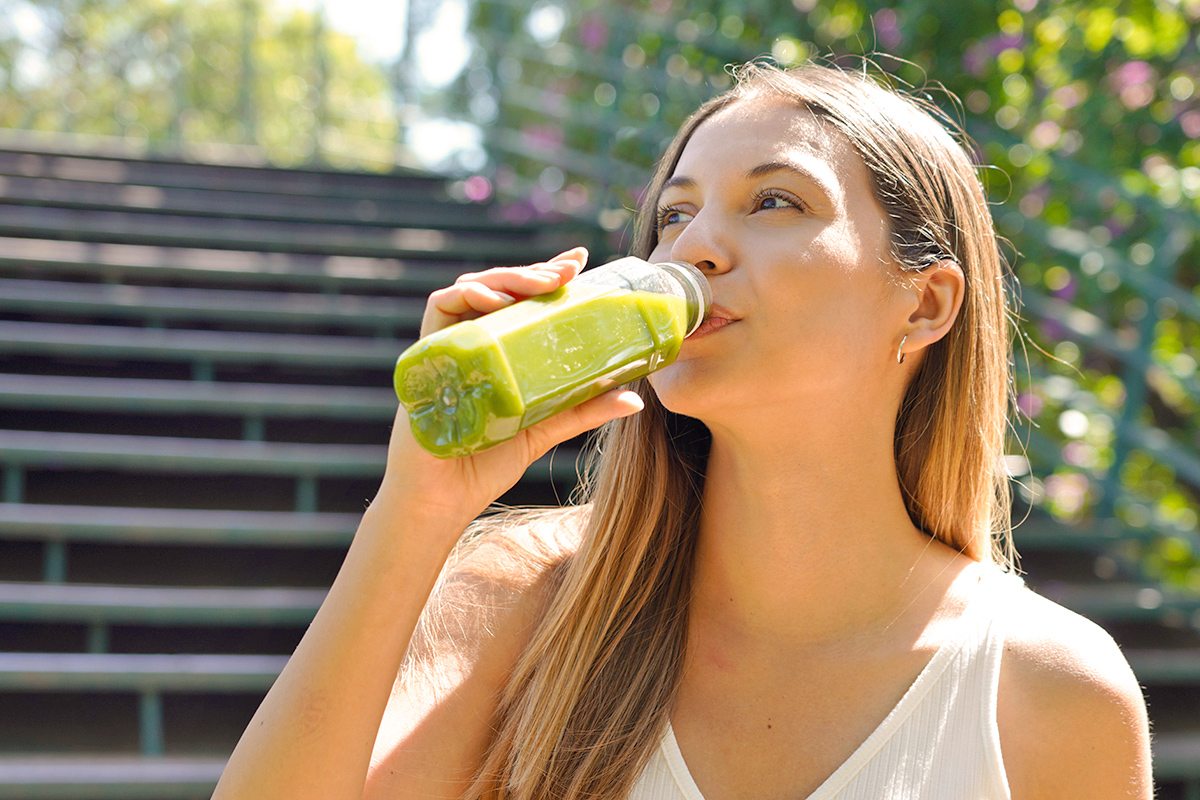
Woman drinking smoothie
Better Report

Walk through any supermarket and you’ll see shelves full of foods marketed as smart, natural, or diet-friendly. Labels like these — along with “low-fat,” “organic,” and “gluten-free” — can create what’s known as a “health halo,” making products seem more nutritious than they really are. But in reality, many of these foods are highly processed and/or packed with added sugar or sodium.  Here are some “healthy” foods you may want to examine a little more closely before adding them to your cart.

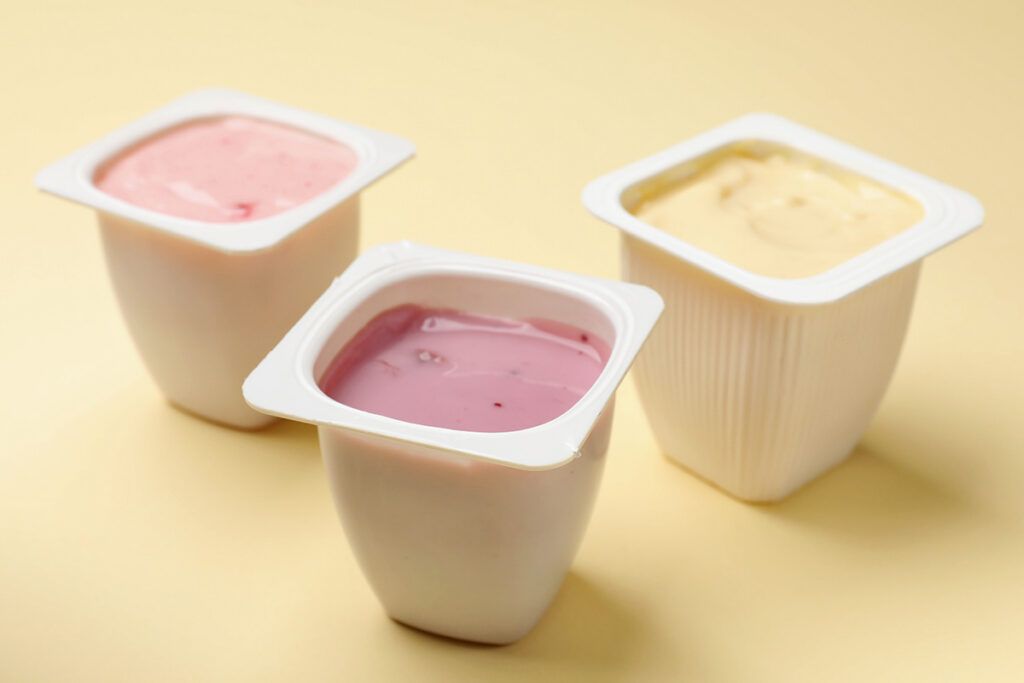
Containers of yogurt
Credit: © Olga Yastremska—iStock/Getty Images

Flavored Yogurt

Flavored yogurt is often viewed as a nutritious breakfast or snack since, like traditional unflavored yogurt, it contains protein, probiotics, and calcium. However, many flavored varieties are loaded with added sugars. Even “sugar-free” flavored yogurt often contains artificial sweeteners, along with added colors and preservatives, which are linked to risks like metabolic syndrome (a group of conditions that include high blood pressure, high blood sugar, and high cholesterol) and cardiovascular disease.

Advertisement
Advertisement
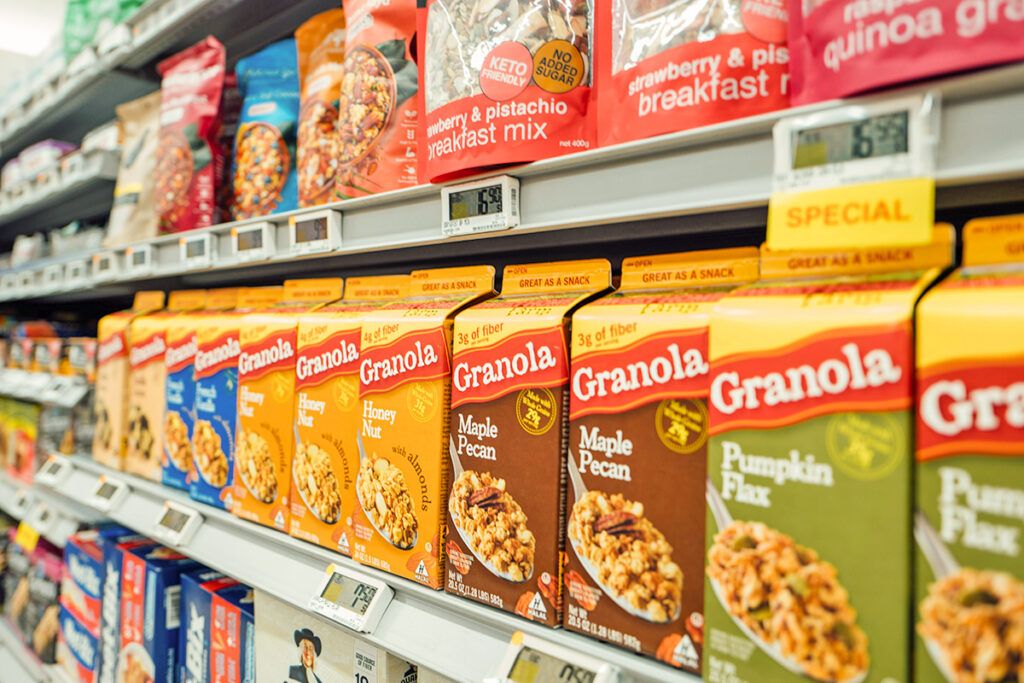
Granola on a store shelf
Credit: © CHUTTERSNAP/Unsplash.com

Granola and Granola Bars

Granola has a reputation as a healthy, energy-boosting snack thanks to its makeup of oats, nuts, and seeds. But many store-bought versions are packed with added sweeteners like honey or syrup that are mixed with oils, which are high in sugar and fat. Granola bars can be even more misleading — nutritionally, they’re often more like candy bars than a truly filling, healthy snack.

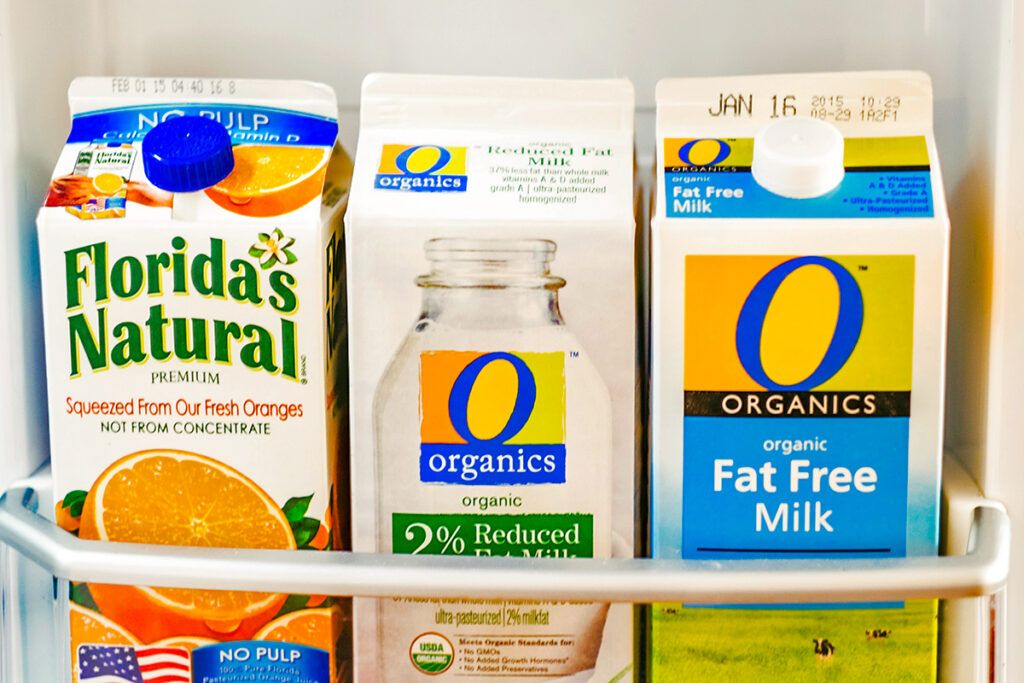
Fat free and reduced fat milks and an orange juice
Credit: © CatLane—iStock unreleased/Getty Images

Low-Fat and Fat-Free Products

Foods labeled “low-fat” or “fat-free” might seem inherently healthy, but it’s not that simple. When fat is removed, flavor often goes with it — so manufacturers frequently add sugar, salt, or other ingredients to compensate. And not all fat is bad, anyway: Healthy fats play an important role in things like heart health, brain function, and reducing inflammation.

Recommended Articles

  • The Safety Rules for Candles You Probably Don’t Know

  • How Old Are the Apples in the Grocery Store?

  • How To Tell if You’re Brushing Your Teeth Too Hard

  • 5 Things Your Car Needs Before the First Freeze

Advertisement
Advertisement

Reader Favorites

  • Woman looking in fridge

    9 Foods You Should Toss ASAP if They’re Expired

  • Person eating salad

    7 Things a Chef Never Orders at a Restaurant

  • Cherry angioma

    Are the Tiny Red Dots on Your Skin Dangerous?

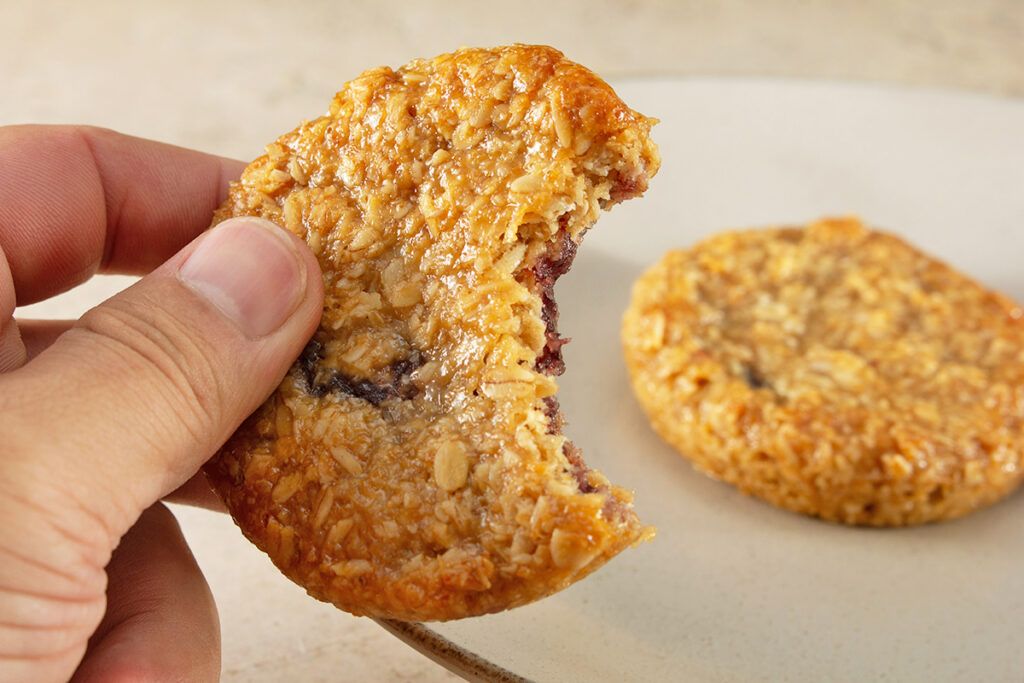
Gluten-free cookie
Credit: © DAVID/stock.adobe.com

Gluten-Free Snacks

Gluten-free foods are essential for people with conditions like celiac disease, but for everyone else, they’re not automatically the healthier option. A lot of gluten-free snacks are made with refined flours and added sugars to get the right texture and taste, and they often miss out on the fiber and nutrients you’d get from whole grains. If you do go gluten-free, it’s better to stick with more nutrient-dense options made from whole ingredients, such as almond flour, quinoa, brown rice.

Advertisement
Advertisement
Smoothie
Credit: © Polina Tankilevitch/Pexels.com

Smoothies, Juices, and Vitamin Drinks

Beverages marketed as healthy can be deceptively high in sugar. For example, fruit juices — even when labeled “natural” — often have most of their fiber removed during the juicing process. This fiber normally helps slow the absorption of sugar, so without it, juice can cause rapid spikes in blood sugar. Similarly, bottled smoothies and vitamin-enhanced waters, such as Vitaminwater, can easily mislead consumers with their high sugar contents. Vitamin-enhanced waters in particular lack the fiber found in whole fruits or even in some smoothies, yet deliver a concentrated dose of sugar, making them more like soda and other sugary drinks in terms of nutritional value.

Advertisement
Advertisement
Veggie chips
Credit: © Jenny Dettrick—Moment/ Getty Images

Veggie Chips

Veggie chips might seem like a better-for-you substitute for potato chips, but a closer look at the nutrition label says otherwise. These snacks are often made from refined starches, such as potato or corn flour, and then deep-fried. Fried foods can contribute to inflammation, while the process also adds calories, unhealthy fats, and a lot of sodium. Many versions of veggie chips also include artificial flavors and additives, which further reduce their overall nutritional value.

Advertisement
Advertisement
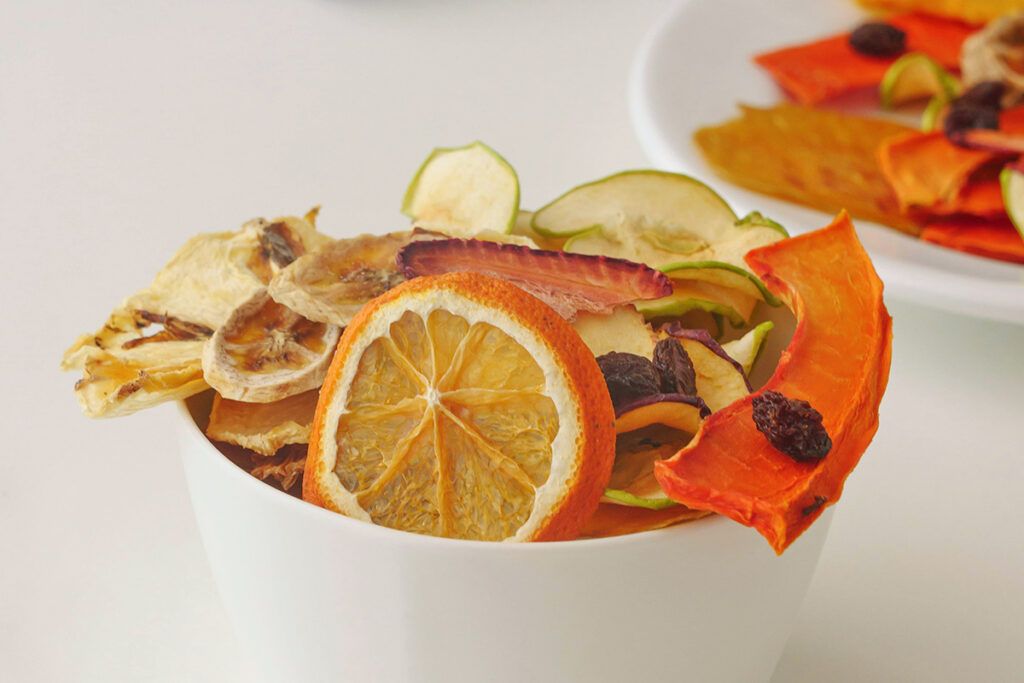
Dried fruit
Credit: © Gonzalo Ruiz/Pexels.com

Dried Fruit

Dried fruit seems like an easy, healthy snack, but the drying process concentrates sugar and calories: According to Harvard Health Publishing, there are 10 grams of sugar in 100 grams of fresh apple, but the same amount of dried apple has 57 grams of sugar. And manufacturers may add even more sugar on top of that — all of which means it’s easy to consume a lot more sugar than you realize when you reach for a bag of dried fruit.

Advertisement
Advertisement
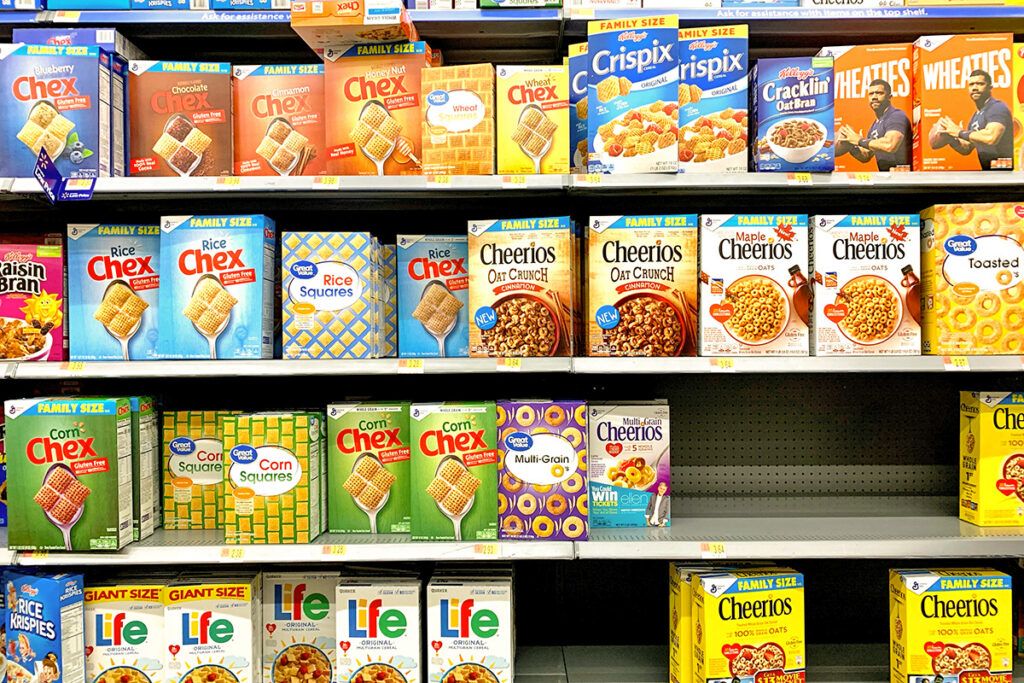
Cereals on a store shelf
Credit: © Franki Chamaki/Unsplash.com

Breakfast Cereals

Many breakfast cereals are heavily processed and packed with added sugar — even ones you wouldn’t expect. Unbeknownst to many, some cereals labeled “whole grain” still include refined grains, which removes fiber, vitamins, and minerals, making them less nutritious than they seem. Rice Chex, for example, has whole grain rice as its first ingredient, followed by refined rice, resulting in 2 grams of fiber and 3 grams of protein per serving (along with 3 grams of added sugars). 

Advertisement
Advertisement
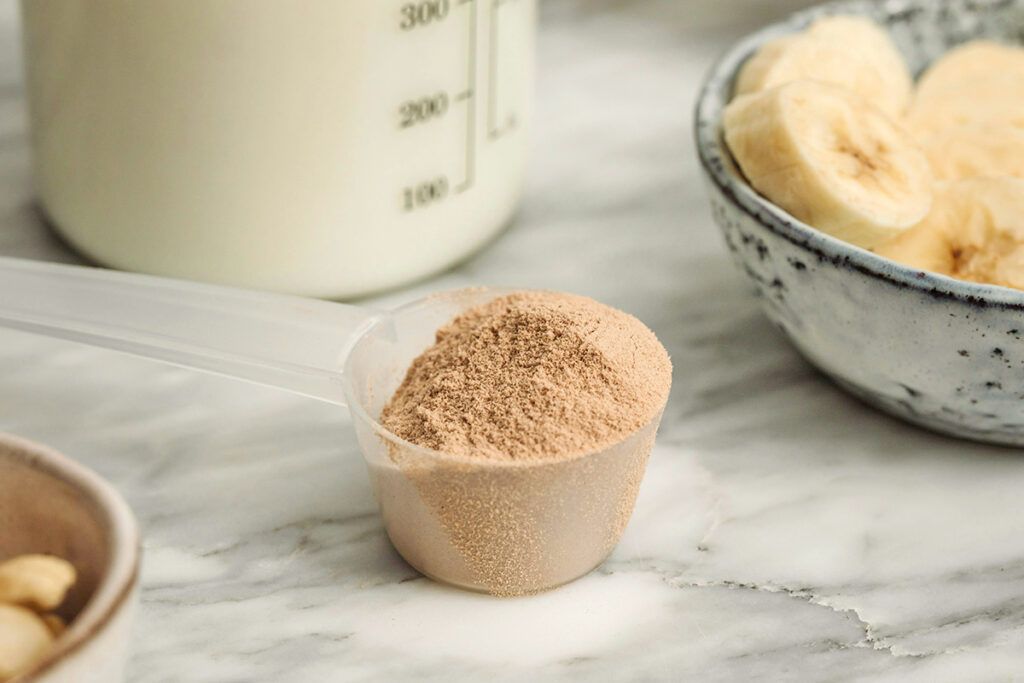
Protein powder
Credit: © Karolina Grabowska/Unsplash.com

Protein Bars, Powders, and Shakes

Protein bars and shakes are popular for their convenience and “healthy” image. Still, many are highly processed and packed with added sugar and artificial ingredients, which reduces their overall nutritional value. Certain protein powders have also been found to contain heavy metals, raising further concerns about their safety, especially when consumed frequently or in large quantities.

Advertisement
Advertisement
Non-meat burger
Credit: © Joanna Stołowicz/Unsplash.com

Plant-Based Meat Alternatives

Plant-based meats are often promoted as healthier than traditional meat. And while they can be useful alternatives, many are highly processed and contain additives, saturated fats, refined sugars, and sodium — sometimes even more than traditional animal protein. For those without specific dietary needs or restrictions, it may be a better idea to focus on whole, minimally-processed protein sources such as legumes, fish, eggs, or lean meats.

Advertisement
Advertisement
Sign that says "organic"
Credit: © Moyo Studio—E+/Getty Images

Organic and “Natural” Packaged Foods

Labels like “organic” and “natural” can be misleading. While organic foods may be made without certain pesticides, that doesn’t automatically make them more nutritious. Organic cookies, chips, and snacks, for example, can still be high in sugar, fat, and calories — they’re just made with different ingredients. The term “natural” is even less helpful, since it has no formal definition and doesn’t guarantee a product is minimally processed or actually good for you.

Advertisement
Advertisement

Featured Image Credit: © zigres/stock.adobe.com

More From Our Network

Better Report is part of Inbox Studio, an email-first media company. *Indicates a third-party property.

Go Retro With This 1960s Fashion Quiz

Quiz Daily

Go Retro With This 1960s Fashion Quiz

True or False: Are You a Master of U.S. Geography?

Travel Quiz

True or False: Are You a Master of U.S. Geography?

5 Reasons You Can Be Denied Boarding an Airplane

Daily Passport

5 Reasons You Can Be Denied Boarding an Airplane

What Did People Do Before Eyeglasses?

History Facts

What Did People Do Before Eyeglasses?

How To Use a Balloon To Clean Up Dust

House Outlook

How To Use a Balloon To Clean Up Dust

11 Shopping Hacks Costco Members Should Know

FinanceBuzz*

11 Shopping Hacks Costco Members Should Know

Share this article

  • Share to Facebook
  • Share to Twitter
  • Copy Url
  • Share to Email
Lauren Dana Ellman
Writer

Lauren Dana Ellman is a New York–based writer and editor specializing in lifestyle, travel, food, and shopping. A graduate of Syracuse University’s SI Newhouse School of Public Communications, she covers everything from destinations and hotels to fun product finds and personal essays. Her work has been featured in Condé Nast Traveler, AARP, Travel + Leisure, Time Out, The Knot, and more lifestyle-oriented publications.

This article is for general informational purposes only.
Affiliate Disclaimer Medical Disclaimer Financial Disclaimer

Updated: April 28, 2026
Posted In: Health
Hero Image Credit: Better Report
Advertisement

Related Articles

How Old Are the Apples in the Grocery Store?

4 min read

How To Tell if You’re Brushing Your Teeth Too Hard

4 min read

5 Things To Ask Your Doctor About the New Flu Shot

5 min read

Is Sourdough Actually Healthier Than Regular Bread?

7 min read

Do You Really Need a Bidet in Your Home?

4 min read
Advertisement

6 Odors Around Your House That Could Be Unsafe

Ali Eldridge
Home | Updated: May 11, 2026
Woman opening fridge
Better Report

Not all smells around the house are good ones — and we’re not talking about the burnt casserole from last night’s dinner. Certain odors indicate dangerous issues that require immediate attention. Here are a few of the most common, unsafe smells around your home that you shouldn’t ignore.

Burners on a gas stove
Credit: © R_Yosha/stock.adobe.com

Rotten Eggs 

If you smell sulfur, don’t check your fridge for rotten eggs: The smell comes from an additive to natural gas (which is itself odorless) and usually indicates there’s a dangerous gas leak. So, if you catch a whiff of rotten eggs, leave your house immediately and call 911 and the emergency contact number for your utility provider or city. 

Advertisement
Advertisement
Mold on a wall
Credit: © andrei310/stock.adobe.com

Mustiness or Dampness

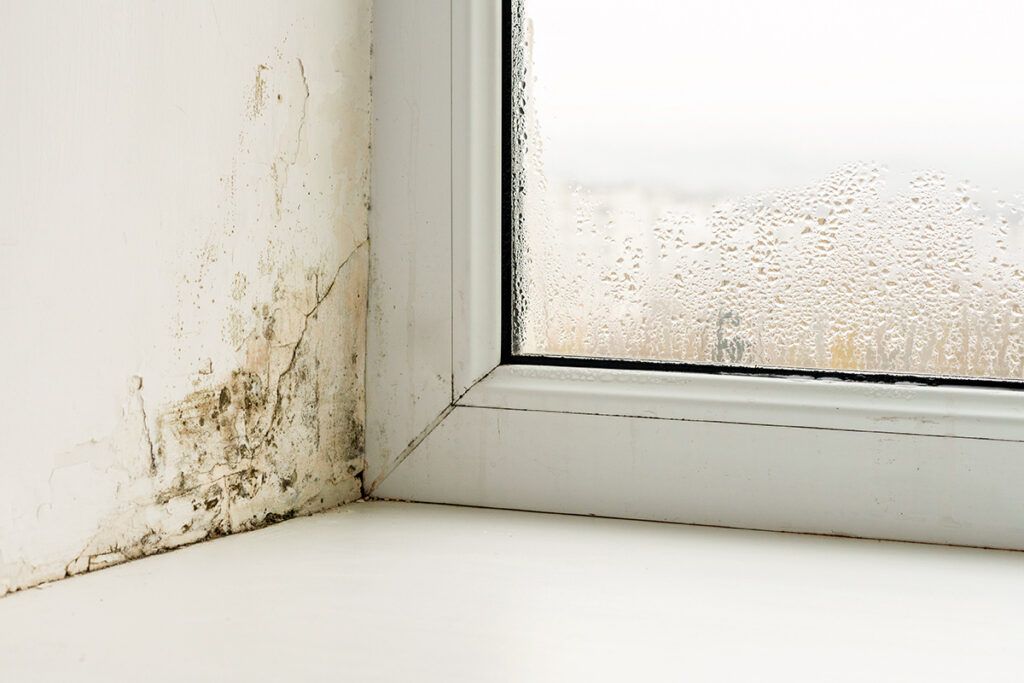
A musty or damp smell — or odors similar to wet socks or rotten wood — may come from mold. Left unaddressed, mold can be toxic to your health and damaging to your home. Mold problems typically arise from damp areas. Check for leaks or signs of water damage under your sinks, around your HVAC system, and around appliances such as your refrigerator, washing machine, or dishwasher. Dark spots or stains on the walls and ceilings or by your windows may also indicate a mold problem. 

Fix any obvious leaks or problematic appliances and clean up the mold (make sure to wear an N95 mask, gloves, and goggles). If the issue persists or covers a large area, it’s best to contact a mold detection and removal company. 

Electrical panel
Credit: © makistock/stock.adobe.com

Fish

Assuming you didn’t have salmon for dinner, a fishy smell is a warning sign: Overheated electrical outlets or wires can burn the plastic insulation, triggering that fishlike odor. 

Recommended Articles

  • The Safety Rules for Candles You Probably Don’t Know

  • How Old Are the Apples in the Grocery Store?

  • How To Tell if You’re Brushing Your Teeth Too Hard

  • 5 Things Your Car Needs Before the First Freeze

Advertisement
Advertisement

Reader Favorites

  • Woman looking in fridge

    9 Foods You Should Toss ASAP if They’re Expired

  • Person eating salad

    7 Things a Chef Never Orders at a Restaurant

  • Cherry angioma

    Are the Tiny Red Dots on Your Skin Dangerous?

Check your walls near light switches, outlets, and electrical panels, as well as appliances that are plugged in. If any outlets or switches feel warm to the touch, turn them off immediately. Unplug appliances as well. Contact an electrician to identify the exact issue, and never make any repairs yourself, as you can get injured.

Advertisement
Plumber working on sink
Credit: © Anchiy—E+/Getty Images

Sewage 

A strong odor of sewage can indicate a problem with your plumbing, such as a blocked sewer line, a dry section of pipe under a sink or floor drain, or improperly installed vents, among other issues. First, identify the source of the odor: Check in every bathroom, particularly around the toilet or shower drain; look in kitchen drains and around any floor drains in the laundry room or the basement; and examine any exterior vent pipes outside the house.

Advertisement
Advertisement

If you notice something like a dry drain, a leaking or damaged pipe, or a faulty seal around your toilet and you feel confident with repairs, you can handle the issue yourself. You can also try to resolve clogged drains by pouring hot water or a mix of baking soda and vinegar down the drain. But if you aren’t comfortable with repairs, are uncertain of the smell’s origin, or can hear bubbling in your drains, which could indicate leaking sewer gas,contact a plumber ASAP.

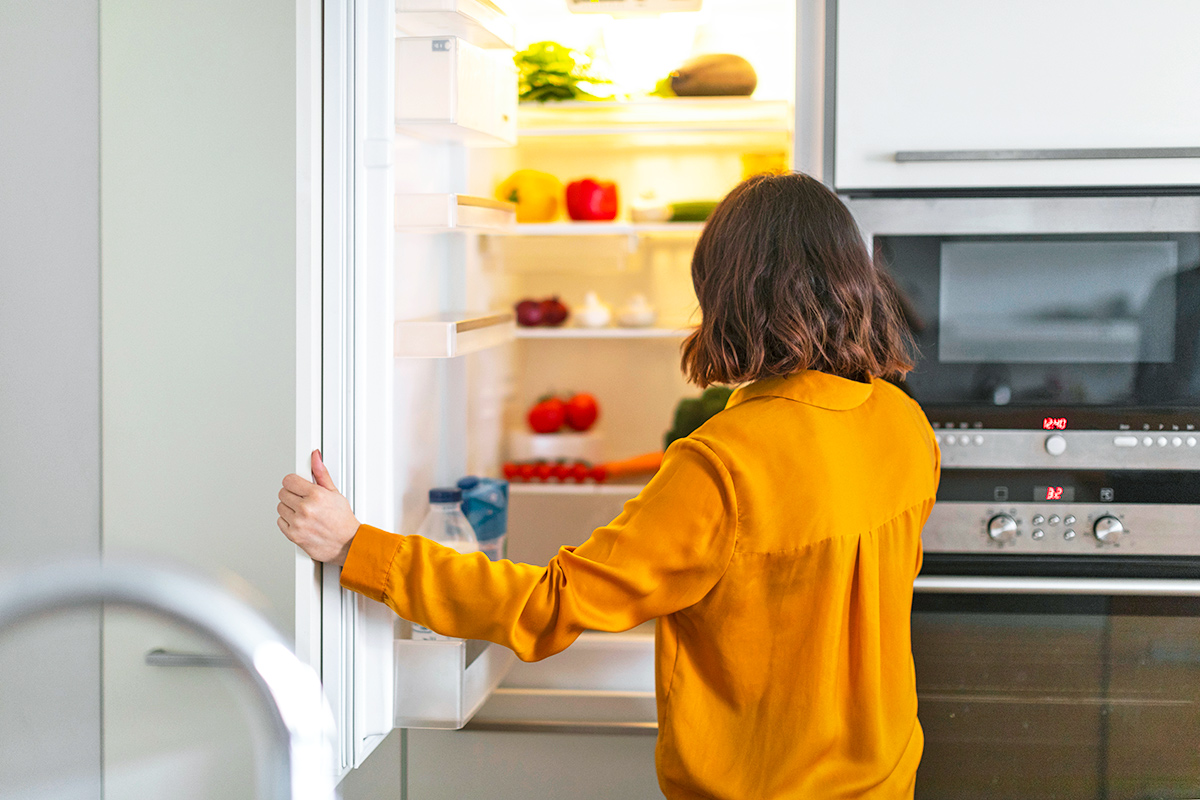
Woman in front of open fridge
Credit: © Svetlana Repnitskaya—Moment/Getty Images

Ammonia 

The lingering odor of ammonia in your home may be a result of a leaking fridge or washing machine hose. It can also be caused by an issue with your HVAC system — or a decomposing rodent. 

Advertisement
Advertisement

If the smell is coming from  the area around a major appliance, unplug it and contact a repair professional. A leak can increase your risk for a fire, so you don’t want to leave it unaddressed. If it’s coming from a crawl space, it may be a dead rodent. Since they can carry disease, and handling it yourself could expose you to unwanted illnesses, you may want to reach out to a pest control company for help.

Repairman looking at wall air conditioning unit
Credit: © Getty Images/Unspash.com

Sweet

A sweet smell like maple syrup may sound pleasant, but unfortunately, it can indicate a refrigerant leak in your HVAC system, heat pump, or refrigerator. Even  a mildly sweet smell can lead to a worsening problem — a leak can damage your home and also put your health at risk. So, turn off the appliance and call a professional for repairs.

Advertisement
Advertisement

Featured image credit: © Prostock-Studio—iStock/Getty Images

More From Our Network

Better Report is part of Inbox Studio, an email-first media company. *Indicates a third-party property.

Go Retro With This 1960s Fashion Quiz

Quiz Daily

Go Retro With This 1960s Fashion Quiz

True or False: Are You a Master of U.S. Geography?

Travel Quiz

True or False: Are You a Master of U.S. Geography?

5 Reasons You Can Be Denied Boarding an Airplane

Daily Passport

5 Reasons You Can Be Denied Boarding an Airplane

What Did People Do Before Eyeglasses?

History Facts

What Did People Do Before Eyeglasses?

How To Use a Balloon To Clean Up Dust

House Outlook

How To Use a Balloon To Clean Up Dust

11 Shopping Hacks Costco Members Should Know

FinanceBuzz*

11 Shopping Hacks Costco Members Should Know

Share this article

  • Share to Facebook
  • Share to Twitter
  • Copy Url
  • Share to Email
Ali Eldridge

This article is for general informational purposes only.
Affiliate Disclaimer Medical Disclaimer Financial Disclaimer

Updated:
Posted In: Home
Hero Image Credit: Better Report
Advertisement

Related Articles

The Safety Rules for Candles You Probably Don’t Know

5 min read

9 Items in Your Basement You Should Toss Right Now

5 min read

5 Vegetables You Should Never Store in the Fridge

3 min read

Why a Flashing Check Engine Light Is Different From a Solid One

3 min read

Why Does Your Sink Have a Tiny Hole?

3 min read
Advertisement

Why You Need a Go Bag  —  And What Should Be in It

Home | Updated: June 30, 2026
Lauren Dana Ellman
Author
Lauren Dana Ellman is a New York–based writer and editor specializing in lifestyle, travel, food, and shopping. A graduate of Syracuse University’s SI Newhouse School of Public Communications, she covers everything from destinations and hotels to fun product finds and personal essays. Her work has been featured in Condé Nast Traveler, AARP, Travel + Leisure, Time Out, The Knot, and more lifestyle-oriented publications.
Person packing bag
Better Report

All featured products and deals are selected independently and objectively by the author. Better Report may receive a share of sales via affiliate links in content.

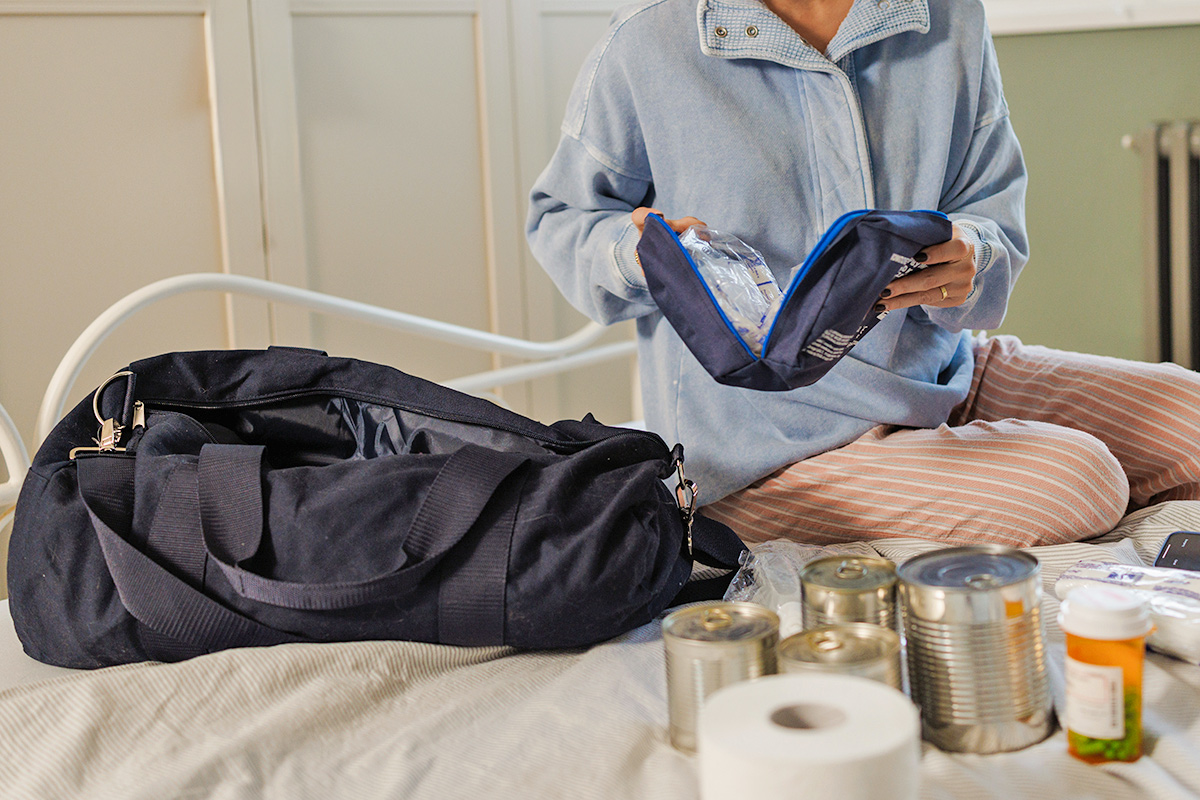
Most people don’t think about what they would take with them in an emergency, at least not until they have to — but when something does happen, there’s rarely time to stop and think about what matters. You take what you can carry, often in a rush, and hope you haven’t forgotten anything important. 

That uncertainty is exactly why being prepared is so crucial, particularly when help may not arrive straight away and access to basic supplies isn’t guaranteed. As the name suggests, a go bag is simply a bag you pack in advance so you can leave quickly if needed. Sure, it takes a bit of planning and effort, but having one makes things easier if you find yourself in an emergency. And while a go bag won’t fix everything, it can help you get through those first hours (or days) with a bit more control. Here’s what you need.

Advertisement
Advertisement

What To Pack

There’s no single version of a perfect go bag, and what you pack will differ depending on where you live and your specific situation. Most follow the same basic idea, though: Cover your essential needs for (at least) a few days.

File of documents
Credit: © Anete Lusina/Pexels.com

Essential Documents and Valuables 

These can include copies of birth certificates, Social Security cards, passports, driver’s licenses, and insurance cards and policies, along with emergency contact information and a small amount of cash. You may also want to keep copies of the front and back of your credit cards in your go bag in the event that you can’t grab your wallet as you’re evacuating. It’s wise to keep everything together in a waterproof and fireproof pouch so it’s protected from the elements. (If you don’t want paper copies of these documents, you can store them on an encrypted flash drive instead.)

Recommended Articles

  • The Safety Rules for Candles You Probably Don’t Know

  • How Old Are the Apples in the Grocery Store?

  • How To Tell if You’re Brushing Your Teeth Too Hard

  • 5 Things Your Car Needs Before the First Freeze

Advertisement
Advertisement

Reader Favorites

  • Woman looking in fridge

    9 Foods You Should Toss ASAP if They’re Expired

  • Person eating salad

    7 Things a Chef Never Orders at a Restaurant

  • Cherry angioma

    Are the Tiny Red Dots on Your Skin Dangerous?

Granola bars
Credit: © ange1011/stock.adobe.com

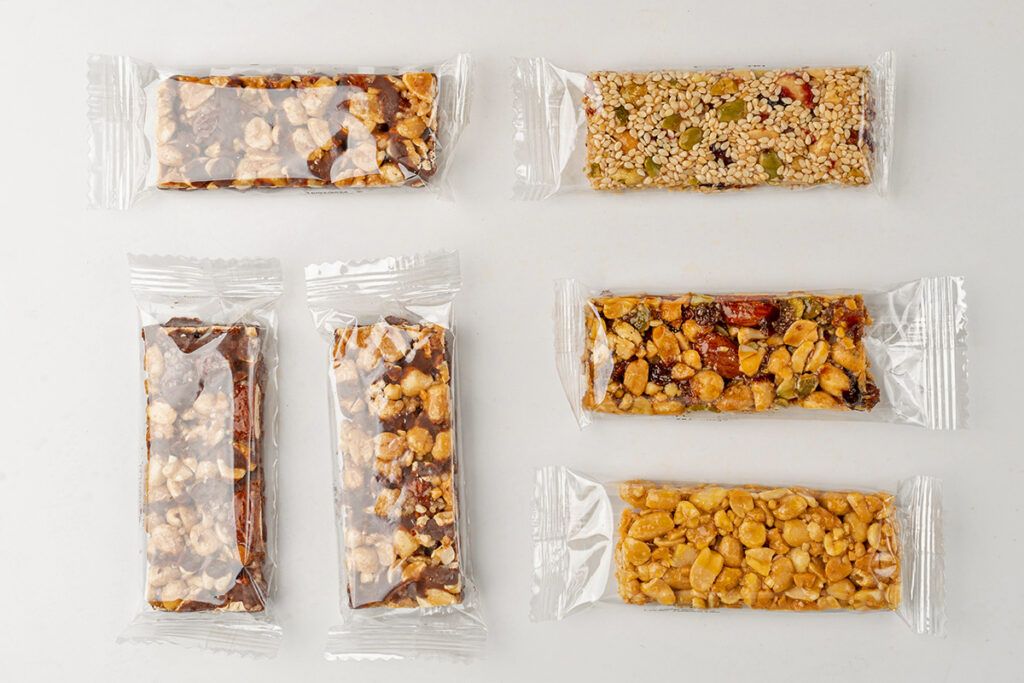
Food and Water

You’ll need a small supply of nonperishable food — think lightweight, ready-to-eat items like energy bars, canned goods, or dried foods — and enough water for at least three days of drinking and basic hygiene. If you have pets, you’ll want to pack food and water for them, too.

Advertisement
Advertisement
First aid kit
Credit: © Mathurin NAPOLY / matnapo/Unsplash.com

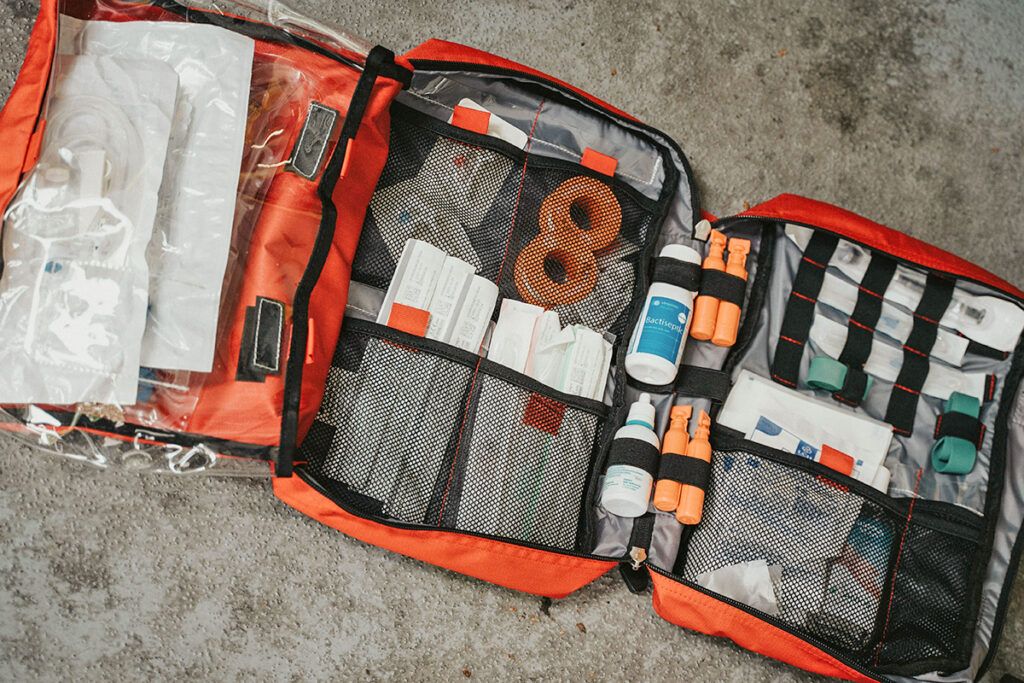
Medical Supplies

A basic first-aid kit — which includes bandages, antiseptic wipes, and pain relief — along with any prescription or over-the-counter medications you rely on, are essentials. It’s also worth packing a few simple hygiene items, such as hand sanitizer or wipes, and keeping copies of prescriptions in case you need them. You should also pack an extra set of eyeglasses (if you have them) or contact lenses, and you’ll want to bring along your pet’s medications and vaccine records, too.

Advertisement
Advertisement
Flashlight
Credit: Serhii Prystupa—Moment/Getty Images

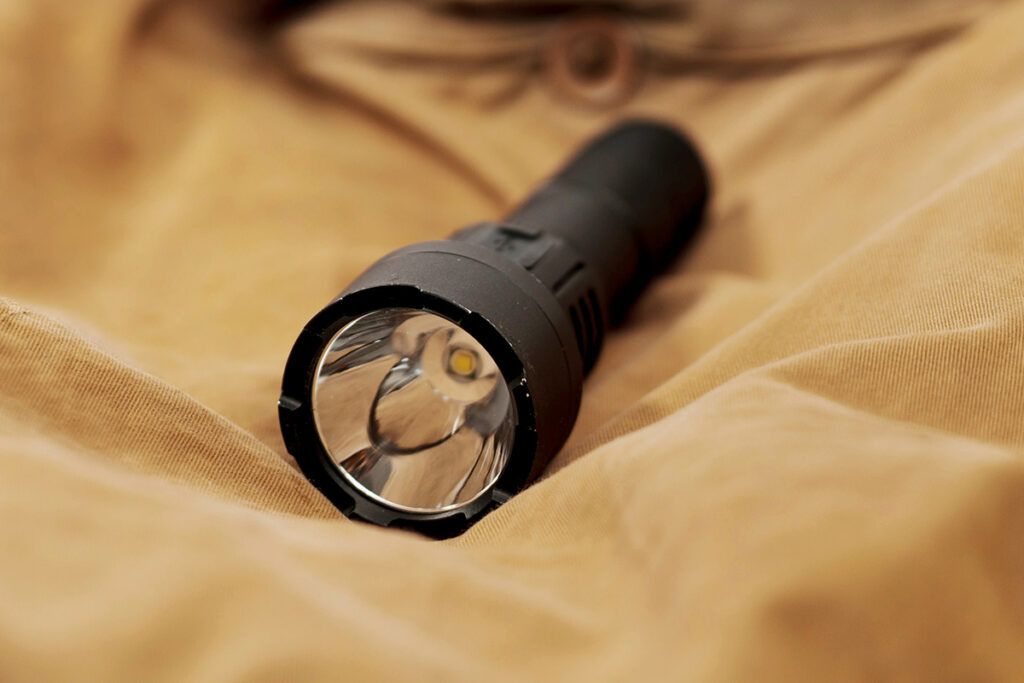
Lighting and Communication

A flashlight and spare batteries are important if the power goes out, and a portable radio can help you stay informed if internet access or cell service is unavailable. Similarly, something like a whistle might seem trivial, but it can come in especially handy if you need to get someone’s attention quickly. Don’t forget to pack extra chargers for your phone and other devices.

Advertisement
Advertisement
Gloves
Credit: © kittyfly/stock.adobe.com

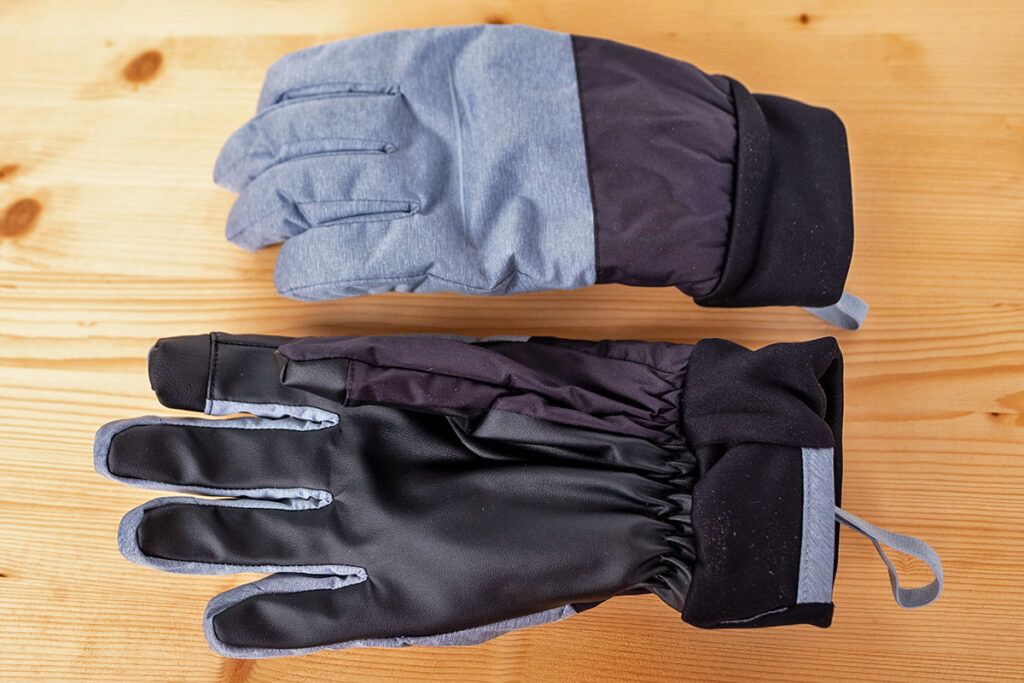
Protective Items

Think in terms of practicality — clothing suited to the weather, waterproof gloves and outerwear (depending on the season or climate), and an emergency blanket. You should pack at least one change of clothing and a durable pair of shoes for each member of your family. 

Advertisement
Advertisement
Person holding multitool
Credit: © PeopleImages—iStock/Getty Images

Basic Tools

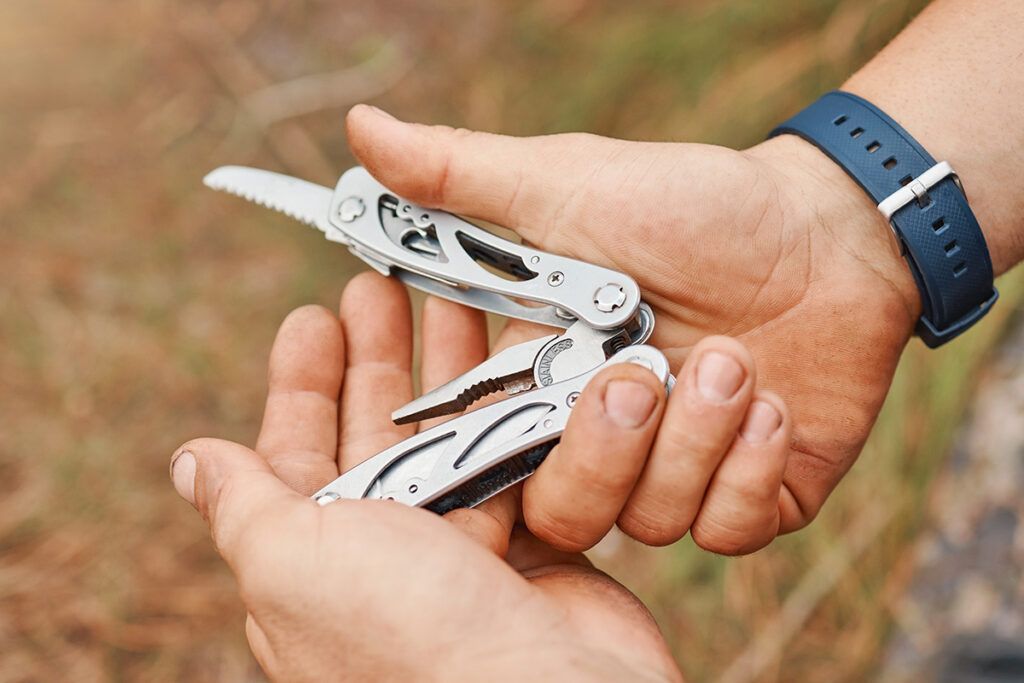
It’s a good idea to stash a couple of basic tools, such as a multitool, duct tape, and a manual can opener, in your kit. They can come in handy for quick fixes, turning off utilities, or setting up a temporary shelter if necessary.

Advertisement
Advertisement
Packed bag by door
Credit: © Anastasiya Mihailovna—Moment/Getty Images

Your Go Bag Is Packed — Now What? 

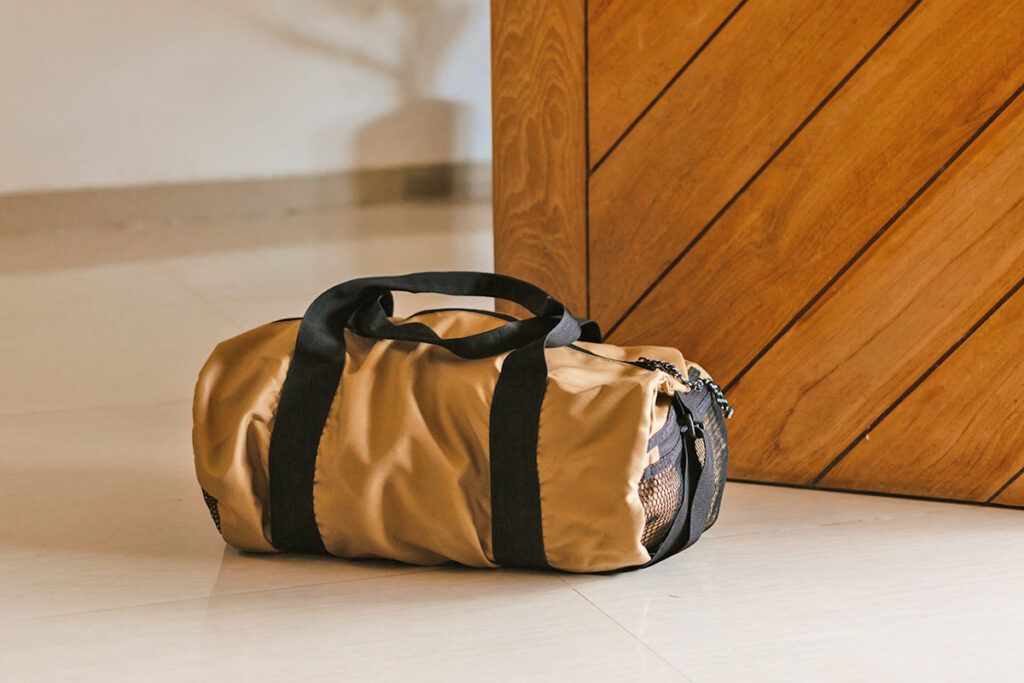
Keep your go bag in a designated spot in your home and make sure everyone knows where it is so they can grab it if necessary. (You may also want to consider keeping similar kits at work and in your car.)

Advertisement
Advertisement

An important note: A go bag isn’t something you pack once and forget about. Supplies run out, batteries die, and your needs change over time, so it’s worth checking it every so often. That might mean updating it for the season, replacing expired items, or making sure it still fits your situation — whether your health has changed or you now have a child or pet.

Featured Image Credit: © Riska—E+/Getty Images

More From Our Network

Better Report is part of Inbox Studio, an email-first media company. *Indicates a third-party property.

Go Retro With This 1960s Fashion Quiz

Quiz Daily

Go Retro With This 1960s Fashion Quiz

True or False: Are You a Master of U.S. Geography?

Travel Quiz

True or False: Are You a Master of U.S. Geography?

5 Reasons You Can Be Denied Boarding an Airplane

Daily Passport

5 Reasons You Can Be Denied Boarding an Airplane

What Did People Do Before Eyeglasses?

History Facts

What Did People Do Before Eyeglasses?

How To Use a Balloon To Clean Up Dust

House Outlook

How To Use a Balloon To Clean Up Dust

11 Shopping Hacks Costco Members Should Know

FinanceBuzz*

11 Shopping Hacks Costco Members Should Know

Share this article

  • Share to Facebook
  • Share to Twitter
  • Copy Url
  • Share to Email
Lauren Dana Ellman
Writer

Lauren Dana Ellman is a New York–based writer and editor specializing in lifestyle, travel, food, and shopping. A graduate of Syracuse University’s SI Newhouse School of Public Communications, she covers everything from destinations and hotels to fun product finds and personal essays. Her work has been featured in Condé Nast Traveler, AARP, Travel + Leisure, Time Out, The Knot, and more lifestyle-oriented publications.

This article is for general informational purposes only.
Affiliate Disclaimer Medical Disclaimer Financial Disclaimer
Updated: April 28, 2026
Posted In: Home
Hero Image Credit: Better Report
Advertisement

Related Articles

The Safety Rules for Candles You Probably Don’t Know

5 min read

9 Items in Your Basement You Should Toss Right Now

5 min read

5 Vegetables You Should Never Store in the Fridge

3 min read

Why a Flashing Check Engine Light Is Different From a Solid One

3 min read

Why Does Your Sink Have a Tiny Hole?

3 min read
Advertisement

Why Do We Get Hairier as We Get Older?

Ali Eldridge
Health | Updated: May 8, 2026
Woman plucking face hair
Better Report

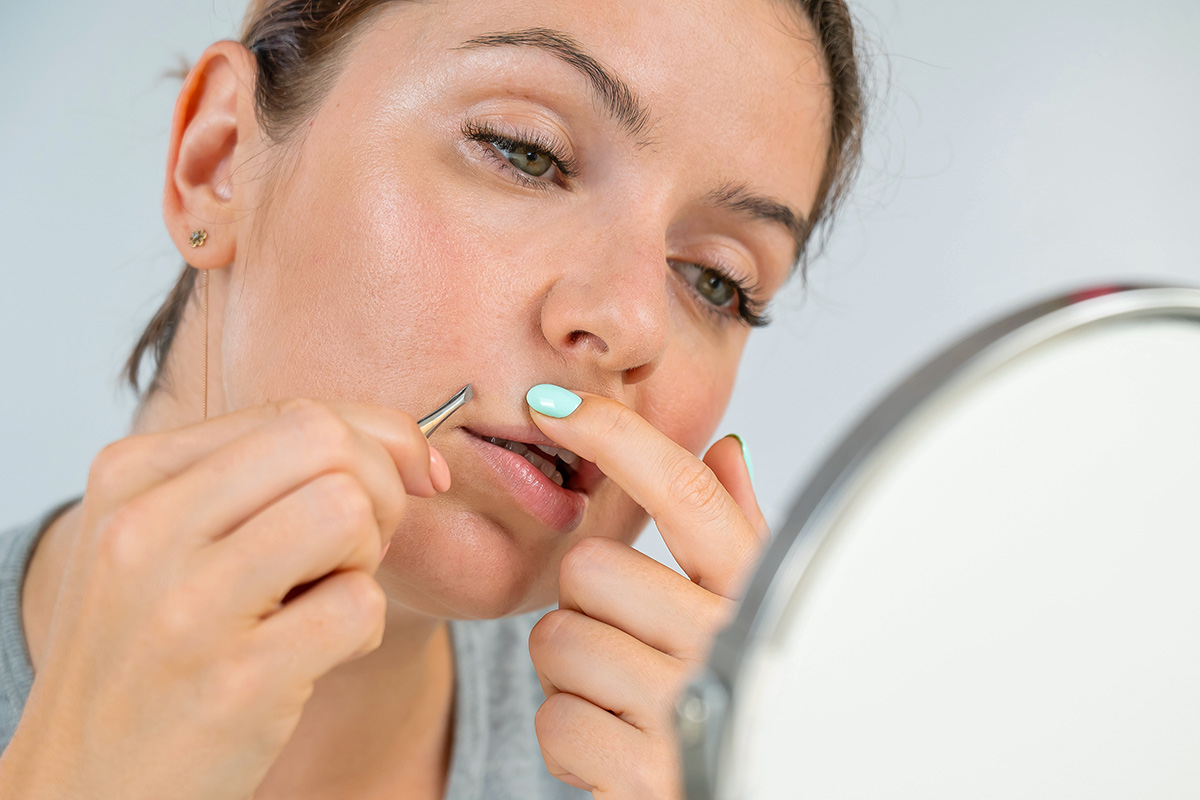
It’s a natural part of aging — unexpected chin hairs, thicker eyebrows, and even newly hairy ears. Many people notice changes in hair growth as they get older, especially in areas that were previously less hairy. Most studies on the effects of age on hair focus on loss rather than growth, but doctors and scientists generally agree on one key factor behind increased growth: hormones. Here’s what you need to know about why hair starts showing up in unexpected places as we age.

Credit: © KinoMasterskaya—iStock/Getty Images

A Hairy Situation

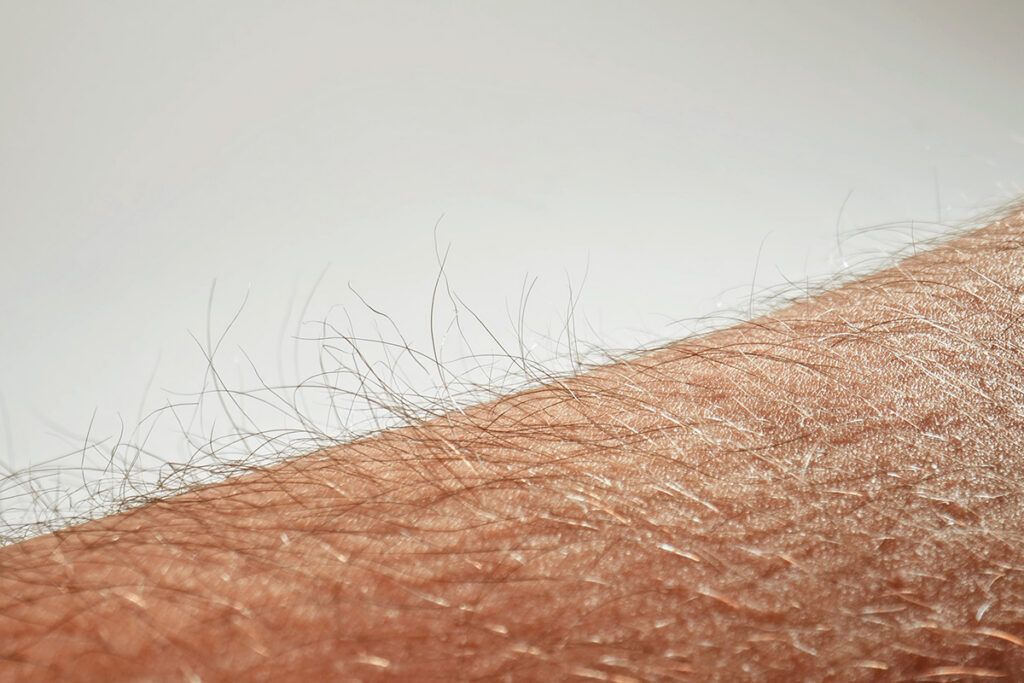
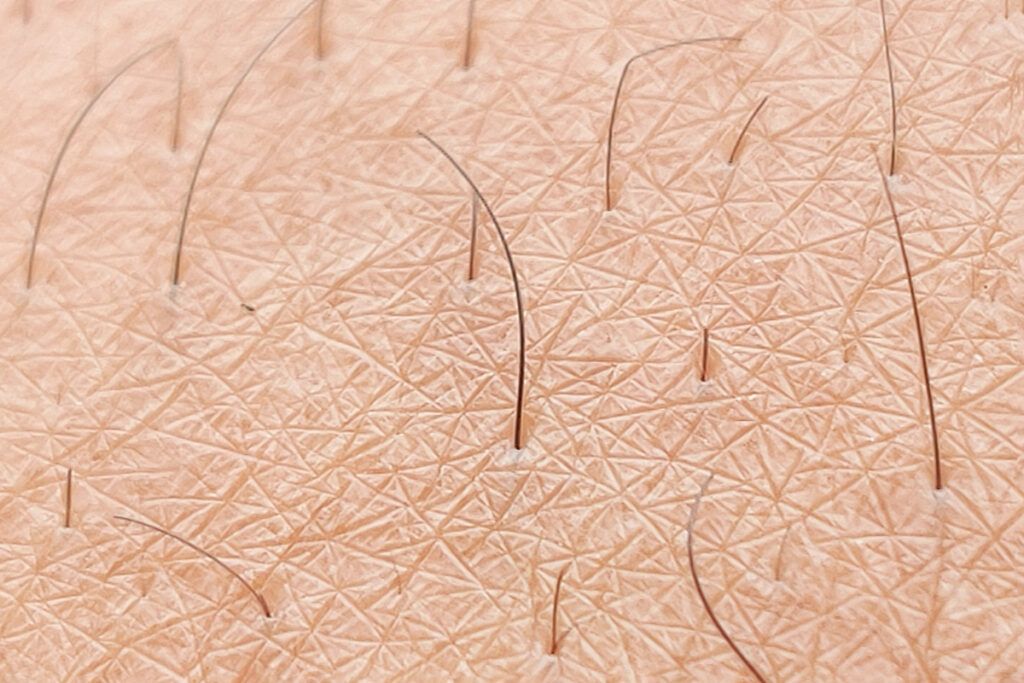
There are two types of hair on our bodies. Vellus hair (or “peach fuzz”) is fine and colorless and covers much of the body, but it isn’t very noticeable. Terminal hair, on the other hand, is stiff and pigmented, occurring on the scalp, under the arms, in the groin area, on the legs, on the face, and in the ears and nostrils. Terminal hair is also more prominent in men than in women. Hormones regulate the growth of both hair types throughout life, and as we age, those signals begin to change.

Advertisement
Advertisement
Close up of dark hair on skin
Credit: © TransPicHub/stock.adobe.com

Testosterone: The Root Cause?

Terminal hair growth is controlled by hormones called androgens, and testosterone — present in all sexes — is the androgen that most affects it. With age, testosterone levels naturally decline, contributing to scalp thinning and hair loss.

Other areas of the body respond differently to hormonal changes — hair follicles are not all the same. Instead, they vary in their sensitivity to testosterone, which explains the paradox of aging hair: Scalp hair thins while other areas grow.

These differences in impact are due to receptors that bind androgens, which are distributed differently across your body. In areas like the brows, ears, and nostrils, hair follicles can become more sensitive to androgens over time, leading to increased growth in some older adults. This means that changes in hormone sensitivity as we age — not just hormonal increases or decreases — affect hair follicles. Notably, one area you probably don’t notice any changes in is the eyelashes, which are not impacted by androgens.

Advertisement
Person brushing hair
Credit: © Andrej Lišakov/Unsplash.com

Changes in the Hair Growth Cycle

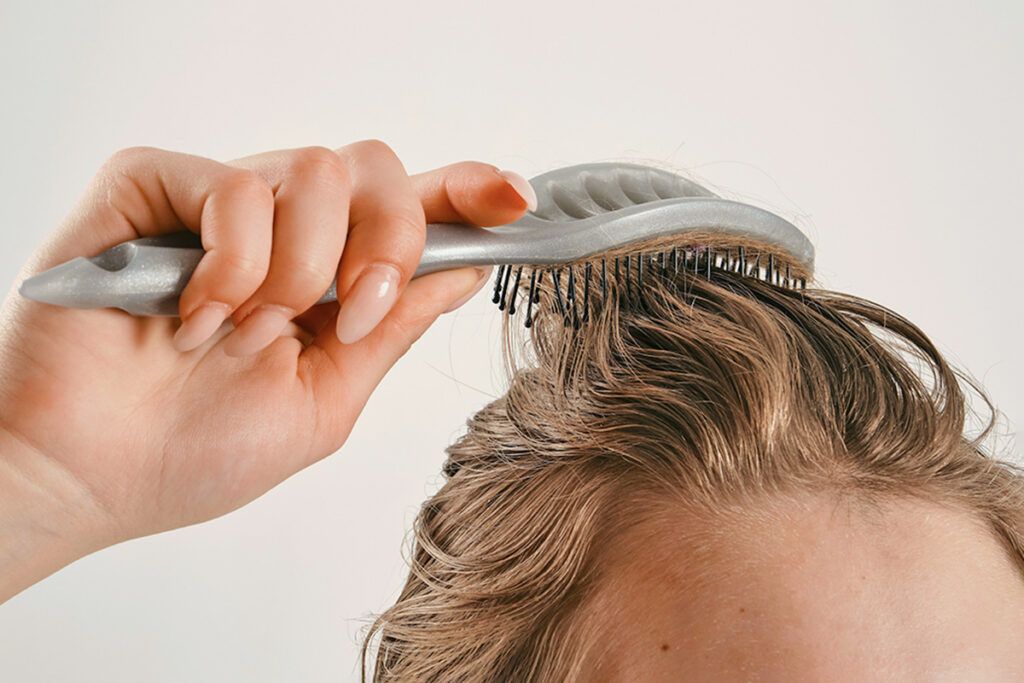
Not only do shifting hormones and sensitivities to them affect hair follicles, but hormones can also disrupt hair growth cycles. Each hair goes through phases of growth, rest, and shedding. With age, the growth phase can lengthen in certain areas of the body due to long-term exposure to testosterone, leading to hair growing longer than ever before.

Recommended Articles

  • The Safety Rules for Candles You Probably Don’t Know

  • How Old Are the Apples in the Grocery Store?

  • How To Tell if You’re Brushing Your Teeth Too Hard

  • 5 Things Your Car Needs Before the First Freeze

Advertisement
Advertisement

Reader Favorites

  • Woman looking in fridge

    9 Foods You Should Toss ASAP if They’re Expired

  • Person eating salad

    7 Things a Chef Never Orders at a Restaurant

  • Cherry angioma

    Are the Tiny Red Dots on Your Skin Dangerous?

In addition, long-term testosterone exposure may also cause fine vellus hairs to gradually convert into darker terminal hairs. This doesn’t mean that new hair follicles are forming. Instead, the vellus hairs become much more noticeable, creating the appearance of more hair when, in reality, it’s just coarser and darker.

Woman plucking face hair
Credit: © karetoria—Moment/Getty Images

What About Menopause?

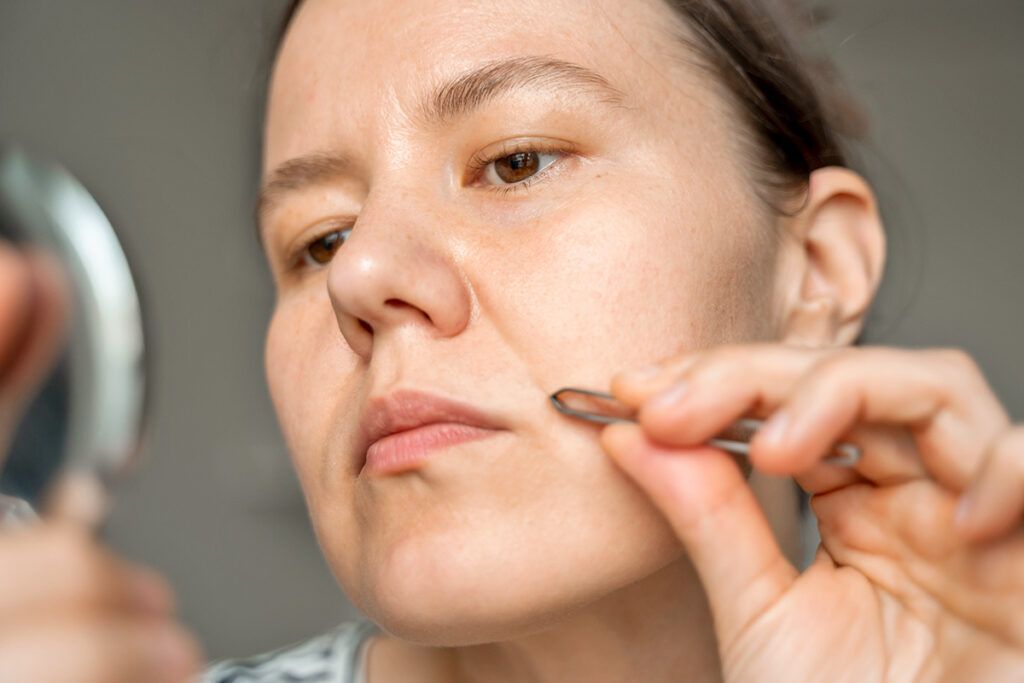
For women, changes in hair growth become more noticeable during and after menopause. As estrogen and progesterone levels decline, their balancing effect on androgens weakens. Even though testosterone levels may also decrease, the relative influence of the androgens becomes stronger.

Advertisement
Advertisement

This leads to changes in hair follicles and increased hair growth, especially on the face, chest, back, and abdomen. It may also cause vellus hairs in various areas of the body to become terminal hairs, making them more visible.

Woman holding up curly hair
Credit: © PeopleImages—iStock/Getty Images

This Change Isn’t Universal

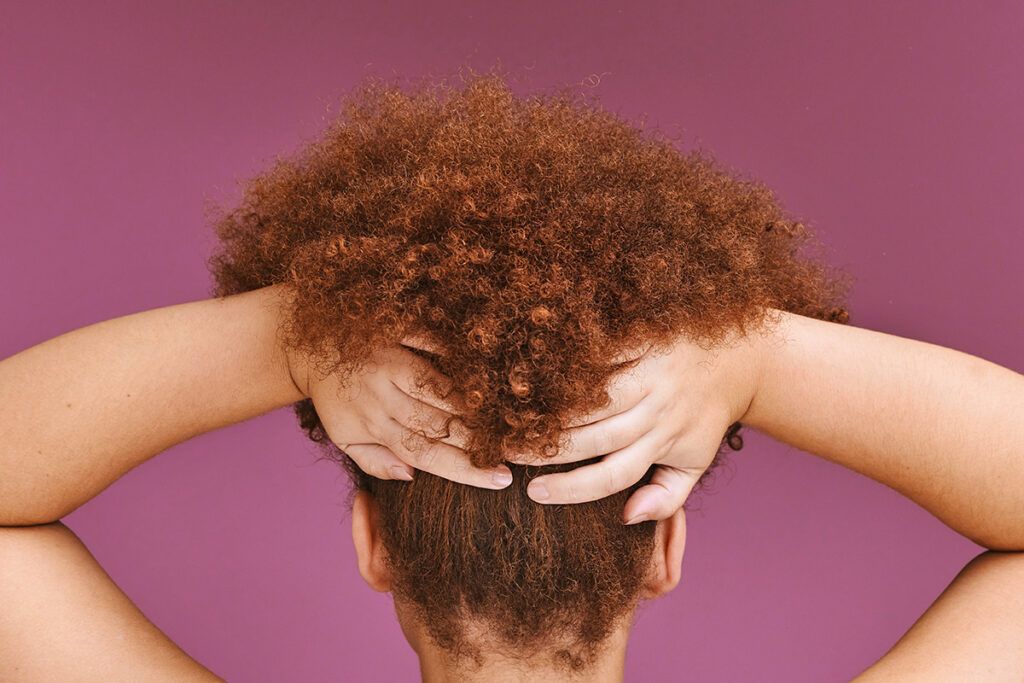
Not everyone experiences the same degree of hair growth or loss as they age. While hormones play a key role, hair patterns are partially genetic, impacting texture, color, and growth. Ethnicity can also influence how hair changes over time, particularly in terms of thickness, color, and distribution.

Advertisement
Advertisement

In most cases, increased hair growth — even in unexpected places — is completely normal. However, if hair appears suddenly, grows rapidly, or is accompanied by other symptoms, it may be worth discussing with a doctor.

Featured Image Credit: © Михаил Решетников/stock.adobe.com

More From Our Network

Better Report is part of Inbox Studio, an email-first media company. *Indicates a third-party property.

Go Retro With This 1960s Fashion Quiz

Quiz Daily

Go Retro With This 1960s Fashion Quiz

True or False: Are You a Master of U.S. Geography?

Travel Quiz

True or False: Are You a Master of U.S. Geography?

5 Reasons You Can Be Denied Boarding an Airplane

Daily Passport

5 Reasons You Can Be Denied Boarding an Airplane

What Did People Do Before Eyeglasses?

History Facts

What Did People Do Before Eyeglasses?

How To Use a Balloon To Clean Up Dust

House Outlook

How To Use a Balloon To Clean Up Dust

11 Shopping Hacks Costco Members Should Know

FinanceBuzz*

11 Shopping Hacks Costco Members Should Know

Share this article

  • Share to Facebook
  • Share to Twitter
  • Copy Url
  • Share to Email
Ali Eldridge

This article is for general informational purposes only.
Affiliate Disclaimer Medical Disclaimer Financial Disclaimer

Updated:
Posted In: Health
Hero Image Credit: Better Report
Advertisement

Related Articles

How Old Are the Apples in the Grocery Store?

4 min read

How To Tell if You’re Brushing Your Teeth Too Hard

4 min read

5 Things To Ask Your Doctor About the New Flu Shot

5 min read

Is Sourdough Actually Healthier Than Regular Bread?

7 min read

Do You Really Need a Bidet in Your Home?

4 min read
Advertisement

This Common Sleep Aid May Be Doing More Harm Than Good

Health | Updated: May 8, 2026
Kat Long
Author
Kat Long is a freelance science journalist in the Washington, D.C. area. Previously, she was the science editor at Mental Floss and a digital editor at National Geographic. She now writes the Arctic Archives newsletter on Substack. Kat spends her free time birdwatching, road-tripping to historical sites and perusing old manuscripts at libraries.
Woman sleeping with face mask
Better Report

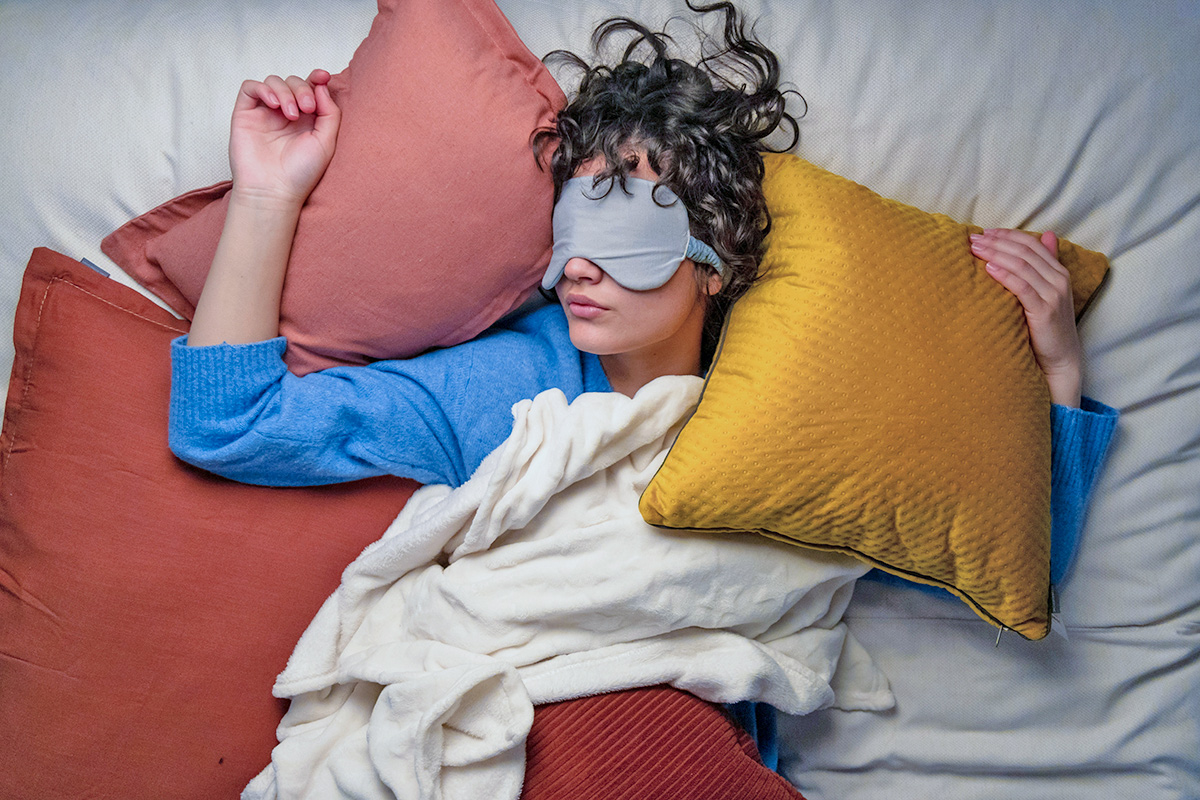
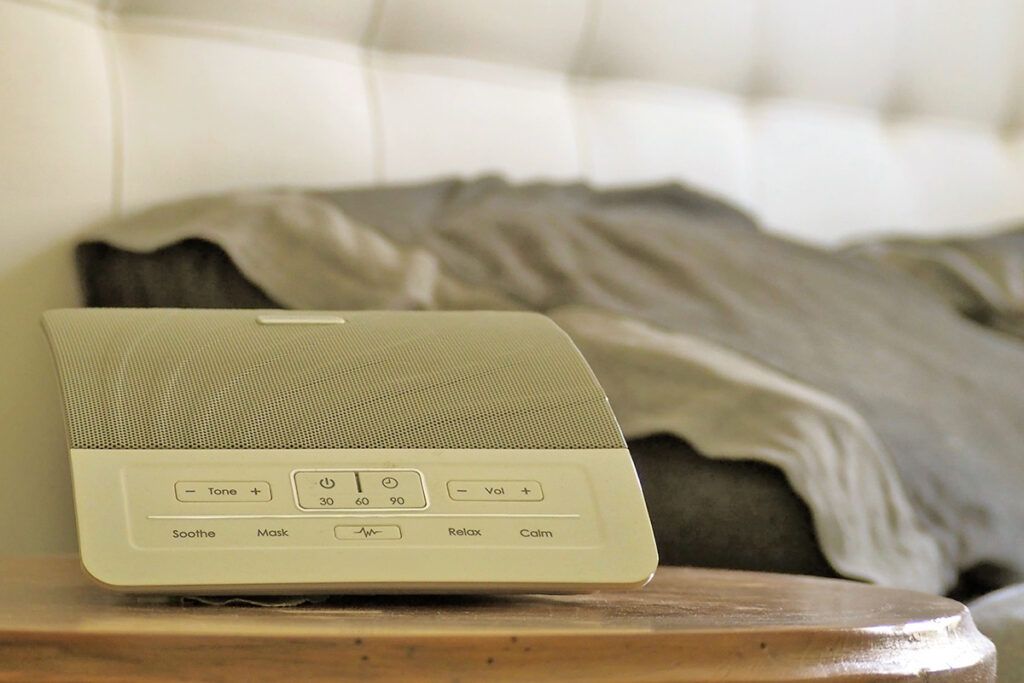
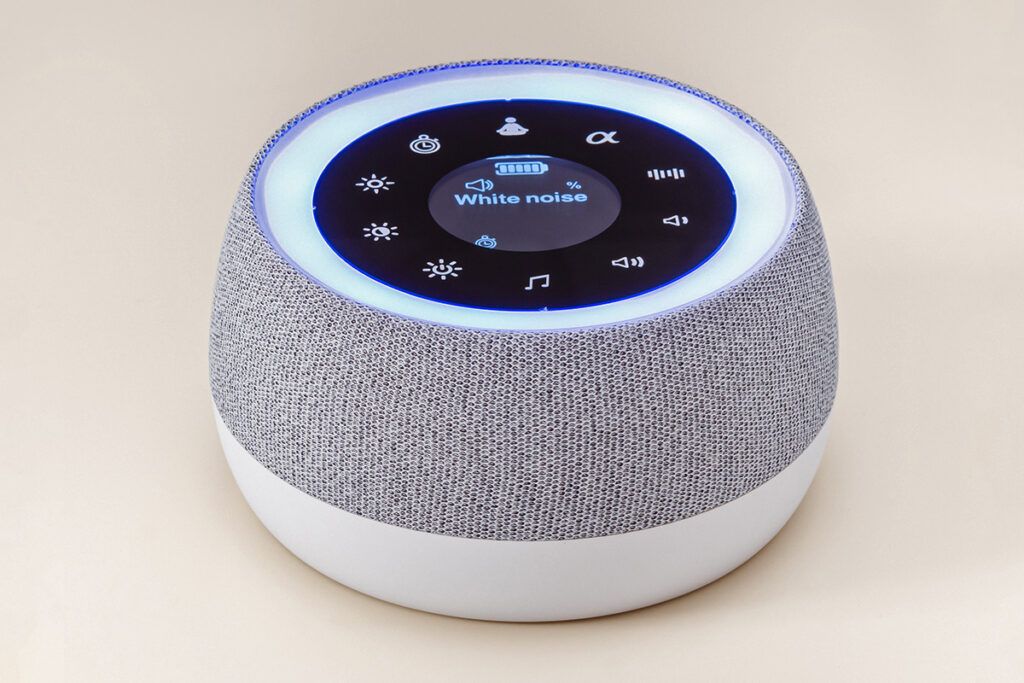
Some people swear by white noise apps or noise machines to help them sleep soundly. Others doze to the quiet drone of a fan or prefer drifting off to the gentle sounds of rainfall or ocean waves. There’s plenty of anecdotal evidence suggesting that constant soft noise helps people fall asleep by masking disruptive sounds, like traffic or barking dogs, or by creating a restful environment. 

But there’s surprisingly little scientific evidence supporting the idea that such sounds help sustain sleep — and some research has shown the noise may actually inhibit the deepest, most restful sleep cycles. Let’s look at the pros and cons of noise as a sleep aid.

Credit: © Luca Piccini Basile—iStock/Getty Images  

The Art of Noise

White and other colors of noise are collectively known as broadband noise because their sound is distributed across all of the frequencies (or bands) of audible sound. Each color of noise differs in its emphasis on high or low frequencies, with white, pink, and brown noise most often used in sleep apps.

White noise, often described as similar to TV or radio static, is sound played on all frequencies at equal intensity. It’s very good at masking more disruptive or intermittent sounds, like people talking in the next room, which is why you see white noise machines in a lot of therapist offices. 

Advertisement

Pink noise is commonly recommended for sleeping because it has more power in the lower frequencies, resulting in a softer and less harsh version of white noise. It also masks annoying sounds but offers a more soothing feel, akin to rustling leaves or a gentle rainfall, than other colors.

Advertisement
Advertisement

Brown noise is pink noise with even more oomph in the lower frequencies, resulting in a constant quiet roar or rumble, similar to thunder or a big waterfall. It can mask sounds in the same low frequencies, such as air conditioners turning on or off, which may help sleepers in hotel rooms or apartment buildings where the HVAC system’s settings are out of their control.

Credit: © Svetlana/stock.adobe.com

Does Broadband Noise Help or Hurt Sleep?

Noise apps or machines may help you fall asleep because they obscure other noises. There are few rigorous studies on the effects of broadband noise and sleep quality throughout the night, though.

Recommended Articles

  • The Safety Rules for Candles You Probably Don’t Know

  • How Old Are the Apples in the Grocery Store?

  • How To Tell if You’re Brushing Your Teeth Too Hard

  • 5 Things Your Car Needs Before the First Freeze

Advertisement
Advertisement

Reader Favorites

  • Woman looking in fridge

    9 Foods You Should Toss ASAP if They’re Expired

  • Person eating salad

    7 Things a Chef Never Orders at a Restaurant

  • Cherry angioma

    Are the Tiny Red Dots on Your Skin Dangerous?

In one 2017 study of 13 older people, researchers played pink noise during the deep phases of the participants’ sleep and then asked them to perform a memory test. The pink noise seemed to enhance deep sleep and memory storage compared to sleeping without it, at least under those particular laboratory conditions. But another study published in 2026 compared the effects of different combinations of airplane and traffic noise, pink noise, and noise-free sleep on 25 participants and found that pink noise inhibited the start of REM sleep stages. A 2021 systematic review of 38 studies on broadband noise and sleep concluded that there wasn’t a lot of strong evidence that such noise helps or hinders sleep.

One hypothesis for why broadband noise may disrupt sleep cycles is that listening to noise is an active process: You might be asleep, but your auditory system and brain aren’t. When these pathways are always on, they can’t rest and regenerate for the next time you’ll be awake. 

Advertisement
Advertisement

More research is needed to settle the question of whether noise machines and apps help or hinder sleep, or whether they truly help maintain sleep by masking other, louder noises. But the authors of the 2026 study suggested earplugs as the most foolproof method for ensuring a quiet night of quality sleep. They block nearly all disruptive noise, whether it’s a loud TV or yappy dog, and allow your ears and brain to rest — along with the rest of you.

Featured Image Credit: © Pablo Merchán Montes/Unsplash.com

More From Our Network

Better Report is part of Inbox Studio, an email-first media company. *Indicates a third-party property.

Go Retro With This 1960s Fashion Quiz

Quiz Daily

Go Retro With This 1960s Fashion Quiz

True or False: Are You a Master of U.S. Geography?

Travel Quiz

True or False: Are You a Master of U.S. Geography?

5 Reasons You Can Be Denied Boarding an Airplane

Daily Passport

5 Reasons You Can Be Denied Boarding an Airplane

What Did People Do Before Eyeglasses?

History Facts

What Did People Do Before Eyeglasses?

How To Use a Balloon To Clean Up Dust

House Outlook

How To Use a Balloon To Clean Up Dust

11 Shopping Hacks Costco Members Should Know

FinanceBuzz*

11 Shopping Hacks Costco Members Should Know

Share this article

  • Share to Facebook
  • Share to Twitter
  • Copy Url
  • Share to Email
Kat Long
Writer

Kat Long is a freelance science journalist in the Washington, D.C. area. Previously, she was the science editor at Mental Floss and a digital editor at National Geographic. She now writes the Arctic Archives newsletter on Substack. Kat spends her free time birdwatching, road-tripping to historical sites and perusing old manuscripts at libraries.

This article is for general informational purposes only.
Affiliate Disclaimer Medical Disclaimer Financial Disclaimer

Updated: April 6, 2026
Posted In: Health
Hero Image Credit: Better Report
Advertisement

Related Articles

How Old Are the Apples in the Grocery Store?

4 min read

How To Tell if You’re Brushing Your Teeth Too Hard

4 min read

5 Things To Ask Your Doctor About the New Flu Shot

5 min read

Is Sourdough Actually Healthier Than Regular Bread?

7 min read

Do You Really Need a Bidet in Your Home?

4 min read
Advertisement

The Healthiest Oil To Cook With

Ali Eldridge
Health | Updated: May 8, 2026
Pouring oil into pan
Better Report

Visit the baking aisle of any grocery store and you’re likely to notice shelves upon shelves of different types of oils, from olive to coconut and beyond. It’s enough to give a shopper decision fatigue: Are all oils created equal? Which is the healthiest one to cook with? How do you know which one to choose?

Here’s how to separate the healthy oils from the not-so-healthy ones, and what you should consider before you get cooking.

Advertisement
Advertisement
Bottles of oil
Credit: © JackF—iStock/Getty Images

“Good” and “Bad” Fats

There are almost as many misconceptions about oil as there are varieties. “People often regard [oil] as ‘fattening’ or unhealthy,” says Lisa Moskovitz, R.D., founder of The NY Nutrition Group and author of The Core 3 Healthy Eating Plan. But that’s not necessarily the case: “The type of fat and how it’s used determines how healthy an oil is,” she says.

According to the American Heart Association (AHA), a good rule of thumb when looking for a heart-healthy oil is to reach for nontropical vegetable oils, which have fewer saturated and trans fats and more “good” monounsaturated and polyunsaturated fats. Canola, corn, olive, peanut, soybean, sunflower, and vegetable oil all fit the bill. 

Recommended Articles

  • The Safety Rules for Candles You Probably Don’t Know

  • How Old Are the Apples in the Grocery Store?

  • How To Tell if You’re Brushing Your Teeth Too Hard

  • 5 Things Your Car Needs Before the First Freeze

Advertisement
Advertisement

Reader Favorites

  • Woman looking in fridge

    9 Foods You Should Toss ASAP if They’re Expired

  • Person eating salad

    7 Things a Chef Never Orders at a Restaurant

  • Cherry angioma

    Are the Tiny Red Dots on Your Skin Dangerous?

Solid fats like butter and lard, as well as tropical oils such as coconut and palm, all have more saturated fats, so you may want to avoid them. Moskovitz says your health history should be a factor in that decision.

The AHA recommends choosing oils with less than 4 grams of saturated fat per tablespoon, and making sure the oil doesn’t contain partially hydrogenated oils or trans fats.  

Advertisement
Advertisement
Oil into a spoon
Credit: © Stefana Voicu—500px/Getty Images

The Healthiest Oil To Cook With

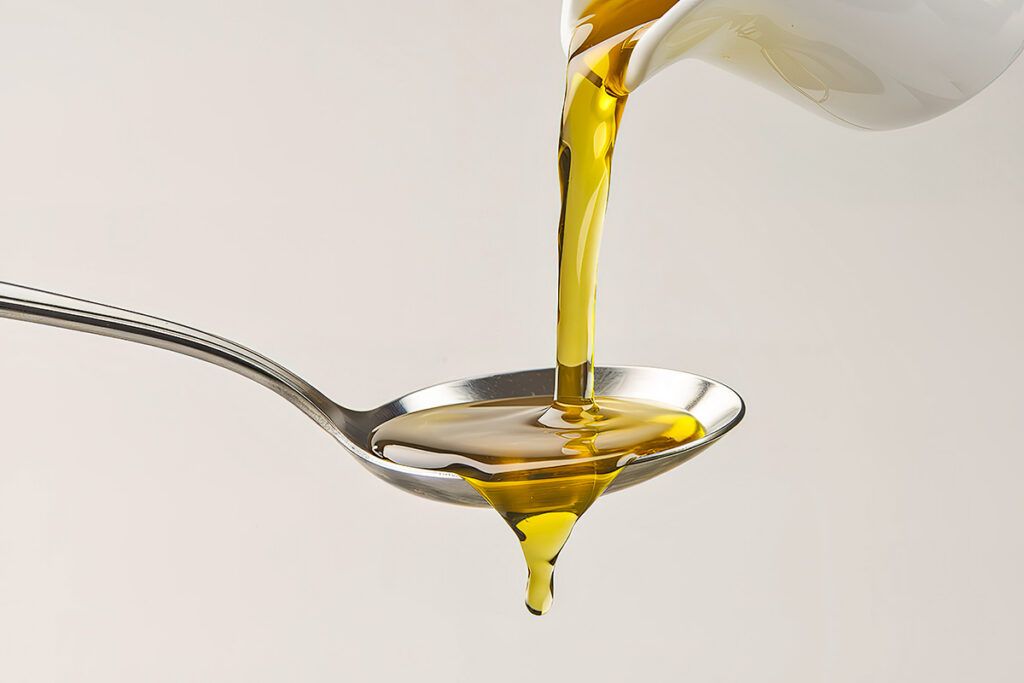
In some cases, which oil you choose to cook with will depend on its flavor: You may opt for a neutral-flavored oil like canola, for example, if you’d prefer to let the flavors of the other ingredients in your dish shine.

Advertisement
Advertisement

Generally speaking, however, olive oil is the healthiest oil to cook with — but not necessarily in every single situation. “It’s important to understand that not all oils are equal when it comes to cooking,” Moskovitz says. “Paying attention to the smoke point is crucial to prevent creating a lot of harmful smoke during cooking. You want to find oils that have a higher smoke point if you plan to cook with it at higher temperatures or for longer periods of time.”

Advertisement

The smoke point of olive oil depends on its quality, grade (such as extra-virgin and virgin), and how fresh it is. It typically falls between 350 and 410 degrees Fahrenheit for extra-virgin olive oil but may go as high as 470 degrees Fahrenheit for more refined olive oil. 

Advertisement
Advertisement

There’s a common idea that olive oil degrades when used at higher heats, though a review of the scientific literature by Serious Eats editorial director Daniel Gritzer suggests that there’s a lot of conflicting information on that point. One study analyzing four types of oil, including extra-virgin olive oil, found that the release of toxic volatile chemicals increased significantly when an oil was past its smoke point. That said, “of all the studies I found that specifically compared the heating of olive oil to other oils, the overall message was that olive oil performs decently well under high-heat conditions,” Gritzer wrote. 

Still, no one likes a smoky kitchen, and if you’d rather err on the safe side, you may want to use a different oil if you need to cook at high temperatures or for long periods of time. “My second favorite is avocado oil,” Moskovitz says. “Not only is it rich in antioxidant and anti-inflammatory properties, but it can survive higher temperatures.” Its smoke point is between 480 and 520 degrees Fahrenheit. Moskovitz also likes algae oil, which has a smoke point of 535 degrees Fahrenheit, for high-heat cooking like frying.

flaxseeds and flaxseed oil
Credit: © svittlana/stock.adobe.com

Oils You Shouldn’t Use for Cooking

Not all oils are appropriate for cooking. “Certain oils like flaxseed oil are not meant to be used in cooking at all,” Moskovitz says. It has a smoke point of around 225 degrees Fahrenheit, and may lose its flavor and become bitter with cooking. Instead, “use it solely as a dressing or topping.” This is also a good guideline to follow for a number of nut oils, as they have similarly low smoke points and may lose flavor when cooked. 

Advertisement
Advertisement

Featured Image Credit: © cottonbro studio/Pexels.com

More From Our Network

Better Report is part of Inbox Studio, an email-first media company. *Indicates a third-party property.

Go Retro With This 1960s Fashion Quiz

Quiz Daily

Go Retro With This 1960s Fashion Quiz

True or False: Are You a Master of U.S. Geography?

Travel Quiz

True or False: Are You a Master of U.S. Geography?

5 Reasons You Can Be Denied Boarding an Airplane

Daily Passport

5 Reasons You Can Be Denied Boarding an Airplane

What Did People Do Before Eyeglasses?

History Facts

What Did People Do Before Eyeglasses?

How To Use a Balloon To Clean Up Dust

House Outlook

How To Use a Balloon To Clean Up Dust

11 Shopping Hacks Costco Members Should Know

FinanceBuzz*

11 Shopping Hacks Costco Members Should Know

Share this article

  • Share to Facebook
  • Share to Twitter
  • Copy Url
  • Share to Email
Ali Eldridge

This article is for general informational purposes only.
Affiliate Disclaimer Medical Disclaimer Financial Disclaimer
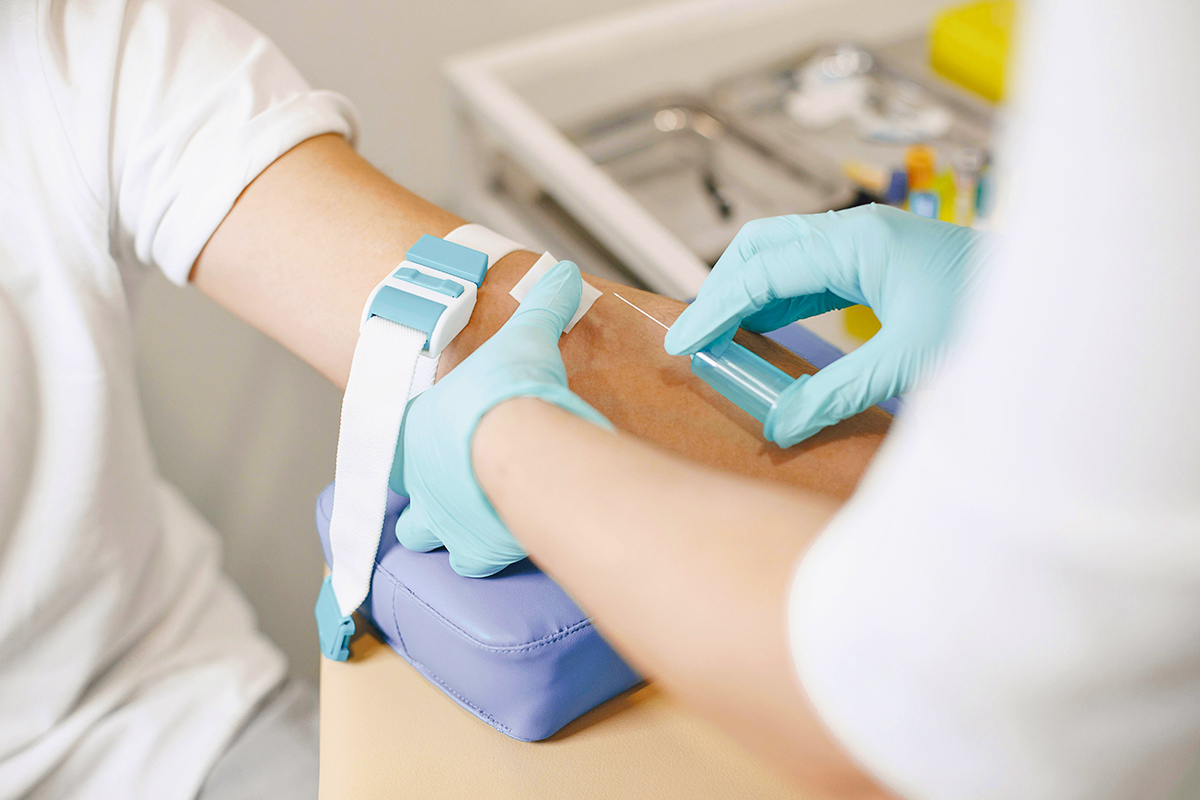
Updated:
Posted In: Health
Hero Image Credit: Better Report
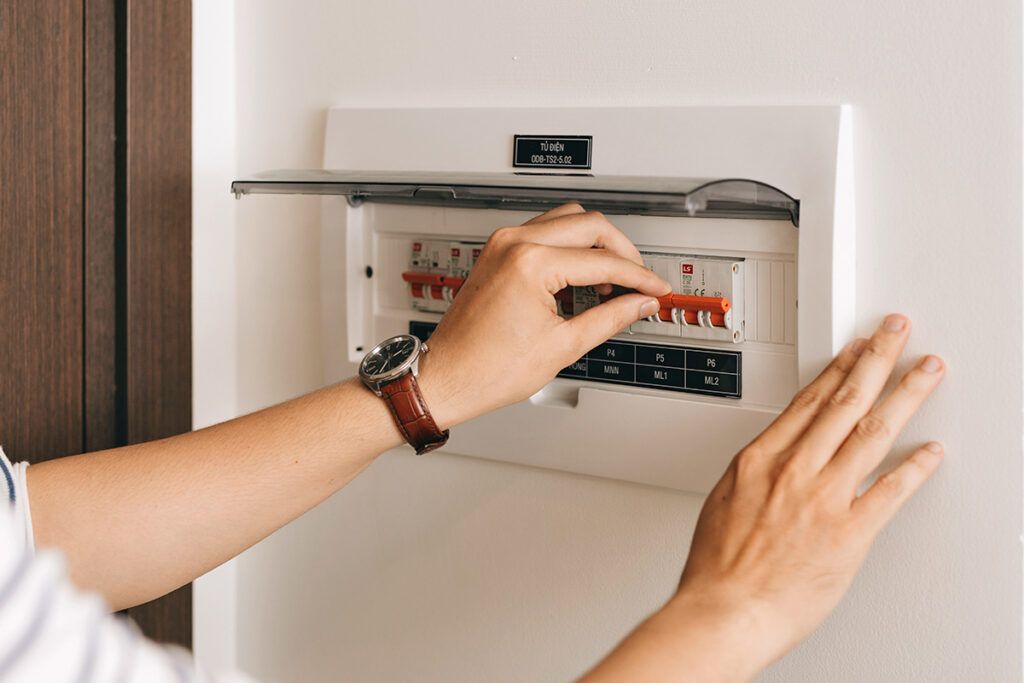
Advertisement

Related Articles

How Old Are the Apples in the Grocery Store?

4 min read

How To Tell if You’re Brushing Your Teeth Too Hard

4 min read

5 Things To Ask Your Doctor About the New Flu Shot

5 min read

Is Sourdough Actually Healthier Than Regular Bread?

7 min read

Do You Really Need a Bidet in Your Home?

4 min read
Advertisement

Posts navigation

Older posts
Newer posts
  • Home
  • Health
  • Wealth
  • Logo
  • Advertise
  • About
  • Contact Us
  • Privacy Policy
  • Terms of Use
  • Your Privacy Choices
x
Thumb Image

Elevate your everyday.

Sign up to receive the practical tips and expert advice you need to pare down the complexities of everyday living right in your inbox.

Sorry, your email address is not valid. Please try again.

Your email is:

Edit Image
Sorry, your email address is not valid. Please try again.
Thank you for subscribing...

By subscribing you are agreeing to our Terms of Use and Privacy Policy.

Close image
Thumb Image
Second Thumb Image

Elevate your everyday.

Sign up to receive the practical tips and expert advice you need to pare down the complexities of everyday living right in your inbox.

Sorry, your email address is not valid. Please try again.

By subscribing you are agreeing to our Privacy Policy and Terms of Use.

Close image