Skip to content
Better Report
  • Home
  • Health
  • Wealth
8 Low-Maintenance Plants That Thrive on Neglect
  • Search
  • Subscribe
  • Home
  • Health
  • Wealth
  • About
  • Privacy Policy
  • Terms of Use
  • Contact Us
  • SubscribeSubscribe
  • Search
Thank you for confirming your email! Welcome to the community.

Author: erin

Is Sparkling Water Bad for Your Teeth?

Health | Updated: June 8, 2026
Nicole Pyles
Author
Based in Portland, Oregon, Nicole Pyles is an experienced freelance writer who writes about home and kitchen, health and wellness, and more. She's written for a variety of outlets, including Better Homes and Gardens, Tom's Guide, Better Report, and more.
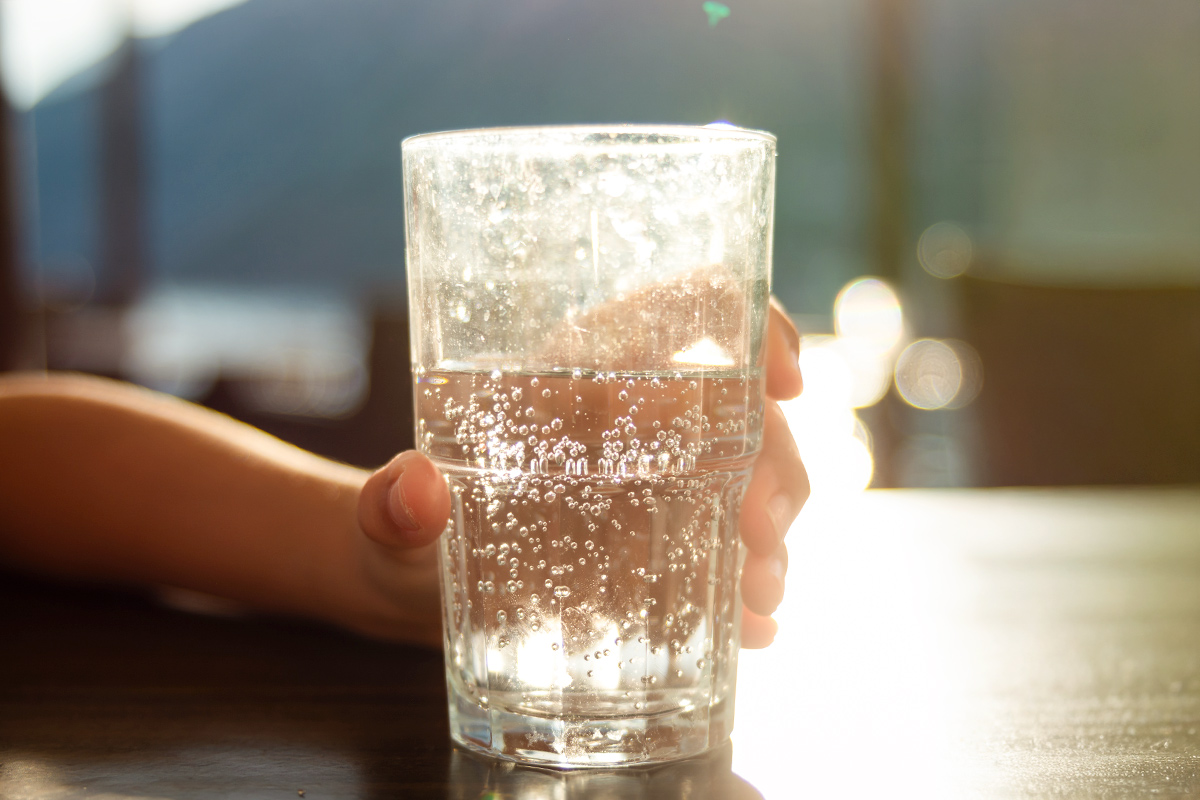
Glass of sparkling water
Better Report

As temperatures rise, it’s nice to have an alternative to plain ice water that doesn’t come with the high sugar content commonly found in sodas, fruit drinks, and sweet teas. Sparkling water is a satisfying option: Its refreshing effervescence satisfies a need for a bubbly kick, its sharp taste cleanses the palate, and it may make you feel full. It’s also as hydrating as water and, when infused with citrus fruits, feels like a more special drink than plain H2O. But if sparkling water has become your go-to summer beverage, it’s hard not to wonder: What’s it doing to your teeth? 
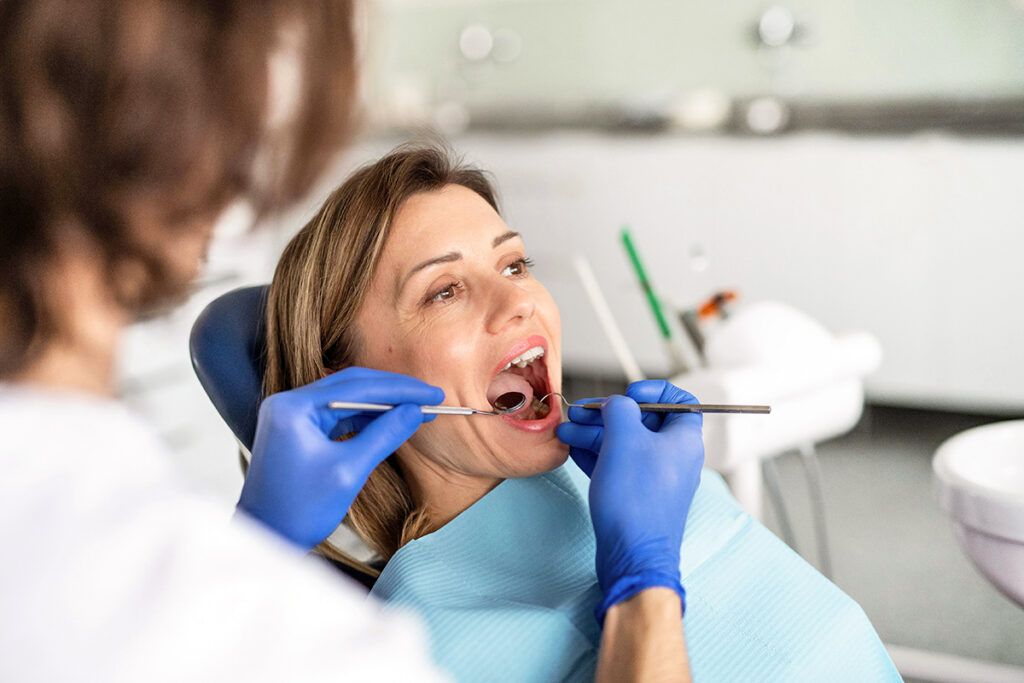
Woman at dentist
Credit: © Getty Images/Unsplash.com

The Impact of Sparkling Water on Your Teeth

The concern about drinking sparkling water comes from the acidity in its carbonation. Pressurized CO2 gets added to regular water, creating bubbles. Unfortunately, when consumed regularly, acidic beverages can erode your enamel, the protective outer layer of your tooth. 

Advertisement
Advertisement

But here’s the good news: Sparkling water on its own isn’t as bad for your teeth as you might think. It’s only weakly acidic, and according to the American Dental Association, a study that exposed teeth to both sparkling water and regular water showed little difference in enamel erosion.

However, the risk can increase if you consume it frequently, because you’re still exposing your teeth to acids. (Rather than sipping it all day long, dentists generally recommend consuming sparkling water in one sitting or with a meal — more on that below — so that you’re not constantly exposing your teeth to acidity.) Flavored options tend to have higher acidity due to added acids that enhance taste, as do those containing citrus fruits (which tend to be naturally acidic). And if you opt for a sparkling drink with added sugar, you’re providing bacteria in your mouth with food; those bacteria, in turn, will create more acid that further erodes enamel. 

How To Limit the Risk of Sipping Sparkling Water

If you can’t resist your favorite carbonated alternative to plain water and want to remain mindful of your dental health, there are a few ways to minimize the impact.

Advertisement
People having a meal
Credit: © lisegagne—E+/Getty images

Enjoy It With a Meal

Eating helps your body produce more saliva, which is essential for neutralizing acids in your mouth and remineralizing enamel. Drink sparkling water with a meal or a low-acid snack, like cheese, to minimize the acidity of your bubbly brew.  

Recommended Articles

  • The Safety Rules for Candles You Probably Don’t Know

  • 5 Things Your Car Needs Before the First Freeze

  • 6 Amazon Prime Day Hacks

  • 5 Things To Ask Your Doctor About the New Flu Shot

Advertisement
Advertisement

Reader Favorites

  • Woman looking in fridge

    9 Foods You Should Toss ASAP if They’re Expired

  • Person eating salad

    7 Things a Chef Never Orders at a Restaurant

  • Cherry angioma

    Are the Tiny Red Dots on Your Skin Dangerous?

Woman drinking sparkling water
Credit: © Jari Hindström/stock.adobe.com

Drink in Moderation

While plain water can seem boring, it’s one of the best ways to hydrate — and if you live in an area where your drinking water contains fluoride, drinking plain water can also improve your dental health, since fluoride remineralizes enamel. So, while drinking sparkling water occasionally is fine, make sure you’re drinking plain water to balance it out. Rinsing with regular H2O after drinking sparkling water will also help.
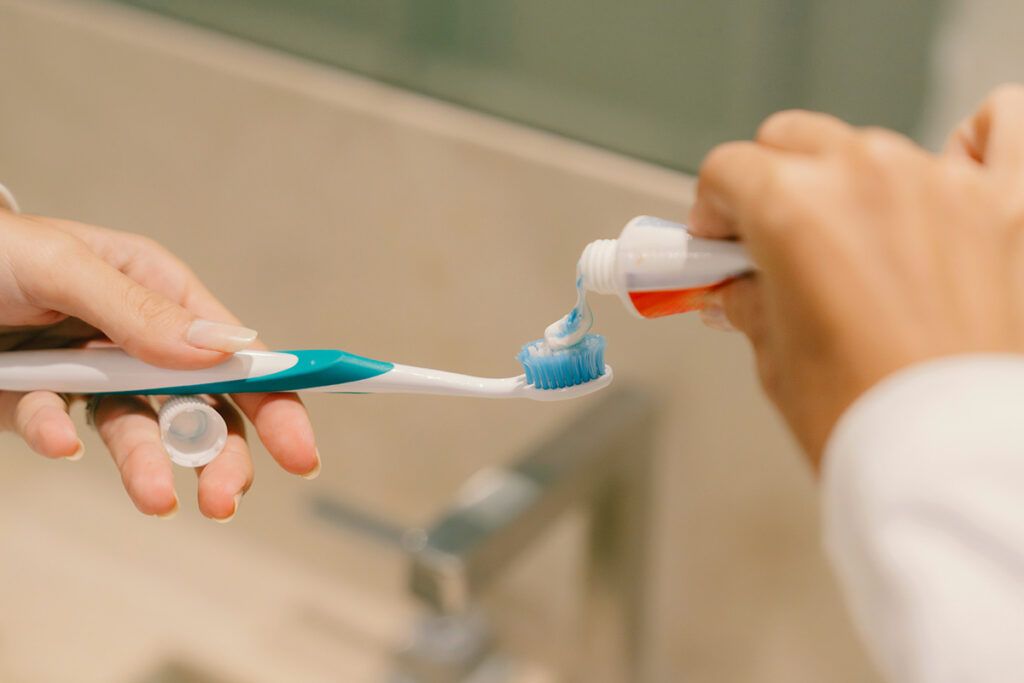
Putting toothpaste on toothbrush
Credit: © Fellipe Ditadi/Unsplash.com

Wait 30 Minutes Before Brushing

Brushing immediately after consuming sparkling water can do more harm than good. Acidic foods or beverages, including sparkling water, soften your enamel, and brushing your teeth will wear down this hard outer layer. Make sure to wait at least 30 minutes to an hour before picking up a toothbrush. 

Advertisement
Advertisement
Drinking with a straw
Credit: © hxyume—iStock/Getty Images

Sip With a Straw

Another way to minimize the impact of sparkling water is to use a straw while drinking, which helps the carbonation bypass your teeth. If you’re trying to reduce single-use plastics, opt for bamboo or silicone straws.
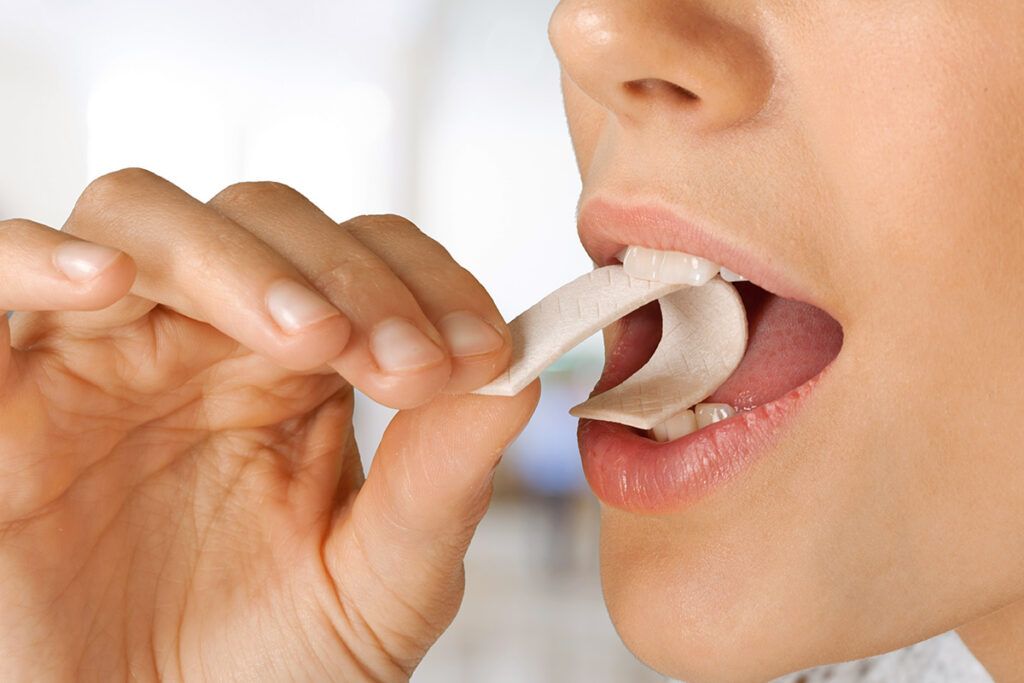
Woman putting gum in mouth
Credit: © BillionPhotos/stock.adobe.com

Chew Sugar-Free Gum

Saliva helps neutralize the acids in your mouth. You can chew sugar-free gum after finishing your bubbly water to increase saliva production.

Featured Image Credit: © Marizza—iStock/Getty Images

More From Our Network

Better Report is part of Inbox Studio, an email-first media company. *Indicates a third-party property.

Go Retro With This 1960s Fashion Quiz

Quiz Daily

Go Retro With This 1960s Fashion Quiz

True or False: Are You a Master of U.S. Geography?

Travel Quiz

True or False: Are You a Master of U.S. Geography?

5 Reasons You Can Be Denied Boarding an Airplane

Daily Passport

5 Reasons You Can Be Denied Boarding an Airplane

What Did People Do Before Eyeglasses?

History Facts

What Did People Do Before Eyeglasses?

How To Use a Balloon To Clean Up Dust

House Outlook

How To Use a Balloon To Clean Up Dust

11 Shopping Hacks Costco Members Should Know

FinanceBuzz*

11 Shopping Hacks Costco Members Should Know

Share this article

  • Share to Facebook
  • Share to Twitter
  • Copy Url
  • Share to Email
Nicole Pyles
Writer

Based in Portland, Oregon, Nicole Pyles is an experienced freelance writer who writes about home and kitchen, health and wellness, and more. She's written for a variety of outlets, including Better Homes and Gardens, Tom's Guide, Better Report, and more.

This article is for general informational purposes only.
Affiliate Disclaimer Medical Disclaimer Financial Disclaimer

Updated: September 18, 2024
Posted In: Health
Hero Image Credit: Better Report
Advertisement

Related Articles

5 Things To Ask Your Doctor About the New Flu Shot

5 min read

Is Sourdough Actually Healthier Than Regular Bread?

7 min read

Do You Really Need a Bidet in Your Home?

4 min read

3 Common Sleep Habits That May Be Aging Your Brain

5 min read

Is the Traditional Mediterranean Diet Actually the Best for Your Brain?

4 min read
Advertisement

Why You Should Be Eating Banana Peels

Ali Eldridge
Health | Updated: June 4, 2026
Peeling a banana
Better Report

When you eat a banana, chances are you’re consuming the fruit inside and tossing the peel directly in the trash or compost bin. But that may be a waste. Not only are banana peels edible — you can find them in dishes from India, Venezuela, and other countries and cultures — but they’re also full of nutrients. So, if you want to do more with the peel than throw it in the garbage, cause a classic slip-and-fall gag, or rub it on your face as part of the latest skin care trend, here’s what you need to know.

Banana peel on a cutting board
Credit: © Victor Golmer—iStock/Getty Images

The Benefits of Eating Banana Peels

We’ve all heard that bananas contain lots of potassium and fiber, but the peel is packed with an abundance of nutrients, too. 

The peel is rich in both soluble and insoluble fiber, which can support your digestive system and help with constipation or diarrhea. Soluble fiber can slow digestion (which can make you feel full for longer), and insoluble fiber adds more bulk to your stool.

Advertisement
Advertisement

And like the banana itself, the peel contains potassium, a mineral that can minimize the impact of salt, lower blood pressure, improve heart health, balance fluid levels, and support muscle contraction. You can get nearly 40% of your daily potassium from a single banana peel. You’ll also benefit from the other minerals found in the peel, including phosphorus, iron, calcium, and magnesium. 

Peels are loaded with antioxidants, too, such as polyphenols and carotenoids, some of which can help reduce your risk of diseases including cancer and Type 2 diabetes. Specific carotenoids are beneficial for vision; you’ll find these benefits especially in unripe green peels. Finally, banana peels are packed with tryptophan and vitamin B6. When tryptophan breaks down, it turns into serotonin, which can give you a mood boost that can help with depression. And vitamin B6 can improve your sleep.

Advertisement
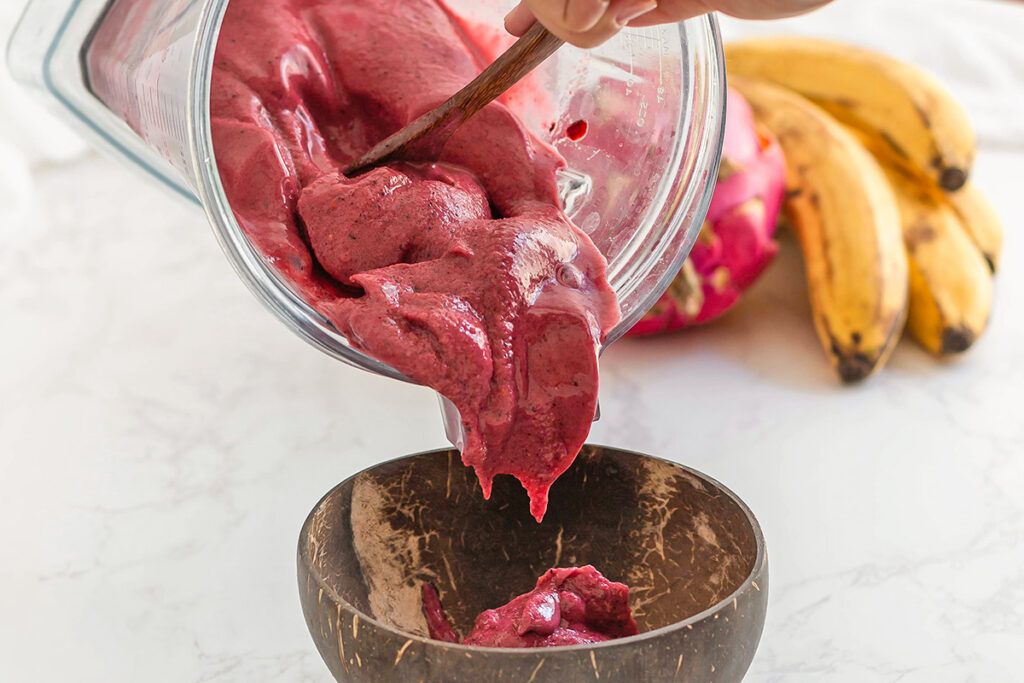
Making a smoothie
Credit: © Maryam Sicard/Unsplash.com

How To Prepare and Eat a Banana Peel

Despite the peel’s nutritional benefits, you need to do some preparation to make it safe to eat. The peel protects the most commonly eaten portion of the banana from pesticides, soil, and handling. Make sure you wash the peel thoroughly before eating, just like you should for any vegetable or fruit with an edible skin.

Recommended Articles

  • The Safety Rules for Candles You Probably Don’t Know

  • 5 Things Your Car Needs Before the First Freeze

  • 6 Amazon Prime Day Hacks

  • 5 Things To Ask Your Doctor About the New Flu Shot

Advertisement
Advertisement

Reader Favorites

  • Woman looking in fridge

    9 Foods You Should Toss ASAP if They’re Expired

  • Person eating salad

    7 Things a Chef Never Orders at a Restaurant

  • Cherry angioma

    Are the Tiny Red Dots on Your Skin Dangerous?

And yes, you can actually eat the raw peel. But if that idea doesn’t sound appealing,there are a few simple cooking methods you can try so you’re minimizing food waste, maximizing your budget, and taking full advantage of the nutrients bananas have to offer.

You can make bacon-like strips from banana peels with this recipe by It Doesn’t Taste Like Chicken. It’s ideal if you want to try a healthier alternative to real bacon. If you want to incorporate the nutritional benefits of a peel very easily, put the peel in a blender with the banana and add it to an existing smoothie, bread, or muffin recipe. Finally, the Sleep Foundation has a recipe for banana tea that can potentially help you sleep, likely due to the magnesium, tryptophan, and other nutrients found in the fruit that are known to help people catch z’s.

Advertisement
Advertisement

Featured Image Credit: © PavelRodimov—iStock/Getty Images

More From Our Network

Better Report is part of Inbox Studio, an email-first media company. *Indicates a third-party property.

Go Retro With This 1960s Fashion Quiz

Quiz Daily

Go Retro With This 1960s Fashion Quiz

True or False: Are You a Master of U.S. Geography?

Travel Quiz

True or False: Are You a Master of U.S. Geography?

5 Reasons You Can Be Denied Boarding an Airplane

Daily Passport

5 Reasons You Can Be Denied Boarding an Airplane

What Did People Do Before Eyeglasses?

History Facts

What Did People Do Before Eyeglasses?

How To Use a Balloon To Clean Up Dust

House Outlook

How To Use a Balloon To Clean Up Dust

11 Shopping Hacks Costco Members Should Know

FinanceBuzz*

11 Shopping Hacks Costco Members Should Know

Share this article

  • Share to Facebook
  • Share to Twitter
  • Copy Url
  • Share to Email
Ali Eldridge

This article is for general informational purposes only.
Affiliate Disclaimer Medical Disclaimer Financial Disclaimer

Updated:
Posted In: Health
Hero Image Credit: Better Report
Advertisement

Related Articles

5 Things To Ask Your Doctor About the New Flu Shot

5 min read

Is Sourdough Actually Healthier Than Regular Bread?

7 min read

Do You Really Need a Bidet in Your Home?

4 min read

3 Common Sleep Habits That May Be Aging Your Brain

5 min read

Is the Traditional Mediterranean Diet Actually the Best for Your Brain?

4 min read
Advertisement

The Modern Health Crisis You’re Probably Dealing With

Health | Updated: June 4, 2026
Kat Long
Author
Kat Long is a freelance science journalist in the Washington, D.C. area. Previously, she was the science editor at Mental Floss and a digital editor at National Geographic. She now writes the Arctic Archives newsletter on Substack. Kat spends her free time birdwatching, road-tripping to historical sites and perusing old manuscripts at libraries.
Sad woman
Better Report

There’s an epidemic raging in the United States, and you might be experiencing it right now. According to a study by the health insurance company CIGNA, more than half of American adults are lonely, a condition in which a person lacks close relationships and a sense of belonging due to social isolation, which can stem from factors including age, mobility, social media use, and more.

Fortunately, there are ways to avoid loneliness and feel more connected to the people and community around you. Here’s what to know about this modern epidemic.

Woman sitting on bed looking out window
Credit: © blackCAT—E+/Getty Images

“Alone” vs. “Lonely”

There’s a difference between being alone and being lonely. Being alone is a state of solitude whose effects can be negative (you end up going to the movies by yourself when your friend suddenly bails) or positive (you embark on a solo retreat to reflect and recharge).

Advertisement
Advertisement

Loneliness, according to the 2023 surgeon general’s report on the epidemic, is a distressing feeling that results from one’s perception of having too few meaningful connections to friends, family, or community. It often arises from social isolation, where a person  lacks social interactions through structures like school, work, faith organizations, group memberships, or leadership roles in their communities.

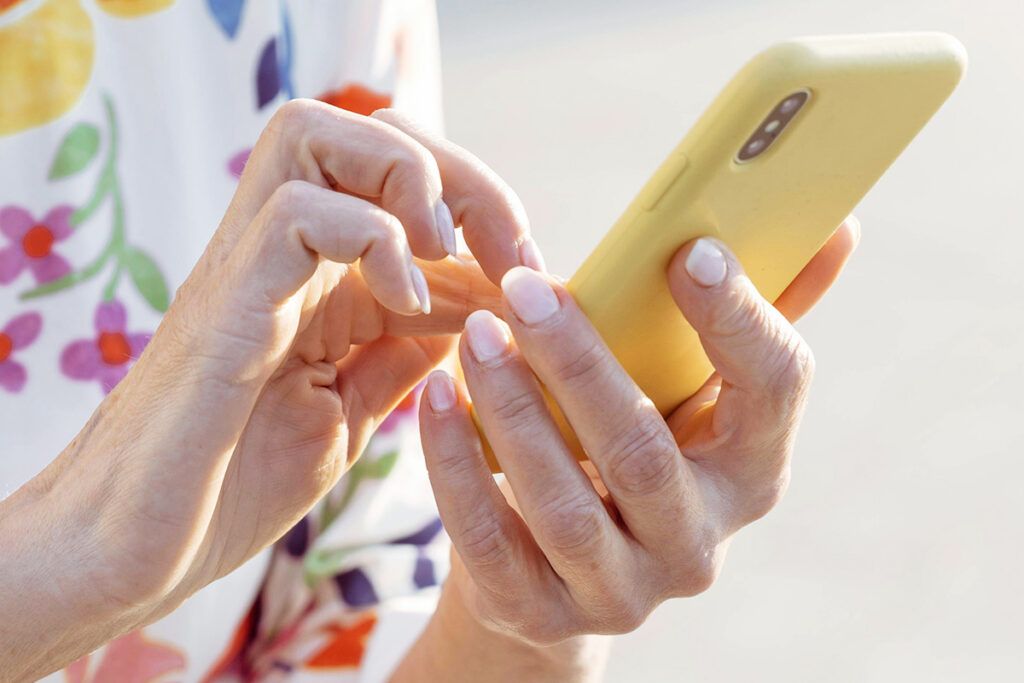
Person holding phone
Credit: © SHVETS production/Pexels.com

Why It’s an Epidemic

Many characteristics of our 21st-century society contribute to loneliness. Compared to earlier generations, Americans today leave their hometowns for school or jobs more often and form fewer lasting community ties. Online communication has replaced many of the face-to-face interactions we used to have at the bank, grocery store, and shopping mall. According to Weill Cornell Medicine, social media also reduces those interactions and increases “feelings of loneliness, inadequacy, and social anxiety, especially among teenagers.” 

Recommended Articles

  • The Safety Rules for Candles You Probably Don’t Know

  • 5 Things Your Car Needs Before the First Freeze

  • 6 Amazon Prime Day Hacks

  • 5 Things To Ask Your Doctor About the New Flu Shot

Advertisement
Advertisement

Reader Favorites

  • Woman looking in fridge

    9 Foods You Should Toss ASAP if They’re Expired

  • Person eating salad

    7 Things a Chef Never Orders at a Restaurant

  • Cherry angioma

    Are the Tiny Red Dots on Your Skin Dangerous?

On the other end of the age scale, older adults may be particularly susceptible to loneliness because of cognitive or physical challenges or life events that make it more difficult to connect and form new relationships.

Advertisement
Woman looking into the distance
Credit: © Getty Images/Unsplash.com

The Health Effects of Loneliness

Loneliness worries public health experts because it’s associated with a greater chance of developing chronic illnesses. Social isolation is linked to a 29% greater risk of premature death, according to the surgeon general’s report — equivalent to the effect of smoking up to 15 cigarettes a day. According to the World Health Organization, loneliness is linked to about 100 deaths an hour around the globe. 

Advertisement
Advertisement

Feeling lonely and disconnected also bumps up the risk of heart disease, stroke, anxiety and depression, and dementia. On a day-to-day level, people who are lonely perform worse in school and less productively at work.

The mechanism behind loneliness’s effect on health? Stress. People dealing with feelings of isolation and distress experience more inflammation throughout their bodies, which reduces immunity and can lead to high blood pressure, obesity, and more plaque buildup in arteries, all of which are risk factors for heart disease. Cardiovascular issues can be exacerbated by other behaviors associated with loneliness, such as smoking, alcohol misuse, physical inactivity, and poor sleep.

Social connections can counteract those negative effects. For example, studies have shown that people tend to be more physically active if their peers exercise regularly, and people are more likely to quit smoking if their friends also quit.

Group of elderly people laughing
Credit: © Getty Images/Unsplash.com

Ways To Feel More Connected

Experts offer several ways to be more socially engaged. If you already feel a little overwhelmed, start small — suggest meeting for coffee to a friend you haven’t seen in a while.

Advertisement
Advertisement

When possible, you should meet with friends or colleagues in person instead of over Zoom, and consider joining groups or organizations focused on your interests or shared experiences, such as alumni associations or hobby-related clubs. Take an in-person class at a library, rec center, or community college. Volunteer with an organization that appeals to your values. You could even foster a shelter pet and enjoy the stress-reducing benefits of caring for an animal in need.

Advertisement

If you’re experiencing severe symptoms of loneliness, be sure to speak with your doctor about ways to cope.

Featured image Credit: © Getty Images/Unsplash.com

More From Our Network

Better Report is part of Inbox Studio, an email-first media company. *Indicates a third-party property.

Go Retro With This 1960s Fashion Quiz

Quiz Daily

Go Retro With This 1960s Fashion Quiz

True or False: Are You a Master of U.S. Geography?

Travel Quiz

True or False: Are You a Master of U.S. Geography?

5 Reasons You Can Be Denied Boarding an Airplane

Daily Passport

5 Reasons You Can Be Denied Boarding an Airplane

What Did People Do Before Eyeglasses?

History Facts

What Did People Do Before Eyeglasses?

How To Use a Balloon To Clean Up Dust

House Outlook

How To Use a Balloon To Clean Up Dust

11 Shopping Hacks Costco Members Should Know

FinanceBuzz*

11 Shopping Hacks Costco Members Should Know

Share this article

  • Share to Facebook
  • Share to Twitter
  • Copy Url
  • Share to Email
Kat Long
Writer

Kat Long is a freelance science journalist in the Washington, D.C. area. Previously, she was the science editor at Mental Floss and a digital editor at National Geographic. She now writes the Arctic Archives newsletter on Substack. Kat spends her free time birdwatching, road-tripping to historical sites and perusing old manuscripts at libraries.

This article is for general informational purposes only.
Affiliate Disclaimer Medical Disclaimer Financial Disclaimer

Updated: April 6, 2026
Posted In: Health
Hero Image Credit: Better Report
Advertisement

Related Articles

5 Things To Ask Your Doctor About the New Flu Shot

5 min read

Is Sourdough Actually Healthier Than Regular Bread?

7 min read

Do You Really Need a Bidet in Your Home?

4 min read

3 Common Sleep Habits That May Be Aging Your Brain

5 min read

Is the Traditional Mediterranean Diet Actually the Best for Your Brain?

4 min read
Advertisement

Will This Device Save You From Choking?

Ali Eldridge
Health | Updated: June 4, 2026
Woman choking
Better Report

All featured products and deals are selected independently and objectively by the author. Better Report may receive a share of sales via affiliate links in content.

Choking emergencies can become life-threatening within minutes. In 2024, choking remained one of the leading causes of unintentional injury death in the United States, with adults over 71 facing the highest risk. As anti-choking devices like LifeVac gain popularity in online discussions of emergency preparedness, many people want to know: Do they actually work? Here’s what current research says about whether or not LifeVac belongs in your emergency response plan.

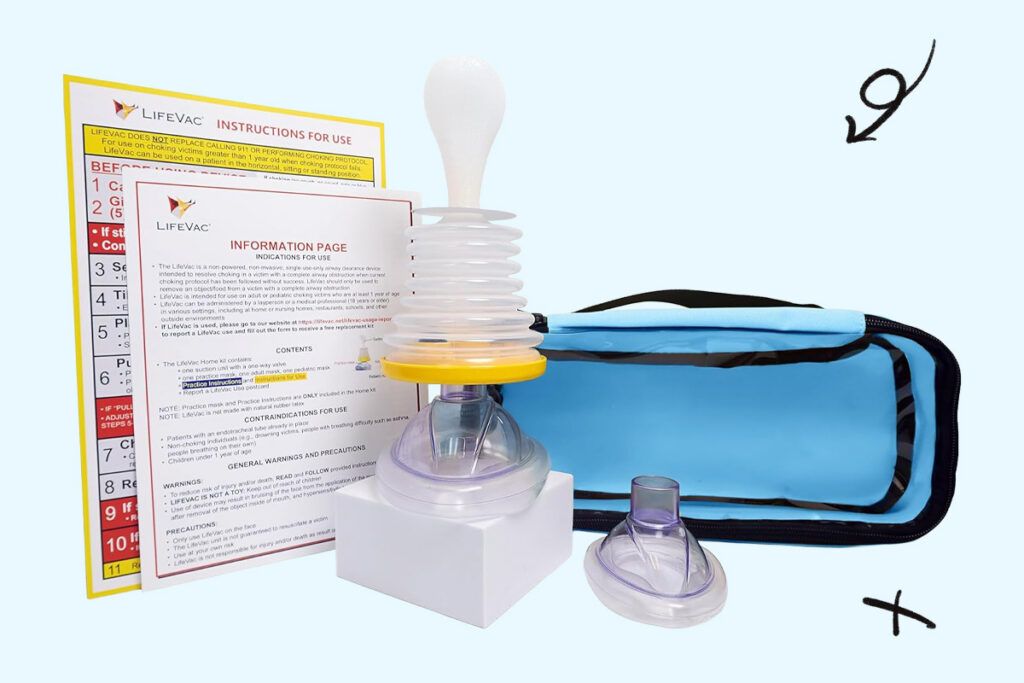
Lifevac kit
Credit: Image courtesy of Amazon

What Is LifeVac?

LifeVac is a portable anti-choking device that uses a suction mask to remove airway obstructions. In March 2026, LifeVac became the only FDA-cleared anti-choking device on the market; it’s classified as a Class II medical device. FDA clearance means the device met regulatory standards for safety and intended use. This is not the same as “FDA-approved,” which requires more rigorous testing and is required for Class III medical devices that carry more serious risks.

Similar to a plunger, LifeVac relies on a tight seal around the mouth and nose to pull the object upward and out of the airway using a pull handle. The one-way valve allows air to escape through vents, preventing the object from being pushed further into the airway.

Advertisement
Advertisement

The device has become popular in settings where choking may pose a greater risk, such as nursing homes, schools, restaurants, and homes with young children. LifeVac is also designed for those who live alone and comes with instructions on how to use it on yourself. It offers two mask sizes, adult and pediatric, for children ages 12 months and older who weigh more than 22 pounds. 

Man choking
Credit: SUPERMAO/stock.adobe.com

Can It Actually Save Someone?

There are reported cases where LifeVac has been credited with helping choking victims. The company itself also cites thousands of success stories. In a recent account from April 2026, a 1-year-old choked on a piece of chicken, resulting in a total airway obstruction. After back blows were unsuccessful, the boy’s mother administered LifeVac and removed the piece of chicken on the first try. 

Recommended Articles

  • The Safety Rules for Candles You Probably Don’t Know

  • 5 Things Your Car Needs Before the First Freeze

  • 6 Amazon Prime Day Hacks

  • 5 Things To Ask Your Doctor About the New Flu Shot

Advertisement
Advertisement

Reader Favorites

  • Woman looking in fridge

    9 Foods You Should Toss ASAP if They’re Expired

  • Person eating salad

    7 Things a Chef Never Orders at a Restaurant

  • Cherry angioma

    Are the Tiny Red Dots on Your Skin Dangerous?

However, most evidence is self-reported rather than from large clinical trials, so the devices aren’t universally proven, and independent research on these devices remains limited. In a recent study of the efficacy of LifeVac and DeChoker — a similar product that’s not FDA-cleared — neither device removed all foreign bodies tested, including saltines, grapes, and cashews. The LifeVac removed only the saltines, and the DeChoker removed none of the objects. However, the testing was performed on cadavers rather than living patients, so the findings may not fully reflect real-world choking emergencies.

Advertisement
Heimlich maneuver
Credit: © highwaystarz/stock.adobe.com

What Do Health Organizations Recommend?

As previously mentioned, the LifeVac is FDA-cleared as a second-line treatment. This means that established choking protocols — as outlined by the American Red Cross — should be followed first. These rescue protocols include a combination of back blows and/or abdominal thrusts (also called the Heimlich maneuver) for adults and children. This is followed by CPR if the person choking loses consciousness. As the Cleveland Clinic notes, if the standard protocols are unsuccessful, anti-choking devices may be a viable option. 

Advertisement
Advertisement

Time is of the essence during choking emergencies, which is why receiving CPR/first-aid training is so important. The same time constraints should be considered with airway clearance devices. Having it already assembled and familiarizing yourself with the device and instruction materials will lead to a better outcome.

Credit: © Image courtesy of LifeVac

Should I Buy a LifeVac?

While some families may appreciate the added peace of mind that anti-choking devices provide, experts stress that they should supplement — not replace — traditional choking rescue techniques. According to the Cleveland Clinic, these devices may be particularly useful in situations where abdominal thrusts are difficult or unsafe, such as with pregnant individuals, older adults, or people with certain disabilities. For those with infants, according to the manufacturer, LifeVac is not recommended for children under 12 months old, as it may be ineffective or cause more harm.

Advertisement
Advertisement

Dr. Darria Long, M.D., an emergency room doctor and BabyCenter Medical Advisor, weighed in on anti-choking devices, agreeing that they may be beneficial for children or adults if other protocols fail. Yet she also warned that using one can be difficult: “You have to get a really, really good seal around the mouth for these to be effective and — even for me, as an ER doctor trained in masking people, that was tough.” She added that she “would use one of these devices only if, after two to three rounds of standard choking care, it doesn’t work.”

If you do purchase a suction-based device, make sure to take it out of the box and get it ready to use. Remember, experts emphasize that no device can guarantee success in every choking emergency. Most importantly, learning evidence-based first aid — including back blows, abdominal thrusts, and CPR — remains the best way to prepare.

Featured Image Credit: © tkpond—iStock/Getty Images

More From Our Network

Better Report is part of Inbox Studio, an email-first media company. *Indicates a third-party property.

Go Retro With This 1960s Fashion Quiz

Quiz Daily

Go Retro With This 1960s Fashion Quiz

True or False: Are You a Master of U.S. Geography?

Travel Quiz

True or False: Are You a Master of U.S. Geography?

5 Reasons You Can Be Denied Boarding an Airplane

Daily Passport

5 Reasons You Can Be Denied Boarding an Airplane

What Did People Do Before Eyeglasses?

History Facts

What Did People Do Before Eyeglasses?

How To Use a Balloon To Clean Up Dust

House Outlook

How To Use a Balloon To Clean Up Dust

11 Shopping Hacks Costco Members Should Know

FinanceBuzz*

11 Shopping Hacks Costco Members Should Know

Share this article

  • Share to Facebook
  • Share to Twitter
  • Copy Url
  • Share to Email
Ali Eldridge

This article is for general informational purposes only.
Affiliate Disclaimer Medical Disclaimer Financial Disclaimer

Updated:
Posted In: Health
Hero Image Credit: Better Report
Advertisement

Related Articles

5 Things To Ask Your Doctor About the New Flu Shot

5 min read

Is Sourdough Actually Healthier Than Regular Bread?

7 min read

Do You Really Need a Bidet in Your Home?

4 min read

3 Common Sleep Habits That May Be Aging Your Brain

5 min read

Is the Traditional Mediterranean Diet Actually the Best for Your Brain?

4 min read
Advertisement

The Most Expensive States To Raise Kids

Wealth | Updated: June 3, 2026
Jennifer M. Wood
Author
Jennifer M. Wood has been writing about news, entertainment, culture, and travel for longer than she cares to admit. She lives just outside Philadelphia with her husband and an ever-growing menagerie of rescue pets.
Family in a kitchen
Better Report

Kids may be small, but the cost of raising them is anything but.

Between food, housing, clothing, transportation, child care, and health insurance, the price of parenthood is on the rise — and, over the first 18 years of a child’s life, can now rival the cost of a brand-new Ferrari.

Stacks of money
Credit: © Malik Cil/Pexels.com

How Much Does It Cost To Raise a Child?

While any mom or dad will likely tell you that you can’t put a price tag on parenthood, LendingTree has gone ahead and done it anyway. For the fourth year in a row, the financial website has pulled an exhaustive amount of data (primarily dating to 2024) in order to tally up the cost of what it takes, money-wise, to raise a child. The result is a bigger number than ever before: $303,418, up 1.9% from the 2025 report, when that figure topped out at $297,674. 

Advertisement
Advertisement

The cost is even more jaw-dropping when you consider how it has changed since 2023, when LendingTree first created this report. Back then, the estimated cost of raising a kid during their first 18 years was $237,482, meaning that the total has climbed a whopping 27.8% in just three years.

Much of the disparity boils down to two major expenses: housing and child care. 

Advertisement

Child care costs remain one of the biggest financial burdens facing parents, claiming between 10% and 33% of a household’s median income. And according to The New York Times, that number is rising even faster than inflation.

Sarah Rittling, executive director of the First Five Years Fund, a nonprofit that advocates for affordable child care and education, said in a statement about the report, “Child care costs stretch household budgets to the breaking point. When the early years of raising a child are also the most expensive, it puts enormous pressure on parents who are trying to work and support their families.”

Recommended Articles

  • The Safety Rules for Candles You Probably Don’t Know

  • 5 Things Your Car Needs Before the First Freeze

  • 6 Amazon Prime Day Hacks

  • 5 Things To Ask Your Doctor About the New Flu Shot

Advertisement
Advertisement

Reader Favorites

  • Woman looking in fridge

    9 Foods You Should Toss ASAP if They’re Expired

  • Person eating salad

    7 Things a Chef Never Orders at a Restaurant

  • Cherry angioma

    Are the Tiny Red Dots on Your Skin Dangerous?

Housing, meanwhile, saw the sharpest year-over-year increase, rising 48.9%. Whether you rent or own, the nationwide trend is an upward one, with some states costing more than others.

Mother and toddler in kitchen
Credit: © Vanessa Loring/Pexels.com

What Is the Most Expensive State To Raise a Child?

While it’s impossible to predict every expense parenthood will bring, LendingTree found that a child’s earliest years tend to be the most expensive. (As the report tracks expenses only up to 18 years of age, college tuition bills were not factored into the data.) The costs vary greatly depending on where you live — and nowhere are they higher than in Hawaii. 

Advertisement
Advertisement

Ocean views, black sand beaches, and active volcanoes don’t come cheap. In Hawaii, the estimated annual cost of raising a small child for the first five years is $40,342 — nearly 10% higher than in the second costliest state, Maryland ($36,419), followed by Massachusetts ($34,247) in third. 

Coastal living appears to come with a particularly steep parenting premium. Of the 10 most expensive states to raise a small child in — which are listed below — only one, Colorado, is not on a coast. 

Advertisement

The 10 Most Expensive States To Raise a Small Child

  1. Hawaii – $40,342
  2. Maryland – $36,419
  3. Massachusetts – $34,247
  4. California – $33,692
  5. New Jersey – $31,948
  6. Washington – $31,937
  7. Colorado – $31,000
  8. New York – $30,209
  9. Washington, D.C. – $30,146
  10. Connecticut – $29,674

Meanwhile, many of the least expensive states to raise a child in are concentrated in the South. 

Advertisement
Advertisement

The 10 Least Expensive States To Raise a Small Child

  1. Mississippi – $17,148
  2. Alabama – $18,019
  3. South Dakota – $18,622
  4. South Carolina – $18,910
  5. Arkansas – $19,204
  6. Georgia – $20,365
  7. Texas – $20,968
  8. Iowa – $21,137
  9. Oklahoma – $21,218
  10. Louisiana – $21,303

The joys of parenthood may be universal, but the costs can vary wildly depending on your ZIP code.

Featured Image Credit: © Vanessa Loring/Pexels.com

More From Our Network

Better Report is part of Inbox Studio, an email-first media company. *Indicates a third-party property.

Go Retro With This 1960s Fashion Quiz

Quiz Daily

Go Retro With This 1960s Fashion Quiz

True or False: Are You a Master of U.S. Geography?

Travel Quiz

True or False: Are You a Master of U.S. Geography?

5 Reasons You Can Be Denied Boarding an Airplane

Daily Passport

5 Reasons You Can Be Denied Boarding an Airplane

What Did People Do Before Eyeglasses?

History Facts

What Did People Do Before Eyeglasses?

How To Use a Balloon To Clean Up Dust

House Outlook

How To Use a Balloon To Clean Up Dust

11 Shopping Hacks Costco Members Should Know

FinanceBuzz*

11 Shopping Hacks Costco Members Should Know

Share this article

  • Share to Facebook
  • Share to Twitter
  • Copy Url
  • Share to Email
Jennifer M. Wood
Writer

Jennifer M. Wood has been writing about news, entertainment, culture, and travel for longer than she cares to admit. She lives just outside Philadelphia with her husband and an ever-growing menagerie of rescue pets.

This article is for general informational purposes only.
Affiliate Disclaimer Medical Disclaimer Financial Disclaimer

Updated: May 8, 2026
Posted In: Wealth
Hero Image Credit: Better Report
Advertisement

Related Articles

5 Things Your Car Needs Before the First Freeze

4 min read

6 Amazon Prime Day Hacks

6 min read

Is It Actually Better To Lease a Car?

9 min read

7 Free MIT Classes You Can Experience From Home

4 min read

The Bedroom Color That Adds $2,000 to Your Home Value

3 min read
Advertisement

6 Foods That Aren’t Safe To Keep as Leftovers

Ali Eldridge
Health | Updated: June 3, 2026
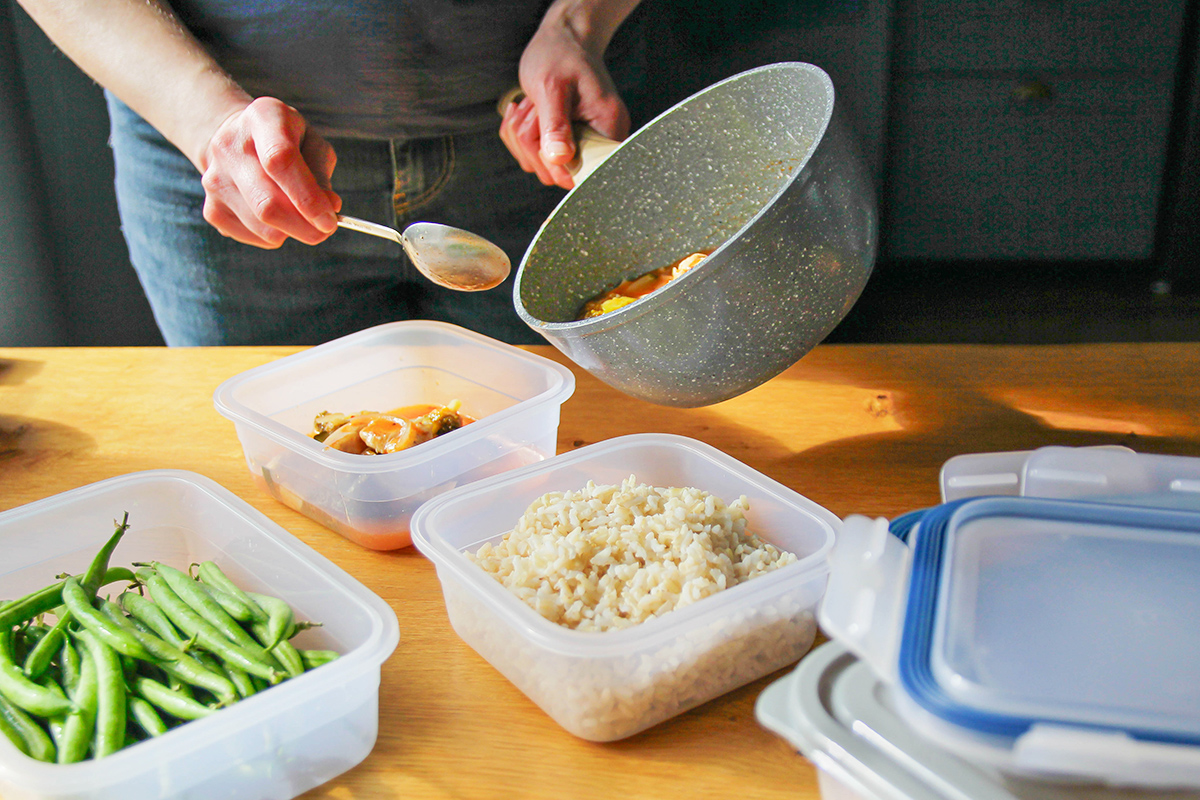
Putting leftovers in food storage containers
Better Report

The refrigerator changed our relationship to food in ways that, in retrospect, are hard to imagine. Just picture how much harder it would have been to feed your family if you didn’t have the option of keeping meats, produce, and leftovers in the fridge. Most leftovers would have been seriously high-risk except in winter, the only time it would be cold enough to keep them at food-safe temperatures. 

Today, most leftovers are safe if handled correctly — emphasis on the word “if.” From a former chef and food safety trainer, here are six kinds of high-risk leftovers you may want to think twice about keeping. 

Shrimp
Credit: © Jiri Hera/stock.adobe.com

Seafood, Especially Shellfish and Crustaceans

You should be especially careful with fish and shellfish, partly because they’re among the most perishable proteins you can build a meal around, and partly because they may host some nasty pathogens that can make you sick. These include listeria, salmonella, and E. coli, as well as norovirus, hepatitis A, and the Vibrio family (which can cause cholera, among other things). 

Advertisement
Advertisement

This doesn’t mean you can’t have seafood leftovers — you should be OK if you follow the FDA’s guidelines for buying and handling seafood and the USDA’s guidance for handling leftovers. But if you didn’t have those oysters or shrimp in a cooler when you left the store, or if the leftovers sat out on a summer afternoon, you’d be smarter to discard them. 

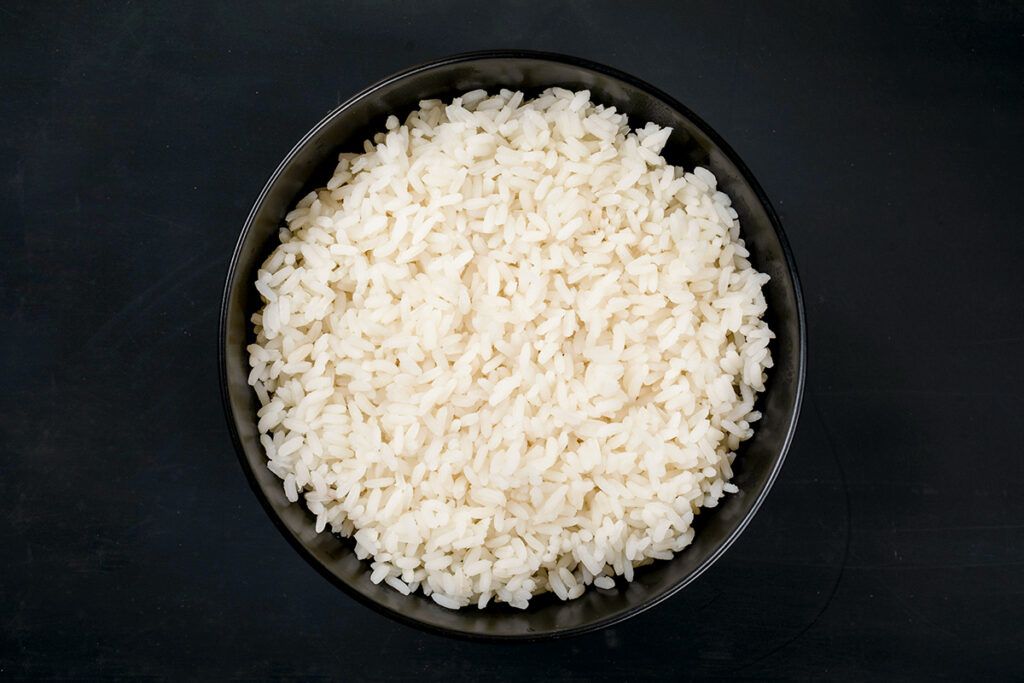
Bowl of rice
Credit: © Jubair Bin Iqbal/Pexels.com

Rice and Other Grain Dishes

When you think of foods that are high-risk from the food poisoning perspective, you probably think of things like eggs or poultry. Rice? Not so much. But leftover rice can actually be problematic if it isn’t packed up and refrigerated ASAP after your meal. This is due to Bacillus cereus, which is often present in the grain. 

Advertisement

B. cereus forms both heat-resistant spores — which can survive cooking — and a heat-stable toxin, which means it can make you sick even if you reheat your leftovers to the recommended 165 degrees Fahrenheit. It’s rarely fatal, but it’ll definitely make you regret your choices for a couple of days. 

Recommended Articles

  • The Safety Rules for Candles You Probably Don’t Know

  • 5 Things Your Car Needs Before the First Freeze

  • 6 Amazon Prime Day Hacks

  • 5 Things To Ask Your Doctor About the New Flu Shot

Advertisement
Advertisement

Reader Favorites

  • Woman looking in fridge

    9 Foods You Should Toss ASAP if They’re Expired

  • Person eating salad

    7 Things a Chef Never Orders at a Restaurant

  • Cherry angioma

    Are the Tiny Red Dots on Your Skin Dangerous?

Though it’s primarily associated with rice, B. cereus can also be found in other starchy foods, including pasta and potatoes. The longer these foods linger above food-safe temperatures, the more time B. cereus spores have to come back to life, multiply, and produce toxins that will make us sick. Cool those foods quickly by getting them into the fridge as soon as you’re done eating. And if they’ve been left out for more than a couple of hours, toss them.

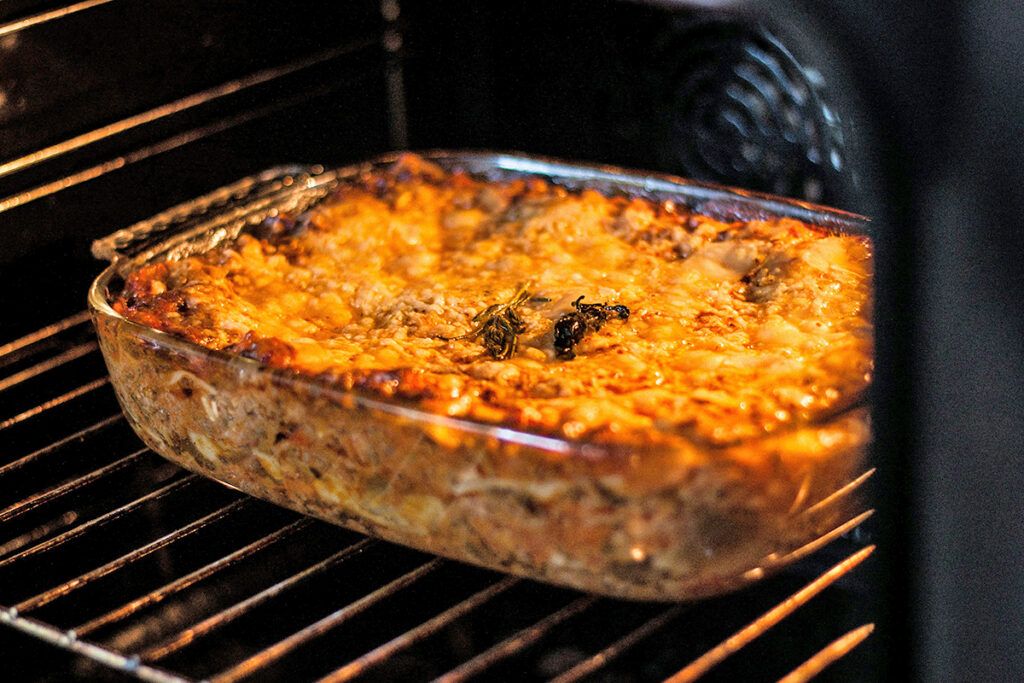
Casserole in an oven
Credit: © Kristine Tumanyan/Unsplash.com

Big, Rich Casseroles 

Casseroles are a great meal option, whether you think of them as an easy prep-ahead dinner or a can’t-miss contribution to a potluck. By nature, though, they’re often problematic in leftover form. There are a few reasons for this:

The Mix of Ingredients

Most casseroles contain some combination of milk or cream, eggs, cheese, meats, and a starchy base that might be potatoes, grain, or pasta. All of those rich, high-protein ingredients are a prime breeding ground for pathogens like salmonella or norovirus, and the starchy base can host B. cereus. 

Advertisement
Advertisement

Retained Heat

A big casserole, and the pan you bake it in, can retain heat for a long time. Once it enters the food safety “danger zone” — temperatures below 140 degrees Fahrenheit and above 40 degrees Fahrenheit — bacteria can reproduce freely. It’s important to cool your leftovers as quickly as possible, so your best bet is to divide the casserole into small containers and refrigerate them as soon as the meal is finished. 

The Social Aspect

Casseroles can easily cool enough to slip into the danger zone at potlucks or holiday gatherings. If they sit out for a couple of hours as people graze and chat, and then come home with you, your chances of illness will rise sharply. 

Advertisement
Advertisement

Not Reheating Adequately

For leftovers to be reliably safe, you need to reheat them to 165 degrees Fahrenheit throughout. The only way to know that for sure is to use a thermometer and check the food in several places before you eat it. Microwaves provide uneven heating, so it’s important to let microwaved food sit for a couple of minutes so the temperature can even out before you test. 

Advertisement
Chicken in a dish
Credit: © Diana Light/Unsplash.com

Poultry 

Chicken is a really popular meal option in the U.S., but it’s also responsible for a lot of illness. The CDC estimates that infected chicken alone sickens about a million Americans each year, and poultry is collectively responsible for almost one in five cases of food poisoning. Raw chicken is prone to infection by various strains of salmonella, campylobacter, and Clostridium perfringens, none of which are anybody’s idea of a good time. 

Advertisement
Advertisement

So if, for example, your chicken or turkey was infected to begin with and you didn’t cook it to a food-safe temperature; or you handled utensils or surfaces that had been in contact with the raw bird, and then put away the leftovers without washing your hands in between, then your leftovers will be primed for bacterial growth by the time they make it to the fridge. If you don’t then reheat your leftovers to the recommended 165 degrees Fahrenheit, you may find yourself calling in to work with a case of food poisoning. 

Chip in a dip
Credit: © photokitchen—iStock/Getty Images

Appetizers, Dips, and Party Foods in General

Some of the most problematic leftovers are the appetizers, dips, and other treats you prepare when you’re entertaining. Many of the issues with casseroles apply to party foods as well, especially hot dips. The biggest problem with party foods is that they’re usually left out for extended periods, so guests can help themselves over time as they feel inclined. 

Advertisement
Advertisement

Two hours in the danger zone is as long as any food can safely be left out (and that drops to one hour if the ambient temperature is over 90 degrees Fahrenheit). It’s not uncommon to leave food out for much longer than that at parties. So unless you’re careful to keep hot foods above 140 degrees and cold foods below 40 degrees, as professionals do for buffets and catering, it’s safest just to discard those leftovers. You may get away with it repeatedly, but sooner or later your luck will run out. 

Made-ahead food
Credit: © Ella Olsson/Pexels.com

Big-Batch Meals

This final example is a little bit ironic. If you periodically cook up large batches of a favorite food so it’s available for quick meals (“made-aheads” rather than leftovers), you may be setting yourself up for trouble. To be clear, I’m not saying you shouldn’t do this — I often make big batches myself; it’s really practical — but you need to be diligent about food safety. 

Advertisement
Advertisement

If you’ve read this far, you’ve probably picked up on most of the important rules to keep leftovers food safe: 

• Wash your hands, utensils, and work surfaces after handling high-risk ingredients like raw egg or meat.
• Keep those high-risk ingredients away from anything you’ll eat raw, like your side salads.
• Cook your food to the recommended temperature, and test it with a thermometer to be sure.
• Cool your food quickly once it’s made. (Portion it into smaller, flatter containers so heat can easily escape — a whole casserole will stay warm and linger in the danger zone, even when it’s in the fridge.)
• Refrigerate or freeze the food ASAP so it doesn’t sit out past the two-hour mark.
• Don’t keep leftovers in the fridge for more than three to four days.
• Thaw the food safely.
• Reheat your meals to 165 degrees Fahrenheit before eating them.

Advertisement
Advertisement

Those guidelines are the result of long, bitter experience and high-quality research, so if you stick to them, you can feel confident about eating most leftovers or prepped-ahead meals. 

Advertisement

Featured Image Credit: © Kinga Krzeminska—Moment/Getty Images

More From Our Network

Better Report is part of Inbox Studio, an email-first media company. *Indicates a third-party property.

Go Retro With This 1960s Fashion Quiz

Quiz Daily

Go Retro With This 1960s Fashion Quiz

True or False: Are You a Master of U.S. Geography?

Travel Quiz

True or False: Are You a Master of U.S. Geography?

5 Reasons You Can Be Denied Boarding an Airplane

Daily Passport

5 Reasons You Can Be Denied Boarding an Airplane

What Did People Do Before Eyeglasses?

History Facts

What Did People Do Before Eyeglasses?

How To Use a Balloon To Clean Up Dust

House Outlook

How To Use a Balloon To Clean Up Dust

11 Shopping Hacks Costco Members Should Know

FinanceBuzz*

11 Shopping Hacks Costco Members Should Know

Share this article

  • Share to Facebook
  • Share to Twitter
  • Copy Url
  • Share to Email
Ali Eldridge

This article is for general informational purposes only.
Affiliate Disclaimer Medical Disclaimer Financial Disclaimer

Updated:
Posted In: Health
Hero Image Credit: Better Report
Advertisement

Related Articles

5 Things To Ask Your Doctor About the New Flu Shot

5 min read

Is Sourdough Actually Healthier Than Regular Bread?

7 min read

Do You Really Need a Bidet in Your Home?

4 min read

3 Common Sleep Habits That May Be Aging Your Brain

5 min read

Is the Traditional Mediterranean Diet Actually the Best for Your Brain?

4 min read
Advertisement

Is the Nickel Facing Extinction?

Wealth | Updated: June 2, 2026
Jennifer M. Wood
Author
Jennifer M. Wood has been writing about news, entertainment, culture, and travel for longer than she cares to admit. She lives just outside Philadelphia with her husband and an ever-growing menagerie of rescue pets.
Money in a jar
Better Report

“Keep the change” could soon sound like a quaint expression from a bygone era.

Seven months after the U.S. Mint officially retired the penny, following the secretary of the Treasury’s determination that the one-cent piece, which cost nearly 4 cents to produce, was “no longer necessary to meet the needs of the United States,” USA Today reports that the nickel could follow its copper-colored sibling down the road to obsolescence.

Advertisement
Advertisement

“The argument for getting rid of the nickel is that it costs more to produce — quite a bit more, actually — than its face value,” David Smith, an economist at Pepperdine University, told the outlet. 

When it comes to currency, being a literal money loser is a bad thing, as the penny learned the hard way. And in the case of the nickel, the annual losses are even greater. 

Coins being produced at the Denver Mint
Credit: © UCG/Getty Images

How Much Does It Cost To Make a Nickel?

The attack on our coinage seems to have begun in earnest following the U.S. Mint’s 2024 Annual Report, which included a breakdown of the true cost of making change. It concluded that the cost of making a single nickel was 13.78 cents — nearly three times the face value of the coin itself. 

Advertisement

With the government losing 8.78 cents on every nickel minted, the annual loss just to keep the coin in circulation was an estimated $85 million. And this is not a new problem: The 2024 report marked the 19th year in a row the nickel operated at a loss, fueling renewed calls to end its production.

Change in a cash register
Credit: © Ozgur Coskun—iStock/Getty Images

What Problems Could Arise From Killing the Nickel?

Eliminating the nickel isn’t as simple as just declaring it dead. As we’ve seen with the penny, there are some practical headaches that will likely arise for both businesses and consumers.

For example, without nickels or pennies, cash transactions will probably need to be rounded to the nearest 10 cents, which could result in higher prices that shoppers deem unfair. 

Recommended Articles

  • The Safety Rules for Candles You Probably Don’t Know

  • 5 Things Your Car Needs Before the First Freeze

  • 6 Amazon Prime Day Hacks

  • 5 Things To Ask Your Doctor About the New Flu Shot

Advertisement
Advertisement

Reader Favorites

  • Woman looking in fridge

    9 Foods You Should Toss ASAP if They’re Expired

  • Person eating salad

    7 Things a Chef Never Orders at a Restaurant

  • Cherry angioma

    Are the Tiny Red Dots on Your Skin Dangerous?

In 2012, Mark Weller, executive director of Americans for Common Cents, who was advocating for the penny, argued in front of Congress that “in practice, price rounding cannot be fairly done.” While some economists have argued that the rounding will eventually even out, as some prices would likely be rounded down, Weller disagreed.

“The claim that rounding will have no appreciable effect on the consumer is predicated on the notion that there is an equal 10% probability of purchase prices ending in a particular digit,” he said. “In fact, evidence suggests that the equal probability assumption is false.”

Advertisement

On the opposite side of the argument, Wake Forest University economics professor Robert Whaples told Bankrate that his own research indicated “that the last digit in the cash register total is random, so there would be as much rounding down as there is rounding up — and the customer won’t be gouged, nor will there be an inflationary impact.”

Cash and a bill
Credit: © MargJohnsonVA—iStock/Getty Images

What Do Cash-Paying Consumers Think of the Idea?

Even if the economics behind eliminating the nickel appear increasingly difficult to ignore, Americans may still need some convincing. Currency has a way of inspiring emotional attachments that far outweigh its monetary value, particularly for older consumers who still rely on cash transactions.

Advertisement
Advertisement

There are also logistical concerns. Retailers, banks, transit systems, vending machine operators, and laundromats would all likely need to update equipment and pricing systems to accommodate a newly nickel-less world. While digital payments dominate everyday commercial transactions, millions of Americans still regularly rely on cash — meaning any rounding policy could disproportionately affect lower-income households.

That said, the same concerns were raised for years about the penny before the Treasury ultimately decided the coin had outlived its usefulness. More than two dozen other countries, including Canada, Australia, the United Kingdom, and Italy, have already phased out low-value coins and adopted cash-rounding systems with relatively little long-term disruption.

For now, the nickel remains safe jangling around in Americans’ pockets, or lodged somewhere between their sofa cushions. But with the cost of producing the coin continuing to climb, and cash itself becoming less central to everyday life, the pressure to retire another piece of U.S. currency is unlikely to disappear anytime soon.

Advertisement

Featured Image Credit: © Winslow Productions/Tetra Images/Getty Images

More From Our Network

Better Report is part of Inbox Studio, an email-first media company. *Indicates a third-party property.

Go Retro With This 1960s Fashion Quiz

Quiz Daily

Go Retro With This 1960s Fashion Quiz

True or False: Are You a Master of U.S. Geography?

Travel Quiz

True or False: Are You a Master of U.S. Geography?

5 Reasons You Can Be Denied Boarding an Airplane

Daily Passport

5 Reasons You Can Be Denied Boarding an Airplane

What Did People Do Before Eyeglasses?

History Facts

What Did People Do Before Eyeglasses?

How To Use a Balloon To Clean Up Dust

House Outlook

How To Use a Balloon To Clean Up Dust

11 Shopping Hacks Costco Members Should Know

FinanceBuzz*

11 Shopping Hacks Costco Members Should Know

Share this article

  • Share to Facebook
  • Share to Twitter
  • Copy Url
  • Share to Email
Jennifer M. Wood
Writer

Jennifer M. Wood has been writing about news, entertainment, culture, and travel for longer than she cares to admit. She lives just outside Philadelphia with her husband and an ever-growing menagerie of rescue pets.

This article is for general informational purposes only.
Affiliate Disclaimer Medical Disclaimer Financial Disclaimer
Updated: May 8, 2026
Posted In: Wealth
Hero Image Credit: Better Report
Advertisement

Related Articles

5 Things Your Car Needs Before the First Freeze

4 min read

6 Amazon Prime Day Hacks

6 min read

Is It Actually Better To Lease a Car?

9 min read

7 Free MIT Classes You Can Experience From Home

4 min read

The Bedroom Color That Adds $2,000 to Your Home Value

3 min read
Advertisement

What Are Skin Tags (And How Do You Get Rid of Them)?

Ali Eldridge
Health | Updated: June 2, 2026
Skin tags
Better Report

All featured products and deals are selected independently and objectively by the author. Better Report may receive a share of sales via affiliate links in content.

Our skin makes up about 16% of our body’s total mass — it’s our largest organ. It protects us from a wide range of threats, including germs, pollution, and the sun. The outermost layer, called the epidermis, has many unique features, from hair and freckles to scars and wrinkles.

But there’s something else that can appear anywhere on the surface of the skin: skin tags. These soft growths hang from the epidermis, sometimes in very visible places, making them aesthetically annoying. Here’s a breakdown of their features, any potential concerns, and how to remove them.

Skin tags
Credit: © Oleh Strus—iStock/Getty Images

Are Skin Tags Dangerous?

The good news: Skin tags are almost always harmless. They’re also very common. According to the Cleveland Clinic, half of all adults will have at least one skin tag in their lifetime, but unfortunately, there is no guaranteed way to prevent them.

Advertisement
Advertisement

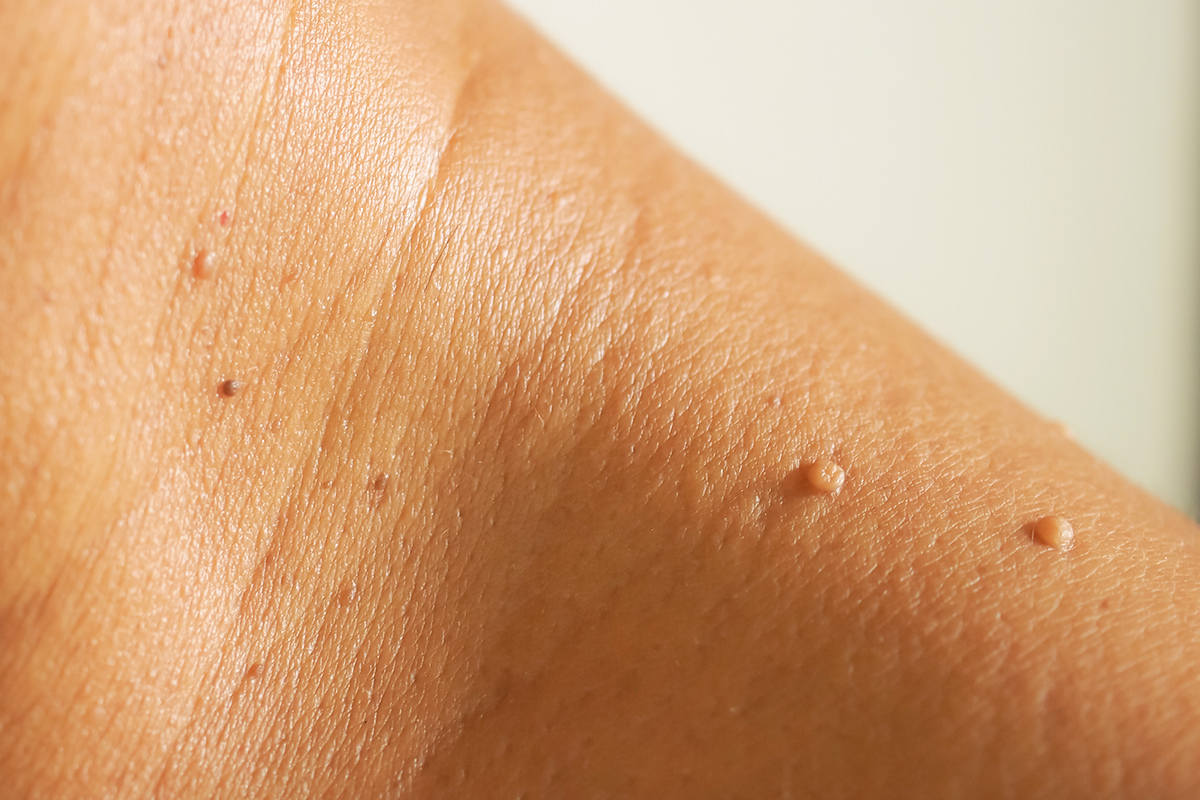
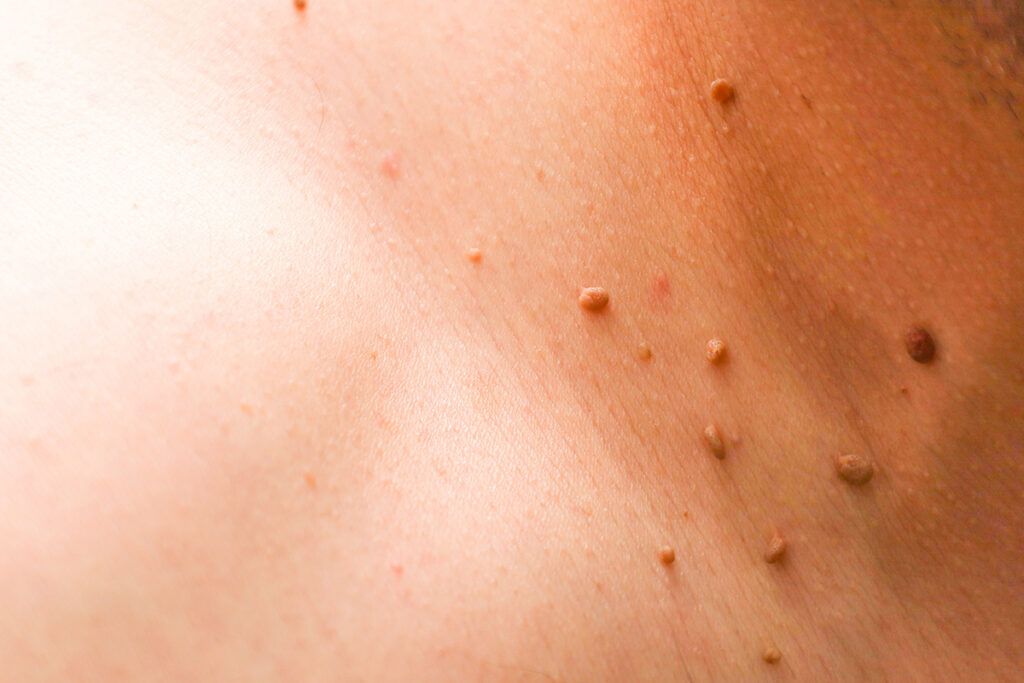
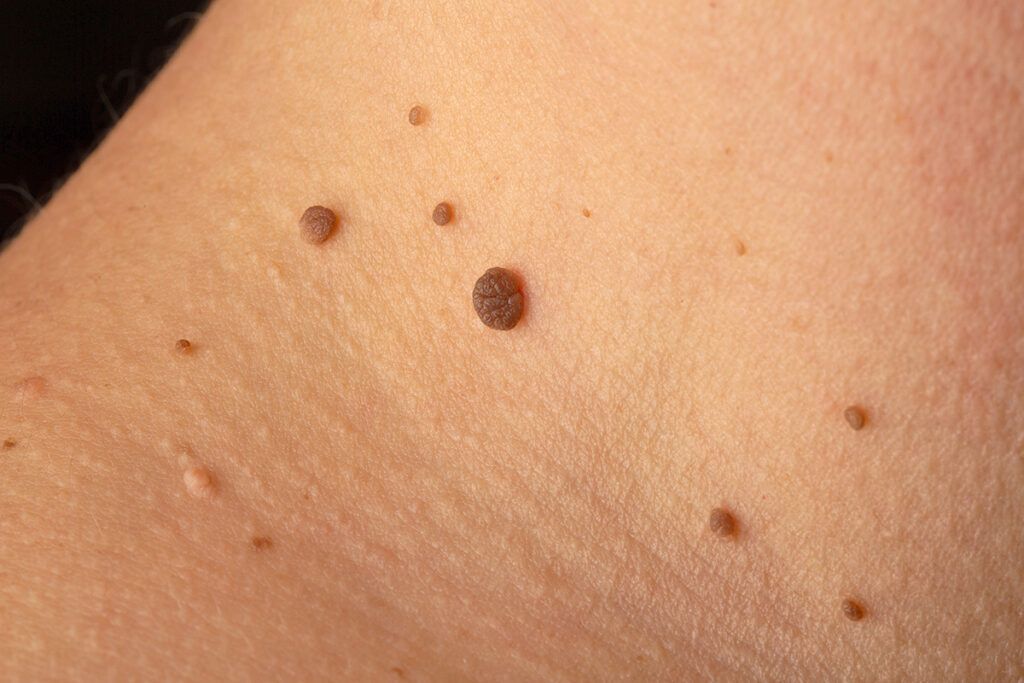
Formally known as acrochordons, skin tags are noncancerous growths that can appear anywhere on the body. They’re usually pink, flesh-colored, or slightly darker than the surrounding area, though they may turn red when friction or pressure is applied. Some skin tags hang from the skin on a thin stalk, while others are more firmly attached — both are normal —  and most measure between 1 and 5 millimeters, though some can grow much larger.

Most of the time, skin tags are nothing to worry about. But if a skin tag changes color rapidly, becomes painful, bleeds, grows quickly, or becomes firm or ulcerated, it’s important to see a dermatologist. These symptoms may indicate another type of growth or condition, such as a mole, wart, skin disease, or, in rare cases, skin cancer.

Advertisement
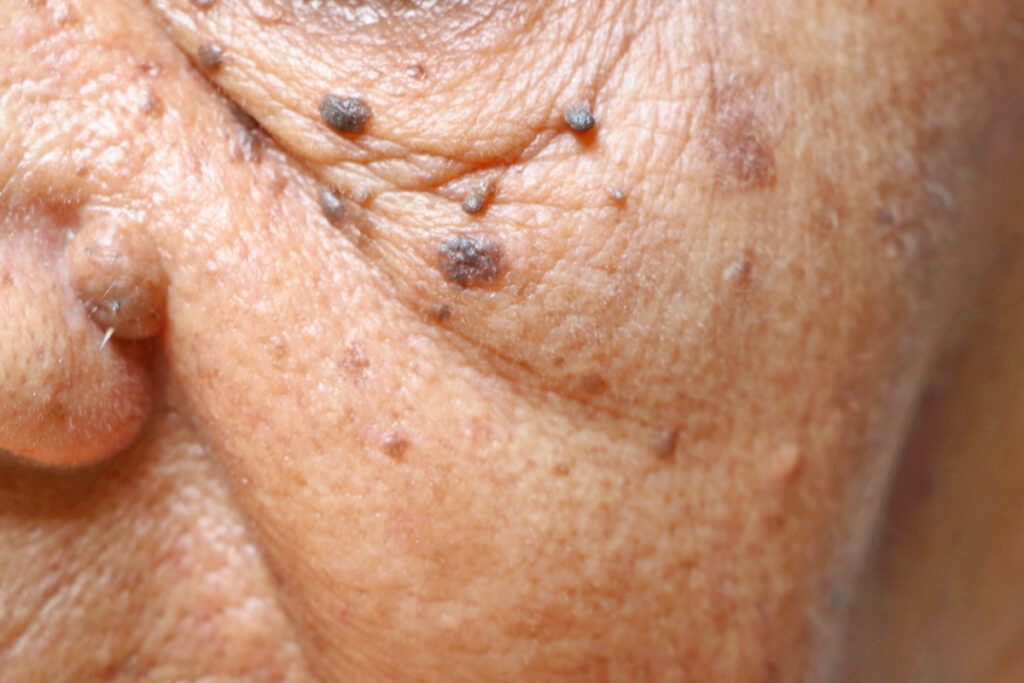
Aged skin with moles and skin tags
Credit: © TANIDA/stock.adobe.com

What Are Some Common Causes?

Skin tags most often appear due to friction from skin rubbing against itself, jewelry, or clothing for an extended period. This is why they commonly occur in creases and folds around the body, such as the underarms, groin, neck, and eyelids.

Hormonal changes may also cause new skin tags, as hormones affect the growth and regeneration of skin cells. Pregnancy, menopause, hormonal imbalances, and some endocrine conditions may explain their sudden appearance.

Recommended Articles

  • The Safety Rules for Candles You Probably Don’t Know

  • 5 Things Your Car Needs Before the First Freeze

  • 6 Amazon Prime Day Hacks

  • 5 Things To Ask Your Doctor About the New Flu Shot

Advertisement
Advertisement

Reader Favorites

  • Woman looking in fridge

    9 Foods You Should Toss ASAP if They’re Expired

  • Person eating salad

    7 Things a Chef Never Orders at a Restaurant

  • Cherry angioma

    Are the Tiny Red Dots on Your Skin Dangerous?

Age and genetics can also affect the size and number of skin tags. After 40, collagen and elastin levels decline, which can lead to new growths on the skin. However, certain medical conditions, such as diabetes and metabolic syndrome (a group of conditions that include high blood pressure and unhealthy cholesterol), may also promote their growth. If you develop many skin tags rapidly, this could be a rare sign that something else is going on inside your body (such as insulin resistance), and it’s time for a checkup.

Skin tags
Credit: © Alessandro Grandini/stock.adobe.com

Should I Remove a Skin Tag Myself?

Unfortunately, skin tags don’t fall off or go away on their own, causing many people to try to get rid of the blemishes themselves. But this is best left to the professionals, as DIY methods can do more harm than good: In particular, at-home skin tag removal kits and devices that involve cutting, freezing, or topical solutions come with risks for infection, bleeding, and scarring. This is why dermatologists don’t recommend them, especially in sensitive areas such as the face or eyelids. Moreover, the chances of incomplete removal — meaning the skin tag will grow back — are higher with at-home remedies.

Advertisement
Advertisement

If you decide to try an over-the-counter skin tag remover on a low-risk area, choose an FDA-cleared product specifically labeled for skin tags and follow instructions carefully. Wart removers, for example, are often too harsh and may damage the surrounding skin. One popular example of an FDA-cleared product specifically for skin tags is Dr. Scholl’s Freeze Away Skin Tag Remover.

Removing growth on skin
Credit: © Alla/stock.adobe.com

How Does a Dermatologist Remove Skin Tags?

Keep in mind that because skin tags are benign, most health insurance plans don’t cover removal, as it’s considered cosmetic. That said, there are several methods a dermatologist may use to remove them, depending on their size and location on the body.

Advertisement
Advertisement

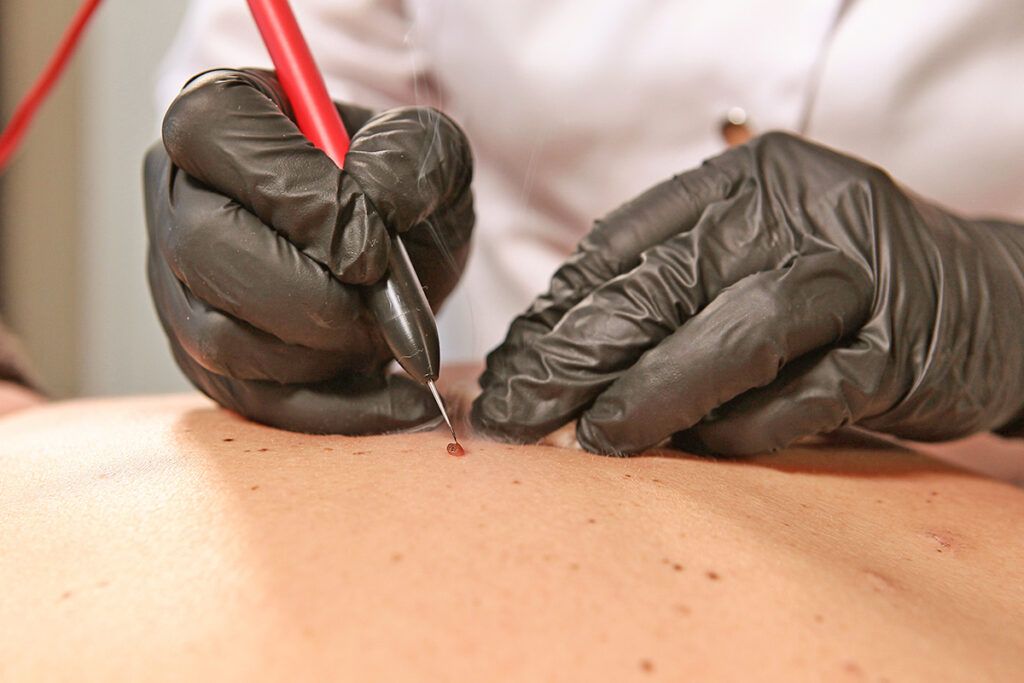
One popular option is cryosurgery, in which the skin tag is frozen with liquid nitrogen. Another method, electrodesiccation, uses a tiny needle to zap the skin tag. In both methods, the skin tag will scab and eventually fall off.

Advertisement

Finally, in a more direct approach, your dermatologist may simply numb the area and snip off the tag with a blade or scissors. (Do not try this at home.) When left to a professional, scarring from these types of removals is very minimal or even undetectable. If these procedures sound intimidating, don’t worry — skin tags often don’t need to be removed at all.

Featured Image Credit: © Duangjan/stock.adobe.com

More From Our Network

Better Report is part of Inbox Studio, an email-first media company. *Indicates a third-party property.

Go Retro With This 1960s Fashion Quiz

Quiz Daily

Go Retro With This 1960s Fashion Quiz

True or False: Are You a Master of U.S. Geography?

Travel Quiz

True or False: Are You a Master of U.S. Geography?

5 Reasons You Can Be Denied Boarding an Airplane

Daily Passport

5 Reasons You Can Be Denied Boarding an Airplane

What Did People Do Before Eyeglasses?

History Facts

What Did People Do Before Eyeglasses?

How To Use a Balloon To Clean Up Dust

House Outlook

How To Use a Balloon To Clean Up Dust

11 Shopping Hacks Costco Members Should Know

FinanceBuzz*

11 Shopping Hacks Costco Members Should Know

Share this article

  • Share to Facebook
  • Share to Twitter
  • Copy Url
  • Share to Email
Ali Eldridge

This article is for general informational purposes only.
Affiliate Disclaimer Medical Disclaimer Financial Disclaimer

Updated:
Posted In: Health
Hero Image Credit: Better Report
Advertisement

Related Articles

5 Things To Ask Your Doctor About the New Flu Shot

5 min read

Is Sourdough Actually Healthier Than Regular Bread?

7 min read

Do You Really Need a Bidet in Your Home?

4 min read

3 Common Sleep Habits That May Be Aging Your Brain

5 min read

Is the Traditional Mediterranean Diet Actually the Best for Your Brain?

4 min read
Advertisement

6 Things You Didn’t Know Lemons Could Do

Home | Updated: June 1, 2026
Erin Scottberg
Author
Erin Scottberg is a Brooklyn-based writer, garden designer, and houseplant expert — and the founder of Full Sun Studio (fullsun.studio), a garden design and plant consulting studio in New York City. She holds an Urban Horticulture Certificate from Brooklyn Botanic Garden, an NYC Street Tree Pruner License, and an NYC Master Composter Certification, and spent three years as Head of Content and Education at The Sill. When she's not working, you can find her creating in her textile studio, running craft nights in her neighborhood, or hanging with her rescue pup, Sunny. She's an ambitious DIYer, avid composter, and has never been able to walk by a thirft store without taking a look.
Bowl of lemons
Better Report

I buy at least one lemon any time I go to the grocery store. Why? Lemons are the kitchen’s biggest overachiever: They’ll zest up your pasta (or even a serving of frozen veggies), make your water feel fancy, and add a bright flavor to quick salad dressing. But they also have a ton of uses beyond culinary applications — a lemon can clean your microwave, help you make pancakes, and save you a trip to the nail salon. Here are six surprising reasons to always keep a lemon on hand. 

Lemons in microwave
Credit: © IntelWond/stock.adobe.com

Clean Your Microwave 

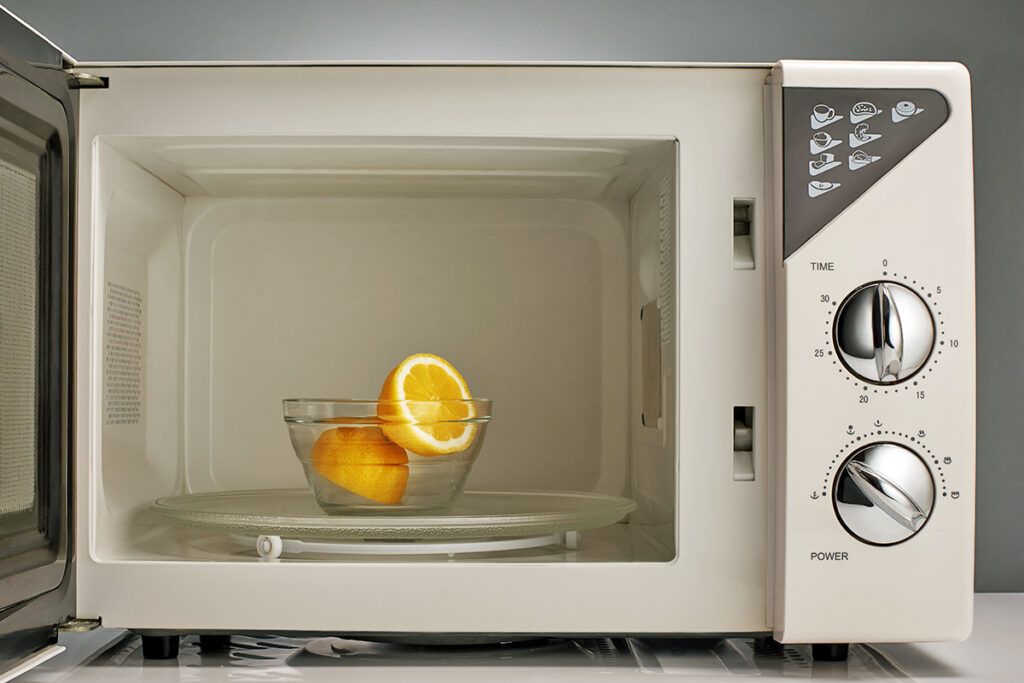
You know that baked-on splatter you ignore every time you open your microwave? Here’s the laziest possible fix: Squeeze lemon juice into a microwave-safe bowl of water, toss the halves in, and nuke it all for three minutes. Then let it sit for five minutes longer while the lemony steam does the heavy lifting. The citric acid acts as a natural degreaser and antibacterial agent, so when you finally crack open the microwave, all that crusty gunk should wipe right off. 

Advertisement
Advertisement
Cat in garden
Credit: © Osman Minaz/Pexels.com

Keep Neighborhood Cats Out of Your Garden

If you’ve ever found a mysterious “deposit” in your flower bed, you know the particular frustration of having a curious kitty in your neighborhood. Thankfully, there’s an easy, natural solution to this problem. Cats hate the smell of citrus — their noses are about 40 times more sensitive than ours, and that makes the scent of lemons (as well as other citrus fruits, such as oranges and limes) very unappealing. To keep the local felines from treating your garden like a litter box, scatter citrus peels around the edges. The catch: Peels have to be fresh (dried ones aren’t a deterrent), so you’ll need to replace them as they lose their scent. 

Cracked heels
Credit: © Pakawadee Wongjinda—iStock/Getty Images

Make a DIY Foot Peel With Aspirin

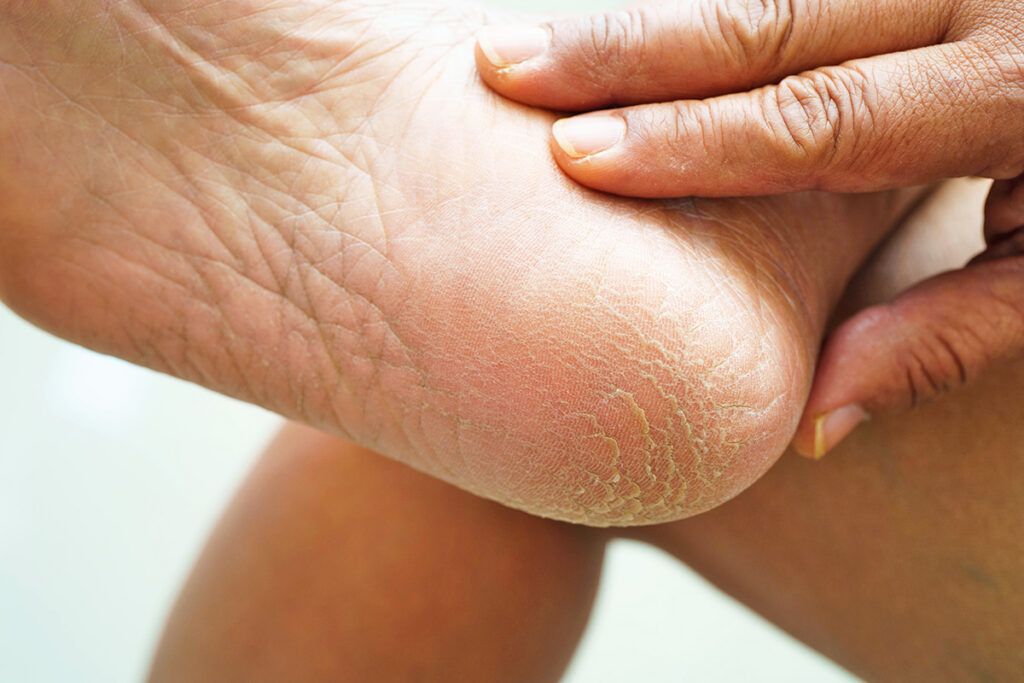
This sounds kind of wild, but it’s dermatologist-approved. To keep your feet in shape during sandal season, simply crush a few aspirin tablets into a powder and combine with freshly squeezed lemon juice and water to form a paste. Apply to cracked heels, wrap them in plastic and slip on some socks, and leave on up to an hour (but make sure to rinse immediately if it stings!). Finally, moisturize. The mixture is an acidic exfoliant that helps to loosen and dissolve dead skin — aspirin contributes aminosalicylic acid (which is related to the salicylic acid in acne products), while lemon juice amplifies the effect. 

Recommended Articles

  • The Safety Rules for Candles You Probably Don’t Know

  • 5 Things Your Car Needs Before the First Freeze

  • 6 Amazon Prime Day Hacks

  • 5 Things To Ask Your Doctor About the New Flu Shot

Advertisement
Advertisement

Reader Favorites

  • Woman looking in fridge

    9 Foods You Should Toss ASAP if They’re Expired

  • Person eating salad

    7 Things a Chef Never Orders at a Restaurant

  • Cherry angioma

    Are the Tiny Red Dots on Your Skin Dangerous?

Pancakes
Credit: © Dazedream/Unsplash.com

Fake Buttermilk in a Pinch

Imagine: You’re three ingredients deep into a pancake recipe and realize you don’t have buttermilk. Save your breakfast by adding a tablespoon of fresh lemon juice to a cup of whole or 2% milk or heavy cream, let it sit for five to 10 minutes to thicken, and stir before using. It won’t be identical to the real thing, but it’ll do the job in pancakes, muffins, or cakes — especially when buttermilk isn’t the star flavor. 

Advertisement
Advertisement
Wooden cutting board
Credit: © Emilija Manevska—Moment/Getty Images

Scrub Your Cutting Board Clean

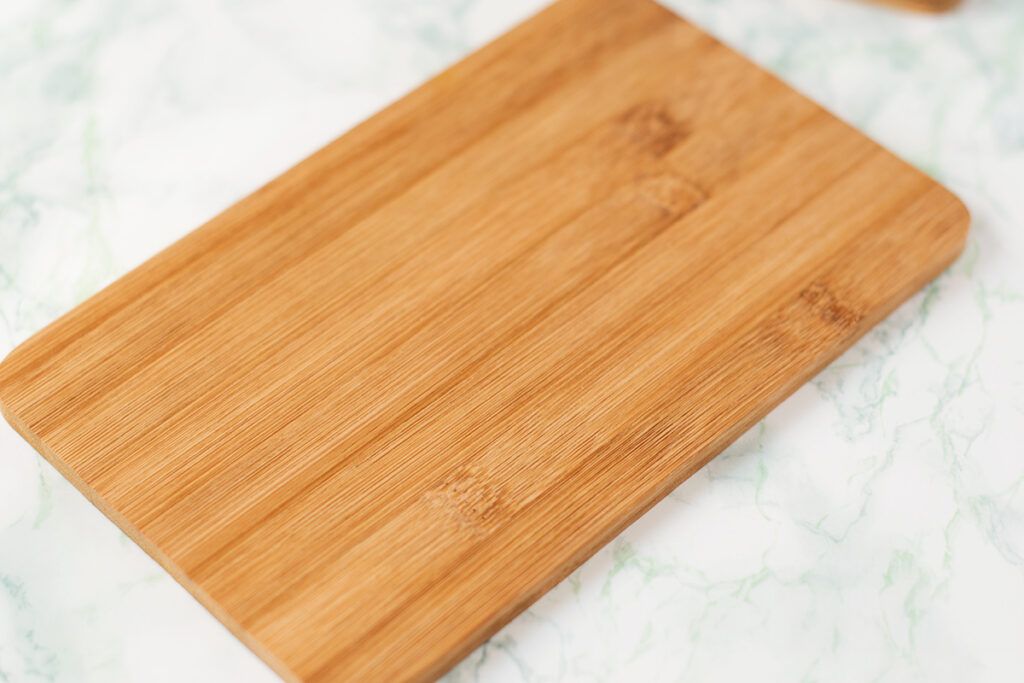
Wooden cutting boards are harder to sanitize than plastic ones because you can’t throw them in the dishwasher. Soap and hot water are usually sufficient to clean them, but if you want to give your wooden cutting board a deep clean, sprinkle the surface of the cutting board with some salt, cut a lemon in half, and start scrubbing. The salt acts as an abrasive and the lemon juice lifts stains and eliminates odors, making the board smell better than it has in years. Let the salty paste sit for five minutes, remove it with a bench scraper, and rinse the board well. 

Advertisement
Advertisement
Weeds in pavement
Credit: © Douglas Sacha—Moment/Getty Images

Kill Weeds (Kind Of)

Lemon juice is acidic enough to damage and kill small weeds, making it a nontoxic alternative to herbicides. That said, getting results from this hack requires a lot of lemon juice, and it will work only on young, small weeds with direct sun exposure. You’ll probably see the most success on gravel driveways or cracks between pavers — places where you can apply lemon juice liberally without worrying about affecting the plants you want to keep around. 

Feature image credit: © WJ Y/Pexels.com

More From Our Network

Better Report is part of Inbox Studio, an email-first media company. *Indicates a third-party property.

Go Retro With This 1960s Fashion Quiz

Quiz Daily

Go Retro With This 1960s Fashion Quiz

True or False: Are You a Master of U.S. Geography?

Travel Quiz

True or False: Are You a Master of U.S. Geography?

5 Reasons You Can Be Denied Boarding an Airplane

Daily Passport

5 Reasons You Can Be Denied Boarding an Airplane

What Did People Do Before Eyeglasses?

History Facts

What Did People Do Before Eyeglasses?

How To Use a Balloon To Clean Up Dust

House Outlook

How To Use a Balloon To Clean Up Dust

11 Shopping Hacks Costco Members Should Know

FinanceBuzz*

11 Shopping Hacks Costco Members Should Know

Share this article

  • Share to Facebook
  • Share to Twitter
  • Copy Url
  • Share to Email
Erin Scottberg
Writer

Erin Scottberg is a Brooklyn-based writer, garden designer, and houseplant expert — and the founder of Full Sun Studio (fullsun.studio), a garden design and plant consulting studio in New York City. She holds an Urban Horticulture Certificate from Brooklyn Botanic Garden, an NYC Street Tree Pruner License, and an NYC Master Composter Certification, and spent three years as Head of Content and Education at The Sill. When she's not working, you can find her creating in her textile studio, running craft nights in her neighborhood, or hanging with her rescue pup, Sunny. She's an ambitious DIYer, avid composter, and has never been able to walk by a thirft store without taking a look.

This article is for general informational purposes only.
Affiliate Disclaimer Medical Disclaimer Financial Disclaimer

Updated: May 27, 2026
Posted In: Home
Hero Image Credit: Better Report
Advertisement

Related Articles

The Safety Rules for Candles You Probably Don’t Know

5 min read

9 Items in Your Basement You Should Toss Right Now

5 min read

5 Vegetables You Should Never Store in the Fridge

3 min read

Why a Flashing Check Engine Light Is Different From a Solid One

3 min read

Why Does Your Sink Have a Tiny Hole?

3 min read
Advertisement

Is It Safe To Eat Lettuce That’s Turning Red?

Ali Eldridge
Health | Updated: June 1, 2026
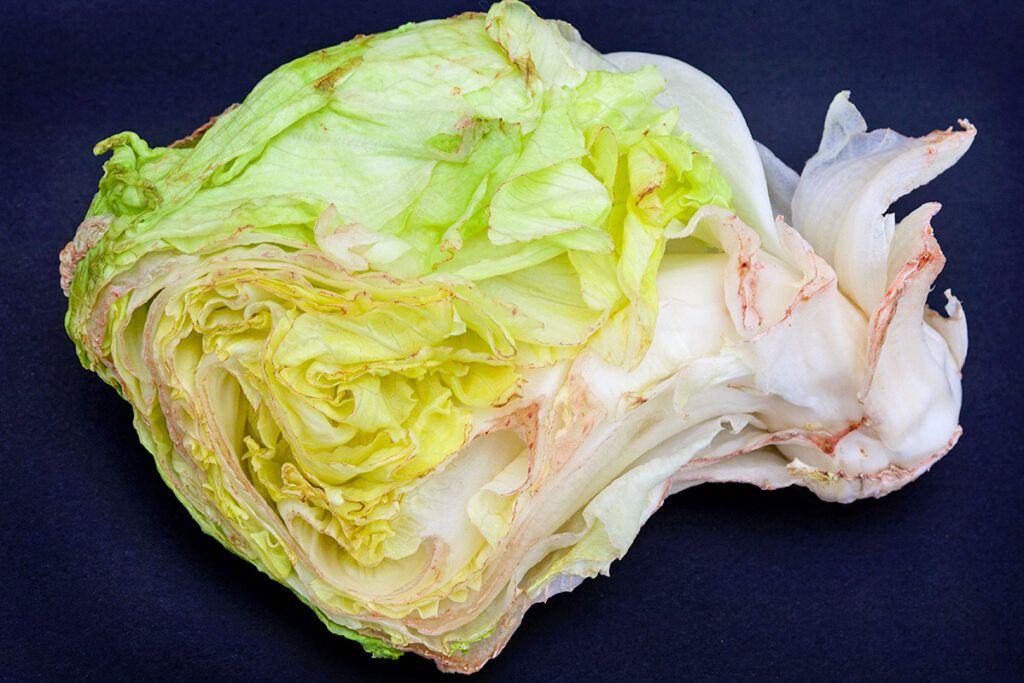
Rusty lettuce on a cutting board
Better Report

A head of lettuce can sometimes feel like a ticking time bomb in your fridge. Unlike sturdier root or cruciferous vegetables, delicate leafy greens are prone to wilting within a few days of coming home in your grocery bag. And that’s the best-case scenario. Worst case is opening your crisper drawer to find your lettuce looking like something you dug out of the compost bin. 

Changes in color can be a sign that your produce has crossed the point of no return. But some shades — like a pinkish rust color that appears on the pale cores of some lettuce leaves — are tricky to decipher. Is lettuce that’s turning red in some places still safe to eat? Or is it better to be safe and skip the Caesar salad before dinner? 

Credit: © Aninka/stock.adobe.com

Why Does Some Lettuce Change Color?

Romaine and iceberg lettuce varieties are both susceptible to something called “rusting” or “russet spotting.” It’s a sign not of spoilage, but that the vegetable is attempting to stop itself from going bad using its own chemistry. 

Advertisement
Advertisement

Like all fresh produce, lettuce starts to oxidize when its cells have been damaged and exposed to the air. As a defense mechanism, the leaves produce polyphenols, plant compounds capable of fighting off harmful microbes like fungi and mold. Not only are polyphenols safe to eat, but they even have anti-inflammatory properties that make them a natural antioxidant. In lettuce, they also have the unfortunate side effect of giving the paler parts of the leaves an unappealing, orangey-pink hue.

Mishandling on the way to the supermarket — or your kitchen — is a common cause of bruising in lettuce that can lead to oxidation. If you buy your lettuce precut, you can also expect to see rusty spots when you open the bag. 

Advertisement

Another possible source of oxidation is exposure to ethylene. Fruits release lots of ethylene when they’re ready to ripen, and nearby produce can be triggered by it even though the compound didn’t originate with them. That’s why tossing a hard avocado in a paper bag with ripe apples or bananas is one of the most effective ways to get it to ripen faster. 

Recommended Articles

  • The Safety Rules for Candles You Probably Don’t Know

  • 5 Things Your Car Needs Before the First Freeze

  • 6 Amazon Prime Day Hacks

  • 5 Things To Ask Your Doctor About the New Flu Shot

Advertisement
Advertisement

Reader Favorites

  • Woman looking in fridge

    9 Foods You Should Toss ASAP if They’re Expired

  • Person eating salad

    7 Things a Chef Never Orders at a Restaurant

  • Cherry angioma

    Are the Tiny Red Dots on Your Skin Dangerous?

In the case of lettuce, which is ready to eat as soon as it’s picked, ethylene exposure means oxidation, which means rusting and eventually decomposition. So if your romaine shares a corner of your fridge with ethylene-producing fruits, you may be setting it up for an untimely demise.

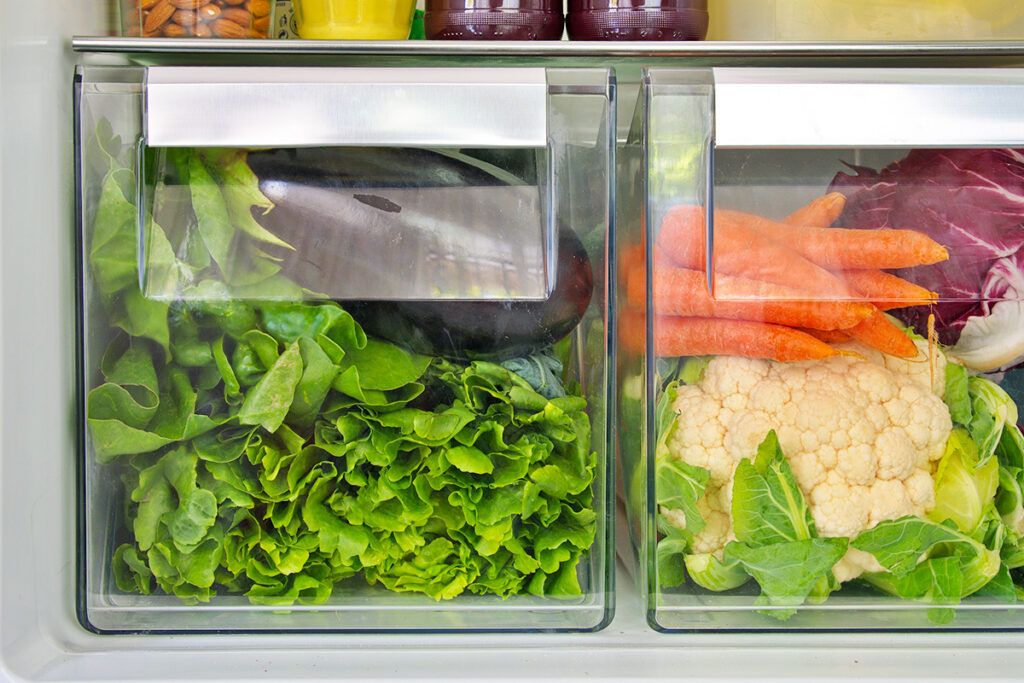
Credit: © Vedrana Sucic—iStock/Getty Images

How To Keep Lettuce From Going Bad

If a slight blushing around the core is the only significant change to your lettuce, it’s still OK to eat. The telltale signs of spoilage in leafy greens tend to be more obvious: a noticeable odor and slimy texture, for example. 

Advertisement
Advertisement

To limit rusting and extend your lettuce’s shelf life, be intentional with how you store it. The crisper drawer is the best spot for it in your fridge; it’s actually designed to preserve more delicate produce and keep leaves crisp for as long as possible. The key is to reserve the drawer for leafy greens exclusively and store your fruit in another part of the refrigerator — or better yet, on your counter.

Featured image credit: © Aninka/stock.adobe.com

More From Our Network

Better Report is part of Inbox Studio, an email-first media company. *Indicates a third-party property.

Go Retro With This 1960s Fashion Quiz

Quiz Daily

Go Retro With This 1960s Fashion Quiz

True or False: Are You a Master of U.S. Geography?

Travel Quiz

True or False: Are You a Master of U.S. Geography?

5 Reasons You Can Be Denied Boarding an Airplane

Daily Passport

5 Reasons You Can Be Denied Boarding an Airplane

What Did People Do Before Eyeglasses?

History Facts

What Did People Do Before Eyeglasses?

How To Use a Balloon To Clean Up Dust

House Outlook

How To Use a Balloon To Clean Up Dust

11 Shopping Hacks Costco Members Should Know

FinanceBuzz*

11 Shopping Hacks Costco Members Should Know

Share this article

  • Share to Facebook
  • Share to Twitter
  • Copy Url
  • Share to Email
Ali Eldridge

This article is for general informational purposes only.
Affiliate Disclaimer Medical Disclaimer Financial Disclaimer
Updated:
Posted In: Health
Hero Image Credit: Better Report

Advertisement

Related Articles

5 Things To Ask Your Doctor About the New Flu Shot

5 min read

Is Sourdough Actually Healthier Than Regular Bread?

7 min read

Do You Really Need a Bidet in Your Home?

4 min read

3 Common Sleep Habits That May Be Aging Your Brain

5 min read

Is the Traditional Mediterranean Diet Actually the Best for Your Brain?

4 min read
Advertisement

Posts navigation

Older posts
Newer posts
  • Home
  • Health
  • Wealth
  • Logo
  • Advertise
  • About
  • Contact Us
  • Privacy Policy
  • Terms of Use
  • Your Privacy Choices
x
Thumb Image

Elevate your everyday.

Sign up to receive the practical tips and expert advice you need to pare down the complexities of everyday living right in your inbox.

Sorry, your email address is not valid. Please try again.

Your email is:

Edit Image
Sorry, your email address is not valid. Please try again.
Thank you for subscribing...

By subscribing you are agreeing to our Terms of Use and Privacy Policy.

Close image
Thumb Image
Second Thumb Image

Elevate your everyday.

Sign up to receive the practical tips and expert advice you need to pare down the complexities of everyday living right in your inbox.

Sorry, your email address is not valid. Please try again.

By subscribing you are agreeing to our Privacy Policy and Terms of Use.

Close image