Skip to content
Better Report
  • Home
  • Health
  • Wealth
8 Low-Maintenance Plants That Thrive on Neglect
  • Search
  • Subscribe
  • Home
  • Health
  • Wealth
  • About
  • Privacy Policy
  • Terms of Use
  • Contact Us
  • SubscribeSubscribe
  • Search
Thank you for confirming your email! Welcome to the community.

Author: erin

Is It Safe To Eat Lettuce That’s Turning Red?

Health | Updated: June 1, 2026
Michele Debczak
Author
Michele Debczak is a writer and editor based in Brooklyn, New York. She appears in seasons four through six of History Channel's “The Food That Built America,” and her work has been featured in Mental Floss, Smithsonian Magazine, Eater, and Vice.
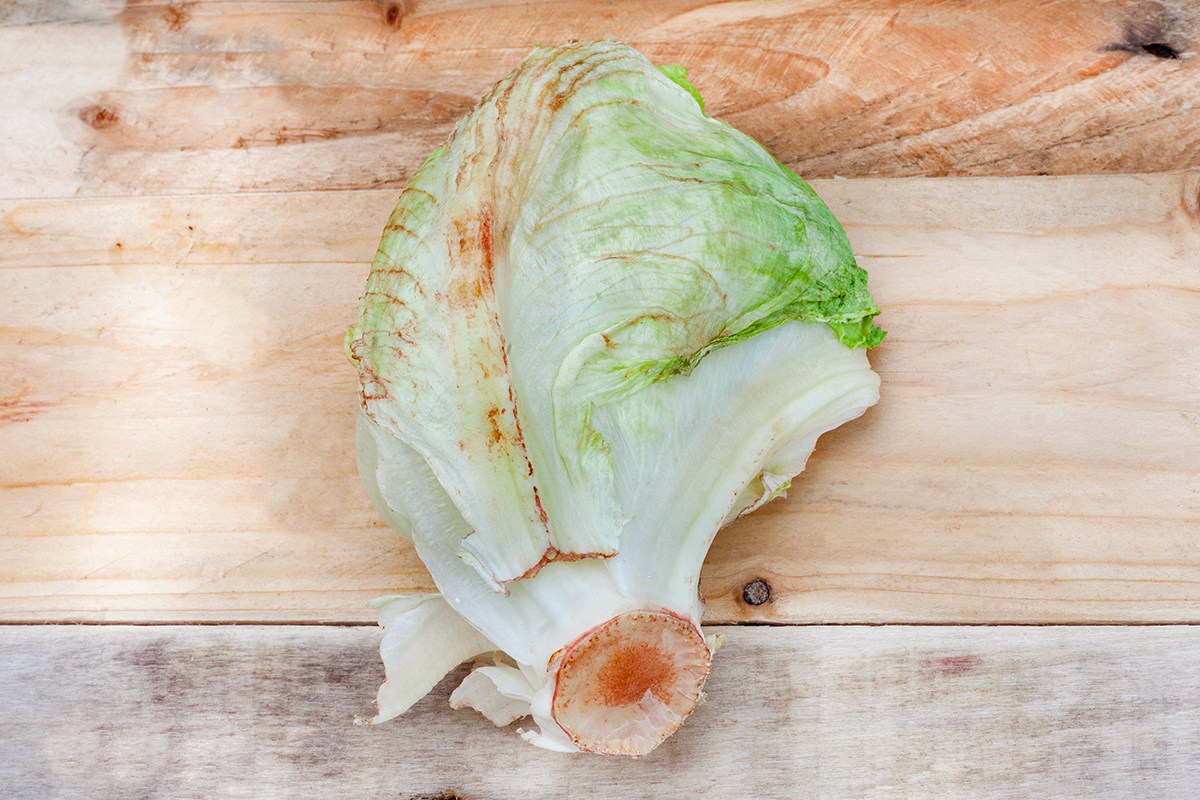
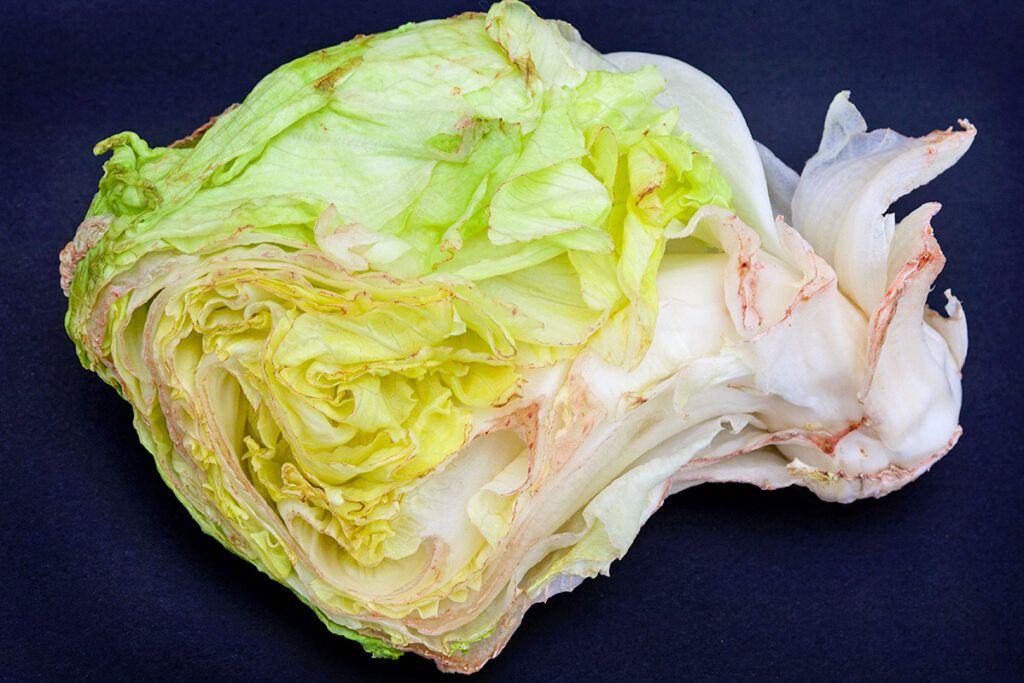
Rusty lettuce on a cutting board
Better Report

A head of lettuce can sometimes feel like a ticking time bomb in your fridge. Unlike sturdier root or cruciferous vegetables, delicate leafy greens are prone to wilting within a few days of coming home in your grocery bag. And that’s the best-case scenario. Worst case is opening your crisper drawer to find your lettuce looking like something you dug out of the compost bin. 

Changes in color can be a sign that your produce has crossed the point of no return. But some shades — like a pinkish rust color that appears on the pale cores of some lettuce leaves — are tricky to decipher. Is lettuce that’s turning red in some places still safe to eat? Or is it better to be safe and skip the Caesar salad before dinner? 
Credit: © Aninka/stock.adobe.com

Why Does Some Lettuce Change Color?

Romaine and iceberg lettuce varieties are both susceptible to something called “rusting” or “russet spotting.” It’s a sign not of spoilage, but that the vegetable is attempting to stop itself from going bad using its own chemistry. 

Advertisement
Advertisement

Like all fresh produce, lettuce starts to oxidize when its cells have been damaged and exposed to the air. As a defense mechanism, the leaves produce polyphenols, plant compounds capable of fighting off harmful microbes like fungi and mold. Not only are polyphenols safe to eat, but they even have anti-inflammatory properties that make them a natural antioxidant. In lettuce, they also have the unfortunate side effect of giving the paler parts of the leaves an unappealing, orangey-pink hue.

Mishandling on the way to the supermarket — or your kitchen — is a common cause of bruising in lettuce that can lead to oxidation. If you buy your lettuce precut, you can also expect to see rusty spots when you open the bag. 

Advertisement

Another possible source of oxidation is exposure to ethylene. Fruits release lots of ethylene when they’re ready to ripen, and nearby produce can be triggered by it even though the compound didn’t originate with them. That’s why tossing a hard avocado in a paper bag with ripe apples or bananas is one of the most effective ways to get it to ripen faster. 

Recommended Articles

  • The Safety Rules for Candles You Probably Don’t Know

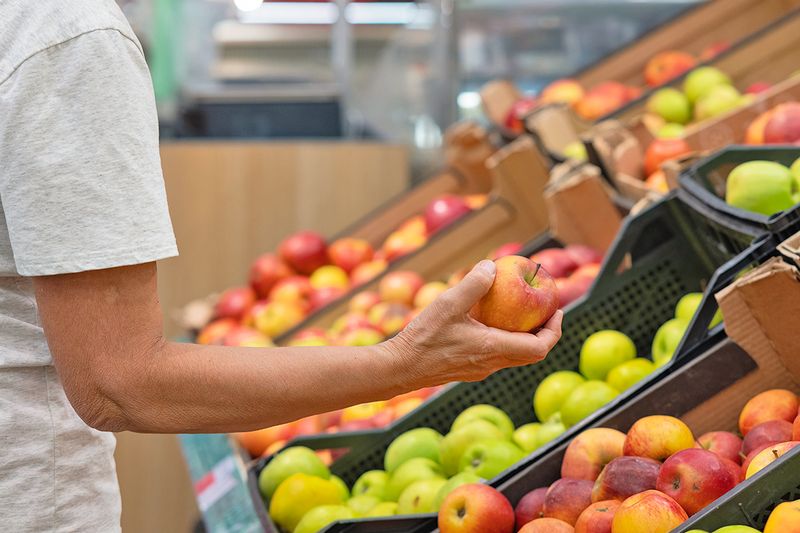
  • How Old Are the Apples in the Grocery Store?

  • 5 Things Your Car Needs Before the First Freeze

  • 6 Amazon Prime Day Hacks

Advertisement
Advertisement

Reader Favorites

  • Woman looking in fridge

    9 Foods You Should Toss ASAP if They’re Expired

  • Person eating salad

    7 Things a Chef Never Orders at a Restaurant

  • Cherry angioma

    Are the Tiny Red Dots on Your Skin Dangerous?

In the case of lettuce, which is ready to eat as soon as it’s picked, ethylene exposure means oxidation, which means rusting and eventually decomposition. So if your romaine shares a corner of your fridge with ethylene-producing fruits, you may be setting it up for an untimely demise.
Credit: © Vedrana Sucic—iStock/Getty Images

How To Keep Lettuce From Going Bad

If a slight blushing around the core is the only significant change to your lettuce, it’s still OK to eat. The telltale signs of spoilage in leafy greens tend to be more obvious: a noticeable odor and slimy texture, for example. 

Advertisement
Advertisement

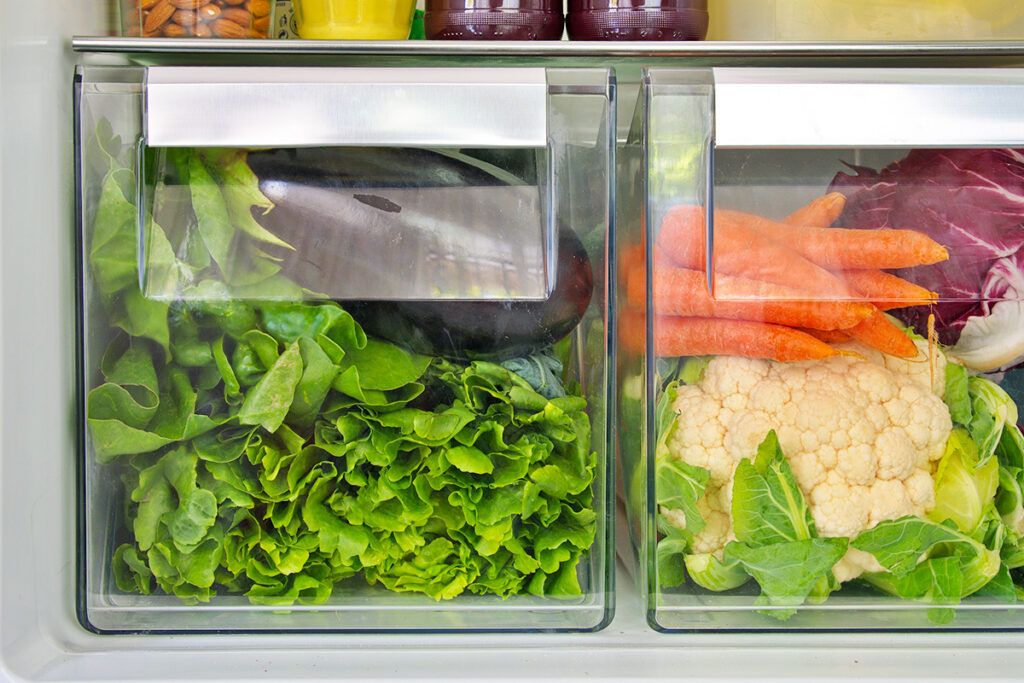
To limit rusting and extend your lettuce’s shelf life, be intentional with how you store it. The crisper drawer is the best spot for it in your fridge; it’s actually designed to preserve more delicate produce and keep leaves crisp for as long as possible. The key is to reserve the drawer for leafy greens exclusively and store your fruit in another part of the refrigerator — or better yet, on your counter.

Featured image credit: © Aninka/stock.adobe.com

More From Our Network

Better Report is part of Inbox Studio, an email-first media company. *Indicates a third-party property.

Go Retro With This 1960s Fashion Quiz

Quiz Daily

Go Retro With This 1960s Fashion Quiz

True or False: Are You a Master of U.S. Geography?

Travel Quiz

True or False: Are You a Master of U.S. Geography?

5 Reasons You Can Be Denied Boarding an Airplane

Daily Passport

5 Reasons You Can Be Denied Boarding an Airplane

What Did People Do Before Eyeglasses?

History Facts

What Did People Do Before Eyeglasses?

How To Use a Balloon To Clean Up Dust

House Outlook

How To Use a Balloon To Clean Up Dust

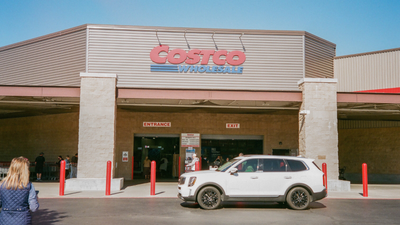
11 Shopping Hacks Costco Members Should Know

FinanceBuzz*

11 Shopping Hacks Costco Members Should Know

Share this article

  • Share to Facebook
  • Share to Twitter
  • Copy Url
  • Share to Email
Michele Debczak
Writer

Michele Debczak is a writer and editor based in Brooklyn, New York. She appears in seasons four through six of History Channel's “The Food That Built America,” and her work has been featured in Mental Floss, Smithsonian Magazine, Eater, and Vice.

This article is for general informational purposes only.
Affiliate Disclaimer Medical Disclaimer Financial Disclaimer

Updated: April 3, 2026
Posted In: Health
Hero Image Credit: Better Report
Advertisement

Related Articles

How Old Are the Apples in the Grocery Store?

4 min read

5 Things To Ask Your Doctor About the New Flu Shot

5 min read

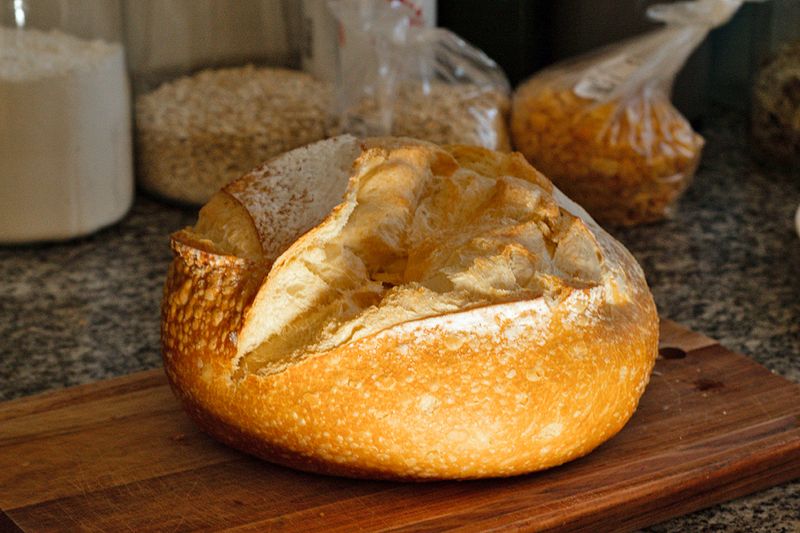
Is Sourdough Actually Healthier Than Regular Bread?

7 min read

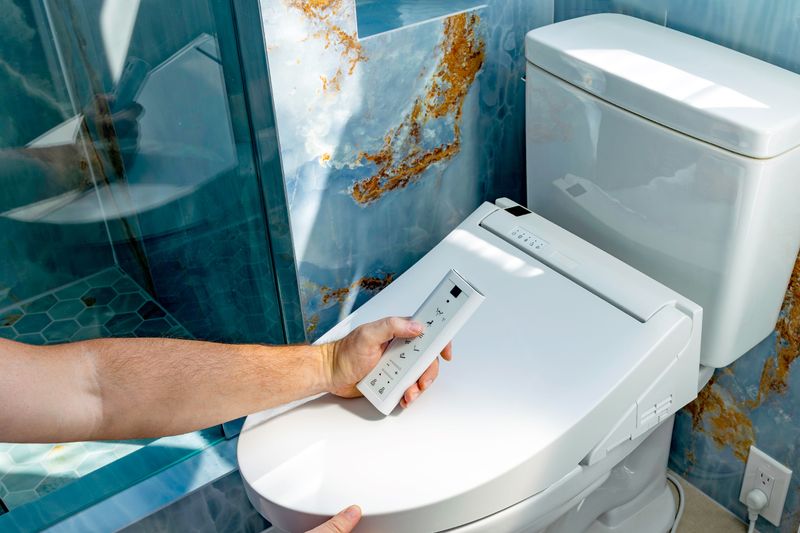
Do You Really Need a Bidet in Your Home?

4 min read

3 Common Sleep Habits That May Be Aging Your Brain

5 min read
Advertisement

Why You Should Drink Hot Beverages on Hot Days

Health | Updated: June 1, 2026
Kat Long
Author
Kat Long is a freelance science journalist in the Washington, D.C. area. Previously, she was the science editor at Mental Floss and a digital editor at National Geographic. She now writes the Arctic Archives newsletter on Substack. Kat spends her free time birdwatching, road-tripping to historical sites and perusing old manuscripts at libraries.
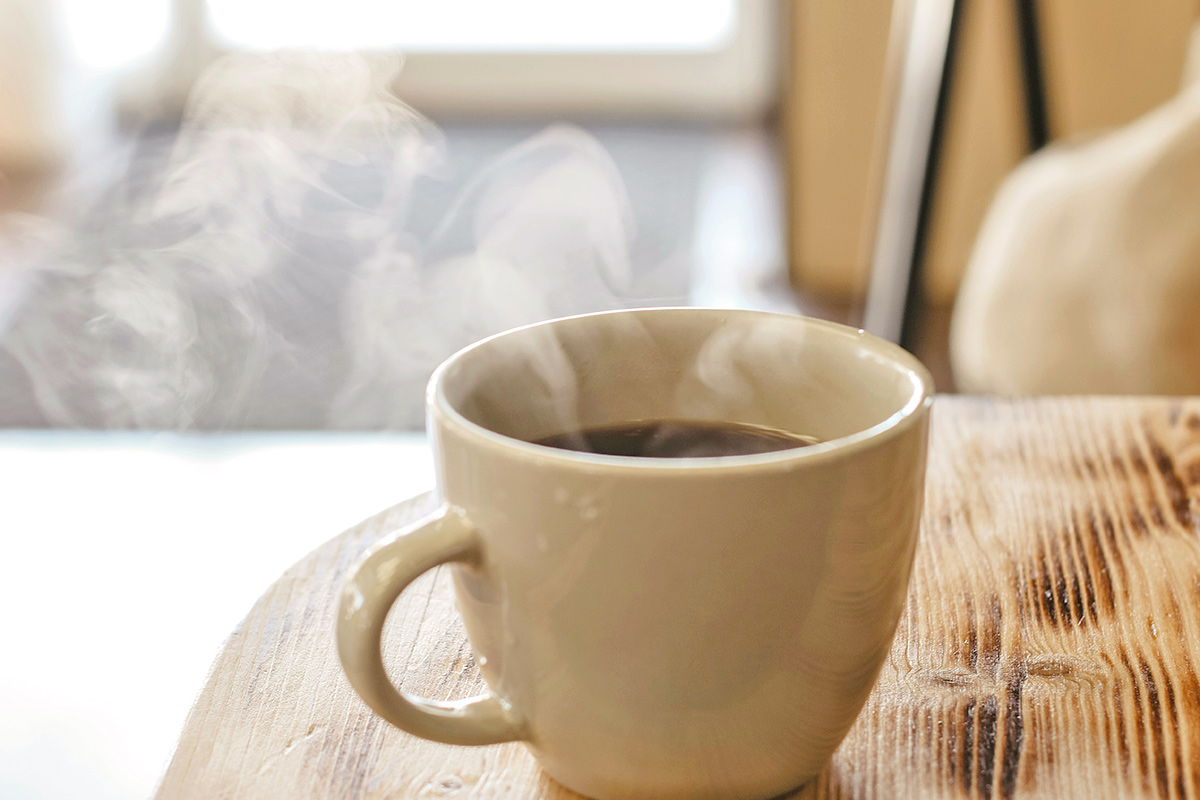
Hot cup of coffee
Better Report

On a blazing summer day, the last thing most people want to do is sip a steaming cup of tea or take a swig of piping-hot coffee. Instead, we usually crave an icy glass of water, seltzer, or lemonade. Drinking a cold beverage feels like we’re both hydrating our bodies and efficiently lowering our core temperature, but science is here to ruin that illusion. If you really want to cool off on a warm day, consider downing that hot drink instead.

Man sweating
Credit: © PonyWang—E+/Getty Images

The Science of Sweat

It seems counterintuitive, but drinking a hot beverage will actually make you cooler, thanks to blood and sweat.

Advertisement
Advertisement

Sweating is your body’s chief way of regulating body temperature and preventing overheating. When you consume hot food or drinks, the added heat causes your blood vessels to expand (known as vasodilation) and allow more blood to pass through them, distributing the heat from your core to your extremities. Glands in your skin begin producing sweat, which is mostly water combined with some salts and other compounds. The fluid then evaporates from the surface of your skin and transfers the heat from your body to the air around you, cooling you off.

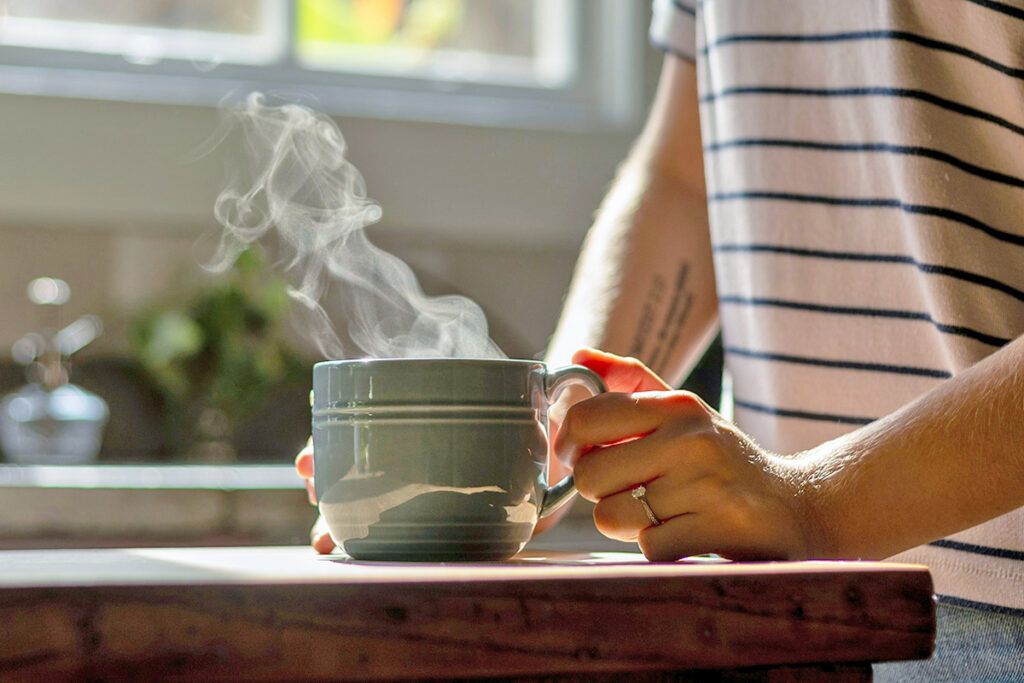
Woman holding hot beverage
Credit: © Blake Cheek/Unsplash.com

How Hot Drinks Cool You Down

Scientists have even tested the cooling power of hot versus cold drinks in a controlled environment. For a 2012 study, nine male participants rode stationary bikes for an hour and 15 minutes in a lab where the room was kept at 23.6 degrees Celsius (roughly 75 degrees Fahrenheit) with low relative humidity. 

During the ride, participants drank samples of cool, warm, and hot water while wearable sensors measured their skin temperature and the amount of carbon dioxide they produced by breathing, indicating their level of baseline heat resulting from metabolism. 

Advertisement

After the riders drank the cool water, their core body temp decreased, but so did their tendency to sweat. The hot water raised participants’ core temp slightly and, importantly, revved up sweating, which cooled their bodies more efficiently. Ultimately, the hot drinks resulted in lower body temperatures because more sweating eliminated more heat.

For this to work in the real world, though, the surrounding environment must have low relative humidity, the measurement of how much moisture is in the atmosphere. The lower the humidity, the easier it is for sweat to evaporate, whereas higher humidity inhibits sweat evaporation and makes it more difficult for your body to cool off. At about 90% relative humidity, sweat can no longer evaporate from skin.

In a hot, humid environment, drinking cool water — not hot beverages — and remaining hydrated is crucial for avoiding heat exhaustion and heat stroke.

Woman drinking hot beverage
Credit: Pablo Merchán Montes/Unsplash.com 

Cold Beverages on Cold Days?

Do the thermoregulatory benefits of a hot drink on a hot day mean you should, inversely, consume cold beverages in cold weather? 

Recommended Articles

  • The Safety Rules for Candles You Probably Don’t Know

  • How Old Are the Apples in the Grocery Store?

  • 5 Things Your Car Needs Before the First Freeze

  • 6 Amazon Prime Day Hacks

Advertisement
Advertisement

Reader Favorites

  • Woman looking in fridge

    9 Foods You Should Toss ASAP if They’re Expired

  • Person eating salad

    7 Things a Chef Never Orders at a Restaurant

  • Cherry angioma

    Are the Tiny Red Dots on Your Skin Dangerous?

The answer seems to be “no.” A hot drink — ideally between 98.6 degrees and 115 degrees Fahrenheit — will dilate your blood vessels to distribute heat from your core in cold weather just as it does in hot weather. The difference in cold environments is that you’re less likely to lose that heat through sweating. A hot drink will help maintain your core at a toasty temp and make you feel warmer, too. 

Advertisement

A cold drink, conversely, can induce shivering, which does generate body heat. But shivering wouldn’t feel nearly as nice as sipping a mug of hot cocoa on a chilly morning. 

Featured Image Credit: © René Porter/Unsplash.com

More From Our Network

Better Report is part of Inbox Studio, an email-first media company. *Indicates a third-party property.

Go Retro With This 1960s Fashion Quiz

Quiz Daily

Go Retro With This 1960s Fashion Quiz

True or False: Are You a Master of U.S. Geography?

Travel Quiz

True or False: Are You a Master of U.S. Geography?

5 Reasons You Can Be Denied Boarding an Airplane

Daily Passport

5 Reasons You Can Be Denied Boarding an Airplane

What Did People Do Before Eyeglasses?

History Facts

What Did People Do Before Eyeglasses?

How To Use a Balloon To Clean Up Dust

House Outlook

How To Use a Balloon To Clean Up Dust

11 Shopping Hacks Costco Members Should Know

FinanceBuzz*

11 Shopping Hacks Costco Members Should Know

Share this article

  • Share to Facebook
  • Share to Twitter
  • Copy Url
  • Share to Email
Kat Long
Writer

Kat Long is a freelance science journalist in the Washington, D.C. area. Previously, she was the science editor at Mental Floss and a digital editor at National Geographic. She now writes the Arctic Archives newsletter on Substack. Kat spends her free time birdwatching, road-tripping to historical sites and perusing old manuscripts at libraries.

This article is for general informational purposes only.
Affiliate Disclaimer Medical Disclaimer Financial Disclaimer

Updated: April 6, 2026
Posted In: Health
Hero Image Credit: Better Report
Advertisement

Related Articles

How Old Are the Apples in the Grocery Store?

4 min read

5 Things To Ask Your Doctor About the New Flu Shot

5 min read

Is Sourdough Actually Healthier Than Regular Bread?

7 min read

Do You Really Need a Bidet in Your Home?

4 min read

3 Common Sleep Habits That May Be Aging Your Brain

5 min read
Advertisement

5 Surprising Things That Could Ruin Your Credit Score

Ali Eldridge
Wealth | Updated: May 28, 2026
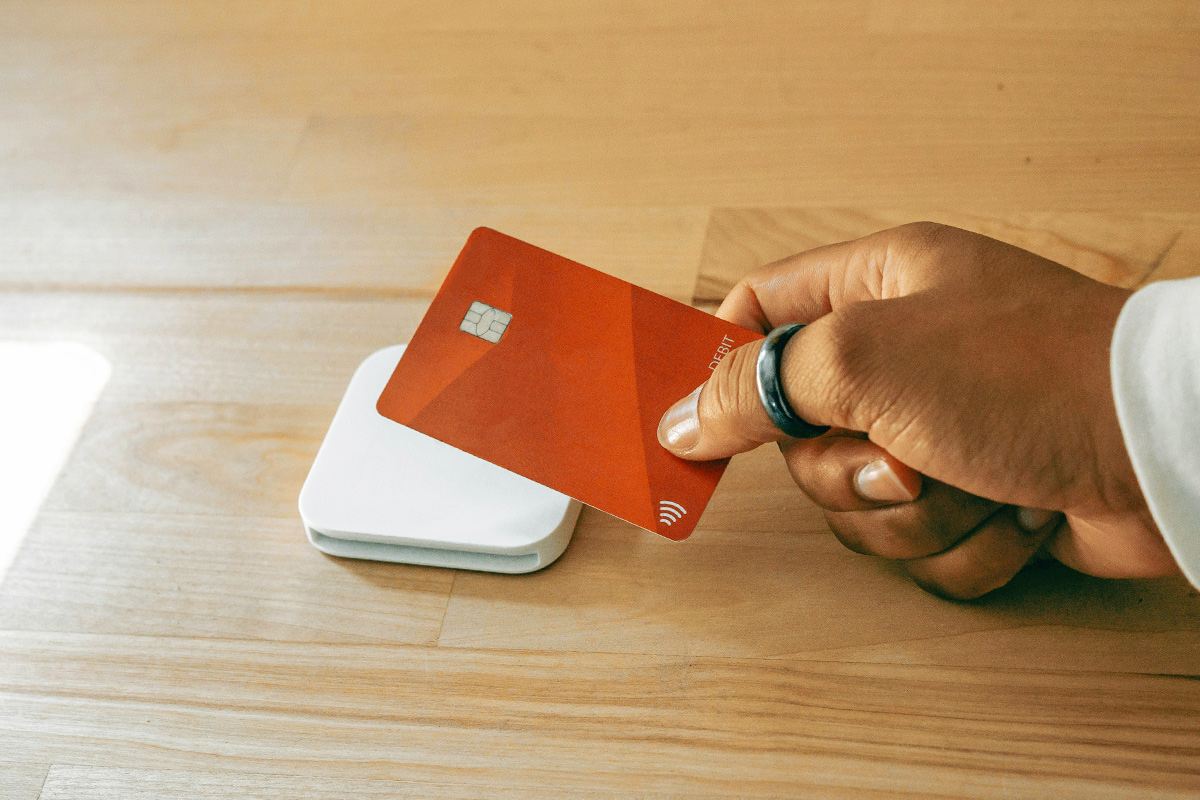
Person using credit card
Better Report

Even if you pay all your bills on time and remain in good financial standing, your credit score can drop almost inexplicably. When this happens, you may be looking for answers so you can avoid making the same mistake in the future. But credit scores are typically shrouded in mystery, and sometimes, there’s no way to know for sure what caused the decline. However, there are a few common pitfalls that often factor into these sudden dips — and it may surprise you to learn what they are. Here are five examples.

Exterior of a bank
Credit: © Paris Bilal/Unsplash

Opening or Closing Credit Cards

When you open up a new credit card, it lowers the average age of your credit — the average length of time that your accounts have been active. The age of your credit can account for as much as 15% of your credit score, so the longer you’ve had credit, the better. Your history will also hopefully demonstrate to lenders that you can manage accounts over time and therefore should be able to make future payments. 

Advertisement
Advertisement

Opening up a new credit card account also triggers a “hard inquiry,” which is a thorough analysis of your credit by the lender. This report remains on your account for two years, though a single hard inquiry will typically cause your score to dip by only five or so points. That said, if you open up several new credit card accounts in a short window, the inquiries will have a more substantial effect on your credit score. Also, lenders will be able to see that you opened several new accounts in a short window, which may lead them to believe that you’re in financial distress or a high-risk borrower. This can seriously impact your credit score and may even be grounds for lenders to deny you loans.

Closing an account is also likely to negatively affect your score — and this is true even for credit cards you don’t use anymore. It’s all related to the “credit utilization ratio,” which is the total amount of credit you’re using divided by the total available amount of credit across your accounts. Closing a credit card increases the ratio, which lowers your credit score.

Holding credit cards
Credit: © Media/Stock.adobe.com

Having Only One Credit Card

This issue is also related to your credit utilization ratio. If you have only one credit card account, you’re limiting the amount of available credit attached to your name. This, in turn, keeps your credit score lower than it theoretically should be.

Recommended Articles

  • The Safety Rules for Candles You Probably Don’t Know

  • How Old Are the Apples in the Grocery Store?

  • 5 Things Your Car Needs Before the First Freeze

  • 6 Amazon Prime Day Hacks

Advertisement
Advertisement

Reader Favorites

  • Woman looking in fridge

    9 Foods You Should Toss ASAP if They’re Expired

  • Person eating salad

    7 Things a Chef Never Orders at a Restaurant

  • Cherry angioma

    Are the Tiny Red Dots on Your Skin Dangerous?

That’s why it’s a good idea to have multiple credit card accounts open at any given time, even if you primarily use one and charge only small amounts to others (more on that in a minute). While you may experience a temporary dip when you initially open a new account, it’ll bounce back in time as your credit utilization ratio improves. It’s important to stay on top of your payments, though, which may be difficult if you manage two or more accounts: Neglecting them can drag down your credit score, negating the benefit of having multiple accounts.

Advertisement
Wallet with cash
Credit: © Vitalii Khodzinskyi/Unsplash.com

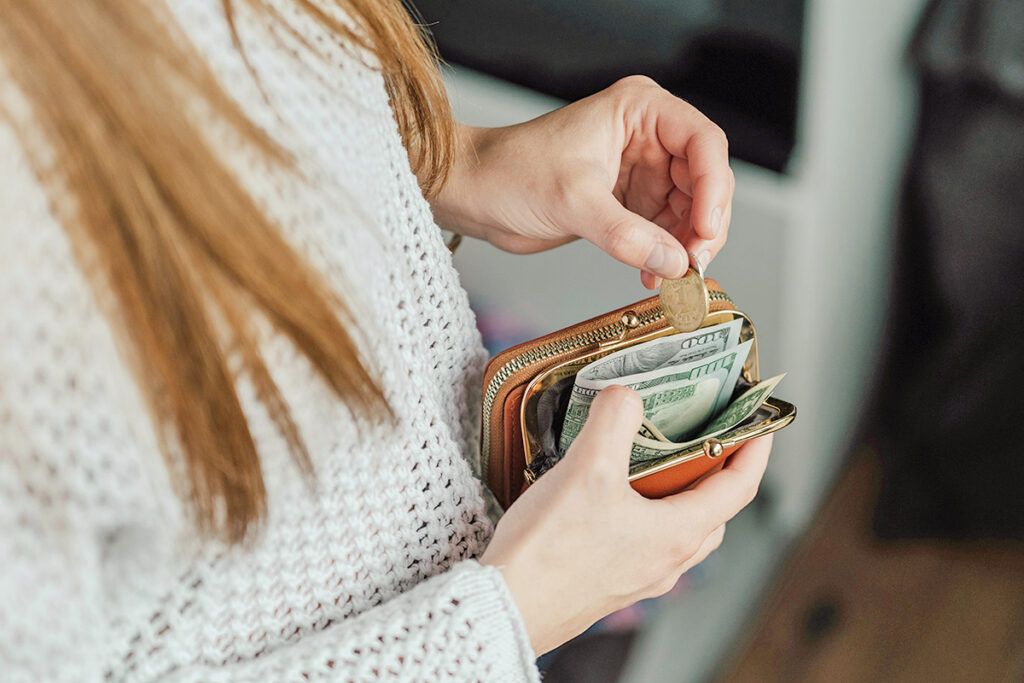
Paying With Only Cash

Paying with cash to avoid accruing debt may seem appealing, but there’s a downside: According to Equifax, going cold turkey with your credit cards may cause lenders or creditors to deem your accounts inactive. Issuers can choose to shut down a card due to inactivity without warning you that they’re going to do so, which will affect your credit utilization ratio.

Advertisement
Advertisement

To avoid this issue, it’s best to keep your credit card accounts active, even if you’re charging only small purchases every couple of months. (You can also set up a recurring charge alongside autopay so you don’t need to think about it.) Even a few dollars will show creditors and lenders that you’re still using the cards so they don’t shut them down.

Cash and bills
Credit: © Tima Miroshnichenko/Pexels.com

Paying Off Debt Too Quickly

If you have student loans or a car loan, you’re probably trying to get those off the books as quickly as possible to avoid accruing interest. But paying off your loans too quickly can actually cause your credit score to drop.

Advertisement
Advertisement

According to Equifax, paying off these debts impacts the diversity of your credit mix — the types of accounts and loans you have — which account for about 10% of your credit score. Having a diverse mix shows creditors that you can manage different types of debt; paying off a loan removes it from your mix, negatively affecting your overall score. (Not having a diverse enough credit mix can also lower your credit score.) So, if you want to keep your credit mix diverse, you may want to keep making payments on the loan rather than paying it off quickly. 

That said, any drop from paying off a loan is likely to be temporary: Your score will probably creep back up around 30 to 45 days after paying off a loan.

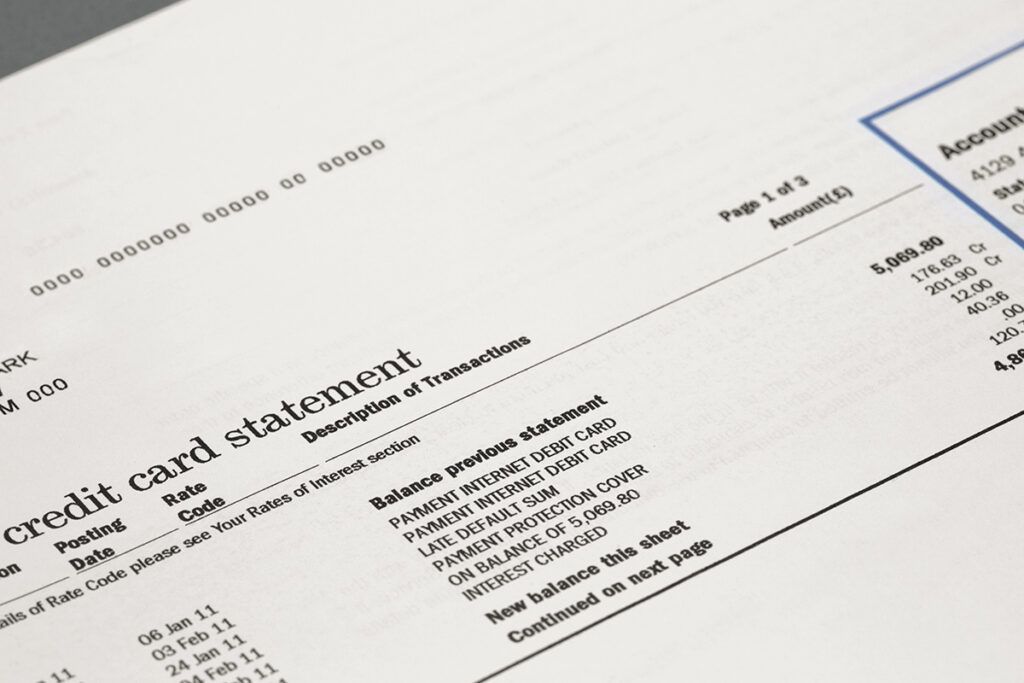
Credit card statement
Credit: © littlebloke—iStock/Getty Images

Running Up Balances — Even if You Pay on Time

There are two dates to be aware of when it comes to your credit card account. One is the date when the statement is closed for the month’s billing cycle, while the other is the day payment is due (usually several weeks later). 

Advertisement

Credit bureaus are typically alerted to your active balance at the end of each billing cycle rather than when the money is officially due.This means that if you owe $5,000 on your credit card at the end of a billing cycle and pay it off well before the money is actually due (after which you may start to incur fines), all the credit bureau sees is the fact that you owed five grand — not that you paid it off with plenty of time. This could lead to a lower credit score.

Advertisement
Advertisement

To prevent this, pay your bills immediately before the end of each billing cycle, which ensures the lowest amount of credit card debt is reported to the credit bureaus. If you’re not sure when your billing cycle ends, you can find the date on your statement, by signing in to your online account, or by contacting the lender.

Featured image credit: © Clay Banks/Unsplash.com

More From Our Network

Better Report is part of Inbox Studio, an email-first media company. *Indicates a third-party property.

Go Retro With This 1960s Fashion Quiz

Quiz Daily

Go Retro With This 1960s Fashion Quiz

True or False: Are You a Master of U.S. Geography?

Travel Quiz

True or False: Are You a Master of U.S. Geography?

5 Reasons You Can Be Denied Boarding an Airplane

Daily Passport

5 Reasons You Can Be Denied Boarding an Airplane

What Did People Do Before Eyeglasses?

History Facts

What Did People Do Before Eyeglasses?

How To Use a Balloon To Clean Up Dust

House Outlook

How To Use a Balloon To Clean Up Dust

11 Shopping Hacks Costco Members Should Know

FinanceBuzz*

11 Shopping Hacks Costco Members Should Know

Share this article

  • Share to Facebook
  • Share to Twitter
  • Copy Url
  • Share to Email
Ali Eldridge

This article is for general informational purposes only.
Affiliate Disclaimer Medical Disclaimer Financial Disclaimer

Updated:
Posted In: Wealth
Hero Image Credit: Better Report
Advertisement

Related Articles

5 Things Your Car Needs Before the First Freeze

4 min read

6 Amazon Prime Day Hacks

6 min read

Is It Actually Better To Lease a Car?

9 min read

7 Free MIT Classes You Can Experience From Home

4 min read

The Bedroom Color That Adds $2,000 to Your Home Value

3 min read
Advertisement

Double-Dipping Is Grosser Than You Realize

Health | Updated: May 28, 2026
Kat Long
Author
Kat Long is a freelance science journalist in the Washington, D.C. area. Previously, she was the science editor at Mental Floss and a digital editor at National Geographic. She now writes the Arctic Archives newsletter on Substack. Kat spends her free time birdwatching, road-tripping to historical sites and perusing old manuscripts at libraries.
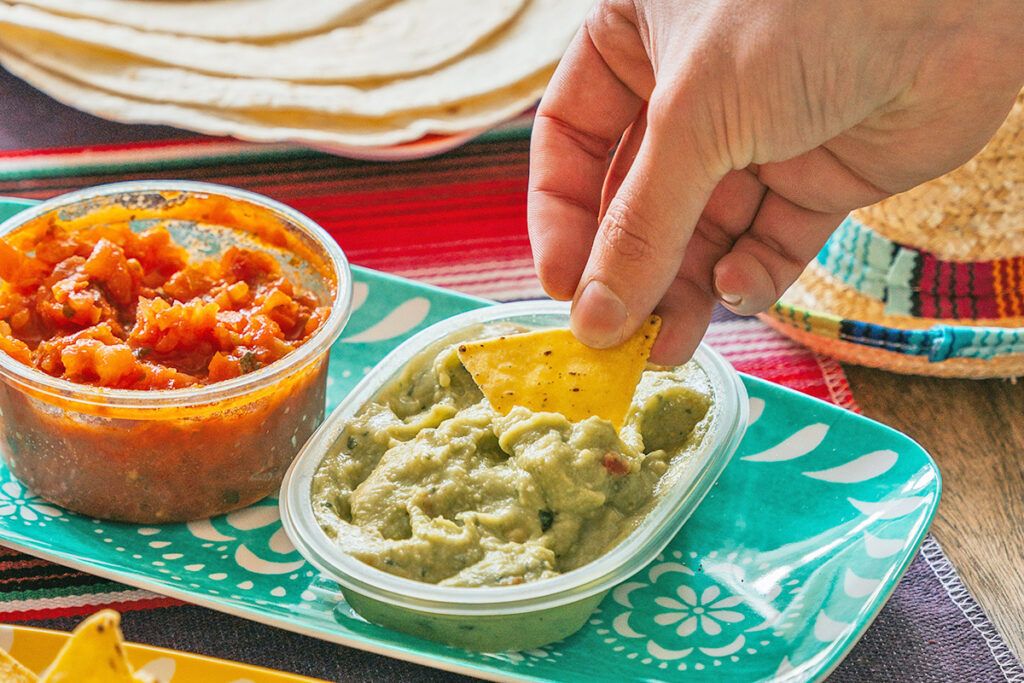
Chips in guacamole
Better Report

Double-dipping is up there with open-mouth chewing and public fingernail-clipping on the hierarchy of disgusting, but mostly harmless, social behaviors. Many frown upon the act of plunging an already-bitten chip into a communal dip because the food is thought to act like an efficient germ-delivery vehicle. There’s no denying the practice is gross — but is it a health risk? Here’s what a few brave scientists have discovered.

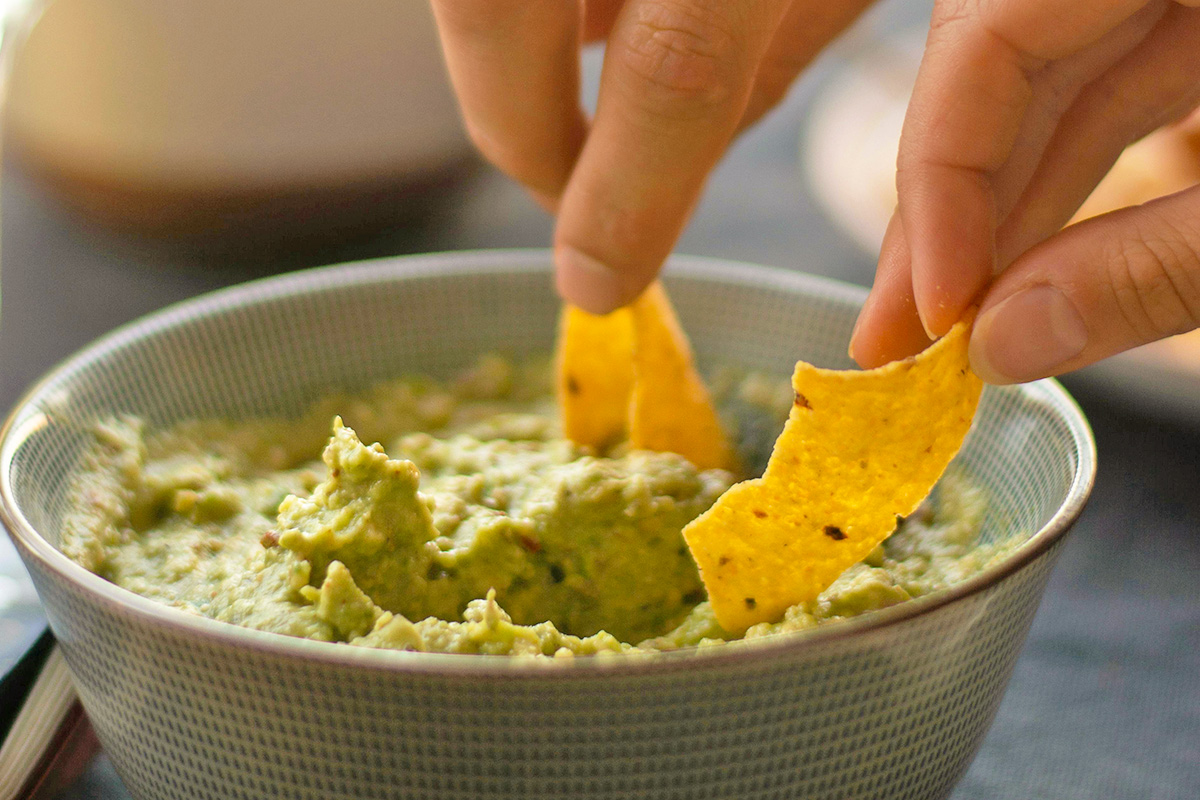
Dipping a chip in guacamole
Credit: © Cphotos/Unsplash.com

What the Science Says

First things first: Double-dipping is not quite like “putting your whole mouth right in the dip,” as Timmy claims on that infamous episode of Seinfeld. Admittedly, there isn’t much research into the health effects of double-dipping, but one frequently cited 2009 study in the Journal of Food Safety (reportedly inspired by the Seinfeld scene) tried to quantify the amount of oral bacteria transferred from mouths to dips on crackers. 

Advertisement
Advertisement

Eight study participants dipped bitten or unbitten crackers into samples of sterilized water of varying acidity to mimic dips, which tend to be on the acidic side. According to the study, “significant bacterial transfer” occurred from the partially eaten food, and the less acidic water held more microbes for a longer time. Next, three condiments — salsa, chocolate sauce, and cheese dip — were tested in the same way and revealed similar results. Three to six submergings of a bitten cracker transferred about 10,000 bacteria to the dip, with salsa having the highest initial bacterial load and the lowest after two hours at room temperature. (Salsa is highly acidic, and the acid killed some of the bacteria.) 

“Bacterial population of food dips increased due to the practice of ’double-dipping,’ [and] dip type can influence the dip’s bacterial population,” the authors concluded. They estimated that each instance of double-dipping at a hypothetical party would transfer an average 50 to 100 bacteria from guest to guest per bite, depending on the type and amount of dip.

Woman eating a chip
Credit: © Drazen/stock.adobe.com

Double-Dipping Dangers?

The mouth is naturally full of bacteria. More than 700 species of microbes have been found in the oral cavity, and most assist important biological functions like digestion and immune response. Spreading these bacteria by double-dipping doesn’t necessarily pose a health risk.

Recommended Articles

  • The Safety Rules for Candles You Probably Don’t Know

  • How Old Are the Apples in the Grocery Store?

  • 5 Things Your Car Needs Before the First Freeze

  • 6 Amazon Prime Day Hacks

Advertisement
Advertisement

Reader Favorites

  • Woman looking in fridge

    9 Foods You Should Toss ASAP if They’re Expired

  • Person eating salad

    7 Things a Chef Never Orders at a Restaurant

  • Cherry angioma

    Are the Tiny Red Dots on Your Skin Dangerous?

There’s a slight risk of getting sick if the double-dipper is coming down with a cold, though. Viruses that cause the common cold, flu, and COVID-19 can be transferred through saliva, but research suggests that the typical party dip isn’t an effective mode of contagion. You’re much more likely to be infected through a sick partygoer’s uncovered cough or sneeze. (An exception to that general rule is norovirus, an incredibly contagious bug that causes gastrointestinal illness and can be spread through saliva-contaminated food and water or contact with contaminated surfaces or hands.) 

Advertisement
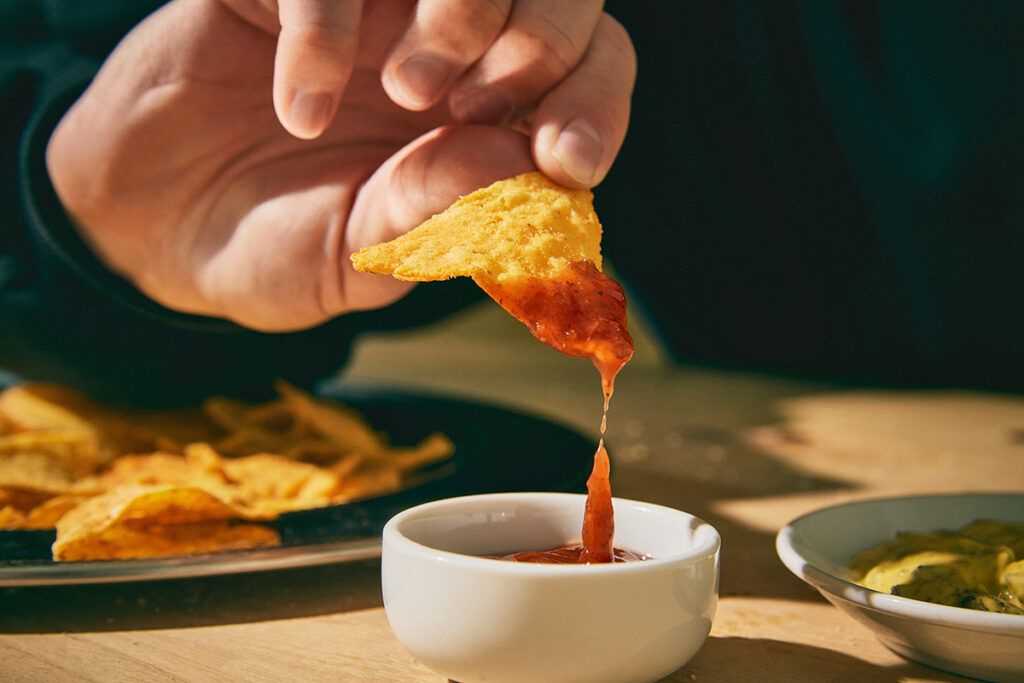
Chip in salsa
Credit: © master1305/stock.adobe.com

Impacts on Food

Saliva can have an effect on dips (and other foods) that goes beyond potential germiness. If you double-dip and transfer saliva to the dip, an enzyme called salivary amylase gets to work on the starches contained in the food. The enzyme dissolves chemical bonds in starch molecules and breaks them into simpler carbohydrates. 

Advertisement
Advertisement

This process usually occurs in the mouth, where salivary amylase helps break down food and begins digestion. Surprisingly, it also works for a brief period outside the mouth. After exposure to the enzyme, thick, starchy foods like cooked oatmeal or mashed potatoes become thinner and runnier. 

A food’s change in consistency doesn’t necessarily mean someone double-dipped, since the enzymatic action can be disrupted by temperature, the food’s acidity, and other factors. But if you notice a bowl of dip getting mysteriously and progressively watery as the party goes on, steer clear.

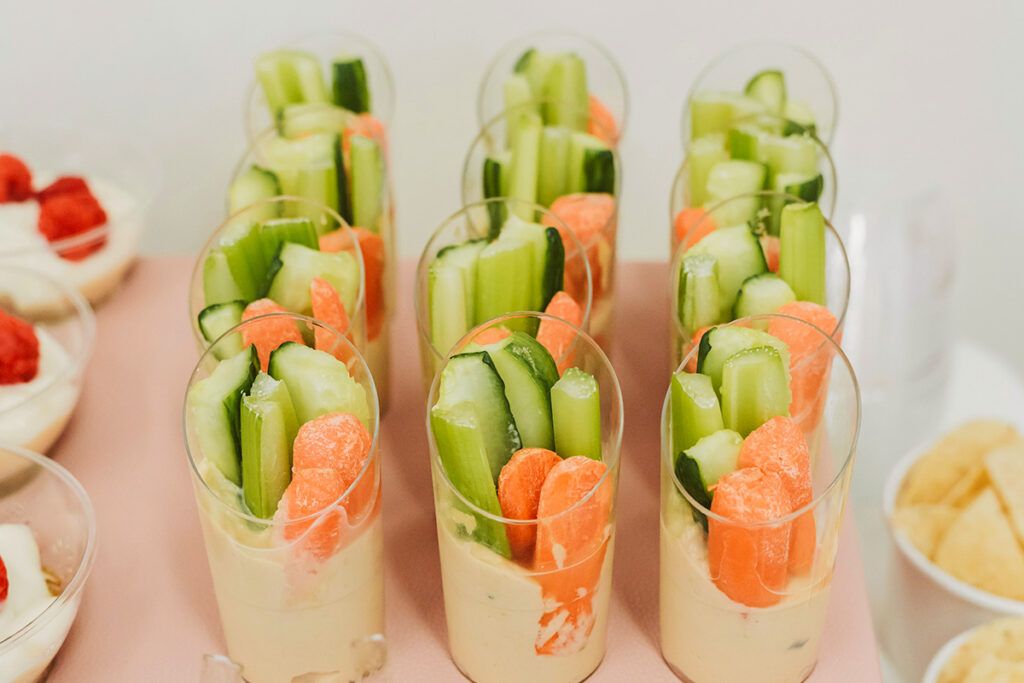
Veggies in hummus
Credit: © Jose Marroquin/Unsplash.com

Avoiding the Double-Dip

Unless you monitor the snack table and catch double-dippers in the act, you probably won’t be able to completely avoid being exposed to the icky practice in social events. You can take some commonsense precautions to deter possible illness, though. Washing your hands before and after handling food and covering your sneezes and coughs with your elbow will cut down your risk of picking up (or spreading) germs. And if you’re the host of the party, consider serving condiments and hors d’oeuvres in individual portions — or better yet, just skip the dip.

Feature Image Credit: ©Pierre-Antoine Caisso/Pexels

More From Our Network

Better Report is part of Inbox Studio, an email-first media company. *Indicates a third-party property.
Go Retro With This 1960s Fashion Quiz

Quiz Daily

Go Retro With This 1960s Fashion Quiz

True or False: Are You a Master of U.S. Geography?

Travel Quiz

True or False: Are You a Master of U.S. Geography?

5 Reasons You Can Be Denied Boarding an Airplane

Daily Passport

5 Reasons You Can Be Denied Boarding an Airplane

What Did People Do Before Eyeglasses?

History Facts

What Did People Do Before Eyeglasses?

How To Use a Balloon To Clean Up Dust

House Outlook

How To Use a Balloon To Clean Up Dust

11 Shopping Hacks Costco Members Should Know

FinanceBuzz*

11 Shopping Hacks Costco Members Should Know

Share this article

  • Share to Facebook
  • Share to Twitter
  • Copy Url
  • Share to Email
Kat Long
Writer

Kat Long is a freelance science journalist in the Washington, D.C. area. Previously, she was the science editor at Mental Floss and a digital editor at National Geographic. She now writes the Arctic Archives newsletter on Substack. Kat spends her free time birdwatching, road-tripping to historical sites and perusing old manuscripts at libraries.

This article is for general informational purposes only.
Affiliate Disclaimer Medical Disclaimer Financial Disclaimer

Updated: April 6, 2026
Posted In: Health
Hero Image Credit: Better Report
Advertisement

Related Articles

How Old Are the Apples in the Grocery Store?

4 min read

5 Things To Ask Your Doctor About the New Flu Shot

5 min read

Is Sourdough Actually Healthier Than Regular Bread?

7 min read

Do You Really Need a Bidet in Your Home?

4 min read

3 Common Sleep Habits That May Be Aging Your Brain

5 min read
Advertisement

9 Things in Your Kitchen You Should Toss Right Now

Home | Updated: May 27, 2026
Erin Scottberg
Author
Erin Scottberg is a Brooklyn-based writer, garden designer, and houseplant expert — and the founder of Full Sun Studio (fullsun.studio), a garden design and plant consulting studio in New York City. She holds an Urban Horticulture Certificate from Brooklyn Botanic Garden, an NYC Street Tree Pruner License, and an NYC Master Composter Certification, and spent three years as Head of Content and Education at The Sill. When she's not working, you can find her creating in her textile studio, running craft nights in her neighborhood, or hanging with her rescue pup, Sunny. She's an ambitious DIYer, avid composter, and has never been able to walk by a thirft store without taking a look.
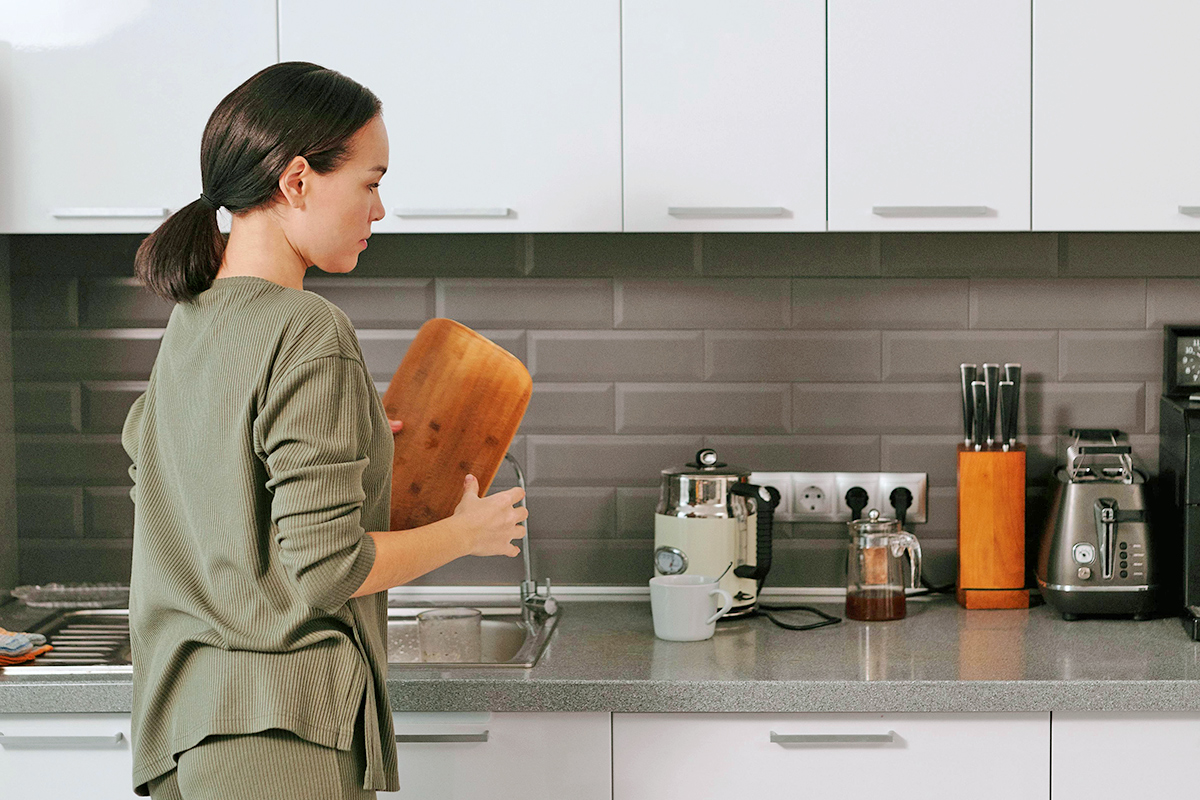
Woman in kitchen
Better Report

All featured products and deals are selected independently and objectively by the author. Better Report may receive a share of sales via affiliate links in content.

The kitchen is one of the most-used rooms in the house — and for many of us, it’s also a den of expired, outdated, and unneeded items. Between the overstuffed junk drawer, overflowing utensil jars, and pantry staples from decades past, things accumulate fast. 

But unlike clutter you can shove behind a closet door, old or worn kitchen items actually work against you by making cooking harder or wasting your grocery budget. Whether you’re doing a full clean or just finally dealing with that one drawer (you can do it!), here are the kitchen items worth ditching today.

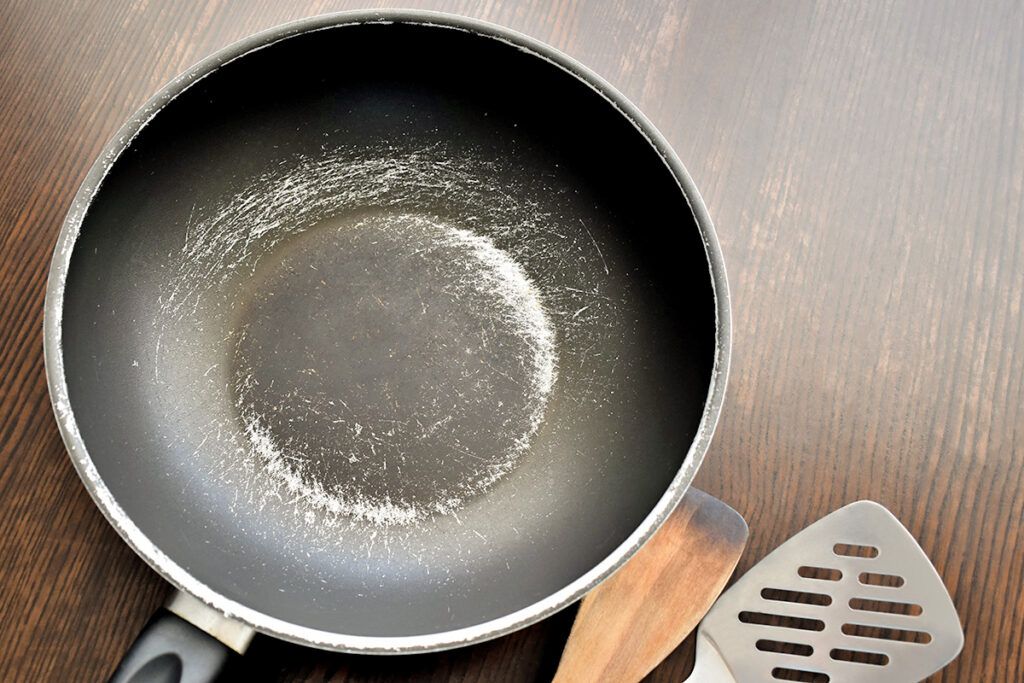
Scratched pan
Credit: © Maliflower73—istock/Getty Images

Dull, Warped, or Scratched Nonstick Pans

Nonstick coatings don’t last forever. If your pan is visibly scratched or flaking, has developed a warped bottom that wobbles on the burner, or was purchased more than five years ago, it’s time to toss it. Scratched coatings can end up in your food, and a warped pan won’t heat evenly — which means hot spots, food sticking, and frustration every time you use it. 

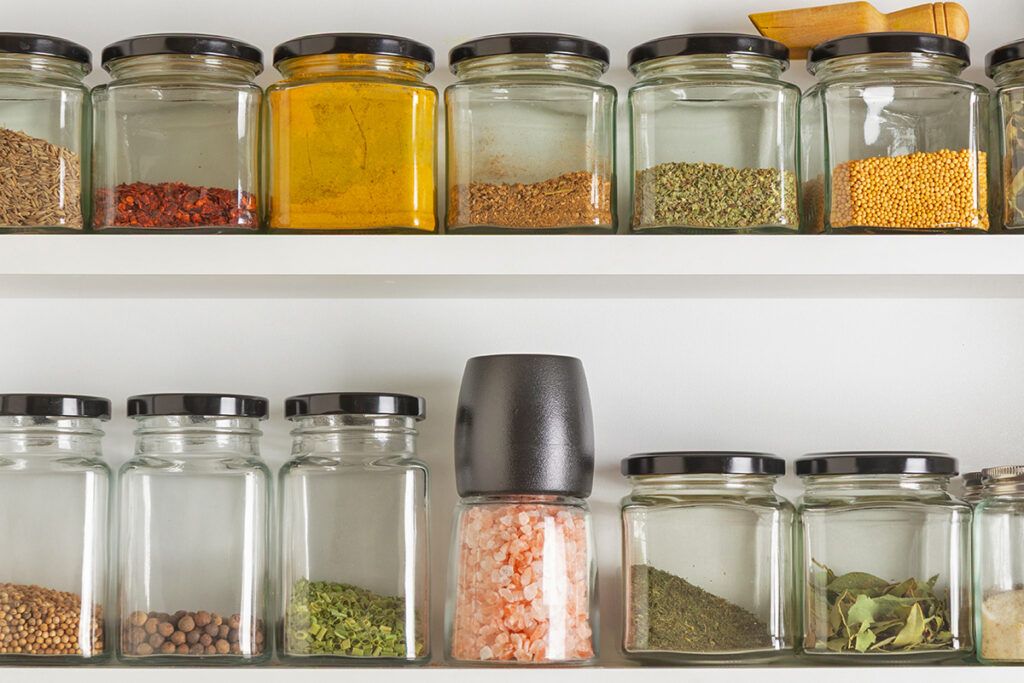
Spices
Credit: © alma.photo/stock.adobe.com

Expired Spices

When spices get old, the problem is not so much that they get dangerous but that they get flat. Some spices can last years, while others lose their oomph much more quickly. A good way to tell? Do a sniff test: If a spice doesn’t have a strong, immediate aroma, it’s past its prime and you’re essentially seasoning with dust. Ground spices generally last a  year, and experts suggest using whole spices within two. 

Advertisement
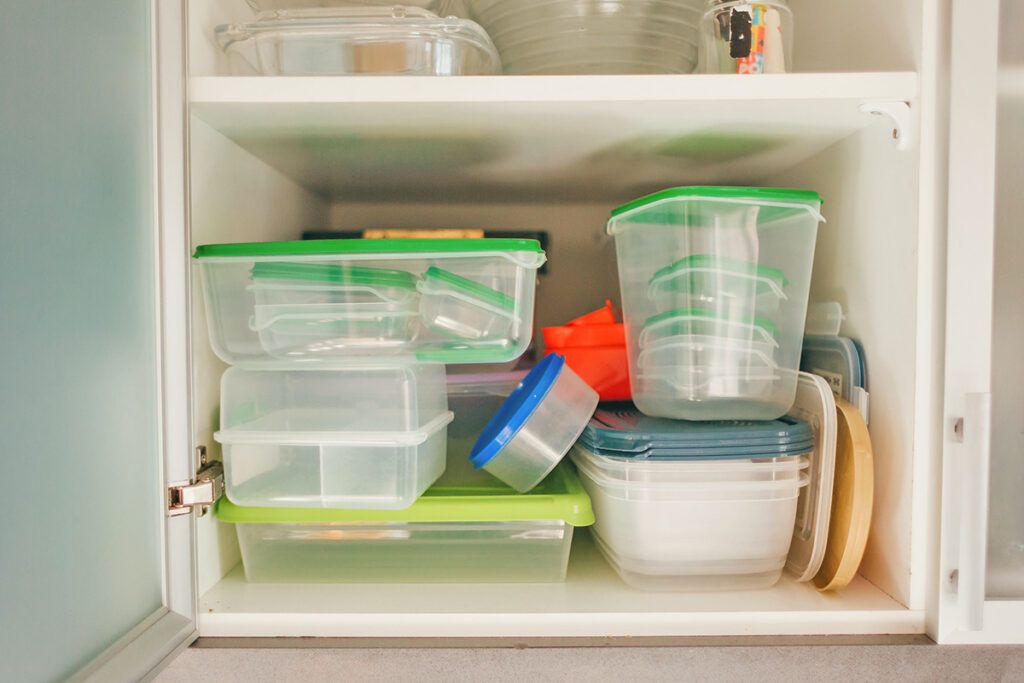
Food containers
Credit: © Os Tartarouchos—Moment/Getty Images

Any Food Storage Container With Stains, Cracks, or No Match

The container cabinet may be the most daunting of all areas when it comes to purging — which is exactly why you need to get in there, stat. Cracked or deeply scratched plastic can harbor bacteria; staining and lingering odors may also be signs of bacteria. Texture means that the material has degraded and needs to go. Also look for anything where the lid no longer seals correctly, and anything that doesn’t have a match.

Quick tip: Before you toss a glass container that’s missing a lid, check to see if the company offers or sells replacement lids.

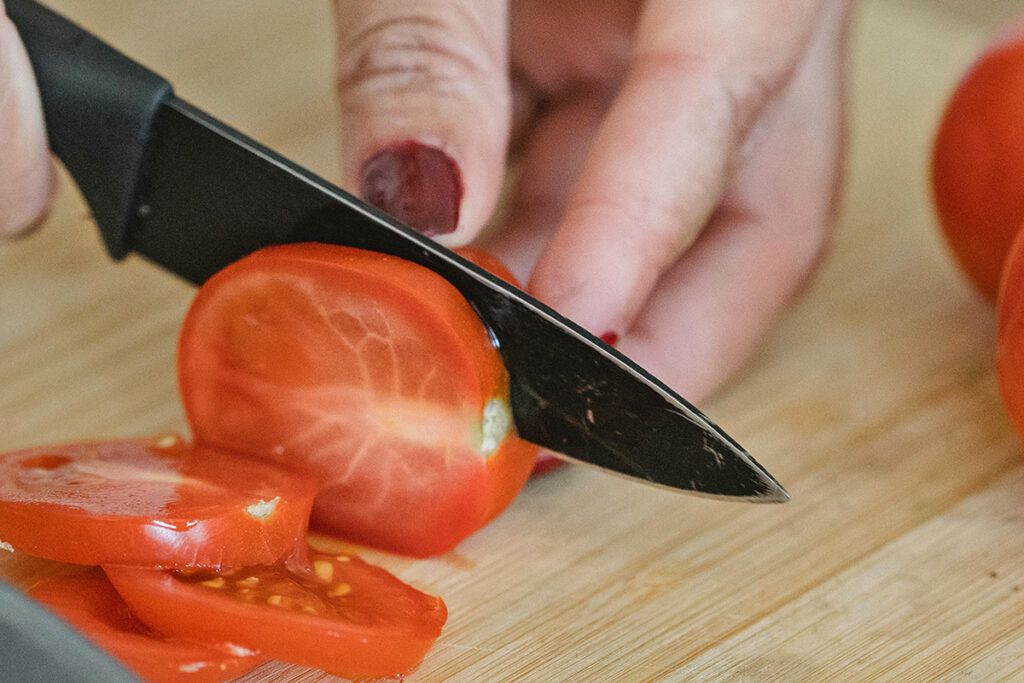
Knife cutting tomato
Credit: © Nicola Barts/Pexels.com

The Knife You Never Sharpen (and Never Use)

Most home cooks use only two or three knives regularly, which means that giant knife block full of blades is taking up valuable counter real estate. Toss or donate anything that’s rusted or chipped, or that you haven’t reached for in the past year. (Don’t just toss them in the garbage, though; wrap them in paper or cloth and secure them in a box before putting them in the trash.) And if the knives you keep aren’t sharp, invest in a sharpener or take them to a professional — a dull knife is less effective and more dangerous than a sharp one.

Scratched wooden cutting board
Credit: © Andriy/stock.adobe.com

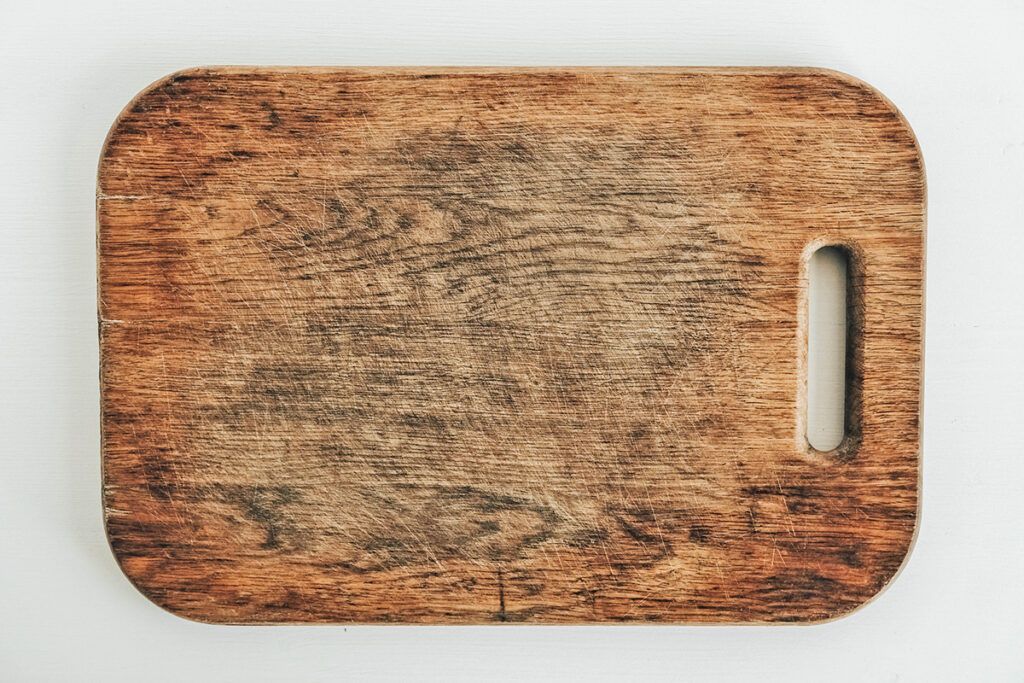
Old Cutting Boards With Deep Grooves

Knife marks on a cutting board aren’t just cosmetic wear — they’re places where bacteria can hide, even after washing. Plastic boards with major scoring should be replaced entirely. Wooden boards can be sanded down and re-oiled if the grooves are minor, but if your board is badly scarred, warped, or has developed a persistent odor, it’s time for a new one. 

Advertisement
Baking powder
Credit: © Addilyn Ragsdill/unsplash.com

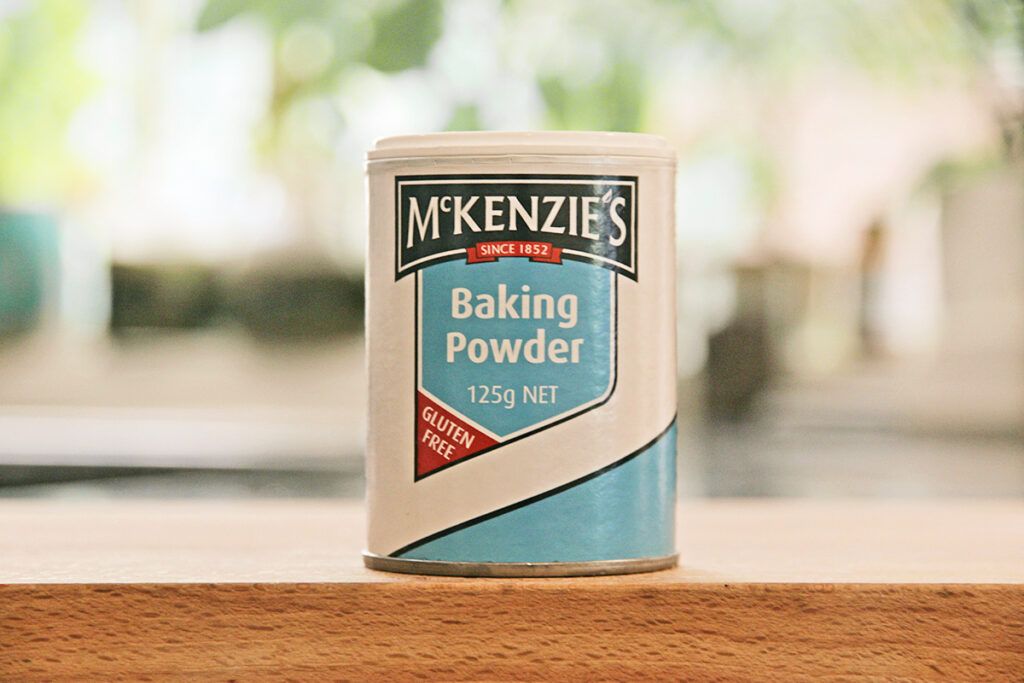
Expired Pantry Staples

Baking powder, baking soda, and yeast all have a shelf life, and using them past their prime is usually why baked goods don’t rise the way they should. To test baking powder, put a teaspoon in a bowl and pour in boiling water: It should bubble vigorously. Test baking soda with vinegar or lemon juice — if there’s no reaction, it’s dead. To tell if dried yeast is still good, add 1 teaspoon sugar to 1/4 cup warm water (approximately 100 degrees Fahrenheit). Stir in an envelope of yeast (2 1/4 teaspoons) and let it sit for 10 minutes. Yeast that’s good to go will foam to the 1/2-cup mark. (And you can still use the test batch — just reduce the amount of liquid you’d normally add to the recipe by 1/4 cup.)

Dirty can opener
Credit: © Kinga Krzeminska—Moment/Getty Images

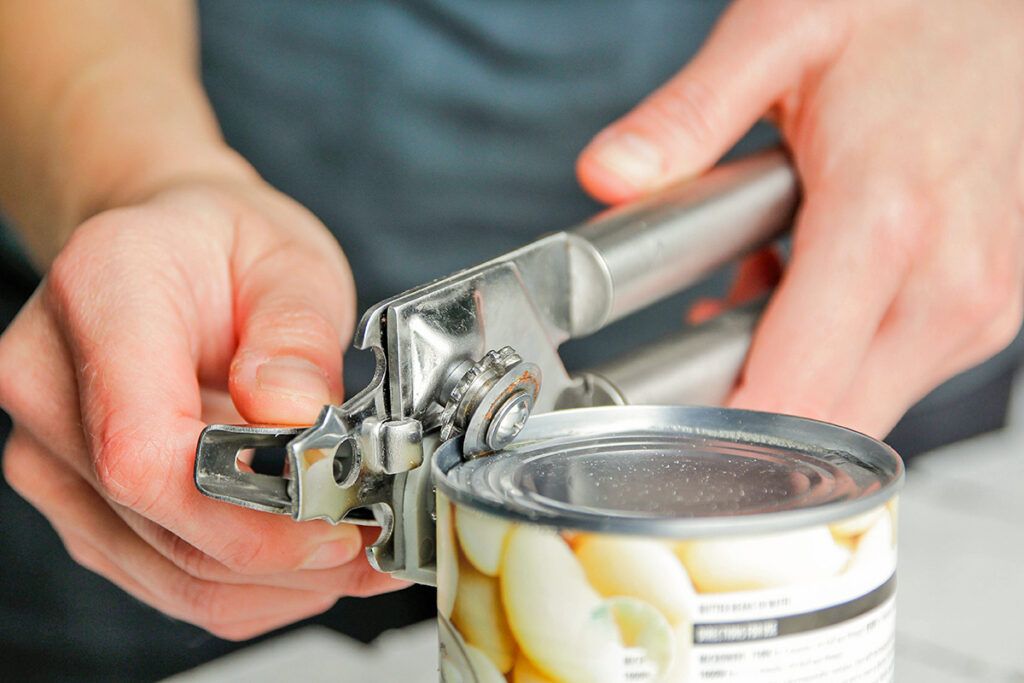
A Clogged or Gunky Can Opener

Manual can openers are breeding grounds for grime, and most people never clean them thoroughly enough (even though all it takes is a paper towel). If yours has rust or visible buildup along the cutting wheel, or it’s starting to slip and tear rather than cut cleanly, replace it. A clean, sharp can opener is genuinely one of those small quality-of-life upgrades that make a difference.

Junk mail
Credit: © Grace Cary—Moment/Getty Images

Old Takeout Menus and Junk Mail

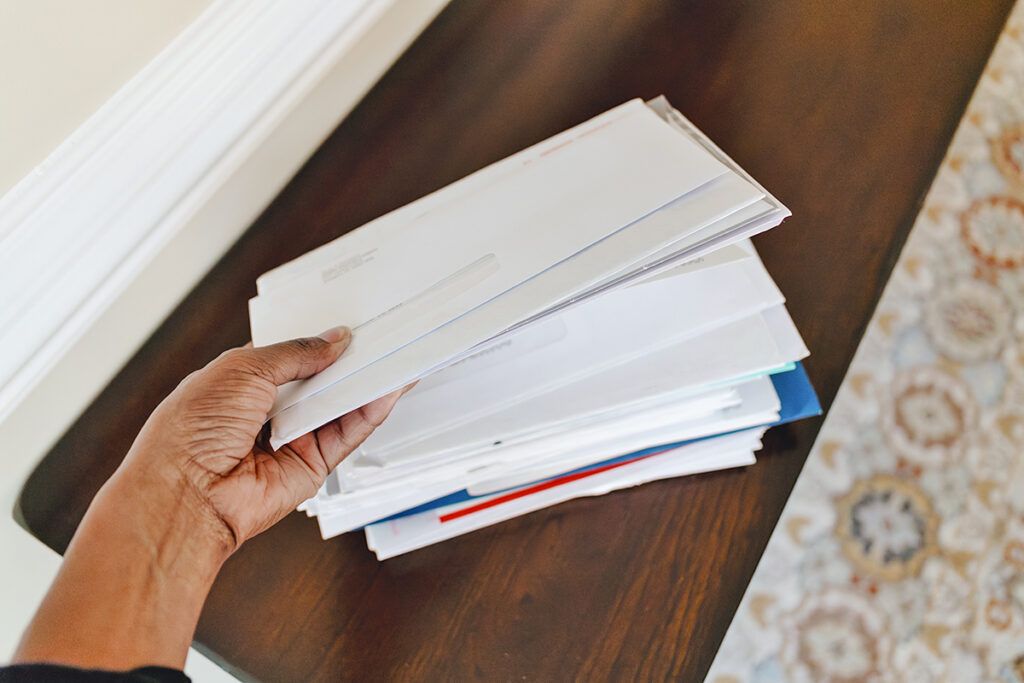
Now is the time: Expired coupons, old to-go menus, mystery keys, and dead batteries have no business in your kitchen. Set a timer for 25 minutes and deal with it head on — your future self will thank you.

Old sponge
Credit: © Glevalex/stock.adobe.com

Dish Sponges and Brushes That Are Way Past Their Prime

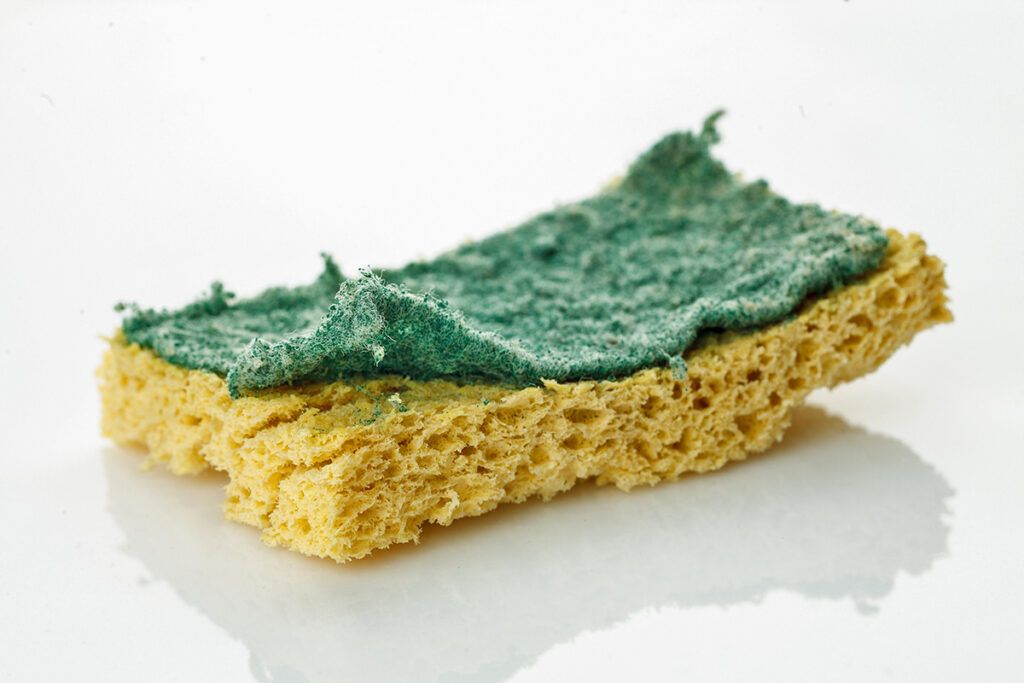
Experts recommend that you should swap out your kitchen sponge every one to two weeks. While that may seem excessive for something that spends most of its time in hot, soapy water, kitchen sponges are bacteria traps. To extend the life of your sponges, try running them through a dishwasher with a dry cycle, or microwaving for one minute — according to the USDA, that will kill 99.9% of germs on your sponge. The Food Network recommends sanitizing your sponge daily, while the cleaning professionals at MaidPro suggest you should do so every two or three days. But no matter what, toss it once that one- to two-week window has passed. Dish brushes have a shelf life, too: If the bristles are flattened, fraying, or smelly, swap it out.

Advertisement

A little kitchen purge goes a long way. You’ll be amazed at how much more pleasant your counters and cabinets will feel once you’ve cleared out the expired, broken, and never-used nonsense. Your kitchen will probably be easier to navigate, too. Final tip: If you’re not sure whether something’s worth keeping, use the closet rule — if you haven’t used it in the past year and can’t name a specific upcoming use for it, it’s time to say goodbye. 

Featured Image Credit: © Jep Gambardella/Pexels.com

Advertisement
Advertisement

Related Articles

The Safety Rules for Candles You Probably Don’t Know

5 min read

9 Items in Your Basement You Should Toss Right Now

5 min read

5 Vegetables You Should Never Store in the Fridge

3 min read

Why a Flashing Check Engine Light Is Different From a Solid One

3 min read

Why Does Your Sink Have a Tiny Hole?

3 min read
Advertisement

You’re Ruining Your Car by Not Doing This

Ali Eldridge
Wealth | Updated: May 27, 2026
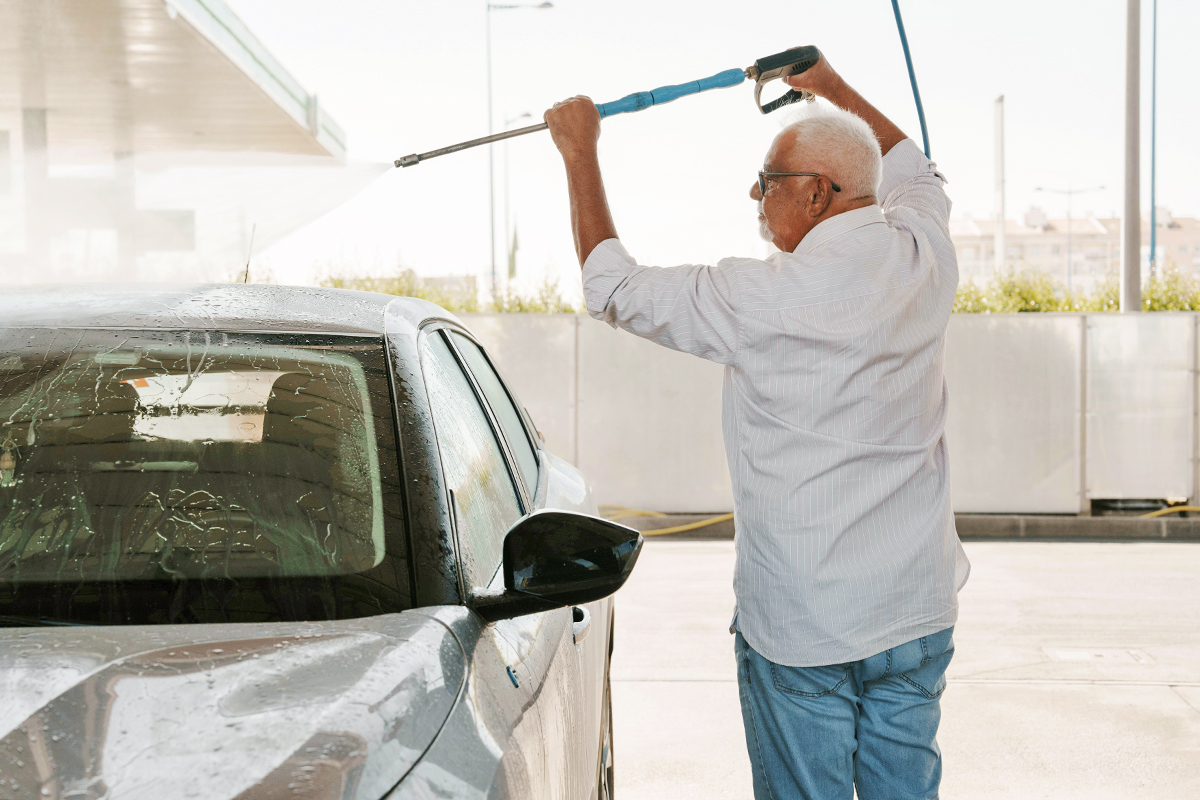
Man washing car
Better Report

All featured products and deals are selected independently and objectively by the author. Better Report may receive a share of sales via affiliate links in content.

Car ownership requires consistent care, but unfortunately, far too many drivers overlook basic maintenance. That’s not to say people are actively neglecting their vehicles — it’s just that some folks are simply unfamiliar with what it takes to keep a car in tip-top shape. 

That brings us to one particular task that many car owners do much less frequently than they should, and that those who already do may be doing wrong. Here’s a look at the task in question, and what you need to know so you don’t inadvertently ruin your car.

Man washing car
Credit: © Getty Images/Unsplash.com

Time To Clean Up Your Act

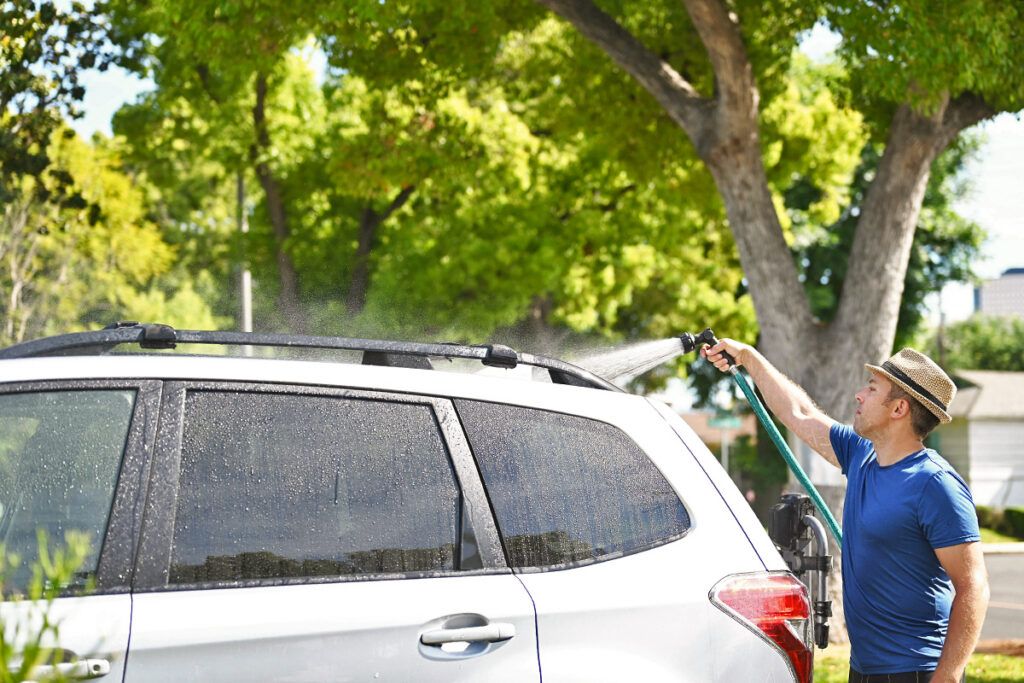
Many drivers decide to wash their cars only when the vehicle appears substantially dirty, which may happen every few months. But according to industry experts, you need to wash your car at least every two weeks, even if it looks relatively clean to the naked eye. You could even wash your car daily if you feel so inclined, per the automotive parts company AutoZone. Modern car paint is often durable enough to withstand it, whereas the car paint of yesteryear was more susceptible to erosion from frequent washing. If anything, you’re damaging the car by not washing it enough.

Advertisement
Advertisement

There are many reasons why regular car washes are essential. Frequent cleanings keep rust from forming and prevent corrosive substances such as bird droppings and tree sap from damaging the paint. Letting those substances sit untreated can lead to costly damage and depreciate the resale value of your vehicle. Regular cleanings may also make you more aware of things like scratches, dents, and other damage so you can deal with them before they turn into even bigger issues. As Kelley Blue Book explains, “A cleaned and detailed car is worth more at trade-in than a worn and poorly maintained one.”

An uncleaned car can even be a possible safety issue. The longer you wait to wash it, the more residue will build up on the windows and windshield, obstructing your vision. 

Advertisement

And last but not least, nobody wants to be seen in a dirty vehicle — driving a nice, clean car is a point of pride for many.

While cleaning your car every two weeks is a good average recommendation, the actual frequency could depend on each driver’s individual lifestyle and where they live. For instance, a vehicle that mainly drives on paved city roads will need to be washed less often than cars that travel down dusty dirt paths, while one in an area near the ocean will need to be washed frequently to avoid damage from salt. (This is also why you should wash your car in the winter if you live in an area where the roads are salted before snow.) And those who drive their car only once or twice a week will need to wash it less often than someone who uses it daily.

Recommended Articles

  • The Safety Rules for Candles You Probably Don’t Know

  • How Old Are the Apples in the Grocery Store?

  • 5 Things Your Car Needs Before the First Freeze

  • 6 Amazon Prime Day Hacks

Advertisement
Advertisement

Reader Favorites

  • Woman looking in fridge

    9 Foods You Should Toss ASAP if They’re Expired

  • Person eating salad

    7 Things a Chef Never Orders at a Restaurant

  • Cherry angioma

    Are the Tiny Red Dots on Your Skin Dangerous?

And no, a rain shower is not a free car wash: Rainwater contains minerals as well as contaminants from the air that can damage your paint, so you’ll need to give your car a rinse even if it has rained recently. 

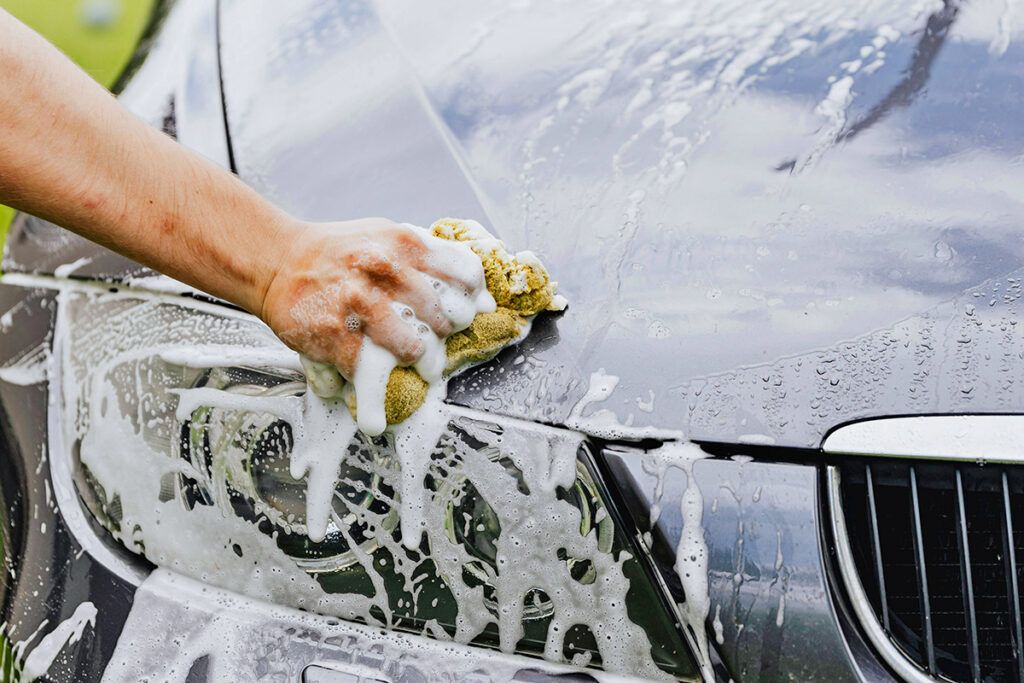
Washing car
Credit: © kaboompics/Pexels.com

How To Clean Your Car

There’s another issue to discuss, and that’s the fact that those who do clean their vehicle regularly may be doing it wrong. This helpful video from the popular YouTube channel Chemical Guys (experts in the field of cleaning cars) shows a few of the more common mistakes people make when washing their cars by hand.

Advertisement
Advertisement

One common problem is using a single bucket when washing your car. You end up just putting your dirty sponge into the water, picking up the dirt you wiped off, and rubbing it right back into the finish. Always use two buckets: one with clean water for washing, and another exclusively for rinsing the sponge or rag.

Also, never use dish soap or any other cleaning product that isn’t explicitly designed for cars. Products such as dish soap are extremely caustic and can dry out a car’s paint and strip away its wax. Always stick to soaps dedicated for washing cars, which have been chemically designed to avoid these issues.

Advertisement
Advertisement

Another piece of advice is to never wash your car using a circular motion. If you do so, you may inadvertently pick up some debris, rub it into the finish, and create unsightly swirl marks. As you wash the vehicle, always move your hand in a straight motion, as it limits the risk of any circular scratch marks. And don’t use just any old rag — you’ll want a soft and absorbent chenille microfiber mitt instead. 

Advertisement

These are just a few of the ways in which washing your car by hand can accidentally do more harm than good. Any of those mistakes can lower the vehicle’s value — just like not washing your car enough. Stick to a regular cleaning schedule, which will help maintain your car’s sleek appearance, keep its resale value high, and ensure that it’s safe to drive.

Feature image credit: © Natalia Blauth/Unsplash.com

More From Our Network

Better Report is part of Inbox Studio, an email-first media company. *Indicates a third-party property.
Go Retro With This 1960s Fashion Quiz

Quiz Daily

Go Retro With This 1960s Fashion Quiz

True or False: Are You a Master of U.S. Geography?

Travel Quiz

True or False: Are You a Master of U.S. Geography?

5 Reasons You Can Be Denied Boarding an Airplane

Daily Passport

5 Reasons You Can Be Denied Boarding an Airplane

What Did People Do Before Eyeglasses?

History Facts

What Did People Do Before Eyeglasses?

How To Use a Balloon To Clean Up Dust

House Outlook

How To Use a Balloon To Clean Up Dust

11 Shopping Hacks Costco Members Should Know

FinanceBuzz*

11 Shopping Hacks Costco Members Should Know

Share this article

  • Share to Facebook
  • Share to Twitter
  • Copy Url
  • Share to Email
Ali Eldridge

This article is for general informational purposes only.
Affiliate Disclaimer Medical Disclaimer Financial Disclaimer

Updated:
Posted In: Wealth
Hero Image Credit: Better Report
Advertisement

Related Articles

5 Things Your Car Needs Before the First Freeze

4 min read

6 Amazon Prime Day Hacks

6 min read

Is It Actually Better To Lease a Car?

9 min read

7 Free MIT Classes You Can Experience From Home

4 min read

The Bedroom Color That Adds $2,000 to Your Home Value

3 min read
Advertisement

The Easiest Thing You Can Do To Live Longer

Health | Updated: May 26, 2026
Michele Debczak
Author
Michele Debczak is a writer and editor based in Brooklyn, New York. She appears in seasons four through six of History Channel's “The Food That Built America,” and her work has been featured in Mental Floss, Smithsonian Magazine, Eater, and Vice.
Woman reading on a bench
Better Report

On a gut level, you may already suspect that reading a book is better for you than mindlessly scrolling on your phone. While the latter habit is known to increase stress, the former tends to have the opposite effect; people who set aside time to read often come away from it feeling calmer and more content. 

But short-term mental health benefits aren’t the only reason to get lost in a good book. Research shows that maintaining a consistent reading routine may actually extend your lifespan. Here’s what to know to get the most out of the habit.

Advertisement
Advertisement
Book in lap
Credit: © Ivana Cajina/Unsplash.com

How Reading Promotes Longevity

In 2016, researchers from Yale University published a study in the journal Social Science & Medicine suggesting that reading can be just as good for your overall health as it is for your mind. For their research, the team followed 3,635 adults ages 50 and up over the course of 12 years. At the end of that period, they found that individuals who read books for at least 30 minutes a day lived, on average, 23 months longer compared to those who didn’t read. The researchers controlled for numerous variables — including education, income, sex, and health — supporting their conclusion that the act of reading a book is what matters. 

So what makes reading books so beneficial? The deep levels of concentration required may have something to do with it. “When you get lost in a book, you often enter a trancelike state similar to meditation and that state is deeply protective,” Zoe Shaw, a psychotherapist who studies reading and longevity, told National Geographic.

The positive effects of meditation are well documented: Clearing your mind and focusing your attention is one of the simplest ways to reduce stress, lower blood pressure, and improve sleep quality. It’s possible that reading is a shortcut to a similarly beneficial mental state. 

Advertisement

The study also pointed to the social aspects of reading as another potential advantage. Engaging with longer written works, the researchers wrote, promotes “empathy, social perception, and emotional intelligence,” all of which have evolutionary — and therefore life-extending — benefits. Loneliness is one of the greatest risk factors for early mortality, and while books are no substitute for human interaction, they may prime us for stronger social connections in real life.

Woman reading a book
Credit © Sheila Alonso—iStock/Getty Images

Other Benefits of Reading

Building a reading habit comes with other perks you can enjoy in the short term. Consuming new texts is a great way to expand your vocabulary, even if you don’t read with a dictionary close by. The more you read, the more words you add to your personal lexicon — making it even easier to read more challenging books down the road.

Recommended Articles

  • The Safety Rules for Candles You Probably Don’t Know

  • How Old Are the Apples in the Grocery Store?

  • 5 Things Your Car Needs Before the First Freeze

  • 6 Amazon Prime Day Hacks

Advertisement
Advertisement

Reader Favorites

  • Woman looking in fridge

    9 Foods You Should Toss ASAP if They’re Expired

  • Person eating salad

    7 Things a Chef Never Orders at a Restaurant

  • Cherry angioma

    Are the Tiny Red Dots on Your Skin Dangerous?

Reading regularly is also linked to improved cognitive abilities, such as memory and critical thinking. Interpreting written language into a complex narrative demands more of our brains than simply watching a story unfold on screen. That makes reading an excellent tool for staying sharp, similar to how stretching every day keeps your muscles limber. 

With so much short-form entertainment available on our phones on demand, however, many people are opting out of reading altogether. According to a recent study, the rate of Americans who read for pleasure declined by 40% between 2003 and 2023. 

The extra effort required to engage with a book is part of the appeal. If you have just 30 minutes a day to devote to the habit, your body and your brain will thank you.

Advertisement

Featured Image Credit: © Mike Cox/Unsplash.com

More From Our Network

Better Report is part of Inbox Studio, an email-first media company. *Indicates a third-party property.

Go Retro With This 1960s Fashion Quiz

Quiz Daily

Go Retro With This 1960s Fashion Quiz

True or False: Are You a Master of U.S. Geography?

Travel Quiz

True or False: Are You a Master of U.S. Geography?

5 Reasons You Can Be Denied Boarding an Airplane

Daily Passport

5 Reasons You Can Be Denied Boarding an Airplane

What Did People Do Before Eyeglasses?

History Facts

What Did People Do Before Eyeglasses?

How To Use a Balloon To Clean Up Dust

House Outlook

How To Use a Balloon To Clean Up Dust

11 Shopping Hacks Costco Members Should Know

FinanceBuzz*

11 Shopping Hacks Costco Members Should Know

Share this article

  • Share to Facebook
  • Share to Twitter
  • Copy Url
  • Share to Email
Michele Debczak
Writer

Michele Debczak is a writer and editor based in Brooklyn, New York. She appears in seasons four through six of History Channel's “The Food That Built America,” and her work has been featured in Mental Floss, Smithsonian Magazine, Eater, and Vice.

This article is for general informational purposes only.
Affiliate Disclaimer Medical Disclaimer Financial Disclaimer

Updated: April 3, 2026
Posted In: Health
Hero Image Credit: Better Report
Advertisement

Related Articles

How Old Are the Apples in the Grocery Store?

4 min read

5 Things To Ask Your Doctor About the New Flu Shot

5 min read

Is Sourdough Actually Healthier Than Regular Bread?

7 min read

Do You Really Need a Bidet in Your Home?

4 min read

3 Common Sleep Habits That May Be Aging Your Brain

5 min read
Advertisement

The Most Underrated Perks of Your Costco Membership

Wealth | Updated: May 21, 2026
Lauren Dana Ellman
Author
Lauren Dana Ellman is a New York–based writer and editor specializing in lifestyle, travel, food, and shopping. A graduate of Syracuse University’s SI Newhouse School of Public Communications, she covers everything from destinations and hotels to fun product finds and personal essays. Her work has been featured in Condé Nast Traveler, AARP, Travel + Leisure, Time Out, The Knot, and more lifestyle-oriented publications.
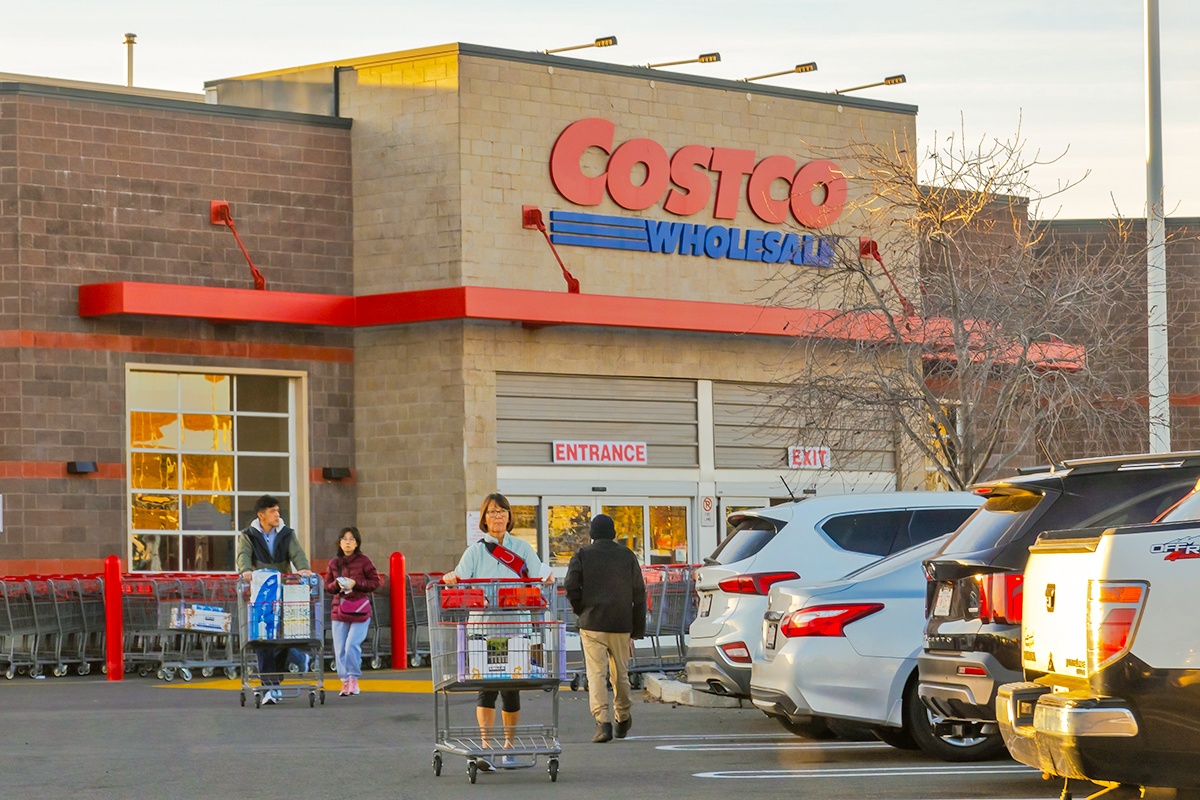
Exterior of Costco
Better Report

Most people sign up for Costco because of the bulk groceries and cheap gas (and maybe the famous $1.50 hot dog combo). But beyond the warehouse deals and excellent Kirkland products, membership comes with several underrated perks that can save you hundreds — sometimes thousands — of dollars every year. Many members never take full advantage of these benefits, even though they’re included with the annual fee. Here are some perks you don’t want to miss out on.

Costco Travel site
Credit: © Ilnur Khisamutdinov/Alamy

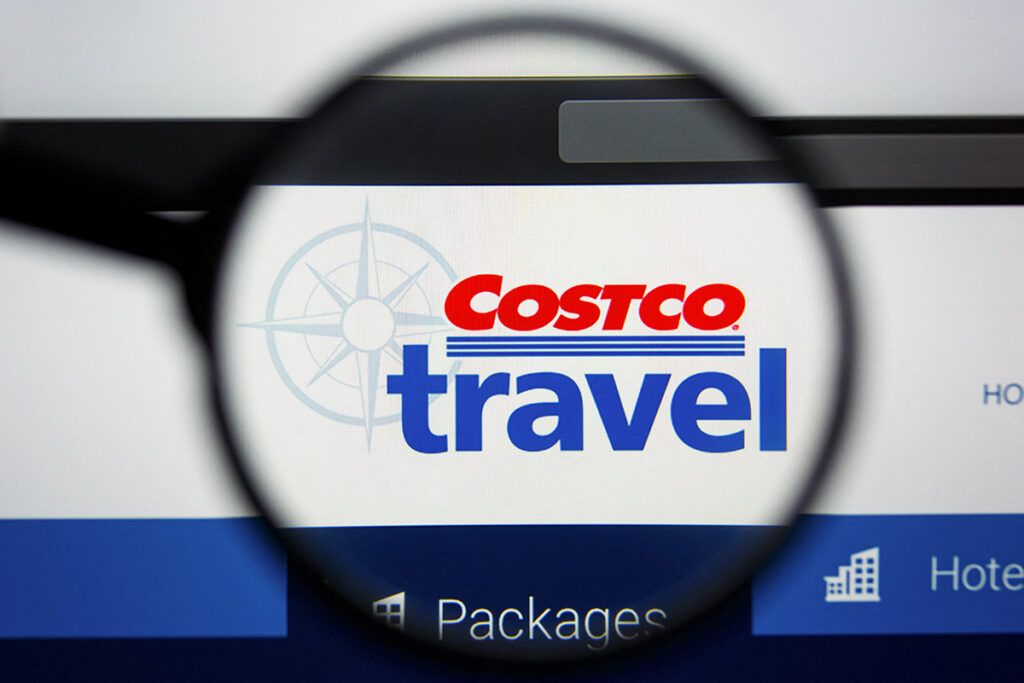
Costco Travel Deals

One of the best lesser-known perks is Costco Travel, which offers discounted vacation packages, cruises, rental cars, and hotels exclusively for members. Using Costco’s travel portal often includes extra perks like resort credits and free upgrades. Rental cars are especially popular because Costco frequently beats major travel booking sites on price and includes a free additional driver.

Advertisement
Advertisement
Costco tire center
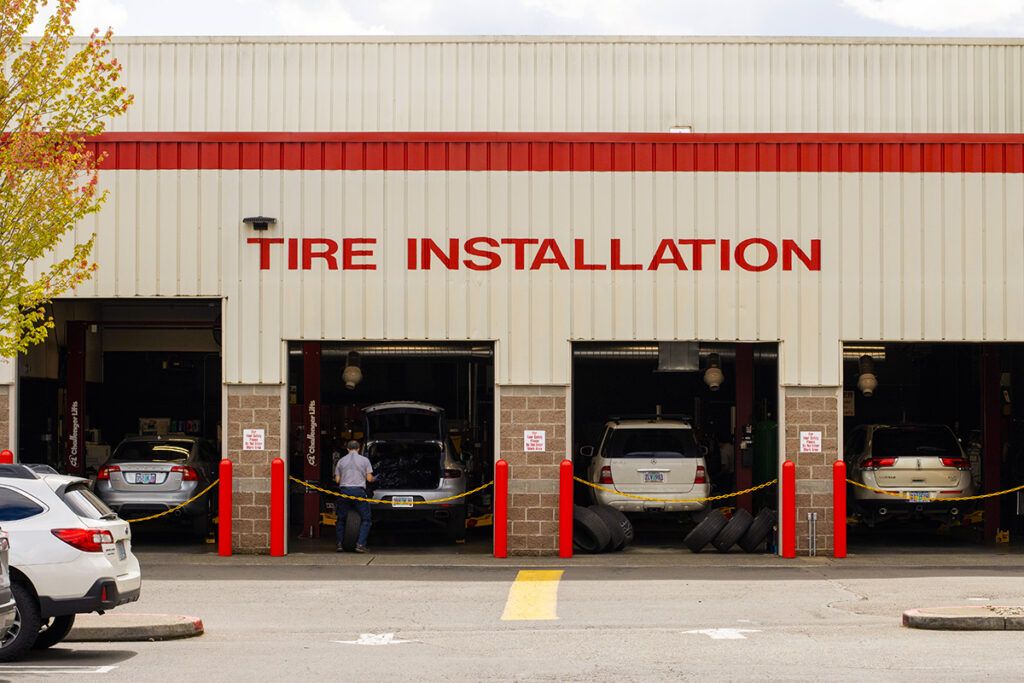
Credit: © Tada Images/stock.adobe.com

Auto Savings Beyond Gas Discounts

Most people associate Costco with cheap gas, and while this is absolutely true, the savings for car owners go far beyond the pump. Through the Costco Auto Program, members can access exclusive pricing on select new and used vehicles at participating dealerships, helping shoppers avoid stressful price negotiations. Some members save more than $1,000 using the program.

Recommended Articles

  • The Safety Rules for Candles You Probably Don’t Know

  • How Old Are the Apples in the Grocery Store?

  • 5 Things Your Car Needs Before the First Freeze

  • 6 Amazon Prime Day Hacks

Advertisement
Advertisement

Reader Favorites

  • Woman looking in fridge

    9 Foods You Should Toss ASAP if They’re Expired

  • Person eating salad

    7 Things a Chef Never Orders at a Restaurant

  • Cherry angioma

    Are the Tiny Red Dots on Your Skin Dangerous?

Costco also helps members save after they buy a car. Participating service centers offer 15% off parts and services, sometimes amounting to $500 a visit. And tires purchased through Costco include free lifetime services like balancing, rotations, inflation checks, and flat repairs — routine maintenance services that can become expensive elsewhere.

Costco Pharmacy bottle
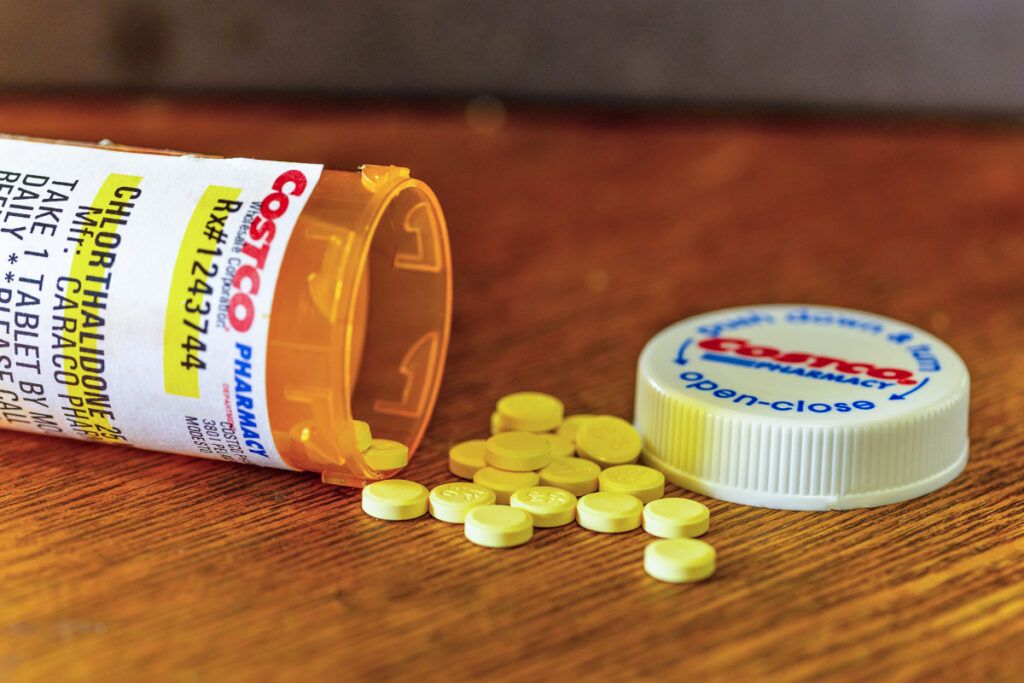
Credit: © John Crowe/Alamy

Prescription Savings

Health care costs can add up quickly, which is why Costco’s pharmacy benefits are among the membership’s most underrated perks. Through the Costco Member Prescription Program (CMPP), members can receive significant discounts on medications — sometimes reportedly saving up to 80% compared to standard retail prices. In some cases, shoppers even find Costco’s cash price on a prescription is lower than what they pay with insurance. Membership covers pet medications, too.  

Advertisement
Advertisement
Credit: © picturelibrary/Alamy

Optical Discounts and Free Adjustments

Costco’s optical department can save members a surprising amount of money: Glasses and contact lenses are often cheaper than what you’ll find at many traditional retailers, and eye exams are heavily discounted at many locations. Additionally, you may be able to get your glasses adjusted for free, even if you didn’t buy them there. 

Costco logo on a smartphone
Credit: © vladim_ka/stock.adobe.com

Costco Next

Many members have never heard of Costco Next — not to be confused with Costco Direct, an online-only service that allows members to save when they make multiple purchases as part of the same transaction (the more you buy, the more you can save). With Costco Next, members can shop online directly from brands at Costco-negotiated prices on things like cookware, furniture, skin care, and fitness equipment. It’s useful for finding discounts on products that aren’t stocked in your local warehouse.

Advertisement
Advertisement
TVs in a Costco
Credit: © Jammer Gene/stock.adobe.com 

Extended Warranties

Buying electronics at Costco can come with an extra layer of protection. Many items — such as TVs, computers, projectors, and major appliances — include extended warranty coverage for up to two years at no additional cost. That extra coverage can save shoppers a lot of money if something breaks after the manufacturer’s warranty expires.

Advertisement

Featured Image Credit: © Marvin Samuel Tolentino Pineda—iStock Editorial/Getty Images

More From Our Network

Better Report is part of Inbox Studio, an email-first media company. *Indicates a third-party property.

Go Retro With This 1960s Fashion Quiz

Quiz Daily

Go Retro With This 1960s Fashion Quiz

True or False: Are You a Master of U.S. Geography?

Travel Quiz

True or False: Are You a Master of U.S. Geography?

5 Reasons You Can Be Denied Boarding an Airplane

Daily Passport

5 Reasons You Can Be Denied Boarding an Airplane

What Did People Do Before Eyeglasses?

History Facts

What Did People Do Before Eyeglasses?

How To Use a Balloon To Clean Up Dust

House Outlook

How To Use a Balloon To Clean Up Dust

11 Shopping Hacks Costco Members Should Know

FinanceBuzz*

11 Shopping Hacks Costco Members Should Know

Share this article

  • Share to Facebook
  • Share to Twitter
  • Copy Url
  • Share to Email
Lauren Dana Ellman
Writer

Lauren Dana Ellman is a New York–based writer and editor specializing in lifestyle, travel, food, and shopping. A graduate of Syracuse University’s SI Newhouse School of Public Communications, she covers everything from destinations and hotels to fun product finds and personal essays. Her work has been featured in Condé Nast Traveler, AARP, Travel + Leisure, Time Out, The Knot, and more lifestyle-oriented publications.

This article is for general informational purposes only.
Affiliate Disclaimer Medical Disclaimer Financial Disclaimer
Updated: April 28, 2026
Posted In: Wealth
Hero Image Credit: Better Report
Advertisement

Related Articles

5 Things Your Car Needs Before the First Freeze

4 min read

6 Amazon Prime Day Hacks

6 min read

Is It Actually Better To Lease a Car?

9 min read

7 Free MIT Classes You Can Experience From Home

4 min read

The Bedroom Color That Adds $2,000 to Your Home Value

3 min read
Advertisement

Should You Refrigerate Tomatoes?

Ali Eldridge
Home | Updated: May 21, 2026
Tomatoes in a fridge
Better Report

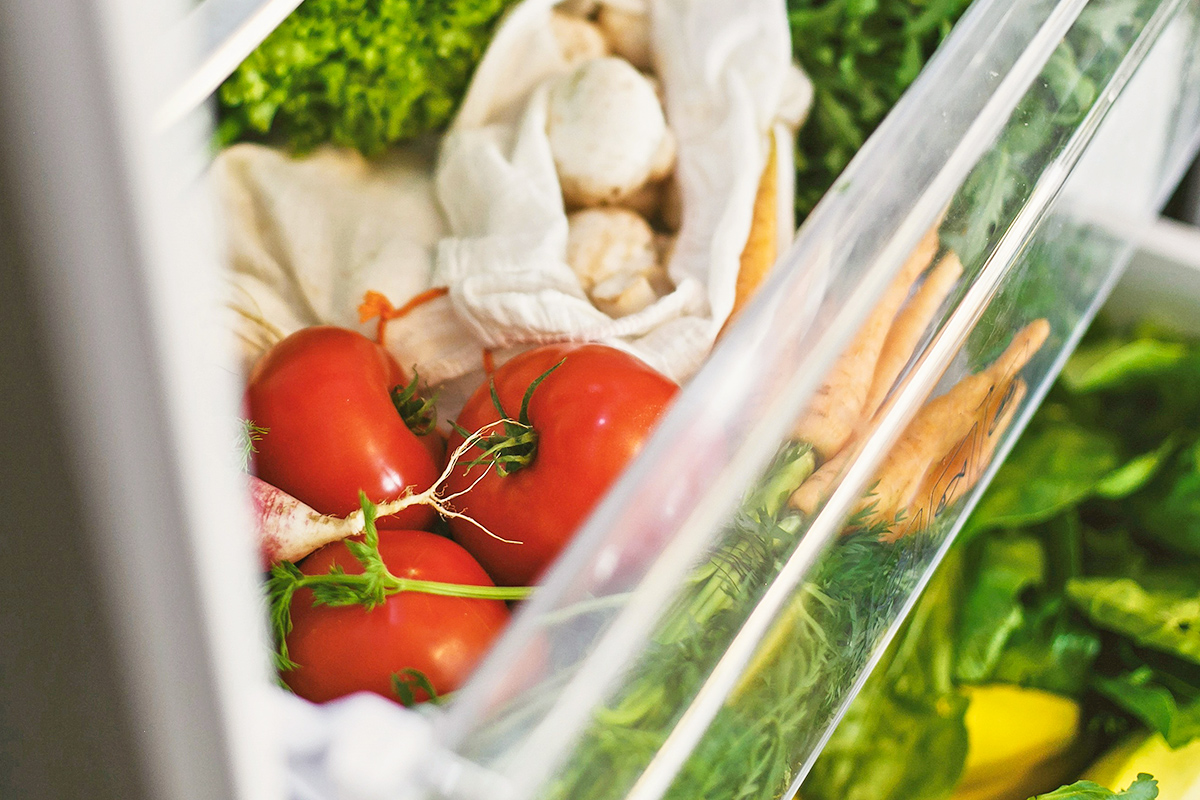
The beginning of summer is a glorious time at the farmers market. Not only is the temperature excellent (not too hot yet) for an outdoor shopping day, but the produce is at the top of its game — especially the tomatoes. I went from a tomato skeptic to a tomato lover when I got the best ones from my local farmers market and treated them properly.  

Whether you’re making an elaborate bruschetta or just eating tomato slices on their own, you want to make sure they’re at their best. And while it may feel like the right move to put them in the refrigerator, where you should store your tomatoes depends on a few factors. Let’s break it down. 

Tomatoes on the counter
Credit: © Gunnar Ridderström/Unsplash.com

The Case for the Counter 

To figure out how to best store your tomatoes, you’ll want to determine how ripe they are and also when you plan to use them. 

The refrigerator is a useful tool for extending the life of many foods, but for the most part, it’s one of the worst places for fresh tomatoes. In the fridge, tomatoes become mealy and lose flavor, becoming sour. This is part of why farmers market tomatoes are preferable to those you buy at the supermarket: They haven’t been chilled for transport and therefore haven’t lost taste and texture.

Advertisement
Advertisement

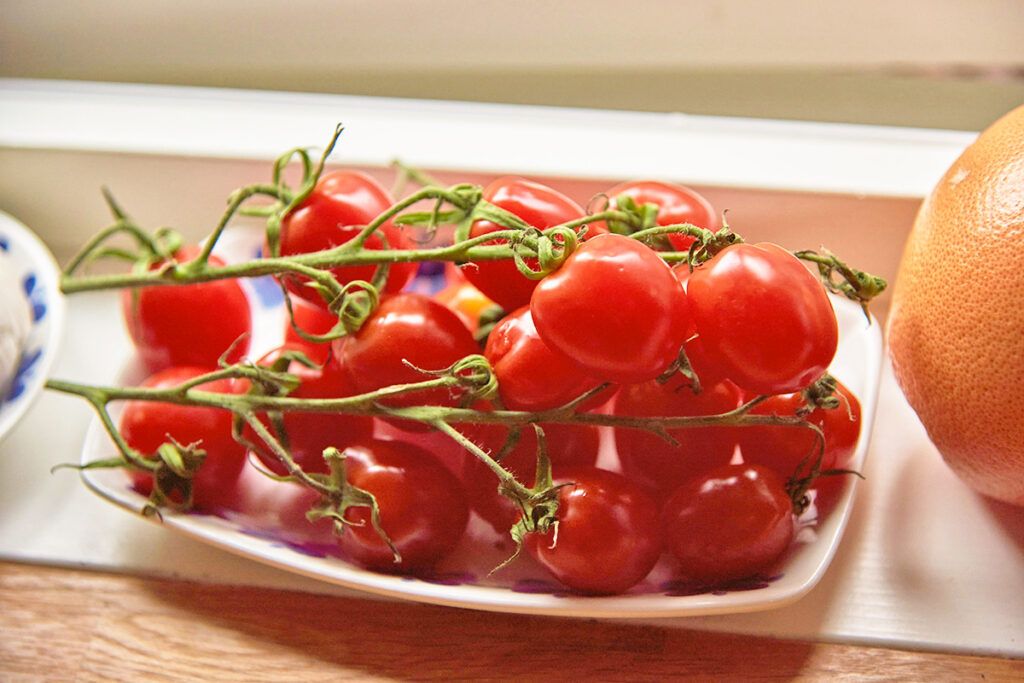
If you’re planning to make a meal with your tomatoes quickly, or if they need time to ripen, you can keep them in a dry area of the counter, stem-down — this prevents bacteria from entering the fruit and keeps them juicy. You can also put a little tape over the stem to keep them fresh. They should be out of direct sunlight and, ideally, at a temperature between 60 and 70 degrees Fahrenheit. Counter storage works for larger tomatoes and for smaller grape or cherry tomatoes as well, even though they’re in a container.

Advertisement

Fresh tomatoes last two to five days on the counter. Check them daily to ensure they don’t go bad — you’ll know your tomato is ripe when it’s uniform in color and tender to the touch, whereas an overripe tomato will be soft and possibly start leaking. 

Recommended Articles

  • The Safety Rules for Candles You Probably Don’t Know

  • How Old Are the Apples in the Grocery Store?

  • 5 Things Your Car Needs Before the First Freeze

  • 6 Amazon Prime Day Hacks

Advertisement
Advertisement

Reader Favorites

  • Woman looking in fridge

    9 Foods You Should Toss ASAP if They’re Expired

  • Person eating salad

    7 Things a Chef Never Orders at a Restaurant

  • Cherry angioma

    Are the Tiny Red Dots on Your Skin Dangerous?

Cut tomatoes on a cutting board
Credit: © Peter Dyllong/Pexels.com

When It’s OK To Put Tomatoes in the Fridge

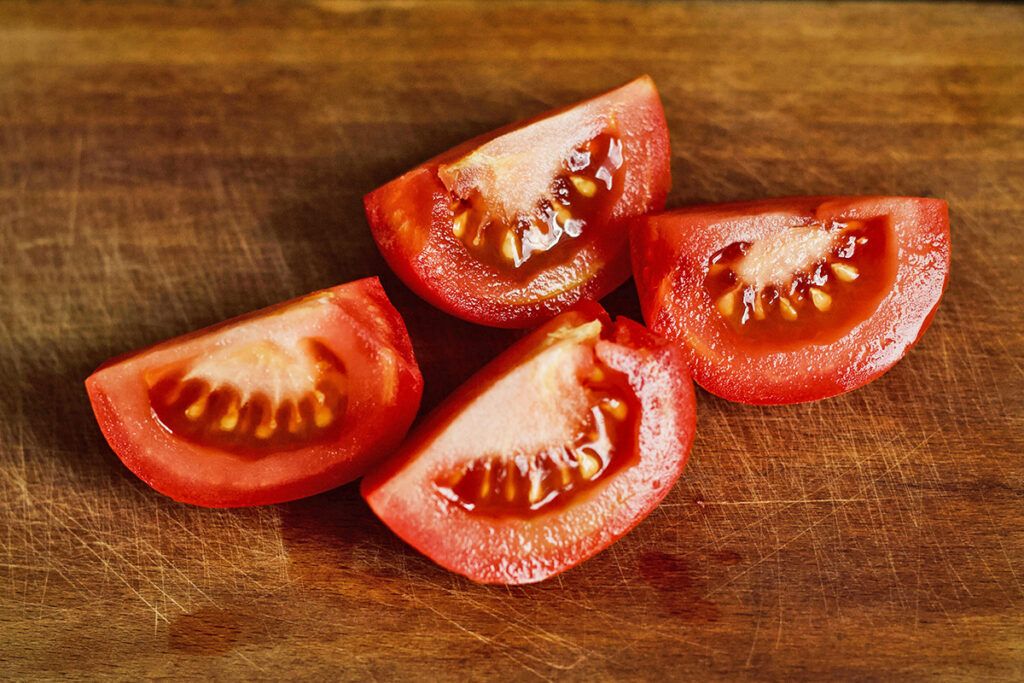
There are some scenarios where you should put your tomatoes in the fridge. Any cut tomatoes that aren’t used fully, for example, should be stored in the fridge. Cover them with cling wrap so they don’t dry out, then place them in an airtight container before putting them in the refrigerator. They’ll last a day or two and stay safe from bacterial growth. 

Advertisement
Advertisement

Ripe tomatoes that are about to become overripe can also go in the fridge, where they may last for up to two weeks. That said, they likely won’t taste as good when you take them back out, so experts advise using them only in cooked dishes.

Tomato soup
Credit: © Curated Lifestyle/Unsplash.com 

Getting the Most Out of Your Tomatoes

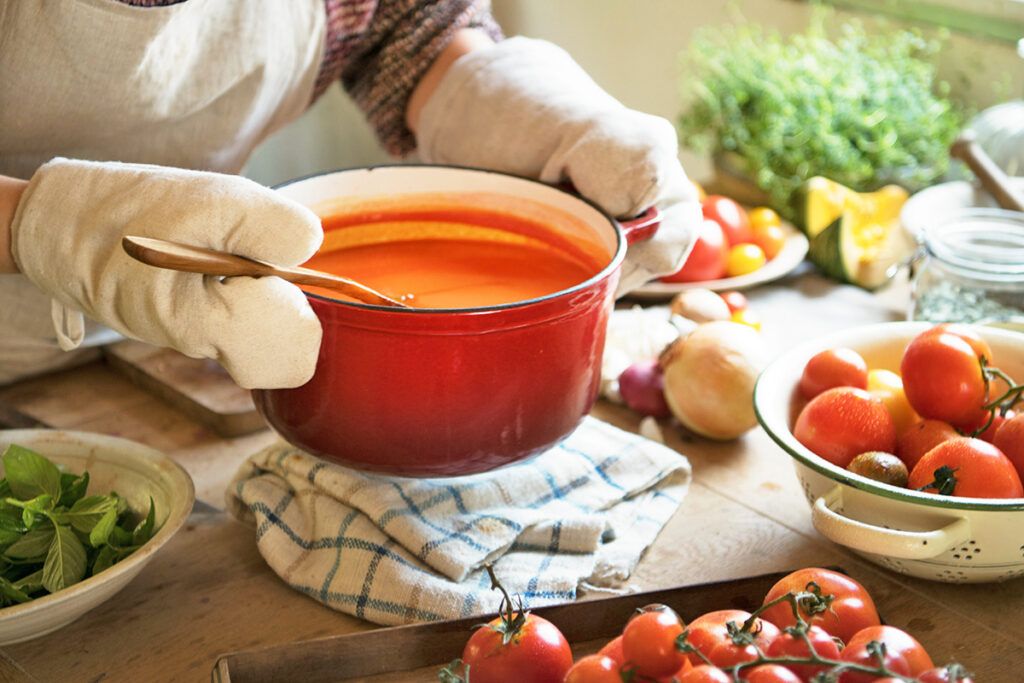
If you have tomatoes that are ripe but you don’t want to eat them yet (or you’ve had them in the fridge), you can make a red sauce, turn them into soup, or freeze them whole and use them later.  Don’t just throw them in the freezer, though — take the time to blanch the tomatoes. Drop them into boiling water for 30 seconds, then put them in dated freezer bags. When you unfreeze these tomatoes later, it’s best to use them for recipes that require cooking. 

Advertisement
Advertisement

As we get ready for peak summer produce season, consider the refrigerator the last resort, instead of the first step. Your tomatoes will thank you. 

Featured Image Credit: © Getty Images/Unsplash.com

More From Our Network

Better Report is part of Inbox Studio, an email-first media company. *Indicates a third-party property.

Go Retro With This 1960s Fashion Quiz

Quiz Daily

Go Retro With This 1960s Fashion Quiz

True or False: Are You a Master of U.S. Geography?

Travel Quiz

True or False: Are You a Master of U.S. Geography?

5 Reasons You Can Be Denied Boarding an Airplane

Daily Passport

5 Reasons You Can Be Denied Boarding an Airplane

What Did People Do Before Eyeglasses?

History Facts

What Did People Do Before Eyeglasses?

How To Use a Balloon To Clean Up Dust

House Outlook

How To Use a Balloon To Clean Up Dust

11 Shopping Hacks Costco Members Should Know

FinanceBuzz*

11 Shopping Hacks Costco Members Should Know

Share this article

  • Share to Facebook
  • Share to Twitter
  • Copy Url
  • Share to Email
Ali Eldridge

This article is for general informational purposes only.
Affiliate Disclaimer Medical Disclaimer Financial Disclaimer
Updated:
Posted In: Home
Hero Image Credit: Better Report
Advertisement

Related Articles

The Safety Rules for Candles You Probably Don’t Know

5 min read

9 Items in Your Basement You Should Toss Right Now

5 min read

5 Vegetables You Should Never Store in the Fridge

3 min read

Why a Flashing Check Engine Light Is Different From a Solid One

3 min read

Why Does Your Sink Have a Tiny Hole?

3 min read
Advertisement

How Much Money You Need To Be Considered Wealthy

Wealth | Updated: May 21, 2026
Jennifer M. Wood
Author
Jennifer M. Wood has been writing about news, entertainment, culture, and travel for longer than she cares to admit. She lives just outside Philadelphia with her husband and an ever-growing menagerie of rescue pets.
Woman counting money
Better Report

Since the dawn of commerce, many of the world’s greatest thinkers have debated what it truly means to be rich. Some measured wealth in freedom, others in happiness, purpose, or time. But alongside those philosophical definitions sits a far more concrete one: the income and net-worth thresholds that determine who, exactly, qualifies as “rich.”

If you’re looking for a by-the-numbers benchmark, the answer is somewhat easier to define — albeit with a few caveats. 

Advertisement
Advertisement

Wealth is relative, after all: A salary that signals affluence in one city might barely register in another, and a seven-figure net worth can fund a life of luxury for one person and simply a comfortable retirement for another, depending on where you live and how you spend.

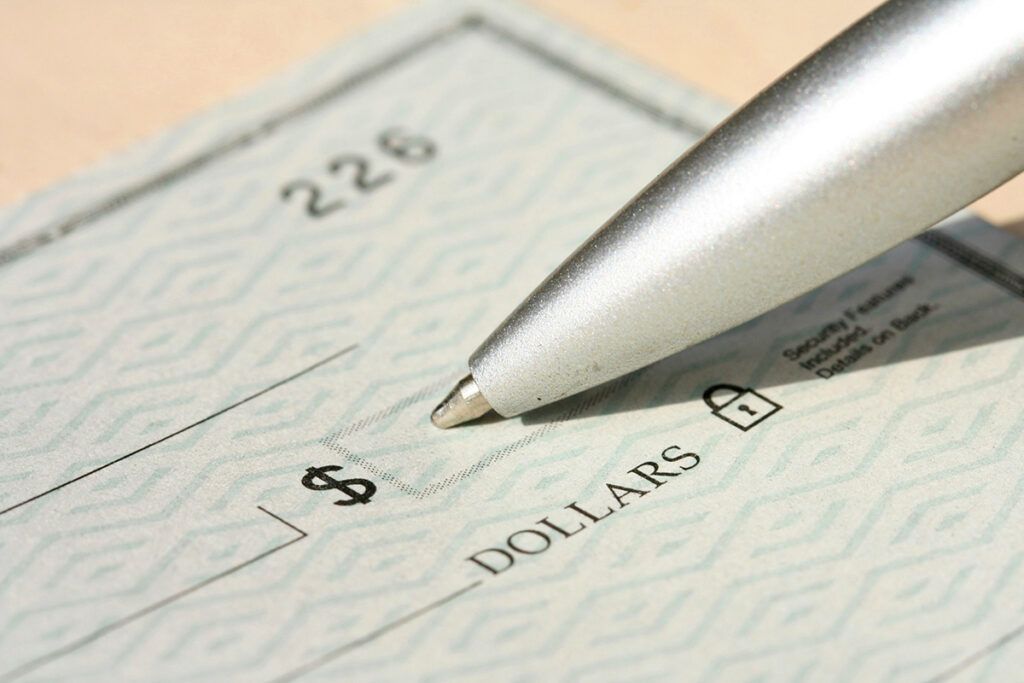
Pen on a blank check
Credit: © Money Knack/Unsplash.com

How Much Money Makes You Wealthy?

Still, researchers and economists have spent years trying to quantify what it means to be wealthy in America. According to Charles Schwab’s latest Modern Wealth Survey, Americans say it now takes an average net worth of $2.3 million to be considered “wealthy,” which is down from $2.5 million — an 8% reduction — from the previous year. 

Recommended Articles

  • The Safety Rules for Candles You Probably Don’t Know

  • How Old Are the Apples in the Grocery Store?

  • 5 Things Your Car Needs Before the First Freeze

  • 6 Amazon Prime Day Hacks

Advertisement
Advertisement

Reader Favorites

  • Woman looking in fridge

    9 Foods You Should Toss ASAP if They’re Expired

  • Person eating salad

    7 Things a Chef Never Orders at a Restaurant

  • Cherry angioma

    Are the Tiny Red Dots on Your Skin Dangerous?

But the answer doesn’t simply end there. Age also plays into the equation. While millennials and Gen-Xers agree that having $2.1 million in the bank makes you rich, baby boomers set the bar a bit higher at $2.8 million. Gen Z, meanwhile, is happy with $1.7 million as that benchmark — making it clear that generational opinions on money differ. 

Of course, the Modern Wealth Survey isn’t the only yardstick out there. Other analyses, including the U.S. Census Bureau, look at figures like household income to delineate levels of wealth. In those cases, salaries of $170,000 to $190,000 generally put people in the top 20% of earners, while $650,000 to $700,000 per year is enough to land you in the top 1%.

Advertisement
Advertisement

Yet again, however, the numbers tell only part of the story. Surveys consistently find that even many high-income Americans don’t actually feel rich, due to factors such as inflation, debt, housing costs, and the phenomenon known as “lifestyle creep,” which is when you spend more as you earn more, often without even realizing it. In other words: Being wealthy on paper doesn’t necessarily make you feel wealthy in real life. 

Advertisement
Women laughing
Credit: © Jordan González/Unsplash.com

What Makes People Feel Wealthy

Much like those philosophers of yore, today’s high-net individuals have their own definitions of wealth, which aren’t always tied to how much money is in their investment portfolio.

Advertisement
Advertisement

According to Schwab’s Modern Wealth Survey, when asked to explain what makes them feel “wealthy,” nearly half of respondents — 45% — declared happiness as a clear indicator. Surprisingly, just 44% pointed to the amount of money they have. (Physical health, mental health, and strong personal relationships were some of the other metrics mentioned.)

“The concept of wealth can feel distant, abstract, or even aspirational, while financial comfort is something people might see as more tangible and associated with the everyday realities they’re facing right now,” Rob Williams, CFP, managing director of financial planning at Charles Schwab, said in a press release. “It can be hard to navigate these concepts side by side in the form of short- and long-term financial goals. But both are important when it comes to understanding and managing your full financial life.”

Featured Image Credit: © kaboompics/ Pexels.com

More From Our Network

Better Report is part of Inbox Studio, an email-first media company. *Indicates a third-party property.

Go Retro With This 1960s Fashion Quiz

Quiz Daily

Go Retro With This 1960s Fashion Quiz

True or False: Are You a Master of U.S. Geography?

Travel Quiz

True or False: Are You a Master of U.S. Geography?

5 Reasons You Can Be Denied Boarding an Airplane

Daily Passport

5 Reasons You Can Be Denied Boarding an Airplane

What Did People Do Before Eyeglasses?

History Facts

What Did People Do Before Eyeglasses?

How To Use a Balloon To Clean Up Dust

House Outlook

How To Use a Balloon To Clean Up Dust

11 Shopping Hacks Costco Members Should Know

FinanceBuzz*

11 Shopping Hacks Costco Members Should Know

Share this article

  • Share to Facebook
  • Share to Twitter
  • Copy Url
  • Share to Email
Jennifer M. Wood
Writer

Jennifer M. Wood has been writing about news, entertainment, culture, and travel for longer than she cares to admit. She lives just outside Philadelphia with her husband and an ever-growing menagerie of rescue pets.

This article is for general informational purposes only.
Affiliate Disclaimer Medical Disclaimer Financial Disclaimer

Updated: May 8, 2026
Posted In: Wealth
Hero Image Credit: Better Report
Advertisement

Related Articles

5 Things Your Car Needs Before the First Freeze
4 min read

6 Amazon Prime Day Hacks

6 min read

Is It Actually Better To Lease a Car?

9 min read

7 Free MIT Classes You Can Experience From Home

4 min read

The Bedroom Color That Adds $2,000 to Your Home Value

3 min read
Advertisement

Posts navigation

Older posts
Newer posts
  • Home
  • Health
  • Wealth
  • Logo
  • Advertise
  • About
  • Contact Us
  • Privacy Policy
  • Terms of Use
  • Your Privacy Choices
x
Thumb Image

Elevate your everyday.

Sign up to receive the practical tips and expert advice you need to pare down the complexities of everyday living right in your inbox.

Sorry, your email address is not valid. Please try again.

Your email is:

Edit Image
Sorry, your email address is not valid. Please try again.
Thank you for subscribing...

By subscribing you are agreeing to our Terms of Use and Privacy Policy.

Close image
Thumb Image
Second Thumb Image

Elevate your everyday.

Sign up to receive the practical tips and expert advice you need to pare down the complexities of everyday living right in your inbox.

Sorry, your email address is not valid. Please try again.

By subscribing you are agreeing to our Privacy Policy and Terms of Use.

Close image