Skip to content
Better Report
  • Home
  • Health
  • Wealth
8 Low-Maintenance Plants That Thrive on Neglect
  • Search
  • Subscribe
  • Home
  • Health
  • Wealth
  • About
  • Privacy Policy
  • Terms of Use
  • Contact Us
  • SubscribeSubscribe
  • Search
Thank you for confirming your email! Welcome to the community.

Author: erin

10 Foods You Should Buy Frozen Instead of Fresh

Health | Updated: July 15, 2026
Fred Decker
Author
Fred Decker is a trained chef and former restaurateur. Since closing his restaurants over a decade ago he has been a prolific freelance writer, publishing several thousand articles on dozens of high-volume websites including Taste Of Home, Hunker, Tasting Table, Week&, eHow, and GOBankingRates. He lives on a rural acreage shared with a big garden, chickens, rabbits, and grandkids.
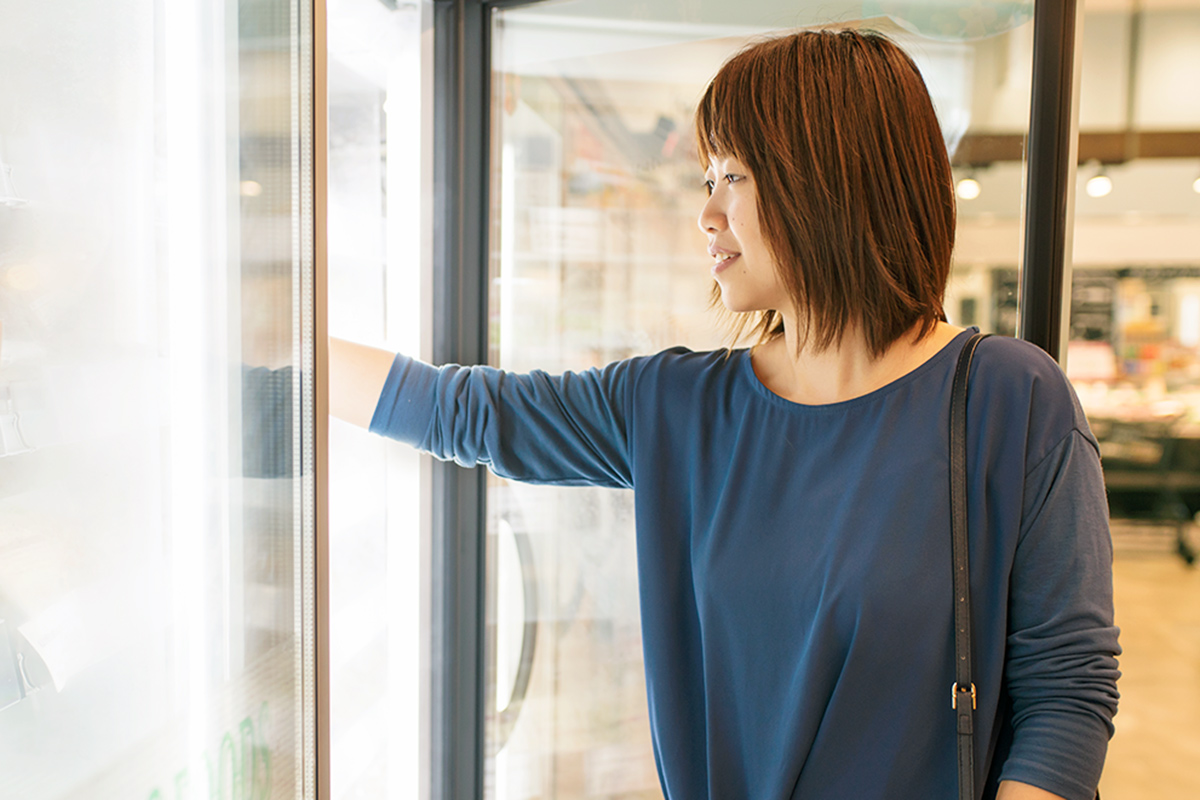
Woman reaching into freezer at store
Better Report

All featured products and deals are selected independently and objectively by the author. Better Report may receive a share of sales via affiliate links in content.

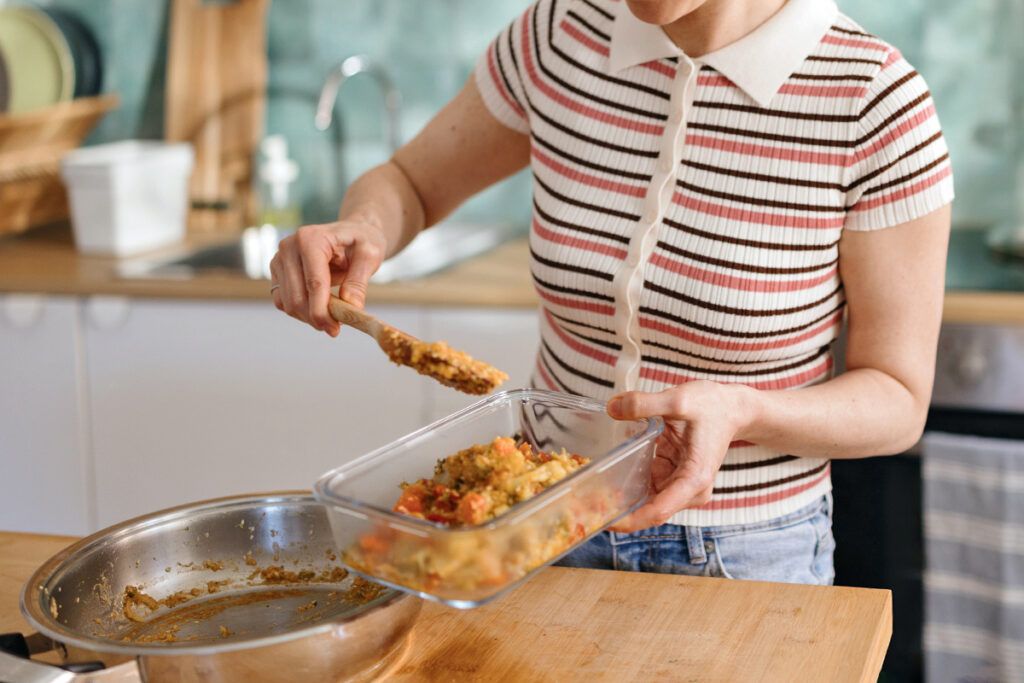
Frozen food sometimes gets a bad rap (“Ours is fresh, never frozen!”), as if it’s a compromise or of lower quality. But make no mistake: It’s more than just a convenience. Commercially frozen food preserves fruits, vegetables, and meats at their peak of freshness and flavor, and super-cold blast freezing causes less damage to food than freezing done at home. 

As a former chef, I appreciate frozen food for a lot of reasons. Sometimes it’s outright better than fresh. Sometimes it’s cheaper or more practical, and it’s almost always more convenient. Here are 10 foods I recommend buying frozen rather than fresh. 
Advertisement
Advertisement
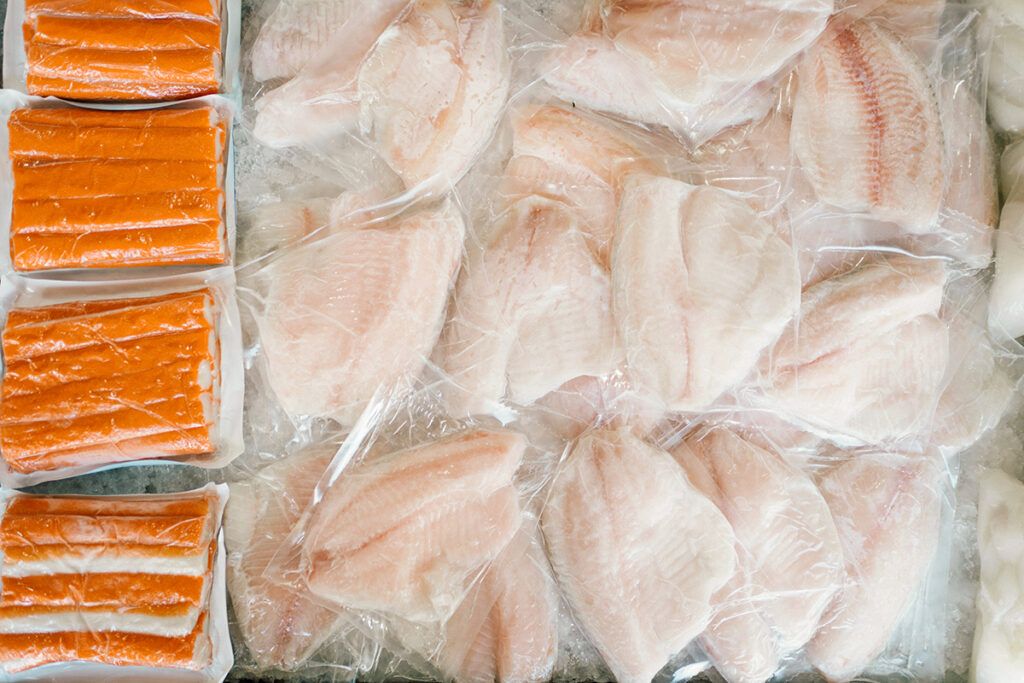
Frozen fish
Credit: © Ramsés Cervantes/Unsplash.com 

Fish

Unless you literally buy your seafood off the boat, frozen fish is usually fresher and of higher quality than what you find at your store’s fish counter. It’s blast-frozen either on the fishing vessel itself or at a processing plant immediately after it comes ashore, and that quick freezing process preserves the fish’s texture and prevents spoilage. In fact, a lot of the “fresh” fish you’ve bought in your life was probably previously frozen. (Even fish used for sushi is typically frozen to kill parasites.) 

Frozen fish is also convenient and low-stress. Fresh or previously frozen fish needs to be cooked within a day or two (although same day is best); otherwise its quality goes downhill rapidly. But you can keep frozen fish on hand and use it whenever you feel like it. (How long it will keep depends on the type of fish and its packaging: Fatty fish such as tuna will last for around three months, leaner fish like halibut for six, and vacuum-sealed fish can last for up to a year. I have a FoodSaver, which I use for anything I won’t be eating in the near-term, and use Ziplocs only for food that’ll be eaten within a month or two.) Frozen fish is also  usually cheaper, which makes it better for your budget, too.

Recommended Articles

  • The Safety Rules for Candles You Probably Don’t Know

  • 5 Things Your Car Needs Before the First Freeze

  • 6 Amazon Prime Day Hacks

  • 5 Things To Ask Your Doctor About the New Flu Shot

Advertisement
Advertisement

Reader Favorites

  • Woman looking in fridge

    9 Foods You Should Toss ASAP if They’re Expired

  • Person eating salad

    7 Things a Chef Never Orders at a Restaurant

  • Cherry angioma

    Are the Tiny Red Dots on Your Skin Dangerous?

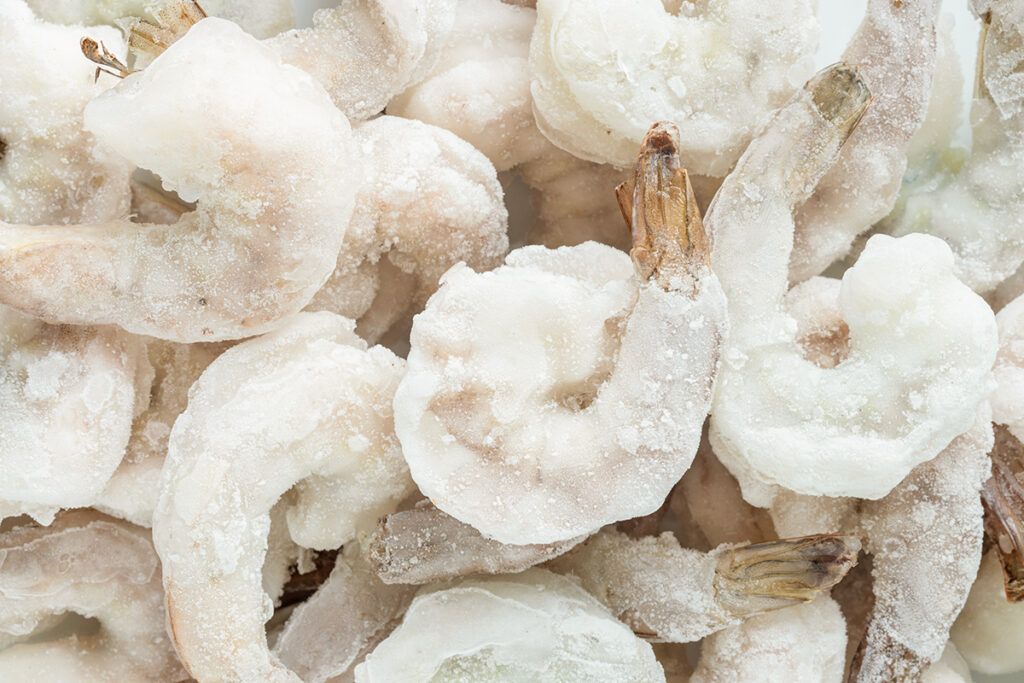
Frozen shrimp
Credit: © amstockphoto—iStock/Getty Images

Shrimp

In a few markets around the U.S., it’s possible to buy fresh, local shrimp that have just come out of the ocean. For everyone else, the choices almost invariably are frozen shrimp or previously frozen shrimp, though some specialty stores may offer them live and swimming. Shrimp and other shellfish are even more perishable than finned fish, which makes freshness all the more important, so if you can’t buy them live or directly from a boat, frozen is your best bet. 

Advertisement
Advertisement
Frozen peas in hand
Credit: © Geri Tech/Pexels.com

Shell Peas

There’s nothing quite as good as shell peas fresh from the garden: They’re sweet and delicately flavorful, and especially tender if you pick them before they reach full size. But for those who don’t garden, or who want to enjoy their fresh early-summer flavor all year long, frozen peas are a slam-dunk. They capture that flavor and color beautifully because processing plants are usually located close to the growing areas, minimizing shipping time and giving consumers a better product. (The saved time and shipping costs also make them more profitable for processors.) The same holds true for soybeans (edamame) and shell beans. 
Advertisement
Advertisement
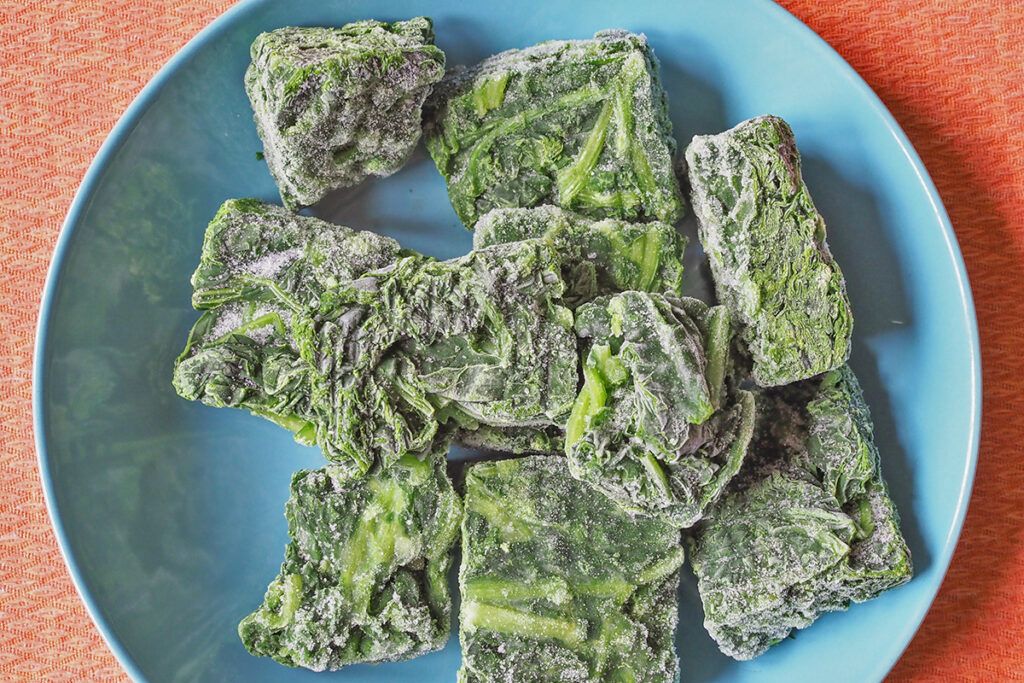
Frozen spinach on a plate
Credit: © Claudio Divizia/stock.adobe.com

Spinach and Other Leafy Greens

Greens, especially the more delicate ones like spinach, have a tendency to shrink as they cook. So, if you eat greens regularly and want to put dinner on the table in a hurry, you may want to buy them frozen. 

Frozen vegetables are always blanched — parcooked in steam or boiling water — prior to freezing to deactivate enzymes that would otherwise start breaking them down, even at freezer temperatures. Blanching shrinks greens to their final size, so you can tell at a glance whether you’re using enough, and it also means they’ll keep their bright color longer when cooked, so your finished dishes will look better. 

Advertisement

Those factors, plus the convenience and fresh flavor you get with frozen greens, make keeping them on hand a no-brainer. 
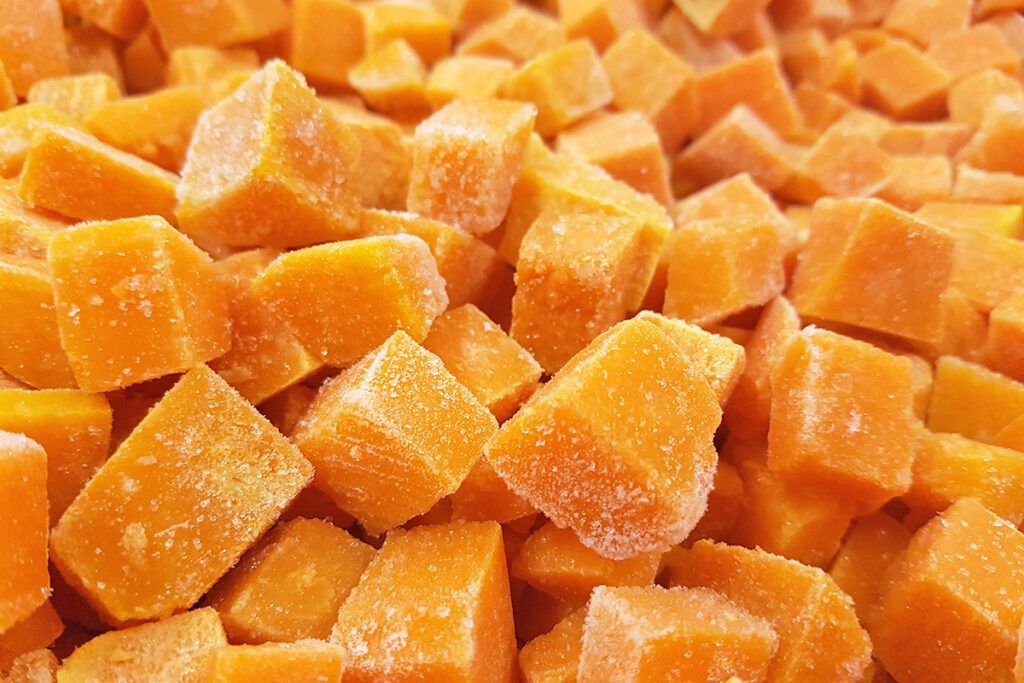
Frozen butternut squash
Credit: © GAnnison—iStock/Getty Images

Winter Squash

Butternut, Hubbard, and other winter squashes are some of the longest-lasting, and hardiest, vegetables. That means they’re widely available and stay relatively inexpensive year-round — so why buy them frozen? 

In a word, convenience. Winter squashes are known for their hard flesh and tough rinds, which means they’re kind of a pain to work with, especially if your knives and knife skills aren’t the best, or if you have physical limitations that impact your cooking. So if you love squash, but hate the hard work of preparing it, getting yours frozen and already diced is well worth the modest price premium. 
Advertisement
Advertisement
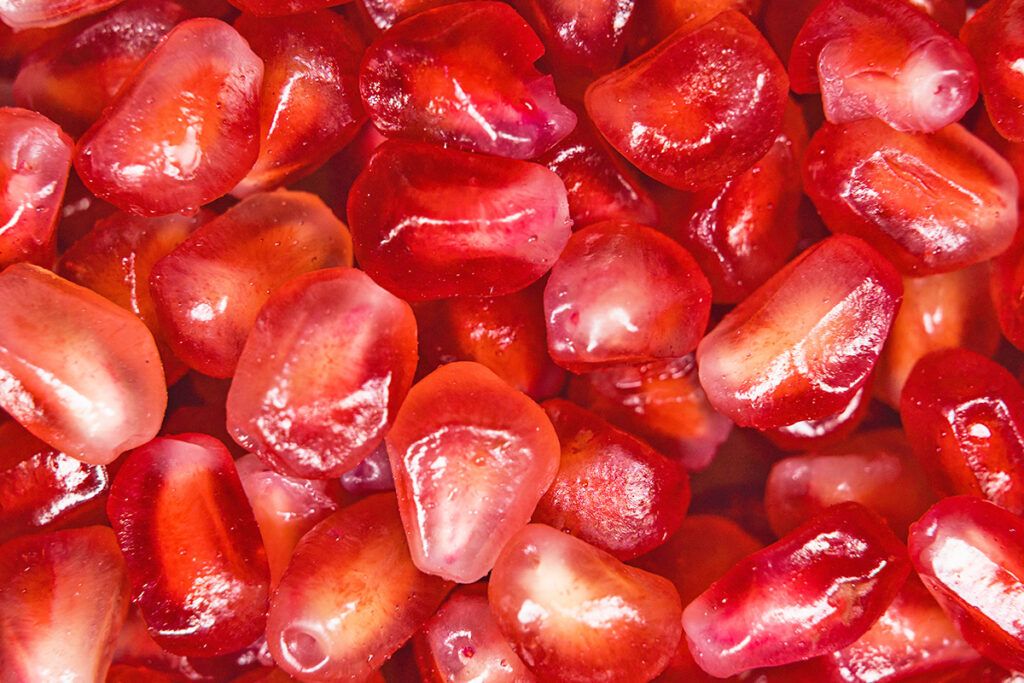
Pomegranate seeds
Credit: © Tima Miroshnichenko/Pexels.com

Pomegranate

If ever a fruit was made to be a festive accent, it’s pomegranate. The deep, jewel-like red of pomegranate arils (seeds) brings a striking splash of color anywhere you use them, from party punch to salads to your breakfast bowl. But stripping the arils from a fresh pomegranate is a messy and time-consuming business, and you’ll run the risk of staining both your hands and clothes with the colorful juice. Buying them frozen means you can sprinkle as many as you need straight from the bag, which is both simpler and cleaner. 

Advertisement
Advertisement
Frozen peaches
Credit: © Segmed87ru—iStock/Getty Images

Peaches

Georgians may get their backs up over this one, but hear us out. Unfortunately, people who live outside of peach-growing areas can seldom rely on getting really good peaches. They’re a climacteric fruit, meaning they continue to ripen after picking — so they’re harvested early while still hard enough to stand up to shipping and will (theoretically) ripen once you get them home. 

That doesn’t always happen, of course. Peaches bruise and brown easily, which might make them start to decompose before you can eat them. If conditions aren’t right, they can also shrivel up without ever ripening. Worst of all, they may look and feel ripe but be dry and mealy rather than lush and juicy when you cut into them. 

Advertisement

Buying your peaches frozen lets you avoid all of those issues. And because processing plants are usually located near the orchards, peaches destined for the freezer can be harvested when fully ripe, sweet, and juicy (because they don’t need to stand up to shipping). So when the urge for a cobbler or a peach pie comes along, you’ll enjoy both convenience and a better product with frozen peaches. 
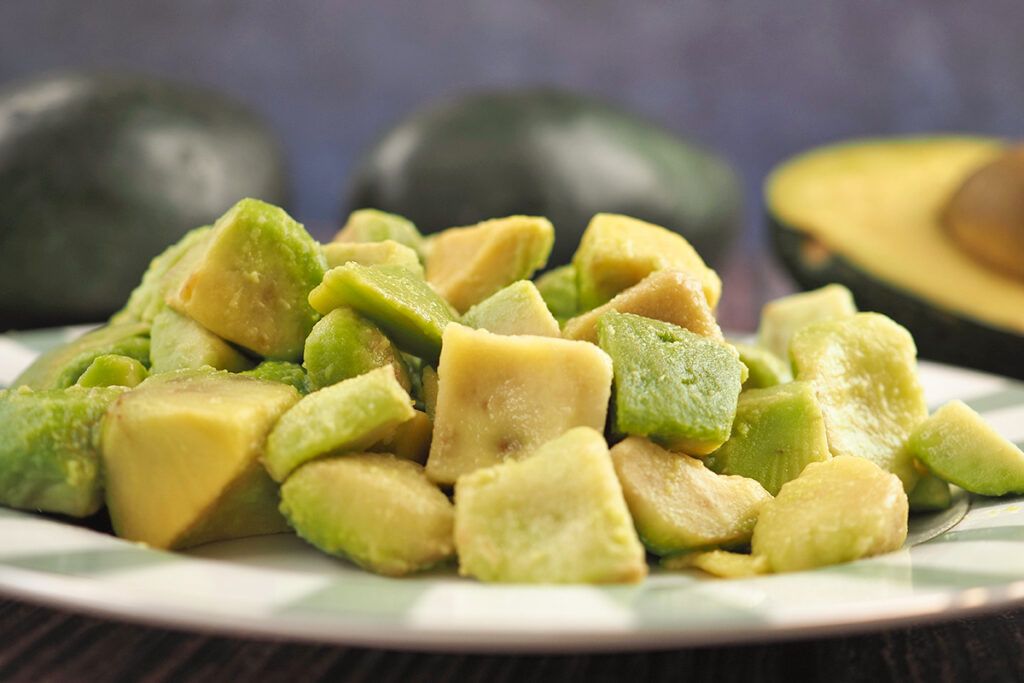
Frozen avocados
Credit: © Towfiqu Barbhuiya/stock.adobe.com

Avocados

This one may also raise some eyebrows, given that avocados are so easily damaged by cold temperatures. But unless you eat avocados every day, it’s hard to time their ripening process so that you can whip up a batch of guacamole exactly when you feel like it. 

Frozen avocados aren’t as common as other kinds of frozen fruit, but if you can find them, they’re really convenient to keep on hand. Some are cut in half and frozen in airtight individual cryo packs, and can be thawed and sliced for things like sandwiches. Others are sold in chunks, which are good for guacamole or salads or smoothies. 

One caveat: Frozen foods are often a no-compromise option, but in this case you’ll find that freezing and thawing does alter the avocado’s texture, making it slightly softer than it would normally be. Ideally, you’d use it mashed or in a dish where there’s a contrasting texture, such as in salads or on toast. Also, to prevent browning, frozen avocado is usually treated with an antioxidant like citric acid, which can give it a tart overtone that you won’t get with fresh avos. Still, they’re useful to keep on hand for those days when you have a craving and can’t find one ripe. 
Advertisement
Advertisement
Credit: © ULADZIMIR CYARGEENKA—iStock/Getty Images

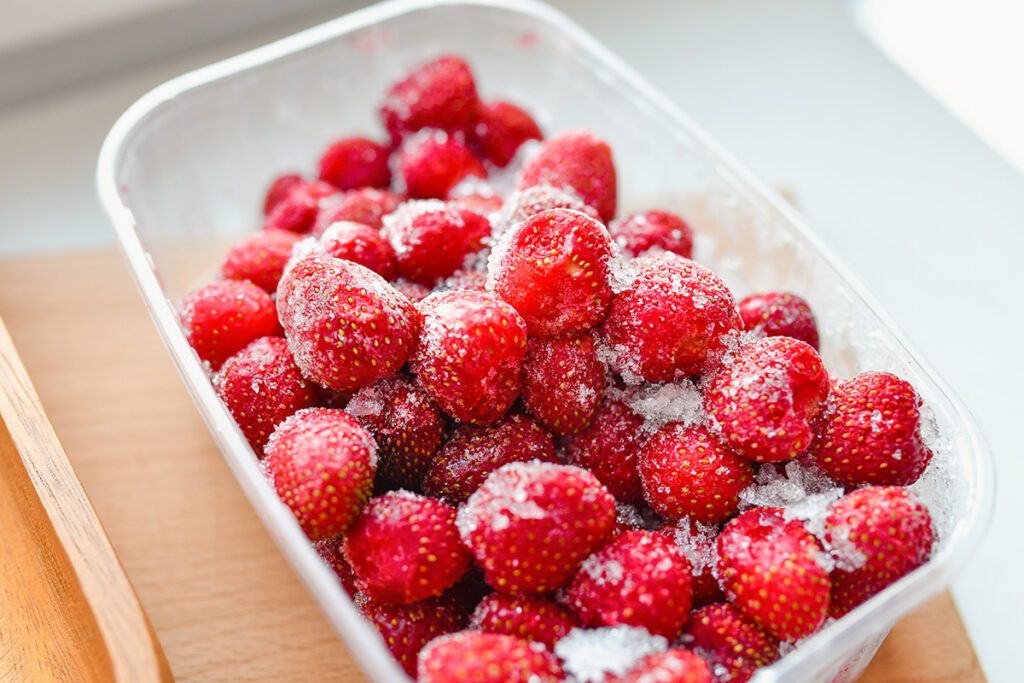
Mixed Fruit and Berries (aka “Smoothie Fruit”)

If you love smoothies, you already know that many of the popular fruits and berries have short lives on the counter and in the fridge. Bananas, like avocados, have a way of going from not-ripe to overripe in the blink of an eye. 

Advertisement

So if your standard breakfast, lunch, or on-the-go meal is a smoothie or protein shake, it makes sense to keep one or two bags of frozen fruits and mixed berries in the freezer. It means less food waste and it’s usually cheaper than buying all of those fruits and berries individually. Best of all, getting your fruit already frozen means you’ll need less ice (or maybe none at all) to get the thick, cold consistency you’re looking for. 
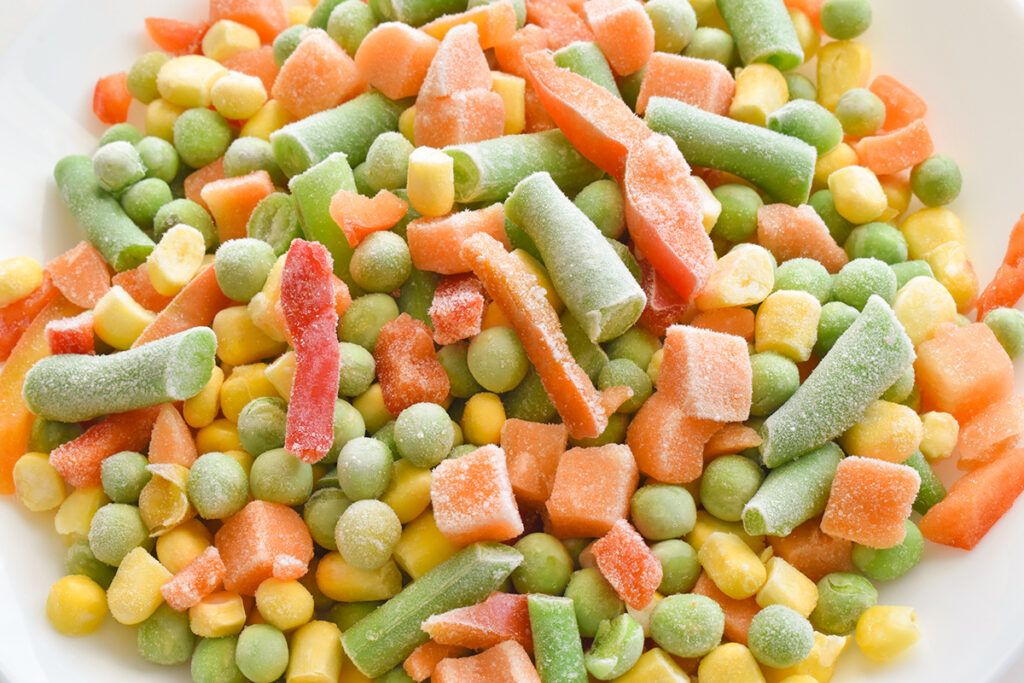
Frozen peas, carrots, corn, and green beans
Credit: © Maliflower73—iStock/Getty Images

Vegetable Mixes

Preparing vegetables is one of the biggest time-sinks when you’re cooking — those minutes you spend washing, peeling, and cutting vegetables account for a big chunk of a meal’s prep time. You’ll get dinner on the table a lot faster if you keep a few strategically chosen bags of mixed vegetables in the freezer. 

Most producers have a number of options, from the carrot-and-pea mix you see in cafeteria food to themed blends oriented around a specific kind of dish or style of cooking (California mix, stir-fry mix, etc.). Most are meant to provide you with a ready-made vegetable side dish that just needs to be cooked. Others, though, are intended to be used as the base of a dish made from scratch, like a classic French-style mirepoix (onion, carrots, and celery) or perhaps a “spaghetti mix” for making tomato sauce.

In either case, you get all the usual benefits of frozen produce — peak freshness, zero waste, minimal prep, low cost compared to buying the vegetables separately — and you save time while still putting a healthy meal on the table.


Advertisement
Advertisement

Why Buy Frozen Instead of Fresh?

Usually, it boils down to a combination of these advantages:
• Commercial freezing uses high-speed blast freezers, which creates a better-quality product than home freezers can produce.
• Seafoods, meats, and produce items are frozen at peak freshness and flavor, close to where they’re grown or harvested. Which means that …
• Frozen fruits, vegetables, and perishable meats are often a higher-quality option than buying fresh.
• Frozen foods are convenient: You don’t have to use them right away, they require no preparation, and they can save you a lot of time and effort when mealtime rolls around.

Advertisement

Featured Image Credit: © JGalione—E+/Getty Images

More From Our Network

Better Report is part of Inbox Studio, an email-first media company. *Indicates a third-party property.

Go Retro With This 1960s Fashion Quiz

Quiz Daily

Go Retro With This 1960s Fashion Quiz

True or False: Are You a Master of U.S. Geography?

Travel Quiz

True or False: Are You a Master of U.S. Geography?

5 Reasons You Can Be Denied Boarding an Airplane

Daily Passport

5 Reasons You Can Be Denied Boarding an Airplane

What Did People Do Before Eyeglasses?

History Facts

What Did People Do Before Eyeglasses?

How To Use a Balloon To Clean Up Dust

House Outlook

How To Use a Balloon To Clean Up Dust

11 Shopping Hacks Costco Members Should Know

FinanceBuzz*

11 Shopping Hacks Costco Members Should Know

Share this article

  • Share to Facebook
  • Share to Twitter
  • Copy Url
  • Share to Email
Fred Decker
Writer

Fred Decker is a trained chef and former restaurateur. Since closing his restaurants over a decade ago he has been a prolific freelance writer, publishing several thousand articles on dozens of high-volume websites including Taste Of Home, Hunker, Tasting Table, Week&, eHow, and GOBankingRates. He lives on a rural acreage shared with a big garden, chickens, rabbits, and grandkids.

This article is for general informational purposes only.
Affiliate Disclaimer Medical Disclaimer Financial Disclaimer

Updated: April 14, 2026
Posted In: Health
Hero Image Credit: Better Report
Advertisement

Related Articles

5 Things To Ask Your Doctor About the New Flu Shot

5 min read

Is Sourdough Actually Healthier Than Regular Bread?

7 min read

Do You Really Need a Bidet in Your Home?

4 min read

3 Common Sleep Habits That May Be Aging Your Brain

5 min read

Is the Traditional Mediterranean Diet Actually the Best for Your Brain?

4 min read
Advertisement

7 Stores You Didn’t Know Have Senior Discounts

Wealth | Updated: July 15, 2026
Lauren Dana Ellman
Author
Lauren Dana Ellman is a New York–based writer and editor specializing in lifestyle, travel, food, and shopping. A graduate of Syracuse University’s SI Newhouse School of Public Communications, she covers everything from destinations and hotels to fun product finds and personal essays. Her work has been featured in Condé Nast Traveler, AARP, Travel + Leisure, Time Out, The Knot, and more lifestyle-oriented publications.
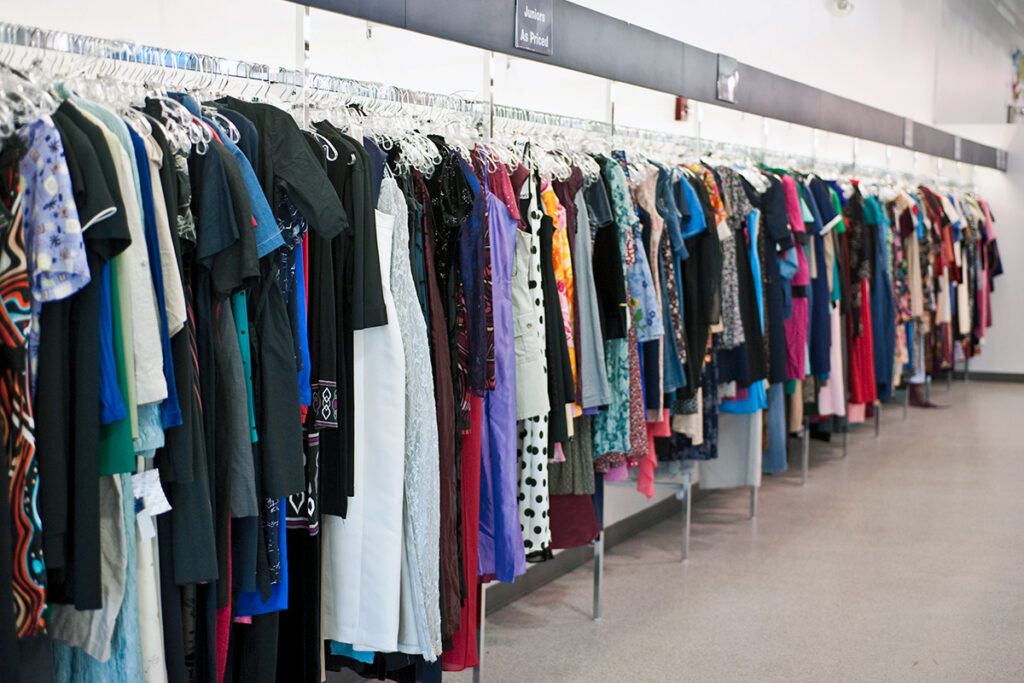
A Goodwill storefront
Better Report

As the cost of living continues to rise, finding ways to save has become more important than ever, especially for older folks looking to make their money last. Thankfully, many stores offer senior discounts — and while they may seem small, those savings can add up over time, helping lower the cost of everything from groceries and clothing to craft supplies and pet grooming services. 

The only catch? The rules vary by store, and at large chains with independently-operated locations, discount policies may differ from one community to the next. For example, some discounts are available only on certain days, while others are limited to in-store purchases or require customers to join the retailer’s rewards program first. 

Advertisement
Advertisement

But that shouldn’t stop you from taking advantage of those benefits. From Kohl’s and Michaels to PetSmart and Albertsons, here are some national chains that offer senior savings — plus what to know before you check out.

Kohl's storefront
Credit: © Jillian Cain/stock.adobe.com

Kohl’s

Kohl’s is already known for its discounts, and seniors can get those prices down even lower on Wednesdays, when shoppers 60 and older get 15% off eligible in-store purchases. Although some brands and products are excluded, the discount can still be used on many clothing, home, and seasonal items. (You can’t use it in combination with other coupons, though.) Be sure to bring a valid photo ID to confirm your age at checkout.

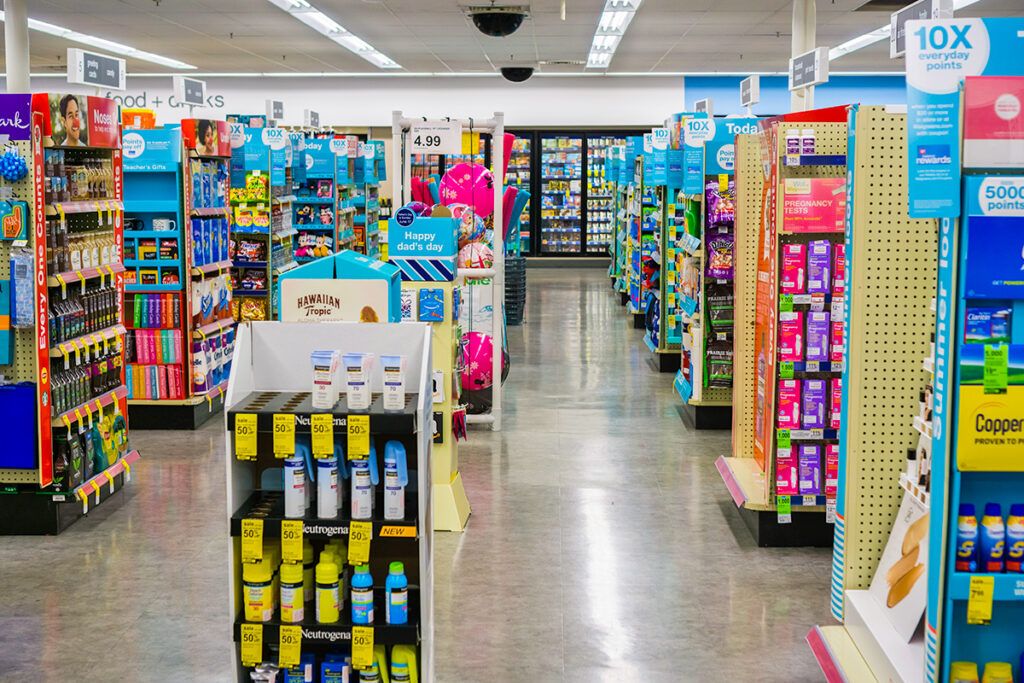
Interior of a Walgreens
Credit: © Sundry Photography/stock.adobe.com

Walgreens

Shoppers 55 and over who are members of the myWalgreens rewards program can take advantage of Walgreens’ monthly Seniors Day promotion, which typically takes place on the first Tuesday of each month and offers 20% off eligible regular-priced merchandise purchased in stores and online. Certain exclusions apply, including prescriptions and some health care services.

Recommended Articles

  • The Safety Rules for Candles You Probably Don’t Know

  • 5 Things Your Car Needs Before the First Freeze

  • 6 Amazon Prime Day Hacks

  • 5 Things To Ask Your Doctor About the New Flu Shot

Advertisement
Advertisement

Reader Favorites

  • Woman looking in fridge

    9 Foods You Should Toss ASAP if They’re Expired

  • Person eating salad

    7 Things a Chef Never Orders at a Restaurant

  • Cherry angioma

    Are the Tiny Red Dots on Your Skin Dangerous?

Ross shopping cart
Credit: © Juanmonino—E+/Getty Images

Ross Dress for Less

Every Tuesday, Ross Dress for Less offers shoppers 55 and older a 10% discount, known as the Every Tuesday Club. (According to The Senior List, certain clothing brands and home goods aren’t eligible, though no specific brands or items are named.) To take advantage of the savings, tell your cashier at checkout that you’d like to use the discount. You may also need to show ID.

Advertisement
Goodwill store
Credit: © Juanmonino—E+/Getty Images

Goodwill

According to AARP, many Goodwill stores offer senior discounts on certain days of the week, but when and how much varies by location. Since each Goodwill is independently operated, the age requirements and discount amounts aren’t the same everywhere. In some areas, seniors can save anywhere from 10% to 30% on their purchases. Ask at your local store to see if you can save. 

Advertisement
Advertisement
Exterior of an Albertsons
Credit: © Tim/stock.adobe.com

Albertsons

There are a number of grocery stores that give seniors discounts, includingAlbertsons, which has more than 350 locations across 16 U.S. states. According to Go Health, if you’re 55 or older, you can receive 10% off eligible purchases on the first Wednesday of each month. (SeniorSite.org notes that items such as alcohol, fuel, gift cards, and lottery tickets are excluded.) To take advantage of even more savings, sign up for the Albertsons for U™ rewards program. 

Exterior of a Michaels
Credit: © M. Suhail—iStock/Getty Images

Michaels 

Michaels customers 55 and above can get a 10% senior discount on their purchases — including sale items — both in stores and online. (There are some exclusions, including clearance items, certain brands, and custom framing.) To qualify, you’ll need to sign up for a Michaels Rewards account and verify your age with a government-issued ID.

Advertisement
Advertisement
Interior of a PetSmart
Credit: © ColleenMichaels/stock.adobe.com

PetSmart 

PetSmart helps seniors 65 and older keep their furry friends looking good with 10% off grooming salon services on Tuesdays at participating locations. Be aware that the discount applies only to grooming and can’t be used on merchandise; pets must also meet the store’s age, health, and vaccination requirements. A valid photo ID is required to receive the discount.

Featured Image Credit: © Mahmoud Suhail/stock.adobe.com

More From Our Network

Better Report is part of Inbox Studio, an email-first media company. *Indicates a third-party property.

Go Retro With This 1960s Fashion Quiz

Quiz Daily

Go Retro With This 1960s Fashion Quiz

True or False: Are You a Master of U.S. Geography?

Travel Quiz

True or False: Are You a Master of U.S. Geography?

5 Reasons You Can Be Denied Boarding an Airplane

Daily Passport

5 Reasons You Can Be Denied Boarding an Airplane

What Did People Do Before Eyeglasses?

History Facts

What Did People Do Before Eyeglasses?

How To Use a Balloon To Clean Up Dust

House Outlook

How To Use a Balloon To Clean Up Dust

11 Shopping Hacks Costco Members Should Know

FinanceBuzz*

11 Shopping Hacks Costco Members Should Know

Share this article

  • Share to Facebook
  • Share to Twitter
  • Copy Url
  • Share to Email
Lauren Dana Ellman
Writer

Lauren Dana Ellman is a New York–based writer and editor specializing in lifestyle, travel, food, and shopping. A graduate of Syracuse University’s SI Newhouse School of Public Communications, she covers everything from destinations and hotels to fun product finds and personal essays. Her work has been featured in Condé Nast Traveler, AARP, Travel + Leisure, Time Out, The Knot, and more lifestyle-oriented publications.

This article is for general informational purposes only.
Affiliate Disclaimer Medical Disclaimer Financial Disclaimer

Updated: April 28, 2026
Posted In: Wealth
Hero Image Credit: Better Report
Advertisement

Related Articles

5 Things Your Car Needs Before the First Freeze

4 min read

6 Amazon Prime Day Hacks

6 min read

Is It Actually Better To Lease a Car?

9 min read

7 Free MIT Classes You Can Experience From Home

4 min read

The Bedroom Color That Adds $2,000 to Your Home Value

3 min read
Advertisement

Should You Avoid Ibuprofen at Night?

Ali Eldridge
Health | Updated: July 15, 2026
Man taking medication before bed
Better Report

There’s a good reason why ibuprofen is a staple of medicine cabinets everywhere. The nonsteroidal anti-inflammatory drug, or NSAID, blocks COX enzymes in the body, which leads to a reduction of inflammation and its uncomfortable symptoms. This makes the over-the-counter medicine effective at treating everything from headaches and sore muscles to fevers and arthritis pain. And the side effects are typically minimal compared to some prescription pain-relievers. 

But that doesn’t mean they’re nonexistent: Sometimes, ibuprofen can have unpleasant consequences that may not be worth the relief. Here’s what you need to consider.

Advertisement
Advertisement
Woman in bed with hand on forehead
Credit: © Getty Images/Unsplash.com

Should You Skip Ibuprofen at Night?

Some research has shown that taking ibuprofen before bed can potentially lead to restless nights. This phenomenon was reported in 1994, when scientists studied how well a group of 37 test subjects were able to sleep with and without the drug. The participants who took ibuprofen had lower sleep quality overall compared to the placebo group, with more time spent awake and longer delays before reaching deep sleep. 

The suppression of melatonin, fluctuations in body temperature, and the decrease of prostaglandin D2 (a lipid that helps regulate sleep as well as pain response) were all cited as potential causes. The findings were published in the journal Physiology & Behavior.

It’s important to note, however, that the study consisted of a small sample size of subjects, so it may not be fully representative of the larger population. And a more recent study of 30 people, published in 2006, conflicted with its findings: The study’s authors wrote that “ibuprofen did not produce any clinically or statistically significant alterations in the character and quality of nighttime sleep.” Another small study of the NSAID aspirin from 1980 found that it increased certain stages of sleep while decreasing others. (One exception may be NSAID medications like Advil PM, which contain an antihistamine that, according to GoodRx, will help you fall asleep and stay that way if you’re experiencing pain at night.)The topic is far from settled, and more research is needed to reach a definitive conclusion. 

Recommended Articles

  • The Safety Rules for Candles You Probably Don’t Know

  • 5 Things Your Car Needs Before the First Freeze

  • 6 Amazon Prime Day Hacks

  • 5 Things To Ask Your Doctor About the New Flu Shot

Advertisement
Advertisement

Reader Favorites

  • Woman looking in fridge

    9 Foods You Should Toss ASAP if They’re Expired

  • Person eating salad

    7 Things a Chef Never Orders at a Restaurant

  • Cherry angioma

    Are the Tiny Red Dots on Your Skin Dangerous?

A more recent animal study published in Scientific Reports in 2020 showed that taking the pain reliever at night could possibly interfere with the body’s natural healing process. The study looked at the effects of NSAIDs on mice healing from surgery. For three days after surgery, the mice were given daily doses of the medicine as part of their postoperative routine. Two weeks after their surgeries, the mice who received doses during the active parts of their days were able to put weight on their limbs, while the mice who were dosed before rest periods recovered more slowly. 

Advertisement

The study authors speculated this had something to do with the genes that govern the rodents’ circadian rhythms. While inflammation is the cause of many bothersome pains, it’s also an important step in healing: Post-surgery, it will kill bacteria and signal that cells need to come to the area to rebuild tissues. But inflammation can also be destructive. During the day, cells that break down and reabsorb bone tissue are most active. So it’s possible that NSAIDS given when the animals were awake led to the overexpression of certain genes and anti-inflammatory proteins around their wounds that aided in healing. And because osteoblasts, the cells that rebuild bone, are most active when sleeping, “NSAID administration during the resting phase resulted in severe bone healing impairment,” the study’s authors wrote. 

Advertisement
Advertisement

Of course, there are some caveats here: The 2020 study looked at mice, not people, so it’s unclear if similar results would be seen in humans, and as a 2021 review of studies on the topic noted, “whether NSAIDs really interfere with healing after surgery or trauma cannot be answered definitively on the basis of the currently published literature.” 

The bottom line? You should check with your doctor before making any decisions about how and when you use ibuprofen.

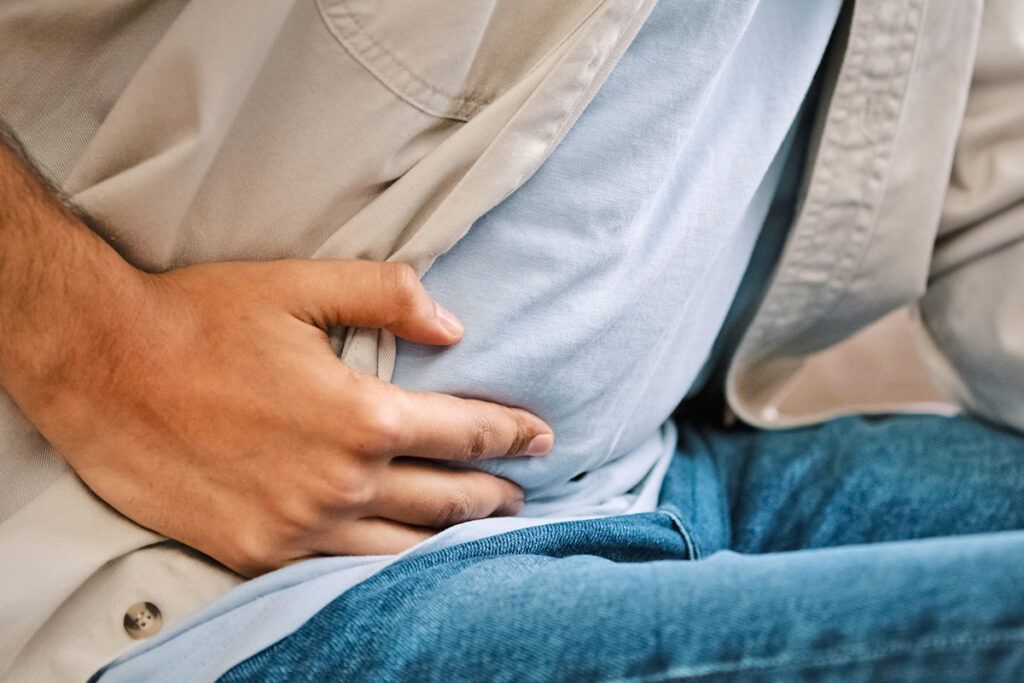
Hand holding stomach
Credit: © Yuliia/stock.adobe.com

Ibuprofen Risks To Consider

Timing isn’t the only factor to keep in mind when weighing the potential side effects of ibuprofen. One of the biggest risks associated with the drug is gastrointestinal damage. NSAIDs are hard on your stomach lining, and taking too much can even lead to bleeding. This is one reason that adults over age 50 are often warned against relying on NSAIDs, especially if they already have a history of ulcers or are taking blood thinners.

Advertisement
Advertisement

Patients with kidney problems should avoid the drug, too, as it temporarily reduces blood flow to the organs. NSAIDs are also known to raise blood pressure, so they may not be the best choice for those with hypertension, and they shouldn’t be taken by most people with heart problems, especially not on a regular basis. 

Fortunately, different pain relievers work in different ways. If you’re concerned that your ibuprofen use may be having adverse effects, talk to your doctor about possible alternatives.

Advertisement

Featured Image Credit: © Filmstax—E+/Getty Images

More From Our Network

Better Report is part of Inbox Studio, an email-first media company. *Indicates a third-party property.

Go Retro With This 1960s Fashion Quiz

Quiz Daily

Go Retro With This 1960s Fashion Quiz

True or False: Are You a Master of U.S. Geography?

Travel Quiz

True or False: Are You a Master of U.S. Geography?

5 Reasons You Can Be Denied Boarding an Airplane

Daily Passport

5 Reasons You Can Be Denied Boarding an Airplane

What Did People Do Before Eyeglasses?

History Facts

What Did People Do Before Eyeglasses?

How To Use a Balloon To Clean Up Dust

House Outlook

How To Use a Balloon To Clean Up Dust

11 Shopping Hacks Costco Members Should Know

FinanceBuzz*

11 Shopping Hacks Costco Members Should Know

Share this article

  • Share to Facebook
  • Share to Twitter
  • Copy Url
  • Share to Email
Ali Eldridge

This article is for general informational purposes only.
Affiliate Disclaimer Medical Disclaimer Financial Disclaimer

Updated:
Posted In: Health
Hero Image Credit: Better Report
Advertisement

Related Articles

5 Things To Ask Your Doctor About the New Flu Shot

5 min read

Is Sourdough Actually Healthier Than Regular Bread?

7 min read

Do You Really Need a Bidet in Your Home?

4 min read

3 Common Sleep Habits That May Be Aging Your Brain

5 min read

Is the Traditional Mediterranean Diet Actually the Best for Your Brain?

4 min read
Advertisement

Does One Moldy Berry Ruin the Whole Bunch?

Health | Updated: July 2, 2026
Michele Debczak
Author
Michele Debczak is a writer and editor based in Brooklyn, New York. She appears in seasons four through six of History Channel's “The Food That Built America,” and her work has been featured in Mental Floss, Smithsonian Magazine, Eater, and Vice.
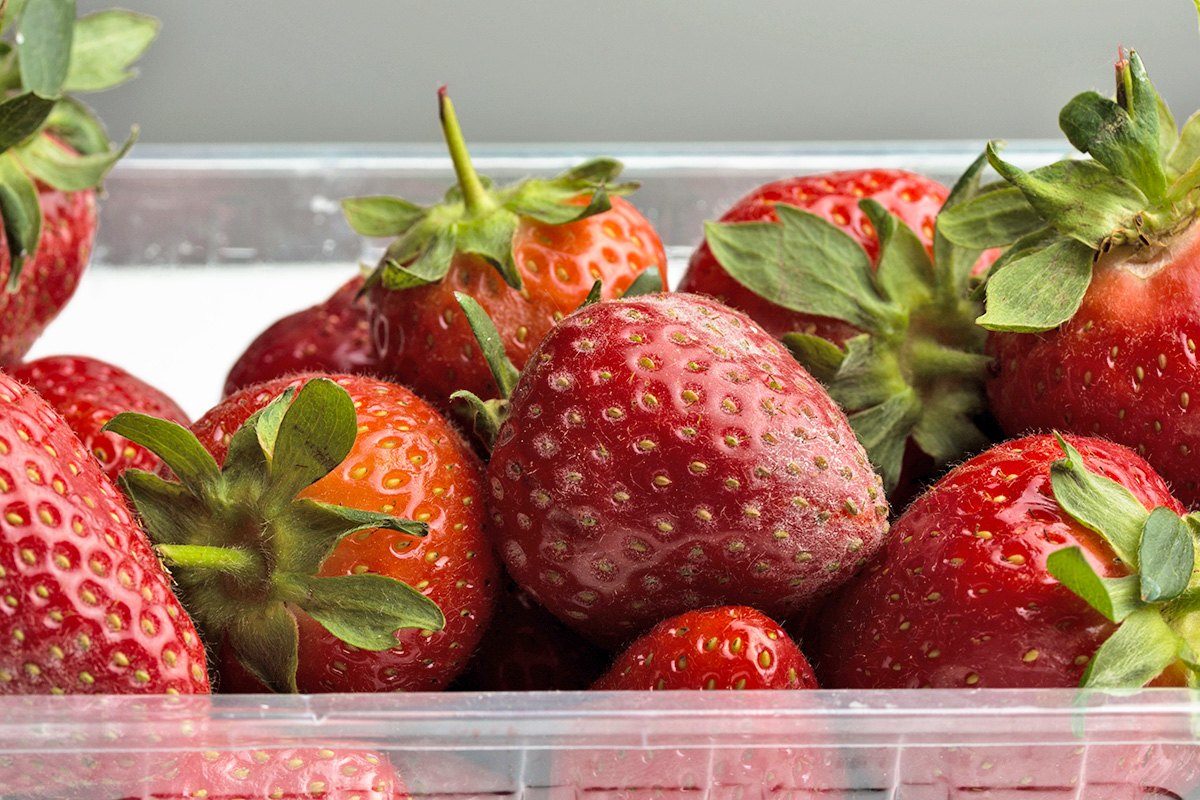
Strawberries
Better Report

If berries are a regular part of your diet, you already know that they can be sneakily expensive — which makes it especially frustrating when you’re unpacking your groceries and spy a patch of fuzz among an otherwise immaculate bunch of produce. Moldy berries are unsightly and unappetizing, but what about their neighbors? Does spotting one offender in a container warrant tossing out the whole thing? 

Moldy blackberries
Credit: © ztony1971/stock.adobe.com

What To Know About Moldy Berries

Good news for your wallet and your breakfast routine: Fresh berries packaged with a couple of spoiled ones are still safe to eat. When it comes to fruits like strawberries, blackberries, and raspberries, pediatric infectious disease expert Dr. Nipunie Rajapakse told the Mayo Clinic, a little mold isn’t the end of the world. She recommends picking out the visibly fuzzy berries as well as whatever fruits they were touching. Give the remaining produce a thorough wash and it should be fine to consume. But if your basket or clamshell is more than a quarter moldy, it’s probably not worth salvaging, according to Dr. Rajapakse.

Advertisement
Advertisement

The reason health experts are fairly lenient when it comes to berries is due to the type of spores they grow. Certain foodborne fungi can cause serious illness, which is why we’ve evolved to turn up our noses at spoiled foods in the first place. According to the U.S. Department of Agriculture, some molds produce mycotoxins that may make us sick; they’re mostly found in grain, corn, dried fruits, nuts, and coffee, but can also pop up on produce such as celery and apples.

The mold commonly found on berries, however, isn’t known to produce toxins, so it doesn’t pose any serious health risks. Even if you were to miss a moldy berry and eat it accidentally, it wouldn’t be pleasant, but it probably wouldn’t send you to urgent care.

It’s a different story with many other grocery items. Foods that are soft and moist with more area for microbes to populate tend to cultivate more dangerous fungi. That’s why if you see a blue speckle on your loaf of bread, health experts say you should throw away the whole thing, because the mold may have already spread to parts you can’t see. 

Advertisement

Berries, on the other hand, are less likely to harbor harmful spores due to their small size. But because you can’t tell what molds are toxic by looks alone, you’ll want to throw out any moldy berries just in case.

Recommended Articles

  • The Safety Rules for Candles You Probably Don’t Know

  • 5 Things Your Car Needs Before the First Freeze

  • 6 Amazon Prime Day Hacks

  • 5 Things To Ask Your Doctor About the New Flu Shot

Advertisement
Advertisement

Reader Favorites

  • Woman looking in fridge

    9 Foods You Should Toss ASAP if They’re Expired

  • Person eating salad

    7 Things a Chef Never Orders at a Restaurant

  • Cherry angioma

    Are the Tiny Red Dots on Your Skin Dangerous?

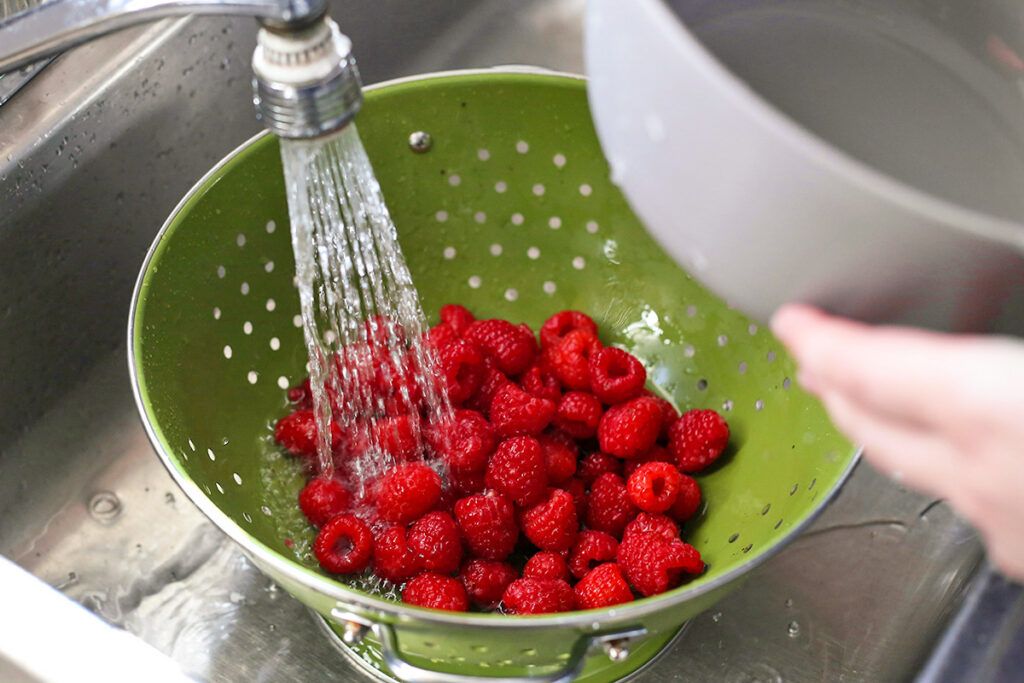
Washing raspberries
Credit: © Giorgio Trovato/Unsplash.com

How To Store Berries To Keep Them Fresh Longer

Even if a single moldy berry won’t kill you, you still don’t want the nasty surprise of biting into one. The spores may be less harmful, but it won’t taste very good. Berries are more prone to spoilage in general due to their high moisture content and delicate skins. The best way to prevent mold is by practicing smarter storage habits. 

Advertisement
Advertisement

Before refrigerating the fruit, rinse it off in a solution of 3 cups water to 2 tablespoons white vinegar. This will help kill off most of the spores sitting on the surface waiting to become full-blown fungi. Make sure the berries are completely dry before transferring them to a larger container lined with paper towels. This environment will provide your berries some breathing room while absorbing excess moisture, giving them a fighting chance of surviving to see a week’s worth of meals. (There’s an exception to this advice: raspberries. Moisture will make them go bad quickly, so instead, you should discard any moist, moldy, or discolored raspberries before storing them in the container they came in on a shelf in your fridge — not the crisper, which is more humid and will cause the raspberries to dry out. Don’t wash them right until you’re ready to eat them.)

Another option is to freeze your berries after washing and drying them. They can last six to eight months in the freezer, which means if you go overboard at the farmers market this summer, you could still be enjoying peak-season strawberries in January.

Advertisement
Advertisement

Featured Image Credit: © Eigens/stock.adobe.com

More From Our Network

Better Report is part of Inbox Studio, an email-first media company. *Indicates a third-party property.

Go Retro With This 1960s Fashion Quiz

Quiz Daily

Go Retro With This 1960s Fashion Quiz

True or False: Are You a Master of U.S. Geography?

Travel Quiz

True or False: Are You a Master of U.S. Geography?

5 Reasons You Can Be Denied Boarding an Airplane

Daily Passport

5 Reasons You Can Be Denied Boarding an Airplane

What Did People Do Before Eyeglasses?

History Facts

What Did People Do Before Eyeglasses?

How To Use a Balloon To Clean Up Dust

House Outlook

How To Use a Balloon To Clean Up Dust

11 Shopping Hacks Costco Members Should Know

FinanceBuzz*

11 Shopping Hacks Costco Members Should Know

Share this article

  • Share to Facebook
  • Share to Twitter
  • Copy Url
  • Share to Email
Michele Debczak
Writer

Michele Debczak is a writer and editor based in Brooklyn, New York. She appears in seasons four through six of History Channel's “The Food That Built America,” and her work has been featured in Mental Floss, Smithsonian Magazine, Eater, and Vice.

This article is for general informational purposes only.
Affiliate Disclaimer Medical Disclaimer Financial Disclaimer

Updated: April 3, 2026
Posted In: Health
Hero Image Credit: Better Report
Advertisement

Related Articles

5 Things To Ask Your Doctor About the New Flu Shot

5 min read

Is Sourdough Actually Healthier Than Regular Bread?

7 min read

Do You Really Need a Bidet in Your Home?

4 min read

3 Common Sleep Habits That May Be Aging Your Brain

5 min read

Is the Traditional Mediterranean Diet Actually the Best for Your Brain?

4 min read
Advertisement

What Is ‘Charm Pricing’?

Ali Eldridge
Wealth | Updated: July 2, 2026
Woman checking price tag on clothing
Better Report

Retailers are always looking for ways to sell customers on their products. Sometimes they succeed because of a clever marketing campaign, while other times they may discount the item as part of a seasonal sale. 

But another common sales tactic has to do with human psychology — specifically, items can be priced to manipulate buyers into thinking they’re getting a great deal. Take the concept of “charm pricing,” for example, which isn’t as charming as the name implies. Let’s look at how it works.

Advertisement
Advertisement
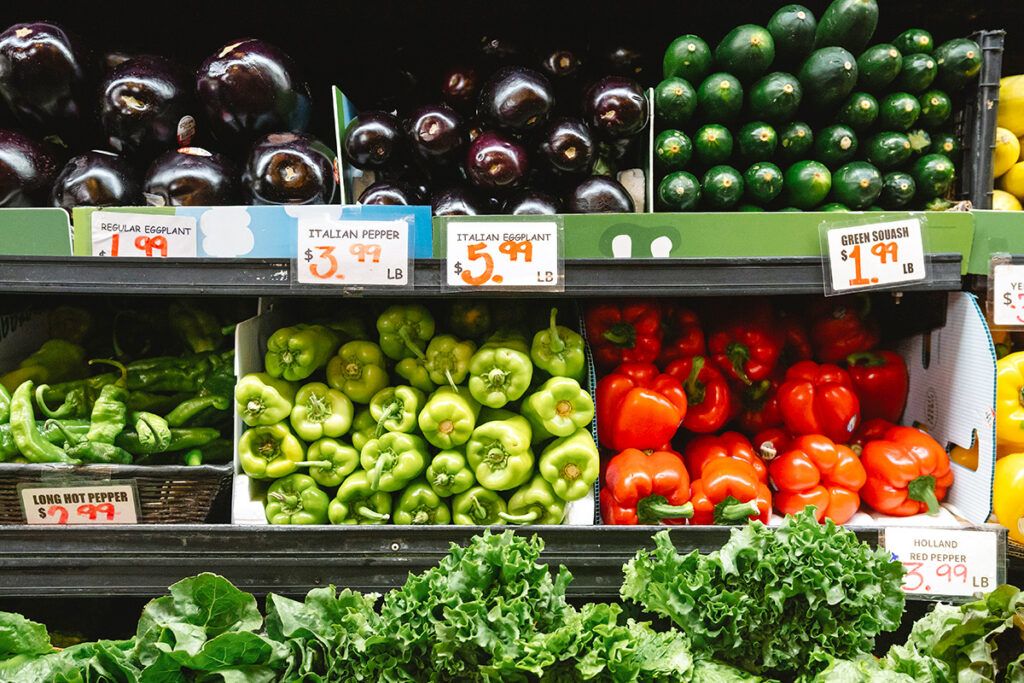
Vegetables and their prices
Credit: © Greta Hoffman/Pexels.com

A Pricing Scheme That Works Like a Charm

The next time you wander through the aisles of any retail establishment, take a look at all the prices. You’ll probably see far more price tags ending in .99 than .00. For instance, you may notice a package of fresh strawberries being sold for $4.99 instead of a flat $5. This is also a common phenomenon when you’re making digital purchases, as a monthly Netflix subscription costs $19.99 instead of an even $20. 

That’s charm pricing, which takes advantage of what’s called left-digit bias, where buyers place an unnecessarily strong emphasis on the first number they read. In layman’s terms, the brain thinks that $2.99 is closer to $2.00 than $3.00, even though that’s not the case. 

Recommended Articles

  • The Safety Rules for Candles You Probably Don’t Know

  • 5 Things Your Car Needs Before the First Freeze

  • 6 Amazon Prime Day Hacks

  • 5 Things To Ask Your Doctor About the New Flu Shot

Advertisement
Advertisement

Reader Favorites

  • Woman looking in fridge

    9 Foods You Should Toss ASAP if They’re Expired

  • Person eating salad

    7 Things a Chef Never Orders at a Restaurant

  • Cherry angioma

    Are the Tiny Red Dots on Your Skin Dangerous?

Patent for the first cash register
Credit: © Science History Images/Alamy

A Brief History of Charm Pricing

The idea of charm pricing indirectly began with a saloon owner named James Ritty. In 1879, he devised a plan to deal with clerks at his bar who he believed were pocketing money during transactions. Ritty created a new machine akin to the modern cash register so that each transaction could be recorded. Eventually, John H. Patterson — another business owner who was suspicious of his employees — bought Ritty’s company and the patent for the machines and began selling them. 

Advertisement
Advertisement

As the machine became more popular, retailers soon realized they should charge non-round numbers for goods. This forced store clerks to not only record each sale but also make change for the buyer, so they couldn’t secretly pocket the money.

Those early anti-theft practices made it more common for retailers to charge non-round prices. Not only that, but products priced in such a way often sold more than items that were selling for a round number. Charm pricing came about thereafter. 

Advertisement
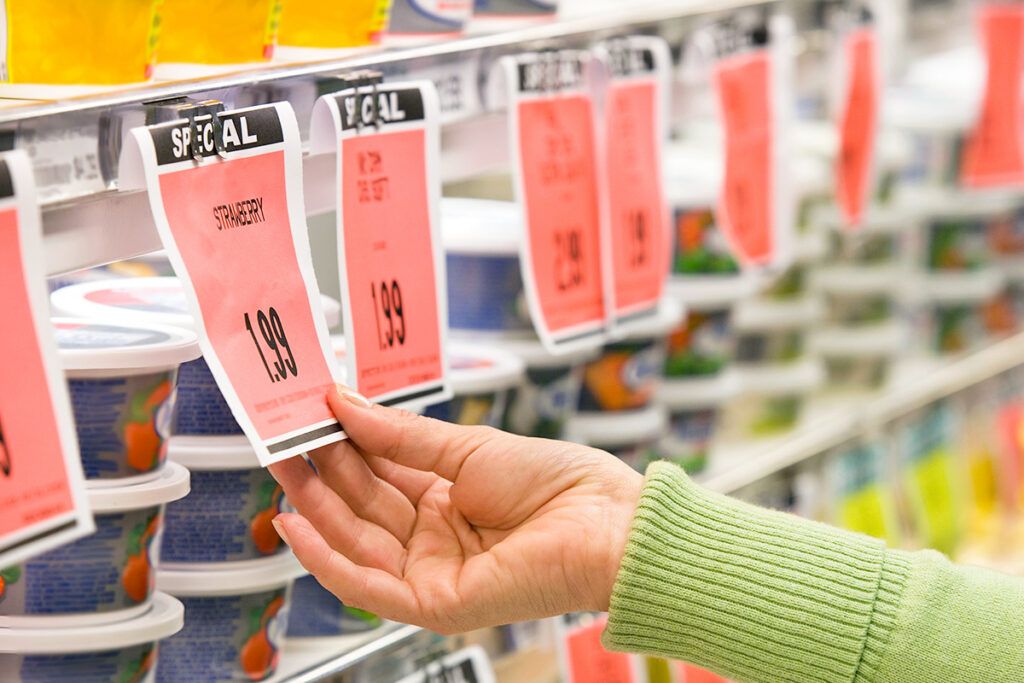
Holding tag for item priced $1.99
Credit: © FangXiaNuo—iStock/Getty Images

Why We Fall for Charm Pricing

A 2020 study that analyzed charm pricing found that consumers believed the difference between $4.00 and $2.99 was wider than the gap between $4.01 and $3.00, despite the fact that the monetary difference in both examples is $1.01. Psychologically, however, the brain processes those prices in a way that clouds our judgment — we look at $2.99 and think “about $2” rather than “almost $3” — which in turn benefits retailers. 

Advertisement
Advertisement

Of course, charm pricing is nothing more than an illusion, but it’s one that appears to actually have an impact on what we’re willing to purchase.

It’s worth noting that charm prices don’t necessarily need to end in a 9, and it’s the first digit that’s most important. This is why you may see prices end with different digits depending on where you shop. For instance, an analysis by the Hustle determined that 7 was the most common final digit in the prices of more than 500 items on Walmart’s website, popping up in 32.9% of prices. But the reason 9 is so common elsewhere is that a single cent is the minimum that retailers can lower prices by while still utilizing charm pricing.

Advertisement
Advertisement

As customers, there’s not much we can do to stop or change charm pricing. But it’s worth being aware of so you don’t get tricked into thinking that you’re getting a good deal on something, when in reality you’re saving a single penny.

Featured Image Credit: © Mint Images/Getty Images

More From Our Network

Better Report is part of Inbox Studio, an email-first media company. *Indicates a third-party property.
Go Retro With This 1960s Fashion Quiz

Quiz Daily

Go Retro With This 1960s Fashion Quiz

True or False: Are You a Master of U.S. Geography?

Travel Quiz

True or False: Are You a Master of U.S. Geography?

5 Reasons You Can Be Denied Boarding an Airplane

Daily Passport

5 Reasons You Can Be Denied Boarding an Airplane

What Did People Do Before Eyeglasses?

History Facts

What Did People Do Before Eyeglasses?

How To Use a Balloon To Clean Up Dust

House Outlook

How To Use a Balloon To Clean Up Dust

11 Shopping Hacks Costco Members Should Know

FinanceBuzz*

11 Shopping Hacks Costco Members Should Know

Share this article

  • Share to Facebook
  • Share to Twitter
  • Copy Url
  • Share to Email
Ali Eldridge

This article is for general informational purposes only.
Affiliate Disclaimer Medical Disclaimer Financial Disclaimer

Updated:
Posted In: Wealth
Hero Image Credit: Better Report
Advertisement

Related Articles

5 Things Your Car Needs Before the First Freeze

4 min read

6 Amazon Prime Day Hacks

6 min read

Is It Actually Better To Lease a Car?

9 min read

7 Free MIT Classes You Can Experience From Home

4 min read

The Bedroom Color That Adds $2,000 to Your Home Value

3 min read
Advertisement

This Kitchen Appliance Might Be Dirtier Than Your Toilet

Health | Updated: July 1, 2026
Bennett Kleinman
Author
Bennett Kleinman is a New York City-based staff writer for Inbox Studio. He is also a freelance comedy writer, devoted New York Yankees and New Jersey Devils fan, and thinks plain seltzer is the best drink ever invented.
Fridge in a kitchen
Better Report

Unless you live in a poorly designed studio apartment in New York City, your toilet is likely far away from your kitchen. Bathrooms are invariably dirty environments, and nobody wants that bacteria to get anywhere close to their food. But what if we told you that there’s a kitchen appliance that might be even dirtier than your toilet? Here’s a look at the facts.

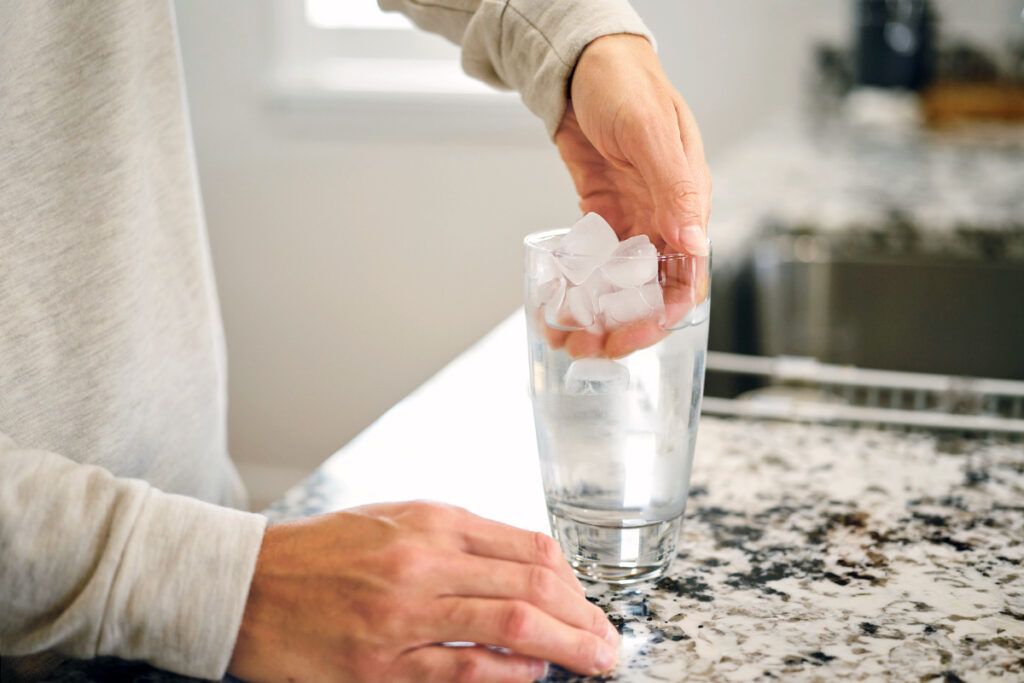
Putting ice in glass
Credit: © O2O Creative—E+/Getty Images

The Stone-Cold Reality

If you have a fridge with a built-in ice maker, you probably put that ice into a glass of iced tea or cold water without a second thought. But when was the last time you cleaned that ice maker? Have you ever cleaned that ice maker? 

Advertisement
Advertisement

The reality is that the moist environment of a standard ice maker makes it a possible breeding ground for mold and other residue that can cause cloudy, foul-tasting ice. Ice makers can also be a hot spot for harmful bacteria like listeria and salmonella, which can cause serious illness if ingested.

This isn’t just a problem in our own homes: It’s a major issue at food establishments as well. Studies from around the world have found that ice in fast-food restaurants was riddled with bacteria. In 2013, an analysis of ice cubes from KFCs in China found that they contained 13 times more bacteria than toilet water. Four years later, an undercover investigation by the BBC discovered that half of the ice samples taken from three fast-food restaurants contained fecal coliform bacteria. The stories about dangerously dirty ice go on and on. 

Ice maker
Credit: © knowlesgallery/stock.adobe.com

How To Clean Your Ice Maker

While you can try to avoid ice water and cocktails on the rocks at restaurants, you shouldn’t neglect your ice maker at home — it’s important to keep it clean so you, your friends, and your family don’t get sick.

Advertisement

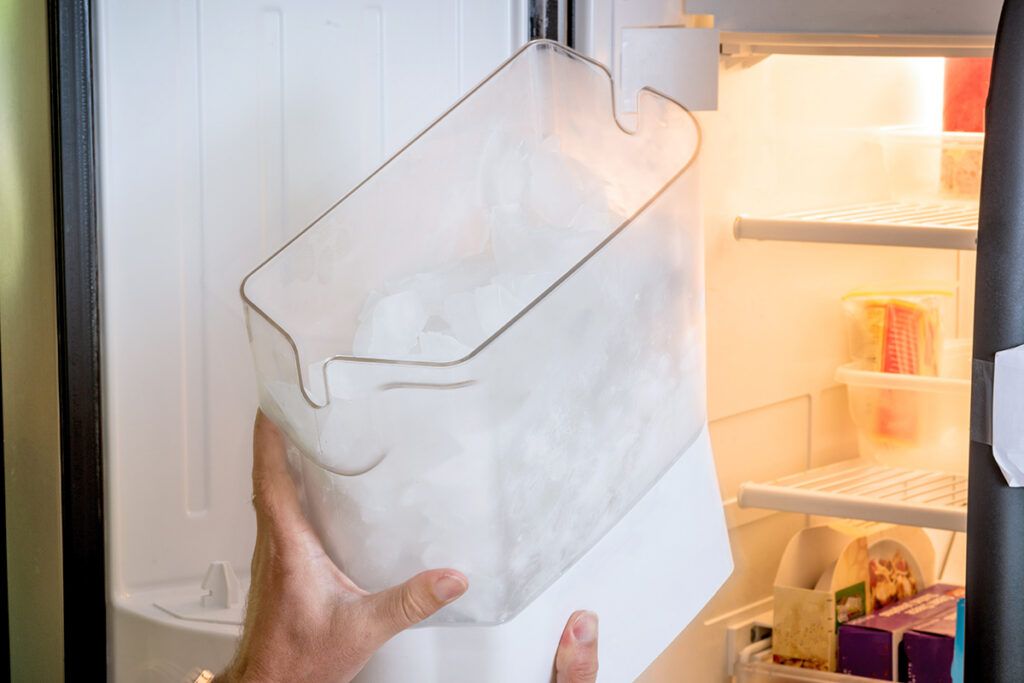
Experts advise people to clean their home ice makers every four to six months, or whenever ice starts to smell a bit off. (You should clean it more frequently if you have hard water.) Thankfully, cleaning your ice maker isn’t hard: According to Maytag, you can do so in just five steps. 

Recommended Articles

  • The Safety Rules for Candles You Probably Don’t Know

  • 5 Things Your Car Needs Before the First Freeze

  • 6 Amazon Prime Day Hacks

  • 5 Things To Ask Your Doctor About the New Flu Shot

Advertisement
Advertisement

Reader Favorites

  • Woman looking in fridge

    9 Foods You Should Toss ASAP if They’re Expired

  • Person eating salad

    7 Things a Chef Never Orders at a Restaurant

  • Cherry angioma

    Are the Tiny Red Dots on Your Skin Dangerous?

Before you get started, grab some clean dish cloths, a sponge, a bowl of warm water, mild dish soap, and white distilled vinegar. From there, here’s what you need to do:

  1. Remove any expired goods from the freezer, and wipe up spills or grime. You may also want to clean out your fridge — air circulates between the fridge and freezer, and any foul odors caused by rotten foods  may be contributing to contaminated ice.
  2. Depending on your fridge, you may be able to switch off your ice maker before you get started — you don’t want it making ice while you’re cleaning — but for safety reasons, it’s probably best to unplug the refrigerator altogether. (It won’t be unplugged for long, so there’s no need to also empty its contents.) 
  3. Remove any detachable parts such as ice bins or ice trays. Wash them with a clean sponge, mild dish soap, and warm water, then let those parts fully dry.
  4. Throw out any old ice and completely wipe down the inside of the ice maker with warm water and dish soap. You can also use a combination of one part warm water and one part distilled white vinegar. Lastly, wipe everything down with a clean cloth until the area is completely dry.
  5. The final step is to put every component back in place and plug the refrigerator back in. Dispose of the first two to three batches of ice; by batch four you should be back in business.

If you follow the above steps, your ice should be bacteria- and mold-free. If the machine continues to produce cloudy cubes, however, you may be dealing with a moldy ice maker or contaminated ice dispenser chute. Maytag has instructions for how to deal with those issues, too — you can find them here. 

Advertisement
Advertisement

Featured Image Credit: © PC Photography—iStock/Getty Images

More From Our Network

Better Report is part of Inbox Studio, an email-first media company. *Indicates a third-party property.

Go Retro With This 1960s Fashion Quiz

Quiz Daily

Go Retro With This 1960s Fashion Quiz

True or False: Are You a Master of U.S. Geography?

Travel Quiz

True or False: Are You a Master of U.S. Geography?

5 Reasons You Can Be Denied Boarding an Airplane

Daily Passport

5 Reasons You Can Be Denied Boarding an Airplane

What Did People Do Before Eyeglasses?

History Facts

What Did People Do Before Eyeglasses?

How To Use a Balloon To Clean Up Dust

House Outlook

How To Use a Balloon To Clean Up Dust

11 Shopping Hacks Costco Members Should Know

FinanceBuzz*

11 Shopping Hacks Costco Members Should Know

Share this article

  • Share to Facebook
  • Share to Twitter
  • Copy Url
  • Share to Email
Bennett Kleinman
Staff Writer

Bennett Kleinman is a New York City-based staff writer for Inbox Studio. He is also a freelance comedy writer, devoted New York Yankees and New Jersey Devils fan, and thinks plain seltzer is the best drink ever invented.

This article is for general informational purposes only.
Affiliate Disclaimer Medical Disclaimer Financial Disclaimer

Updated: July 20, 2023
Posted In: Health
Hero Image Credit: Better Report
Advertisement

Related Articles

5 Things To Ask Your Doctor About the New Flu Shot

5 min read

Is Sourdough Actually Healthier Than Regular Bread?

7 min read

Do You Really Need a Bidet in Your Home?

4 min read

3 Common Sleep Habits That May Be Aging Your Brain

5 min read

Is the Traditional Mediterranean Diet Actually the Best for Your Brain?

4 min read
Advertisement

6 Things You Should Never Buy From Amazon

Wealth | Updated: July 1, 2026
Erin Scottberg
Author
Erin Scottberg is a Brooklyn-based writer, garden designer, and houseplant expert — and the founder of Full Sun Studio (fullsun.studio), a garden design and plant consulting studio in New York City. She holds an Urban Horticulture Certificate from Brooklyn Botanic Garden, an NYC Street Tree Pruner License, and an NYC Master Composter Certification, and spent three years as Head of Content and Education at The Sill. When she's not working, you can find her creating in her textile studio, running craft nights in her neighborhood, or hanging with her rescue pup, Sunny. She's an ambitious DIYer, avid composter, and has never been able to walk by a thirft store without taking a look.
Person shopping on Amazon on computer
Better Report

Shopping online from big e-retailers may be convenient, but it’s not without downsides. As sites like Amazon — the biggest online retailer, responsible for more than 35% of all online sales in 2025 — have gobbled up consumer dollars, it’s become harder and harder to know what you’re buying. After all, a marketplace with hundreds of millions of listings from a large number of vendors, and a  limited ability to vouch for all of them, means that some categories of products carry risks worth knowing about before hitting “Buy Now.” 

Advertisement
Advertisement

These aren’t Amazon-specific failures so much as categories where the platform’s model — which relies heavily on third-party sellers (many of them unknown) — creates conditions for counterfeits, safety gaps, or a worse deal than you’d get elsewhere. With costs rising, it’s tempting to save a few bucks wherever you can, but do yourself a favor and think twice before ordering the kinds of products listed below on Amazon.

Pills on a table
Credit: © Ivana Cajina/Unsplash.com

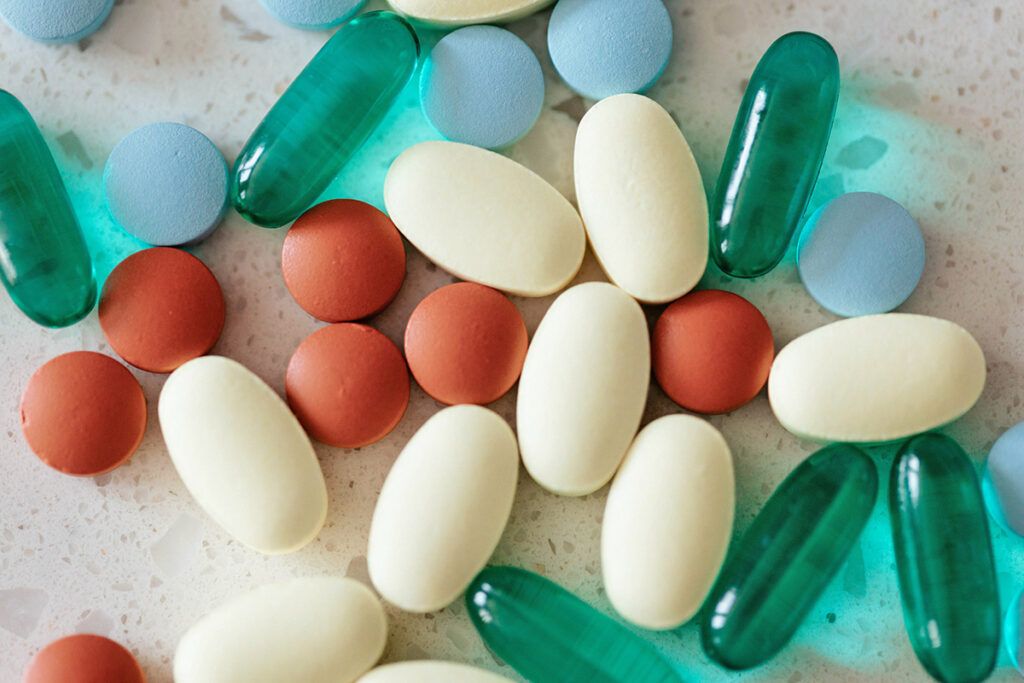
Supplements

Many Amazon products come from third-party sellers, and experts warn that a lot of them would never be stocked in regular stores because they wouldn’t pass safety testing, are misleading, or are potentially dangerous to your health. This applies to supplements, where label claims are loosely regulated at all retailers, not just online. 

Earlier this year, the FDA found that some products claiming to contain tejocote root — an herbal supplement derived from the Mexican hawthorn tree that’s marketed for weight management and appetite suppression — actually contained toxic yellow oleander, a poisonous plant that can be fatal to humans. Other supplements sold on Amazon have been found to include ingredients that weren’t on the label or even hidden prescription drugs. So, if you want to buy supplements, get them directly from a brand’s website or an authorized retailer instead. 

Recommended Articles

  • The Safety Rules for Candles You Probably Don’t Know

  • 5 Things Your Car Needs Before the First Freeze

  • 6 Amazon Prime Day Hacks

  • 5 Things To Ask Your Doctor About the New Flu Shot

Advertisement
Advertisement

Reader Favorites

  • Woman looking in fridge

    9 Foods You Should Toss ASAP if They’re Expired

  • Person eating salad

    7 Things a Chef Never Orders at a Restaurant

  • Cherry angioma

    Are the Tiny Red Dots on Your Skin Dangerous?

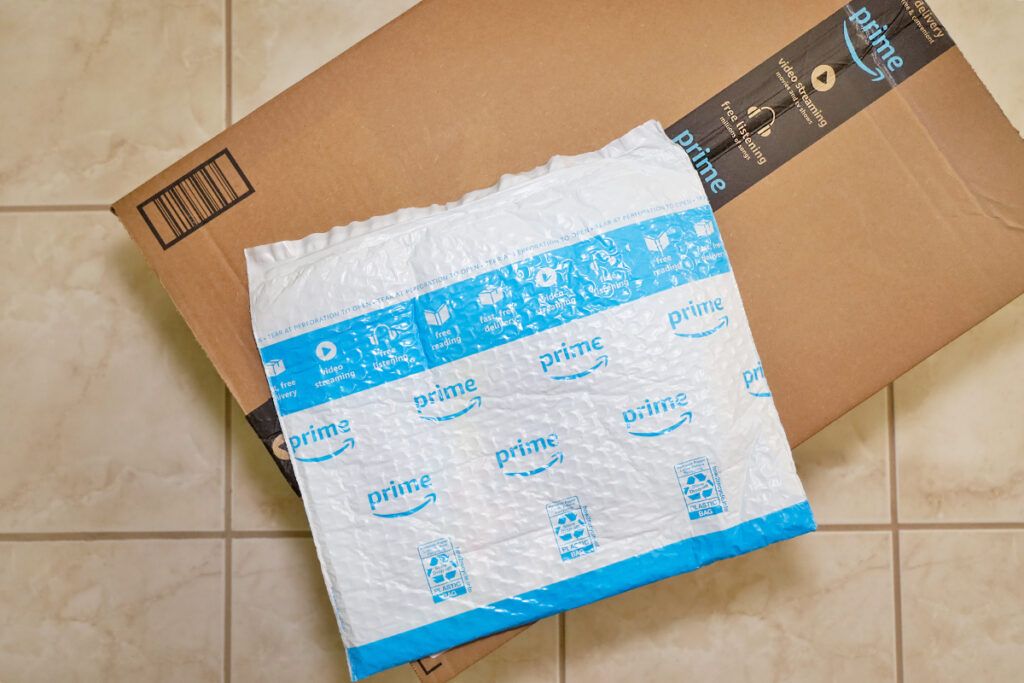
Amazon packages
Credit: © Romar66/stock.adobe.com

Anything With a “Frequently Returned” Tag

Amazon now flags items that have unusually high return rates, which is a useful signal — but the tag can be hard to spot on the product description pages. (The location of the tag has moved with updates, and its location can vary by page.) The label recommends checking reviews and the product description for more information, but a product can have a 4.5-star rating and a high return rate simultaneously, with no clear explanation as to why. Save yourself time, money, and stress and treat the “Frequently Returned” tag as a “Do Not Buy” sign. 

Advertisement
Advertisement
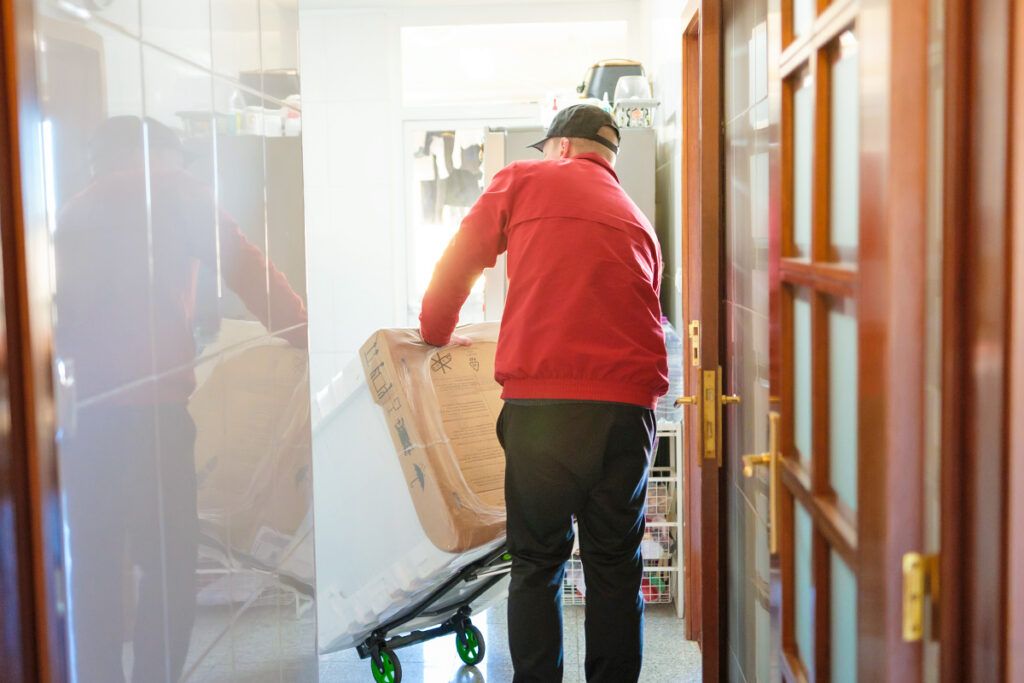
Person delivering an appliance
Credit: © José Araújo—iStock/Getty Images

Large Appliances

A refrigerator or washing machine that arrives damaged is not fun to return. Large appliances require delivery coordination, installation, and hauling away the old unit — all services that a local, dedicated appliance retailer is going to handle far better than Amazon. Also: If something goes wrong, you’ll want to be able to call an actual human, not waste time trying to get a chatbot to solve your problem. The extra money you spend to buy locally will be worth it.

Advertisement
Advertisement
Helmets on a bike
Credit: © Atlantic Ambience/Pexels.com

Children’s Gear (Especially Sleep Products for Babies)

This is the highest-stakes category on the list. In 2023, the Consumer Product Safety Commission’s eSAFE team requested that commerce websites remove more than 50,000 products that were illegal or had been recalled. Consumer Reports found that recalled sleeping products linked to infant deaths were still available on Amazon (and other e-commerce platforms), and uncertified bike helmets have been sold on the platform as well. The problem is structural: Products sold by third-party sellers may appear identical to Amazon’s own retail listings, so you may not realize you’re buying from an unknown seller with no accountability. Bottom line: For anything going near a baby — especially sleep products — buy from a brand’s own site or a traditional retailer.

Advertisement
Advertisement
Cat being given medicine
Credit: © Elen Nika/stock.adobe.com

Pet Medications

Pet medications sold by third-party Amazon sellers may be counterfeit, improperly stored, expired, or harmful in ways that are impossible to detect from a photo — and even when you have the product in hand, in some cases. Sellers go to great lengths to mimic the look of popular name brands, but in reality, these fraudulent meds lack the ingredients that make the medication effective and may even contain harmful substances. Counterfeit versions of flea and tick medications sold online, for example, have been found to contain pesticides dangerous to cats and dogs. Don’t put your four-legged friend at risk — get those medications from your vet or a licensed pet pharmacy.

Advertisement
Advertisement
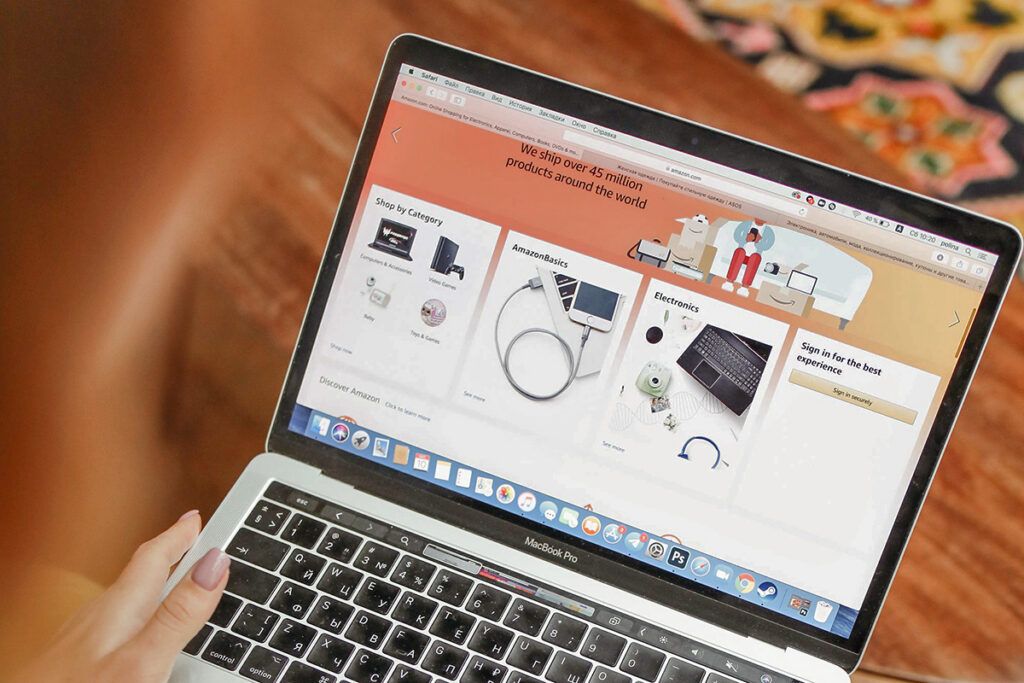
Amazon website on laptop
Credit: © Polina Tankilevitch/Pexels.com

Anything From an Unfamiliar Seller (Especially If It’s High Stakes)

Purchases from third-party vendors make up more than 60% of Amazon’s sales, and for those purchases, it’s hard to suss who’s responsible for issues — especially when consumer safety is involved. According to Consumer Reports, Amazon has argued that it’s basically just a delivery service connecting the dots between sellers and consumers, and therefore isn’t liable for the safety of third-party listings. 

Advertisement
Advertisement

So, the higher the stakes of what you’re buying, the more it’s worth buying from a seller you can actually identify. But low-stakes items that don’t match your expectations are still a waste of time, money, and resources. To see the vendor behind a specific product, look for the “Sold by” information. (Can’t find it easily? Do a CTRL+F search for “Sold by.”) 

Does this mean you should never shop on Amazon? In some cases, it’s still the best option in terms of price, access, and speed. Just know that what you see on an Amazon listing isn’t necessarily what you get. So, taking a little extra time to investigate — checking the seller’s information, skipping sponsored results (anyone can pay to have their product featured first, which can inflate sales and reviews), reading the reviews closely, and going directly to a retailer’s page — is absolutely worth it to make sure you’re getting what you actually want.

Advertisement

Featured Image Credit: © Thaspol/stock.adobe.com

More From Our Network

Better Report is part of Inbox Studio, an email-first media company. *Indicates a third-party property.

Go Retro With This 1960s Fashion Quiz

Quiz Daily

Go Retro With This 1960s Fashion Quiz

True or False: Are You a Master of U.S. Geography?

Travel Quiz

True or False: Are You a Master of U.S. Geography?

5 Reasons You Can Be Denied Boarding an Airplane

Daily Passport

5 Reasons You Can Be Denied Boarding an Airplane

What Did People Do Before Eyeglasses?

History Facts

What Did People Do Before Eyeglasses?

How To Use a Balloon To Clean Up Dust

House Outlook

How To Use a Balloon To Clean Up Dust

11 Shopping Hacks Costco Members Should Know

FinanceBuzz*

11 Shopping Hacks Costco Members Should Know

Share this article

  • Share to Facebook
  • Share to Twitter
  • Copy Url
  • Share to Email
Erin Scottberg
Writer

Erin Scottberg is a Brooklyn-based writer, garden designer, and houseplant expert — and the founder of Full Sun Studio (fullsun.studio), a garden design and plant consulting studio in New York City. She holds an Urban Horticulture Certificate from Brooklyn Botanic Garden, an NYC Street Tree Pruner License, and an NYC Master Composter Certification, and spent three years as Head of Content and Education at The Sill. When she's not working, you can find her creating in her textile studio, running craft nights in her neighborhood, or hanging with her rescue pup, Sunny. She's an ambitious DIYer, avid composter, and has never been able to walk by a thirft store without taking a look.

This article is for general informational purposes only.
Affiliate Disclaimer Medical Disclaimer Financial Disclaimer

Updated: May 27, 2026
Posted In: Wealth
Hero Image Credit: Better Report
Advertisement

Related Articles

5 Things Your Car Needs Before the First Freeze

4 min read

6 Amazon Prime Day Hacks

6 min read

Is It Actually Better To Lease a Car?

9 min read

7 Free MIT Classes You Can Experience From Home

4 min read

The Bedroom Color That Adds $2,000 to Your Home Value

3 min read
Advertisement

The One Number That Could Save Your Life

Health | Updated: June 29, 2026
Monica Romano
Author
With a nursing background and a passion for making health information accessible, Monica Romano brings a unique clinical perspective to her freelance writing. Based in the Pacific Northwest, she covers health, wellness, and everyday living with warmth and authority. Her work is featured in Woman's World magazine and across top health and wellness platforms.
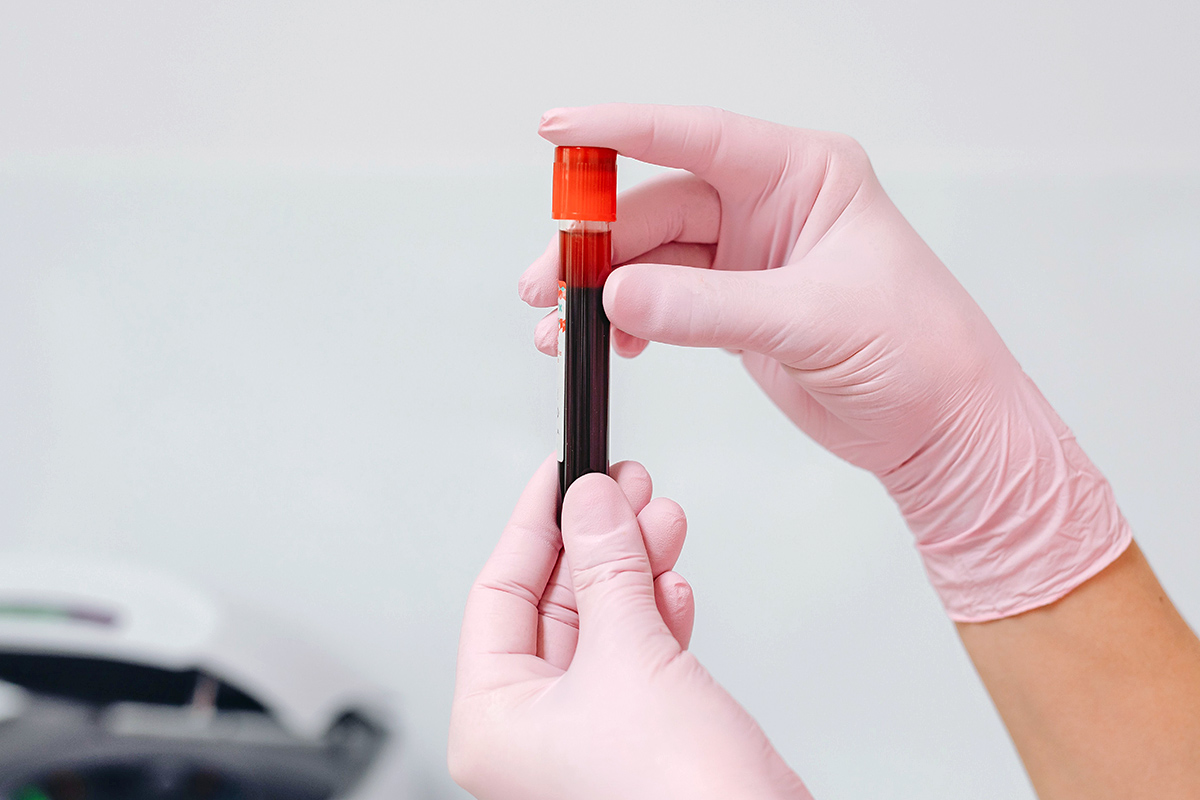
Vial of blood
Better Report

A silent health crisis is sweeping the country, and most of those at risk are unaware. 

Diabetes is surging. The disease affects over 40 million Americans, and an additional 115.2 million Americans are living with prediabetes, a condition where blood sugar is elevated but not yet high enough to qualify as Type 2 diabetes. Remarkably, 80% don’t know that they have prediabetes. The stakes are even higher for older adults: Nearly 29% of Americans over 65 have diabetes and more than half have prediabetes.

Advertisement
Advertisement

Left untreated, this progressive condition can lead to long-term health complications, so catching it early makes all the difference. Thankfully, an easy blood test known as the A1C can detect prediabetes and diabetes before irreversible damage occurs. What it reveals may be the most important number you’ve never thought about. 

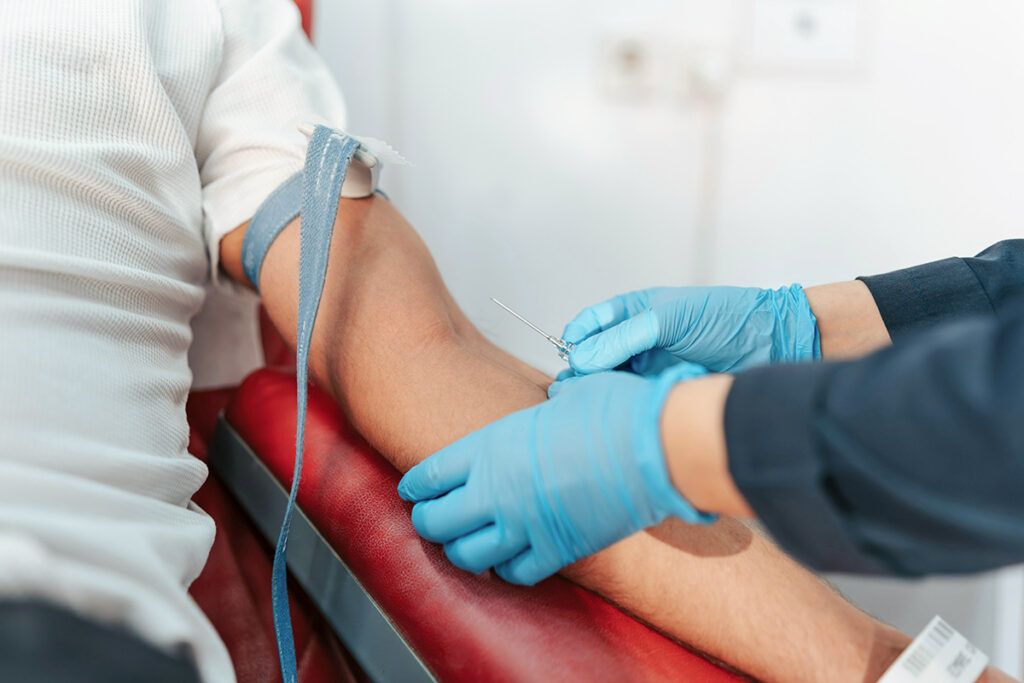
Blood getting drawn
Credit: © Yunus Tuğ/Unsplash.com

What Is the A1C Test?

The A1C is a simple blood draw that requires no fasting and measures average blood sugar levels over the past three months. (That’s roughly the lifespan of your red blood cells before they renew, so your doctor can fully evaluate your blood sugar history with a single draw.) When blood sugar rises, glucose coats the hemoglobin in your red blood cells; the A1C test measures the amount of cells with hemoglobin coated in glucose.  

Recommended Articles

  • The Safety Rules for Candles You Probably Don’t Know

  • 5 Things Your Car Needs Before the First Freeze

  • 6 Amazon Prime Day Hacks

  • 5 Things To Ask Your Doctor About the New Flu Shot

Advertisement
Advertisement

Reader Favorites

  • Woman looking in fridge

    9 Foods You Should Toss ASAP if They’re Expired

  • Person eating salad

    7 Things a Chef Never Orders at a Restaurant

  • Cherry angioma

    Are the Tiny Red Dots on Your Skin Dangerous?

Here is what your A1C numbers actually mean: 

• Normal: below 5.7%
• Prediabetes: 5.7% to 6.4%
• Diabetes: 6.5% or above

Advertisement
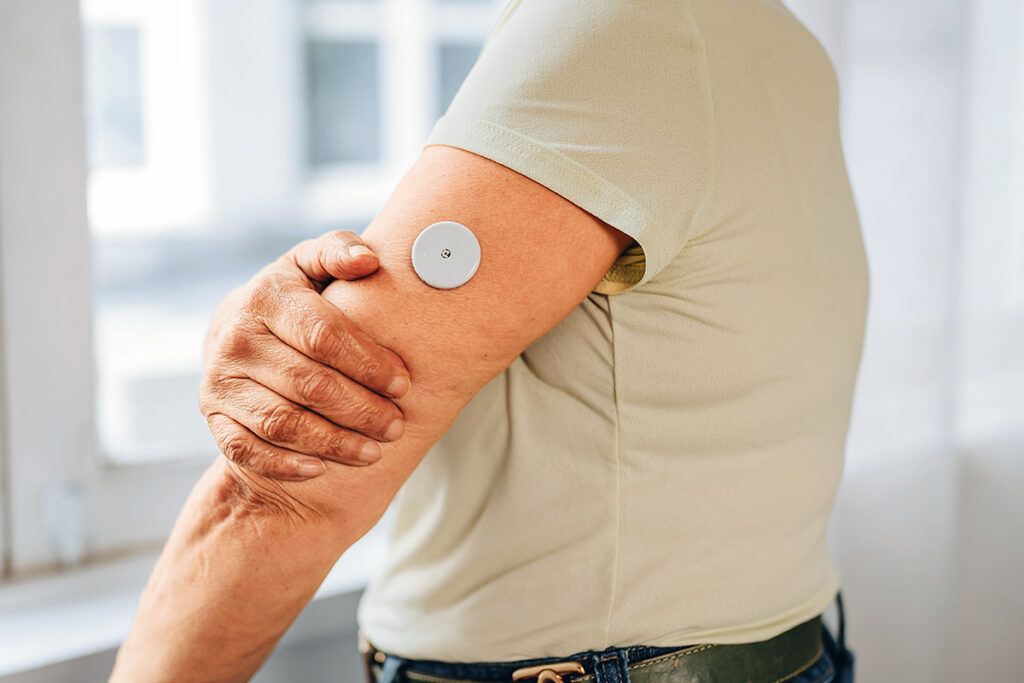
Glucose monitor in arm
Credit: © andreswd—E+/Getty Images

Why It Matters

Like high blood pressure, diabetes is known as a silent killer: People can live with high blood sugar for years without realizing it, allowing the condition to quietly damage vital parts of the body, including the kidneys, eyes, and nerves, long before a formal diagnosis is made. 

Left undetected, up to 70% of people with prediabetes will eventually develop Type 2 diabetes, many within just five years. Complications include stroke, kidney failure, nerve damage, and vision loss.

Advertisement
Advertisement

The good news is, prediabetes is reversible. It’s possible to lower your A1C back into the normal range and successfully ward off diabetes by making lifestyle changes. 

Person preparing salad
Credit: © olia danilevich/Pexels.com

What You Can Do Right Now

Researchers found that losing 5% to 7% of body weight, combined with 150 minutes of physical activity per week, can reduce the risk of developing Type 2 diabetes by 58%, and by 71% for people over age 60. 

Advertisement
Advertisement

Here are some of the most effective ways to combat prediabetes:

• Walking for 30 minutes a day, five times a week, especially after meals
• Reducing processed carbohydrates and added sugars in your diet
• Eating more fiber (aim for 25–30 grams daily)
• Managing stress

Advertisement
Credit: © Andrej Lišakov/Unsplash.com

Who Should Get Tested 

The CDC recommends A1C testing for adults over 45, and for younger adults who are overweight or have additional risk factors such as a family history of diabetes, high blood pressure, or a history of gestational diabetes during pregnancy. Notably, the American Diabetes Association now recommends screening starting at age 35. If you’re unsure whether you qualify, ask your doctor at your next visit. (You may also want to ask about a fasting insulin test, which can catch insulin resistance before it turns to prediabetes.)

Advertisement
Advertisement

The test takes minutes, and the results could alter the next decade of your health. Your body will thank you for paying attention now. 

Featured Image Credit: © kaboompics/Pexels.com

More From Our Network

Better Report is part of Inbox Studio, an email-first media company. *Indicates a third-party property.

Go Retro With This 1960s Fashion Quiz

Quiz Daily

Go Retro With This 1960s Fashion Quiz

True or False: Are You a Master of U.S. Geography?

Travel Quiz

True or False: Are You a Master of U.S. Geography?

5 Reasons You Can Be Denied Boarding an Airplane

Daily Passport

5 Reasons You Can Be Denied Boarding an Airplane

What Did People Do Before Eyeglasses?

History Facts

What Did People Do Before Eyeglasses?

How To Use a Balloon To Clean Up Dust

House Outlook

How To Use a Balloon To Clean Up Dust

11 Shopping Hacks Costco Members Should Know

FinanceBuzz*

11 Shopping Hacks Costco Members Should Know

Share this article

  • Share to Facebook
  • Share to Twitter
  • Copy Url
  • Share to Email
Monica Romano
Writer

With a nursing background and a passion for making health information accessible, Monica Romano brings a unique clinical perspective to her freelance writing. Based in the Pacific Northwest, she covers health, wellness, and everyday living with warmth and authority. Her work is featured in Woman's World magazine and across top health and wellness platforms.

This article is for general informational purposes only.
Affiliate Disclaimer Medical Disclaimer Financial Disclaimer

Updated: June 10, 2026
Posted In: Health
Hero Image Credit: Better Report
Advertisement

Related Articles

5 Things To Ask Your Doctor About the New Flu Shot

5 min read

Is Sourdough Actually Healthier Than Regular Bread?

7 min read

Do You Really Need a Bidet in Your Home?

4 min read

3 Common Sleep Habits That May Be Aging Your Brain

5 min read

Is the Traditional Mediterranean Diet Actually the Best for Your Brain?

4 min read
Advertisement

Is It Safe To Eat Leftovers Cold?

Ali Eldridge
Health | Updated: June 29, 2026
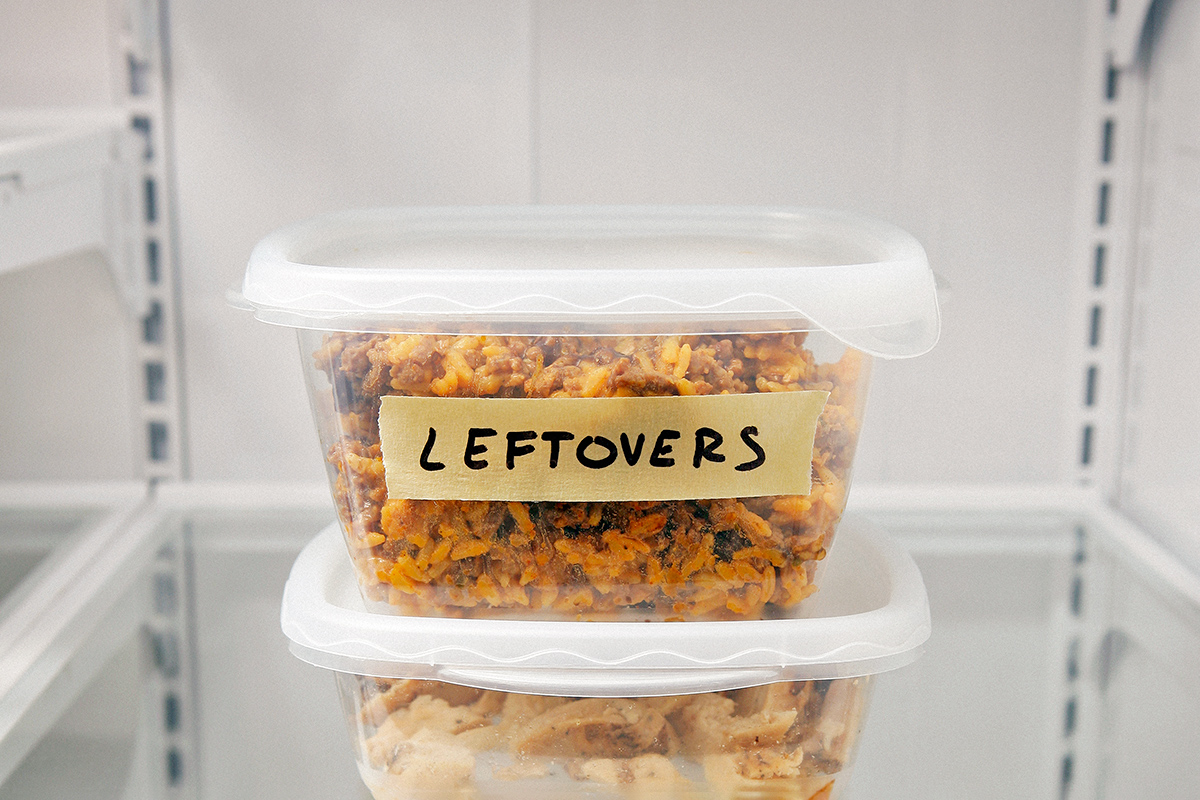
Container labeled "leftovers"
Better Report

The federal government’s consumer-facing food safety pages — including FoodSafety.gov and websites for the FDA, the CDC, and the USDA’s Food Safety and Inspection Service — contain pretty much all the information you need as a home cook to avoid food poisoning. Most of it comes down to basic concepts like the “four simple steps” shown on the homepage at FoodSafety.gov: clean, separate, cook, and chill. But occasionally, a specific piece of information you’re looking for isn’t easy to track down, or even to spot once you’ve found the correct page. 

Advertisement
Advertisement

For example, most of these pages talk about reheating leftovers to 165 degrees Fahrenheit. But what about leftovers you plan to eat cold? Are they safe to eat? That answer takes some digging. Let’s break it down. 

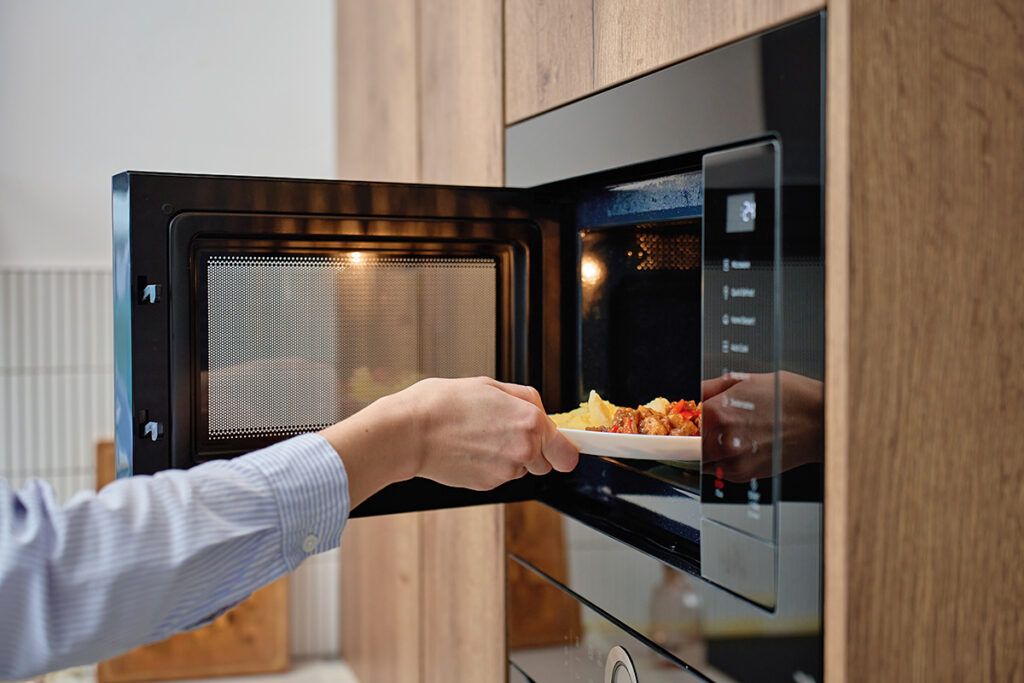
Putting food in microwave
Credit: © Barmaleeva—iStock/Getty Images

Why Leftovers Are Usually Reheated to 165 Degrees Fahrenheit

The typical advice for leftovers is to reheat them to 165 degrees Fahrenheit. That’s because they often include foods with a high level of risk, such as meats, dairy, eggs, seafood, and poultry. Add in starches and any liquid sauces, and you have a lot of prime real estate for bacteria to set up shop. 

Recommended Articles

  • The Safety Rules for Candles You Probably Don’t Know

  • 5 Things Your Car Needs Before the First Freeze

  • 6 Amazon Prime Day Hacks

  • 5 Things To Ask Your Doctor About the New Flu Shot

Advertisement
Advertisement

Reader Favorites

  • Woman looking in fridge

    9 Foods You Should Toss ASAP if They’re Expired

  • Person eating salad

    7 Things a Chef Never Orders at a Restaurant

  • Cherry angioma

    Are the Tiny Red Dots on Your Skin Dangerous?

Cooking food the first time usually kills any bacteria it might have contained, especially if you reached the USDA-recommended food-safe temperatures of 145 degrees Fahrenheit for meats, 160 degrees Fahrenheit for ground meats, and 165 degrees Fahrenheit for poultry. But bacteria can find their way back to your food after it’s cooked — from your hands, from dirty utensils, or from being present in droplet form in the air. 

Reheating leftovers to the recommended 165 degrees Fahrenheit is enough to kill illness-causing pathogens like salmonella that might have recolonized your food. But that doesn’t mean all leftovers are automatically safe if you heat them to that temperature. A few kinds of dangerous bacteria produce toxins that linger even if the bacteria themselves are killed, and those can still make you seriously ill. That’s why government sources recommend discarding any food that’s been left out at room temperature for more than two hours, or that’s been in your fridge for more than three or four days. 

Woman eating takeout Chinese food
Credit: © Stephanie Berbec/Unsplash.com

Leftovers Are Usually Safe To Eat Cold (If You Handle Them Correctly)

But what about leftovers that you plan to eat cold? A quick search of the usual food safety sites doesn’t turn up any obvious guidance on the subject, but the information is there if you do a bit of digging. 

Advertisement

If you look in the USDA’s Kitchen Companion, for example, you won’t see anything about eating leftovers cold. But in the section on takeout/delivery food, you will find a discussion of keeping cold-prepared foods (essentially leftovers or made-aheads) cold for later consumption. 

Advertisement
Advertisement

A stand-alone USDA handout on the same subject goes further. After describing the correct procedure for first refrigerating or freezing leftovers (hot or cold), and then thawing them if necessary, it explicitly states that “the food may be eaten cold or reheated.” Similarly, a handout specifically about food safety for turkey dinners says that the turkey can be eaten “either cold or reheated” for three to four days. 

So the short answer is yes — usually, leftovers are safe to eat cold, provided you follow food safety guidelines. Then the question is: Are you familiar with those guidelines, and if so, have you actually followed them? 

Putting leftovers in continer
Credit: © Anchiy—iStock/Getty Images Plus

A Quick Primer on Food Safety for Leftovers

If you don’t have time to sort through publications and websites about food safety, here’s a quick cheat sheet of what you need to know for leftovers specifically: 

• Chill your leftovers ASAP. Don’t wait for them to come to room temperature first (your fridge can handle it). Leftovers should never sit at room temperature for more than two hours, or more than one hour if the temperature is above 90 degrees Fahrenheit. 
• Portion big-batch leftovers, like a pot of chili or a full-sized roast or turkey, into small, flat containers for refrigerating or freezing. Several small, shallow portions cool off a lot faster than one big container, which means less time spent in the danger zone (above 40 degrees Fahrenheit, but below 140 degrees) where bacteria can thrive.
• Eat your leftovers within three or four days if they’re refrigerated, or freeze them if you know you won’t eat them within that time frame. 
• If you freeze your leftovers, thaw them safely. The best method is overnight (or longer) in the fridge, but thawing in cold water is OK if you eat them that day. The microwave should be used only if you plan to eat them right away, because it heats unevenly and some parts of the food may reach an unsafe temperature. And never thaw leftovers by leaving them on the counter — that’s just asking for trouble.
• Leftovers that have been thawed in the fridge are also good for three to four days if they were frozen the same day you cooked them. Your maximum is a total of four fridge days, so if you froze them two days after cooking, and thawed them for a day in the fridge, you now have only one day left to eat them.  

Advertisement
Advertisement

At this point you may wonder: If leftovers are safe to eat cold, why the emphasis on reheating to 165 degrees Fahrenheit? It’s because once you start heating up those leftovers, you put them squarely into the food safety danger zone. So at that point you’re committed and need to keep going until the food reaches 165 degrees Fahrenheit. 

Advertisement

Featured Image Credit: © Steven Puetzer—The Image Bank/Getty Images

More From Our Network

Better Report is part of Inbox Studio, an email-first media company. *Indicates a third-party property.

Go Retro With This 1960s Fashion Quiz

Quiz Daily

Go Retro With This 1960s Fashion Quiz

True or False: Are You a Master of U.S. Geography?

Travel Quiz

True or False: Are You a Master of U.S. Geography?

5 Reasons You Can Be Denied Boarding an Airplane

Daily Passport

5 Reasons You Can Be Denied Boarding an Airplane

What Did People Do Before Eyeglasses?

History Facts

What Did People Do Before Eyeglasses?

How To Use a Balloon To Clean Up Dust

House Outlook

How To Use a Balloon To Clean Up Dust

11 Shopping Hacks Costco Members Should Know

FinanceBuzz*

11 Shopping Hacks Costco Members Should Know

Share this article

  • Share to Facebook
  • Share to Twitter
  • Copy Url
  • Share to Email
Ali Eldridge

This article is for general informational purposes only.
Affiliate Disclaimer Medical Disclaimer Financial Disclaimer
Updated:
Posted In: Health
Hero Image Credit: Better Report
Advertisement

Related Articles

5 Things To Ask Your Doctor About the New Flu Shot

5 min read

Is Sourdough Actually Healthier Than Regular Bread?

7 min read

Do You Really Need a Bidet in Your Home?

4 min read

3 Common Sleep Habits That May Be Aging Your Brain

5 min read

Is the Traditional Mediterranean Diet Actually the Best for Your Brain?

4 min read
Advertisement

The Military Secret to Falling Asleep Fast

Health | Updated: June 25, 2026
Bennett Kleinman
Author
Bennett Kleinman is a New York City-based staff writer for Inbox Studio. He is also a freelance comedy writer, devoted New York Yankees and New Jersey Devils fan, and thinks plain seltzer is the best drink ever invented.
Woman sleeping in bed
Better Report

The military teaches its members strict discipline, useful survival skills, and the value of teamwork. But its lessons can also teach regular folks how to get a good night’s sleep, which is vital to our mental and physical health. All you need to do is follow what’s known as the “military sleep method,” a technique intended to help anyone fall asleep fast. 

Here’s a look at the logic behind this method, and how you can incorporate it into your own life to achieve more restful slumbers.

Advertisement
Advertisement
Credit: © Colin Edwards/Alamy

What Is the Military Sleep Method?

This technique was popularized in 1981’s Relax and Win: Championship Performance, by world-famous track coach Lloyd “Bud” Winter. But Winter didn’t devise this method for the book — it dates back decades earlier, to the period before World War II. 

At the time, Winter was the football and track coach at San Jose University. He and the college’s boxing coach, Dewitt Portal, decided to enroll in a course taught by psychologist Dr. Dorothy Hazeltine Yates called “Psychology for Aviators and Athletes.” There, they learned “psycho-techniques,” which Winter described as “a mental approach to learning to relax.” The boxers utilized the techniques and won every match; Winter was about to start teaching the techniques to his track team when Pearl Harbor occurred, and he enlisted in naval aviation. “When the Navy brass learned of my association with Dr. Yates” after graduation, he wrote, “they directed me to set up and test a program of relaxation for Navy aviators.”  

Recommended Articles

  • The Safety Rules for Candles You Probably Don’t Know

  • 5 Things Your Car Needs Before the First Freeze

  • 6 Amazon Prime Day Hacks

  • 5 Things To Ask Your Doctor About the New Flu Shot

Advertisement
Advertisement

Reader Favorites

  • Woman looking in fridge

    9 Foods You Should Toss ASAP if They’re Expired

  • Person eating salad

    7 Things a Chef Never Orders at a Restaurant

  • Cherry angioma

    Are the Tiny Red Dots on Your Skin Dangerous?

Winter, who was stationed at the Del Monte Naval Pre-Flight School near Monterey, California, recruited both psychologists and coaches (including Portal, who had also enlisted) to put the technique together and test it.. The results were overwhelmingly positive: 96% of pilots who practiced the technique were able to fall asleep in under 120 seconds. 

It took six weeks of training for the pilots to see a change in their sleep habits, however, so this technique isn’t an overnight fix. It’s also worth pointing out that no studies have been done on the method’s efficacy. And there’s no evidence that the military uses the technique, though the Center for Military Psychiatry and Neuroscience does have a guide for sleeping under stressful conditions that focuses on guided imagery and muscle relaxation.

Advertisement
Advertisement

Still, the method does rely on established relaxation techniques and shares several components in common with treatment for insomnia, so it may be worth looking into for anyone who’d like to improve their sleep habits. 

Advertisement

One caveat, though: As sleep research Dean Miller told Inc., this method will likely help you fall asleep faster, but it’s highly unlikely you’ll be snoozing in under two minutes. “As a general guideline,” he said, “consistently falling asleep within eight minutes is considered unusual, and consistently falling asleep within five minutes can be a sign of excessive daytime sleepiness. For civilians working 9-to-5 and maintaining a regular schedule, falling asleep within 10 to 20 minutes is considered normal.” 

Man with head on pillow, eyes closed
Credit: © Stora Space/stock.adobe.com

How Does It Work?

The military sleep method is broken into six components designed to help relax the body and mind. You start at the face and work down from there. Begin by closing your eyes, breathing deeply, and slowly relaxing all your face muscles — unclench your jaw, unfurrow your brow, let your cheeks droop, and relax your tongue and eyes.

Advertisement
Advertisement

Next, work on your neck, shoulders, and arms. Continue to breathe deeply. Let your neck sink into the pillow, and let your shoulders drop as well. Then slowly work your way down each arm, releasing tension from the biceps, forearms, and hands. Focus on one arm at a time so you’re not thinking about too much at once.

Once you feel like your face, shoulders, and arms are thoroughly relaxed, exhale deeply to release tension from your chest and work down toward the lower body. Focus on releasing stress from each leg, one at a time. Unclench your thighs, let the calves relax, and allow your ankles and feet to sink into the mattress.

At this point your body should feel relaxed, though your mind may still be running a mile a minute. Try to let go of any stresses you may be experiencing, and paint a relaxing picture in your head. While “relaxation” means something different to everyone, there are two recommended scenes to imagine that have proved successful. First, imagine yourself lying on your back in a canoe on a calm lake with clear blue sky above for 10 seconds. Next, picture yourself lying in a black velvet hammock inside a pitch-black room, and hold that image for 10 seconds. If painting a picture doesn’t work, it’s time to employ the final step: repeating the words “don’t think” for 10 seconds. This should help your brain shut off.

Advertisement
Advertisement

The method is simple, but again, don’t expect it to improve your sleep overnight. It takes time and practice, so give it several weeks, and hopefully, you’ll notice a big improvement.

Advertisement

Featured Image Credit: © Andrej Lišakov/Unsplash.com

More From Our Network

Better Report is part of Inbox Studio, an email-first media company. *Indicates a third-party property.

Go Retro With This 1960s Fashion Quiz

Quiz Daily

Go Retro With This 1960s Fashion Quiz

True or False: Are You a Master of U.S. Geography?

Travel Quiz

True or False: Are You a Master of U.S. Geography?

5 Reasons You Can Be Denied Boarding an Airplane

Daily Passport

5 Reasons You Can Be Denied Boarding an Airplane

What Did People Do Before Eyeglasses?

History Facts

What Did People Do Before Eyeglasses?

How To Use a Balloon To Clean Up Dust

House Outlook

How To Use a Balloon To Clean Up Dust

11 Shopping Hacks Costco Members Should Know

FinanceBuzz*

11 Shopping Hacks Costco Members Should Know

Share this article

  • Share to Facebook
  • Share to Twitter
  • Copy Url
  • Share to Email
Bennett Kleinman
Staff Writer

Bennett Kleinman is a New York City-based staff writer for Inbox Studio. He is also a freelance comedy writer, devoted New York Yankees and New Jersey Devils fan, and thinks plain seltzer is the best drink ever invented.

This article is for general informational purposes only.
Affiliate Disclaimer Medical Disclaimer Financial Disclaimer

Updated: July 20, 2023
Posted In: Health
Hero Image Credit: Better Report

Advertisement

Related Articles

5 Things To Ask Your Doctor About the New Flu Shot

5 min read

Is Sourdough Actually Healthier Than Regular Bread?

7 min read

Do You Really Need a Bidet in Your Home?

4 min read

3 Common Sleep Habits That May Be Aging Your Brain

5 min read

Is the Traditional Mediterranean Diet Actually the Best for Your Brain?

4 min read
Advertisement

Posts navigation

Older posts
Newer posts
  • Home
  • Health
  • Wealth
  • Logo
  • Advertise
  • About
  • Contact Us
  • Privacy Policy
  • Terms of Use
  • Your Privacy Choices
x
Thumb Image

Elevate your everyday.

Sign up to receive the practical tips and expert advice you need to pare down the complexities of everyday living right in your inbox.

Sorry, your email address is not valid. Please try again.

Your email is:

Edit Image
Sorry, your email address is not valid. Please try again.
Thank you for subscribing...

By subscribing you are agreeing to our Terms of Use and Privacy Policy.

Close image
Thumb Image
Second Thumb Image

Elevate your everyday.

Sign up to receive the practical tips and expert advice you need to pare down the complexities of everyday living right in your inbox.

Sorry, your email address is not valid. Please try again.

By subscribing you are agreeing to our Privacy Policy and Terms of Use.

Close image