Skip to content
Better Report
  • Home
  • Health
  • Wealth
8 Low-Maintenance Plants That Thrive on Neglect
  • Search
  • Subscribe
  • Home
  • Health
  • Wealth
  • About
  • Privacy Policy
  • Terms of Use
  • Contact Us
  • SubscribeSubscribe
  • Search
Thank you for confirming your email! Welcome to the community.

Tag: Safety

17 Home Safety Gifts Your Family Actually Needs

Home | Updated: November 21, 2026
Jennifer M. Wood
Author
Jennifer M. Wood has been writing about news, entertainment, culture, and travel for longer than she cares to admit. She lives just outside Philadelphia with her husband and an ever-growing menagerie of rescue pets.
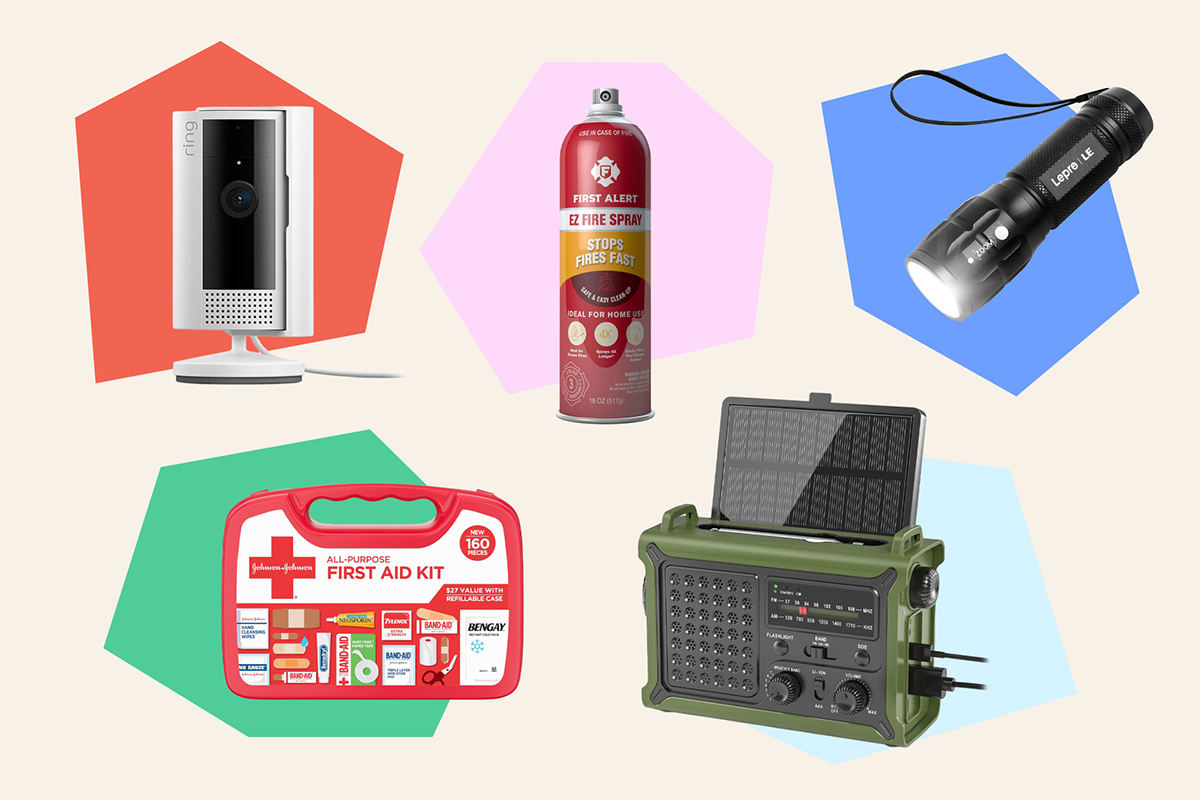
Collage of safety products
Featured Image Credit: © Products courtesy of vendors

All featured products and deals are selected independently and objectively by the author. Better Report may receive a share of sales via affiliate links in content.

“Home safety” doesn’t exactly scream “holiday excitement” when it comes to gift-giving. After all, a fire extinguisher isn’t going to generate quite the same excitement as the latest iPhone or a great bottle of wine. But when your loved one’s attempt at flambé gets a little too fiery, that bright red canister might just become the best gift they’ve ever received.

This holiday season, skip the predictable presents and give your favorite people something they might not think to buy for themselves — but will be glad they have when it matters most. From clever security gadgets to everyday emergency essentials, these practical home safety gifts deliver something you can’t put a price tag on: peace of mind.

Prices accurate as of November 21, 2026. Subject to change.

Advertisement
Advertisement
First Alert Fire Extinguisher
Credit: Product courtesy of Amazon

First Alert Fire Extinguisher

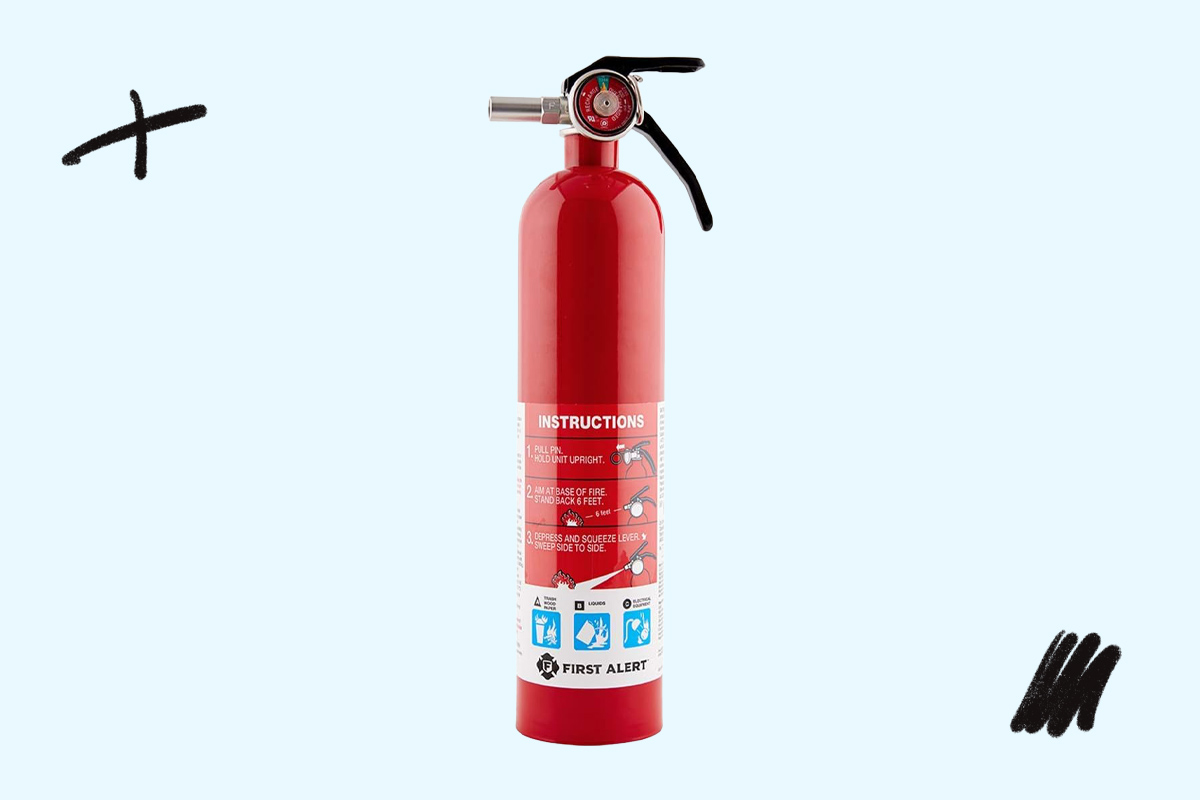
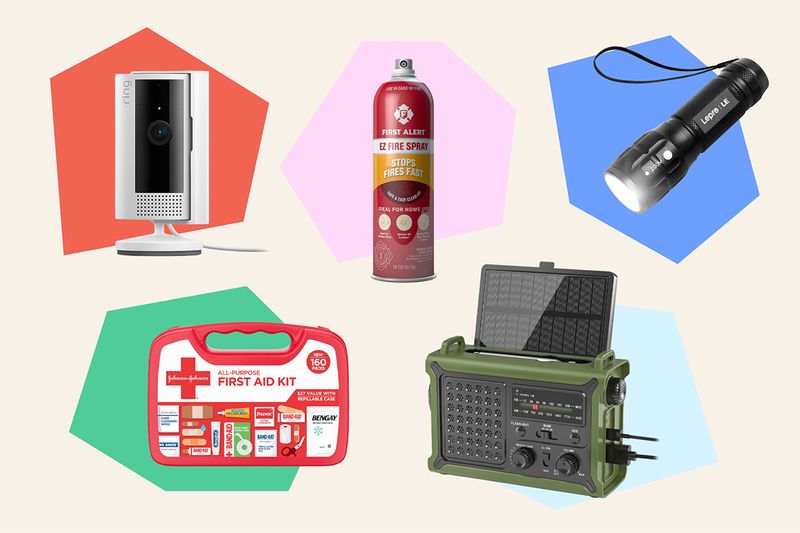
We think we’ve already made our feelings about fire extinguishers as gifts pretty clear (see above). But this First Alert model makes a particularly practical present for just about anyone on your list. Lightweight and refillable, it’s designed to tackle common household fires involving everything from wood and paper to flammable liquids and electrical equipment. It also features an easy-to-read pressure gauge, simple instructions, and a mounting bracket to keep it within reach. It might not be the most glamorous gift under the tree, but it could be one of the most valuable.

BUY IT FOR $20 ON AMAZON
Related: Do You Actually Know How to Use Your Fire Extinguisher?
Toptes PT199 Natural Gas Leak Detector
Credit: Product courtesy of Amazon

Toptes PT199 Natural Gas Leak Detector

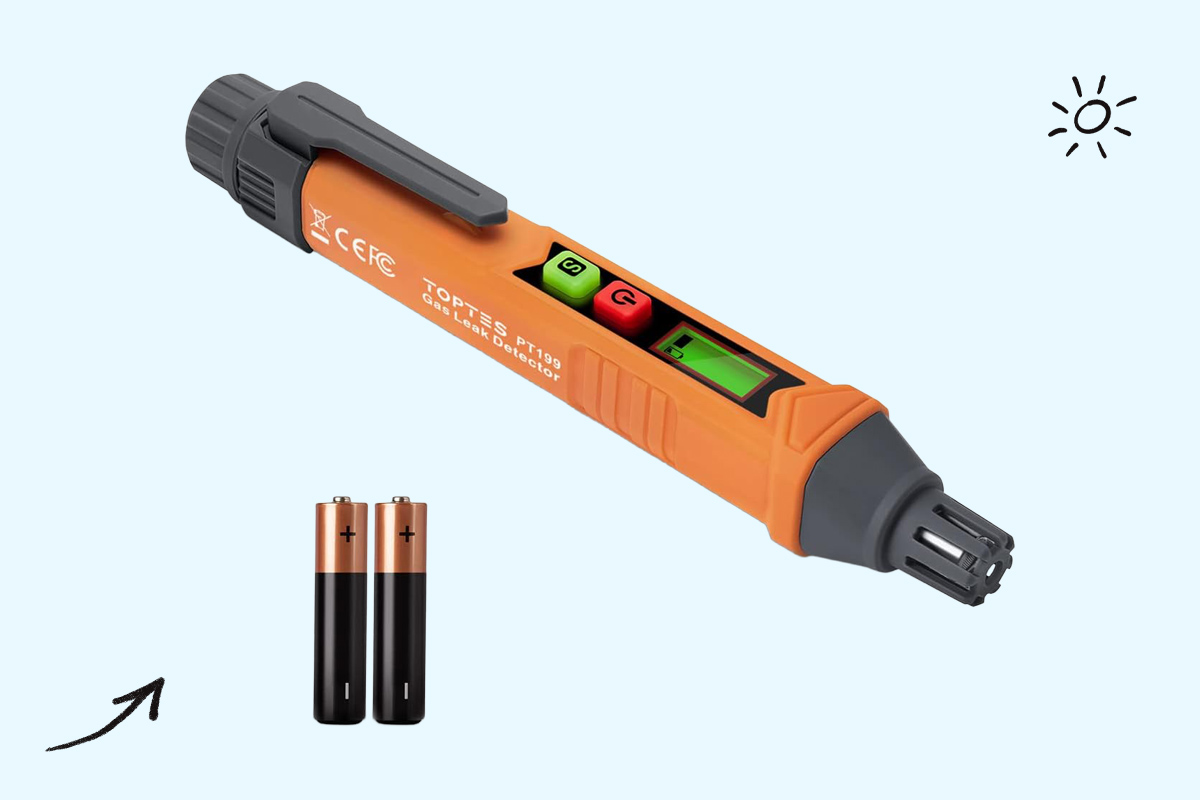
Don’t let its small size fool you: This pocket-sized gadget could help prevent a very big problem. The TopTes PT199 is a handheld detector designed to spot-check for leaks involving natural gas, propane, methane, and other combustible gases. Move it near gas stoves, furnaces, or other appliances to check for potential leaks. Audible and visual alerts intensify as gas concentrations rise. Thanks to its compact size and battery power, it’s a handy tool for homeowners and DIY enthusiasts alike.

BUY IT FOR $23 ON AMAZON
Advertisement
Surfshark One
Courtesy of Surfshark One

Surfshark One

If someone on your list cares about home security, don’t stop at the front door. Surfshark One protects their devices too, with VPN encryption, real-time antivirus, and an ad blocker on one account covering unlimited devices. It’s an easy gift that works in the background. A two-year plan is $2.49 a month, plus three extra months for Black Friday.
*Sponsored

GET SURFSHARK ONE

Recommended Articles

  • A Warning Sign for Heart Attack and Stroke Could Show Up on Your Face

  • 6 Holiday Scams To Watch Out For

  • Why Gift Cards Are Actually Terrible Gifts

  • The Strange Reason Why Time Feels Like It’s Moving Faster

Advertisement
Advertisement

Reader Favorites

  • Person washing part of a coffee machine

    18 Surprising Things You Should Never Put Down Your Drain

  • Woman brushing hair

    9 Surprising Signs You’re Aging

  • White car on the road

    The Best Cars for Resale Value, According to Auto Experts

First Alert EZ Fire Spray
Credit: Product courtesy of Amazon

First Alert EZ Fire Spray

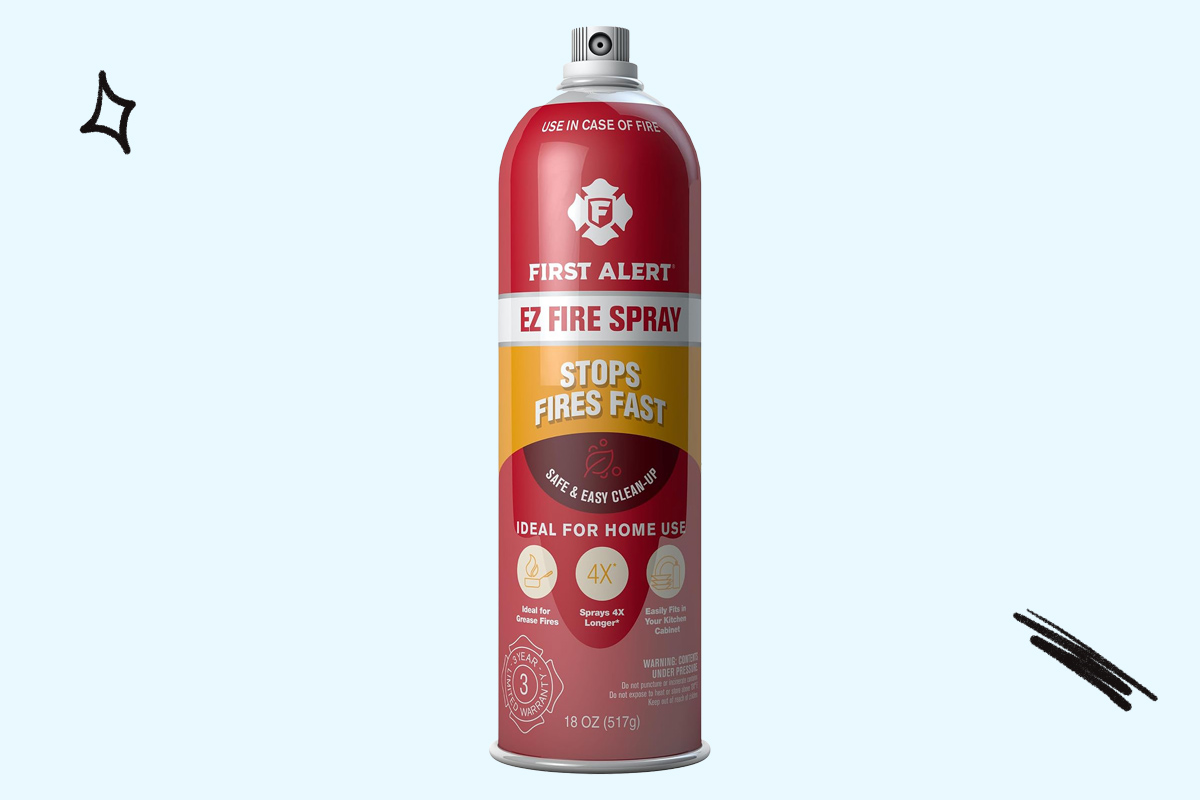
Think of this as a fire extinguisher’s smaller, less intimidating cousin. The First Alert EZ Fire Spray comes in a lightweight aerosol can that’s easy to grab when a small fire gets out of hand. It delivers up to 32 seconds of spray — four times longer than a traditional fire extinguisher, according to the manufacturer — and can tackle small household fires involving wood, paper, fabric, grease, and electrical equipment. Its biodegradable, nontoxic formula also wipes clean, making it a handy addition to a kitchen, garage, or dorm room. While it’s no substitute for a traditional fire extinguisher, it’s an affordable extra layer of protection that makes a surprisingly thoughtful stocking stuffer.

BUY IT FOR $55 ON AMAZON (FOUR-PACK)
Related: How To Put Out Every Kind of Fire
Ring Doorbell
Credit: Product courtesy of Amazon

Ring Doorbell

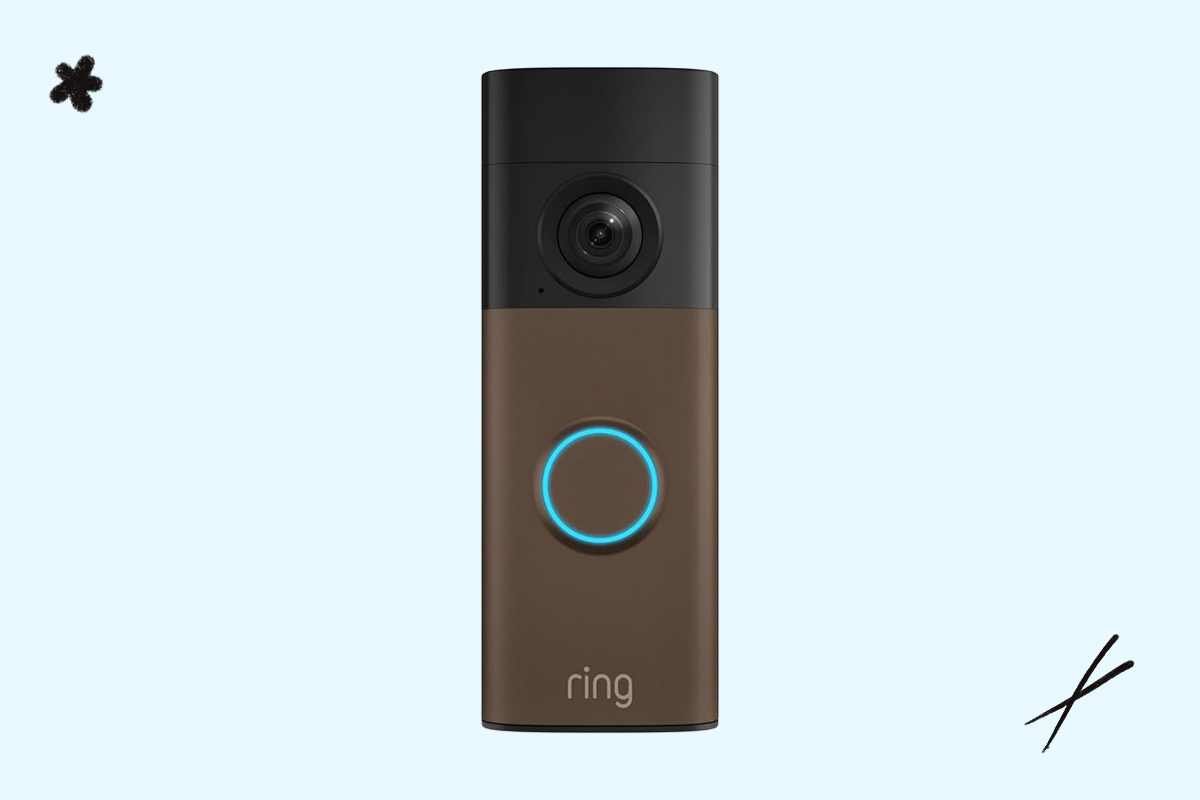
See? Some gifts really can be both practical and tech-forward. Ring’s smart security cameras will allow your loved one to keep an eye on things at home, whether they’re curled up on the couch or on the other side of the country. The rechargeable Ring Battery Doorbell offers crisp 2K video, motion alerts, and two-way communication, so they can see who’s knocking without getting up.

BUY IT FOR $40 ON AMAZON
Ring Indoor Cam
Credit: Product courtesy of Amazon

Ring Indoor Cam

Meanwhile, the plug-in Ring Indoor Cam delivers 1080p HD video, color night vision, and a built-in privacy cover for when they’d rather not be on camera. Both work with Alexa, and optional subscriptions unlock additional features. As a bonus, knowing there’s a camera around might just encourage everyone in the household to be on their best behavior. (No promises, of course.)

BUY IT FOR $25 ON AMAZON
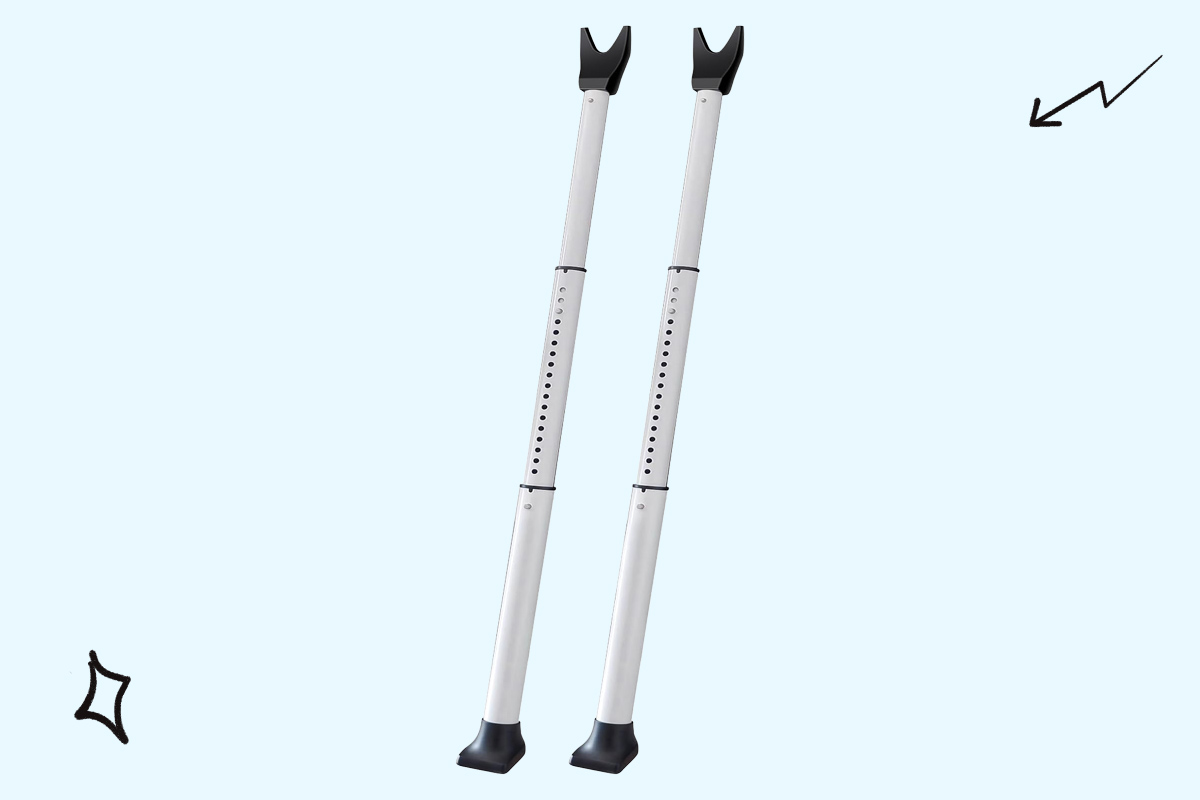
Rerishom Door Security Bar
Credit: Product courtesy of Amazon

Rerishom Door Security Bar

For all the high-tech gadgets promising to make our homes safer, sometimes the simplest solutions are still the most effective. This adjustable door security bar adds an extra layer of protection without requiring batteries, Wi-Fi, or any complicated installation process. The bar, which is designed to brace against a door and help prevent forced entry, is a practical addition to a home, apartment, or even hotel room. Proof that sometimes good old-fashioned security doesn’t need a software update.

BUY IT FOR $32 ON AMAZON
Advertisement
Advertisement
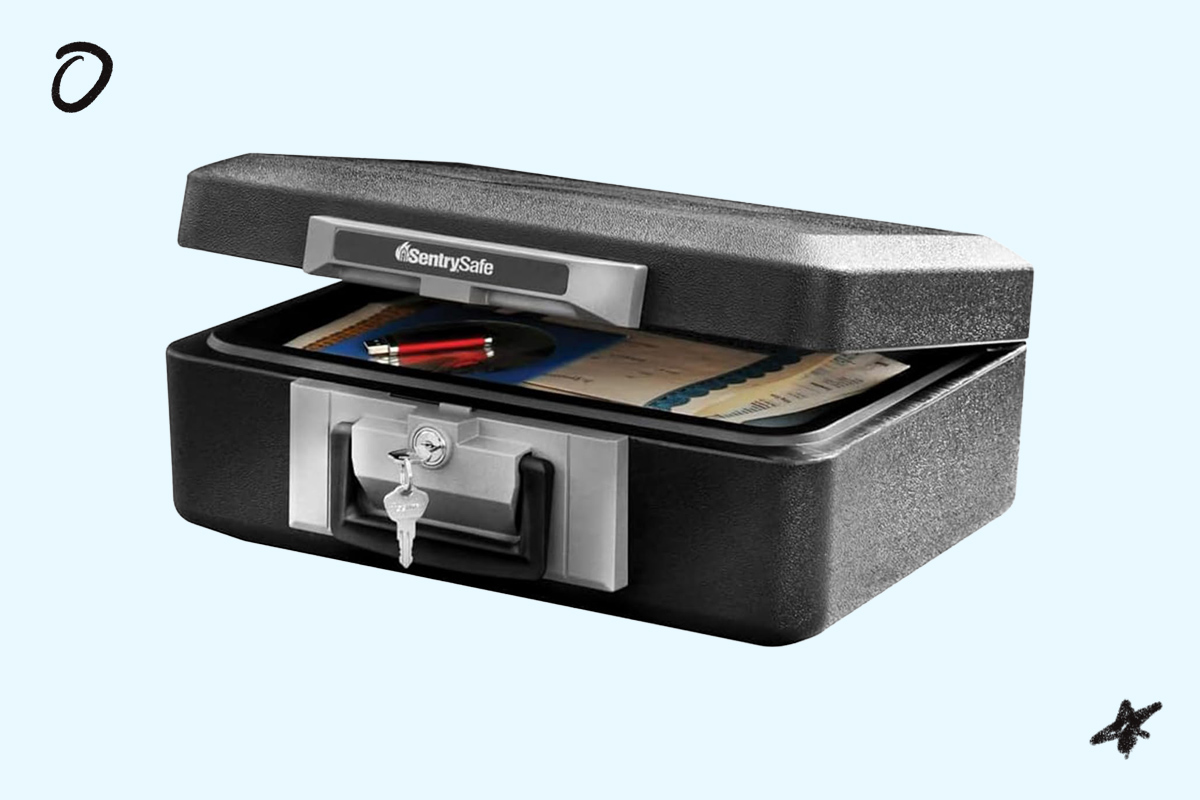
SentrySafe Fireproof Safe Box
Credit: Product courtesy of Amazon

SentrySafe Fireproof Safe Box

A house fire can take more than a physical toll, especially when irreplaceable keepsakes and important documents are lost in the process. This fire-resistant chest offers an extra layer of protection for treasured family heirlooms, jewelry, photographs, and essentials like passports and birth certificates. It’s a practical gift that’s small enough to tuck away in a closet and helps protect the things your loved one can’t easily replace — if they can replace them at all.

BUY IT FOR $40 ON AMAZON
Advertisement
Related: 8 Items You Need to Store in a Fireproof Safe
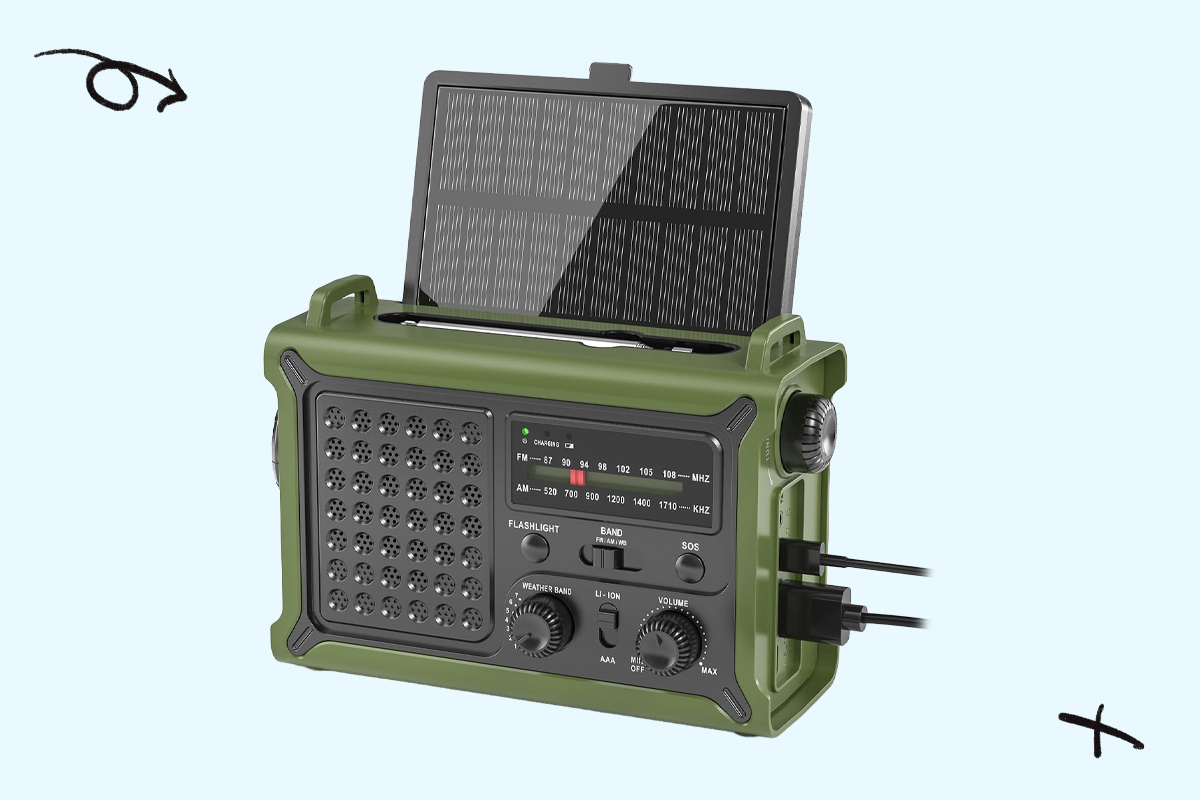
Mesquool Emergency Radio
Credit: Product courtesy of Amazon

Mesquool Emergency Radio

When the power goes out and the Wi-Fi goes with it, an old-fashioned radio can suddenly seem like the height of modern technology. This portable emergency radio receives AM, FM, and NOAA weather broadcasts, keeping users informed when the usual sources of news aren’t available. Its rechargeable battery can be powered by a solar panel or hand crank, and it doubles as a flashlight, reading lamp, and backup phone charger — making it a smart addition to any emergency go-bag. And if the power stays out long enough, explaining to the grandkids what AM and FM actually mean is one way to help pass the time.

BUY IT FOR $75 ON AMAZON
Advertisement
Advertisement
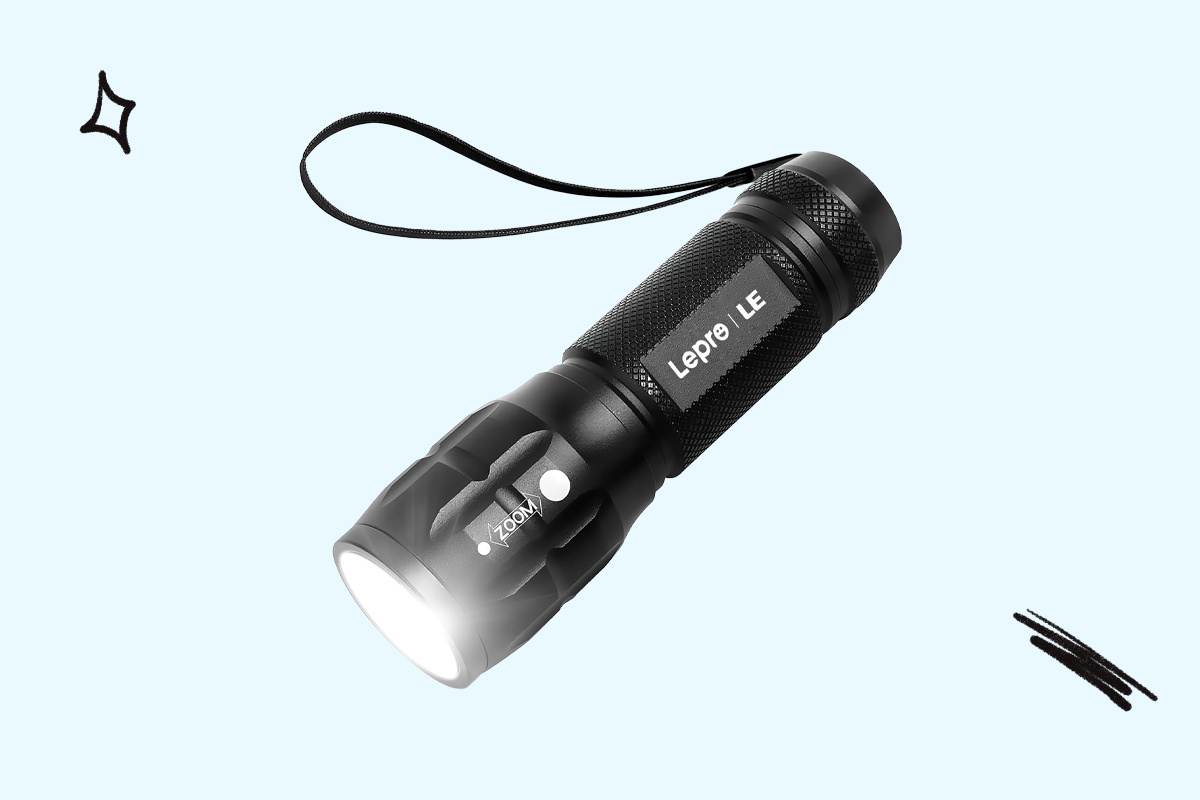
Lepro LED Flashlight
Credit: Product courtesy of Amazon

Lepro LED Flashlight

OK, so this one might work better as a stocking stuffer. (You don’t want someone tearing into a beautifully wrapped box only to discover you’ve gifted them a flashlight.) Still, a reliable flashlight is always worth having around, whether because the user is navigating a power outage, investigating a suspicious noise, or searching for something in a dark corner. It might not generate much excitement on Christmas morning, but it will come in handy when it counts.

BUY IT FOR $8 ON AMAZON
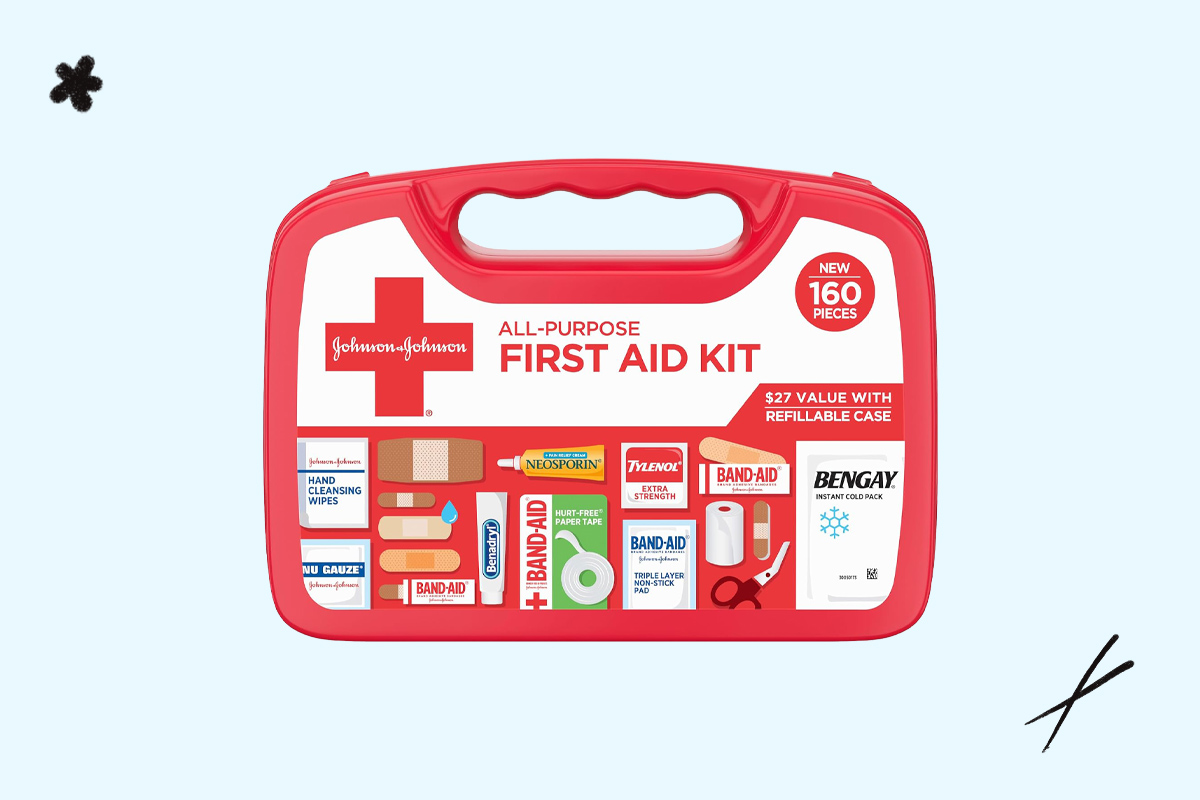
BAND-AID Brand First Aid Kit
Credit: Product courtesy of Amazon

BAND-AID Brand First Aid Kit

A well-stocked first aid kit is one of those household essentials everyone should have but not everyone remembers to buy. This 160-piece all-purpose kit from BAND-AID Brand has the basics covered, with assorted bandages, gauze pads, cleansing wipes, antibiotic cream, pain relievers, itch relief, and even an instant cold pack. Everything comes neatly organized in a compact, durable plastic case that’s easy to stash in a medicine cabinet, car, or travel bag. Better yet, the case is refillable. 

BUY IT FOR $19 ON AMAZON
Advertisement
Advertisement
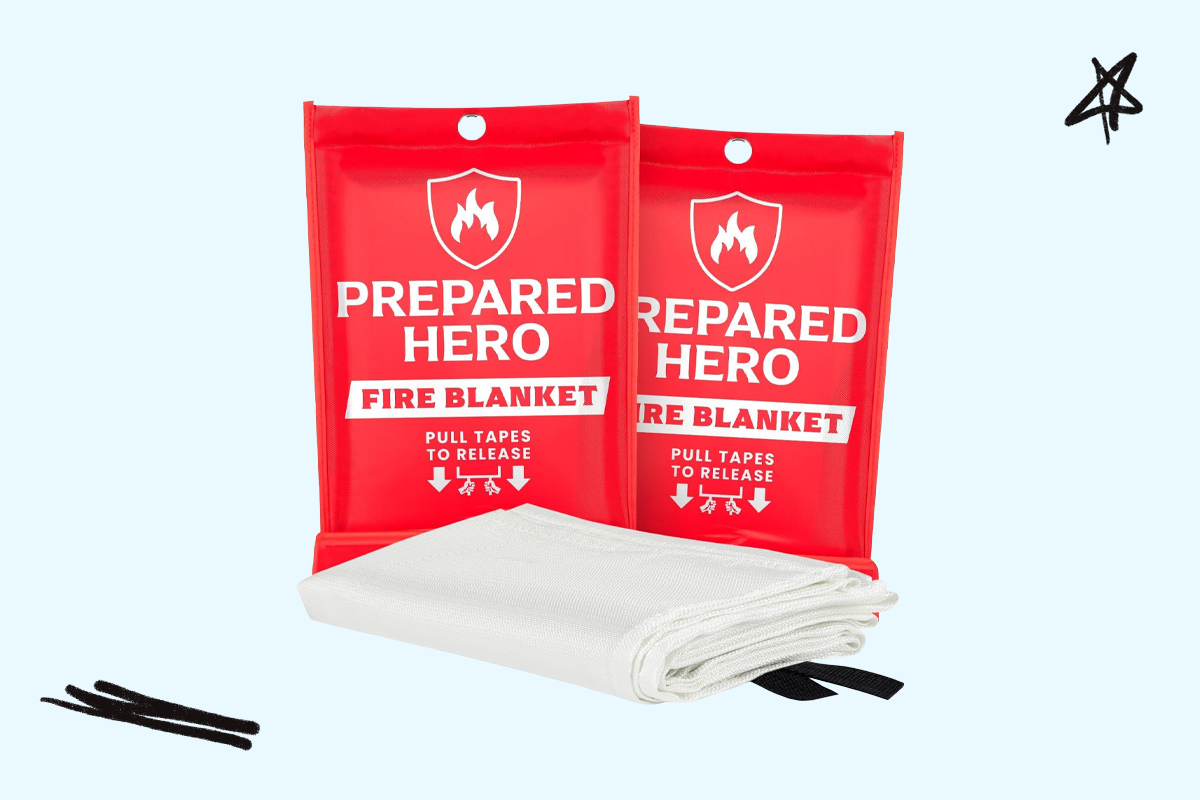
Prepared Hero Emergency Fire Blanket
Credit: Product courtesy of Amazon

Prepared Hero Emergency Fire Blanket

Not all blankets are made for snuggling. This two-pack of Prepared Hero Emergency Fire Blankets is designed to smother small, contained fires by cutting off their oxygen supply. Made from flame-resistant fiberglass, the 39-by-39-inch blankets feature quick-release tabs for easy deployment, can be hung in the kitchen for quick access, and never expire. As we explain in our guide on how to put out any kind of fire, knowing which firefighting method to use is just as important as having the right equipment on hand. Gift one to your favorite home cook and keep the other for yourself.

BUY IT FOR $32 ON AMAZON
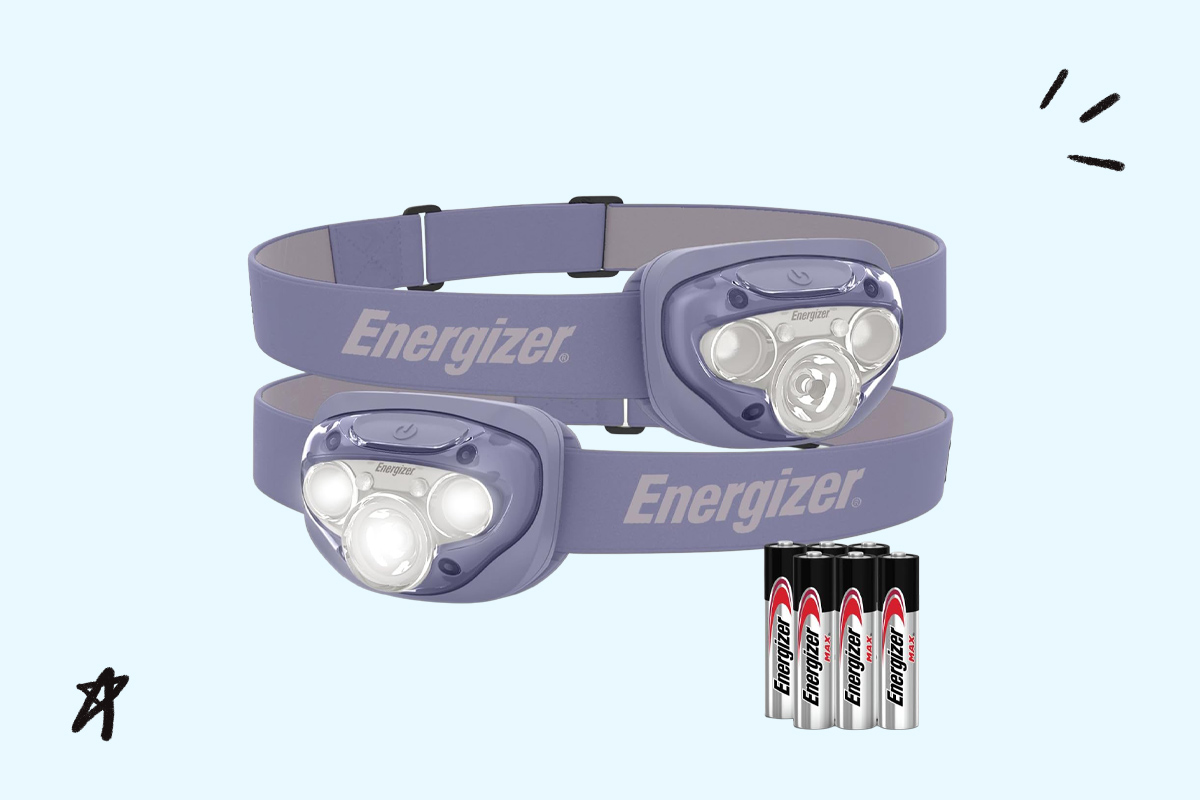
Energizer LED Headlamp
Credit: Product courtesy of Amazon

Energizer LED Headlamp

Though safety may be its primary purpose, there’s no denying you could have a little fun with this headlamp when disaster isn’t looming. From nighttime dog walks and backyard adventures to camping trips and DIY projects, the Energizer LED Headlamp will allow your loved one to see what they’re doing without sacrificing the use of their hands. Its adjustable strap and pivoting light make it comfortable and convenient, while its durable, water-resistant design comes in handy when the weather is far less than ideal. It’s available in a range of colors and pack sizes.

BUY IT FOR $15 ON AMAZON
Advertisement
Advertisement
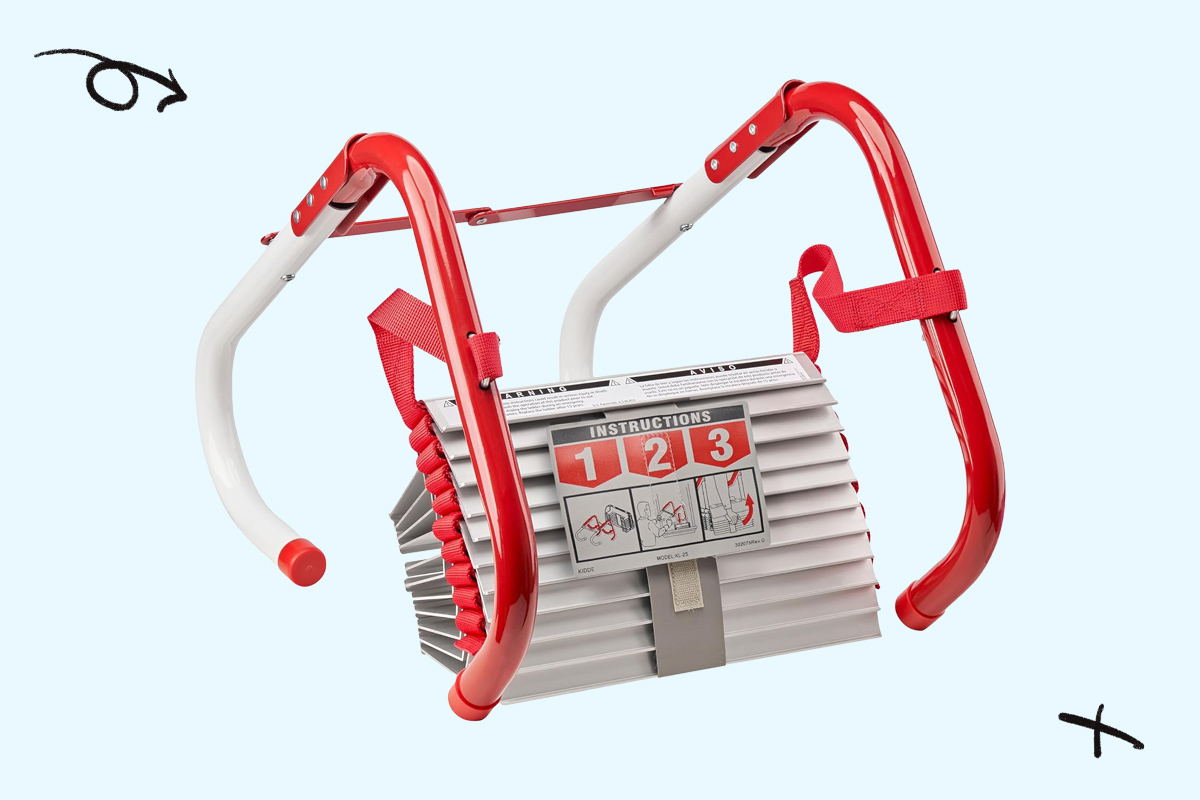
Kidde Fire Escape Ladder
Credit: Product courtesy of Amazon

Kidde Fire Escape Ladder

Window escape ladders have come a long way from the rickety ropes or tied-together bedsheets we were told to use as kids. The Kidde Fire Escape Ladder offers a much sturdier way out if a fire blocks the stairs. Measuring 13 feet long, it features flame-resistant materials, slip-resistant metal rungs, and a tangle-free design that can support up to 1,000 pounds. It comes fully assembled and folds compactly enough to store under a bed or in a closet, and is designed to hook onto compatible windowsills without tools. It’s not exactly the kind of gift anyone hopes to use, but for someone with an upstairs bedroom, it could be a lifesaver.

BUY IT FOR $60 ON AMAZON
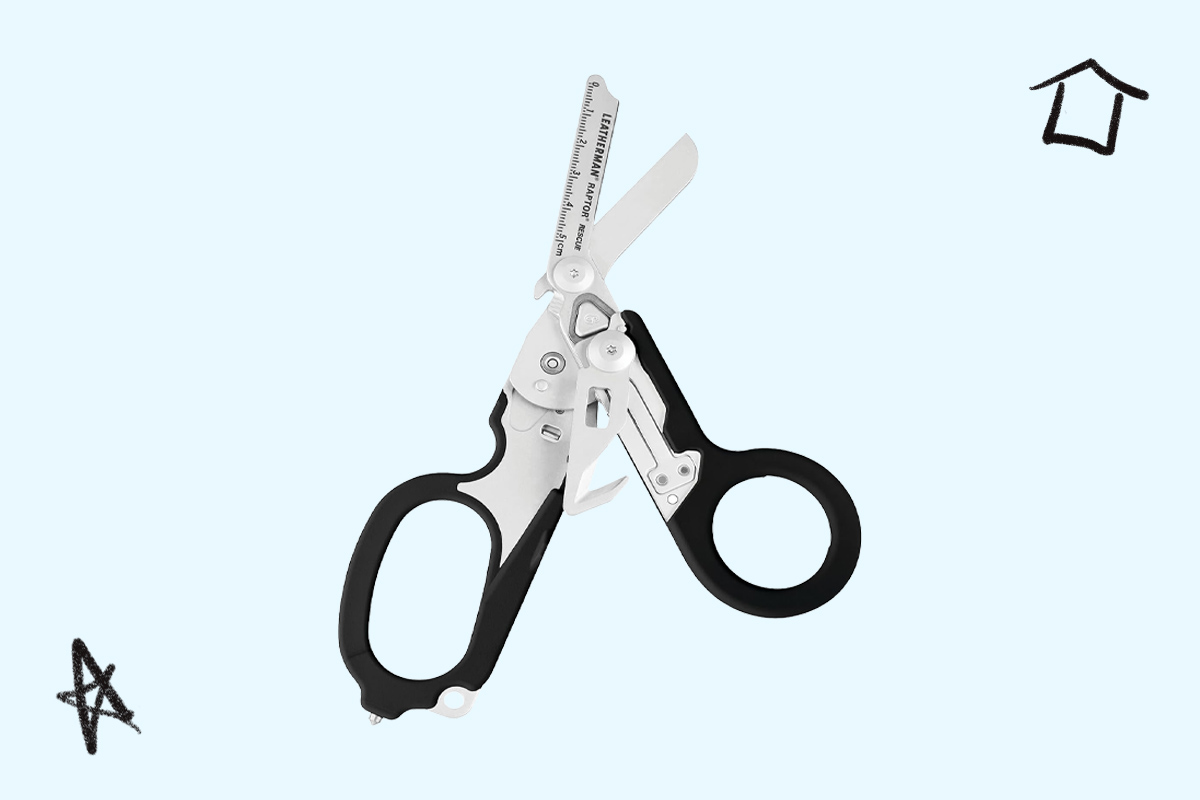
Leatherman Raptor Rescue Trauma Shears
Credit: Product courtesy of Amazon

Leatherman Raptor Rescue Trauma Shears

Don’t let the intimidating name fool you. Trauma shears are essentially heavy-duty scissors designed to cut through clothing, bandages, and other tough materials quickly and safely in an emergency. They’re a favorite of first responders — and this one from Leatherman was crafted with input from them — but they can also be a surprisingly useful addition to a household first aid kit. Eighty dollars might seem like a lot to spend on a pair of scissors, but these can slice through everything from thick clothing to seat belts in seconds. And if your loved one ever finds themselves in an emergency where ordinary scissors just won’t cut it, they’ll be glad to have these on hand.

BUY IT FOR $80 ON AMAZON
Advertisement
Advertisement
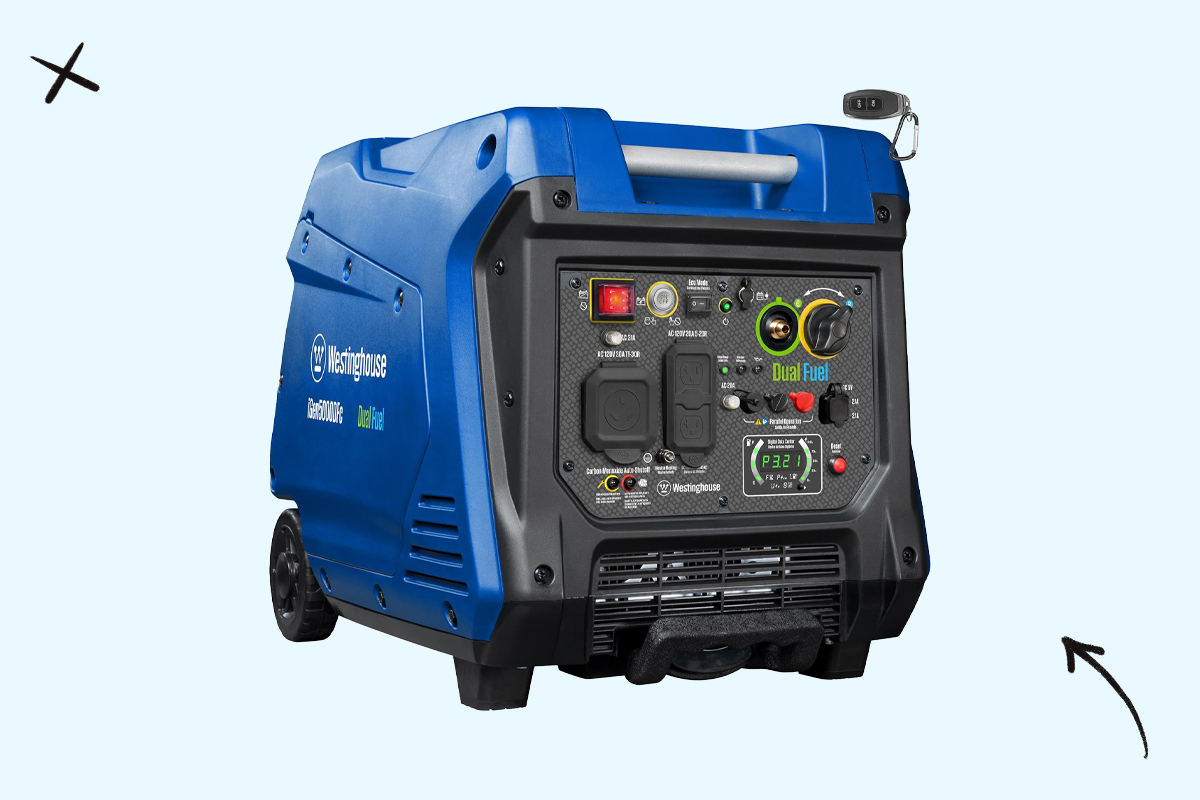
Westinghouse iGen5000DFc Dual Fuel Inverter Generator
Credit: Product courtesy of Amazon

Westinghouse iGen5000DFc Dual Fuel Inverter Generator

When the power goes out, a portable generator can make the difference between a minor inconvenience and a major headache. The Westinghouse iGen5000DFc Dual Fuel Inverter Generator runs on either gasoline or propane, delivering up to 5,000 peak watts of power to keep essential appliances and electronics running during an outage. It can operate for up to 18 hours on a single tank of gas at 25% load, and its inverter technology helps conserve fuel while reducing noise. A remote start, digital display, and built-in carbon monoxide sensor add extra convenience and an additional layer of safety, making it worth the price tag.

BUY IT FOR $999 ON AMAZON
Advertisement
Related: How to Protect Your Home During a Power Outage
Advertisement
Advertisement
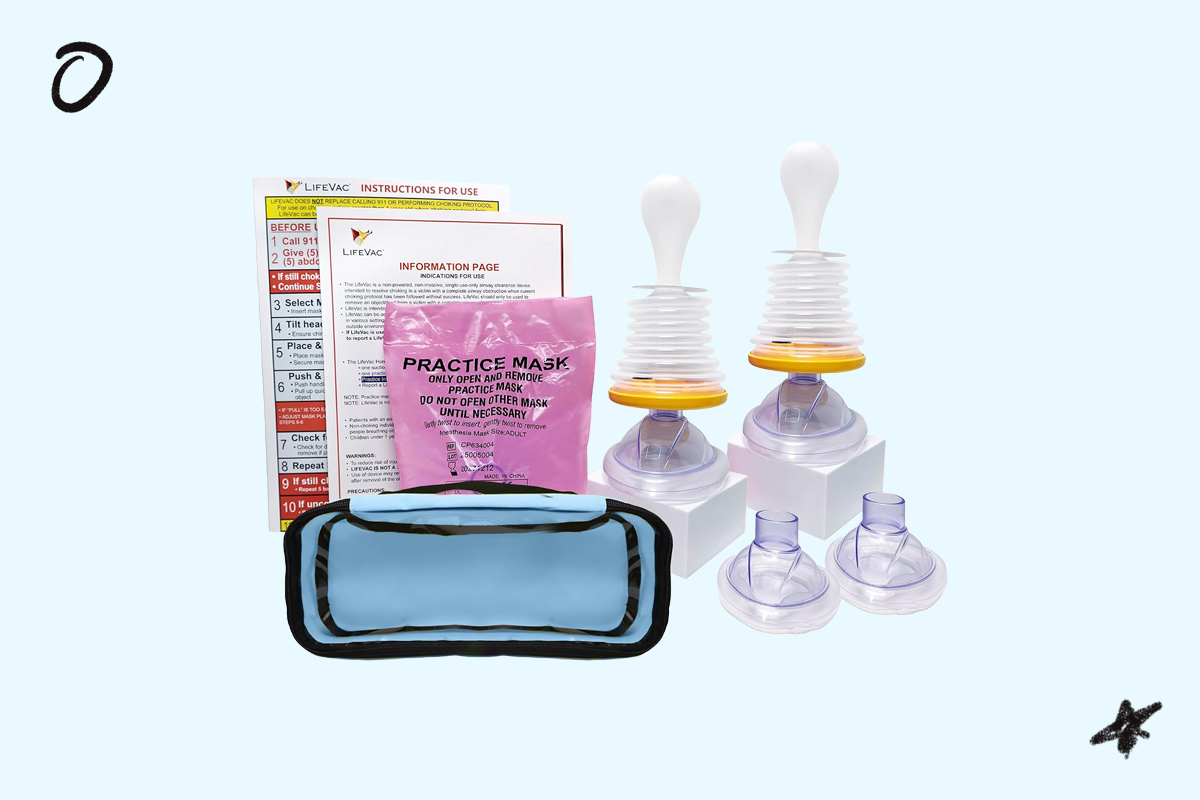
LifeVac
Credit: Product courtesy of Amazon

LifeVac

In March 2026, LifeVac became the first anti-choking device to receive FDA marketing authorization in the U.S. Designed to help clear a blocked airway when standard choking rescue techniques have failed, the portable suction device offers an additional option in a potentially life-threatening emergency. This set of two has a device for home and one for travel (complete with case), so your loved one can easily take it on the go. Want to know more? We’ve taken a closer look at how LifeVac works.

BUY FOR $140 ON AMAZON
Advertisement
Advertisement

Featured Image Credit: © Products courtesy of vendors

More From Our Network

Better Report is part of Inbox Studio, an email-first media company. *Indicates a third-party property.

Go Retro With This 1960s Fashion Quiz

Quiz Daily

Go Retro With This 1960s Fashion Quiz

True or False: Are You a Master of U.S. Geography?

Travel Quiz

True or False: Are You a Master of U.S. Geography?

5 Reasons You Can Be Denied Boarding an Airplane

Daily Passport

5 Reasons You Can Be Denied Boarding an Airplane

What Did People Do Before Eyeglasses?

History Facts

What Did People Do Before Eyeglasses?

How To Use a Balloon To Clean Up Dust

House Outlook

How To Use a Balloon To Clean Up Dust

11 Shopping Hacks Costco Members Should Know

FinanceBuzz*

11 Shopping Hacks Costco Members Should Know

Share this article

  • Share to Facebook
  • Share to Twitter
  • Copy Url
  • Share to Email
Jennifer M. Wood
Writer

Jennifer M. Wood has been writing about news, entertainment, culture, and travel for longer than she cares to admit. She lives just outside Philadelphia with her husband and an ever-growing menagerie of rescue pets.

This article is for general informational purposes only.
Affiliate Disclaimer Medical Disclaimer Financial Disclaimer

Updated: May 8, 2026
Posted In: Home
Hero Image Credit: Featured Image Credit: © Products courtesy of vendors
Advertisement

Related Articles

The Most Dangerous Things You Do With Your Christmas Tree

4 min read

12 Foods You Shouldn’t Store Together

6 min read

Should You Refrigerate Peanut Butter?

6 min read

The Most Popular Car Colors in the U.S.

4 min read

First-Date Etiquette Tips for People Over 40, According to a Matchmaker

3 min read
Advertisement

Is It Actually Bad To Wear Your Shoes in the House?

Sponsored Content
Health | Updated: November 16, 2026
Person taking boots off in house
Featured Image Credit: © Kinga Krzeminska—Moment/Getty Images

All featured products and deals are selected independently and objectively by the author. Better Report may receive a share of sales via affiliate links in content.

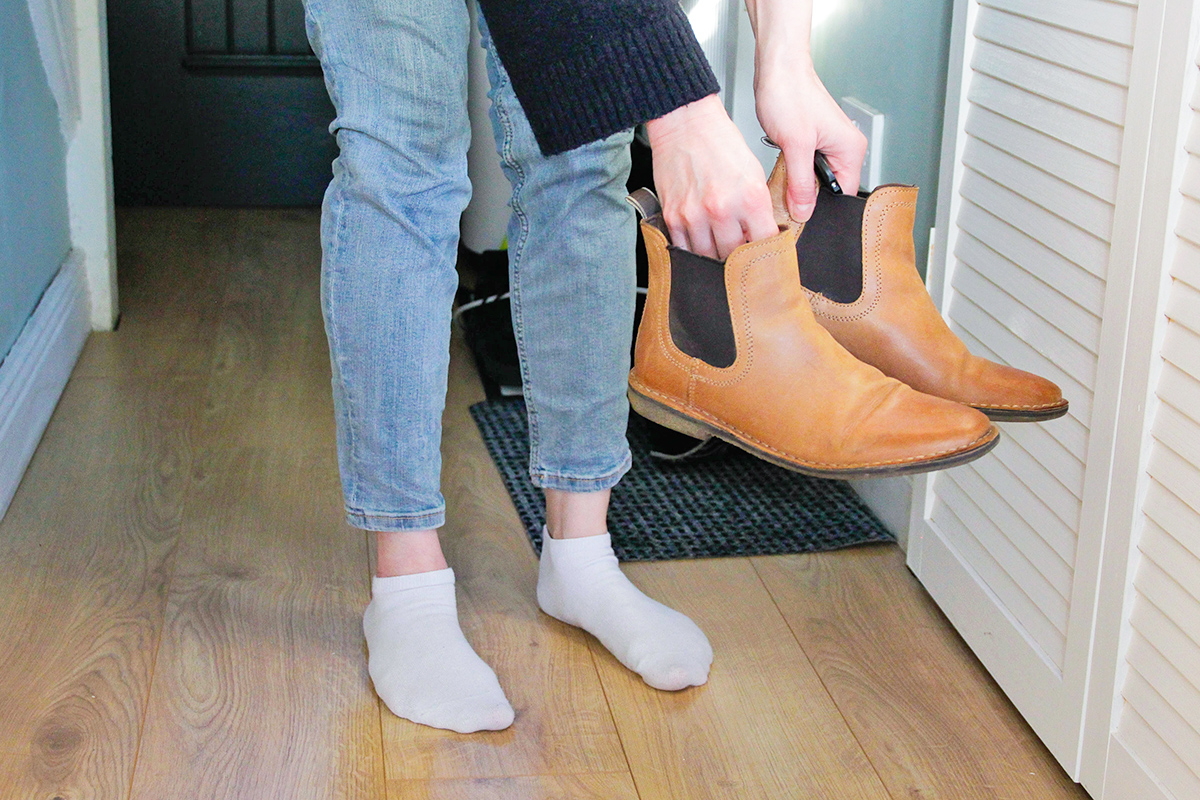
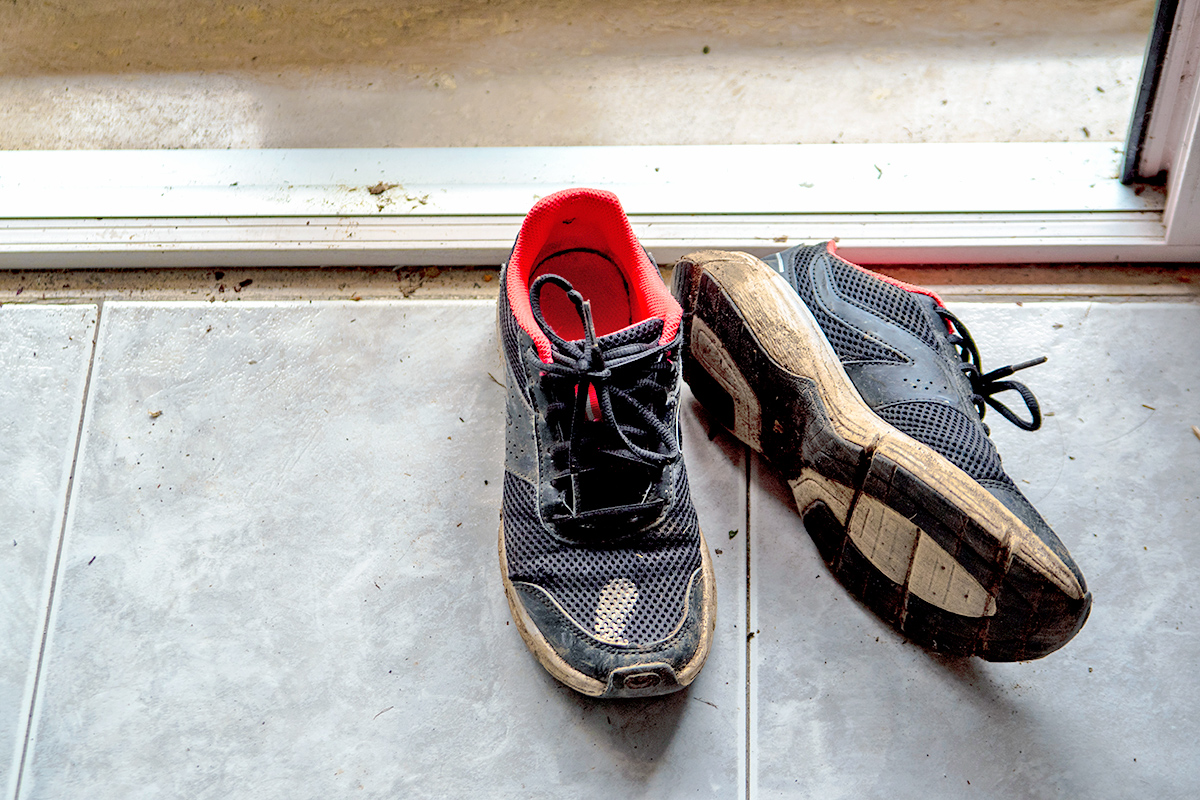
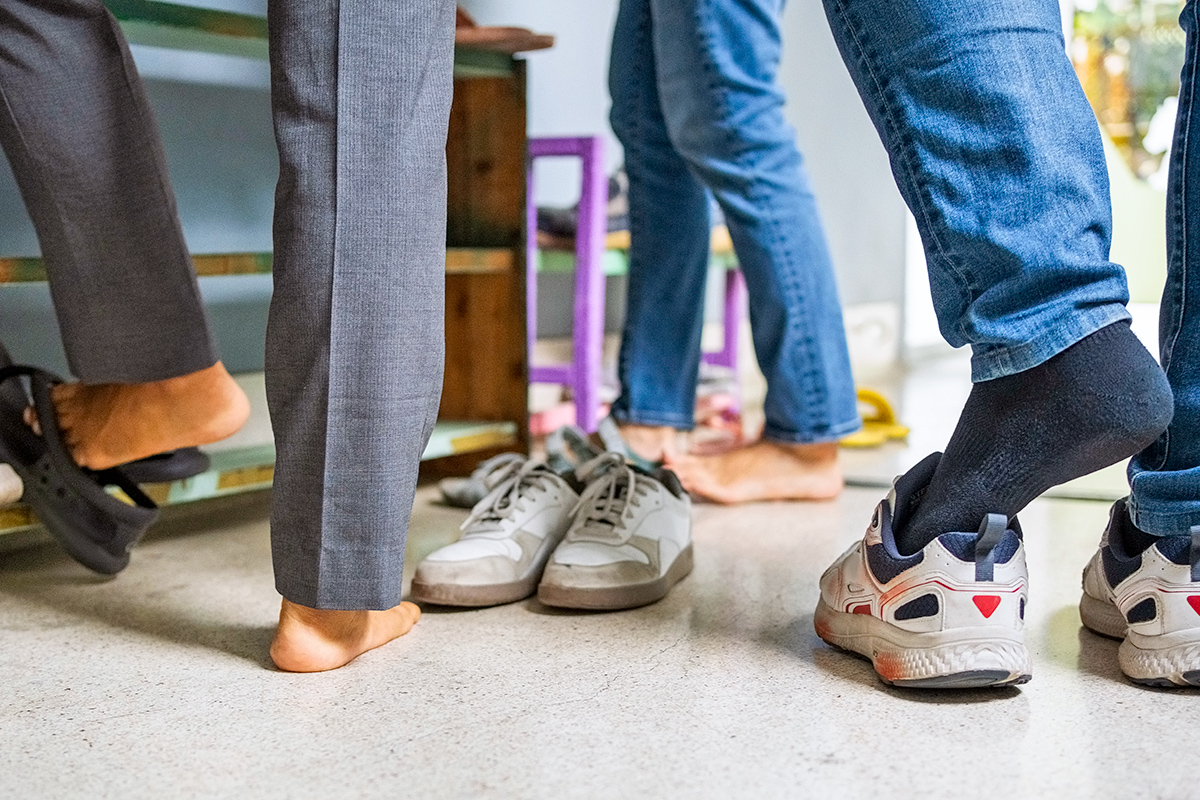
In Korean culture, taking off your shoes when you enter a home is a sign of respect. In Japan, where indoor cleanliness is a Shinto religious principle, people take off their shoes in a special vestibule designed specifically for that purpose. Shoe removal is also traditional in India, the Middle East, and Eastern Europe. Most U.S. households do take shoes off indoors, but don’t ask their guests to do the same. Should they?

Plenty of unwanted microbes and environmental irritants can hitch a ride on your shoes and invade your home as you step across the threshold — and some are known to cause serious health issues. Here’s a rundown of what you may be tracking in, and a few easy ways to keep your home clean and sanitary. 

Advertisement
Advertisement
Two people walking outside
Credit: © lena Enz/Unsplash.com

Shoe-Borne Bacteria

Anything you step in outside could end up on your shoes and in your home. Microbiologist Charles Gerba, known for studying the most bacteria-laden items in kitchens, investigated the microbes brought into homes on shoes for a 2008 report. Gerba had 10 volunteers wear Rockport shoes (the study’s sponsor) for two weeks and then assessed the number and type of bacteria the footwear picked up. He discovered an average of 421,000 units of bacteria on each shoe’s outer surfaces, including the disease-causing species Escherichia coli and Klebsiella pneumonia, which Gerba told TIME were likely obtained from restroom floors and sidewalks where dogs and birds do their business. 

Subsequent research has identified salmonella as well as antibiotic-resistant strains of Clostridioides difficile (otherwise known as C. diff) and Staphylococcus aureus (aka MRSA) on shoe bottoms. All can cause illness or infections with mild to severe symptoms.

But as microbiologist Donald W. Schaffner told The New York Times, the mere presence of shoe-borne bacteria in your home won’t make most people sick. These pathogens become an issue only if you happen to touch a bacteria-infested shoe and then lick your fingers or rub your eyes, or if you eat food that’s been dropped on a contaminated floor. That said, pets or kids who spend a lot of time on the floor may be at a slightly higher risk of exposure.

Recommended Articles

  • A Warning Sign for Heart Attack and Stroke Could Show Up on Your Face

  • 6 Holiday Scams To Watch Out For

  • Why Gift Cards Are Actually Terrible Gifts

  • The Strange Reason Why Time Feels Like It’s Moving Faster

Advertisement
Advertisement

Reader Favorites

  • Person washing part of a coffee machine

    18 Surprising Things You Should Never Put Down Your Drain

  • Woman brushing hair

    9 Surprising Signs You’re Aging

  • White car on the road

    The Best Cars for Resale Value, According to Auto Experts

Credit: © eleonora galli—Moment/Getty Images

Dust, Chemicals, and More

Shoes can also transfer environmental toxins and allergens into your home. Lead dust — common in older buildings where lead-based paint has flaked off the walls — is a big concern because children can accidentally ingest it when they play on the floor. Lead poisoning causes neurological damage, and no amount of lead exposure is safe. 

Advertisement

Lawn care chemicals and allergens are additional hazards lurking just outside your home. Walking through a lush lawn may bring your shoes in contact with pesticides and weed-killers linked to nervous and endocrine system dysfunction and other potential health risks, while pollen can get stuck in your shoes’ treads. People with allergies might be especially sensitive to invisible irritants clinging to shoes worn indoors. 

Advertisement
Advertisement
People taking off shoes inside
Credit: © NickyLloyd—E+/Getty Images

What’s a Shoe To Do?

Some scientists argue that taking off your shoes at the door is a no-brainer if you want to avoid any hint of exposure to the gunk stuck to your soles. But cultural customs or personal preferences also factor into the decision, so there’s no right answer for whether you should or shouldn’t de-shoe.

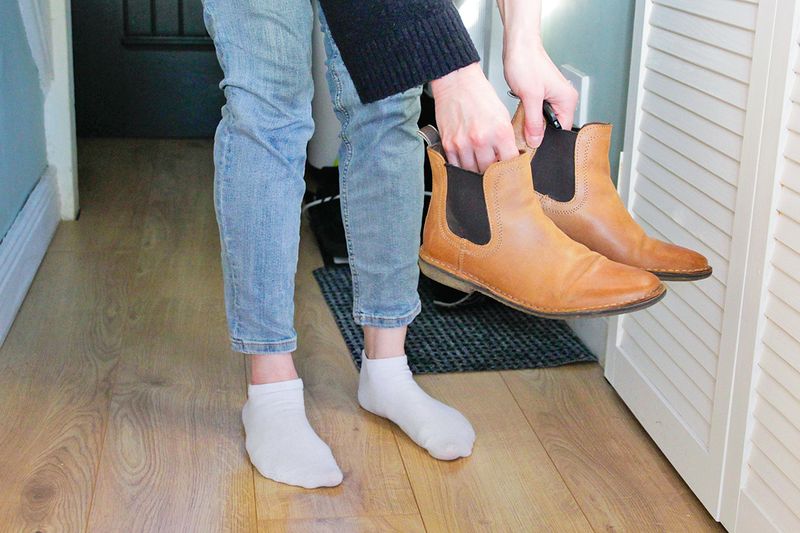
If you do choose the shoeless route and want your guests to do the same, there are simple ways to make the process more pleasant. Place a pair of indoor-only slippers near your entryway so you can transition footwear easily, and have a few sets of washable slippers or shoe covers on hand for visitors. A shoe rack or cabinet by your front door will help keep shoes neat. And in winter, a boot tray can corral footwear and prevent mud, water, and road salt from damaging your floors.

Featured Image Credit: © Kinga Krzeminska—Moment/Getty Images

Advertisement
Advertisement

More From Our Network

Better Report is part of Inbox Studio, an email-first media company. *Indicates a third-party property.

Go Retro With This 1960s Fashion Quiz

Quiz Daily

Go Retro With This 1960s Fashion Quiz

True or False: Are You a Master of U.S. Geography?

Travel Quiz

True or False: Are You a Master of U.S. Geography?

5 Reasons You Can Be Denied Boarding an Airplane

Daily Passport

5 Reasons You Can Be Denied Boarding an Airplane

What Did People Do Before Eyeglasses?

History Facts

What Did People Do Before Eyeglasses?

How To Use a Balloon To Clean Up Dust

House Outlook

How To Use a Balloon To Clean Up Dust

11 Shopping Hacks Costco Members Should Know

FinanceBuzz*

11 Shopping Hacks Costco Members Should Know

Share this article

  • Share to Facebook
  • Share to Twitter
  • Copy Url
  • Share to Email
Sponsored Content

This article is for general informational purposes only.
Affiliate Disclaimer Medical Disclaimer Financial Disclaimer

Updated:
Posted In: Health
Hero Image Credit: Featured Image Credit: © Kinga Krzeminska—Moment/Getty Images
Advertisement

Related Articles

A Warning Sign for Heart Attack and Stroke Could Show Up on Your Face

4 min read

The Strange Reason Why Time Feels Like It’s Moving Faster

5 min read

Are the Brown Marks on Your Skin Dangerous?

6 min read

7 Common Meds Seniors Overuse

4 min read

15 Dreamy Gifts for a Better Night’s Sleep

11 min read
Advertisement

Putting This in Your Dryer Is a Major Fire Risk

Home | Updated: October 19, 2026
Lauren Dana Ellman
Author
Lauren Dana Ellman is a New York–based writer and editor specializing in lifestyle, travel, food, and shopping. A graduate of Syracuse University’s SI Newhouse School of Public Communications, she covers everything from destinations and hotels to fun product finds and personal essays. Her work has been featured in Condé Nast Traveler, AARP, Travel + Leisure, Time Out, The Knot, and more lifestyle-oriented publications.
Open dryer
Featured Image Credit: © detry26/stock.adobe.com

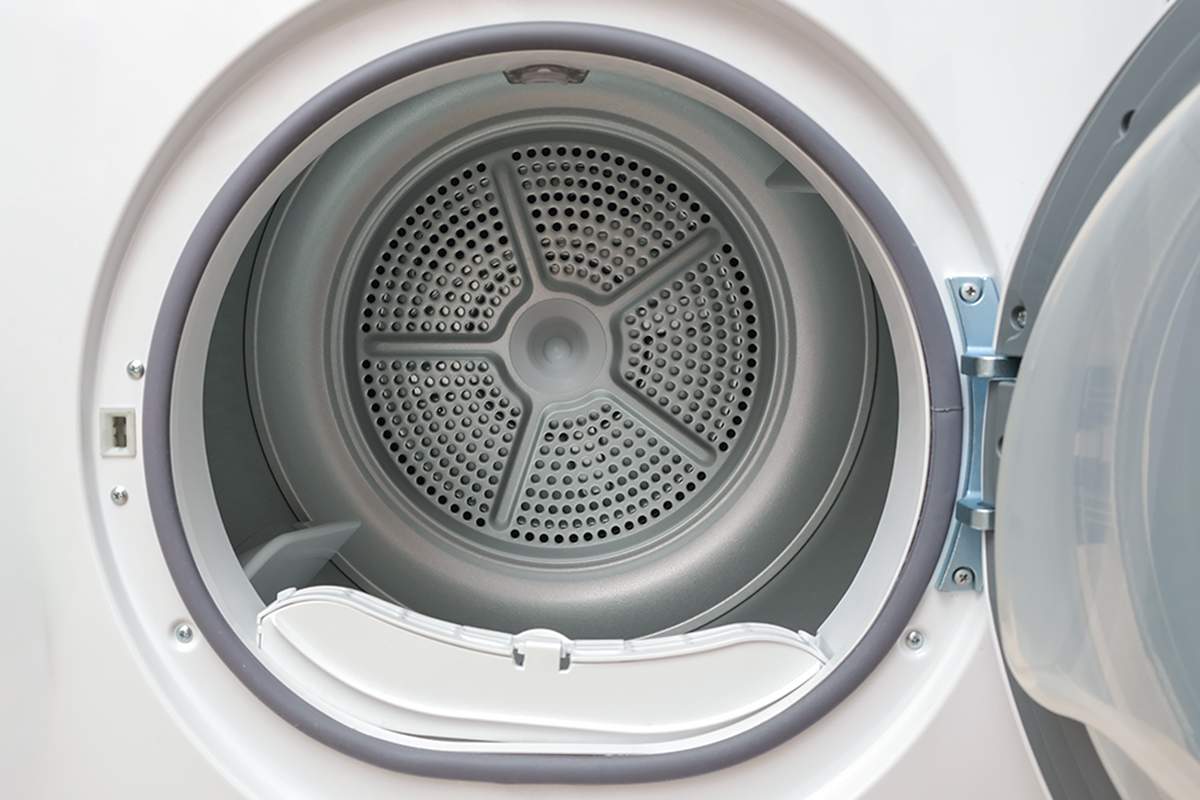
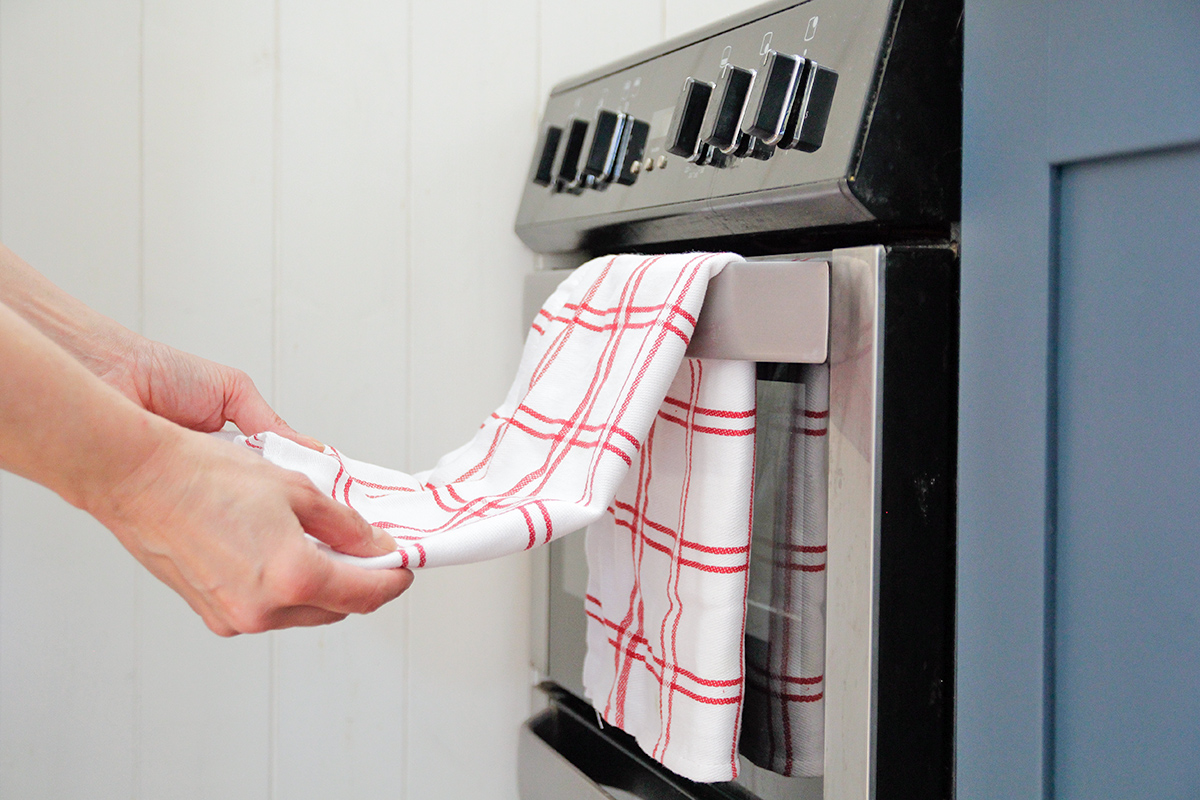
Tossing a kitchen towel into the dryer after washing it may seem harmless. But if that towel has been used to clean up cooking oil or grease, hitting the start button could pose a serious fire risk. Here’s what you need to know.

Dish towel on oven handle
Credit: © Kinga Krzeminska—Moment/Getty Images

Why Oily Fabrics and Dryers Don’t Mix

Oil doesn’t dissolve in water, so washing alone doesn’t necessarily remove every trace of it from fabric. According to the U.S. Consumer Product Safety Commission (CPSC), cloth towels heavily soiled with vegetable oil can retain it even after going through a normal wash cycle. When those towels are exposed to heat in the dryer — or left piled together while they’re still warm — they can begin to smoke and potentially ignite.

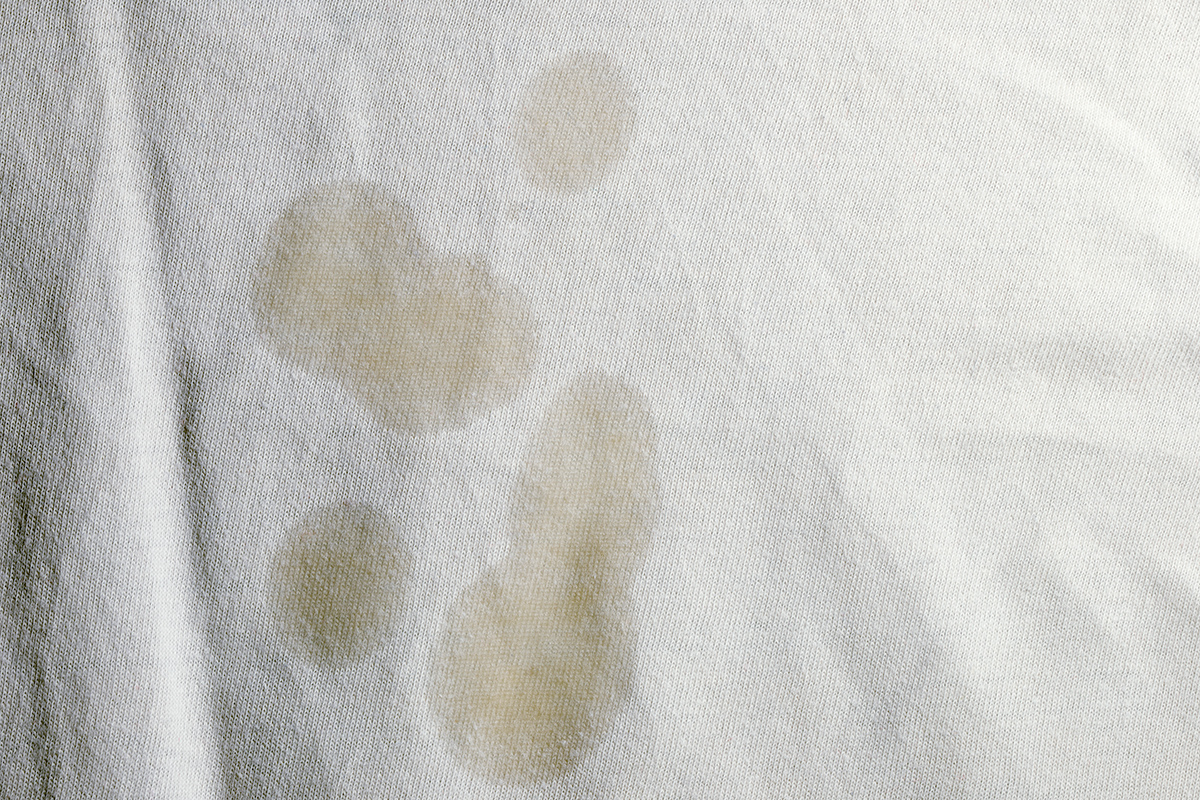
Kitchen towels used to drain fried foods or wipe up larger oil spills can be particularly problematic, as can rags used with certain oils for refinishing furniture. But it’s not just oil-saturated rags that can be an issue. Appliance expert Amanda Abraham advises against putting anything that has had oil on it — such as a shirt splattered with grease — in the dryer because “no washer can completely remove oil saturation,” she told The Spruce. In addition to the fire risk, the heat will set the stain and you won’t be able to get rid of it. So what should you do instead? 

Advertisement
Advertisement
Oil stains on fabric
Credit: © FSTOPLIGHT—E+/Getty Images

How To Treat Oil and Grease Stains

Start by blotting up as much oil as you can without rubbing it further into the fabric. Check the care label, then pretreat the spot with clear dish soap or a stain remover before washing using an enzyme-based liquid detergent. Then air-dry the item. 

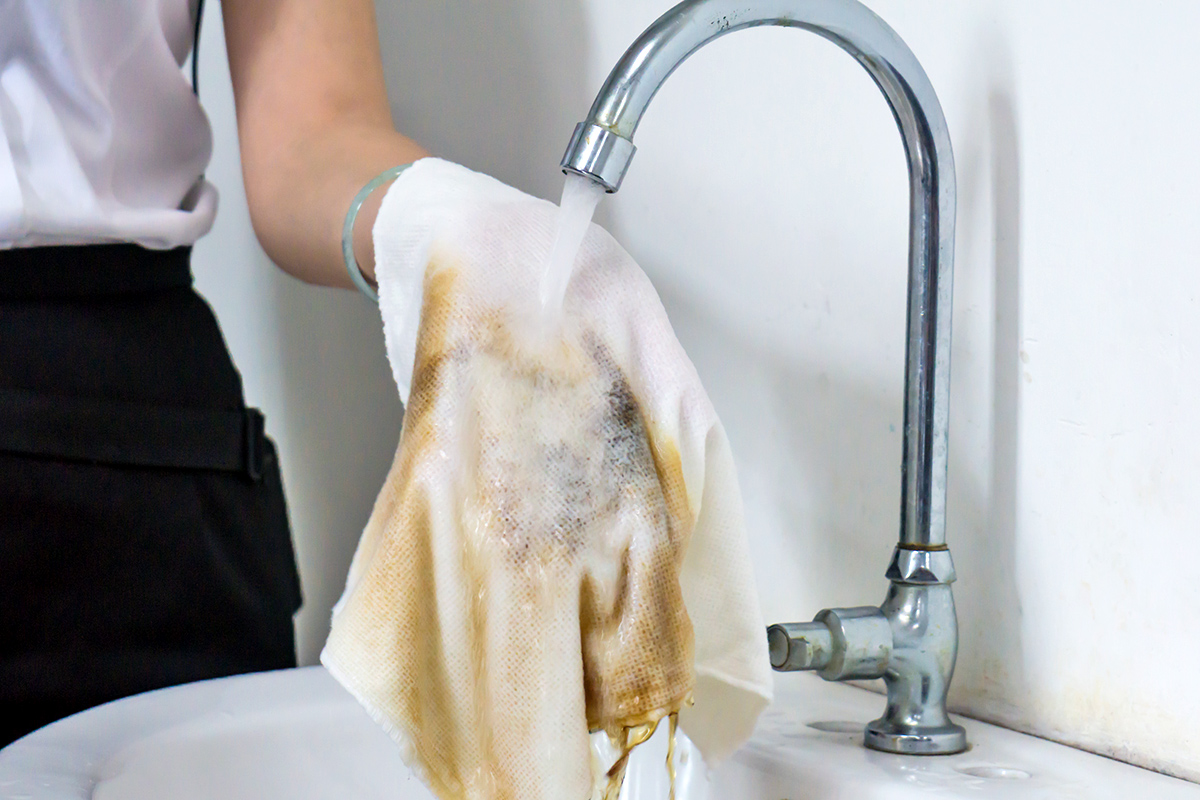
For rags or towels that are heavily soiled with grease or oil, there’s more to worry about than a lingering stain. Submerge these rags in hot water, add a degreasing agent, and soak overnight before wringing them out and washing them with a heavy-duty detergent. Then, rather than throwing the rags in the dryer, air-dry them in a well-ventilated area. The same goes for items exposed to other flammable substances such as gasoline, paint thinner, or acetone. 

Advertisement

There are certain items that you may not be able to wash if they get oil on them, simply because they’re too large for a standard washer or dryer — think oversized rugs, pillows, pet beds, and comforters. Depending on the care instructions, you may be better off hand-washing the item in a bathtub, using a large-capacity machine at a laundromat, or taking it to a professional cleaner to get oil stains out. House Digest also suggests spot-cleaning items that don’t require a full wash.

Dirty, grease-stained rag
Credit: © zhz_akey—iStock/Getty Images

How To Get Rid of Oil-Soaked Rags

Oily rags you’re prepared to throw out shouldn’t just be tossed in the trash. Instead, according to This Old House, you should soak them in water, wring them out, and leave them outside in a single layer to dry. Only then should you throw them away — in an outdoor trash can, just to be safe.

Featured Image Credit: © detry26/stock.adobe.com

Recommended Articles

  • A Warning Sign for Heart Attack and Stroke Could Show Up on Your Face

  • 6 Holiday Scams To Watch Out For

  • Why Gift Cards Are Actually Terrible Gifts

  • The Strange Reason Why Time Feels Like It’s Moving Faster

Advertisement
Advertisement

Reader Favorites

  • Person washing part of a coffee machine

    18 Surprising Things You Should Never Put Down Your Drain

  • Woman brushing hair

    9 Surprising Signs You’re Aging

  • White car on the road

    The Best Cars for Resale Value, According to Auto Experts

More From Our Network

Better Report is part of Inbox Studio, an email-first media company. *Indicates a third-party property.

Go Retro With This 1960s Fashion Quiz

Quiz Daily

Go Retro With This 1960s Fashion Quiz

True or False: Are You a Master of U.S. Geography?

Travel Quiz

True or False: Are You a Master of U.S. Geography?

5 Reasons You Can Be Denied Boarding an Airplane

Daily Passport

5 Reasons You Can Be Denied Boarding an Airplane

What Did People Do Before Eyeglasses?

History Facts

What Did People Do Before Eyeglasses?

How To Use a Balloon To Clean Up Dust

House Outlook

How To Use a Balloon To Clean Up Dust

11 Shopping Hacks Costco Members Should Know

FinanceBuzz*

11 Shopping Hacks Costco Members Should Know

Share this article

  • Share to Facebook
  • Share to Twitter
  • Copy Url
  • Share to Email
Lauren Dana Ellman
Writer

Lauren Dana Ellman is a New York–based writer and editor specializing in lifestyle, travel, food, and shopping. A graduate of Syracuse University’s SI Newhouse School of Public Communications, she covers everything from destinations and hotels to fun product finds and personal essays. Her work has been featured in Condé Nast Traveler, AARP, Travel + Leisure, Time Out, The Knot, and more lifestyle-oriented publications.

This article is for general informational purposes only.
Affiliate Disclaimer Medical Disclaimer Financial Disclaimer

Updated: April 28, 2026
Posted In: Home
Hero Image Credit: Featured Image Credit: © detry26/stock.adobe.com
Advertisement

Related Articles

The Most Dangerous Things You Do With Your Christmas Tree

4 min read

12 Foods You Shouldn’t Store Together

6 min read

17 Home Safety Gifts Your Family Actually Needs
10 min read

Should You Refrigerate Peanut Butter?

6 min read

The Most Popular Car Colors in the U.S.

4 min read
Advertisement

The Safety Rules for Candles You Probably Don’t Know

Home | Updated: September 21, 2026
Erin Scottberg
Author
Erin Scottberg is a Brooklyn-based writer, garden designer, and houseplant expert — and the founder of Full Sun Studio (fullsun.studio), a garden design and plant consulting studio in New York City. She holds an Urban Horticulture Certificate from Brooklyn Botanic Garden, an NYC Street Tree Pruner License, and an NYC Master Composter Certification, and spent three years as Head of Content and Education at The Sill. When she's not working, you can find her creating in her textile studio, running craft nights in her neighborhood, or hanging with her rescue pup, Sunny. She's an ambitious DIYer, avid composter, and has never been able to walk by a thirft store without taking a look.
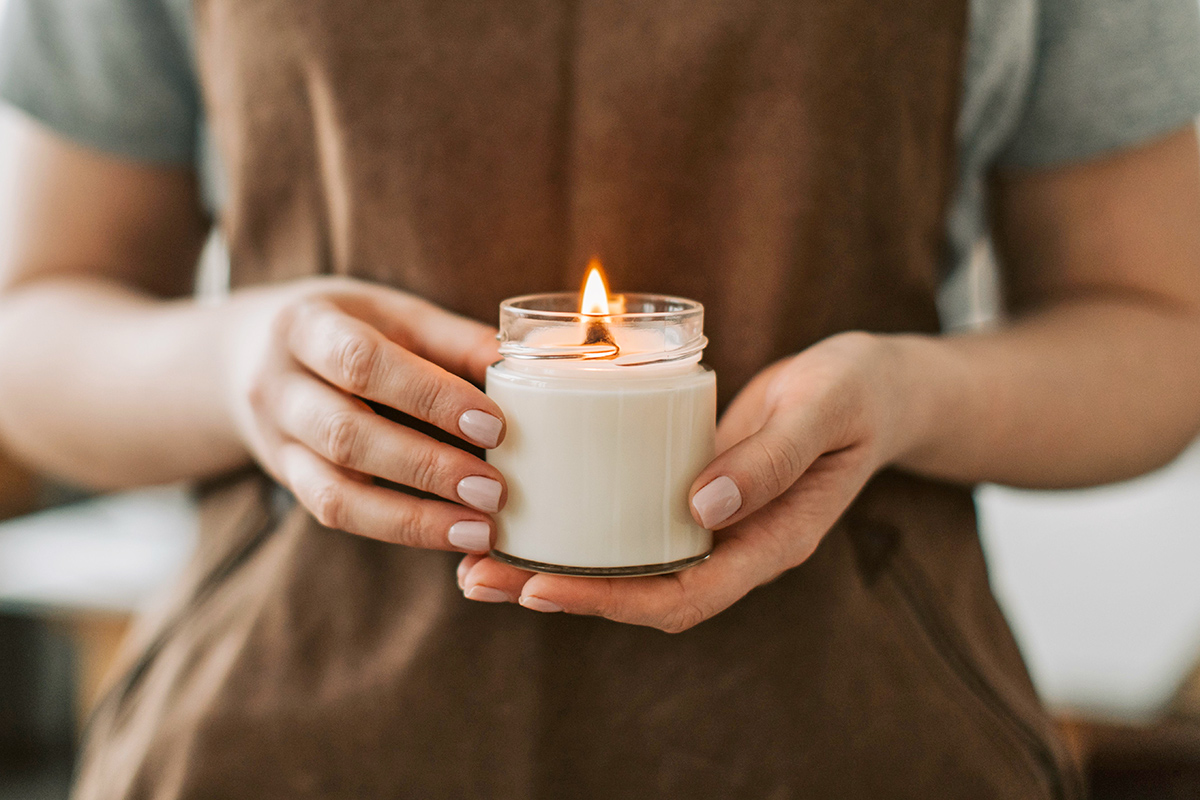
Person holding lit candle
Featured Image Credit: © Vlada Karpovich/Pexels.com

All featured products and deals are selected independently and objectively by the author. Better Report may receive a share of sales via affiliate links in content.

Candles are a simple way to make a room feel cozier and smell better. They’re affordable, easy to find, and make a great housewarming or white elephant gift. But they’re also easy to get careless with. Let’s be honest: How many times have you left a candle burning unattended — maybe in the bathroom, or in the kitchen while you head to the dining room for dinner — despite knowing better?

That’s one safety rule you may be knowingly breaking, but there are plenty of others you may not even be aware of. You can find them in small print on the bottom of your candles, and they’re there for a reason. According to the National Fire Protection Association, an average of 20 home candle fires are reported each day. Here’s what you need to keep in mind the next time you light that wick. 

Advertisement
Advertisement
Trimming candle wick
Credit: © Yan Krukau/Pexels.com

Always Trim the Wick

This is the rule almost nobody follows. Before each burn, trim the wick down to about ¼ inch. A long wick burns a taller, hotter flame that flickers, throws soot, and can flare up without warning. A short wick keeps the flame small and steady, and therefore safer. One more thing: Keep the wick trimmings and spent matches away from melted wax — anything floating in there is just added fuel to the fire (literally).

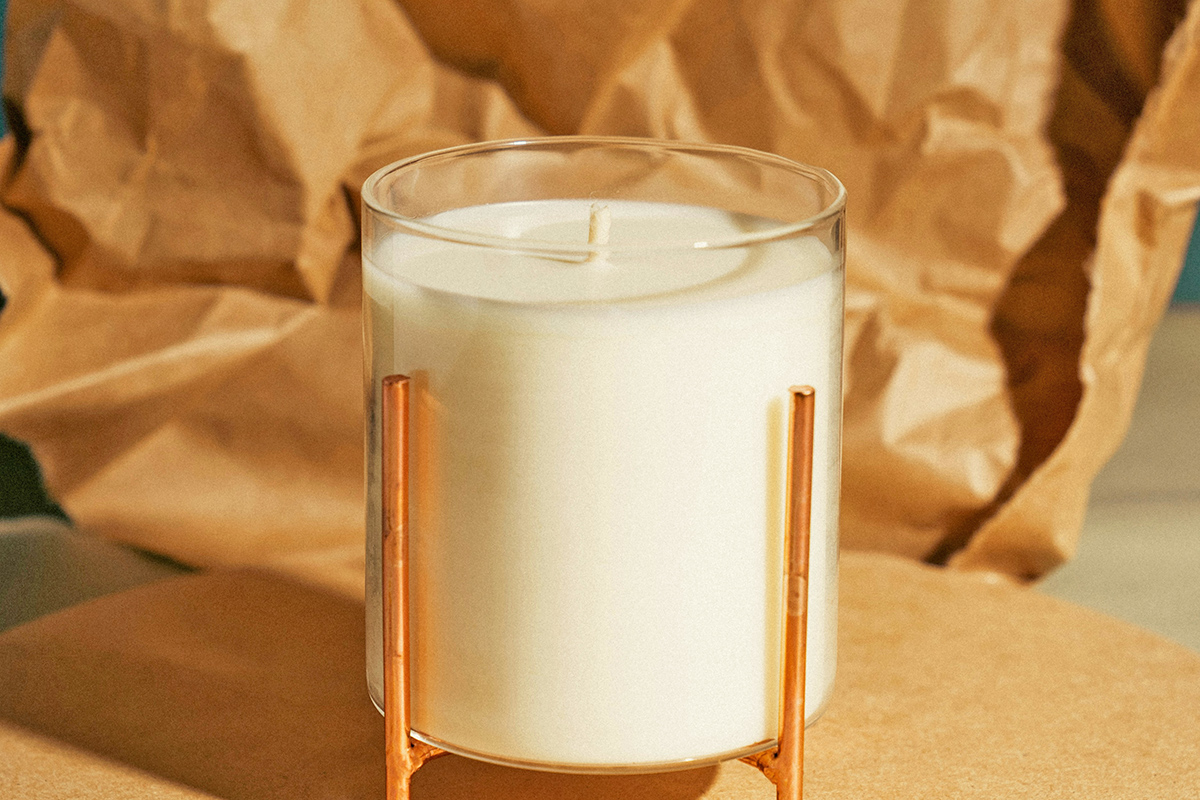
Unlit candle in glass container
Credit: © Vinicius Amano/Unsplash.com

If Your Candle Is in a Glass Container, Don’t Burn It All the Way Down

Here’s the reasoning for this lesser-known rule: As a candle burns low, heat builds up in its container, and without a lot of wax to absorb the heat, the temperature of the glass climbs. This can cause it to crack or, in extreme cases, shatter. To avoid that situation, stop burning your candle when about ½ inch of wax is left.

Recommended Articles

  • A Warning Sign for Heart Attack and Stroke Could Show Up on Your Face

  • 6 Holiday Scams To Watch Out For

  • Why Gift Cards Are Actually Terrible Gifts

  • The Strange Reason Why Time Feels Like It’s Moving Faster

Advertisement
Advertisement

Reader Favorites

  • Person washing part of a coffee machine

    18 Surprising Things You Should Never Put Down Your Drain

  • Woman brushing hair

    9 Surprising Signs You’re Aging

  • White car on the road

    The Best Cars for Resale Value, According to Auto Experts

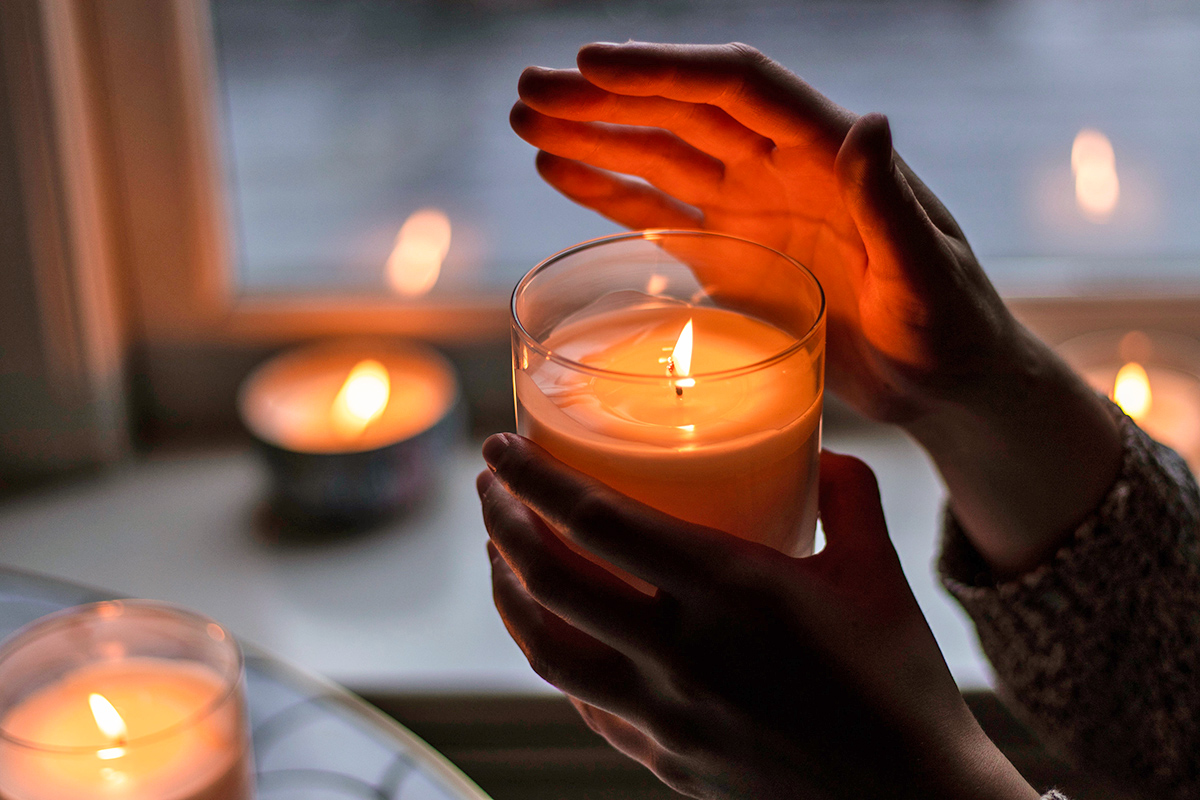
Burning candle
Credit: © thevibrantmachine/Pexels.com

Cap Burns at Four Hours

Long, uninterrupted burns are another no-no. The longer a flame is lit, the more heat is transferred to the wax and the glass. Eventually, the wax can reach what’s called the flash point, which is when the wax itself catches on fire, causing the glass to break. Extended burns can also cause issues with soot that clog the wick, leading to improper burning that could cause the candle to explode.

Advertisement
Advertisement
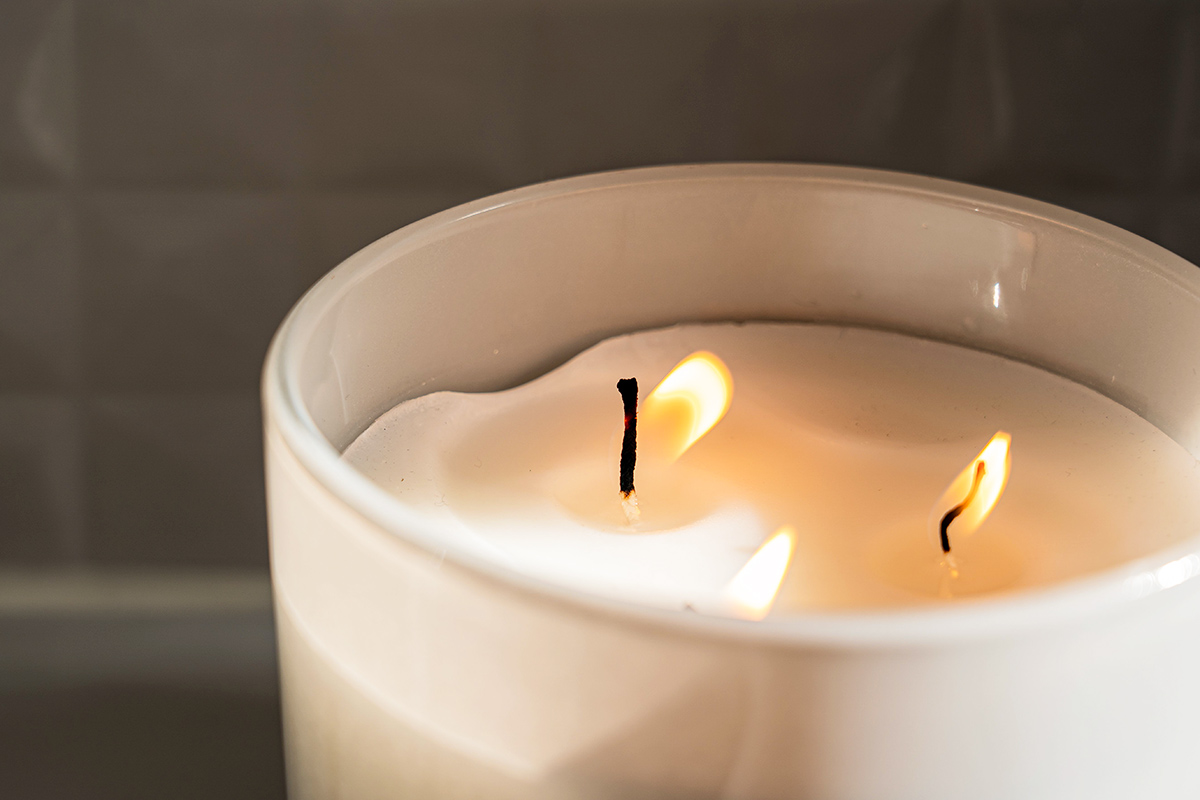
Candle with three flames
Credit: © Castorly Stock/Pexels.com

Only Burn Candles in Containers Made for Candles

That thrifted juice glass or cute mason jar might look charming with a candle in it, but not all glassware is built to take the heat. Glass made for candles is manufactured to handle the temperature swings of a burning flame; regular glass isn’t. You should also be cautious during cleanup: Never scrape wax off of a glass holder with a knife or other sharp tool. Doing so can scratch the surface of the glass, weakening it enough to crack the next time you light the candle.

Lit candle on desk
Credit: © Ivana Cajina/Unsplash.com

Set a 1-Foot Perimeter on All Sides

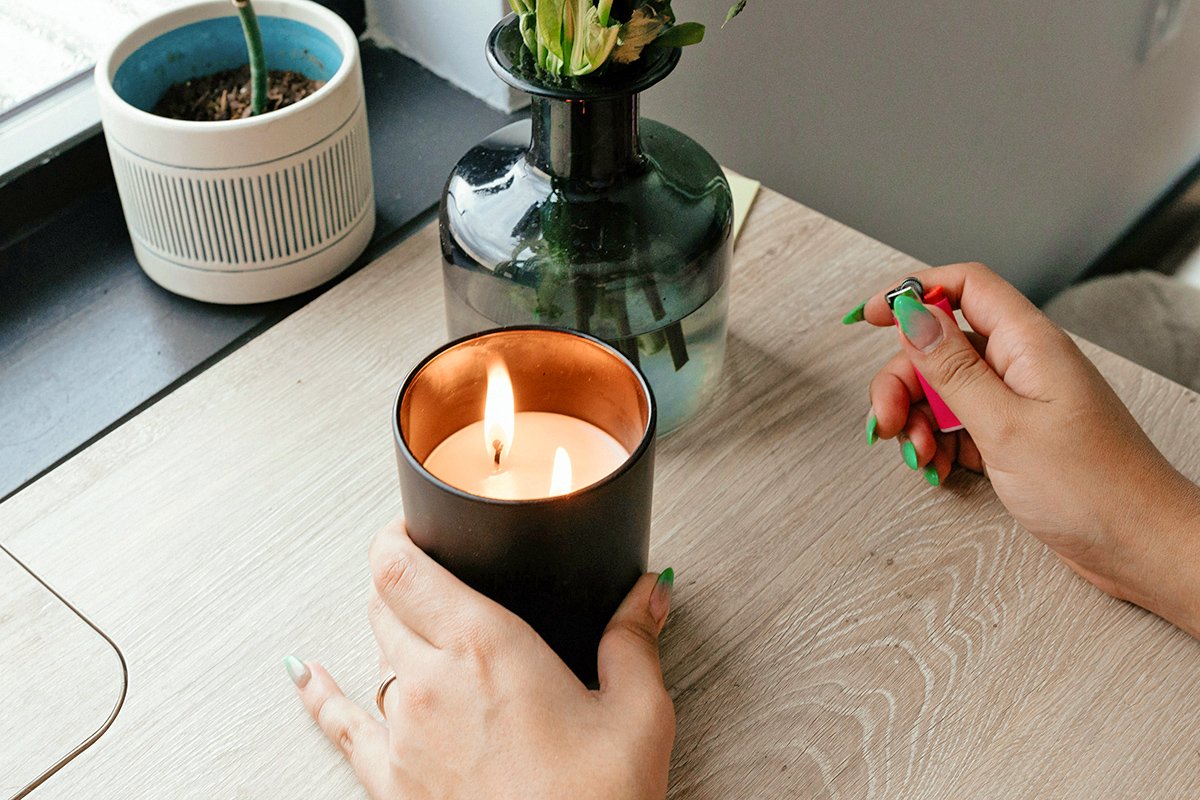
A candle needs at least 12 inches of clearance from anything that can catch — curtains, bedding, books, that stack of napkins on the dining table. It sounds obvious until you notice how often a lit candle ends up tucked next to something flammable. Burning several candles at once? Allow about 3 inches of space between them. If grouped too tightly, the candles can generate enough heat to cause them all to flare up. 

Advertisement
Advertisement
Candle flame
Credit: © bsone—iStock/Getty Images

Keep Candles Away From Drafts

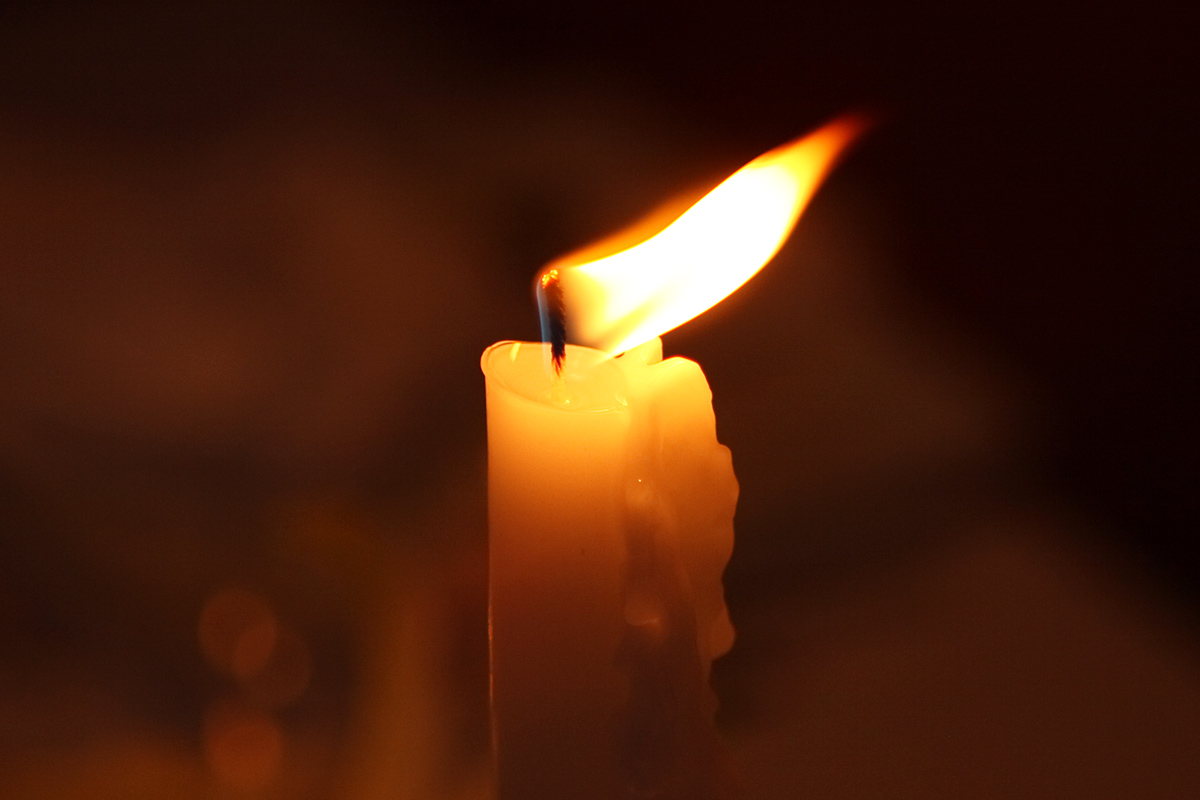
The goal with candles is a calm, steady flame, so avoid putting yours in spots near open windows, ceiling fans, or air vents. Drafts will push the flame around and disturb its teardrop shape, which can mean more soot. A draft can also send a flame leaning toward whatever’s nearby (another reason for at least 12 inches of clearance!).

Advertisement
Advertisement
Putting out candle
Credit: © Ron Lach/Pexels.com

Never Put Out a Candle With Water

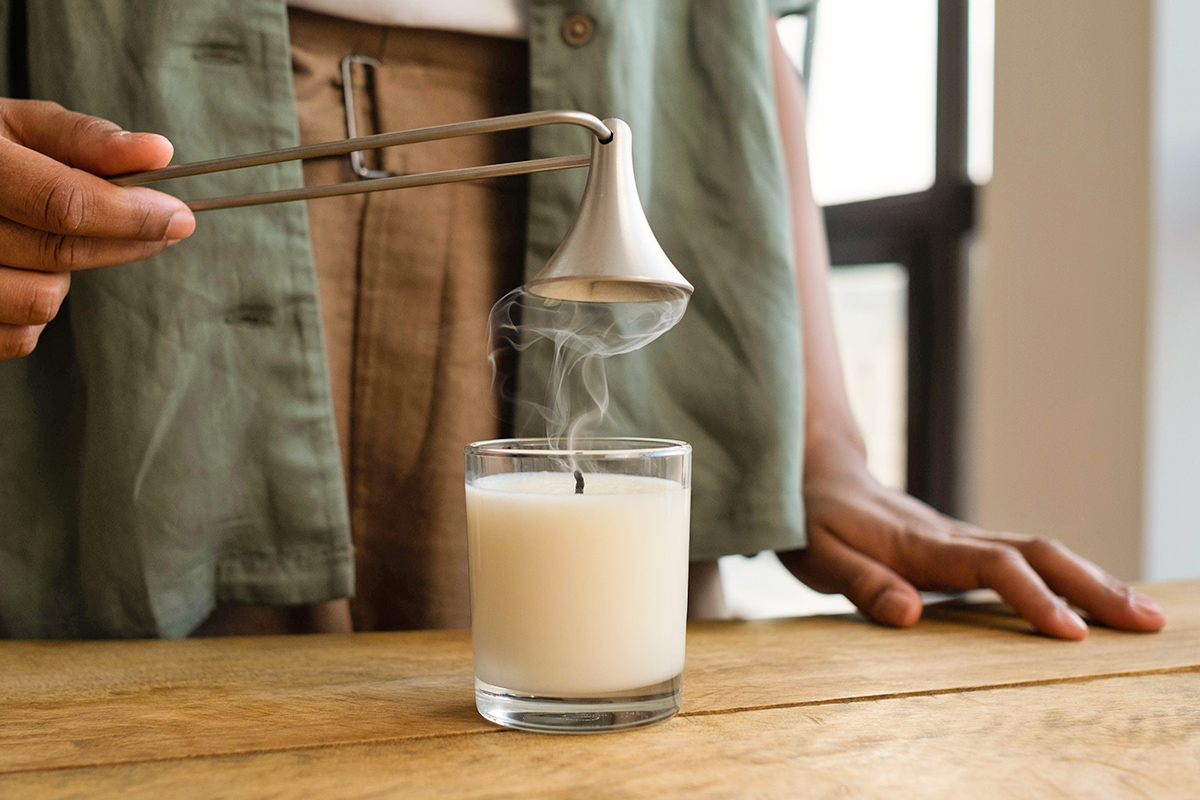
It’s tempting to splash a little water on a flame that won’t go out, but doing so can make hot wax splatter or even crack the glass. (It’s also why the rim of the tub or a spot right beside the sink isn’t a great home for a lit candle — a few stray drops are all it takes to create a wax fire, which a writer for The Kitchn called “an instantly huge fireball.”) Use a snuffer instead, or set the lid on top to starve the flame of oxygen. 

Advertisement
Advertisement
Blown out candle
Credit: © Curated Lifestyle/Unsplash.com

Don’t Walk Away — or Fall Asleep

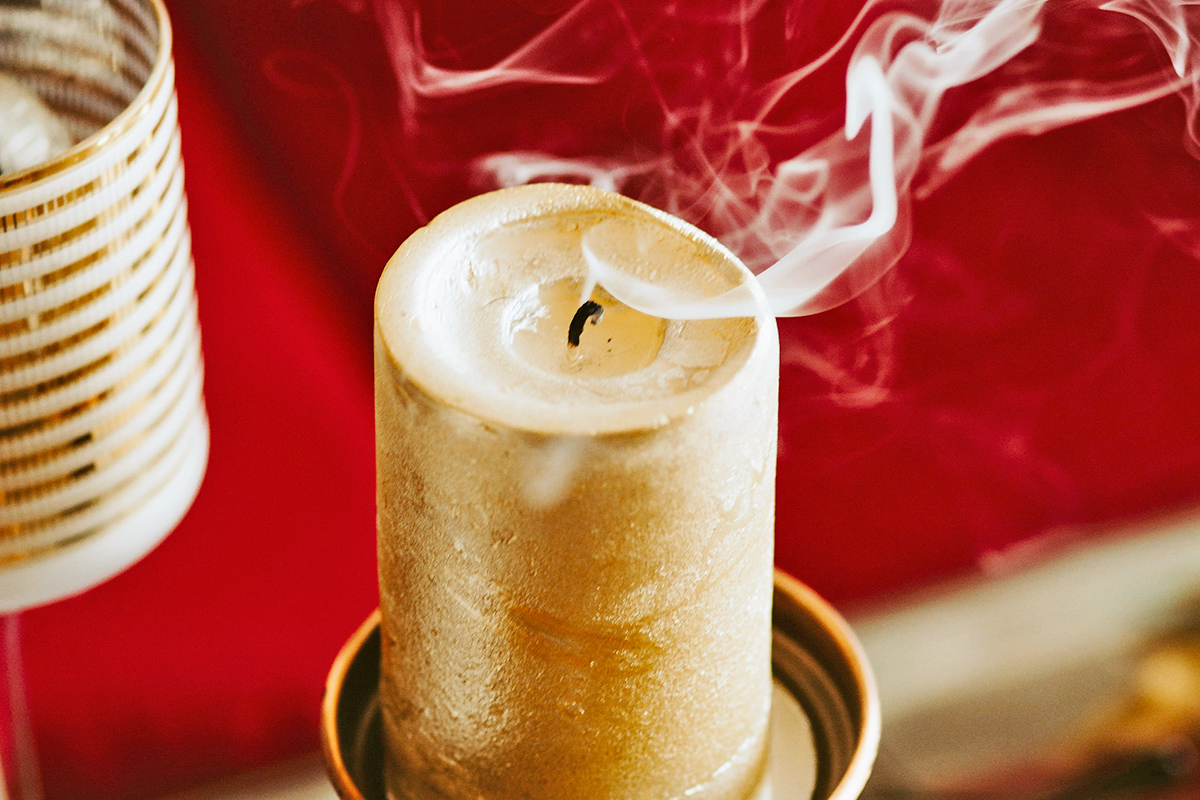
The oldest rule still gets broken constantly. Blow out every candle before you leave the room, and keep them out of bedrooms or places where you may nod off. 

Advertisement

The bottom line? Read the label on the candle — that fine print is there for a reason. And if you’d rather skip the flame altogether, you can use a candle warmer or pick up some battery-powered flameless candles that look (and smell!) like the real thing. 

Featured Image Credit: © Vlada Karpovich/Pexels.com

Advertisement
Advertisement

More From Our Network

Better Report is part of Inbox Studio, an email-first media company. *Indicates a third-party property.

Go Retro With This 1960s Fashion Quiz

Quiz Daily

Go Retro With This 1960s Fashion Quiz

True or False: Are You a Master of U.S. Geography?

Travel Quiz

True or False: Are You a Master of U.S. Geography?

5 Reasons You Can Be Denied Boarding an Airplane

Daily Passport

5 Reasons You Can Be Denied Boarding an Airplane

What Did People Do Before Eyeglasses?

History Facts

What Did People Do Before Eyeglasses?

How To Use a Balloon To Clean Up Dust

House Outlook

How To Use a Balloon To Clean Up Dust

11 Shopping Hacks Costco Members Should Know

FinanceBuzz*

11 Shopping Hacks Costco Members Should Know

Share this article

  • Share to Facebook
  • Share to Twitter
  • Copy Url
  • Share to Email
Erin Scottberg
Writer

Erin Scottberg is a Brooklyn-based writer, garden designer, and houseplant expert — and the founder of Full Sun Studio (fullsun.studio), a garden design and plant consulting studio in New York City. She holds an Urban Horticulture Certificate from Brooklyn Botanic Garden, an NYC Street Tree Pruner License, and an NYC Master Composter Certification, and spent three years as Head of Content and Education at The Sill. When she's not working, you can find her creating in her textile studio, running craft nights in her neighborhood, or hanging with her rescue pup, Sunny. She's an ambitious DIYer, avid composter, and has never been able to walk by a thirft store without taking a look.

This article is for general informational purposes only.
Affiliate Disclaimer Medical Disclaimer Financial Disclaimer

Updated: May 27, 2026
Posted In: Home
Hero Image Credit: Featured Image Credit: © Vlada Karpovich/Pexels.com
Advertisement

Related Articles

The Most Dangerous Things You Do With Your Christmas Tree

4 min read

12 Foods You Shouldn’t Store Together

6 min read

17 Home Safety Gifts Your Family Actually Needs

10 min read

Should You Refrigerate Peanut Butter?

6 min read

The Most Popular Car Colors in the U.S.

4 min read
Advertisement

5 Things Your Car Needs This Winter

Sponsored Content
Wealth | Updated: November 23, 2026
Car in the snow
Featured Image Credit: © Ryan/Unsplash.com

All featured products and deals are selected independently and objectively by the author. Better Report may receive a share of sales via affiliate links in content.

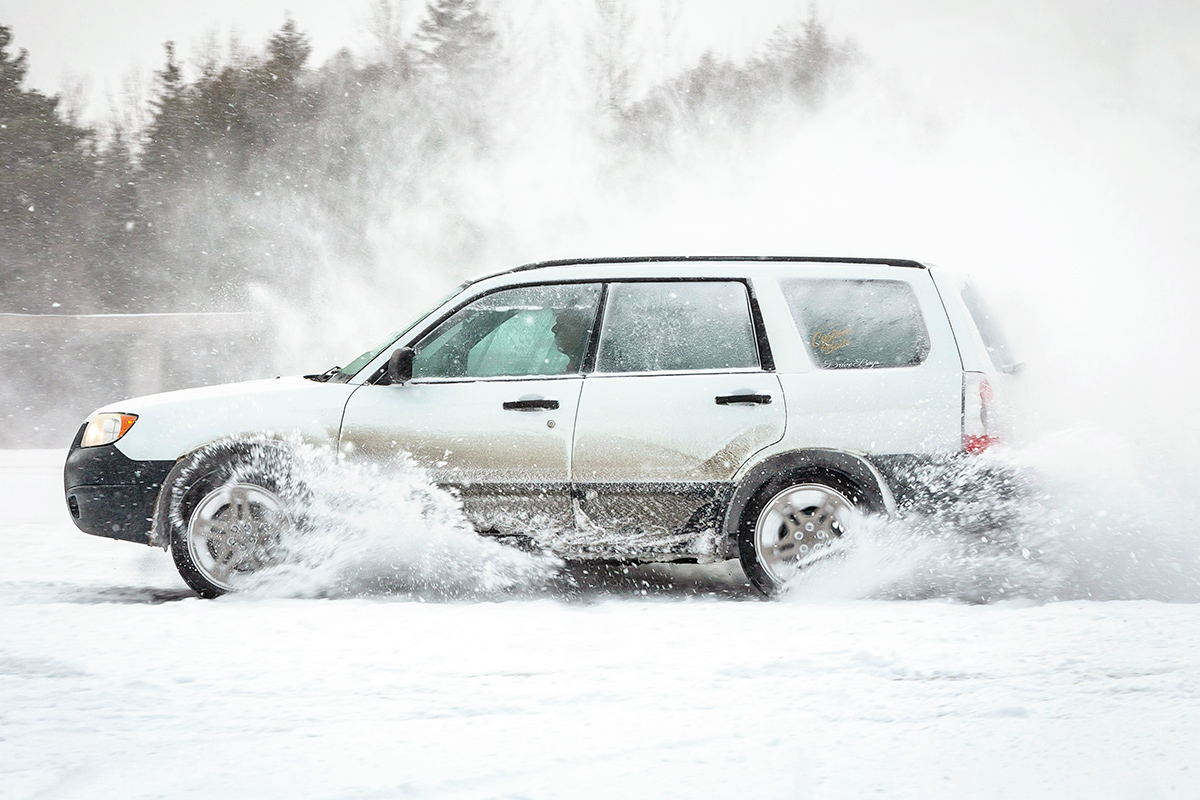
Winter weather is creeping in — and it’s important for car owners to be prepared so they’re not caught flat-footed when temperatures plummet, roads get icy, and the snow starts to build up. Here are the important supplies you need to ensure your vehicle is ready for potentially perilous wintertime driving conditions.

Stacks of tires
Credit: © Zigmunds Dizgalvis—iStock/Getty Images

Winter Tires

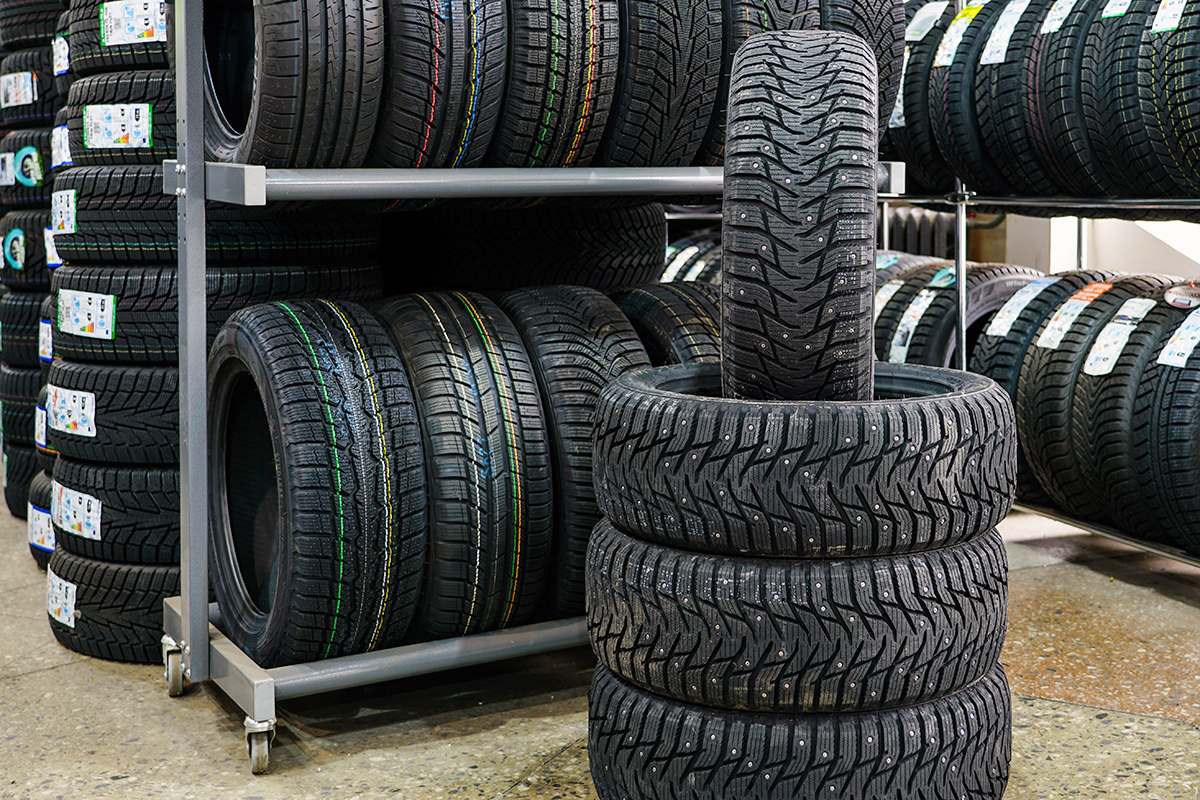
Switching to winter tires isn’t cheap — the cost can be $400 to $1,200 or even more, according to AAA — but it may be the most important factor for safe winter driving. Research has shown that swapping your regular tires for winter ones reduces braking distances by as much as 30%. (Thankfully, you don’t need to get rid of your all-season tires; simply keep them off to the side until winter passes.).

According to Kelley Blue Book, you should switch your tires when temperatures are set to drop below 45 degrees Fahrenheit for at least a week. When temperatures dip to 44 or lower, the material that comprises all-season tires hardens, inhibiting traction. This happens whether it’s snowy, icy, or dry, because cold affects traction regardless of precipitation.

Advertisement
Advertisement
Jumper Cables
Credit: © Daniel/Unsplash.com

Emergency Kit

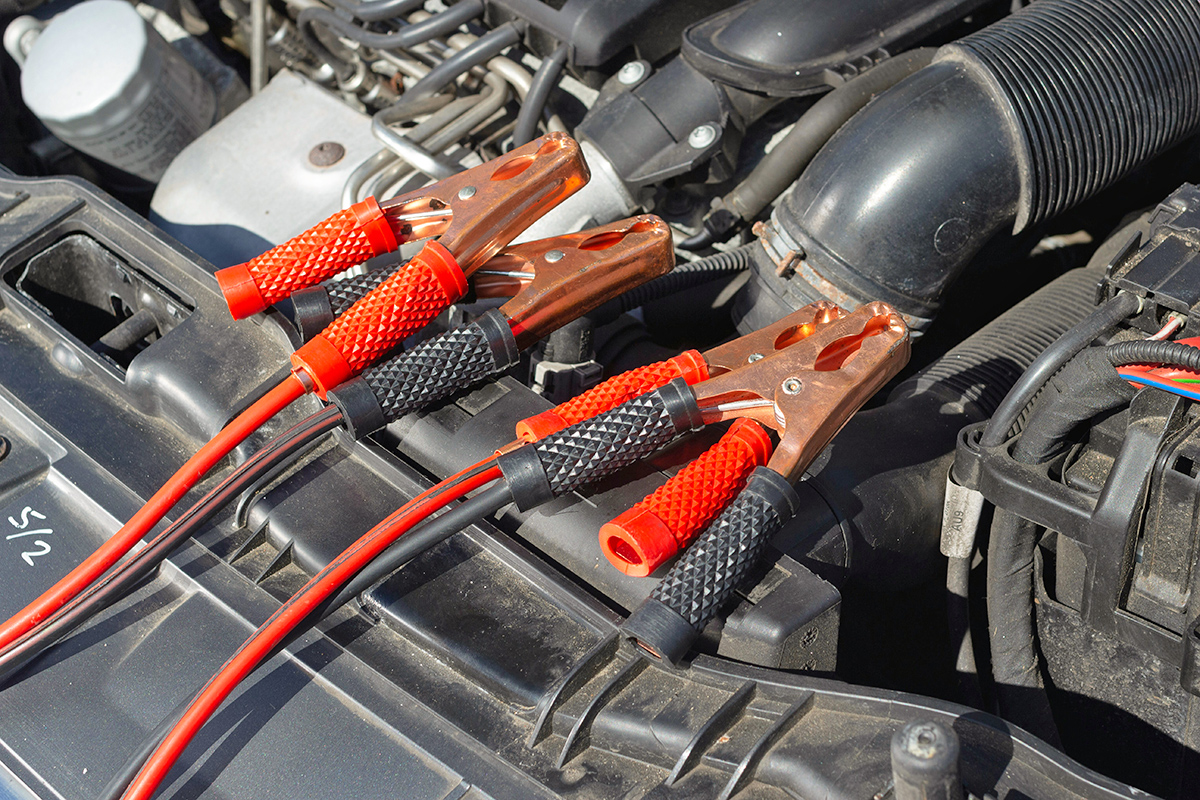
It’s a good idea to have an emergency kit in your car in the event of an unexpected  situation. There’s no exact list for what the kit should include, though it should certainly have items that can help you stay warm if your car’s battery dies. That could include gloves, blankets, and an emergency thermal sleeping bag for the rare worst-case scenarios where you may end up stranded overnight. 

You should also travel with things that keep the car in working shape, such as an ice scraper to clear the windows, duct tape for temporary repairs, and a tire pressure gauge to ensure the tires are adequately inflated. Lastly, make sure you have a first aid kit, water, a flashlight, jumper cables, and LED road flares, the latter of which helps alert other drivers of your presence in low visibility conditions.

Advertisement
Putting antifreeze fluid in car
Credit: © Artur Nyk/stock.adobe.com

Essential Fluids

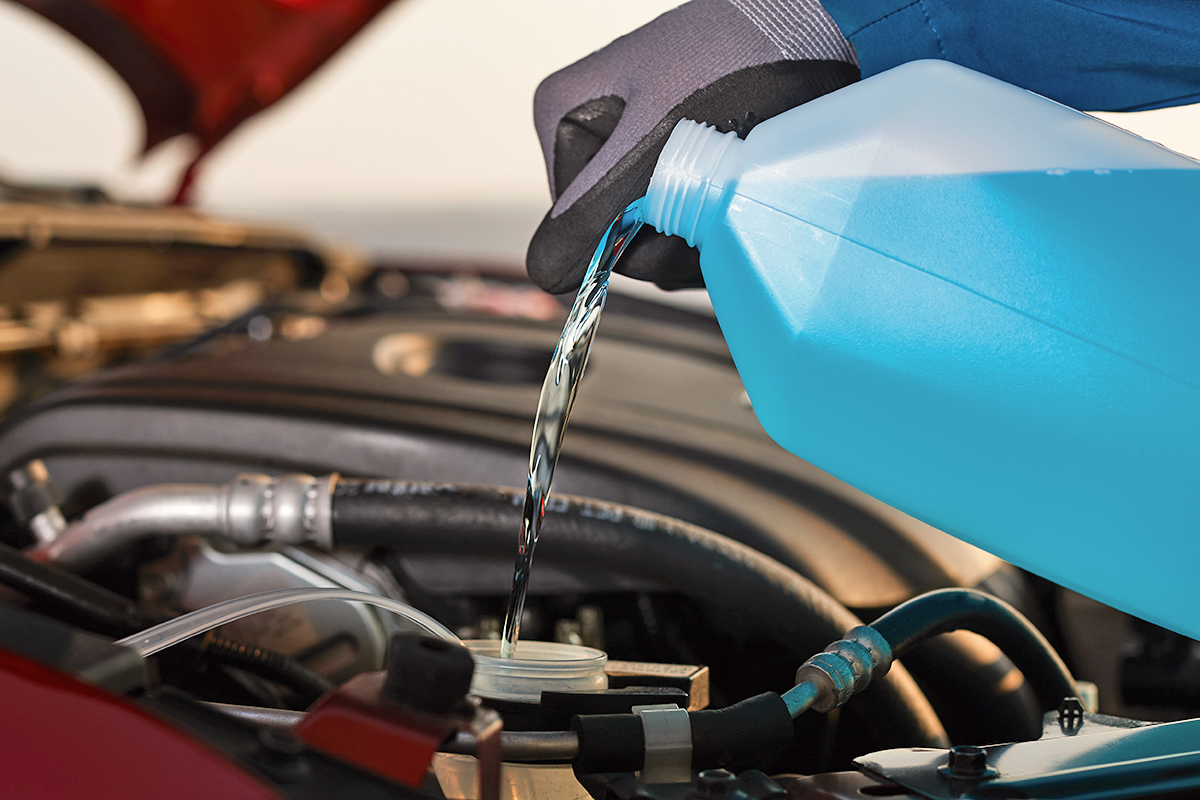
Don’t just assume your car’s fluid levels are adequate: Check them before the weather gets cold and replace or top off fluids as needed. For instance, make sure all engine fluids are at a good level — especially antifreeze, which prevents your engine from freezing over in frigid conditions. Top off the brake fluid and transmission fluid, too, and get an oil change to ensure your car functions as well as possible.

Finally, don’t forget to fill up your windshield washer fluid, preferably using one that’s designed to withstand freezing temperatures. And while you’re at it, replace any frayed windshield wipers with new ones. Low fluid levels and ragged wipers can result in cloudy and streaky windshields, making it difficult to see. This can pose problems when it’s snowing or hailing and you need to keep the windshields clear, so don’t risk it.

Recommended Articles

  • A Warning Sign for Heart Attack and Stroke Could Show Up on Your Face

  • 6 Holiday Scams To Watch Out For

  • Why Gift Cards Are Actually Terrible Gifts

  • The Strange Reason Why Time Feels Like It’s Moving Faster

Advertisement
Advertisement

Reader Favorites

  • Person washing part of a coffee machine

    18 Surprising Things You Should Never Put Down Your Drain

  • Woman brushing hair

    9 Surprising Signs You’re Aging

  • White car on the road

    The Best Cars for Resale Value, According to Auto Experts

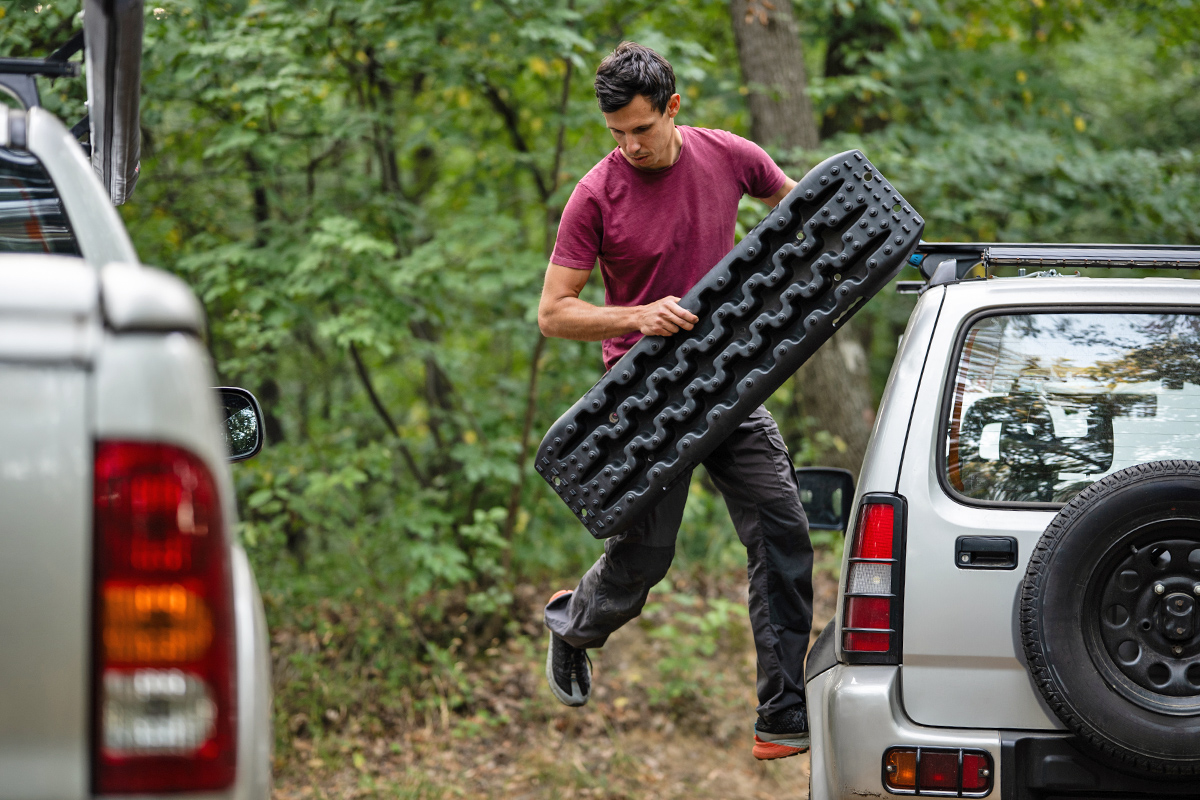
Man with traction mat
Credit: © Zoran Jesic/stock.adobe.com

Traction Aids

When the road is snowy or icy, your vehicle may struggle to get enough traction. Let’s say your driveway is angled slightly uphill, for example, and you keep pressing on the gas pedal, only to go nowhere. Or perhaps you had to pull off to the side of the road due to an emergency, and now your tires are spinning in the snow.

In these cases, traction mats can be a huge help. Clear out some space around your tires, place the mats underneath them in the direction you want to go, and press the gas. These durable and slip-resistant mats give your tire tread something to grip so that your car can move. Once you’re unstuck, roll up the mats, put them back into your car, and proceed on your way.

Advertisement
Advertisement
Heavy duty rubber mats in car
Credit: © Kenneth Cheung—iStock via Getty Images

Winter Car Mats

You may already have rubber mats on the floor of your car, but if you don’t, you may want to consider swapping out your regular mats for ones that are better suited to handle winter weather. Winter car mats are typically made of rubber (or a similarly durable material) and a bit wider than flimsier felt mats. They provide protection against moisture, an essential task considering how much snow you’ll likely track in on the bottom of your boots. They also protect the floor against salt, which can otherwise lead to corrosion. And once they’re installed, you can leave them in year-round — they’ll come in handy for capturing sand on your next beach day.

Featured Image Credit: © Ryan/Unsplash.com

Advertisement
Advertisement

More From Our Network

Better Report is part of Inbox Studio, an email-first media company. *Indicates a third-party property.

Go Retro With This 1960s Fashion Quiz

Quiz Daily

Go Retro With This 1960s Fashion Quiz

True or False: Are You a Master of U.S. Geography?

Travel Quiz

True or False: Are You a Master of U.S. Geography?

5 Reasons You Can Be Denied Boarding an Airplane

Daily Passport

5 Reasons You Can Be Denied Boarding an Airplane

What Did People Do Before Eyeglasses?

History Facts

What Did People Do Before Eyeglasses?

How To Use a Balloon To Clean Up Dust

House Outlook

How To Use a Balloon To Clean Up Dust

11 Shopping Hacks Costco Members Should Know

FinanceBuzz*

11 Shopping Hacks Costco Members Should Know

Share this article

  • Share to Facebook
  • Share to Twitter
  • Copy Url
  • Share to Email
Sponsored Content

This article is for general informational purposes only.
Affiliate Disclaimer Medical Disclaimer Financial Disclaimer

Updated:
Posted In: Wealth
Hero Image Credit: Featured Image Credit: © Ryan/Unsplash.com
Advertisement

Related Articles

6 Holiday Scams To Watch Out For

7 min read

Why Gift Cards Are Actually Terrible Gifts

6 min read

How To Spot a Fake Amazon Review

7 min read

7 Things You Can Stop Buying To Save Money

6 min read

13 Stocking Stuffers That Are Actually Useful

8 min read
Advertisement

9 Items in Your Basement You Should Toss Right Now

Home | Updated: September 11, 2026
Lauren Dana Ellman
Author
Lauren Dana Ellman is a New York–based writer and editor specializing in lifestyle, travel, food, and shopping. A graduate of Syracuse University’s SI Newhouse School of Public Communications, she covers everything from destinations and hotels to fun product finds and personal essays. Her work has been featured in Condé Nast Traveler, AARP, Travel + Leisure, Time Out, The Knot, and more lifestyle-oriented publications.
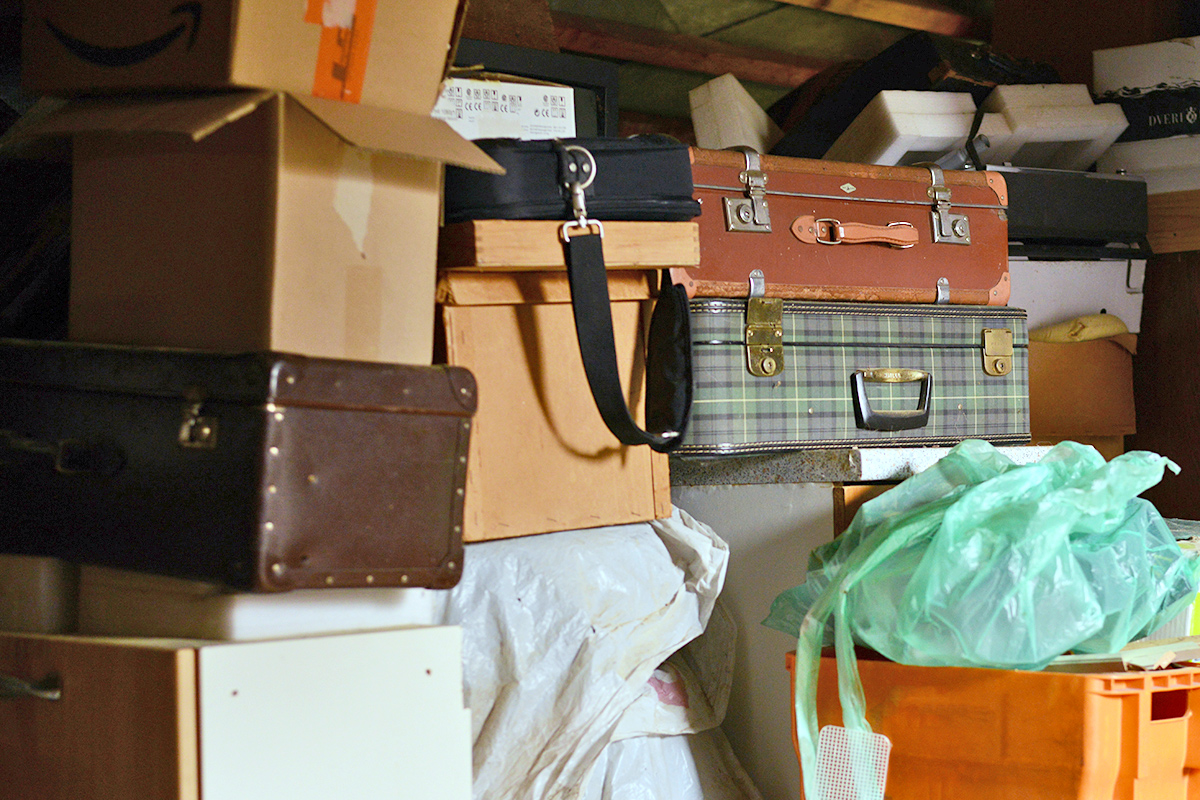
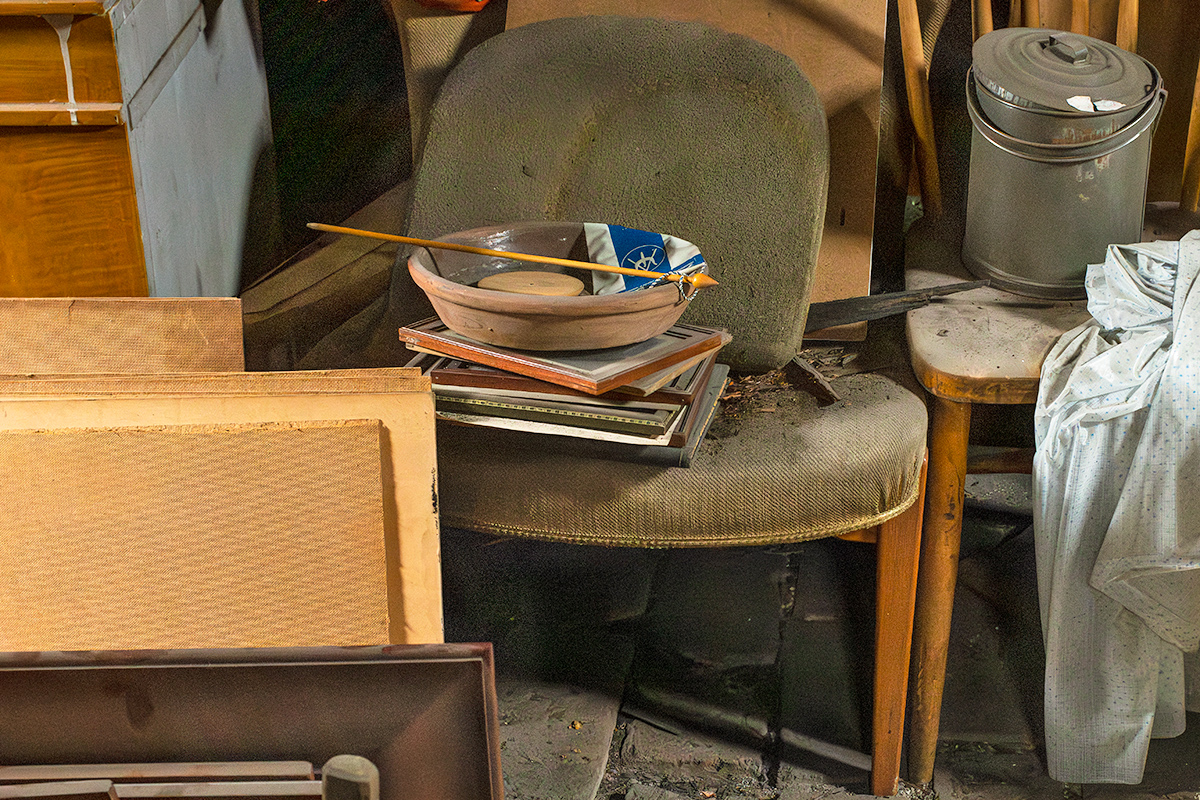
Stacks of luggage, boxes, and bags in a basement
Featured Image Credit: © LitterART/stock.adobe.com

While it’s nice to have the extra space, basements can quickly become so cluttered that you barely get to use them, defeating the purpose altogether. If yours is getting harder to navigate — or you simply want to reclaim some of that square footage — there are plenty of things you can probably part with right now (and never miss!).

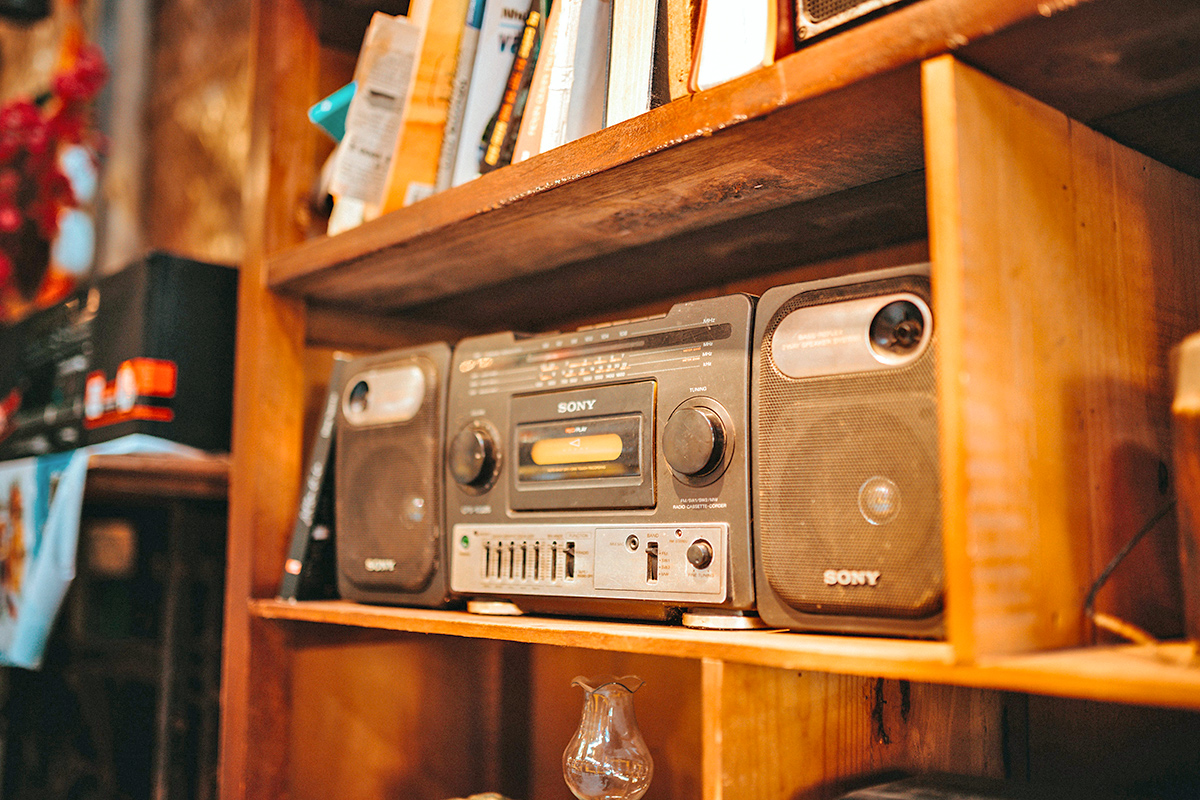
Old stereo
Credit: © Thái Trường Giang/Pexels.com

Broken or Outdated Electronics

Basements tend to end up as the final destination for old laptops, DVD players, gaming consoles, and mystery chargers and cables after you stop using them. Keep what still serves a purpose (move it elsewhere for storage, though; basements can be both humid and damp, which spells disaster for electronics) and get rid of the rest — but don’t just toss electronics in the trash. Check your local recycling requirements to find out how to best dispose of them, and make sure to wipe personal data from computers, phones, and other devices first.

Advertisement
Advertisement
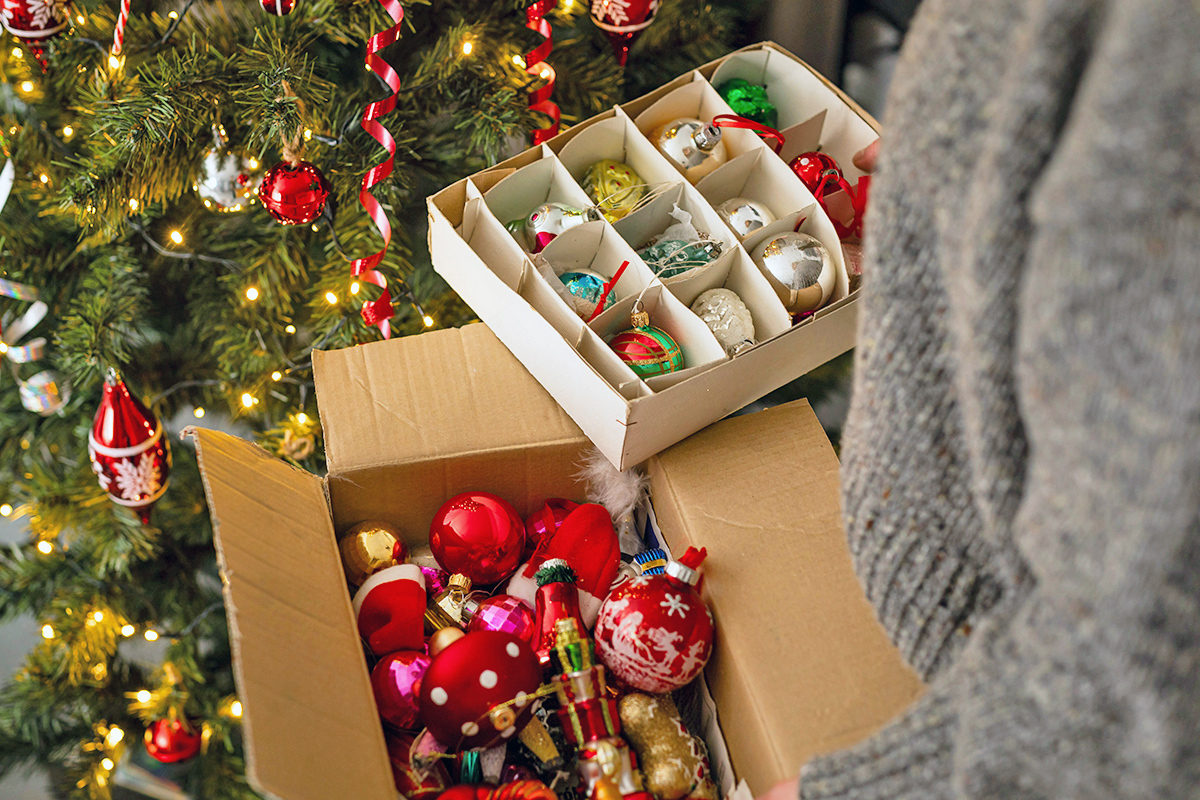
Holiday decorations in a box
Credit: © Karolina Grabowska/Unsplash.com

Holiday Decorations You Never Use

When was the last time you actually used everything in your holiday bins? As you unpack them this year, weed out broken ornaments, damaged garlands, dead strands of lights, and decorations that haven’t made it upstairs in years. And rather than haul everything back downstairs at the end of the season, keep only the pieces you still reach for and donate anything in good condition that you’ve outgrown.

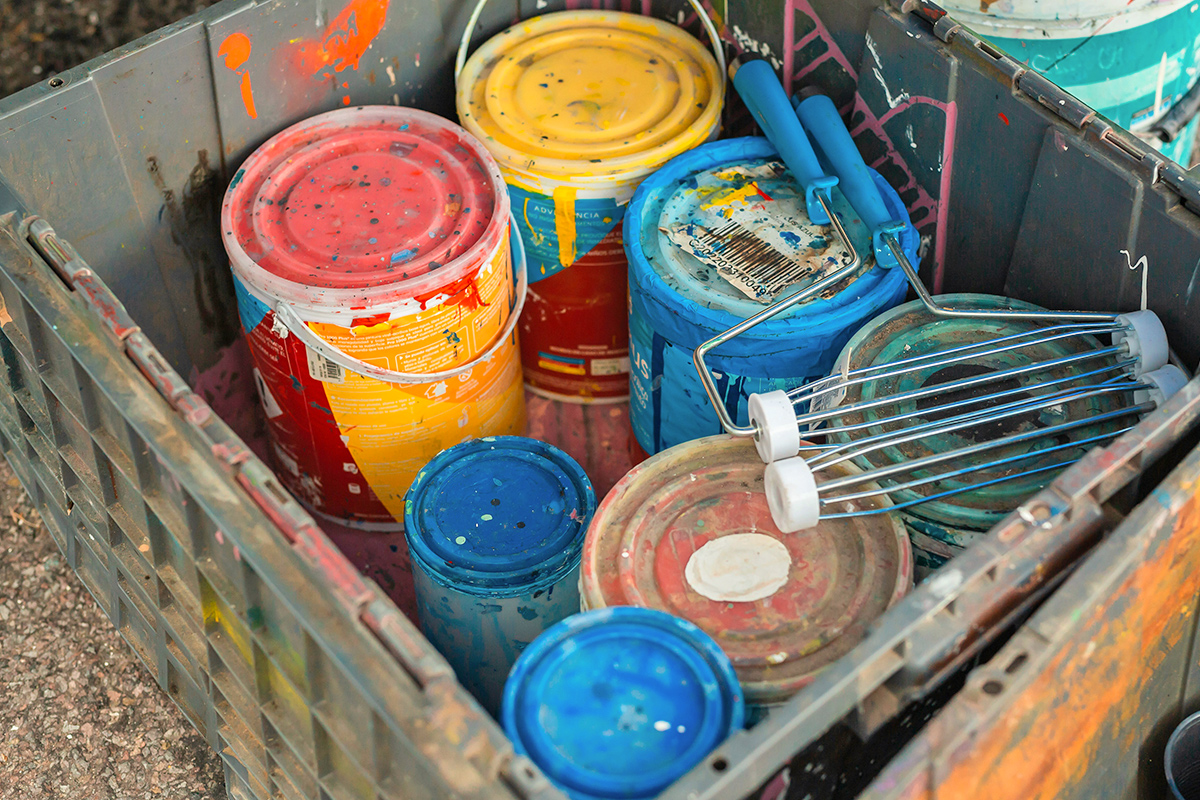
Old cans of paint
Credit: © Jordan González/Unsplash.com

Old Paint and Construction Materials

A little leftover paint can be useful for touch-ups, but there’s no need to keep open cans around — not only does paint have a shelf life (how long depends on factors such as the brand and how much air is in the can), but it’s also hazardous waste. Spare tile, lumber, and other remnants from projects you finished years ago also don’t belong in your basement. 

Take stock of what could realistically come in handy for future repairs and toss the rest, following local disposal guidelines for paint and other materials that shouldn’t go in household trash. Usable building materials may also find a second home through a local donation or reuse organization.

Recommended Articles

  • A Warning Sign for Heart Attack and Stroke Could Show Up on Your Face

  • 6 Holiday Scams To Watch Out For

  • Why Gift Cards Are Actually Terrible Gifts

  • The Strange Reason Why Time Feels Like It’s Moving Faster

Advertisement
Advertisement

Reader Favorites

  • Person washing part of a coffee machine

    18 Surprising Things You Should Never Put Down Your Drain

  • Woman brushing hair

    9 Surprising Signs You’re Aging

  • White car on the road

    The Best Cars for Resale Value, According to Auto Experts

Cardboard boxes
Credit: © kaboompics/Pexels.com

Cardboard Boxes

If your basement is full of cardboard boxes from old moves or deliveries, it’s probably time to clear some out. Not only do they take up space, but in a damp basement, the cardboard can absorb moisture, making it more prone to mold and pests. Recycle the boxes and use sturdy bins with lids for anything you’re keeping downstairs long-term.

Advertisement
Advertisement
Furniture in a basement
Credit: © Jonas Adner—Moment/Getty Images

Furniture and Dishware

Furniture and dishware you no longer want upstairs but aren’t quite ready to part with often find their way to the basement. Consider this your sign to be realistic about whether that extra chair, old set of dishes, or stack of mismatched mugs will ever make its way back into regular use. If the answer is no, donate or sell pieces that are still in good condition and toss anything broken, chipped, or beyond repair.

Advertisement
Advertisement
Yarn and crochet hooks
Credit: © Kos6ka/sotck.adobe.com

Abandoned Projects and Hobby Supplies

That half-finished chair or abandoned craft project isn’t doing you much good gathering dust in the basement. If you’ve been meaning to get back to it for years, consider whether you’re still genuinely interested in finishing it — or simply reluctant to let it go.

Advertisement
Advertisement
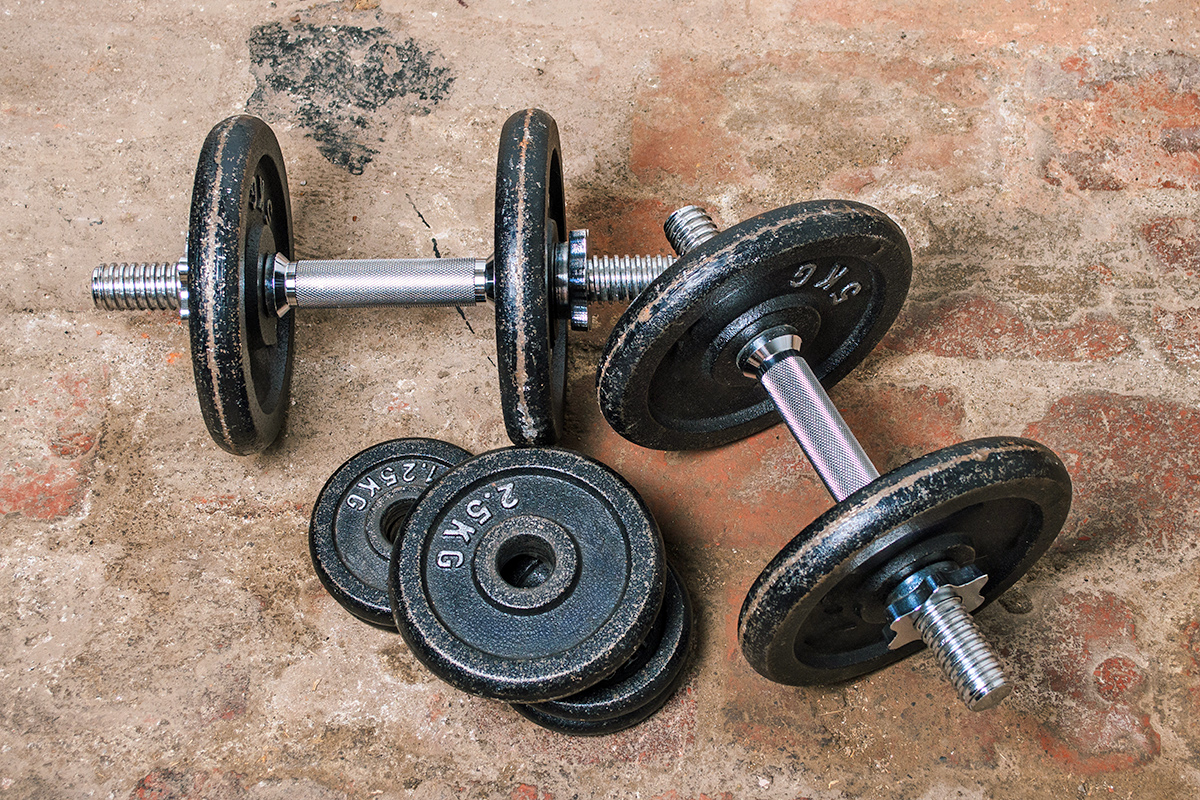
Old weights
Credit: © dimas830/stock.adobe.com

Unused Exercise Equipment

Few things eat up basement square footage faster than exercise equipment you don’t actually use. The truth is, the treadmill doubling as a clothes rack or the stationary bike gathering dust can be more useful to someone else than it is sitting downstairs. If it’s still in working condition, consider selling or donating it. You’ll clear a sizable amount of floor space in one shot — and won’t have to awkwardly maneuver around it every time you head downstairs​​.

Advertisement
Advertisement
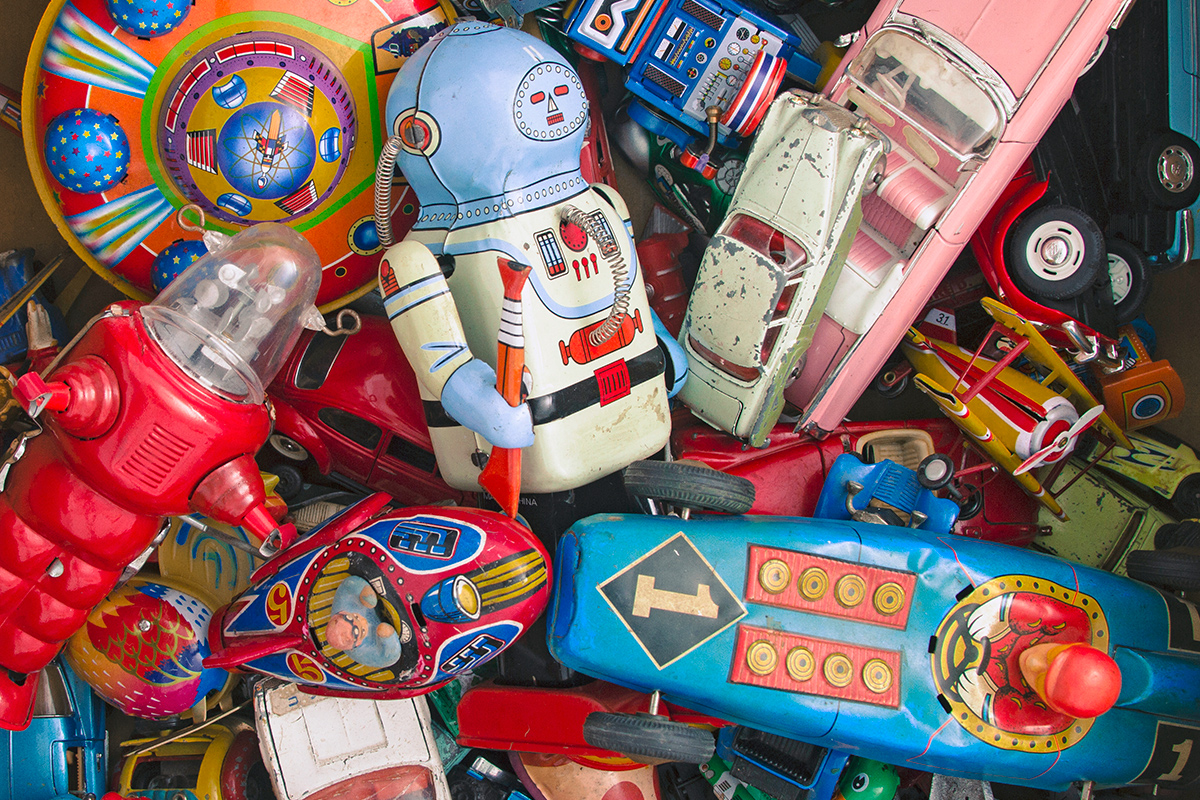
Old toys
Credit: © charles taylor—iStock/Getty Images

Outgrown Kids’ Stuff

As any parent or grandparent will tell you, baby gear, toys, clothes, school projects, and artwork can pile up fast. And while you should absolutely keep the things that matter, don’t feel guilty about letting go of the rest. Photograph or digitize favorite pieces of artwork, then donate clothes, toys, and gear that your family has outgrown.

Advertisement
Advertisement
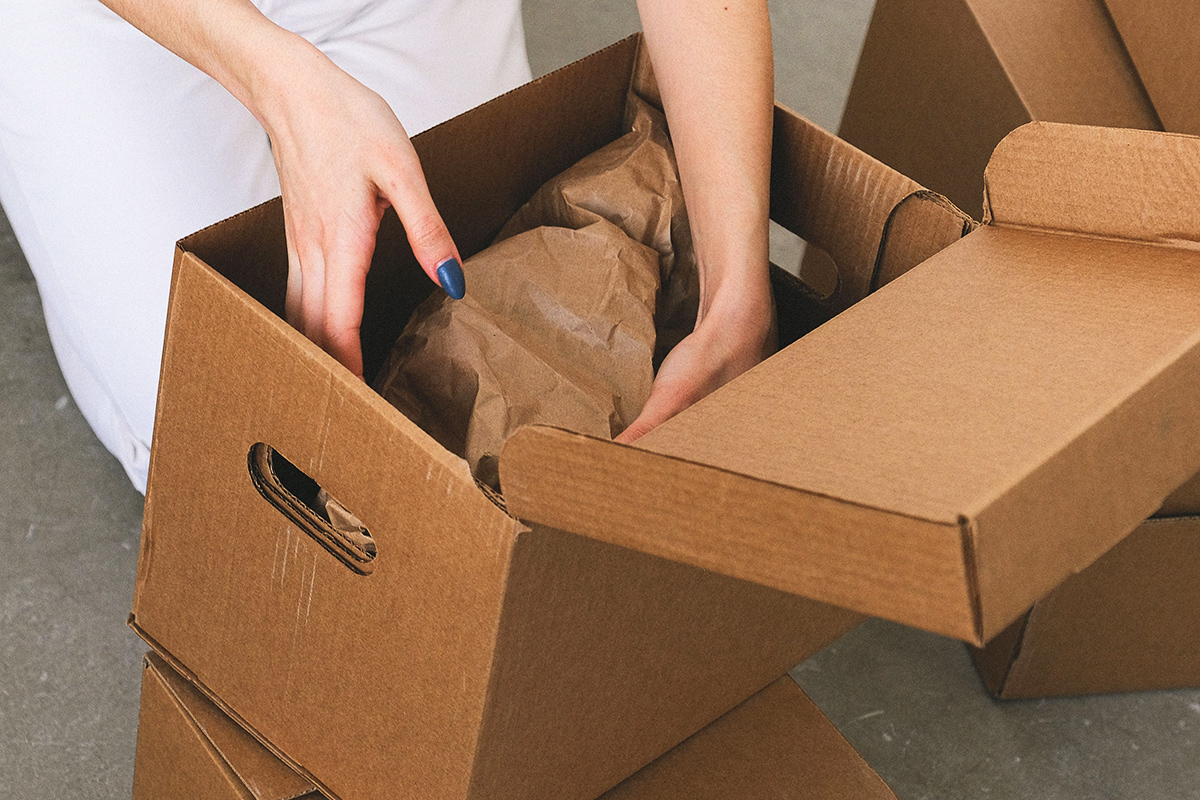
Opening a box
Credit: © SHVETS production/pdxelx.com

Boxes You Haven’t Opened in Years

You know exactly what we’re referring to — those boxes that have followed you through move after move without ever being opened. Instead of continuing to shuffle them around, take the time to open those mystery boxes to see what’s actually inside. Pull out anything useful, sentimental, or irreplaceable, then tackle the rest. If you haven’t used — or even remembered — something for years, you may be ready to finally let it go.

Advertisement
Advertisement

Featured Image Credit: © LitterART/stock.adobe.com

More From Our Network

Better Report is part of Inbox Studio, an email-first media company. *Indicates a third-party property.

Go Retro With This 1960s Fashion Quiz

Quiz Daily

Go Retro With This 1960s Fashion Quiz

True or False: Are You a Master of U.S. Geography?

Travel Quiz

True or False: Are You a Master of U.S. Geography?

5 Reasons You Can Be Denied Boarding an Airplane

Daily Passport

5 Reasons You Can Be Denied Boarding an Airplane

What Did People Do Before Eyeglasses?

History Facts

What Did People Do Before Eyeglasses?

How To Use a Balloon To Clean Up Dust

House Outlook

How To Use a Balloon To Clean Up Dust

11 Shopping Hacks Costco Members Should Know

FinanceBuzz*

11 Shopping Hacks Costco Members Should Know

Share this article

  • Share to Facebook
  • Share to Twitter
  • Copy Url
  • Share to Email
Lauren Dana Ellman
Writer

Lauren Dana Ellman is a New York–based writer and editor specializing in lifestyle, travel, food, and shopping. A graduate of Syracuse University’s SI Newhouse School of Public Communications, she covers everything from destinations and hotels to fun product finds and personal essays. Her work has been featured in Condé Nast Traveler, AARP, Travel + Leisure, Time Out, The Knot, and more lifestyle-oriented publications.

This article is for general informational purposes only.
Affiliate Disclaimer Medical Disclaimer Financial Disclaimer

Updated: April 28, 2026
Posted In: Home
Hero Image Credit: Featured Image Credit: © LitterART/stock.adobe.com
Advertisement

Related Articles

The Most Dangerous Things You Do With Your Christmas Tree

4 min read

12 Foods You Shouldn’t Store Together

6 min read

17 Home Safety Gifts Your Family Actually Needs

10 min read

Should You Refrigerate Peanut Butter?

6 min read

The Most Popular Car Colors in the U.S.

4 min read
Advertisement

What Can You Call Firefighters for Besides Fires?

Sponsored Content
Home | Updated: June 15, 2026
Fire truck
Better Report

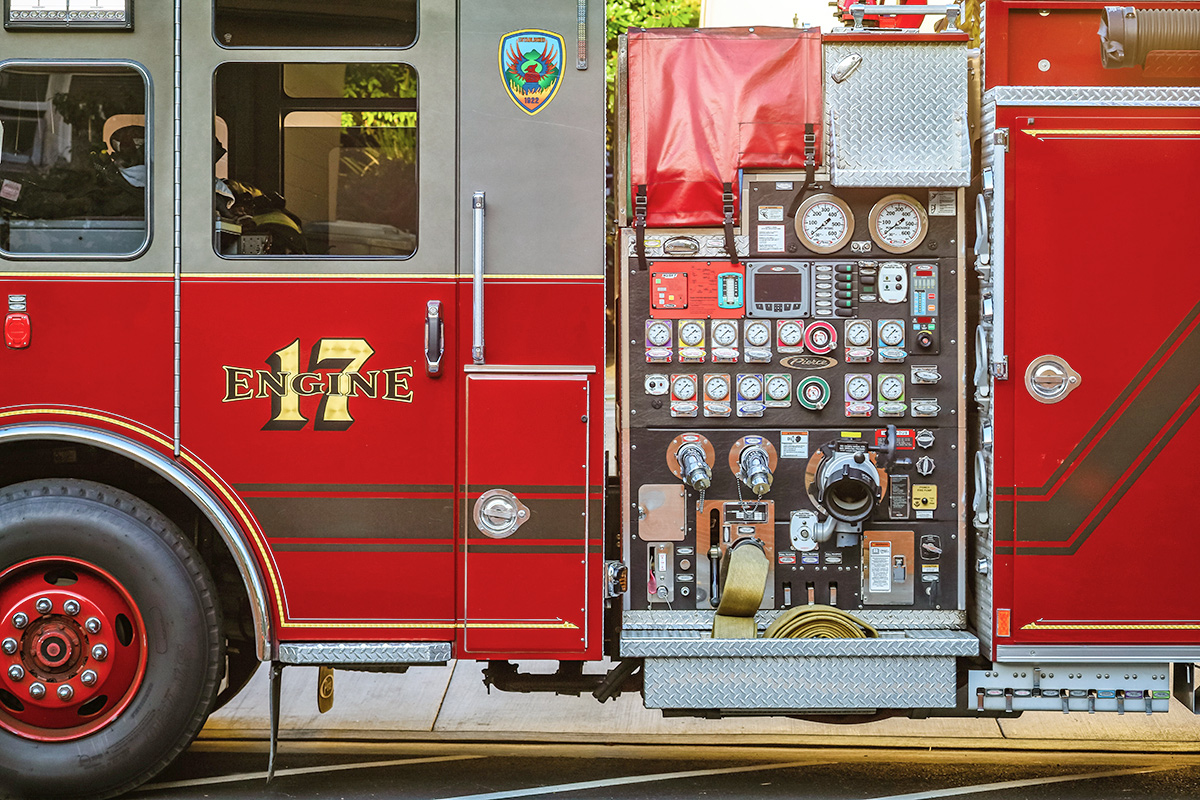
Firefighters are an essential part of any community, working tirelessly to keep blazes at bay. But don’t be misled by their name, because they do much more than just fight fires. These everyday heroes respond to all sorts of emergencies, perform urgent rescues, and do public outreach events to help educate and engage with those they serve. Let’s look at five situations that firefighters can help with beyond putting out fires.

Firefighters at car accident
Credit: © Dallas Penner/Unsplash.com

Vehicle Accidents

Road accidents are among the most common calls that firefighters receive, and they’re well equipped to help: Not only are many firefighters trained as EMTs or licensed paramedics, but they also have access to special lifesaving equipment such as the “Jaws of Life,” which are used to cut through metal and extract victims from vehicles. And fire trucks can be used to create a barrier between the accident and oncoming traffic, protecting emergency responders and allowing teams to divert other drivers in order to safely secure the scene.

Advertisement
Advertisement
Firefighter putting oxygen bag over mouth of man on the ground
Credit: © Tahir Xəlfə/Pexels.com

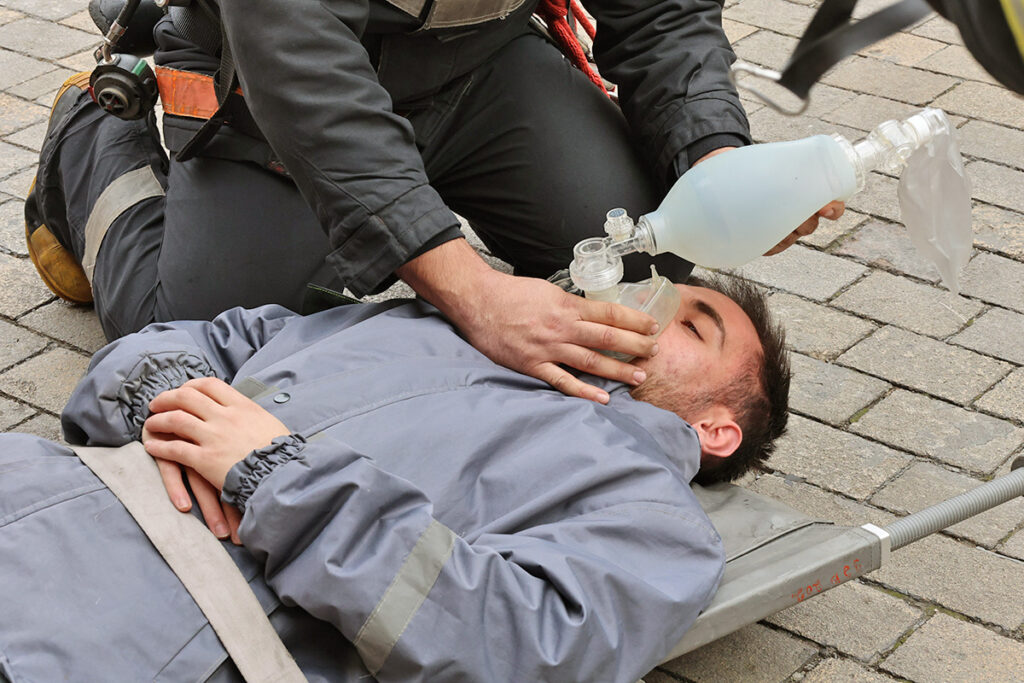
Medical Emergencies

Statistics show that medical emergencies account for the majority of the incidents that the New York City Fire Department (the largest fire department in the nation) responds to, and there’s a good reason for that.

Because many firefighters are trained as EMTs or paramedics, they can perform CPR, stop the loss of blood, or provide other care that’s medical in nature. It’s also worth noting that firefighters may arrive on scene sooner than other medical professionals because fire stations are evenly dispersed through communities to provide a rapid response to emergencies. Where an ambulance comes from depends on where you live and whether it’s publicly operated, hospital-based, or privately owned, but there are more fire stations than hospitals: According to the American Hospital Association, there are 6,100 hospitals in the United States. Compare that with more than 27,000 fire departments in the U.S., with over 52,000 stations collectively, per the National Fire Department Registry. 

Firefighter rescuing cat
Credit: © Chris Briggs/Unsplash.com

Rescue Operations

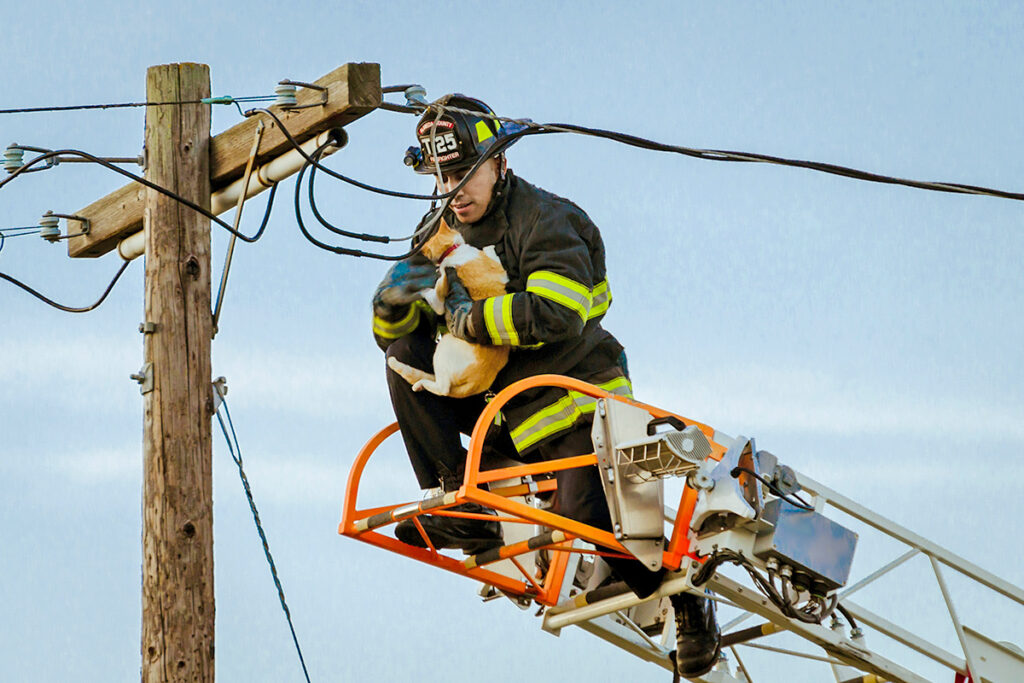
Firefighters are well equipped to handle various rescue operations, whether they involve a human or an animal. Firefighters may be called to rescue a person trapped in a car in rising floodwaters, people in a stalled elevator, or someone who’s gotten a limb stuck in a fence.

Recommended Articles

  • A Warning Sign for Heart Attack and Stroke Could Show Up on Your Face

  • 6 Holiday Scams To Watch Out For

  • Why Gift Cards Are Actually Terrible Gifts

  • The Strange Reason Why Time Feels Like It’s Moving Faster

Advertisement
Advertisement

Reader Favorites

  • Person washing part of a coffee machine

    18 Surprising Things You Should Never Put Down Your Drain

  • Woman brushing hair

    9 Surprising Signs You’re Aging

  • White car on the road

    The Best Cars for Resale Value, According to Auto Experts

Firefighters also respond to rescue situations for both pets and wildlife. For instance, if your dog crawls through a sewer grate and can’t get out, firefighters can help get your pup back. Or if you open up the toilet and find a snake in the bowl, you can call the fire department for assistance. And yes, they also rescue cats from trees.

Advertisement
Firefighter putting down something at wreck
Credit: © ftfoxfoto/stock.adobe.com

Hazardous Conditions

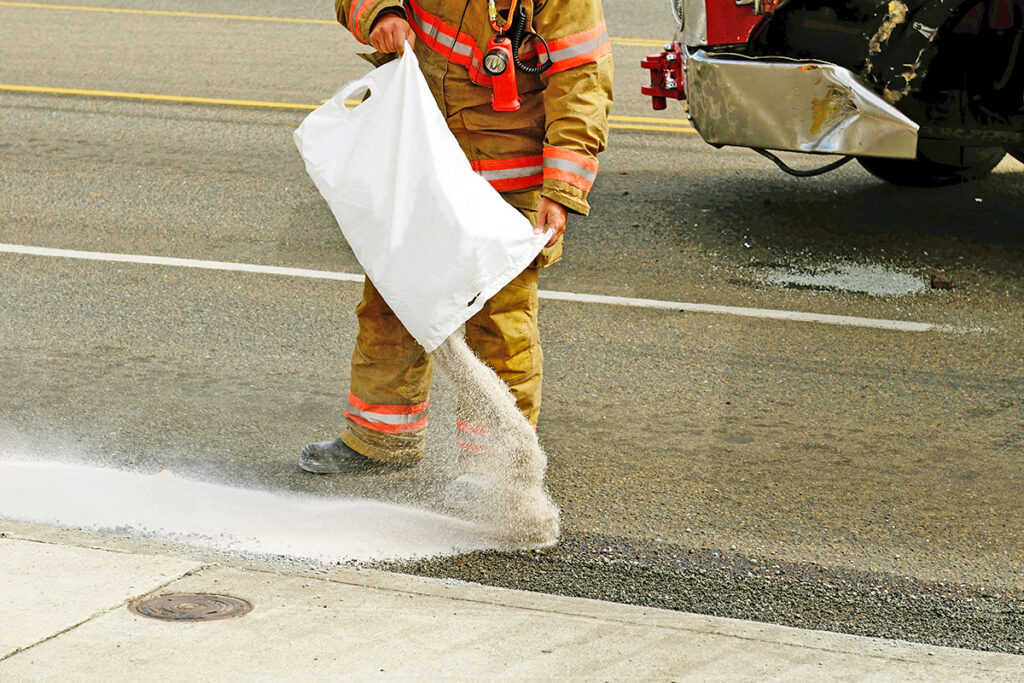
From chemical spills to gas leaks to downed power lines, firefighters are trained to handle hazardous conditions and ensure public safety. They may employ an “isolate, evacuate, and deny entry” strategy, which involves isolating the scene, evacuating anyone at risk, and keeping folks at a safe distance thereafter. 

Advertisement
Advertisement

In the case of chemical spills, firefighters not only ensure the safety of everyone around the site, but also work to stop the spill from contaminating the surrounding environment. When power lines go down, firefighters will come to the scene and communicate with local utility companies to de-energize live wires before they tackle any fires that may have arisen. Firefighters also handle 200,000 natural gas leaks annually. In those situations, they’ll locate the source of the leak using a monitor, evacuate if necessary, shut off the gas supply, and control potential sources of ignition before ventilating the area and coordinating with the gas company on next steps.  

Firefighter with student at school
Credit: © wavebreak3/stock.adobe.com

Community Service

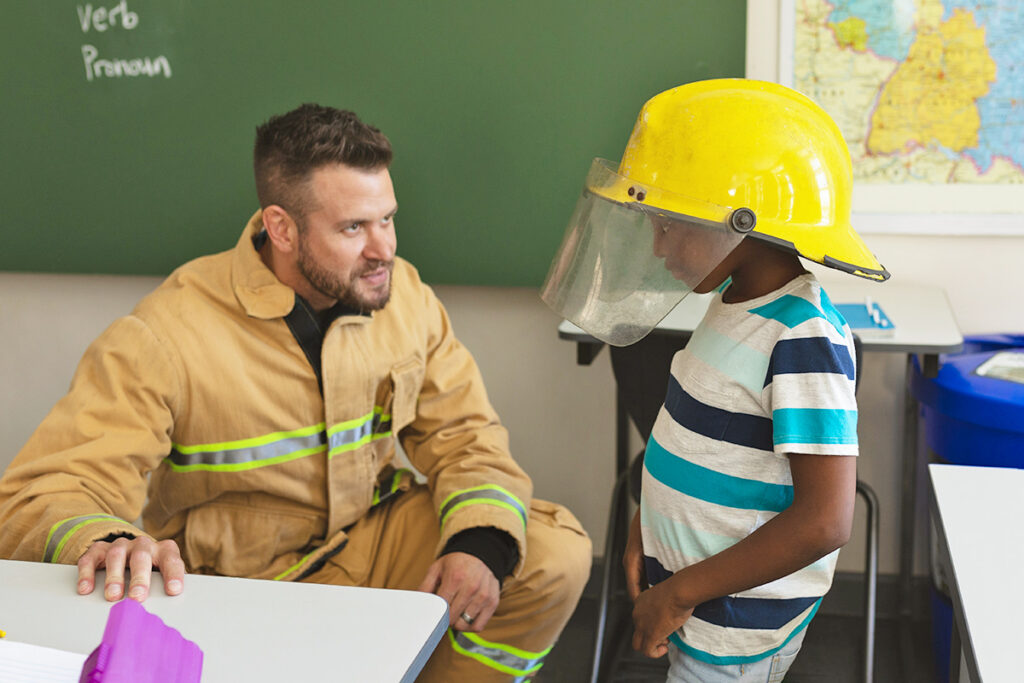
Part of a firefighter’s job is giving back to the community. For instance, workplaces and schools may contact the local fire department to deliver an educational talk to students or employees. Firefighters may also show up at community events like street fairs or markets, where they can answer questions you may have about the department or fire safety in general. Many fire stations also host open houses each year where you can speak with the people keeping you safe, experience educational demonstrations about fire safety, and learn about potential careers if you’re interested in fire service. 

Featured Image Credit: © Robert So/Pexels.com

More From Our Network

Better Report is part of Inbox Studio, an email-first media company. *Indicates a third-party property.

Go Retro With This 1960s Fashion Quiz

Quiz Daily

Go Retro With This 1960s Fashion Quiz

True or False: Are You a Master of U.S. Geography?

Travel Quiz

True or False: Are You a Master of U.S. Geography?

5 Reasons You Can Be Denied Boarding an Airplane

Daily Passport

5 Reasons You Can Be Denied Boarding an Airplane

What Did People Do Before Eyeglasses?

History Facts

What Did People Do Before Eyeglasses?

How To Use a Balloon To Clean Up Dust

House Outlook

How To Use a Balloon To Clean Up Dust

11 Shopping Hacks Costco Members Should Know

FinanceBuzz*

11 Shopping Hacks Costco Members Should Know

Share this article

  • Share to Facebook
  • Share to Twitter
  • Copy Url
  • Share to Email
Sponsored Content

This article is for general informational purposes only.
Affiliate Disclaimer Medical Disclaimer Financial Disclaimer

Updated:
Posted In: Home
Hero Image Credit: Better Report
Advertisement

Related Articles

The Most Dangerous Things You Do With Your Christmas Tree

4 min read

12 Foods You Shouldn’t Store Together

6 min read

17 Home Safety Gifts Your Family Actually Needs

10 min read

Should You Refrigerate Peanut Butter?

6 min read

The Most Popular Car Colors in the U.S.

4 min read
Advertisement

Will This Device Save You From Choking?

Health | Updated: June 4, 2026
Rachel Gresh
Author
Rachel Gresh is a Washington, D.C.-based freelance writer. When she's not writing, you can find her wandering a museum, exploring an unfamiliar city, or baking something new in the kitchen.
Woman choking
Better Report

All featured products and deals are selected independently and objectively by the author. Better Report may receive a share of sales via affiliate links in content.

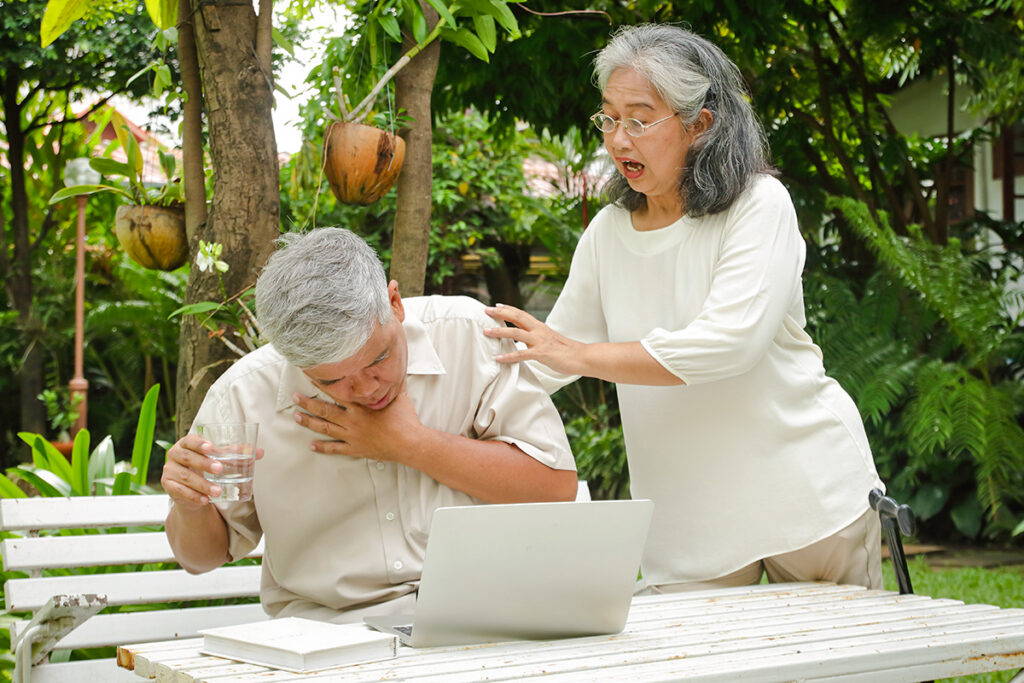
Choking emergencies can become life-threatening within minutes. In 2024, choking remained one of the leading causes of unintentional injury death in the United States, with adults over 71 facing the highest risk. As anti-choking devices like LifeVac gain popularity in online discussions of emergency preparedness, many people want to know: Do they actually work? Here’s what current research says about whether or not LifeVac belongs in your emergency response plan.

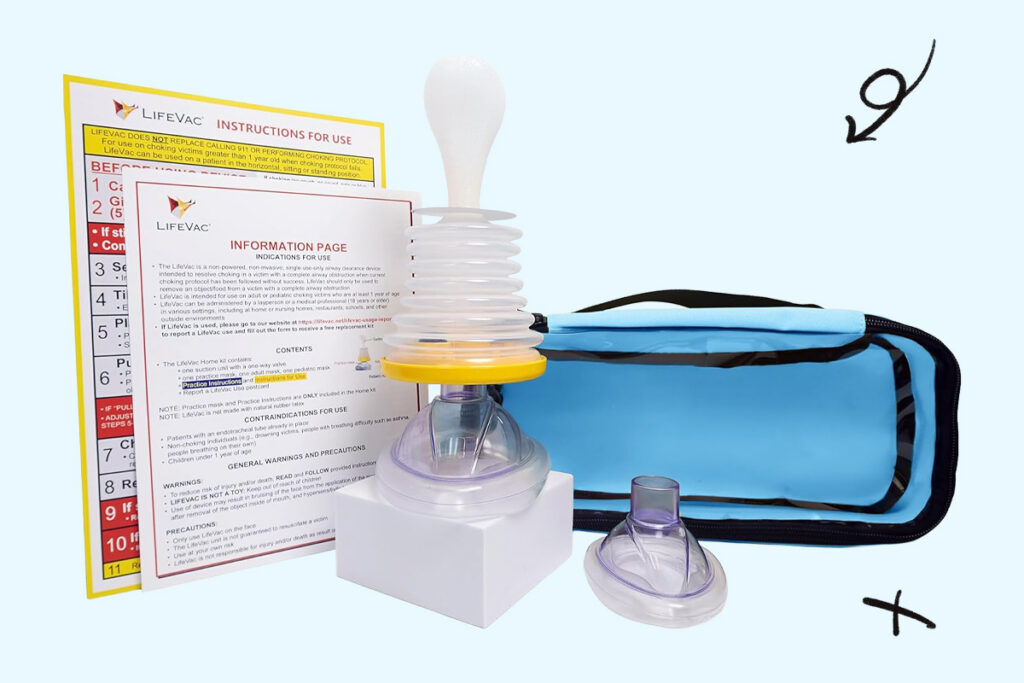
Lifevac kit
Credit: Image courtesy of Amazon

What Is LifeVac?

LifeVac is a portable anti-choking device that uses a suction mask to remove airway obstructions. In March 2026, LifeVac became the only FDA-cleared anti-choking device on the market; it’s classified as a Class II medical device. FDA clearance means the device met regulatory standards for safety and intended use. This is not the same as “FDA-approved,” which requires more rigorous testing and is required for Class III medical devices that carry more serious risks.

Similar to a plunger, LifeVac relies on a tight seal around the mouth and nose to pull the object upward and out of the airway using a pull handle. The one-way valve allows air to escape through vents, preventing the object from being pushed further into the airway.

Advertisement
Advertisement

The device has become popular in settings where choking may pose a greater risk, such as nursing homes, schools, restaurants, and homes with young children. LifeVac is also designed for those who live alone and comes with instructions on how to use it on yourself. It offers two mask sizes, adult and pediatric, for children ages 12 months and older who weigh more than 22 pounds. 

Man choking
Credit: SUPERMAO/stock.adobe.com

Can It Actually Save Someone?

There are reported cases where LifeVac has been credited with helping choking victims. The company itself also cites thousands of success stories. In a recent account from April 2026, a 1-year-old choked on a piece of chicken, resulting in a total airway obstruction. After back blows were unsuccessful, the boy’s mother administered LifeVac and removed the piece of chicken on the first try. 

Recommended Articles

  • A Warning Sign for Heart Attack and Stroke Could Show Up on Your Face

  • 6 Holiday Scams To Watch Out For

  • Why Gift Cards Are Actually Terrible Gifts

  • The Strange Reason Why Time Feels Like It’s Moving Faster

Advertisement
Advertisement

Reader Favorites

  • Person washing part of a coffee machine

    18 Surprising Things You Should Never Put Down Your Drain

  • Woman brushing hair

    9 Surprising Signs You’re Aging

  • White car on the road

    The Best Cars for Resale Value, According to Auto Experts

However, most evidence is self-reported rather than from large clinical trials, so the devices aren’t universally proven, and independent research on these devices remains limited. In a recent study of the efficacy of LifeVac and DeChoker — a similar product that’s not FDA-cleared — neither device removed all foreign bodies tested, including saltines, grapes, and cashews. The LifeVac removed only the saltines, and the DeChoker removed none of the objects. However, the testing was performed on cadavers rather than living patients, so the findings may not fully reflect real-world choking emergencies.

Advertisement
Heimlich maneuver
Credit: © highwaystarz/stock.adobe.com

What Do Health Organizations Recommend?

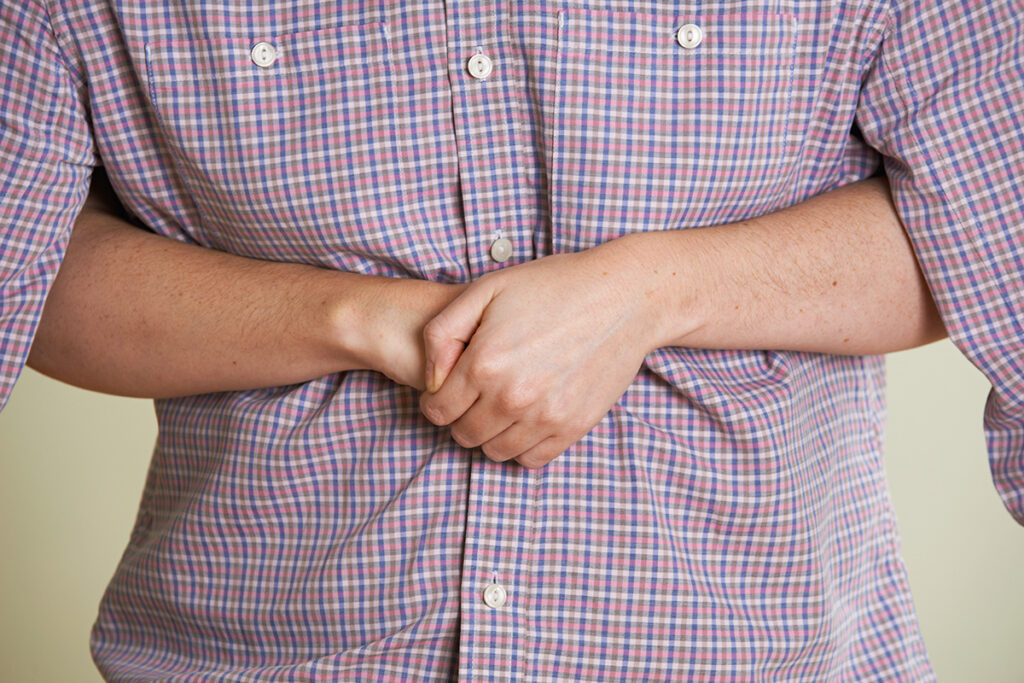
As previously mentioned, the LifeVac is FDA-cleared as a second-line treatment. This means that established choking protocols — as outlined by the American Red Cross — should be followed first. These rescue protocols include a combination of back blows and/or abdominal thrusts (also called the Heimlich maneuver) for adults and children. This is followed by CPR if the person choking loses consciousness. As the Cleveland Clinic notes, if the standard protocols are unsuccessful, anti-choking devices may be a viable option. 

Advertisement
Advertisement

Time is of the essence during choking emergencies, which is why receiving CPR/first-aid training is so important. The same time constraints should be considered with airway clearance devices. Having it already assembled and familiarizing yourself with the device and instruction materials will lead to a better outcome.

Credit: © Image courtesy of LifeVac

Should I Buy a LifeVac?

While some families may appreciate the added peace of mind that anti-choking devices provide, experts stress that they should supplement — not replace — traditional choking rescue techniques. According to the Cleveland Clinic, these devices may be particularly useful in situations where abdominal thrusts are difficult or unsafe, such as with pregnant individuals, older adults, or people with certain disabilities. For those with infants, according to the manufacturer, LifeVac is not recommended for children under 12 months old, as it may be ineffective or cause more harm.

Advertisement
Advertisement

Dr. Darria Long, M.D., an emergency room doctor and BabyCenter Medical Advisor, weighed in on anti-choking devices, agreeing that they may be beneficial for children or adults if other protocols fail. Yet she also warned that using one can be difficult: “You have to get a really, really good seal around the mouth for these to be effective and — even for me, as an ER doctor trained in masking people, that was tough.” She added that she “would use one of these devices only if, after two to three rounds of standard choking care, it doesn’t work.”

If you do purchase a suction-based device, make sure to take it out of the box and get it ready to use. Remember, experts emphasize that no device can guarantee success in every choking emergency. Most importantly, learning evidence-based first aid — including back blows, abdominal thrusts, and CPR — remains the best way to prepare.

Featured Image Credit: © tkpond—iStock/Getty Images

More From Our Network

Better Report is part of Inbox Studio, an email-first media company. *Indicates a third-party property.

Go Retro With This 1960s Fashion Quiz

Quiz Daily

Go Retro With This 1960s Fashion Quiz

True or False: Are You a Master of U.S. Geography?

Travel Quiz

True or False: Are You a Master of U.S. Geography?

5 Reasons You Can Be Denied Boarding an Airplane

Daily Passport

5 Reasons You Can Be Denied Boarding an Airplane

What Did People Do Before Eyeglasses?

History Facts

What Did People Do Before Eyeglasses?

How To Use a Balloon To Clean Up Dust

House Outlook

How To Use a Balloon To Clean Up Dust

11 Shopping Hacks Costco Members Should Know

FinanceBuzz*

11 Shopping Hacks Costco Members Should Know

Share this article

  • Share to Facebook
  • Share to Twitter
  • Copy Url
  • Share to Email
Rachel Gresh
Writer

Rachel Gresh is a Washington, D.C.-based freelance writer. When she's not writing, you can find her wandering a museum, exploring an unfamiliar city, or baking something new in the kitchen.

This article is for general informational purposes only.
Affiliate Disclaimer Medical Disclaimer Financial Disclaimer

Updated: December 15, 2023
Posted In: Health
Hero Image Credit: Better Report
Advertisement

Related Articles

A Warning Sign for Heart Attack and Stroke Could Show Up on Your Face

4 min read

The Strange Reason Why Time Feels Like It’s Moving Faster

5 min read

Are the Brown Marks on Your Skin Dangerous?

6 min read

7 Common Meds Seniors Overuse

4 min read

Is It Actually Bad To Wear Your Shoes in the House?

4 min read
Advertisement

6 Foods That Aren’t Safe To Keep as Leftovers

Health | Updated: June 3, 2026
Fred Decker
Author
Fred Decker is a trained chef and former restaurateur. Since closing his restaurants over a decade ago he has been a prolific freelance writer, publishing several thousand articles on dozens of high-volume websites including Taste Of Home, Hunker, Tasting Table, Week&, eHow, and GOBankingRates. He lives on a rural acreage shared with a big garden, chickens, rabbits, and grandkids.
Putting leftovers in food storage containers
Better Report

The refrigerator changed our relationship to food in ways that, in retrospect, are hard to imagine. Just picture how much harder it would have been to feed your family if you didn’t have the option of keeping meats, produce, and leftovers in the fridge. Most leftovers would have been seriously high-risk except in winter, the only time it would be cold enough to keep them at food-safe temperatures. 

Today, most leftovers are safe if handled correctly — emphasis on the word “if.” From a former chef and food safety trainer, here are six kinds of high-risk leftovers you may want to think twice about keeping. 

Shrimp
Credit: © Jiri Hera/stock.adobe.com

Seafood, Especially Shellfish and Crustaceans

You should be especially careful with fish and shellfish, partly because they’re among the most perishable proteins you can build a meal around, and partly because they may host some nasty pathogens that can make you sick. These include listeria, salmonella, and E. coli, as well as norovirus, hepatitis A, and the Vibrio family (which can cause cholera, among other things). 

Advertisement
Advertisement

This doesn’t mean you can’t have seafood leftovers — you should be OK if you follow the FDA’s guidelines for buying and handling seafood and the USDA’s guidance for handling leftovers. But if you didn’t have those oysters or shrimp in a cooler when you left the store, or if the leftovers sat out on a summer afternoon, you’d be smarter to discard them. 

Bowl of rice
Credit: © Jubair Bin Iqbal/Pexels.com

Rice and Other Grain Dishes

When you think of foods that are high-risk from the food poisoning perspective, you probably think of things like eggs or poultry. Rice? Not so much. But leftover rice can actually be problematic if it isn’t packed up and refrigerated ASAP after your meal. This is due to Bacillus cereus, which is often present in the grain. 

Advertisement

B. cereus forms both heat-resistant spores — which can survive cooking — and a heat-stable toxin, which means it can make you sick even if you reheat your leftovers to the recommended 165 degrees Fahrenheit. It’s rarely fatal, but it’ll definitely make you regret your choices for a couple of days. 

Recommended Articles

  • A Warning Sign for Heart Attack and Stroke Could Show Up on Your Face

  • 6 Holiday Scams To Watch Out For

  • Why Gift Cards Are Actually Terrible Gifts

  • The Strange Reason Why Time Feels Like It’s Moving Faster

Advertisement
Advertisement

Reader Favorites

  • Person washing part of a coffee machine

    18 Surprising Things You Should Never Put Down Your Drain

  • Woman brushing hair

    9 Surprising Signs You’re Aging

  • White car on the road

    The Best Cars for Resale Value, According to Auto Experts

Though it’s primarily associated with rice, B. cereus can also be found in other starchy foods, including pasta and potatoes. The longer these foods linger above food-safe temperatures, the more time B. cereus spores have to come back to life, multiply, and produce toxins that will make us sick. Cool those foods quickly by getting them into the fridge as soon as you’re done eating. And if they’ve been left out for more than a couple of hours, toss them.

Casserole in an oven
Credit: © Kristine Tumanyan/Unsplash.com

Big, Rich Casseroles 

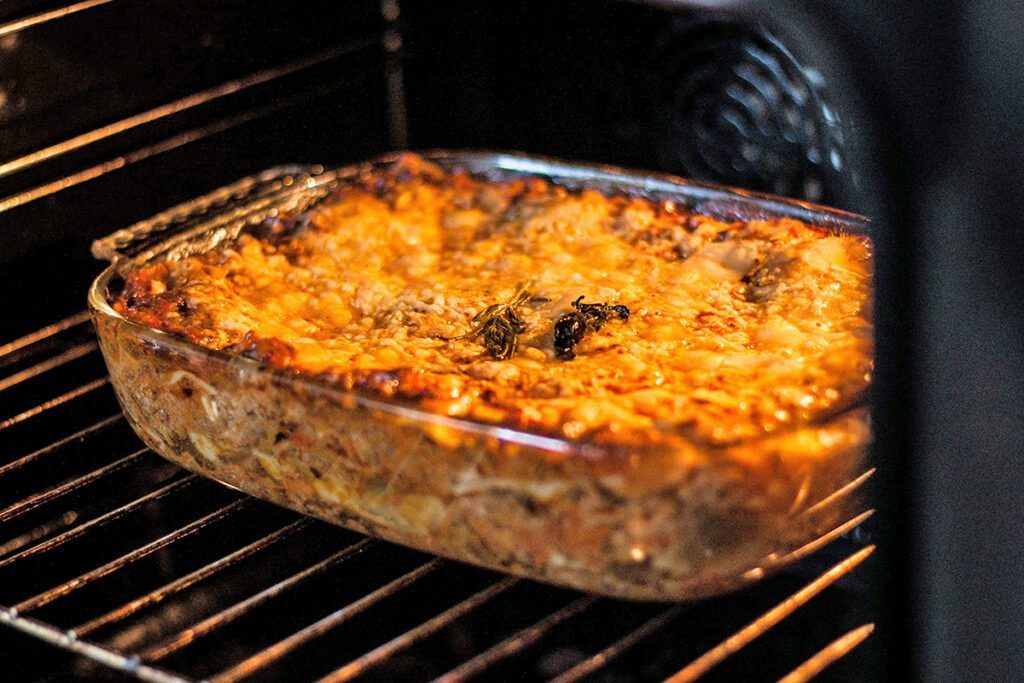
Casseroles are a great meal option, whether you think of them as an easy prep-ahead dinner or a can’t-miss contribution to a potluck. By nature, though, they’re often problematic in leftover form. There are a few reasons for this:

The Mix of Ingredients

Most casseroles contain some combination of milk or cream, eggs, cheese, meats, and a starchy base that might be potatoes, grain, or pasta. All of those rich, high-protein ingredients are a prime breeding ground for pathogens like salmonella or norovirus, and the starchy base can host B. cereus. 

Advertisement
Advertisement

Retained Heat

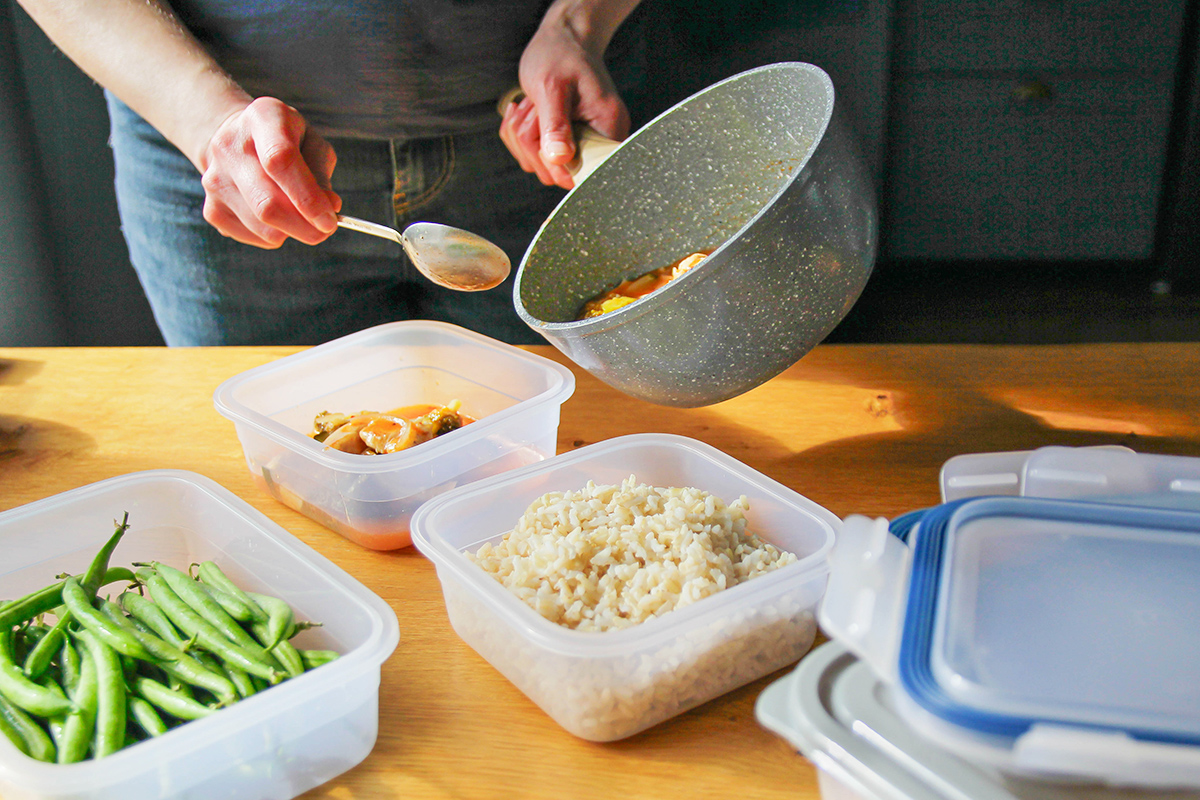
A big casserole, and the pan you bake it in, can retain heat for a long time. Once it enters the food safety “danger zone” — temperatures below 140 degrees Fahrenheit and above 40 degrees Fahrenheit — bacteria can reproduce freely. It’s important to cool your leftovers as quickly as possible, so your best bet is to divide the casserole into small containers and refrigerate them as soon as the meal is finished. 

The Social Aspect

Casseroles can easily cool enough to slip into the danger zone at potlucks or holiday gatherings. If they sit out for a couple of hours as people graze and chat, and then come home with you, your chances of illness will rise sharply. 

Advertisement
Advertisement

Not Reheating Adequately

For leftovers to be reliably safe, you need to reheat them to 165 degrees Fahrenheit throughout. The only way to know that for sure is to use a thermometer and check the food in several places before you eat it. Microwaves provide uneven heating, so it’s important to let microwaved food sit for a couple of minutes so the temperature can even out before you test. 

Advertisement
Chicken in a dish
Credit: © Diana Light/Unsplash.com

Poultry 

Chicken is a really popular meal option in the U.S., but it’s also responsible for a lot of illness. The CDC estimates that infected chicken alone sickens about a million Americans each year, and poultry is collectively responsible for almost one in five cases of food poisoning. Raw chicken is prone to infection by various strains of salmonella, campylobacter, and Clostridium perfringens, none of which are anybody’s idea of a good time. 

Advertisement
Advertisement

So if, for example, your chicken or turkey was infected to begin with and you didn’t cook it to a food-safe temperature; or you handled utensils or surfaces that had been in contact with the raw bird, and then put away the leftovers without washing your hands in between, then your leftovers will be primed for bacterial growth by the time they make it to the fridge. If you don’t then reheat your leftovers to the recommended 165 degrees Fahrenheit, you may find yourself calling in to work with a case of food poisoning. 

Chip in a dip
Credit: © photokitchen—iStock/Getty Images

Appetizers, Dips, and Party Foods in General

Some of the most problematic leftovers are the appetizers, dips, and other treats you prepare when you’re entertaining. Many of the issues with casseroles apply to party foods as well, especially hot dips. The biggest problem with party foods is that they’re usually left out for extended periods, so guests can help themselves over time as they feel inclined. 

Advertisement
Advertisement

Two hours in the danger zone is as long as any food can safely be left out (and that drops to one hour if the ambient temperature is over 90 degrees Fahrenheit). It’s not uncommon to leave food out for much longer than that at parties. So unless you’re careful to keep hot foods above 140 degrees and cold foods below 40 degrees, as professionals do for buffets and catering, it’s safest just to discard those leftovers. You may get away with it repeatedly, but sooner or later your luck will run out. 

Made-ahead food
Credit: © Ella Olsson/Pexels.com

Big-Batch Meals

This final example is a little bit ironic. If you periodically cook up large batches of a favorite food so it’s available for quick meals (“made-aheads” rather than leftovers), you may be setting yourself up for trouble. To be clear, I’m not saying you shouldn’t do this — I often make big batches myself; it’s really practical — but you need to be diligent about food safety. 

Advertisement
Advertisement

If you’ve read this far, you’ve probably picked up on most of the important rules to keep leftovers food safe: 

• Wash your hands, utensils, and work surfaces after handling high-risk ingredients like raw egg or meat.
• Keep those high-risk ingredients away from anything you’ll eat raw, like your side salads.
• Cook your food to the recommended temperature, and test it with a thermometer to be sure.
• Cool your food quickly once it’s made. (Portion it into smaller, flatter containers so heat can easily escape — a whole casserole will stay warm and linger in the danger zone, even when it’s in the fridge.)
• Refrigerate or freeze the food ASAP so it doesn’t sit out past the two-hour mark.
• Don’t keep leftovers in the fridge for more than three to four days.
• Thaw the food safely.
• Reheat your meals to 165 degrees Fahrenheit before eating them.

Advertisement
Advertisement

Those guidelines are the result of long, bitter experience and high-quality research, so if you stick to them, you can feel confident about eating most leftovers or prepped-ahead meals. 

Advertisement

Featured Image Credit: © Kinga Krzeminska—Moment/Getty Images

More From Our Network

Better Report is part of Inbox Studio, an email-first media company. *Indicates a third-party property.

Go Retro With This 1960s Fashion Quiz

Quiz Daily

Go Retro With This 1960s Fashion Quiz

True or False: Are You a Master of U.S. Geography?

Travel Quiz

True or False: Are You a Master of U.S. Geography?

5 Reasons You Can Be Denied Boarding an Airplane

Daily Passport

5 Reasons You Can Be Denied Boarding an Airplane

What Did People Do Before Eyeglasses?

History Facts

What Did People Do Before Eyeglasses?

How To Use a Balloon To Clean Up Dust

House Outlook

How To Use a Balloon To Clean Up Dust

11 Shopping Hacks Costco Members Should Know

FinanceBuzz*

11 Shopping Hacks Costco Members Should Know

Share this article

  • Share to Facebook
  • Share to Twitter
  • Copy Url
  • Share to Email
Fred Decker
Writer

Fred Decker is a trained chef and former restaurateur. Since closing his restaurants over a decade ago he has been a prolific freelance writer, publishing several thousand articles on dozens of high-volume websites including Taste Of Home, Hunker, Tasting Table, Week&, eHow, and GOBankingRates. He lives on a rural acreage shared with a big garden, chickens, rabbits, and grandkids.

This article is for general informational purposes only.
Affiliate Disclaimer Medical Disclaimer Financial Disclaimer

Updated: April 14, 2026
Posted In: Health
Hero Image Credit: Better Report
Advertisement

Related Articles

A Warning Sign for Heart Attack and Stroke Could Show Up on Your Face

4 min read

The Strange Reason Why Time Feels Like It’s Moving Faster

5 min read

Are the Brown Marks on Your Skin Dangerous?

6 min read

7 Common Meds Seniors Overuse

4 min read

Is It Actually Bad To Wear Your Shoes in the House?

4 min read
Advertisement

You’re Ruining Your Car by Not Doing This

Sponsored Content
Wealth | Updated: May 27, 2026
Man washing car
Better Report

All featured products and deals are selected independently and objectively by the author. Better Report may receive a share of sales via affiliate links in content.

Car ownership requires consistent care, but unfortunately, far too many drivers overlook basic maintenance. That’s not to say people are actively neglecting their vehicles — it’s just that some folks are simply unfamiliar with what it takes to keep a car in tip-top shape. 

That brings us to one particular task that many car owners do much less frequently than they should, and that those who already do may be doing wrong. Here’s a look at the task in question, and what you need to know so you don’t inadvertently ruin your car.

Man washing car
Credit: © Getty Images/Unsplash.com

Time To Clean Up Your Act

Many drivers decide to wash their cars only when the vehicle appears substantially dirty, which may happen every few months. But according to industry experts, you need to wash your car at least every two weeks, even if it looks relatively clean to the naked eye. You could even wash your car daily if you feel so inclined, per the automotive parts company AutoZone. Modern car paint is often durable enough to withstand it, whereas the car paint of yesteryear was more susceptible to erosion from frequent washing. If anything, you’re damaging the car by not washing it enough.

Advertisement
Advertisement

There are many reasons why regular car washes are essential. Frequent cleanings keep rust from forming and prevent corrosive substances such as bird droppings and tree sap from damaging the paint. Letting those substances sit untreated can lead to costly damage and depreciate the resale value of your vehicle. Regular cleanings may also make you more aware of things like scratches, dents, and other damage so you can deal with them before they turn into even bigger issues. As Kelley Blue Book explains, “A cleaned and detailed car is worth more at trade-in than a worn and poorly maintained one.”

An uncleaned car can even be a possible safety issue. The longer you wait to wash it, the more residue will build up on the windows and windshield, obstructing your vision. 

Advertisement

And last but not least, nobody wants to be seen in a dirty vehicle — driving a nice, clean car is a point of pride for many.

While cleaning your car every two weeks is a good average recommendation, the actual frequency could depend on each driver’s individual lifestyle and where they live. For instance, a vehicle that mainly drives on paved city roads will need to be washed less often than cars that travel down dusty dirt paths, while one in an area near the ocean will need to be washed frequently to avoid damage from salt. (This is also why you should wash your car in the winter if you live in an area where the roads are salted before snow.) And those who drive their car only once or twice a week will need to wash it less often than someone who uses it daily.

Recommended Articles

  • A Warning Sign for Heart Attack and Stroke Could Show Up on Your Face

  • 6 Holiday Scams To Watch Out For

  • Why Gift Cards Are Actually Terrible Gifts

  • The Strange Reason Why Time Feels Like It’s Moving Faster

Advertisement
Advertisement

Reader Favorites

  • Person washing part of a coffee machine

    18 Surprising Things You Should Never Put Down Your Drain

  • Woman brushing hair

    9 Surprising Signs You’re Aging

  • White car on the road

    The Best Cars for Resale Value, According to Auto Experts

And no, a rain shower is not a free car wash: Rainwater contains minerals as well as contaminants from the air that can damage your paint, so you’ll need to give your car a rinse even if it has rained recently. 

Washing car
Credit: © kaboompics/Pexels.com

How To Clean Your Car

There’s another issue to discuss, and that’s the fact that those who do clean their vehicle regularly may be doing it wrong. This helpful video from the popular YouTube channel Chemical Guys (experts in the field of cleaning cars) shows a few of the more common mistakes people make when washing their cars by hand.

Advertisement
Advertisement

One common problem is using a single bucket when washing your car. You end up just putting your dirty sponge into the water, picking up the dirt you wiped off, and rubbing it right back into the finish. Always use two buckets: one with clean water for washing, and another exclusively for rinsing the sponge or rag.

Also, never use dish soap or any other cleaning product that isn’t explicitly designed for cars. Products such as dish soap are extremely caustic and can dry out a car’s paint and strip away its wax. Always stick to soaps dedicated for washing cars, which have been chemically designed to avoid these issues.

Advertisement
Advertisement

Another piece of advice is to never wash your car using a circular motion. If you do so, you may inadvertently pick up some debris, rub it into the finish, and create unsightly swirl marks. As you wash the vehicle, always move your hand in a straight motion, as it limits the risk of any circular scratch marks. And don’t use just any old rag — you’ll want a soft and absorbent chenille microfiber mitt instead. 

Advertisement

These are just a few of the ways in which washing your car by hand can accidentally do more harm than good. Any of those mistakes can lower the vehicle’s value — just like not washing your car enough. Stick to a regular cleaning schedule, which will help maintain your car’s sleek appearance, keep its resale value high, and ensure that it’s safe to drive.

Feature image credit: © Natalia Blauth/Unsplash.com

More From Our Network

Better Report is part of Inbox Studio, an email-first media company. *Indicates a third-party property.

Go Retro With This 1960s Fashion Quiz

Quiz Daily

Go Retro With This 1960s Fashion Quiz

True or False: Are You a Master of U.S. Geography?

Travel Quiz

True or False: Are You a Master of U.S. Geography?

5 Reasons You Can Be Denied Boarding an Airplane

Daily Passport

5 Reasons You Can Be Denied Boarding an Airplane

What Did People Do Before Eyeglasses?

History Facts

What Did People Do Before Eyeglasses?

How To Use a Balloon To Clean Up Dust

House Outlook

How To Use a Balloon To Clean Up Dust

11 Shopping Hacks Costco Members Should Know

FinanceBuzz*

11 Shopping Hacks Costco Members Should Know

Share this article

  • Share to Facebook
  • Share to Twitter
  • Copy Url
  • Share to Email
Sponsored Content

This article is for general informational purposes only.
Affiliate Disclaimer Medical Disclaimer Financial Disclaimer

Updated:
Posted In: Wealth
Hero Image Credit: Better Report
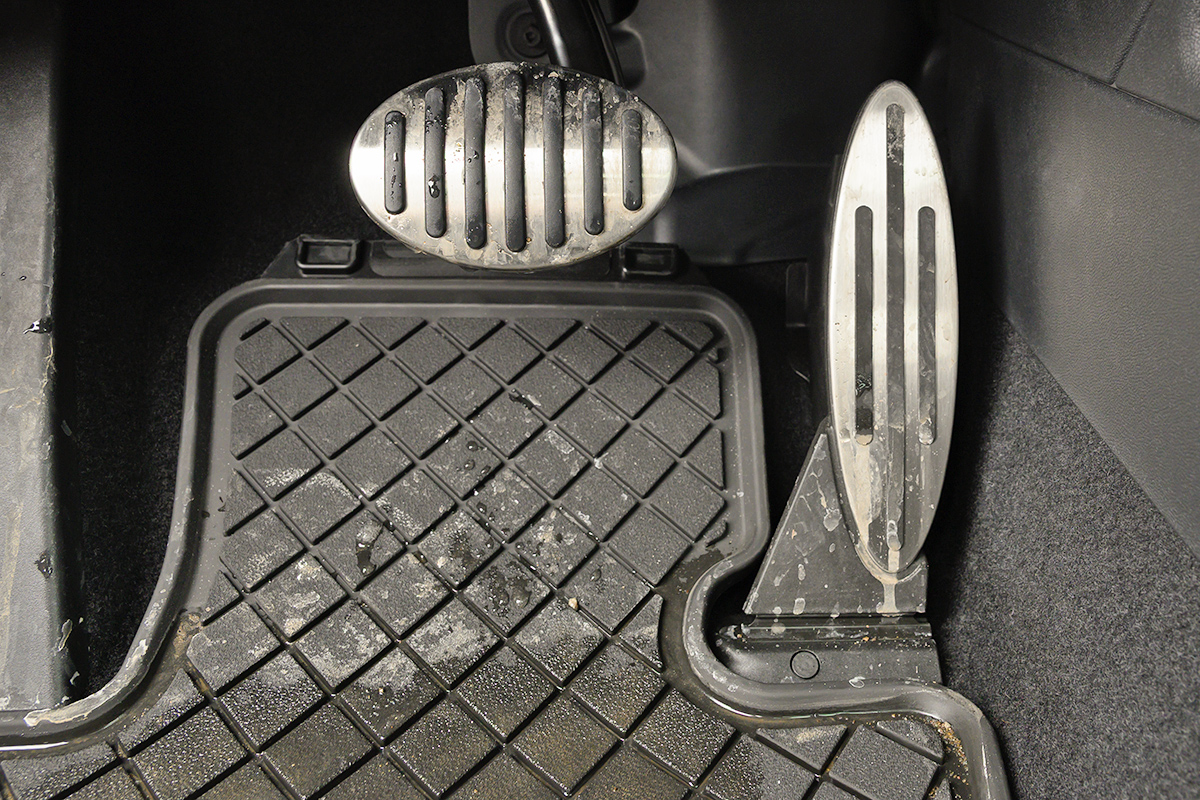
Advertisement

Related Articles

6 Holiday Scams To Watch Out For

7 min read

Why Gift Cards Are Actually Terrible Gifts

6 min read

How To Spot a Fake Amazon Review

7 min read

7 Things You Can Stop Buying To Save Money

6 min read

13 Stocking Stuffers That Are Actually Useful

8 min read
Advertisement

Posts navigation

Older posts
  • Home
  • Health
  • Wealth
  • Logo
  • Advertise
  • About
  • Contact Us
  • Privacy Policy
  • Terms of Use
  • Your Privacy Choices
x
Thumb Image

Elevate your everyday.

Sign up to receive the practical tips and expert advice you need to pare down the complexities of everyday living right in your inbox.

Sorry, your email address is not valid. Please try again.

Your email is:

Edit Image
Sorry, your email address is not valid. Please try again.
Thank you for subscribing...

By subscribing you are agreeing to our Terms of Use and Privacy Policy.

Close image
Thumb Image
Second Thumb Image

Elevate your everyday.

Sign up to receive the practical tips and expert advice you need to pare down the complexities of everyday living right in your inbox.

Sorry, your email address is not valid. Please try again.

By subscribing you are agreeing to our Privacy Policy and Terms of Use.

Close image