Skip to content
Better Report
  • Home
  • Health
  • Wealth
8 Low-Maintenance Plants That Thrive on Neglect
  • Search
  • Subscribe
  • Home
  • Health
  • Wealth
  • About
  • Privacy Policy
  • Terms of Use
  • Contact Us
  • SubscribeSubscribe
  • Search
Thank you for confirming your email! Welcome to the community.

Author: erin

15 Amazon Prime Perks You May Be Missing

Wealth | Updated: August 14, 2026
Jennifer M. Wood
Author
Jennifer M. Wood has been writing about news, entertainment, culture, and travel for longer than she cares to admit. She lives just outside Philadelphia with her husband and an ever-growing menagerie of rescue pets.
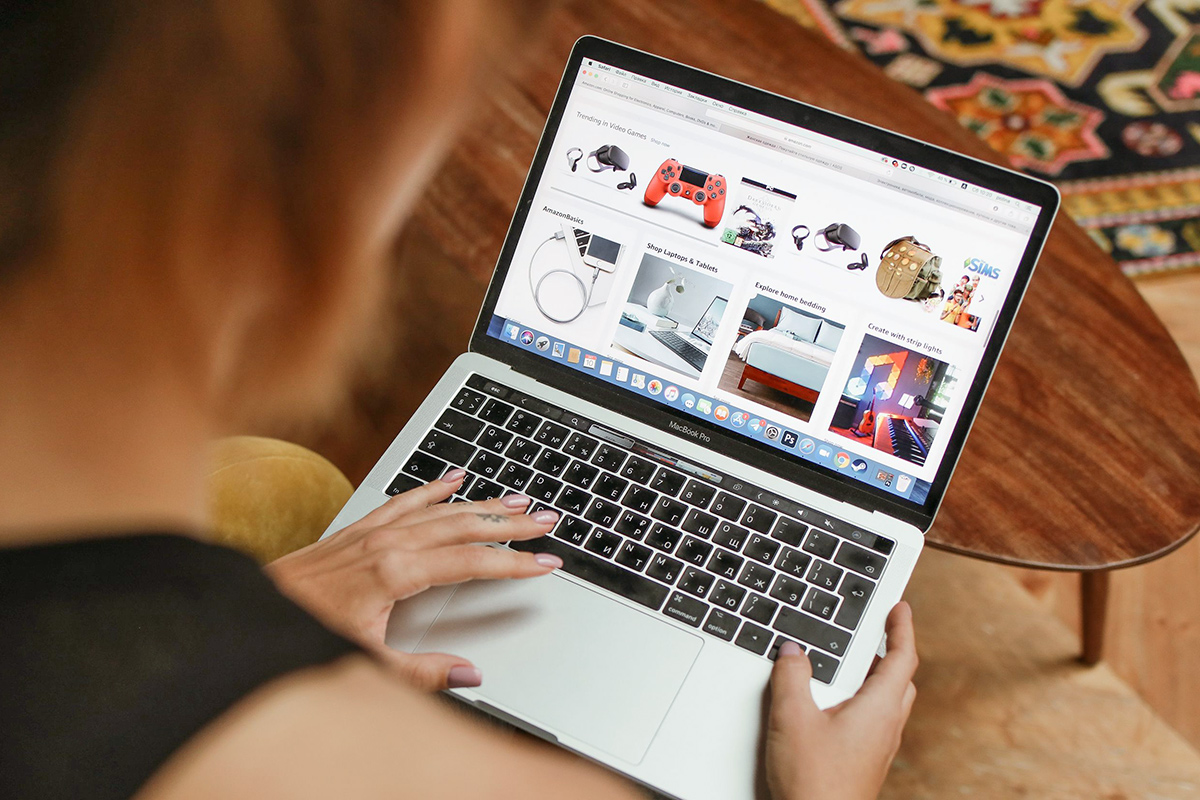
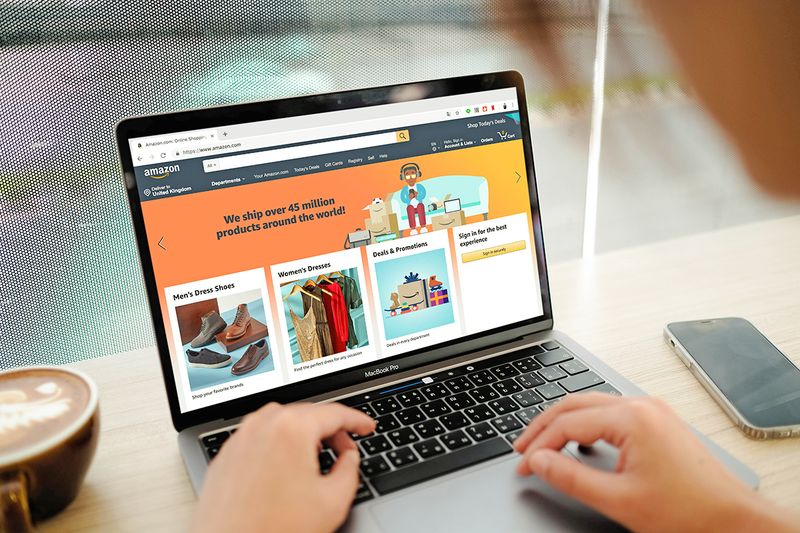
Person shopping on Amazon on laptop
Better Report

All featured products and deals are selected independently and objectively by the author. Better Report may receive a share of sales via affiliate links in content.

If you’re one of Amazon Prime’s more than 200 million members worldwide, you probably paid the membership fee for fast, free shipping on millions of products or access to thousands of movies and TV shows. But if you’re using Prime only for shopping and binge-watching Reacher, you’re not getting the full value from that $139 annual fee. From groceries to prescriptions, here are 15 Amazon Prime perks you may be overlooking.
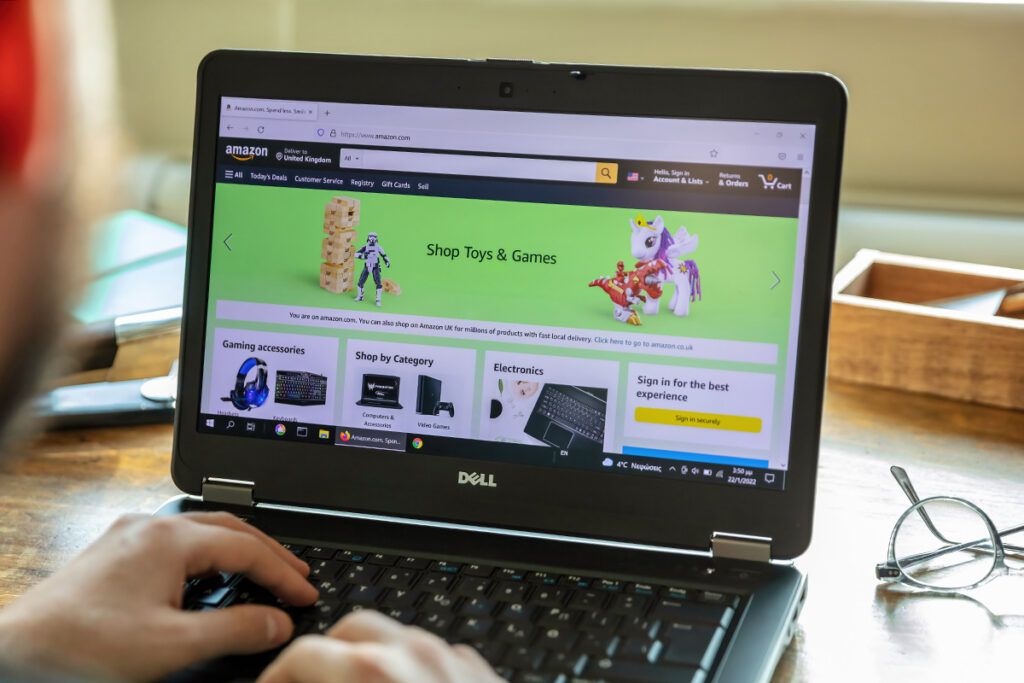
Laptop with Amazon on the screen
Credit: © Rawf8/stock.adobe.com

Prime Day and Lightning Deals

Prime members can score exclusive discounts year-round, but the biggest savings often come during Amazon’s major sales events, like Prime Day. Members also get early access to Lightning Deals — short-lived discounts on everything from electronics to apparel that can disappear within hours. Just remember: A deal isn’t always a bargain, so it’s worth doing a little comparison shopping before you click “buy.”
Advertisement
Advertisement
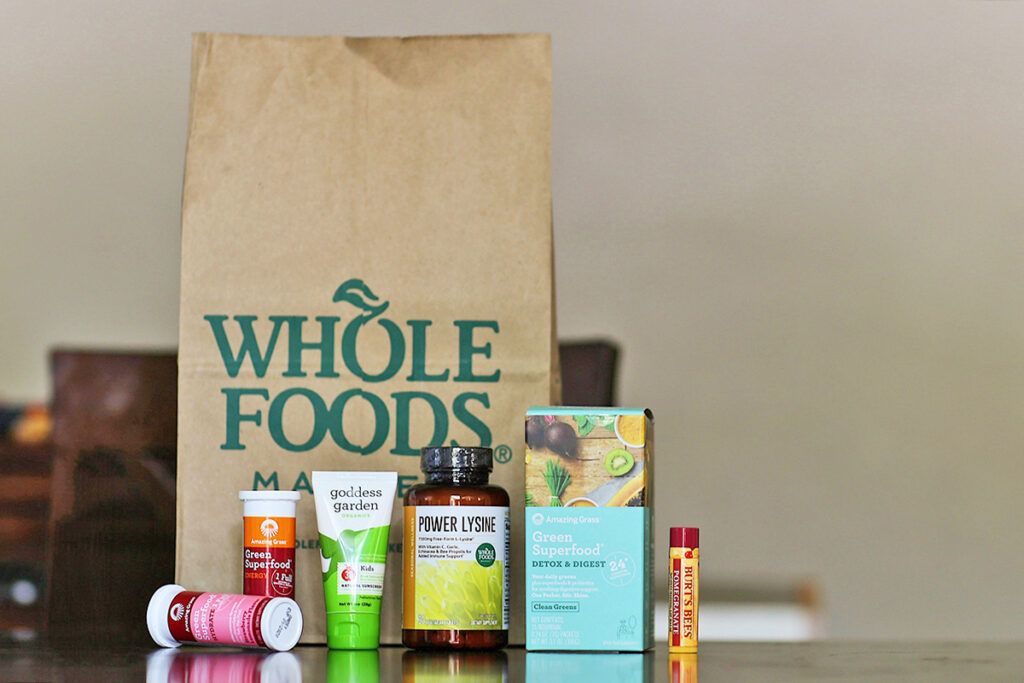
Whole Foods grocery bag
Credit: © Fallon Michael/Unsplash.com

Grocery Deals and Delivery

Subscribers can save on their weekly grocery runs, too. At Amazon Fresh, Prime members get access to exclusive deals, up to 50% off select items, 10% off Amazon brands, special coupons, and same-day grocery delivery in eligible areas. Prime members who shop at Whole Foods Market can also take advantage of exclusive discounts on select items on Tuesdays and Fridays, extra savings on sale items when they scan the Whole Foods or Amazon app at checkout, and special online grocery deals throughout the year.
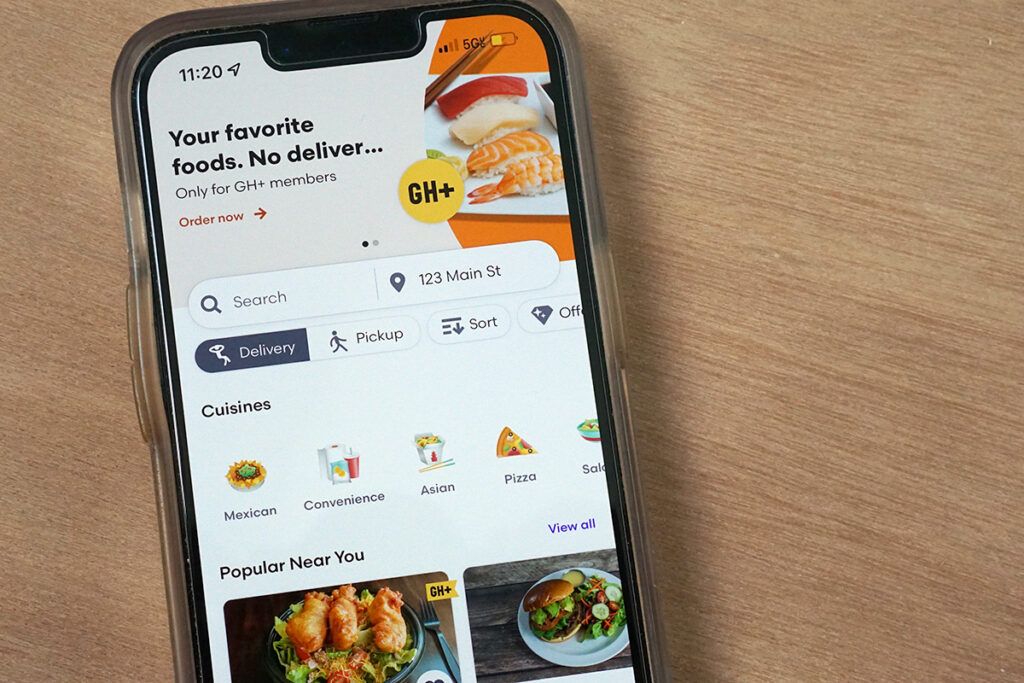
GrubHub+ on Phone
Credit: © MKPhoto/stock.adobe.com

Grubhub Food Delivery

Craving a burger from your favorite local neighborhood pub? Prime members get a free Grubhub+ subscription, a perk that normally costs $10 a month. Benefits include $0 delivery fees on eligible orders, lower service fees, exclusive restaurant deals, and 5% credit back on qualifying pickup orders at more than 300,000 eateries nationwide.

Recommended Articles

  • The Safety Rules for Candles You Probably Don’t Know

  • 5 Things Your Car Needs Before the First Freeze

  • 6 Amazon Prime Day Hacks

  • 5 Things To Ask Your Doctor About the New Flu Shot

Advertisement
Advertisement

Reader Favorites

  • Woman looking in fridge

    9 Foods You Should Toss ASAP if They’re Expired

  • Person eating salad

    7 Things a Chef Never Orders at a Restaurant

  • Cherry angioma

    Are the Tiny Red Dots on Your Skin Dangerous?

Gas pump
Credit: © Getty Images/Unsplash.com

Gas Savings

If you spend a lot of time on the road — or even if you don’t — your membership can help you save at the pump, which is a worthwhile perk these days. By linking your Amazon Prime account to the free Earnify rewards app, you can get 10 cents off per gallon at thousands of participating BP, Amoco, and ampm gas stations across the U.S.
Advertisement
Advertisement
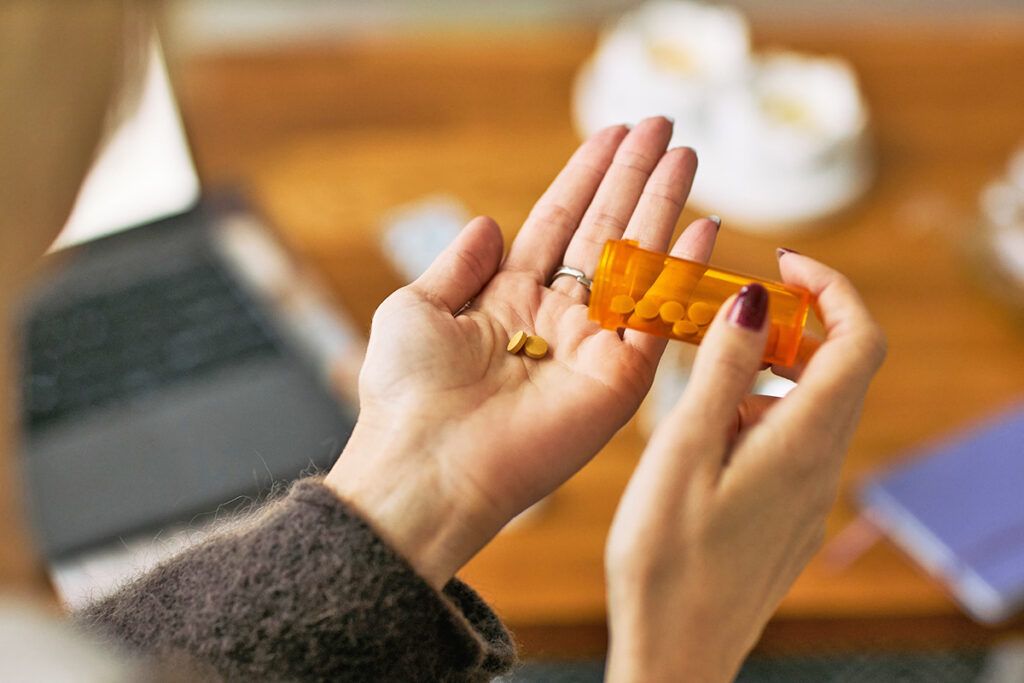
Pills in hand
Credit: © DragonImages/stock.adobe.com

Prescription Deals

Prime members who pay out of pocket for common generic medications may be able to save with Amazon RxPass, a $5-per-month subscription that covers more than 50 eligible prescriptions. Because RxPass doesn’t accept insurance, it’s best suited for people without prescription drug coverage — or those whose insurance costs more than the flat monthly fee. Members can also use Amazon Pharmacy, the company’s full-service online pharmacy, to fill prescriptions with insurance or compare cash prices on eligible medications.
Advertisement
Advertisement
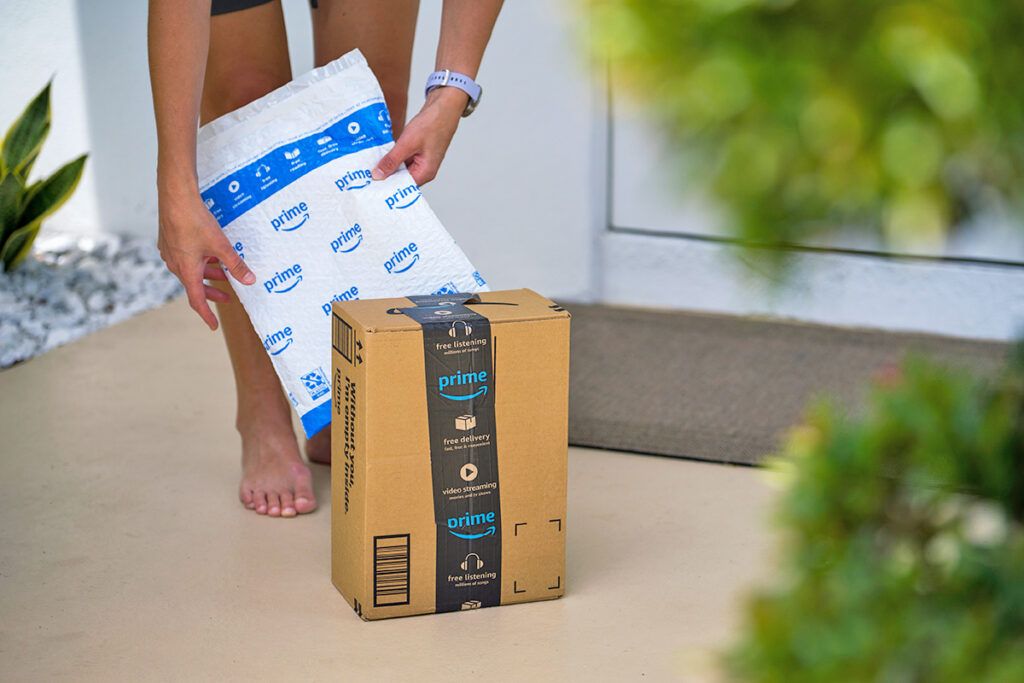
Amazon packages outside home
Credit: © bilanol/stock.adobe.com

No-Rush Shipping Rewards

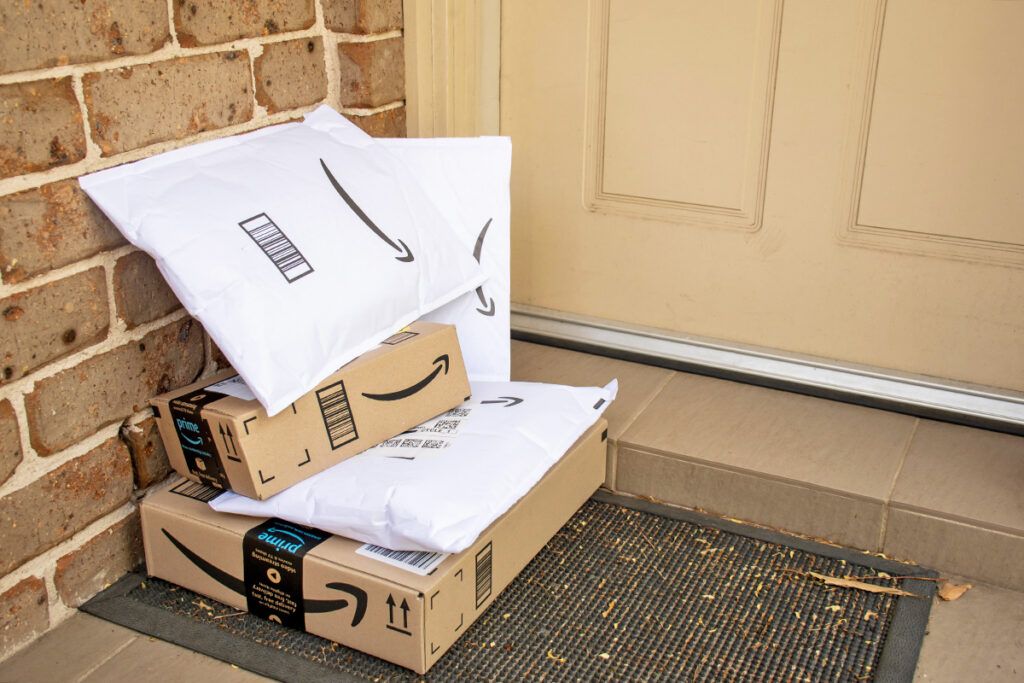
Same-day and overnight shipping may be one of Prime’s biggest selling points, but if you can wait a few extra days, you could get more than just your package. When Prime members select free no-rush shipping at checkout, they can receive a digital credit to use on eligible purchases like movies, e-books, digital games, and apps. Orders typically arrive within a week, and those credits can add up over time.
Advertisement
Advertisement
Amazon packages on porch
Credit: © Daria Nipot/stock.adobe.com

Amazon Day

Prime members can use Amazon Day to choose a preferred delivery day each week, allowing multiple orders to arrive together in fewer boxes. The free perk can make managing deliveries more convenient, especially when you’re away from home, and may help reduce packaging waste by combining shipments into a single delivery.

Advertisement
Advertisement
House with garage
Credit: © Getty Images/Unsplash.com

In-Garage Delivery

If you spend a lot of time away from home, or have concerns about your packages being stolen, Amazon Key’s in-garage delivery can add an extra layer of convenience and security. After a simple setup process, Prime members can choose in-garage delivery at checkout, allowing eligible packages and groceries to be placed safely inside their garage instead of left outside. (Keep in mind, though, that you’ll need a garage door that can be opened using a smart opener from the companies myQ, Chamberlain, Liftmaster, Aladdin Connect, and OHD Anywhere.)
Advertisement
Advertisement
Dot speaker
Credit: © Anna Quelhas/stock.adobe.com

Alexa+

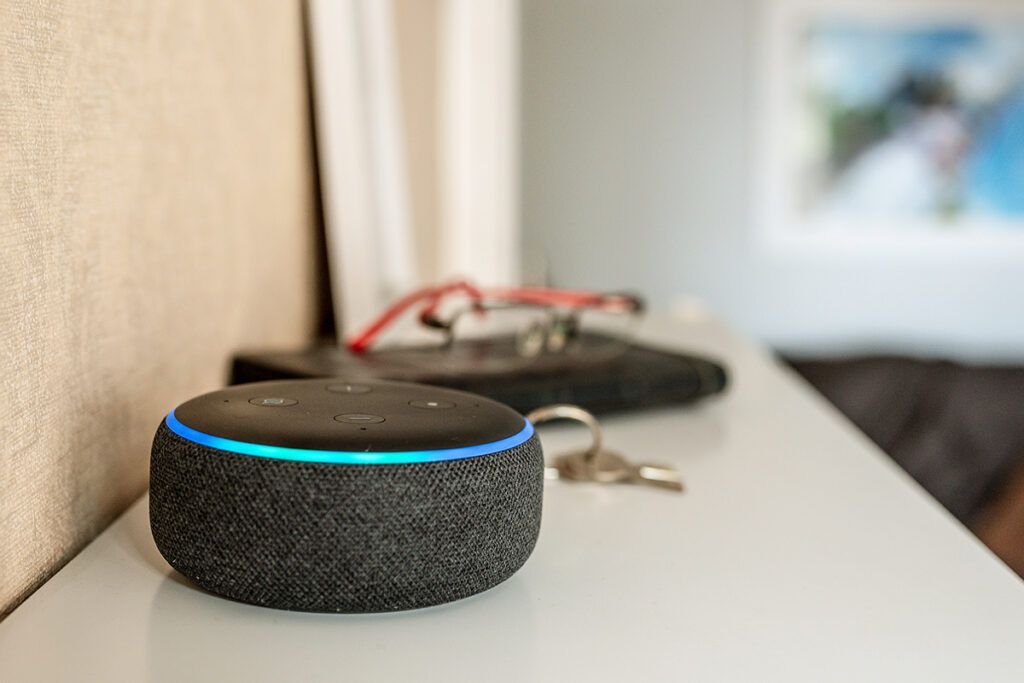
Prime members get free access to an advanced version of Alexa+, Amazon’s upgraded AI-powered voice assistant — a savings of nearly $240 per year compared with the cost for nonmembers. Alexa+ is designed to offer more natural conversations, personalized recommendations, help with everyday tasks, and features like creating bedtime stories, all through simple voice commands.

Advertisement
Advertisement
Photos on phone
Credit: SolStock—E+/Getty Images

Photo Storage

Pulling out old photo albums can be a hassle, but if you have Prime, there’s an easy way to have all of your precious memories at your fingertips. Prime members get unlimited full-resolution photo storage and 5GB of video storage through Amazon Photos, allowing you to back up, view, and share your memories from your phone, tablet, or computer. Your photos and videos are encrypted and accessible only to people you choose to share them with. Keep in mind that if you cancel Prime, you’ll need to upgrade to a paid storage plan or move your files elsewhere to keep storing your photos and videos.

Advertisement
Advertisement

Thursday Night Football

Person watching football
Credit: © EKIN KIZILKAYA—iStock/Getty Images

Pigskin fans, rejoice: Prime members can stream Thursday Night Football games at no additional cost through Prime Video, which has exclusive rights to broadcast the games through 2033.

Advertisement
Advertisement
Woman listening to music
Credit: © Andrea Piacquadio/Pexels.com

Amazon Music

You may not realize your Prime membership includes access to Amazon Music, allowing you to stream more than 100 million songs, thousands of playlists, and popular podcasts ad-free. Listen on your phone, Echo, or other compatible devices without paying for a separate music streaming subscription.

Advertisement
Advertisement
Family on devices
Credit: © Pressmaster—iStock/Getty Images

Membership Sharing

Prime members can share their benefits with family members through Amazon Family, allowing one membership to cover up to two adults, four teens, and four children in the same household. Shared perks can include Prime Video, Prime Gaming, Prime Reading, and shopping benefits, while parents can set parental controls for kids’ content.
Advertisement
Advertisement
Reading on Kindle
Credit: © Tada Images/stock.adobe.com

Reading Materials 

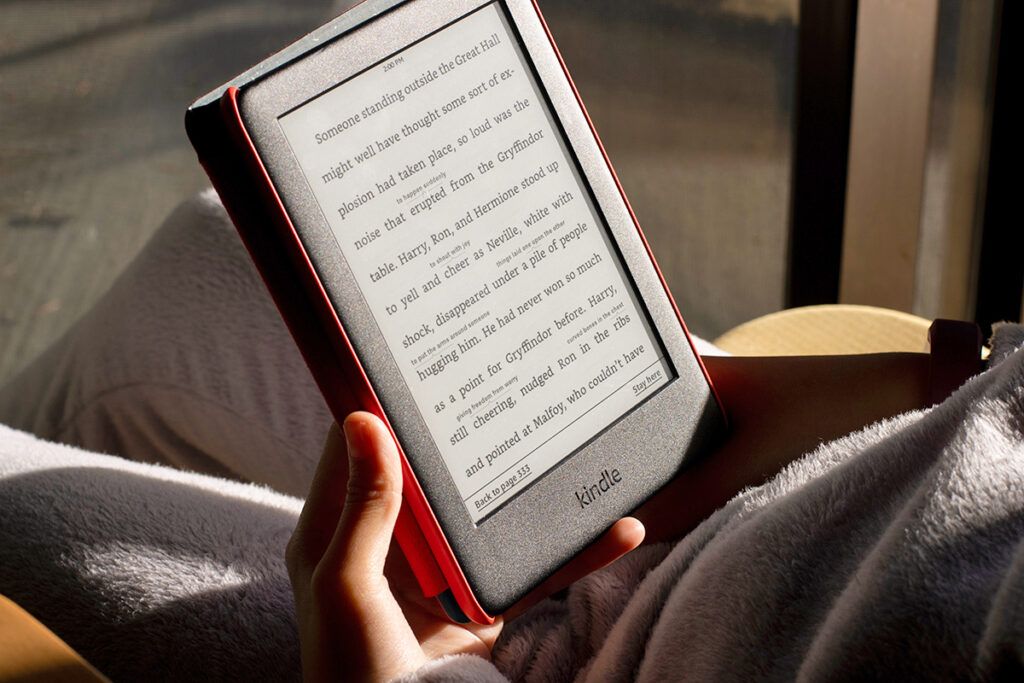
Book lovers can get more from their Prime membership with free access to a selection of eBooks, audiobooks, magazines, comics, and more through Prime Reading on the Kindle app. Members can borrow titles from the collection, many with Audible Narration so they can switch between reading and listening. Prime members also get Amazon First Reads, which offers early access to a curated selection of new books each month, including one Kindle title available to download for free before its official release. Best of all, you don’t even need a Kindle device: You can use the free Kindle app on your phone, tablet, or computer.

Advertisement
Advertisement
Kids on computer
Credit: © Julia Bogdanova/Unsplash.com

Amazon Gaming

Prime subscribers can connect with their grandkids by planning a fun game night for all ages. Through Amazon Luna, members can play games from the cloud so they don’t need a console or a computer. Plus, GameNight lets friends and family play multiplayer games, including Ticket to Ride, Jackbox, and Exploding Kittens, using their smartphones as controllers.

Advertisement
Advertisement

Featured Image Credit: © Polina Tankilevitch/Pexels.com

More From Our Network

Better Report is part of Inbox Studio, an email-first media company. *Indicates a third-party property.

Go Retro With This 1960s Fashion Quiz

Quiz Daily

Go Retro With This 1960s Fashion Quiz

True or False: Are You a Master of U.S. Geography?

Travel Quiz

True or False: Are You a Master of U.S. Geography?

5 Reasons You Can Be Denied Boarding an Airplane

Daily Passport

5 Reasons You Can Be Denied Boarding an Airplane

What Did People Do Before Eyeglasses?

History Facts

What Did People Do Before Eyeglasses?

How To Use a Balloon To Clean Up Dust

House Outlook

How To Use a Balloon To Clean Up Dust

11 Shopping Hacks Costco Members Should Know

FinanceBuzz*

11 Shopping Hacks Costco Members Should Know

Share this article

  • Share to Facebook
  • Share to Twitter
  • Copy Url
  • Share to Email
Jennifer M. Wood
Writer

Jennifer M. Wood has been writing about news, entertainment, culture, and travel for longer than she cares to admit. She lives just outside Philadelphia with her husband and an ever-growing menagerie of rescue pets.

This article is for general informational purposes only.
Affiliate Disclaimer Medical Disclaimer Financial Disclaimer

Updated: May 8, 2026
Posted In: Wealth
Hero Image Credit: Better Report
Advertisement

Related Articles

5 Things Your Car Needs Before the First Freeze

4 min read

6 Amazon Prime Day Hacks

6 min read

Is It Actually Better To Lease a Car?

9 min read

7 Free MIT Classes You Can Experience From Home

4 min read

The Bedroom Color That Adds $2,000 to Your Home Value

3 min read
Advertisement

6 Things You Shouldn’t Buy at Walmart

Ali Eldridge
Wealth | Updated: August 13, 2026
Exterior of Walmart
Better Report

All featured products and deals are selected independently and objectively by the author. Better Report may receive a share of sales via affiliate links in content.

Walmart is a one-stop shop for millions of Americans. There’s a clear reason for why so many shoppers flock there, as over 90% of the U.S. population lives within 10 miles of a Walmart or Sam’s Club (a Walmart-owned subsidiary). While Walmart’s products often provide consumers with great quality at an even greater value, that’s not always the case. Some of the store’s offerings fall short when it comes to both quality and cost, so it would be in your best interest to buy them elsewhere. Here are six such items.

Giving gift card
Credit: © New Africa/stock.adobe.com

Gift Cards

On Instagram, consumer shopping expert Jeff Rossen warned about the perils of purchasing gift cards at Walmart because the chain usually sells them at full price — a $50 gift card to a vendor will cost you $50. Instead, you should consider getting gift cards at Costco, which regularly discounts cards to a wide range of retailers at anywhere between 10% and 30%.

Advertisement
Advertisement
Woman shopping for produce
Credit: Yunus Tuğ/Unsplash.com

Fresh Produce

While a staggering 72% of Americans buy groceries at Walmart (which was also chosen as 2026’s most trusted supermarket), it’s best to steer clear of produce with a short shelf life while shopping there. This category includes berries, leafy greens, and similar foods that are prone to wilt or spoil while sitting on the shelves. Walmart customers and employees alike note how frequently produce goes bad and needs to be thrown away. More than one customer survey has ranked Walmart’s produce quality as the worst. So, stick to local farms or shops with a better reputation for their produce.

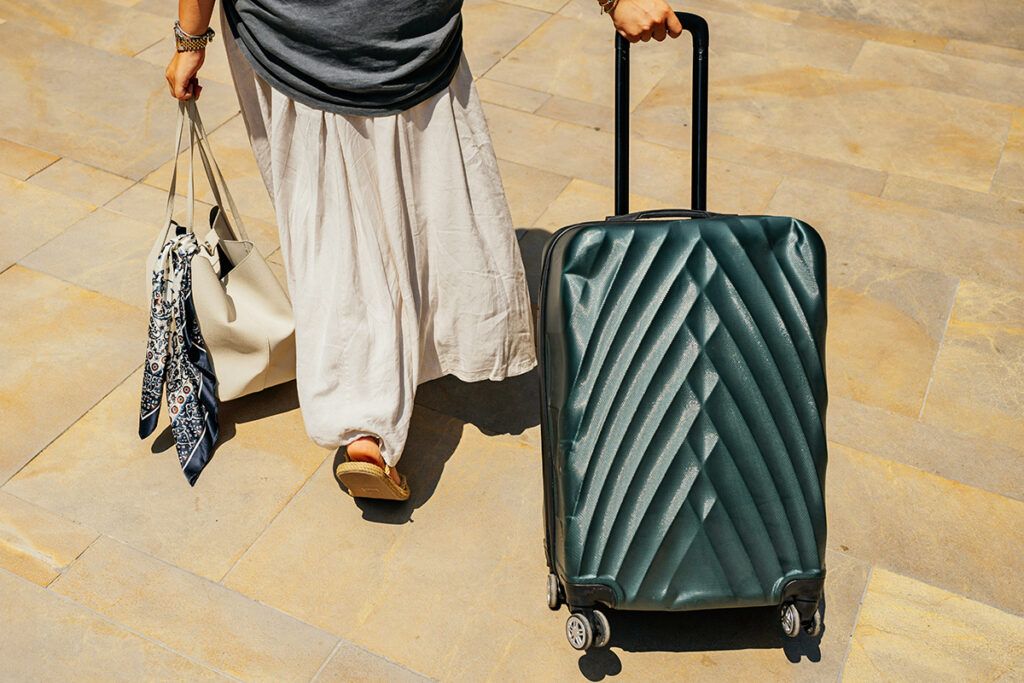
Woman walking with suitcase
Credit: © Ahmet Kurt/Unsplash.com

Luggage

According to a Consumer Reports survey, Walmart was the only luggage retailer to earn an “unfavorable” rating. They were derided for offering a poor selection alongside subpar customer service. Stores like Target and Marshalls ranked as “so-so” in the luggage category, while Amazon, Costco, and REI all earned higher marks.

Recommended Articles

  • The Safety Rules for Candles You Probably Don’t Know

  • 5 Things Your Car Needs Before the First Freeze

  • 6 Amazon Prime Day Hacks

  • 5 Things To Ask Your Doctor About the New Flu Shot

Advertisement
Advertisement

Reader Favorites

  • Woman looking in fridge

    9 Foods You Should Toss ASAP if They’re Expired

  • Person eating salad

    7 Things a Chef Never Orders at a Restaurant

  • Cherry angioma

    Are the Tiny Red Dots on Your Skin Dangerous?

Wooden table and chairs
Credit: © galaganov/stock.adobe.com

Wooden Furniture

There’s a reason why wooden chairs, tables, and other furniture are priced cheaply at Walmart. Savings expert Carson Yarbrough has warned that Walmart’s wooden furniture is “of lesser quality than other furniture retailers”and may need to be replaced more often. Consumer analyst Julie Ramhold agreed, noting that Walmart’s wooden furniture is typically made from particleboard, a cheaper, engineered wood that’s susceptible to scuffs, scratches, and damage. And shopping expert Trae Bodge told Kiplinger’s that smaller pieces from Walmart are OK, but “I wouldn’t recommend buying an important staple piece, like a couch, dresser, or dining room table at Walmart. The quality just won’t be there. My suggestion would be to consider those larger, staple items as more of an investment and spend more so it will last you many years.”

Advertisement
Advertisement
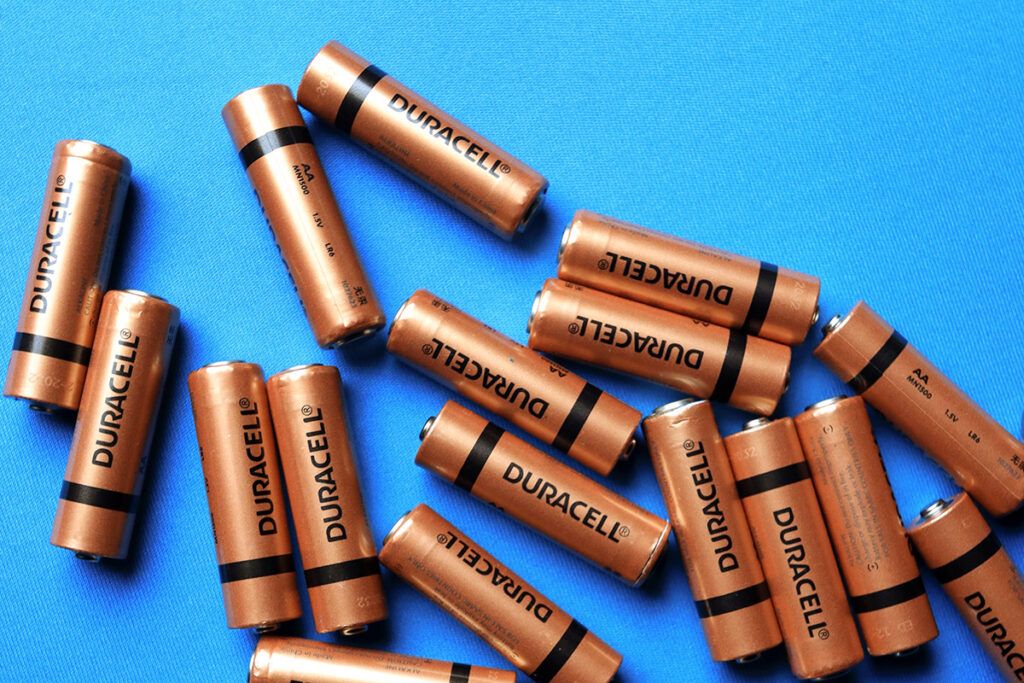
Batteries on blue background
Credit: © Ramesh Kambattan/Pexels.com 

Batteries

Walmart’s prices for batteries simply can’t compete, especially when you compare them to batteries sold by Amazon, Target, and Costco. For example, a 20-pack of Duracell AAs costs $25 at Walmart. But a 24-pack of the same type of Duracell AAs costs $15 on Amazon and $22 at Target. Perhaps best of all, you can pay $21 at Costco for 40 of the exact same battery — that’s double what you get at Walmart for less money. And while a 24-pack of AAs from Walmart’s battery brand, Great Value, will cost you $10, Costco’s Kirkland-brand batteries offer even greater value, with 48 AAs going for $17. Duracell is the company that makes Kirkland batteries, so you’re getting a similar quality for even cheaper.

Advertisement
Advertisement
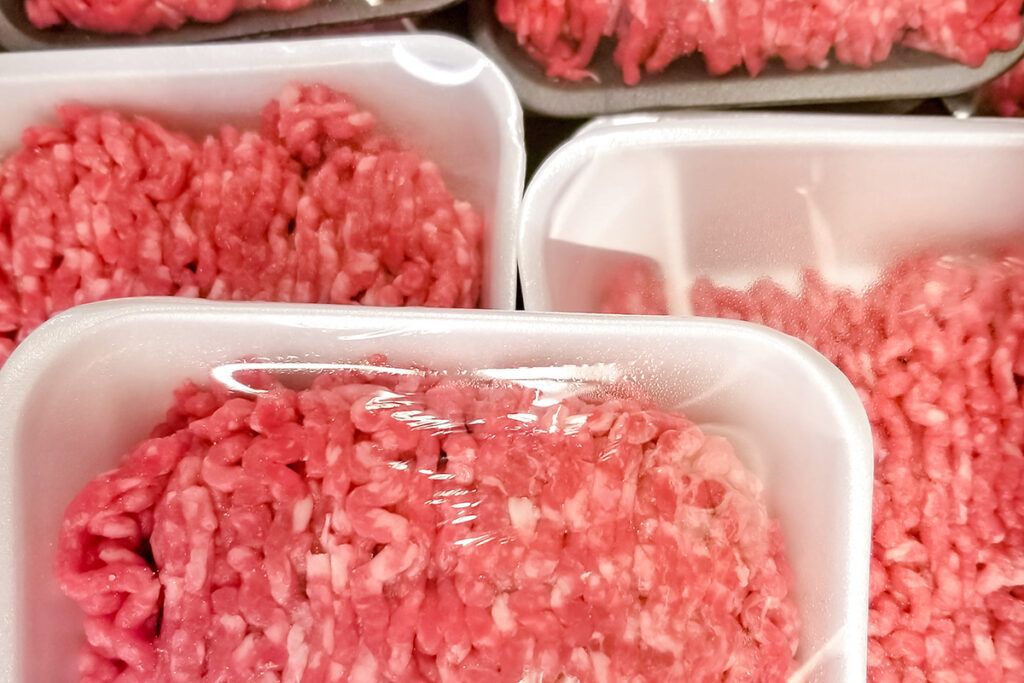
Ground beef in packages
Credit: © AHPhotoswpg—iStock/Getty Images

Ground Beef

In 2015, Walmart’s ground beef was ranked 67 out of 68 in terms of freshness and quality in a retail survey conducted by Consumer Reports. They also have had multiple recalls of their beef, most recently in 2024 due to a risk of E. coli contamination.  A 2024 analysis conducted by the Daily Meal found that competitors like Aldi usually sold ground beef at a cheaper price than Walmart. Walmart recently cut the cost of one kind of ground beef — its 73% — to $5.94 a pound (a nearly 12% reduction). But its 80% ground beef still costs $6.26 a pound compared to Aldi’s $5.99, according to TheKitchn. You can also buy a 1-pound package of Simply Nature’s organic, grass-fed beef (15% fat) at Aldi for $5.99.

Advertisement
Advertisement

Featured Image Credit: © Sundry Photography—iStock Editorial/Getty Images

More From Our Network

Better Report is part of Inbox Studio, an email-first media company. *Indicates a third-party property.

Go Retro With This 1960s Fashion Quiz

Quiz Daily

Go Retro With This 1960s Fashion Quiz

True or False: Are You a Master of U.S. Geography?

Travel Quiz

True or False: Are You a Master of U.S. Geography?

5 Reasons You Can Be Denied Boarding an Airplane

Daily Passport

5 Reasons You Can Be Denied Boarding an Airplane

What Did People Do Before Eyeglasses?

History Facts

What Did People Do Before Eyeglasses?

How To Use a Balloon To Clean Up Dust

House Outlook

How To Use a Balloon To Clean Up Dust

11 Shopping Hacks Costco Members Should Know

FinanceBuzz*

11 Shopping Hacks Costco Members Should Know

Share this article

  • Share to Facebook
  • Share to Twitter
  • Copy Url
  • Share to Email
Ali Eldridge

This article is for general informational purposes only.
Affiliate Disclaimer Medical Disclaimer Financial Disclaimer

Updated:
Posted In: Wealth
Hero Image Credit: Better Report
Advertisement

Related Articles

5 Things Your Car Needs Before the First Freeze

4 min read

6 Amazon Prime Day Hacks

6 min read

Is It Actually Better To Lease a Car?

9 min read

7 Free MIT Classes You Can Experience From Home

4 min read

The Bedroom Color That Adds $2,000 to Your Home Value

3 min read
Advertisement

The Social Security Shortfall Is Coming — Should You Be Worried?

Wealth | Updated: August 13, 2026
Jennifer M. Wood
Author
Jennifer M. Wood has been writing about news, entertainment, culture, and travel for longer than she cares to admit. She lives just outside Philadelphia with her husband and an ever-growing menagerie of rescue pets.
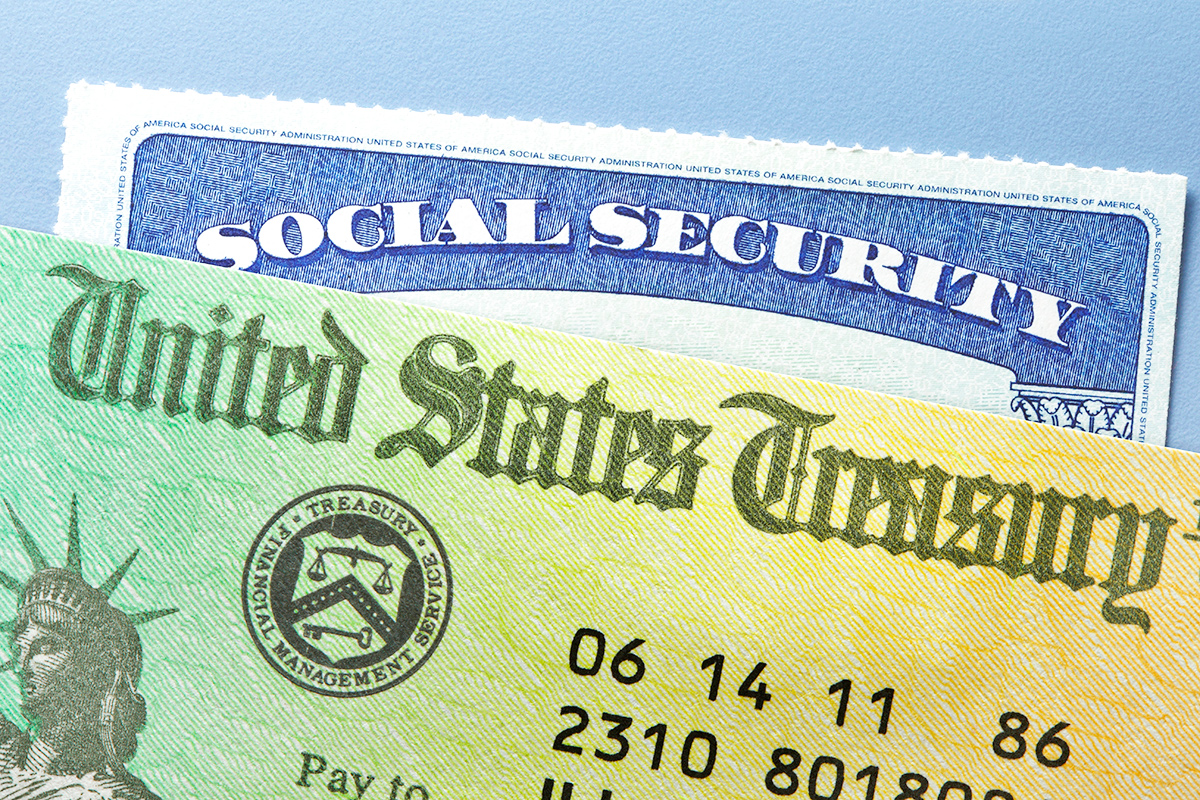
Social security card and check
Better Report

For millions of Americans, Social Security is the foundation of retirement security — so headlines saying that the program is running out of money can create a sense of panic. Americans have been told that the trust fund will be depleted, benefits could be cut by nearly one-quarter, and the program “will run dry.” 

Those warnings aren’t entirely inaccurate, but they also aren’t the whole story. Here’s what an expert had to say.

Older couple reading newspaper
Credit: © Getty Images/Undplash.com

Why the Headlines Are Misleading

Economists say the biggest misconception people have based on these headlines is that Social Security is going bankrupt. In truth, the situation is more complex — and less dire — than many Americans assume: Social Security is facing a serious funding gap, not an imminent collapse.

Advertisement
Advertisement

Today, Social Security is funded primarily through payroll taxes paid by workers and employers, with those taxes used to pay current benefits. But for decades, Social Security took in more in payroll taxes and other revenue than it paid out in benefits. Those surpluses were placed into the program’s combined trust funds, which are invested in Treasury securities and serve as a reserve when annual revenue falls short of benefit payments.

Social Security began drawing from those reserves in 2021, and the latest projections show they could be exhausted in late 2032, roughly a year earlier than previously estimated, following the passage of the One Big Beautiful Bill Act in 2025. (The act temporarily reduced revenue to the program, moving the deadline up slightly, but did not address the underlying long-term challenges driving the shortfall, including an aging population and a shrinking ratio of workers to beneficiaries.) If Congress takes no action, the Social Security Administration would only be able to pay benefits using incoming payroll tax revenue, resulting in an automatic reduction in payments of roughly 24% to all beneficiaries.

Advertisement

That’s an alarming number, to be sure — but that worst-case scenario does not mean Social Security would disappear.

Recommended Articles

  • The Safety Rules for Candles You Probably Don’t Know

  • 5 Things Your Car Needs Before the First Freeze

  • 6 Amazon Prime Day Hacks

  • 5 Things To Ask Your Doctor About the New Flu Shot

Advertisement
Advertisement

Reader Favorites

  • Woman looking in fridge

    9 Foods You Should Toss ASAP if They’re Expired

  • Person eating salad

    7 Things a Chef Never Orders at a Restaurant

  • Cherry angioma

    Are the Tiny Red Dots on Your Skin Dangerous?

“The way I put it to people is that there are two ways to think about it,” Kathryn Anne Edwards, an economist and co-host of the Optimist Economy podcast, tells Better Report. “No. 1: You pay into Social Security with every paycheck, so it can’t run out of money as long as there are workers in our country. … It can have not enough money … but that’s not the same thing as going bust.”

Secondly, Edwards says, is that “the program is 91 years old. It’s older than 99% of Americans. It’s been through presidents and Congress — people who are amazing leaders, people who are terrible leaders — and it keeps over 20 million people out of poverty in the U.S. It has a higher approval rating than Congress has ever had. So who do you think is going to be there at the end? I’m going to put my money on Social Security.”

If the reserve runs out, payroll taxes will continue flowing into the system, covering roughly three-quarters of promised benefits. For the average retired worker receiving about $2,071 a month in Social Security benefits today, that would mean a monthly check of roughly $1,575 instead — a reduction of nearly $500 a month, or almost $6,000 a year.

Advertisement
Advertisement

It’s a large gap that could make a huge difference to Americans who rely on Social Security as a major part of their income. But the looming shortfall is not a new problem, and it isn’t one that arrived overnight.

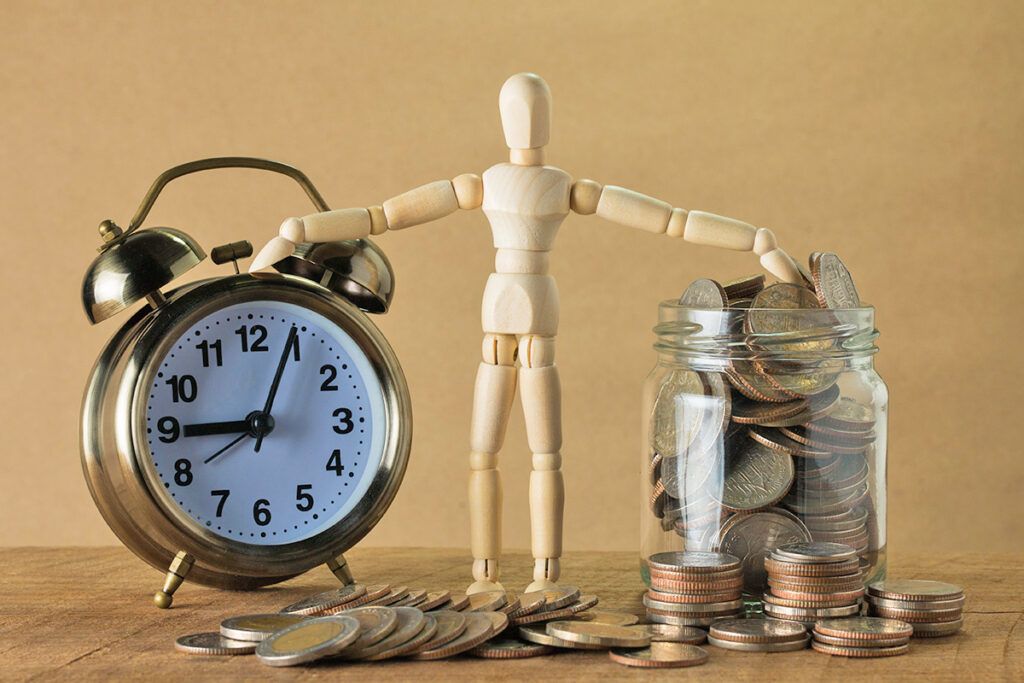
Wooden doll between alarm clock and coin jar
Credit: © Picas Joe/Pexels.com 

Why Experts Aren’t Panicking

The impending shortfall may feel sudden because the projected date is just six years away, but the underlying problem has been known for decades.

Advertisement

“Not much has actually changed since almost 1985,” Edwards says, referring to the first Trustees Report that warned about the program’s potential long-term funding shortfall. “It took two massive hits in the ’80s and in the Great Recession, but the idea that Social Security’s current tax and benefit structure will not last for 75 years is an idea that is 41 years old.”

Advertisement
Advertisement

The fundamentals remain largely the same: Baby boomers are retiring, Americans are having fewer children, and there are fewer workers contributing payroll taxes for each retiree collecting benefits. At the same time, rising income inequality means a growing share of national earnings isn’t subject to Social Security payroll taxes, further straining the program’s finances. (For 2026, the maximum amount on which Social Security tax is paid is $184,500, and as Kevin Thompson, CEO of 9i Capital Group, explained to Newsweek, “Incomes on the lower end are not bringing in enough of a tax base given the fact they have not risen as fast as higher incomes, which are beyond the cap.”) .

“You might be new to hearing about the problem because we’re getting closer to the trust fund depletion date,” Edwards says. “But nothing fundamentally has changed about Social Security or its solvency in almost 41 years.”

Capitol Building
Credit: © Getty Images/Unsplash.com

Congress Has Plenty of Time To Act

Perhaps the biggest reason experts say panic isn’t warranted is that lawmakers still have years to address the shortfall.

Congress has repeatedly stepped in before Social Security reached a breaking point, but Edwards is skeptical that lawmakers will reach a solution before the deadline is looming. “Whenever [the deadline] runs out,” she says, “they’re going to do their thing two weeks before it.”

Advertisement

That’s a view informed by history. In 1983, the trust fund was just three months away from being depleted. Rather than letting a benefit cut go through, lawmakers passed bipartisan reforms to Social Security, raising the retirement age and increasing payroll taxes, among other measures. “It was like a ticking clock,” Edwards says. “People were like, ‘Just do something.’ Yeah, that’s not great, but at least we know this is probably what’s going to happen [this time].”

Advertisement
Advertisement

The bottom line, Edwards says, is that “Congress has never let [a benefit cut] happen before. … Once it’s clear to Congress that they’ll be individually blamed for Social Security being cut, they’ll act.”

Woman on phone
Credit: © N Lawrenson/stock.adobe.com

What Can Americans Do Now?

Rather than panic, Edwards says Americans should pay attention to where their elected officials stand on Social Security by asking them directly.

“If people feel strongly about Social Security, they should pick up the phone and call their member of Congress and ask, ‘Are you going to cut my benefits?’” she says. “And if they say yes, vote them out.”

Advertisement
Advertisement

Polling suggests voters across the political spectrum overwhelmingly oppose benefit cuts and generally favor raising additional revenue instead, including proposals such as lifting the payroll tax cap on high earners.

“There is no reason we have to cut benefits,” Edwards says. “There are lots of ways to raise revenue that Americans support.”

Advertisement

The stakes for voters are also immediate. The senators elected in November’s midterms will be in office when Social Security’s current projected trust fund depletion date arrives in 2032. Their decisions in the years ahead could determine whether the program faces benefit cuts, new revenue measures, or another compromise altogether. 

The message for Americans is simple: Social Security is facing a serious challenge but not an immediate disappearance. The system has survived nearly a century of political battles, and its future will depend on whether lawmakers can find a solution before the clock runs out.

Advertisement
Advertisement

Featured Image Credit: © DNY59—iStock/Getty Images

More From Our Network

Better Report is part of Inbox Studio, an email-first media company. *Indicates a third-party property.

Go Retro With This 1960s Fashion Quiz

Quiz Daily

Go Retro With This 1960s Fashion Quiz

True or False: Are You a Master of U.S. Geography?

Travel Quiz

True or False: Are You a Master of U.S. Geography?

5 Reasons You Can Be Denied Boarding an Airplane

Daily Passport

5 Reasons You Can Be Denied Boarding an Airplane

What Did People Do Before Eyeglasses?

History Facts

What Did People Do Before Eyeglasses?

How To Use a Balloon To Clean Up Dust

House Outlook

How To Use a Balloon To Clean Up Dust

11 Shopping Hacks Costco Members Should Know

FinanceBuzz*

11 Shopping Hacks Costco Members Should Know

Share this article

  • Share to Facebook
  • Share to Twitter
  • Copy Url
  • Share to Email
Jennifer M. Wood
Writer

Jennifer M. Wood has been writing about news, entertainment, culture, and travel for longer than she cares to admit. She lives just outside Philadelphia with her husband and an ever-growing menagerie of rescue pets.

This article is for general informational purposes only.
Affiliate Disclaimer Medical Disclaimer Financial Disclaimer

Updated: May 8, 2026
Posted In: Wealth
Hero Image Credit: Better Report
Advertisement

Related Articles

5 Things Your Car Needs Before the First Freeze

4 min read

6 Amazon Prime Day Hacks

6 min read

Is It Actually Better To Lease a Car?

9 min read

7 Free MIT Classes You Can Experience From Home

4 min read

The Bedroom Color That Adds $2,000 to Your Home Value

3 min read
Advertisement

Could Your Kitchen Cleaning Habits Be Making You Sick?

Ali Eldridge
Health | Updated: August 13, 2026
Person washing dishes
Better Report

If you watch the news, you’ll frequently see stories about food recalls. They’re worth keeping tabs on, because food poisoning is no joke: The USDA estimates that Americans experience about 48 million foodborne illnesses each year from a population of about 342 million. That’s a lot.

When it comes to avoiding foodborne illnesses, food safety is important, but it’s only part of the picture — you also need a safe place to prepare your food. The unfortunate truth is that even if you pride yourself on keeping a clean kitchen, you still may be inadvertently letting bacteria thrive. Here are the issues I see most often as a former chef and food safety trainer. 

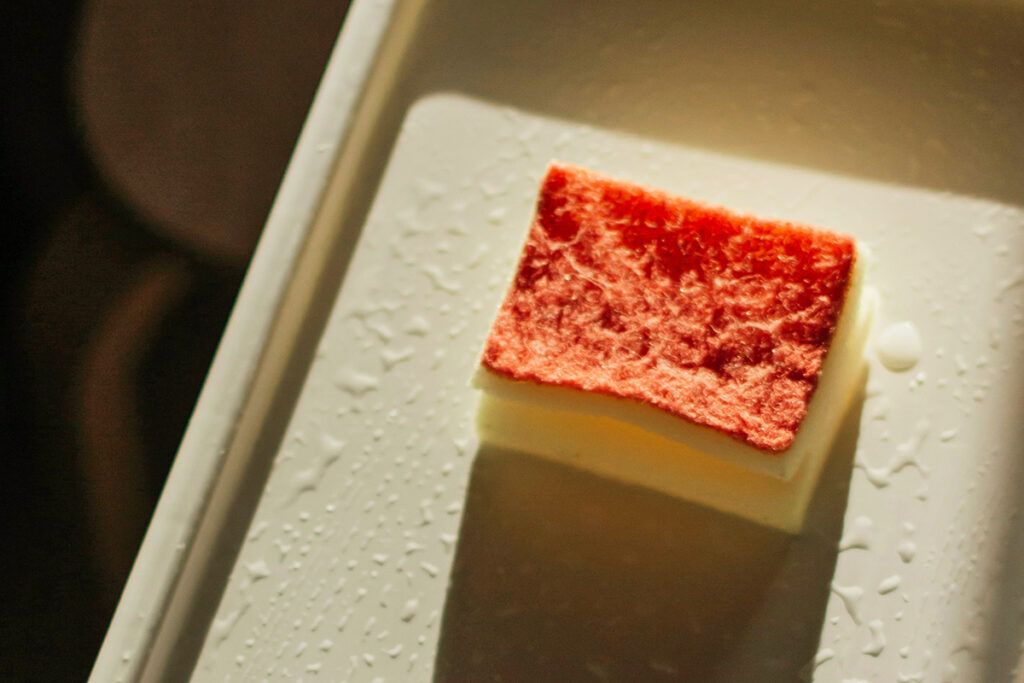
Sponge on counter
Credit: © Alina Bondar/Unsplash.com

Your Sponge

You’ve probably seen clickbait headlines telling you that “there are more bacteria on your kitchen sponge than in your toilet.” It’s true, but a little misleading: Your kitchen sponge does have a really high bacterial load, but most of the bacteria on it are harmless. The bad news? It can also harbor harmful pathogens including salmonella, E. coli, listeria, and others you might not know by name. 

While you’re cleaning, your sponge picks up bacteria and pathogens from the surfaces you wipe (dishes, cutting boards, knives, and so on). If you clean a cutting board that just held raw chicken, for example, any salmonella on the board is now in your sponge. Your sponge also traps food particles and moisture, and then sits at room temperature for hours. 

Advertisement
Advertisement

In other words, you’re creating perfect conditions for bacteria to grow. So, the next time you use your sponge, you’ll be smearing bacteria across your counters and dishes rather than cleaning them off. If you use a cloth for cleaning your counters or hand-washing dishes, you’ll face similar challenges. 

Advertisement

So what should you do if you don’t want to spread bacteria? 

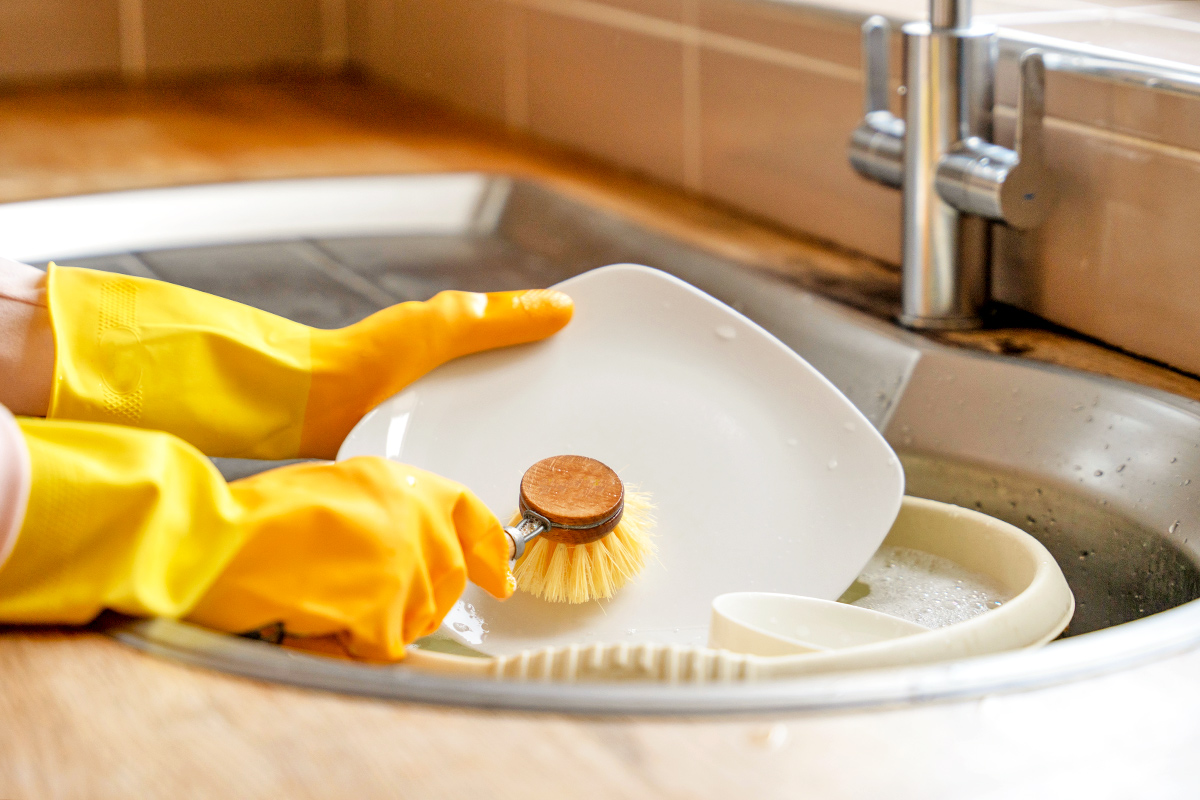
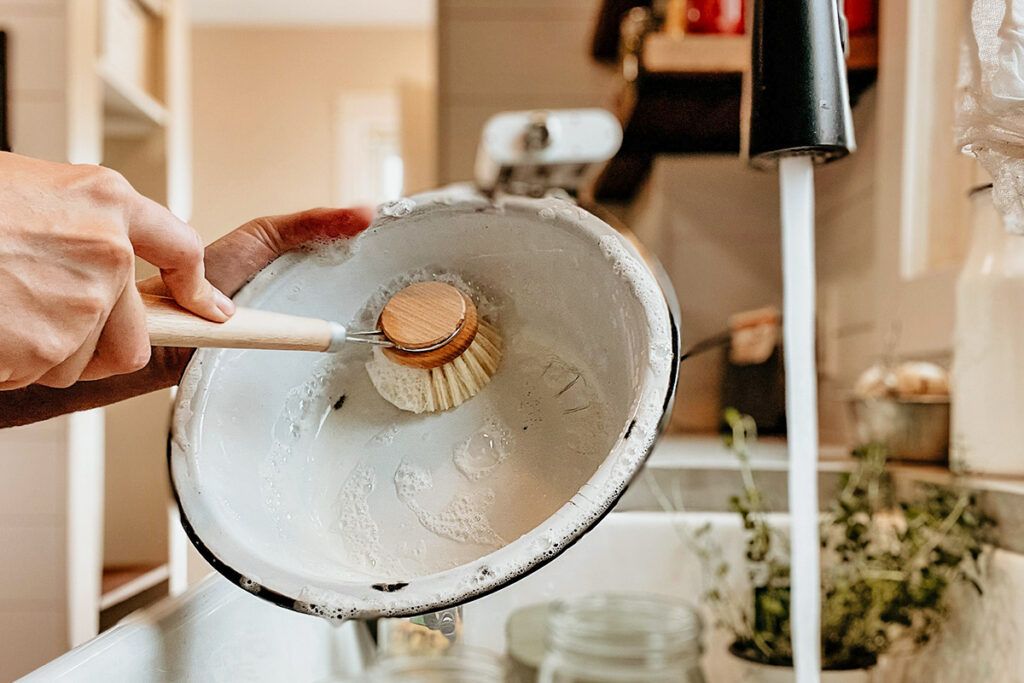
Cleaning dish with brush
Credit: © Hannah Grapp/Pexels.com

How To Clean Without Spreading Bacteria

The simplest option might be to change the tool you use. A study conducted in 2022 across 10 European nations found that dish-scrubbing brushes were significantly more sanitary than sponges. Not only did their bristles retain less food waste and bacteria than sponges, but they were also easier to clean and dried faster, taking away the moisture bacteria need for survival. 

Recommended Articles

  • The Safety Rules for Candles You Probably Don’t Know

  • 5 Things Your Car Needs Before the First Freeze

  • 6 Amazon Prime Day Hacks

  • 5 Things To Ask Your Doctor About the New Flu Shot

Advertisement
Advertisement

Reader Favorites

  • Woman looking in fridge

    9 Foods You Should Toss ASAP if They’re Expired

  • Person eating salad

    7 Things a Chef Never Orders at a Restaurant

  • Cherry angioma

    Are the Tiny Red Dots on Your Skin Dangerous?

For uses where brushes might not be the tool for the job, there are several methods you can use to sanitize your sponge or washcloth between uses:

• Run it through a cycle in your dishwasher, using its high heat setting and heated drying.
• Soak the sponge in pure, 10% chlorine bleach for one minute.
• Soak the sponge in 70% ethanol (i.e., overproof vodka or equivalent). 
• Put the sponge through a hot water wash in your washing machine, with bleach, and dry it on your dryer’s hot setting.
• Wet the sponge or cloth thoroughly, then microwave on high for one minute.
• Boil your sponge or cloth for 10 minutes.

USDA testing showed that the microwave is the simplest and most effective option for sanitizing your sponge, as long as your sponge is microwave-safe. But additional research from other sources, including a microbiologist in her home kitchen, showed that it’s not a bulletproof option: The bleach, dishwasher, and washing machine options all worked pretty well; hydrogen peroxide and the dishwasher without hot drying were less effective; and the microwave results were variable. 

Advertisement
Advertisement

Considering all the benefits that come with using brushes, and the fact that they can also be sanitized in the dishwasher, you may just want to opt for that instead. If you must use a sponge, replace it every one to two weeks, even if you’re sanitizing it. 

Advertisement
Cutting meat
Credit: © Getty Images/Unsplash.com

Your Hands

You use your hands to hold food, cooking utensils, and the sponge or cloth you clean with, so they’ll be exposed to any pathogens on those things. You’ll spread those microbes to the knobs on your stove, the handles of your faucet and knives, your light switches and doorknobs, and any family members you happen to touch. 

Advertisement
Advertisement

That’s why handwashing is drilled into culinary students (and medical students!) so thoroughly. It’s one of the fundamental rules of food safety. You really need to wash your hands with soap and water for at least 20 seconds every time they’ve been in contact with a possible source of contamination, whether you took a bathroom break or were touching raw meats or fresh produce (a common source of food recalls). Alternatively, you can use gloves, as long as you change them when you shift from one task to another. Doing so will help prevent any skin irritation from frequent handwashing. 

Washing your hands or changing gloves often is inconvenient, sure. But touching things absentmindedly with unwashed hands is how a lot of common pathogens like norovirus, for example, spread — and I can assure you that the extra time spent washing your hands is a lot less inconvenient than getting noro. 

Advertisement
Advertisement
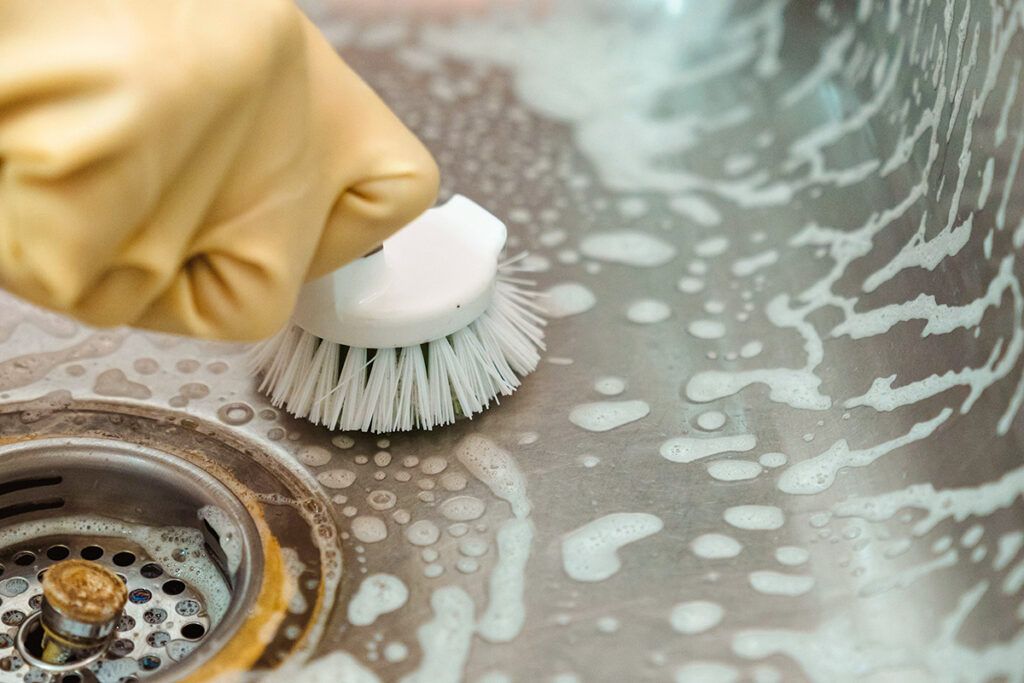
Cleaning sink
Credit: © Liliana Drew/Pexels.com

Your Sink

Your sponge is what you use to clean a lot of things, but your kitchen sink is where you clean them. That means it sees a whole lot of foodborne bacteria, viruses, and parasites. (The cyclosporiasis outbreak that sickened thousands in July 2026 is caused by a parasite.) Your sink is a place where pathogens gather, and it might need a little more care than you’re giving it. 

After you’ve used your sink to rinse produce or things like cutting boards, or after you’ve drained the juices from a package of fresh or thawed meat, wash it carefully with your cleanser of choice. The drain is an especially good place for bacteria to gather due to its nooks and crannies, so scrub those with a brush to get out any gunk. If your sink has a basket-type stopper, run that through a hot dishwasher cycle at least once a week to keep it sanitary. Finally, make a habit of disinfecting the whole sink and drain with diluted bleach every few days. 

Advertisement
Advertisement
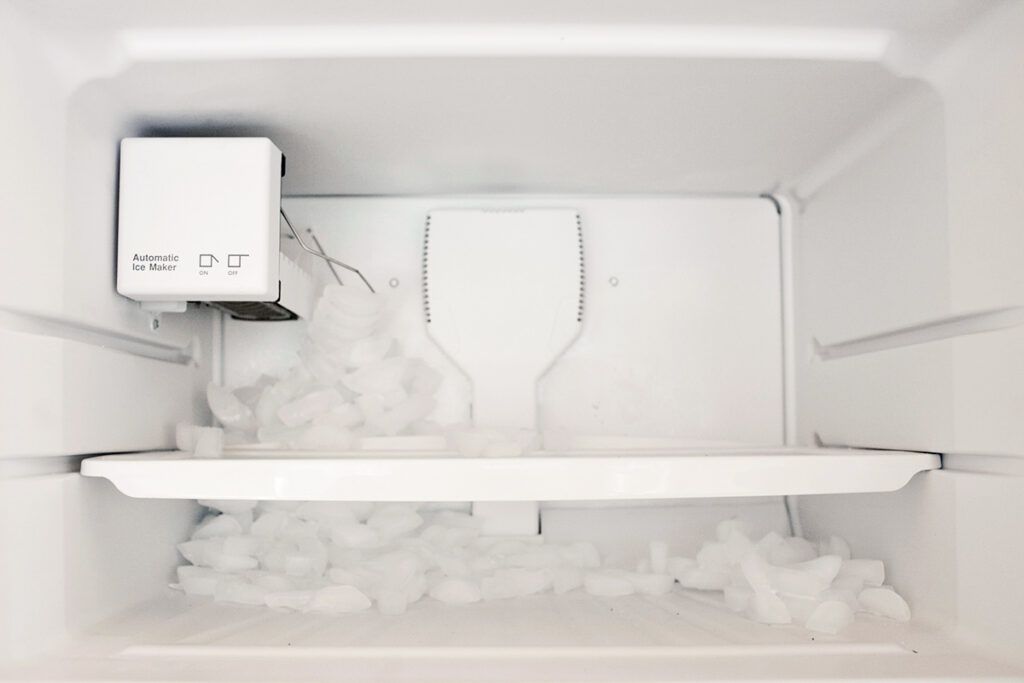
Icemaker
Credit: © Sarah Palmer—Moment/Getty Images

Your Icemaker

The ice maker in your fridge (or a stand-alone ice maker, if you have one) may also be one of the dirtiest things in your house. Ice makers accumulate molds and bacteria — many of which, including cold-tolerant listeria, can make you pretty ill. Cleaning it two to three times a year is relatively straightforward, and easy to remember if you schedule it to coincide with something else (holiday weekends, for example). Not only will this protect you from possible illness, but your ice cubes will also look and taste better. 

Advertisement
Advertisement
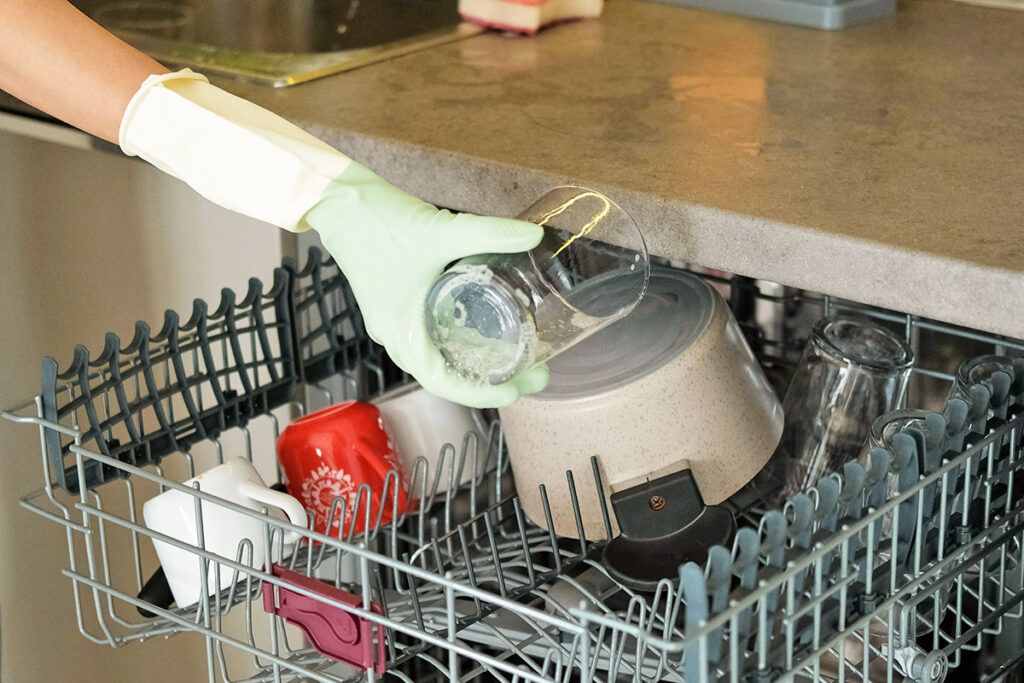
Person loading dishwasher
Credit: © Kübra Arslaner/ Unsplash.com

Your Dishwasher 

Your dishwasher plays a key role in keeping other things clean and sanitary, but only if the machine itself is clean and sanitary. If you allow gunk to build up in and around the filter, in the jets, or around the door seals, you’re providing a place where hardy bacteria can linger. Yes, a hot water wash and heat drying will probably kill them, but why take chances? Here’s a guide you can use to make sure your dishwasher is pristine. 

Advertisement
Advertisement

Featured Image Credit: © Iryna/stock.adobe.com

More From Our Network

Better Report is part of Inbox Studio, an email-first media company. *Indicates a third-party property.

Go Retro With This 1960s Fashion Quiz

Quiz Daily

Go Retro With This 1960s Fashion Quiz

True or False: Are You a Master of U.S. Geography?

Travel Quiz

True or False: Are You a Master of U.S. Geography?

5 Reasons You Can Be Denied Boarding an Airplane

Daily Passport

5 Reasons You Can Be Denied Boarding an Airplane

What Did People Do Before Eyeglasses?

History Facts

What Did People Do Before Eyeglasses?

How To Use a Balloon To Clean Up Dust

House Outlook

How To Use a Balloon To Clean Up Dust

11 Shopping Hacks Costco Members Should Know

FinanceBuzz*

11 Shopping Hacks Costco Members Should Know

Share this article

  • Share to Facebook
  • Share to Twitter
  • Copy Url
  • Share to Email
Ali Eldridge

This article is for general informational purposes only.
Affiliate Disclaimer Medical Disclaimer Financial Disclaimer

Updated:
Posted In: Health
Hero Image Credit: Better Report
Advertisement

Related Articles

5 Things To Ask Your Doctor About the New Flu Shot

5 min read

Is Sourdough Actually Healthier Than Regular Bread?

7 min read

Do You Really Need a Bidet in Your Home?

4 min read

3 Common Sleep Habits That May Be Aging Your Brain

5 min read

Is the Traditional Mediterranean Diet Actually the Best for Your Brain?

4 min read
Advertisement

Your $1 Bill Could Be Worth Thousands

Wealth | Updated: August 10, 2026
Jennifer M. Wood
Author
Jennifer M. Wood has been writing about news, entertainment, culture, and travel for longer than she cares to admit. She lives just outside Philadelphia with her husband and an ever-growing menagerie of rescue pets.
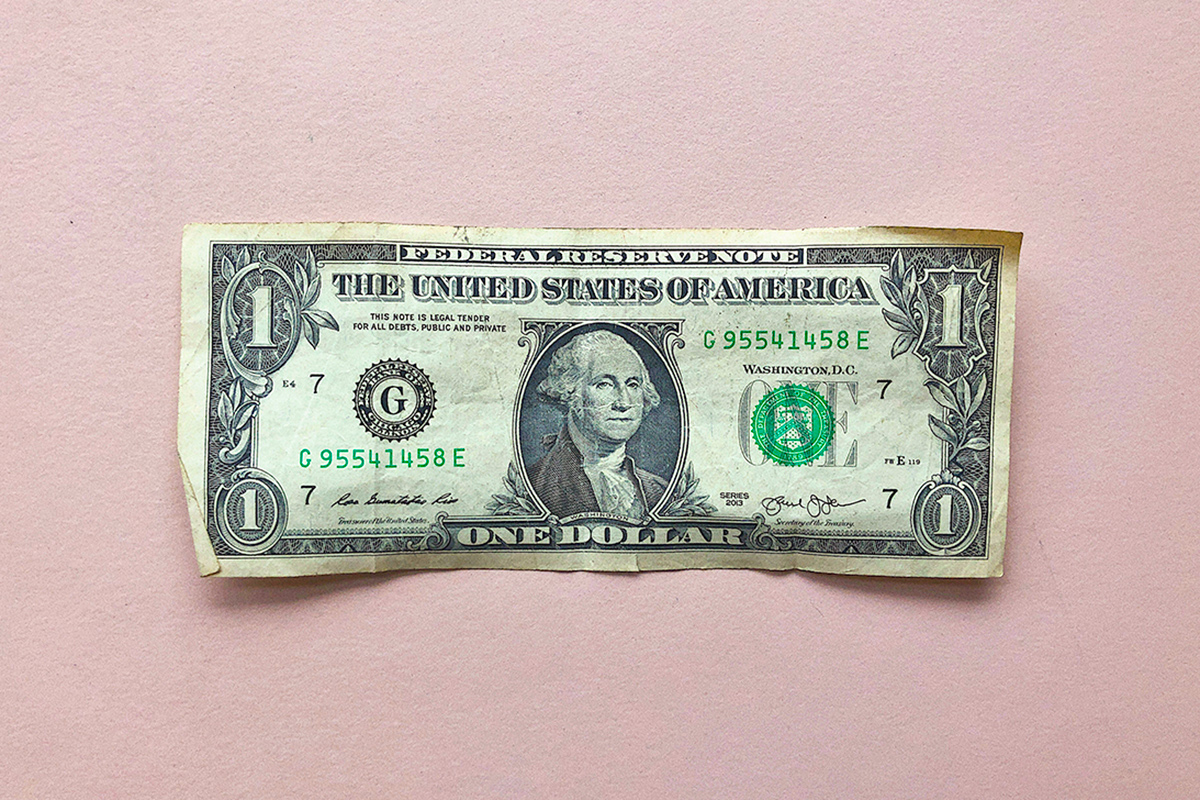
$1 bill on pink background
Better Report

It would be logical to think that the value of the cash in your wallet is printed right there on the face of the bill. But that assumption could end up costing you.

According to Wealthy Nickel, a rare printing error by the U.S. Bureau of Engraving and Printing has made some $1 bills worth up to a whopping $150,000 to collectors. Here’s what you should know before you spend any potentially valuable currency.

$1 bills being printed
Credit: © Scanrail/stock.adobe.com

The Big Whoops

In November 2014, the Bureau of Engraving and Printing sent an order to print a batch of $1 bills to its Washington, D.C., facility. Then, in July 2016, it accidentally sent the same printing order to its Fort Worth, Texas, facility.

Advertisement
Advertisement

The result: Millions of $1 bills entered circulation with duplicate serial numbers. Because every U.S. bill is supposed to have a unique serial number, the mistake created matching bills that collectors now consider one of the most unusual modern currency errors.

Rather than making the bills worthless, the printing blunder has made them highly desirable. Collectors are searching for matching pairs of the duplicate notes and, in exceptional cases involving bills in excellent condition, may be willing to pay as much as $150,000 for a complete matched set. 

Advertisement
$1 bill under a magnifying glass
Credit: © Sasun Bughdaryan/Unsplash.com

How To Tell If Your $1 Bill Is Valuable

Not every $1 bill with an unusual serial number is worth a fortune. The most sought-after notes all share three specific characteristics:

Series 2013: Look for the words “Series 2013” printed near George Washington’s portrait.

A “B” Federal Reserve Seal: The letter “B” indicates the bill was issued by the Federal Reserve Bank of New York.

Recommended Articles

  • The Safety Rules for Candles You Probably Don’t Know

  • 5 Things Your Car Needs Before the First Freeze

  • 6 Amazon Prime Day Hacks

  • 5 Things To Ask Your Doctor About the New Flu Shot

Advertisement
Advertisement

Reader Favorites

  • Woman looking in fridge

    9 Foods You Should Toss ASAP if They’re Expired

  • Person eating salad

    7 Things a Chef Never Orders at a Restaurant

  • Cherry angioma

    Are the Tiny Red Dots on Your Skin Dangerous?

A Star Serial Number in a Specific Range: The serial number must end with a star (*) and fall within one of these ranges:
B00000001* through B00250000*
B03200001* through B09600000*

If your bill checks all three boxes, it could be one half of a rare duplicate pair created by the Bureau of Engraving and Printing’s error.

Advertisement

However, finding one of the bills is only part of the challenge. The biggest payouts go to collectors who can match their note with its duplicate — another bill carrying the exact same serial number — which is no small feat.

Advertisement
Advertisement

Although more than 6.4 million duplicate notes entered circulation, only nine matching pairs have so far been reunited. The highest estimates of up to $150,000 apply to exceptionally rare matched pairs in top condition. Single notes can still fetch you a couple hundred dollars but generally command far less than a complete pair.

Hands holding $1 bills
Credit: © Sasun Bughdaryan/Unsplash.com

What Should You Do If You Find One?

If you discover a qualifying bill, avoid folding it or spending it. Keep it in a protective currency sleeve and record the serial number. Collectors maintain online databases, such as Project 2013B, to help owners determine whether the matching bill has already surfaced. If you eventually locate the duplicate, having both notes professionally authenticated and graded can significantly increase what collectors are willing to pay.

Advertisement
Advertisement
$1 bills on a table
Credit: © Emilio Takas/Unsplash.com

Other $1 Bills That Could Be Worth More Than Face Value

Even if that single dollar hiding under your couch cushion isn’t one of the rare duplicate serial number notes, it could be worth more than its face value. Currency collectors also pay premiums for certain other $1 bills, including:

Star Notes: Bills with a star (*) at the end of the serial number are replacement notes printed to take the place of bills damaged during production. While most are worth only a small premium, low-print-run star notes or those in pristine condition can be significantly more valuable.

Unusual Serial Numbers: Collectors seek out bills with unusual serial numbers, such as all the same digit (11111111), ladders (12345678), radars (a palindrome like 12344321), repeaters, or very low serial numbers such as 00000025. Depending on the pattern and condition, these bills can sell for significantly more than their face value.

Advertisement
Advertisement

Printing Errors: Notes with major production mistakes — such as missing serial numbers, off-center printing, inverted overprints, or missing seals — are among the most desirable modern error notes. Some have sold for hundreds of dollars at auction.

Advertisement

So, before you shove that next dollar bill into a tip jar, it may be worth taking a closer look. You never know when an ordinary buck could turn out to be worth a small fortune.

Featured Image Credit: © Ryan Quintal/Unsplash.com

More From Our Network

Better Report is part of Inbox Studio, an email-first media company. *Indicates a third-party property.
Go Retro With This 1960s Fashion Quiz

Quiz Daily

Go Retro With This 1960s Fashion Quiz

True or False: Are You a Master of U.S. Geography?

Travel Quiz

True or False: Are You a Master of U.S. Geography?

5 Reasons You Can Be Denied Boarding an Airplane

Daily Passport

5 Reasons You Can Be Denied Boarding an Airplane

What Did People Do Before Eyeglasses?

History Facts

What Did People Do Before Eyeglasses?

How To Use a Balloon To Clean Up Dust

House Outlook

How To Use a Balloon To Clean Up Dust

11 Shopping Hacks Costco Members Should Know

FinanceBuzz*

11 Shopping Hacks Costco Members Should Know

Share this article

  • Share to Facebook
  • Share to Twitter
  • Copy Url
  • Share to Email
Jennifer M. Wood
Writer

Jennifer M. Wood has been writing about news, entertainment, culture, and travel for longer than she cares to admit. She lives just outside Philadelphia with her husband and an ever-growing menagerie of rescue pets.

This article is for general informational purposes only.
Affiliate Disclaimer Medical Disclaimer Financial Disclaimer

Updated: May 8, 2026
Posted In: Wealth
Hero Image Credit: Better Report
Advertisement

Related Articles

5 Things Your Car Needs Before the First Freeze

4 min read

6 Amazon Prime Day Hacks

6 min read

Is It Actually Better To Lease a Car?

9 min read

7 Free MIT Classes You Can Experience From Home

4 min read

The Bedroom Color That Adds $2,000 to Your Home Value

3 min read
Advertisement

The Worst Time of Day To Go to the Grocery Store

Ali Eldridge
Home | Updated: August 7, 2026
Man shopping at grocery store
Better Report

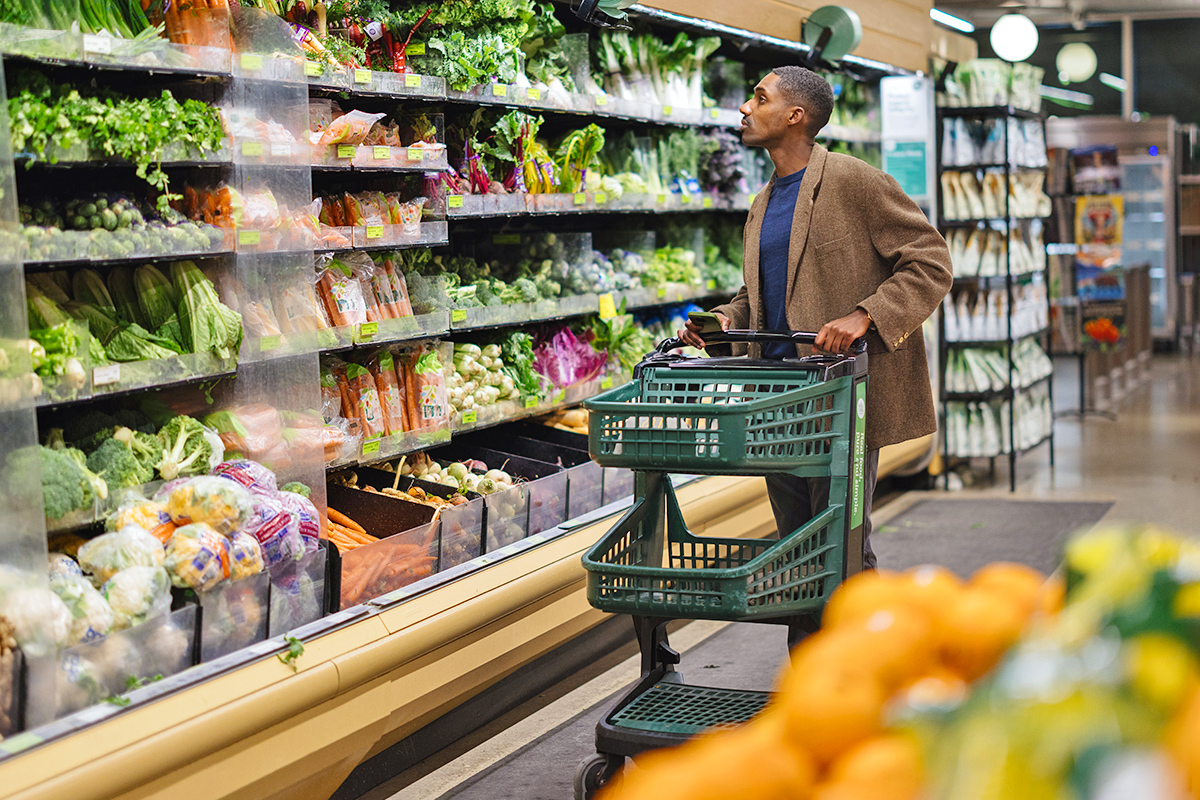
Popping into the grocery store to grab a few essentials isn’t always the quick and easy chore people hope it will be. Sometimes you walk in to find the shelves have been picked bare, and you’re forced to return another day. Other times they have what you need in stock, but the checkout line is longer than the queue for the most popular ride at Disneyland.

The surest way to avoid these issues is to do your grocery shopping at times when shelves are probably stocked and crowds are likely to be small. What makes things a bit tricky is those times don’t necessarily overlap, so you may end up dealing with low inventory but short lines. Let’s look at the worst time of day to shop, depending on your priority.

Advertisement
Advertisement
Grocery store employee restocking
Credit: © Bostanika/stock.adobe.com

The Worst and Best Times for Good Grocery Selection

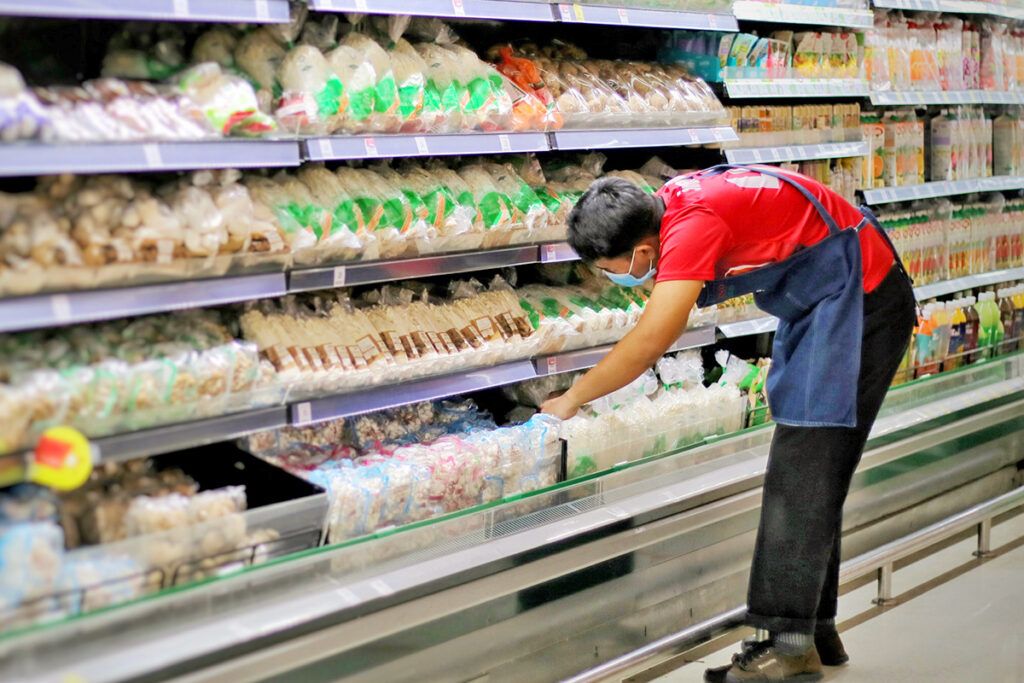
It’s best to shop at the grocery store earlier in the day if you’re looking for a plentiful selection, as the shelves are more likely to be picked over as the day goes on. While supermarkets might restock certain items throughout the day, larger restocks are typically done after stores close or before they open, when there are no customers. So if you’re hoping for fully-stocked shelves, try to go in the morning as close to when the store opens as possible.

The day of the week matters, too. Many grocery stores do larger restocks midweek in anticipation of weekend traffic. The exact day may vary from store to store, so it’s worth doing a little recon at your local supermarket to see when shelves are fully stocked. (You can also ask employees directly.) You may find that there’s more inventory on a Tuesday or Wednesday morning, making them better days for shopping than a Sunday or Monday after the weekend rush.

Recommended Articles

  • The Safety Rules for Candles You Probably Don’t Know

  • 5 Things Your Car Needs Before the First Freeze

  • 6 Amazon Prime Day Hacks

  • 5 Things To Ask Your Doctor About the New Flu Shot

Advertisement
Advertisement

Reader Favorites

  • Woman looking in fridge

    9 Foods You Should Toss ASAP if They’re Expired

  • Person eating salad

    7 Things a Chef Never Orders at a Restaurant

  • Cherry angioma

    Are the Tiny Red Dots on Your Skin Dangerous?

One final thing to consider is when grocery stores start advertising their new products and sales. Typically, supermarkets begin new sales periods on Wednesdays, making that  a good day to shop for discounted inventory — though crowds may be bigger since people will be coming to take advantage of those deals.

All this is to say that if you’re looking for a good selection, going shopping first thing Wednesday morning may be the best time. Late on Sunday, on the other hand, is one of several comparably worse times.

Advertisement
Crowded grocery store
Credit: © BrasilNut1—iStock Editorial/Getty Images

The Worst and Best Times for Small Crowds

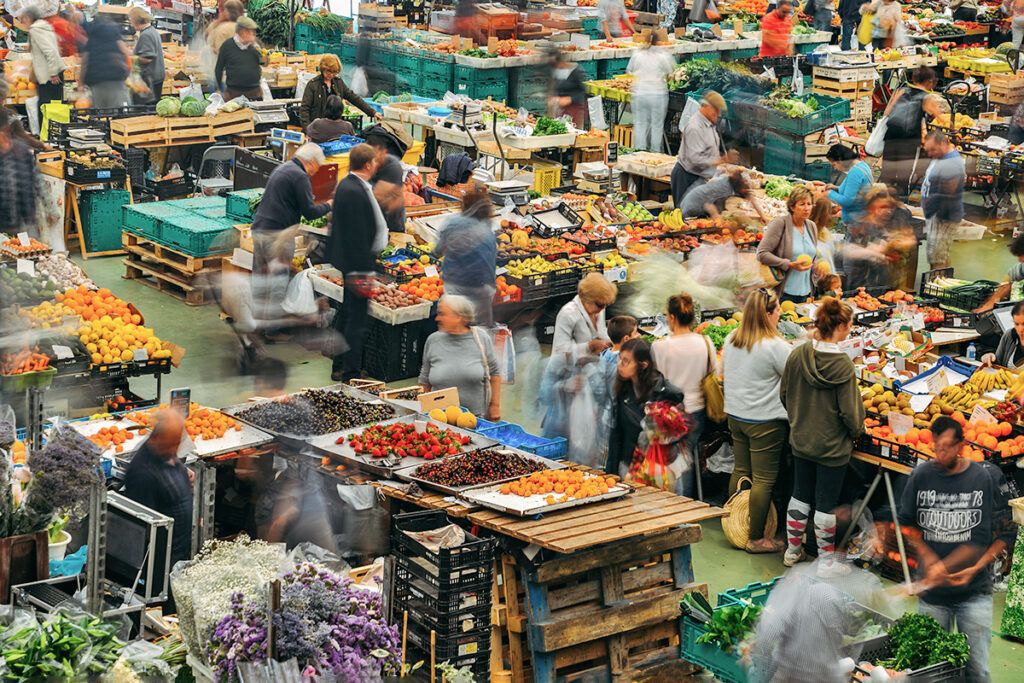
Studies have shown that 59% of shoppers go to the supermarket on Friday, Saturday, or Sunday, making the weekend an especially bad time to shop if you’re hoping to avoid big crowds. Furthermore, according to statistics from the USDA released in 2019, the peak time to shop on weekends was from 11 a.m. to 12:59 p.m. The same time period was also busy on weekdays, as was 3 p.m. to 3:59 p.m. — around the time people with earlier shifts (such as teachers) may get out of work and start to shop for the evening ahead.

Advertisement
Advertisement

In addition to avoiding weekends and midday shopping, you need to be aware of major events that may be happening. For instance, if there’s a big sporting event like the Super Bowl or a golf tournament, people may be doing some last-minute shopping in the hours leading up to it. The same may hold true around a holiday, with people grabbing final groceries hours before Thanksgiving, Christmas, Easter, and so on. And if you live in a churchgoing community, you may want to avoid the midday Sunday rush, when churchgoers are shopping after services.

Whether you’re prioritizing stocked shelves or small crowds, it seems that your best bet is to head to the grocery store earlier in the morning, during the middle of the week, and on days when there are no major local or national events. This isn’t always possible, of course, but it’s the surest way to avoid a stressful supermarket experience.

Advertisement
Advertisement

Featured Image Credit: © Ivan Pantic—E+/Getty Images

More From Our Network

Better Report is part of Inbox Studio, an email-first media company. *Indicates a third-party property.

Go Retro With This 1960s Fashion Quiz

Quiz Daily

Go Retro With This 1960s Fashion Quiz

True or False: Are You a Master of U.S. Geography?

Travel Quiz

True or False: Are You a Master of U.S. Geography?

5 Reasons You Can Be Denied Boarding an Airplane

Daily Passport

5 Reasons You Can Be Denied Boarding an Airplane

What Did People Do Before Eyeglasses?

History Facts

What Did People Do Before Eyeglasses?

How To Use a Balloon To Clean Up Dust

House Outlook

How To Use a Balloon To Clean Up Dust

11 Shopping Hacks Costco Members Should Know

FinanceBuzz*

11 Shopping Hacks Costco Members Should Know

Share this article

  • Share to Facebook
  • Share to Twitter
  • Copy Url
  • Share to Email
Ali Eldridge

This article is for general informational purposes only.
Affiliate Disclaimer Medical Disclaimer Financial Disclaimer

Updated:
Posted In: Home
Hero Image Credit: Better Report
Advertisement

Related Articles

The Safety Rules for Candles You Probably Don’t Know

5 min read

9 Items in Your Basement You Should Toss Right Now

5 min read

5 Vegetables You Should Never Store in the Fridge

3 min read

Why a Flashing Check Engine Light Is Different From a Solid One

3 min read

Why Does Your Sink Have a Tiny Hole?

3 min read
Advertisement

7 ‘Bad’ Foods That Are Actually Good for You

Health | Updated: August 5, 2026
Nicole Pyles
Author
Based in Portland, Oregon, Nicole Pyles is an experienced freelance writer who writes about home and kitchen, health and wellness, and more. She's written for a variety of outlets, including Better Homes and Gardens, Tom's Guide, Better Report, and more.
Popcorn in a bowl
Better Report

Everyone’s nutritional needs are different — one person’s healthy food is another person’s food to avoid. In part because of this, it’s easy to assume a food item is bad for you when it may not be unhealthy at all. In fact, some foods commonly deemed unhealthy can actually benefit your health.

According to Dr. Theresa DeLorenzo, a registered dietitian, adjunct professor at Russell Sage College, and founder/owner of Nutrition for Optimal Performance, “There are no good and bad foods.” In fact, that line of thinking — separating “good” foods from “bad” foods — can lead to harmful behaviors. “When we label foods as good and bad, it creates feelings of guilt, leading to a cycle of restriction and binging that cycles over and over.” Instead, she recommends changing how you think about food. “Remember that ‘all foods fit.’ Eat slowly and mindfully and stop when you are full,” she says.

Advertisement
Advertisement

We talked to Dr. DeLorenzo and Candice Knauer, M.S., R.D., L.D., owner of Firstline Nutrition LLC, about some popular so-called “bad” foods that have surprising health benefits.

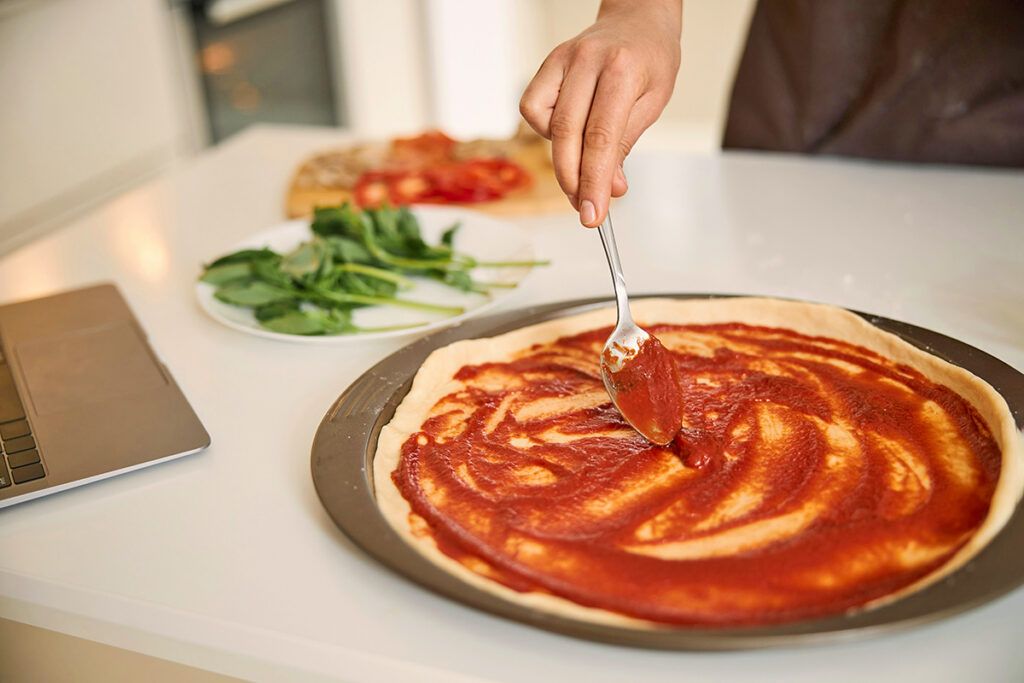
Putting sauce on homemade pizza
Credit: © Getty Images/Unsplash.com

Pizza

Pizza is more than a comfort food. It’s also one of Dr. DeLorenzo’s favorite foods that people often say is bad for you. “Pizza is a perfect combination of carbohydrates, protein, and fat,” she says. “If made at home, you can use a whole-grain crust and olive oil and top with your favorite vegetables.” She also recommends it after a long run: “It replaces … electrolytes, sodium, calcium, potassium, and magnesium.” 

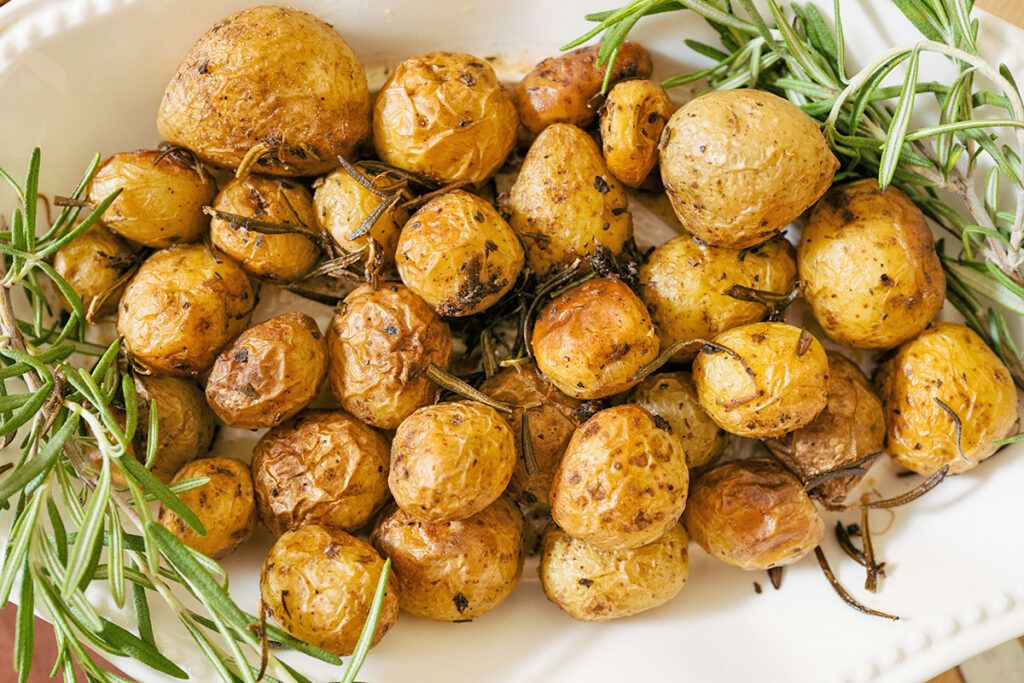
Roasted potatoes
Credit: © Andy Quezada/Unsplash.com

Potatoes

If you find yourself avoiding potatoes because you think they’re bad for you, we have some good news. According to Knauer, “potatoes in their unfried form can be an incredibly nutritious addition to the diet. They’re a good source of potassium and vitamin C, provide fiber when eaten with the skin, and even contain more protein than many people expect.” Eating potatoes will also help you feel full for longer. “Research has found that potatoes, especially when baked or boiled, are one of the most filling foods, which may help reduce hunger and the likelihood of snacking later in the day,” Knauer says. In this case, it’s how the vegetables are prepared that’s key: Avoid eating potatoes that are fried, topped with butter, or contain tons of added salt. “As with many foods, it’s often the preparation, not the potato itself, that makes the biggest difference,” Knauer says. 

Recommended Articles

  • The Safety Rules for Candles You Probably Don’t Know

  • 5 Things Your Car Needs Before the First Freeze

  • 6 Amazon Prime Day Hacks

  • 5 Things To Ask Your Doctor About the New Flu Shot

Advertisement
Advertisement

Reader Favorites

  • Woman looking in fridge

    9 Foods You Should Toss ASAP if They’re Expired

  • Person eating salad

    7 Things a Chef Never Orders at a Restaurant

  • Cherry angioma

    Are the Tiny Red Dots on Your Skin Dangerous?

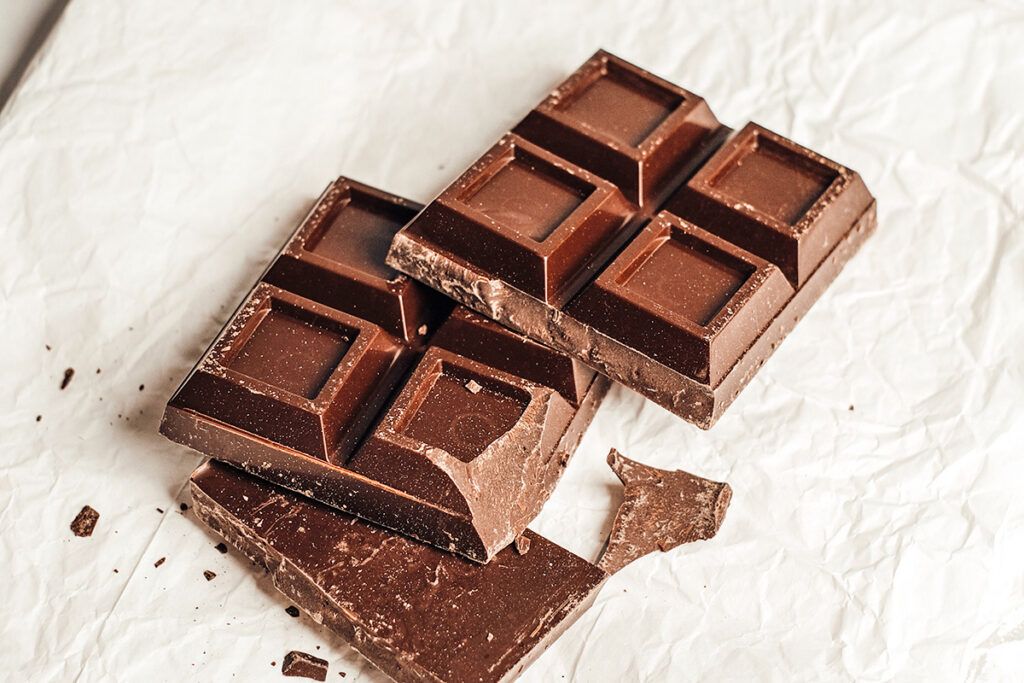
Bar of chocolate
Credit: © Vie Studio/Pexels.com

Chocolate

No need to feel guilty about your chocolate indulgences. “Many people view chocolate as a bad food,” Dr. DeLorenzo says, “but chocolate contains magnesium, a vital nutrient that our body is constantly depleting.” In fact, she notes, craving chocolate may mean your body is missing out on this nutrient.

Advertisement

But before you grab your favorite candy bar, be mindful of your choices. “The darker the better,” DeLorenzo says. “Dark chocolate … has antioxidants that protect our body from oxidative, disease-causing damage.”

Advertisement
Advertisement
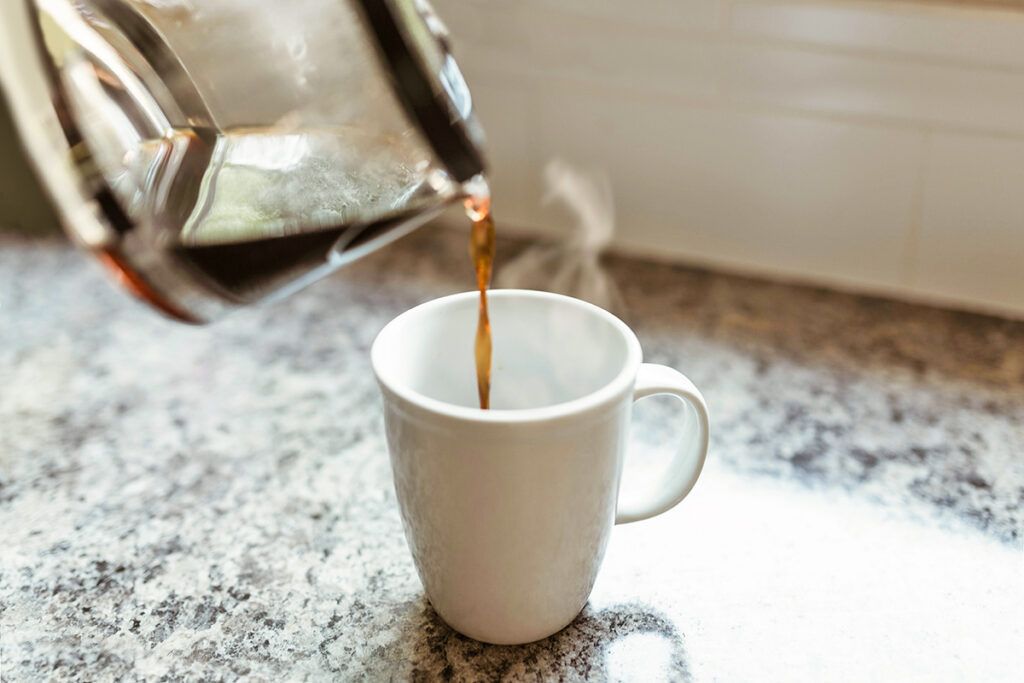
Pouring coffee in a cup
Credit: © Sandra Seitamaa/Unsplash.com

Coffee

Coffee is sometimes said to be bad for you due to caffeine and its side effects, but there are actually some health benefits to your morning brew. “In moderation without tons of added sugar, coffee contains disease-fighting antioxidants and protects our liver from damage,” DeLorenzo says. Just be careful how much coffee you consume: “When it is consumed in excess, it can cause rapid heart rate and dehydration.”   The FDA’s recommendation is to consume a maximum of 400 milligrams of caffeine a day, which is about what you’ll get from four 8-ounce cups of coffee.

Advertisement
Advertisement
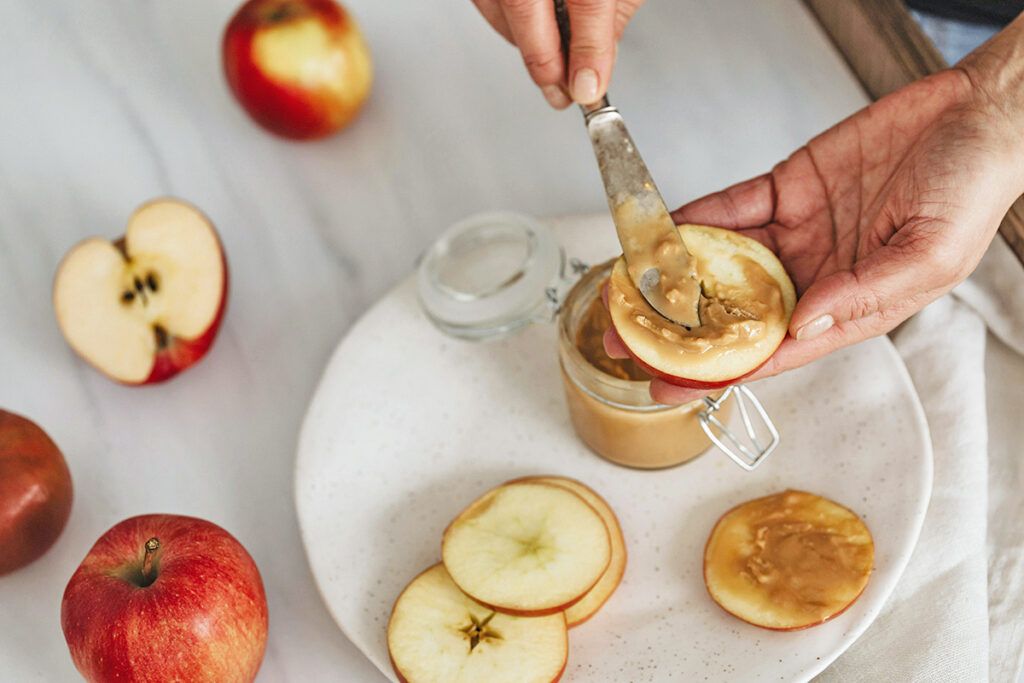
Nut butter on apples
Credit: © Karolina Grabowska/Unsplash.com

Nut Butters

Both Knauer and DeLorenzo say that people tend to skip nut butters because they’re high in fat and calories. But not all fats are bad, and the fat in nut butters “includes some omega-3, anti-inflammatory fat,” DeLorenzo says.

According to Knauer, “Nut butters provide plant-based protein, vitamin E, magnesium, niacin (vitamin B3), and trace minerals like copper.” Plus, “when paired with fiber-rich carbohydrates like whole-grain toast, apple slices, or oatmeal, nut butter can help promote fullness and satisfaction.” And it may also get people to eat more fruits and veggies if it’s used as a dip. Just keep an eye on the ingredients list. The best kind of nut butter has only nuts as the primary ingredient, with maybe a few additions like salt. Avoid any added sugars or hydrogenated oils. 

Advertisement
Advertisement
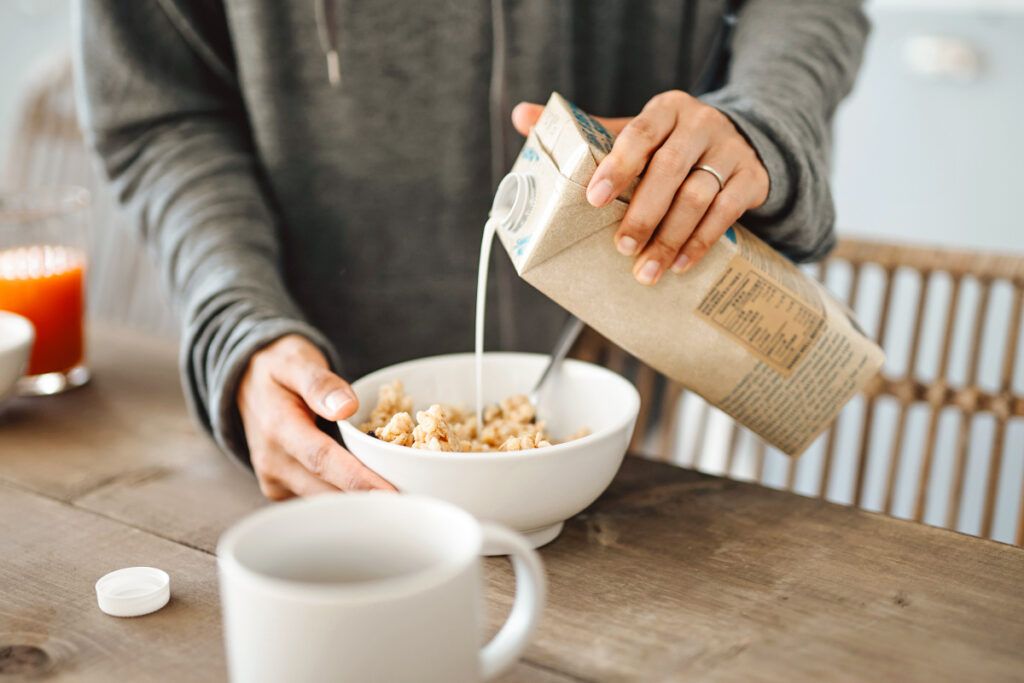
Soy milk in cereal
Credit: ©AsiaVision—E+/Getty Images

Soy Milk

Lauer often sees clients replace soy milk with almond milk. “Soy milk has gotten an unfair reputation because of misconceptions about the phytoestrogens it contains,” Knauer says. “These plant compounds are much weaker than human estrogen and don’t have the same effects in the body. Research consistently shows soy is safe for most people.” And while there’s nothing wrong with almond milk, “if your goal is to increase protein, it often falls short, providing just 1 to 2 grams of protein per cup.Unsweetened soy milk, on the other hand, provides around 7 to 8 grams of protein per cup while still being relatively low in calories,” she explains. 

If you’re looking to reduce dairy intake or have a dairy intolerance, fortified, unsweetened soy milk has similar nutrients to those of cow’s milk. “It provides a comparable amount of protein, calcium, vitamin D, and often vitamin B12,” Knauer says.

Advertisement
Advertisement
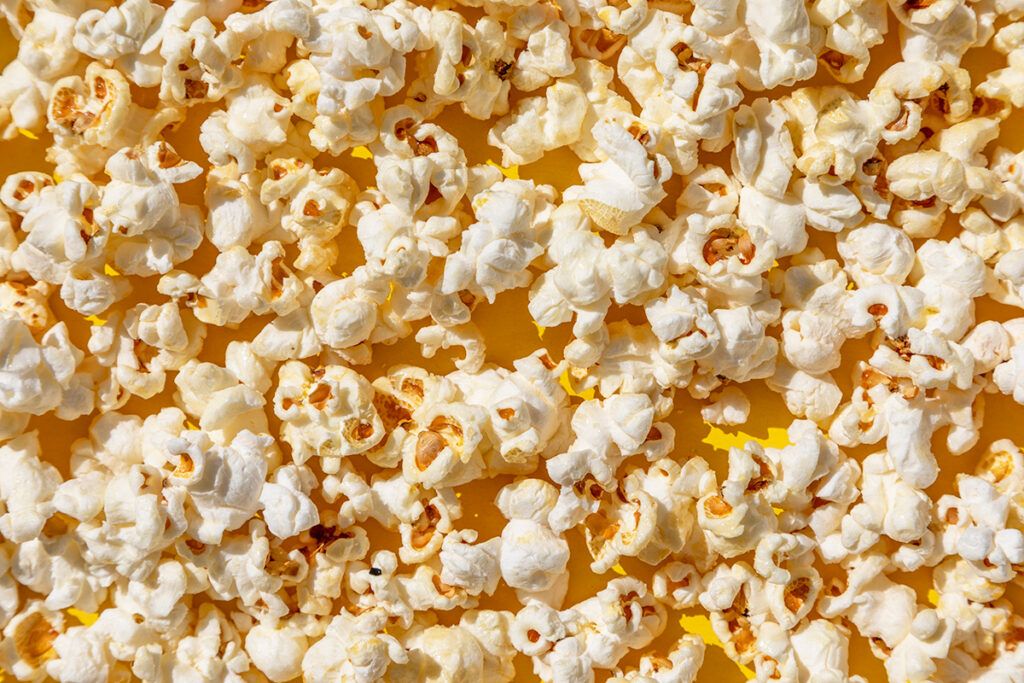
Popcorn
Credit: © Elizabeth Iris/Pexels.com

Popcorn

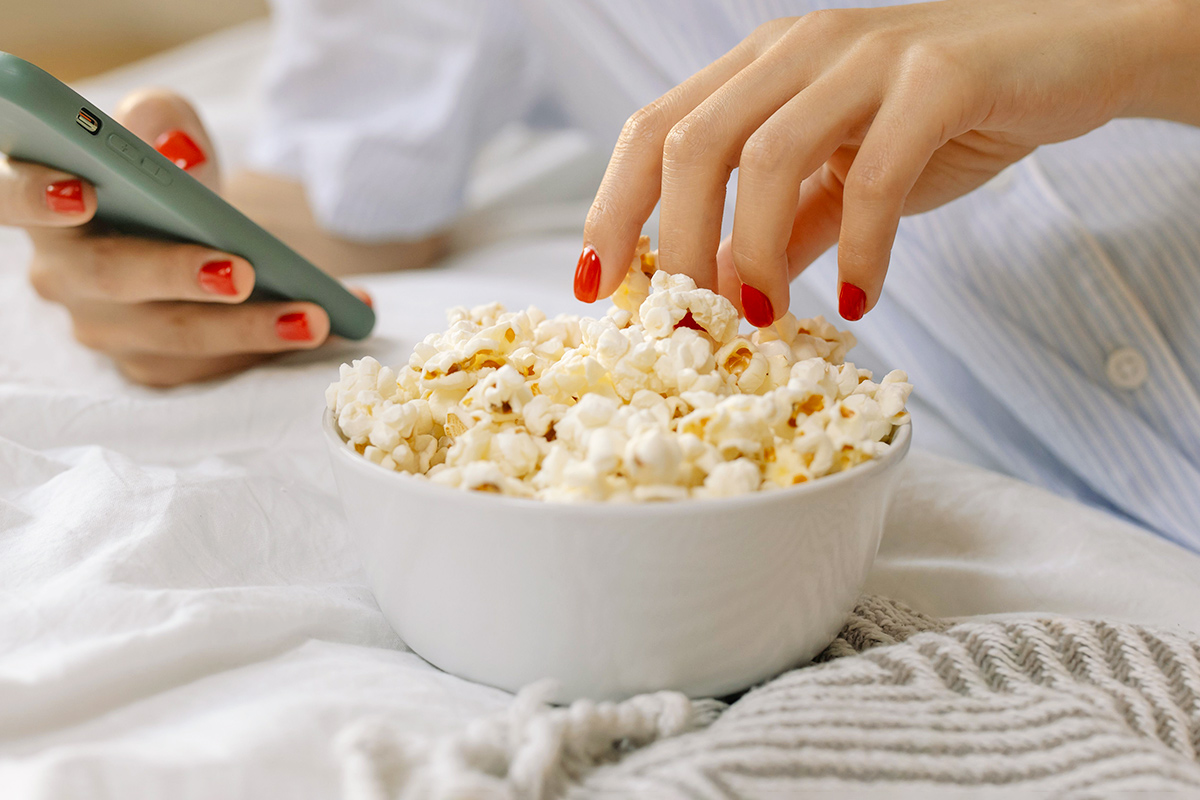
Popcorn has gotten a bad rap because of its status as a movie theater snack, where it can be loaded with salt and butter. Others avoid it due to a fear of PFAS, forever chemicals that can increase your risk for serious health problems, which were used in the lining of bags of microwaved popcorn and other foods until 2024. 

Knauer notes that while “many companies have done a great job of reducing PFAS in microwave popcorn … I find that outdated concerns still make some people hesitant to buy it.” That’s a shame because “it’s a convenient way to incorporate more whole grains into the diet.” Properly prepared popcorn is an excellent snack. “It’s a whole grain, a good source of fiber, and what many dietitians refer to as a high-volume food, meaning it provides a satisfying portion without a lot of calories,” she says.

Advertisement
Advertisement

She recommends prepopped bagged popcorn if you’re still concerned about harmful chemicals. “Unlike microwave popcorn, prepopped varieties like SkinnyPop are already popped before they’re packaged, so you’re not heating the popcorn inside a microwave bag,” Knauer says. Just look for “a short ingredient list, moderate sodium, and minimal saturated fat.”

Advertisement

And if you want, you can make popcorn at home: “Simply add 1/4 cup of popcorn kernels to a plain brown paper lunch bag, fold the top over a few times, and microwave for about two to three minutes,” Knauer says. “Then season it however you’d like.”

Featured Image Credit: © cottonbro studio/Pexels.com

More From Our Network

Better Report is part of Inbox Studio, an email-first media company. *Indicates a third-party property.

Go Retro With This 1960s Fashion Quiz

Quiz Daily

Go Retro With This 1960s Fashion Quiz

True or False: Are You a Master of U.S. Geography?

Travel Quiz

True or False: Are You a Master of U.S. Geography?

5 Reasons You Can Be Denied Boarding an Airplane

Daily Passport

5 Reasons You Can Be Denied Boarding an Airplane

What Did People Do Before Eyeglasses?

History Facts

What Did People Do Before Eyeglasses?

How To Use a Balloon To Clean Up Dust

House Outlook

How To Use a Balloon To Clean Up Dust

11 Shopping Hacks Costco Members Should Know

FinanceBuzz*

11 Shopping Hacks Costco Members Should Know

Share this article

  • Share to Facebook
  • Share to Twitter
  • Copy Url
  • Share to Email
Nicole Pyles
Writer

Based in Portland, Oregon, Nicole Pyles is an experienced freelance writer who writes about home and kitchen, health and wellness, and more. She's written for a variety of outlets, including Better Homes and Gardens, Tom's Guide, Better Report, and more.

This article is for general informational purposes only.
Affiliate Disclaimer Medical Disclaimer Financial Disclaimer

Updated: September 18, 2024
Posted In: Health
Hero Image Credit: Better Report
Advertisement

Related Articles

5 Things To Ask Your Doctor About the New Flu Shot

5 min read

Is Sourdough Actually Healthier Than Regular Bread?

7 min read

Do You Really Need a Bidet in Your Home?

4 min read

3 Common Sleep Habits That May Be Aging Your Brain

5 min read

Is the Traditional Mediterranean Diet Actually the Best for Your Brain?

4 min read
Advertisement

What It Costs To Retire in Every U.S. State

Wealth | Updated: August 5, 2026
Jennifer M. Wood
Author
Jennifer M. Wood has been writing about news, entertainment, culture, and travel for longer than she cares to admit. She lives just outside Philadelphia with her husband and an ever-growing menagerie of rescue pets.
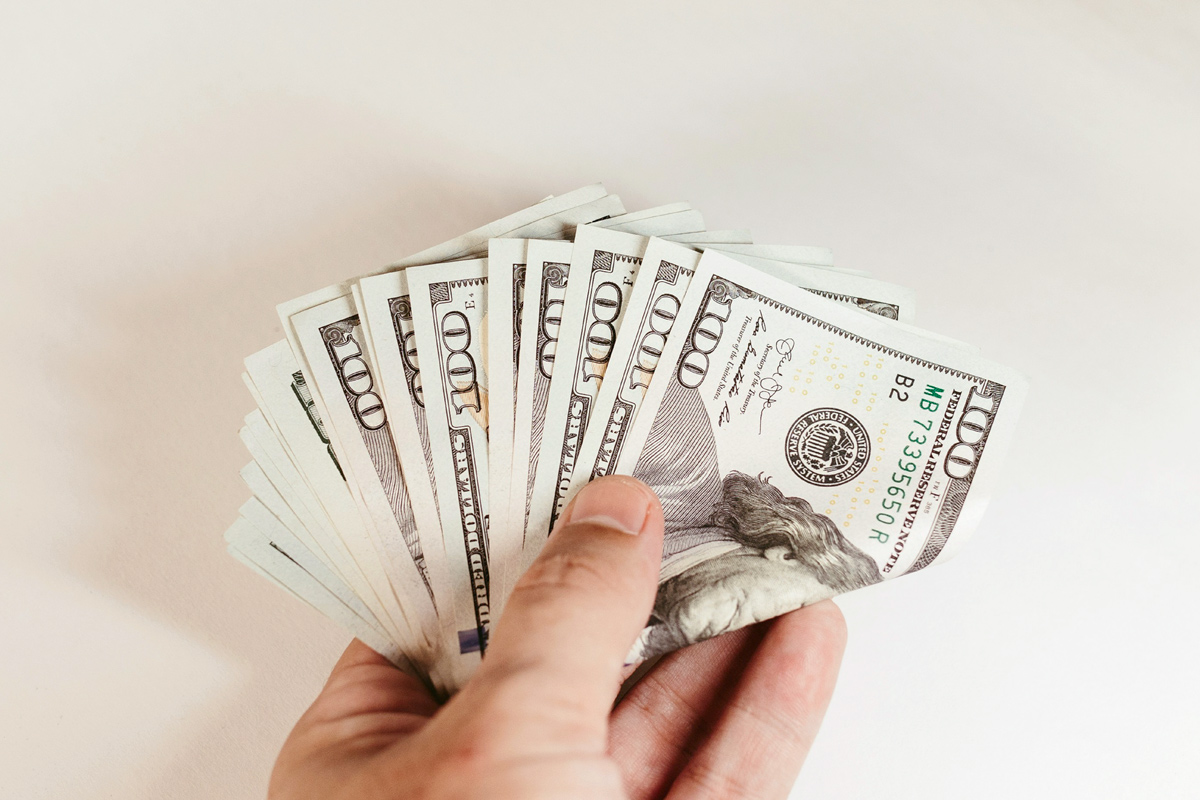
Hand holding cash
Better Report

From the day you started working, you’ve probably dreamed about retirement: where you’ll live, how you’ll spend your days, and who you’ll spend them with. But before you start pondering whether you’d prefer a beach town or a mountain escape, there’s one practical — and far less romantic — question to answer: Where can you actually afford to retire?

A new report from Investopedia analyzed federal data to estimate how much a typical retired couple would spend in every U.S. state plus Washington, D.C., as well as the size of the nest egg needed to support that lifestyle. The differences are striking, with retirement costs varying by hundreds of thousands of dollars depending on location.

Older couple looking at computer
Credit: © Getty Images/Unsplash.com

What the Report Says

The analysis concluded that the typical couple age 65 or older needs a nest egg of about $1.16 million to retire comfortably in the U.S. — which they equate to spending $84,000 a year — compared with the $898,000 a single retiree (around $60,000 a year) would require. That number jumps if the couple is dreaming of living out their golden years in Hawaii, where they’ll need $1,326,000 in the bank. That’s only slightly less than in New Jersey, the most expensive state on the list, where retirees would need roughly $1,329,000. California and Washington, D.C., are the next most expensive places to call home, with retirees needing roughly $1.32 million. 

Advertisement
Advertisement

The East Coast dominates much of the rest of the top 10, with New York, Massachusetts, Connecticut, and Maryland joining Washington state on the list, each requiring nest eggs in the $1.2 million range.

If cost is your most important consideration, you may want to consider the Plains or Appalachia. North Dakota is the most affordable state to retire in, with a couple needing about $800,000 in savings. Arkansas ($807,000), Mississippi ($813,000), West Virginia ($821,000), and Iowa ($834,000) round out the five least expensive places to retire.

Advertisement
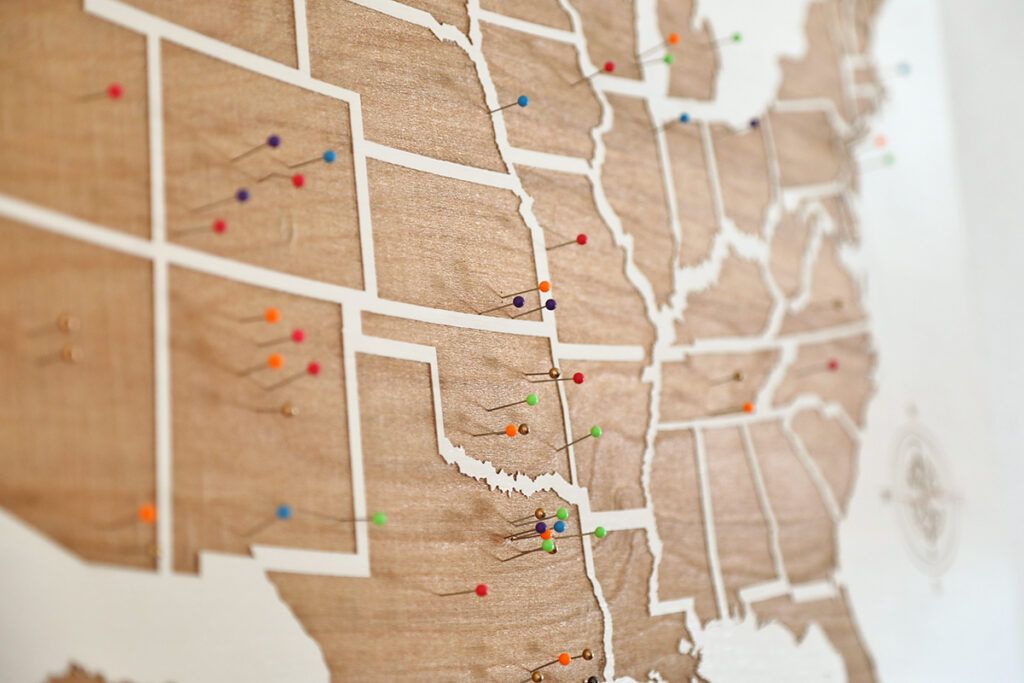
Map of the U.S. on a wall with pins in each state
Credit: © Olga/stock.adobe.com

The Cost of Retirement in Each State 

Alabama: $862,000

Alaska: $1,098,000

Arizona: $1,039,000

Arkansas: $807,000

Advertisement

California: $1,324,000

Colorado: $1,130,000

Connecticut: $1,206,000

Delaware: $1,031,000

Advertisement

Florida: $1,103,000

Georgia: $969,000

Hawaii: $1,326,000

Idaho: $929,000

Advertisement

Illinois: $1,072,000

Indiana: $896,000

Iowa: $834,000

Kansas: $884,000

Advertisement

Kentucky: $847,000

Louisiana: $837,000

Maine: $1,001,000

Maryland: $1,203,000

Advertisement

Massachusetts: $1,213,000

Michigan: $946,000

Minnesota: $1,046,000

Mississippi: $813,000

Advertisement

Missouri: $886,000

Montana: $935,000

Nebraska: $887,000

Nevada: $1,087,000

Advertisement

New Hampshire: $1,185,000

New Jersey: $1,329,000

New Mexico: $895,000

New York: $1,231,000

Advertisement

North Carolina: $939,000

North Dakota: $800,000

Ohio: $915,000

Oklahoma: $848,000

Advertisement

Oregon: $1,134,000

Pennsylvania: $980,000

Rhode Island: $1,119,000

South Carolina: $921,000

Advertisement

South Dakota: $845,000

Tennessee: $857,000

Texas: $988,000

Utah: $1,027,000

Advertisement

Vermont: $1,063,000

Virginia: $1,081,000

Washington: $1,217,000

Washington, D.C.: $1,320,000

Advertisement

West Virginia: $821,000

Wisconsin: $952,000

Wyoming: $926,000

Older couple
Credit: © AI25.Studio/Pexels.com

How the Numbers Were Calculated

The gap between the most and least expensive states underscores just how much geography can shape your retirement finances. A couple retiring in Hawaii or New Jersey would need more than $500,000 in additional savings compared with a couple settling in North Dakota, according to the analysis. 

Recommended Articles

  • The Safety Rules for Candles You Probably Don’t Know

  • 5 Things Your Car Needs Before the First Freeze

  • 6 Amazon Prime Day Hacks

  • 5 Things To Ask Your Doctor About the New Flu Shot

Advertisement
Advertisement

Reader Favorites

  • Woman looking in fridge

    9 Foods You Should Toss ASAP if They’re Expired

  • Person eating salad

    7 Things a Chef Never Orders at a Restaurant

  • Cherry angioma

    Are the Tiny Red Dots on Your Skin Dangerous?

While housing costs play a major role (they account for around 27% of a retired couple’s expenses), they’re far from the only factor. The report looked at typical household spending using federal consumer expenditure data, taking into account everyday expenses such as groceries, utilities, and health care, as well as discretionary spending, including travel and entertainment. After determining what the typical couple would get in Social Security benefits, Investopedia then estimated how much they would need to cover the rest of their costs over their retirement. The calculations also took into account the 4% rule, a retirement guideline that suggests retirees withdraw 4% of their retirement account in their first year and then adjust annually based on inflation.

Advertisement

Those figures, of course, are only estimates, as no two retirements look exactly alike. Whether you’ve paid off your home, how often you travel, your health care needs, and the lifestyle you hope to maintain can all dramatically affect how much you’ll ultimately need to save. State taxes, insurance costs, and the local cost of living can also make one destination considerably more affordable than another. 

Advertisement
Advertisement

The report serves as a reminder that retirement planning isn’t just about deciding at what age to stop working — it’s also about figuring out where your savings will go the furthest. If you’re still years away from retirement, factoring your ideal destination into your savings goals now could help you avoid an expensive surprise later. And if you’re flexible about where you’ll put down roots, relocating to a lower-cost state could stretch your nest egg significantly further. 

For many Americans, the biggest retirement decision may not be when to stop working, but where to spend the years that come after.

Featured image credit: © Jonathan Borba/Unsplash.com

More From Our Network

Better Report is part of Inbox Studio, an email-first media company. *Indicates a third-party property.

Go Retro With This 1960s Fashion Quiz

Quiz Daily

Go Retro With This 1960s Fashion Quiz

True or False: Are You a Master of U.S. Geography?

Travel Quiz

True or False: Are You a Master of U.S. Geography?

5 Reasons You Can Be Denied Boarding an Airplane

Daily Passport

5 Reasons You Can Be Denied Boarding an Airplane

What Did People Do Before Eyeglasses?

History Facts

What Did People Do Before Eyeglasses?

How To Use a Balloon To Clean Up Dust

House Outlook

How To Use a Balloon To Clean Up Dust

11 Shopping Hacks Costco Members Should Know

FinanceBuzz*

11 Shopping Hacks Costco Members Should Know

Share this article

  • Share to Facebook
  • Share to Twitter
  • Copy Url
  • Share to Email
Jennifer M. Wood
Writer

Jennifer M. Wood has been writing about news, entertainment, culture, and travel for longer than she cares to admit. She lives just outside Philadelphia with her husband and an ever-growing menagerie of rescue pets.

This article is for general informational purposes only.
Affiliate Disclaimer Medical Disclaimer Financial Disclaimer

Updated: May 8, 2026
Posted In: Wealth
Hero Image Credit: Better Report
Advertisement

Related Articles

5 Things Your Car Needs Before the First Freeze

4 min read

6 Amazon Prime Day Hacks

6 min read

Is It Actually Better To Lease a Car?

9 min read

7 Free MIT Classes You Can Experience From Home

4 min read

The Bedroom Color That Adds $2,000 to Your Home Value

3 min read
Advertisement

Should You Stop Making Your Bed?

Ali Eldridge
Health | Updated: August 3, 2026
Woman stretching in bed
Better Report

Making the bed is widely considered to be an excellent way to kick off the morning. It’s a simple chore that sets a positive and productive tone for the day ahead, and it requires barely any time at all. But according to some researchers and experts, making the bed may not be a great idea — they argue that there’s a potential health risk in doing so. Here’s what you need to know if you’re considering changing your morning routine and leaving your bed a bit more unkempt.

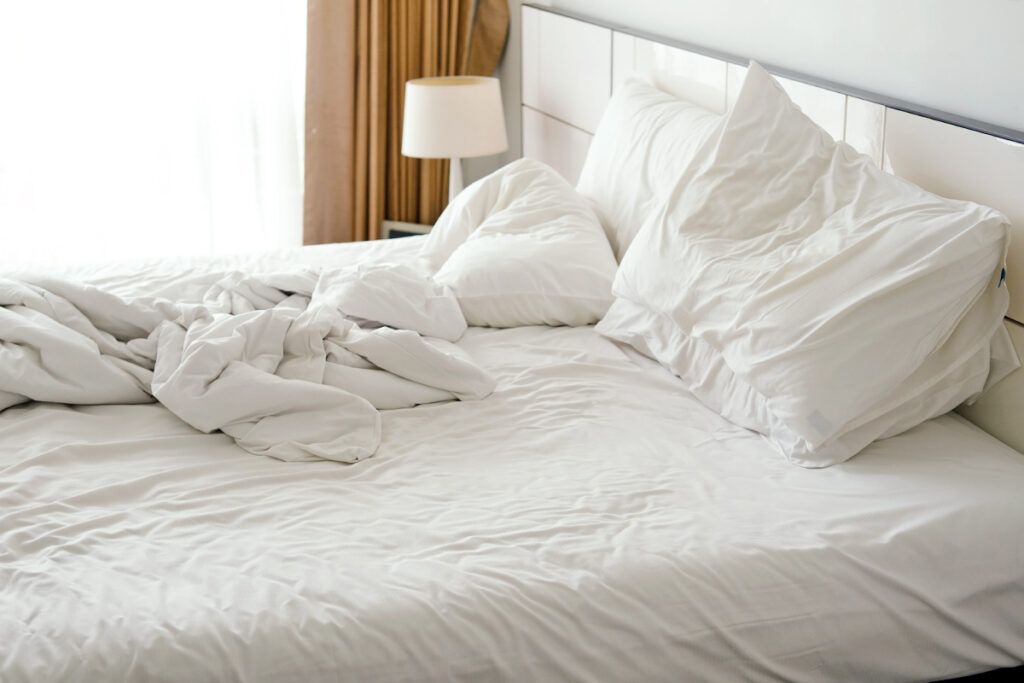
An unmade bed
Credit: © Yuliya Yesina—iStock/Getty Images

The Case Against Making the Bed

The risk in question has to do with trapping moisture in the bed. People may lose 400 to 700 milliliters of water during a single night’s sleep, which evaporates off their body into the bedding, leaving it slightly damp — and creating a more hospitable environment for dust mites and bacteria to thrive. That’s why some say you should avoid making the bed, at least immediately after getting up.

Advertisement
Advertisement

This idea dates back to the early 2000s, when a team of researchers studied how different indoor environments affected dust mite numbers. One of their takeaways from those studies was that unmade beds actually prevented dust mite proliferation. In a 2005 interview with the BBC, one of the researchers, Stephen Pretlove, said, “Something as simple as leaving a bed unmade during the day can remove moisture from the sheets and mattress so the mites will dehydrate and eventually die.”

Pretlove — now the director of sustainable engineering at the University of Roehampton — continued to tout those findings two decades later. In a 2025 interview with The Washington Post, he reiterated that there’s “evidence that suggests by not making your bed in the morning this will have a positive impact on reducing dust mite populations, however small.” He’s not the only one who thinks there’s something to this: Allergist Dr. Tania Elliott advised readers of House Beautiful to allow the sheets to air out for a bit before making the bed later in the day.

If you want to try this for yourself, avoid making the bed for at least 30 to 60 minutes. Make sure everything is spaced out so the pillowcases and bedding are exposed to the air. You can even use a fan to help them dry out quicker. After enough time has passed, touch the bedding and make sure it feels dry to the touch. Only then should you make your bed, if you still feel inclined to do so — though nobody is going to fault you if you choose not to.

Advertisement

There are major benefits in limiting dust mite populations in the bedroom, as their allergens can lead to sneezing, coughing, wheezing, and other unpleasant problems. (And, along with your sweat, skin, bacteria, and dirt, they get trapped in your pillow fibers, making your pillow heavier over time.) So why not try leaving your bed unmade and see if you notice a positive improvement? If you suffer from bad allergies, you may find yourself pleasantly surprised at the results.

Recommended Articles

  • The Safety Rules for Candles You Probably Don’t Know

  • 5 Things Your Car Needs Before the First Freeze

  • 6 Amazon Prime Day Hacks

  • 5 Things To Ask Your Doctor About the New Flu Shot

Advertisement
Advertisement

Reader Favorites

  • Woman looking in fridge

    9 Foods You Should Toss ASAP if They’re Expired

  • Person eating salad

    7 Things a Chef Never Orders at a Restaurant

  • Cherry angioma

    Are the Tiny Red Dots on Your Skin Dangerous?

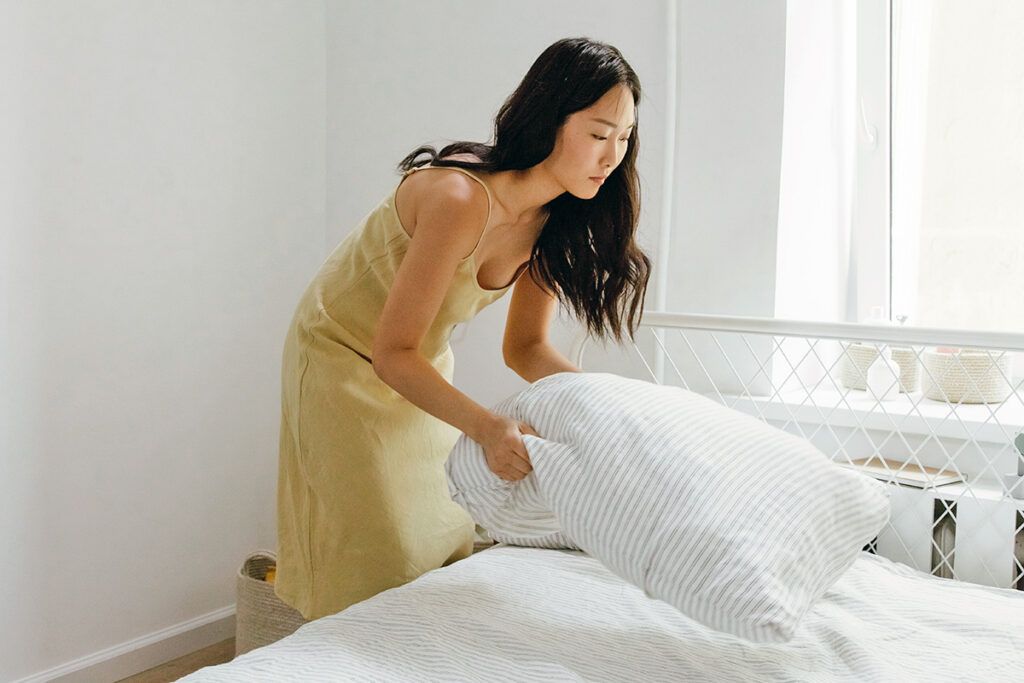
Woman making bed
Credit: © Ron Lach/Pexels.com

The Case for Making the Bed

The risks associated with making your bed while it’s still moist are rather minor, and not all health experts agree that not doing so will have an impact. 

As one allergist told AARP, most homes have high humidity levels, particularly in spring and summer, so leaving your bed unmade won’t make a difference when it comes to dust mites. It also won’t do anything to get rid of the mites that are already there — you’ll need to wash your bedding once a week in hot water to do that. One thing that could help keep mites at bay is using allergen covers on your mattress and pillows. 

Advertisement
Advertisement

And there are benefits to making the bed that are unrelated to dust mites. Making your bed each day can have a positive effect on mental health. Messy homes are tied to issues with emotional regulation, and clutter impairs one’s ability to process information. Making the bed is an easy way to keep a space tidy, which can help with those concerns. Neat environments are also said to promote brain function in older individuals, and made beds can help reduce stress and lift moods, as many people view and process orderly rooms as positive, tranquil environments.

Considering the mental health benefits, as well as the fact that you can keep dust mites under control using other methods, it may not be worth the stress to leave your bed unmade. It’s up to each individual to determine what matters most to them, and the effect that a made bed — or lack thereof — has on their mood.

Advertisement
Advertisement

Featured Image Credit: © fizkes/stock.adobe.com

More From Our Network

Better Report is part of Inbox Studio, an email-first media company. *Indicates a third-party property.

Go Retro With This 1960s Fashion Quiz

Quiz Daily

Go Retro With This 1960s Fashion Quiz

True or False: Are You a Master of U.S. Geography?

Travel Quiz

True or False: Are You a Master of U.S. Geography?

5 Reasons You Can Be Denied Boarding an Airplane

Daily Passport

5 Reasons You Can Be Denied Boarding an Airplane

What Did People Do Before Eyeglasses?

History Facts

What Did People Do Before Eyeglasses?

How To Use a Balloon To Clean Up Dust

House Outlook

How To Use a Balloon To Clean Up Dust

11 Shopping Hacks Costco Members Should Know

FinanceBuzz*

11 Shopping Hacks Costco Members Should Know

Share this article

  • Share to Facebook
  • Share to Twitter
  • Copy Url
  • Share to Email
Ali Eldridge

This article is for general informational purposes only.
Affiliate Disclaimer Medical Disclaimer Financial Disclaimer

Updated:
Posted In: Health
Hero Image Credit: Better Report
Advertisement

Related Articles

5 Things To Ask Your Doctor About the New Flu Shot

5 min read

Is Sourdough Actually Healthier Than Regular Bread?

7 min read

Do You Really Need a Bidet in Your Home?

4 min read

3 Common Sleep Habits That May Be Aging Your Brain

5 min read

Is the Traditional Mediterranean Diet Actually the Best for Your Brain?

4 min read
Advertisement

Is Mouthwash Bad for You?

Health | Updated: July 31, 2026
Nicole Pyles
Author
Based in Portland, Oregon, Nicole Pyles is an experienced freelance writer who writes about home and kitchen, health and wellness, and more. She's written for a variety of outlets, including Better Homes and Gardens, Tom's Guide, Better Report, and more.
Pouring mouthwash in cap
Better Report

Most of us brush twice a day, and some of us floss at least once. You may even include a quick swish of mouthwash in your routine, whether it’s to freshen your breath after lunch or give your mouth that super-clean feeling at the end of the night. But what if your mouthwash is doing more harm than good? 

Is Mouthwash Bad for You?

There are two main categories of mouthwashes: cosmetic and therapeutic. Cosmetic mouthwashes briefly relieve bad breath, while therapeutic mouthwashes address concerns such as halitosis (chronic bad breath), gum disease, or tooth decay. You may even have a prescription for a therapeutic mouthwash from your dentist, though they’re also available over the counter. 

Advertisement
Advertisement

Problems with mouthwash typically arise from the ingredients and their effects on your mouth. Here are some signs you may want to set your mouthwash aside.

Woman hovering over sink
Credit: © Christopher Robbins—Photodisc/Getty Images

It Irritates or Burns Your Mouth

Ever notice a slight burning sensation after using mouthwash? Some mouthwash formulas can contain an ingredient known as sodium lauryl sulfate (SLS). It’s why toothpaste and soap foam when they interact with water. SLS can irritate your mouth and in some small studies has been associated with triggering canker sores or irritating existing sores. It’s especially aggravating if you’re undergoing cancer treatment — not because SLS is a carcinogen (it’s not), but because treatments for cancer can make the skin more sensitive. If you’ve experienced this problem, check your mouthwash for the ingredient and look for an alternative that doesn’t include it.

Recommended Articles

  • The Safety Rules for Candles You Probably Don’t Know

  • 5 Things Your Car Needs Before the First Freeze

  • 6 Amazon Prime Day Hacks

  • 5 Things To Ask Your Doctor About the New Flu Shot

Advertisement
Advertisement

Reader Favorites

  • Woman looking in fridge

    9 Foods You Should Toss ASAP if They’re Expired

  • Person eating salad

    7 Things a Chef Never Orders at a Restaurant

  • Cherry angioma

    Are the Tiny Red Dots on Your Skin Dangerous?

Person drinking water
Credit: © Lia Bekyan/Unsplash.com

It Triggers Dry Mouth

Saliva helps our mouths stay healthy: It removes food particles from the teeth and around the gums, and it aids digestion. Regular use of an alcohol-based mouthwash can lead to dry mouth, a condition in which your salivary glands don’t produce as much saliva. Choose an alcohol-free mouthwash to help minimize the risk of this condition.

Advertisement
Advertisement
Man at dentist
Credit: © Getty Images/Unsplash.com

It Minimizes Good Bacteria

Most of us think of bacteria as harmful. Your mouth has all kinds of bacteria — some bad, but also some good. Adding an alcohol-based mouthwash or a chlorhexidine mouthwash (which helps reduce gum disease) to your regular oral hygiene routine can eliminate both harmful and beneficial bacteria. Ask your dentist about the risks of prolonged use of your mouthwash and their recommendation for the best option to protect your oral (and overall) health.

Advertisement
Advertisement
Woman pouring mouthwash into cup
Credit: © LEA PATERSON—Science Photo Library/Getty Images

What Are the Benefits of Mouthwash?

Despite the risks, there can be some benefits to mouthwash. Studies have shown it can reduce plaque in your mouth and your risk for gum disease. Your dentist may even have recommended that you include it in your oral care routine. To make the most of mouthwash without overdoing it, make sure to:

• Choose one with minimal synthetic ingredients, and avoid alcohol-based options.
• Use a mouthwash that includes fluoride, an ingredient known to help reduce the risk of cavities.
• Skip mouthwashes including artificial sweeteners, but look for ones with the sugar alternative xylitol.
• Use any prescription mouthwash as directed, but no more than the recommended use.
• Look for ones with the seal of approval by the ADA (American Dental Association).

Advertisement
Advertisement

Most importantly, talk to your dentist about your mouthwash. You should mention any concerns you have about your oral health during your next checkup. You can also bring your mouthwash with you, or take a photograph of it and its ingredients, to confirm it’s safe for regular use, especially if it hasn’t been prescribed or recommended by your regular dentist. And be sure to follow any guidance intended specifically for you, as everyone’s oral health needs are unique.

Advertisement

Featured Image Credit: © bymuratdeniz—iStock/Getty Images

More From Our Network

Better Report is part of Inbox Studio, an email-first media company. *Indicates a third-party property.

Go Retro With This 1960s Fashion Quiz

Quiz Daily

Go Retro With This 1960s Fashion Quiz

True or False: Are You a Master of U.S. Geography?

Travel Quiz

True or False: Are You a Master of U.S. Geography?

5 Reasons You Can Be Denied Boarding an Airplane

Daily Passport

5 Reasons You Can Be Denied Boarding an Airplane

What Did People Do Before Eyeglasses?

History Facts

What Did People Do Before Eyeglasses?

How To Use a Balloon To Clean Up Dust

House Outlook

How To Use a Balloon To Clean Up Dust

11 Shopping Hacks Costco Members Should Know

FinanceBuzz*

11 Shopping Hacks Costco Members Should Know

Share this article

  • Share to Facebook
  • Share to Twitter
  • Copy Url
  • Share to Email
Nicole Pyles
Writer

Based in Portland, Oregon, Nicole Pyles is an experienced freelance writer who writes about home and kitchen, health and wellness, and more. She's written for a variety of outlets, including Better Homes and Gardens, Tom's Guide, Better Report, and more.

This article is for general informational purposes only.
Affiliate Disclaimer Medical Disclaimer Financial Disclaimer
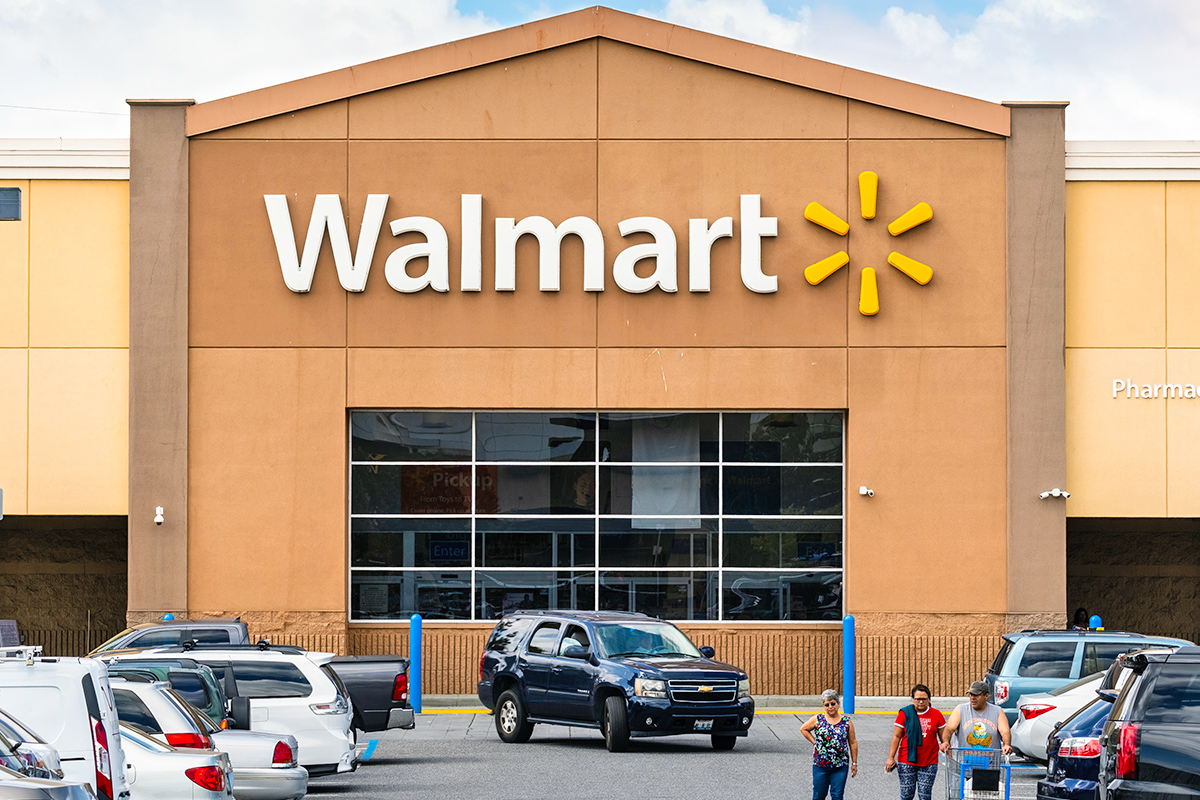
Updated: September 18, 2024
Posted In: Health
Hero Image Credit: Better Report
Advertisement

Related Articles

5 Things To Ask Your Doctor About the New Flu Shot

5 min read

Is Sourdough Actually Healthier Than Regular Bread?

7 min read

Do You Really Need a Bidet in Your Home?

4 min read

3 Common Sleep Habits That May Be Aging Your Brain

5 min read

Is the Traditional Mediterranean Diet Actually the Best for Your Brain?

4 min read
Advertisement

Posts navigation

Older posts
Newer posts
  • Home
  • Health
  • Wealth
  • Logo
  • Advertise
  • About
  • Contact Us
  • Privacy Policy
  • Terms of Use
  • Your Privacy Choices
x
Thumb Image

Elevate your everyday.

Sign up to receive the practical tips and expert advice you need to pare down the complexities of everyday living right in your inbox.

Sorry, your email address is not valid. Please try again.

Your email is:

Edit Image
Sorry, your email address is not valid. Please try again.
Thank you for subscribing...

By subscribing you are agreeing to our Terms of Use and Privacy Policy.

Close image
Thumb Image
Second Thumb Image

Elevate your everyday.

Sign up to receive the practical tips and expert advice you need to pare down the complexities of everyday living right in your inbox.

Sorry, your email address is not valid. Please try again.

By subscribing you are agreeing to our Privacy Policy and Terms of Use.

Close image