Skip to content
Better Report
  • Home
  • Health
  • Wealth
8 Low-Maintenance Plants That Thrive on Neglect
  • Search
  • Subscribe
  • Home
  • Health
  • Wealth
  • About
  • Privacy Policy
  • Terms of Use
  • Contact Us
  • SubscribeSubscribe
  • Search
Thank you for confirming your email! Welcome to the community.

Tag: Wealth

The Nostalgic Car Protection Device That’s Making a Comeback

Home | Updated: October 14, 2026
Jennifer M. Wood
Author
Jennifer M. Wood has been writing about news, entertainment, culture, and travel for longer than she cares to admit. She lives just outside Philadelphia with her husband and an ever-growing menagerie of rescue pets.
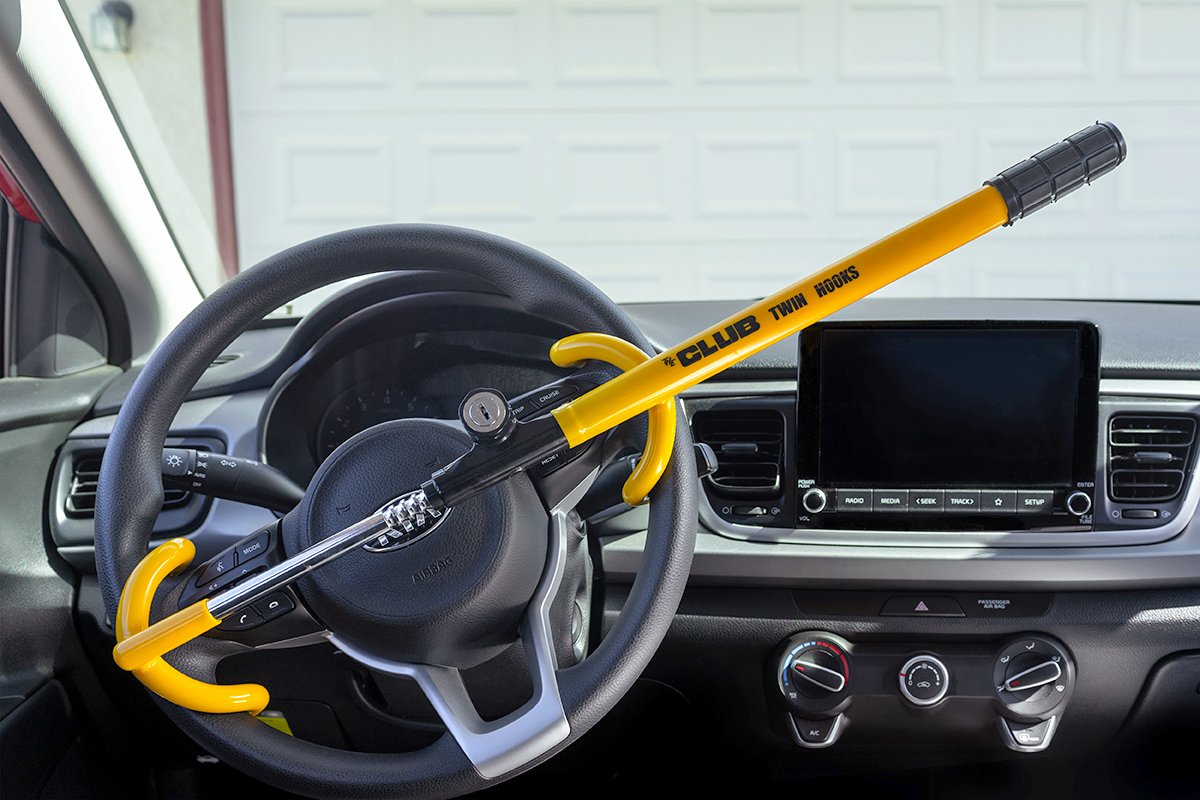
The Club in yellow on a steering wheel
Featured Image Credit: © Felipe Sanchez/stock.adobe.com

All featured products and deals are selected independently and objectively by the author. Better Report may receive a share of sales via affiliate links in content.

In 1994, Friends made its television debut, Disney’s The Lion King ruled the box office, Ace of Base’s “The Sign” was the biggest song on the radio, and millions of people were using The Club to keep their cars safe from thieves.

The rudimentary anti-theft device, which was first introduced in 1986, was little more than a strangely shaped, bright red steel bar. But by the mid-1990s, more than 10 million of them had been sold.

Advertisement
Advertisement

The concept was simple: Attach the bar to your steering wheel, and it becomes difficult for a would-be thief to turn the wheel far enough to drive away. The idea was even summed up in The Club’s trademarked slogan: “If you can’t steer it, you can’t steal it.”

But as automakers added more sophisticated security features such as alarms and keyless-entry systems, the scarlet steering wheel lock became a less common sight. Cars.com noted in 2015 that drivers were less likely to see The Club in the wild thanks to newer technologies such as smart key immobilizers and GPS tracking. Its time in the spotlight seemed to be at an end, but The Club wasn’t about to be relegated to the rearview mirror.
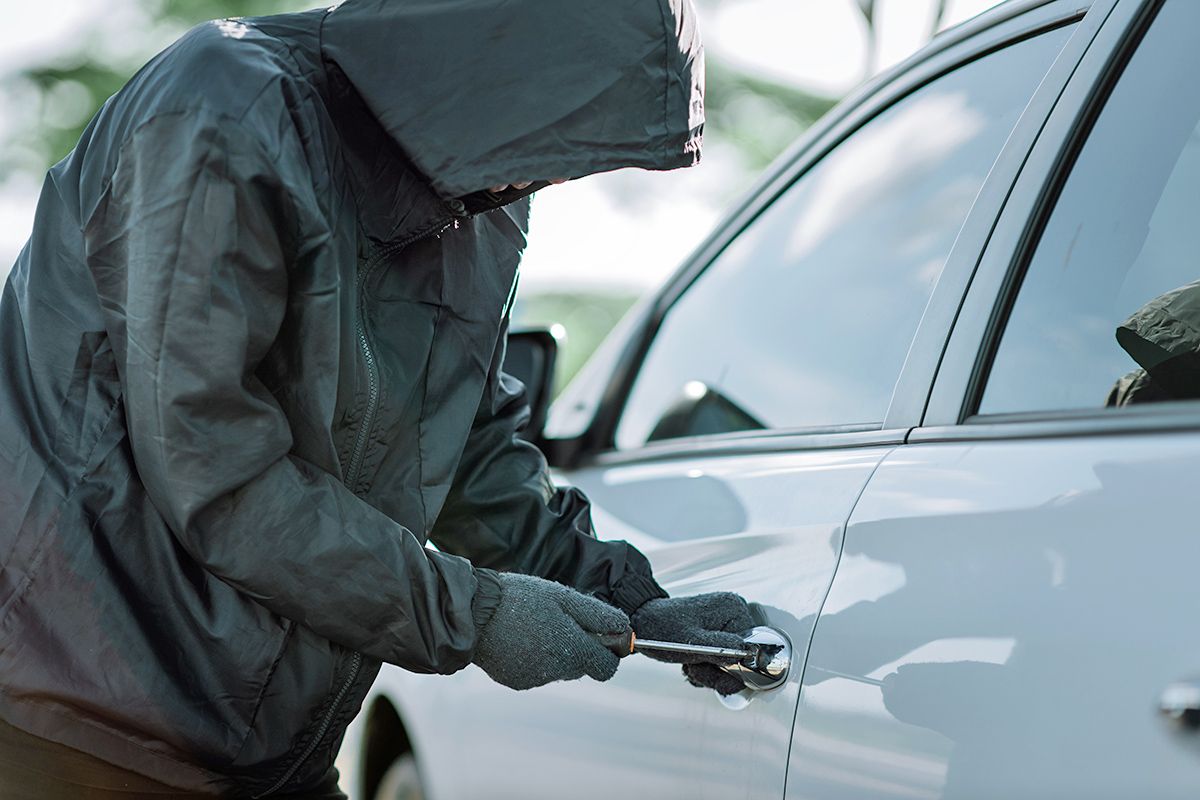
Person trying to break into car
Credit: © Oulaphone/stock.adobe.com

Call It a Comeback

The idea behind The Club isn’t so dated. Earlier this year, Toyota introduced its own steering wheel lock in Australia as part of its response to a surge in high-tech vehicle theft, particularly targeting its LandCruiser SUVs. The lock is designed to serve as both a physical barrier and a highly visible warning to would-be thieves — essentially bringing a very ’90s anti-theft idea into the 21st century.

Recommended Articles

  • 12 Foods You Shouldn’t Store Together

  • 13 Stocking Stuffers That Are Actually Useful

  • Are the Brown Marks on Your Skin Dangerous?

  • 7 Common Meds Seniors Overuse

Advertisement
Advertisement

Reader Favorites

  • Person washing part of a coffee machine

    18 Surprising Things You Should Never Put Down Your Drain

  • White car on the road

    The Best Cars for Resale Value, According to Auto Experts

  • Woman in bed drinking water

    Is It Safe To Drink a Glass of Water That Sat Out Overnight?

But The Club never actually went away. Winner International, the Pennsylvania company behind the device, still sells the original steering wheel lock along with several newer versions. (You can buy your own on Amazon in a range of prices, sizes, and colors.) And now, the decidedly low-tech device appears to be finding a new, and growing, fan base.

Advertisement

The renewed interest makes sense. Vehicle theft remains a problem even as overall theft rates have fallen dramatically. The National Insurance Crime Bureau (NICB) says 659,880 vehicles were reported stolen in the U.S. in 2025, down 23.2% from the previous year. That’s still one vehicle stolen every 48 seconds, which is a headache no driver wants to endure.

The NICB specifically lists steering wheel locks among the additional anti-theft measures car owners should consider, alongside audible alarms, kill switches, and aftermarket GPS trackers like AirTags. This isn’t merely theoretical advice: In 2023, Chicago police recommended steering wheel locks to owners of Kia and Hyundai vehicles, which had become particularly popular targets for thieves. At the time, the city had recorded more than 21,000 vehicle thefts on the year, its highest total in 16 years.

Advertisement
Advertisement

The appeal of The Club is partly that it’s impossible to miss. A thief approaching a vehicle can immediately see that there’s another obstacle between them and the driver’s seat, presumably making it more likely for them to keep walking.

That visibility was central to the product’s original pitch. While critics at the time noted that thieves could get past The Club if they really wanted to, reps for the device admitted it wasn’t designed to make a vehicle impossible to steal. It was intended to make the car a less attractive target.

The Club on a steering wheel
Credit: © oasisamuel/stock.adobe.com

Stolen Memories

The device’s story began with its inventor, James E. Winner Jr., after his Cadillac was stolen despite having a factory-installed alarm. Winner — who passed away in 2010 — reportedly remembered using chains to secure military vehicles while serving in Korea and adapted the basic idea into a steering wheel lock. Winner International was established in 1986, and The Club eventually became a ubiquitous fixture in American driveways and parking lots.

Advertisement

By 1994, The Club had become such a phenomenon that The Washington Post reported that its sales “accounted for nearly $100 million of the $130 million U.S. market for steering wheel and related locks.” The product, according to Winner International, had also achieved an astonishing 95% national brand awareness.

So why is a product that became an era-marking plot point in the beloved 1996 movie Swingers still around? Because sometimes the old-fashioned solution has one advantage that all the invisible technology in the world can’t quite replicate: You can see it.

Featured Image Credit: © Felipe Sanchez/stock.adobe.com

Advertisement
Advertisement

More From Our Network

Better Report is part of Inbox Studio, an email-first media company. *Indicates a third-party property.

Go Retro With This 1960s Fashion Quiz

Quiz Daily

Go Retro With This 1960s Fashion Quiz

True or False: Are You a Master of U.S. Geography?

Travel Quiz

True or False: Are You a Master of U.S. Geography?

5 Reasons You Can Be Denied Boarding an Airplane

Daily Passport

5 Reasons You Can Be Denied Boarding an Airplane

What Did People Do Before Eyeglasses?

History Facts

What Did People Do Before Eyeglasses?

How To Use a Balloon To Clean Up Dust

House Outlook

How To Use a Balloon To Clean Up Dust

11 Shopping Hacks Costco Members Should Know

FinanceBuzz*

11 Shopping Hacks Costco Members Should Know

Share this article

  • Share to Facebook
  • Share to Twitter
  • Copy Url
  • Share to Email
Jennifer M. Wood
Writer

Jennifer M. Wood has been writing about news, entertainment, culture, and travel for longer than she cares to admit. She lives just outside Philadelphia with her husband and an ever-growing menagerie of rescue pets.

This article is for general informational purposes only.
Affiliate Disclaimer Medical Disclaimer Financial Disclaimer

Updated: May 8, 2026
Posted In: Home
Hero Image Credit: Featured Image Credit: © Felipe Sanchez/stock.adobe.com
Advertisement

Related Articles

12 Foods You Shouldn’t Store Together

6 min read

Should You Refrigerate Peanut Butter?

6 min read

The Most Popular Car Colors in the U.S.

4 min read

First-Date Etiquette Tips for People Over 40, According to a Matchmaker

3 min read

Why Doesn’t Plastic Totally Dry in the Dishwasher?

3 min read
Advertisement

Why a Flashing Check Engine Light Is Different From a Solid One

Jessica Levy
Home | Updated: September 8, 2026
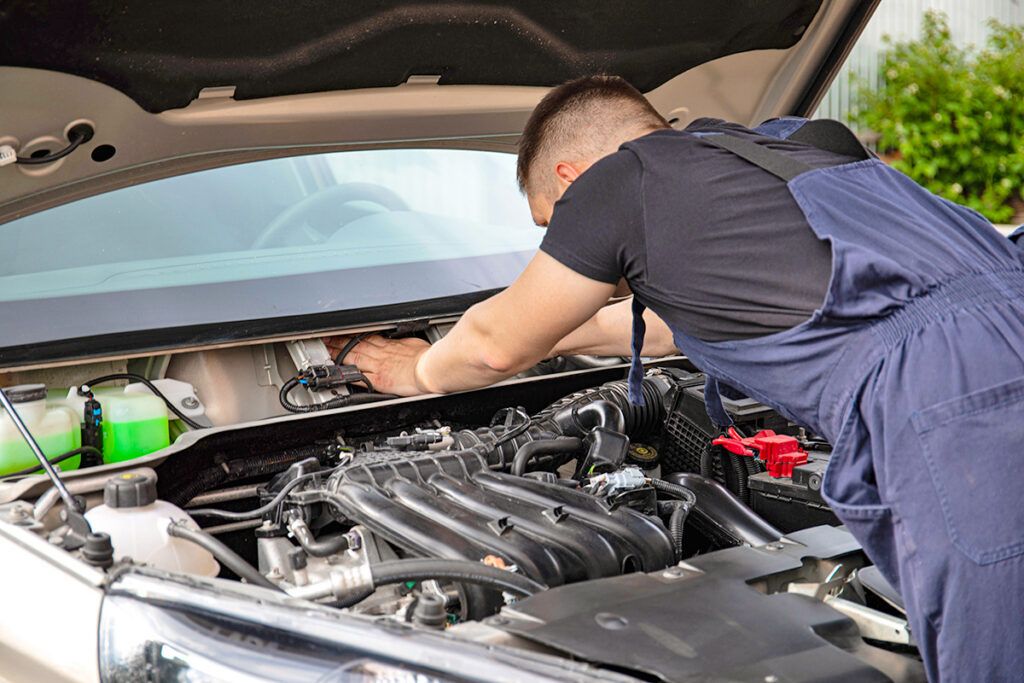
Man looking at engine
Better Report

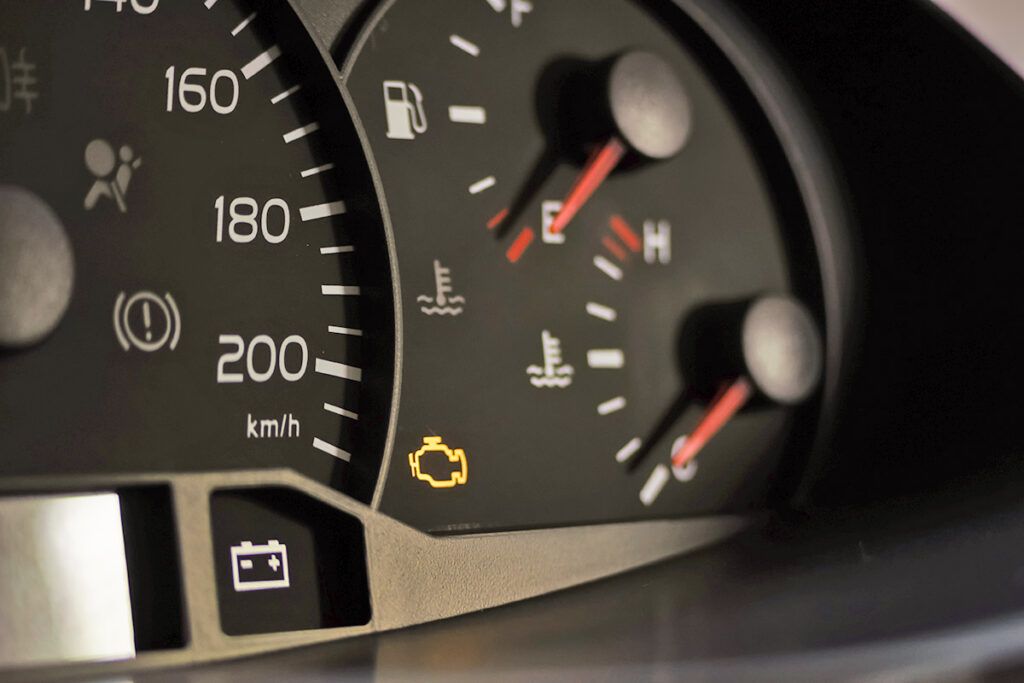
There are likely more than a few car owners who’ve delayed taking their vehicle to the shop after their check engine light has turned on. But should this ever happen to you, pay attention: Is that light solid? Or is it blinking? One indicates a far more pressing concern than the other. Here’s a look at what these two possibilities mean, and how soon you should see a mechanic.

Shedding Light on Check Engine Lights

The check engine light is a warning that there’s an issue with your vehicle, regardless of whether the light is solid or blinking. That issue will almost certainly need to be assessed in the near future, and the type of light indicates how imminently that assessment needs to happen.

Advertisement
Advertisement
Solid check engine light
Credit: © yaroslav1986/stock.adobe.com

What a Solid Light Means

A solid light is a heads up that suggests it would be smart to see someone in the coming days or maybe weeks (though weeks might be pushing it). It’s like a person coming down with a cold — it may not be too bad right at this moment, but it’s likely to get worse if left untreated.

There are a number of nonurgent reasons your check engine light may turn solid, and they don’t necessarily have to do exclusively with the engine: The light can be a sign that something amiss elsewhere in the vehicle is affecting the engine’s performance. For instance, the light may appear because of loose fuel caps, faulty sensors, or batteries that don’t provide as much electricity as they used to, among other problems.

Recommended Articles

  • 12 Foods You Shouldn’t Store Together

  • 13 Stocking Stuffers That Are Actually Useful

  • Are the Brown Marks on Your Skin Dangerous?

  • 7 Common Meds Seniors Overuse

Advertisement
Advertisement

Reader Favorites

  • Person washing part of a coffee machine

    18 Surprising Things You Should Never Put Down Your Drain

  • White car on the road

    The Best Cars for Resale Value, According to Auto Experts

  • Woman in bed drinking water

    Is It Safe To Drink a Glass of Water That Sat Out Overnight?

As long as the light remains solid and there are no issues with the handling, you can usually drive the car short distances, and even try troubleshooting yourself to see if it remedies the problem. You may be shocked to find that tightening the gas cap is all it takes to make the light disappear. 

If the light persists, however, book an appointment with a mechanic as soon as you can to get the issue assessed, as that’s the only way to know what’s amiss.

Advertisement
Advertisement
Man leaning over car engine
Credit: © Sergey Meshkov/Pexels.com

What a Blinking Light Means

A blinking check engine light is a different story: It indicates that the issue is urgent. If a solid light is metaphorically akin to the early stages of a cold, a flashing light is like an appendix about to burst — it requires imminent attention.

Advertisement

When a check engine light starts to flash, it could be a signal of engine misfire caused by larger issues with the vehicle that need to be fixed. The flashing light could be accompanied by issues such as rattling or shaking, smoke, odors, and even a loss of power. 

Advertisement
Advertisement

If this happens, take the car to a mechanic as soon as you can. These issues, left ignored, can lead to even worse damage and costlier repairs.

To put things as succinctly as possible, if the light is solid, keep an eye on things and go see your mechanic within a few days. But if the light is flashing, there’s an urgent issue, and you should get it resolved by a professional sooner rather than later.

Featured Image Credit: © urbazon—E+/Getty Images

More From Our Network

Better Report is part of Inbox Studio, an email-first media company. *Indicates a third-party property.

Go Retro With This 1960s Fashion Quiz

Quiz Daily

Go Retro With This 1960s Fashion Quiz

True or False: Are You a Master of U.S. Geography?

Travel Quiz

True or False: Are You a Master of U.S. Geography?

5 Reasons You Can Be Denied Boarding an Airplane

Daily Passport

5 Reasons You Can Be Denied Boarding an Airplane

What Did People Do Before Eyeglasses?

History Facts

What Did People Do Before Eyeglasses?

How To Use a Balloon To Clean Up Dust

House Outlook

How To Use a Balloon To Clean Up Dust

11 Shopping Hacks Costco Members Should Know

FinanceBuzz*

11 Shopping Hacks Costco Members Should Know

Share this article

  • Share to Facebook
  • Share to Twitter
  • Copy Url
  • Share to Email
Jessica Levy

This article is for general informational purposes only.
Affiliate Disclaimer Medical Disclaimer Financial Disclaimer

Updated:
Posted In: Home
Hero Image Credit: Better Report
Advertisement

Related Articles

12 Foods You Shouldn’t Store Together

6 min read

Should You Refrigerate Peanut Butter?

6 min read

The Most Popular Car Colors in the U.S.

4 min read

First-Date Etiquette Tips for People Over 40, According to a Matchmaker

3 min read

Why Doesn’t Plastic Totally Dry in the Dishwasher?

3 min read
Advertisement

Is Hard Water Ruining Your Clothes?

Home | Updated: August 31, 2026
Lauren Dana Ellman
Author
Lauren Dana Ellman is a New York–based writer and editor specializing in lifestyle, travel, food, and shopping. A graduate of Syracuse University’s SI Newhouse School of Public Communications, she covers everything from destinations and hotels to fun product finds and personal essays. Her work has been featured in Condé Nast Traveler, AARP, Travel + Leisure, Time Out, The Knot, and more lifestyle-oriented publications.
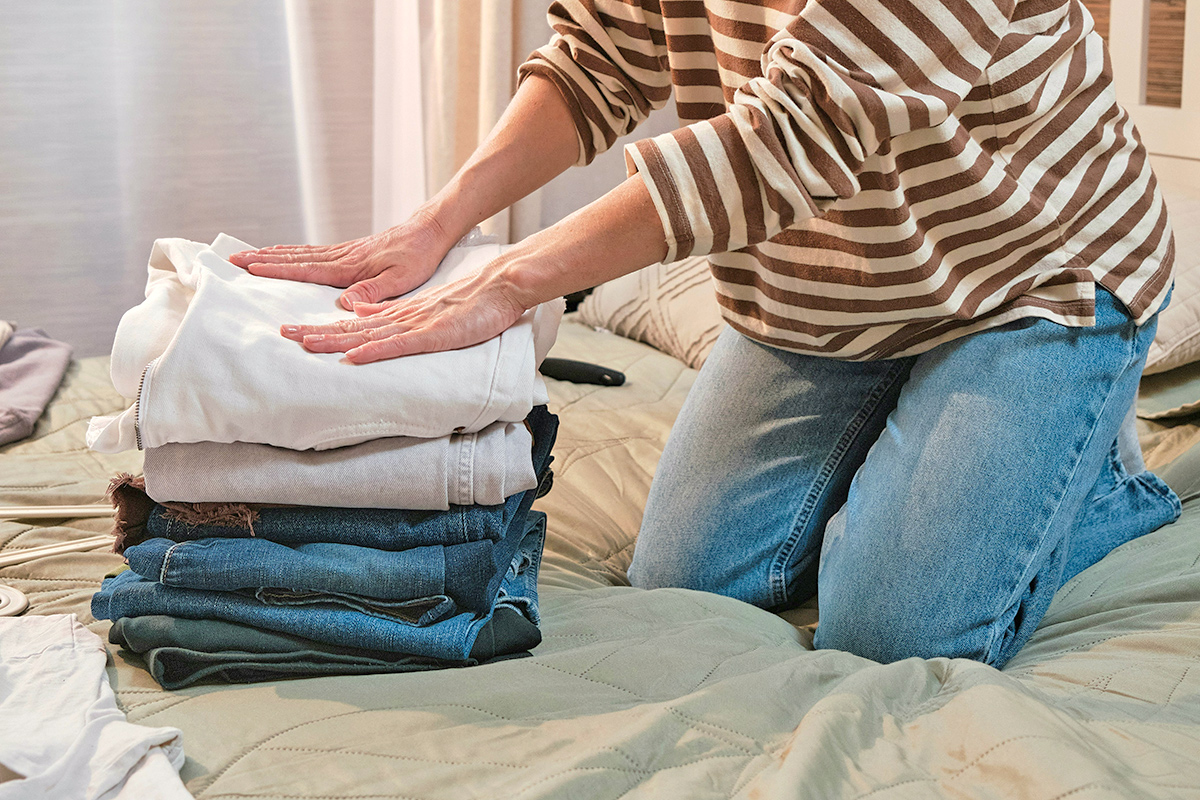
Woman folding pants
Better Report

All featured products and deals are selected independently and objectively by the author. Better Report may receive a share of sales via affiliate links in content.

If your freshly washed clothes look dull or feel stiff, your laundry routine may not be the problem. The culprit could be something less obvious: the water coming into your washing machine. More specifically, you could be dealing with hard water, which contains higher levels of minerals, mainly calcium and magnesium. Here’s how to tell if you have hard water — and what you can do if it’s ruining your clothes. 

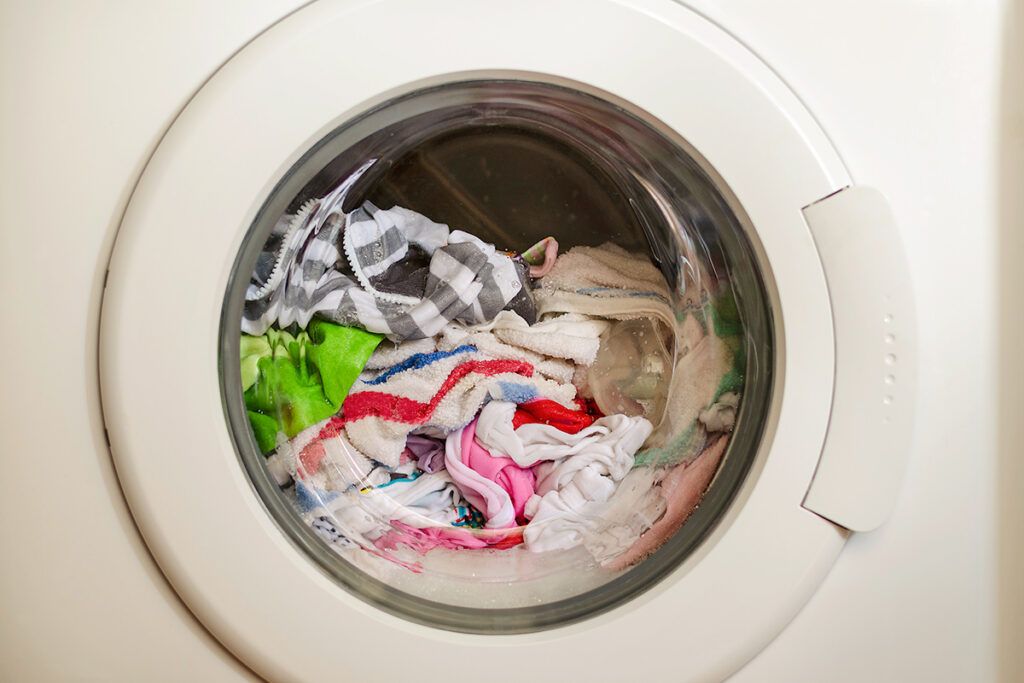
Clothes in the washing machine
Credit: © iso_petrov—iStock/Getty Images

How Hard Water Affects Your Clothes

It’s estimated that 85% of water in the U.S. is hard. Just how hard depends partly on where you live, since local water supplies pick up different amounts of minerals from soil and rock. You may not even realize it’s an issue until you notice common signs such as mineral buildup around faucets and showerheads, spots on glassware, or soap that doesn’t lather well.  

Advertisement
Advertisement

Likewise, the effects of hard water on your laundry may not be obvious right away, but after repeated washes, the minerals settle into the fabric fibers and whites start to look dingy, colors may fade, and fabrics can lose their softness and begin to tear and fray. Hard water can also react with the detergent, causing it to be less effective at removing dirt and body oils; it may even leave residue or streaks on fabric and cause your clothes to smell. 

Items that are washed frequently, such as towels, sheets, and everyday clothing, may show these changes sooner simply because they’re exposed to hard water more often. Over time, otherwise good clothing and linens end up looking older than they are.

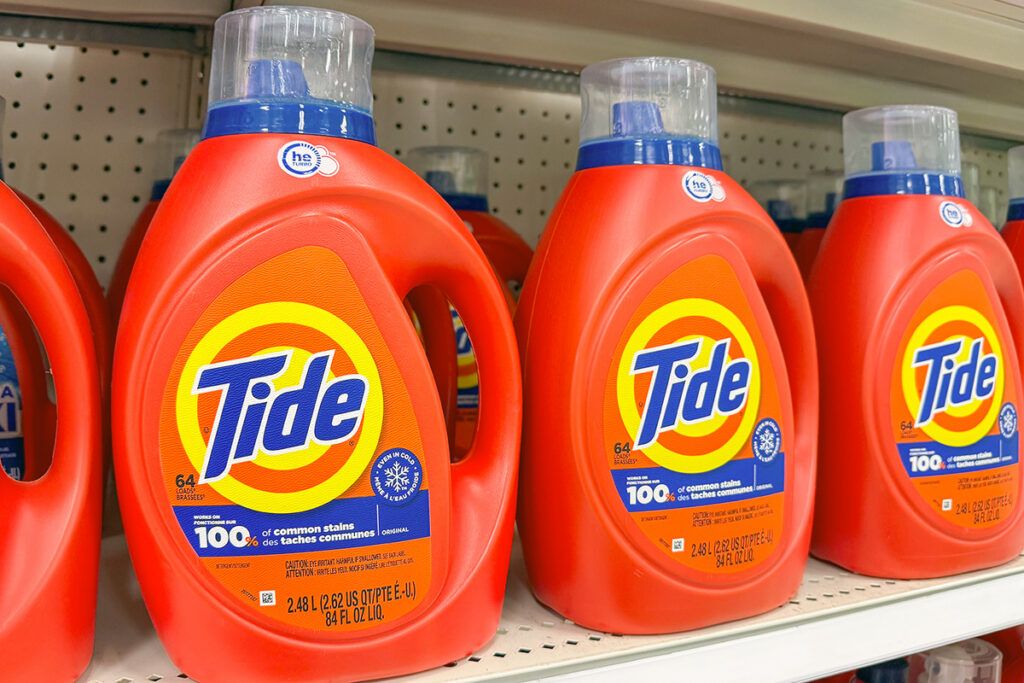
Tide detergent on a shelf
Credit: © wolterke/stock.adobe.com

What You Can Do About Hard Water

To get clothes cleaner in hard water, start with a detergent that can handle the extra minerals. In Consumer Reports’ testing, Tide’s detergents came out on top for handling hard water, including Tide Free & Gentle detergents (a liquid and a pod, respectively). Ingredients matter, too, which is why experts recommend looking for detergents that contain citrates such as sodium citrate, which bind to minerals and help soften water, allowing the detergent to clean more effectively.

Advertisement

The formula is only part of the equation, though: Make sure to follow the instructions on the detergent packaging rather than simply adding more detergent, since excess detergent can leave behind residue.

Recommended Articles

  • 12 Foods You Shouldn’t Store Together

  • 13 Stocking Stuffers That Are Actually Useful

  • Are the Brown Marks on Your Skin Dangerous?

  • 7 Common Meds Seniors Overuse

Advertisement
Advertisement

Reader Favorites

  • Person washing part of a coffee machine

    18 Surprising Things You Should Never Put Down Your Drain

  • White car on the road

    The Best Cars for Resale Value, According to Auto Experts

  • Woman in bed drinking water

    Is It Safe To Drink a Glass of Water That Sat Out Overnight?

For particularly hard water, adding a water conditioner to the wash can help remove minerals from each load. And if hard water is causing problems throughout your home, you may want to go a step further with a whole-home water softener, which treats the water before it reaches your washing machine. Most importantly, don’t confuse either with fabric softener — sure, it can make clothes feel softer, but it won’t soften hard water.

Finally, it could be worth checking your water’s hardness level with your local water utility or a home water hardness test kit. The results can help you decide whether you need to make any changes to your laundry routine.

Featured Image Credit: © Andrej Lišakov/Unsplash.com

More From Our Network

Better Report is part of Inbox Studio, an email-first media company. *Indicates a third-party property.

Go Retro With This 1960s Fashion Quiz

Quiz Daily

Go Retro With This 1960s Fashion Quiz

True or False: Are You a Master of U.S. Geography?

Travel Quiz

True or False: Are You a Master of U.S. Geography?

5 Reasons You Can Be Denied Boarding an Airplane

Daily Passport

5 Reasons You Can Be Denied Boarding an Airplane

What Did People Do Before Eyeglasses?

History Facts

What Did People Do Before Eyeglasses?

How To Use a Balloon To Clean Up Dust

House Outlook

How To Use a Balloon To Clean Up Dust

11 Shopping Hacks Costco Members Should Know

FinanceBuzz*

11 Shopping Hacks Costco Members Should Know

Share this article

  • Share to Facebook
  • Share to Twitter
  • Copy Url
  • Share to Email
Lauren Dana Ellman
Writer

Lauren Dana Ellman is a New York–based writer and editor specializing in lifestyle, travel, food, and shopping. A graduate of Syracuse University’s SI Newhouse School of Public Communications, she covers everything from destinations and hotels to fun product finds and personal essays. Her work has been featured in Condé Nast Traveler, AARP, Travel + Leisure, Time Out, The Knot, and more lifestyle-oriented publications.

This article is for general informational purposes only.
Affiliate Disclaimer Medical Disclaimer Financial Disclaimer

Updated: April 28, 2026
Posted In: Home
Hero Image Credit: Better Report
Advertisement

Related Articles

12 Foods You Shouldn’t Store Together

6 min read

Should You Refrigerate Peanut Butter?

6 min read

The Most Popular Car Colors in the U.S.

4 min read

First-Date Etiquette Tips for People Over 40, According to a Matchmaker

3 min read

Why Doesn’t Plastic Totally Dry in the Dishwasher?

3 min read
Advertisement

The Ideal Thermostat Setting for Fall

Jessica Levy
Home | Updated: August 25, 2026
Woman setting thermostat
Better Report

As we move past summer and cooler temperatures start to set in, you may be inclined to turn down the AC and start cranking the heat. But fall is a bit of a tricky transitional season — temperatures can swing from frigid one day to toasty the next. As a result, some people find themselves tinkering with the thermostat every day to keep up with the elements. Doing so isn’t always necessary, though. Here’s how you can set your thermostat during autumn to balance comfort and cost, regardless of how it feels outside.

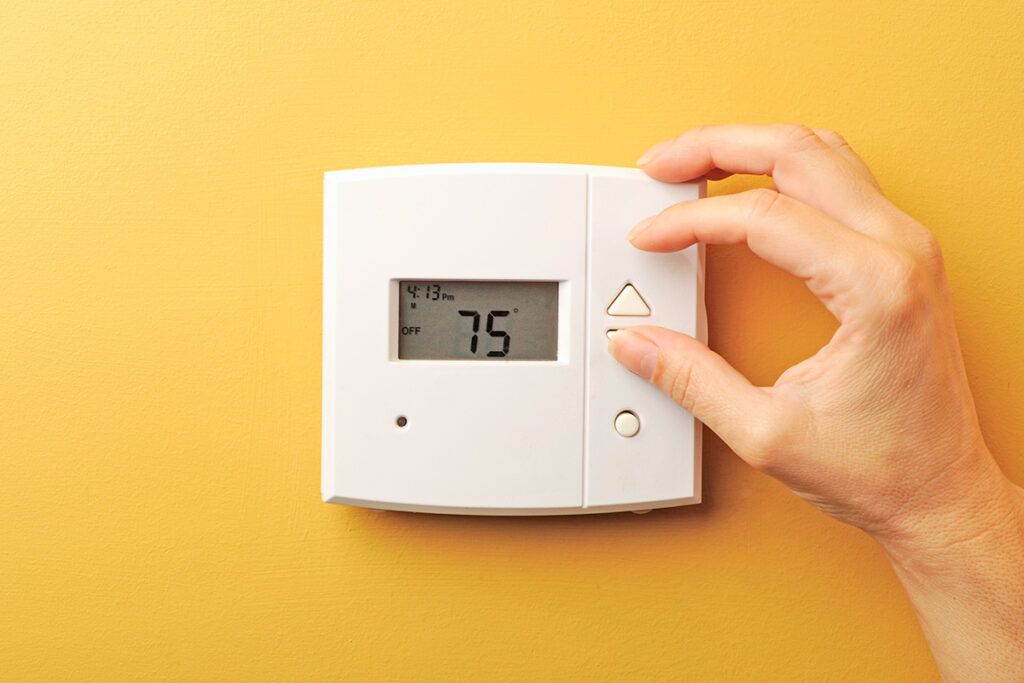
Thermostat on yellow wall
Credit: © Matt_Brown—E+/Getty Images

The Ideal Setting for Cost Cutting

If all you’re looking to do is save money on utility bills, you can set the thermostat as close to the temperature outside as possible. According to the Department of Energy, “The smaller the difference between the indoor and outdoor temperatures, the lower your overall [energy] bill will be.” 

Advertisement
Advertisement

That’s because the closer your home’s interior temperature is to the temperature outside, the slower heat will transfer from one environment to the other. When temperatures outside are chilly, for example, a low interior temperature actually slows heat loss: “As soon as your house drops below its normal temperature, it will lose energy to the surrounding environment more slowly,” the DOE notes. “[T]he longer your house remains at the lower temperature, the more energy you save, because your house has lost less energy than it would have at the higher temperature.” In this case, keeping the thermostat low prevents the HVAC from overexerting itself to sustain a warmer interior temperature. 

A similar concept applies when the weather heats up: The warmer it is inside your home, the slower the exterior heat will come in. Setting the thermostat lower will cause your HVAC to kick on more frequently to cool your house — and raise your electric bill as a result. That’s why the government’s recommendation for your thermostat setting in summer is 78 degrees Fahrenheit.

Still, this strategy may not be entirely practical in terms of comfort — nobody wants their living room to feel like a frigid 50-degree October night or an unseasonably warm 80-degree November day — and it will likely require you to fiddle with your thermostat daily. Thankfully, there’s another way to approach your thermostat this season.  

Advertisement
Woman reading book on couch
Credit: © Getty Images/Unsplash.com

The Best Setting for Comfort and Cost Savings

Ultimately, the temperature you should set your thermostat to will depend on where you live and how low temperatures tend to get during the fall season. But according to experts, you can balance cost savings and personal comfort during the fall by setting your thermostat to around 68 degrees Fahrenheit and no higher than 70 degrees Fahrenheit when you’re home and awake. This is similar to what you should do in the springtime, which is also a transitional season. (If the temperature creeps into the 80s, though, you may want to put your AC to work. The DOE’s recommendation for the summer is to “[set] the thermostat to a setting as high as is comfortable for you when you are at home and need cooling and to ensure humidity control if needed,” so the same is likely true for unseasonably hot fall days.)

This recommended range is the sweet spot for keeping HVAC use down without feeling overly hot or cold. If you do start to get chilly, consider a blanket or hoodie before raising the thermostat into the 70s. And if you feel a little warm, switch to lighter clothing before you lower the temperature.

Recommended Articles

  • 12 Foods You Shouldn’t Store Together

  • 13 Stocking Stuffers That Are Actually Useful

  • Are the Brown Marks on Your Skin Dangerous?

  • 7 Common Meds Seniors Overuse

Advertisement
Advertisement

Reader Favorites

  • Person washing part of a coffee machine

    18 Surprising Things You Should Never Put Down Your Drain

  • White car on the road

    The Best Cars for Resale Value, According to Auto Experts

  • Woman in bed drinking water

    Is It Safe To Drink a Glass of Water That Sat Out Overnight?

Woman asleep with blankets up to nose
Credit: © Andrej Lišakov/Unsplash.com

The Best Settings for Sleep (and When You’re Not at Home)

That said, there are times you should lower the thermostat, particularly when you go to sleep and when you leave the house. 

When it’s time for bed, experts recommend bumping your thermostat down to as low as 60 degrees (if you’re healthy) and no higher than 68 for optimal sleep. The reason is that autumn temperatures tend to be cooler at night, so lowering the device down to 60 means your HVAC will function a lot more efficiently. At the same time, you’ll be bundled up in bed and should feel nice and toasty under your blankets despite the lower thermostat setting.

Advertisement
Advertisement

When you leave the house for a few hours, it’s also worth setting the thermostat to be a bit more in line with the temperature outside, as it helps the HVAC run more efficiently. After all, if there’s nobody home, there’s no sense worrying about how comfortable it is indoors. 

So, before leaving the house, set the thermostat as much as seven degrees higher or lower — the direction entirely depends on whether you’re trying to align with hotter or colder temperatures outside. This will help to cut down on costs while you’re gone, and you can always set it back to around 68 degrees when you get home. (Just don’t turn it off entirely — it will need to work much harder, and therefore use more energy, to get back to your preferred temperature.)

Advertisement
Advertisement

Featured Image Credit: © Monkey Business/stock.adobe.com

More From Our Network

Better Report is part of Inbox Studio, an email-first media company. *Indicates a third-party property.
Go Retro With This 1960s Fashion Quiz

Quiz Daily

Go Retro With This 1960s Fashion Quiz

True or False: Are You a Master of U.S. Geography?

Travel Quiz

True or False: Are You a Master of U.S. Geography?

5 Reasons You Can Be Denied Boarding an Airplane

Daily Passport

5 Reasons You Can Be Denied Boarding an Airplane

What Did People Do Before Eyeglasses?

History Facts

What Did People Do Before Eyeglasses?

How To Use a Balloon To Clean Up Dust

House Outlook

How To Use a Balloon To Clean Up Dust

11 Shopping Hacks Costco Members Should Know

FinanceBuzz*

11 Shopping Hacks Costco Members Should Know

Share this article

  • Share to Facebook
  • Share to Twitter
  • Copy Url
  • Share to Email
Jessica Levy

This article is for general informational purposes only.
Affiliate Disclaimer Medical Disclaimer Financial Disclaimer

Updated:
Posted In: Home
Hero Image Credit: Better Report
Advertisement

Related Articles

12 Foods You Shouldn’t Store Together

6 min read

Should You Refrigerate Peanut Butter?

6 min read

The Most Popular Car Colors in the U.S.

4 min read

First-Date Etiquette Tips for People Over 40, According to a Matchmaker

3 min read

Why Doesn’t Plastic Totally Dry in the Dishwasher?

3 min read
Advertisement

Does One Moldy Berry Ruin the Whole Bunch?

Health | Updated: July 2, 2026
Michele Debczak
Author
Michele Debczak is a writer and editor based in Brooklyn, New York. She appears in seasons four through six of History Channel's “The Food That Built America,” and her work has been featured in Mental Floss, Smithsonian Magazine, Eater, and Vice.
Strawberries
Better Report

If berries are a regular part of your diet, you already know that they can be sneakily expensive — which makes it especially frustrating when you’re unpacking your groceries and spy a patch of fuzz among an otherwise immaculate bunch of produce. Moldy berries are unsightly and unappetizing, but what about their neighbors? Does spotting one offender in a container warrant tossing out the whole thing? 

Moldy blackberries
Credit: © ztony1971/stock.adobe.com

What To Know About Moldy Berries

Good news for your wallet and your breakfast routine: Fresh berries packaged with a couple of spoiled ones are still safe to eat. When it comes to fruits like strawberries, blackberries, and raspberries, pediatric infectious disease expert Dr. Nipunie Rajapakse told the Mayo Clinic, a little mold isn’t the end of the world. She recommends picking out the visibly fuzzy berries as well as whatever fruits they were touching. Give the remaining produce a thorough wash and it should be fine to consume. But if your basket or clamshell is more than a quarter moldy, it’s probably not worth salvaging, according to Dr. Rajapakse.

Advertisement
Advertisement

The reason health experts are fairly lenient when it comes to berries is due to the type of spores they grow. Certain foodborne fungi can cause serious illness, which is why we’ve evolved to turn up our noses at spoiled foods in the first place. According to the U.S. Department of Agriculture, some molds produce mycotoxins that may make us sick; they’re mostly found in grain, corn, dried fruits, nuts, and coffee, but can also pop up on produce such as celery and apples.

The mold commonly found on berries, however, isn’t known to produce toxins, so it doesn’t pose any serious health risks. Even if you were to miss a moldy berry and eat it accidentally, it wouldn’t be pleasant, but it probably wouldn’t send you to urgent care.

It’s a different story with many other grocery items. Foods that are soft and moist with more area for microbes to populate tend to cultivate more dangerous fungi. That’s why if you see a blue speckle on your loaf of bread, health experts say you should throw away the whole thing, because the mold may have already spread to parts you can’t see. 

Advertisement

Berries, on the other hand, are less likely to harbor harmful spores due to their small size. But because you can’t tell what molds are toxic by looks alone, you’ll want to throw out any moldy berries just in case.

Recommended Articles

  • 12 Foods You Shouldn’t Store Together

  • 13 Stocking Stuffers That Are Actually Useful

  • Are the Brown Marks on Your Skin Dangerous?

  • 7 Common Meds Seniors Overuse

Advertisement
Advertisement

Reader Favorites

  • Person washing part of a coffee machine

    18 Surprising Things You Should Never Put Down Your Drain

  • White car on the road

    The Best Cars for Resale Value, According to Auto Experts

  • Woman in bed drinking water

    Is It Safe To Drink a Glass of Water That Sat Out Overnight?

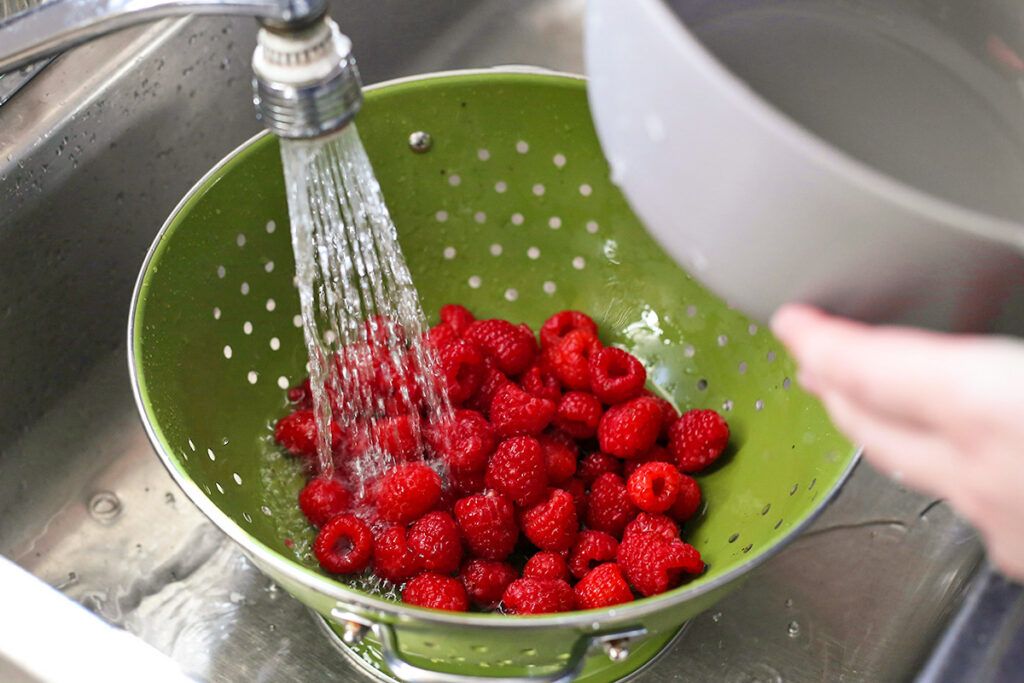
Washing raspberries
Credit: © Giorgio Trovato/Unsplash.com

How To Store Berries To Keep Them Fresh Longer

Even if a single moldy berry won’t kill you, you still don’t want the nasty surprise of biting into one. The spores may be less harmful, but it won’t taste very good. Berries are more prone to spoilage in general due to their high moisture content and delicate skins. The best way to prevent mold is by practicing smarter storage habits. 

Advertisement
Advertisement

Before refrigerating the fruit, rinse it off in a solution of 3 cups water to 2 tablespoons white vinegar. This will help kill off most of the spores sitting on the surface waiting to become full-blown fungi. Make sure the berries are completely dry before transferring them to a larger container lined with paper towels. This environment will provide your berries some breathing room while absorbing excess moisture, giving them a fighting chance of surviving to see a week’s worth of meals. (There’s an exception to this advice: raspberries. Moisture will make them go bad quickly, so instead, you should discard any moist, moldy, or discolored raspberries before storing them in the container they came in on a shelf in your fridge — not the crisper, which is more humid and will cause the raspberries to dry out. Don’t wash them right until you’re ready to eat them.)

Another option is to freeze your berries after washing and drying them. They can last six to eight months in the freezer, which means if you go overboard at the farmers market this summer, you could still be enjoying peak-season strawberries in January.

Advertisement
Advertisement

Featured Image Credit: © Eigens/stock.adobe.com

More From Our Network

Better Report is part of Inbox Studio, an email-first media company. *Indicates a third-party property.
Go Retro With This 1960s Fashion Quiz

Quiz Daily

Go Retro With This 1960s Fashion Quiz

True or False: Are You a Master of U.S. Geography?

Travel Quiz

True or False: Are You a Master of U.S. Geography?

5 Reasons You Can Be Denied Boarding an Airplane

Daily Passport

5 Reasons You Can Be Denied Boarding an Airplane

What Did People Do Before Eyeglasses?

History Facts

What Did People Do Before Eyeglasses?

How To Use a Balloon To Clean Up Dust

House Outlook

How To Use a Balloon To Clean Up Dust

11 Shopping Hacks Costco Members Should Know

FinanceBuzz*

11 Shopping Hacks Costco Members Should Know

Share this article

  • Share to Facebook
  • Share to Twitter
  • Copy Url
  • Share to Email
Michele Debczak
Writer

Michele Debczak is a writer and editor based in Brooklyn, New York. She appears in seasons four through six of History Channel's “The Food That Built America,” and her work has been featured in Mental Floss, Smithsonian Magazine, Eater, and Vice.

This article is for general informational purposes only.
Affiliate Disclaimer Medical Disclaimer Financial Disclaimer

Updated: April 3, 2026
Posted In: Health
Hero Image Credit: Better Report
Advertisement

Related Articles

Are the Brown Marks on Your Skin Dangerous?

6 min read

7 Common Meds Seniors Overuse

4 min read

Is It Actually Bad To Wear Your Shoes in the House?

4 min read

The 10 Holiday Foods Most Likely To Make You Sick

10 min read

5 Easy Ways To Be More Likable

4 min read
Advertisement

The Surprising Item You Should Almost Always Wash in the Dishwasher

Home | Updated: June 23, 2026
Lauren Dana Ellman
Author
Lauren Dana Ellman is a New York–based writer and editor specializing in lifestyle, travel, food, and shopping. A graduate of Syracuse University’s SI Newhouse School of Public Communications, she covers everything from destinations and hotels to fun product finds and personal essays. Her work has been featured in Condé Nast Traveler, AARP, Travel + Leisure, Time Out, The Knot, and more lifestyle-oriented publications.
Better Report

For years, wine lovers have been told the same thing: Never put wine glasses in the dishwasher. Hand-washing has long been considered the safer option, especially for delicate stemware — but according to experts, that advice may be outdated. In fact, your dishwasher could actually be the safest place to clean your wine glasses. Here’s why. 

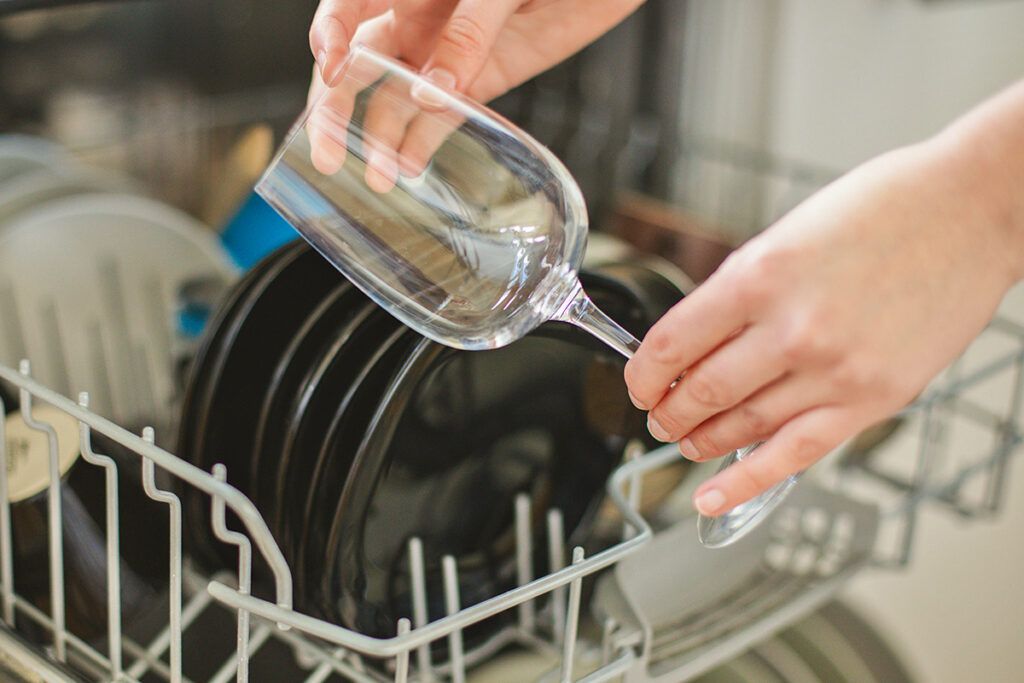
Holding wine glass in front of dishwasher
Credit: © lomanskaph—500px/Getty Images

The Case for Skipping Hand-Washing

The fear about putting wine glasses in the dishwasher largely stems from older machines, which weren’t as gentle as today’s models. As Wine Enthusiast reports, many dishwashers today include dedicated glassware settings and adjustable racks designed to keep stemware secure throughout the wash cycle, making them a good option for many dishwasher-safe glasses. 

Advertisement
Advertisement

And according to The Spruce, stemware is often more likely to get damaged or broken during hand-washing. People may squeeze the glasses too hard as they’re scrubbing, or  accidentally knock them against the sink, the faucet, or another dish. That’s not an issue when glasses are properly placed in a dishwasher (more on that in a bit). 

But there’s another reason experts prefer the dishwasher: cleaner glasses. The high temperatures reached during a wash cycle, along with modern detergents and rinse aids, help remove residue that can linger after hand-washing, resulting in clearer glassware with fewer water spots and streaks. And for wine drinkers especially, that can make a big difference: Fingerprints can affect the appearance of a glass, and even small amounts of lingering soap residue can interfere with the tasting experience.

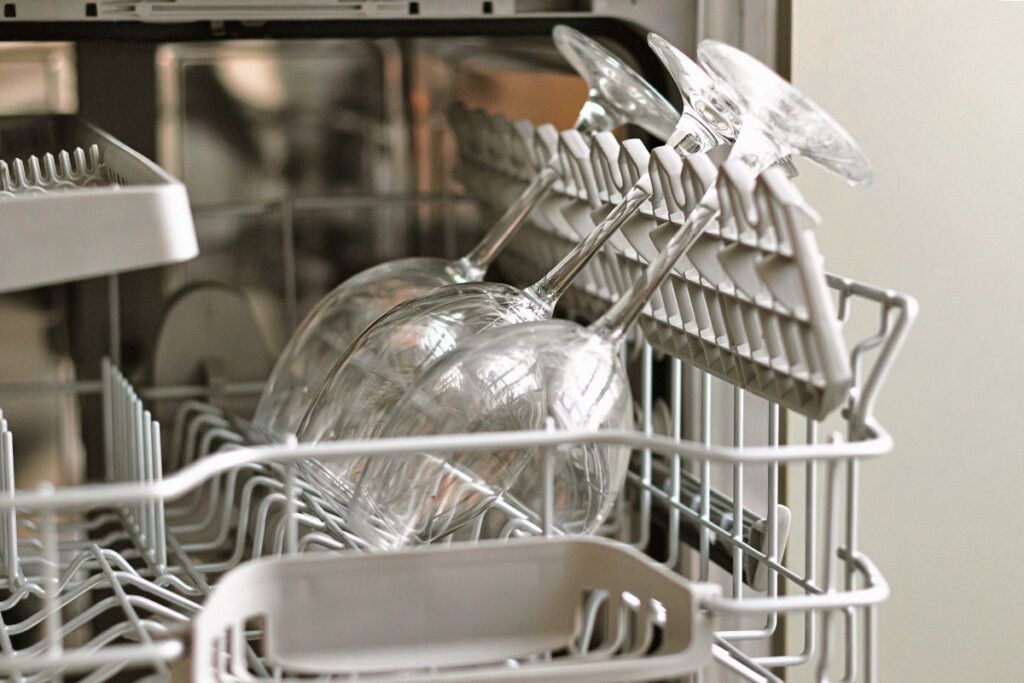
Wine glasses in dishwasher
Credit: © Serhiy Chaiko/stock.adobe.com

How To Protect Your Stemware

That doesn’t mean every wine glass belongs in the dishwasher. Experts caution that delicate, hand-blown, antique, or decorative glasses may still require hand-washing. So, before placing stemware in the dishwasher, check the manufacturer’s care instructions to confirm that it’s dishwasher-safe.

Advertisement

If they are, proper loading is key. Place the glasses securely in the top rack, face down, making sure they don’t touch one another or other dishes. According to Real Simple, keeping them a finger-width apart is a good rule of thumb. While these steps may sound simple, they can go a long way toward preventing chips, cracks, and other damage that can shorten the lifespan of your glassware.

Recommended Articles

  • 12 Foods You Shouldn’t Store Together

  • 13 Stocking Stuffers That Are Actually Useful

  • Are the Brown Marks on Your Skin Dangerous?

  • 7 Common Meds Seniors Overuse

Advertisement
Advertisement

Reader Favorites

  • Person washing part of a coffee machine

    18 Surprising Things You Should Never Put Down Your Drain

  • White car on the road

    The Best Cars for Resale Value, According to Auto Experts

  • Woman in bed drinking water

    Is It Safe To Drink a Glass of Water That Sat Out Overnight?

It’s also worth paying attention to what you’re putting in the dishwasher besides wine glasses, as well as the condition of your dishwasher itself. Food particles, hard-water deposits, and clogged filters can affect cleaning performance and leave residue on glassware. Regularly cleaning the filter and checking that spray arms are free of debris can help ensure glasses come out spotless. Experts also recommend running the delicate cycle, skipping the heated dry, and using a rinse aid, which can help reduce water spots and improve drying — particularly in homes with hard water.

The key is knowing which glasses are dishwasher-safe and loading them correctly. For many modern wine glasses, the dishwasher isn’t a risky shortcut — it’s the cleaning method experts recommend to save you time and money.

Advertisement
Advertisement

Featured Image Credit: © aire images—Moment/Getty Images

More From Our Network

Better Report is part of Inbox Studio, an email-first media company. *Indicates a third-party property.

Go Retro With This 1960s Fashion Quiz

Quiz Daily

Go Retro With This 1960s Fashion Quiz

True or False: Are You a Master of U.S. Geography?

Travel Quiz

True or False: Are You a Master of U.S. Geography?

5 Reasons You Can Be Denied Boarding an Airplane

Daily Passport

5 Reasons You Can Be Denied Boarding an Airplane

What Did People Do Before Eyeglasses?

History Facts

What Did People Do Before Eyeglasses?

How To Use a Balloon To Clean Up Dust

House Outlook

How To Use a Balloon To Clean Up Dust

11 Shopping Hacks Costco Members Should Know

FinanceBuzz*

11 Shopping Hacks Costco Members Should Know

Share this article

  • Share to Facebook
  • Share to Twitter
  • Copy Url
  • Share to Email
Lauren Dana Ellman
Writer

Lauren Dana Ellman is a New York–based writer and editor specializing in lifestyle, travel, food, and shopping. A graduate of Syracuse University’s SI Newhouse School of Public Communications, she covers everything from destinations and hotels to fun product finds and personal essays. Her work has been featured in Condé Nast Traveler, AARP, Travel + Leisure, Time Out, The Knot, and more lifestyle-oriented publications.

This article is for general informational purposes only.
Affiliate Disclaimer Medical Disclaimer Financial Disclaimer

Updated: April 28, 2026
Posted In: Home
Hero Image Credit: Better Report
Advertisement

Related Articles

12 Foods You Shouldn’t Store Together

6 min read

Should You Refrigerate Peanut Butter?

6 min read

The Most Popular Car Colors in the U.S.

4 min read

First-Date Etiquette Tips for People Over 40, According to a Matchmaker

3 min read

Why Doesn’t Plastic Totally Dry in the Dishwasher?

3 min read
Advertisement

10 Things You Need To Sweat Less This Summer

Jessica Levy
Health | Updated: June 15, 2026
Woman in front of fan
Better Report

All featured products and deals are selected independently and objectively by the author. Better Report may receive a share of sales via affiliate links in content.

Summer is upon us, which means that many of us are sweaty — and hating it. 

Sweat serves an important purpose — it regulates our body temperature and prevents us from overheating — but it can still be really unpleasant, especially if you perspire a lot. Thankfully, there are some solutions that can help keep you comfortable as temperatures creep higher. Beyond setting your thermostat to the correct summer temp and implementing these ways to stay cool while saving on your AC bills, you may want to pick up these things that will help you sweat less this summer.

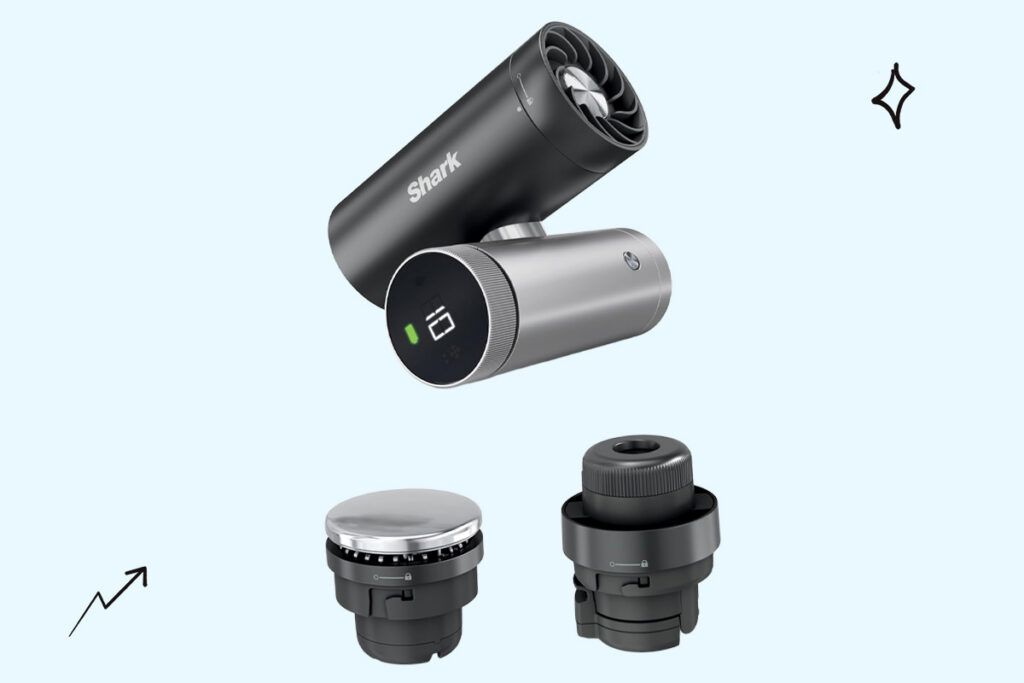
Shark Chill Pill Personal Cooling System
Credit: Image Courtesy of Amazon

Shark ChillPill 3-in-1 Personal Cooling System

No one in my life hates the heat as much as my husband, so when I saw Shark’s ChillPill all over social media, I knew I had to get him one. The device has three functions: a fan with 10 speeds (the first five for indoor use, the last five intended for outdoors); a mister; and the InstaChill cooling system, a metal disc that purports to drop skin temperature by 16 degrees Fahrenheit. After a month of using it, he broke down his pros and cons for me.

Advertisement
Advertisement

First, the cons: He sees the price as the biggest barrier to entry for most people, because there are plenty of cheaper fans that will do some of what the ChillPill does. “This fan is for people who’ve been burned, literally, and they may be willing to pay top dollar for that relief,” he says. It’s also “a lot of carry,” he says, especially compared to smaller, slimmer personal fans. “There’s a pouch, which helps, but you’re still managing multiple components, and it adds up fast.” (It may end up being annoying if you leave one component behind and can’t use the fan’s full capabilities.) The noise also may be irritating for those who prefer to be discreet: “It’s not obnoxious at low speeds, but once you’re hitting the six-to-10-speed range, you’re buzzing.”

All that aside, he loves that he gets three different functions in a single device. His favorite feature, hands down, is the InstaChill. “Having this option on a brutal afternoon is the difference between surviving your commute and actually enjoying it,” he says. He believes that people will probably spend most of the time using fan mode because “it’s genuinely that good,” and the latter five levels actually move air outdoors. “Once you’ve used it across the full range,” he says, “going back to anything less feels like a downgrade.” And while the shape may be a little weird and takes some getting used to, it actually ends up making total sense — you hold one side while the other does the work. “Give it five minutes during a 90-degree day and the sort of questionable design stops being a factor,” he says. Plus, you can prop it up on your desk for hands-free use.

BUY IT FOR $150 ON AMAZON

Recommended Articles

  • 12 Foods You Shouldn’t Store Together

  • 13 Stocking Stuffers That Are Actually Useful

  • Are the Brown Marks on Your Skin Dangerous?

  • 7 Common Meds Seniors Overuse

Advertisement
Advertisement

Reader Favorites

  • Person washing part of a coffee machine

    18 Surprising Things You Should Never Put Down Your Drain

  • White car on the road

    The Best Cars for Resale Value, According to Auto Experts

  • Woman in bed drinking water

    Is It Safe To Drink a Glass of Water That Sat Out Overnight?

Theraice Migraine Relief Cap
Credit: Image Courtesy of Amazon

TheraICE Migraine Relief Cap

This gel cap is an oft-used product in my house. Yes, it’s technically for migraines, but it’s also great at taking hot heads down a few degrees without the mess and stress of melting ice. Pop it in the freezer bag and freeze it for two hours and it’s ready to go. You can pull it fully over your face if you have a headache or wear it on the top of your head to cool off as you go about your day. As a bonus, you can throw it in the microwave and heat it up to soothe and relax muscles when temperatures drop.

BUY IT FOR $30 ON AMAZON
Advertisement
Advertisement
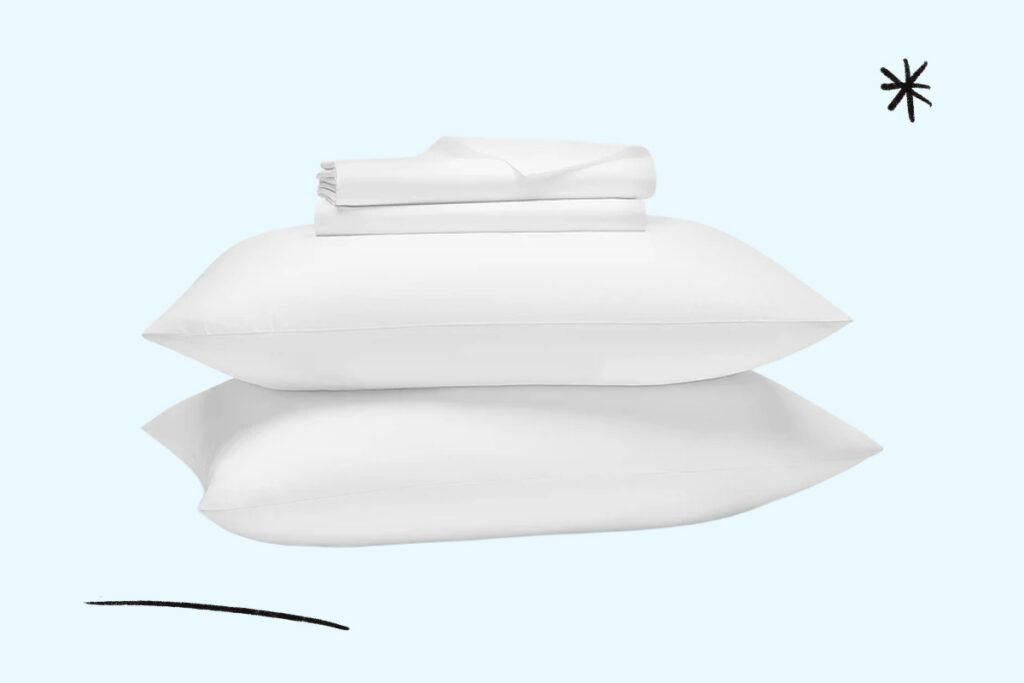
Brooklinen Percale Sheets
Credit: Image Courtesy of Brooklinen

Brooklinen Classic Percale Core Sheet Set

Brooklinen’s percale sheets are my go-to during the summer months, so I can personally vouch for them. Though they’re not cheap — prices start at $159 for a twin set — these 100% cotton sheets are crisp, cool, and breathable, and they come in more than 20 colors and patterns. I particularly like that the pillowcases have envelopes so my pillows aren’t constantly slipping out. And for those of us who find putting on a fitted sheet akin to participating in an Olympic sport, Brooklinen’s are labeled with “long” and “short” so you get it right the first time (yet another way they help you sweat less). 

Advertisement
Advertisement

If Brooklinen’s sheets are out of your price range, these highly rated bamboo sheets from Quince are a good choice — they come in 19 colors, sets start at $100, and plenty of reviews attest to how cool they feel.

BUY IT STARTING AT $159 ON BROOKLINEN
Advertisement
BreezeLife Misting Fan
Credit: Image Courtesy of Amazon

Breeze Life Misting Umbrella

Being outside at a sporting event or concert during the summer months can be almost unbearable for anyone, but it’s especially brutal for sweaty people. The Breeze Life Misting Umbrella can help you beat the heat: Fill the included water bottle, attach it to the handle, turn on the fan, and sit in the umbrella’s shade to enjoy up to three hours of cool mist on a single charge. At just a pound, it’s light, so bringing it with you is easy, and it’s available in five fun colors. 

BUY IT FOR $80 ON AMAZON
Advertisement
Advertisement
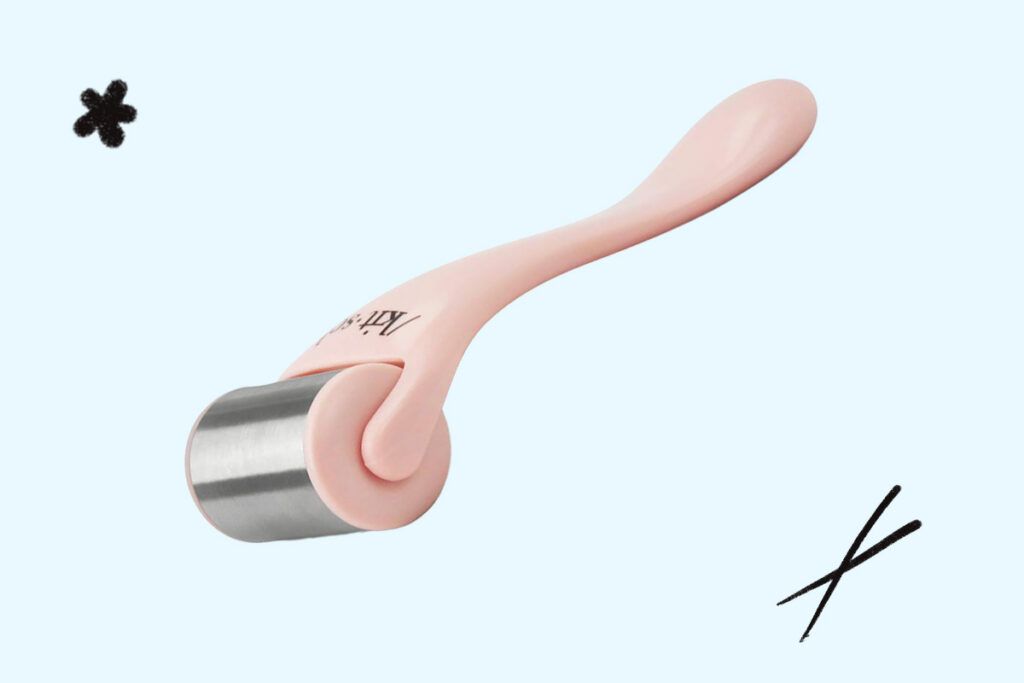
Kitsch Ice Roller
Credit: Image Courtesy of Amazon

Kitsch Ice Roller

This roller from Kitsch will give your hot, tired skin a welcome refresh. Stick it in your fridge or freezer to chill; the stainless steel roller stays cool for extended periods, soothing puffiness, redness, and irritation (and giving you a bit of a spa experience at home for a fraction of the price). You can follow it up with a cooling gel moisturizer to really chill out.

BUY IT FOR $18 ON AMAZON
Advertisement
Advertisement
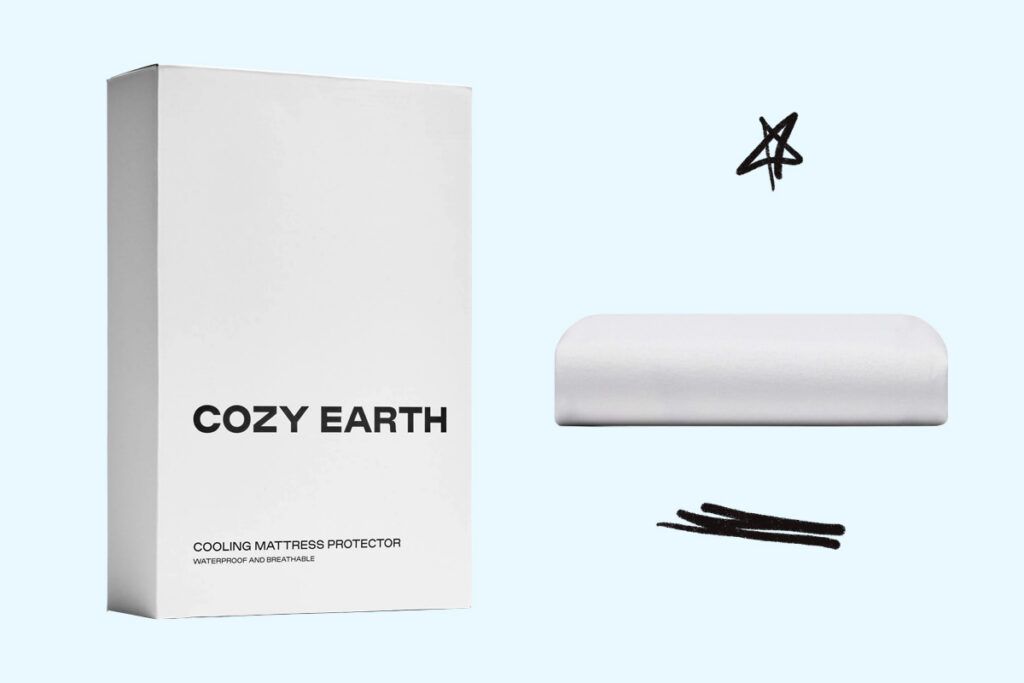
Cozy Earth Mattress Protector
Credit: Image Courtesy of Cozy Earth

Cozy Earth Cooling Mattress Protector

There are many pricey bed-cooling options out there, from Perfectly Snug’s Smart Topper to the BedJet to Eight Sleep’s system. Cozy Earth’s mattress protector will cool you off at night without breaking the bank: It’s made of bamboo, so it’s breathable (reviewers praise its cooling properties), and it has a waterproof Gore-tex membrane that protects your mattress. Even better, it’s machine-washable. There are also cooling pillow protectors.

BUY IT FOR $68 ON COZY EARTH
Advertisement
Advertisement
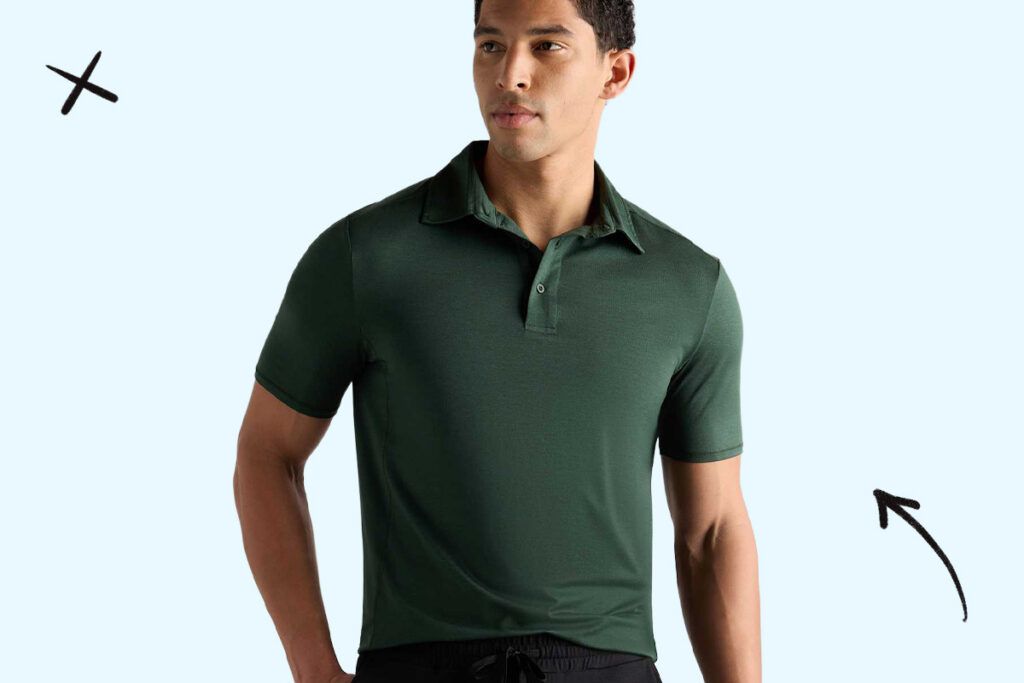
Quince Flowknit Polo
Credit: Image Courtesy of Quince

Quince Flowknit Breeze Performance Polo 

Lots of moisture-wicking clothing looks more appropriate for the gym than for everyday life, but this polo from Quince is an exception: It’s polished enough to wear on a date or while traveling. The soft fabric is not only moisture-wicking but also quick-drying and antimicrobial, and it has UPF 40 protection. Plus, it’s sustainably made from recycled plastic water bottles with eco-friendly dyes. It’s also available in nine colors, so you have plenty of options to choose from. Reviewers rave about the fit and quality.    

Advertisement
Advertisement

For a similarly polished look, women can pick up the Knitflow Breeze Fit & Flare Dress (it has pockets!). Their linen offerings are great, too.

BUY IT FOR $36 ON QUINCE
Solibari Bucket Hat
Credit: Image Courtesy of Amazon

Solibari Bucket Hat

Some sun-protective hats can make you look like a bit of a dork, but this unisex bucket hat from Solibari manages to be fashionable and lightweight while still providing UPF 50 sun protection. It’s made of moisture-wicking nylon, which will ensure you stay nice and cool, and it comes in seven colors and two sizes — plus, it has a drawstring so you can customize the fit, which is handy on windy days. 

BUY IT FOR $65 ON AMAZON
Advertisement
Advertisement
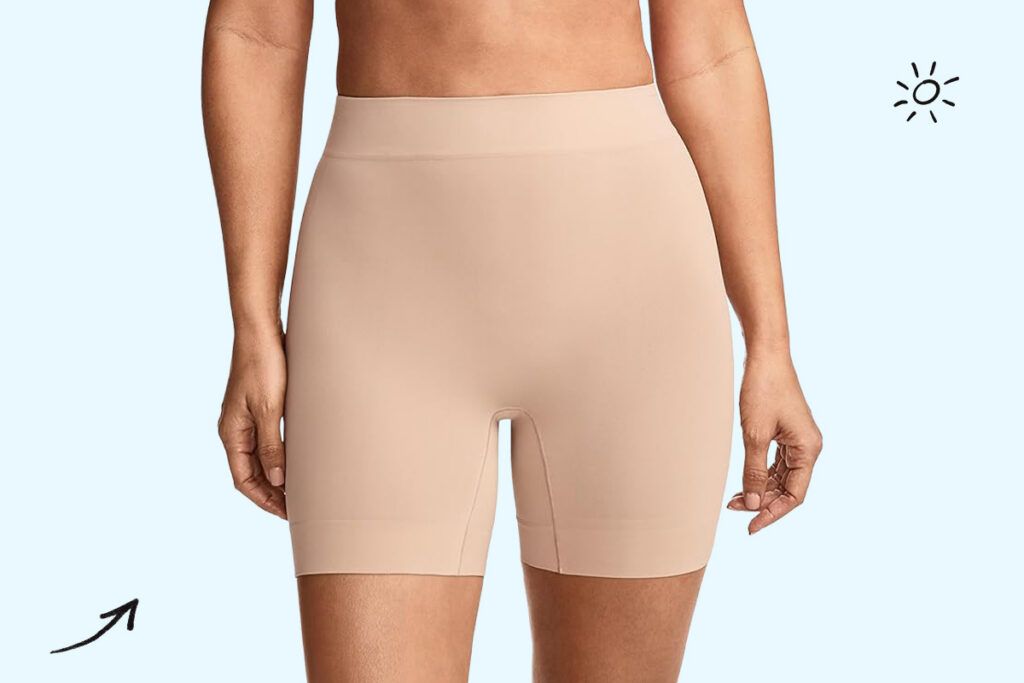
Jockey Shapewear Skimmies Slipshort 
Credit: Image Courtesy of Amazon

Jockey Shapewear Skimmies Slipshort 

The only thing worse than sweating is sweating and chafing. Jockey’s slipshorts prevent both. The soft, cooling fabric will help keep you comfortable no matter how hot it gets — so much so that you’ll forget you’re wearing them. 

Advertisement
Advertisement

Men who want to avoid chafing and sweating should pick up SAXX’s Underwear Co.’s performance boxer briefs.

BUY IT FOR $20 ON AMAZON
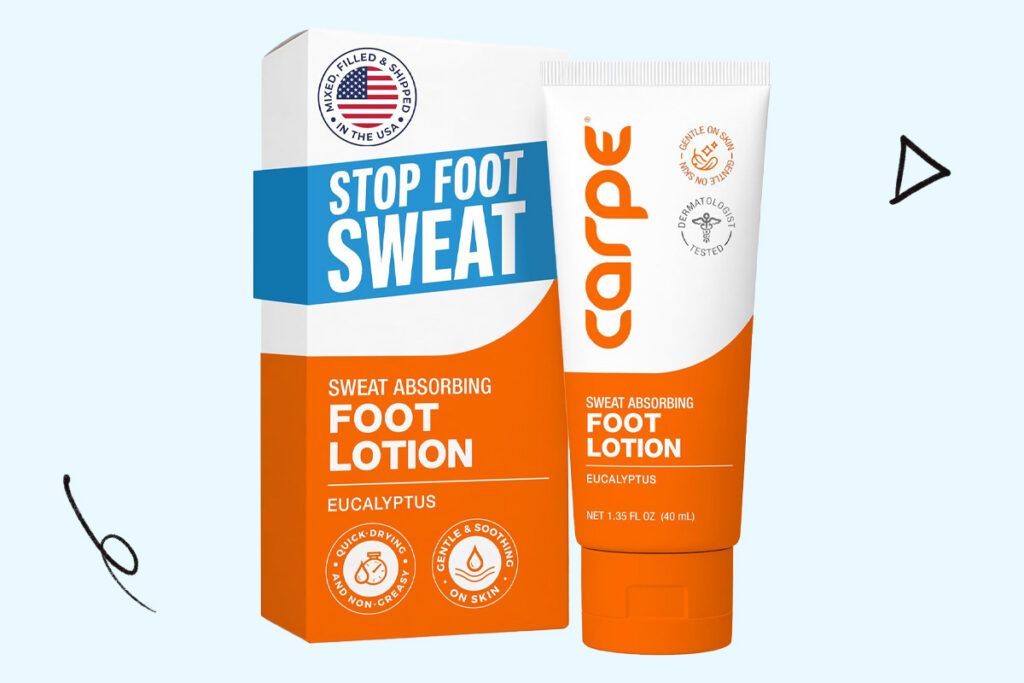
Carpe Sweat Absorbing Foot Lotion
Credit: Image Courtesy of Amazon

Carpe Sweat Absorbing Foot Lotion

Sweaty feet don’t feel or smell nice. Carpe developed this lotion with dermatologists to stop sweat in its tracks: Apply a dime-sized amount to each foot before bed, rub it into the skin for 15 seconds, and repeat in the morning. Users on Amazon rank it 4.4 out of five stars.

Advertisement
Advertisement

If you’re looking for a product that will both cool and deodorize your feet, try this peppermint spray from Rocket Pure. 

BUY IT FOR $20 ON AMAZON

Featured Image Credit: © Olezzo—iStock/Getty Images

More From Our Network

Better Report is part of Inbox Studio, an email-first media company. *Indicates a third-party property.

Go Retro With This 1960s Fashion Quiz

Quiz Daily

Go Retro With This 1960s Fashion Quiz

True or False: Are You a Master of U.S. Geography?

Travel Quiz

True or False: Are You a Master of U.S. Geography?

5 Reasons You Can Be Denied Boarding an Airplane

Daily Passport

5 Reasons You Can Be Denied Boarding an Airplane

What Did People Do Before Eyeglasses?

History Facts

What Did People Do Before Eyeglasses?

How To Use a Balloon To Clean Up Dust

House Outlook

How To Use a Balloon To Clean Up Dust

11 Shopping Hacks Costco Members Should Know

FinanceBuzz*

11 Shopping Hacks Costco Members Should Know

Share this article

  • Share to Facebook
  • Share to Twitter
  • Copy Url
  • Share to Email
Jessica Levy

This article is for general informational purposes only.
Affiliate Disclaimer Medical Disclaimer Financial Disclaimer

Updated:
Posted In: Health
Hero Image Credit: Better Report
Advertisement

Related Articles

Are the Brown Marks on Your Skin Dangerous?

6 min read

7 Common Meds Seniors Overuse

4 min read

Is It Actually Bad To Wear Your Shoes in the House?

4 min read

The 10 Holiday Foods Most Likely To Make You Sick

10 min read

5 Easy Ways To Be More Likable

4 min read
Advertisement

Is the Nickel Facing Extinction?

Wealth | Updated: June 2, 2026
Jennifer M. Wood
Author
Jennifer M. Wood has been writing about news, entertainment, culture, and travel for longer than she cares to admit. She lives just outside Philadelphia with her husband and an ever-growing menagerie of rescue pets.
Money in a jar
Better Report

“Keep the change” could soon sound like a quaint expression from a bygone era.

Seven months after the U.S. Mint officially retired the penny, following the secretary of the Treasury’s determination that the one-cent piece, which cost nearly 4 cents to produce, was “no longer necessary to meet the needs of the United States,” USA Today reports that the nickel could follow its copper-colored sibling down the road to obsolescence.

Advertisement
Advertisement

“The argument for getting rid of the nickel is that it costs more to produce — quite a bit more, actually — than its face value,” David Smith, an economist at Pepperdine University, told the outlet. 

When it comes to currency, being a literal money loser is a bad thing, as the penny learned the hard way. And in the case of the nickel, the annual losses are even greater. 

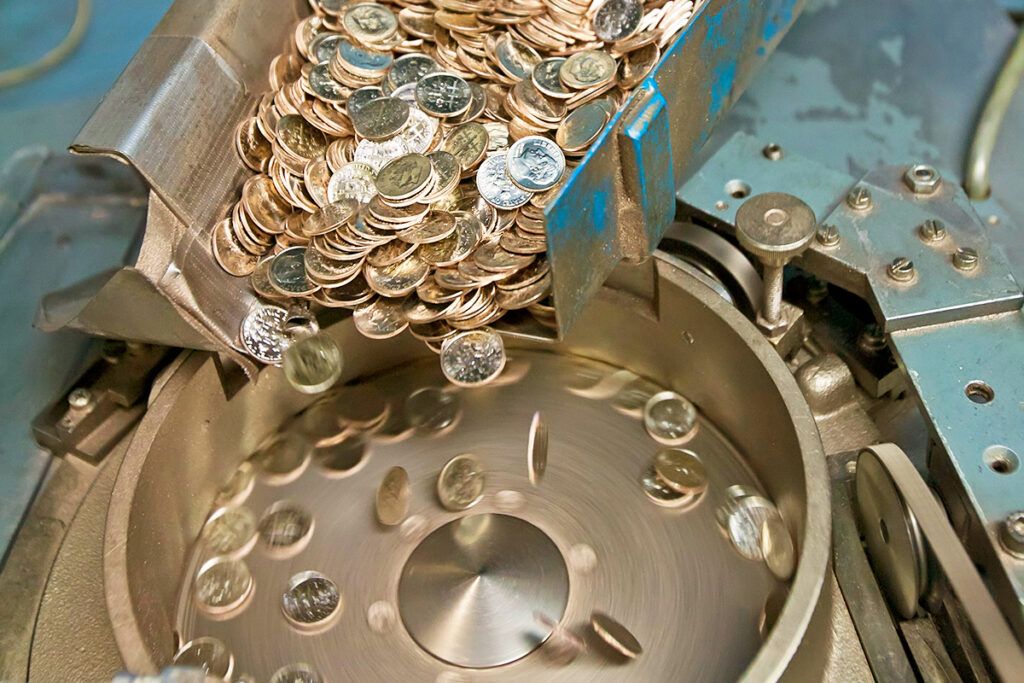
Coins being produced at the Denver Mint
Credit: © UCG/Getty Images

How Much Does It Cost To Make a Nickel?

The attack on our coinage seems to have begun in earnest following the U.S. Mint’s 2024 Annual Report, which included a breakdown of the true cost of making change. It concluded that the cost of making a single nickel was 13.78 cents — nearly three times the face value of the coin itself. 

Advertisement

With the government losing 8.78 cents on every nickel minted, the annual loss just to keep the coin in circulation was an estimated $85 million. And this is not a new problem: The 2024 report marked the 19th year in a row the nickel operated at a loss, fueling renewed calls to end its production.

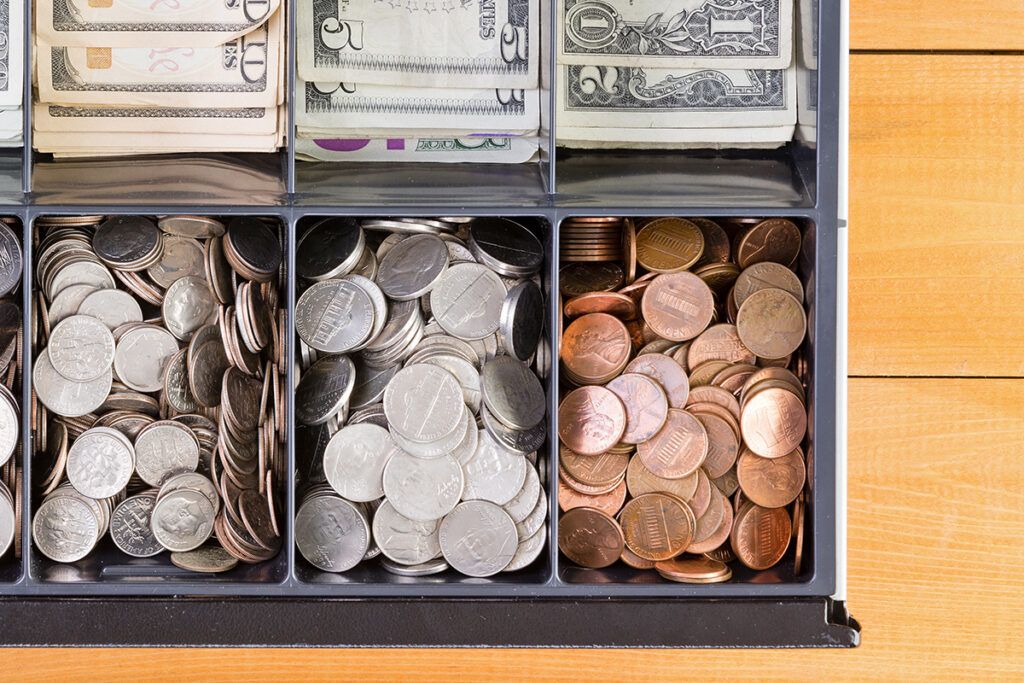
Change in a cash register
Credit: © Ozgur Coskun—iStock/Getty Images

What Problems Could Arise From Killing the Nickel?

Eliminating the nickel isn’t as simple as just declaring it dead. As we’ve seen with the penny, there are some practical headaches that will likely arise for both businesses and consumers.

For example, without nickels or pennies, cash transactions will probably need to be rounded to the nearest 10 cents, which could result in higher prices that shoppers deem unfair. 

Recommended Articles

  • 12 Foods You Shouldn’t Store Together

  • 13 Stocking Stuffers That Are Actually Useful

  • Are the Brown Marks on Your Skin Dangerous?

  • 7 Common Meds Seniors Overuse

Advertisement
Advertisement

Reader Favorites

  • Person washing part of a coffee machine

    18 Surprising Things You Should Never Put Down Your Drain

  • White car on the road

    The Best Cars for Resale Value, According to Auto Experts

  • Woman in bed drinking water

    Is It Safe To Drink a Glass of Water That Sat Out Overnight?

In 2012, Mark Weller, executive director of Americans for Common Cents, who was advocating for the penny, argued in front of Congress that “in practice, price rounding cannot be fairly done.” While some economists have argued that the rounding will eventually even out, as some prices would likely be rounded down, Weller disagreed.

“The claim that rounding will have no appreciable effect on the consumer is predicated on the notion that there is an equal 10% probability of purchase prices ending in a particular digit,” he said. “In fact, evidence suggests that the equal probability assumption is false.”

Advertisement

On the opposite side of the argument, Wake Forest University economics professor Robert Whaples told Bankrate that his own research indicated “that the last digit in the cash register total is random, so there would be as much rounding down as there is rounding up — and the customer won’t be gouged, nor will there be an inflationary impact.”

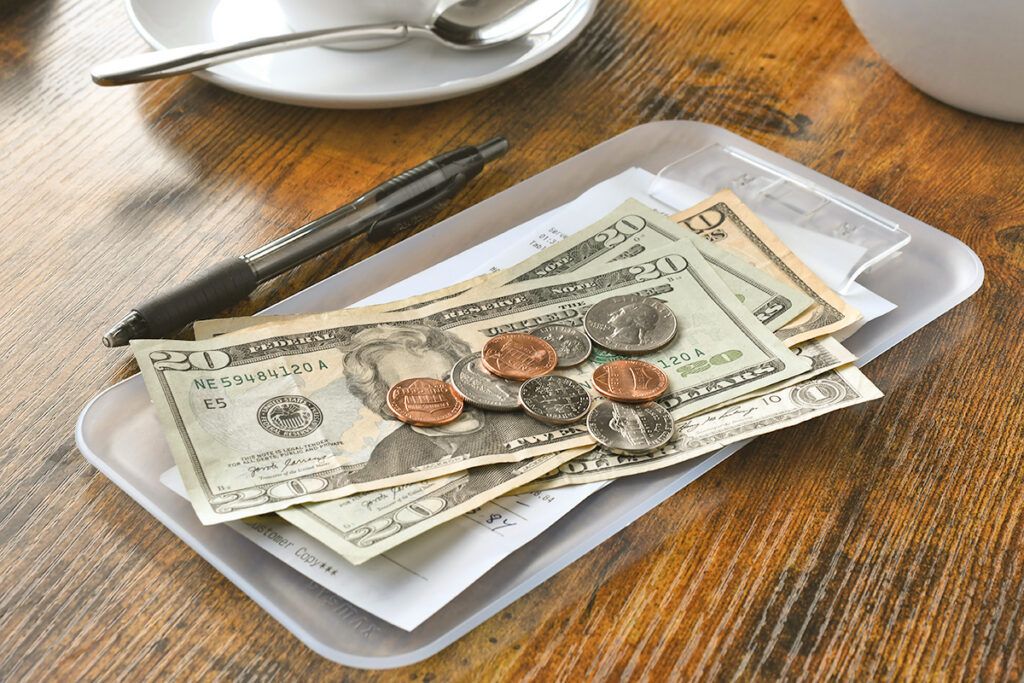
Cash and a bill
Credit: © MargJohnsonVA—iStock/Getty Images

What Do Cash-Paying Consumers Think of the Idea?

Even if the economics behind eliminating the nickel appear increasingly difficult to ignore, Americans may still need some convincing. Currency has a way of inspiring emotional attachments that far outweigh its monetary value, particularly for older consumers who still rely on cash transactions.

Advertisement
Advertisement

There are also logistical concerns. Retailers, banks, transit systems, vending machine operators, and laundromats would all likely need to update equipment and pricing systems to accommodate a newly nickel-less world. While digital payments dominate everyday commercial transactions, millions of Americans still regularly rely on cash — meaning any rounding policy could disproportionately affect lower-income households.

That said, the same concerns were raised for years about the penny before the Treasury ultimately decided the coin had outlived its usefulness. More than two dozen other countries, including Canada, Australia, the United Kingdom, and Italy, have already phased out low-value coins and adopted cash-rounding systems with relatively little long-term disruption.

For now, the nickel remains safe jangling around in Americans’ pockets, or lodged somewhere between their sofa cushions. But with the cost of producing the coin continuing to climb, and cash itself becoming less central to everyday life, the pressure to retire another piece of U.S. currency is unlikely to disappear anytime soon.

Advertisement

Featured Image Credit: © Winslow Productions/Tetra Images/Getty Images

More From Our Network

Better Report is part of Inbox Studio, an email-first media company. *Indicates a third-party property.

Go Retro With This 1960s Fashion Quiz

Quiz Daily

Go Retro With This 1960s Fashion Quiz

True or False: Are You a Master of U.S. Geography?

Travel Quiz

True or False: Are You a Master of U.S. Geography?

5 Reasons You Can Be Denied Boarding an Airplane

Daily Passport

5 Reasons You Can Be Denied Boarding an Airplane

What Did People Do Before Eyeglasses?

History Facts

What Did People Do Before Eyeglasses?

How To Use a Balloon To Clean Up Dust

House Outlook

How To Use a Balloon To Clean Up Dust

11 Shopping Hacks Costco Members Should Know

FinanceBuzz*

11 Shopping Hacks Costco Members Should Know

Share this article

  • Share to Facebook
  • Share to Twitter
  • Copy Url
  • Share to Email
Jennifer M. Wood
Writer

Jennifer M. Wood has been writing about news, entertainment, culture, and travel for longer than she cares to admit. She lives just outside Philadelphia with her husband and an ever-growing menagerie of rescue pets.

This article is for general informational purposes only.
Affiliate Disclaimer Medical Disclaimer Financial Disclaimer

Updated: May 8, 2026
Posted In: Wealth
Hero Image Credit: Better Report
Advertisement

Related Articles

13 Stocking Stuffers That Are Actually Useful

8 min read

The Best Gifts for Every Budget

9 min read

America’s Most Expensive ZIP Codes

5 min read

7 Gifts You Shouldn’t Waste Your Money On (and What To Give Instead)

8 min read

What Gifting Experts Get People Who Are Hard To Shop For

6 min read
Advertisement

6 Things You Didn’t Know Lemons Could Do

Home | Updated: June 1, 2026
Erin Scottberg
Author
Erin Scottberg is a Brooklyn-based writer, garden designer, and houseplant expert — and the founder of Full Sun Studio (fullsun.studio), a garden design and plant consulting studio in New York City. She holds an Urban Horticulture Certificate from Brooklyn Botanic Garden, an NYC Street Tree Pruner License, and an NYC Master Composter Certification, and spent three years as Head of Content and Education at The Sill. When she's not working, you can find her creating in her textile studio, running craft nights in her neighborhood, or hanging with her rescue pup, Sunny. She's an ambitious DIYer, avid composter, and has never been able to walk by a thirft store without taking a look.
Bowl of lemons
Better Report

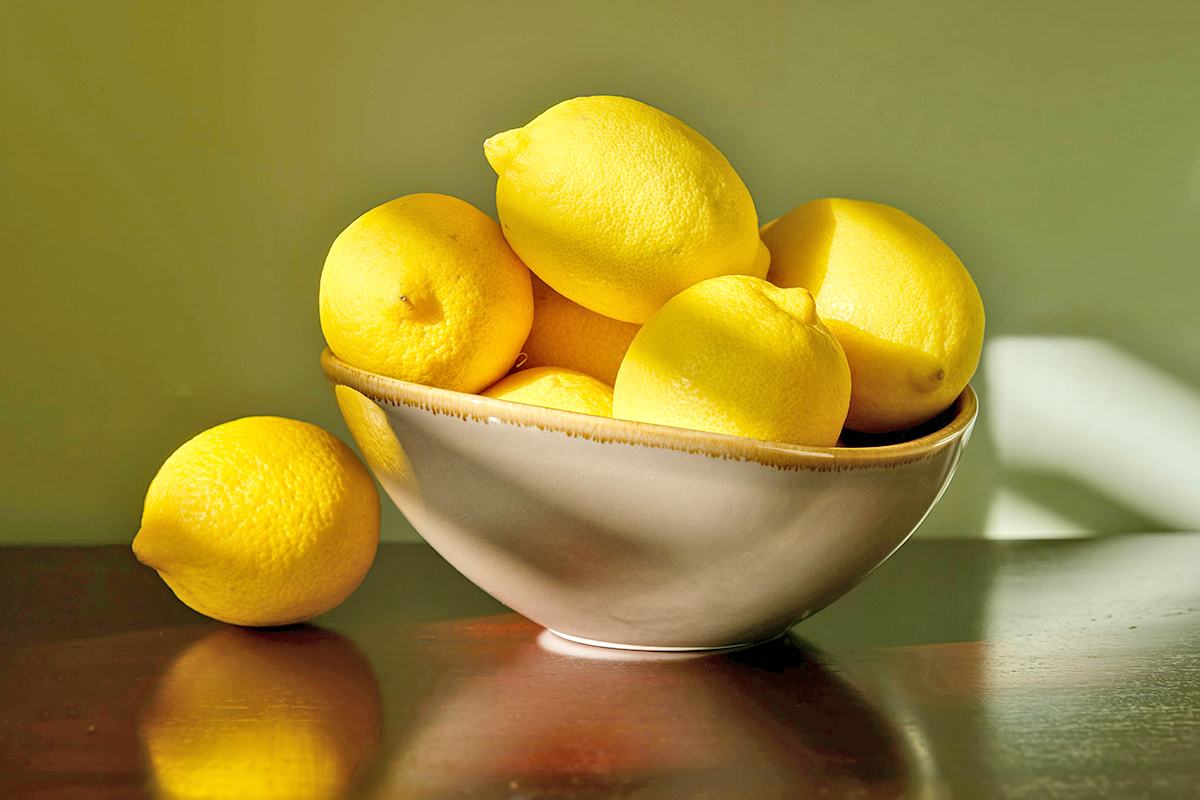
I buy at least one lemon any time I go to the grocery store. Why? Lemons are the kitchen’s biggest overachiever: They’ll zest up your pasta (or even a serving of frozen veggies), make your water feel fancy, and add a bright flavor to quick salad dressing. But they also have a ton of uses beyond culinary applications — a lemon can clean your microwave, help you make pancakes, and save you a trip to the nail salon. Here are six surprising reasons to always keep a lemon on hand. 

Lemons in microwave
Credit: © IntelWond/stock.adobe.com

Clean Your Microwave 

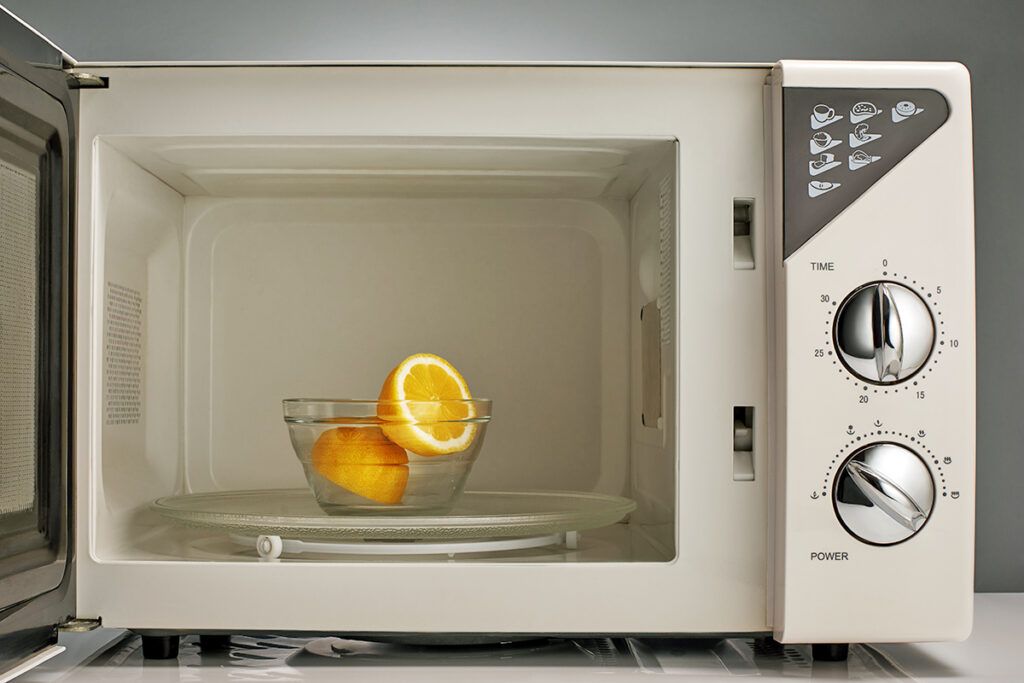
You know that baked-on splatter you ignore every time you open your microwave? Here’s the laziest possible fix: Squeeze lemon juice into a microwave-safe bowl of water, toss the halves in, and nuke it all for three minutes. Then let it sit for five minutes longer while the lemony steam does the heavy lifting. The citric acid acts as a natural degreaser and antibacterial agent, so when you finally crack open the microwave, all that crusty gunk should wipe right off. 

Advertisement
Advertisement
Cat in garden
Credit: © Osman Minaz/Pexels.com

Keep Neighborhood Cats Out of Your Garden

If you’ve ever found a mysterious “deposit” in your flower bed, you know the particular frustration of having a curious kitty in your neighborhood. Thankfully, there’s an easy, natural solution to this problem. Cats hate the smell of citrus — their noses are about 40 times more sensitive than ours, and that makes the scent of lemons (as well as other citrus fruits, such as oranges and limes) very unappealing. To keep the local felines from treating your garden like a litter box, scatter citrus peels around the edges. The catch: Peels have to be fresh (dried ones aren’t a deterrent), so you’ll need to replace them as they lose their scent. 

Cracked heels
Credit: © Pakawadee Wongjinda—iStock/Getty Images

Make a DIY Foot Peel With Aspirin

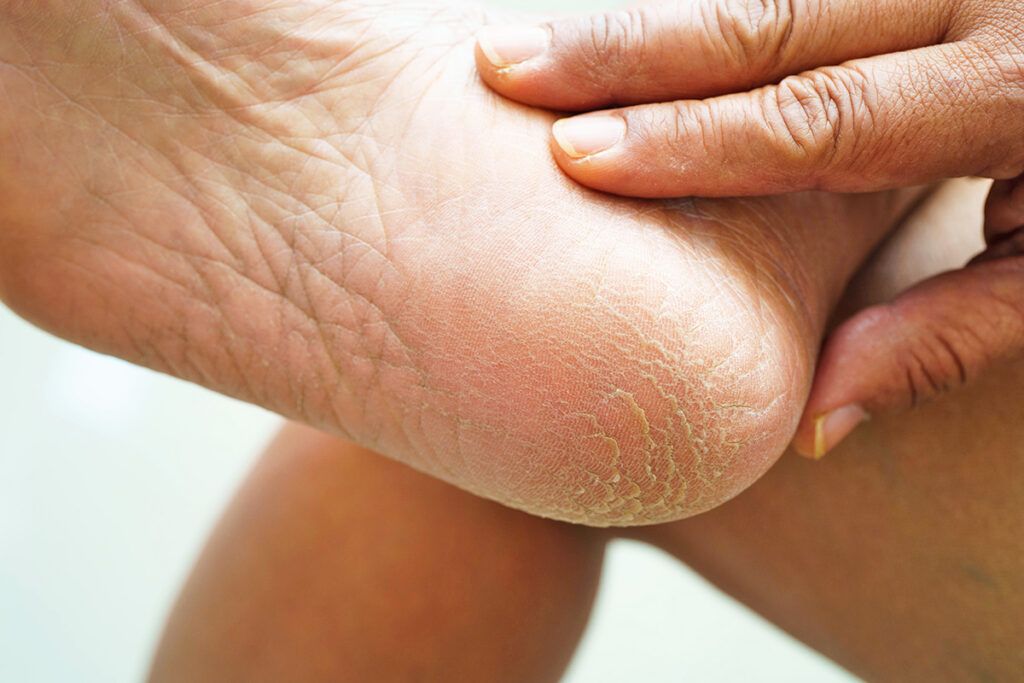
This sounds kind of wild, but it’s dermatologist-approved. To keep your feet in shape during sandal season, simply crush a few aspirin tablets into a powder and combine with freshly squeezed lemon juice and water to form a paste. Apply to cracked heels, wrap them in plastic and slip on some socks, and leave on up to an hour (but make sure to rinse immediately if it stings!). Finally, moisturize. The mixture is an acidic exfoliant that helps to loosen and dissolve dead skin — aspirin contributes aminosalicylic acid (which is related to the salicylic acid in acne products), while lemon juice amplifies the effect. 

Recommended Articles

  • 12 Foods You Shouldn’t Store Together

  • 13 Stocking Stuffers That Are Actually Useful

  • Are the Brown Marks on Your Skin Dangerous?

  • 7 Common Meds Seniors Overuse

Advertisement
Advertisement

Reader Favorites

  • Person washing part of a coffee machine

    18 Surprising Things You Should Never Put Down Your Drain

  • White car on the road

    The Best Cars for Resale Value, According to Auto Experts

  • Woman in bed drinking water

    Is It Safe To Drink a Glass of Water That Sat Out Overnight?

Pancakes
Credit: © Dazedream/Unsplash.com

Fake Buttermilk in a Pinch

Imagine: You’re three ingredients deep into a pancake recipe and realize you don’t have buttermilk. Save your breakfast by adding a tablespoon of fresh lemon juice to a cup of whole or 2% milk or heavy cream, let it sit for five to 10 minutes to thicken, and stir before using. It won’t be identical to the real thing, but it’ll do the job in pancakes, muffins, or cakes — especially when buttermilk isn’t the star flavor. 

Advertisement
Advertisement
Wooden cutting board
Credit: © Emilija Manevska—Moment/Getty Images

Scrub Your Cutting Board Clean

Wooden cutting boards are harder to sanitize than plastic ones because you can’t throw them in the dishwasher. Soap and hot water are usually sufficient to clean them, but if you want to give your wooden cutting board a deep clean, sprinkle the surface of the cutting board with some salt, cut a lemon in half, and start scrubbing. The salt acts as an abrasive and the lemon juice lifts stains and eliminates odors, making the board smell better than it has in years. Let the salty paste sit for five minutes, remove it with a bench scraper, and rinse the board well. 

Advertisement
Advertisement
Weeds in pavement
Credit: © Douglas Sacha—Moment/Getty Images

Kill Weeds (Kind Of)

Lemon juice is acidic enough to damage and kill small weeds, making it a nontoxic alternative to herbicides. That said, getting results from this hack requires a lot of lemon juice, and it will work only on young, small weeds with direct sun exposure. You’ll probably see the most success on gravel driveways or cracks between pavers — places where you can apply lemon juice liberally without worrying about affecting the plants you want to keep around. 

Feature image credit: © WJ Y/Pexels.com

More From Our Network

Better Report is part of Inbox Studio, an email-first media company. *Indicates a third-party property.

Go Retro With This 1960s Fashion Quiz

Quiz Daily

Go Retro With This 1960s Fashion Quiz

True or False: Are You a Master of U.S. Geography?

Travel Quiz

True or False: Are You a Master of U.S. Geography?

5 Reasons You Can Be Denied Boarding an Airplane

Daily Passport

5 Reasons You Can Be Denied Boarding an Airplane

What Did People Do Before Eyeglasses?

History Facts

What Did People Do Before Eyeglasses?

How To Use a Balloon To Clean Up Dust

House Outlook

How To Use a Balloon To Clean Up Dust

11 Shopping Hacks Costco Members Should Know

FinanceBuzz*

11 Shopping Hacks Costco Members Should Know

Share this article

  • Share to Facebook
  • Share to Twitter
  • Copy Url
  • Share to Email
Erin Scottberg
Writer

Erin Scottberg is a Brooklyn-based writer, garden designer, and houseplant expert — and the founder of Full Sun Studio (fullsun.studio), a garden design and plant consulting studio in New York City. She holds an Urban Horticulture Certificate from Brooklyn Botanic Garden, an NYC Street Tree Pruner License, and an NYC Master Composter Certification, and spent three years as Head of Content and Education at The Sill. When she's not working, you can find her creating in her textile studio, running craft nights in her neighborhood, or hanging with her rescue pup, Sunny. She's an ambitious DIYer, avid composter, and has never been able to walk by a thirft store without taking a look.

This article is for general informational purposes only.
Affiliate Disclaimer Medical Disclaimer Financial Disclaimer
Updated: May 27, 2026
Posted In: Home
Hero Image Credit: Better Report
Advertisement

Related Articles

12 Foods You Shouldn’t Store Together

6 min read

Should You Refrigerate Peanut Butter?

6 min read

The Most Popular Car Colors in the U.S.

4 min read

First-Date Etiquette Tips for People Over 40, According to a Matchmaker

3 min read

Why Doesn’t Plastic Totally Dry in the Dishwasher?

3 min read
Advertisement

Should You Refrigerate Tomatoes?

Jessica Levy
Home | Updated: May 21, 2026
Tomatoes in a fridge
Better Report

The beginning of summer is a glorious time at the farmers market. Not only is the temperature excellent (not too hot yet) for an outdoor shopping day, but the produce is at the top of its game — especially the tomatoes. I went from a tomato skeptic to a tomato lover when I got the best ones from my local farmers market and treated them properly.  

Whether you’re making an elaborate bruschetta or just eating tomato slices on their own, you want to make sure they’re at their best. And while it may feel like the right move to put them in the refrigerator, where you should store your tomatoes depends on a few factors. Let’s break it down. 

Tomatoes on the counter
Credit: © Gunnar Ridderström/Unsplash.com

The Case for the Counter 

To figure out how to best store your tomatoes, you’ll want to determine how ripe they are and also when you plan to use them. 

The refrigerator is a useful tool for extending the life of many foods, but for the most part, it’s one of the worst places for fresh tomatoes. In the fridge, tomatoes become mealy and lose flavor, becoming sour. This is part of why farmers market tomatoes are preferable to those you buy at the supermarket: They haven’t been chilled for transport and therefore haven’t lost taste and texture.

Advertisement
Advertisement

If you’re planning to make a meal with your tomatoes quickly, or if they need time to ripen, you can keep them in a dry area of the counter, stem-down — this prevents bacteria from entering the fruit and keeps them juicy. You can also put a little tape over the stem to keep them fresh. They should be out of direct sunlight and, ideally, at a temperature between 60 and 70 degrees Fahrenheit. Counter storage works for larger tomatoes and for smaller grape or cherry tomatoes as well, even though they’re in a container.

Advertisement

Fresh tomatoes last two to five days on the counter. Check them daily to ensure they don’t go bad — you’ll know your tomato is ripe when it’s uniform in color and tender to the touch, whereas an overripe tomato will be soft and possibly start leaking. 

Recommended Articles

  • 12 Foods You Shouldn’t Store Together

  • 13 Stocking Stuffers That Are Actually Useful

  • Are the Brown Marks on Your Skin Dangerous?

  • 7 Common Meds Seniors Overuse

Advertisement
Advertisement

Reader Favorites

  • Person washing part of a coffee machine

    18 Surprising Things You Should Never Put Down Your Drain

  • White car on the road

    The Best Cars for Resale Value, According to Auto Experts

  • Woman in bed drinking water

    Is It Safe To Drink a Glass of Water That Sat Out Overnight?

Cut tomatoes on a cutting board
Credit: © Peter Dyllong/Pexels.com

When It’s OK To Put Tomatoes in the Fridge

There are some scenarios where you should put your tomatoes in the fridge. Any cut tomatoes that aren’t used fully, for example, should be stored in the fridge. Cover them with cling wrap so they don’t dry out, then place them in an airtight container before putting them in the refrigerator. They’ll last a day or two and stay safe from bacterial growth. 

Advertisement
Advertisement

Ripe tomatoes that are about to become overripe can also go in the fridge, where they may last for up to two weeks. That said, they likely won’t taste as good when you take them back out, so experts advise using them only in cooked dishes.

Tomato soup
Credit: © Curated Lifestyle/Unsplash.com 

Getting the Most Out of Your Tomatoes

If you have tomatoes that are ripe but you don’t want to eat them yet (or you’ve had them in the fridge), you can make a red sauce, turn them into soup, or freeze them whole and use them later.  Don’t just throw them in the freezer, though — take the time to blanch the tomatoes. Drop them into boiling water for 30 seconds, then put them in dated freezer bags. When you unfreeze these tomatoes later, it’s best to use them for recipes that require cooking. 

Advertisement
Advertisement

As we get ready for peak summer produce season, consider the refrigerator the last resort, instead of the first step. Your tomatoes will thank you. 

Featured Image Credit: © Getty Images/Unsplash.com

More From Our Network

Better Report is part of Inbox Studio, an email-first media company. *Indicates a third-party property.

Go Retro With This 1960s Fashion Quiz

Quiz Daily

Go Retro With This 1960s Fashion Quiz

True or False: Are You a Master of U.S. Geography?

Travel Quiz

True or False: Are You a Master of U.S. Geography?

5 Reasons You Can Be Denied Boarding an Airplane

Daily Passport

5 Reasons You Can Be Denied Boarding an Airplane

What Did People Do Before Eyeglasses?

History Facts

What Did People Do Before Eyeglasses?

How To Use a Balloon To Clean Up Dust

House Outlook

How To Use a Balloon To Clean Up Dust

11 Shopping Hacks Costco Members Should Know

FinanceBuzz*

11 Shopping Hacks Costco Members Should Know

Share this article

  • Share to Facebook
  • Share to Twitter
  • Copy Url
  • Share to Email
Jessica Levy

This article is for general informational purposes only.
Affiliate Disclaimer Medical Disclaimer Financial Disclaimer
Updated:
Posted In: Home
Hero Image Credit: Better Report
Advertisement

Related Articles

12 Foods You Shouldn’t Store Together

6 min read

Should You Refrigerate Peanut Butter?

6 min read

The Most Popular Car Colors in the U.S.

4 min read

First-Date Etiquette Tips for People Over 40, According to a Matchmaker

3 min read

Why Doesn’t Plastic Totally Dry in the Dishwasher?

3 min read
Advertisement

Posts navigation

Older posts
  • Home
  • Health
  • Wealth
  • Logo
  • Advertise
  • About
  • Contact Us
  • Privacy Policy
  • Terms of Use
  • Your Privacy Choices
x
Thumb Image

Elevate your everyday.

Sign up to receive the practical tips and expert advice you need to pare down the complexities of everyday living right in your inbox.

Sorry, your email address is not valid. Please try again.

Your email is:

Edit Image
Sorry, your email address is not valid. Please try again.
Thank you for subscribing...

By subscribing you are agreeing to our Terms of Use and Privacy Policy.

Close image
Thumb Image
Second Thumb Image

Elevate your everyday.

Sign up to receive the practical tips and expert advice you need to pare down the complexities of everyday living right in your inbox.

Sorry, your email address is not valid. Please try again.

By subscribing you are agreeing to our Privacy Policy and Terms of Use.

Close image